Dreaming about holidaying to a picturesque Italian town that is full of good wine and food, plus has incredible views like this?
View of Radda
Look no further than the Tuscany region and the beautiful town of Radda. The town was originally built as a fortified town, some of Radda’s original city walls and towers are still intact. It’s architecture isn’t the main attraction its primary claim to fame is as a wine destination.
With that there are a variety of wine bars, wine-centric restaurants and numerous well-known wineries in the surrounding countryside. So you can imagine it’s the perfect place to base yourself in Tuscany, it’s close to restaurants, surrounded by good wine and a drive away from major sites.
What to do in the Dreamy Town of Radda in Chianti
With an introduction like that you can guess that most of your time in Radda is spent drinking the fantastic wine, wandering the vineyards, eating and a day exploring the nearby towns. Here are 8 things to do in Radda, technically it’s 10 as point 8 is two day trips to neighbouring towns.
Wander the Street (Town Walls, the Government Building and Medieval Walkways
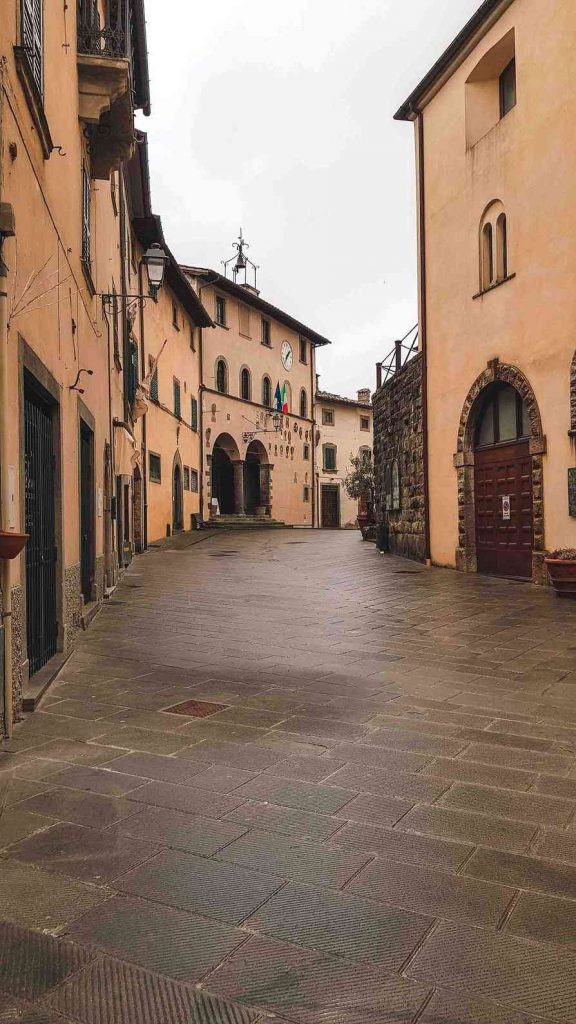
Streets of Radda
Radda was one of the towns in the Chianti region built as a fortified town to protect Florence from their “enemies”. The town had a few hiccups along the way and was completely destroyed in the invasion of 1478. Not to fear, the town was rebuilt (otherwise we wouldn’t be here)!
So take a wander around the cobblestone streets and explore the history of Radda, discover the hidden and the city walls surround the town.
Discover the Local Wineries
Bar Dante in Radda
Of course, wine lovers will have a great time during a Tuscany break, as outside the town the vineyards stretch for miles and the local shops all stock a good supply of famous Chianti wines.
I made a massive assumption when I was planning to visit the wineries that they would be open! You need to book with the local wineries to try their wine, especially during low season. We surprised this Italian lady when knocking on her cellar door, she really didn’t expect tourists to be wandering around wanting to try wine.
To find out what wineries are in the area skip to the next section.
Learn about Chianti Wine
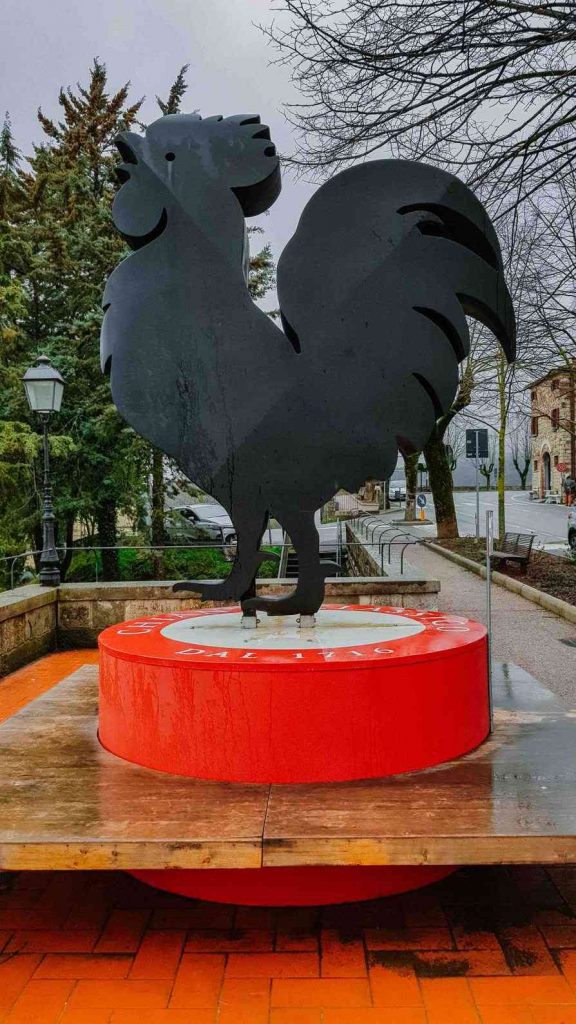
Black Rooster of Chianti Wine
Over 700 hundred years ago a wine brotherhood formed called Lega del Chianti. They were there to protect the Chianti region and improving agriculture, in particular, wine growing and making. Basically, they are the reason we have commercialised wine from the area.
The famous rooster on the Chianti classic wines used to distinguish the wine from the area actually comes from the middle ages when Chianti has a “black rooster against a golden background” as its emblem symbolizing the close relation to the land.
I wish there was a wine walking tour in the region that covers the history as it sounds absolutely fascinating, however, there isn’t so this would be a self-learning activity. Or ask one of the locals/ winemakers to tell you about the region and the wine!
Slightly further out in Greve there is a Wine Academy. They offer several tastings and tour options. The Lords of Tuscany wine tasting will teach you about the history of Tuscany while guiding you through a tasting of some of its great wines.
Eat lots of Italian Food
Classic Italian Pizza
Naturally in Italy you need to eat all the delicious Italian food. From casual trattoria (less formal than a restaurant, generally with no menus and wine served from a decanter) to restaurants offering a range of food from traditional dishes, cheese and wine pairings to pizzerias.
I’ve listed all the restaurants we visited in Radda below.
Try Cantuccini with Vin Santo for Dessert (Biscotti di Prato)
Try Cantuccini with Vin Santo for Dessert (Biscotti di Prato)
We were introduced to dipping cantuccini with Vin Santo (Biscotti di Prato) in Radda. This dessert is one of the more famous desserts from Tuscany. Either pick up the combination in one of the local stores or order at one of the restaurants (it’s a popular item on the menu). Simply dip the cantuccini in the wine. As the biscuits are quite hard the wine dipping softens the biscuit a little before eating.
It’s the most amazing biscuit and food combination ever! Replace my coffee and biscuits with this any day!
What is Vin Santo? It is a sweet dessert wine and golden yellow in colour. The wine is made from dried malvasia and trebbiano grapes from Tuscany that is aged in barrels for over three years.
What is Cantuccini? It is a twice baked almond biscuits.
Enjoy the views
The Chianti region is an area Tuscany that stretches between Florence and Siena. Have you seen the gorgeous photos around of Tuscany? If not, here is just a perfect example of how stunning the area is….
Find a spot where you can enjoy the endless views of vineyards, olive groves, the magical sunsets and just the scenery in general. A bonus if you find a balcony where you can have a glass of the locally produced wine!
Pick up a souvenir
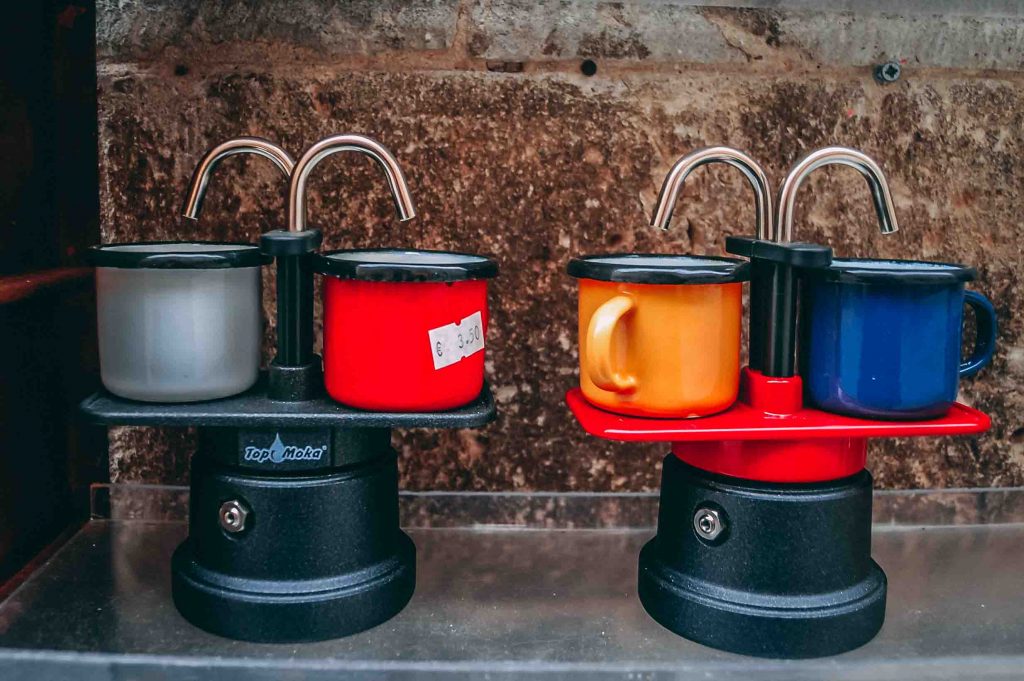
Stove Espresso Machines
Browse the boutique shops for traditional gifts and souvenirs, find locally made crafts and goods, and stock up on quality olive oils and wines. Buying souvenirs is not something I normally recommend but I love boutique shops especially ones that are selling kitchen gear! All the shops here are run by the locals so you will be supporting them as well.
Explore the Neighbouring Towns
The two choices I would recommend visiting on a day trip is San Gimignano and Sienna. The towns are roughly an hour’s drive from Radda.
The towns are hot spots for tourists so if you want to avoid crowds of tourist buses and vendors fighting for your dollar then head early or later in the day to get the full charm of the towns.
San Gimignano
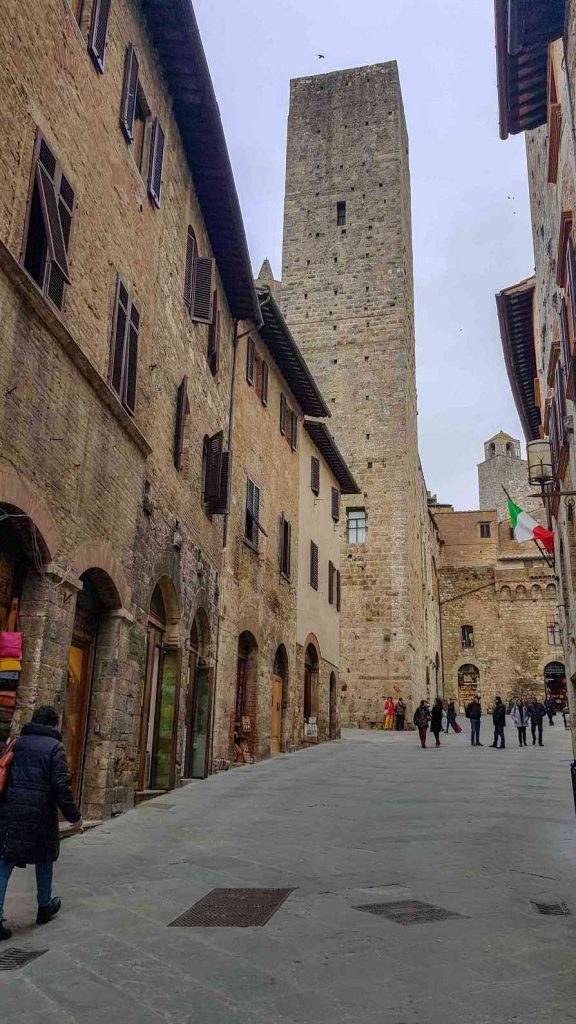
Streets of San Gimignano
Located up in the Tuscan hill side you will discover a visually striking and perfectly preserved walled town of San Gimignano. An iconic feature of the town is the 14 towers which once used to be 72. The locals used to have competitions on who could build the tallest towers until the Florentines decided to knock them down (except for San Gimignano lucky 14 towers).
Here’s a quick half a day itinerary:
At the centre of town is Pizzadella Cisterna, a lively square filled with history, rustic façade and most importantly the best ice-cream is located in the square! Gelateria Dondoli. Make sure you grab some gelato here as it’s amazing then perch somewhere and people watch.
Icecream from Gelateria Dondoli
Wander to the Piazza del Duomo where the Romanesque cathedral stands. You’ll find Sienese Gothic art from the 14th century. Admire the pair of towers nearby that have stood by each other for more than 700 years. The towers were built by the Salvucci family as vanity towers to show off.
Get a bird eyes view of the city by heading to the newer City Hall, at 200 feet it is the tallest tower in the town. In side the City Hall there is a museum that documents how people dressed, lived, worked and warred in the 14th century.
Other places to consider visiting:
Torre Grossa
Palazzo Comunale
Collegiate Church of San Gimignano
Sant’Agostino Church
Siena
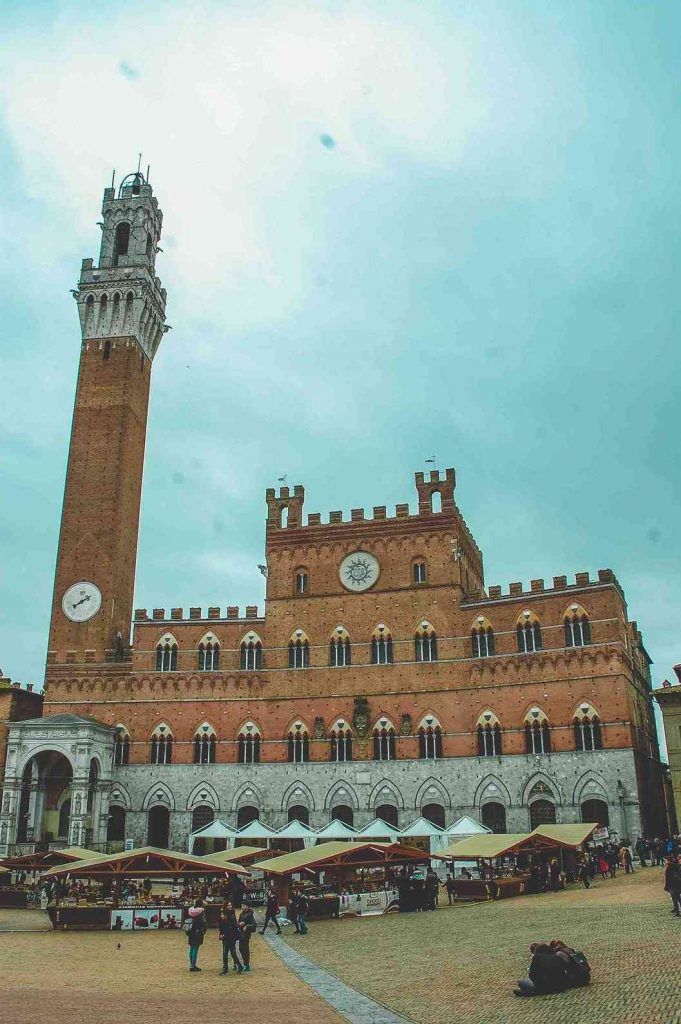
Located slightly south of Florence is the wonderful Tuscan city Siena. Immerse yourself in the Gothic wonders of the city, dramatic architecture and one of world’s most unique piazza.
Piazza del Campo
Here’s a quick half a day itinerary:
At the heart of Siena is the Piazza del Campo and should be the starting point of your visit. It is one of the biggest medieval squares in the world and has an unmistakable peculiar shell-shape.
Make your way to the top of the square to find Fonte Gaia, its one of the most beautiful fountains in Siena. Unfortunately, it is a copy but you can see the original at the Museum complex of Santa Maria della Scala.
Head to Torre del Mangia for a bit of exercise and breathtaking views. Once you’ve climbed the 400 stairs you will be presented with views of Piazza del Campo, Cathedral and the distant hills of Tuscany.
Climbing stairs certainly makes me hungry and there are lots of restaurants to choose from but I find the best places are the little hole in the wall types. Look no further than La Piccola Ciaccineria it’s a great little pizza place. There are no seats so you will need to find somewhere to perch but for the price and quality, I have no complaints.
Siena Cathedral
Other places to consider visiting:
the Cathedral
the Baptistery
the Complex of Santa Maria della Scala
the Public Palace of Siena
the Civic Museum
the Church of San Domenico
Local wineries that offer tours and wine tastings near Radda
Don’t be disappointed like we were and make sure you book in advance! All the websites, email address and phone numbers are included below to make the booking process super easy.
Vignavecchia
Vignavecchia winery
Only a short walk from town is Vignavecchia winery. It’s a winery that has been run by the Beccari family since the 1870’s producing a number of well-made red, white and rosato wines.
Winery in a castle anyone? A short drive away from Radda is the town of Volpaia. The village was built in the 11th century and most of the original architecture is still intact. The winery produces several highly-regarded Chianti, Chianti Riserva and Super-Tuscan wines and the whole village seem to be involved in the production!
Reservations are required to tour the cellar and/or taste wines. The price for this is 16 euros If you miss booking a tour then there is a restaurant plus it comes with a terrace on the castle walls.
Azienda Agricola Il Barlettaio is a local winery run in Radda run by the Minacci family. The winery is known for producing classic Chianti wine and produce a small number of bottles each year. We tried the:
Barlettaio 2014
Barlettaio 2013
Barlettaio Riserva 2011
Barlettaio 2012
Just outside the shops is some picnic tables where it is the perfect place to enjoy a glass of wine overlooking the stunning landscape of Tuscany.
Website: https://www.barlettaio.it/home%20gb.htm Telephone and Fax: +39 0577 738322 e-mail:[email protected]
Castello d’ Albola
Castello di Albola is a drive away from Radda, whilst close the winding Tuscan roads will take you a little time to get there. It’s the highest vineyard in the Chianti Classico region with elevations from 1,150 to over 2,000ft above sea level.
It’s beautiful estate that you can immerse yourself in Chianti Classico. The winery has been established since the 11th century and then bought by the Zonin Family in 1979. The family are passionate, dedicated and engaging winemakers. The estate upholds old practices of winemaking since it was opened. Try their Albola wines, including their awarded Chianti Classico and Classico Riserva. They also make an 8year old Vin Santo which means you can totally have Biscotti di Prato!
On the east hill of the village you will find Castello di Radda. It’s one of the newer wineries in the area and produces Chianti Classico with 100% Sangiovese grape.
The Beretta family bought the winery in 2003 to expand in their winemaking. As an already establish sparkling winemaker through their other business Lo Sparviere which produces the precious Franciacorta sparkling wines.
A short 5 minute walk outside the main centre of the town, down the hill and cannot be missed on your trip to the region.
The winery is set inside an old convent and is just magical. On a chilly evening you can warm up with the roasting fire but in the summer they have tables in the courtyard which will be an enchanting setting. A very friendly welcoming staff and superb food and wine.
P.s. no beer is served here, just their fantastic wine.
Website: https://www.casachianticlassico.it/en/who-we-are/ Phone: 0577 738187 or 0577 7382278 e-mail:[email protected]
Food and Drink in Radda in Chianti
Bar Dante
Cheese at Bar Dante
Our first meal in Radda was at Bar Dante. The staff were so welcoming the minute we walked in the door. After an extremely hard time trying to decide on the amazing selection of food we opted for something simple and went with the cheese board and wine pairing.
A great introduction to Chianti wine and the cheese was delicious.
La Loggia Del Chianti
Tiramisu at La Loggia Del Chianti
We stopped here for dinner one night and the food was exceptional. Starting off with olive oil served with bread was particularly outstanding. I couldn’t get enough of it (mainly the olive oil).
We then moved into pasta courses which again were incredible. My only disappointment was when my dish of ravioli arrived it only came with 5 pieces but this happens with this type of dish. To top off the food we got tiramisu.
The waiters did struggle to speak English but having a little Italian behind us we were fine.
Pizza Pie
Pizza at Pizza Pie
For a slightly cheaper and filling meal go to Pizza Pie. I swear the pizza was 20″+ and only cost around 20 euros. Again the food quality was amazing. I definitely rolled out of the restaurant…
La Bottega di Giovannino
Good, authentic Tuscan food, excellent wine bar and really lovely staff. When I told them it was my boyfriends birthday they surprised us Cantuccini with Vin Santo. It was the first time I have ever tried this and now I think is now the best thing in the world.
Pasticceria Gelateria Sampoli & Lapis
Perfect place to grab coffee and breakfast. Walk up to the bar, place your order, find a seat and enjoy the buzz of the local doing the same thing around you.
When to Visit
When wine and good Italian wine is involved any time of the year is perfect for a visit. Of course there will be times of year that suit other more. Summer is perfect for the sun-worshippers as you will enjoy 30-degree weather. Prefer fewer crowds and milder temperature then Autumn and spring will be the perfect time with the temperature around 15c to 25c. The winters do get chilly being surrounded by the mountain which means that there will be snow. If you love winter then these are the best months for you.
Where to stay in Radda
As the town is small there is a limited amount of hotels and price ranges to choose from but there are enough options to suit most people budgets. Airbnb is also another option for the area. We stayed at the Palazzo Leopoldo during our time in Radda.
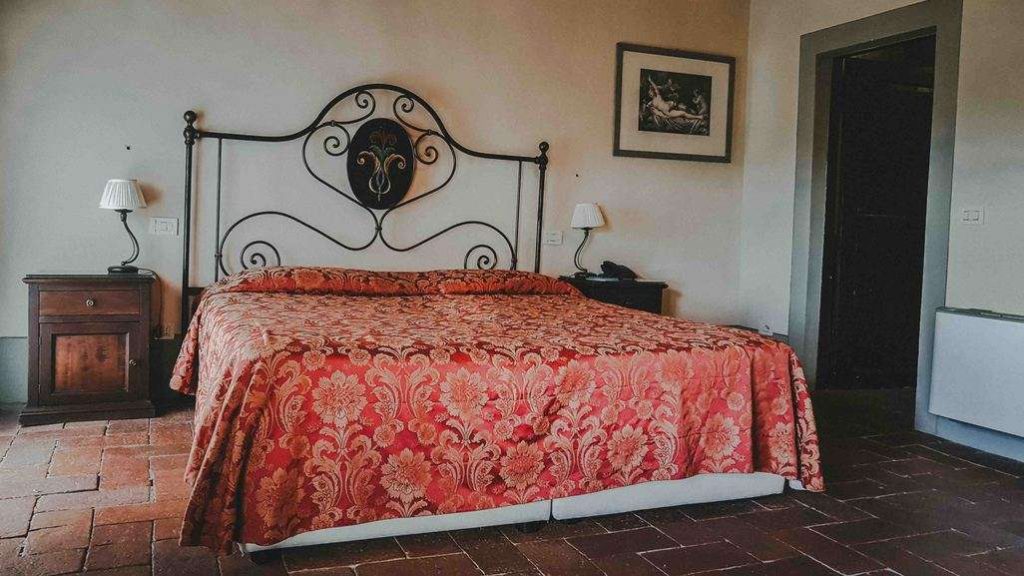
Palazzo Leopoldo Dimora Storica & SPA
Palazzo Leopoldo Dimora Storica and SPA
Located in the middle of town the hotel is walking distance to the restaurants and local wineries. Plus any hotels have Scenic views especially of the Tuscan landscape is a winner.
The rooms are spacious with lush bathrooms and stunning views. The hotel offers an indoor pool and hot tub in the cellar, beneath the vaulted brick ceilings. General amenities are offered like free Wi-Fi and there is free parking in the town.
The staff were super friendly and knowledgeable about the area so if you have any questions about the area don’t forget to ask. In the rooms you will also find a folder detailing things to do in the area.
Palazzo San Niccolo
Palazzo San Niccolo is the sister hotel of Palazzo Leopoldo and located just across the road. Similar style as Leopoldo tastefully decorated rooms, spacious, clean, with modern finishing, the bathroom are spacious and beautifully decorated.
How to get to Radda
For our trip we flew in Pisa and drove to Radda from there. It’s a cheaper destination to fly into and it’s only a 2-hour drive away. Florence is slightly closer to Radda and only an hours drive.
Driving is the best option to get to Radda, there are buses but not very frequent. I highly recommend getting a GPS for your journey if you decide to drive.
For bus options:
From Florence you will need to take SITA 365A to Lucarelli (64 bus stops btw!) and swap to the Siena line S101 which will go first to Radda.
From Siena you will take the bus 125.
Parking in Radda
The parking in Radda is either around the city wall or on the main street. There is limited parking available but there will be both free and paid. Just look out for the white lined parking areas to score the free parking. The areas that have a blue outline will be the paid sections.
London is one of my favourite cities in the world! There is always something to do and explore. I still to this day have a hit list of all the places that I want to visit, it’s never ending.
As this will be your first time in London, trust me, you’ll have a great time! There is something for everyone and a never-ending supply of activities, food, bars, theatres and much more to explore.
Why is this London Travel Guide Different?
I want to make sure that you have the best resource for your first time visiting London. There are a lot of key things you should know to make the most of your trip. I come from a from a small city and I was confused as hell when I first landed at Heathrow! I am sure like me you want to arrive ready and prepared for your London trip.
This is why I’ve made this London First Timers Travel Guide, so you have a one-stop resource for everything you’ll need to know.
This First Timers Travel Guide will give you the breakdown on:
Things to do and see
Planning Your Trip to London (all the practical things!)
The best hostel and hotels
What areas to stay in
Restuarants and Bars
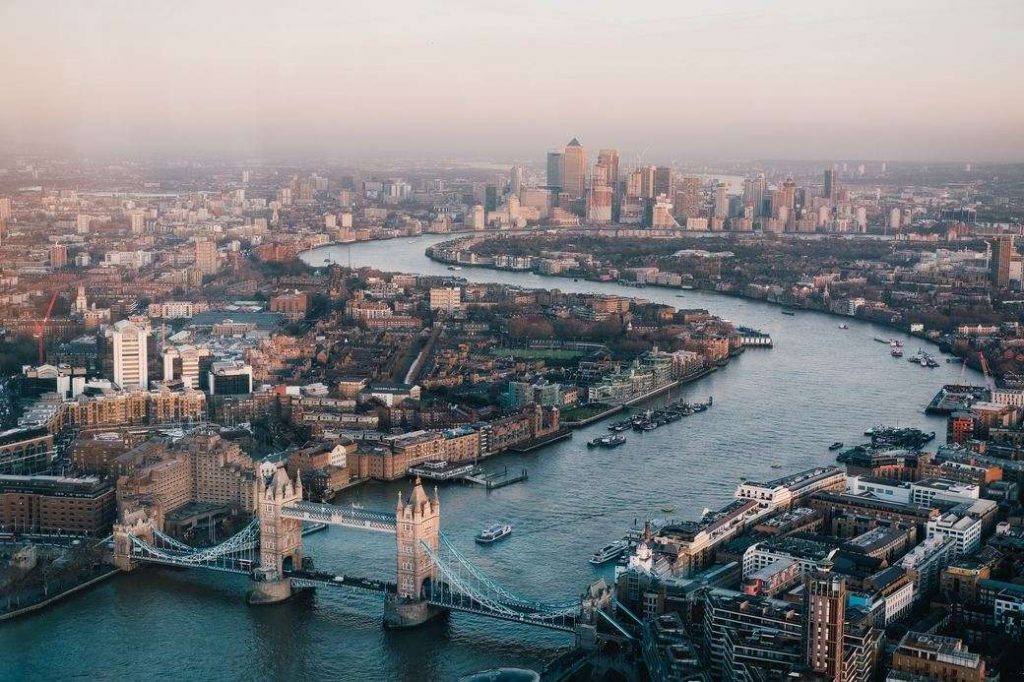
London at a Glance
Aerial view of London
Costs, Top Attractions, Weather and Best Time to Go
London is well known to be one of the most expensive cities in the world, so it is key that you plan and make your pounds go further!
The great thing about London is the museums are free and there are ways you can experience things that cost money for less (included later in the guide). These can easily activities can easily be mixed and matched.
Average Costs in London
Budget
Dorm Beds £15 to 30 Markets, Lunchtime specials for food £3 to £15 (per meal). If you get a kitchen you can definitely save money here! Visit all the free museums and cheap sights! Travel zone 1 & 2 up to £8.40 (per day) or walk (completely free ;))
Midrange
Double Room in a Hotel £100 Dinner with Drinks £30 Theatre and Paid Sights £10 to £15 Travel zone 1 & 2 up to £8.40 (per day)
Top End
Four-star/ boutique hotel £200+ Three Course Dinner with Drinks £80 to £100 Theatre and Paid Sights £10 to £200 Cab Trips £30+
Examples
Just to give some quick examples of my spending when I go out to have fun. The other day I had a big “night out” (i.e. it was my sisters birthday and I spoilt her). It cost £224 (£75 each) for 3 of us to go out in Soho. What we bought was one round of cocktails, one bottle of wine at a wine bar and dinner was 3 courses (tapas style), one bottle of wine and a jug of margaritas.
The other day I went out for a low key Saturday night microbrewery which involved burgers with chips and 3 rounds of drinks then we stumble on a wine bar which included another bottle of wine plus a sherry to take home. This all came to £70 between two of us.
Things To Do in London
My favourite things to do in London for some reason all revolve around exploring hidden gems of London, food and drinking! But as it’s your first time in London you need to see some of the famous sights as well. My list is not definitive (London has months worth of activities!) and tailored to what I think you should see when you first come to London.
Before you head to the sights and pay for entry have a look at:
Days Out Guidewhich offers you 2for1 deals on London attractions. Great if there is a group of you just make sure you buy a National Rail ticket (oyster and TFL tickets don’t count) and get the vouchers (either print online or get one at a National Rail station).
The London Pass will provide you access to loads of sights. Simply purchase how many days you would like, active the card within a year (i.e. your travel date) and show it at the venue.
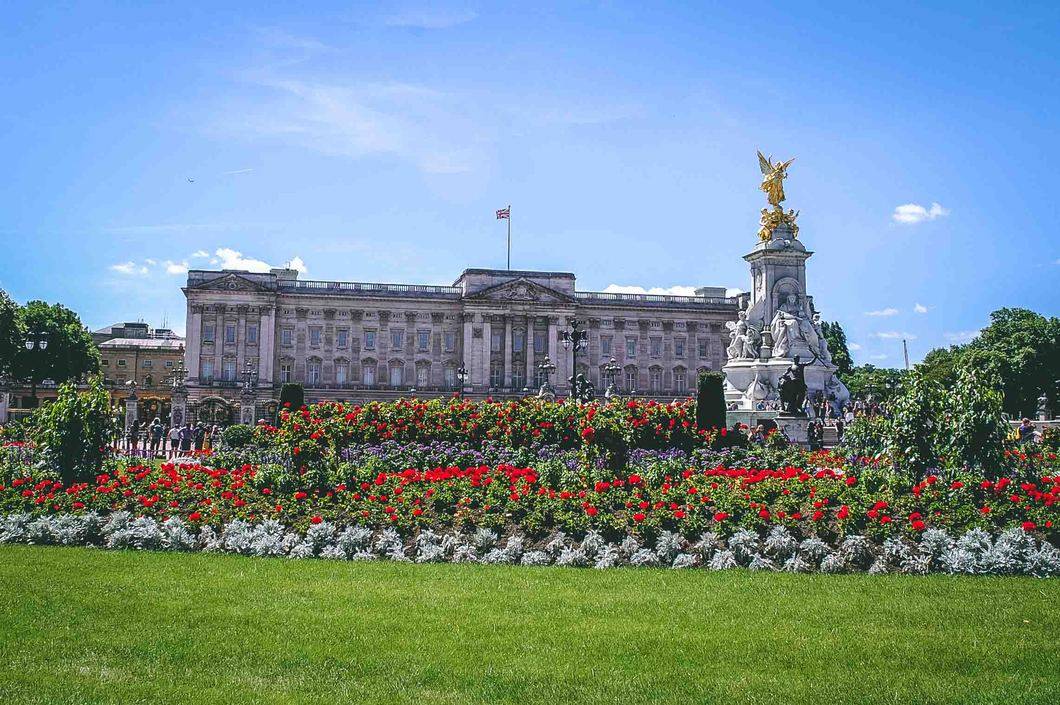
The beautiful garden at Buckingham Palace hiding all the tourists.
It is one of the few remaining working royal palaces. You might even see the Queen drive past (I honestly did see her drive past once when I was on a walking tour).
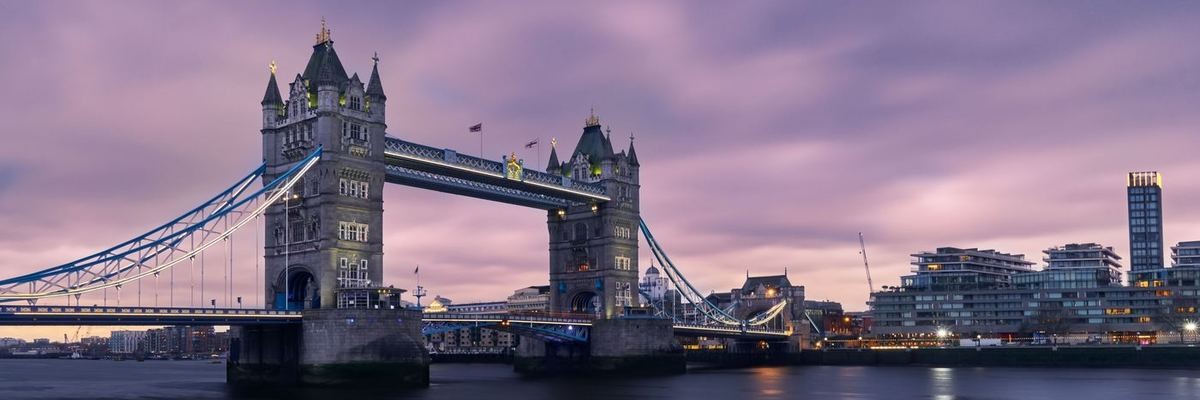
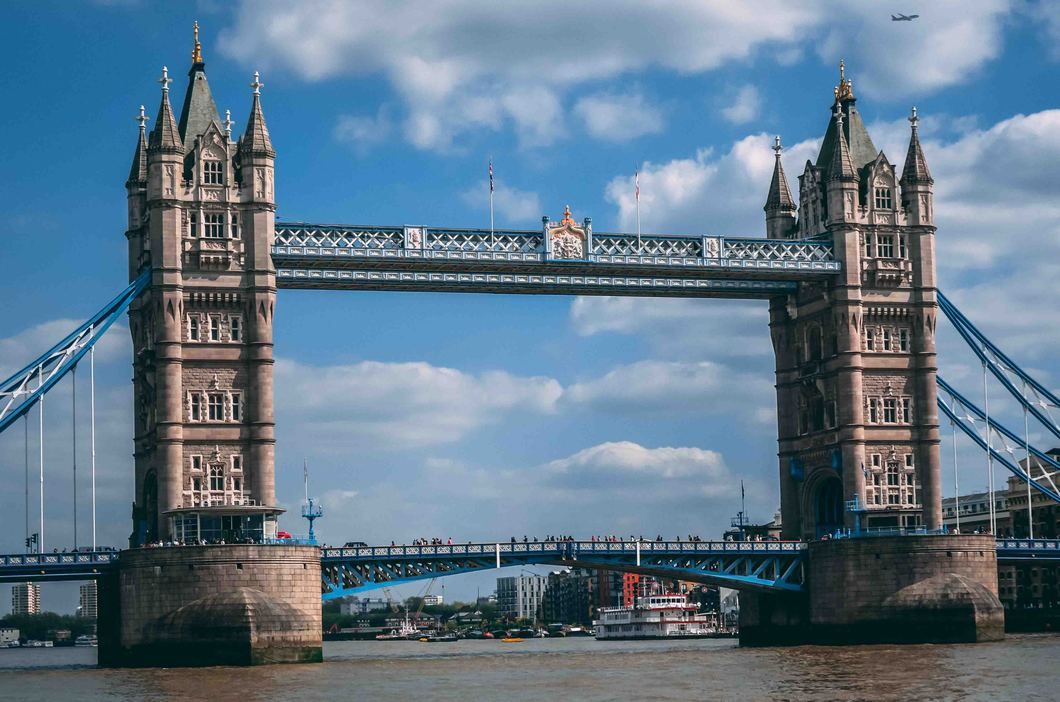
The Tower of London and Tower Bridge
If you are keen to watch the bridge go up check out the latest time at Bridge Lift.
Everyone always thinks that Tower Bridge is called London Bridge. Tower Bridge is the pretty one you want to see, the other is just a plain old boring bridge however it is a great photo op place for Tower Bridge.
All the Museums and Galleries
The best thing about London are the museums as they are all free!!! Here are just some of the ones you can visit:
Big Ben is going through a couple of repairs at the moment as it’s sinking (needs a little TLC). Still, see the Parliament building but expect loads of scaffolding.
Piccadilly Circus and the Trafalgar square
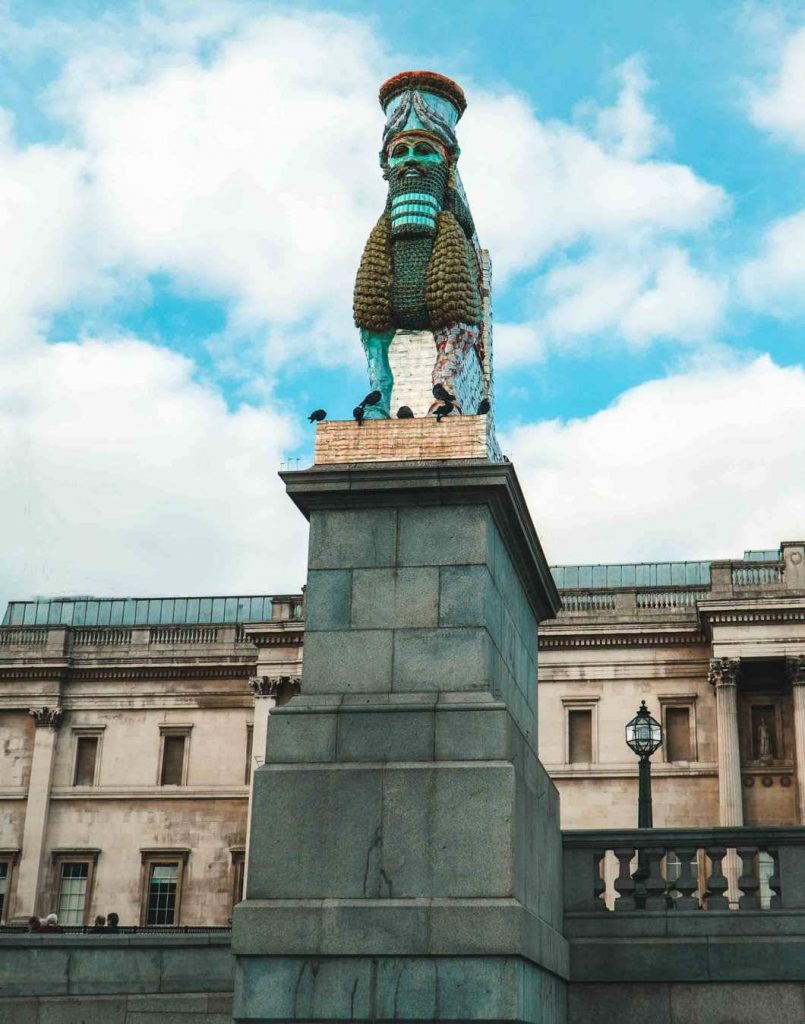
Fourth Plinth in Trafalgar Square
See the latest statue on the Fourth Plinth in Trafalgar Square. So there is more to do in the area then just see the plinth nearby are all the theatres, China Town and restaurants.
Westminster Abbey
Most of us will remember Westminster Abbey from Kate Middleton and Prince William’s spectacular wedding in 2011 but the Abbey has played a big role in UK’s history. Benedictine monks set-up up the original church around 1050’s but in 1245 Henry III pulled down the church and replaced it with the Abbey we see today.
Impressively since William the Conqueror (way back in 1066), the Abbey has been where the British sovereigns have been crowned with the exception of Edward V and Edward VIII that were never crowned.
If you got Westminster Abbey for a Sunday Service you can enter the abbey for free, the downside to this is that you won’t be able to roam around for free.
Explore the best parks in London
There is always a good reason to explore one of London’s beautiful parks from boating in Hyde Park to deer-spotting in Richmond. During a sunny day Londoners will flock to the parks enjoying picnics, drinks, brisk walks and some fresh air. Here are some of my favourite London parks:
If you want a perfect view of St Paul’s head to the roof of One New Change Building. The bar at the top is quite fancy so there will be dress code restrictions but you can just visit the balcony without any restriction.
St Pauls has played an important role in London’s history from royal weddings to state funerals. Located near the river it’s one of London’s iconic attractions to visit. Even if you don’t make it inside the Cathedral it is a beautiful building to visit.
Fun fact, buildings in London can’t disrupt St Paul’s view. It’s classed as a protect view which is why London has some interesting shaped buildings.
Covent Garden
Covent Garden at Christmas time. It’s always so festive!
In the West-end you will discover Covent Garden! Home to a beautiful market, a hot spot for shopping, near the theatres, restaurants, bars and full of history.
Greenwich and Docklands
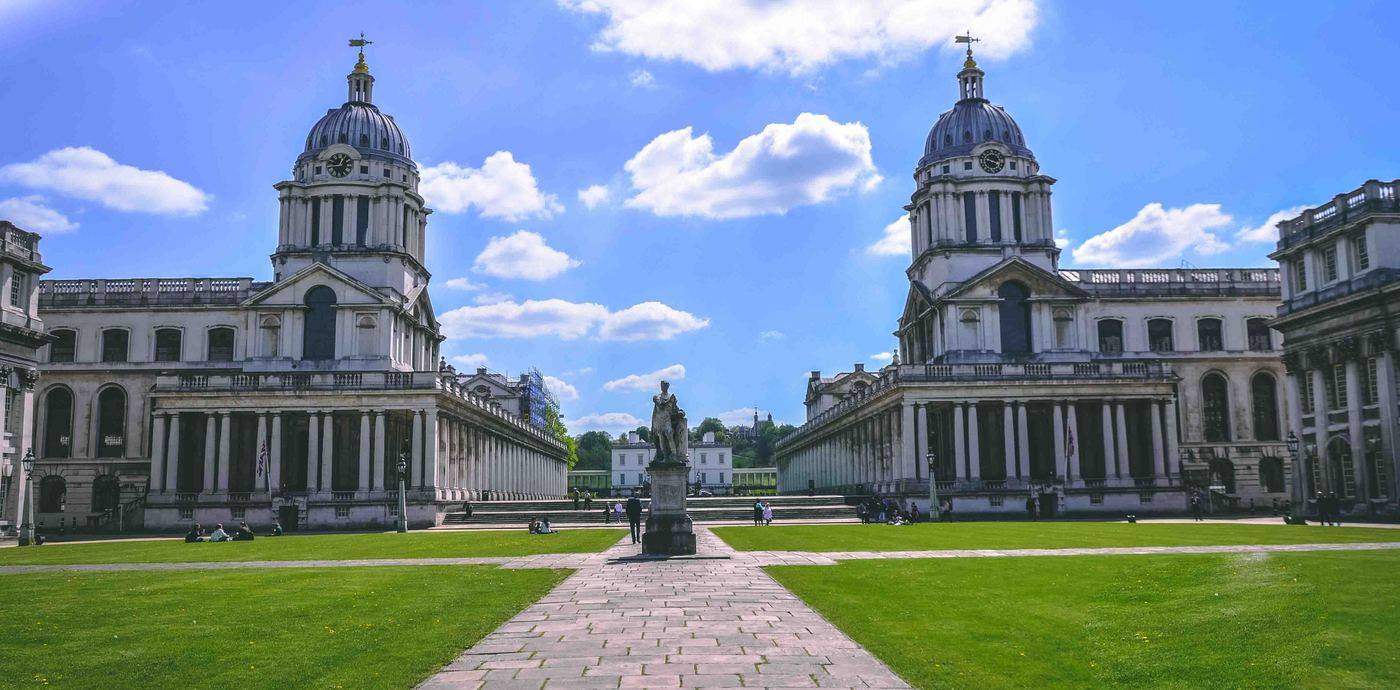
University of Greenwich
This is a day in itself from markets, museums to parks there is a lot of cover in Greenwich. The coolest thing is the Greenwich Mean Time (GMT) line (where the worlds time is set from).
Visit all the Markets and eat all the food
The delicious food at Bricklane Markets (open on Sundays).
Here are just a few of my favourite markets:
Leather-lane market and Whitecross street market are food markets open Mon to Friday during lunchtime. A popular place for those working in the area to grab food.
Borough markets is a must to see and just a great place for eating all the food tasters but my favourite place is the vegan burgers.
Bricklane markets are open on Sunday, lots of vintage, arts & craft and variety of food.
Mercato is another great marketplace style of venue offering lots of food and drinks options plus they have a cinema.
Columbia Flower Market is as the name says a flower market. Open on a Sunday it has a great vibe, buskers playing on the street, food stalls and coffee places!
See one of the great views of London
View from Duck and Waffle with a typical grey London day.
What better way to enjoy London’s view then in one of these wonderful buildings capturing panoramic views of the city.
Here are some of my choices:
The Shard – I suggest going to the Oblix Bar, it’s free to go up there and a lovely place to grab a drink whilst soaking up the views.
Sky Garden – It’s free to go to the Sky Garden you just need to book in advance.
Duck and Waffle at the Heron Tower – You need to grab breakfast here, delicious food and fantastic views!
Bussy and Franks – Slightly outside of the tourist area (still in zone 2) these two rooftop bars give amazing views on London.
The list could go one but I have listed my top 5 views of London so check out the article.
I just had a show a picture of the waffles at Duck and Waffle. Not only are they pretty but they are so tasty!!!
Do I need to buy tickets for museums and theatres in advance?
Museums will have exhibitions that you can buy tickets to. If there is an exhibition you want to see then booking this in advance is a good idea and it will be a time slot on a day. General entry to the museums is free and you will be able to see a lot of cool stuff without seeing exhibitions. I highly recommend the wildlife photographer of the year award at the national history museum.
Theatres are best to be booked in advanced if you are set on seeing a show and price range. You can get last minute tickets fairly easy as lots of people book in advance and don’t show but these will be various prices points.
Have a REALLY good London Attraction Suggestion?
There are endless things to do in London so I’ve barely touched the surface but would love to add your favourite attraction tip in. Let me know in the comments below.
London Weather
The weather is so easy to complain about in London! I think it’s the number one topic of Londoners. I always recommend bringing an umbrella and a jacket just in case.
If you are debating whether to visit in London in spring or autumn make here’s a list of local favourite events during these seasons.
Summer (June to August)
Warm to hot days, generally between 20 to 30 degrees and most daylight!
Autumn (September to November)
Milder day, generally between 10 to 20 degrees. Mostly sunny at the start of autumn and head to more drizzle towards November.
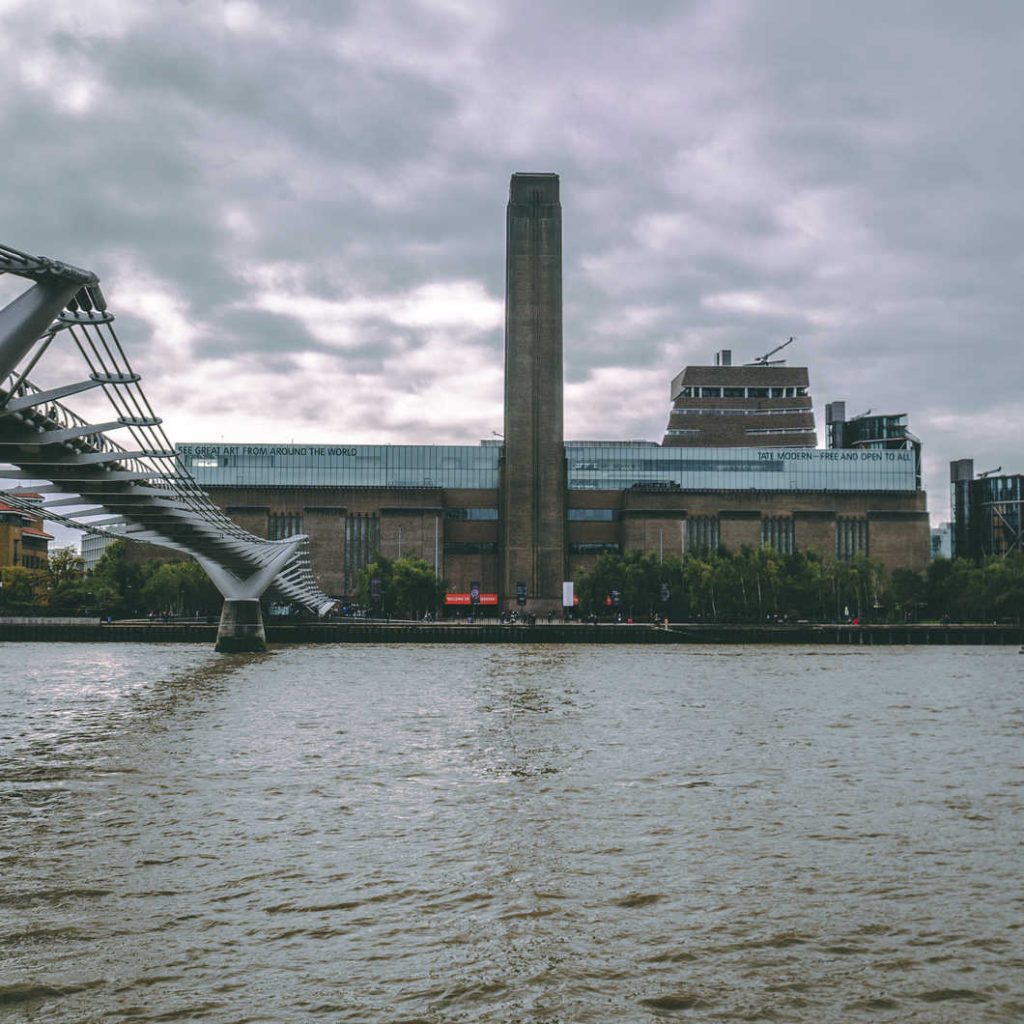
Cloudy autumn day over the Tate Modern.
Winter (December to February)
Cool days, generally around 0 to 10 degrees. Mostly drizzle or rain during the winter months.
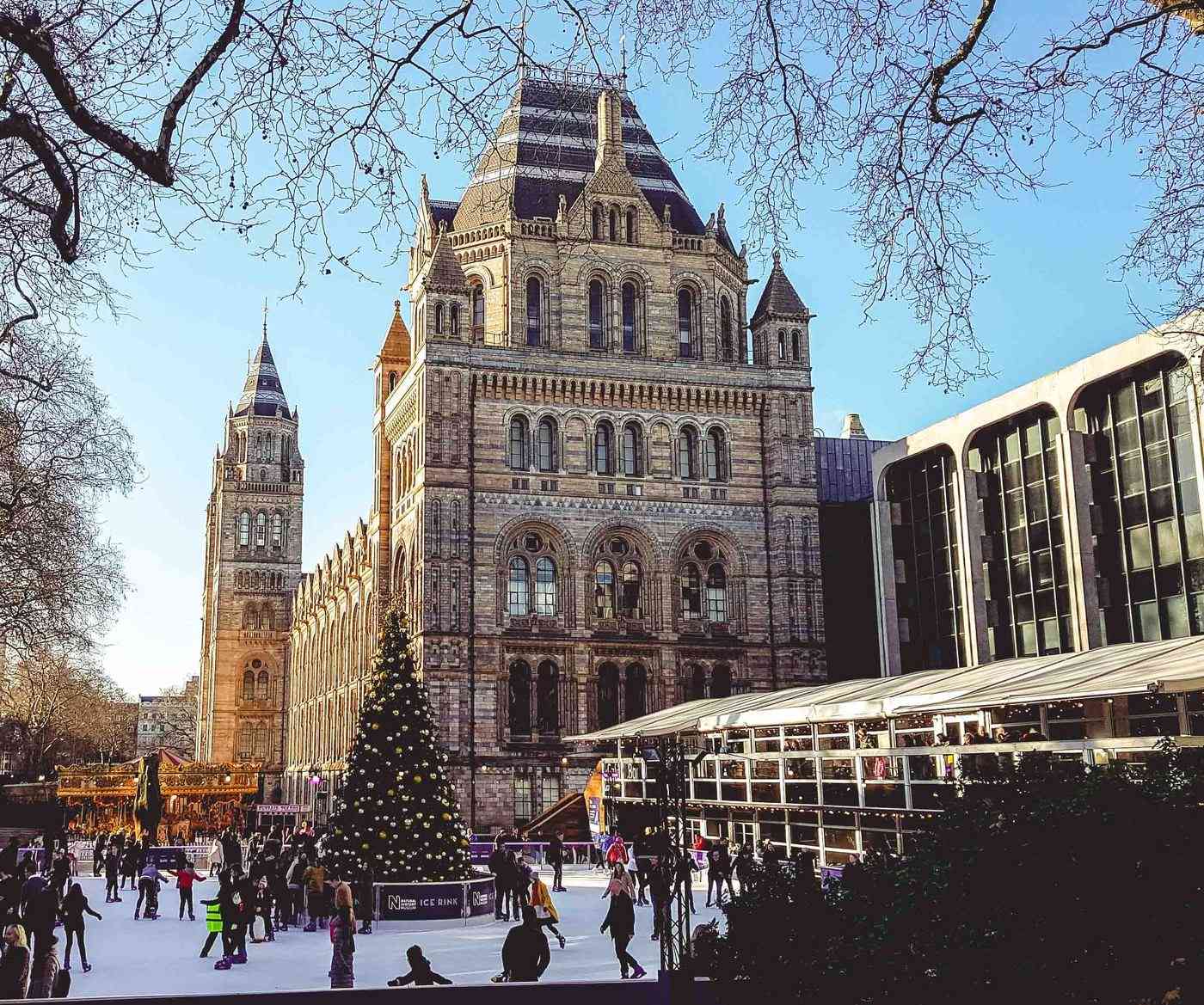
Natural History Muesum at Christmas time
Spring (March to May)
Mild weather, generally around 10 to 20 degrees. The weather can be hit and miss, either really sunny or drizzle.
The weather has slowly been changing in London and season seem to be later (at least to me). In 2018 we still had snow in late March and then a few weeks later a heatwave of 25 degrees with beautiful sun.
Best Time To Go To London
The ‘BEST’ time to go to London can vary a lot depending on what you want to do. Some people are picky about the weather, while others don’t want to blow their budget during high season. Here is how I see it: ANYTIME is a good time to be in London! Just beware that the UK weather is unpredictable, the weather likes to keep us on our toes.
If you like Good Deals: March to May & September to November
OFF SEASON. Heading to London outside of the school holidays has the most perks! You can enjoy lower hotel prices, people are friendlier and there is just better deals. If you are looking for a deal then avoid Easter and the May bank holidays.
Personally, I love travelling in Europe in September and October, the weather is generally warm, not too crowded and sunny!
If you love better weather then: July & August
The middle of the summer has the sunniest days and school holiday which means bigger crowds! As it is the summer season across Europe the whole continent will be more expensive. I would only recommend going over the summer if you hate rain, love hustle and bustle and have a bigger budget.
When to Avoid Travelling to the UK (in general)
If possible, DO NOT plan your arrival for Christmas Day or Good Friday. There will be NO available public transport, taxis will increase their prices and only a limited number will be open for check-in.
Planning Your Trip to London
Planning Your Trip to London
Tourist Visa in the UK
Being an Australian, a Kiwi, a Canadian, South African or an American you will not need a tourist visa and are allowed to enter the UK for up to 6 months.
An EU national can enter the UK without needing a tourist visa however who knows after Brexit and what immigration laws will be agreed.
How to Get a Tourist Visa London
One of the most important things about travelling apart from having enough money and a valid passport is to ensure that you have a visa or the eligibility to enter a country. Some nationalities will need a tourist visa when visiting the UK easiest way to check is by using the gov.uk website and you use their visa questionnaire to find out.
The questionnaire will provide links at the end to the application details. If you are eligible for a standard visitors visa then follow this link for all the details https://www.gov.uk/standard-visitor-visa.
Which airport should I fly into?
A question I see all the time is which London Airport should I fly into? The airports available will differ depending on whether it is a long or short haul flight and whether it is a budget airline.
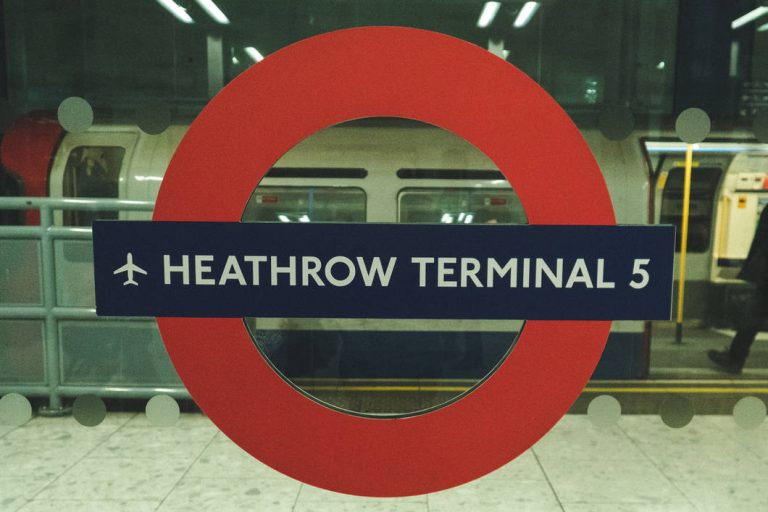
The tube is the easiest and cheapest way to travel from Heathrow to London.
Each airport does have access to transport to get into London and here is a breakdown using Covent Garden as the measure for distances/ time:
Heathrow Airport – 18 miles/50 minutes – London Underground (i.e. the tube) runs the Piccadilly line (dark blue line) to Heathrow, Heathrow Connect and Express (trains) taking you into Paddington Station and National Express Buses will run from Heathrow into London to various bus stations. The tube is the cheapest method is the tube costing £6.40 to get to zone 1. You will be able to Oyster Card or Contactless for this option (recommended) or purchase a ticket (not recommended).
Gatwick Airport – 28 miles/90 minutes – Gatwick Express, Southern and Thameslink all run train services to London Victoria and London Bridge. National Express runs buses into Victoria Bus Station (and a few others). The cheapest way is the bus but the trains are the quickest way which is about £8.40 to £25 into London. You can also use an Oyster Card or Contactless (bonus you won’t need to wait in a ticket queue if you use these options) on the train services or just buy a train ticket.
Stansted Airport – 38 miles/70 minutes – Stanstead Express runs train services into Liverpool Street station or you can catch National Express buses into Liverpool Street and Victoria. You will need to buy tickets for these services as Oyster Card or Contactless are not options.
Luton Airport – 35 miles/70 minutes – Thameslink runs services into London Bridge, London Blackfriars, City Thameslink, Farringdon and London St Pancras International (basically it’s all the same line). However, you will need to catch a bus from the airport to the station. Again National Express will run buses into London Victoria. You will need to buy tickets for these services as Oyster Card or Contactless are not options.
London City Airport – 10 miles/40 minutes – This airport is in the centre of London you will be able to catch Transport for London services (TFL) like DLR and buses. You will be able to Oyster Card or Contactless for this option (recommended) or purchase a ticket (not recommended).
London Southend Airport – 42 miles/85 minutes – I don’t really count this in my airports but technically it’s no further than Standstead Airport.
How to Get Around London
London has a wide range of transport it offers and little quirks to go along with it! City Mapper will be your best friend in London so make sure you download the app before arriving in London. I love it for figuring out transport modes and routes, however, the walking functionality to me is less friendly so I use Google maps for walking routes.
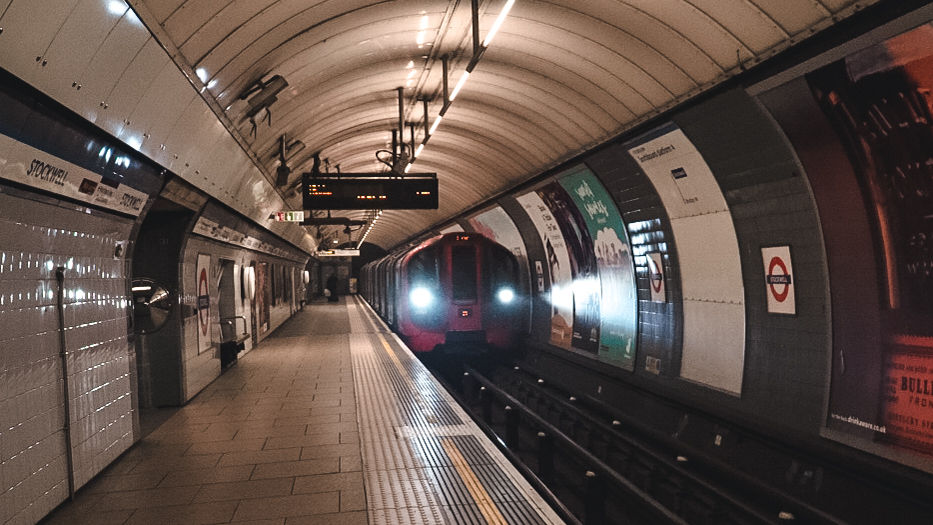
All aboard the bustling tube! Don’t let this photo fool you, peak times on the tube are intense! Super crowed platforms, everyone squeezing themselves on and occasionally smelling your neighbour’s armpit.
What is an Oyster Card?
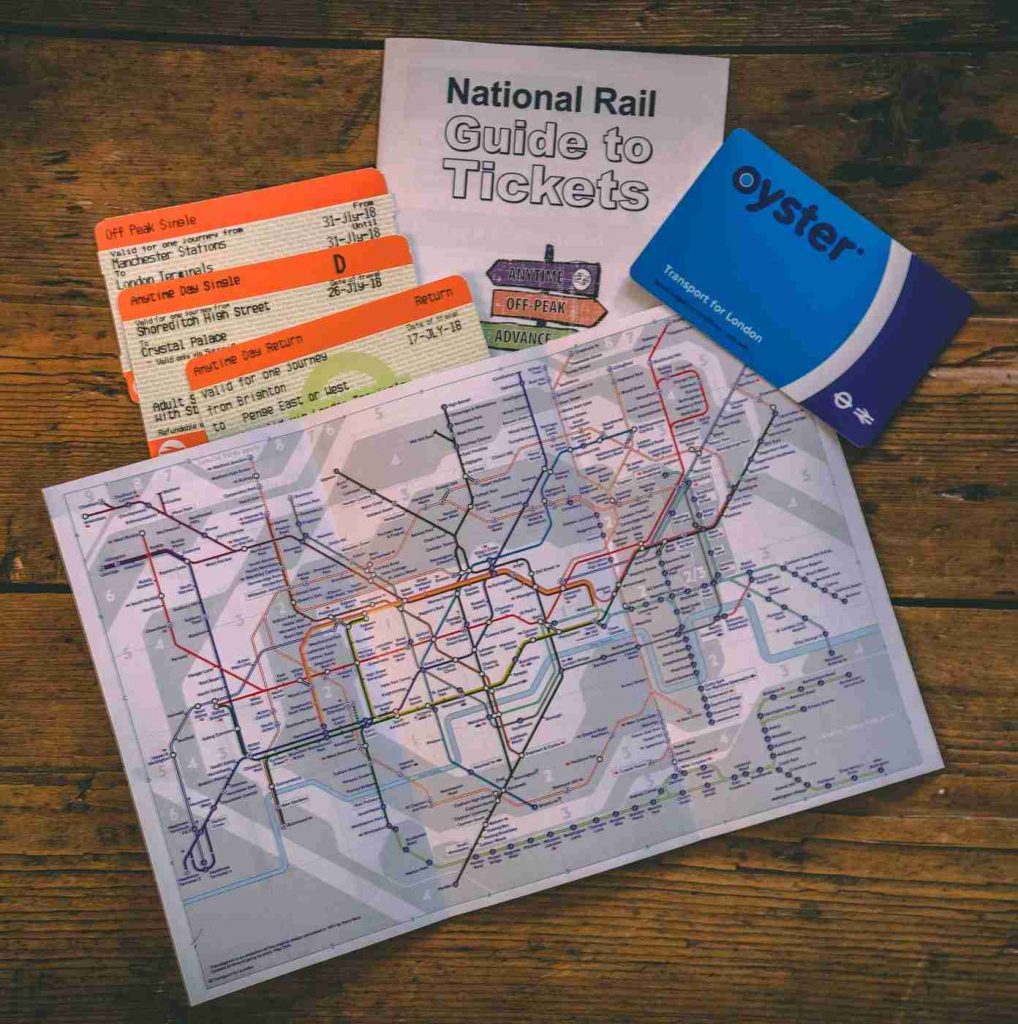
It’s a plastic smart card which holds credit to allow you to travel on the London network. The card can be used to travel on various modes of transport in London like a bus, Tube, tram, DLR, London Overground, TfL Rail, Emirates Air Line, River Bus services and most National Rail services.
You can buy an Oyster card at the ticket machines or as I mention above in things to in London you can buy this in advance. It’s £5 for the Oyster Card which you can get refunded when you are heading home plus any change left on the card.
You can also use contactless payments so if your card has the ability to do this then you don’t need to purchase or top up an Oyster card.
In the top left you have the orange credit card style National Rail ticket and in the top right you have the blue Oyster Card.
Quirks of London Transport System
As I mentioned in the airport section all airports will provide you with the ability to use Oyster cards and when you leave London zones you won’t be able to use your Oyster card either. You’ll end up having to buy a ticket when you arrived at the station, generally at a higher price.
If you buy a travel card be aware that Emirates Air Line and River Bus services (the ferry) will be an additional cost (it’s costly as well!).
There are two types of credit methods, pay as you go and travel cards. Depending on your itinerary will be the deciding factor on which type of credit you should by. Staying under 4 days you should do pay as you go and over 5 days you should buy a travel card. Be aware that the travel cards are either weekly (7 days) or monthly (30 days).
Is an Oyster Card the same as the London Pass?
No, the London Pass is a card a discounted prepaid card which gives you access to certain attractions.
How hard will it be to navigate the trains? How long of a ride is it?
I found the tube the easiest mode to concur when I arrived in London. At the stations there will be tube or national rail maps which are free and will help you navigate the system. The buses require a little more coordination and needing to know where the stands are.
Should I Rent a Car?
London is so easy to get around without a car there should be no need for you to rent a car whilst you are here. Planning to travel more of the UK then look at getting a car when you have finished in London. I tend to pick up cars from the airport or further away location so I am not stuck driving in London (the traffic is horrible).
Buy Travel Insurance
Travel insurance just gives you that piece of mind and protects you from the unknown. It always recommended that you purchase travel insurance and it is a prerequisite for some of the visas as well.
It’s worth mentioning that a few countries have reciprocal health agreements with the UK such as Australia, New Zealand and Canada which means you can get healthcare when travelling.
London Packing Tips
Bringing the kitchen sink isn’t a good idea if you struggle to carry the bag up and down staircases, uneven payment or crowds. London’s infrastructure is quite old and means that there isn’t a lot of lifts or accessibility around the city.
Clothes:
Casual Wear – London is quite chilled with its clothing vibe unless you are living it up in the rich life! I can’t remember the last time I wore heels on a night out. The general items like tops, jeans, skirts or even shorts in the summer.
Formal-ish Outfit – People do make an effort to look casual smart like a nice dress on or guys will wear a long sleeve shirt. The ladies can convert a simple dress with some jewellery, a jacket and comfortable shoes. Guys might want to pack a light collared shirt, some nice jeans and closed shoes. Personally I mix it up between a top/jeans and dresses with flat shoes or boots. My boyfriend tends to wear collared shirts and jeans with closed in shoes.
Comfy Shoes – Pack your walking shoes! It’s key to making the most of your trip to London. Pack another pair of shoes that you can pair with a nice outfit for nights out.
Jumper, Coat or Jacket (and Winter Wear) – This is a must! The weather in the UK can be so unpredictable, it could be July and you still hit a 15-degree day then it shoots up to 25 and during winter it can get cold. Considering it was still snowing in March it just shows all the extremes of the weather (albeit unusual for us). During the summer bring a light jacket and jumpers. London doesn’t have the coldest winters but it’s cold enough to warrant scarfs, gloves and big jackets.
Nightwear – Staying in a shared room then you need nightwear but if you are living the high life in a private room or hotel I will leave that up to you.
Personal Care – The usual items like toothpaste, hand sanitiser, face wash, deodorant, shampoo and conditioner.
Technology:
Camera – Optional item to take with you.
Phone
Laptop – Optional item to take with you.
Chargers – Phone, laptop and camera chargers.
Battery Pack – if you plan on using your phone loads this is an essential item (at least to me).
Power Board – I find having a small power board is a handy item to have whilst travelling, especially, when you have lots of electronics to charge.
Adapter / Converter – Universal adapters are the best to carry around and there is no need to worry about carrying one for each country you visit! If you do forget you will be able to pick one up so no need to worry! Hotels and hostel can have loan ones available too. London uses the 3 prong UK plug at 230V, so unless you are from the UK you will need an adapter/converter.
Money
In the UK, we use the British Pound (GBP). The currency does have a few nicknames like Pound Sterling, Sterling, Quid and Nicker so you might hear these said by the locals. Card is widely used in the UK and in London some places are turning card only so having a pre-topped up travel card, debit card or credit card before you come is a must.
There are exchange places dotted around London and lots of ATMs around if you do wish to get cash out during your stay. If you are using cash the currency is broken down into:
Banknotes: Frequently used are £5, £10 and £20 (this is the only notes ATMs will dispense). Rarely used are £50 and £100 (it’s really hard to spend £50 & £100. If a currency exchange or bank gives you theses ask for smaller notes).
Coins: 1p, 2p, 5p, 10p, 20p, 50p, £1 and £2.
If you forget, don’t fret, you can use your card and then take out cash when you are in the city. Airport exchanges and ATMs will give you a worse exchange rate so you are best off waiting to get cash out. It’s there if you do need it.
I have to admit, converting my Australian dollars into Pounds makes me sad. When you have $50 and it ends up being £25 to £30 (on a good day).
London reminds me of little towns put together to make a city and each area has its own vibes. You will find no “best” neighbourhood to stay in London as it is dependent on your interests and budget. For a weekend central areas will be way more convenient than being a few zones out but if you are here for a week being less central will help the budget.
It’s also crucial that you can either walk place or are near good transport links as it’s what us Londoners rely on.
I’ve detailed 15 of the best places to stay if you want somewhere that is walking distance to London’s best attractions.
A couple of areas I recommend are:
Bermondsey & London Bridge
One of my favourite areas in London is Bermondsey & London Bridge. It’s the perfect place to stay if you love to discover new street-food, craft beer and gin. For the beer lovers, it’s a must to check out Bermondsey Beer Mile. A bunch of brewers decided to cleverly to locate their microbreweries under the railway arches.
Close to sights like Borough Markets, Tower Bridge and the Tower of London and has good transport links.
Covent Garden and Soho
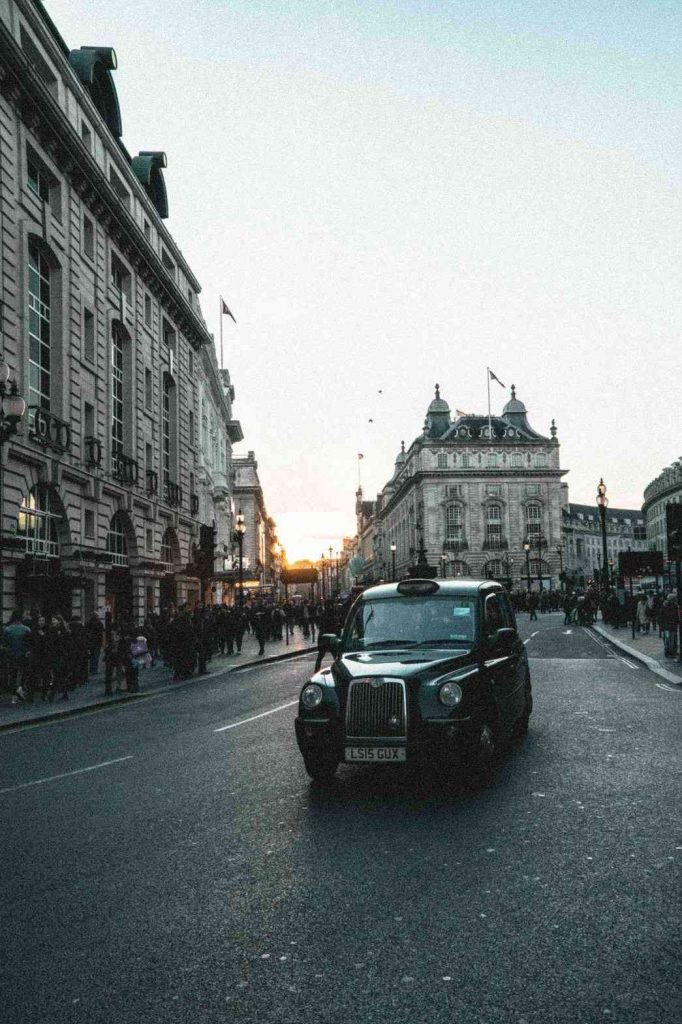
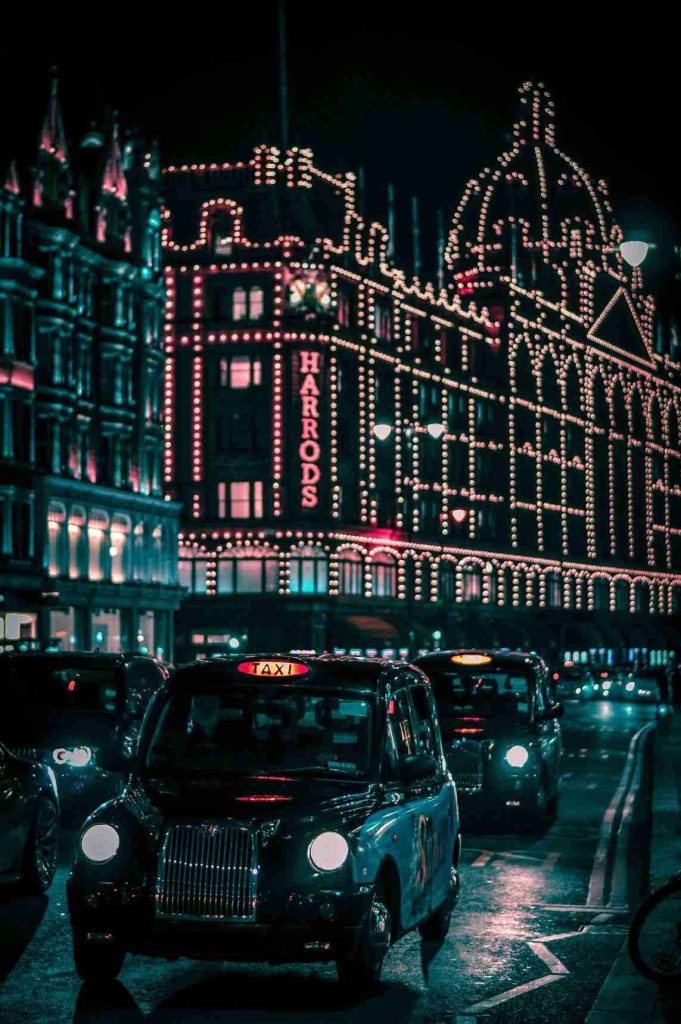
My favourite photo I’ve taken of London lately. Classic shot of Piccadilly Circus with a Black Cab. It’s only around the corner from Soho and Covent Garden.
Right in the middle of the action, always bustling, surrounded by restaurants and bars and in the theatre district.
Close to sights like National Portrait Gallery, Oxford Circus and Southbank. There are good transport links as well.
Greenwich
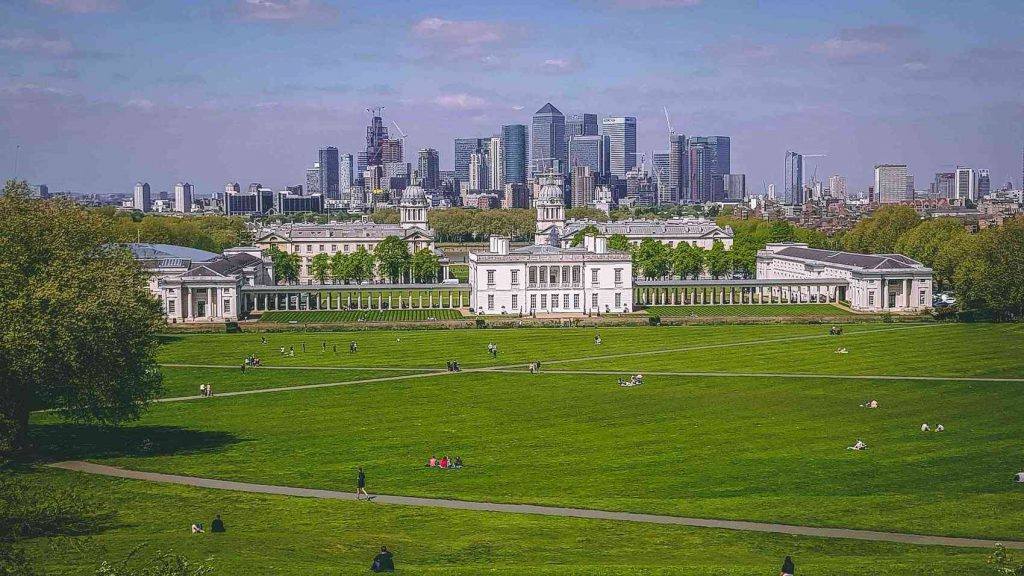
View from Greenwich Park with Canary Wharf in the background.
A little quieter, full of open space and greenery. Slightly outside of the hustle and bustle but only a 20 minutes journey by tube, DLR or Thames Clipper. Plenty of restaurant, markets and bars to check out as well or a great place to have a picnic when the sun is shining.
Shoreditch and Hackney
Very hip and trendy areas (says someone non-trendy). From the curry mile, vintage shopping, street art and cool bars there is something to keep you occupied every day of the week. It’s one of the main areas I spend my time in London exploring and highly recommend to anyone visiting.
With a wealth of activities like finding Banksy artwork, street art, cute little markets and shops, enjoying a curry on Bricklane and the restaurant/cafe scene you can see why it’s a fav spot. Watch more of the YouTube video here.
Other London neighborhood to consider would be Victoria, St Pancras/ Kingscross, Earls Court, Camden, Kensington or Mayfair.
Hostels to Consider
Even today I still stay in hostels as I love that they are budget-oriented and sociable accommodation. I know people worry about whether hostels are safe and to help ease your worries about them here are 11 London hostel safety tips.
There are 100’s of hostels you can choose in London so make sure you research before choosing. Here are 4 hostels I would recommend checking out, I’ve either stayed here or had friends rave about these hostels.
Clink78
Clink78 was once a former courthouse is now a vibrant hostel. Clink is centrally located in Kings Cross with great transport links. Offering a range of rooms from private to 12 person dorms with wifi, kitchen, luggage storage, bar, laundry and 24/7 reception.
Wombats City Hostel
Wombats City Hostel is located in several European cities so there is no surprise there is one in London. Located in Whitechapel and super close to Shoreditch with lots of lively bars, restaurants and cafes. Offering a range of rooms from private to 6 person dorms with wifi, kitchen, luggage storage, bar, laundry and 24/7 reception.
Generator
Generatoris another chain that has several locations over Europe. Located in between Kings Cross and Russel square it is centrally located. Offering a range of rooms from private to dorms with wifi, kitchen, luggage storage, bar, restuarant, laundry and 24/7 reception.
St Christopher’s
St Christopher’s has 8 locations in London so choose the area that suits you best is centrally and you’ll be able to determine which St Christopher’s is the one for you. I tend to think of this chain to be more party hostels in some of the locations. Offering a range of private and dorms rooms with wifi, breakfast, luggage storage, bar, laundry and 24/7 reception.
Hotels to Consider
I always find that hotels add a sense of luxury to your trip and London doesn’t disappoint with it’s range. There is something to suit every traveller and your budget. Here are some of the hotels you could conisder on your trip to London.
Qbic
Sustainability is an important feature in a hotel in this day and age. Qbic ticks the boxes in sustainability with its modern decor that features creative designs and uses sustainable practices.
They have thought about everything in this mid-range priced hotel with incorporating sustainable materials, an eco-friendly rain shower and comfort with a natural bespoke mattress. Other amenities in The Qbic include free Wi-Fi, free tea and coffee, and free bike rentals.
Leman Locke
Leman Locke is an apartment style hotel, giving you the comforts of your own home but stay outside of the status quo. Located in the heart of Aldgate and a short distance to the City of London, Shoreditch and the Tower of London. Apart from the usual facilities like wifi, Locke guest can experience the regular curated events (ie. yoga, tastings, etc.), yoga / meditation rooms and access to Locke Labs (Locke’s unique take on meeting rooms).
Motel One
Not sure why they have named the hotel a Motel One but it’s nothing like what I picture a motel to look like. With its stylish design and affordable prices it makes it a great choice. Surprisingly the weekend is cheaper than during the week but I put that down to the location (i.e. where lots of people go to work). The downside to this hotel is that the area is not very happening during the weekend. However, it’s so close to Tower Bridge, Leadenhall Markets (where parts of Harry Potter were filmed) and Sky Garden. You only need to walk towards the river to find the action (i.e. Saturday/ Sunday night).
Restaurants and Bars
I have mentioned a couple of markets and restaurants in things to do in London but it’s always good to have more options. Being a vegetarian these will all have vegetarian options.
Indian
I really like Indian food so here is my pick of restaurants Cinnamon Bazaar, Dishoom (various locations), Hoppers (don’t take reservations), Tayyabs (it’s also BYO) or Bricklane curry mile (it’s all about bargaining with the owners).
Vietnamese
In London there is also Vietnamese mile which mainly around Hackney area. I tend to go to BunBunBun Vietnamese Food which is also BYO. For chain restaurants Pho and Ping Pong (not Vietnamese) are good.
Vegetarian and Vegan
Specifically vegetarian and vegan my top choices would be Mildreds, Vanilla Black (quality of a Michelin star restaurant without the price) and Ethos.
The amazing vegetarian dessert at Vanilla Black.
Pubs
It’s a hard job choosing pubs! and my list could go on forever but here are a couple; Porterhouse (Irish Pub), the Wigmore (slightly fancier), the Old Fountain and any of the microbreweries.
Pizza and Burgers
There are lots of chain restaurants in London but my favourite go to‘s are pizza and burgers. For pizza, I recommend Franco Manca and Homeslice (they server 20″ pizzas). For burgers, my all time favourite is Patty and Bun with their Shroom burger. Honest Burgers just launched the All Beyond burger for those that haven’t heard of it, it’s the bleeding vegan burger, it’s a strange thought but if you miss meat then it’s an alternative choice.
The 20″ pizza at Homeslice.
Dessert
How doesn’t love a bit of dessert?! I only have two recommendations at the moment as I am always trying to avoid the sugar but if you love icecream then I suggest checking out Milk Train (fairy floss ice-cream!) or try Bake (icecream served in a fish-shaped cone).
How much do I tip in London?
In London (and the UK as a general) there is a 12.5% surcharge that some restaurants add to the bill, if this is added then you don’t need to tip. Double-check the bill and then if the service charge isn’t included then you can give a 10% tip.
For pubs, it’s not necessary to tip but if you wish to the bar staff will be happy! There is generally a tip jar that you put your tip into. The pub will generally share this between all the staff.
Bonus tip as taxis don’t belong in this section… For taxis it is common to round up to the closest pound or say the amount you would like to pay (i.e. the meter says £7.10 and you wish to pay £9).
Before you visit London for the first time there are a number of things you should consider. I’ve got you covered in this First Timers Guide to London with insider tips!
One of the most confusing things about applying for visas is the questions in the application and the evidence. What on earth do they expect you to answer and provide!? As it’s such a stressful process I wanted to make sure I could share on the information I entered on my UK Ancestry Visa.
As the process does change regularly make sure you go to the gov.uk website before applying. This is all based on my information and when I applied. I have linked through all the official documents to speed up the process.
Disclaimer: Please note this information is based on my application and evidence (I’m not a lawyer or immigration advisor). The article is to help guide you on what to expect question wise and get you thinking of what to prepare. Your answers should be tailored to you and your information. If you are unsure reach out to the Home Office or my friends at Britbound who will be able to help you. Here are some other documents that may be helpful:
Disclaimer: This is based on my experience and you should seek professional advice if you are unsure. Go toGOV UK to check if there have been any changes to the visa rule & fees.
Where to Start Your UK Ancestry Visa Application
The UK Ancestry visa is moving to the new application process so to apply you need to go to the gov.uk website. Depending on which country you are applying from the gov.uk website will direct you to the right place.
I’ve had a lot of questions about whether you should use VFS Global or were they come into the process. VFS Global is just like using a visa service such as VisaFirst and 1stContact. I actually used VFS Global for my Russian visa as they run a few services for different countries. If you wish to go with a visa service to submit your application then they are a company you could choose to use.
VFS Global do run some of the visa application centres (as a contracted third party) and that’s mainly where they come into the process. This is where you do your biometrics appointment and get your application stamped.
Please note the UK gov have announced that IHS surcharge will be increased to £625 in the coming months. This means that the 5 years will now cost £3,125.
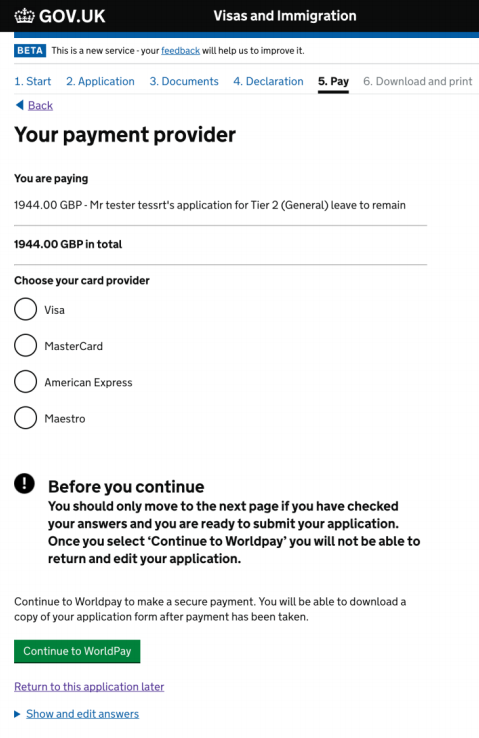
Start an Application
To ensure you are directed to the right place (as they are migrating their systems) go to the gov.uk website. The form will look slightly different from the screenshots in my application and included in the article. The questions are basically the same so the information in this article still applies.
Now for the Questions and Evidence…
Let’s go through the questions! I have put this in order of the sections within the online application and then added photos from my final application. You will notice that not all questions/answers end on the final application or in the same order so hopefully it all makes sense.
Passport and Travel
Information
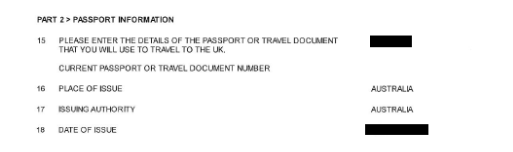
The Passport and Travel Information section is basically noting down what is stated in your passport or travel document so I won’t break this section down to much.
Is this your first
Passport? My answer was no.
Then you need to enter your details of all other passports and travel documents held over the last 10years: Also state any non-documented nationalities you have held. I previous had a child’s passport so I entered these details and also submitted this passport along with my application as evidence.
Are you travelling with anyone? I put no for this answer as I was moving here by myself.
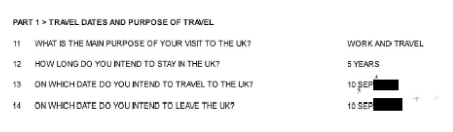
Date of planned arrival in the UK? i.e. when you planned to land in the UK
How long do you intend to stay in the UK? I put 5 years for this answer (the length of the visa).
What is the main address and contact details of where you will be staying whilst in the UK?I put the hostel that I would be staying at when I first arrived. Other options ishotel, Airbnb, friends or family etc.
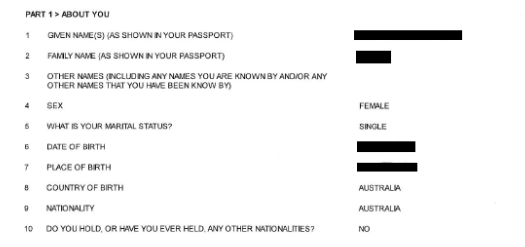
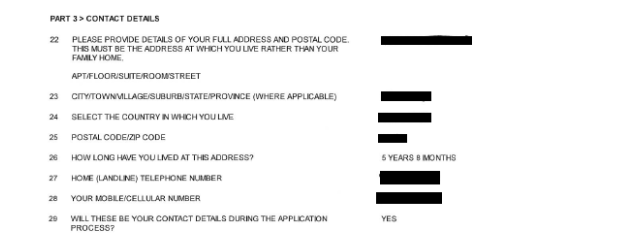
Example of my application:
An extract from the final application. As you can see these should be pretty easy for you to fill 🙂
Example of the travel dates and purpose of travel section.
The passport information summary on the application.The passport information summary on the application.
Personal Details and Travel History
Personal details covers information like where you live, how long you have lived there and general information. The interesting section is where it covers your travel and criminal history, let’s begin!
Have you been issued any visa for the UK, UK Overseas Territories or Commonwealth Country in the last 10 years? I put no as Australians don’t need visas to visit the UK or Commonwealth countries and I have never had a work visa. If you are country that does then put any visitor or work visas you’ve had here. A quick summary of information you will need if you select yes:
Type of visa issued – State the type of visitoror wok visa here
Date of Issue – Date of Issue as stated in thepassport or travel document
Date of Expiry – Date of Expiry as stated in the passport or travel document. If the passport ortravel document has no date of expiry please enter 01 JAN 2050.
Issuing Authority – that authority issued yourvisa i.e. British Embassy, High Commission, Consulate
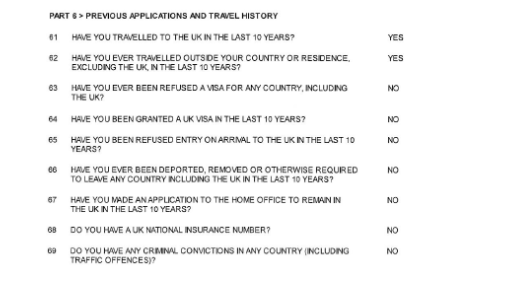
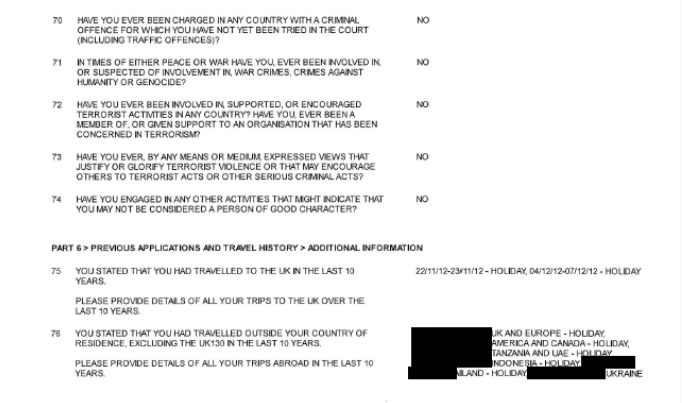
Have you ever travelled to the UK in the last 10 years? The one and only trip (technically two entries) I had to the UK was detailed here. You can put up to 5 trips you have had to the UK. I suggest putting latest to oldest dates (just my preference).
Have you made an application to the Home Office to remain in the UK in the last 10 years? I put no for this answer. Unless you have requested for Settlement or any visa like that then you answer will be no.
The application then goes into whether you have be refused entry, deported, elected to leave the UK and any other country. Hopefully you will be able answer no to all these questions.
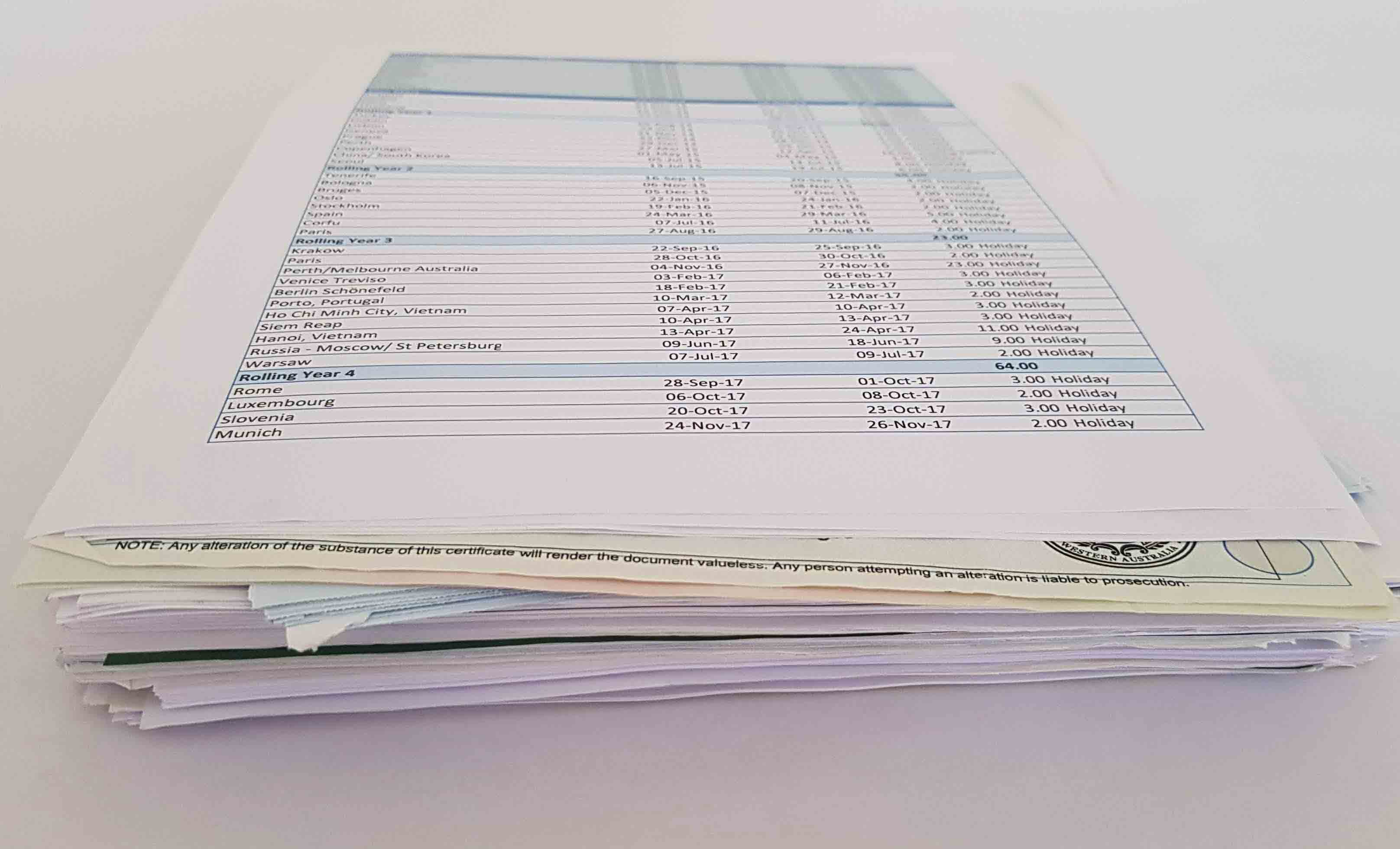
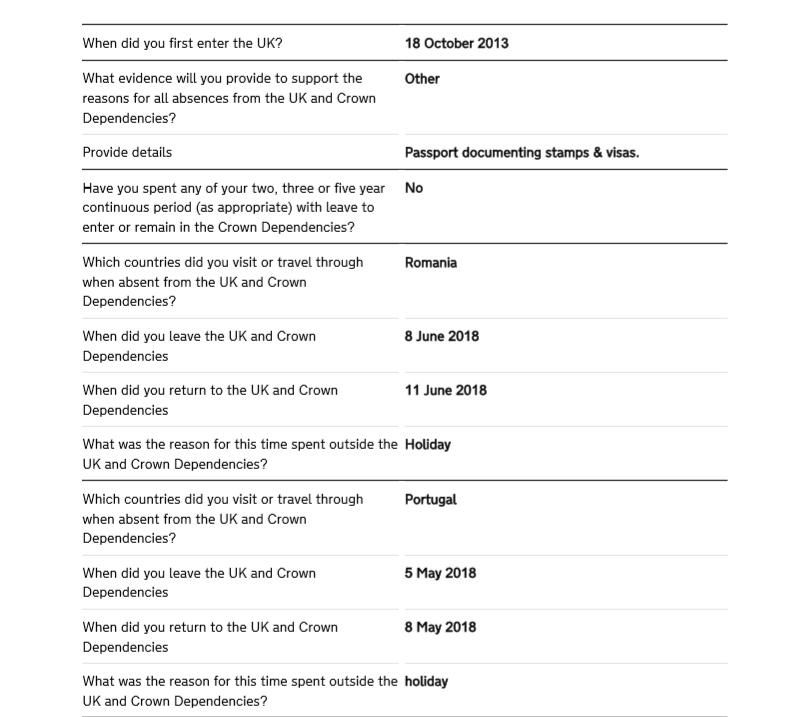
Have you ever travelled outside your country of residence, excluding the UK, in the last 10years? I listed out all my trips, this needs to be as arcuate as possible. For my most recent application I was given 30 lines however it was a different visa but expect to have between 10 to 30 lines in the application to enter this. Again using the latest to oldest trip order. If you feel like it you can add a spreadsheet detailing your remaining trips but I didn’t provide a spreadsheet with my application Ancestry application.
Have you ever been issued with a UK National Insurance Number? E.g. QQ 123456A Unless you have lived in the UK previously you won’t have a National Insurance Number. If you curious to know more about National Insurance Number I have detailed everything in this article.
The application then goes into criminal records, whether you are a terrorist and other information around your criminal history.
Example of my application:
Ancestry Visa Application Travel History Sectionncestry Visa Application Travel History Section2
Family Details
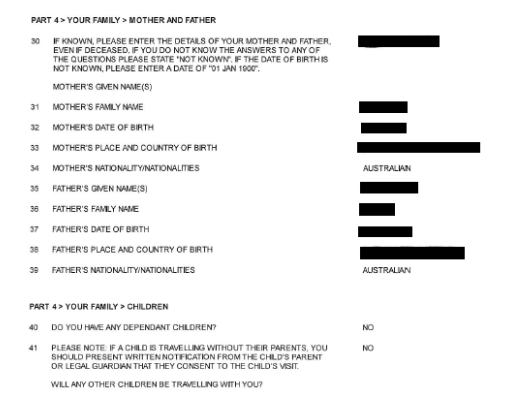
Family details is about your mother and father, your relationship status and whether you have children. This section should be a breeze.
For evidence I only provide my mums birth certificate as my dad isn’t linked to my ancestral heritage to the UK. If the birth certificates can tie your ancestral heritage then shouldn’t need a marriage certificate. If linking the heritage isn’t obvious then marriage certificates are a must.
Example of my application:
Ancestry Visa Application Family Details
Employment and Income
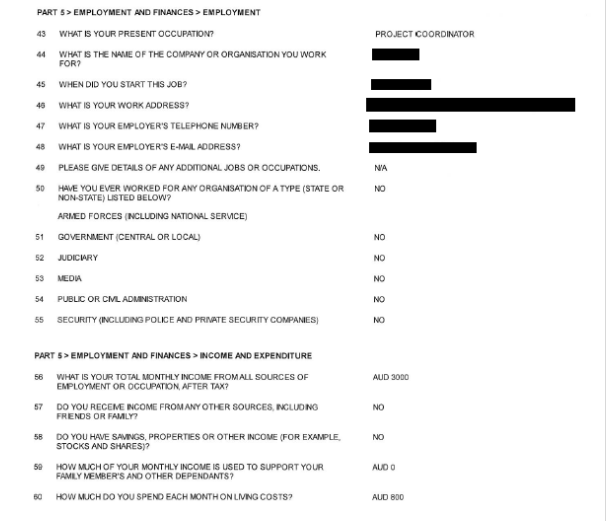
What is your total monthly income from all sources of employment or occupation, after tax? WhenI submitted my application I added what currency I was paid in so my answer was: AUD 3000 (for example).
The Type of work undertaken – For this question I just described my field and put IT ProjectManagement.
Do you have any additional paid jobs or occupations? If you have any more jobs add them here.
For evidence I also provided my employment contract to support the employment section.
Income and
Expenditure
Do you have savings, properties or other income, for example from stocks and shares? My answer was no as I didn’t have any income streams. If you do add them here.
How much do you spend each month in GBP(£) on living costs? I actually put this in AUD and not GBP as it was the thing at the time. It’s just a summary of what you spend on rent, bills etc each month converted into GBP.
The questions in the Income and Expenditure section is where people get the most confused.
For this sections first, work out the total cost of your trip: flights, hotels, meals, train tickets, everything, in the currencies you’re paying in. Then convert to pounds and calculate the total.
Once establish the costs you need to figure out if you are paying for the whole trip or are you getting someone else to support your trip? If someone else is paying then did they buy your plane ticket? Will they be paying for the hotel stay? Are they reimbursing you for what you spend? Convert all that to pounds and add it up.
How much of your total monthly income in GBP(£) is given to family members and other dependents? My answer was no but if your parents or anyone is supporting you add the amounts here.
What is the cost to you personally of your trip in GBP(£)? I put a combination of my flights, accommodation and expenses for this. If someone is helping you pay for this then only put the amount that you are paying in this section so basically what is this personally costing you. I didn’t provide any evidence for this.
The total amount of money you have for this trip? I just put what my total saving was for this answer, for example, AUD 8000. This was supported by bank statements as evidence.
If you want to know how much to save before moving to the UK, I suggest reading ‘How Much Money Should I Save to Move to the UK?’. You can through all my suggestions out the window and wing it! In that case just have enough to show you can support yourself, I always recommend £1,890 as a minimum.
The cost of the aeroplane, boat or train tickets? Whatever you ticket cost to get to the UK. If you don’t have a ticket then find the most realistic cost by using Skyscanner etc. Slightly ironic that the advice is don’t book you travel before your visa is approved! I didn’t provide any evidence for this.
The cost of your accommodation? I calculated my first months accommodation cost for this answer. I didn’t provide any evidence for this.
The cost of your living expenses? I estimated this cost, for example, £600. It should cover things like transport, estimated food budget etc. It’s a bit of an odd question. I didn’t provide any evidence for this.
If you want to know the cost of living in LondonI have you covered! It’s based on my costs living here.
Is someone other than
you paying for all or a part of your trip? If someone is paying for a part
of your trip this is where you add this. I didn’t have any one supporting me
but having a statement from the person/ money in your account will help support
the application (that’s just my personal opinion).
Example of my application:
As you can see in Employment and Income section, not all of my questions I had answered actually ended up on the final version. No idea why or whether this has now changed.
Family and Friends in
the UK
Please enter details
of what you plan to do whilst in the UK. My answer was ‘to live and work in
the UK’.
Do you have any
friends or family in the UK? I didn’t so my answer was no.
Medical Treatment
There is a whole series of questions on whether you have ever received medical treatment in the UK. As someone that never had medical treatment in the UK my answer was no but if you have then put in the relevant information.
UK Ancestry
Finally where you put your heritage and how you qualify for UK Ancestry.
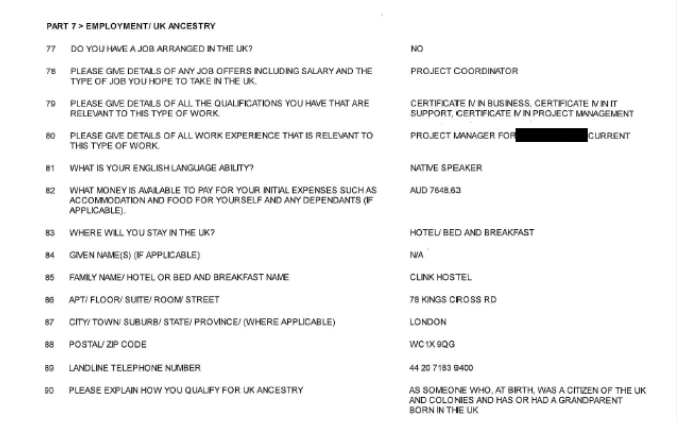
How do you qualify for UK ancestry? Add your relevant grandparents details here.
I provided my granddad’s birth certificate as proof, along
side my mums birth certificate as mentioned in an earlier section.
Do you have a job arranged in the UK? You don’t need to have a job lined up to qualify to move to the UK on Ancestry. My answer was no as I didn’t have a job.
For evidence I provided my resume. The GOV UK website states that the evidence can be in the form of job offers you’ve received or a business plan if you’re self-employed.
What is your English Language ability? English is my native language was my answer. If it isn’t just put the level of English you speak (not exactly sure the terminology you should use).
What money is available to pay for your initial expenses such as accommodation and food for yourself and any dependents (if applicable)? My answer was whatever was in my savings account at the time it was just under $8,000. You should add the currency code in front of your answer so the answer should look like AUD 8,000. I also linked this to the same amount I had in the ‘the total amount of money you have for this trip’.
For the evidence I provide 3 months of bank statements to
support this.
Example of my application:
The questions in this section have changed a little since I applied, at least it’s less information you need to enter.
Additional Information
Is there any other information you wish to be considered as part of your application? I didn’t have any extra evidence so I put no for this.
Summary of Documentation
In the bullets below is a summary of all the evidence I provided for my UK Ancestry visa. I go more into detail about how to get grandparents birth certificates and the process in ‘What You Need to Know When Applying for Your UK Ancestry Visa’.
I find lots of threads asking whether the documents must be originals or copies can be supplied. Just to add clarity to this point always provide originals to be safe, don’t worry the documents are returned to you.
The printout of your online application.
The copy of your biometrics appointment information.
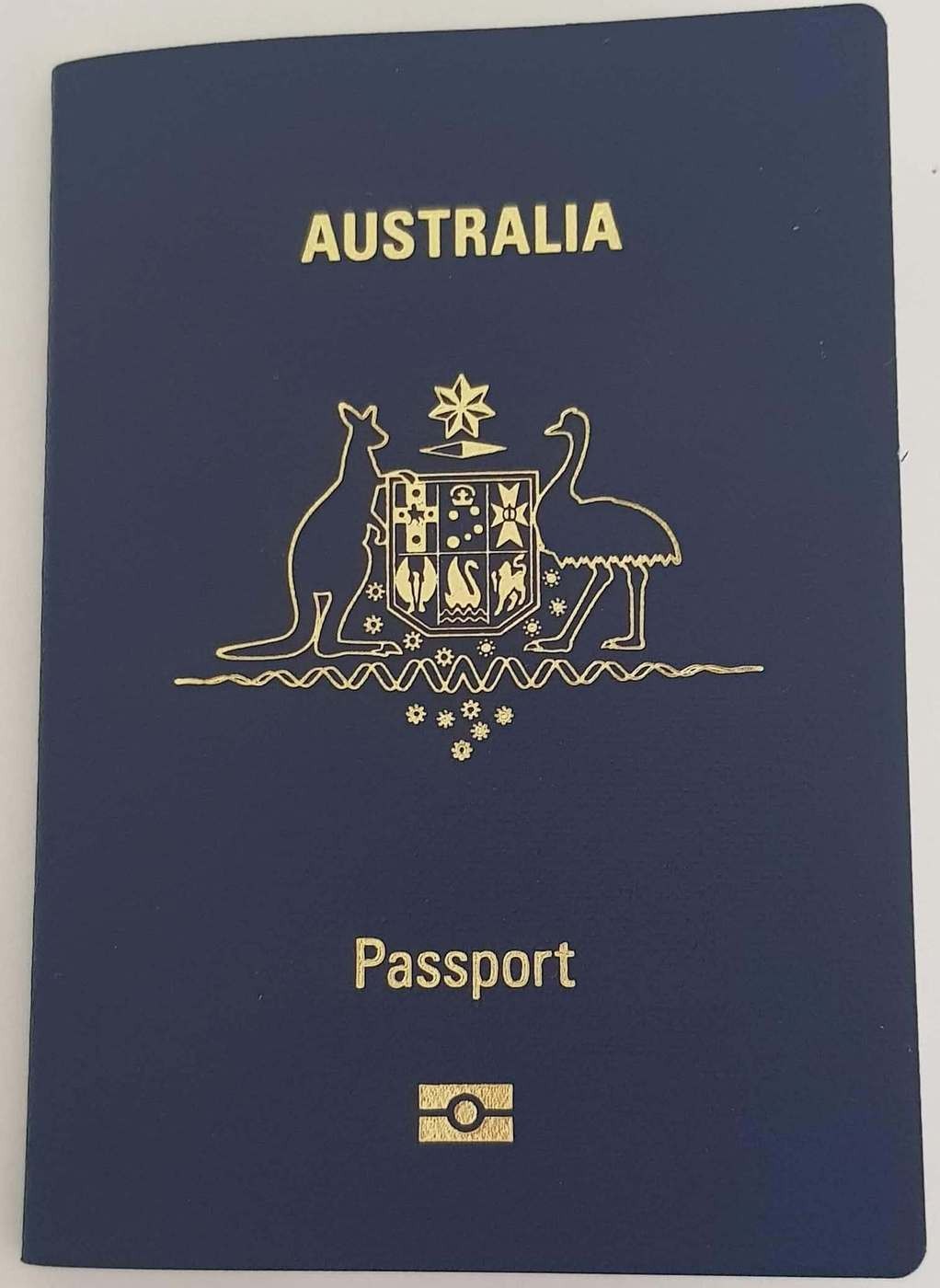
Current passport, plus previous passports.
Birth certificate.
The birth certificate of your parent (only the parent of the grandparent you’re applying through).
The birth certificate of your grandparent.
Marriage certificate (to support heritage if unclear).
Three months of bank statements showing £1,600 (which was the requirement at the time). Bank statements should be printed on branch-specific letterhead with the contact info for the branch where it was printed. If not, each statement should be stamped and/or signed. If they won’t do that, a letter from a branch manager confirming their authenticity and correctness will suffice.
Resume/ CV (to prove that you can and intend to work in the UK) and you can also include printouts of registration emails from UK job sites e.g. Reed, London Jobs, Indeed.
I also included my employment contract to support the employment and finances (not sure if it was necessary, just something else I did include).
Hopefully, that has given you some insight into what information you need for your application. If you are unsure reach out to the Home Office or my friends at Britbound who will be able to help you.
By Kat · Applied August 2018, my sister December 2020
Five years on the Ancestry visa and the clock’s nearly up. You know you can apply to settle. What you’re after is an example of what someone else sent before you put yours together.
I applied on 13 August 2018, the first day I could, paid for the fastest service going and had a decision the next day. My sister did hers in December 2020 on the standard service with about half the paperwork I sent. Both approved.
Based on our two applications, this is what they looked at. It’s two people’s experience, written down so you can see what another human did. It isn’t a rulebook. The official guide for your route is the rulebook and I’ve linked it wherever I’ve used it.
Here’s what I’ll take you through, in order:
the day you can apply, which is not your visa’s expiry date
what it costs, all in, with the faster services priced
the employer letter, what it has to say and what mine said
every document, in one list, with what I sent next to what you need
Fact check · 6 September 2026
I’m not an immigration adviser. This is two Australians’ experience of settling on the UK Ancestry visa, mine in 2018 and my sister’s in 2020, with the current rules and fees checked at gov.uk on 6 September 2026. I did the Ancestry route, but the core steps are the same shape on the other five-year routes: the test, the evidence, the absences, the fee. What differs is the detail, so read the guide for your route on the day you apply, or speak to an immigration adviser.
Covers
Settling after five years on the UK Ancestry visa, which is what I did. The core steps hold for the other five-year routes; the detail differs.
Have up front
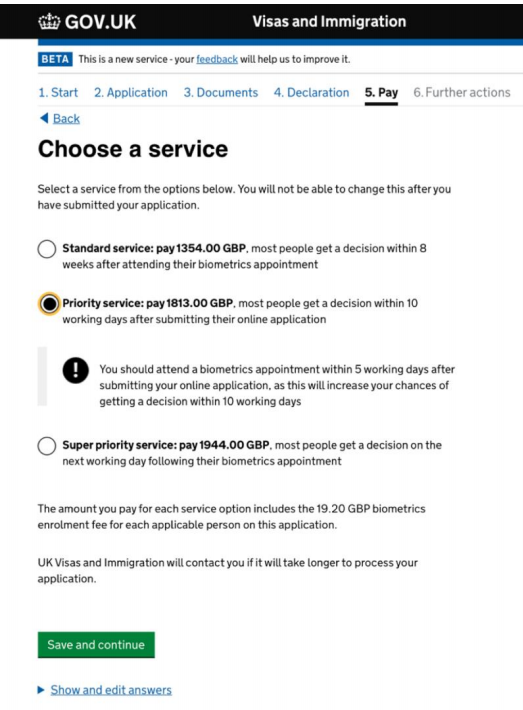
£3,226 for the application, £50 for the Life in the UK test and £500 or £1,000 more if you want a fast decision.
Do first
Book the Life in the UK test. Then start your absences list today, not the week before.
Works for
You, if your visa runs out in the next year or so and you want to know exactly what to gather and when.
The day you can apply
You can apply up to 28 days before you reach five years in the UK on the visa. The five years counts from when you entered the UK. The gap between your visa being issued and you landing can count too. Both rules are in the Home Office’s continuous residence guidance.
Don’t count back from your visa’s expiry date. Mine expired on 10 September 2018 and my five-year point was the same day, because the gap between my visa starting and me landing counted. That put my window at 13 August and that’s the day I applied. Your expiry date and your five-year point may not be the same day. Work off the five-year point.
You can work and plan to. The Ancestry route is for people who came to work and settling on it asks you to show that. The employer letter below is how I showed it.
You can support yourself and anyone applying with you. Bank statements do this job, see the document list.
You’re still a Commonwealth citizen. Your Australian passport covers it.
You haven’t been out of the UK for more than 180 days in any 12-month period. For visas granted on or after 11 January 2018 that’s counted on a rolling basis, so any 12 months you pick. For older visas it was fixed 12-month blocks. Mine was 2013, so I was on the old counting. Yours almost certainly isn’t. Same guidance as above.
The two tests you’ll be asked about are further down: the Life in the UK test, which you have to sit and the English test, which as an Australian you don’t.
The faster services were paused for a while. They’re back and both are open to settlement applications made in the UK. There’s no separate biometrics fee on the route page now. The fee last changed on 8 April 2026, so check the fee table’s date before you pay.
What I paid. £2,389 in 2018, plus the super priority service, which took it to £3,189. I paid on my credit card, half for the air miles and half because it kept the savings in my account visible for the application.
My sister paid £2,389 in December 2020, plus £19.20 for biometrics and £75 for an express appointment, on the standard service. None of those figures is the current one. The application alone has gone up by more than eight hundred pounds since her run.
Was the fast service worth it? For me, yes. I’d read about people stuck in limbo with employers while they waited and I didn’t want that, so I paid the extra for the peace of mind. The decision came the same day. My sister waited on the standard service and was fine. How long hers took, I honestly can’t remember.
The employer letter and what it has to say
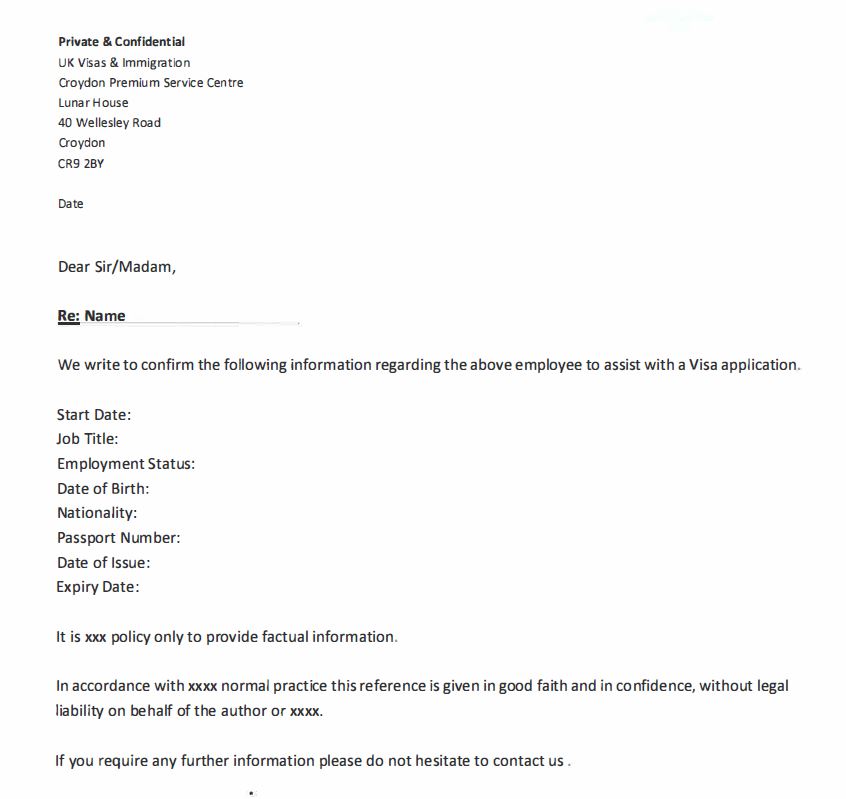
Here’s the letter, properly. It’s your employer confirming you’re employed here, on headed paper, addressed to UK Visas and Immigration. Mine was drafted by my employer: I told them what I needed at a high level and HR wrote it and signed it.
What mine confirmed, line by line:
start date
job title
employment status
date of birth
nationality
passport number, date of issue and expiry date
Then two lines of company boilerplate: that it’s their policy only to provide factual information and that the reference is given in good faith without legal liability. Mine was addressed to the Croydon premium service centre, because that’s where my appointment was. Those centres are gone. Yours is addressed to UK Visas and Immigration and your appointment is at a UKVCAS service point, which is further down.
That’s it. It doesn’t need to be long and it doesn’t need to say anything nice about you. It needs the facts the form asks for, on headed paper, signed.
My sister’s was the same shape from a different company, two years later. It was accepted alongside her current contract and six months of payslips. Mine went in with every employment contract I’d had and five years of payslips, which I now think was two hundred documents’ worth of anxiety.
The cover letter. I sent one. It was a one-page summary of every document in the bundle so the caseworker could find things. I don’t have it any more, so I can’t show you, but that’s all it was: a contents page, not an essay.
Every document, in one list
Two columns. What the application asks for and what I sent in 2018, with what my sister sent in 2020 where it differed. The online form gives you the exact list for your case. This is what the list looked like for two Australians on Ancestry.
What they want
What I sent
Your current passport
My Australian passport
Proof of your UK ancestry
My birth certificate, my mum’s and my granddad’s UK one, the chain from him to her to me. The same three I used for the Ancestry visa
Proof of your immigration status
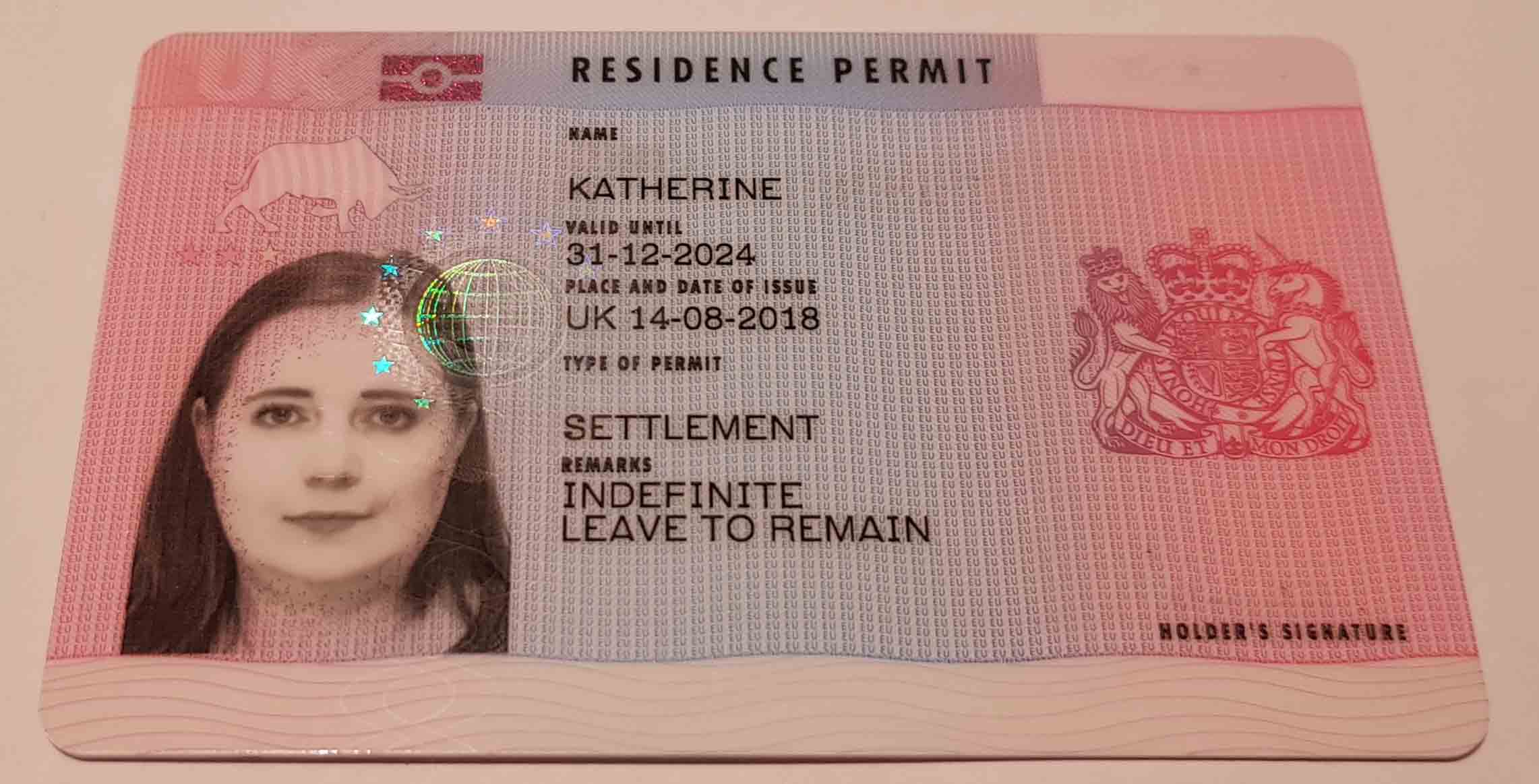
In 2018, my biometric residence permit. Today your status is digital, see the timeline section below
Consent for the Home Office to run verification checks
The signed declaration in the form, plus the joint-account consent form because I had one
Proof you’re employed
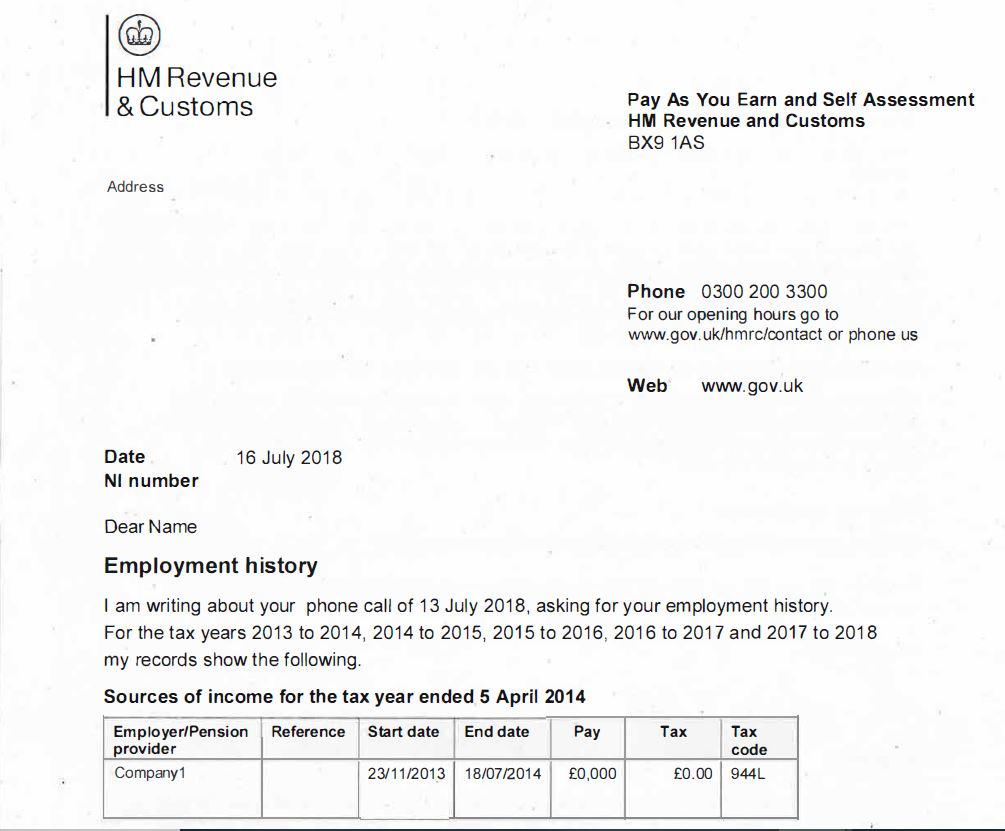
The employer letter above, every employment contract I’d had, five years of payslips and an employment history letter from HMRC, which they post to you if you ring and ask. My sister: her current contract, her employer letter and six months of payslips. Hers was enough
Proof of your finances
Bank statements. HSBC gave me mine with a cover letter, no fuss. Lloyds would only print three months, stamped at the branch, which is the minimum they ask for. I forgot one small savings account statement entirely and it didn’t matter
Every passport you’ve used to enter or stay in the UK
My old passport and my new one, because the stamps were the proof of my absences
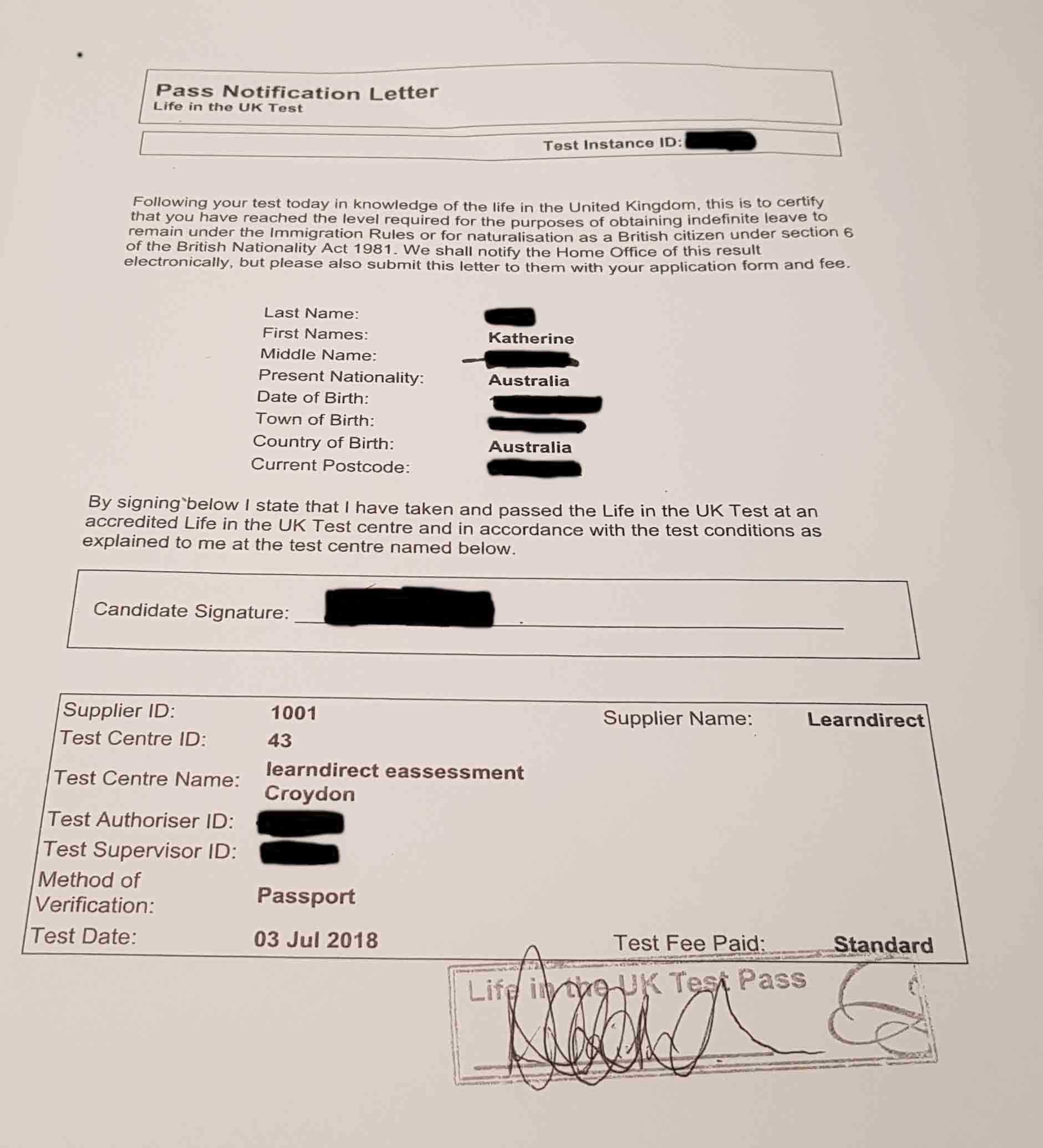
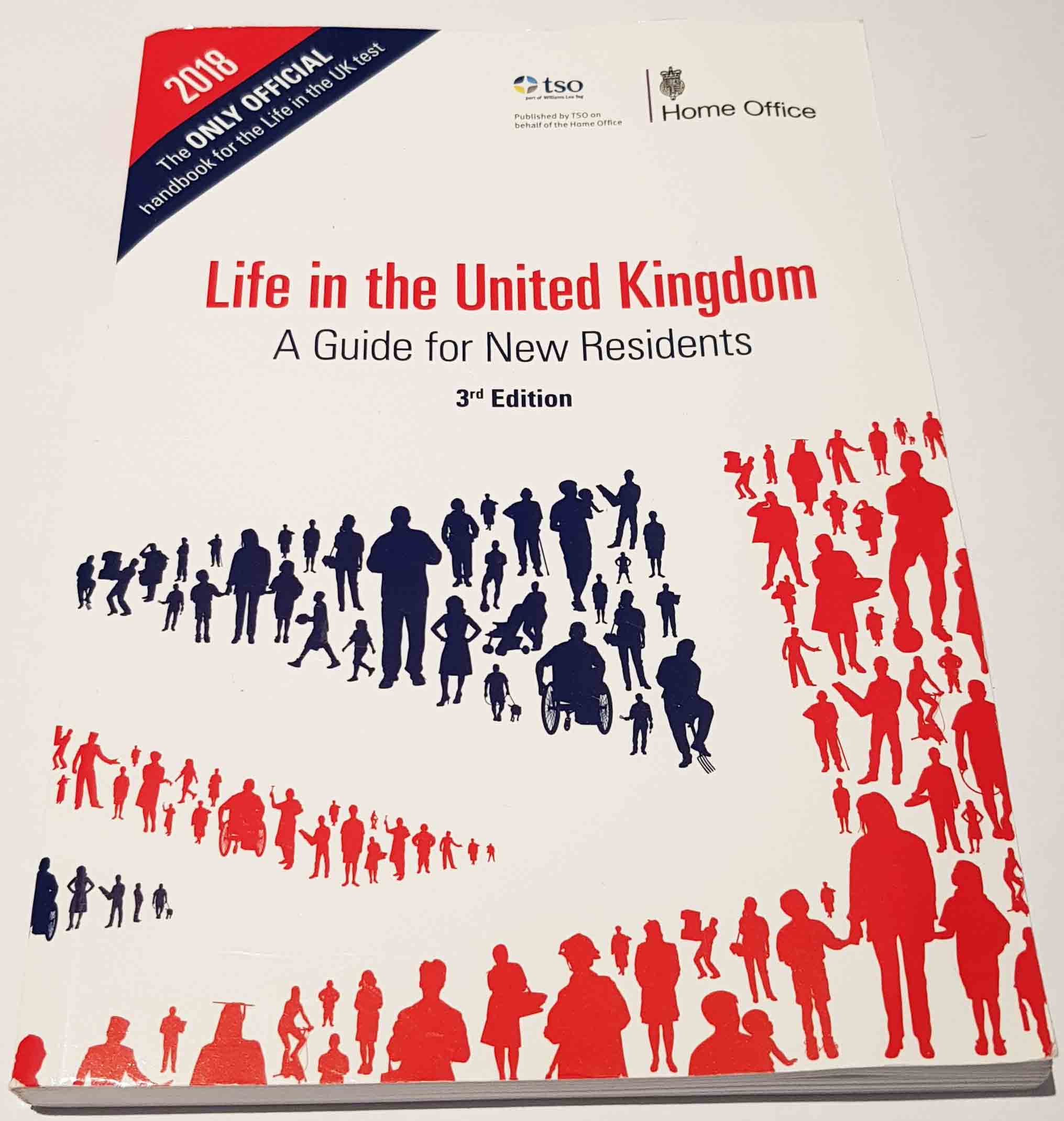
Life in the UK test pass
The pass notification, which is emailed to you now. Keep it. You need it again for citizenship
Your absences from the UK
A full list of every trip with dates and a tally of days, plus a spreadsheet because I had more than thirty lines. See the next section
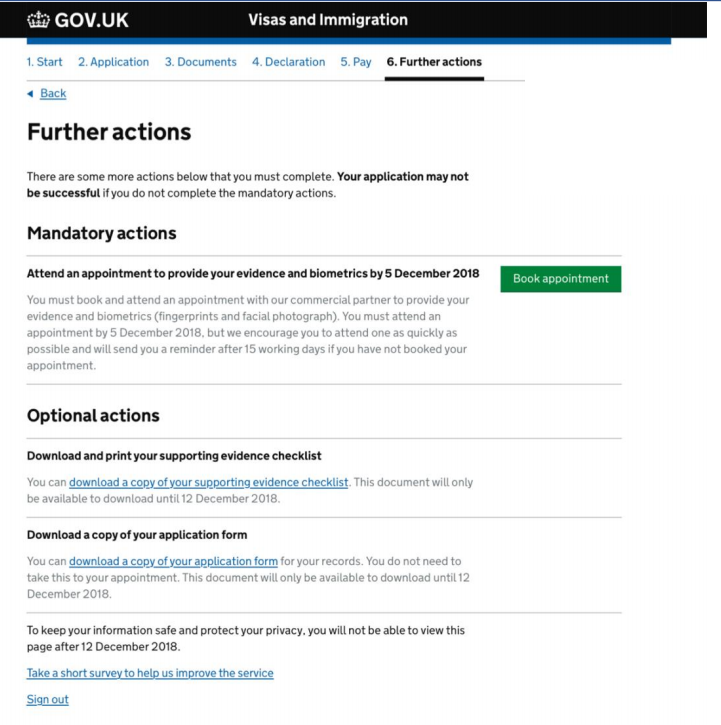
Originals or scans. You upload your documents to the UK Visa and Citizenship Application Services (UKVCAS) online service before your appointment, or have them scanned at the appointment. In 2018 I carried the whole stack to Croydon. Now most of it happens at home before you go.
The absences tracker: start it today
The application wants every trip out of the UK in the five years, with dates and the total days. If you’re reading this with a year to go, start the list now, because reconstructing five years of weekends away from memory is slow and I wouldn’t trust mine to catch a 180-day problem.
Mine had more than thirty lines. I built it from both passports, stamp by stamp.
Passport stamps don’t exist any more, which makes this harder than it was for me. Two things fix it:
Request your Australian travel records. The Department of Home Affairs will send you your movement records, every entry and exit. I didn’t know this existed. It would have saved me hours.
Keep a rolling tally as you go. One row per trip: where, out, back, days, why. Remember it’s a rolling twelve months for anyone on a visa granted since 2018, so the total that matters moves with you.
Book it early. It costs £50, you have to book at least three days ahead and the name on your booking has to match the name on your ID exactly. All of that is on the test page. I’ve known people turned away on the day because their ID cut off a middle name or had their country of birth wrong.
Please, please, please don’t leave it to the last minute. If I’d failed, I’d have missed my ILR window. I sat mine for ILR and reused the same pass for citizenship a year later, which is allowed, so it’s one test, not two. The form asks for your test details, so you can’t submit until you’ve passed. I sat mine on 3 July, six weeks before my window opened.
You’re exempt if you’re 65 or over. Otherwise it’s part of the deal.
The timeline, from submit to status
Apply online through the settlement form for your route (form SET(O) for Ancestry).
Pay and choose standard, priority or super priority.
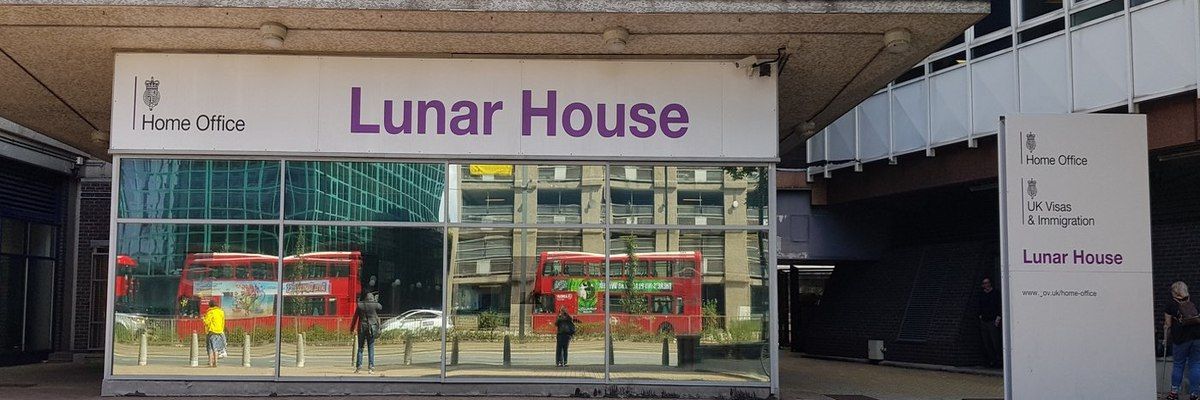
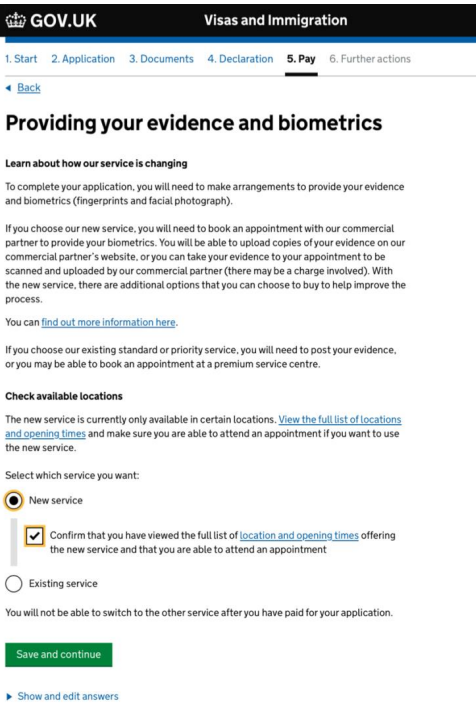
Book and attend a UKVCAS appointment for your fingerprints and photo. Take your passport, a printed copy of the appointment confirmation with its QR code and any documents you haven’t uploaded. Nobody hands you a decision in the room.
Wait. Next working day on super priority, about five working days on priority, usually within six months on standard.
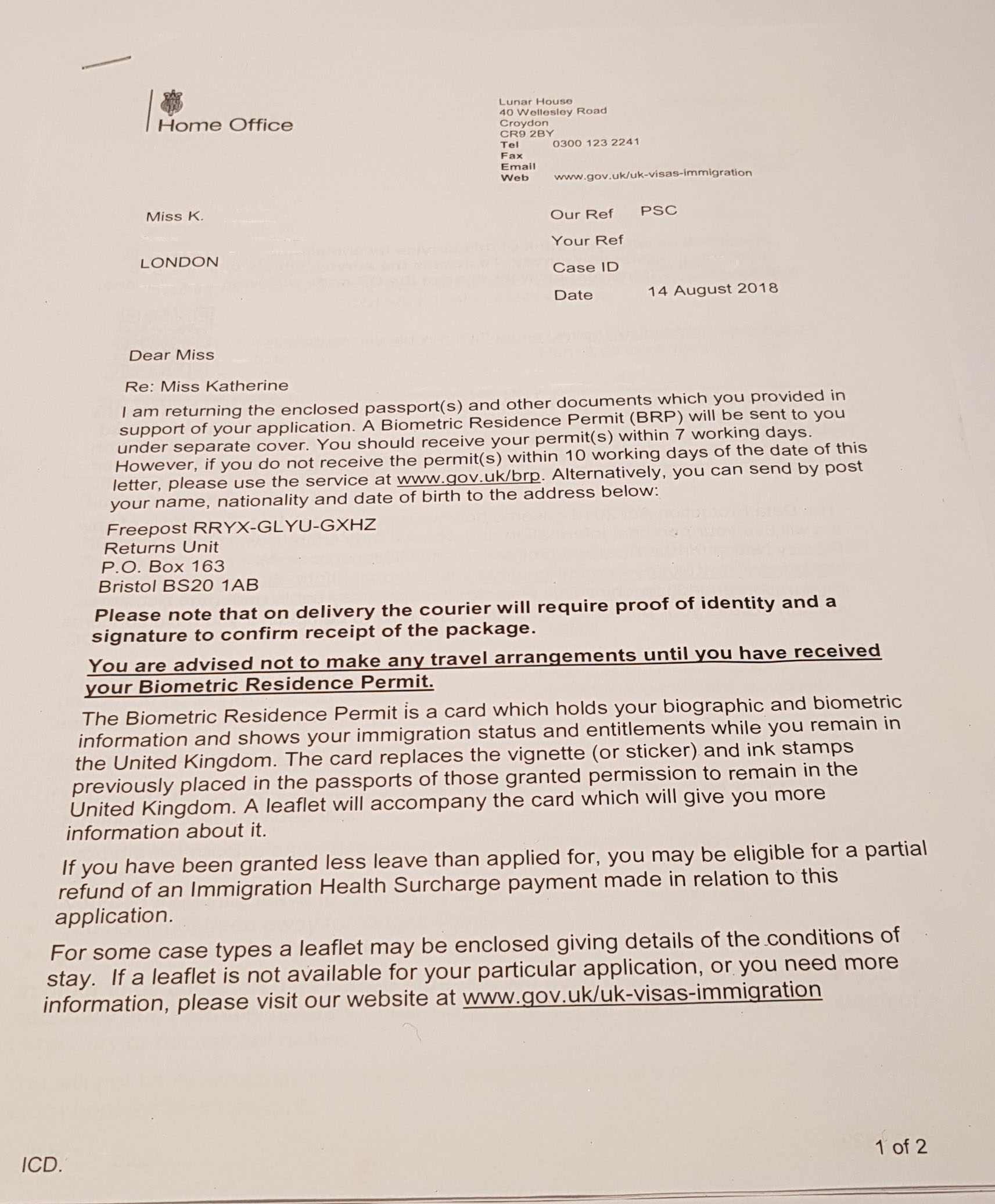
Your status arrives as an eVisa. There’s no card any more. Every biometric residence permit (BRP) has expired and been replaced by a digital record you reach through a UK Visas and Immigration (UKVI) account. You prove your status to an employer or a landlord with a share code.
Mine, in 2018: applied online on 13 August, super priority, appointment at the Croydon premium service centre on 14 August, decision the same day. I only found out it had been approved when the BRP card arrived in the post. I had no idea the card had an expiry date until it did. The photo was better than my passport one. Neither of those things can happen to you now, because there’s no card.
Where my experience stops. I’ve never had an eVisa. I became a citizen before they existed, so I can point you at the UKVI account page and I can’t tell you what it’s like. If you still have an expired BRP, cut it up before you bin it. It can still be used for a few limited things until 31 December 2026 at the latest.
My 2018 biometric residence permit. These don’t exist any more, but the photo was better than my passport one.
What catches people out
Counting from the wrong date. Your five-year point, not your visa expiry. See the top of the page.
The name on the test booking. Exact match with your ID or you’re sent home and out fifty pounds.
Absences with nothing to count them from. Request the Australian travel records. Start the tally now.
Three-month bank statements. Lloyds only gave me three months, stamped at the branch. Ask your bank early what it will give you and in what form.
Leaving the UK for a long stretch after you get ILR. Two continuous years outside the UK and it’s gone. You’d need a Returning Resident visa at £726 to come back.
The fee date. It last changed on 8 April 2026. Applying either side of a change can be a different price.
What’s changing
Two things are moving. One is still a proposal, one is a rule with a start date. Neither changes what you’d do this year.
Five years could become ten. The Home Office ran an earned settlement consultation from November 2025 to February 2026 on a ten-year qualifying period for most routes. It’s still marked as analysing the responses and no outcome has been published. The rule today is five years.
The English standard goes up on 26 March 2027. A rules change made in March 2026 raises it from B1 to B2 for settlement, Ancestry included, for applications made from that date. Australians are on the exemption list today and that list hasn’t changed, so it shouldn’t touch you. Check it on the day you apply anyway.
Doing it yourself or paying someone
I did it myself. For an Ancestry settlement application it was straightforward: the form tells you what it wants, you gather it, you book the appointment. I knew what I was doing, so I felt comfortable. For me that was worth it. There were plenty of companies at the Home Office the day I went, so people do pay. If you don’t feel comfortable, that’s exactly why those services exist, to make it smooth and easy for you. Neither is wrong.
What I’d do differently
Request the travel records instead of reconstructing five years from stamps. Send my sister’s bundle, not mine: a current contract, the letter and six months of payslips did the same job as five years of everything. Book the test the month I became eligible, not the month before the deadline. And I’d still pay for the fast decision, because the waiting is the worst part and I’d already done enough of that.
Worth it
The super priority service. A decision the next working day for £1,000. I paid it in 2018 for the peace of mind and I’d pay it again.
Not worth it
Two hundred documents. My sister’s bundle was a third the size and did the same job.
Worth it
Doing it myself. I knew what I was doing, so for me it was worth it. If you don’t feel comfortable, that’s what the services exist for. Neither is wrong.
Not worth it
Leaving the test to the last month. A fail would have cost me the whole application window.
Worth it
Requesting your Australian travel records. The absences list builds itself. I wish I’d known.
Not worth it
Counting from your visa expiry. Mine happened to be the same day as my five-year point. Yours may not be. Work off the five-year point.
Worth it
Sitting the Life in the UK test early. One pass, reused for citizenship. Leaving it late was the most stressful part of the whole thing for me.
Not worth it
Relying on passport stamps. They don’t exist any more.
That you’re employed, on headed paper, addressed to UK Visas and Immigration: your start date, job title, employment status, date of birth, nationality and passport details. Mine was drafted by my employer’s HR team from a short brief. The redacted letter is above.
Is there an ILR cover letter example?
Mine was a one-page contents list of every document in the bundle, so the caseworker could find things. I don’t have it any more. It doesn’t need to be more than that.
When can I apply for indefinite leave to remain on the Ancestry visa?
Up to 28 days before you reach five years in the UK on the visa, counted from when you entered. Not 28 days before your visa expires. The rule is in the Home Office’s continuous residence guidance.
How long does ILR take?
By the end of the next working day on the super priority service, usually within five working days on priority and usually within six months on standard. Mine, on super priority in 2018, was the same day.
How much is indefinite leave to remain in 2026?
£3,226 per person for the application, £50 for the Life in the UK test, plus £500 for priority or £1,000 for super priority if you want them. The fee table has the current figures.
After reading all the internet had to offer on the infamous Belgrade to Budapest Overnight Train I was a little worried about catching the train! I spoke to our hostel to double check that our decision was the right one and that we wouldn’t end up robbed or stranded somewhere. He laughed and mutter ahh the infamous overnight train.
He assured us that it would be perfectly fine and the only part about the train journey he didn’t like was constantly being woken up by the guards for passport checking so we went ahead with our decision to continue with this option of getting to Budapest.
Belgrade to Budapest Overnight Train Timetable
The overnight train leaves Belgrade Centar station at 21:47 and is scheduled to arrive at Budapest Keleti at 05:50. Our train was 40 minutes later than expected, although if you are like us it wasted a bit of time whilst you are waiting to check in to your accommodation.
Other trains you can catch from Belgrade to Budapest
The night train isn’t appealing to everyone so there are two-day time trains that you can catch to Budapest.
There is the 07:42 that leaves Belgrade Centar station and arrives Budapest Keleti at 16:04. It is a train that is actually en route to Vienna and is a high-quality train compared to the night train.
The other train you can get is the 11:42 which arrives at Budapest Keleti at 20:04. It’s a small train and there will be no catering on this train, so bring your own picnic and drinks.
Where to buy train tickets in Belgrade? How much will a ticket cost?
Belgrade Centar station
The best and easiest way to buy train tickets is at the Belgrade Centar Station at Savski trg 2, Beograd 11000, Serbia. There is a way that Seat 61 mentions that you can reserve a seat on the overnight train but honestly the train wasn’t that busy and would be fine buying a ticket the day before or on the day.
I really wanted to purchase the sleeper beds instead of the seats but there was a bit of a communication problem and ended up with second class seats which cost €15. The train itself is not very fancy whatsoever so I wouldn’t bother upgrading to first class as there will be barely any difference.
After I realised where I went wrong, basically you buy the €15 ticket. You can then pay an additional fee for a seat reservation which you can upgrade to a bed for an additional €8 for a bunk in a 6-berth compartment or €10 for a bunk in a 4-berth.
The guy at the hostel said we could negotiate with the guards to upgrade our seats, as we were aware how infamous the train was, we thought we would just be inviting trouble into our journey so didn’t try.
What to expect on the train journey from Belgrade to Budapest?
Safety
Keep your wits about you on the train journey and ensure that you secure your belongings as there are numerous reports of people getting scammed or robbed.
I was safe during my journey and I did not experience getting robbed, scammed or kicked off the train, however, I was really careful of how I acted and how I kept my belongings. I made sure that if someone was to get to my belongings they would have to wake me up before they could access them. Additionally, I didn’t have my phone out, show I had anything fancy like a laptop or just flaunt anything that shows I have money. As we were leaving Serbia we had about £3 left of Serbian dinar so robbing us wouldn’t have been very fruitful.
I did also witness people getting escorted off the train in some random part of Serbia, it was a big group of people travelling together and not a solo traveller so I didn’t intervene. Do not get off the train if you are asked to, I would not normally recommend arguing with border security but the border is in the middle of nowhere and it’s early hours of the morning.
Unexpected bus journey
It is also common to have rail works happening which is what happened on our train journey. The journey started with a bus journey to Novi Sad and once we were in Novi Sad we boarded the train there.
This did not cause any added complication as the buses were waiting outside of Belgrade Centar station to take us to Novi Sad. It is a short bus ride taking about 2 to 3 hours.
The bus did host some interesting characters, one guy that seemed truly nice but unfortunately seemed to have had a drunken incident and smelt like piss. The rest of the people were mainly backpackers or locals travelling between the countries.
Overall Experience
I experienced a lot of broken sleep as you are woken up several times for various checks. I also wished I didn’t have a couple of beers beforehand as the bathrooms are less to be desired as well so using them less is for the better. It’s the glamorous life of travelling and having a small bladder.
Me on the train from Serbia to Budapest
Do I need to go through border security on the train?
Going through border controls you will not get off the train. The security guards in Serbia will come and check that you match your passport and then take your passports off to the passport booth. I know that some people worry that their passports are being taken away but don’t worry it is only for a short period of time. I saw everyone’s passport being returned in my carriage and heard no complaints about missing passports.
The security guards in Hungary came on with all their gear and checked everyone’s passport as they went down the train. Mine (Australian passport) was checked and stamped on the spot. Hungary is in the Schengen Zone so the general Europe visa rules will apply.
Arriving at Budapest Train Station
Our overnight train.
By the time we arrived in Budapest we were exhausted and keen to get to our hostel, we survived the infamous Belgrade to Budapest train without any hiccups. Hopefully your experience won’t be too dissimilar to ours.
The train station has a good connection with public transport, left luggage facilities, ticket offices, toilets, shops and cafes. Budapest is a pretty easy city to get around and has plenty of information desks to help you if you need anything.
That’s my not so exciting infamous train journey from Belgrade to Budapest. Let me know in the comments below your experience!
As of the 5th of November, the whole service has changed and it’s no longer the same Premium Service offering by UK Visa and Immigration (UKVI). There is a new service called UK Visa and Citizenship Application Service (UKVCAS) which is run by Sopra Steria in partnership with UK Visas and Immigration. I have searched the internet, so you didn’t have to! Here is everything you need to know about the changes.
Disclaimer: This is based on my research and you
should seek professional advice if you are unsure. Go to GOV UK to check if
there have been any changes to the visa rule & fees.
5th November 2018 Changes to Appointments
With the rollout of the UK Visa and Immigration new streamlined services
there have been several changes introduced which include:
a streamlined online journey for most application types, with an intuitive form making it easier to apply and the option to purchase additional services;
a modernised, digital and more secure process to submit key evidence and personal information, with most applicants able to retain their passports and other valuable evidence rather than sending them separately to UKVI;
fast and convenient self-service with the ability to make applications and upload evidence directly;
more flexible on-demand, mobile application services accessible at third party premises;
enhanced support for vulnerable customers through a range of financial support for travel costs and mobile services.
You can read more of the details UKVI issued on this here.
Timeline of the Changes
From 5th November: the new UK VCAS centres will open and slowly rolled out until the 29th of Nov. They are opening 57 locations across the country to make the process easier.
During the period of 5th November – 29th November, the old and new service will run which means there will be access to the new biometrics/document upload centres and Premium Services.
29th November: Premium Service Centres will close
January 2019: Service and Support Centres will open, for use by a small number of customers who require more support with their application. These customers will continue to use the current process until January and the UKIV will issue more information on this process shortly so look out for it.
Premium Service Appointment Booking
In order to book the premium service appointment, you need to complete the online application (for my ILR I used the new visa immigration website), it will be the last stage of the online application process providing you with two options to submit your application. The two options are Standard and Super Priority service and the type of visa’s this service is offered to are:
Tier 2 or 4 visa
Tier 2 or 4 dependant – applying on your own
Tier 1 or 5 dependant – applying on your own
Remain in the UK with family – applying in the partner, family life as a partner or private life in the UK routes
Indefinite Leave to Remain
And a few more.
What does this mean for you?
This changes the way the visa appointments used to work so instead of
the appointments opening 45 business days in advance they now open within 5
working days of making your application. They encouraged to go to an
appointment as soon as possible and will receive a reminder after 15 working
days if you have not attended an appointment.
If you want
to visit one of these service points you can book an appointment:
up to 28 days in advance
the same day
the next day
outside of standard office hours
If your application included family members or dependents you will need to attend the appointment at the same time.
What are the Decision Timelines for the New Premium Service?
The changes have introduced a new timeline for when a decision is made
on your application, the choices are:
Visit Gov.uk to commence your application, depending on the visa type you will be directed to the appropriate form you need to fill out. Once you commence the application you will be presented with an information page about your visa which will detail information about; biometric information, healthcare Surcharge, before you start applying, what you need to know, how to apply and application fees.
Example of Tier 2 Application page.
Once you’ve completed the application and declaration you will get to the payments section.
The first step of this process is providing your evidence and biometrics information. Between 5th November and 29th November you will be offered the choice between the existing service or the new UK VCAS. This is still displaying on some applications. You will need to choose the new service as the existing service no longer exists.
Example of page 2 of the Tier 2 application page for providing biometics.
The next step is choosing the service, to recap the decision timeline is:
Standard service – get a decision within 6 months
Super priority – get a decision in 24 hours
Example of payment page and options available.
The moment of spending your money is now here! Put in those card details.
Choosing your payment method on UKVI.
The last page is further actions will cover booking appointment, downloading the checklist and application.
Further actions page on UKVI which allows you to book an appointment with UKVCAS.
Booking Your Appointment
Once you complete your online form and pay the fees you will be emailed an access code. This is used to book an appointment through the online portal on the UKVCAS website.
This is also the portal you will self upload your support evidence.
What Locations Can You Get a Premium Service Appointment?
Before the changes there only used to be 7 Premium Service Centres now there is now 57 UKVCAS centres across the UK:
6 core service centres offering free appointments – Manchester, Birmingham, Glasgow, Cardiff, Belfast and Croydon.
50 enhanced service centres offering charged appointments so it will be £60 for appointments between 10 am – 4 pm, £100 for weekday appointments outside of these hours, or £125 for weekend appointments.
1 premium lounge for a fee of £200 (or £260 outside of10 am –4 pm hours). Choosing this service won’t improve your application processing time.
To find your closest centre use the location tool here. When you are booking the appointments the location tool will also appear providing you with the 4 closest centres. If you wish to find another location then enter the postcode of that area and it will show you the centres to that area.
For example, my
closest centres in London are:
Croydon Core
Service Point – Bedford Point, 35 Dingwall Road Croydon
Wimbledon Service
Point – Wimbledon Library, 35 Wimbledon Hill Road London
Victoria Service
Point – Regus, 52 Grosvenor Gardens London
Premium Lounge
Service Point – 20 Mark Lane London
Indefinite Leave to Remain Premium Service Fees
The fee structure for the Premium Service was £800 which has now been transferred to Super Priority service (new arrangements).
Additionally, you can purchase the following services:
Enhanced
service points
Basically, this is scanning and evidence checking services and cost £60
per person. I suggest doing this yourself instead of paying for the third party
to do this on your behalf.
Out of
hours appointments
This service was previously offered and is just appointments out of the
core hours. Prices start from £100 per person on top of any other
appointment-based fees.
Next day
appointments
As the title states, they now offer next day appointments for £100 per
person on top of any other appointment-based fees.
Same day
appointments
For urgent applications you can now get a same day appointment. Prices
start from £100 per person on top of any other appointment-based fees.
How Long Does a Premium Visa Appointment Take?
I would allow 30 to 60 minute for the appointment. The appointment will just the enrolment of your biometrics and a check supporting evidence has scanned correctly. If you have uploaded/scanned the documents, then it will be simply getting you biometrics done and you will be out the door.
Once that is complete the decision process will be kicked off and should take 24 hours. I would allow up to three days and if you’ve not heard back by then you can call UKVI.
Preparation for the Appointment
The preparation before the appointment is just ensuring that you have your application completed, booking confirmation, checklist and all the documentation prepared. Make sure have certified translations of any documents that are not in English or Welsh.
With the new service you will be told what you need to bring to your
appointment when you submit your application, this will include:
appointment confirmation
passport or travel document
supporting evidence (bring the originals to the appointment)
When I submitted mine there was no electronic way of uploading the information,
so I brought mine all neatly separated into different files and categories to
make it easier for the caseworker. It was all just placed in one folder, so it
wasn’t necessary to prepare this. I would still put the documents in order as
per the checklist to make it easier when someone is reviewing your case if
you are bringing physical documentation.
I’ve read horror stories with the new appointment service that their paper scanners didn’t work. Upload all the docs *before* the appointment and take the original documents to the appointment. No need to take photocopies of docs or passport photos.
What to Expect During a Premium Service Appointment at the Visas and Immigration
Since my appointment, the process has changed (I have included that below), the new process will be:
show your appointment confirmation (you will get this as an email containing a QR code) and ID documents to confirm your appointment – even if you pre-upload the documents you still need to bring the originals to the appointment.
enrol your biometric information (fingerprints, photograph) and digital signature
submit your supporting evidence (unless you choose to self-upload this)
show your passport or travel document and have your identity checked
speak to a member of staff who will check that your biometric information has been successfully enrolled and your passport and supporting evidence has scanned correctly
Afterwards you are supposed to get an email confirming you’re biometric was enrolled but I’ve never received any confirmation stating this.
Later, depending on the service you choose you should get a letter from the Home Office on that your application was approved or denied. If approved then you will receive by post your BRP and approval letter.
You get one shot at Sintra and about seven hours of daylight to do it in. Two palaces, a castle on a ridge, a town that runs out of lunch tables by half one, and a hill you are not allowed to drive up.
Three stops, one timed slot that runs the whole day around it, and a walk downhill through the trees that most people miss because they’re queuing for a bus. Here’s the order that works, and the one booking you cannot leave until the morning.
The spend
€45–60pp: trains, three entries, lunch, pastries
The booking
Pena slot, first. Everything else fits around it
Wear
Trainers. It’s cobbles, then forest, then more cobbles
Works for
2–4 of you, doable solo
Some links here are affiliate links. Book through them and I earn a little; the route is the same one I walked either way.
This post contains affiliate links. If you book through one I might earn a small commission, at no extra cost to you. Full details on my Affiliate Disclosure page.
Here’s the thing nobody tells you about Sintra: you can’t just turn up. Pena Palace runs timed entry, Regaleira gets a queue that eats your morning, and if you’re trying to fit in Cabo da Roca and Cascais on the same day, you need the logistics sorted before you leave Lisbon. I’ve done this both ways, DIY and guided, and for a single day trip the guided route wins on time alone. This is the tour I’d book, it covers Pena, Regaleira, the coast and Cascais in one day without you working out buses between each stop.
Map of Sintra: the route, in order
Everything runs top-down. You climb once, at the start, by bus. Then you’re walking downhill for the rest of the day. Do it in reverse and you’ll spend the afternoon going uphill on cobbles in the heat, which is how people end up cutting Regaleira.
You climb once, on the 434. Times are indicative. Book Pena and Regaleira.
The day, hour by hour 08:00 → home · 2 timed slots
Don’t save this for last and then run out of time. Allow two hours.
↓ 25 min walk or bus 435, then the train
17:30
1
Home
Back to the station on foot or the 435, then the train to Rossio.
Pink ring = timed entry, book ahead. Plain green = walk up. Grey = start and finish.
08:00: Rossio, and the train nobody’s on yet
Stop 1 · about 40 minutes · Navegante + Zapping
Rossio is the prettiest station in Lisbon and by eleven it’s unusable. The ticket machine queue goes out of the door and you’ll stand in it behind forty people all buying the same €2.55 ticket.
So: get the Navegante card the day before, load Zapping onto it at any metro station, and walk straight past all of that in the morning. The card’s a one-off fifty cents and Zapping knocks the fare down. It’s the single best thing you can do the night before, and it costs you a two-minute detour.
The train takes about forty minutes and goes every twenty. Aim to be on one before nine. Not because the trains fill up, but because everything downstream of that decision does. A train before nine buys you a quiet Rossio, a Pena slot that’s still available, and a lunch table at half one. A train at half ten buys you three queues.
Sintra station is the last stop. You can’t miss it.
Worth it
Zapping over a paper ticket, every time. Same journey, less queue.
09:30: Pena, and the slot that runs your whole day
Stop 2 · timed entry · book first
Book this first. Before the train, before lunch, before you’ve decided anything else about the day. Pena is timed entry now: half-hour slots, hard capacity, and they hold you to it. Peak season slots go days ahead.
Then work backwards from it. Your slot is the fixed point and the rest of the day arranges itself underneath.
Skip the Sintra bus queue entirely
This tour has Pena, Regaleira, Cabo da Roca and Cascais already timed and transported, so you’re not standing at the 434 bus stop working out where everyone else went.
You get up there on the 434 from outside the station. It’s a one-way loop, it’s not cheap any more, and mid-morning it sits in traffic through the town. So give yourself an hour between arriving at Sintra and your entry time, not twenty minutes. Don’t plan to drive: private cars aren’t allowed on the access roads at all now.
There’s a second climb once you’re through the ticket gate, ten or fifteen minutes uphill from the entrance to the palace itself. Nobody tells you about that one. Factor it in.
And the palace is ridiculous. Red and yellow and absurd, sat on a crag in the cloud. Worth the whole performance.
The full ticket over park-only. You didn’t come this far for the gardens.
11:30: the Moorish Castle, which is the better view
Stop 3 · about an hour · the one to cut if you’re late
Here’s my actual opinion, and it’s the one thing on this page I’d argue about. The Castle of the Moors has the better view. It’s lower than Pena. Doesn’t matter. You’re walking a ruined wall along the top of a ridge with Sintra spread out underneath you and the palace sat up behind you in the trees. And you can see Pena from the Moors, which is the point. You can’t see the Moors from Pena.
It’s about half an hour on foot downhill from Pena and the walk is genuinely nice: proper forest, moss on everything, the temperature drops about five degrees. Most people get back on the bus. Don’t.
Wear something with grip. The wall walk is uneven, exposed, and there is nothing between you and a long drop except your own judgement.
Worth it
The better photo of the two, and half the crowd.
13:30: town, and the pastry situation
Stop 4 · lunch · book the table if you’re precious about it
Down into the centre, and this is where the day slows down on purpose.
Two things you eat here and they are not the same thing. Travesseiros, long and flaky with almond cream inside, served warm, from Piriquita. And queijadas, the little cinnamon cheese tarts, which you want from Fábrica das Verdadeiras Queijadas da Sapa rather than whichever counter is nearest.
Get both. Argue about which is better. That’s the stop.
Lunch is the bit people get wrong. The town centre is small and it fills up between one and two. If you’re precious about where you eat, book it. If you’re not, eat at half twelve or half two and skip the problem entirely.
I eat at Cantinho Gourmet when I want a table that actually has a vegetarian plate. The Sharish Blue Magic Gin turns pink when the tonic hits it, which is a stupid reason to sit down and also the reason I remember the place.
Worth it
Travesseiros, warm, obviously.
Not worth it
Anywhere with a laminated menu and a man outside.
15:00: Quinta da Regaleira, and the well everyone’s queuing for
Stop 5 · two hours · timed entry
The one people save for last and then run out of time for. Don’t be those people. It needs two hours and it’s the strangest thing in Sintra.
It’s a gothic house with a garden built by a man who clearly had a lot going on: tunnels you walk through in the dark, a chapel, towers, and the Initiation Well, a spiral staircase going nine storeys down into the ground, lined with moss.
Two things about the well. One: it’s the single most photographed thing in Sintra, so there’s a queue at the bottom of it more or less all day. Two: it’s now timed entry like everywhere else, so this is your second booking, not a walk-up.
It’s about twenty-five minutes on foot from the station and honestly quicker than waiting for the 435. Downhill-ish, on pavement, past the old town walls. The last stretch feels longer than it is.
All of it, but book a slot after four if you can and let the coach parties leave first.
What I’d cut if you’re short
If the day’s running late, drop the Moorish Castle. It’s the one you can see most of from outside, and it’s the only stop that doesn’t have a slot with your name on it. Never drop Regaleira. Never cut lunch to fit something in; the whole point of Sintra is that it’s not London.
The questions I get asked about Sintra
8 answers · living list
Do you actually have to book, or is that just tourist-board nonsense?
You have to book. Pena is timed entry with a hard capacity per slot, and Regaleira has gone the same way. Turning up on the day in summer means the good slots have gone and you’re building the whole day around whatever’s left.
How far ahead?
Pena the moment you know your date. Regaleira a couple of days out is usually enough, but the 10am to 2pm slots go first, and those are the ones day-trippers want.
Is one day enough?
For these three, yes, and that’s the honest answer most guides won’t give you. For Sintra properly, including Monserrate and the coast, no. One day is a highlights day and there’s nothing wrong with that.
How much walking is it?
More than you think, and almost all of it downhill if you follow this order. Roughly six to seven kilometres across the day, on cobbles, forest paths and a ruined castle wall. Trainers, not sandals.
Can I drive instead of getting the bus?
No. Private cars aren’t allowed on the Pena access roads, and the historic centre is restricted. Even the parking that does exist fills by mid-morning. The train is genuinely the better option, which is rare.
What does the day cost?
Roughly £45 to 60 a head once you’ve paid for trains, three entries, the bus, lunch and pastries. The entries are the bulk of it. Confirm current prices before you go: they’ve moved twice in three years.
When’s it quietest?
Early, and out of season. The first slot of the day at Pena is a different experience from the eleven o’clock one. July and August weekends are the worst combination available.
What if it rains?
It will, at least a bit. Sintra has its own microclimate and it’s routinely cooler and wetter than Lisbon half an hour away. Regaleira is largely outdoors and Pena’s terraces are exposed, so take a jacket rather than an umbrella.
The Pivot
Worth it
Book Pena the moment you know your date, book Regaleira two days out, get Zapping on a Navegante card the night before, and be on a train before nine. Do those four things and Sintra is one of the best days you’ll have in Portugal. Skip them and you’ll spend it in a queue looking at the back of someone’s head.
Perth has such a laid-back attitude, good weather, beaches and overall great lifestyle. It’s not a city you visit in a rush, take your time, enjoy the laid-back attitude, explore one of our awesome brunches, get some serious outdoors in, take a lovely beach walk and make sure you watch one of Western Australia’s great sunsets.
Since I left Perth, it there is so much more happening in the city these days. Every time I go back there seems there are more cafes, restaurants, bars and events are popping up. Hopefully inspiring a long list of things to do whilst you are visiting
Perth! Here is an insider’s guide to Perth from someone who grew up there!
Things to do in Perth
Bike or walk along the Swan River
The Swan River is a perfect place to enjoy a walk, rollerblade (old school) or cycle around. Perth has a great climate and even though we complain about the winter there is still a tone of sun!
There will be bike hire places dotted around like About Bike Hire located at 305 Riverside Dr, East Perth WA 6004. For a bit of fun picking up a family quad-cycle (pedal car), plus it provides a little shade from the sun!
Occasionally you will see some black swans (more common) or dolphins! The best time to try and see dolphins is going super early in the morning (i.e. 5am in the morning). I only know this as I used to go rowing at 5.30am in the morning and watch the dolphins swim by the club.
Towards the Swan River is Elizabeth Quay, is a major piece of redevelopment started before I left Perth in 2013, opened the first section in January 2016 and set to finish this year in 2018. Further along, the quay is Perth Bell Tower and was built to hold the bells of London’s St Martin-in-the-Fields which were given to Western Australia by the British Government in 1988.
View of Perth from Elizabeth Quay
Wander around Fremantle and Market
Fremantle (Freo as us locals say) is renowned for its eclectic mix of artsy and alternative types, the streets are filled with music and art. The area started to boom after the Americas Yacht Race in 1987 and has been growing ever since.
It is perfect for a day and night out with friends or solo with an abundance of things to do in Fremantle from the cappuccino strip, charming streets, shopping and markets.
The Fremantle Markets. is a must! Only open on the weekend from Friday until Sunday. Trust me the local food doesn’t disappoint with a great source of independent produce.
I’m normally a vegetarian, however, I decided to have fish and chips, I was not let down by my choice. To follow we had what is known as a Muffle, it was pretty much bubble waffle filled with chocolate and other yummy ingredients, wrapped as a cone then filled with again delicious choices, I went with peanut butter.
Crazily bubble waffles where in Perth way before they arrived in London. A rare occasion that we were ahead of the game on a trend.
Muffles at Fremantle Market
Fremantle Prison
Fremantle Prison was established in 1850 and held convicts until 1991. It was built as a convict barracks in the 19th century and remained in continual use until 1991.
The Prison was a place of hangings, floggings, dramatic convict escapes and prisoner riots. Inmates included imperial convicts, colonial prisoners, enemy aliens, prisoners of war and maximum-security detainees. It really has some interesting history!
After its closure, the government embarked on a conservation plan to ensure the Prison’s preservation. Fremantle Prison is one of the largest surviving convict prisons in the world today.
It’s now a tourist attraction and holds several attractions including; Doing Time, Great Escapes, Tunnel Tours, Torchlight Tour and Arts.
Try Beer at Little Creatures
Little Creaturesis a famous brewery that started in Fremantle, it first opened its doors in 2000 and has become a well know brewery across the country and other parts of the world. It was another stop on our list, it has a great venue both indoors and outdoors, it’s also next to the water.
We decided to start off with a tasting platter and were pleasantly surprised that it was free! There is just over a pint worth of tasters and it helps you to choose which pint you should get. I recommend trying the Pale Ale, Flagship and White Rabbit which is the sister brewery.
Little Creatures Brewery, Fremantle
Explore Kings Park
Kings Parkbrings back lots of childhood memories! It’s a 400 hectare bush filled parkland in the city. It showcases amazing views of the city, lots of local plants, a tree top walk and great picnic spots.
The best place to see the spectacular views is the DNA Tower where you’ll be able to see around Kings Park and Botanic Garden and the Swan River. Alternatively, the see the city skyline from the treetops on the Lotterywest Federation Walkway.
Trying to get some fitness into your trip? Then try and tackle Jacob’s Ladder, a local spot for fitness junkies, just short of 300 steps and a steep 43-metre descent from Cliff Street down to Mounts Bay Road.
The park also has a bike rental store, lots of trails, a few playgrounds, botanical gardens, BBQ areas and a few cafes dotted around.
View of Perth from Kings Park
Wander around Leederville
Leederville, also known as Leedy, has always been one of my favourite areas in Perth. Since leaving, it has become even more trendy than it used to be. Full of cafes, restaurants, bars and pubs. I didn’t get to spend as much time in Leederville as I would have liked but I did check out some of the new places on the strip.
Leederville Street Art
My suggestion for a night out in Leedervilles is:
Headed to a place called Kitsch which is Asian-style eats and had a great special Pad Thai and $2 beer to accompany it. The restaurant had a great ambience, good service and is a place you should add to your restaurant list in Perth. It isn’t on the strip so you will need to walk about 10 minutes from the station, keep walking down past Sienna, the cinema and bit further down the street you will eventually get to Kitsch.
Afterwards, try out theGardenorBill’s Bar & Bites. Bill’s used to be a part of a club called the Leederville Hotel, I am sure lots of us Perthians thought they would never step foot in again after our teens! It has since been repurposed into a few different venues, ending the student scene. Exposed brick walls, dim lighting and eclectic furniture, has definitely given it a different tone! A recommendation for a great bar.
The Garden is an open-air bar. During the summer it is a fantastic bar, thriving and has a great food and drink range as well. The restaurant section is indoors, so if you do want to head there for dinner it is a great choice.
Make friends at Caversham Wildlife Park (CWP)
The park offers you the chance to get close to Australia’s nature with acres of flora and of course get close with Australia’s unique native animals including koalas, wallabies, kangaroos, birds, reptiles and wombats.
You can interact with some of the animals like kangaroos, get close with the koalas and even get an iconic photo and last of all meet the wombats and friends.
It’s about half a day to go around and see all the sections, there are also areas where you can bring your own food and have a picnic at the park as well as cafes around the place.
Caversham Wildlife Park
Walk across the wall at Mundaring Weir
Enjoy a leisurely walk or cycle around Mundaring surrounded by forest, waterfalls and an abundance of wild life. The walking and cycle routes are marked around the Weir so that you won’t damage any of the surrounding native bush :).
At the Weir, there will be signage showing the different routes you can take. One of the most popular walks in the Weir View Walk. It’s a 1.2km loop trail that starts and ends at the Perth Hills Discovery Centre and will take about 20-30 minute to complete the walk.
If you are visiting during the months July to November it’s wildflower season and enjoy the striking array of native flowers. And… Don’t forget to bring a packed lunch to enjoy the beautiful picnic spots. In Aussie style there are also free gas barbecues are provided.
See a sunset over the Indian Ocean
In Western Australia, we are really proud of our sunsets and this is a must see when you are in Perth. The best place to watch our sunset is over the water so make sure you head to the beach to see the sky light up with vibrant colours from blue, purple, orange to pink.
Perth, WA
Hit the Beaches! Or Just Enjoy One of Perth’s Beach Areas
In Perth, there are so many beach spots to choose from! Don’t forget that we are big into BBQ’s too so lots of our beach parks and areas will have BBQ facilities (p.s. you’ll have to hide alcohol as we don’t allow drinking in public spaces). So here are a few suggestions to consider when you are here:
Cottesloe Beach
Cottesloe Beach (known as the Cott) is one of our most iconic beach areas and is a common spot for swimming, snorkelling, surfing and catching one our beautiful sunsets over a glass of wine or a refreshing beer.
Cott is a popular spot for what the local call Sunday Sessions. Basically, it’s just afternoon drinks at a pub or bar with DJs.
In March, you’ll also see Sculpture by the Sea which is an outdoor gallery open to the public for free. One year there was a giant goon bag which still makes me laugh today! For those who do not know what a goon bag is, it’s box wine and inside you will find in a silver bag with a nozzle.
Hillarys Boat Harbour
Known as Hillarys to the locals, it’s a bustling area with restaurants, beaches and a place I used to frequently go to with my friends. During summer it’s a great place to grab dinner, go for ice-cream and take a nice walk along the harbour or beach.
Bellisimo Gelato has my favourite ice-cream, pavlova flavour! What’s not to love about pavlova.
Scarborough
Scarborough is another popular beach area for residences that live north of the river. Over the past couple of years, it has had a bit of a revamp with new cafes, restaurants and it’s a popular spot for windsurfing and kite surfing. Unfortunately, I haven’t tried many of the places around here apart from the Wild Fig Café and it serves a worthy brunch, breakfast lover’s dream!
Scarborough Beach
Explore Northbridge and the Museums
Northbridge has changed a lot since over the years. During the day it now has lovely cafes, restaurants, little boutique shops and general city vibe. During the night it turns into the main clubbing & bar area which it’s always been known for.
Like London, Perth’s museums are free! There is the Art Gallery of Western Australia and Perth Institute of Contemporary Arts which is located just next to the central station on the Northbridge side.
Recommendations for a night out in Northbridge:
Start the night off at Ezra Pound. It’s a place more suited to sitting around chatting and drinking in a very chilled atmosphere rather than those looking for a loud bar/club. A good location to catch up with friends before heading out to the other bars.
Head to Alabama Song next. It’s located near the state library and is American themed with taxidermy hanging on the wall and honky tonk music playing in the background. The owner of this place also ownsSneaky Tony’swhich is a speakeasy bar and has been on my list to visit for a while, although I still didn’t manage to get to Sneaky Tony’s whilst I was there.
There is this great place that has been open for as long as I have been going out in Perth. I loved it so much I even had my 18th birthday there! This place is The Moon. Set up like a diner and open until about 3-4 am in the morning, you can always head there on your way home for some food or continue the night with more drinks! Back in the days when I couldn’t drink, I would go for late night ice-cream Sundays. It also has nights where they have musicians playing or movie screenings. It also always has board games available to play.
Somewhere on your settlement or citizenship document list it says Life in the UK test. Twenty-four questions, 45 minutes, 18 right to pass, £50 a go. You sit it once. The same pass covers indefinite leave to remain (ILR) and citizenship, so it’s one test, not two.
The irony is that British people fail it. Two thirds of the 270 people the University of Essex put through a version of it in 2021 failed, most of them UK citizens who’d done the history at school. The questions are that nuanced. Which cricketer did what in 1950 isn’t in most people’s heads.
I sat mine in Croydon on 3 July 2018, a couple of weeks before my ILR application went in. I gave myself a month to study and did it in three days on practice tests. I still remember three of the questions. My sister sat hers in 2020 and had her result by email before she’d left the building. Both of us passed first time.
Here’s what I’ll take you through, in order:
booking it and the name rule that gets people turned away at the door
what the questions are like, with the three I still remember
how I studied in three days, what I’d buy and what I wouldn’t
the day itself, from the security guard to the result
what a pass looks like now and how you use it twice
Fact check · 7 September 2026
I’m not an immigration adviser. This is my experience of sitting the Life in the UK test in 2018 for ILR and using the same pass for citizenship in 2019, plus my sister’s in 2020, with the fee and the rules checked at gov.uk on 7 September 2026. What you get when you pass has changed since I sat it, so I’ve said where mine differs from yours.
Covers
Booking, studying for and sitting the test once, then using the pass for both ILR and citizenship.
Have up front
£50 a sitting, the official handbook and the online practice tests, which were £6 for a year when I paid.
Do first
Book it, at whichever centre is least faff to get to. The pass doesn’t run out, so there’s no reason to wait.
Works for
You, if the test is on your list and you want to know what it’s actually like in the room before you walk in.
Disclosure
Some links on this page earn me a small commission if you buy through them, at no cost to you. I only link what I bought and used.
Booking the test
You book on the gov.uk test page. It’s £50, you have to book at least three days ahead and there are over 30 centres, so pick the one that’s least faff to get to. I chose Croydon because it was closest to where I lived.
The catch · your name
The rule that matters is the name. What you type into the booking has to match the ID you’ll bring, character for character. Middle names, hyphens, the lot. I’ve known people turned away on the day because their ID cut off a middle name or had their country of birth wrong. That’s £50 gone and no test, because gov.uk won’t give it back if you turn up with the wrong ID.
a valid national ID card from the EU, Switzerland, Iceland, Liechtenstein or Norway
a photo travel document, not an emergency one
a biometric residence permit (BRP) or card, as long as your test is within 24 months of the expiry printed on it and before 31 December 2026
your eVisa, shown with a share code
Bring the original. A photo of it on your phone doesn’t count and they take your photo on the day too. The ID you booked with is the whole list now. No proof of address. I used my passport both times I needed ID for this and I’ve never had an eVisa, so I can’t tell you what the share-code check looks like at the desk.
Cancelling. You get the £50 back if you cancel at least 72 hours before. Inside three days you get nothing, whether you cancel or rearrange.
Who doesn’t sit it. Under 18, 65 or over, anyone with a long-term physical or mental condition that stops them (there’s an exemption form or a doctor’s letter) and anyone who’s passed it before. Australians don’t skip it. The English test you’re exempt from. This one you’re not.
Worth it
Sitting it early. Mine was a couple of weeks before my ILR application went in. If I’d failed, there was no room for a resit inside my window.
Worth it
The closest centre. I picked Croydon because it was easy to get to. Any centre works and the pass is the same.
What the questions are like
Twenty-four questions in 45 minutes. Some are true or false, the rest are multiple choice with four options. Every one of them comes out of the official handbook, the Guide for New Residents. You need 18 right to pass.
The three I still remember, years later:
What year was the Great Fire of London? 1666. I’d walked past the Monument to it so many times on the way to work that this one was free.
What was the name of the cloned sheep? Dolly.
What was moved from Hyde Park after the Great Exhibition and where did it go? The Crystal Palace, to Sydenham. I was living in Crystal Palace at the time and had been to the little museum there, so I knew it. The palace reopened on Sydenham Hill in 1854 and burnt down in 1936.
The rest I don’t remember, which tells you something. I got very good at guessing which of four answers looked most like a handbook sentence.
You don’t get told your score. You either pass or you don’t. Mine was a receptionist calling my name. My sister’s, in 2020, was an email.
How I studied in three days
My study tactics are terrible. I’m notorious for last-minute cramming, it’s how I got through school and my teachers always said I’d have done better with more time. Probably. But by how much?
What I did in those three days was the online practice tests, over and over, until I’d memorised the answers. I read the handbook at points, but the tests are what got me through. My sister, who is not one for pub quizzes or general knowledge, did the same method for a couple of weeks and passed first go.
What to buy. One book and the online tests. That’s it.
The online practice tests. I used lifeintheuk.net, which was £6 for a year when I paid. The official shop now sells its own practice app and an e-learning subscription too. I never used those, so I can’t tell you which is better. The £6 one did the job for both of us.
I bought three books: the handbook, the official practice questions and a study guide. Two of them sat on the shelf. Buy the handbook and pay for the tests.
Worth it
The online practice tests. About £6 for the year. Question, answer, repeat until you know them. That’s what got me through and it got my sister through too.
Not worth it
All three books. I bought the handbook, the practice questions and a study guide. One book was plenty.
Not worth it
Cramming. I’m saying that as someone who did it and passed. Those three days weren’t fun.
The day itself
Mine was 10am on a Tuesday, 3 July 2018, at the learndirect centre in Croydon. I got there 15 minutes early.
The door. A security guard took my name and asked if I wanted the bathroom first. I was confused until he explained: once you’ve checked in at the desk you can’t go, presumably so no one’s hiding in there with the answers. Go before you check in.
The sheet. I was handed a laminated sheet telling me to allow an hour and a half to two hours. It was nothing like that. About 45 minutes door to door, unless you need help, say if English isn’t your first language. They let me in at my slot and not before. Someone walked me through the rules first.
Check-in. After about five minutes the receptionist called me up and checked my first and last name, birthplace and nationality against my passport. This is the moment the name rule bites.
The locker. Everything went in a locker except my passport.
The room. The supervisor checked my ID again and logged me onto a computer. There was a headset if you wanted the questions read to you.
The test. Four practice questions first, which don’t count, then the 24 and the 45-minute clock. My screen froze a few times and I had to hit F5 each time, convinced I was about to lose my answers. I didn’t. Without the freezing I’d have been done in ten minutes.
The wait. Back to the waiting room, bag out of the locker, sit. Tapping my foot, waiting for my name, the way you wait for an exam result or at the doctor’s. The most stressful ten minutes of the whole application.
The result. The receptionist called my name and handed me a pass letter to sign. The woman next to me didn’t pass. She was bawling her eyes out in the lift and I’ve never forgotten it.
What’s different now, from my sister’s sitting in 2020: they take your photo on the day and the result comes by email, within about ten to twenty minutes of finishing. No receptionist, no waiting room theatre. You can rip the Band-Aid off sooner, which is kinder. I’d still have been tapping my foot, though.
What the pass is and how you use it twice
Pass today and you get a reference number, not a certificate to lose. It goes into your ILR form and later your citizenship one. The Home Office checks it against the test provider’s records.
Mine was a paper letter, signed on the day, because I sat it before the switch to reference numbers in December 2019. Here’s mine.
I put that letter in with my ILR application a couple of weeks later and attached it again for citizenship in August 2019. No one has asked to see it since. It lives with my ILR evidence and I’d keep yours the same way, number or paper.
If you don’t pass. You can rebook as many times as you need and you pay £50 each time. There’s no waiting period between goes any more, but you’re still looking at the three-day booking lead and whatever slot the centre has.
Learning it by going out
Honestly, most of what I knew walking into that room came from weekends, not the three days.
The Monument, by the Tube station of the same name, is the Great Fire, 1666. The daffodil is Wales and the thistle is Scotland, which you pick up on a walking tour without trying. In Cambridge I learnt how Henry VIII came to found Trinity College. The Crystal Palace museum is a small place in south London and it answered one of my 24 questions.
I’d been everywhere from Northern Ireland to Scotland to Wales by the time I sat it. The castles and the museums are the handbook with the walls still standing. If you’ve got a spare Saturday before your test, Stonehenge and the British Museum’s Roman rooms are where a lot of the early chapters happened.
Worth it
Getting out and seeing the country. Two of the three questions I remember, I knew from places I’d been, not from the book.
The Pivot
Worth it
Passed. A couple of weeks later the pass went in with my settlement application. That page is here: indefinite leave to remain.
If you’re further back than that, start at moving to the UK from Australia: the visa, the money before you’ve earned a pound here and the Australian admin. The test is a long way down that road, but it’s the one bit of it you can get out of the way years early.
FAQ
Do I need proof of address for the Life in the UK test?
No. The gov.uk list is the original ID you booked with, nothing else. I took my passport and that was the whole check.
How long does a Life in the UK pass last?
It doesn’t run out. Having passed before is listed as an exemption from sitting it again. Mine was sat in 2018 for ILR and used again for citizenship in 2019.
Do you get told your score?
No. It’s a pass or a fail. Mine came from a receptionist calling my name in 2018. My sister’s came by email in 2020, about ten to twenty minutes after she finished.
Now that you have made the big decision to move to the UK (congratulations!) you are probably thinking how much money should I save to move to the UK?
I recommend saving over £8,000 as a single person. A budget like this will help you cover:
Tier 5 Youth Mobility visa(adjust to whether you need a visa and type, this could be as little as £75 if you have a British passport or as high £3,600 with a UK Ancestry)
Initial travel cost
One month of accommodationin a hostel
UK transportation
Food
Initial monhtly rent and deposit
Being without a job
and some money for fun activities.
Holy (add swear word) right? Is it really going to cost me that much money to move to the UK? Just translating it in Aussie terms that’s $16,000 which is a lot of money!
At the end of the day it is about your planning, risk factor and deals you can get. My sister only spent $5,000 of the $10,000 that she brought over but had me to support her. She spent her first 6 weeks rent free which you can imagine immensely helped the pocket.
The savvier you are with your accommodation, travel and food or happy to take the first job you are offered, the more room you have for being able to save less money.
Initial Costs
There are numerous costs associated with moving across the world. These costs will all be one-offs to you moving to the UK budget, however, they may make a dent in your budget.
Visa Cost (if required)
Visa costs can quickly add up! You have the initial visa prices and then the immigration health surcharge (IHS).
The table below is the most popular visas and the current costs as of Jan 2020. I’ve added examples of the potential costs you could expect, however, these vary depending on visa length, type and other variables. Always check the Gov website for the latest costs.
This fee gives you access to the UK National Health Service (NHS). The fees vary depending on the type of visa you’re applying for, here’s a summary:
£470 per year for a student or Youth Mobility Scheme visa, for example, £940 for a 2-year visa
£470 per year for visa and immigration applicants who are under the age of 18 at time of application
£624 per year for all other visa and immigration applications, for example £3,120 for a 5-year visa
Not everyone likes filling out visa applications so I recommend Britbound to help. Just to give you an extra bonus to start your adventure, Sarah at Britbound is giving you 10% off visa package (Youth Mobility and UK Ancestry only)! Just use the code KATSGONEGLOBAL.
Travel to the UK
You must get to the UK somehow! You’ll need to factor in flights, bus, train or however you plan to get here in your budget. The cost can be anything from £50 to £1,000 depending on your current location. The most I’ve had to pay for a one-way flight from Perth Australia was £500 so this is an area you can definitely reduce my estimated costs.
Able to be flexible on the dates you can travel? Then head to Google Flights or Skyscanner and use their handy calendar tool to find the best travel dates for your route, by locating the dates with the lowest fares.
Travel Insurance
For travel insurance purposes you are only considered a resident in the UK after you live here for 6 months and this means you will need to get one way insurance for moving to the UK.
One way travel insurance does end up costing more but I feel that it’s better to pay a few dollars for the peace of mind. If you are like me, sold all your belongings and only travelling with what you have left then it will be sad if you lost or had anything stolen!
World Nomads offer one-way travel insurances which will cover you whilst you’re settling here.
After 6 months you will be able to access cheaper insurance. Most banks will offer travel insurance with current accounts. This is the best place to check before looking at insurance packages. Normally it is a monthly recurring fee and will include other things.
Otherwise use places like “Compare the Market” and “Money Supermarket” to find the best deals.
Costs of Getting To/From Airport
The classic black cab will be more expensive to get to and from the airport, whereas a pre-booked minicab will be cheaper and at a set price. Photo by Biel Morro on Unsplash
Hopefully, this won’t be a massive expense, especially if a friend or a family member has a car and can drop you at the airport before you leave! Otherwise, it is another cost to factor in.
Then it is figuring out how to get from the airport to your accommodation. If you plan on getting a taxi this will cost more, however, you can get pre-paid taxi service instead of metres which will be cheaper. Public transport or bus will be the cheapest option.
For example, a taxi from Heathrow to Crystal Palace (Southeast London) costs between £40 and £60. The same route by public transport costs £8.40 although there are barely any lifts.
Luggage
Airlines will have baggage rules and it’s so easy to take the kitchen sink with you! It’s always cheaper to buy extra baggage up front than getting a shock at the airport. Alternatively, you can use shipping companies or the post to get those last items over.
I’ve not included what it costs to ship furniture, household items and anything else over as I just bought everything I needed over here. This is where the cost of moving can significantly increase and depending on how long you plan on being here it may not be worth it if you are only here for two years.
Costs When You Arrive in the UK
The best practice is of course to have more savings than you need to cover the costs of any worst-case scenario. As we’ve seen with 2020 you just never know what surprises are around the corner.
I suggest that you allow 3 months worth of padding into your budget, however, I understand this is not always achievable. As this varies from person to person you will be able to adapt the budget to suit your needs.
The Office for National Statistics says that in 2019 the average family spent £585.60 per week which includes transport, housing and recreation, and culture. For a 3 month budget, this would be £7,027.20.
Firstly, you will need to factor in the cost of temporary housing, hotel or hostel while you are looking for a flat. I mention this in things you should organise before you move to the UK that I highly recommend you find accommodation that has a kitchen and allows you to cook your own food.
Average Accommodation Cost
I’ve gathered the average cost for hostel, hotel and Airbnb rooms to help establish potential costs for a month’s worth of accommodation.
If you have friends or family to stay with this will add some major savings to your budget! You could also look into couch surfing or pet sitting as another option to save money. Think about staying outside of the city or tourist areas to make your money go a bit further.
I’d recommend joining Facebook groups as some people might be renting out their rooms whilst they are on holiday.
As mentioned a kitchen is something that really helps the budget go for longer in the UK and food is an expense that can add up quickly!
Just as an example, if I grabbed a coffee and croissant at Pret that would be £4 to £5, Lunch would set me back around £7 then dinner anything from £10 upwards for a dish then add drinks at £5 to £10.
Versus a weeks’ worth of food and cooking. Personally, I spend between £15 to £30 per week on food shopping and this is about 5 breakfast, lunches and dinners.
Transport
All aboard the bustling tube! Don’t let this photo fool you, peak times on the tube are intense! Super crowed platforms, everyone squeezing themselves on and occasionally smelling your neighbour’s armpit.
According to the Office of National Statistics, the average family in the UK spends £80.20 per week on transport, including buying and maintaining a car and public transport.
Using three months as a basic guide this means you will need between £960 for transport. However, this can easily be cut down if you use public transport. Even in London, you can get a travel card for £131 (zone 1 to 2 travel card) to £340 (zone 1 to zone 9 travel card) per month depending on zoning.
There are ways that you can save on transport costs like staying walking distance to shopping centres, high streets and other amenities that you may need. That way you are only paying for transport to an interview, sightseeing or a day trip.
Basic Needs
One thing to note is it is very common to find furnished apartments or you can request that you landlord furnishes the apartment (this will be their choice).
With a pre-furnished rental, you can expect the place to have bed frames/mattresses, tables, couches, fridge, washing machine etc. You will need to bring your owning bedding, towels, clothing and anything else you wish to make your place homely.
I went to places like TK Maxx to buy quality products at a cheaper price like bedding, plates, ironing board, sheets, pots & pans.
Phone sim card
Most phone companies will offer low range prepaid sim cards for £10 and upwards. You’ll need to have an unlocked phone otherwise you will be locked into your current home provider. Below are just a few examples of the kind of deals you can get for £10 on a sim only contract:
Tesco’s£10 top-up gets you 3GB of data, 500 minutes and 5000 texts.
Giffgaff £10 top-up gets you 3GB of data, unlimited minutes and unlimited texts.
Virgin Media£10 top-up gets you 2GB of data, 500 minutes and 500 texts.
Spending Money
Being new in the UK is understandably exciting and you most likely will want to explore your new city or town. In the UK there are a lot of free things to do which is super handy and of course some paid activities. Or trying out the latest coffee shop or restaurant.
Rent And Deposits
You will need to save the up-front costs such as rental deposit and first month’s rent. The rental deposit is typically four to five weeks’ rent.
London will be the most expensive destination to move to in the UK so if you plan to move to a cheaper city like Liverpool, Glasgow, Cardiff, Nottingham Belfast or Birmingham cost can decrease.
I’ve split the example costs into two sections, one if you rent a share house in a city and the other the average median prices for private rentals. Additionally an example of the initial costs to save towards. As these are averages you will need to adjust based on your circumstances.
Share House
Here are the average rent prices per city in a share housed.
City
Average Room Rent 2019
Example of Initial Costs (with 1st months rent and deposit)
Zoopla or Rightmove are the best websites to get an idea of the price of renting a whole property.
Just moving to England can make renting in London harder especially if you are fresh off the boat! The more time you spend in London working, the easier it will get over time. Here are some things to consider:
Not having a credit historywill impact your ability to be accepted through estate agents. Some landlords will request that you provide 3 to 6 months rent in advance to ensure the landlord has security.
If you wish to go down the guarantor route to avoid paying so much rent up front you would need a person that is a UK homeowner who is willing to act as your guarantor so this can be a challenge.
You need to prove that you can legally be in the UK so British Passport, EU Passport or working visa. The paperwork can’t be started until you can prove this.
Just to give an indication of how long it took me to find a job, each time I have searched for a permanent job in the UK as a Project Manager it has taken about a month. Whereas my mum struggled as her career is a bit more niche and needed more time to find a job that suited her.
Summary of Total Costs
Let’s summarise the costs so we can get a rough indication of the start-up budget. The following figures are based on a single person and as I mentioned above budgeting for 3 months of living costs. Some careers may be quick to find a job and others will take a bit longer so it’s good to factor in how long you could be unemployed.
Initial Travel Costs
Skilled Worker Visa (max example cost of 5 years)
UK Ancestry Visa (5 years)
Youth Mobility Scheme Visa (T5) (2 years)
Family Visas: Spouse, Children etc. (2.5 years)
Student Visa (2 years)
Visa and IHS
£4,528
£3,636
£1,184
£3,038
£1,288
Transport
£500
£500
£500
£500
£500
Travel Insurance
£100
£100
£100
£100
£100
Transport
£60
£60
£60
£60
£60
Total
£5,188
£4,296
£1,844
£3,698
£1,948
Disclaimer: these are estimations and not actual figures. Excludes shipping belongings to the UK.
Estimated Living Costs (3 Months)
England
Northern Ireland
Scotland
Wales
Hostel 1 Month
£737
£540
£634
£651
Average Rent + Desposit
£1,400
£1,302
£1,374
£1,358
Average Transport Cost
£962
£962
£962
£962
Average Food Cost
£743
£743
£743
£743
Average Recreation and Culture
£923
£923
£923
£923
Average House Hold Bills
£318
£318
£318
£318
Average Eating Out
£488
£488
£488
£488
Basic Needs (bedding, household items, etc)
£500
£500
£500
£500
Sim Card
£30
£30
£30
£30
Estimated 3 Month Cost
£6,101
£5,806
£5,972
£5,973
Disclaimer: these are not actual figures. Costs will vary country to country and what options you choose. The information is based off various sources linked throughout the article.