
Moving to the UK
Five years on the Ancestry visa and the clock’s nearly up. You know you can apply to settle. What you’re after is an example of what someone else sent before you put yours together.
I applied on 13 August 2018, the first day I could, paid for the fastest service going and had a decision the next day. My sister did hers in December 2020 on the standard service with about half the paperwork I sent. Both approved.
Based on our two applications, this is what they looked at. It’s two people’s experience, written down so you can see what another human did. It isn’t a rulebook. The official guide for your route is the rulebook and I’ve linked it wherever I’ve used it.
Here’s what I’ll take you through, in order:
- the day you can apply, which is not your visa’s expiry date
- what it costs, all in, with the faster services priced
- the employer letter, what it has to say and what mine said
- every document, in one list, with what I sent next to what you need
Fact check · 6 September 2026
I’m not an immigration adviser. This is two Australians’ experience of settling on the UK Ancestry visa, mine in 2018 and my sister’s in 2020, with the current rules and fees checked at gov.uk on 6 September 2026. I did the Ancestry route, but the core steps are the same shape on the other five-year routes: the test, the evidence, the absences, the fee. What differs is the detail, so read the guide for your route on the day you apply, or speak to an immigration adviser.
Covers | Settling after five years on the UK Ancestry visa, which is what I did. The core steps hold for the other five-year routes; the detail differs. |
Have up front | £3,226 for the application, £50 for the Life in the UK test and £500 or £1,000 more if you want a fast decision. |
Do first | Book the Life in the UK test. Then start your absences list today, not the week before. |
Works for | You, if your visa runs out in the next year or so and you want to know exactly what to gather and when. |
The day you can apply
You can apply up to 28 days before you reach five years in the UK on the visa. The five years counts from when you entered the UK. The gap between your visa being issued and you landing can count too. Both rules are in the Home Office’s continuous residence guidance.
Don’t count back from your visa’s expiry date. Mine expired on 10 September 2018 and my five-year point was the same day, because the gap between my visa starting and me landing counted. That put my window at 13 August and that’s the day I applied. Your expiry date and your five-year point may not be the same day. Work off the five-year point.
Four more things have to be true. All four are on the Ancestry settlement page:
- You can work and plan to. The Ancestry route is for people who came to work and settling on it asks you to show that. The employer letter below is how I showed it.
- You can support yourself and anyone applying with you. Bank statements do this job, see the document list.
- You’re still a Commonwealth citizen. Your Australian passport covers it.
- You haven’t been out of the UK for more than 180 days in any 12-month period. For visas granted on or after 11 January 2018 that’s counted on a rolling basis, so any 12 months you pick. For older visas it was fixed 12-month blocks. Mine was 2013, so I was on the old counting. Yours almost certainly isn’t. Same guidance as above.
The two tests you’ll be asked about are further down: the Life in the UK test, which you have to sit and the English test, which as an Australian you don’t.
What it costs, all in
What | Cost | Source |
|---|---|---|
The application, per person | £3,226 | |
Life in the UK test | £50 | |
Priority service, decision usually within 5 working days | £500 on top | |
Super priority service, decision by the end of the next working day | £1,000 on top | |
Standard service | no extra charge, usually a decision within 6 months |
The faster services were paused for a while. They’re back and both are open to settlement applications made in the UK. There’s no separate biometrics fee on the route page now. The fee last changed on 8 April 2026, so check the fee table’s date before you pay.
What I paid. £2,389 in 2018, plus the super priority service, which took it to £3,189. I paid on my credit card, half for the air miles and half because it kept the savings in my account visible for the application.
My sister paid £2,389 in December 2020, plus £19.20 for biometrics and £75 for an express appointment, on the standard service. None of those figures is the current one. The application alone has gone up by more than eight hundred pounds since her run.
Was the fast service worth it? For me, yes. I’d read about people stuck in limbo with employers while they waited and I didn’t want that, so I paid the extra for the peace of mind. The decision came the same day. My sister waited on the standard service and was fine. How long hers took, I honestly can’t remember.
The employer letter and what it has to say
Here’s the letter, properly. It’s your employer confirming you’re employed here, on headed paper, addressed to UK Visas and Immigration. Mine was drafted by my employer: I told them what I needed at a high level and HR wrote it and signed it.
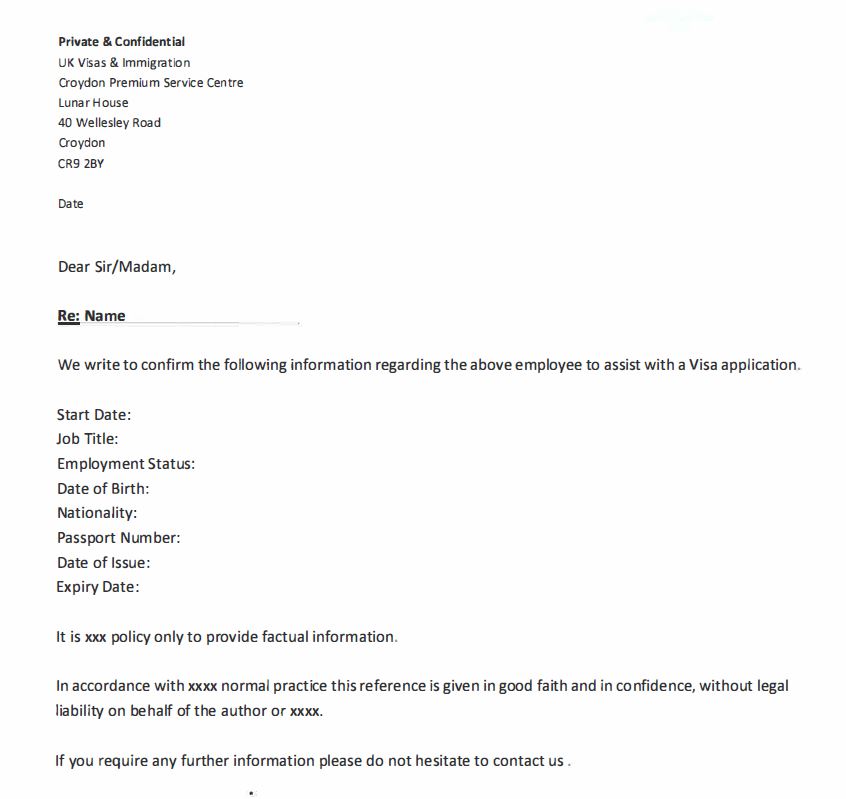
What mine confirmed, line by line:
- start date
- job title
- employment status
- date of birth
- nationality
- passport number, date of issue and expiry date
Then two lines of company boilerplate: that it’s their policy only to provide factual information and that the reference is given in good faith without legal liability. Mine was addressed to the Croydon premium service centre, because that’s where my appointment was. Those centres are gone. Yours is addressed to UK Visas and Immigration and your appointment is at a UKVCAS service point, which is further down.
That’s it. It doesn’t need to be long and it doesn’t need to say anything nice about you. It needs the facts the form asks for, on headed paper, signed.
My sister’s was the same shape from a different company, two years later. It was accepted alongside her current contract and six months of payslips. Mine went in with every employment contract I’d had and five years of payslips, which I now think was two hundred documents’ worth of anxiety.
The cover letter. I sent one. It was a one-page summary of every document in the bundle so the caseworker could find things. I don’t have it any more, so I can’t show you, but that’s all it was: a contents page, not an essay.
Every document, in one list
Two columns. What the application asks for and what I sent in 2018, with what my sister sent in 2020 where it differed. The online form gives you the exact list for your case. This is what the list looked like for two Australians on Ancestry.
What they want | What I sent |
|---|---|
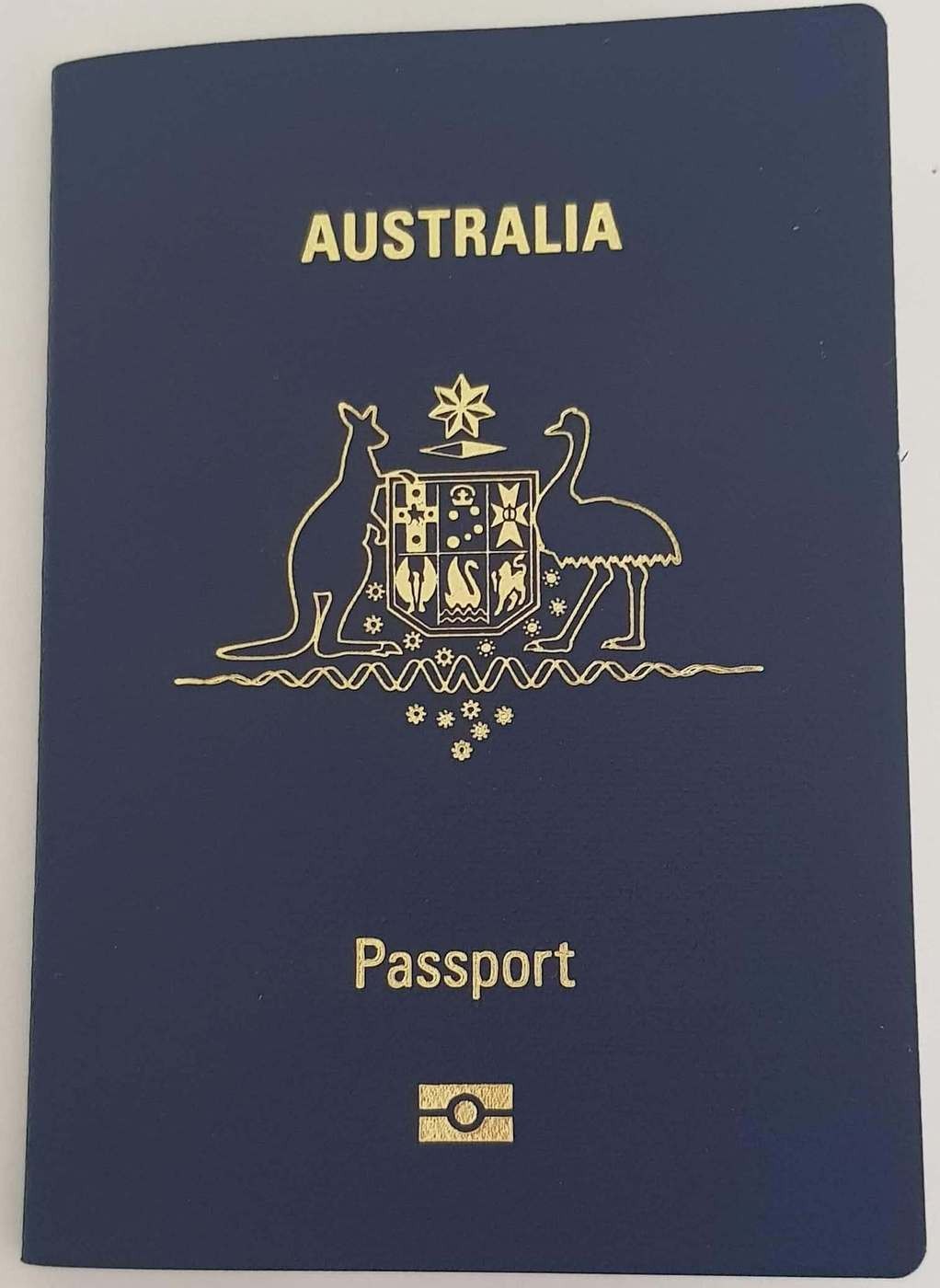
Your current passport | My Australian passport |
Proof of your UK ancestry | My birth certificate, my mum’s and my granddad’s UK one, the chain from him to her to me. The same three I used for the Ancestry visa |
Proof of your immigration status | In 2018, my biometric residence permit. Today your status is digital, see the timeline section below |
Consent for the Home Office to run verification checks | The signed declaration in the form, plus the joint-account consent form because I had one |
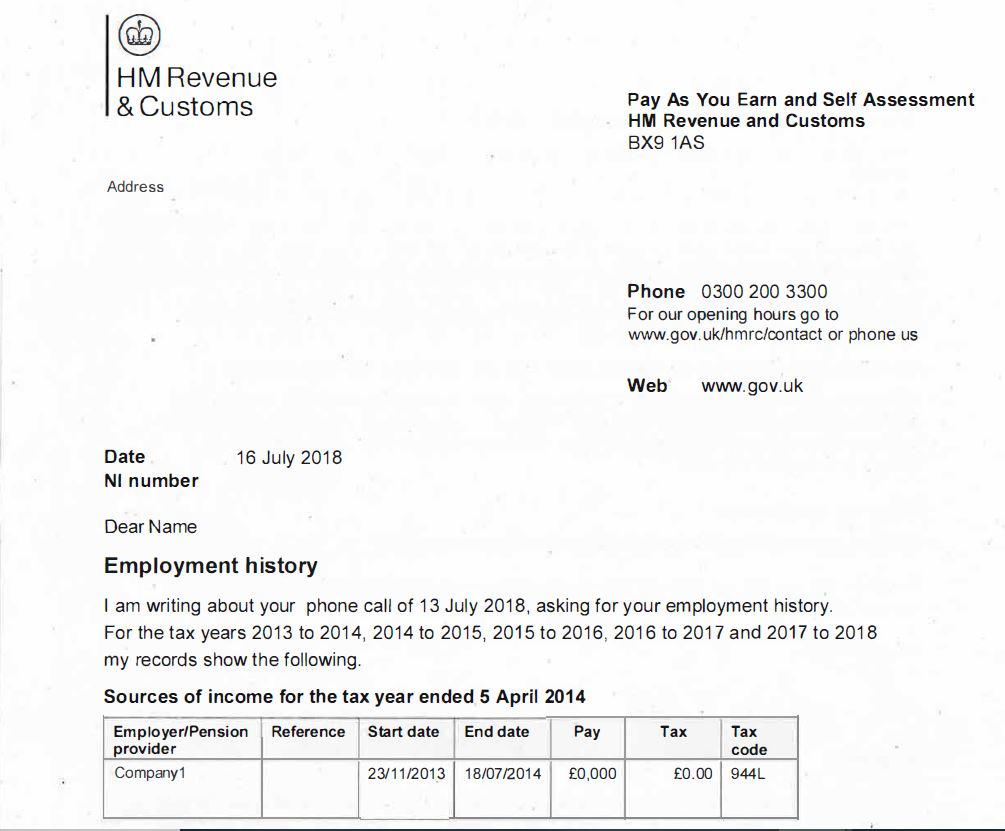
Proof you’re employed | The employer letter above, every employment contract I’d had, five years of payslips and an employment history letter from HMRC, which they post to you if you ring and ask. My sister: her current contract, her employer letter and six months of payslips. Hers was enough |
Proof of your finances | Bank statements. HSBC gave me mine with a cover letter, no fuss. Lloyds would only print three months, stamped at the branch, which is the minimum they ask for. I forgot one small savings account statement entirely and it didn’t matter |
Every passport you’ve used to enter or stay in the UK | My old passport and my new one, because the stamps were the proof of my absences |
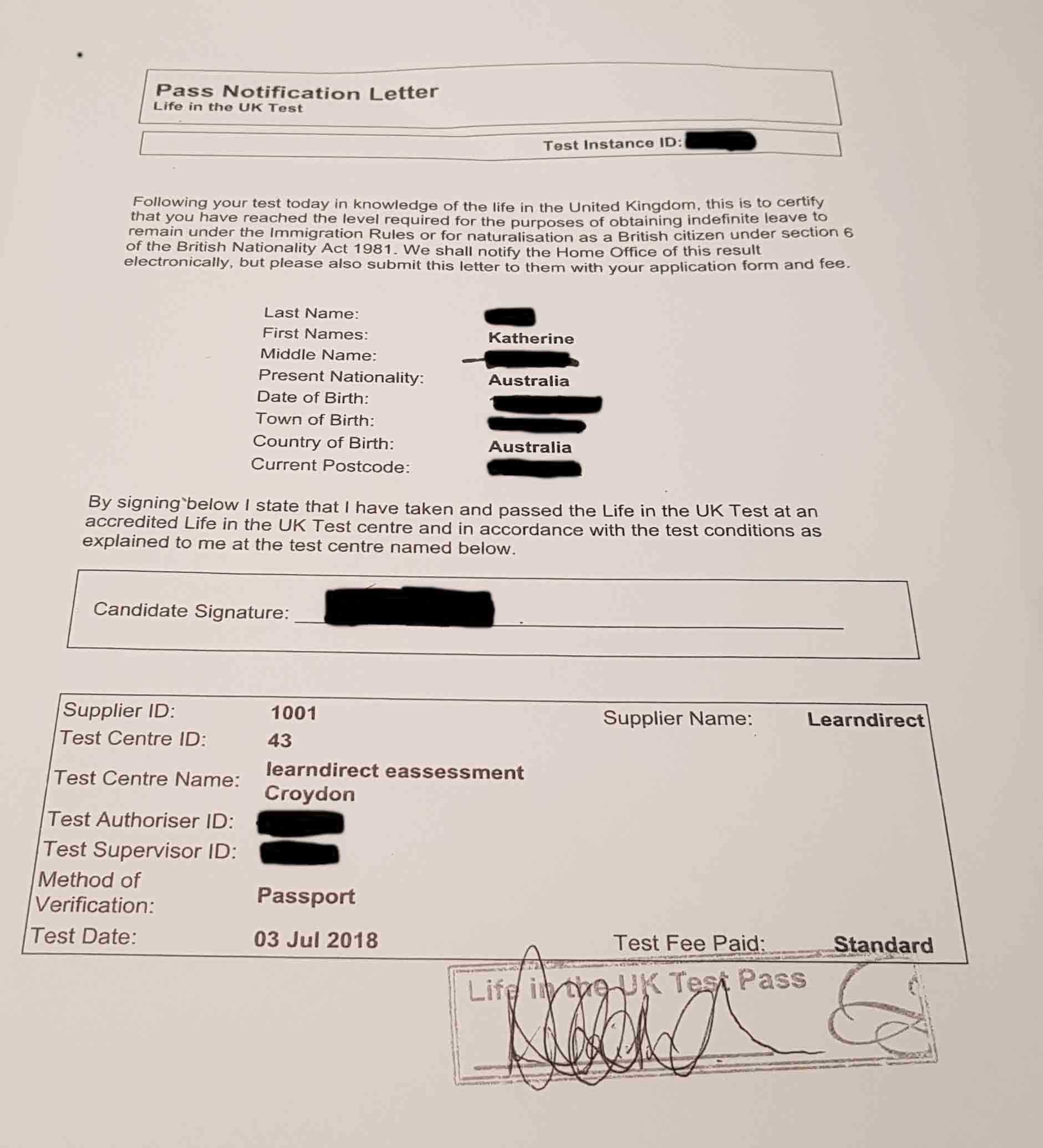
Life in the UK test pass | The pass notification, which is emailed to you now. Keep it. You need it again for citizenship |
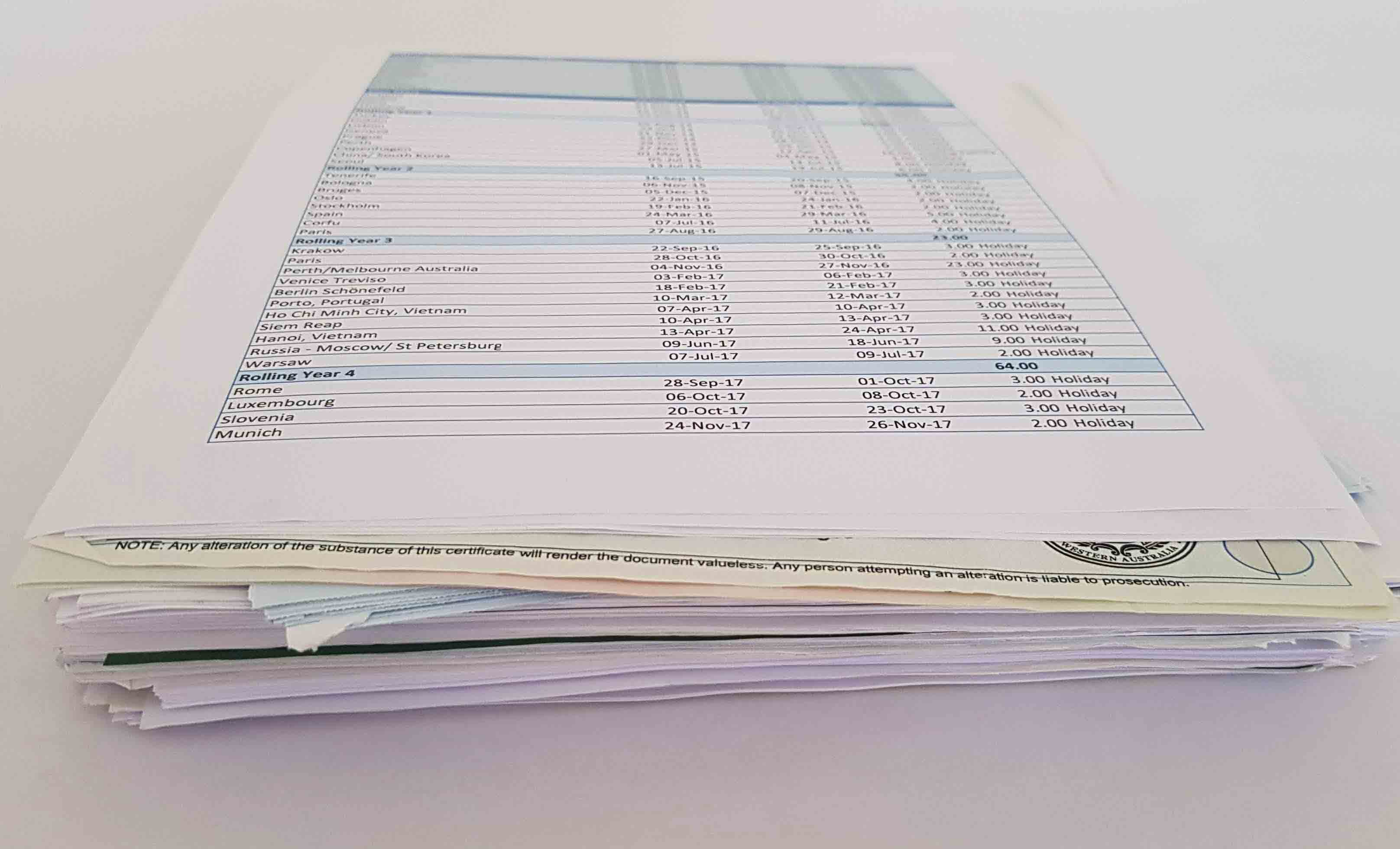
Your absences from the UK | A full list of every trip with dates and a tally of days, plus a spreadsheet because I had more than thirty lines. See the next section |
Proof of English | My Australian passport. Australians are exempt |
Originals or scans. You upload your documents to the UK Visa and Citizenship Application Services (UKVCAS) online service before your appointment, or have them scanned at the appointment. In 2018 I carried the whole stack to Croydon. Now most of it happens at home before you go.
The absences tracker: start it today
The application wants every trip out of the UK in the five years, with dates and the total days. If you’re reading this with a year to go, start the list now, because reconstructing five years of weekends away from memory is slow and I wouldn’t trust mine to catch a 180-day problem.
Mine had more than thirty lines. I built it from both passports, stamp by stamp.
Passport stamps don’t exist any more, which makes this harder than it was for me. Two things fix it:
- Request your Australian travel records. The Department of Home Affairs will send you your movement records, every entry and exit. I didn’t know this existed. It would have saved me hours.
- Keep a rolling tally as you go. One row per trip: where, out, back, days, why. Remember it’s a rolling twelve months for anyone on a visa granted since 2018, so the total that matters moves with you.
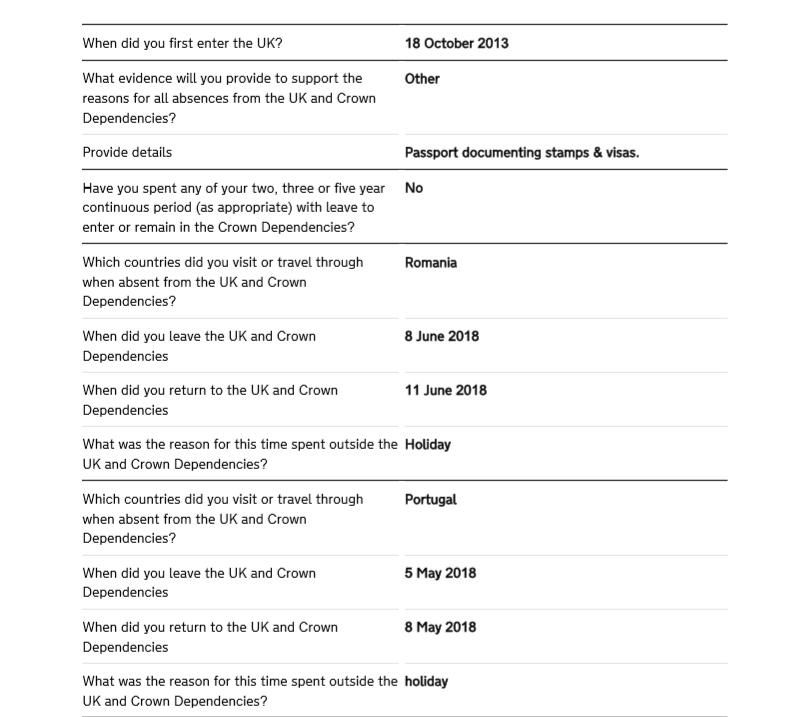
If you want a head start, here’s a blank copy of my spreadsheet. One row per trip and the rolling-year totals add themselves up.
The Life in the UK test
Book it early. It costs £50, you have to book at least three days ahead and the name on your booking has to match the name on your ID exactly. All of that is on the test page. I’ve known people turned away on the day because their ID cut off a middle name or had their country of birth wrong.
Please, please, please don’t leave it to the last minute. If I’d failed, I’d have missed my ILR window. I sat mine for ILR and reused the same pass for citizenship a year later, which is allowed, so it’s one test, not two. The form asks for your test details, so you can’t submit until you’ve passed. I sat mine on 3 July, six weeks before my window opened.
You’re exempt if you’re 65 or over. Otherwise it’s part of the deal.
The timeline, from submit to status
- Apply online through the settlement form for your route (form SET(O) for Ancestry).
- Pay and choose standard, priority or super priority.
- Book and attend a UKVCAS appointment for your fingerprints and photo. Take your passport, a printed copy of the appointment confirmation with its QR code and any documents you haven’t uploaded. Nobody hands you a decision in the room.
- Wait. Next working day on super priority, about five working days on priority, usually within six months on standard.
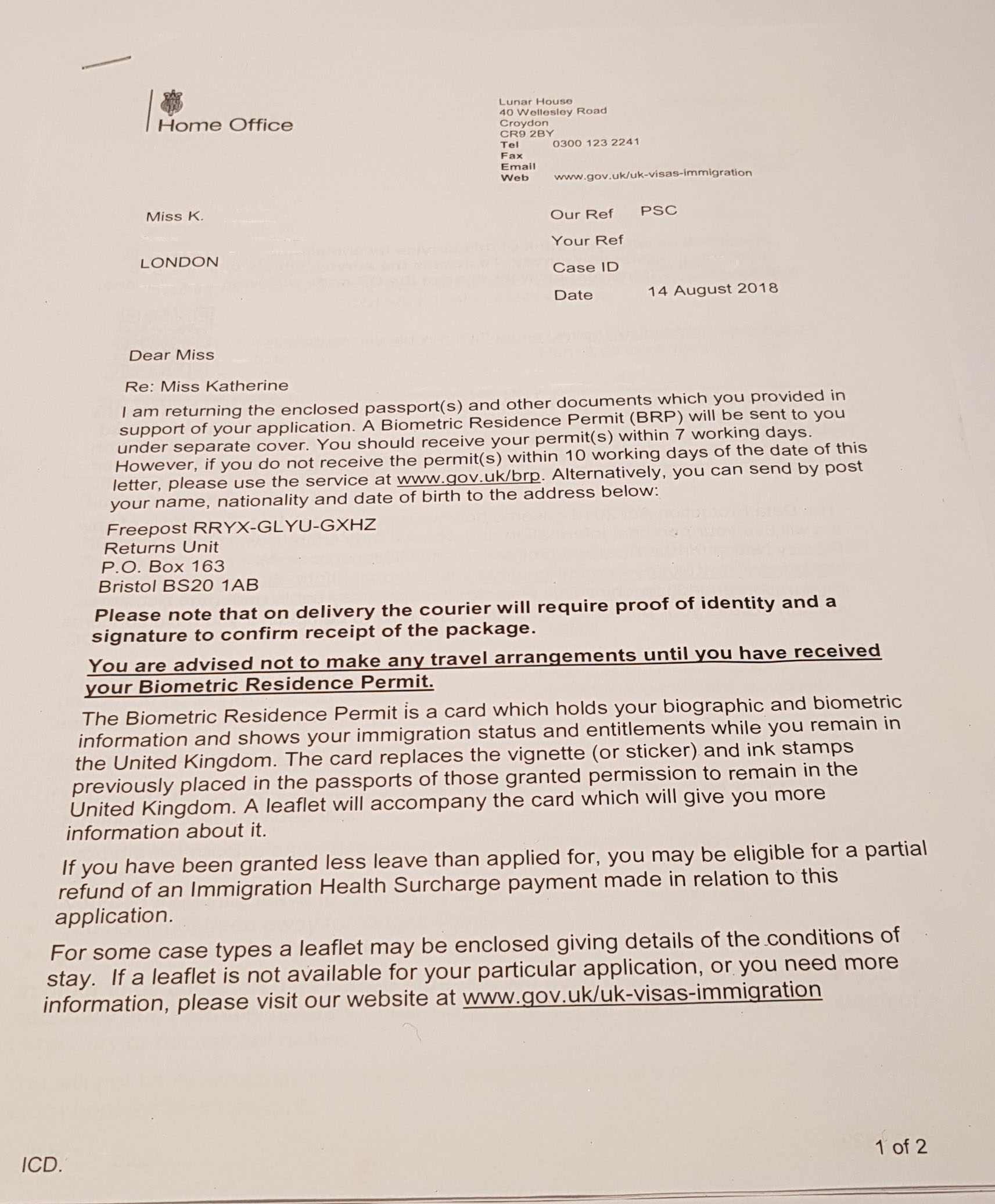
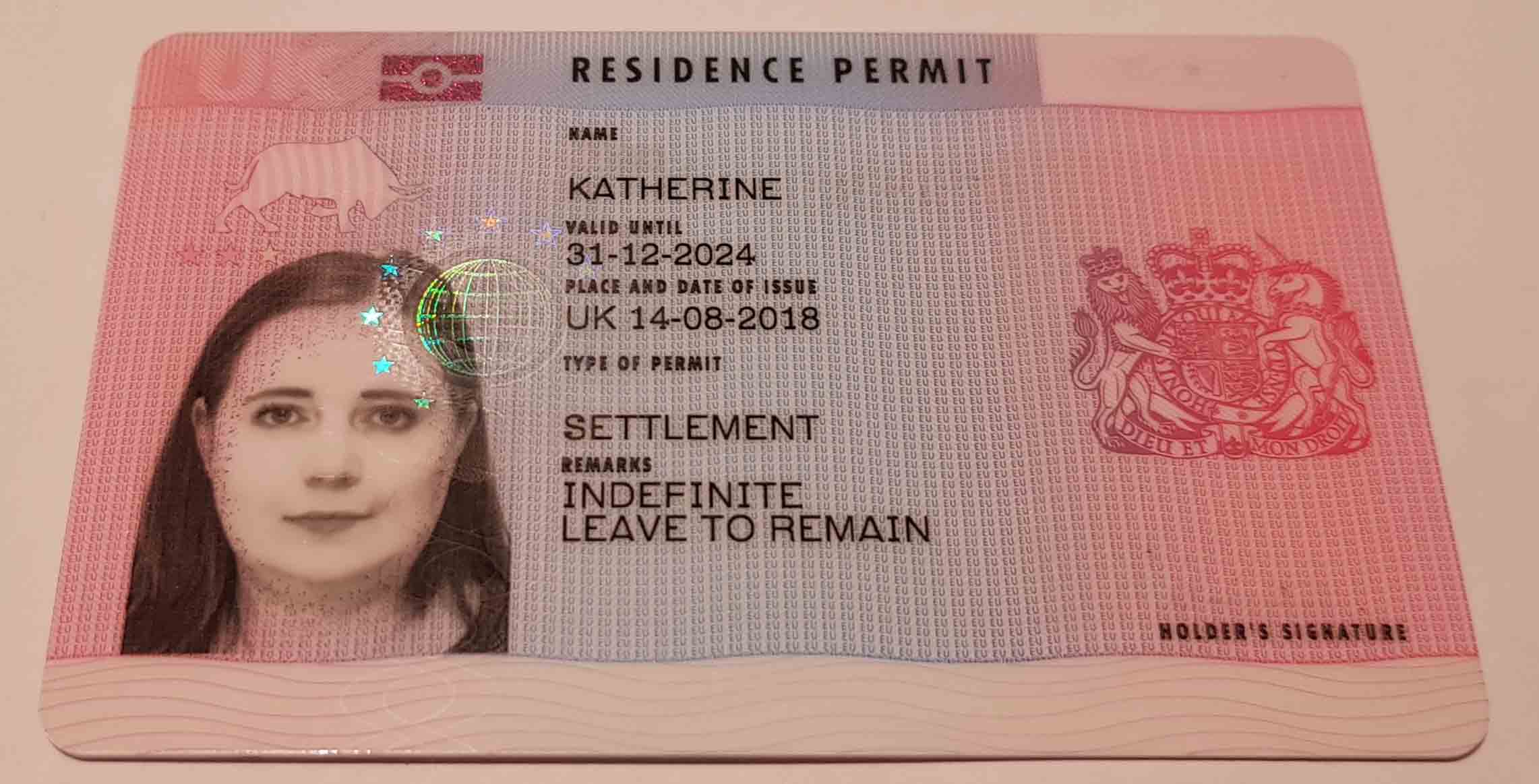
- Your status arrives as an eVisa. There’s no card any more. Every biometric residence permit (BRP) has expired and been replaced by a digital record you reach through a UK Visas and Immigration (UKVI) account. You prove your status to an employer or a landlord with a share code.
Mine, in 2018: applied online on 13 August, super priority, appointment at the Croydon premium service centre on 14 August, decision the same day. I only found out it had been approved when the BRP card arrived in the post. I had no idea the card had an expiry date until it did. The photo was better than my passport one. Neither of those things can happen to you now, because there’s no card.
Where my experience stops. I’ve never had an eVisa. I became a citizen before they existed, so I can point you at the UKVI account page and I can’t tell you what it’s like. If you still have an expired BRP, cut it up before you bin it. It can still be used for a few limited things until 31 December 2026 at the latest.
What catches people out
- Counting from the wrong date. Your five-year point, not your visa expiry. See the top of the page.
- The name on the test booking. Exact match with your ID or you’re sent home and out fifty pounds.
- Absences with nothing to count them from. Request the Australian travel records. Start the tally now.
- Three-month bank statements. Lloyds only gave me three months, stamped at the branch. Ask your bank early what it will give you and in what form.
- Leaving the UK for a long stretch after you get ILR. Two continuous years outside the UK and it’s gone. You’d need a Returning Resident visa at £726 to come back.
- The fee date. It last changed on 8 April 2026. Applying either side of a change can be a different price.
What’s changing
Two things are moving. One is still a proposal, one is a rule with a start date. Neither changes what you’d do this year.
- Five years could become ten. The Home Office ran an earned settlement consultation from November 2025 to February 2026 on a ten-year qualifying period for most routes. It’s still marked as analysing the responses and no outcome has been published. The rule today is five years.
- The English standard goes up on 26 March 2027. A rules change made in March 2026 raises it from B1 to B2 for settlement, Ancestry included, for applications made from that date. Australians are on the exemption list today and that list hasn’t changed, so it shouldn’t touch you. Check it on the day you apply anyway.
Doing it yourself or paying someone
I did it myself. For an Ancestry settlement application it was straightforward: the form tells you what it wants, you gather it, you book the appointment. I knew what I was doing, so I felt comfortable. For me that was worth it. There were plenty of companies at the Home Office the day I went, so people do pay. If you don’t feel comfortable, that’s exactly why those services exist, to make it smooth and easy for you. Neither is wrong.
What I’d do differently
Request the travel records instead of reconstructing five years from stamps. Send my sister’s bundle, not mine: a current contract, the letter and six months of payslips did the same job as five years of everything. Book the test the month I became eligible, not the month before the deadline. And I’d still pay for the fast decision, because the waiting is the worst part and I’d already done enough of that.
Worth it
The super priority service. A decision the next working day for £1,000. I paid it in 2018 for the peace of mind and I’d pay it again.
Not worth it
Two hundred documents. My sister’s bundle was a third the size and did the same job.
Worth it
Doing it myself. I knew what I was doing, so for me it was worth it. If you don’t feel comfortable, that’s what the services exist for. Neither is wrong.
Not worth it
Leaving the test to the last month. A fail would have cost me the whole application window.
Worth it
Requesting your Australian travel records. The absences list builds itself. I wish I’d known.
Not worth it
Counting from your visa expiry. Mine happened to be the same day as my five-year point. Yours may not be. Work off the five-year point.
Worth it
Sitting the Life in the UK test early. One pass, reused for citizenship. Leaving it late was the most stressful part of the whole thing for me.
Not worth it
Relying on passport stamps. They don’t exist any more.
The Pivot
Worth it
A year later it turned into a British passport.
FAQ
What does the ILR employer letter need to say?
That you’re employed, on headed paper, addressed to UK Visas and Immigration: your start date, job title, employment status, date of birth, nationality and passport details. Mine was drafted by my employer’s HR team from a short brief. The redacted letter is above.
Is there an ILR cover letter example?
Mine was a one-page contents list of every document in the bundle, so the caseworker could find things. I don’t have it any more. It doesn’t need to be more than that.
When can I apply for indefinite leave to remain on the Ancestry visa?
Up to 28 days before you reach five years in the UK on the visa, counted from when you entered. Not 28 days before your visa expires. The rule is in the Home Office’s continuous residence guidance.
How long does ILR take?
By the end of the next working day on the super priority service, usually within five working days on priority and usually within six months on standard. Mine, on super priority in 2018, was the same day.
How much is indefinite leave to remain in 2026?
£3,226 per person for the application, £50 for the Life in the UK test, plus £500 for priority or £1,000 for super priority if you want them. The fee table has the current figures.