Category: United Kingdom

Discover England, Northern Ireland, Scotland and Wales with its breath-taking scenery, history and culture it is packed with appeal for travellers. It’s hard to travel more than a few miles without stumbling upon a castle, pub, stately home or historic village. Alternatively, explore one of the bustling cities like London, Glasgow, Cardiff, Edinburgh, Belfast and Manchester…

  • How to Explore the Lake District (If You Don’t Have a Car)

    How to Explore the Lake District (If You Don’t Have a Car)

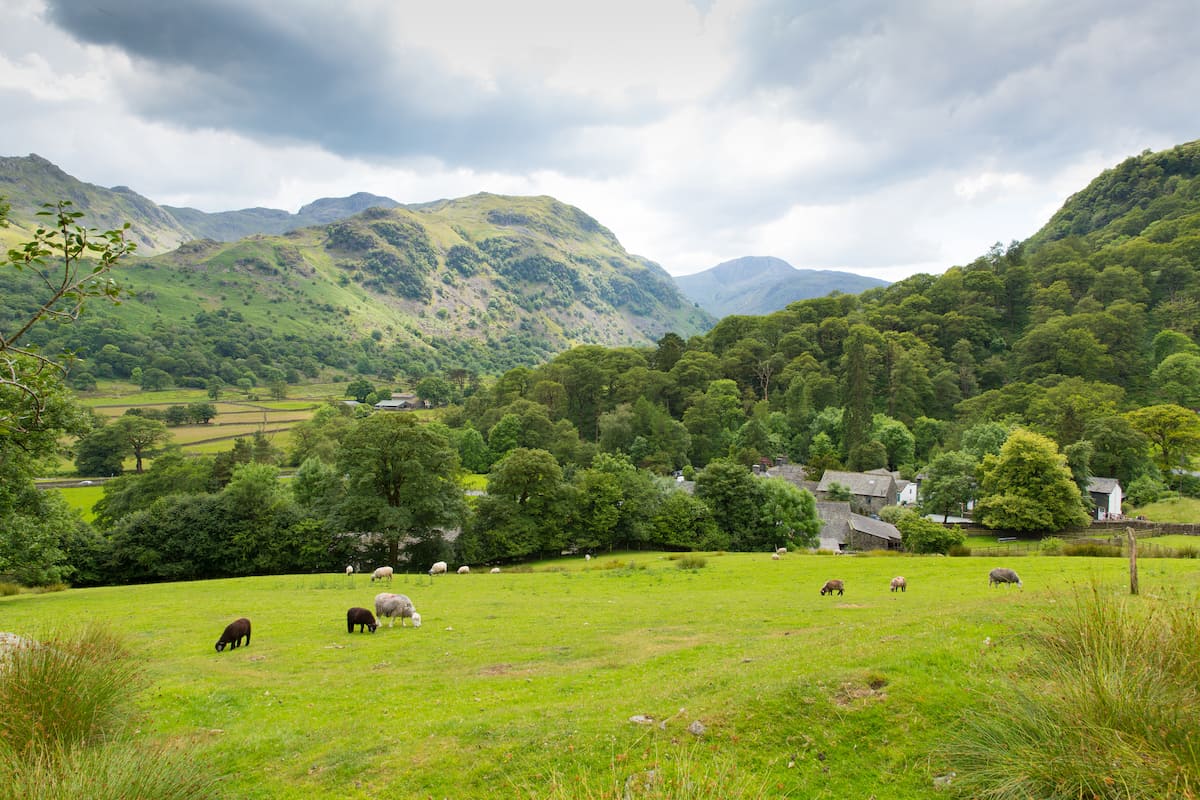
    A mention of England’s favourite National Park, the Lake District, should bring to mind rolling hills, sweeping valleys and remote countryside. There are almost 600,000 wild acres to explore within the borders of the Lake District, which are perfect for long rambling hikes and getting lost in the wilderness.

    Of course, it’s an unfortunate fact that none of these things typically coincide with being public transport friendly. But the Lake District is more accessible than you might think.

    While the most hidden corners and further afield locations may be out of the picture, you can still enjoy a full and satisfying itinerary in this National Park. With our guide to the best Lake District itinerary without a car, you will not only leave feeling like you have seen the best of the region, but like you could visit again and again and never feel that you have missed out.

    Discover one of the UK’s most beautiful regions without ever needing to get behind the wheel.

    Begin Your Trip at Windermere 
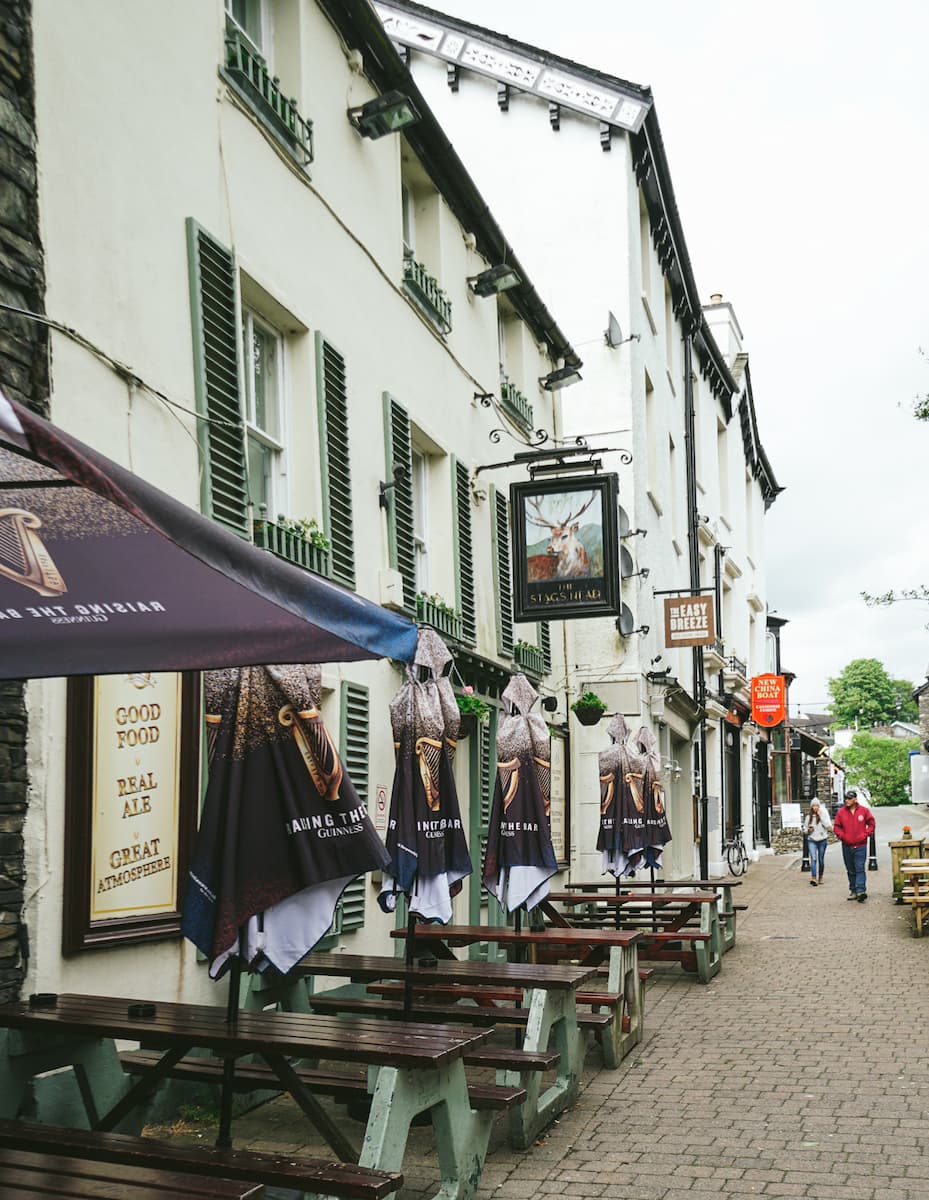
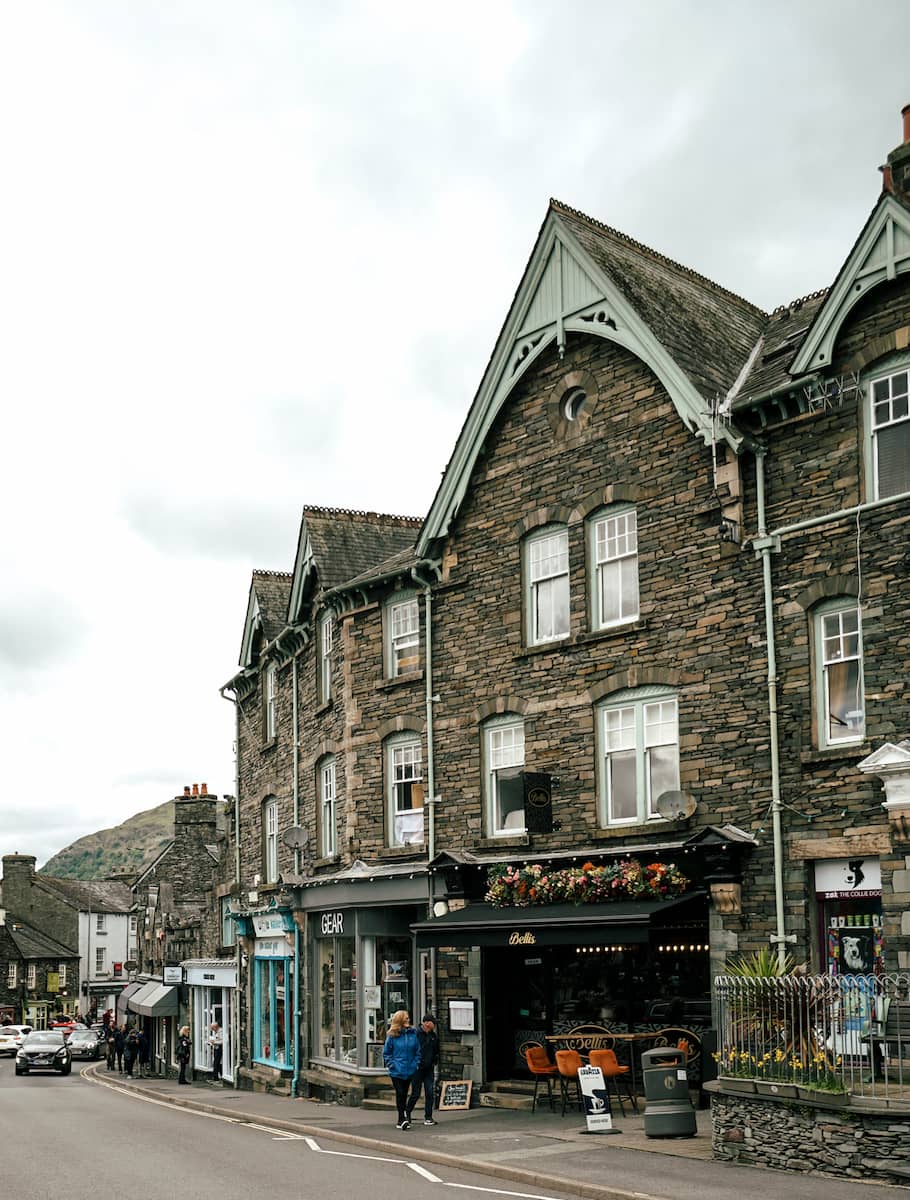
    Pub in Windermere

    Where better to start than the Lake District’s most iconic lake? Windermere is both the largest and most famous lake in the eponymous Lake District. As a virtue of those traits, it is also the best connected.

    Staying in Bowness-on-Windermere puts you in the centre of all the action, right on the edge of the lake in a busy town filled with shops and places to eat. It’s connected to most areas in the Lake District by bus or ferry, and works as a great base for car-free visitors hoping to explore the region.

    You can easily reach Bowness-on-Windermere by bus after catching the train into Windermere station. Once there, it’s time to start exploring the Lake District’s busiest town. With thousands of tourists flooding through Bowness-on-Windermere every week, you get the immediate sense that the town caters to a transient, affluent crowd. This isn’t a bad thing for visitors at all, as unique shops are able to flourish with the extra income provided by tourism. 

    There are gift shops, unsurprisingly, but you will also find independent clothing boutiques, a fudge pantry, galleries, pottery shops and the like in this town. Cafes, pubs and restaurants are also thriving – Graze is a favourite of mine – which is perfect for visitors. Hikes and boating are the obvious activities of choice, but there are some rainy day alternatives in Bowness: Blackwell – The Arts & Crafts house, the Old Laundry Theatre, and, most famously…

    Journey Into The World of Beatrix Potter

    World of Beatrix Potter - Peter Rabbit
    World of Beatrix Potter – Peter Rabbit

    Meet Peter Rabbit, Mrs Tiggy-Winkle, Jemima Puddle-Duck and more in the enchanting ‘World of Beatrix Potter’ attraction in Bowness-on-Windermere. 

    Beatrix Potter spent much of her life living on Hill Top Farm in Near Sawrey, a village not far from Windermere on the west side of the lake. She adored the Lake District, and made hugely important efforts to protect the landscape; you will often find real-life locations from the region appearing in her books. The Tower Bank Arms, a gorgeous little pub in Near Sawrey, is one such example – it is featured in The Tale of Jemima Puddle-Duck.

    At The World of Beatrix Potter, you can see her beloved characters and illustrations come to life. Wander through the charming tales of Peter Rabbit and the UK’s other favourite childhood stories in a series of interactive exhibits. You will step into Mrs. Tiggy-Winkle’s kitchen, and smell the fresh laundry hanging there, explore Jemima Puddle-Duck’s woodland glade, and hide from Mr. McGregor in the Peter Rabbit Garden. It’s an adventure for all the family; kids and grown-ups alike. Besides the tales and characters, you also get a chance to learn a bit more about Beatrix Potter herself – there’s an exhibit detailing her life, with a particular focus on her affection for the Lake District.

    World of Beatrix Potter
    World of Beatrix Potter

    The World of Beatrix Potter can be found in Bowness-on-Windermere, which means it can be easily reached by public transport, even if you’re not staying conveniently in the town. If you want to visit Hill Top, the farm where Beatrix Potter lived and set many of her stories, you can catch a bus from Bowness.

    Embark On a Boat Trip On Windermere Lake
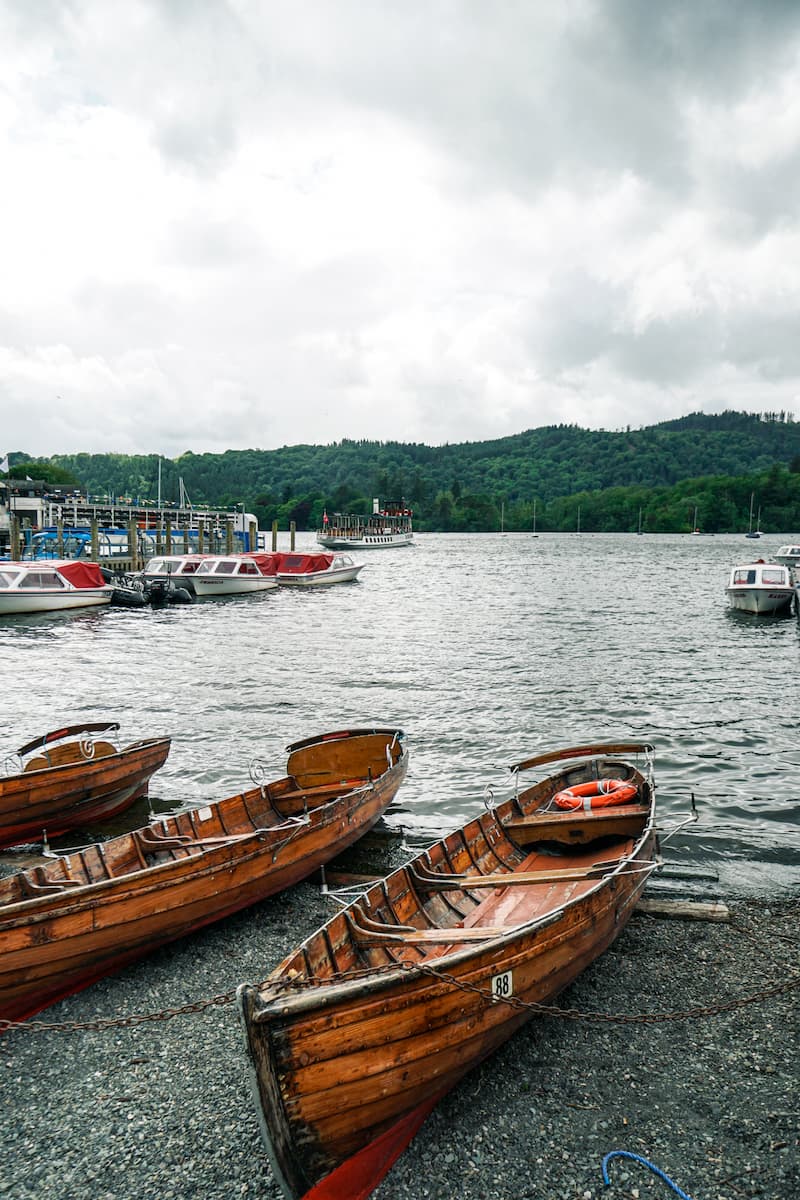
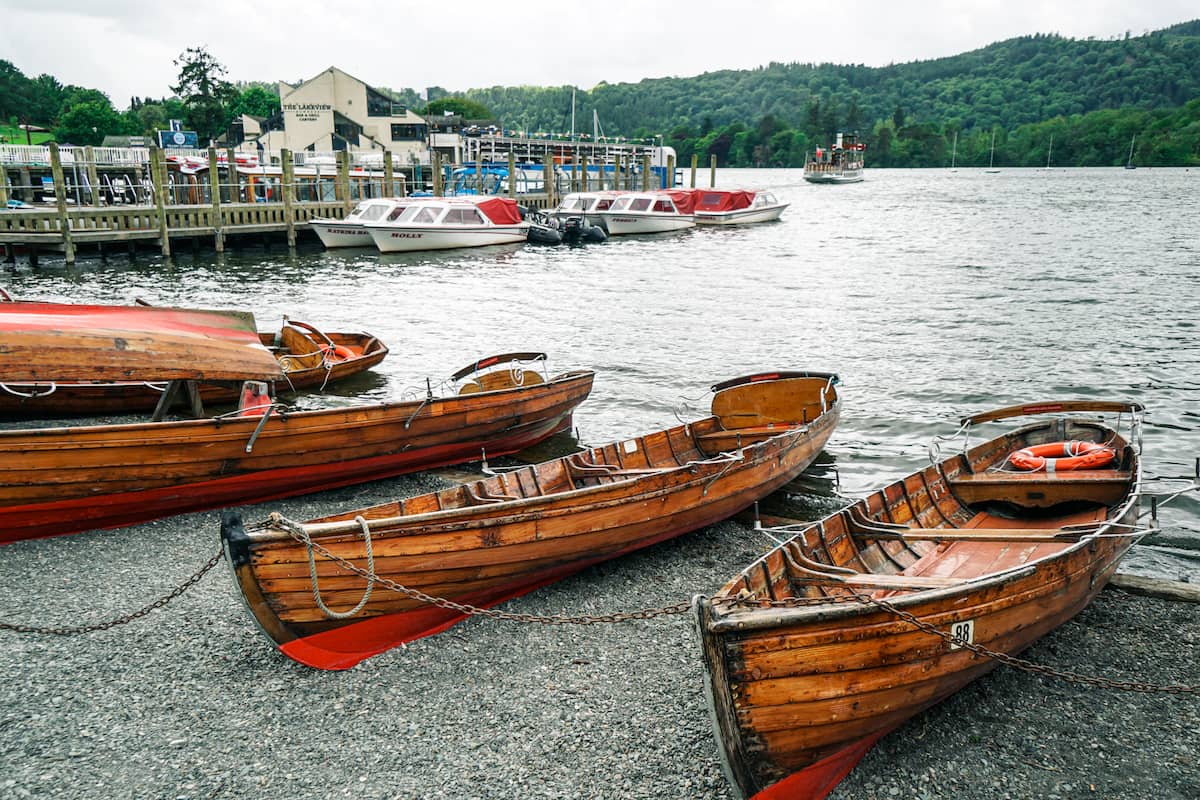
    Boat Trip On Windermere
    Boat Trip On Windermere

    It’s just one of those unmissable experiences: when visiting the Lake District, you really need to see it from the water. Drifting away from the shore, cruising gently across a lake immersed in some of England’s most gorgeous scenery is a relaxing adventure that appeals to all ages. 

    Windermere is the largest naturally formed lake in England, and stretches for 10.5 miles (or 18 kilometres). Exploring Windemere on the water can be done in a myriad of ways; there are ferry routes to Ambleside from Bowness-on-Windermere and vice-versa, but you can easily hire a boat and chart your own course. If you want to spend longer sailing around Windermere, choosing to hire a boat or embarking on a private tour are better options than the ferry.

    If you want to try something a little more adventurous, you can canoe, kayak or paddleboard your way out into the lake. While jet skis and power boats are not outright banned, the speed limit of 10 nautical miles per hour – unfortunately, lakes have speed limits too – takes all the fun out of using them! 

    Visit Hawkshead
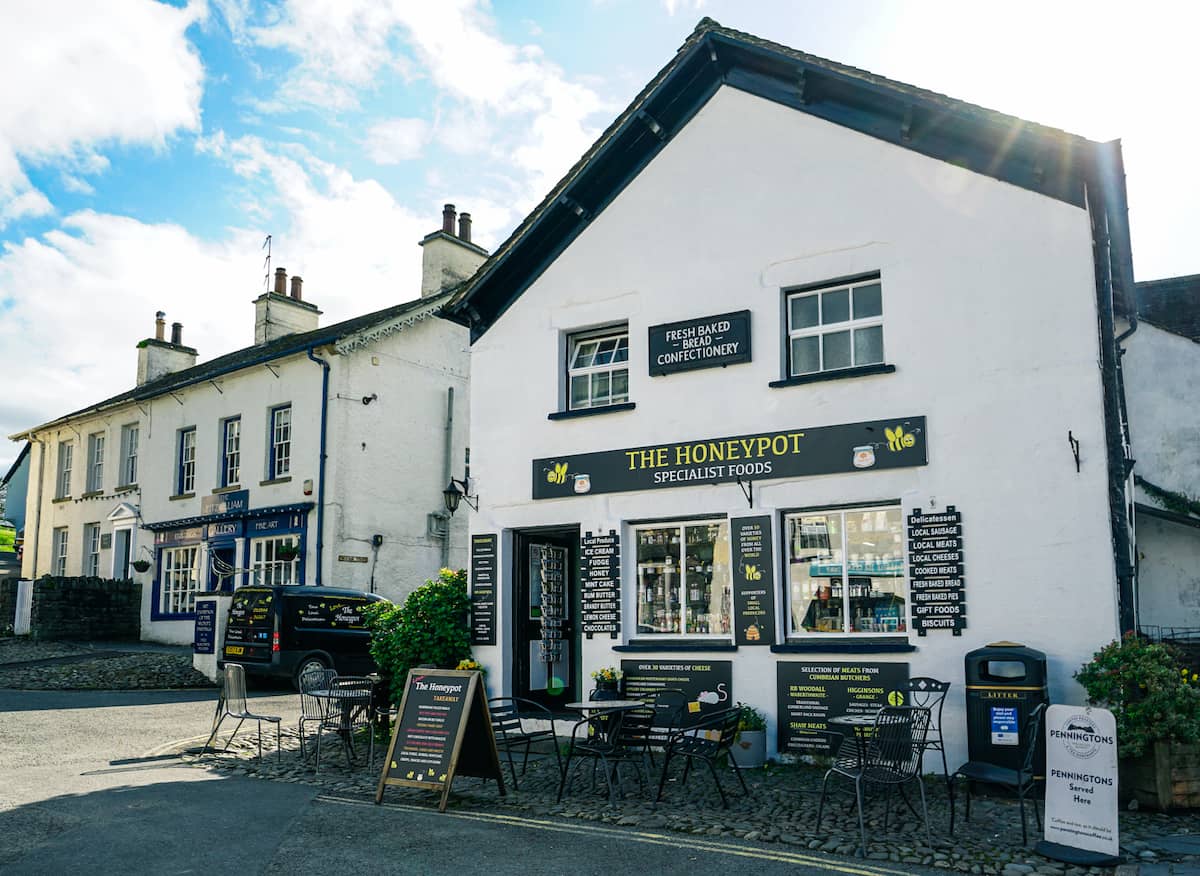
    Hawkshead is the poster village for the Lake District
    Hawkshead is the poster village for the Lake District

    Hawshead is one of the prettiest villages in the Lake District, and is visited by thousands of tourists every year. There are regular buses that can take you directly to the village.

    Tall chimney stacks and medieval inns and the slate and stone cottages typical of this corner of Cumbria make for a village typically plastered on postcards. Hawkshead offers the kind of rural idyll you might have expected to find in the Lake District; country pubs, a 12th century church and miles upon miles of rolling green hills just outside its borders. 

    The village is situated in beautiful countryside, and is an excellent starting point for a number of forays into the surrounding wilderness; Grizedale Forest and the 2 mile trail to Tarn Hows are particular highlights.

    As for those who would prefer to stay within the borders of Hawkshead itself, there are a smattering of small independent shops to browse – which range from specialist food shops and delicatessens, to jewellers and boutiques; there’s even a chocolate factory! After walking around for a while, you can put your feet up in cute cafes like Ginny’s Teapot, or one of the fantastic pubs and restaurants in the village.

    If you’re still hoping for more Beatrix Potter-related material after your experience in Bowness-on-Windermere, you’re in luck. The National Trust’s Beatrix Potter Gallery displays the original artwork of the author, displaying her famous character illustrations inside a 17th century house. Other things to do in Hawkshead include Hawkshead Grammar School Museum and a trip over to the Hawkshead Brewery.

    Extend your Trip West of Windermere By Stopping in Coniston

    Coniston is a charming village just under 4 miles west of Hawkshead, and can be reached from there by bus, bike or on foot. The villages are similar – as you might expect, being so close together – but the big difference is that Coniston sits on the banks of Coniston Water, and has an affinity for water sports as a result.

    You can hire rowboats or kayaks and venture out into this small lake for an afternoon of adventure after spending a leisurely morning in Hawkshead. While the village is lovely, Coniston is really put on the tourist trail because of the landscape all around the village. You will find Coniston to be a hub of adventure and outdoor sports; hiking is the undeniable favourite, with the towering shadow of the Old Man of Coniston a popular conquest among hikers, while other trails, like Tarn Hows and the walk around Coniston Water itself, are also worth the trip.

    Coniston isn’t essential viewing in the Lake District, but if you find yourself in Hawkshead looking for a little adventure, or fancy the challenge of the Old Man of Coniston, it is well-worth a visit. Ardent hikers may even want to skip Hawkshead altogether and focus on Coniston; it provides convenient access to some great trails – something not always easy to come by without a car.

    Catch the Bus or Cycle to Wordsworth’s Grasmere
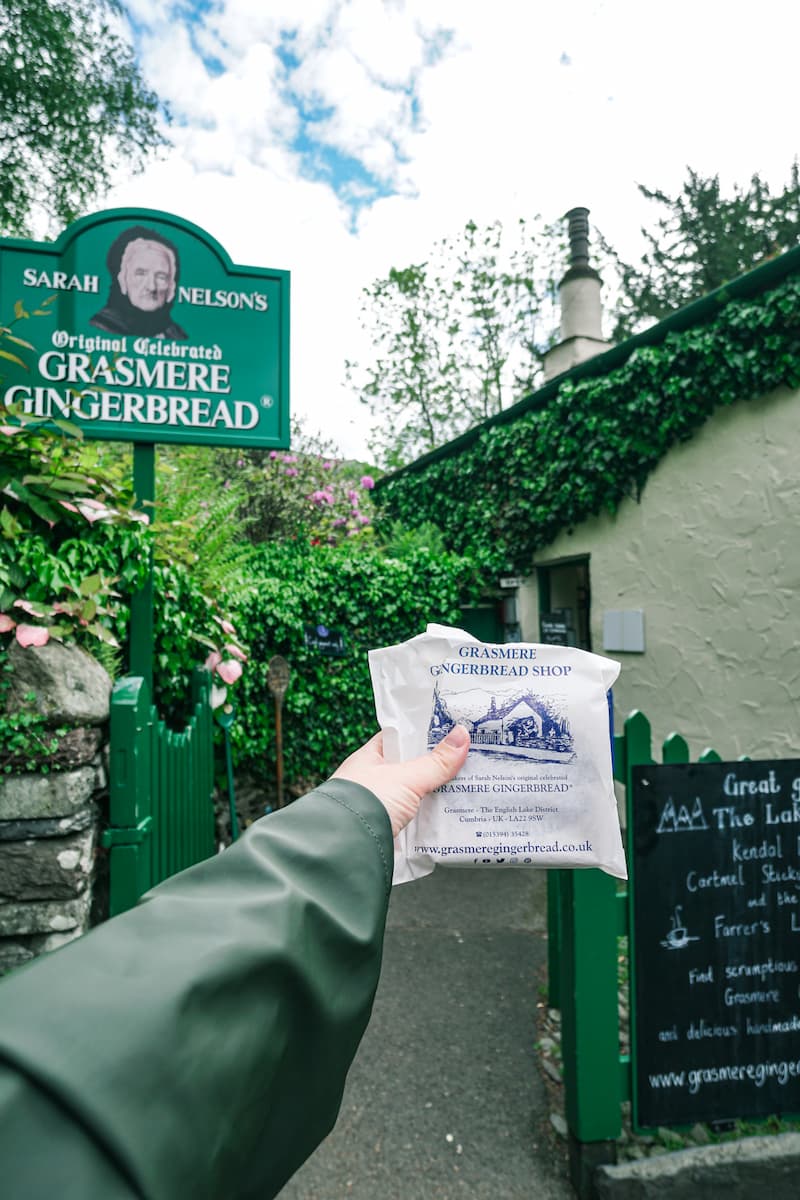
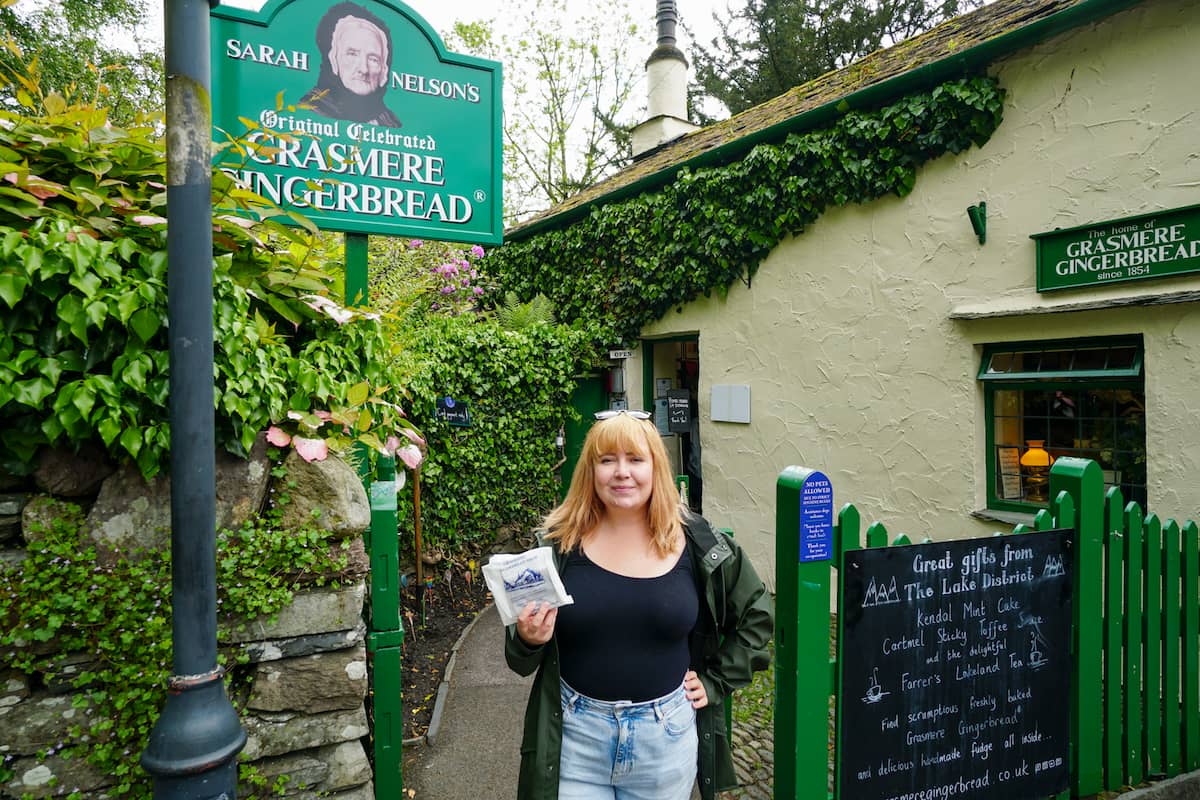
    The famous Grasmere Gingerbread
    The famous Grasmere Gingerbread

    Grasmere is a beautiful little village in the Rydal and Ambleside Valley, best known for its connections to Romantic poet William Wordsworth. It is easily reached by bus from Bowness-on-Windermere.

    Wordsworth would quite literally wax poetic about the joys of living in Grasmere and the Lake District, writing odes to the region’s beauty while deriding the dirty nature of the city. His opinion of the peace and serenity found in the Lake District is one shared by countless others, who flock to the area hoping to experience a glimpse of that same wonder. Grasmere is as perfect a representative for the ideal of the Lake District as you could possibly imagine – which is why it is also one of its most visited.

    Every angle and vista of the village offers a postcard-worthy view; Grasmere’s quaint cottages and winding streets are endlessly charming, and Grasmere lake is small, but beautiful. While in Grasmere, besides from simply taking it all in, you can explore its many cafes and boutiques, enter a 13th century church, and wander over an ancient stone bridge. An unmissable stop is the iconic Grasmere Gingerbread shop, where you will find a unique type of gingerbread – invented in 1854 – that can only be bought in England.

    Try Grasmere Brewery
    Try Grasmere Brewery

    When in Wordsworth’s beloved Grasmere, you have to visit Dove Cottage, where he and his family once lived. The home has since been converted into a museum and tearoom, where you can learn more about the poet’s life and works, while experiencing the same setting that Wordsworth found so inspiring. The cottage is tucked away in the winding pathways of the village, but is only a few minutes from the gorgeous views of natural landscapes that were Wordsworth’s muse. Walks from Grasmere will treat you to sweeping views of Grasmere lake and the surrounding mountains.

    Amble on to Ambleside
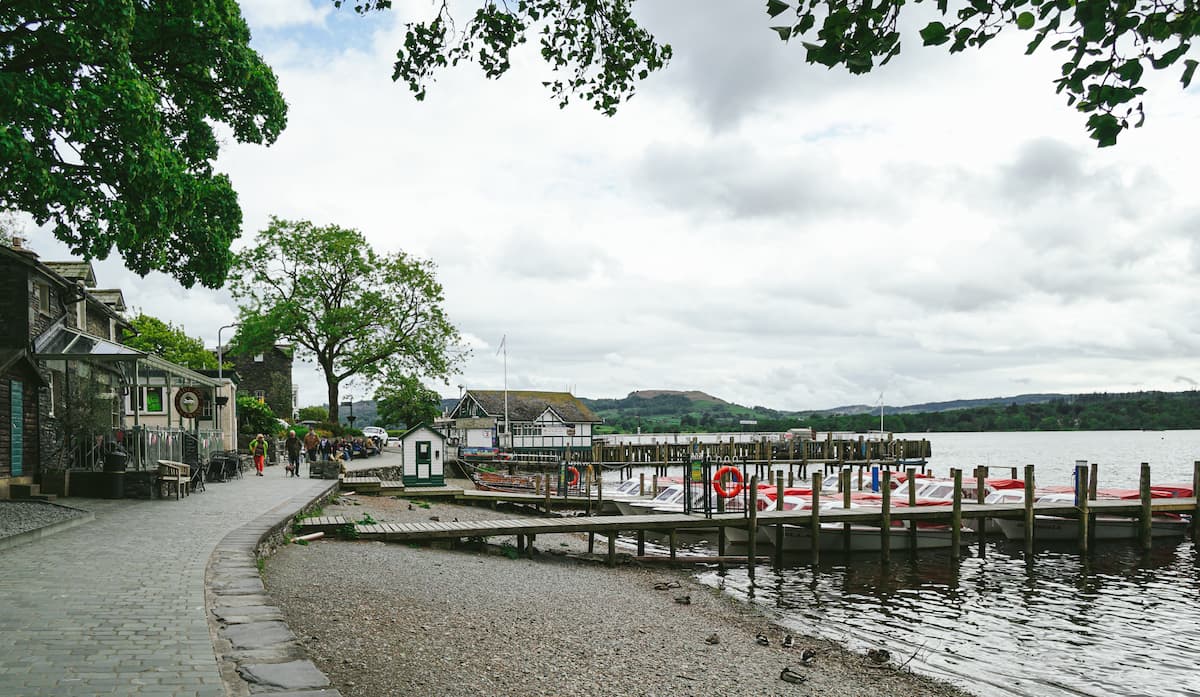
    Lake views by Ambleside
    Lake views by Ambleside

    Ambleside sits at the top of Windermere, and historically marked the head of the lake. It is one of the most popular towns in the Lake District – its easy to reach location combined with its obvious charm guarantee it a place on many people’s Lake District bucket lists.

    There’s a certain sense of whimsy to Ambleside, which has marks of a pervasive, lighthearted eccentricity dotted around the town. The one most familiar to visitors, and the most delightfully ridiculous, is the Bridge House. A minute stone bridge crosses over Stock Beck, and in the 17th century, Georgian architects, in all their finite wisdom, saw this as the perfect place to build a house. It may be an odd location for a home, but it has worked well as a tourist attraction; the precariously balanced cottage draws in thousands of bemused visitors and eager photographers every year.
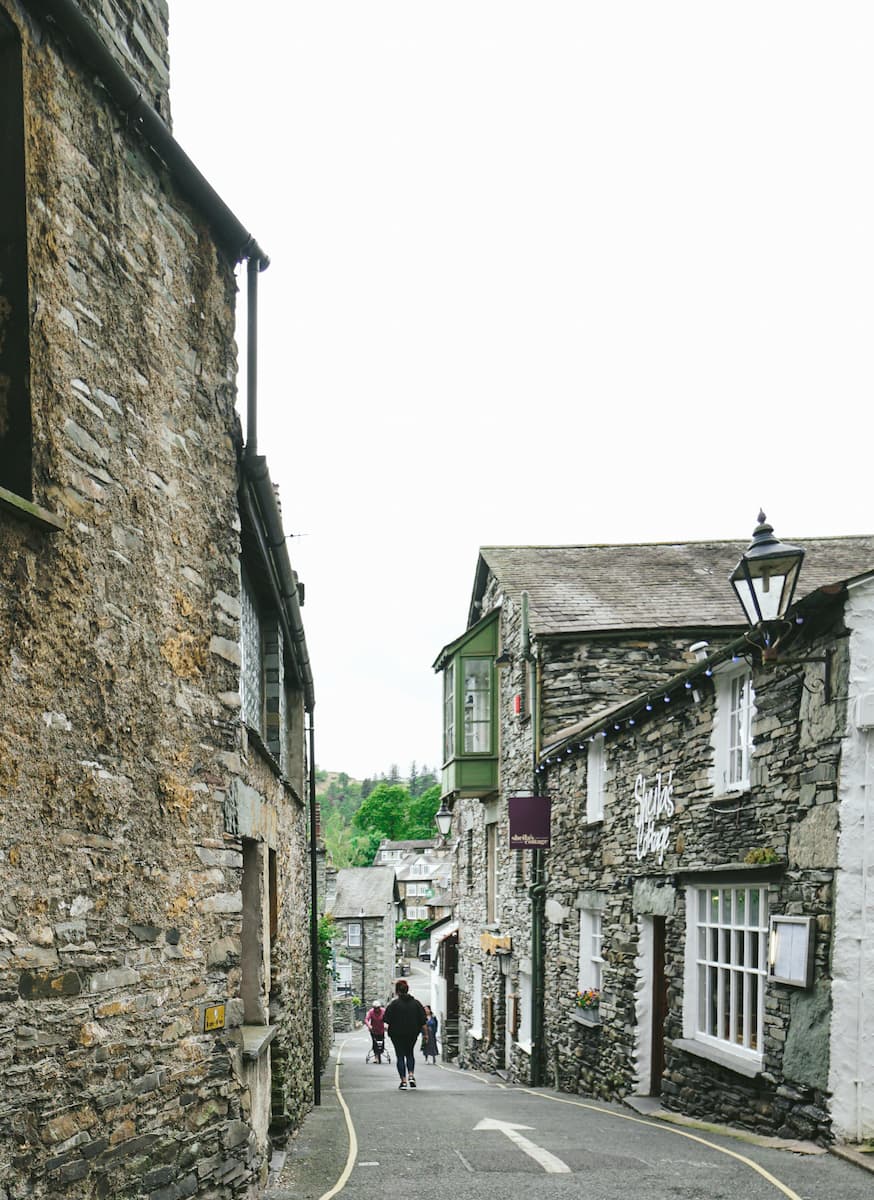
    Side streets of Ambleside
    Side streets of Ambleside

    Ambleside has plenty of other attractions, both in and outside of the town. You can potter around the shops, cafes, museums and galleries in Ambleside, or head out into the countryside. Wray Castle, a Victorian neo-Gothic mansion now belonging to the National Trust, is a 10 minute drive, or an hour long walk from Ambleside.

    As you will often find in towns and villages in the Lake District, natural beauty is never too far away. Ignoring the lovely views over Windermere, Ambleside has wonderful walks leading into woodland, up mountains and alongside the banks of a river; Stock Ghyll Waterfall is only a 10 minute walk away from the town.

    If after all that, you still have some time in the day to spare, you can enjoy another trip on to the lake. Boat hires and ferries are almost as plentiful in Ambleside as they are in Bowness-on-Windermere!

    Wander Around Keswick
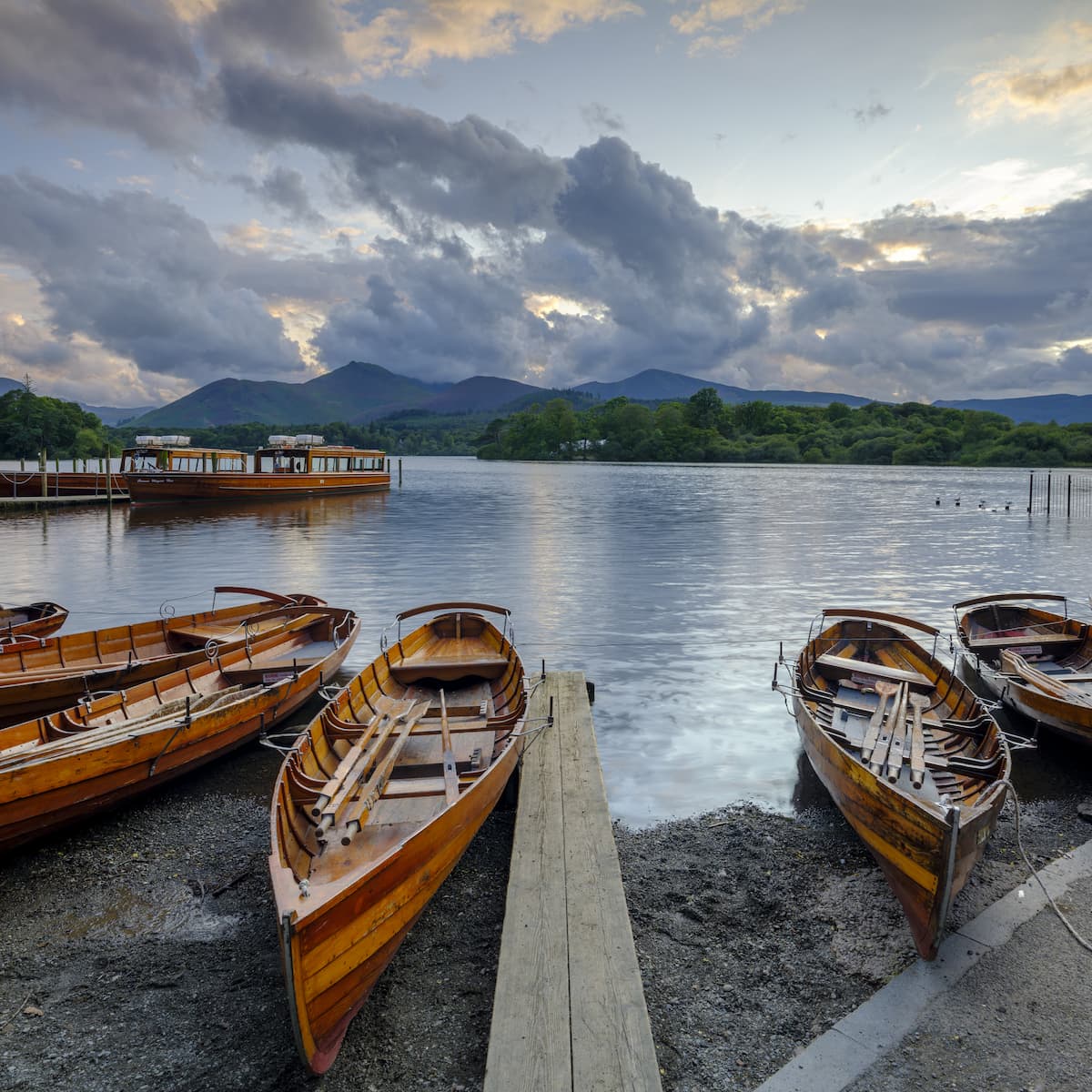
    Derwent Water from Keswick, Lake District National Park

    Keswick is the largest town in the Lake District, but shares the same charm and quaint atmosphere as the smallest villages. There are streets of sweet little chocolate shops and independent boutiques that fit seamlessly into the character of the town.

    Many of the shops and cafes in Keswick are family businesses that have been in the town for decades; they add to an overall atmosphere of rural authenticity that keeps Keswick from falling prey to the cloning of high streets so common in mid-size UK towns. You could easily whittle away a few hours shopping in Keswick, and you won’t struggle for places to eat or things to do either. 

    Some of the Lake District’s more eccentric attractions are located in Keswick. The Cars of the Stars museum may no longer be there, but Keswick still holds its own with unique things to do; you can head to the Derwent Pencil Museum to learn all about the history of the pencil, or experience optical illusions and mind-boggling artwork in Puzzling Place. You can journey back 5000 years at the Castlerigg Stone Circle: this atmospheric stone monument is believed to have been built in roughly 3000BC, making it even older than Stonehenge.

    Keswick also gives you another chance to see the water. It’s not called the Lake District for nothing! The beautiful Derwentwater is surrounded by fells and woodland, and offers visitors the chance to hire a rowboat and slowly drift out into the lake, or take a dip – you can swim, but it’s not for the faint hearted; lakes in this part of the country are notoriously cold!

    Explore Ullswater
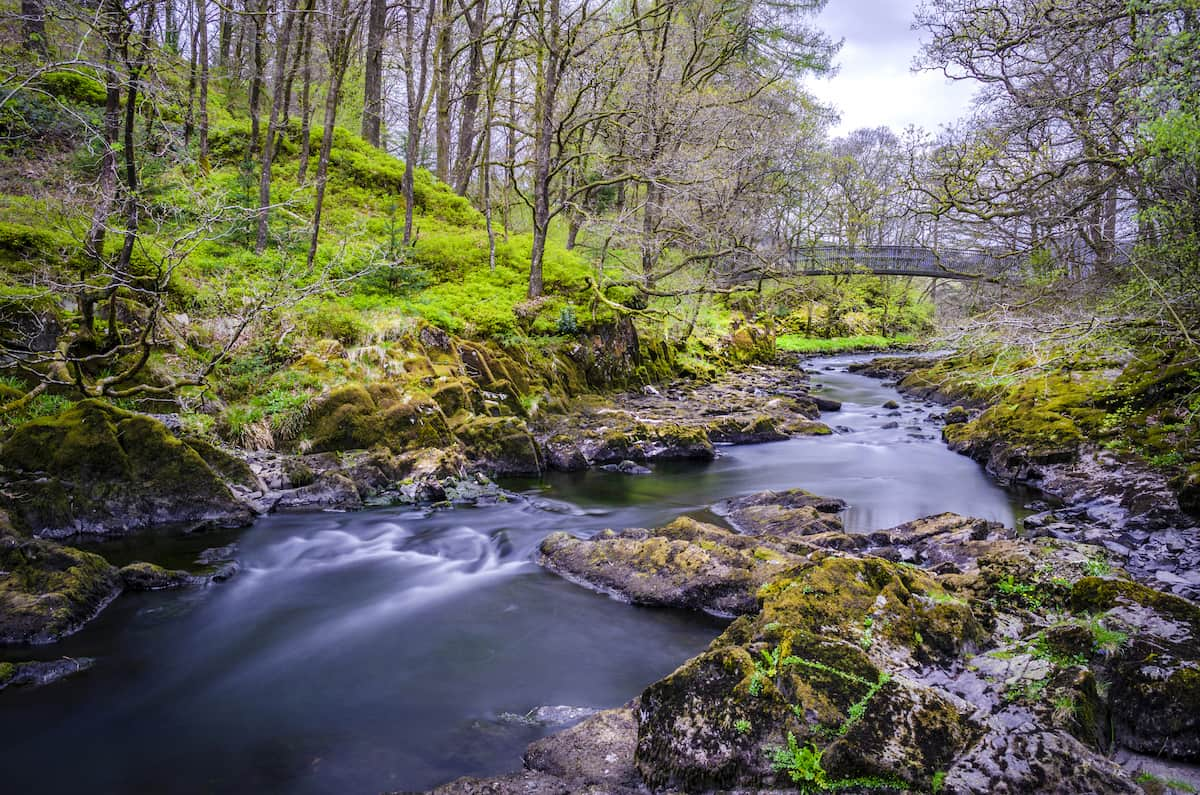
    River Brathay passing from Elterwater
    River Brathay passing from Elterwater

    Ullswater is one of the easiest locations in the Lake District to reach without a car. Penrith station is connected to national rail networks, has transportation links to London via train or coach, and is connected to the rest of the Lake District by bus.

    Ullswater is the second largest lake in the national park, and has a more rugged, remote feel than Windermere. Stunning mountainous scenery, dramatic waterfalls, jutting rockfaces and dense woodland make Ullswater a hiker’s paradise. Aira Force waterfall is one of the most impressive in Cumbria, walks among the fells are breathtaking, and a loop of the lake itself is an epic 20 mile hike. It’s not quaint villages that make Ullswater so appealing, it’s unquestionably the scenery: some of the finest views and landscapes in all of the Lake District can be found here, making it a worthwhile stop for anyone that loves to spend time out in the great outdoors.

    Want to Avoid the Hassle? Join a Tour Instead.

    If you want a car-free trip without the stress of finding your own way, you can join one of several tours available that explore the Lake District.

    Tours range from single-day excursions to multi-day adventures; some have meeting points within the park, like this Ten Lakes Full-Day Tour, others will begin from a separate location altogether, like the 3-Day Small Group Tour from Manchester. These tours will take you to the majority of the Lake District’s most unmissable sights, and save you the stress of finding your own way there.

    While you lose some freedom in choosing your own itinerary, joining a tour around the Lake District is a convenient way to get around without a car. It’s certainly not for everyone, but for those that want an entirely stress-free holiday that requires next to no planning, joining a tour will help you avoid the hassle.

    Frequently Asked Questions

    Can You Go to the Lake District Without a Car?

    Not everyone in the UK can drive, and even less own a car. It can seem that the countryside is off limits to people who use public transport. While the Lake District is undeniably more difficult to reach without a car, it is far from impossible.

    As this article details, most of the Lake District can be reached by bus – and there are train links into the park for those travelling from further afield. Once in the park trains quickly disappear, but buses are reliable, and ferries offer alternative travel options. If you’re physically fit, cycling is another fantastic way to move around the Lake District.

    How Do You Get Around the Lake District Without a Car?

    You can catch the train into Oxenholme Lake District, then venture into the national park from there by bus. Certain areas, like Ambleside and Bowness-on-Windermere, have ferries running between them.

    While coaches and trains are the way into the Lake District, once you are inside, you will mostly be relying on the bus network. Buses connect all the major places and attractions in the park, and are usually reliable and inexpensive.

    As long as you’re physically fit – and somewhat enjoy cycling – you could also hire bikes to explore the local scenery; there are hundreds of great cycle routes running throughout the national park. 

    Where to Stay in the Lake District Without a Car?

    It is hard to argue against Bowness-on-Windermere as the best place to stay in the Lake District without a car. It’s the unofficial centre of the Lake District, as it’s the most popular place on the banks of Windermere. By staying in Bowness, you will be perfectly located to explore the rest of the region. It has excellent public transport links, with a train station close by and frequent buses to all the major tourist spots in the Lake District. It’s also a great town for restaurants, places to stay and things to do – being the most popular town has a few perks!

    Though Bowness-on-Windermere is fantastic for public transport, it can be very busy, which some people may find offputting. If you want a quieter escape, any of the towns or villages mentioned throughout this article will work. Staying somewhere like Hawkshead would make accessing the rest of the Lake District slightly more tedious, but would give the peaceful countryside escape many are looking for.

    The Lake District Without a Car

    Exploring the Lake District without a car is far easier than you may have thought. If you base yourself in Ambleside or Bowness-on-Windermere, the rest of the park is virtually at your fingertips. Buses or cycling are the best methods of getting around, and you will find very few places are off limits to you.

    You can enjoy the breathtaking scenery, quaint and quirky towns and villages, and the generally calming escape of the Lake District without a car. As this itinerary hopefully highlights, you can experience an expansive, varied holiday in Cumbria while only using public transport, and find enough to explore for return visits.
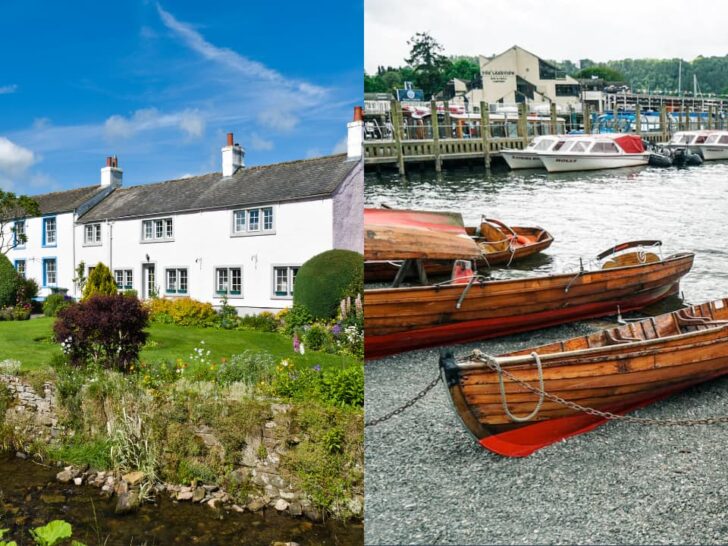
  • 11 Prettiest Towns and Villages in the Lake District

    11 Prettiest Towns and Villages in the Lake District

    “The loveliest spot that man hath found” is the apt description William Wordsworth used to describe the village of Grasmere, his home and frequent source of inspiration. 

    You will find the Lake District is an area eternally linked with the Romantic poets. They lamented the distance forming between humanity and nature, and saw places like the Lake District as a reprieve from increasing industrial tendencies. Today, visitors flock to Cumbria with a similar mindset; to relax, take a break and reconnect with nature.

    This is, perhaps, the UK’s most serene corner: with rounded mountain tops swooping down into the titular lakes and waterways, verdant green hills peppered with livestock, and villages filled with chocolate-box cottages that capture a simpler time. England’s largest national park offers a dramatic but tranquil landscape – which is perfect for escaping the city. 

    Your trip should include a visit to as many of the prettiest towns and villages in the Lake District you can fit in – which is why I have compiled here the best the park has to offer:

    Keswick

    Derwent Water from Keswick, Lake District National Park

    Windermere may be the most famous part of the Lake District, but I feel that Keswick is the region’s unofficial capital. It is the main town within the national park’s borders, with the most to keep you occupied, while also being wonderfully picturesque.

    Keswick has a long history, which only started being recorded in the Middle Ages, but is believed to extend all the way back to prehistoric times. The Castelrigg Stone Monument is an impressive stone circle dated back to around 3000BC, which suggests that the area of Keswick may have been occupied for millenia. 

    While there is plenty to see for history buffs, there are a number of sillier activities to enjoy in Keswick. You can go to Puzzling Place for optical illusions and mind-boggling artwork, learn about the history of the pencil at the Derwent Pencil Museum, or try something more active at the Kong Adventure climbing wall. There is enough to keep you occupied for any rainy days.

    When the weather is good, however, you will want to go out and explore the stunning scenery that Keswick is immersed in. Derwentwater and the surrounding fells, forests and crags provide some of the best hikes and most unmissable views in all of the Lake District.

    Keswick is a charming ancient market town with an enchanting array of independent shops, including Friars, a chocolate shop established in 1927, and cosy cafes and pubs. The town is particularly lovely at Christmas, when the peaks are capped with snow and the historic streets are adorned with twinkling lights.  

    Grasmere

    Grasmere at the famous ginger bread house
    Grasmere at the famous gingerbread house

    This is the aforementioned “loveliest spot that man hath found”; Wordsworth’s home is a sentimental little village nestled in the fells right in the centre of the Lake District. 

    You won’t have to look far to see the inspiration behind Wordsworth’s famous poetry here. 

    You can visit Dove Cottage, where he and his family once lived – which has since been converted into a museum and tearoom – and see the views Wordsworth would have enjoyed centuries ago; in the grand scheme of things, they have changed very little. The cottage is tucked away in the winding pathways of the village, but walk for just a few minutes and you will find sweeping panoramas of the gorgeous Grasmere lake and surrounding mountains.

    There are so many fantastic walks and scenic points you can reach from Grasmere, with Rydall Cave and the waterfall walkways particular highlights. Grasmere itself is a collection of stone cottages and winding streets, accompanied by a pretty stone bridge and 13th century church. 

    Thanks to its connections to Wordsworth and lovely scenery, Grasmere is a popular village, with many gift and trinket shops. Most famous is the delicious offerings at the Grasmere Gingerbread shop, a type of gingerbread invented in 1854 that can only be bought in England.

    Hawkshead

    Hawkshead is the poster village for the Lake District
    Hawkshead is the poster village for the Lake District

    Hawkshead is the poster village for the Lake District: it has a history stretching thousands of years into the past, cobbled streets and stone cottages with limitless charm, and the lovely scenery the park is so famous for.

    If you’re hoping to find an exceptionally pretty village, you won’t be disappointed by Hawkshead. It is often cited as the prettiest of all the villages in the Lake District. It used to be a village centred on the wool industry in medieval times, but became a market village during the 16th century. Today, it is mostly driven by tourism: the many shops, cafes, restaurants and pubs are supported by the waves of visitors that flock to the village.

    You can quickly see the appeal – the cosy inns and rustic old cottages have a lot of character, and are matched by the narrow cobbled streets that can only be the result of centuries of history. Wonky timber frames and slanting medieval houses are the norm in Hawkshead, and house tearooms, boutiques and high-quality gastropubs in the modern day.

    From Hawkshead you can begin some fantastic forays into the countryside. One of the most popular is the 2 mile trail to Tarn Hows, which has lovely views and is fairly easy-going.

    Bowness-on-Windermere

    Windermere - The iconic lake
    Windermere – The iconic lake

    Think of the Lake District and Windermere is usually the first point of reference. The iconic lake is the largest in England, stretching 10.5 miles in length, and is backed by mountains and lush greenery. 

    The central hub of Windemere is the town Bowness-on-Windemere, which sits close to the mid point of the lake. Its a pretty town filled with the kind of shops and boutiques that are tailor-made to attract tourists. Inbetween all the gift shops selling trinkets and postcards there are some genuine fantastic independent shops and classic pubs that are well-worth a visit. 

    Bowness-on-Windermere is the favoured launch point used to explore Lake Windermere; there are a handful of different boat hire providers and a ferry service that can be used to journey around the lake. After all, the best way to see Windemere is on the water!

    You can’t stop in Bowness-on-Windemere and not visit the most charming attraction in Cumbria. The World of Beatrix Potter is a dream attraction for families, as the sweet characters of Beatrix Potter’s books are brought to life in wonderful displays and exhibits. Peter Rabbit, Mrs Tiggy-winkle and Jemima Puddle-Duck are just a few of the characters you can expect to see in the interactive exhibits. Beatrix Potter lived in the Lake District for much of her life, in a farm on the western side of Lake Windermere. Her passion for conserving the natural beauty of the area was vital in preserving the scenery we enjoy today.

    Kendal

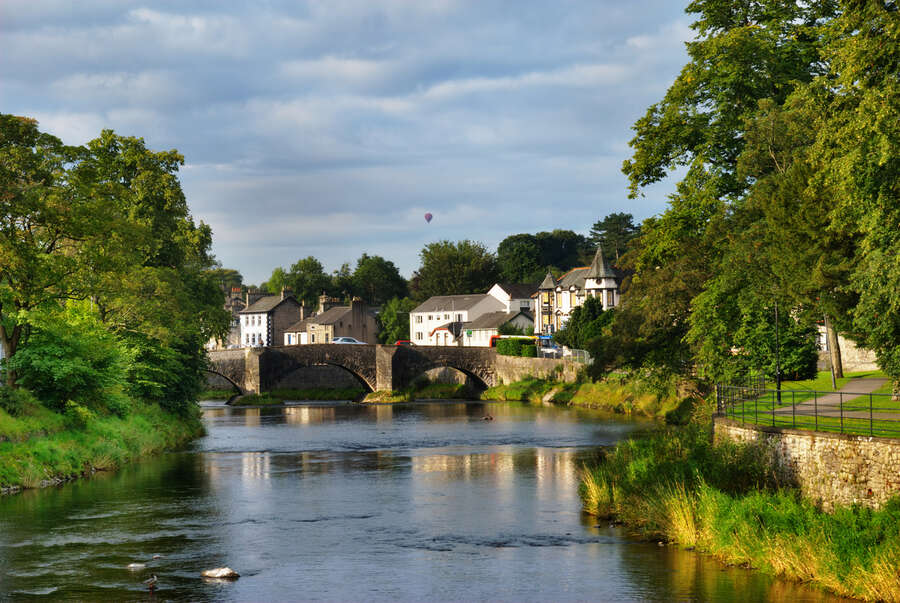
    Kendal-River-Scene
    Kendal River Scene

    Kendal sits just outside the borders of the Lake District national park, so isn’t technically in the Lake District, but as it is only nine miles south of Windermere it might as well be.

    Compared to the towns and villages inside the park, Kendal is quite large. There is quite a bit to see – for a rural town in Cumbria – but not all of it is as picturesque as you might have hoped. As a larger town, relatively speaking, there is more room for nicer and not-so-picturesque parts. But the parts of Kendal that are pretty are truly lovely, and earn it a place on this list.


    You can wander down winding medieval streets, visit the ruins of a 13th century castle and see the pretty riverside area that follows the fast-flowing River Kent through the town. Travel a few minutes south of Kendal by car and you will find Levens Hall, the Elizabethan manor house with the oldest topiary gardens in the world. 

    Kendal’s most famous export is unquestionably the Kendal mint cake – when in town, you simply have to try this blast of peppermint sweetness. It is often used by people who enjoy endurance sports for a quick burst of energy. There are a number of shops that sell Kendal Mint Cake in town, but Romney’s and Quiggin’s have the most history behind them. If you visit in March, you could run into the Kendal Food Festival, which celebrates food from around the world, with a particular focus on Cumbria.

    Cartmel

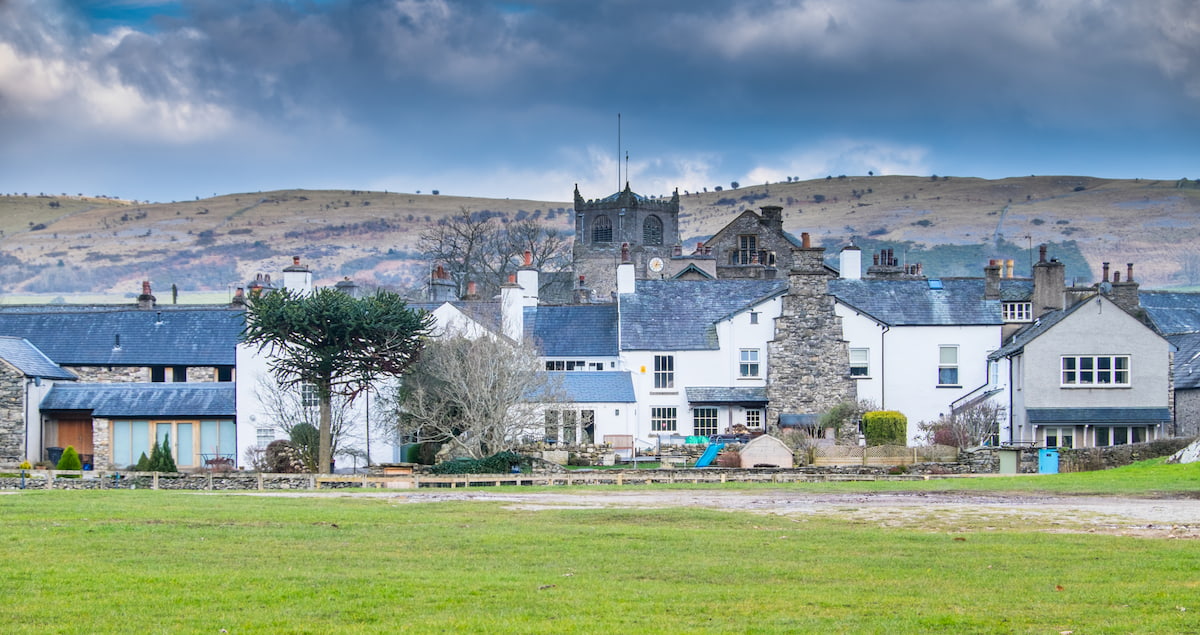
    Cartmel Village
    Cartmel Village

    A willow tree and stone bridge hang over the gently-flowing River Eea in Cartmel, another of the Lake District’s (or just south of the Lake District, in this case) pretty but minute villages.

    Cartmel is very quaint and cute, with the typical look of stone cottages and historic homes commonly found in the more picturesque settlements of the region. 

    The highlight here is the 12th-century Cartmel Priory, an astonishingly large church hidden in this unassuming piece of countryside. It is a beautiful and fascinating piece of architecture with a long history: it was founded by the Normans, saw gunfire during the English Civil War, and came close to destruction during the reign of Tudor king Henry VIII. Cartmel Priory only survived the fate of so many other monasteries during Henry VIII’s dissolution because the villagers protested – they had no other place of worship, so the church was allowed to remain.

    Besides the priory, Cartmel has another surprise tucked away in its streets: L’Enclume, the first restaurant in the north of England to earn three Michelin stars. This fine dining experience is the flagship restaurant of Simon Rogan. The focus on hyper-local, seasonal produce makes this a truly Cumbrian dining experience, elevated to an exceptional level.

    A lovely village square, rustic pubs and a handful of shops roundout the offerings of this charming village.

    Caldbeck

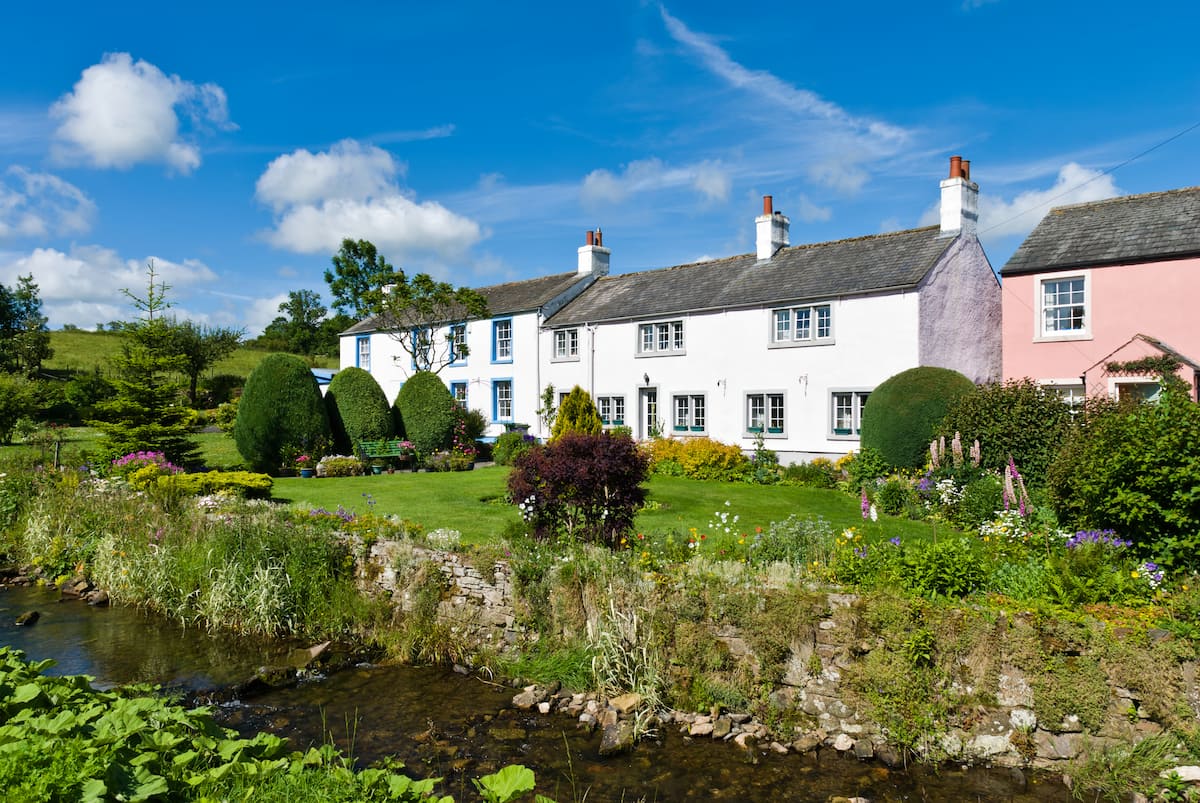
    Picturesque cottages in the village of Caldbeck
    Picturesque cottages in the village of Caldbeck

    Up in the northern fells of the Lake District lies Caldbeck, a simple, traditional village named for the river, ‘Cold Beck’, on which it stands.

    This village’s smattering of colourful houses and quaint cottages make the perfect base for exploring the rugged mountain ranges of the northern fells. It is in a very remote area surrounded by beautiful wild countryside, with waterfalls, rivers and mountains almost commonplace. Hiking and cycling into the trails running from Caldbeck is a popular pastime for adventurers staying here – the cosy village is perfect for an escape into nature.

    Caldbeck is most famous for the 12th century St Kentigern’s Church. Though it is less about the church itself, and more who is buried there! John Peel, a famous huntsman, and Mary Robinson, the Maid of Buttemere were both buried in the church yard.

    Ravenglass

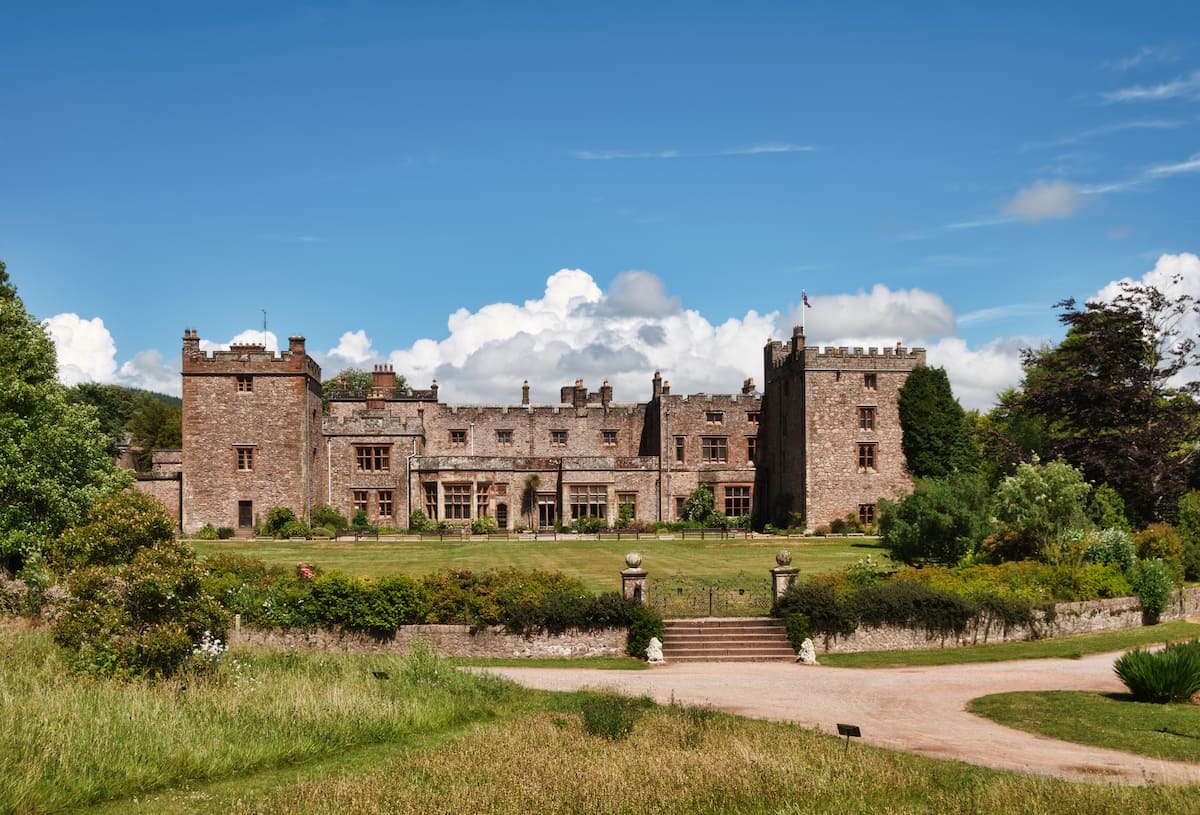
    Muncaster Castle, Ravenglass
    Muncaster Castle, Ravenglass

    Where other towns and villages in the Lake District may sit alongside a lake or be hidden away in the fells, Ravenglass is located on the coast. 

    It is the only coastal village in the national park, and has a slightly different feel to it due to this. Ravenglass is not, in my opinion, as pretty as the quaint villages nestled in the valleys and fells further inland. But unlike those places, it can boast sea views, a beach and a wonderful steam railway. 

    One of Ravenglass’ star attractions is the steam-powered Ravenglass and Eskdale Railway, which passes through some of the most outstanding scenery in England, which includes its highest mountain. The journey ends at Dalegarth station, which is close to Boot, another pretty village worth visiting if you get the chance.

    Ambleside 

    Ambleside
    Ambleside

    Ambleside makes an excellent alternative to Bowness-on-Windermere for those who would like to explore the lake. It is as pretty as the latter town, but isn’t quite so busy. 

    The town has the typical look of rural settlements in the Lake District: cobbled streets and stone cottages follow a winding river down towards the lake. Ambleside has plenty of attractions that make it unique, however. Not least the Bridge House, an example of whimsical ridiculousness from the 17th century, when a tiny house was built on top of a small stone bridge. 

    There is also the ruins of a 2nd century Roman fort close to the shore of Lake Windermere, an art gallery, shops, restaurants and a pub. An easy walk to do from Ambleside is the one to Stock Ghyll Force – it only takes 15 minutes to reach this 70 foot waterfall from the centre of Ambleside.

    Seatoller

    Seatoller Borrowdale Valley Lake District
    Seatoller Borrowdale Valley

    Seatoller is a tiny settlement in the centre of the Lake District which is unquestionably put on the map because of its use as a starting point for scaling Scafell Pike, the highest mountain in England.

    Besides this famous hike and the other excellent walks in the area, there is little to see or do in Seatoller. But it is pretty, with a lovely stone bridge crossing the River Derwent and a street lined with historic cottages.

    Elterwater

    River Brathay passing from Elterwater
    River Brathay passing from Elterwater

    Elterwater village is, I think, even smaller than Seatoller. It has a few shops and a historic inn, and is suitably pretty, but is not an action-packed, sightseeing tourism magnet.  

    Its place in the Great Langdale valley and proximity to Elter Water, for which the village is named, make this one of the prettiest villages in the Lake District. The cottages of Elterwater spring out of the hillside, are hidden amongst lush trees and have a breathtaking backdrop of rugged mountains. This sublime view is even lovelier in the autumn, when the valley turns into a waterfall of oranges, reds and yellows.

    Though small, Elterwater is not completely bereft of life. There are a couple of inns, a few places to eat and drink and the odd shop to keep you busy during your visit.

    Where Should I Stay?

    Some of these lovely towns and villages may be places you would like to visit during your holiday, but not choose as a place to stay. It depends on personal taste almost entirely, and the part of the Lake District you want to be closest to.

    If you want to focus on Windermere, Bowness-on-Windermere may be ideal for you, while Keswick is well-placed to explore the northern corners of the park. For a small, off the beaten track rural experience, staying in a small village like Elterwater or Cartmel may be preferable. It depends on what you enjoy in a holiday, but any of the places listed here would be suitable.

    Prettiest Towns and Villages in the Lake District

    As you can see, you won’t be hard pressed to find pretty towns and villages in the lake district. Which is the prettiest is subjective, but not many would argue against Hawkshead or perhaps Grasmere as strong contenders.

    You would struggle to pack all of these places to visit into one trip, but it is worth selecting a few that stand out to you most and going from there. You can always come back and visit the others another time!

    The Lake District is a fantastic place to visit, whether you are travelling solo or in a group, or visiting in the depths of winter at the height of summer. It is an excellent national park, with gorgeous scenery and pretty villages, that can be enjoyed by all manner of travellers year-round.

  • 10 Brilliantly British Foods You Must Try in London

    10 Brilliantly British Foods You Must Try in London

    The days of “terrible British food” are long gone, as London has stepped up its culinary game in the last few decades, earning it countless Michelin stars and putting it in contention with the other foodie capitals of the world. But many old-fashioned classics can still hold their own, and it’s vital you try them on a trip to London.

    While finding just about any international cuisine your heart desires in the capital is possible, you can’t visit England without trying the local tried and true recipes that go back centuries. Family traditions are strong in the UK and recipes are still passed down through the generations, keeping them authentically British.

    This list breaks down not only the top dishes either my friends or I personally think you should try (as a vegetarian, I’ve not tried the meat versions of these) but also some of the best places to sit down and enjoy them at. This makes it easy for you to plan meals while visiting London, no matter how long your trip is. Prepare for your mouth to start watering!

    1. Fish and Chips

    Poppies Fish and Chips
    The famous Poppies fish and chips in London.

    Nobody does the old classic fish and chips like England, and considering they originated here, a trip to London is not complete without them. The first fish and chip shop was actually recorded in 1860, followed by Mr Lees, who opened a shop in the North of England in 1863. By the middle of the 19th century, the dish’s popularity had spread to London and South East England. And now they’re everywhere!

    If you want to sound like a local, refer to fish and chip shops as “chippy.”

    Poppies

    Poppies was opened in 1952 by owner Pat “Pop” Newland, and serves up some of the best fish and chips London has to offer, complete with jellied eels and homemade mushy peas. Originally starting in East London, Poppies now has several locations throughout the city, each with a cool collection of 1950s memorabilia filling the walls.

    Rock and Sole Plaice

    Just minutes from Covent Garden, Rock and Sole Plaice is an honest contender for the best fish and chips in London as well. They use a 145-year-old fish recipe, and have all the traditional trimmings, including pickled eggs, mushy peas and gherkins. You can bask in the sunshine in their outdoor seating area if the weather’s nice.

    2. Pie and Mash

    Goddard's pies from Greenwich

    Pie and mash originated in the Docks of London around the 1800s and has always been considered a traditional working-class food. It was the original “fast food” and consisted of eels from the River Thames, which made the perfect filling for pies, as they were also cheap. They were served with a liquor sauce, which was a gravy made from the eel stock.

    Our pies today are quite different than the original pies. They typically consist of minced beef, mashed potato and are served with a new twist on liquor sauce made from parsley, or, as is more common, gravy. Nowadays you’ll even find chicken, lamb and vegetarian pies.

    Goddard’s Pie and Mash

    Goddard’s Pie and Mash was established in 1890 and is as traditional as it gets. Being one of the oldest pie and mash shops in London, it’s conveniently located in the heart of Greenwich. Choose from a selection of meat and vegetarian pies and homemade fruit pies with custard!

    You won’t find any servers here: grab a tray and order at the counter amidst the hustle and bustle. If it looks overly crowded, don’t worry, the line goes quickly and there’s plenty of seating at the back and upstairs.

    M Manze

    If you want to try a traditional pie, head to M Manze. The first M Manze Eel and Pie Shop opened in 1902, and by 1930 there were a total of 14 shops bearing the name. Today, you’ll find a simple menu at the two current locations, M Manze and L Manze. With wooden benches and narrow marble-topped tables, you’ll feel like you’re in the original restaurants.

    Offering pie, mash, liquor and eels at a super affordable price, you’ll quickly understand why there’s a long line at the door.

    3. Chicken Tikka Masala

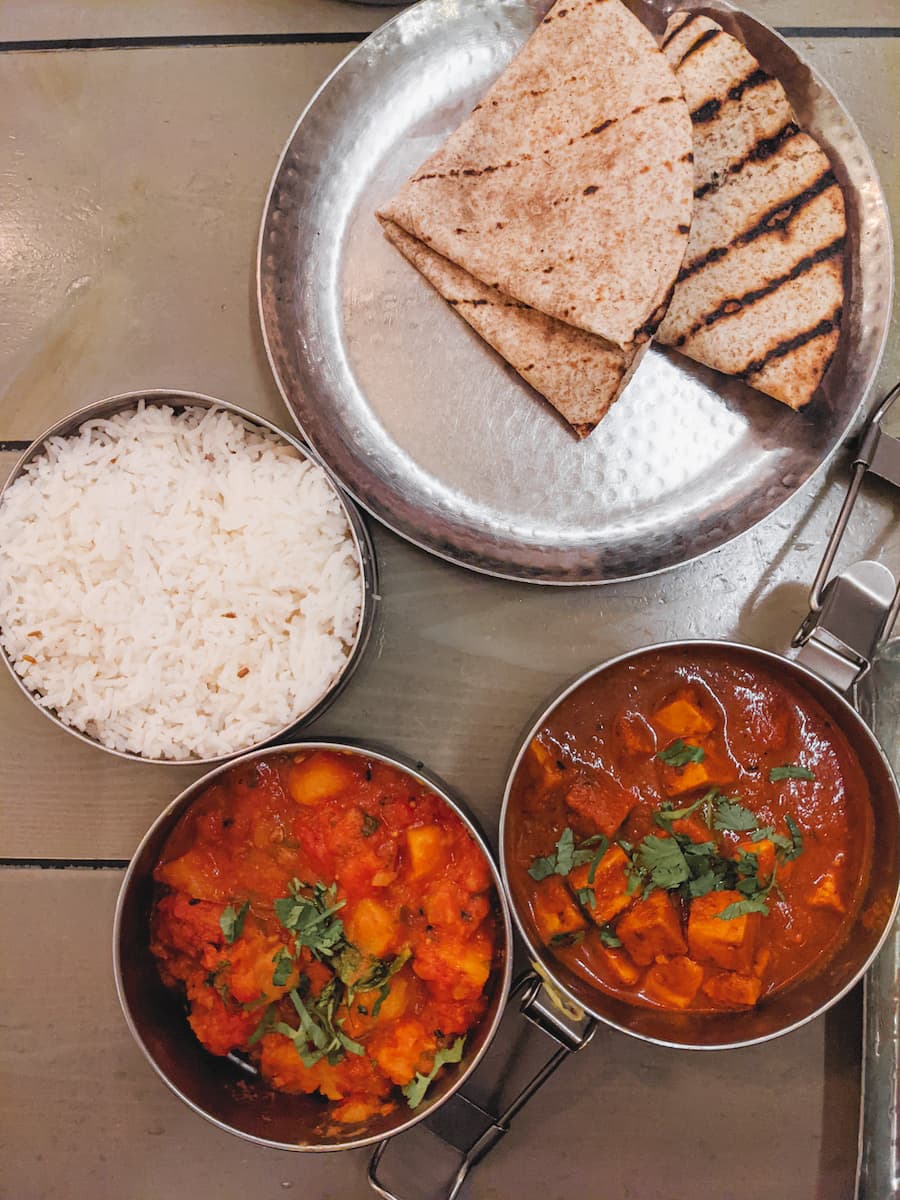
    Indian Curry

    Did you know fish and chips are not the national dish of the UK? But you know what is? Chicken tikka masala. Yep, this humble example of British-Indian cuisine has been the national dish of the UK since 2001. But really it shouldn’t come as a shock since England has been home to one million Indians since the late 19th century. The dish originated in the UK, and is believed to have been invented by a Bangladeshi chef in Glasgow.

    Chicken tikka masala consists of roasted marinated chicken chunks in a spiced creamy curry sauce, making it orange in colour and hard to miss. Brick Lane is famous for their curry, but you can find this famous dish at any store and many restaurants around the city.

    Punjab

    Punjab opened in London back in 1946 and moved to its current location in Covent Garden shortly after in 1951, making it the oldest North Indian restaurant in the UK. The area may have changed over the years, but Punjab is still owned and operated by the same family, now in its fourth generation!

    You’ll find history steeped in the walls of the restaurant with framed receipts, family portraits, historic Punjabi figures and diners of the cuisine over the years.

    4. Sunday Roast

    Sunday roast in London
    Sunday roast in London

    The great British Sunday roast is at the heart of most Brits’ weekly routine. It’s a tradition where a family comes together and gathers around the dining table, usually in the afternoon, and go on to eat themselves into a roast dinner-induced food coma.

    Usually consisting of a variety of meats, like turkey, chicken, beef, pork and lamb, with potatoes, veggies and Yorkshire pudding as trimmings, a Sunday roast is not for the faint of heart; it’s essentially a mini Christmas dinner! You’ll find all of this doused in gravy on overflowing plates. But Sunday roast isn’t just for cooking at home! You can find the best of the best at restaurants around London.

    The Latchmere

    A Sunday roast at The Latchmere is well worth getting out of bed for. With giant-sized Yorkshire puddings and extra gravy, you might have to roll home. You’ll get the best of both worlds here with one half pub and one half formal dining, so take your pick.

    The Gun

    Journeying east to The Gun is worth it, without a doubt. The Gun’s Sunday roasts, along with their wine selection, are the perfect pairing. The Yorkshire puddings are absolutely delicious to boot.

    5. Afternoon Tea

    Christmas Afternoon Tea
    Christmas Afternoon Tea

    Afternoon tea was actually introduced by Anna, the seventh Duchess of Bedford, in 1840, and remains a long-standing British tradition. You definitely want to set aside a couple of hours one afternoon to indulge in this time-honoured delicacy, because here’s the catch; it’s not just tea! Nope, afternoon tea consists of delicate finger sandwiches, scones with jam and cream, and a selection of pastries or cakes. Not only that, but often the tea is swapped for alcohol, with champagne the preferred beverage.

    You can find “tea rooms” all across Britain and London, of course.

    Harrods

    Serving afternoon tea since 1896, Harrods Tea Rooms are now open on the ground floor of the iconic, luxurious department store. They boast an extensive selection of globally-sourced teas, from Earl Grey to Hawaiian Black and Superior Sencha. You’re sure to have a traditional posh afternoon tea experience at Harrods.

    The Goring

    The Goring has been serving up afternoon tea even longer than Harrods; since 1840, and they sure know how to do it. With opulent decor, you’ll melt into the backdrop as you spend the afternoon indulging in freshly baked scones, sampling your way through all the teas, and dipping into finger sandwiches and sweet cakes.

    6. Full English Breakfast

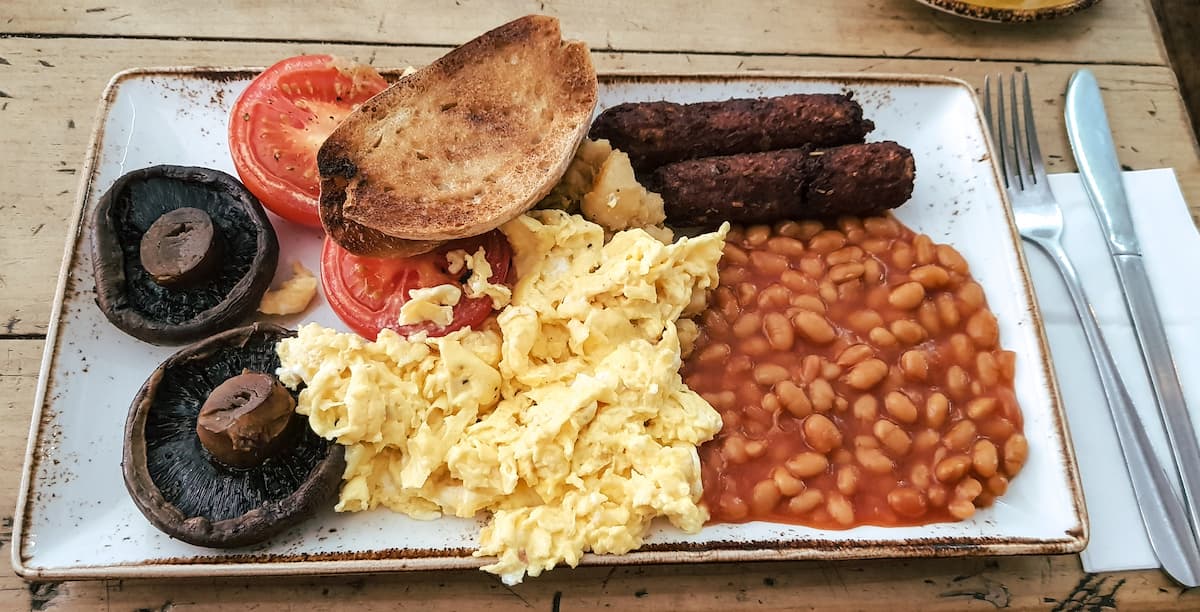
    Vegetarian English Breakfast
    Vegetarian English Breakfast

    The ‘Full English’ as it’s commonly referred to, is a feast of eggs, sausage, bacon, mushrooms, tomatoes, black pudding, baked beans, hash browns and toast. Phew. This mighty meal is an experience in and of itself, and is a tasty staple for Brits. You can see why it’s a famed hangover remedy!
    Regency Cafe

    The Regency Cafe is often referred to as one of the best breakfast spots in London, and has been serving up the full English breakfast since 1946. It’s a no-frills kind of place, having retained its post-war charm with red-checkered curtains and Formica tables. The famed retro look has attracted filmmakers and it’s been featured in movies like “Layer Cake,” “Brighton Rock,” and “Pride,” as well as several TV shows.

    Duck and Waffle

    For an upmarket twist on the full English breakfast, check out Duck & Waffle’s. This 40th-floor, 24-hour restaurant has spectacular brunch views across the city, from the famous Gherkin to the River Thames. Serving up breakfast from 6am, the full English includes Lincolnshire sausages, dry-cured bacon, eggs, tomato, mushroom, hash browns and a delicious cheddar and buttermilk scone.  

    7. Scotch Eggs

    You might think scotch eggs originated in Scotland from the name, but London’s own Fortnum and Mason claims to have invented the scotch egg in 1738. What are they, you ask? It’s essentially a hard boiled egg wrapped in sausage meat, breaded and deep fried.

    Fortnum and Mason

    Since they do claim to have invented them, what better place to try a scotch egg? After you’ve wandered through the plush red-carpeted tea and cake temple, savouring one of Fortnum’s lovely scotch eggs is quintessential British experience.

    8. Cornish Pasty

    If you’ve ever visited Cornwall in the west of England, then you’ve most likely enjoyed a Cornish pasty. These golden flaky pastries are crimped in a ‘D’ shape and filled with various mixes of meat, swede, potato and onion. They can be eaten hot or cold and have delighted locals and visitors for hundreds of years. But if you aren’t making the trek to Cornwall, never fear, for there are plenty of options in London to pick up a pasty.

    Keep in mind though that Cornish pasties are a Protected Geographical Indication (PGI). This means they have a protected status, like mānuka honey. According to the guidelines, only pasties prepared in Cornwall and to the very specific traditional standards can actually be named Cornish pasties. And you’ll know it because they’ll have a stamp of authenticity to prove it. It’s all very proper.

    Regency Cafe

    The Regency Cafe makes our list again for the Cornish pasty! Found on Regency Street in Westminster, it’s consistently ranked among London’s most popular eating establishments. You’ll find the pasties here as delicious as any found along the shores in Cornwall. Choose between a classic or vegetarian option, with your choice of sides.
    Warrens Bakery

    This Bakery has long claimed to be Cornwall’s oldest Cornish pasty maker, established in 1860. Warrens started as a family owned business and is now the largest bakery chain in the South West of England. And lucky for us, they have a shop in London too! They offer the traditional beef pasty, peppered steak, or vegetarian options, including the interesting cheese and marmite flavour. You’ll get consistently good quality and prices with these guys.

    9. Salt Beef Beigel

    Beigels (Bagels for Americans) have been a popular London treat since the Jewish immigrants from Poland starting baking them in the 19th century. The beigels are actually boiled in water and then baked at high temperatures and are best served with salt beef, which is like corned beef, but sliced thicker.

    Brick Lane Beigel Bake

    Beigal Bake is a 24/7 bagel shop that is a completely affordable indulgence. The line is always long, but it moves fast for the hungry visitors waiting on their epic portions of salt beef, smoked salmon, cream cheese and pretty much any other topping imaginable. Or just treat yourself to some heavenly beigel bites. Whatever you choose, you can’t lose at Beigal Bake!

    10. Cider

    Hawkes-Cidery-Taproom-on-the-Bermondsey-Beer-Mile

    No, it’s not a food, but I felt I should thrown in one of the most popular drinks you’ll find all over London, in the pubs and the shops. Cider is made from fermented apples and with more than 45% of the apples grown in the UK being used for making Cider, it’s safe to say this is a favourite alcoholic drink and something you must try in London.

    The Green Man

    The Green Man boasts a hefty cider selection, where you’ll find up to ten on draft, and at least twice as many by the bottle. They even have their own ‘Green Man Special’ cider.

    Hawkes Cidery and Taproom

    London’s first urban cidery happens to be on the Bermondsey Beer Mile. You can visit the taproom for samples of the in-house creation, Urban Orchard, or any other fruity bottled offerings.

    So, what do you think? Have you tried any of these brilliantly British foods yet? While there’s so much to choose from in London, I personally think these ten are what you seriously need to consider indulging in on your next trip to the capital!

  • 18 Things to Do in Yorkshire for Couples

    18 Things to Do in Yorkshire for Couples

    Yorkshire is the largest county in England; it inspires thoughts of natural beauty, quaint villages, and, most frequently, Yorkshire Tea.

    Couples are often drawn to Yorkshire for the romance of the countryside, its charming towns and villages, and the rugged coast.

    In a county as large as Yorkshire – home to not one, but two of the UK’s most beautiful national parks – there are hundreds of things to do for couples. These are some of the best.

    Explore a Gorgeous Yorkshire Town, Village or City

    York

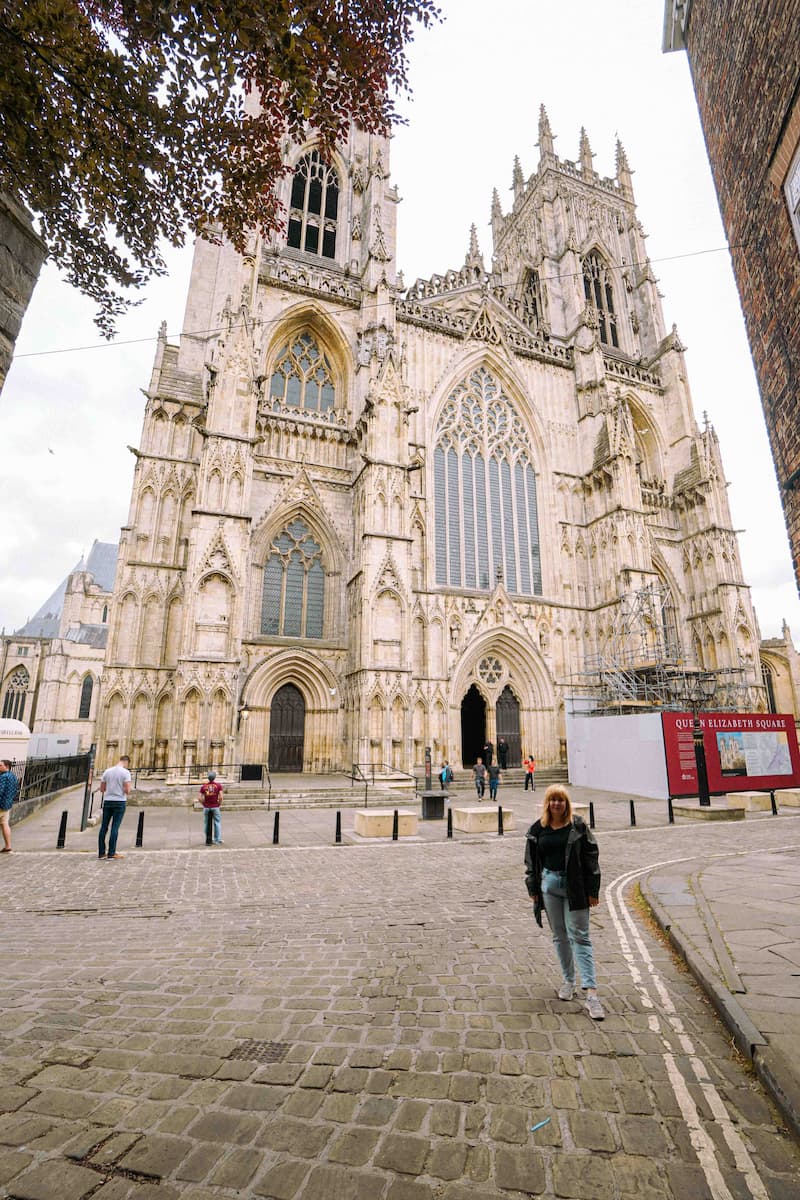
    Kat Standing in front of York Cathedral
    Kat standing in front of York Cathedral

    Yorkshire’s most beautiful city is overflowing with ‘things to do’ for couples. 

    You could spend an afternoon in one of the city’s fantastic museums, potentially facing off with Viking animatronics in JORVIK or embarking on the classically romantic art of chocolate tasting in York’s Chocolate Story: two very different dates, but equally fun.

    There’s the imposing York Minster, miles of ancient City Walls or the crumbling ruins in the Museum Gardens to explore for lovers of history and architecture. But just wandering around the city, with all its meandering medieval snickleways and crooked buildings, has a romantic feel. You can’t miss the famous Shambles, but going early enough will help you avoid the crowds, allowing you some alone time to stroll down one of England’s prettiest streets.

    Another lovely feature of York is the River Ouse. You can buy tickets for a romantic dinner cruise along the river here.

    York deserves an article of its own – which is why I wrote one on how to spend a whole day there. You can check it out here.

    Robin Hood’s Bay

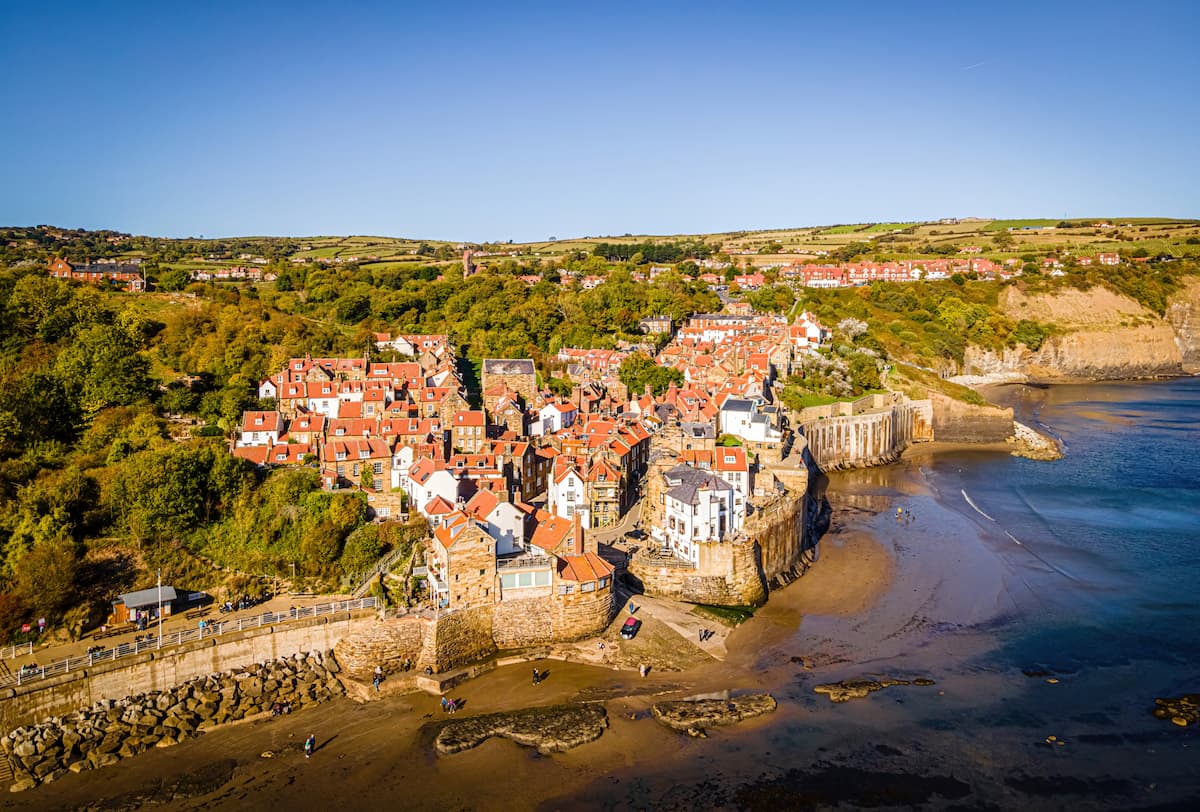
    Robin Hood`s Bay, a picturesque old fishing village

    Tucked away on the North Yorkshire coastline is a quaint fishing village that is almost ridiculously picturesque. 

    Beautiful stone cottages tumbling down to the seafront on streets of winding cobblestones: this is about as close to postcard-perfect as you can get. 

    Walk hand-in-hand down one of the most photogenic lanes in England; by Sunny Place, a steep cobbled path lined with stone cottages and lanterns curves up around the hillside. The lower village is a lovely place to explore, as the houses all seem charmingly stacked up on top of one another.

    At dusk, settle down on the beach, eat some fish and chips, and watch the sunset together.

    Whitby

    Whitby Abbey Yorkshire
    Whitby Abbey Yorkshire

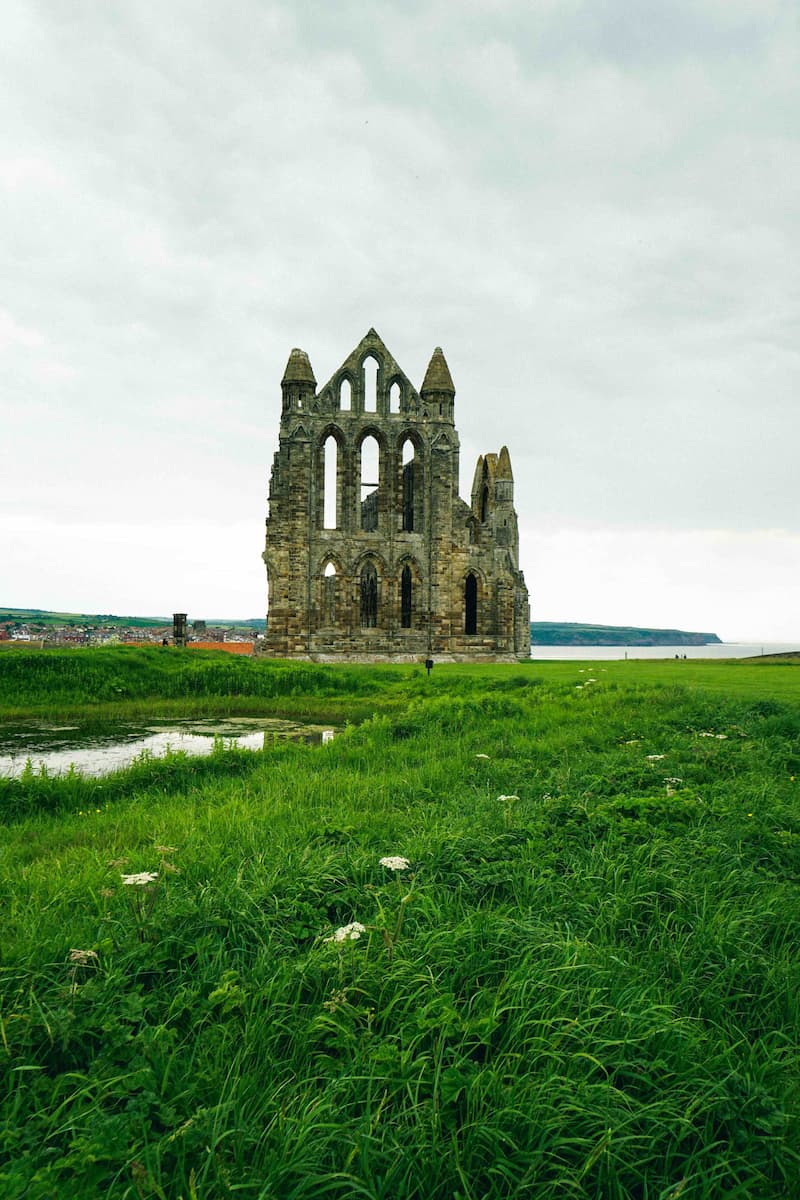
    It doesn’t take a long time in Whitby to realise why Bram Stoker felt so inspired by the setting. Crashing waves against eroding cliffs, a stark silhouette of the Abbey ruins against a moody sky, and the desolate surroundings of ominous moorland: it is hard to imagine a more fitting setting for Dracula.

    You can explore the famous 7th century ruins of Whitby Abbey and follow in the footsteps of Dracula; in the novel he fled to the ruins and graveyard after escaping a ship wreck. The Dracula Experience is a kooky and fun way to experience the story. It is only £4 to enter, and you are led through scenes of the novel by live actors, complete with special effects – whatever you feel about Dracula, this place is good for a laugh.

    The rest of Whitby is also worth exploring. You can climb the famous 199 steps to help work off the inevitable fish and chips you will eat for dinner.

    Harrogate 

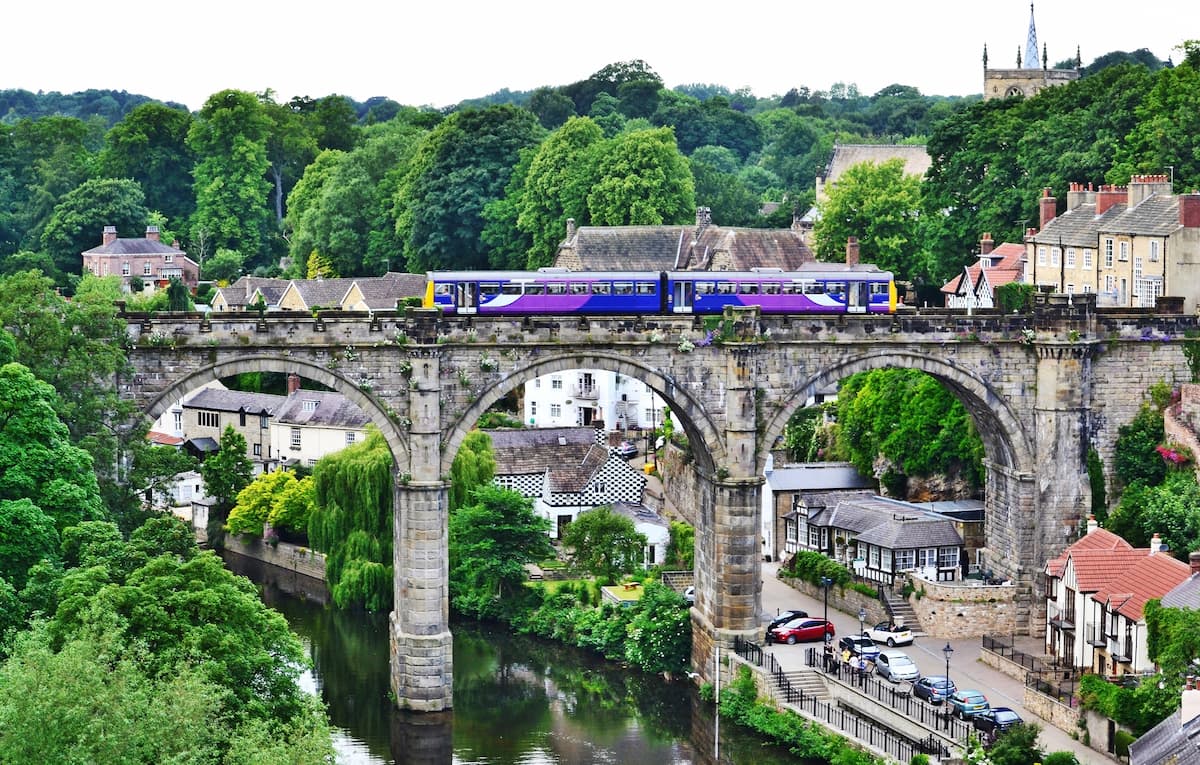
    Harrogate Knaresborough River Bridge

    Yorkshire’s premier spa town is the perfect place to set aside your worries and let yourself be pampered. Visiting a spa together can be a lovely way to spend some time just relaxing in one another’s company.

    The Turkish Baths are arguably the best in town. 

    To complete your day of decadent self-indulgence, you must experience the one thing, besides spas, that Harrogate excels in: afternoon tea. 

    There are a number of refined, luxurious hotels that provide their own afternoon tea offerings, but the most famous in Harrogate is indisputably at Betty’s Tea Room. This is the original location for the respected brand that has expanded all over the country, and has been serving customers since 1919. You should book ahead for a table – there are normally queues winding outside the door.

    Haworth

    Haworth village in the Worth Valley
    Haworth village in the Worth Valley

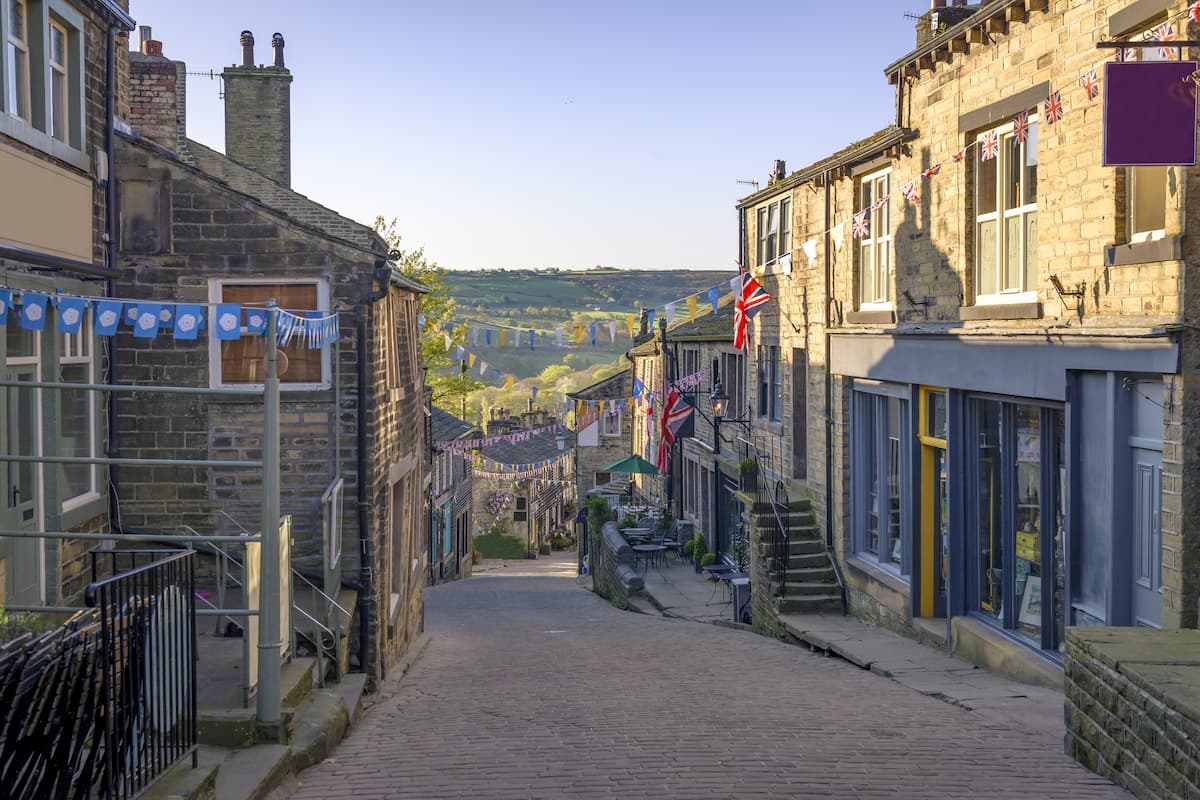
    Another quaint village, this time in West Yorkshire, Haworth is most notable for its connection to the Brontë sisters. Escape to the countryside with a trip to Haworth; this is one of those rural villages that feels stuck in time.

    The cobbled Main Street is filled with sweet little independent shops and boutiques, all housed in stone cottages. Although Haworth is pretty in its own right, the village draws in thousands of visitors because of its literary connections. You can visit the Brontë Parsonage Museum for some fascinating insight into the lives of the sisters.

    The unbridled passion of Wuthering Heights came from Emily Brontë’s experience of the Yorkshire moors. You can walk together along that same moorland, and get a sense of what the author may have felt standing in the same spot centuries ago.

    Staithes

    Staithes in Yorkshire
    Staithes in Yorkshire

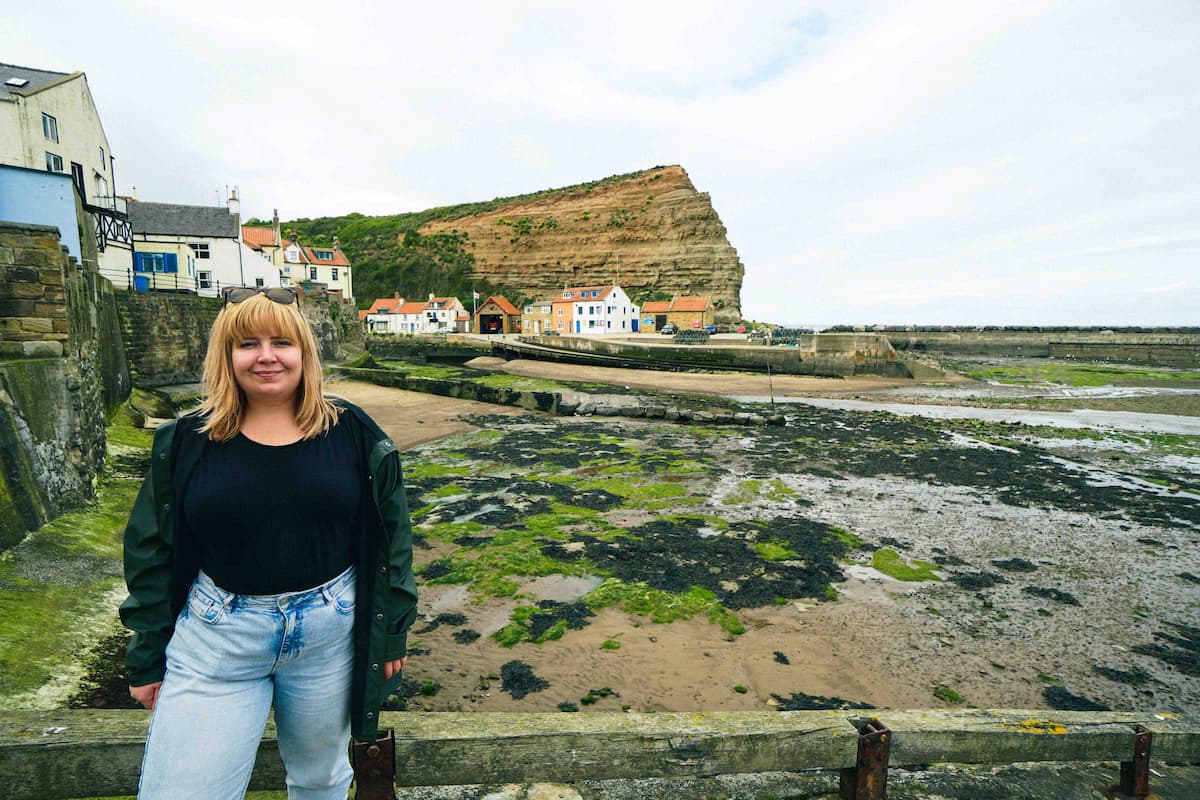
    Only 10 miles up the coast from Whitby is Staithes, a lovely little fishing village. The tiny collection of 18th century cottages and Staithes’ scenic harbour is nestled between the Cowbar and Penny Nab cliffs.

    A visit to Staithes is an escape from modern life. The traditional fishing village feels practically untouched by the 21st century; a frozen frame of a simpler lifestyle. There are dozens of cliffside walks leading off from the picturesque village, making it easy to spend a whole day in the area.

    Romantic Things to Do in Yorkshire

    Dramatic waterfalls, brooding moors, stately homes and scenic canals: Yorkshire is filled with romantic places to visit. Aside from the usual fancy restaurants and bars, these are some of the most romantic things to do in Yorkshire.

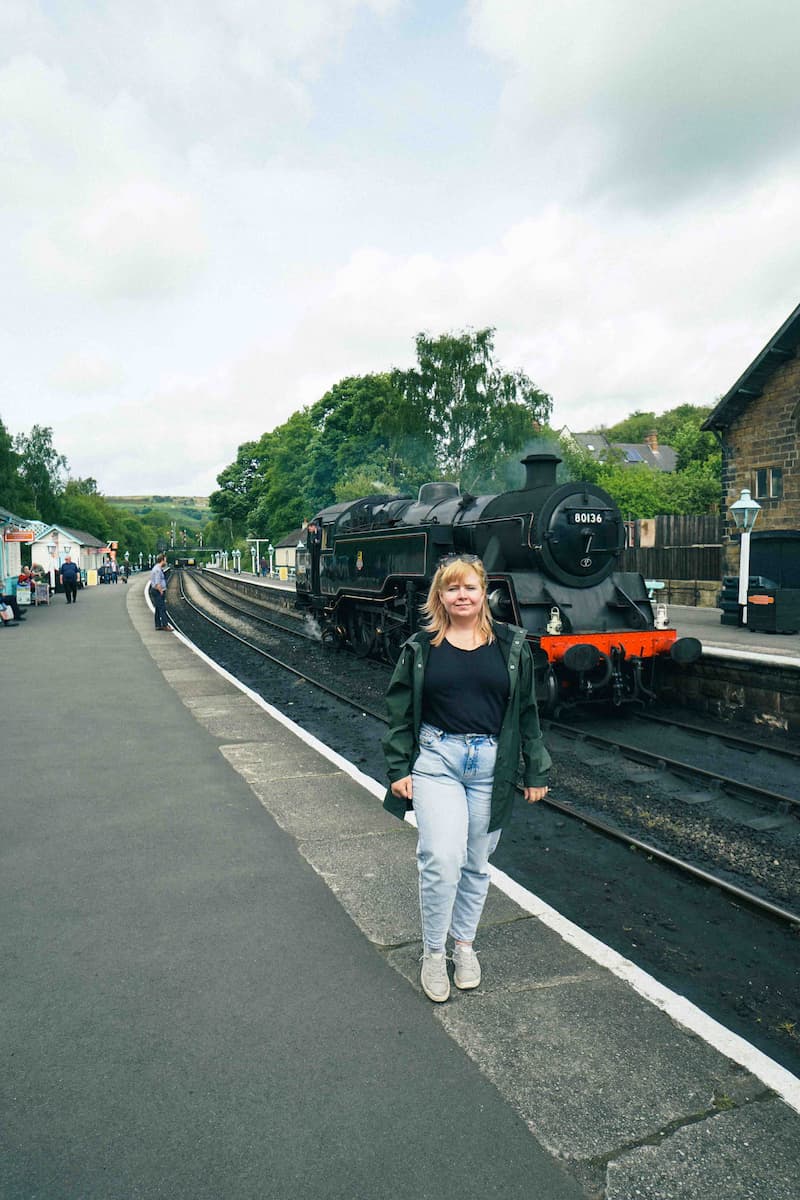
    Ride the North Yorkshire Moors Railway

    North Yorkshire Moors Railway
    North Yorkshire Moors Railway

    Opt for the dining experience in a Pullman Dining Carriage for a romantic meal on a classic historic steam train.

    Enjoy a luxurious four-course meal as you traverse the wild landscapes of North Yorkshire. The views from the train are spectacular, and the vintage ambience in the carriage warm and welcoming. For an extra special experience, reserve a Private Coupe and have the carriage all to yourselves. 

    For a slightly cheaper experience, hop on one of the trains as regular passengers. You can still enjoy the old-timey experience of riding a steam train, and can choose to visit Whitby, Goathland or Pickering, depending on the line you choose. All the trains run along scenic routes; the sections moving through the moors are unforgettable.

    The most inexpensive tickets are for the Moors Explorer, which takes you to the Hogsmeade filming location of Goathland. They are £30.75 per adult – you can book through their website.

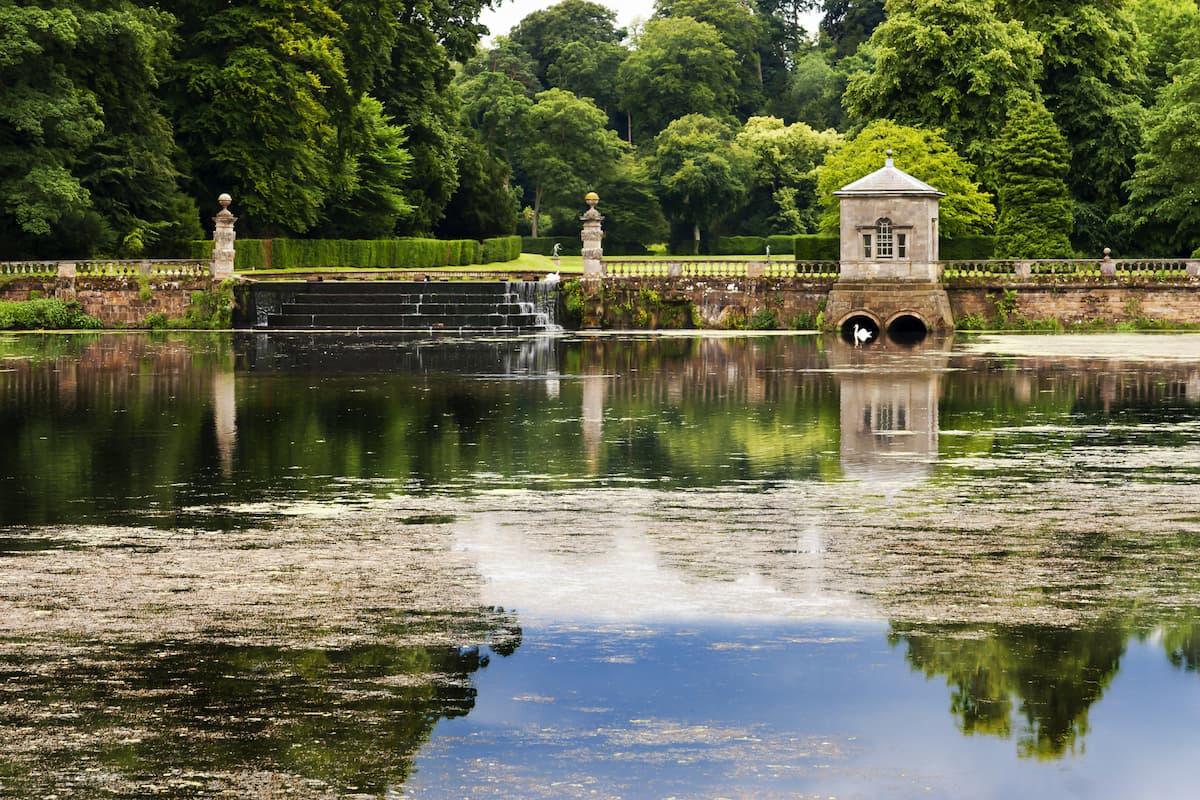
    Visit Studley Royal Park

    Fountains Abbey in Studley Park
    Fountains Abbey in Studley Park

    Spend a day together wandering the gorgeous grounds of Studley Royal Park. Ancient ruins of Fountains Abbey, a beautifully landscaped garden, a deer park and a Jacobean manor house can all be found on the grounds.

    A visit to the park is a chance to get back in touch with nature and each other. The surroundings are so peaceful and serene that the atmosphere immediately relaxes you, and any worries float away. The Georgian Water Garden is particularly lovely in this regard, as the gentle waterways, still lakes and Classical features all promote a sense of tranquillity.

    As you walk around the sprawling grounds, you are likely to spot some deer; Red Deer, Fallow Deer and Sika Deer all live within the park.

    Bring a picnic with you for a romantic date – whether you are close to the Benedictine ruins or the water garden, the scenery surrounding you will be beautiful.

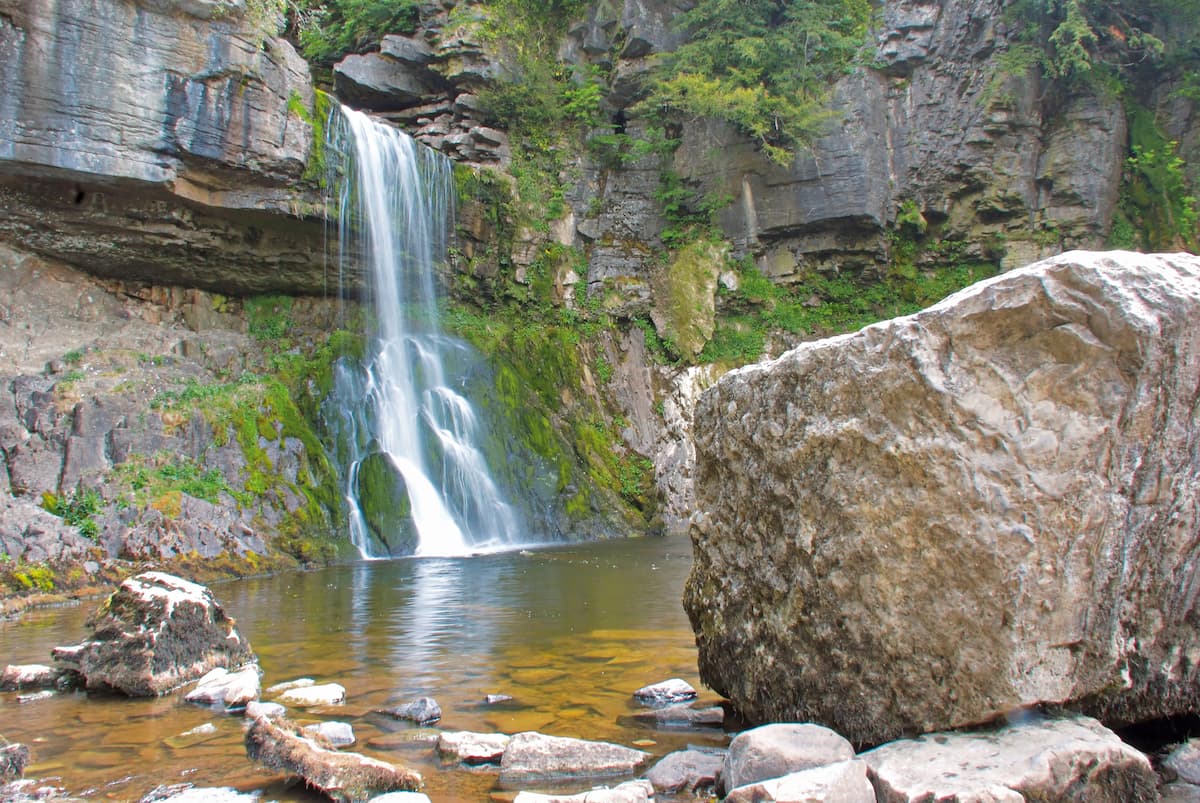
    Explore the Ingleton Waterfalls Trail 

    Ingleton Waterfalls Trail 
    Ingleton Waterfalls Trail 

    Yorkshire has a thousand romantic walks to try – not least in the North York Moors National Park – but there’s something about waterfalls and the Yorkshire Dales that is hard to resist.

    The Ingleton Waterfalls Trail leads you to some of the most impressive waterfalls in Yorkshire. It is 7km of lovely scenery that takes you through ancient woodland, up spectacular gorges and chasing a series of incredible waterfalls together; Thornton Force is the most impressive. 

    The £8 entry fee is steep, but the trail is well maintained and has facilities like toilets. The route is circular and easy for most fitness levels.

    Only 15 minutes away by car is the famous Ribblehead Viaduct. Time it right and you can sit and watch the unforgettable sight of a steam train passing by together.

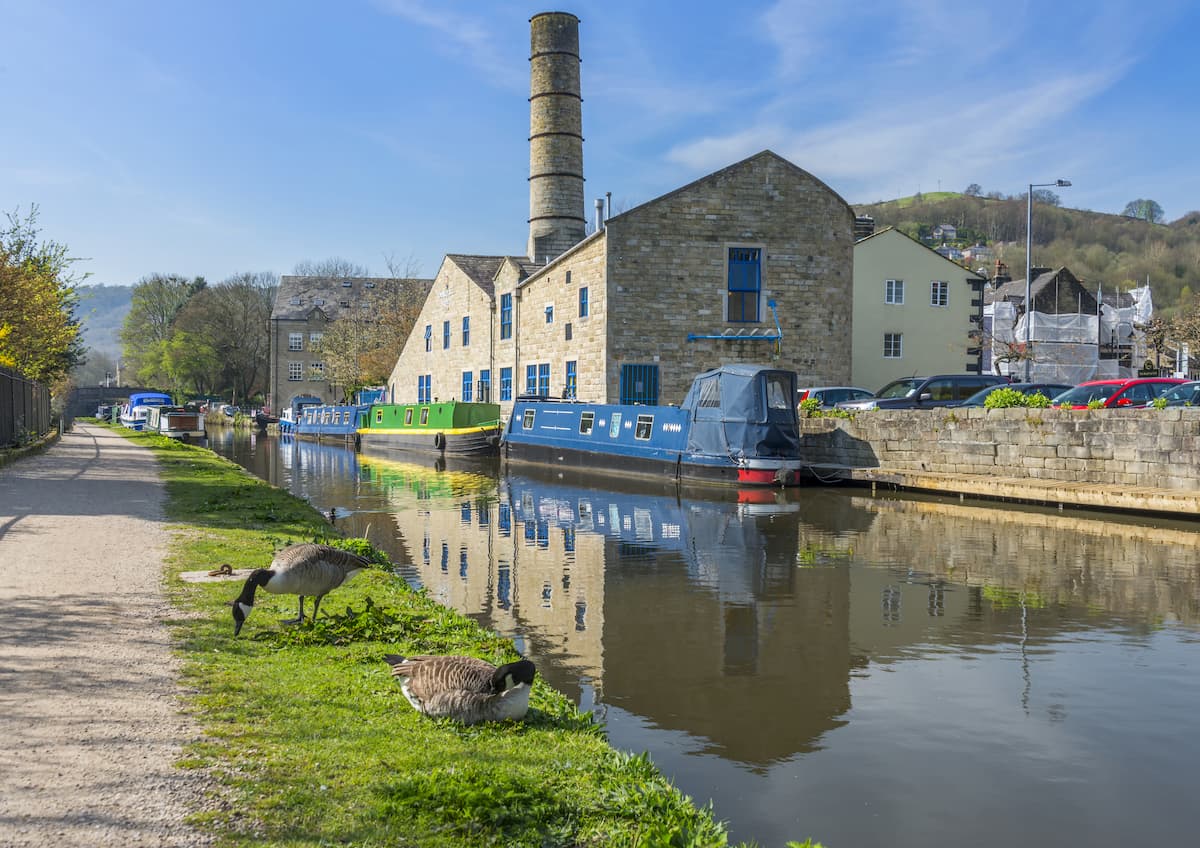
    Boating at Hebden Bridge

    Hebden Bridge in the South Pennine region of West Yorkshire
    Hebden Bridge in the South Pennine region of West Yorkshire

    Is there anything more romantic than a simple boat ride through the beautiful countryside? It gives you a chance to spend some quality time alone together and laugh about any mishaps that happen along the way.

    Hebden Bridge in West Yorkshire is a lovely old mill town nestled in the stunning Calder Valley. It’s a town with an old-world feel, surrounded by an absolute abundance of greenery; it’s the classic English countryside.

    The Rochdale canal that runs through the town adds to the picturesque image it emanates. 

    Traditional narrowboats run up and down the canal – you can hire a boat for a single day, and travel to either Todmorden or Sowerby Bridge and back again. Take lunch with you on the boat, moor up at Sowerby Bridge and head into the woodland for a romantic picnic before your return journey.

    See Bridgerton Come to Life at Castle Howard 

    Castle Howard is a stately home in North Yorkshire
    Castle Howard is a stately home in North Yorkshire

    Explore the beautiful stately home of Castle Howard, owned by the Carlisle branch of one of England’s oldest noble families. The palatial building is only 24km north of York and is a gorgeous example of Baroque and Palladian architecture.

    Learn all about the not-so-romantic relationship between one of the family’s most unfortunate members, Catherine Howard, and Henry VIII; she was executed while still only a teenager. 

    The Howard family were deeply involved in court politics at the time, often to their detriment. Anne Boleyn, the most famous wife beheaded by Henry VIII, was also a member of the family through her mother: Thomas Howard, 2nd Duke of Norfolk was the grandfather of both women. You can learn all about the family’s history when visiting the castle, though it was built long after this time period, only 300 years ago.

    Ignoring the decidedly unromantic family history, Castle Howard is a genuinely romantic place to visit as a couple. The castle grounds are magnificent, with an 18th century walled garden, a Great Lake and ornate fountains found all over the estate. The interior of the castle is as opulent as its exterior; marble hallways, furniture embossed with gold and elaborate décor everywhere you look. 

    The romance of Castle Howard has been noticed by filmmakers. 

    Netflix phenomenon Bridgerton used the castle façade, entrance hall and grounds as a filming location – it’s the home of Simon and Daphne after their marriage.

    Things to Do For Adventurous Couples

    For the thrill-seeker couples out there, canal boats and steam trains may seem a little tame. These are some of the best things to do for people hoping for adventure in Yorkshire.

    Go on an Adventure in the Yorkshire Dales 

    If you’re looking for an outdoor adventure to try as a pair, look no further than the Yorkshire Dales. The landscape of rugged crags, dramatic waterfalls and sweeping valleys lends itself well to the more daredevil activities you might want to try.

    Besides the activities you might already have expected, like kayaking, climbing, or mountain biking, the Yorkshire Dales offers some adventures that can be hard to come by in the UK. 

    • Canyoning. Canyoning involves following a river – usually including a series of waterfalls – downstream, by jumping from heights into the water below, sliding down rock chutes and abseiling past waterfalls. In Ingleton, Lost Earth Adventures offers this exhilarating experience on Beezley Falls.
    • Caving. Couples that cave together, stay together. One of the longest cave systems in the world runs under the Yorkshire Dales. It makes sense, then, that this is one of the best places in Europe to try caving. It’s not the claustrophobic nightmare you might be thinking of: think underground rivers, huge caverns and thousands of stalactites instead
    • Via Ferrata. If you want the views and adrenaline associated with climbing, but don’t necessarily have the experience, Via Ferrata is a fantastic alternative. You follow a path of metal rungs and ladders to traverse difficult terrain, all while safely attached to a permanently fixed wire. The only Via Ferrata in Yorkshire is at How Stean Gorge.
    • Paragliding. Watch your significant other fly across the sky in one of the most incredible experiences for thrill-seekers available in the UK: paragliding. Get an astonishing birds-eye view over the Yorkshire Dales in a shared experience you will never forget. Active Edge offer paragliding experiences in the area.

    Follow A Spectacular Mountain Bike Trail

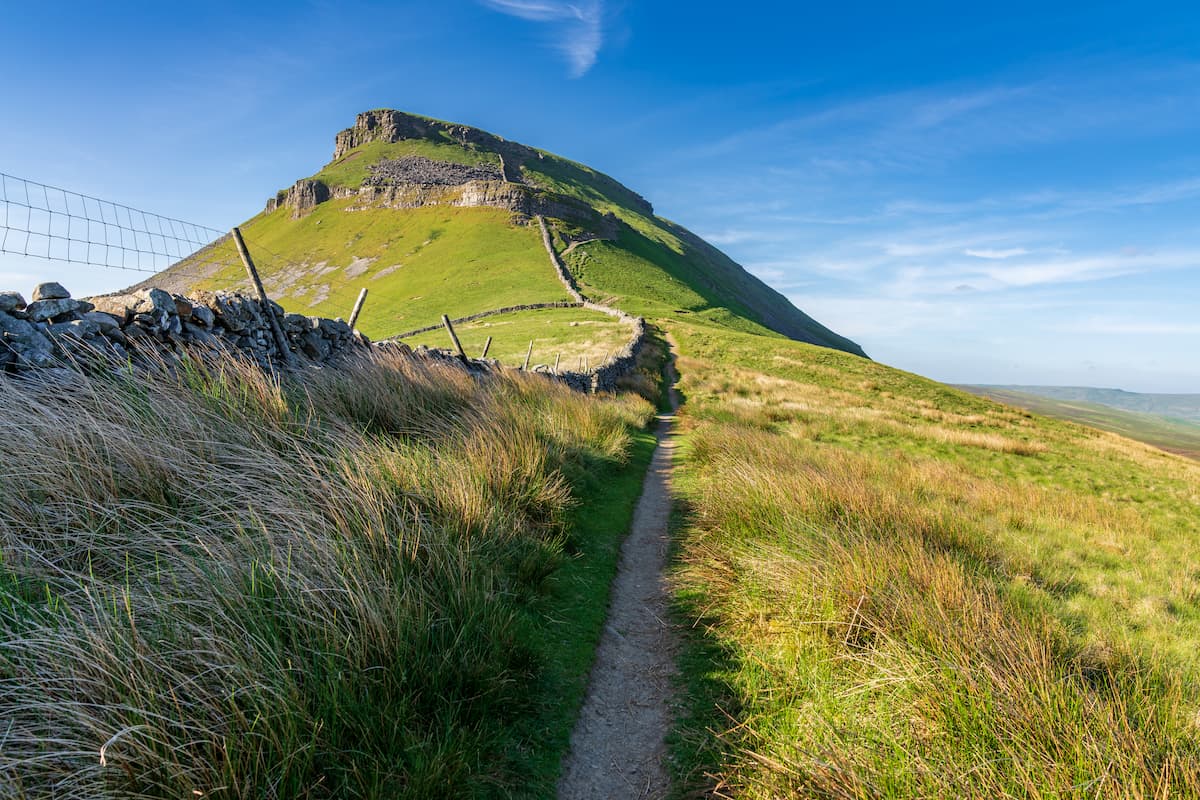
    Pen-y-ghent, North Yorkshire
    Pen-y-ghent, North Yorkshire

    Yorkshire has plenty of choices when it comes to mountain bike trails, but it really comes down to your skill and fitness level.

    For an easier trail, try the 18km route from Ravenscar to Whitby. This is a spectacular bike ride, with views over the moors and the cliffs. As Ravenscar fades into the background, you will move through scenes of endless natural beauty, passing by Robin Hood’s Bay and finishing in Whitby.

    Curbar Edge is great for riders of an intermediate skill level with good fitness. The 26km looped trail takes you past stunning views over the Derwent Valley. There are some shorter, easier routes in the same area, however.

    Some of the more difficult trails, with draining ascents and tricky technical sections, include routes at Pen-Y-Ghent, Nidderdale and Threshfield Moor.

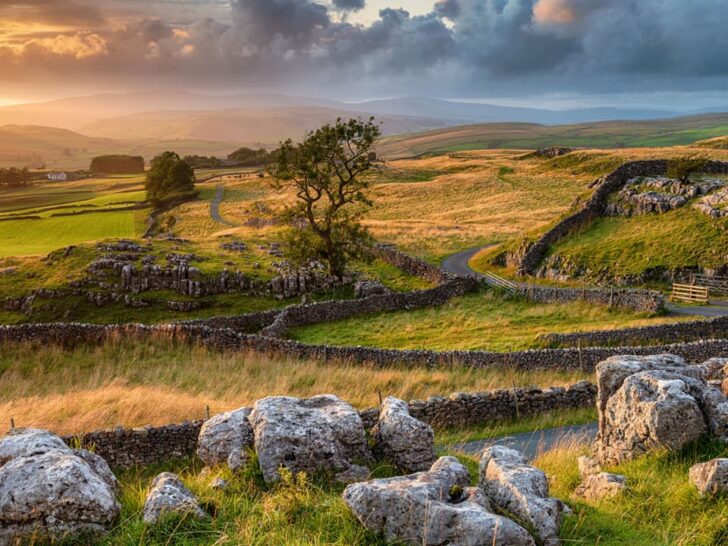
    Hiking and Climbing at Brimham Rocks

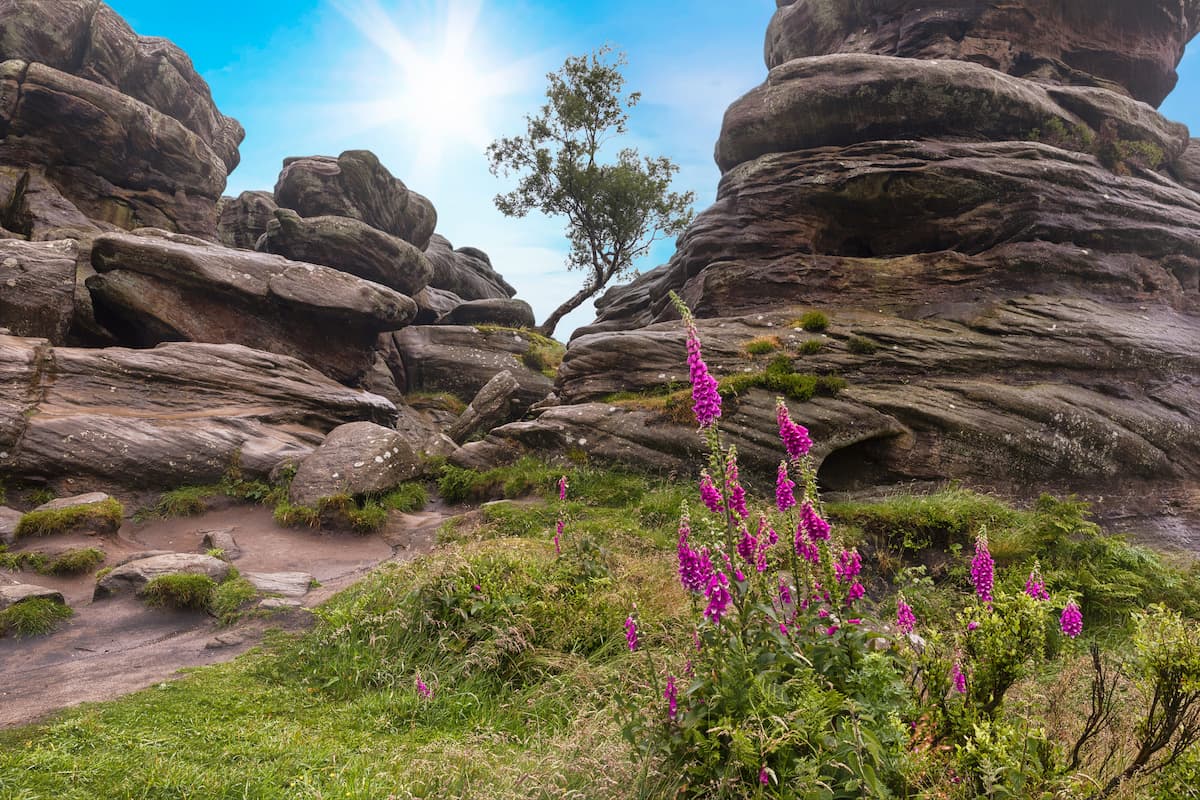
    Brimham Rocks, Yorkshire Dales
    Brimham Rocks, Yorkshire Dales

    Brimham Rocks are so unique that they seem almost bizarre. But as oddly shaped as many of the rocks are, their formation was completely natural; the ice age and years of wind, water and sand whipping away at the limestone helped leave behind the unusual Brimham Rocks we see today.

    This site of precariously balanced rocks hovering over cliff edges has been a popular tourist attraction since Victorian times, and is now both a Site of Special Scientific Interest and Geological Conservation Review, and an Area of Outstanding Natural Beauty. You can hike around the 400 acres site in just over an hour to see the area’s biggest attractions.

    Couples should look out for Lover’s Leap, a rock formation with a legend of forbidden love behind it. According to folklore, two star-crossed lovers couldn’t bear to be apart so jumped from the ledge, only to miraculously fall gently to the ground. Their families, seeing this dedication, conceded and allowed the pair to marry.

    Particularly adventurous couples will see little excitement in the hike around Brimham Rocks. But they may see an appeal in climbing them. You can try both bouldering and rope climbing at the site. Find out more on the National Trust website.

    Unique Things to Do

    Try something a little different for your romantic day out in Yorkshire.

    The Deep

    Hull has a bit of a reputation in the UK, where it has been somewhat affectionately assigned the nickname ‘Hell’ by a substantial chunk of the population. The reputation is a little unearned in my opinion, as the city has more to offer than you might expect. A pretty Old Town, lovely harbour, and, most importantly, a world-class aquarium in ‘The Deep’.

    The Deep is a fantastic date idea, and is one of the largest and most impressive aquariums in the UK. Learn about and see the creatures of the deep in person – sharks, stingrays, sea turtles and Gentoo penguins can all be found in the aquarium. 

    The award-winning Deep is home to over 3500 species of fish, is a pioneer in research for marine conservation, and offers both an enjoyable and educational day out. A trip to an aquarium of this quality can be fun for people of all ages, but is a surprisingly fun date activity; especially if you happen to love penguins.

    Flamingo Land

    Slightly rundown, bizarrely named and a whole lot of fun? Small British theme parks are a unique experience of somewhat outdated theming, whacky mascots and wholesome fun. Flamingo Land is great for couples that don’t take themselves too seriously, and can enjoy the park for what it is.

    You won’t find rides of the calibre of Disneyland or even Alton Towers here, but there are plenty of enjoyable roller-coasters and smaller rides to try out. Besides the theme park, Flamingo Land is also home to an award-winning zoo. 

    Black rhinos, Sumatran tigers and African lions are just a few of the selection of animals cared for in the park. Flamingo Land is actively invested in wildlife conservation, conducting research projects worldwide and working with a network of other zoos in order to provide the best care for the animals.

    The Forbidden Corner

    Hidden away in the heart of the Yorkshire Dales, this unique labyrinth maze began as a wealthy estate owner’s private folly. It was opened to the public by popular demand, almost closed for issues with planning permission, then rescued by the same public.

    The garden is located in the Tupgill Park Estate, and features a series of tunnels, puzzle rooms, tricky dead-ends and gigantic statues. As you lose yourselves in the maze, you will stumble across a glass pyramid, a temple of the underworld and some surprising water features as you journey through the garden. 

    Ostensibly for children, but enjoyable for all ages, The Forbidden Corner is a unique date idea you’re sure to remember for years to come.

    Wensleydale Creamery

    Wensleydale Creamery
    Wensleydale Creamery

    Follow in the steps of Wallace and Gromit and enjoy a taste of the iconic Wensleydale cheese. Cheese fanatic couples should go straight to the source and head to the Wensleydale Creamery in Hawes.

    You can watch the cheese being made by experts in the Demonstration Room, learn more about the history of both the cheese and the creamery in the visitor centre, and try a variety of cheeses during their interactive Yorkshire Wensleydale Cheese Experience. This is a bit outside of the box when it comes to couple activities, but any cheese – or Wallace and Gromit – fans are sure to have a great time.

    Yorkshire For Couples

    Yorkshire consists of not one, but four different counties. An area as huge as this inevitably has plenty of choice for things to do. Couples can pick from all manner of activities – if your idea of romance is a visit to Flamingo Land, abseiling down a waterfall, or a picnic in the park, Yorkshire has something for you.

  • 16 Ways to Avoid Looking Like a Tourist in London

    16 Ways to Avoid Looking Like a Tourist in London

    London is a massive metropolis and diverse home to over eight million people. While the multi-cultural population gives you the upper-hand of blending more smoothly than other countries, it’s still easy to spot the inexperienced tourists in a crowd of locals. This is your guide to ways you can avoid looking like a tourist in London altogether.

    One of the best things about London is that you can sit down to dinner and find yourself among five different people from five different countries. It’s really common to hear multiple languages spoken throughout the day and you’re likely to meet people from a range of backgrounds.

    Unfortunately, because of this, some classic British traits are dying out with the influence of other cultures, particularly American films and music. But that doesn’t mean there aren’t a few things worth bearing in mind when you’re visiting the capital to keep you from sticking out like a sore thumb.

    Obvious tourists run the risk of getting sucked into tourist traps and are easier targets for getting mugged. Although London is a fairly safe city, it’s definitely worth brushing up on some of these universal rules that will have you experiencing London in an authentically British way. Here’s how to avoid looking like a tourist, while getting the most out of your stay!

    1. Dress Like a Local

    Kat at six by Nico London

    Despite what you might read elsewhere, it doesn’t require too much effort to look like a local in London. You’ll find a wide range of clothing and it’s not always as posh as what London is actually known for.

    Ever since I moved to London, I hung up my heels and fancy clothing. Whilst there are occasions to dress up, most of the time Londoners’ wardrobe style is casual. It’s even made its way into the West End theatre scene at times.

    But let’s face it; Londoners have a way of making casual look not so casual, somehow. I do still feel they dress a little “smarter” than other places of the world, and you’ll still see people working in the City of London donning suits, but you don’t necessarily need to go out and buy a whole new wardrobe for hanging out in London, other than a nice rain jacket (preferably black in colour).

    Kat at Duck and Waffle London

    People of all walks of life live in London, and the range of styles on show is rich and diverse; wear what you’re comfortable in, but if you really don’t want to look like a tourist, maybe forgo the fanny pack (bum bag) and baseball caps!

    Plus, you’ll be doing heaps of walking, so make sure you have some sturdy and comfortable walking shoes. Nice trainers aren’t uncommon and neither are backpacks.

    Yep, you’ll need all the essentials on a day out in London, so take a classy backpack (not a typical travel backpack), and you’ll fit right in. Even canvas bags are common for shopping and groceries.

    2. Avoid Chain Restaurants

    Vegan Katsu Ramen at Hakata Ramen in Bermondsey
    Vegan Katsu Ramen at Hakata Ramen in Bermondsey

    More than just a way to avoid looking like a tourist, this is a general life tip. London has some of the best restaurants in the world, and you can try food from a hundred different countries all in one city – why would you want to eat food you could have at home?

    While Londoners may eat at a chain restaurant in a pinch, most would opt for the endless choice of local and independent restaurants right on their doorstep; the old stereotype of the Brits having poor food is more than outdated, so don’t be afraid to dabble in the local cuisine.

    The classics like fish and chips and the full English breakfast are still standard, but the London food scene encompasses so much more these days. Confining yourself to just one type of food, or the unwillingness to explore, would for sure have you standing out in the crowd, where you want to blend.

    3. Brush Up on British Expressions

    Note some British expressions before you head to London, as this will save you a lot of embarrassment and confusion.

    The one that always catches me out is ‘Are you alright?’. I took it as if I looked unwell or needed help, ha! It’s simply a greeting. To avoid awkwardness, just say – great thanks, you.

    If you’re used to saying ‘candy,’ refer to it as ‘sweets.’ Also ‘French fries’ are ‘chips’ in England and ‘elevators’ are ‘lifts.’

    There are heaps of other expressions that it wouldn’t hurt to learn ahead of time that will have you speaking like a local!

    4. Learn Proper Pronunciation

    Along the same line is pronunciation. It can take some time to learn how to properly pronounce all the street names, city and village names in England. If you think you know how something sounds, it’s probably not right.

    When I first heard Southwark being announced on the tube, I had no idea where this place was and quickly learned it was pronounced suh·thuhk.

    Check your phone for how to say these words properly, or you’ll for sure be spotted as a tourist!

    5. Mind Your Manners

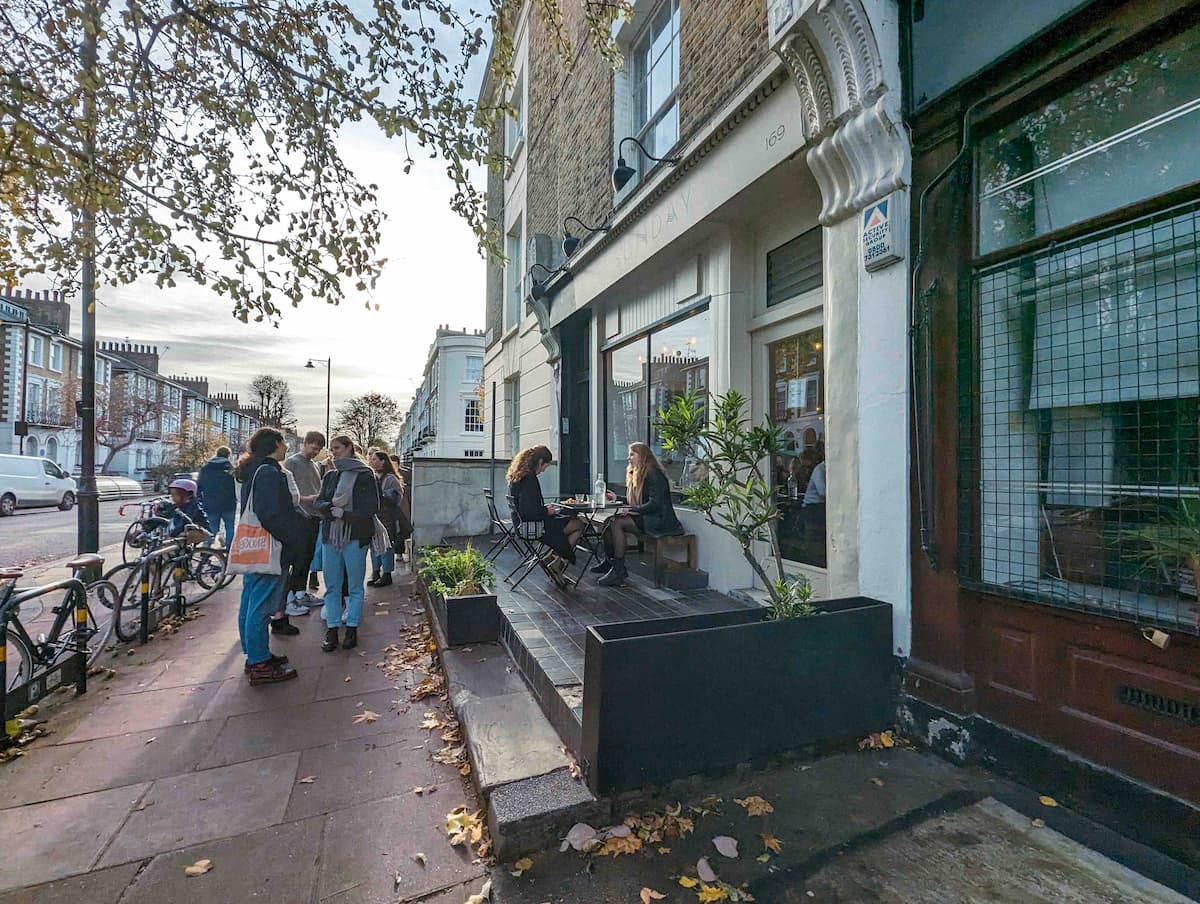
    Queue for breakfast at Sunday, London
    Queue for breakfast at Sunday, London

    Modern Brits aren’t like the old-fashioned stereotypes portrayed in the movies anymore, but a degree of politeness is still a bit of a national character trait. Good manners are widespread in the UK, so a ‘please’ and ‘thank you,’ or even ‘cheers,’ are appreciated in everyday interactions.

    Queueing is also a very British thing to do and Londoners have a lot more tolerance for it than many other countries. So, practice your patience when you see the orderly queues forming for entry into the museums or buying goods in a shop.

    ‘Jumping queue’ in considered very impolite and a traditional sense of fair play is enforced among Londoners. If you’re unsure, just ask – we will quickly advise you if there is a queue to join.

    Outside of pubs, being loud and boisterous is also frowned upon. Keeping your voice down in public is encouraged, particularly on public transport! Most people on the Tube are on their way to work or going about their day in peace, and don’t want to be disturbed.

    Lastly, it’s impolite to stare and point your finger, which is a common tourist trait.

    6. Mind Your Personal Space

    Keeping in tune with etiquette is also minding your personal space. If you’re not accustomed to public transportation, there’s a lot of etiquette to familiarize yourself with. Be conscious of those around you, especially at peak times, as the buses and trains will get quite busy.

    While you’re sitting down, don’t stretch out your legs or arms in a way that might get in someone else’s way. If you have to stand, make sure and hold onto a handrail so you don’t fall over onto anyone! If you want to look like a true local on transport, put your headphones on and avidly avoid eye contact with anyone at all.

    7. Use Local Table Manners

    If you’re not from Europe, you might not be accustomed to how Brits eat their food, and this is one sure fire way to make you stick out like a sore thumb. The proper way if you’re right-handed is to eat with your fork in your left hand and your knife in your right hand. Then cut each bite individually, not all at once, while you rest your arms midway between your wrist and elbow. Elbows should always stay off the table!

    8. Steep Tea Like a Local

    Kat drinking tea at the Mad Hatters Tea Party at Sandersons
    Kat drinking tea at the Mad Hatters Tea Party at Sandersons

    Tea is usually one of the first things one thinks of when it comes to England, and there’s never a wrong time for a “cuppa” in London. So learning how to make a proper cup of tea in any occasion will have you blending in with the locals.

    Here’s a Quick Tea Tutorial

    First, you’re going to boil the kettle and as soon as the water bubbles, pour it into a cup where a tea bag is waiting. You don’t want to let the water cool down too much as this will ruin the flavour, and the tea won’t steep as well. Wait a while to remove the bag. Keep in mind, you don’t want to over stew your tea, but it’s even worse to serve a weak tea. Practice makes perfect.

    Now, a cup of tea without milk in England is just unheard of, and you’ll want to add the milk after it’s brewed. How much you add is a personal preference, so when in doubt add a dash; less is better than more! Lastly, if you like yours with sugar, add your desired amount.

    And most importantly, when it comes to making the perfect cuppa, you simply cannot get away with making yourself one without asking every single other person within the vicinity if they would also fancy a cup. Don’t forget to ask if they take sugar and how much, and never ever use the same spoon for someone that isn’t taking sugar.

    Follow these instructions and you’ll be serving afternoon tea in no time!

    9. Get Off the Beaten Path

    Kat-standing-in-front-of-Crystal-Palace-Dinosaurs
    Crystal Palace park has the best statues in London! Famous natural sculptor Benjamin Waterhouse Hawkins designed these dinosaurs and revealed them to the public in 1854.

    Sightseeing does not have to be limited to famous attractions! Although it’s fun to throw of a few of those in too, getting off the beaten path is the best way to immerse yourself in the local culture. For instance, Londoners would seldom be seen visiting places like Buckingham Palace or Tower Bridge.

    Take a quick stroll through the popular tourist areas like Piccadilly Circus and Leicester Square, but for the ‘local experience’, you can spend the majority of your time wandering through some lesser-known areas of London. This is easier said than done, depending on the length of your stay, so a couple of trips to the city might be in order.

    If you’re willing to forego the crowds and would rather venture into some of the more quiet and charming neighbourhoods, try Dulwich Village – if you don’t mind venturing further from the centre – or the elegant and affluent Kensington, just to name a few.

    10. Know Which Bridge is Which

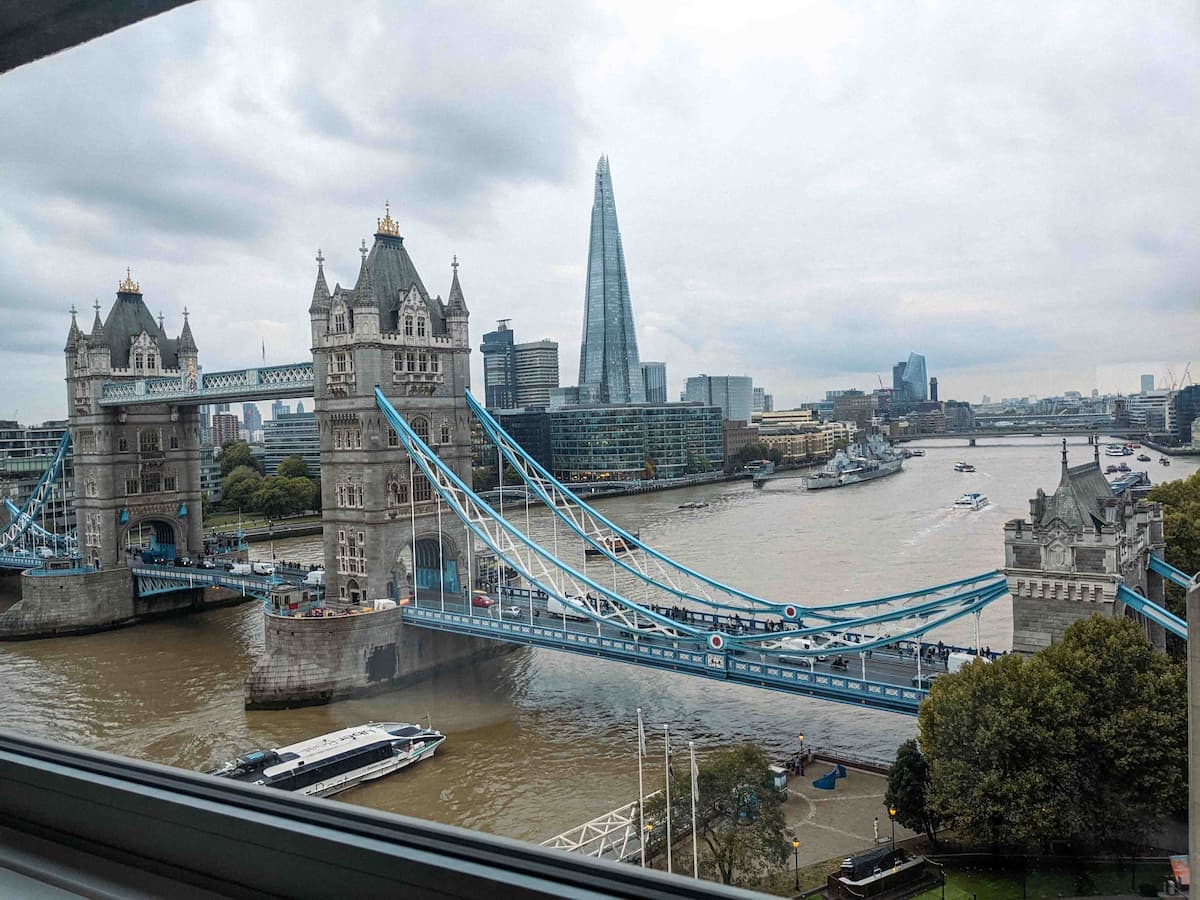
    Tower bridge with London Bridge in the background
    Tower bridge with London Bridge in the background

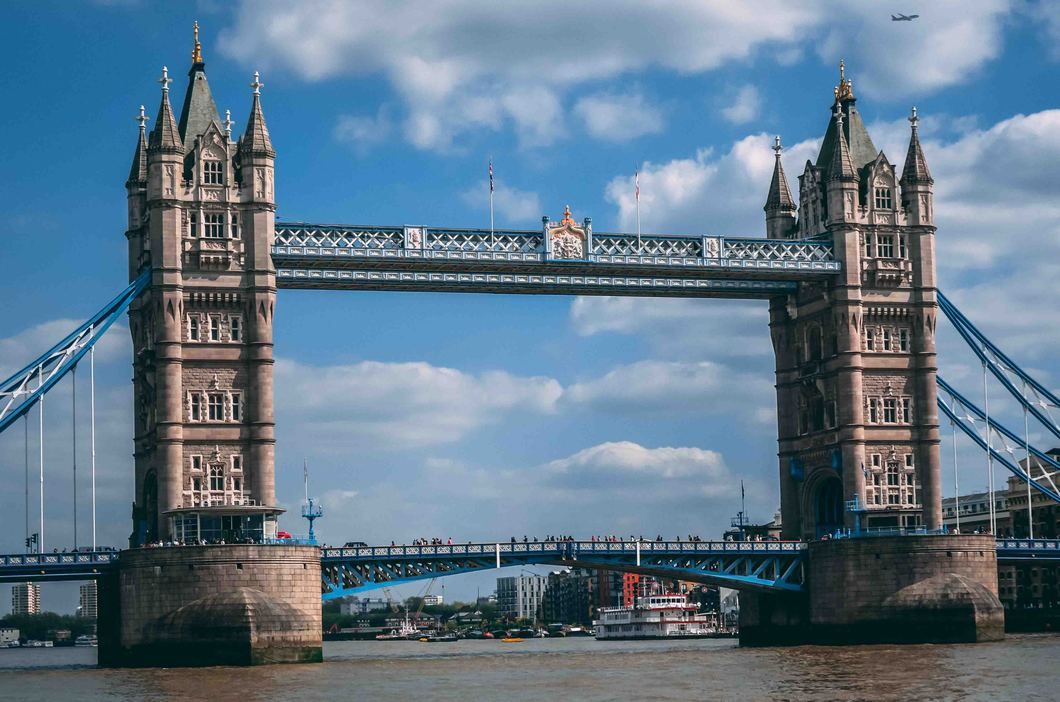
    One of the most common mistakes tourists make in London is confusing the two bridges, Tower Bridge and London Bridge. You would think by the name that London Bridge is the big, attractive, exciting one that everyone photographs, but it’s not. That one is actually Tower Bridge; named for the Tower of London which sits close by. London Bridge is the one next to the iconic Tower Bridge that’s honestly not much to look at. Now you know!

    11. Don’t Wear Your Camera Around Your Neck

    I think we can all agree that the easiest way to spot a tourist is when you see someone with a camera hanging around their neck. Get yourself a camera bag that doubles as a stylish backpack or cross-body bag and pull out the camera as needed. I know it might be hard because you’re bound to want to take pictures of literally everything and get swept up in the charm of London, but take some time to feel like a local and enjoy the moment as well.

    Also be respectful when taking photographs. The super cute houses you’re photographing are where people actually live. Don’t be rude or take too much time in one place, looking like a stalker. And don’t get in the way of others or act annoyed with people passing by. You’re in a busy city!

    12. Don’t Take the Heathrow Express

    Heathrow Airport T5 Tube Sign
    The tube is the easiest and cheapest way to travel from Heathrow to London.

    If you’re flying into London Heathrow, there’s a 20-minute Heathrow Express train that will cost you a good £25 to get to central London. If you want to avoid looking like a tourist, don’t take this train; the price is extortionate! Take a ride on the Piccadilly tube line (46 minutes to Piccadilly Circus) and pay just £3.10 with an Oyster or contactless card.

    13. Don’t Buy Paper Tickets for the Tube

    Purchasing a physical paper ticket is a rookie mistake in London, and often the most expensive way to use public transport. In the past, the advice would always be to purchase an Oyster Card or use a contactless card (including Apple and Google Pay) for travelling around London.

    This is still a great option, particularly if you’re staying long-term or will face extra fees for using your card abroad, but contactless payments are easier and don’t require paying an initial £7 fee. It works in the same way: simply tap your payment card as you enter and leave a station and you’re all set.

    If you want to get an Oyster Card, you can pick one up at the airport on your way in and even return it and get any leftover funds back at the end of your trip. Oyster cards are easy to ‘top up’ at most stations and are cheaper than one-way or day tickets for the tube, and they also work on the buses.

    If you want to avidly avoid looking like a tourist, make sure you have your card – Oyster or otherwise – handy so you can tap it as you enter and leave the stations. Nothing is worse than holding up the lines by having to fiddle around in your purse or wallet looking for it.

    14. Don’t Overuse the Tube

    Bus in driving in Oxford St London
    Bus in driving in Oxford St London

    While the tube is the quickest way to get around in London – and it’s definitely something you want to familiarise yourself with – it’s not actually necessary all the time. Studying the tube lines a bit before you arrive will have you seeing that it’s quite easy to walk between a majority of the main attractions in central London, and it’s a lot cheaper that way as well. You never need to take the tube just one stop away.

    If you get tired of walking, you can also hop on an iconic double decker bus. This is a classic Londoner move. Just don’t use a tourist bus! That should go without saying.

    Local Bus Routes for the Best Sightseeing

    Bus Route 11 – Fulham Broadway to Liverpool Street will take you by King’s Road in Chelsea, Belgravia, then the famous sights like Westminster Cathedral, Westminster Abbey, Big Ben and the Houses of Parliament. 

    Bus Route 24 – Pimlico to Hampstead Heath, like route 11 you will pass by Westminster Cathedral, Westminster Abbey, Downing Street and Trafalgar Square. 

    Bus Route 453 – I suggest catching it from Marylebone stations and hopping off once you’ve seen the sights on your list. The bus passes by Westminster, Whitehall, Regent Street, Oxford Street and Regent Park.

    15. Escalator Etiquette

    Don’t ever stand on the left side of the escalator. The left side is for people walking up or down. Stick to the right side if you’re standing still, and keep your belongings and limbs at your sides.

    Speaking of escalators, don’t get to the top and then stop! You’ll soon discover that people are seriously hustling through the tube stations to make their connections, and stopping at the top of the escalator will for sure get you some glares and possible comments. If you need to get your bearings, step aside and wait by the wall to read the signs or check your phone. It’s much safer for everyone.

    So there you have it! These are some excellent ways to avoid looking like a tourist in London. Don’t get too hung up on looking like a local; if you want to see the famous sights, then do it! Londoners would do the same if they were visiting New York.

    Yes, you’ll probably still have your moments, but overall, you’re now equipped with how to blend into the local city scene smoothly and have the best memories to take home with you!

  • 24 Famous Landmarks in England 

    24 Famous Landmarks in England 

    Before the United Kingdom was even a concept, England had existed, in one form or another, for thousands of years. This has given the country plenty of time to accumulate some incredible landmarks, which have, in the centuries since, grown in fame and now attract millions of visitors every year.

    Your mind might instantly jump to London – as it should; there are dozens of iconic landmarks in the capital – but England has countless landmarks equally worth your time outside of the city. This collection would look remiss without big-hitters like Big Ben and Stonehenge, but you will hopefully also discover some other famous (but lesser-known) landmarks here that peak your interest.

    From London to the Lake District: this is a list of 24 of the most famous landmarks in England, and what you should expect.

    Famous Buildings

    Big Ben

    The Houses of Parliament and Big Ben
    The Houses of Parliament and Big Ben

    Starting with the capital, and what is arguably the most famous landmark in the UK: Big Ben. After a 5 year renovation period, Big Ben, or the Elizabeth Tower as it is formally known, finally shook off its scaffolding in 2022. The gleaming gold of the world’s most famous clock is visible once again to the masses that crowd Parliament Square jostling for the best photo position.

    When the clock tower first chimed all the way back in 1859, it was the largest clock in the world. It has since lost that title, but gained a new one as perhaps the most famous landmark in all of England. Any film, tv show or photograph that wants to establish the setting as London or England more generally, doesn’t need to look further than Big Ben. It’s instantly recognisable, and seared into the collective consciousness of onlookers as the representative of London.

    Buckingham Palace

    Kat at Buckingham Palace

    As the official London residence and administrative headquarters of the Royal Family, Buckingham Palace is at the centre of all the pomp and ceremony that comes with royal tradition. From royal weddings to jubilees, the decadent displays of opulent lavishness at the palace are part of the pageantry that makes the royal family so popular with tourists.

    You can walk through the halls of the Queen’s home on a guided tour during select times of the year; giving you a rare insight into a working royal residence. For the majority of visitors, the gates are as far into the palace as they will reach. From there you can still see the neoclassical façade of the 18th century building, and, more importantly, the stern emotionless faces of the Queen’s Guard hidden beneath their ridiculous but iconic bearskin hats.

    Radcliffe Camera, Oxford University 

    Radcliffe Camera
    Radcliffe Camera

    Oxford University is an iconic institution in itself, but the image most recognisable when the university – or Oxford – is mentioned, is the imposing dome of the Radcliffe Camera.

    This famous building is Oxford’s favourite postcard picture and tends to be the one that features in magazines and depictions of the city. You can see the Palladian-style building, designed by James Gibbs in the 18th century, in person by simply walking a few minutes from the city centre onto the university grounds. For a truly exceptional view of the Radcliffe Camera, you should climb the steps of St Mary’s Tower in the Church of St Mary the Virgin.

    To go inside, you must be on a guided tour. It is part of the historic Bodleian Library complex and public access is restricted. 

    Castles and Cathedrals

    Tower of London

    Birds eye view of Tower of London
    Birds eye view of Tower of London

    For almost a thousand years, the Tower of London has stood as a symbol of authoritarian power and judicial punishment. At first an ominous figure of fear and oppression, the castle is today a reminder of the storied history of England, and in particular, the monarchy.

    Some of the most notorious events and executions in the history of the English throne have occurred in the tower; most of which occurred in the 15th and 16th centuries. This is where the two Princes in the Tower disappeared, thought to be murdered by their uncle Richard III in a coup for the throne. The unfortunate wives of Henry VIII, Anne Boleyn and Katherine Howard, and later the six-day queen, Lady Jane Grey, were also all beheaded on the grounds.

    Its rather gruesome history is a fascinating one, and is best discovered on a tour with a Beefeater guide. After wandering past traitor’s gate, the expansive museum and the tower’s ravens (which can, of course, never leave the tower), you can see the Crown Jewels, which include the crown of Queen Elizabeth II and the Koh-i-Nûr diamond.

    Canterbury Cathedral

    Canterbury Cathedral
    Canterbury Cathedral

    There’s no shortage of spectacular cathedrals in England, but Canterbury Cathedral is up there with the best. The origins of the cathedral begin in the 6th century, though the current structure dates back to the 11th. 

    It is one of the most ancient and impressive cathedrals in Europe. This magnificent Gothic structure is a marvel of craftsmanship and engineering; it is hard to comprehend how such a feat was accomplished almost a thousand years ago.

    Most famously, the cathedral was the site of a murder of miscommunication, when the Archbishop of Canterbury, Thomas Becket, later sainted, was assassinated by a group of knights who believed they were enacting the King’s wishes. For centuries, the steps and interior of Canterbury Cathedral were a popular pilgrimage, as rumours of miracles and healing occurring swirled in the Middle Ages. This is the destination of the pilgrims in Chaucer’s Canterbury Tales.

    Windsor Castle

    Kat in Front of Windsor Castle

    Windsor Castle is another of the Queen’s countless royal residences – and supposedly, one of her favourites. You can see almost a millennium of architectural design on show at the castle, which is the longest occupied palace in Europe. 

    The castle was built in the 11th century after the Norman invasion, and has sublime examples of Georgian, Tudor and medieval design within its grounds. You can wander through the lavish State Apartments, where the Queen normally hosts visitors, and shouldn’t miss the beautiful Perpendicular Gothic St. George’s Chapel, where Harry and Meghan were married.

    Your day out in Windsor isn’t complete without witnessing the changing of the guard – which, as it turns out, is not limited to the one in London!

    Westminster Abbey

    Westminster Abbey
    Westminster Abbey

    When it comes to famous castles and cathedrals in England, you will find there is a bit of a pattern: they are typically ancient, and usually have clear royal connections. True to form, Westminster Abbey was built in the 13th century, and has ‘Royal Peculiar’ status, meaning it belongs to the reigning monarch.

    This epic Gothic, Notre Dame-esque church has been used for coronations, royal weddings and important national ceremonies for centuries.

    Amongst the numerous tombs of monarchs and royals, there are other famous figures in English history buried in the abbey. Poets’ Corner is the resting place for many of England’s greatest writers, including Geoffrey Chaucer, Thomas Hardy and Charles Dickens. Memorials to the likes of William Shakespeare and Jane Austen can also be found here.

    York Minster

    York Minster, cathedral of York in England
    York Minster, the cathedral of York in England

    York is one of the most ancient cities in England, and was even briefly the capital. For centuries, York was an incredibly important city to those in power – perhaps most famously during the Wars of the Roses. 

    You can still see the history of the city etched into its walls – and the cathedral, which is the largest in northern Europe, belies the city’s previous importance. York Minster took centuries to build, starting in the 13th century and reaching completion in the 15th. All those years of careful craftsmanship and impressive medieval engineering created one of the most astonishing Gothic structures in the world.

    The architecture of York Minster is breathtaking whether you are viewing the outside of the cathedral or have ventured inside. The famous Rose Window can be found within the South Transept; it was designed to highlight the union of the Houses of Lancaster and York and help legitimise the Tudor dynasty.

    Another landmark in York worth noting is the Shambles, a ramshackle street of wonky medieval houses and cobblestones popular with visitors. You can easily see everything York has to offer in a single day

    St. Paul’s

    St Pauls with the flowers

    Rounding out the cathedrals is St. Paul’s, an iconic part of London’s skyline. Walking up to the top treats you to fantastic views over the city.

    It is hard to imagine the bank of the Thames without St. Paul’s, but it came close to destruction in the 1940s. The dome of this white cathedral miraculously stood through the bombing of the Blitz, becoming a symbol of hope during WWII. 

    Iconic Bridges

    Tower Bridge  

    Tower Bridge

    Tower Bridge is one of the most recognisable bridges in the world, but is often misnomered as London Bridge, which is barely a kilometre up stream. The Neo-Gothic Victorian Tower Bridge was designed by Horace Jones and engineered by John Wolfe Barry, and built in 1886, though it took almost a decade to complete.

    Tower Bridge is situated next to its namesake, the Tower of London. Its elegant towers were designed to conform with the ancient look of the medieval castle; an attempt which delightfully created both an elaborate and picturesque end result.

    You can climb up to a viewpoint within Tower Bridge for views over the Thames. If you’re lucky, you might see the raising of the bridge when you visit, which happens roughly 800 times a year and only takes a handful of minutes to complete. 

    Clifton Bridge

    Kat at Clifton Bridge in Bristol

    Sitting high above the trendy city of Bristol, the Clifton Suspension Bridge is a marvel of Victorian engineering. Designed by Isambard Kingdom Brunel, the spectacular bridge spans the distance between Avon Gorge and the River Avon.

    For the best views of the bridge, you can walk up to the bridge and through Leigh Woods in an hour-long circular walk from Clifton. 

    Landmarks of Historical Significance

    Shakespeare’s Birthplace, Stratford-upon-Avon 

    Shakespeares-Birthplace

    England’s most famous writer does of course attract a huge amount of interest; people flock to places connected to his life. His grave in the Holy Trinity Church is one of those places, his birthplace and childhood home, also in Stratford-upon-Avon, is another.

    William Shakespeare is arguably the most famous playwright in the history of literature. You can learn more about the early days of his life, and the following years after his marriage to Anne Hathaway, during your visit.

    Stonehenge

    Kat at Stonehenge

    Are there any prehistoric monuments more iconic than Stonehenge? Just a silhouette is enough to instantly recognise this landmark; the shape and image of Stonehenge is so widely known that it would be almost impossible to mistake it for anything else.

    It is a landmark that could arguably be claimed as ‘the most famous’ landmark in England. Stonehenge is in the same ballpark as Big Ben and Buckingham Palace when it comes to fame, and is almost certainly the most widely known landmark outside of London. 

    The ancient stone circle has stood for thousands of years. It is believed to be 5000 years old, starting in the Neolithic period with finishing touches added in the Bronze Age. What the purpose of Stonehenge was and how it was built is largely up for debate, though there are many theories, from pagan worship to wild alien conspiracies, regarding this unmissable structure on Salisbury Plain.

    Hadrian’s Wall

    Initially built to keep the untameable barbarians to the north out and away from the civilised society of the Roman Empire, Hadrian’s Wall became little more than a way to partition cattle after the empire’s fall.

    Stretching 73 miles from coast to coast, this remnant of one of history’s greatest empires is a nod to Roman presence in Britain, and the advanced engineering techniques in use almost 2000 years ago. While not the most impressive landmark visually, the history behind it – and the surrounding scenery – make this a worthwhile visit.

    Roman Baths

    Roman Baths
    Roman Baths

    Speaking of the Romans… the city of Bath’s namesake, the Roman Baths, are a stunning historical landmark visited by over a million people every year.

    Taking advantage of the natural thermal springs that run beneath the city, the Romans constructed the bathhouse in around 70AD to indulge in the mineral-rich waters. With luminous emerald water surrounded by pillars and classical architecture, the baths are an unmissable sight for anyone visiting the south west of England.

    Iconic Natural Landmarks

    Durdle Door

    Kat in front of Durdle Door

    Situated on the gorgeous Jurassic Coast in Dorset, Durdle Door is a landmark 140 million years in the making. 

    Wander over the cliffs to Lulworth Cove and you will find one of England’s most outstanding views. The golden sands and gentle blue waves of Lulworth Cove frame the iconic stone arch; it is one of the most famous natural features in the UK, and is the standout attraction in a stellar lineup of beautiful places in Devon and Dorset.

    White Cliffs of Dover or Seven Sisters

    Long the marker of arriving home from the continent, the chalk-white cliffs of Dover have been the subject of warbling WWII ballads, countless poems and even Shakespeare plays. 

    Before air travel was readily available, these chalk cliffs were the last thing travellers would see when departing Britain, and the first sight they would see upon returning. This has made the distinctive white cliffs an iconic symbol of home, and a reminder of the efforts required defending the coastline in wartime.

    Several miles down the coast in Sussex is a less culturally significant but altogether prettier landmark. The sparkling white cliffs of the Seven Sisters are one of the UK’s most beautiful natural landmarks.

    Sherwood Forest

    Robin Hood and his band of Merry Men once roamed these woods, stealing from the rich and giving to the poor. 

    It is their legend that has made Sherwood Forest a famous landmark in England – you can walk on several trails through the woods, try your hand at archery, and learn more about the local folk hero of Nottinghamshire during your visit.

    Relatively Recent Famous Landmarks

    Eden Project

    Visiting the Eden Project in Cornwall.
    Eden Project in Cornwall.

    A far more modern addition to the south west’s iconic sights is the Eden Project. This unmissable eco project is comprised of the two famous geodesic domed biomes and outdoor botanical gardens.

    You can experience the climates, habitats and wildlife of the Mediterranean and the rainforest within these biomes. The exotic varieties of flora and fauna feel a world away from Cornwall, but the experience of the Eden Project has proved to be one of the region’s most popular attractions since its opening in 2001.

    Brighton Palace Pier

    Donut-with-Brighton-Pier

    Brighton is known for being fun, flighty and fancy-free. The coastal town has become the most popular beach resort in the UK, and Brighton Palace Pier is the star attraction.

    Opening in 1899, the Victorian pier was the third to be constructed in Brighton – and is the only one not in ruins. It’s an impressive and iconic sight in the city, stretching out for over 500m into the sea, and is lovingly maintained to keep its gleaming appearance intact.

    It’s one of the larger piers in the UK, and goes beyond the small amusements and fish and chips you might expect from a typical seaside resort’s pier. There’s a small theme park at the end of the pier, with enough space to fit a rollercoaster and a log flume. You can also eat anything from churros to frozen yoghurt or pizza while admiring the lovely views over Brighton and the English Channel.

    Angel of the North

    This Anthony Gormley sculpture towers above the A1, and has done so ever since it was completed in 1998; it is one of the most impactful contemporary sculptures in the UK.

    With a wingspan larger than a Boeing 757 and a height of 20 metres tall, this imposing steel sculpture is a spectacular icon of Gateshead, and has quickly become a symbol of home for the residents of Newcastle.

    The National Parks

    The Cotswolds

    Burford in the Cotswolds

    Quaint and quintessentially English, the Cotswolds are the unofficial representative of rural England. 

    Charming villages and gentle rolling countryside, with winding rivers and honey-coloured cottages are the norm here. A visit to the Cotswolds is a relaxing escape into the countryside. You will likely spend your time slowly meandering from place to place, embarking on walks with sweeping views and partaking in afternoon teas in adorable village cafes.

    Even if you can’t set aside time for more than a day, you can still experience a trip to the Cotswolds. If you live somewhere relatively close, like London, there are several day trip itineraries that you can enjoy.

    Lake District

    Derwent Water from Keswick, Lake District National Park

    Exchange the rolling hills of the Cotswolds for the dramatic ridges and mountains of the Lake District, the most visited national park in England.

    In regards to iconic landmarks; to narrow it down further, Lake Windermere is easily the most famous landmark in the Lake District. The 18km long lake attracts flocks of tourists – the cute towns and villages on the banks of the lake do as much to help its popularity as the scenery of the lake itself.

    The wonderful landscape and quiet serenity of the Lake District has inspired countless poets, painters and Romantics. It’s a landmark that has stood the test of time, and is unlikely to lose its appeal with visitors any time soon.

    Peak District 

    Baslow Edge in the Peak District
    Baslow Edge in the Peak District

    Similar to the Cotswolds in its quaint gentility and charming villages, but with the rugged peaks that give it its name: the Peak District gives visitors the best of both worlds. It is both a relaxing and active outdoor location, with lots of lovely towns and villages to visit.

    Within the Peak District itself, the most famous landmark is a toss-up between the viewpoint at Mam Tor and the remarkable palatial Chatsworth House. While in the Peak District, don’t forget to try the truly unmissable landmark: a Bakewell Pudding from the original shop!

    Famous Landmarks in England

    There are so many iconic landmarks to visit in England – and as you can see, many reside outside of London. Once you have had your fill of the sights in the capital, you can venture out to explore the more remote corners of England.

    While this is a pretty expansive list, there are even more popular landmarks to see in the country; it is larger than you might think! You can enjoy everything from ancient Roman ruins to contemporary art sculptures while touring the most famous landmarks England has to offer.

  • 10 of the Best Walking Tours in Oxford

    10 of the Best Walking Tours in Oxford

    Step out on to the charming streets of Oxford in style, as you learn all about its history and secrets on a guided tour around the city.

    Walking tours are a great way to explore any city, but Oxford is compact enough that you can see most of the attractions in only a few hours.

    A guide will cut out all the work for you – giving you the chance to be taken from place to beautiful place by someone who has spent years living in and learning about Oxford. 

    See every secret doorway and hidden gem as they’re pointed out to you. In Oxford, you don’t want to miss a thing.

    City and University Tours

    Explore the city of Oxford and its fabled university with a knowledgeable guide.

    Oxford: University and City Walking Tour with Alumni Guide

    Oxford University Students Celebrating at the bridge of sighs
    Oxford University Students Celebrating at the bridge of sighs

    There could hardly be a better guide to the University of Oxford than someone who attended as a student.

    Moving through Oxford’s oldest and most prestigious colleges is an incredible experience regardless, but an alumni guide can give you insight into the reality of life as a student. Stories of university life, a personalised account of their student experience and an insight into the eccentric traditions of Oxford are all to be expected as part of the tour. 

    You will tick off many of Oxford’s most iconic sights within the university grounds alone. All Souls College, Trinity College, Oriel College, Hertford College and Merton College are all stops on the tour. As you will be exploring with a small group, you can get an intimate look into the university – asking as many questions of your guide as you would like.

    The instantly recognisable Radcliffe Camera and the historic University Church of St. Mary are possibly the most photographed locations in Oxford. They, and the world-famous Bodleian Library, are arguably the highlights of an already jam-packed tour.

    Learn about famous alumni, the history of Oxford and its literary associations on a walk that leads you through the city’s most unmissable attractions. 

    Tickets start from £19.99 per person. Duration: 2 hours.

    Oxford: University and City Walking Tour

    Radcliffe Camera
    Radcliffe Camera

    For a slightly shorter and cheaper tour of Oxford, the 90 minute University and City Walking Tour is a fantastic alternative.

    Visit some of the oldest colleges in Oxford as you journey around the city at a relaxed place. 

    Exploring the city with a guide is a great way to learn about its history and see the lesser-known spots you might have otherwise missed. All the guides available on this tour are a walking wealth of information, with extensive knowledge on the workings of the collegiate system and the history of Oxford – you’re guaranteed to learn something new about the city.

    Stop by the setting of Harry Potter and Inspector Morse in the cloisters and hallways of New College during the walk. The college is only ‘new’ by Oxford’s standards; it was founded in 1379. Hertford College – and the breath-taking Bridge of Sighs – is another unforgettable stop, while the imposing Exeter College is also memorable.

    In only 90 minutes, you will have seen a huge part of what makes Oxford so special. 

    Tickets start from £14.95 per person. Duration: 90 minutes.

    Themed Walking Tours

    Whether you love Harry Potter, ghosts, or pubs, there’s a walking tour for everyone in Oxford.

    Harry Potter Walking Tour Including Christ Church

    christ church college oxford
    Christ Church College Oxford

    Sometimes it is difficult to separate the fantastical world of Harry Potter and the intellectual world of Oxford. In certain locations of the city, they practically go hand-in-hand. 

    Joining a Harry Potter walking tour is one of the easiest ways to find these locations, as a passionate guide will lead you directly from place to place, explaining their significance and providing insider knowledge as you go. Your guide – and Harry Potter fan extraordinaire – will be an Oxford University student, who knows the ins and outs of both the city and the series. 

    This magical tour leads you through all of Oxford’s unmissable Harry Potter connections. The Bodleian Library, used in the movies as both the Hogwarts Infirmary and the Restricted Section, is one of the most memorable spots; entrance to the Divinity School is included in the price.

    Visits to the cloisters and hallways of other colleges also feature in the tour, but what sets this particular tour apart is the inclusion of Christ Church College. Hogwarts’ Great Hall is a replica of the Dining Hall in Christ Church – and the Bodley staircase is the filming location used as the entrance to Hogwarts.

    Besides Harry Potter, the tour briefly touches on Oxford’s other literary connections. The Door to Narnia and Christ Church’s stained glass tribute to Alice’s Adventures in Wonderland are both featured.

    Tickets start from £44.99 per person (including entrance to Divinity School and Christ Church). Duration: 2 hours.

    For a slightly cheaper Harry Potter alternative without Christ Church, book the Oxford: Harry Potter Tour with Divinity School Entry at £25.99.

    Official “Haunted Oxford” Ghost Tour

    Ghost tour oxford
    Ghost tour oxford

    If you’re hoping for a spookier introduction to Oxford, you’re in luck – the author of ‘Haunted Oxford’, Rob Walters, is here to lead you around the city in the dead of night.

    Starting on the corner of Turl Street and Broad Street, this ghost tour will tell you tales of Oxford’s most ghastly murders and hidden sordid history. Your guide will give you a dark and fascinating insight into the more gruesome sides of a city known for its beauty and intellectual pedigree.

    The imposing architecture of Oxford takes on a gloomy and menacing quality after dark. You will hit some of Oxford’s most iconic landmarks and see them in a new light – the tour includes visits to Radcliffe Square, the Old Schools Quadrangle and the Bridge of Sighs. 

    Even the sceptics will enjoy a tour that explores centuries of Oxford’s history, from Viking invasions to modern tragedies. It’s as educational as it is unsettling.

    Rob Walters has dedicated much of his life to uncovering the mysteries of Oxford’s dark underbelly and sharing them with as many people as possible. Spooky stories and ghoulish scares await you on Oxford’s creepiest walking tour.

    Tickets start from £22 per person. Duration: 2 hours.

    Philip Pullman’s Oxford Walking Tour

    Oxford feels like a living, breathing character in Pullman’s His Dark Materials trilogy. From the maze of colleges to the markets to the narrowboats on the canals: the first few chapters of the Northern Lights flesh out a world of Oxford that combines fantasy with reality. 

    You can see the books come to life on a walking tour endorsed by the author himself. 

    An enthusiastic guide will take you to all the locations around Oxford linked to the series, immersing you in the world of dæmons and Dust. Discover the inspiration behind the books, as you wander from the Covered Market, Bodley’s Library and the Pitt Rivers Museum to the Colleges themselves.

    Lyra jumps from rooftop to rooftop in the books – starting from her home, the fictional Jordan College.

    While the Golden Compass used Christ Church College as its filming location, Jordan College is thought to be based on Philip Pullman’s alma mater, Exeter College. He describes the architecture as a delightful muddle of different ages, from medieval to Victorian; “it had grown piecemeal, with past and present overlapping at every spot, and the final effect was one of jumbled and squalid grandeur”. 

    The setting of Oxford is perfect for a fantasy world. You will see why Pullman was so inspired by the city, and learn about the author himself, on this fantastic walking tour.

    Tickets start from £22 per person. Duration: 2 hours.

    Morse, Lewis and Endeavour Walking Tour of Oxford

    Play the part of detective and uncover the mysteries behind Inspector Morse in Oxford. The iconic detective series, first airing in 1987, and the Colin Dexter book series it is based on, is famously set in the city.

    The show, and its spin-off shows ‘Lewis’ and ‘Endeavour’ feature a series of grisly murders – which, unfortunately for the fictional residents, all occur on the unassuming streets of Oxford. The tour will take you through familiar filming locations in the city centre, as well as iconic Morse locations like the Randolph Hotel and the old White Horse pub.

    Your guide will give you behind-the-scenes secrets of the show and characters, in a fun and informative tour of Oxford. More importantly, they will show you where both the cast and Morse himself used to grab a pint of real ale after a long day.

    Tickets start from £22 per person. Duration: 105 minutes.

    C.S. Lewis and Tolkien Literary Greats Tour

    Oxford Covered Market with Alice in Wonderland Lanterns the Rabbit
    Oxford Covered Market with Alice in Wonderland Lanterns the Rabbit

    Journey down the rabbit hole, tumble through the wardrobe and peek into the Shire on this literary tour of Oxford.
    Stepping into Oxford is like wandering on to the pages of a storybook. The dreaming spires, romantic gardens and striking architecture have been the inspiration behind many of England’s greatest writers. 

    Lewis Carroll found inspiration for Alice’s Adventures in Wonderland in the Botanic Garden of Oxford University and the hidden doorways of Christ Church. C.S. Lewis saw a portal to another world in a door on St. Mary’s Passage, and pictured a faun standing by a solitary lamppost on the street up ahead. J.R.R. Tolkien twisted trees into Ents in the Botanic Garden, and perhaps saw the Shire in the surrounding English countryside.

    Follow in their footsteps as you explore the city. 

    Tolkien and Lewis were close friends, and both members of the Inklings group, who would gather at the Eagle and Child pub to share ideas and inspiration. You will visit the pub, the ‘Narnia Door’, Exeter College, Tolkien’s place of study, and other places of interest during the tour.

    It’s almost a reversal of the Harry Potter tour: the focus is on C.S. Lewis and Tolkien this time around, but the likes of Harry Potter and Alice in Wonderland are still mentioned.

    Tickets start from £22 per person. Duration: 2 hours.

    Historic Pub Tour with Student Guide

    Oxford Cut ties in the bear pub
    Oxford Cut ties in the bear pub

    Embark on a rousing tour of Oxford’s best pubs with a guide that would, of course, know them best: a student from the University of Oxford. 

    Drink your way through Oxford’s finest selection of pubs, from the most famous ale houses to those more off the beaten track. Learn all about Oxford’s historic pubs, their little quirks, unusual features and funny stories, on what is essentially an elegant and informative pub crawl.

    Find out more about the pub’s most notable punters and their drunken antics through your guide, as you hear surprising stories of some of Oxford’s most respectable graduates.

    As you wander from pub to pub – in all likelihood, getting increasingly wobbly as you go – you can sample some of Oxford’s incredible local ales. The history of beer itself is explored, with fun stories of its effect on technological advancements, its place in Ancient Egypt, and the time beer was blessed by Catholic popes.

    Ignore the magnificent colleges and prestigious museums: it’s in these pubs that you’ll find the true university experience. The historic pub tour is the most memorable tour in Oxford that you’re likely to forget.

    Tickets start from £16.99 per person. Duration: 2 hours.

    Free Walking Tours

    If you want to try out a walking tour without spending a single penny, these are a few of the best free walking tours in Oxford.

    There’s no upfront cost – the tour is essentially paid for in tips. If you have a great time, it is encouraged to tip. You don’t have to though; it’s not obligatory.

    Footprints 2 Hour Free Oxford Walking Tour

    University Students Celebrating
    University Students Celebrating

    Covering all of Oxford’s main sights and attractions, the Footprints free tour is one of the best tours available.

    You will see iconic sights like the Radcliffe Camera, Bridge of Sighs and the Bodleian Library on a whirlwind tour of the city. Hertford College is only one of the half a dozen beautiful colleges you will be visiting on your guided walk. Other stops include the University Church of St Mary’s and the Ashmolean Museum.

    Your guide will keep you entertained by regaling you with grand tales of famous graduates, unusual ceremonies and the history of Oxford, from its ancient roots as an Anglo-Saxon town to the educational powerhouse it is today.

    As the tours are free, they do tend to attract a large group. You lose a little of the personalisation of smaller tours, but save a fair amount of money. Which is best for you completely depends on your priorities: they all provide a fantastic experience. 

    Duration: 2 hours.

    Magical Walking Tour of Oxford

    Get whisked away to the world of Harry Potter on the Magical Walking Tour of Oxford. 

    Move through a surprisingly extensive list of locations on this informative free tour – the only expenses are optional entrances to the Divinity School and Christ Church College. You can act out your best Harry Potter impressions in the cloisters of New College, wave a wand in the Bodleian Library and imagine your sorting ceremony in the Dining Hall of Christ Church. Oxford is a paradise for Harry Potter fans, and this tour will take you to all the best filming locations with a group and guide as passionate as you are.

    Though the focus of the Magical Walking Tour is clearly Harry Potter, Alice in Wonderland, The Chronicles of Narnia and The Lord of the Rings are all included and their relevant locations explored.

    This is a really comprehensive tour of Oxford. It gives you a little bit of everything, as you see magnificent historic buildings like the colleges and Bridge of Sighs, the most haunted location in Oxford, and the inspiration behind some of the UK’s greatest children’s literature.

    Duration: 90 minutes to 2 hours.

    Go Your Own Way on a Self-Guided Tour

    Oxford christ church cathedral with lavender flowers
    Oxford Christ Church Cathedral with lavender flowers.

    If you prefer to avoid tour groups and set out on your own, you can take things at your own pace on a self-guided tour of Oxford. 

    One of the disadvantages of joining is a tour is the timing: you often only have a maximum of two hours to fit in a whole slew of attractions. If you love a certain place, you might want to stay longer, but find yourself being quickly moved on to the next section of the tour.

    A self-guided tour takes away some of the interesting facts and information a guide can provide, but allows you complete control over where you go and how long you stay there.

    I love Oxford, and think it makes a fantastic day trip – for an easy to follow self-guided tour that will fill an entire day, check out my list of Things to Do in Oxford in a Day.

    Paid, Free or Self-Guided?

    • A Paid Tour. Paid tours tend to involve smaller groups of people, so you are able to ask more questions of your guide and make it more personal. There is also more choice in paid tours than free.
    • A Free Tour. It’s free! You can enjoy an informative and fun tour of Oxford without paying anything (or a tip of your choosing).
    • A Self-Guided Tour. You have the freedom to tour Oxford at your own pace, without huddling in a group, but you miss out on the guide’s stories and information.
  • Travelling to Cornwall Without a Car – The Itinerary You Need

    Travelling to Cornwall Without a Car – The Itinerary You Need

    Exploring rural landscapes can seem like an impossibility without a car, but in Cornwall, it isn’t nearly as difficult as you might think.

    Most of those famous rolling hills, gorgeous beaches, and rugged cliffs can be reached by public transport. It just requires a fair bit of planning beforehand.

    What you lose in mobility and freedom you gain in relaxation. You can visit almost everything in Cornwall without having to stress about getting stuck in traffic, or worrying about where you’re going to park.

    This is how you can see Cornwall without a car – and the places you can visit.

    View across St Ives
    View across St Ives

    Can You Get Around Cornwall Without a Car?

    Thanks to an extensive public transport system, you can easily get around Cornwall without a car. Your best bet is to catch the train or coach to one of the major hubs of Cornwall, like Truro, Newquay, or Penzance, and travel on from there.

    From London Paddington you can catch a train right to the end of Cornwall with Great Western Railway – it stops at the likes of Truro, Penzance and St. Ives.

    There are, inevitably, a few areas you will struggle to reach using public transport. Though the rail and bus network is far-reaching, the most remote coves, beaches, and countryside will be near impossible to visit.

    If you’re willing to walk a few miles, you could visit a few additional places. Kynance Cove is a great example of this: it has no direct links with public transport, but you can stop at the Kynance Cove Turn bus stop and walk for 50 minutes to reach the beach.

    Where to Stay in Cornwall Without A Car: Choose a Base.

    You will want to stay in one of the main transport hubs, with plenty of connections to the rest of Cornwall. Ideally, your chosen town should be on a direct train line to a major city like London or Birmingham. 

    Luckily, there are quite a few of these.

    These towns are the best options for staying in Cornwall without a car. They are all well-connected to the rest of the region with train and bus routes.

    Truro 

    Truro in Cornwall
    Truro in Cornwall

    It really does depend on what you want from a holiday in Cornwall, but I think Truro is one of the best bases for a short break. There are no beaches, but the city is centrally located – making it an ideal place to stay if you want to visit places on opposing ends of the region.

    This is the only city in Cornwall; it’s the best choice for people that like to have plenty of facilities at their fingertips. You will have a greater variety of restaurants, bars, and shops in Truro. There are more options for accommodation as well; one of the biggest benefits of staying in a city is this wider range of choice.

    Truro is only an hour from St Ives to the south via public transport and an hour to the Eden Project in the north. It works perfectly as a bridge between the two areas; ideal for those who want to dabble in both. 

    If travelling from London Paddington, you can arrive in Truro – without changing lines – in less than 5 hours.

    It might not be on the coast, but Truro is still a lovely city. The historic streets are winding and picturesque; it’s not just convenient, but a joy to visit in its own right.

    St. Ives 

    Beach at St Ives
    Beach at St Ives

    St. Ives is a little out of the way if you want to see more than the very southwest end of Cornwall. But it is, I think, the loveliest town to stay in that can be reached without a car.

    If you like a town filled with charming cobbled lanes, cute boutiques and golden beaches, you will love St Ives. It also has an excellent food scene – with seafood a common speciality. Many seafront restaurants have the option to dine al fresco by the ocean. You will likely find St. Ives irresistibly delightful; it has a reputation that precedes it as a beautiful, laid-back and bustling destination.

    There are world-class art galleries in St Ives, with the Tate St. Ives an exceptional example, and a handful of museums. With half a dozen fantastic beaches on your doorstep and a wealth of culture to explore, you could spend your entire holiday in St Ives alone without issue.

    For people that want to venture further out, St Ives isn’t ideal. The likes of the Eden Project, Polperro and northwestern Cornwall are a little too far away. But you can experience the southwestern corner instead, which, for many people, is Cornwall’s most beautiful area. You can head to Penzance by train to find connecting buses to huge attractions like the Minack Theatre and St. Michael’s Mount.

    Penzance 

    Penzance Harbour Cornwall
    Penzance Harbour Cornwall

    While not the prettiest town in Cornwall, Penzance is located in one of the prettiest areas. 

    It is situated in the corner of Mount’s Bay, which is home to some of the most gorgeous views on the Cornish coast. St. Michael’s Mount is only a few miles away from Penzance, just off the coast of the sweet village of Marazion. You can walk to the breathtaking castle and tidal island from Penzance in an hour, or catch a bus.  

    Mousehole is also close by; like Marazion, you could walk from Penzance down the coast to the village or catch a bus. Dylan Thomas once described Mousehole as the “loveliest village in England”. You will see why as soon as you reach it – the village is all narrow streets and ancient cottages; it’s a gorgeous little place, and the harbour is unbelievably quaint.

    Penzance itself has its own charm. The jaunty atmosphere of this bustling harbour town is infectious – even if Penzance isn’t the most upmarket town on the Cornish coast, it still makes for a fun base for your holiday. You can catch the Night Riviera Sleeper train from London Paddington to Penzance, so you can sleep the eight-hour journey away.

    Falmouth

    Gyllyngvase Beach Falmouth Cornwall
    Gyllyngvase Beach Falmouth Cornwall

    Falmouth is arguably best-known for its castle; Henry VIII built the imposing Pendennis Castle between 1540 and 1542 to defend against potential invaders from the continent.

    But the accompanying town is one of Cornwall’s more underrated locations. It has a lovely harbour, pretty Georgian shops and townhouses and a sizeable beach. Falmouth is also close to Penzance in the southwest, Trebah Gardens is nearby, and the likes of the Eden Project are reachable for a day trip. You can stay in Falmouth and explore a great deal of the rest of Cornwall without a car. 

    It’s a larger town, with plenty of restaurants and accommodation options, and has a handful of things to do. Besides the beach, castle and surrounding countryside, you can try out other activities like visiting the National Maritime Museum Cornwall or going on a boat trip. The town has a rich history to explore; Pendennis Castle is connected to the fascinating Tudor period, when it was built as an artillery fort to defend against the French, but is worth visiting for the views over the harbour alone. Falmouth’s harbour is the third deepest natural harbour in the world.

    Newquay

    Newquay Cornwall
    Newquay Cornwall

    Newquay is a vibrant town, with a bustling, raucous atmosphere. It feels a bit like a holiday resort – there are beaches and bars everywhere you look, and everyone’s there just to have a good time.

    It has been a popular destination for tourists for some time. Newquay has all the sandy beaches Cornwall is so famous for and is a fantastic holiday base for surfers. The Atlantic waves are whipped up into perfect surf on sandy Fistral and Watergate Bay beaches in particular. You can reach the gorgeous Perranporth beach by bus from Newquay; it really is an amazing base for beach-goers.

    Newquay has more than lovely beaches to boast about though, as it has great variety in places to eat, museums and things to do. It has a zoo and an aquarium; both are particularly good options on days when the weather isn’t up to par.

    Bodmin

    Bodmin Moor in Cornwall
    Bodmin Moor in Cornwall

    While not the most worldly of towns, Bodmin is well-placed for visitors who want to explore northwestern Cornwall. 

    The likes of Port Issac, Boscastle and Tintagel can only be reached by bus. These beautiful places are worth taking the extra time to explore – and most of these bus routes begin in Bodmin. Generally, it should take somewhere around an hour to reach Port Issac from Bodmin, and a little longer for the others.

    Bodmin is in an excellent position for people who want to focus on the northern coast of Cornwall. As for Bodmin itself, there isn’t a lot to say. The town is pretty and pleasant, but there’s nothing distinctly Cornish about it; it could be a nice, quiet rural town from anywhere in the English countryside.

    There are a few attractions, including Bodmin Jail and the National Trust’s Lanhydrock House and Garden, but its main purpose on this list is as a springboard to explore Cornwall’s wild northern coast.

    A Car-free Itinerary for a Long Weekend in Cornwall

    After settling in at your chosen base, you will want to spread your wings and explore the rest of the region. These are a few of the best attractions in Cornwall that can easily be visited without a car.

    All of the towns mentioned as potential places to stay – but particularly St Ives and Falmouth – could be added to a car-free itinerary if you’re not using them as a base.

    The Eden Project

    Visiting the Eden Project in Cornwall.
    Eden Project in Cornwall.

    Catch the train to St Austell station, which is on the main line from London Paddington, so runs fairly regularly. From there, you can catch a bus that takes you directly to the Eden Project.

    The Eden Project is one of the most famous eco projects in the world. Ever since it first opened its doors in 2001, the site has welcomed millions of visitors every year. The huge biomes have become an iconic sight in Cornwall – but what’s inside is even more impressive.

    There are two main biomes, with two artificial microclimates inside; the Mediterranean and the Rainforest. The Mediterranean biome is filled with the flora and fruits of Italy, Greece, and Spain; it stays a balmy 9–25°C, allowing the olive trees and more exotic species to flourish. You will journey outside of Europe in the South African and West Australian gardens, which add even more colour to the experience.

    The Rainforest biome is an experience like no other in Cornwall: temperatures of 35°C are often reached in the summer. You can walk through a jungle less than an hour from Truro, wander along a rainforest canopy walkway, see crashing waterfalls and tropical creatures all within this biome. A visit to Cornwall’s microcosm of the humid tropics is unforgettable; one of the region’s true unmissable attractions. 

    Porthcurno & the Minack Theatre

    Minack Theatre Cornwall
    Minack Theatre Cornwall

    The easiest way to reach Porthcurno is if you’re already staying in Penzance – it’s the nearest train station. From Penzance you can catch a bus with the First KERNOW A1 service, which stops at Porthcurno on its way to Land’s End.

    Porthcurno is often alluded to as the most beautiful beach in Cornwall. It is situated in a spectacular narrow ravine, with turquoise blue waves crashing gently against the light golden sand. The cliffs on either side are topped with greenery, while rugged rock formations curve out into the sea. It looks like a stunning secret cove, but Porthcurno is far from hidden; it can get quite busy at times, as it is one of the most famous beaches in Cornwall.

    The Minack Theatre, only a 5 minute walk away, is one of those incredible locations that seems both world-famous and a hidden secret all at once. The theatre, which is built to look like Roman ruins, is carved into the cliffside; it’s a spectacular venue that hosts performances overlooking the sea. 

    Trebah Gardens

    Trebah Gardens
    Trebah Gardens

    Without a car, Trebah Gardens is most easily reached from Falmouth by bus. 

    Trebah Gardens is one of the handful of world-famous gardens dotted around Cornwall. It is located in a valley that provides a warmer microclimate for the plants, allowing more exotic varieties to grow. 

    Trebah has been ranked as one of the best 80 gardens in the world – it has taken 180 years of careful design and nurturing to reach that level of excellence. The garden follows a natural spring, which trickles through a series of pools until it reaches a Koi pond. You eventually reach a secluded private beach at the base of the cliffs.

    You can enjoy a new experience in the gardens with every season. Spring brings the bloom of a 100-year-old rhododendron, magnolias and camellias, but my favourite season in Trebah is early autumn, when the hydrangeas bring a burst of endless colour to the gardens.

    Looe & Polperro

    Polperro in Cornwall
    Polperro

    If, when you think of Cornwall, quaint fishing villages of whitewashed cottages and bobbing boats come to mind, Looe and its neighbour Polperro will meet all your expectations.

    Looe is the larger of the two, being a town, but is still a peaceful coastal retreat. It’s a place where characterful buildings cling to hills on either side of its namesake river, and colourful boats linger in the harbour after a long day at sea. 

    Looe is an escape from stress and turmoil; a chance to experience a simple life in a pretty town by the sea, if only for a little while. You can spend your days exploring its winding cobbled streets, browsing its handful of boutique shops, lounging on its beach and wandering across its Victorian stone bridge to explore the other side of town. When you’re done with all of that, you can take the scenic route down to Looe’s pretty neighbour, Polperro.

    Polperro is only a few miles down the coast from Looe – the walk is a pilgrimage countless tourists and locals alike have undertaken over the centuries. The village is even more picturesque than Looe, where the crooked and ramshackle streets are replaced by uniformly pretty stone white cottages overlooking a harbour. Every corner of this tiny fishing village is worthy of a postcard: enjoy it by sampling an afternoon tea surrounded by views of tumbling hillside cottages and turquoise blue water. 

    Hiking and Bike Trails

    The best thing to do in Cornwall when travelling without a car? Explore the scenery at a slower pace.

    Cars are for getting from one scenic location to another. Once you’re there, they are nothing but a hindrance. Getting out and enjoying the countryside – whether on foot or by bike – is the best way to experience the Cornish landscape. If you’re staying in a great, public transport friendly location, you will be able to access hundreds of fantastic routes without even needing to drive.

    Some of the best hikes and trails you can reach without a car will be on your doorstep; there are dozens of routes to take from Penzance alone.

    St. Michael’s Mount

    Penzance Harbour Cornwall
    Penzance Harbour Cornwall

    Catch a bus from Penzance to Marazion – or walk – to enjoy one of the most incredible views in England: the lonely silhouette of St. Michael’s Mount in Mount’s Bay.

    This unbelievably romantic location has a long and fascinating history but is mostly appealing for purely aesthetic reasons. A beautiful castle sitting above an island in a glistening bay: St. Michael’s Mount is the stuff of fairy tales. To add even more charm to the location, the island is tidal. When the tide is out, a cobbled walkway is revealed, winding its way from Marazion up to the castle.

    Northwestern Cornwall (Easily reached from Bodmin):

    Tintagel Castle Cornwall
    Tintagel Castle Cornwall

    This part of Cornwall’s rugged coastline can be tricky to reach without a car. If you’re staying in St Ives or Penzance, it would be a fairly unrealistic expectation to visit.

    But staying in Bodmin – or even Truro and Newquay, at a push – makes it more accessible. All of these places can be reached by bus.

    • Boscastle. The quirky village of Boscastle is a mixture of picturesque scenery and unusual charm.
    • Padstow. Padstow is an upmarket coastal town – both the town and surrounding countryside are lovely and worth exploring.
    • Port Issac. This pretty fishing village is one of Cornwall’s most visited. The pretty harbour, sloping beach, and lovely scenery shouldn’t be missed! 
    • Tintagel Castle. An ancient ruin surrounded by mystery and magic: Tintagel Castle is supposedly the birthplace of the legendary British king, King Arthur of Camelot. The setting is beautiful; the coastline is typically dramatic and craggy. But the ruins and stories add a mystical quality to your visit. It is never more atmospheric than at the entrance of Merlin’s Cave, the supposed home of the famous wizard.

    Can you travel around Cornwall by train?

    Yes! The rail network in Cornwall is surprisingly comprehensive. Many of the villages and coastal locations will be off-limits to you if you stick to the railway, but the major towns are all accessible.

    Of course, you could quite happily travel all the way down to St. Ives by train and spend your entire trip there. It all depends on what you want to do and see.

    Is it easy to travel around Cornwall?

    Easy is all relative! If you plan your route well, travelling around Cornwall will feel incredibly simple.

    Leave it to the last minute and it might feel stressful – but hopefully this itinerary will take some of that burden. Public transport is easy to use and generally takes a lot of the stress out of travelling. As long as you are realistic about your expectations and check leaving times beforehand, you should easily be able to travel around Cornwall without a car.

    Visiting Cornwall Without a Car

    A visit to Cornwall using only public transport is surprisingly varied – there are few options and attractions off-limits to you.

    Choosing your base is the most important step (unless you plan on hopping from one to another), as what you will be able to see depends hugely on what is close by. You can explore so much of Cornwall without a car that not having one is no longer an excuse: book your holiday for this year, but be sure to avoid the most awkward months.

  • 3-Day Road Trip Cornwall: Best of the Cornish Coast

    3-Day Road Trip Cornwall: Best of the Cornish Coast

    Cornwall is home to Britain’s favourite coastline.

    Clear blue waters, golden beaches and dramatic cliff faces are the backdrops for quaint villages, crumbling ruins and world-class gardens. There’s so much to see in this corner of the UK; and Cornwall’s natural beauty is so consistent that it is perfect to explore via road trip.

    A 3-day road trip through Cornwall doesn’t give you heaps of time – but this itinerary will help you make the most of it.

    Day 1

    Begin your road trip through Cornwall by exploring the south coast.

    Polperro

    Fishing village of Polperro, Cornwall
    Fishing village of Polperro, Cornwall

    Start your road trip in the idyllic fishing village of Polperro. This postcard-perfect community can be found high up on the south coast of Cornwall; it’s perfectly located for the beginning of your holiday in the southwest.

    Cornwall is famous for its quaint seaside towns and villages – you have to visit at least one, and you may as well start with one of the best. Polperro is a charming collection of haphazardly placed cottages nestled within a ravine. The village and harbour are just wonderfully picturesque. Gently bobbing boats, 14th-century inns and the typically rugged Cornish scenery make for a stunning setting.

    The narrow streets of Polperro are lined with whitewashed cottages that carry a timeless appeal. Many of these buildings are now used to host art galleries, bakeries, jewellers and a whole host of other tourist-friendly retailers. But it all has a very quaint, historic feel; as there are no cars within the village itself – you park just outside – you can enjoy a completely old-world experience in Polperro. 

    The Eden Project

    Visiting the Eden Project in Cornwall.
    Eden Project in Cornwall.

    Drive 37 minutes down the coast to arrive at one of the most iconic attractions in all of Cornwall. 

    The Eden Project has fascinated visitors and captured imaginations for almost two decades. Though it is a relatively new addition to Cornwall’s tourist repertoire, it is arguably the most famous. 

    The project began in the late 90s, with the aim that visitors would leave the site a little more in tune with the natural world. Its purpose is largely to educate the general public, but the charity is also active in conservation.

    Each of the two main biomes is its own little contained world. Stepping inside one is a beautifully unique experience – it’s like being transported halfway across the globe. 

    The Mediterranean biome is pleasantly warm, with all the trimmings of a vineyard in Tuscany, the gnarled olive trees of a Greek island, and the fiery chillies of a Spanish valley. You can travel a little further afield just by taking a few extra steps within the biome; the vibrant South African, West Australian and Californian gardens add an even more global feel to an already worldly experience.  

    As wonderful as the Mediterranean biome is, I think the rainforest biome is even more impressive. You can lose yourself in the humid tropics of the rainforest, and temporarily transport yourself to the likes of SE Asia, West Africa, and South America. It stays between 18 -35°C all year round, so dress for warm weather!

    A rushing waterfall, a spectacular Rainforest Canopy Walkway and an abundance of tropical plants and animals await you in Cornwall’s very own miniature rainforest.

    The Lost Gardens of Heligan

    Lost Gardens of Heligan in Cornwall
    Lost Gardens of Heligan in Cornwall

    Wander through the real-life Secret Garden of Cornwall in The Lost Gardens of Heligan; where the actual story behind the gardens feels almost as mythical as the name suggests. 

    Heligan’s gardens were absolutely flourishing in the 19th century. The Tremayne family had developed the estate’s grounds into one of Cornwall’s premier outdoor spaces. 

    But the estate was abandoned during World War I, and the gardens spent half a century lost to time. The forgotten grounds soon fell into disrepair; eventually becoming derelict as the decades passed. 

    The gardens were neglected for so long that the entrance became completely overrun by plants and ivy. It was only the chance discovery of a hidden door in the 90s that led to the restoration of the gardens.

    The ensuing recovery project was a huge success. Heligan is now home to one of the finest gardens in the UK. Its location within a valley creates a microclimate that allows a wide variety of plants to grow.

    You can wobble across a Burmese rope bridge in The Jungle or go for a romantic stroll through The Sundial Garden: the Lost Gardens have an unmatched diversity, and are a real joy to explore.

    Trebah Gardens 

    It would be a bit of a squeeze to fit in, but Trebah Gardens is en route to our next stop. 

    If you have the time, Trebah Gardens is worth a visit. The colourful gardens follow a gentle stream as it trickles down towards the seafront. The gardens are particularly vibrant in September when the hydrangeas come into bloom.

    Kynance Cove

    Kynance Cove Cornwall
    Kynance Cove Cornwall

    The Lizard Peninsula is one of the most dramatic – and photogenic – pieces of coastline in Cornwall.

    Kynance Cove is the crown jewel of that already treasured peninsula. This is honestly quite the detour from the most direct route down the south coast – it will add just over an hour on to your travel time. 

    But it is worth it. Serpentine rock formations weave between the sand and sea in Kynance Cove. It is one of the most photographed locations in Cornwall, thanks to the sheltered cove’s unmistakable staggered headlands of rock, white sands and turquoise waters.

    Climbing the hill opposite to Kynance Cove is possibly more impressive than being on the beach itself. It gives you a unique perspective on one of the most memorable vistas in Cornwall.

    Kynance Cove is best seen at low tide, when the beach is fully visible.

    Marazion

    At the end of a long day, you just want to put your feet up and relax. 

    A road trip is exciting, but can be tiring. Marazion is a lovely place to unwind after hours of driving. The ancient market town is small, but pretty and charming. It’s perfect for an overnight stay.

    If you’re looking for somewhere to eat, you will find a handful of cute pubs and cafes in the town. As you might have expected on the coast, they’re especially notable for their seafood offerings.

    Marazion is a lovely town, but what really puts it on the map is its proximity to St. Michael’s Mount; the views of the castle island are incredible.

    Day 2

    After spending the early morning relaxing in Marazion, it’s time to get back to exploring.

    St. Michael’s Mount 

    View from St. Michael’s Mount with the tide out
    View from St. Michael’s Mount with the tide out. There are two ways you can get to the island, when the tide is in by boat which you need to add to your ticket or when the tide is out you can walk across the path.

    Cornwall’s answer to Mont Saint-Michel in France is located on the south coast in Mount’s Bay; it’s an island anchored to the mainland by the whims of the tide. 

    St. Michael’s Mount is as close to a fairy tale as you can experience in everyday life. The scene is breathtakingly romantic: a medieval castle is perched high above an island of lush greenery, cutting an unmissable outline against the open sky. Mount’s Bay is a sparkling turquoise colour, completing the image of almost unnatural beauty. 

    St. Michael’s Mount Cornwall
    St. Michael’s Mount Cornwall

    It’s so beautiful that it could easily be a purpose-built tourist attraction. But the castle has stood for centuries – the first priory on the island was built in 1135. It played a particularly active role in politics during the medieval period, when an imposter to the throne occupied the Mount.

    You can explore the castle and gardens in the warmer months, but times are limited outside the peak of June, July and August. 

    St. Michael’s Mount is a tidal island: at high tide, it is cut off from the mainland. The water retreats to reveal a cobbled causeway winding across the bay, and you access the Mount by checking the tide times and embarking across this path. In April, ferries start to run between Marazion and the pretty harbour of St. Michael’s, allowing for extra visits during high tide.

    Mousehole

    Fishing town of Mousehole Cornwall. With small boats and a backdrop of the town.
    Mousehole Cornwall

    Skip across the bay from St. Michael’s Mount and you will land in Penzance; famously the setting of The Pirates of Penzance. But keep going – in truth, Penzance isn’t the loveliest town in Cornwall. Hidden just below it is the sweet village of Mousehole, once dubbed the “loveliest village in England” by poet Dylan Thomas.

    Mousehole is a tranquil respite for any weary traveller. The tiny fishing village has an enchanting atmosphere, and despite its popularity, still feels authentically Cornish. You can indulge in a Cornish Cream Tea, visit a museum, or set off on a boat ride from the fishing port. For such a small place, there’s plenty to see and do.

    Porthcurno

    Winning the unofficial competition for most beautiful beach in Cornwall is no easy task, but Porthcurno somehow manages to stand a cut above the rest. This small slice of paradise is carved out of the cliffside, nestled in a narrow valley on Porthcurno Bay.

    The water is a shade of blue more commonly seen in the Caribbean, and the beach is a golden layer of soft sand beneath your feet. The greenery of the cliffs on either side make for a striking burst of colour, and the contrast only enhances the beauty of Cornwall’s most breathtaking beach.

    Allow yourself a few hours to lounge on the sands and swim in the sea if the weather is nice. Even if the skies are grey you can still enjoy a visit to Porthcurno. The circular walk up the hillside and across the coastline from Porthcurno to Penberth Cove is spectacular. 

    The unmissable sea views, picturesque Penberth harbour, and clifftop perspective over the beach make this a hike worth taking in all weathers. Wander slightly off track to reach Pedn Vounder beach – this is one of the finest views of a craggy cove in Cornwall, and is usually deserted.

    Minack Theatre

    Minack Theatre
    Minack Theatre

    Even on a trip as brief as three days, you have to find the time to visit the Minack Theatre while in Cornwall. It is conveniently located on the cliffs overlooking Porthcurno beach – it’s so close that you don’t have to get back behind the wheel, you can just walk for five minutes and you’re there.

    It’s hard to imagine a theatre in existence more picturesque than the Minack. Hanging on the edge of a cliff sloping down to the sea, the theatre looks impossibly romantic. It almost looks like it could be the recently unearthed discovery of ancient ruins; the Minack has all the appearance of a Roman amphitheatre. 

    In actuality, the Minack Theatre was built as a private playhouse. Dreamed up by Rowena Cade, the Minack’s first ever performance was fittingly Shakespeare’s stormy masterpiece, The Tempest.

    During the summer season, when performances run from Easter to September, you could – and, maybe, should – catch a show. Matinee performances are fairly frequent and would fit into the schedule of a busy road trip itinerary. If there are no performances available, you can still tour the theatre. 

    The views over the sea from the theatre are simply sublime: no theatre has a better backdrop than the hazy blue of southern Cornwall’s sea and sky.

    Mayon Cliff Shipwreck

    Mayon Cliff Shipwreck in Cornwall
    Mayon Cliff Shipwreck in Cornwall

    The Mayon Cliff Shipwreck is a slight detour from the usual tourist hotspots. Situated only a few miles from the wildly overrated Land’s End, the wreck of the RMS Mülheim has been stranded on the rocky inlet of Castle Zawn cove for almost twenty years.

    The cargo ship has been teetering on the Cornish coast ever since its doomed voyage first ran into trouble. All that is left is the bow, which has been perched on the pebble beach since 2003, after a storm split the ship in two. You can walk to the wreckage as part of a scenic coastal route over Mayon Cliff.

    Amble through a carpet of heathland on your journey along the perilous cliffs, enjoying sweeping vistas of the ocean and a glimpse of Bronze Age castle ruins, a Victorian lookout, and the distant Longships lighthouse. 

    Of course, once you arrive on the shipwreck beach there isn’t much to do but admire the atmospheric surroundings. It’s not a beach to lounge on, but you can spend some time looking out to sea trying to spot the wildlife. Dolphins and porpoises are common, but everything from basking sharks to killer whales have been spotted off this coastline.

    Mên-an-Tol

    Men-An-Tol in Cornwall
    Men-An-Tol in Cornwall

    From a 21st century wreckage to an ancient stone formation. Travel back 3500 years, long before even the founding of Ancient Rome, to Mên-an-Tol. 

    Cornwall has a surprising amount of these stone circles and formations; the ancient Cornish societies had an astonishingly advanced grasp of stonework and craftsmanship. But this is perhaps the most impressive of the many remnants of early civilisations in Cornwall. The unusual pierced circular rock is one of only two of its kind in the UK.

    Cornwall is closer culturally to Wales, Scotland and Ireland, with its Celtic roots. There’s a distinct difference between Cornwall and the rest of England – it even has its own revived Cornish language. Visiting places like Mên-an-Tol gives us greater insight into a fascinating part of Cornwall’s history.

    This will be the longest stretch of travelling on your second day, though none of the journeys are particularly strenuous – the drive from the Mayon Cliff Shipwreck to Mên-an-Tol takes around 30 minutes, and the following trek to St. Ives slightly less. 

    Visiting Mên-an-Tol won’t require too much of your time. It’s a quick stop, but one worthy of a packed itinerary.

    St. Ives

    St Ives Cornwall
    St Ives Cornwall

    End your second day in Cornwall in pretty St. Ives; a town famous for glorious beaches, a thriving art scene, and an idyllic harbour. 

    The appeal of St. Ives is no secret, so it does tend to get very busy in the summer. But even if you are road tripping in the middle of August, I think it’s a place you just can’t miss. St. Ives is a charming collection of winding streets and golden beaches. It has a lovely atmosphere; simultaneously bustling and relaxed.

    You will find world-class art galleries in the town, with the Tate St. Ives a particular highlight. There’s great food options as well, with plenty of variety. The Cornish Deli does a mean pasty.

    Cobbled streets, quaint cottages and alabaster townhouses make up the town centre; the Down-a-long is especially charming. St Ives is a fantastic blend of culture and beauty – I can’t think of anywhere better to end your second day in Cornwall.

    Day 3

    Begin the final day of your road trip through Cornwall with breakfast by the beach in St. Ives. If you’re particularly fearless, go for a bracing early morning swim – you only have a few dozen beaches to choose from.

    Perranporth 

    Perranporth Cornwall
    Perranporth Cornwall

    Explore the St. Agnes Heritage Coast by visiting the longest stretch of uninterrupted sand in Cornwall at Perranporth.

    It’s a lovely way to while away a few hours. After all, no trip to Cornwall is complete without thoroughly perusing its beaches. 

    If you’re all beached out or the weather isn’t so great, feel free to skip this part of the road trip. But Perranporth is one of the finest beaches on the north coast; it’s well worth a few hours of your time if you’re willing. 

    Polzeath to the Rumps

    The Cornish coast is made for windswept hikes. The jagged cliff edges, golden beaches and endless ocean views are all meant to be savoured.

    You can enjoy a scenic walk on the northern coast as you wind your way back up through Cornwall. Polzeath is a sweet little village, but not all that notable by itself. The nearby scenery, which includes an Iron Age hillfort, is what makes this a worthwhile trip.

    Granite cliffs and the twin headlands of ‘the Rumps’ sit alongside the clear blue waters of the Atlantic Ocean. This is an excellent walk with very little foot traffic; you feel almost completely alone on these rugged hills. It also gives you a chance to get out of the car and stretch your legs, seeing some of Cornwall’s most beautiful countryside while you do so.

    Port Issac

    Port Issac Cornwall
    Port Issac Cornwall

    Pretty fishing villages are a dime a dozen in Cornwall. But there are some that continue to charm even repeat visitors with their beauty. Port Issac is one of them.

    The pretty fishing village is backed by green hills and opens on to the sea with a little beach. Port Issac is ideal for a lunch stop – it would give you enough time to explore the scenic village and relax in a cute cafe. The Cornish are incredibly loud advocates of a cream tea, and Angelique’s Tea Room does one of the best.

    Tintagel Castle

    Tintagel Castle Cornwall
    Tintagel Castle Cornwall

    Enter into a land of myth and legend at Tintagel Castle, and immerse yourself in the story of King Arthur and his Roundtable.

    There’s an air of mystery – and, some would say, magic – around Tintagel that has inspired storytellers for centuries. The setting is so dramatic that people tend to assume it simply must have had a grander purpose. According to legend, Tintagel is the birthplace of King Arthur. 

    Though the medieval castle is little more than ruins, it is easy to get swept up in the mythos of it all. It’s incredibly atmospheric, and the scenery is stunning. The precarious walk down to Merlin’s Cave, where the illustrious wizard supposedly lived, is especially memorable.

    Boscastle

    The final stop on our whirlwind tour of Cornwall is a village with huge character. It’s exceedingly pretty, as most Cornish villages are, but has an eccentricity that is unique to Boscastle. This is a village with a strong sense of personality, and oodles of charm.

    Famously the victim of flash flooding in 2004, Boscastle has recovered in spades in the years since. Stroll alongside the river as it meanders down through the tiny port village – the stone cottages of the village are built on either side of the river within a deep valley. 

    It’s an exceptionally beautiful setting. The location is matched in charm by the inhabitants. Boscastle is a friendly village with some unusual quirks – you can even visit a Museum of Witchcraft and Magic, and see an eclectic mix of voodoo dolls and crystal balls in the collection.

    Road Trip Roundup

    By the end of the three days, you will have packed in as much of Cornwall as is physically possible. You will have seen the rainforest of the Eden Project, the romantic St. Michael’s Mount, half a dozen gorgeous beaches, and a handful of charming towns and villages.

    Your road trip will have ticked off the best of the Cornish coast.

    But this little taster of Cornwall is a great introduction to the region, and is sure to leave you eager to return for more!

  • 10 Things to Do in Sheringham

    10 Things to Do in Sheringham

    Nestled almost halfway across the North Norfolk coastline is Sheringham, a quintessentially quaint seaside town with bucket loads of charm.

    The whole North Norfolk coast is an Area of Outstanding Natural Beauty, famous for sweeping views, open wilderness and endless skies. Sheringham is both part of and close to all the beauty the region has to offer.

    Sheringham is a few miles up the coast from Cromer, which is the more famous of the two towns. But I have always felt that Sheringham is the one not to miss.

    It is a bit quieter, a bit prettier, and, in my opinion, the nicer of the two. There’s also more to do than you might expect in such a small town; these are a few of my favourites.

    Explore the Victorian Town Centre

    Sheringham town

    Sheringham was once little more than a small, unassuming fishing village relying on the North Sea to fuel its economy. The introduction of the steam railway in 1887 transformed the village completely.

    An influx of seaside holidaymakers brought a lot of wealth to the village, and a town of Victorian houses and shopfronts soon sprung up around it. The town still revolves around tourism to this day; it is far busier in the summer than any other time. But Sheringham has managed to avoid the fate of many other seaside towns in the UK: it doesn’t feel tacky.

    Instead, the centre feels charmingly low-key, filled with stores owned by locals. You can visit boutiques and vintage stores, or pop in to a seaside store aimed at summer visitors.

    If you find the time, stop by The Courtyard. This charming covered arcade is home to six independent shops, including a craft store and a coffee shop.

    There is plenty of character in Sheringham. It has enough history and picturesque buildings to appeal to visitors without needing to add anything too flashy; the town may have expanded due to tourism, but you wouldn’t necessarily be able to tell just by visiting.

    One of the more popular Victorian sights in Sheringham is the clock tower, built in 1862, which acts as a focal point for the town.

    Tiptoe Across the Sand and Shingle Beach

    flag flying in the wind at Sheringham beach

    Facing down the agonising stretch of pebbles to reach the sea is one of the inevitable experiences of visiting most beaches in East Anglia.

    The beach at Sheringham might be a mixture of sand and shingle, but I can guarantee it will be the shingle you notice prodding into your feet. It doesn’t matter all that much though, once you reach the bracing cold of the North Sea all will be forgotten.

    Sheringham is a traditional seaside experience in England, right down to the beach huts and 99 flakes. Fortunately, the weather is usually better than you might expect: East Anglia sees more sunshine than anywhere else in the UK, and Norfolk is one of the driest counties. In the summer, you can spend hours lounging on the sand. Or, if the sandy areas are all occupied, a short time sitting uncomfortably on the rocks.

    Sheringham beach is beautiful, despite the shingle. The sky and sea merge to become an endless horizon, while the blue flag beach stretches for miles down the coastline. Most charming of all is the collection of colourful beach huts on the seafront.

    If you’re looking to find a place for takeout to bring to the beach, Sheringham has a handful of options. Fish and chips is traditional of course, but I often find myself at Fat Ted’s Street Food hut if I’m looking to grab food out.

    Walk up Beeston Bump

    Beeston Bump in Sheringham

    Make the climb up to Beeston Bump for spectacular views up and down the coast. On a clear day, you can see as far as Cromer and West Runton.

    The walk up isn’t long, but might leave you feeling a little breathless. You walk along the Norfolk Coastal Path for 15 minutes to reach the top. Beeston Bump looms large over Sheringham – the 63 metre high hill sits to the east of the town centre, and is a bit of an anomaly on an otherwise very flat landscape.

    Its unique status as a hill in Norfolk does come with some fantastic benefits: there are few places better to enjoy beautiful panoramas of the North Norfolk coast. It offers a brilliant view over Sheringham itself, and is a lovely walk which only takes a short amount of time. If you bring a picnic along, you could make an afternoon of it.

    Ride the North Norfolk Railway

    Chug merrily along the Poppy Line, one of the UK’s five great heritage railways; journeying through the gentle North Norfolk countryside by steam train is an experience of pure nostalgia.

    The Poppy Line connects two of Norfolk’s most charismatic towns, Holt and Sheringham. If you’re staying in Sheringham, then the trip to Holt is unmissable, and vice versa. The gorgeous Georgian town is a maze of charming courtyards and pretty side-streets. It’s very upmarket, and the shops and boutiques cater to that audience.

    Taking a trip on the North Norfolk Railway would be worth the trouble regardless of the towns on either end. You weave between wild heathland, rolling hills and stunning coastal views on a route that highlights the best North Norfolk has to offer.

    The trains themselves are beautiful machines, and the individual carriages are very Harry Potter-esque. The railway often hosts popular events, like Agatha Christie murder mysteries or ghost tours. Their dining carriages in particular are wildly popular – I, for one, am all aboard the Gin Train.

    Admire the Rhododendrons at Sheringham Park

    Sheringham Park explodes in colour in May and June, as the bloom of rhododendrons and azaleas reaches its peak.

    Bright reds, pinks, purples and yellows add a splash of cheerful vibrancy to the sprawling grounds of Sheringham Park. The gardens really come to life in the transition from spring to summer, but are a lovely refuge in nature all year-round.

    The grounds – and Sheringham Hall – were owned by the influential Upcher family before the estate fell into the hands of National Trust in 1986. Though the hall is privately owned, Sheringham Park has been managed and protected by the National Trust ever since.

    The park is notable as the best preserved design of famous landscape gardener Humphry Repton. Ornamental additions like ‘The Temple’ were part of Repton’s original design, but weren’t added until over a century after his death.

    Go on a Blustery Walk by the Sea

    Sheringham park walks

    The North Sea is an unruly beast, and the winds off it can knock you off your feet on a particularly blustery day.

    But walking along this wild coast, with the wind whipping through your hair and blasting you with sprays of salt water, makes for an atmospheric hike. The stark emptiness of parts of North Norfolk give it an almost desolate feeling – at times, it feels as though you can walk endlessly across a stretch of sand and never see another living soul. There is great beauty in this remote wilderness; where you have nothing but the sea, sky and jagged cliffs for company.

    It feels untouched, and deeply entrenched in the natural world: a walk by the sea from Sheringham towards Weybourne is an escape from hectic, modern life. Simply reconnecting with nature and allowing the distractions of the 21st century to fade away is a rejuvenating experience.

    Though North Norfolk does tend to get windier than most parts of the UK, it’s not always such dramatic weather. If it were, no-one would walk the miles of cliffside routes that so beautifully traverse this rugged landscape. The 9 mile Weybourne Circular Walk is a particularly lovely trail that combines the cliffs and coast with a gentler jaunt into Sheringham Park and the surrounding heathland.

    Eat an Ice Cream from Ellie’s

    Icecream by the beach in Sheringham

    No trip to the seaside is complete without an ice cream. And Sheringham has been home to the best ice cream in North Norfolk for 30 years.

    Ellie’s Ice Cream shop has been serving Ronaldo Ice Cream since 1990. The owner, Martin Jackson, was looking for an ice cream supplier that was genuinely local. One that, more importantly, used fresh fruit and the finest quality natural ingredients, with nothing artificial. He found it in luxury Norfolk ice cream supplier Ronaldo, and now sells 60 flavours of their ice cream in his shop.

    You will face the toughest choice of your holiday in Ellie’s: choosing your ice cream. Toffee & Butterscotch, Norfolk Apple Crumble, Eton Mess and Honeycomb are just a few of the flavours available. There are vegan-friendly sorbets, like Norfolk Blackcurrant, or you could go for something more unique – like Norfolk Lavender.

    A visit to Ellie’s is a real treat. You might find yourself jostling for a place in the queue; luckily, Ellie’s has two locations in Sheringham. One on the High Street, and one by the beach.

    Explore the Peter Coke Shell Gallery

    There couldn’t be a more fitting art gallery to visit at the coast than the Peter Coke Shell Gallery.

    Almost 200 shell sculptures are housed in the gallery, and they vary greatly in style; from mirror frames to floral arrangements. They are the work of Peter Coke, an actor and playwright by trade, who donated them to the gallery so that the general public could enjoy his collection.

    The artistry of the sculptures is wonderful, and offers something so different to what we usually expect from an art gallery. It’s an art style that appeals to all ages, and one that is increasingly uncommon in practice.

    Admission to the gallery is free, though donations are accepted.

    Get Lost in the Priory Maze & Gardens

    Hidden away southeast of the town centre, the Priory Maze & Gardens is a tranquil little oasis right on the edge of town.

    We strangely have Beeston Bump to thank for these beautiful gardens. The raised cliff shelters the gardens from the North Sea winds, creating a mild micro climate similar to what we see in Cornwall.

    Plants that could not typically survive in the area are thriving, creating an exotic garden that seems wonderfully out of place in England. Despite the existence of the beautiful Tasmanian Tree Fern garden and mediterranean gardens, the biggest attraction in Priory is the magnificent hedge maze.

    It is the only traditional hedge maze in Norfolk, and reaches an impressive height of seven feet. While running around the maze, you will probably stumble across a viewing platform – you can use the raised height to plot your way out, but also to spot the ruins of Beeston Priory, which run adjacent to the maze.

    After you have tired yourself out walking in circles, eventually escaping the maze, you can relax and enjoy a drink or a meal in the Priory tearoom.

    Priory Maze & Gardens closes for winter. Tickets are £6.50 for adults.

    Discover the Town’s Long History at The Mo, Sheringham’s Museum

    While Sheringham rose to prominence in the Victorian era, it existed as a fishing village long before that. It appears in the Domesday Book as a community of 28 households in 1086, suggesting that Sheringham has been a community for at least a thousand years.

    The Mo delves into the town’s long past, and their forays with vikings and pirates, but focuses mostly on the last two hundred years and Sheringham’s rich fishing heritage. The lifeboat collection is the most impressive part of the museum, but you can also learn much about the bravery of the town’s inhabitants during World War II.

    Another highlight of your experience at the museum will be the Viewing Tower, which offers 360 views over the coast and Sheringham itself.

    Tickets are £4.50 for adults – the museum relies on admissions to stay open.

    The Fisherman’s Lifeboat Museum is another fantastic little museum, but it is only open in the summer.

    Things to Do in Sheringham

    Sheringham might be small, but it isn’t boring. There are other things to do in the town besides these options, but the ten listed here are my favourites. A visit to Sheringham is great for anyone that loves the outdoors and seaside – you could easily spend a long weekend here exploring the local area, and a week if you travel a bit beyond that.