Category: United Kingdom

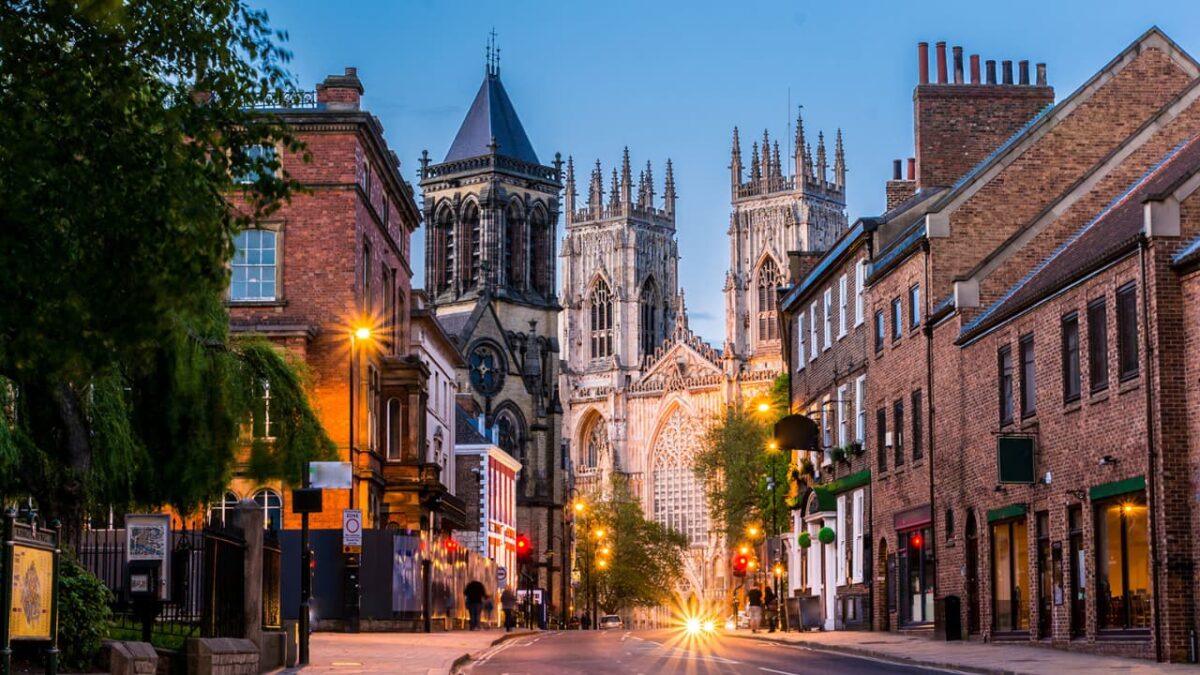
Discover England, Northern Ireland, Scotland and Wales with its breath-taking scenery, history and culture it is packed with appeal for travellers. It’s hard to travel more than a few miles without stumbling upon a castle, pub, stately home or historic village. Alternatively, explore one of the bustling cities like London, Glasgow, Cardiff, Edinburgh, Belfast and Manchester…

  • 18 Hip Things to Do in Shoreditch

    18 Hip Things to Do in Shoreditch

    Shoreditch in London’s East End is best described as hipster meets London chic. This vibrant destination is home to the famous Columbia Street Flower Market, Brick Lane, and is the vintage capital of the city. From funky street art to eclectic bars and restaurants, Shoreditch has more to offer than you might think.

    It’s said that Shoreditch earned its name from the water that ran across the area’s marshland, originally known as Soersditch, or Sewer’s Ditch. Some prefer a more romantic version though and like to believe that it was named after Jane Shore, a mistress of Edward IV. Allegedly, she was buried in a ditch in the area, but we know this can’t be true because the dates just don’t match up.

    Whatever you choose to believe, Shoreditch has really built itself up over the years from being one of the oldest slums of London to now being a creative hub of the East End. You’ll find nothing lacking in Shoreditch, with plenty to eat, see and do through every step of your day.

    This guide will take you through all the best things to do in Shoreditch after dark and during daylight hours. You’ll discover some of the coolest and most fun things to do in London’s East End and will be ready to visit time and again.

    1. Hunt for Street Art
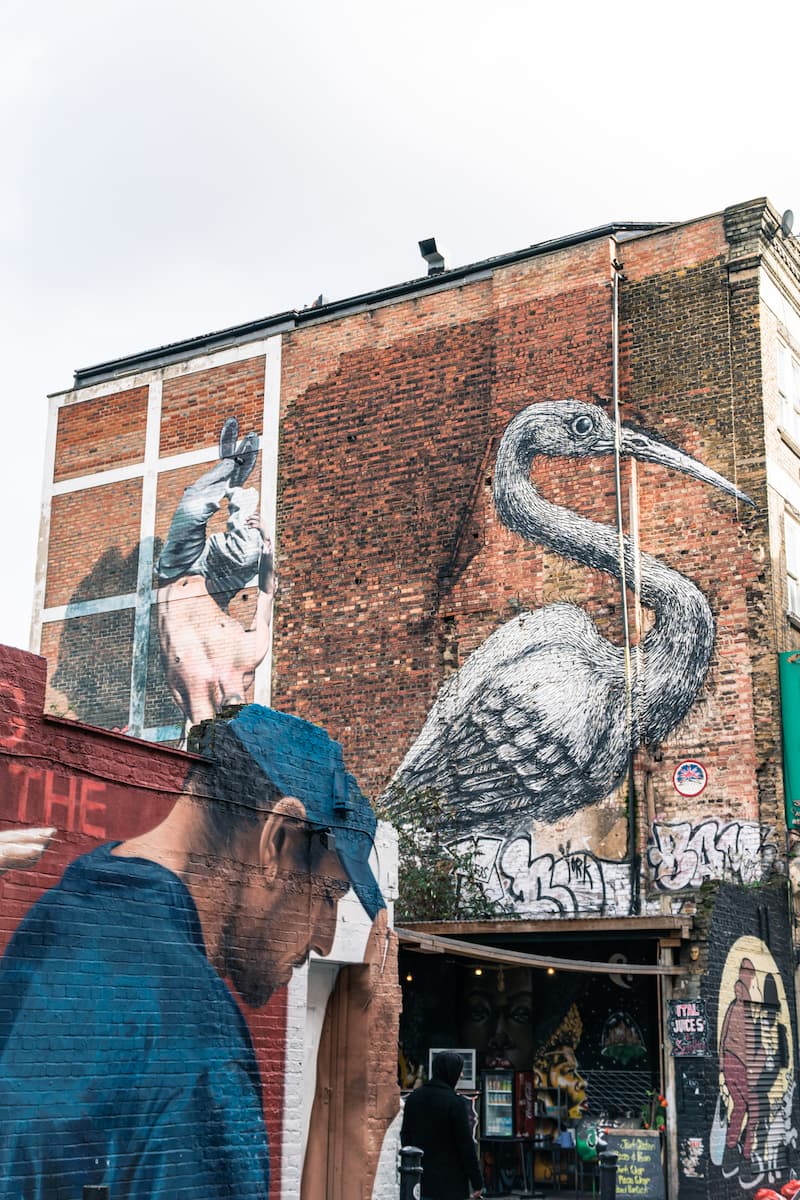
    Street art in Shoreditch

    Street art and graffiti has really skyrocketed in the last couple of years and London’s East End is really embracing this as a part of their identity, particularly Shoreditch. It’s now is a hotspot for famous street art by the likes of Banksy, El Mac, Stik, Space Invader, Jimmy C, Dscreet and Phlegm.

    The street art and graffiti is scattered throughout Brick Lane, Shoreditch, Fashion Street, Bateman’s Row and Spitalfields. So there’s a lot of ground to cover to find the artist or particular pieces you’re looking for.

    An excellent way to see all this brilliant street art is to go on one of the many street art walking tours. I chose Strawberry Tours when I did this earlier in 2017 as it’s run as a free tour, but there are also paid options such as Street Art London for roughly £12 to £15.

    2. Wander Through Brick Lane

    Bao buns at Bricklane Markets
    The delicious food at Bricklane Markets (open on Sundays).

    Brick Lane is one of East London’s best-known spots for buzzing markets, eclectic vintage shops, and funky street art. There really is something for everyone on Brick Lane, as you walk through the tantalizing smells of food and soak up the vibrant energy.

    And although this area was once associated with the likes of Jack the Ripper and his infamous murder locations, Brick Lane is know considered an ethnic, artistic hub that millions of people explore all year long.

    3. Go Vintage Shopping

    Brick Lane Vintage Market

    If you’re looking for vintage, you definitely must check out the Brick Lane Vintage Market. Vintage specialists come from all over the UK and Europe to take part in this funky market, with clothes dating back to the 1920s and then every decade up to the 90s.

    Whatever vintage wares you’re hunting for, you’re sure to find, from glam fur coats, vintage bridal wear, feather capes, menswear and distinctive accessories. There’s a lot of exciting finds to discover at the Brick Lane Vintage Market!

    Hunky Dory Vintage

    Hunky Dory Vintage is a small place with a refined style, proclaiming themselves to have “20th-century frocks and manly modes.” But despite their size, there’s plenty of vintage finds from faux fur jackets, double-breasted coats and pinstriped blazers.

    Here After

    Here After started as a market stall as a market stall and then expanded to a standalone stop at the top of Brick Lane in 2017. Anna Farnham, the founder, travels the world for her designer finds. Here you’ll see pieces from the 1970s to 1990s, such as patchwork jackets and florescent orange Moschino jeans.

    Rokit

    Rokit actually has four stores across the city and is a London classic, with its Brick Lane location stretching across three shopfronts. It’s not the cheapest of the vintage shops, but it does have all things quintessentially vintage. Find Dr Martens from years past, 70s suede jackets, 80s windbreakers, and 90s dungarees.

    Beyond Retro

    Beyond Retro also has other shops in Soho and Dalston, as well as its Cheshire Street store. This location is more of a warehouse and takes some time to get through. But you’ll come across peacoats from the 1940s and 1950s, psychedelic prints from the 70s, and 90s sportswear from Nike and Champion.

    Serotonin Village

    Serotonin Village will give you that hit of vintage you need with rare designer pieces. With the likes of Dior, Burberry, Versace and John Paul Gaultier, it’s no wonder their price point is a bit higher, but eccentric to say the least.

    Nordic Poetry

    Nordic Poetry has a vibe to it, that’s for sure. Starting with the bar that sits at the centre of the store, fanning out to the men’s and women’s pieces from the 1970’s to the 90s, a visit to this shop is a unique experience.

    4. Enjoy a Latin-Inspired Brunch at Andina

    All the shopping and street art hunting will leave you hungry and there’s no shortage of restaurants and street food around Shoreditch. One spot, in particular, I’ve enjoyed is brunch at Andina.

    Andina is inspired by traditional, family-run Andean eateries, with Peruvian classics such as ceviche made with tiger’s milk. They even import the best native ingredients from Peru, alongside locally sourced seasonal produce. Everything on the menu is designed to share and there are plenty of vegan, vegetarian and gluten-free options available too.

    Andina is open seven days a week for lunch and dinner, with special brunches on the weekends. With an upbeat soundtrack always playing and the Pisco always flowing, you’ll be sure to enjoy a meal here.

    5. Pick Up Some Arts and Crafts
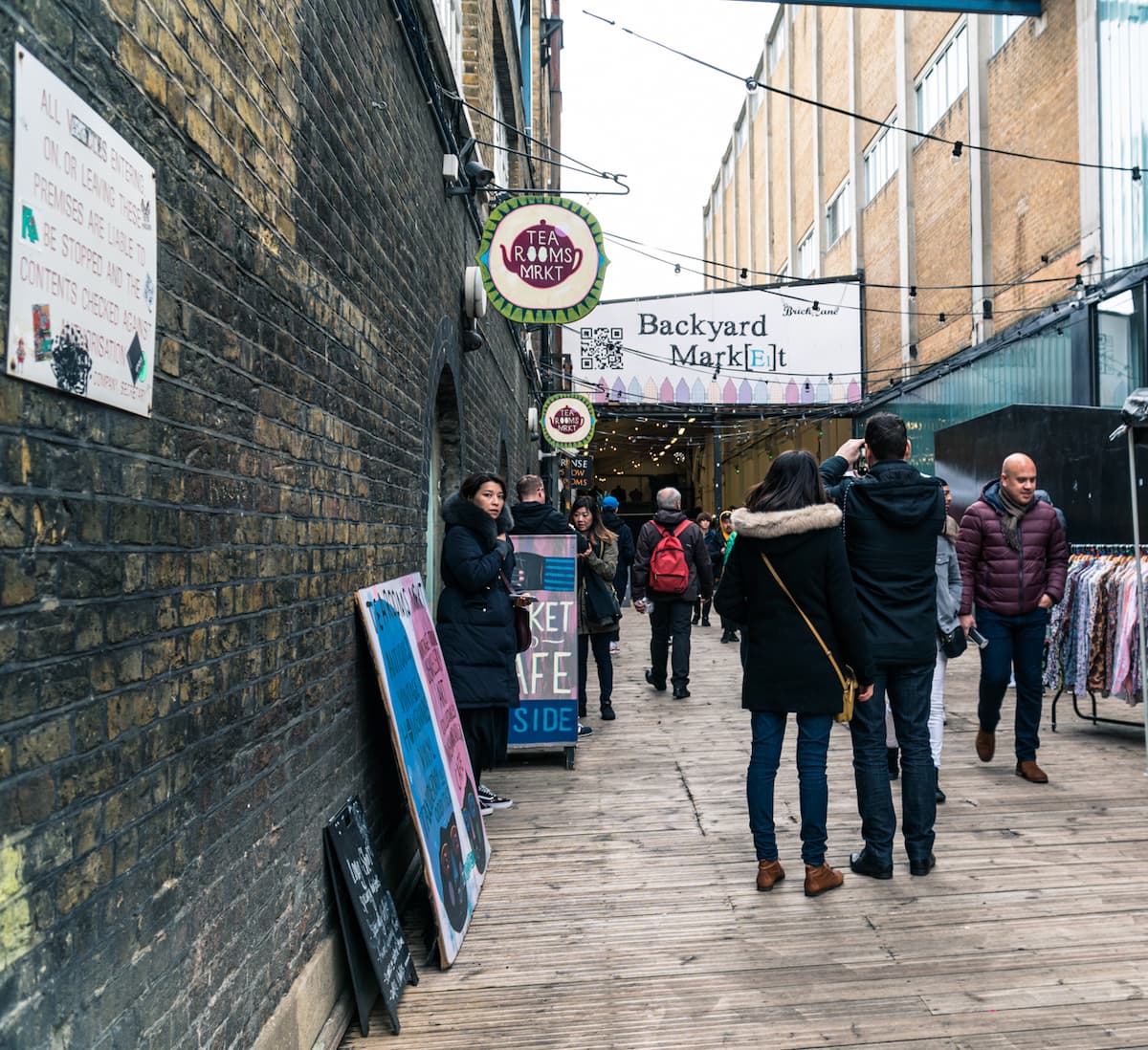
    Backyard Market in Shoreditch

    Right in the heart of Brick Lane, you’ll find the Backyard Market. I absolutely love arts and crafts, and the Backyard Market is where I’ve picked up some pieces that are now sitting in my house. This is a great place for treasures and trinkets from around the globe for the artsy and crafty types.

    6. Take a Tour of the 1800s

    Kat in Shoreditch

    Shoreditch is a great area for viewing houses and buildings from the 1800s. One of the most famous Instagram locations is a pink house on Winsley Street, with other notable locations at Princelet Street and Fournier Street. You could do a bit of a photoshoot while you stroll down these streets and admire all the history they have to offer.

    7. Cuddle Up in a Cat Cafe

    If you’ve never popped into a cat cafe, Lady Dinah’s Cat Emporium is a regal first choice. Cat cafes have really gained popularity in recent years, offering up cat cuddles from rescued kittens, while having tea and cakes.

    If you’re a cat person, you’ll love Dinah’s, which is the UK’s longest-running cat cafe. This is not your average cat cafe, which is why it’s become a kind of local legend. At Dinah’s, you’ll be immersed in a basement forest, with an Alice in Wonderland theme. They even have souvenirs, and no, they aren’t cats!

    8. Bury Yourself in a Book
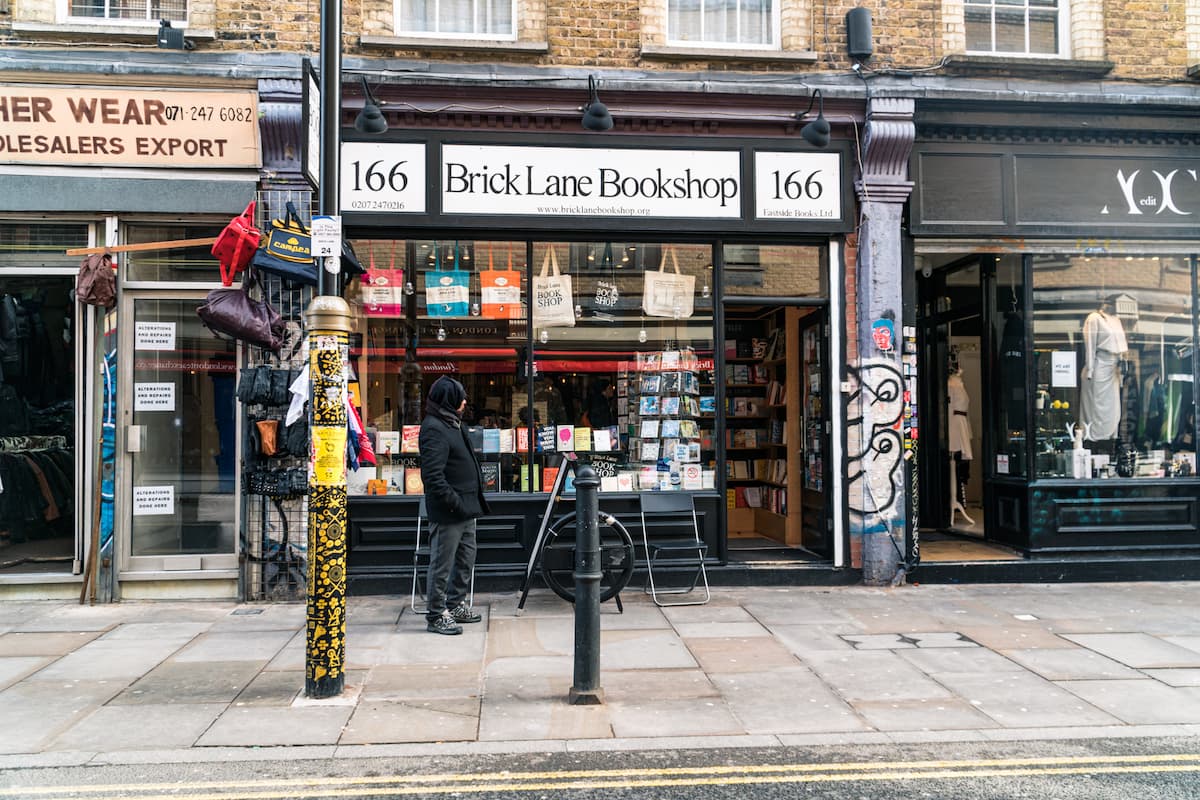
    Brick Lane Bookshop

    For all the book lovers who are also fans of vintage, check out Brick Lane Bookshop. This is an independent bookshop in Tower Hamlets, established in 1978 with fiction, non-fiction, London books, poetry, children’s classics, philosophy, graphic novels and more.

    A great place for local history with a fun stock of cards as well, Brick Lane Bookshop is a good addition to your day in Shoreditch.

    9. Stop and Smell the Roses

    Selection of Sunflowers at Columbia Road Flower Market

    The famous Columbia Road Flower Market in London has been going for decades and is the best place to go for a Sunday morning stroll, where you’ll find an array of plants, shrubs, bulbs and freshly cut flowers available at affordable prices.

    The flower market was originally a Saturday trading fair, but because of the rising requirements of the local Jewish community, the market had to eventually move to Sundays. But this worked out for the traders of Covent Garden and Spitalfields as they could then sell any leftover stock from Saturday’s trading.

    The French immigrants of London’s East End had a love for fresh cut flowers and songbirds and you’ll find the Birdcage tavern at the end of the market named after them. The market then suffered through World War II, but experienced a new renaissance in the 1960’s with the growing popularity of gardening programmes.

    Today you can visit the Columbia Street Flower market on Sundays from 8am-2pm, with traders setting up their stalls as early as 4am. Show up early for the best selection or arrive fashionably late for the best deals. You’ll find many of the traders at the market are 2nd and 3rd generation for their families. It’s very much a community market.

    10. Have Drinks in a Converted Police Station

    TT Liquor is an extremely unique establishment. They offer up a whole range of experiences, from cocktail making classes to tastings, supper clubs and classic film nights.

    In Shoreditch, they also have an incredible rooftop terrace with panoramic views over East London you don’t want to miss. And let’s not forget the intimate cellar cocktail bar and the specialist liquor store, selling only the finest of liquors and beverages. You for sure want to stop for a drink and more at TT Liquor.

    11. Play Tokyo Bingo

    If you want to take a break from London and escape to another country, then head to Hijingo. Hijingo is a bingo experience inspired by the Japanese capital, but with absolutely divine food as well. On the menu you’ll find hoisin duck croquettes, truffle spring rolls, and pork belly skewers, as well as a cocktail selection straight out of Japan. 

    For a foreign night out, with neon lights and bingo dabbers, head on over to Hijingo.

    12. Check Out an Event at the Truman Brewery

    The Truman Brewery is East London’s revolutionary arts and media quarter. For over 20 years, the Truman Brewery has been regenerating its ten acres of derelict and vacant buildings into amazing, useful office, retail and event spaces. This has made it a destination in its own right, with an array of independent shops, galleries, markets, bars and restaurants.

    13. Discover One of London’s Secret Bars

    Mayor-of-Scaredycat-Town-Shoreditch

    Head to The Breakfast Club on Artillery Lane and announce “I’m here to see the Mayor”. You’ll then step into the Smeg fridge into a quirky, candlelit speakeasy with a great selection of cocktails. The Mayor of Scaredy Cat Town is a special place for a drink, or brunch and a drink.

    14. Get Comfortable at the Museum of the Home

    The Museum of the Home was previously known as the Geffrye Museum and is an interesting museum to visit in London, where you’ll explore the concept of the home from 1600 to the present day.

    With premium installations and home galleries, you’ll experience room and gardens through time, that have all been recently renovated for your pleasure. The Museum of Home is free to visit and is open Tuesday through Sunday for a glimpse into the past.

    15. Be a Baller at Ballie Ballerson

    If you’re looking for something completely out of the ordinary and probably out of your comfort zone, take a pit stop at Ballie Ballerson. Release your inhibitions and your inner child in an adult ball pit, after you’ve loosened yourself up with a couple of drinks.

    Prices start at just £5 a session during the week or pay £15 on Saturday evenings. The amount of laughs you’ll have and Instagram worthy pictures you’ll get are worth the price of admission alone.

    16. Hang Out in a Rooftop Wigwam

    The Queen of Hoxton has everything you need for a night out. It’s a pub, club, and fringe theatre over two fun floors, with DJ’s playing it up. The rooftop is where you’ll want to head though because you can’t miss out on seeing the enormous wigwam set up during the winter months.

    17. Indulge in a Beigal Like No Other

    Beigal Bake is a 24/7 bagel shop that is a completely affordable indulgence. The line is always long, but it moves fast for the hungry visitors waiting on their epic portions of salt beef, smoked salmon, cream cheese and pretty much any other topping imaginable. Or just treat yourself to some heavenly beigel bites. Whatever you choose, you can’t lose at Beigal Bake!

    18. Stop by the Nomadic Community Gardens

    Shoreditch is a vibrant, upbeat are, so if you fancy something a little more peaceful during your visit, stop by the Brick Lane Nomadic Community Gardens. This private area is open to the public daily and you’ll even find street art, a cafe, and a library amid the vegetable plots.

    Directions can be tricky. From Brick Lane, go through to Allen Gardens, take a left through the underpass and you’ll see the gardens. Or alternatively, cross the footbridge from Cheshire Street and you’ll see a door opposite the bottom steps to the gardens. 

    Well, that’s our list of the top 18 interesting things to do in Shoreditch. As you can tell by now, there’s a lot to explore in London’s best East End neighborhood and I hope this guide has helped you plan your next visit! Whether you’re in London on holiday or you’re a resident here, visiting Brick Lane’s many markets and shops are a must.


  • A Local’s Guide to the Columbia Road Flower Market

    A Local’s Guide to the Columbia Road Flower Market

    The Columbia Road Flower Market has been a long-time love of Londoners dating back to 1869. You’ll find the finest quality plants and flowers, along with side streets filled with fantastic cafes, delis, vintage stalls, and galleries. This flower lover’s paradise is the best way to spend a slow Sunday in the East End.

    The History of the Columbia Road Flower Market

    Columbia Road has an interesting history and has really come up in the world. Originally, it was a path used to transport cattle down to Smithfield’s slaughterhouses. Not the best beginnings. And by the mid-19th century the whole area had become slums. Even worse.

    Luckily, in 1869, philanthropist Angela Burdett-Coutts bought the land and redeveloped it into a neo-gothic marketplace, to feed the poor of the East End. Unfortunately it was unpopular with the locals though and the market was demolished in 1960. More unrest.

    Then in the 1970s, there was a rapid decline of markets in London, but the locals in the area fought back for the market to return. When it finally did, it initially ran on Saturdays, but because of the East End’s many Jewish vendors, it later switched to Sundays.

    After all that chaos, now Columbia Road is an oasis in the East End. It overflows with bucketfuls of beautiful flowers, as market vendors line the narrow streets with houseplants, bulbs, herbs and shrubs.

    About the Market

    Selection of Sunflowers at Columbia Road Flower Market

    Bright colours, ()

    You can find the Columbia Road Flower Market in London’s East End from 8am-2pm on Sundays, where 2nd and 3rd generation flower vendors start setting up as early as 4am for the rush of Londoners out for their floral delights.

    Where is Columbia Road Flower Market?

    For a place with its address right there in the name, can be surprisingly difficult to find. Tucked away in London’s East End

    Midday used to be elbow to elbow with locals and tourists alike, searching for the perfect house plant. But nowadays you have to queue to enter the market. The entrance is at the Shoreditch end of Columbia Road, with the queue running through Ravenscroft Park.

    You’ll see wait times signposted and you can expect to wait up to 30 minutes. It’s a much different feel than it’s been for the past couple hundred years, but it does mean the shopping experience is a bit more relaxed. You might think that’s a good thing or you might not.

    Kat holding flowers at Columbia Road Flower Market

    You can also now pay for your flowers and foliage with the tap of your card, but you can be sure that cash is still a preferred form of payment. And cash in hand will more likely land you a better bargain. Make sure and shop around and don’t be afraid of bartering.

    The way out of the market is at the top of the road or you can loop back around a signposted route to return to Shoreditch. If you do loop back, make sure and check out the handful of vintage and plant shops behind the market street.

    Meet the Market Traders

    Range of flowers tat Columbia Road Flower Market

    A. E Harnett & Sons

    This family is based in Stock, Essex and has been in business for over 100 years. Being 4th generation growers, they supply the finest quality plants and flowers to retail and wholesale customers at the Columbia Road Flower Market.

    JD Succulents & Cacti Ltd

    This beautiful mother and daughter duo have specialised in succulents and cactus for many years at the flower market, and provide friendly service with their variety of unusual goods.

    Leahurst Nurseries

    Lyndon is a kiwi by birth and started his career in New Zealand, working with various environmental agencies. He moved to the UK over 30 years ago, where he’s become an accomplished nurseryman and landscaper.

    Lyndon has built up the eclectic boutique nursery in North London called Leahurst Nurseries, described as a “hidden gem.” It’s existed at its current site for over 65 years. Lyndon’s family run the nursery and stock an eclectic range of plants, while also offering bespoke landscaping services.

    Lyndon’s stall at the Columbia Street Flower Market is a must-see for any true plant enthusiast, which reflects the ever-evolving horticulture industry.

    Rainforest Relics

    Rainforest Relics are original pieces of recovered driftwood sourced from below water. They provide a fantastic range of driftwood sculptures, wooden item and unusual relics. Theses sculptures and relics will enhance your garden and home and are fabulous to gaze upon at the market.

    Rathbone Flowers

    Rathbone Flowers is a family-run florist based in Dagenham, featuring floral displays, funeral tributes, helium balloons, pot plants and house plants.

    The Flower Stall Market Square

    Retailers of fresh cut flowers on Columbia Road, the Flower Stall Market Square provides the best quality and variety for a reasonable price. They actually buy the bulk of their flowers from the live Dutch auction in Holland as well as directly from the Holland growers. They provide flowers for the general public and for wholesalers.

    Eating and Drinking Around the Market

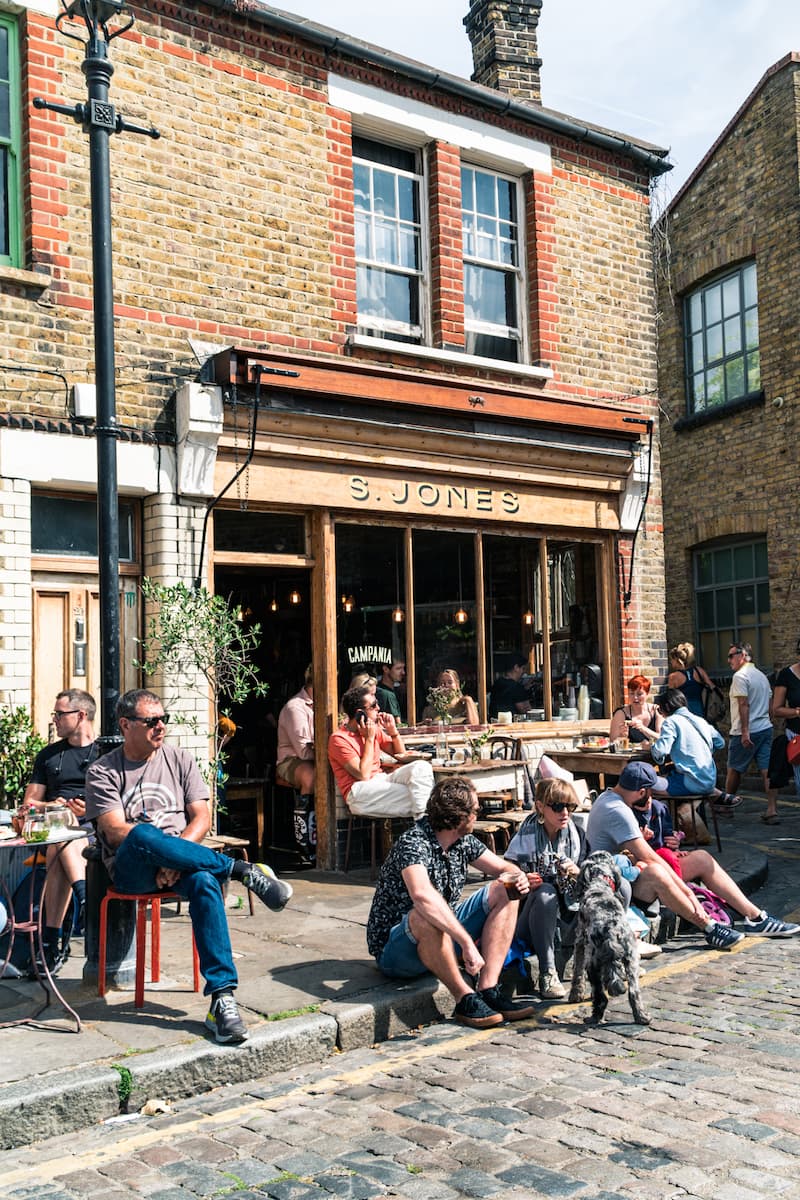
    S Jones Cafe at Columbia Road Flower Market

    The great thing about the location of the flower market is that the flowers aren’t the only attraction. Columbia Road and the side streets surrounding it have plenty of quirky coffee shops, delicatessens, bakeries and restaurants.

    The Birdcage

    The Birdcage is a place where the locals of the East End actually co-exist with the hipsters, both equally eager to indulge in the true history of London. With wild weekend karaoke and quiet times throughout the week, this hotspot is a great place to pop in for a pint following the Columbia Road Flower Market. The pub also now has a cute outdoor bookable terrace so you can plan ahead.

    The Royal Oak

    The Royal Oak operates as an ‘early pub,’ serving the traders and customers of the Columbia Road Flower Market. It’s close association with the market has it opening its doors from 9am on Sunday mornings. With its rich history, the Royal Oak has been featured in quite a few wartime and gangster films so if your looking for a placed steeped in history, this is your place.

    Laxeiro

    Sunday breakfasts and brunches are popular at Laxeiro, with a long menu of authentic Spanish staples. Featuring paella, morcilla, pisto, fabada and meat-free snacks, this place proves to be popular amongst the Columbia Road crowd.

    Cafe Columbia

    Cafe Columbia in London’s East End is a tiny family-run cafe, selling simple breakfast bagels to go for under £10. The shop has been in business for 3 generations and is only open one day a week, on Sundays! This means everything is always freshly prepared and the bagels are warm and soft.

    Each bagel is stuffed with yummy ingredients such as mozzarella, tomato, bacon, sausage, egg, lettuce and sprouts. This is sure to keep you full as you wander through the flower market.

    Pavilion Bakery

    The Pavilion Bakery was opened in 2016 and is a cosy space for a delicious cinnamon bun and chai tea. With original Victorian tiles and flooring, which is heated by an industrious log burner, you’ll feel right at home. The Bakery is open 7 days a week and offers sourdough bread, pastries and take away lunches. And of course a selection of coffees, chais and teas to your taste.

    Stringray Globe Pizzeria

    If the weather happens to be a bit dodgy on the Sunday you visit the market, head over to the Stringray Globe Pizzeria, where they have a heated, covered terrace to help you out. This independent, family-run Italian restaurant and bar has been in business for over 20 years now and are always ready to serve the Columbia Road Flower Market patrons.

    Other Things to Do Around the Columbia Street Flower Market

    Go Vintage Shopping

    B Southgate is located in the heart of the Columbia Road Flower Market. Ben has been trading since 2003, with a stock ranging from 1900-1950. Find large-scale storage pieces to armchairs and small desk lamps, as well quirky useful things for the home.

    Wander Through Brick Lane

    explore Shoreditch Street Art

    There’s No Place Like the Museum of the Home

    The Museum of the Home

    the Nomadic Community Gardens

    Continue your flower a Brick Lane Nomadic Community Gardens.


    The Viktor Wynd Museum of Curiosities, Fine Art and UnNatural History

    Viktor Wynd’s Museum of Curiosities, Fine Art & Natural History
    Viktor Wynd’s Museum of Curiosities, Fine Art & Natural History

    This museum was described in The Fortean Times as,

    “the most wonderful collection of strange objects ever assembled under one roof, the modern equivalent of some 17th century kunstkammer, a collection of objects assembled at a whim on the basis of their aesthetic or historical appeal with little to link one wonder to another and no attempt at explanation.”

    The curious presentation is the lifelong project of the artist and writer Viktor Wynd and the subject of a monograph published by Prestel, called Viktor Wynd’s Cabinet of Wonders. Amongst the shrunken heads, skeletons, dodo bones, erotica and adult paintings, I must say they have a fabulous cocktail bar.

    Walk Around Spitalfields Market

    Spitalfields is a food and art market, as well as a trader’s market. It began operating in 1666 after the Great Fire of London, where the market stands today. Situated in the Tower Hamlets and surrounded by Lamb Street, Old Spitalfields Market, Brushfield Street and Bishops Square.

    Being one of London’s oldest markets, Spitalfields Market is open 7 days a week, where you’ll find an array of independent stall holders with hand-crafted and hard-to-find pieces that are sure to make your visit memorable.

    Explore Bethnal Green

    Just up the street from Columbia Road Flower Market is Bethnal Green, one of the city’s numerous districts to undergo a dramatic transformation in recent years. Once a gritty, rough, run-down area, the past couple of decades have brought with it quite a few hipster bars, trendy restaurants, art galleries, and even a boutique hotel.

    But despite the spread of gentrification, Bethnal Green has remained authentically East End, with family-run restaurants and pubs not too far off.

    Public Transport

    The Columbia Road Flower Market can be found in Bethnal Green near Brick Lane and Spitalfields. The nearest Overground stops are Hoxton or Shoreditch High Street, and are 5-10 minute walks. The nearest Tube station is Old Street.

    The Columbia Road Flower Market is a destination for any traveler to London or local alike. Being one of the top London attractions, you don’t want to miss this fragrant, flowering market, steeped in rich history. And with so much more to do in the area, the End End has never had more appeal than it does today. Don’t forget your trolley or oversized bags!

  • A Guide to the Best Places to Stay in the Peak District

    A Guide to the Best Places to Stay in the Peak District

    If you want to experience rural England at its quintessential best, you will struggle to do better than the Peak District. 

    Quaint villages, rolling hills, swooping valleys, stately homes and castles; the timeless beauty of England’s oldest National Park is always a joy to behold.

    From sleepy villages to slightly-busier towns; I’ll guide you through the Peak District’s best places to stay.

    Bakewell

    Best For: Location, Charm and Puddings 

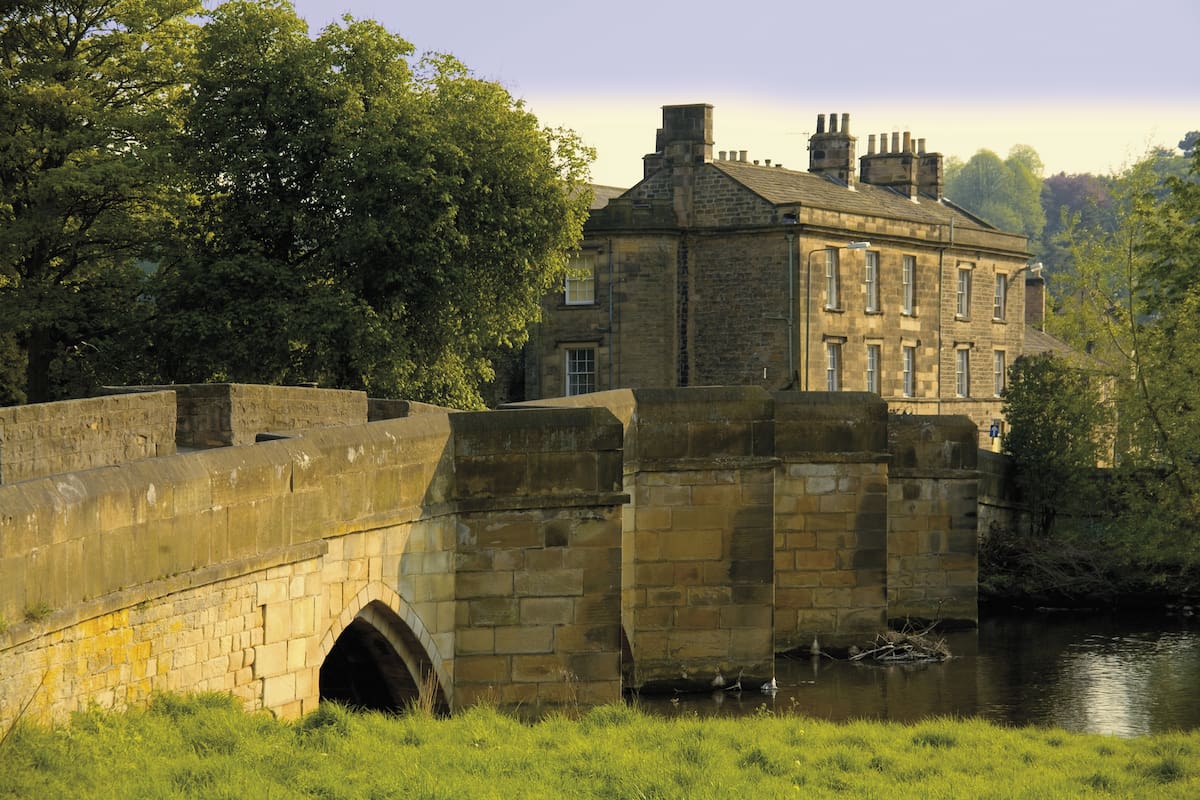
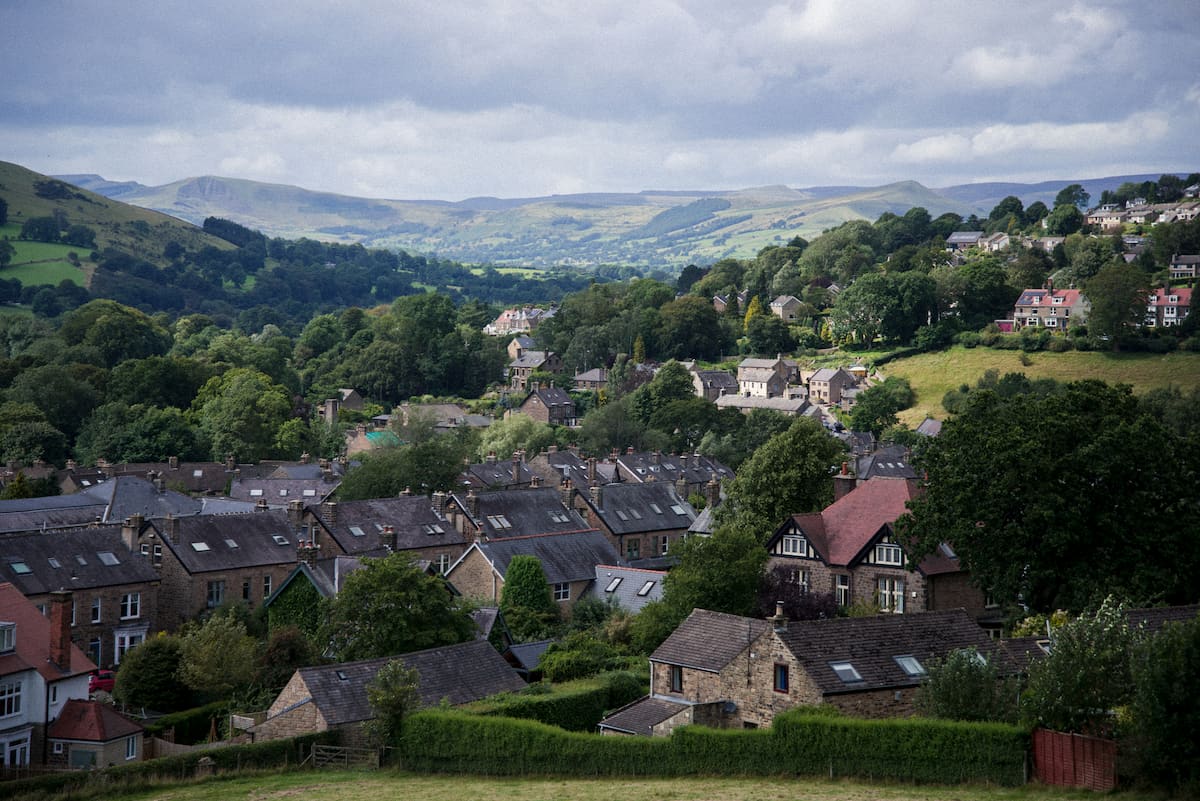
    England derbyshire peak district national park, bakewell

    Settled on the River Wye, this little storybook town – of Bakewell Pudding fame – is one of the most visited places in the whole of the Peak District. 

    Bakewell has carved out its place as the heart of the Peak District, encapsulating everything we love most about the beloved National Park. It’s quaint with lovely architecture, filled with stone cottages and pretty ancient fixtures like Bakewell Bridge. 

    The town is blessed with plenty of character and rural charm, with a collection of small boutiques and independent stores to browse. It also has a long history and is surrounded by outstanding natural beauty. 

    Most importantly, it has Bakewell Pudding.

    You can’t stay in Bakewell and not try a Bakewell Pudding. It has long been a point of local contention agreeing on the exact location of its origin. But the general consensus seems to be that The Old Original Bakewell Pudding Shop is the place to go. They have a cosy restaurant serving the puddings – and other, less important things – upstairs.

    If you don’t have time to stop, you can grab a pudding (or its more famous cousin, the Bakewell Tart), to take away from the bakery on the ground floor. 

    Bakewell is also close to Chatsworth House and the 11th Century Haddon Hall, both of which are worth visiting. 

    The Monsal Trail, which involves following an abandoned Victorian Railway, isn’t far away. It’s one of my favourite walks in the Peak District.

    Buxton 

    Best For: People Without A Car

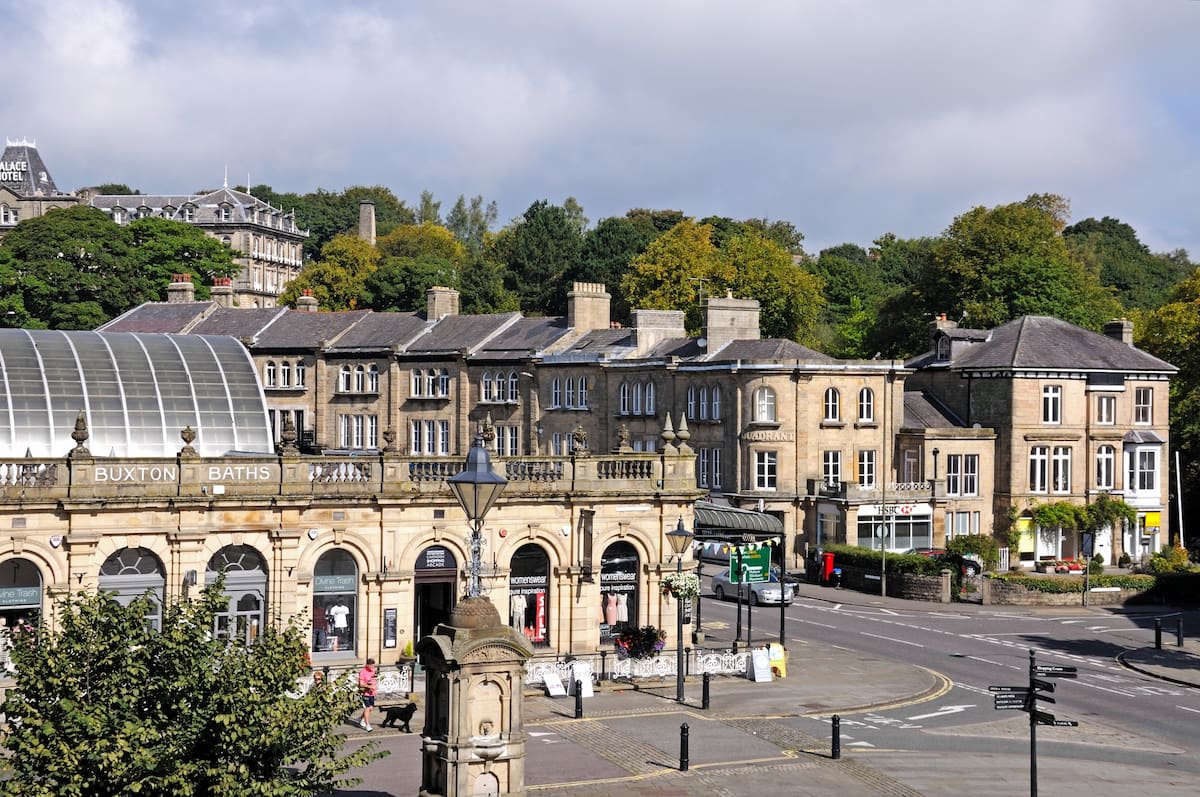
    View of the Thermal Baths Buxton
    View of the Thermal Baths Buxton Credit: Arenaphotouk on dreamstime

    Buxton isn’t technically in the Peak District as it occupies its own little island of space between the borders. It’s an honorary member though – it’s so close and similar to other parts of the Peak District that it might as well be one.

    Though the Peak District doesn’t lend itself well to people without a car, Buxton, and perhaps Bakewell, are your best options. 

    You can reach Buxton by train from the likes of Manchester, and use the bus network from there. Though buses aren’t the most frequent in rural areas, they link between Buxton, Bakewell and Castleton fairly regularly.

    The Pavilion Gardens are my favourite part of Buxton. It’s really lovely just to walk around them and admire the workmanship involved.

    From an architectural standpoint, Buxton is one of the most interesting towns in Derbyshire. It has a huge variety of architectural styles, ranging mostly from the Georgian to late-Victorian eras. The Buxton Opera House is particularly notable – the beautiful Edwardian theatre, designed by Frank Matcham, was opened in 1903.

    Directly influenced by the popularity of Bath, the Georgian Buxton Crescent, modelled after Bath’s Royal Crescent, was built for the Duke of Devonshire between 1780 and 1784. The Duke, William Cavendish, had hoped to emulate the success of the spa towns that had popped up across the country, and take advantage of the natural thermal springs beneath Buxton.

    Buxton has retained some of its heritage as a spa town, and you can easily find a spa or wellness centre to visit during your trip. The Crescent, however, hasn’t been in use for 20 years, though there is an ambitious project underway to change that.

    Buxton is also more of a ‘town’ than any place in the Peak District, meaning it has a bit more to offer in terms of shops and amenities. Though the high street has sacrificed some beauty for it, you are more likely to find the regular brands and shops here than anywhere else in the Park.

    For this reason, Buxton – while not cheap – is one of the best places to find budget-friendly options for accommodation.

    As for natural beauty, you will be well placed in Buxton to enjoy everything the Peak District has to offer. 

    There are some incredible hikes only a short journey away. The route from Chee Dale to Millers Dale is underrated – the stepping stones are just as pretty as in Dovedale, without anywhere near as much congestion.

    Poole’s Cavern, a naturally formed cave, is another attraction worth visiting in the area.

    Castleton

    Best For: Being a Picturesque All-Rounder

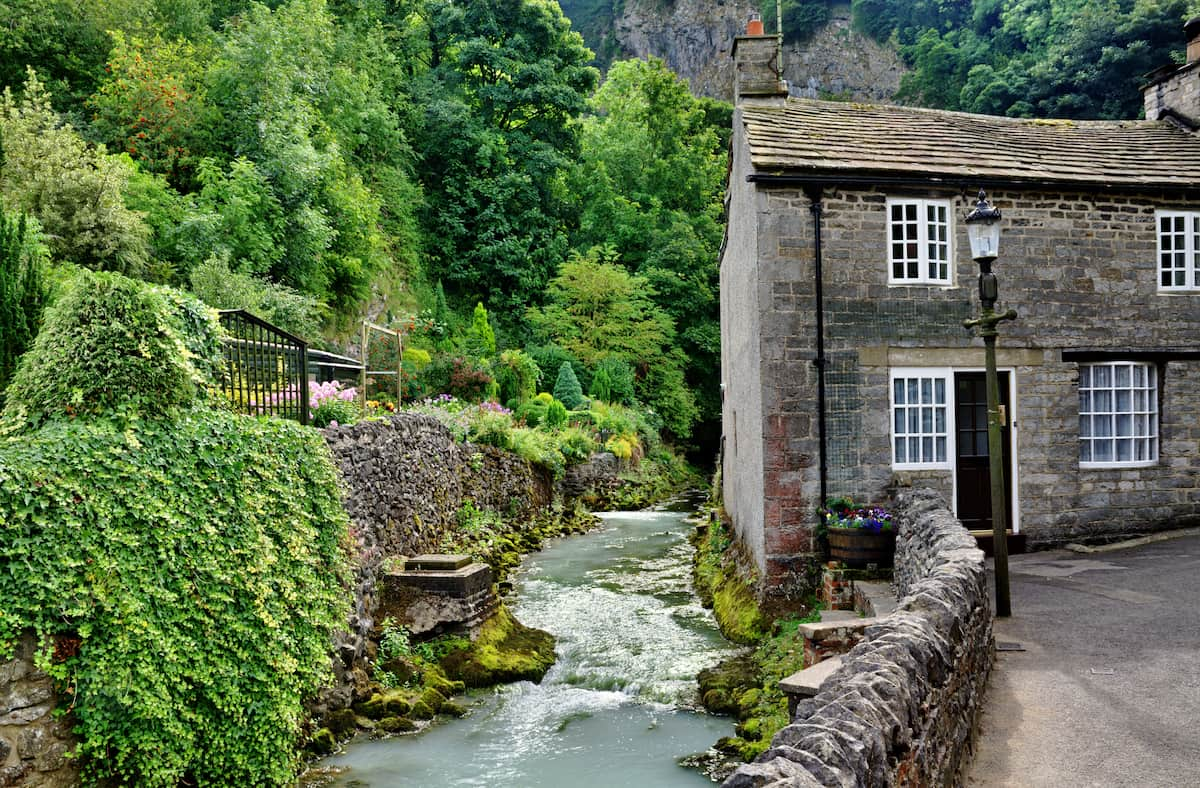
    River and cottage in Castleton, Derbyshire

    Though it has some serious competition, I think Castleton is the best all-rounder as a place to stay in the Peak District. It’s centrally located, picturesque, full of things to do and surrounded by natural beauty.

    Just getting to Castleton is idyllic, as each route into the village weaves through some of the loveliest scenery in the Peak District. Mam Tor is close by, as is the supposedly haunted Winnats Pass – you can start the walk to both from Castleton.

    You can wander up to the ancient Peveril Castle or delve into the multitude of caverns for an adventure right on your doorstep. Browse the boutiques of the village, or sit in a cafe or pub. It’s a quaint village with a relaxed atmosphere but has plenty to do.

    Castleton has an abundance of natural caves close by, but I think Speedwell Cavern, which involves an underground boat trip, is the best of the bunch. 

    Blue John, an incredibly rare semi-precious mineral, can only be found in this location in the UK. You can visit the Blue John Cavern or one of the jewellery shops in town for a glimpse of it. 

    Castleton is infamously home to Peak Cavern, or, as it is more commonly known, the Devil’s Arse. 

    Named as such for the strange sounds emerging from the cave – which we know now is the result of heavy rain trapping and displacing air, but back then could only be explained by the devil’s flatulence – the Devil’s Arse has been a tourist attraction for centuries.

    It was renamed Peak Cavern to avoid offending the visiting Queen Victoria. 

    Moving through the Devil’s Arse will require some crouching. The natural cave formation was carved higher in its smallest spaces to allow Queen Victoria to walk without stooping her head. At 4’11, or 152cm, that doesn’t leave much wiggle room for the rest of us.

    Matlock Bath

    Best For: Being Pretty, and a Lot of Fun

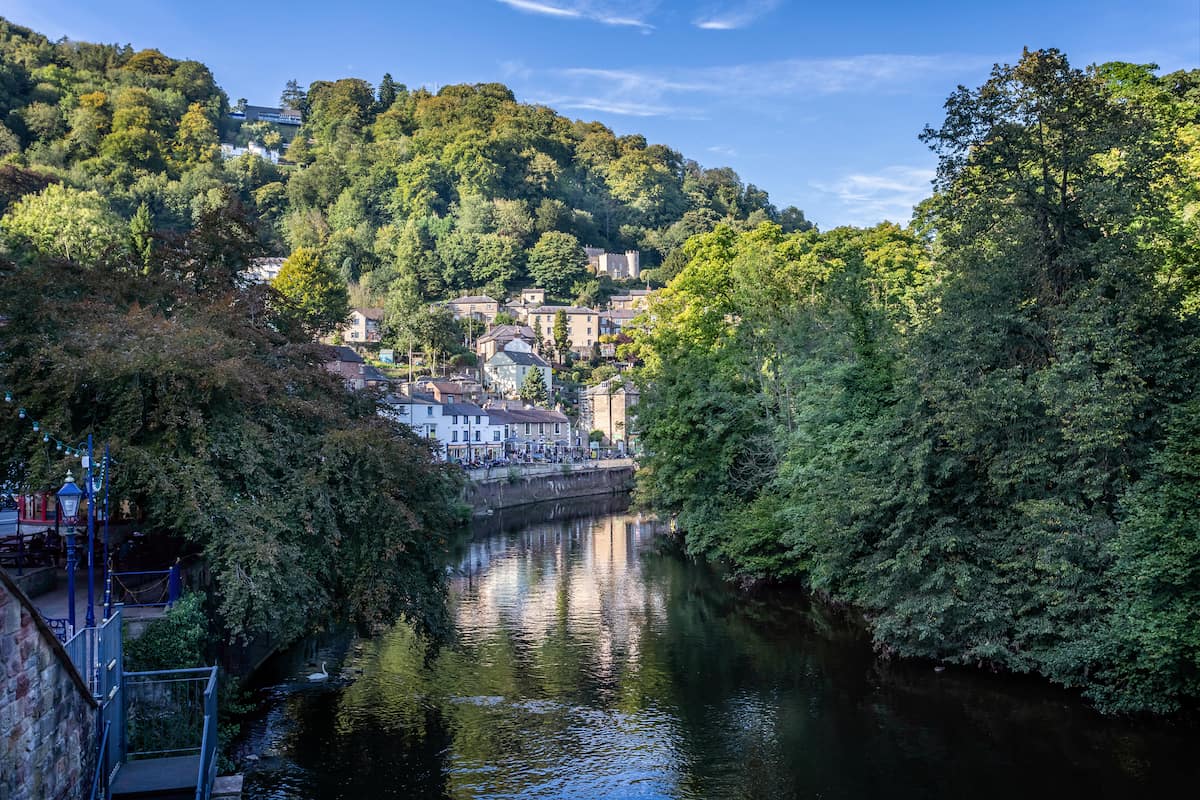
    View of Matlock Bath and the River Derwent and surrounding hills in Matlock Bath, Derbyshire, UK

    Tumbling down one side of a steep valley, Matlock Bath was built to be pretty. While most towns and villages are the result of workforces settling into communities, Matlock Bath was built with tourism in mind. 

    After the discovery of natural hot springs in 1698, a bathhouse was built. It became steadily more popular as access improved, but it wasn’t until a young Princess Victoria visited in 1832 that Matlock Bath really established itself.

    You can still visit a thermal spa in the village by booking a slot at the New Bath Hotel and Spa. The old Victorian baths are now used as an aquarium.

    The main street sits at the base of the valley overlooking the River Derwent, in the shadow of a towering forest. When staying in Matlock Bath, you will hear the hoots of owls in the aforementioned forest overnight. When the crowds have disappeared, you can truly enjoy the village at its picturesque best.

    Though the village is miles from the sea, it has the strange feel of a seaside resort. Arcades, fish and chips and a nearby theme park add an eclectic edge to the small village. That’s even ignoring the horde of bikers that tend to make an appearance in Matlock Bath.

    The Heights of Abraham, a cable car ride up to caverns and museums, is a popular local attraction.

    Because the village is both popular and tiny, it does get busy – but in some ways, that makes it a great base. You can enjoy it in the early morning and evening when the crowds have dispersed, while going out and exploring the rest of the Peak District when it is at its busiest.

    Edale

    Best For: Epic Hikes and Beautiful Walks

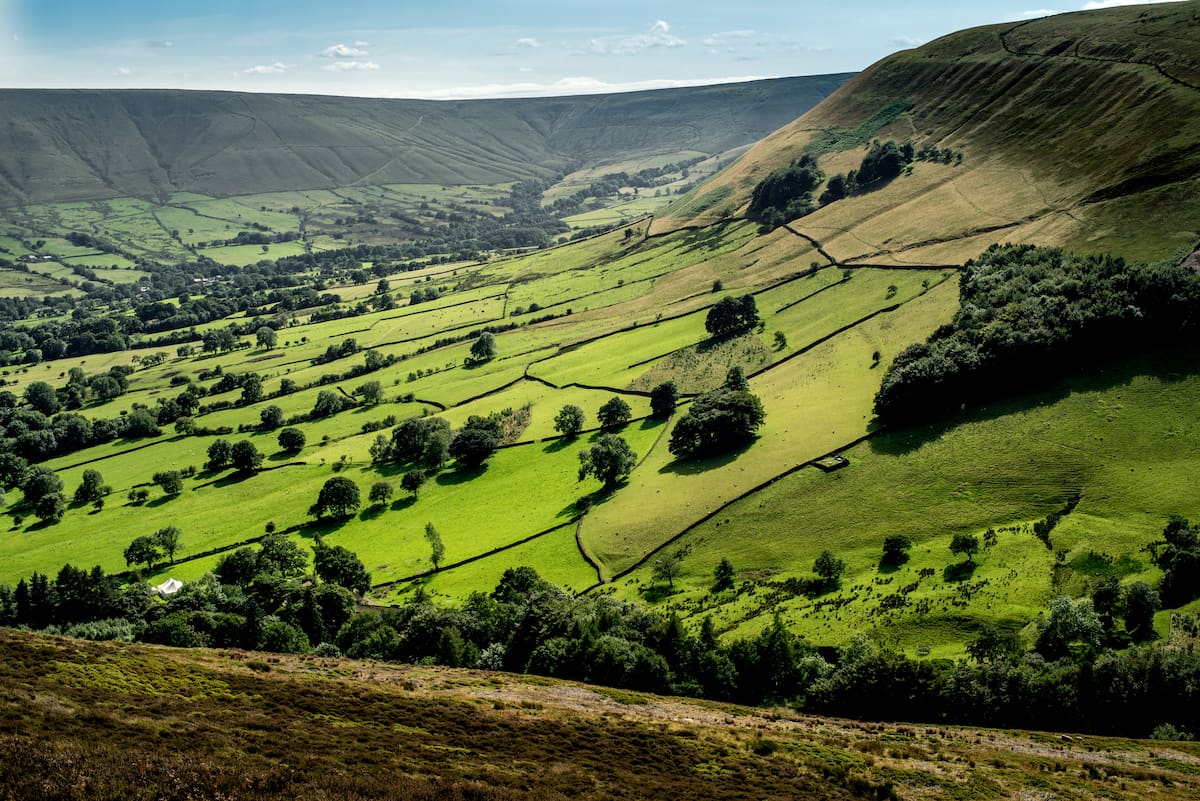
    Picturesque View on the Hills near Edale, Peak District National Park

    Edale is a sweet little village, but the reason it’s a great place to stay has nothing to do with the village itself. 

    It’s scenic, charming and easily reachable, but Edale is famous for what’s on the doorstep of the village, not what’s inside it. Some of the Peak District’s most stunning and dramatic scenery can be found just outside the boundaries of the village. 

    Kinder Scout is the highest point in the Peak District, which, at 636 metres, isn’t all that high. It does provide sweeping views over the landscape, however, and the walk is filled with all the lush greenery and wild beauty you might expect from the area. Wander down to the Mermaid’s Pool for a chance at being granted immortality. 

    Dalehead, Win Hill, and the Great Ridge of Mam Tor can be found close to Edale. Mam Tor is especially memorable – the jagged ridge is one of the most iconic walks in England. Edale is also famously either the beginning or end of one of Britain’s great hikes, the Pennine Way.

    Edale is a fantastic place to stay for people who enjoy long, blustering walks through the countryside. Though it is the scenery that draws people to Edale, the village is undeniably lovely. Pubs, cafes and little stone cottages make up a community that is sure to provide a relaxing getaway.

    Baslow

    Best For: Falling Charmingly Under-the-Radar

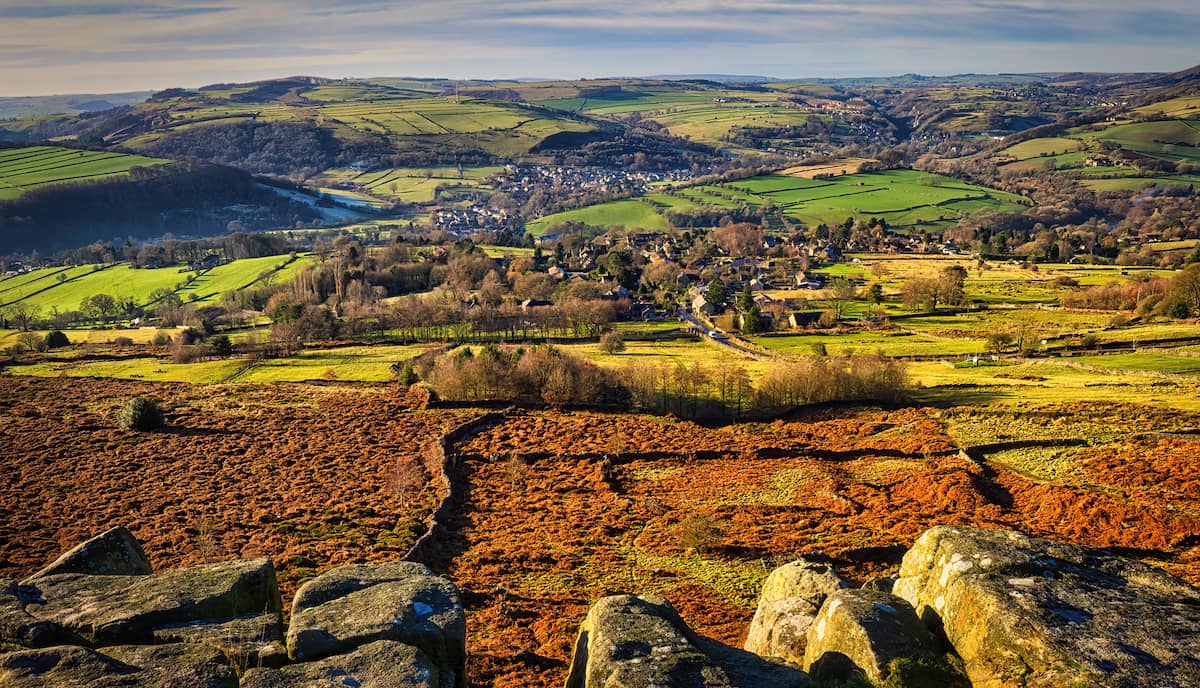
    The View from Baslow Edge

    On the doorstep of Derbyshire’s gorgeous Chatsworth House, Baslow is a pretty village that often gets overlooked by people visiting the Peak District.

    It’s a delightfully charming example of the postcard-perfect villages typically tucked away in Derbyshire’s countryside. Wander through a scene worthy of the Romantics as you cross the River Derwent, stepping on to a Jacobean stone bridge to enter into the village. 

    It doesn’t take visitors long to realise this is a community that has changed very little over the centuries; the buildings themselves, made largely from locally sourced sandstone and gritstone, are testament to that.

    Baslow is the kind of place you come to slow down and recharge; a reminder to enjoy the simple things in life, whether that’s a ramble through the countryside, or a pint in the village pub. It has the effortlessly laid-back feel you can only really experience in very rural communities.  

    It takes less than an hour to reach Chatsworth House on foot from Baslow, and would be 4.2 miles in total there and back. The House is home to the Duke and Duchess of Devonshire – it has belonged to the Cavendish family since the 16th Century. Often referred to as Britain’s favourite country house, the opulent decor, Baroque architecture and world-renowned gardens will leave you marvelling for hours.

    Baslow is also conveniently located to enjoy many of the Peak District’s most famous sights. Curbar Edge, a craggy rock formation popular with hikers and climbers is to the north, while Bakewell and picturesque Ashford in the Water are a short drive to the southeast.

    Eyam

    Best For: History Buffs

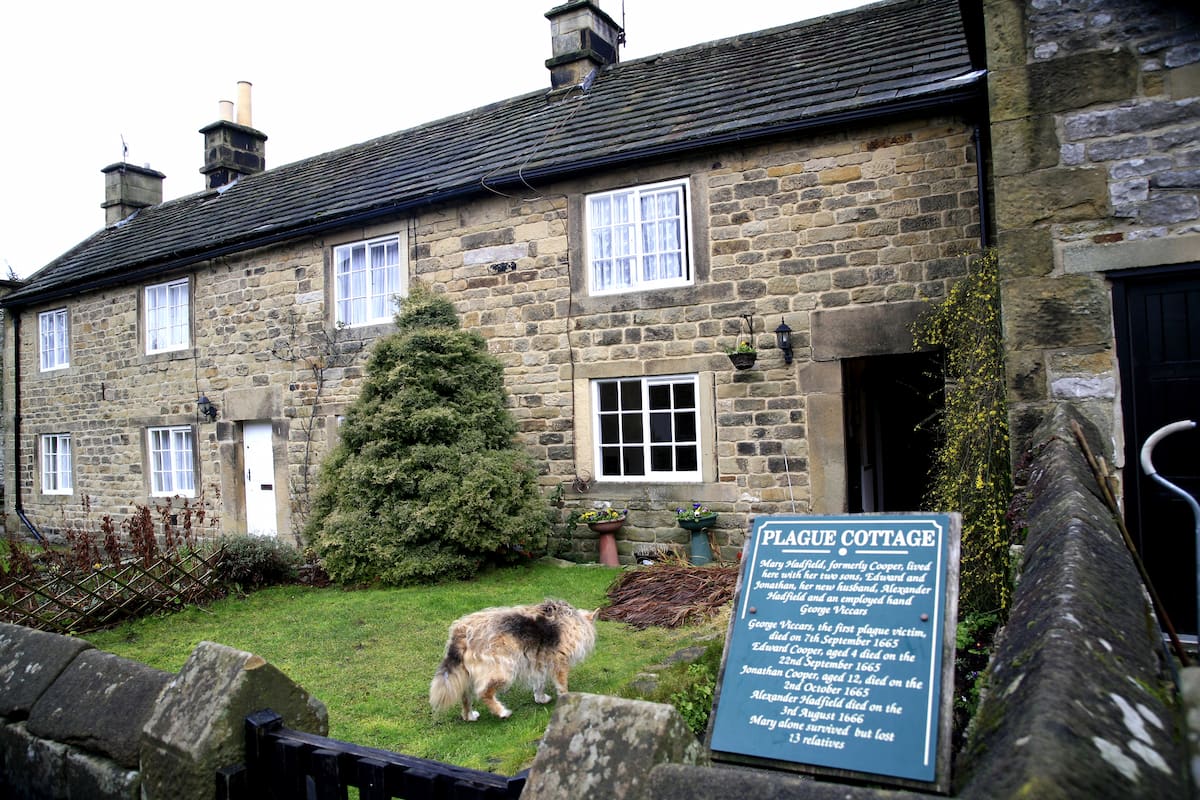
    Plague cottage, Eyam, Derbyshire
    Plague cottage, Eyam, Derbyshire Credit: Johnhill118 on Dreamstime

    Eyam’s biggest claim to fame is a rather grim one: the village was nearly wiped out by the plague. Fortunately, Eyam hasn’t been blighted by the bubonic plague for centuries – though the story of the village still fascinates people today.

    More than a story of disease and death, Eyam’s is one of self-sacrifice. The village is widely-known for its refusal to allow the plague to spread, at great personal cost. In the 17th Century, the people of Eyam isolated themselves from the surrounding communities, enduring a quarantine for 14 months in order to protect others. Though most of the villagers died, they succeeded – saving potentially thousands of lives in the nearby communities.

    You can visit the Eyam Museum to find out more about the story of the ‘Plague Village’, as well as learning about Eyam’s history prior to the plague and the recovery afterwards. The boundary stone, where people would leave supplies for the villagers to collect, and a few of the cottages from the time can still be seen by visitors.

    Besides learning about its tragic plague connections, Eyam is a fantastic place to stay for its location and picturesque setting. The village is centrally located within the Peak District, close to Bakewell and Chatsworth House, and only a short distance from great walks like the Monsal Trail.  

    Hathersage

    Best For: A Tranquil Escape

    Looking out to Hathersage Peak District

    For such an unassuming – if picturesque – village, Hathersage has an unusually large amount of connections to iconic legends and literature. 

    Most famously, the village served as inspiration for Charlotte Brontë in her greatest work, Jane Eyre. The village itself features heavily in the novel, but the surrounding wild moorlands and rugged peaks are almost characters in themselves: “There are great moors behind and on each hand of me; there are waves of mountains far beyond that deep valley at my feet”.

    Charlotte Brontë frequently visited Hathersage with a friend –  at the time, the Eyre family was the most prominent family in the area. You can follow a Jane Eyre Trail that takes you to all the main sights of the village.

    The graveyard of Hathersage Parish Church is an unmissable part of the village. It has the graves of the Eyre family, including one for a Jane Eyre. But even more famously, it’s the location of the grave of Little John, Robin Hood’s loyal righthand man. According to local legend, Little John’s bow, hat and mail shirt once hung inside the church.

    Hathersage, like much of the Peak District, is also a fantastic area for walking. Stanage Edge, the ridge featured prominently with Kiera Knightley in the 2005 film Pride & Prejudice, is typical of the undulating scenery in the area. Another great hike is the short circular route to Hathersage Stepping Stones.

    The village, which sits just north of the River Derwent, is also only a short car journey from the impressive Ladybower Reservoir. You can see Derwent Reservoir above it, which hides a sunken village. 

    If you prefer to be away from some of the busier towns in the Peak District, Hathersage is perfect. It’s pretty, close to everything and has some memorable sights and walks to enjoy.

    Where to Stay

    All the towns and villages in the Peak District are similar – they tend to be quaint, pretty and closely tied to nature. But they do have slight differences that may improve the quality of your holiday, according to your own preferences.

    Whether you would prefer to stay somewhere completely focused on walking like Edale, or a village with a lot of variety like Castleton, you are sure to enjoy your holiday in Britain’s oldest National Park.

  • Your Jurassic Coast Travel Guide (Everything You Need to Know)

    Your Jurassic Coast Travel Guide (Everything You Need to Know)

    Devon, Dorset, and dinosaurs. The Jurassic Coast spans 95 miles of rocky cliffs, sweeping sands and crashing waves.

    It is a natural UNESCO World Heritage site, putting it in the same illustrious bracket as the Galápagos Islands and Yellowstone National Park.

    Find out what makes the Jurassic Coast so spectacular in this comprehensive travel guide, with the inside track to its best places to visit and things to do, and plenty of essential travel information. 

    What, Where and Why: The Jurassic Coast

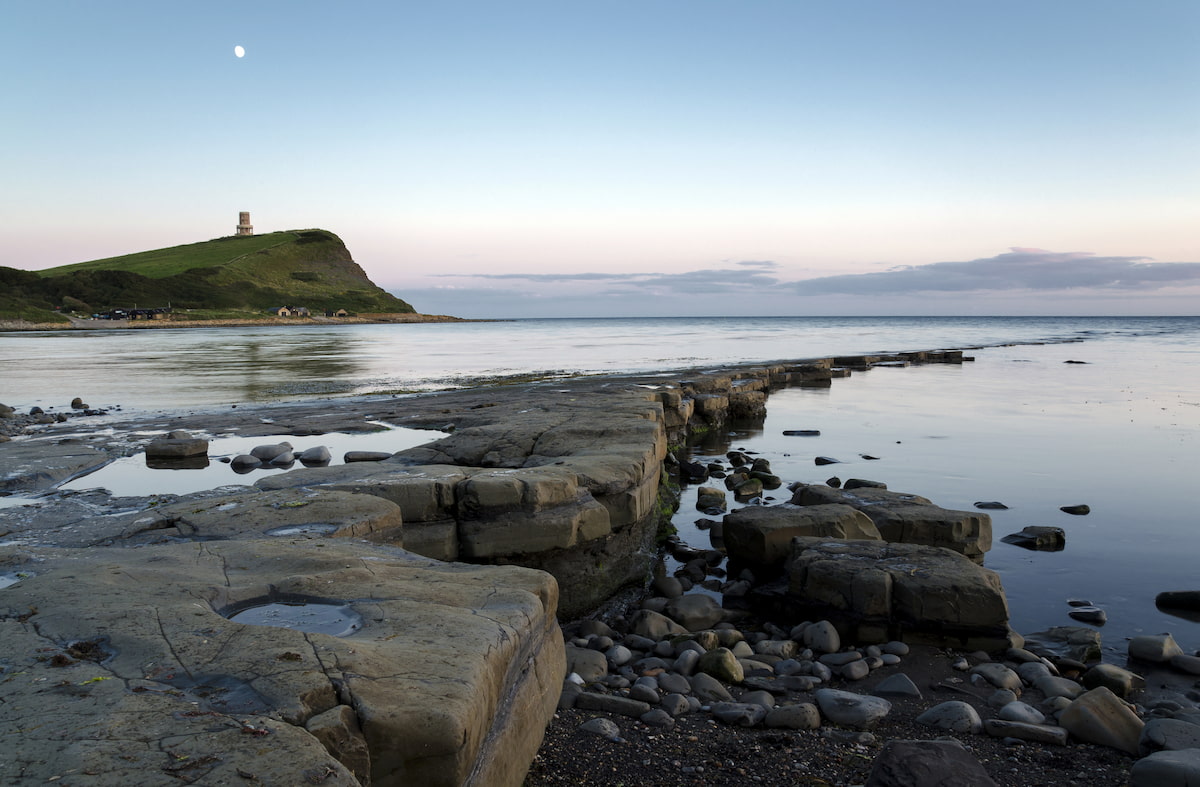
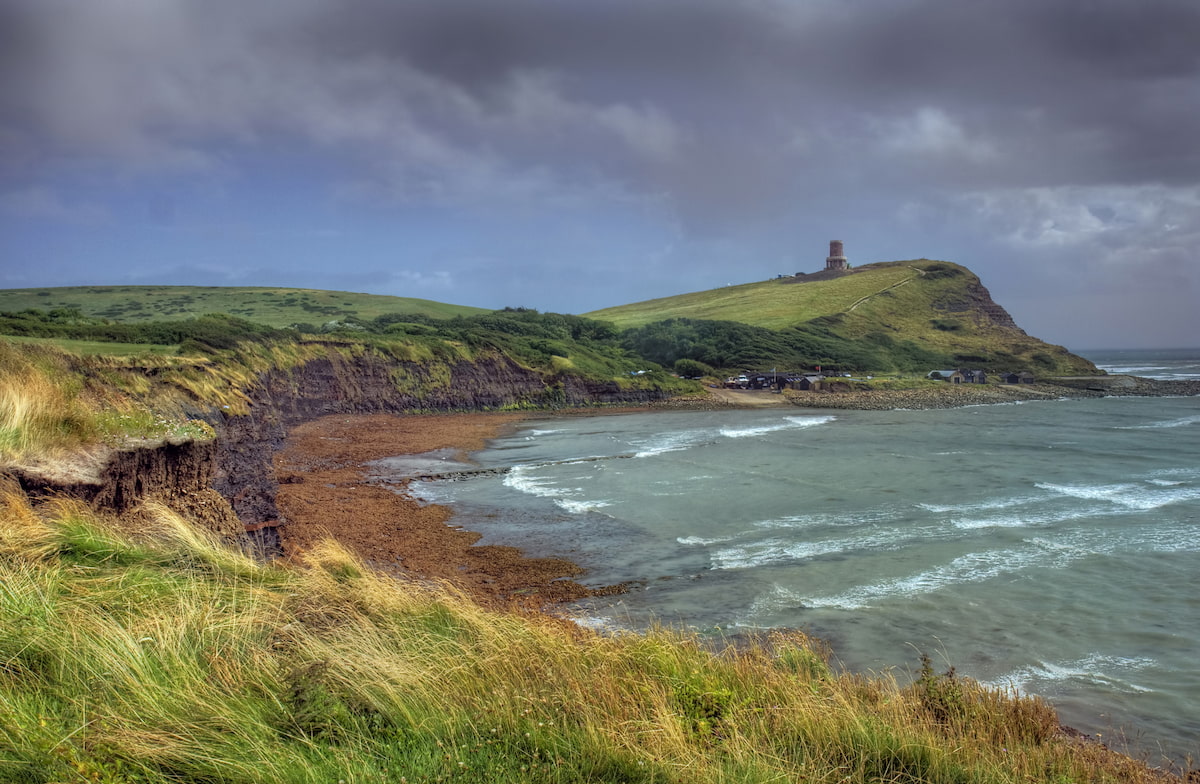
    Kimmeridge Bay In Dorset

    The Jurassic Coast sounds as if it should be in some incredibly exotic, far-flung destination, but it is actually a protected portion of land on England’s genteel southern coastline. 

    You will find most of the coast’s iconic landmarks in Dorset, but the UNESCO World Heritage Site is long enough that it stretches into Devon, which borders Cornwall in the southwest. The Jurassic Coast officially runs from Exmouth in Devon to Old Harry Rocks, near Swanage in Dorset.

    It is the only natural UNESCO World Heritage site in England – the distinctive rock formations, unusual landforms and rich fossil deposits make the Jurassic Coast a geological treasure. Besides its UNESCO status, much of the coastline is – quite unsurprisingly – a designated Area of Outstanding Natural Beauty.

    Crumbling white chalk cliffs characteristic of England’s southern shore make a striking contrast against the tumultuous blue of the English Channel. Add in golden sands, picturesque villages and lush greenery and you quickly start to see the appeal.

    So why is it called the Jurassic Coast? It’s more than just the astonishing collection of fossils found in the area. The formation of the very rocks beneath your feet takes you on a journey through 185 million years of the Earth’s history. Constant coastal erosion has revealed a sequence of rock formations covering the Triassic, Jurassic and Cretaceous periods.

    The Jurassic Coast gives us invaluable insight into the history of Earth. It’s importance can’t be constrained to any one country – as the heritage of the planet itself, it belongs to people the world over.

    Best Places to Visit

    The Jurassic Coach is overflowing with spectacular natural phenomenon, fantastic places to visit and stunning views. These are some of the best.

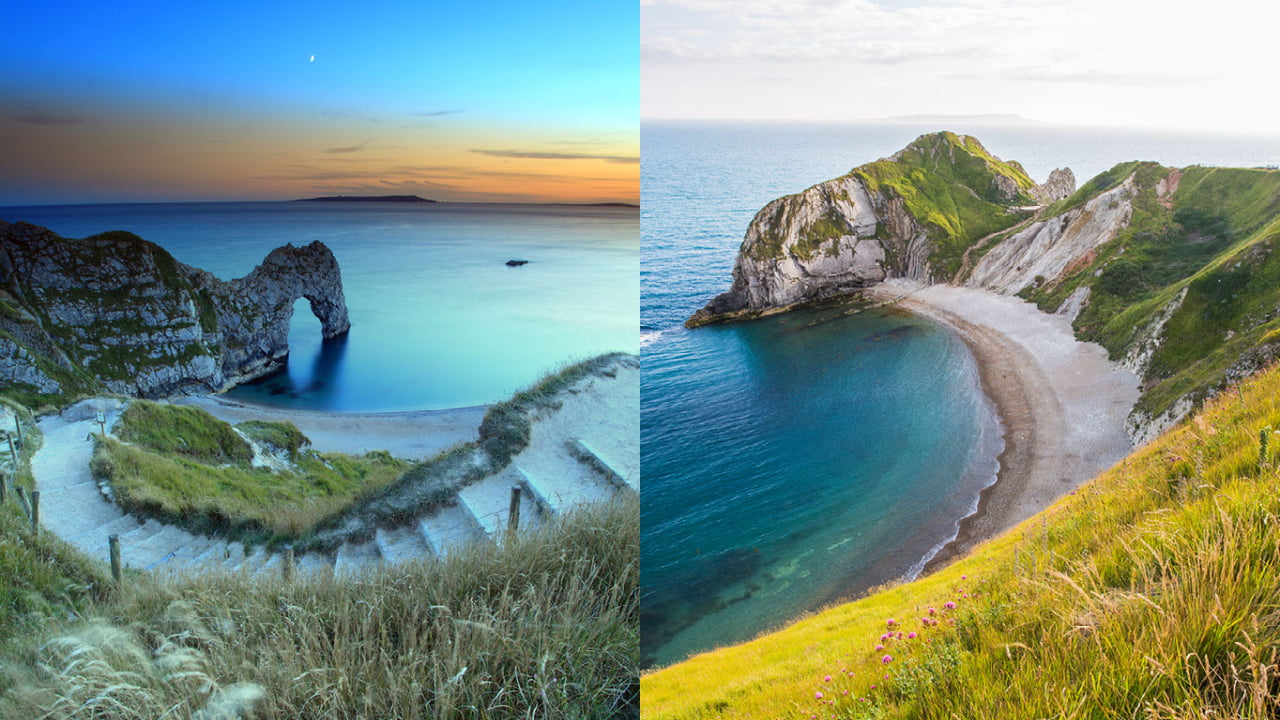
    Durdle Door

    Kat standing in front of Durdle Door
    Durdle Door on a Summers day

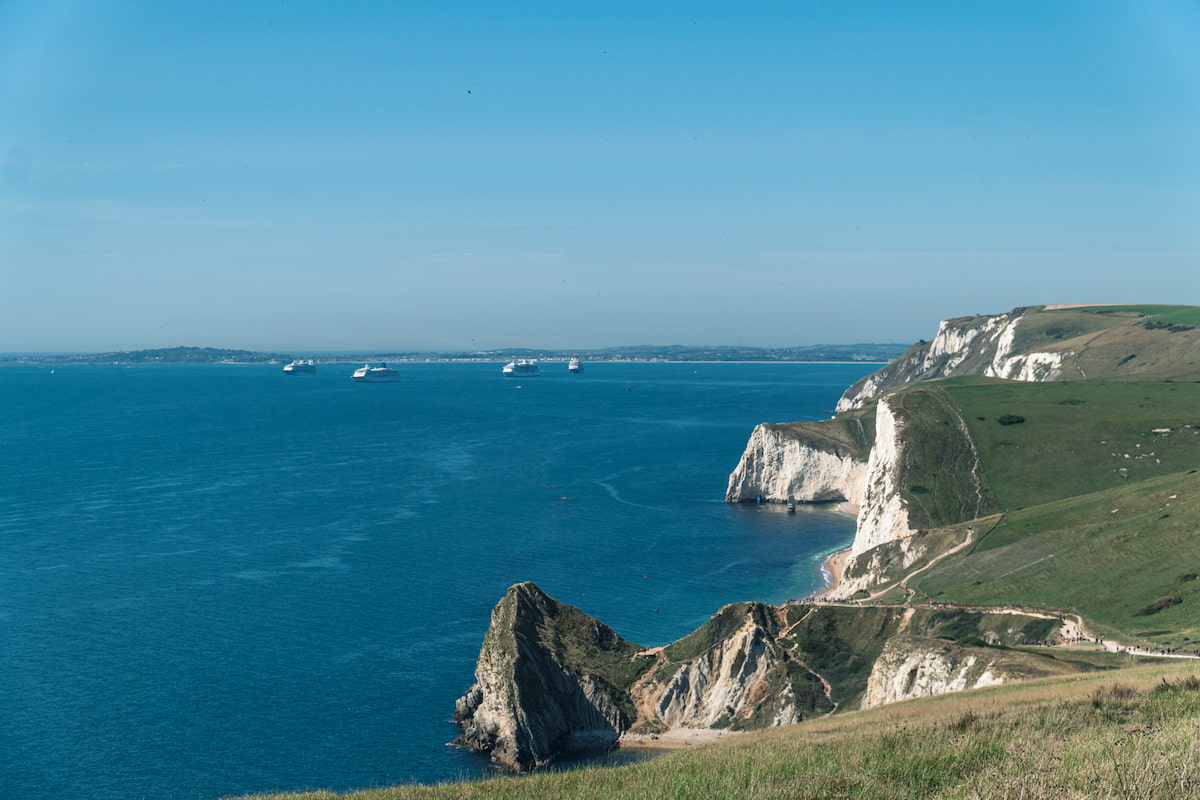
    Starting with the Jurassic Coast’s most recognisable landmark, the curving arch of Durdle Door has been a feature here for approximately 10,000 years. 

    Durdle Door is the result of countless years of coastal erosion – the sea pierced through the limestone cliffs all those millennia ago to form an archway; possibly the most famous naturally-formed arch in the world. 

    Only adding to its beauty is the fact that it is a relatively short-lived geological feature. The arch will eventually fall into the sea, leaving behind only a stack of rock. We are lucky to exist in the same time frame to enjoy it as it is today.

    Though a popular spot, Durdle Door is undeniably beautiful. Every top destination has a few unmissable places – and this is one of them. Whether you approach by traversing the steep wooden steps down to the beach or by boat, Durdle Door is a sight sure to steal your breath away.

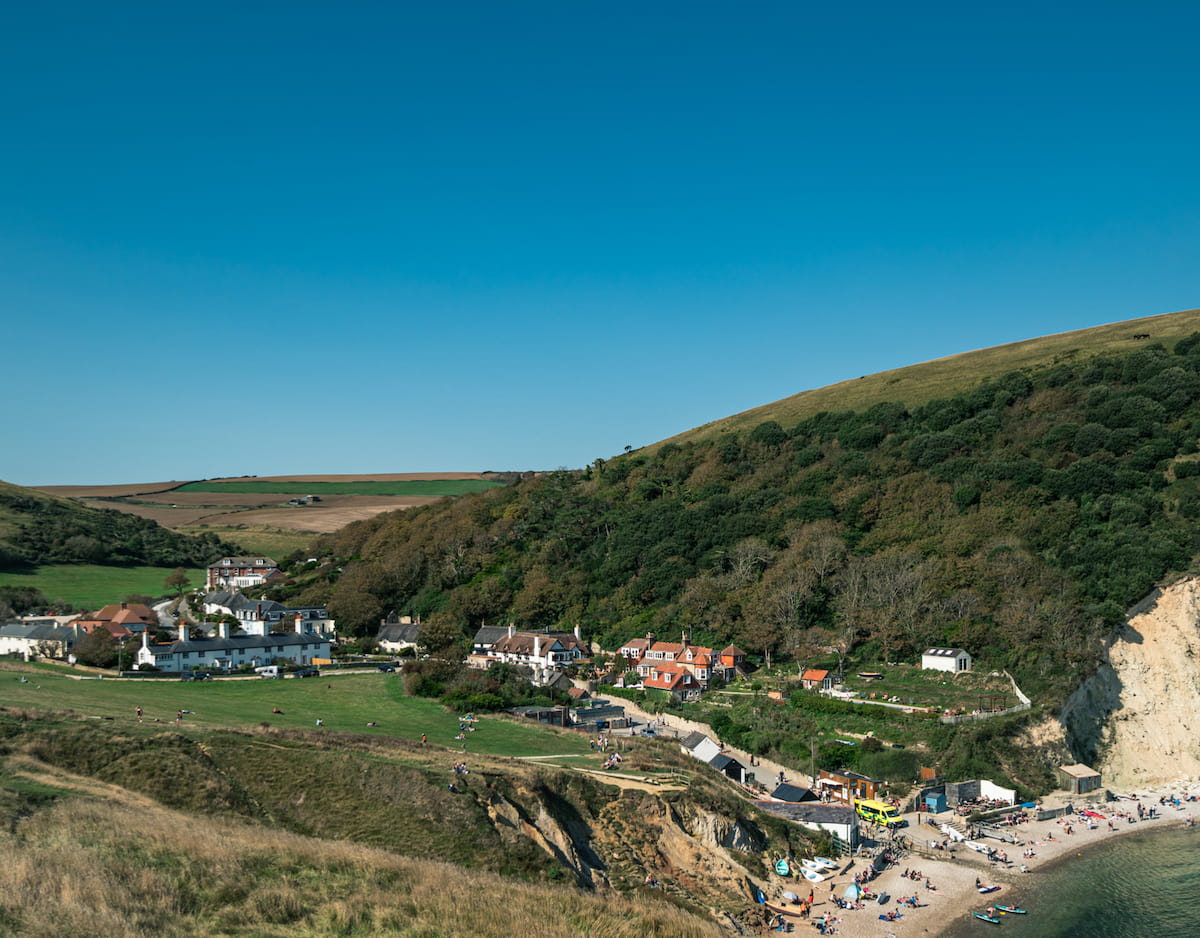
    Lulworth Cove

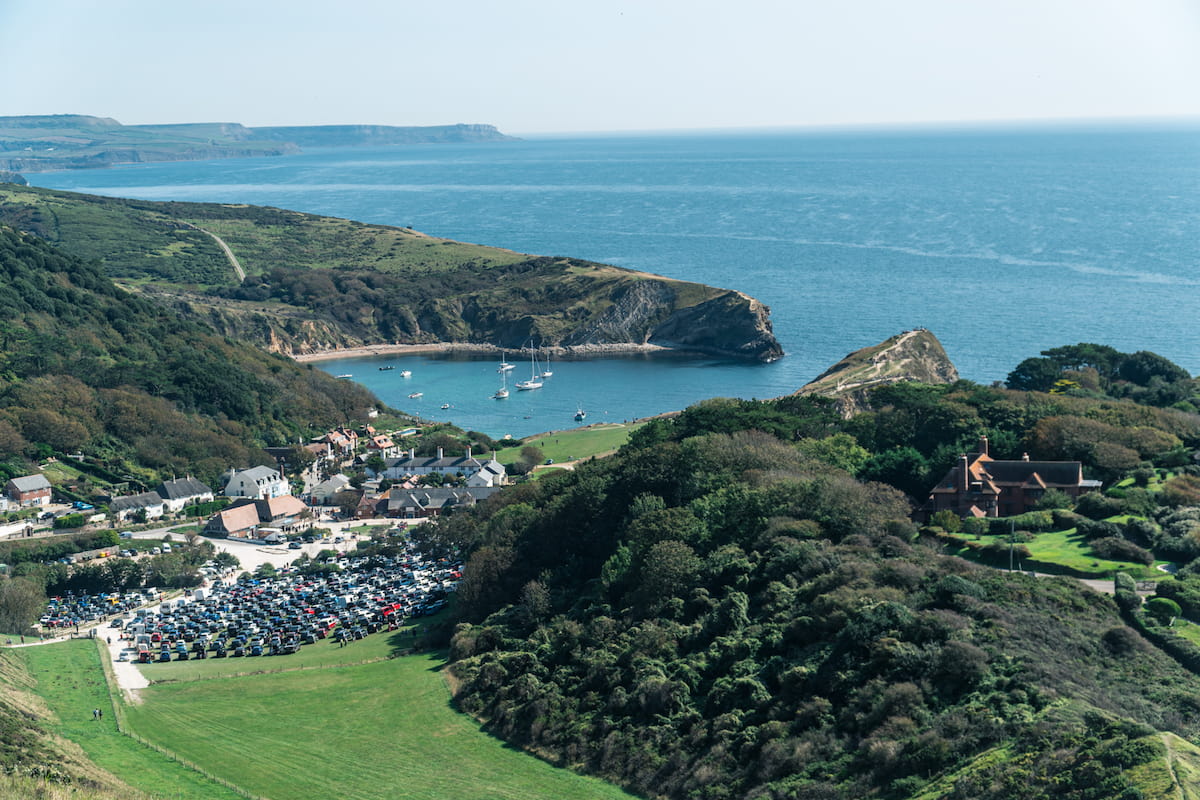
    View of Lulworth Cove
    View of Lulworth Cove

    A few miles away from Durdle Door sits Lulworth Cove, Dorset’s premier beach destination.

    Dorset and the southwest of England, in general, is blessed with fantastic beaches. But Lulworth Cove is one of the most impressive. 

    The cove is almost perfectly circular and largely sheltered from the sea – only a small opening carved out 10,000 years ago connects the two. From a purely scenic standpoint, this is one of the finest beaches in England; the golden shingle beach backs up on to towering green hills that follow the arc of the cove until they drop to the sea.

    The geology of Lulworth Cove is also extraordinary. You would be hard-pressed to find clearer displays of rock folds, cove formation and coastal erosion anywhere in the world. 

    Unique geological formations like the folded stone, known as Lulworth crumple can be seen all around this area. The small cove of Stair Hole is a particularly good example. Walk further along from the beach and you will find the fossilised tree stumps of Fossil Forrest, which were alive a mind-blowing 145 million years ago.

    Chesil Beach

    England dorset coast chesil beach

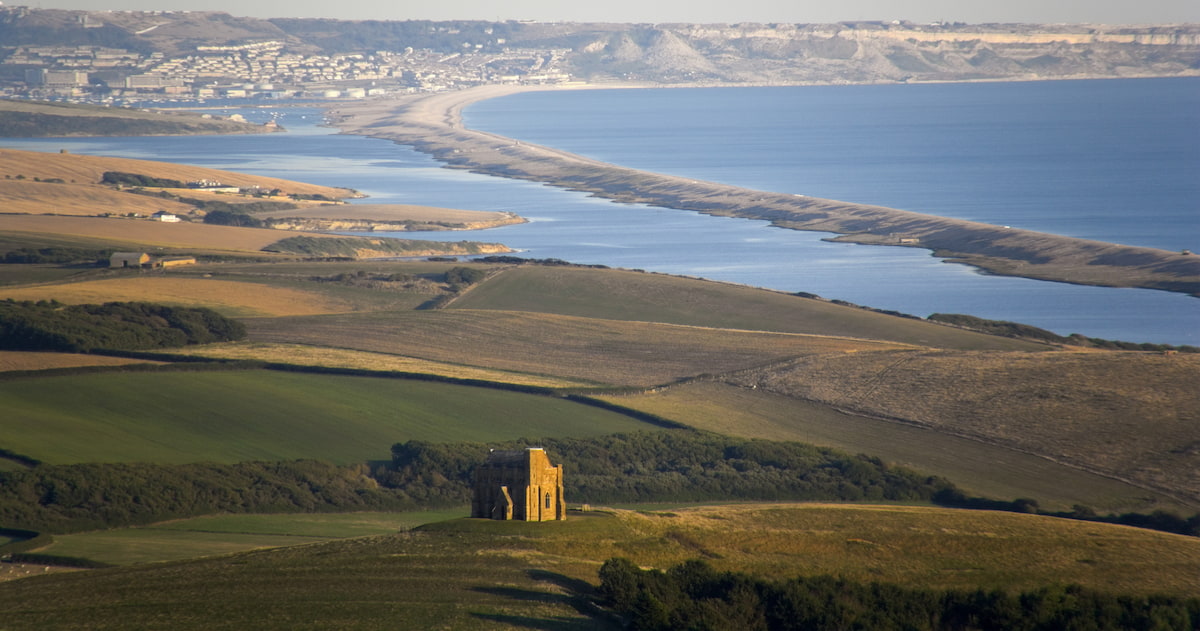
    Yet another unique geological formation – the Jurassic Coast really earned its UNESCO status – is Chesil Beach, an 18 mile long shingle barrier beach. 

    The pebble beach stretches all the way from Portland to West Bay. Behind Chesil Beach is the Fleet Lagoon, which separates it from the mainland – the distance between them is decreasing every year by 15cm, as the sea slowly pushes Chesil Beach further into the lagoon. 

    The sheer size of this thin strip of land is impressive; it is rare to see a land formation like this, and there are only two others in England. While the beach is being pushed back, it still acts as a buffer for the mainland, reducing the power of waves

    If you’re visiting Chesil Beach, you should stop at the Isle of Portland. The beach is the only thing connecting the island to the mainland. Portland is a beautifully rugged island, home to a famously picturesque lighthouse and a great variety of birdlife.

    Old Harry Rocks

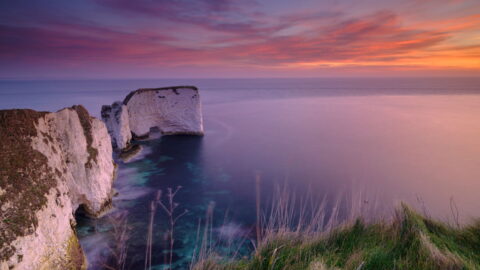
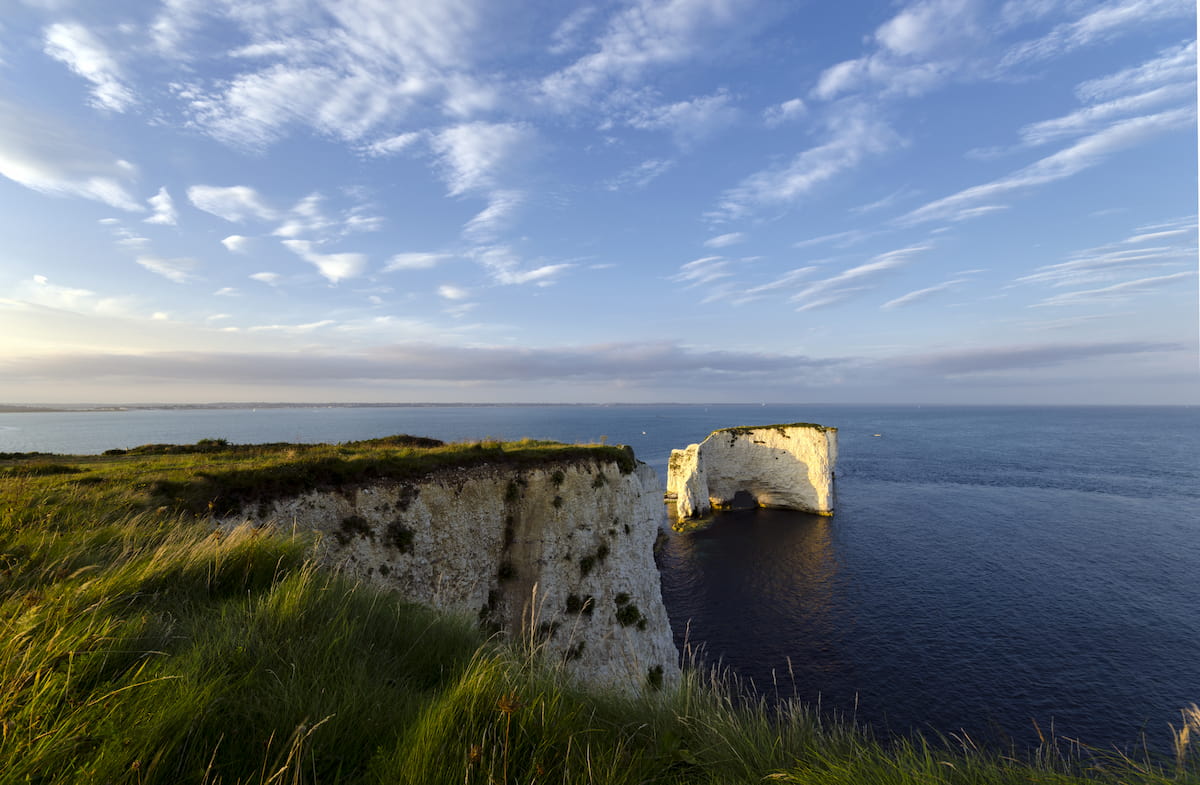
    Old Harry Rocks
    Old Harry Rocks

    Nervously peeping over the cliff edge to get a glimpse of Old Harry Rocks is one of the Jurassic Coast’s unmissable experiences. 

    Once connected to the mainland, the stack and stump of Old Harry and his wife were ripped away by coastal erosion. The distinctive chalk formations jut out into the English Channel, which continues to chip away at the soft chalk underbelly of the rock.

    If you’re curious about the unusual names, there are a few theories. One legend states that the name Old Harry comes from the devil (Old Harry is age-old slang for the devil) sleeping on the rocks, while another suggests they were named for an infamous smuggler, Harry Paye, who once hid his boat among the rocks. Whatever the truth behind the name, the rocks have continued to stir the imagination for centuries.

    With blue sea, white cliffs and the green grass atop them creating a stark contrast of colour, the weaving cliff edge and Old Harry Rocks make for a striking picture. 

    You can see the rocks well enough from the roughly hour long walk up the cliffs, but I would really recommend catching a boat trip out to see Old Harry Rocks if you can. They’re beautiful when seen from the land, but the wider perspective from the sea is truly spectacular.

    Lyme Regis

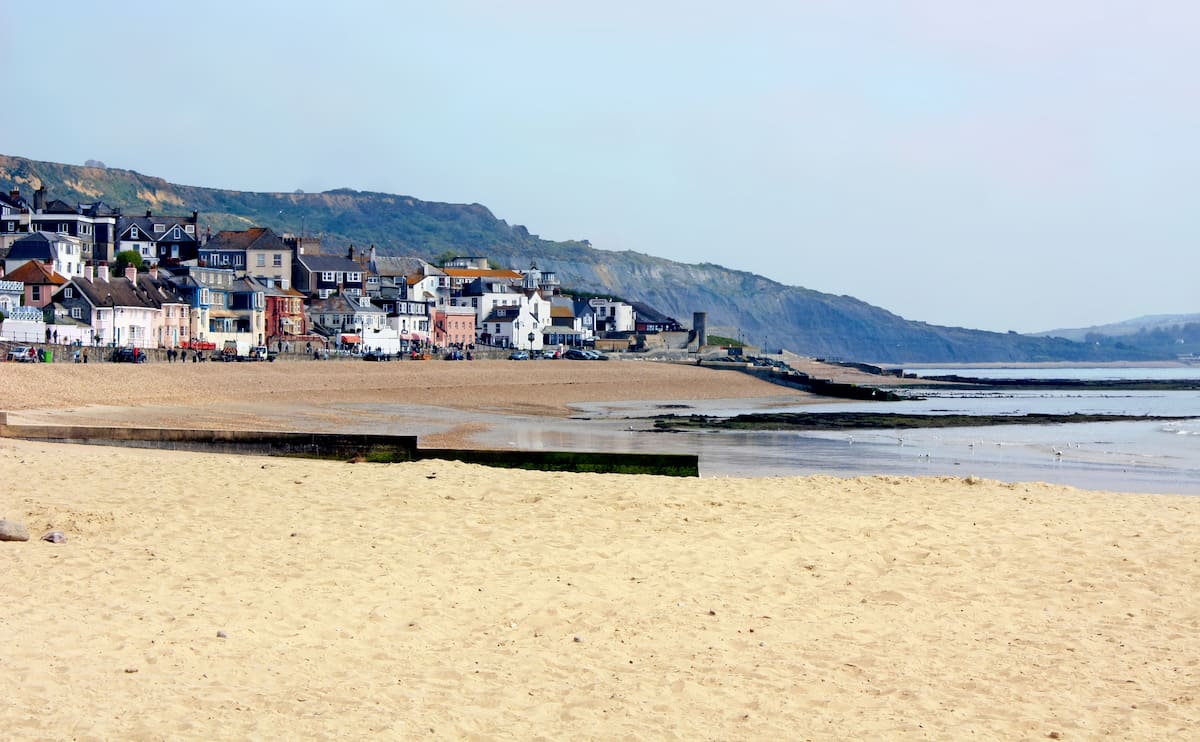
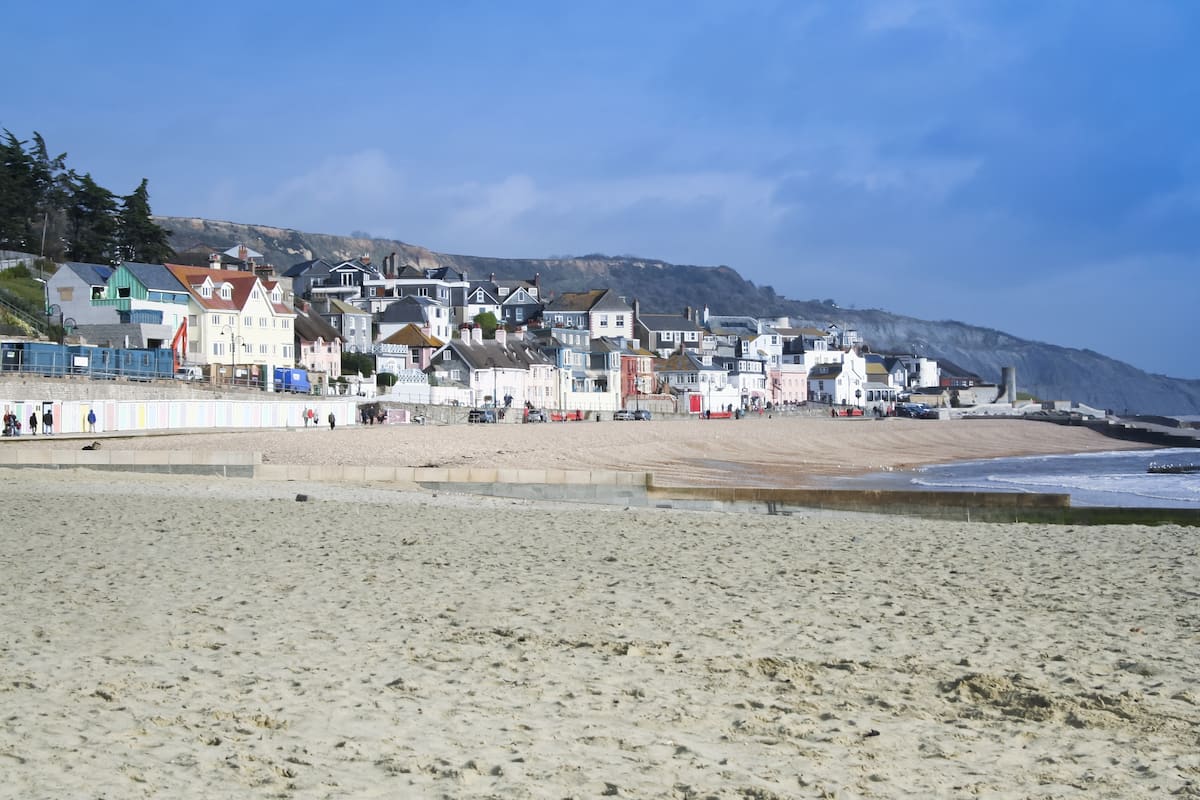
    Lyme regis sandy beach dorset uk

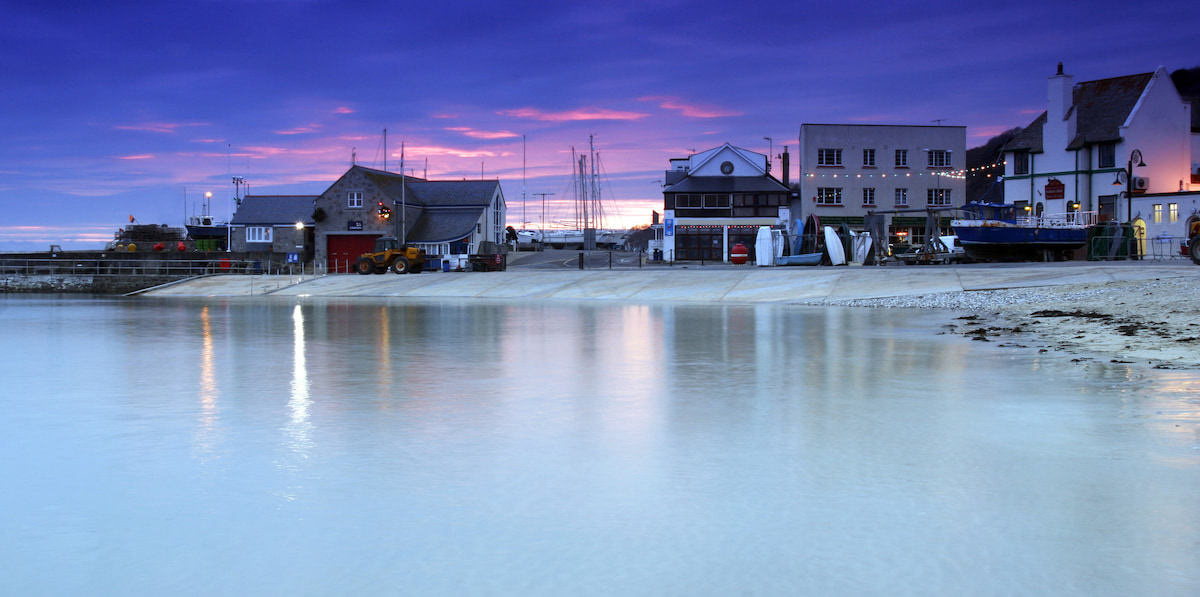
    Boasting a picturesque harbour of bobbing sailboats, a seafront of pastel-coloured houses and a lovely beach, Lyme Regis is the quintessential upmarket seaside resort. With a classically pretty look and a bit of bustle, the town is one of the most popular on the Jurassic Coast.

    It makes a lovely base for your holiday, but is worth visiting regardless. The colourful architecture is mostly from the Georgian and Regency era, giving the town a sophisticated look. Winding streets and independent boutiques add a layer of charm, while museums and art galleries give it a bit more depth as a place to visit. The Lyme Regis Museum is built on the site of Mary Anning’s former home. 

    The Cobb in Lyme Regis at sunset

    The pioneering paleontologist and fossil collector was born in Lyme Regis on 21st May 1799 and lived there until she died in 1847. Her work was groundbreaking at a time where geology had yet to truly exist as an official discipline, and teachings of the Bible were rarely challenged. Anning’s discoveries and documentation of dinosaur skeletons changed the scientific world; her work is honoured in the museum.

    Small, pretty and charming are all words I would use to describe Lyme Regis – quiet is not. It helps add to the joyful atmosphere pervading the town, but if the weather is nice, there are always crowds of people that follow.

    West Bay

    West Bay Beach

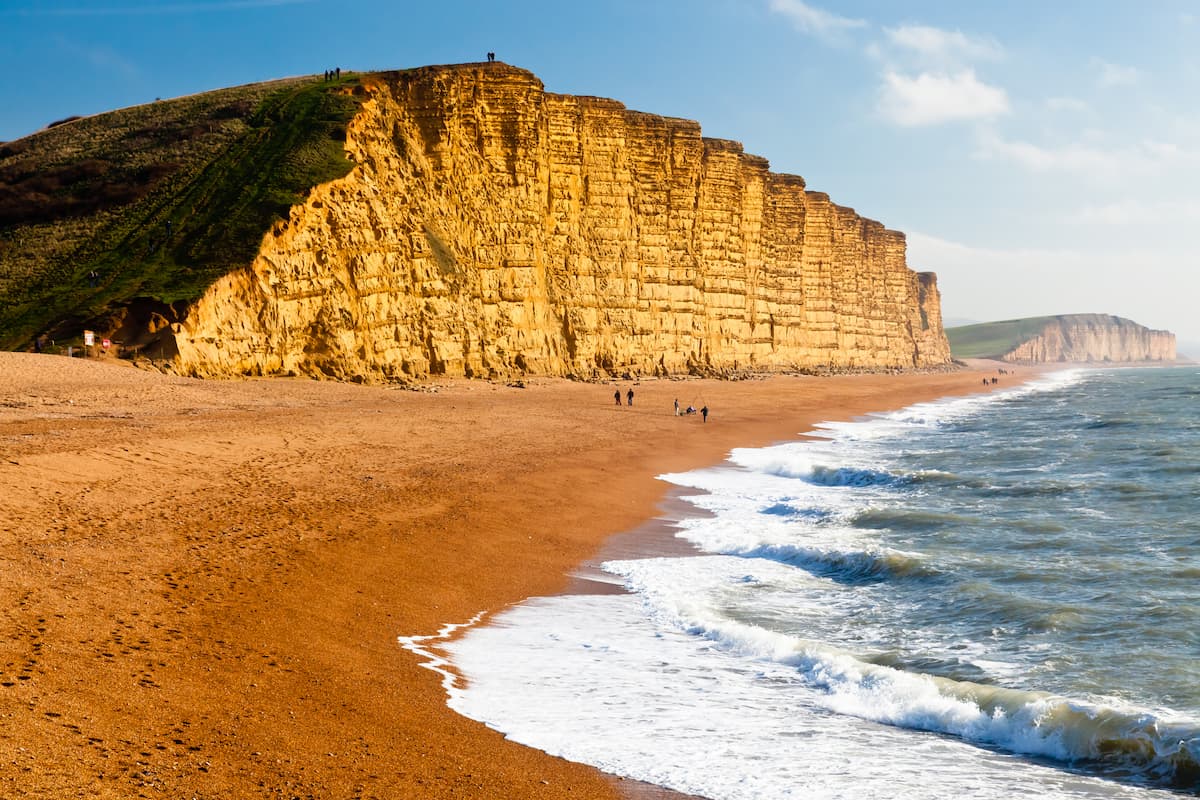
    West Bay has always been a favourite with visitors, but it is hard to deny that its popularity has skyrocketed since featuring prominently in the ITV crime drama Broadchurch. 

    The tiny settlement has two gorgeous sand beaches, rather unimaginatively named West Beach and East Beach. The backdrop of towering sandstone cliffs on East Beach is the one you’ll recognise: David Tennant and Olivia Colman filmed on location here for series one of Broadchurch. 

    Even people that have never seen the show will still love West Bay. You can’t go wrong with soft sands, gentle waves and the open sky. A small but quaint fishing village like West Bay is the perfect place to try fish & chips as they are intended: fresh from the sea, bought from an unassuming chip shop, and eaten overlooking the water.

    If you want to be somewhere a little more developed, nearby Bridport is a lovely little market town. 

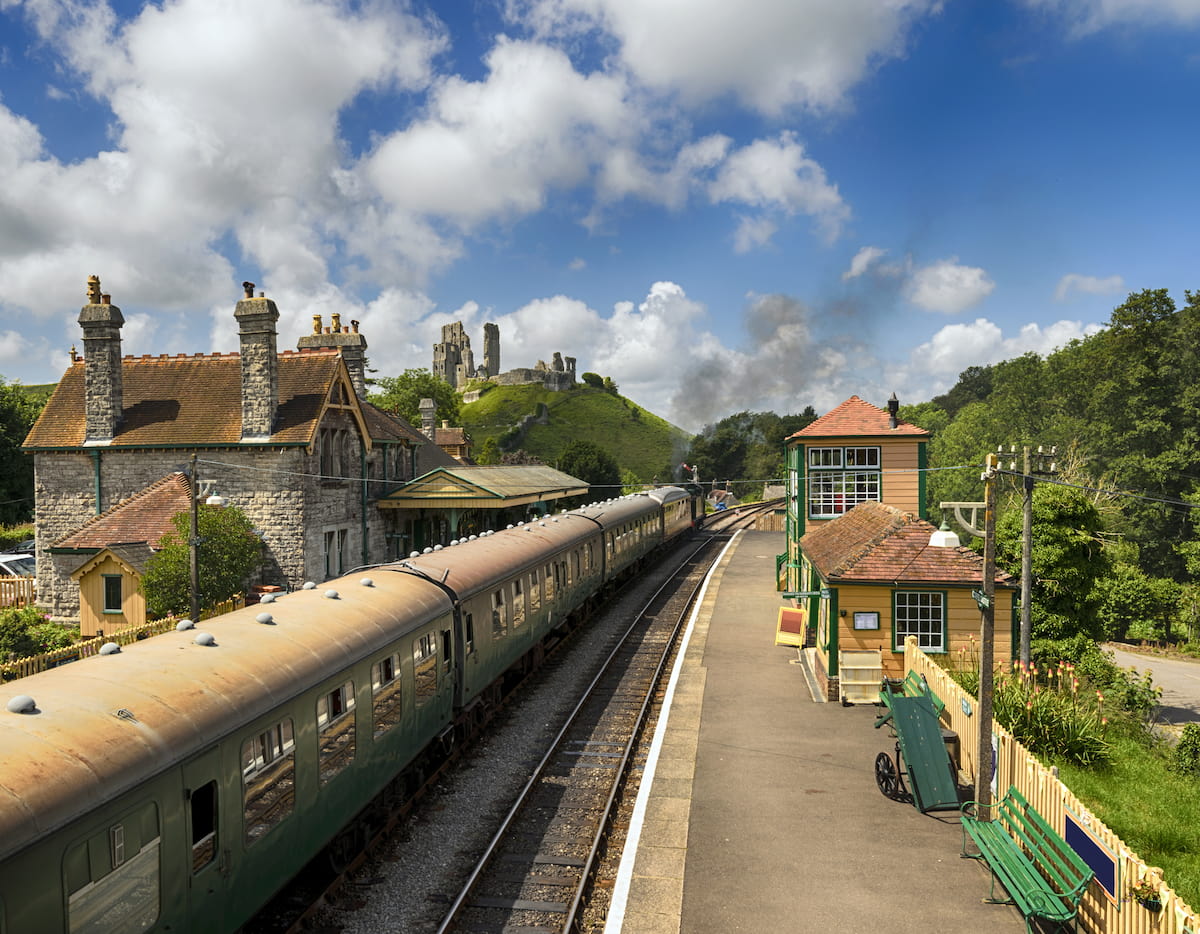
    Corfe Castle

    Corfe Castle Dorset England

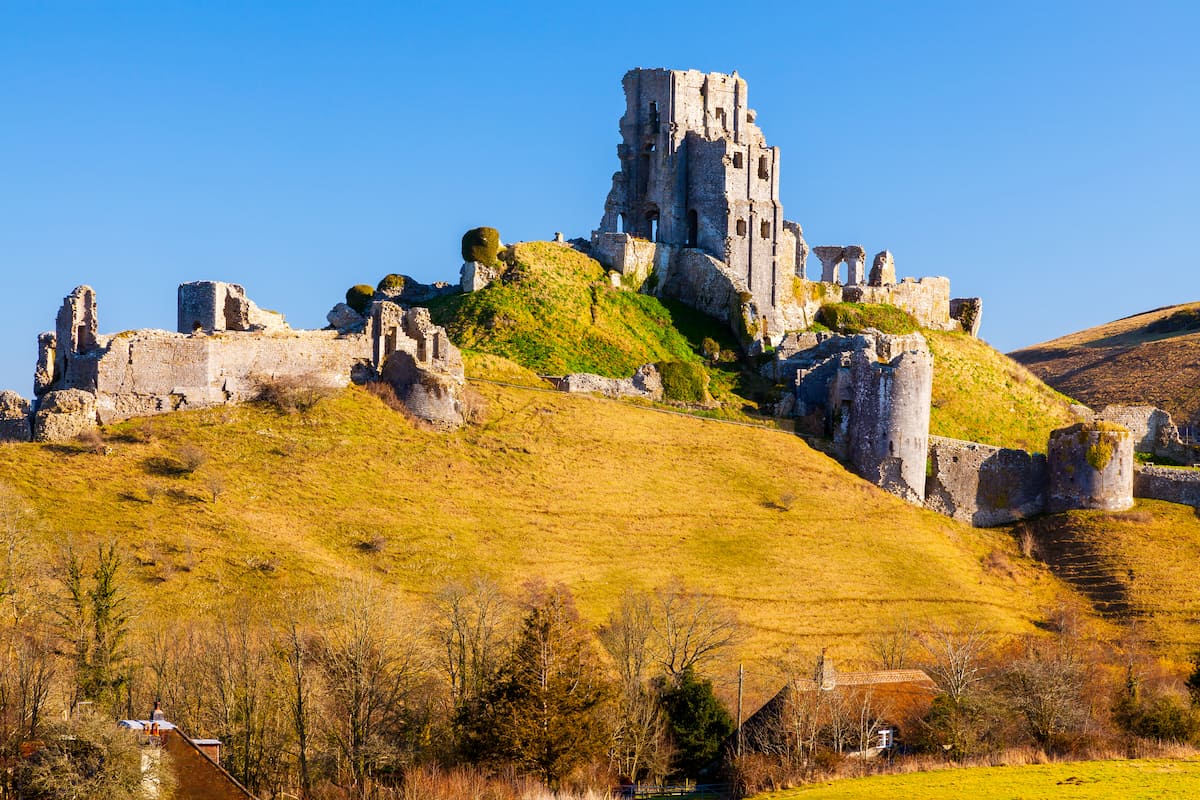
    If you asked for a list of prettiest villages in Dorset, Corfe Castle would be somewhere near the top. Dominated by the ruins of an ancient castle standing high over the village and filled with quaint cottages, this is a community ripped straight out of the pages of a storybook.

    It’s the kind of place that just breathes history. The precariously balanced castle has stood for a thousand years. It has been a Norman fortress, Royal castle and Saxon stronghold in that time, but the most famous event is the one that left it to ruin: the English Civil War. The Bankes family supported King Charles I against the Parliamentarians – Lady Bankes was left to defend the castle under siege in 1643 and 1645. They were eventually overcome, and the castle was destroyed.

    An hour of a time – and strong legs – are required to climb the hill and explore the castle. Panoramas over the Purbeck peninsula await you at the top.

    The village itself – named for Corfe Castle – has that typical quaint, rustic feel often found in rural England. Old stone cottages with brightly coloured doors, pretty gardens, tearooms, independent shops and country pubs are all found in Corfe Castle. It won’t take long to explore but is a lovely & relaxing way to while away an afternoon.

    Of all these places to visit, which should you absolutely not miss? 

    If you’re strapped for time, Durdle Door & Lulworth Cove are a two-in-one package, being so close together, and Old Harry Rocks and Lyme Regis are my other two must-visit locations on the Jurassic Coast.

    Things to Do

    Fossil Hunting

    If you’re staying in a place called the Jurassic Coast, it is only right that you should dedicate a little time to fossil hunting.

    You can technically find fossils practically anywhere along the Jurassic Coast, but true fossil hunters know that Charmouth is the best for it. 

    Foraging for fossils at Charmouth is safe and perfect for beginners; you usually have a good chance of finding something hidden on the beach. Especially on quiet days as the tide is going out! Not all fossils should be kept, but a few smaller ones (often ammonites, belemnites and crinoids), are fine to add to a collection.

    You can learn more about fossils – and how to find them – at the Charmouth Heritage Coast Centre.

    Walk (part of) the South West Coast Path

    Scenic Coastal Walks in Lulworth Cove
    Scenic Coastal Walks in Lulworth Cove

    England’s longest waymarked footpath covers an incredible 630 miles, running from Minehead in Sommerset along the coast until it reaches Poole Harbour in Dorset.

    I’m not advocating the whole trail here – but if you’re up to the challenge, I’m sure it is worth it – just the stretch across Dorset. The trail runs along cliff tops, past lagoons and along the beach as it weaves its way across the coastline.

    Many of the Jurassic Coast’s best places to visit are highlights of the walk. Chesil Beach, Lulworth Beach and Durdle Door all feature on the South West Coast Path. Distance aside, much of the walk is fairly easy-going. The trickier parts are mostly in the Purbeck area, where some of the ascents and descents can get very steep.

    You don’t have to follow the trail for endless miles, but it is worth hiking at least some of it if you are able. The views are simply sublime, and the path is well-trodden for good reason.

    Follow the acorn symbol – you’ll know you’re on the right track whenever you see them.

    Explore Tyneham Ghost Village

    tyneham ghost village

    Wander through an eerie abandoned village positioned on the Purbeck peninsula, close to Lulworth Cove and Kimmeridge Bay.

    Tyneham has been frozen in time since 1943, when an evacuation of the entire village was ordered during WWII. The space was used for military training, but even after the end of the war, the villagers were barred from returning.

    Today, you can see this time capsule of a village as a tourist attraction. A few buildings in the once idyllic Tyneham are in ruins, but many are preserved exactly as they were in the 1940s. We are so used to ruins being centuries removed from our time, that it feels a little unsettling to see more familiar buildings in such a state.

    You can see inside the school, church and farm – which have been kept in near-pristine condition, learn about the families that once lived in Tyneham and pose for a photo by the classic cream phone box. It’s an entertaining and unusual way to spend a few hours.

    The ‘lost’ village is open to the public most weekends and during the school holidays.

    See the Wildlife at Kimmeridge Bay

    Kimmeridge Bay Jurassic Coast

    Kimmeridge Bay offers an easily accessible glimpse of marine wildlife; the sheltered positioning of the bay makes it one of the safer spots to explore.

    As is ridiculously common on the Jurassic Coast, the geology of Kimmeridge Bay is both fascinating and important. You can see fossils entrenched in the ground and bedrock formed in the Jurassic age.

    The natural limestone ledges take you further out into the water without having to dip in the sea. Many anglers cast lines off from here, while others choose to search the rock pools for crabs and sea snails. 

    For those who prefer to get up close and personal with the creatures of the sea, snorkelling is popular in Kimmeridge Bay. Schools of fish are often spotted moving among the colourful seaweed on the sea floor. On occasion, seals and dolphins also make an appearance in the bay.

    To learn more about the marine wildlife of the area, head to the Wild Seas Visitor Centre.

    Where Should You Stay?

    Lyme Regis Beachscape

    Depending on your vacation style, you can stay in a hotel, cottage or a tent – as for location, I think anywhere on the Purbeck peninsula or in pretty Lyme Regis is hard to beat. 

    There isn’t an endless supply of hotels and B&Bs on the Jurassic Coast, but enough to get by; most range from mid-level to luxury budget-wise and get booked up quickly in the summer. If you prefer camping, there are dozens of sites up and down the coast. Most villages have at least a few cottages let out to holidaymakers and Airbnbs, but like the hotels, these tend to get booked up fast.

    How Long Will You Need to Explore the Jurassic Coast?

    Focusing on the Dorset stretch of coastline alone, a week should be enough time to explore the Jurassic Coast.

    If you want to extend your trip into Devon, you might want a little longer – 10 days would be plenty of time. Most of the Jurassic Coast’s biggest attractions and highlights are in Dorset.

    A week gives you time to see everything the coast has to offer without rushing too much. If you only have a long weekend, you can still have a great holiday. You just have to narrow down the places you want to see to a select few.

    Will I Need a Car? 

    Much of the Jurassic Coast is very rural, which is always easier to explore by car. Remote areas tend to have very little in the way of public transport, and what they do have is usually infrequent.

    You will find that the Jurassic Coast has a little more than most since it is a popular holiday destination with higher demand. Trains into Bournemouth and Weymouth are the quickest option, and you can catch a bus or taxi from there. 

    As is often the case, many of the most remote parts of the coast will be off limits to you without a car. You can still visit places like Corfe Castle and Old Harry Rocks, but the buses only run hourly from Poole.

    A car isn’t essential, but it makes exploring the coast much easier. Without a car, your best option really is to…

    Go on a Tour

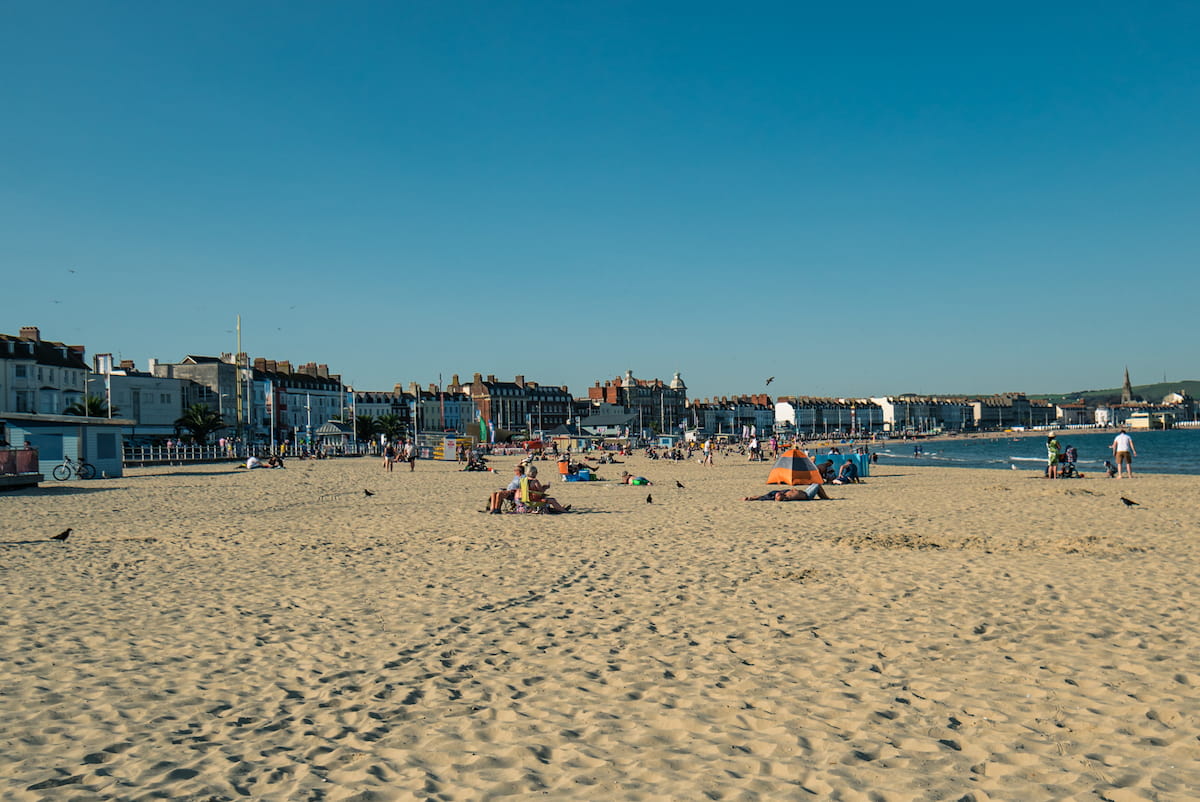
    weymouth beach

    Joining a tour can be one of the best and most convenient ways to see the coastline. They’re particularly worthwhile for people travelling without a car. 

    Even people with cars would still benefit from joining one of the boat trips.

    • Poole Harbor and Islands Cruise – a 70 minute boat trip travelling around islands just off the Dorset coast. You will see the historic castle built by Henry VIII on Brownsea Island during your cruise, as well as the luxurious houses of the Sandbanks peninsula.
    • Jurassic Coast: Lulworth Cove and Durdle Door Coach Trip – see the Jurassic Coast’s most iconic sights, Lulworth Cove and Durdle Door, on this 3 hour excursion. Travelling with a knowledgable tour guide gives you the chance to find out more about the prehistoric history of the area.

    Is the Jurassic Coast Worth Visiting?

    Everyone has different expectations on holiday, but if you love rugged coastlines, beautiful scenery and the prehistoric age, the Jurassic Coast is absolutely worth visiting.

    How often do you get the chance to see millions of years of Earth’s history right under your feet? Classic white chalk cliffs, golden sands and sweeping views await you in this scenic coastal holiday. Take a break from the busy life and take it easy on the epic Jurassic Coast.

  • A Magical Day in Glastonbury

    A Magical Day in Glastonbury

    Glastonbury is known for its rich history of spiritual pilgrimage to the “heart chakra of the Earth.” Each year, thousands of people are drawn to the mystical “Isle of Avalon” from all over the globe. 

    Filled with magical healing energies and sacred sites, when you step into this legendary, quirky village, you’ll soon see why it’s worth a visit! 

    Glastonbury’s religious and spiritual history goes back to the megalithic era and is the site of the first Christian church in the British Isles. One of its most famous legends is that it’s claimed to be the famous Isle of Avalon of the King Arthur tale, but it doesn’t stop there. 

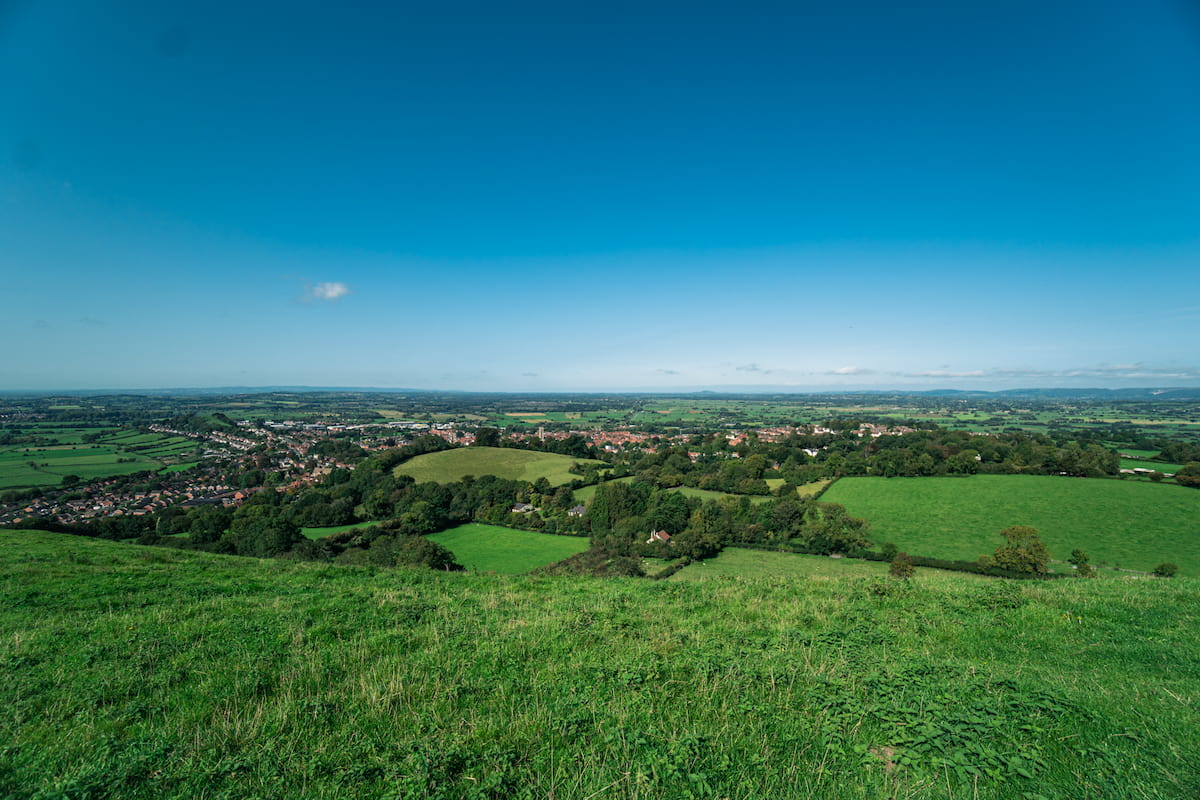
    View of Glastonbury
    View of Glastonbury

    The legend of Glastonbury tells the story of Joseph of Arimathea and the Holy Grail. After the Resurrection of Jesus, it’s said that Joseph took the Holy Grail from Jerusalem to Glastonbury and other legends say Mary Magdalene accompanied him, which is why there’s a deep devotion to the sacred feminine in this area. 

    And then there’s the Druids, who still play a major role in current-day Glastonbury. The Druids utilized the famous Glastonbury Tor from 2,500 BC as an initiation centre for priests and priestesses and considered Glastonbury their “holy mecca.”

    So whether you believe the legends to be true or not, the fact remains you’ll have an unforgettable time exploring this unique town. 

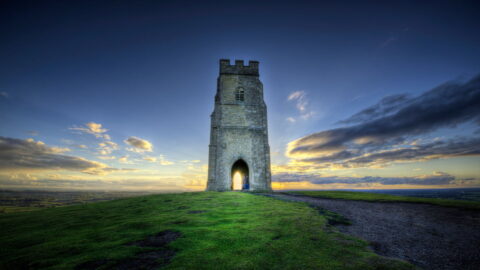
    Glastonbury Tor

    Glastonbury Tor
    Glastonbury Tor

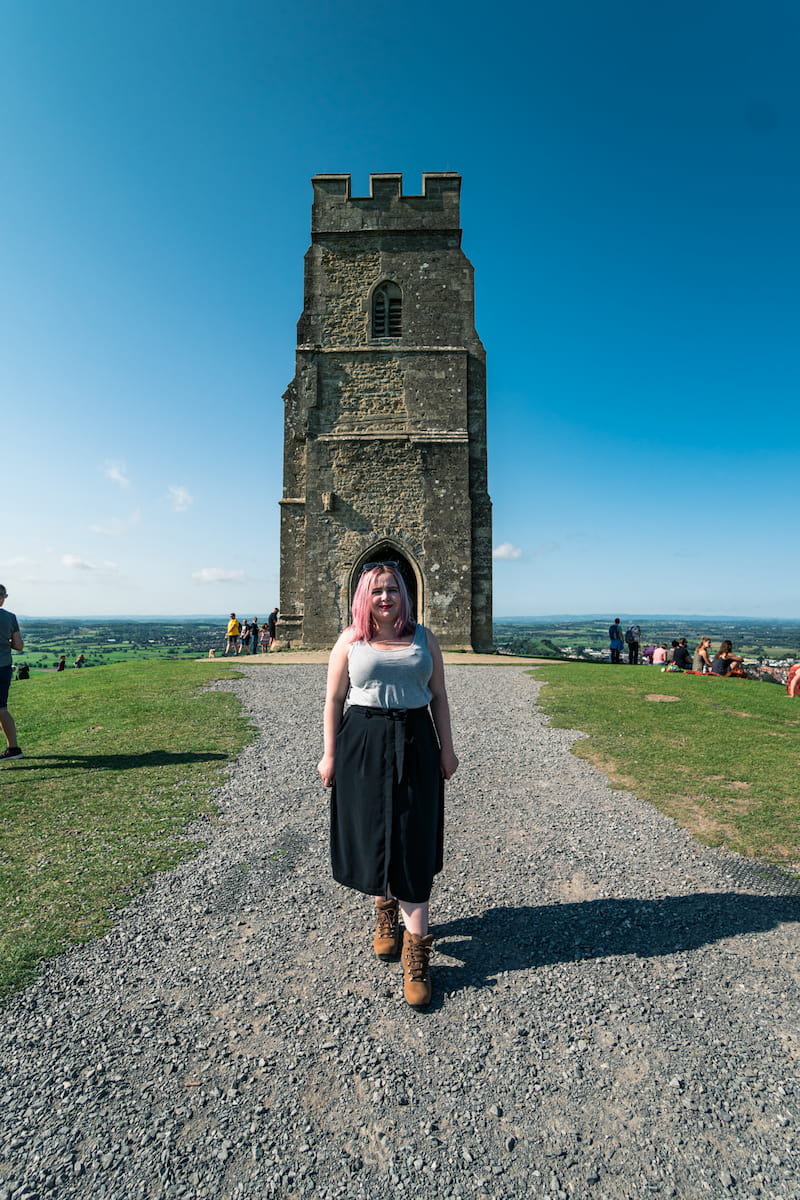
    The most famous thing to do in Glastonbury is climbing the Tor. The Glastonbury Tor has its own countless legends associated with it, but in all practicality, it’s worth a climb to the top for the breathtaking 360-degree views of Glastonbury, the Isle of Avalon, and Somerset. 

    There’s a paved path as the hill is managed by The National Trust, but I do recommend having some good walking or hiking shoes/boots as it’s quite steep and can be slippery depending on the weather. And you never know, you might want to run back down through the meadow! 

    At the top of the Tor are the remains of the 14th-century church of St. Michael. You wouldn’t believe it, but the tower was actually put there to replace another church destroyed by an earthquake. The wind gets pretty gusty by the tower, but you might just catch an odd group here or there partaking in various ceremonies. 

    Chalice Well & Gardens

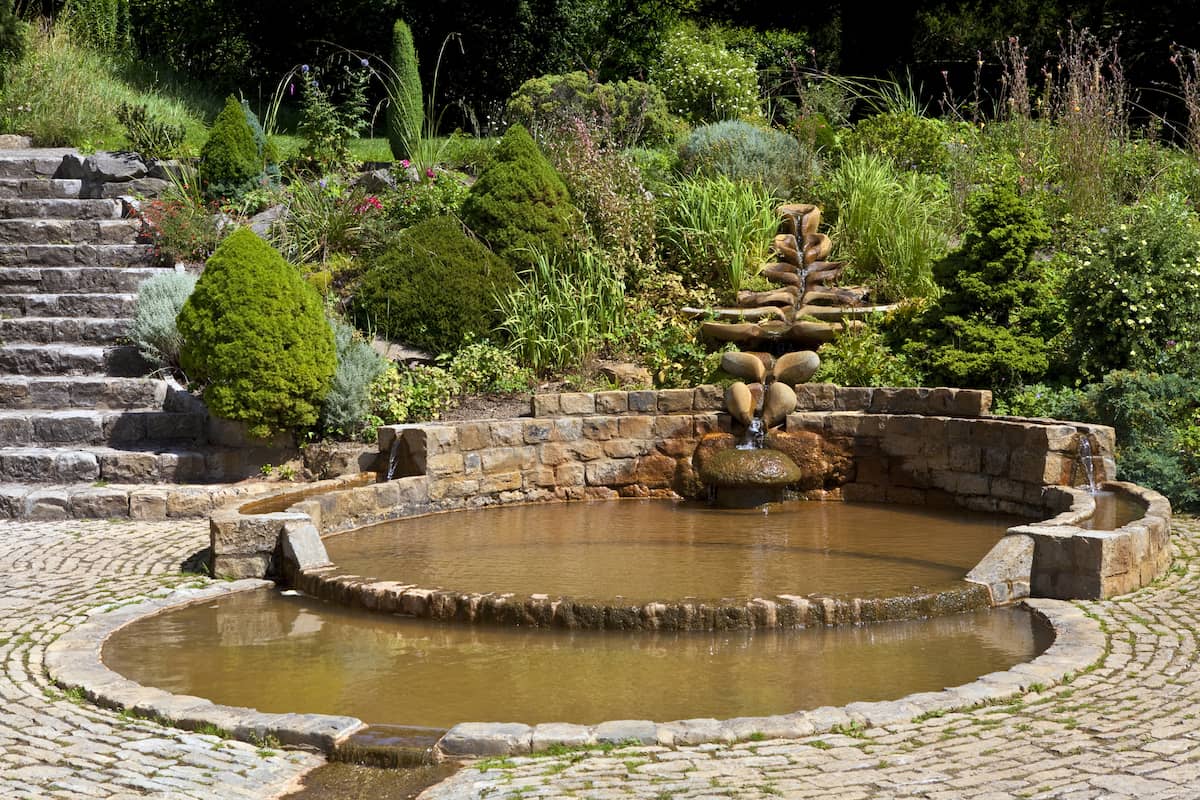
    The Vesica Pool in the Chalice Well Gardens
    The Vesica Pool in the Chalice Well Gardens.

    After your hike to and from the Tor, you’ll find yourself at the bottom of the hill right outside the Chalice Well. Find solace in these gardens and leave feeling refreshed, renewed, and with an indescribable sense of peace. 

    Chalice Well is one of Britain’s most ancient wells, surrounded by beautiful gardens and orchards. It’s a living sanctuary, where for over 2,000 years it’s been a place where people have gathered to drink the waters and find healing. 

    Many myths are attributed to the waters, which flow ceaselessly at a steady rate and at a temperature that never varies. The most famous myth is that the waters represent the blood of Christ miraculously springing forth from the ground when Joseph of Arimathea buried or washed the cup used at the Last Supper. 

    Are you starting to get an idea of how much history and legend is buried deep inside Glastonbury?! 

    Entrance fees are: 

    • Adults – £4.60 
    • Children (5 to 17 years) – £2.30 
    • Concessions – £3.80

    Tip: Bring your own water bottles and fill them up for free outside the Chalice Well! 

    The White Spring

    Just under the base of the Tor, lies the White Spring. The Chalice Well is known as the Red Spring, as it’s been touched with iron, while the White Spring is white with calcite. The White Spring is a wonderful contrast to the brightness of the Chalice Well. It’s cavernous, candlelit, and mysterious as can be.

    You might want to take your shoes off to walk through this sacred space, consisting of three domed vaults. The sound of perpetually flowing water is tranquil and the temperature stays consistent all year round. 

    Don’t be surprised if you see people bathing or conducting ceremonies in the springs either. 

    People from diverse backgrounds and traditions come from all over to experience the blessings of the well. It’s an otherworldly experience to be had in Glastonbury for sure!

    There’s no charge to get in, but donations are accepted. 

    And just outside you can fill up your water bottles again! 

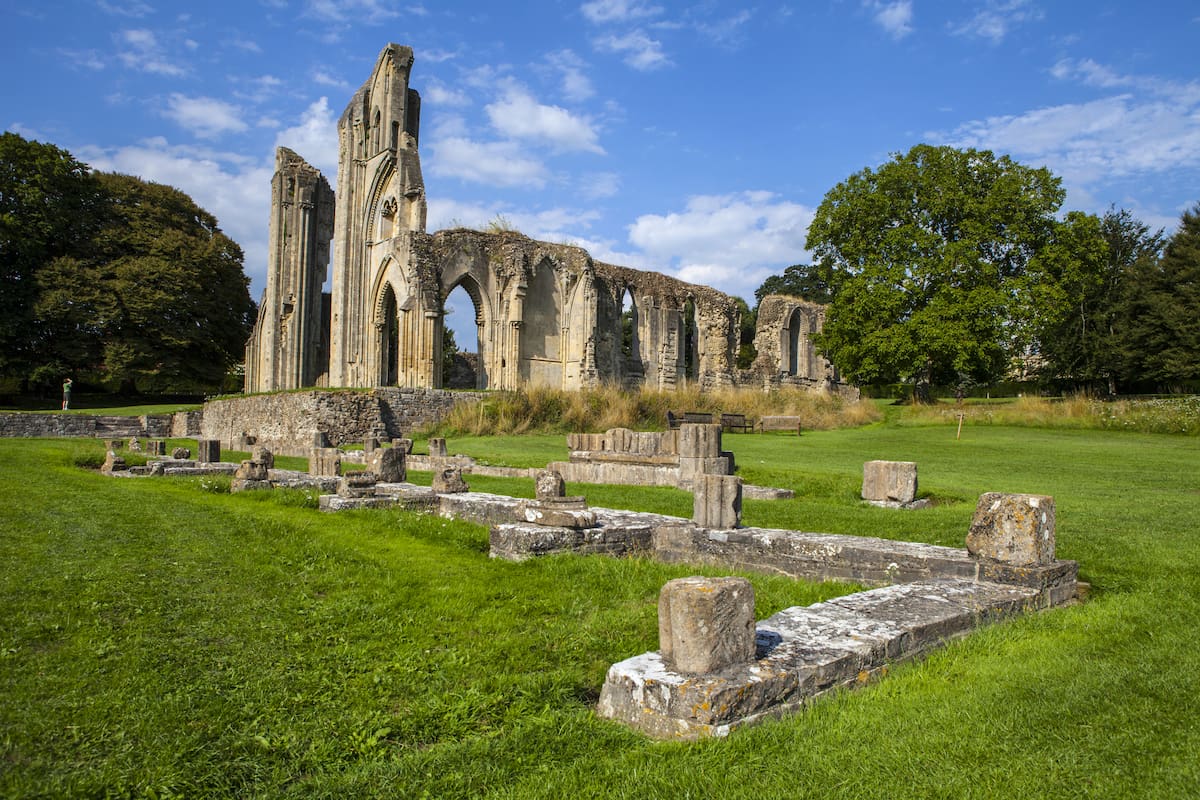
    Glastonbury Abbey

    Glastonbury Abbey in Somerset

    Glastonbury Abbey is a hidden jewel of Somerset. It’s held a prominent and sacred position in the Christian world since the earliest days of the church. Today the Abbey is revered as holy grounds and the Abbey Ruins are the site of the first Christian Church in Europe.

    And let’s not forget the grounds are reputed to be the burial sites of Joseph of Arimathea, The Virgin Mary, Saint Patrick and King Arthur. Legends claim both the Holy Grail and Arc of the Covenant were kept in the Abbey grounds. 

    The Abbey is set in 36 acres of parkland, which you won’t even believe, in the middle of Glastonbury village. They’re open 364 days a year, with a summer cafe, costumed guides, an accredited museum and a gift shop. You can even take your pup along!

    Abbot’s Kitchen

    The Abbot’s Kitchen is the largest monastic, octagonal building intact at Glastonbury Abbey. 

    It’s one of the world’s few surviving Medieval kitchens in all of Europe, known for its four large fireplaces. The Abbot of Glastonbury lived well and this well-preserved kitchen shows just how opulent the house was. Since it was the only building to survive, it was later used as a Quaker meeting room. 

    You can view the Abbot’s Kitchen with an entry to the Glastonbury Abbey grounds.

    Glastonbury High Street

    Glastonbury High Street
    Glastonbury High Street Credit: Sue Martin on Dreamstime

    The High Street in Glastonbury is known for its eclectic collection of weird and witchy shops and cafes. Windows full of color, crystals, esoteric books, witchcraft supplies and faery accessories are what you can expect to see. But it’s all in good fun!

    Take a walk on the wild side and pop into some of these shops and open your mind to something a bit off the wall. 

    Shop Recommendations:

    • The Goddess & The Green Man
    • Labyrinth Books
    • Wyrdraven
    • Star Child
    • The Speaking Tree Bookshop
    • Goddess Temple Gifts
    • The Firefly
    • The Crystal Man
    • Witchcraft Shop
    • Chocolate Love Temple
    • Courtyard Books
    • Draper of Glastonbury
    • Man, Myth & Magik

    George Hotel & Pilgrims Inn

    The George Hotel and Pilgrims’ Inn is thought to be the oldest purpose-built pub in the South West of England. The enchanting, gothic building dates from around 1455 and was established by the Glastonbury Abbey during the War of Roses so the business of pilgrimage could continue. 

    You can’t miss the inn from the High Street, just around the corner from the Abbey. Pop in for a drink at the bar or a meal set under creaking Medieval wooden beams, being warmed by a Tudor fireplace.

    Glastonbury Goddess Temple

    The Goddess Danu in Glastonbury city
    The Goddess Danu in Glastonbury city

    If you’re looking for some respite on High Street, head over to the Goddess Temple for something a bit different. It’s a one-of-a-kind space for the modern-day Goddess to pray, meditate, celebrate and worship the glory of the Goddess. People from all over Britain travel here for kinship and community.

    The Temple has been around since the 1980s and it’s unique in that they believe they might be the only public indigenous British Goddess Temple in all of Europe. You’ll find the decor and altar spaces are changed up with the seasons, set up by the Priestesses and Priests of Avalon, so there’s always something new to see and experience.

    The Goddess Temple’s a beautiful space that’s so inviting you might just feel at home. Upon entry, you’ll be greeted by the resident Priestess or Priestess-in-Training and instructed to remove your shoes and get more comfortable. The atmosphere is quiet and serene and within no time, you’ll feel the flurry of thoughts in your mind start to calm. But by the time you leave, you might just notice something different about yourself.

    Feel free to stop by this enchanted space for 10 minutes or 2 hours. And on your way out, definitely stop by Goddess Temple Gifts downstairs. Here you’ll find artwork, handmade pottery, jewelry, clothing and so much more, all crafted and designed with the Goddess as the central focal point. The Glastonbury Goddess Temple is open 365 days a year, from 12-4 pm, while the shop hours may change so check their website before you go!

    Best Casual Cafes

    Glastonbury High Street with people
    Glastonbury Credit: Chris Dorney on Dreamstime

    Glastonbury is known for its family-owned, eclectic cafes. You won’t have any problem catering to all foodie lifestyles. There are vegetarian, vegan and gluten-free options galore! I highly recommend checking out more than one throughout the day, even if just for a cake and coffee. 

    • Hundred Monkeys Cafe – Organic, Vegan, Gluten-Free & Dairy Free options
    • Rainbow’s End – Glastonbury’s original vegetarian & vegan family-run restaurant
    • Burns the Bread – A proper, old-fashioned British bakery serving savoury treats & sweet cakes
    • The Blue Note Cafe – Vegetarian, Vegan cafe serving light snakes & entrees at affordable prices
    • The Lazy Gecko Cafe – A quirky cafe filled with eclectic art, furniture & locals. Every dish is made fresh to order and the owners live right upstairs! This is my personal fave. 
    • The Winking Turtle Cafe – Bright, cheery and generous portions. Vegetarian, Vegan & Gluten-Free options. 

    Is Glastonbury Worth a Visit?

    So as you can see, Glastonbury is a unique place definitely worth visiting in southwest England. It’s not your average tourist destination and you’re guaranteed to leave a little happier and more peaceful than when you arrived. If you have the time, spend a whole weekend here and let me know what treasures you find! Do you think the legends and myths of the Isle of Avalon are true?

  • 9 Things To Do Near Lulworth Cove and Durdle Door

    9 Things To Do Near Lulworth Cove and Durdle Door

    The Jurassic Coast has to be one of the most stunning coastlines of Britain. Starting at Exmouth in East Devon and ending at Old Harry Rocks near Swanage in Dorset, there’s a lot to discover along these 95 miles of pristine waters and iconic towns. In this post, we’re taking you to Dorset, in the area of Lulworth Cove and Durdle Door. Whether you’re visiting for a day, weekend, or whole week, you’ll find a great variety of places to explore in the land of dinosaurs, fossils and castles.

    The Jurassic Coast is England’s only natural World Heritage Site famous for its rugged coastline and geology that dates back 185 million years in Earth’s history. While Lulworth Cove and Durdle Door are the reason most people visit this particular area in Dorset, there are many more places we’re going to show you to explore, that offer breathtaking views and photo opportunities.

    Things To Do Near Lulworth Cove and Durdle Door

    The Lulworth Coastline offers some of the best views of Jurassic and Cretaceous rocks for the geology buffs. Journey along the footpaths from west to east and walk to White Nothe, Bat’s Head, Durdle Door, Man O War, Stair Hole, Lulworth Cove, Fossil Forest and Mupe Bay.

    From picture-perfect postcard villages to jaw-dropping beaches and scenic coastal walks with towering cliffs, you’re sure to be swept away by the charm and history of the Jurassic Coast. We’ll show you how to make the most out of your trip to Lulworth Cove and all the surrounding areas that you can walk, hike or drive to.

    Tip: There are large car parks at both Lulworth Cove and Durdle Door. You can drive to both locations and park or walk along the coast.

    East & West Lulworth

    Lulworth Cove town
    Lulworth Cove town

    The village of Lulworth is quintessentially English, with East Lulworth being home to an array of charming thatched cottages in the rolling hills just outside Lulworth Castle. West Lulworth is where you’ll find Lulworth Cove, the Visitor’s Centre and an array of independently owned pubs, restaurants and shops. This is where you’ll want to stop if you fancy some fish and chips while overlooking the cove.

    Lulworth Castle & Park

    Lulworth Castle is deemed to be the most beautiful castle in the south and it’s actually quite impressive. It was originally built as a hunting lodge to entertain royalty in the 18th century but was then destroyed by a fire in 1929. It’s now been partially restored in partnership with English Heritage.

    On the grounds sits an 18th-century Catholic Chapel that I recommend seeing for the amazing ceiling mural. There’s also a children’s playground, the Castle Tearoom and extensive woodland walks to enjoy. The castle is closed in the winter so make sure and check their website for opening times.

    Lulworth Cove

    Kat in front of lulworth Cove
    Lulworth Cove

    Lulworth Cove is world-famous for its unique geology and landforms, not to mention its breathtaking scenery and blue seas. People travel from around the world to study the Lulworth Crumple and Stair Hole; stunning landforms created by the sea, a river and weather eroded the rocks in this area. The cove forms an almost perfect circle and you’ll find there are quite a few boats that dock here. For the best views, climb up onto the headlands on either the left or right side.

    Fossil Forest

    If you climb up the headlands on the east side of Lulworth Cove, you’ll be able to check out the Fossil Forest. This is the site of an ancient submerged forest, which grew 150 million years ago when the sea level dropped. Sea levels then rose again during the Earth’s last warm period, around 125 million years ago.

    As the Earth warmed, the ancient forest was flooded, killing all the plant life that had colonised this area of the coast. However, when the trees died during this time, their trunks and roots were preserved in the rock that we can see today! You’ll be able to see the surreal evidence of the round curves of the trees in the rock.

    Scenic Coastal Walks

    Scenic Coastal Walks in Lulworth Cove
    Scenic Coastal Walks in Lulworth Cove

    The region of Dorset offers so many beautiful walking routes with epic panorama views. Wander the cliffsides and discover hidden bays and caves as you explore the Jurassic Coast.

    One of the best walking routes in the Lulworth area goes from Lulworth Cove and over the cliffs to Durdle Door. The route is 2.5 miles and takes about 2 hours. Although there is some uphill walking, it’s a pretty easy journey along the coast for all ages and abilities. I’d recommend parking at Durdle Door, walking to Lulworth Cove for lunch, maybe a bit of shopping and walking back to break up the day a bit.

    For a longer, more challenging walk, take the 7-mile circular route of Durdle Door and White Nothe. Though it is challenging, it’s a walk that will your breath away. These paths have been trodden by people since the Stone Age!

    You’ll have spectacular views over the chalk stacks and arches that were once carved by the sea in Jurassic times. It’s especially nice in late Spring and early summer when the path is full of flowers and butterflies. And feel free to take your pup along as they are allowed on the beaches at Durdle Door and Lulworth Cove throughout the year. 

    Durdle Door

    Kat standing in front of Durdle Door
    Durdle Door on a Summers day

    The view of Durdle Door in person has a major wow factor! Durdle Door is considered the world’s most famous rock arch and was formed 140 million years ago by the sea hitting the soft rock until it eroded down to the limestone. This limestone now stands almost vertically out of the sea and I like to think it actually looks like a dragon.

    Tip: Visiting this area is not for those that are particularly afraid of heights!

    You’ll want to have good shoes on as you follow the natural cliff path down to the right to Durdle Door Beach or to the left to Man O’War beach. And say hello to the sweet cows that are grazing on your way! Man O’War beach is where I’d recommend setting up for a few hours if you’re going to do some swimming or sunbathing. Its perfect crescent shape is viewed from the top, but you’ll have to hike quite a ways down to access the beach itself.

    Durdle Door beach is where you’ll get the best views of the arch, but it’s a little busier and the water tends to be more choppy. However, both Man O’War and Durdle Door are pebble beaches with crystal clear water so you can’t go wrong.

    Corfe Castle

    Corfe Castle with Stream Train
    Corfe Castle with Stream Train

    It’s about a 30-minute drive from Lulworth/Durdle Door to Corfe Castle. When I was first driving up to Corfe Castle I actually had no idea what it was. It was completely surreal, with this structure towering above in the distance. Once we got closer I was able to see the ruins of a castle built upon a steep hill. There are car parks across from the castle and you can hike up, or you can choose to park in the village and walk straight into the castle grounds from there. We chose to park in town.

    The village of Corfe itself is completely medieval, constructed completely of local grey Purbeck limestone. It’s comprised of just East & West Streets that are linked at the north end by the square. Just off the square, you’ll find the entrance to Corfe Castle, a National Trust site.

    The castle is over 1,000 years old, once a royal palace and fortress. Being one of the earliest castles in England to be built using partial stone, when all the others were still being built with timber and earth, Corfe Castle is one of Britain’s iconic survivors of the English Civil War. Unfortunately, it was partially demolished in 1646 by the Parliamentarians, but the castle still has a romantic vibe and breathtaking views across Purbeck.

    There’s a humorous fast-paced audio experience placed throughout the grounds and included with entry that tells the story of Corfe Castle and life in it throughout the ages. Learn about kings, martyrs and heroines as you climb through the rocks and ruins and see what life must have been like from the high castle walls.

    And if you’re lucky you’ll get to hear and watch the full-size passenger steam train go by! I felt like a little kid when I heard the whistle of the train as it was getting near. It was the perfect way to end our visit.

    Old Harry Rocks

    Old Harry Rocks
    Old Harry Rocks

    Other than Durdle Door, Old Harry Rocks is the most photographed area along the Jurassic Coast. These rocks were formed around 100 million years ago when skeletons and plankton began to drift to the bottom of the sea. And over the course of about 35 million years, this seemingly simple process actually formed a thick, white blanket of limestone, known as chalk. These are the pure white chalk formations you’ll see as Old Harry today.

    You can’t miss the two white chalk stacks that mark the most eastern point of the Jurassic Coast. This whole area is protected by the National Trust. Of the two stacks, Harry is the smaller one farthest out at sea. A local legend of why the rock is called Harry is that one of Poole’s pirates, Harry Paye, was always hiding his ship behind the rocks while awaiting merchants to buy illegal goods from him. There are also other legends that say the devil used to lay on these rocks and that Harry used to have a wife, but she eroded into the sea over 100 years ago.
    With Lulworth Cove and Old Harry Rocks being only an hour’s drive from each other, you can definitely see both in a day as I did, or you can spend the whole day hiking along this part of the coast. To reach Old Harry Rocks, there’s a car park at the Bankes Arms Pub in Studland and from there it’s about an hour walk.

    Make sure and stop off for coffee, ice cream, or a sausage roll at a beach bar on your left heading to Old Harry or on the right on your way back. Here you can eat and drink right on the beach, kick your shoes off and watch all the boats and kayaks coming and going. I recommend a mocha!

    Tyneham Village

    Tyneham is a village with loads of character that sits to the east of Kimmeridge Bay and west of Lulworth Cove. Tyneham village is a pleasant mix of charming huts and country houses, with a traditional church smack dab in the middle of it. But what you won’t find in the coastal town are people. The village is completely deserted!
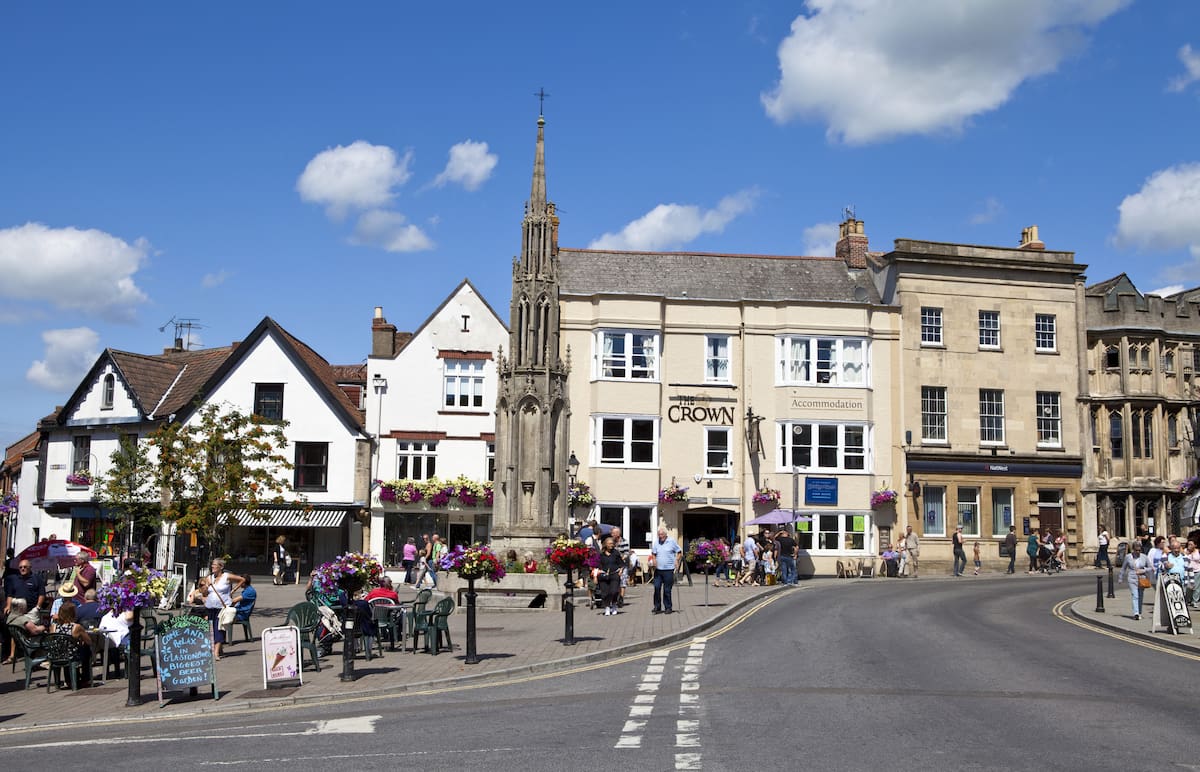
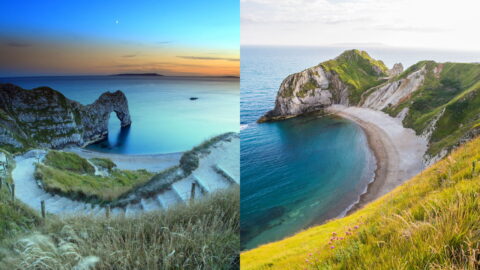
    It can feel a bit eerie walking around this seeming ghost town, but it’s worth a visit to see Britain’s lost village. But I know the question you might be asking; why was Tyneham deserted?

    Well back in 1943, on Christmas Eve of all days, this peaceful village and 7,500 acres of the surrounding heathland were taken by the War Office to help train Allied troops. As a result, the 252 inhabitants of the tiny Dorset village were only given mere days to pack all their belongings and leave their homes for good!

    As they were leaving their home, the displaced families pinned a note to the Church door reading this…

    Please treat the church and houses with care. We have given up our homes, where many of us have lived for generations, to help win the war and keep men free. We shall return one day and thank you for treating the village kindly.

    Sadly in 1948 the village and surrounding land were compulsorily purchased and the inhabitants were never allowed to return. What was a temporary militarisation of the area became permanent and it’s still used for gunnery and other training to this day. As your drive into Lulworth Cove and Durdle Door, you can’t miss the military operations all around you.

    But the ghost town of Tyneham is open to the public to visit on the weekends and it’s worth the views at Tyneham Beach as well.

    Have you been inspired by the geology and history of the area of Lulworth Cove and Durdle Door? Is it worth visiting for a day, weekend or week? Absolutely! I hope you’ve found here that there’s so much to see and experience along the Jurassic Coast and it’s a must-visit destination in the UK.

  • A Royal Day Out in Windsor

    A Royal Day Out in Windsor

    Windsor is the perfect place to spend a short break or a royal day out. Encapsulating beauty and unique history, Windsor is worth a visit for all of its royal attributes.

    You’ll find loads of ways to fill your time in Windsor. From visiting the Queen’s castle, beautiful parks, great food and shopping, you’ll get a taste of Britain’s royal high life.

    I recommend setting out early for Windsor so you have plenty of time. It’s also become an incredibly popular excursion from London since Harry and Meghan’s wedding in 2018.

    So let’s get down to it. I’ve broken down the best ways to spend not just any day in Windsor, but a Royal Day out in Winsdor!

    Photo-in-front-of-Windsor-Castle

    How to Get to Windsor

    You can spend a day in Windsor easily by train from London. The fastest and easiest way is from Paddington Station. You’ll change over to a Windsor and Eton Central train to Slough and luckily for you, these are very frequent!

    Even though you’ll have to change trains, the total journey will vary between only 22 and 35 minutes. Thankfully both train rides are relatively short, so if you end up having to stand, it won’t be too big of an issue. I say this because the trains to Windsor and Eton are pretty tiny, usually only two carriages.

    There is another train that runs directly from Waterloo to Windsor & Eton Riverside. It’s only a five-minute walk from the central station and drops you right in town as well. Takes slightly longer, just over an hour but no changes.

    The best way to book train tickets is by using the Trainline app.

    You can also drive from London in about 2 1/2 hours, depending on what part of the city you start from. There isn’t really any free parking in Windsor so do expect to pay. Download the Ring Go parking app so you can easily pay or increase your parking time.

    Windsor Castle

    Kat in Front of Windsor Castle

    Naturally, Windsor Castle should be at the top of the list and your royal highlight of the day, with 1,000 years worth of royal history! Did you know that Windsor Castle happens to be the largest and oldest inhabited castle in the world? That’s worth a visit in and of itself. Donned as the Queen’s favourite weekend home, the castle is known as “London’s country estate.” Oh so posh.

    Founded by William the Conqueror in the 11th century, Windsor Castle has been the home of 39 monarchs! That’s quite impressive. And means there’s a lot to see and do within the castle grounds.

    I recommend starting your day with a 30-minute tour of the Castle Precincts, where you’ll have the opportunity to learn about its past as a fortress and palace. And then pick up a free audio guide for the rest of the castle tour, that was introduced by The Prince of Wales. It’s a really helpful guide as you make your way throughout the castle.

    St George’s Chapel is not to be missed! Admire the intricate Gothic architecture of this royal chapel, where the marriage of Harry and Meghan took place. Within the chapel are also the tombs of 10 monarchs, including Charles I, Henry VIII and his third wife, Jane Seymour. 

    Explore the State Apartments, where the Queen hosts official visits and you’ll definitely want to see the lavish Grand Reception Room, with stunning crystal chandeliers. How much more royal can you get?

    Then you have the Semi-State Rooms, which are mostly used for the Queen’s entertaining purposes, as it’s only open to the public between September and March. I’m guessing she entertains more in the summer?

    Then you’re on to the Queen Mary’s Dolls’ House, where you’ll be astonished by the intricacy of this detailed dollhouse built for Queen Mary in the 1920s. It’s an exact replica of an aristocratic home, complete with electricity and water. What?!

    Side of Windsor Castle

    Moving on to the Moat Room and China Museum, you’ll round up your visit to Windsor Castle. And let’s not forget to mention the paintings by Rembrandt, Rubens, Canaletto, Leonardo, Holbein, Michelangelo and Raphael you’ll find throughout the castle. Just a few small works of art 😉

    Tip: The ticket that you purchase can give you a year’s entry into Windsor Castle. On your way out you get your ticket stamped to get this validity.

    Changing of the Guards

    Changing of the Guard at Windsor Castle
    Changing of the Guard at Windsor Castle

    Most people know about the Changing of the Guard ceremony as marking the changeover of duties between two groups of guards at Buckingham Palace. But did you know the same event takes place at Windsor Castle regularly as well?

    It’s known to be a privilege to guard the monarch and the privilege traditionally belongs to the Household Troops, better known as ‘the Guards’, who’ve been carrying out this duty since 1660. It’s quite a spectacle to observe!

    The ceremony can be watched by Castle visitors on Thursdays and Saturdays, but you can also catch parts of it for free from Windsor high street. The guards will arrive at the Castle just before 11:00, but the schedule has been known to change quite a bit so be sure and check the British Army website for dates and times.

    Bel & the Dragon

    I’m sure you’re getting hungry by now, so pop into the Bel & the Dragon for a yummy bite to eat after all that walking through the castle grounds. You’ll still get a view of the castle, being just steps from the gates, from this traditional English pub, that’s been serving food and drinks since the 11th century!

    It’s worth a visit to Bel & the Dragon if you fancy a royal afternoon tea on the terrace, you’re hankering for a Saturday bottomless brunch, or you’re ready for a good ole’ Sunday roast. Mmmm

    Windsor Royal Station

    Windsor Royal Station

    I found the Windsor Royal Station to be absolutely enchanting. It made me feel like I was in Harry Potter world for some reason; just a kind of magical feeling. As the crown jewel of shopping in Windsor, how could it not be?

    The partially covered shopping centre was converted from part of the old central railway station built in the 1850s, hence the charm.

    In 1997 additional units were built, and waiting rooms and left luggage stores were converted to modern shop units, all in a complementary style of course.

    Many of the original features of the Victorian station still remain, like the Jubilee Arch and the characteristic cobbled stones. The building that now houses All Bar One was even built for the exclusive use of the royal family! And you can still find Queen Victoria’s waiting room there.

    With such royal history, the Windsor Royal Station is a great place to have a coffee and pastry and watch the people bustling by with their shopping.

    Alexandra Gardens & Royal Windsor Wheel

    After all that time indoors and now that you’re belly is hopefully full, it’s a great time to check out the Alexandra Gardens. Even upon arriving in Windsor, you’ll notice how beautifully green the village is. The River Thames flows right through town, giving it a distinctly peaceful atmosphere.

    The pretty Alexandra Gardens are at the front of the river, and in summer, the Royal Windsor Wheel goes up, offering superb views over the town and castle. This is Windsor’s answer to the London Eye and a fun attraction in the middle of your busy day.

    Dorney Court

    Dorney Court is regarded as one of England’s finest Tudor Manor Houses. And this Grade-I listed stately home is worth a visit for all the history buffs, for sure. It’s home to the Palmer Family, who have cared for the property of Dorney Court and the surrounding Estate for 500 years!

    Today, you’ll find a property full of character nestled within landscaped gardens and overlooking green parkland full of ancient yew hedges. And you’ll even see horses, cattle and sheep grazing! I never get over how cute the sheep in England are.

    Inside Dorney Court, spend your time wandering through the spectacular Great Hall, browsing artworks, tapestries and eccentric architecture. You might even catch a glimpse of a ghostly apparition of a bald woman stalking the landings. Gasp

    The House and grounds can even be somewhat recognisable for regular appearances on the screen. Now it gets even more interesting with most recent acts including David Copperfield, All Is True, Belgravia, Endeavour, Midsomer Murders and The Last Dragon Slayer. So exciting. Old and new history-making.

    The church of St. James the Less towers over next to Dorney Court and dates back to the Norman Conquest. This church has been on this particular patch of land, north of the River Thames, since at least the 12th century. What that means is that today’s active congregation continues a tradition of worship going back nearly 1,000 years!

    Eton College

    The prestigious Eton College is known for having royals on its honour roll. Princes William and Harry, as well as numerous British prime ministers, novelist Henry Fielding and poet Percy Shelley are among them.

    With a visit to the College, you can tour the Museum of Eton Life, Museum of Antiquities and Natural History Museum; great for those eager to explore the college’s scholarly history.

    Further A Field Activities in Windsor

    You’ll need a car and allow a bit more time to fit these activities into a day.

    Racecourses

    A visit to the world-famous Ascot Racecourse is a pillar of British sporting and social culture. Queen Anne first saw the land that had the potential for horseracing in 1711, while riding out from Windsor Castle.

    Since then, twelve different monarchs have helped make Ascot one of the world’s best-loved racecourses in the world. It now covers 179 acres and welcomes 630,000 guests each year.

    The Royal Windsor Racecourse is set on its own island, within 165 acres of stunning Berkshire countryside. Residing on the River Thames and in the shadow of Windsor Castle, it’s an exciting atmosphere for a memorable royal British experience.

    Arrive in style by catching a riverboat from Windsor Town centre. And beforehand, grab a drink on the River Thames as you step off onto the racecourse’s private jetty. How royal.

    Windsor Great Park

    Ruins in Windsor Great Park
    Ruins in Windsor Great Park

    Windsor Great Park covers an impressive 4,800 acres and is home to 500 free-roaming red deer as well as a lake, an abundance of walking trails, a bridleway and gardens. Once a popular hunting spot with kings gone by, this is a land that the monarchy has enjoyed through the ages.

    The Great Park includes Royal residences, formal gardens and trees that have stood for over 1,000 years. As you wander through each twisting path, you’ll know it’s steeped in England’s history.

    From William I using the landscape as a hunting ground a thousand years ago, to the original planting of the Long Walk by Charles II, Queen Victoria entertaining on the shores of Virginia Water, to the stewardship of H.R.H the Duke of Edinburgh as Ranger of the Great Park for nearly 70 years, our Royal connections have remained strong throughout the years.

    The Story of Great Windsor Park

    The Savill Garden has magnificent horticulture displays. The Valley Gardens is an enchanting woodland trail and the Virginia Water has impressive views of its lake and cascading waterfall.

    And then of course there’s the iconic tree-lined path from Windsor Castle to the Copper Horse statue, where you might just encounter the deer herd grazing in this ancient parkland.

    No matter which area you decide to explore, you’ll have a relaxed and inviting time visiting Windsor Great Park.

    Legoland Windsor Resort

    Okay, I know what you’re thinking; Legoland isn’t very royal. Well, maybe not, but it’s worth adding to the listing of things to do in Windsor because it’s just so much fun! And they did create a special display for the Royal Wedding of Prince William and Kate Middleton…that’s royal.

    Being situated just outside the city centre and with a variety of lands to discover, Legoland Windsor Resort isn’t just for kids. If you’re wanting to get in touch with your inner child, this could be your answer! I wonder if the Queen has ever visited…

    Check out Duplo Valley with its water park, Knights Kingdom with its castle, Adventure Land with its submarine ride and Lego Ninjago with its 4D interactive ride. There’s plenty to keep you entertained with or without kids!

    So, what do you say? Are you feeling more royal just after reading about Windsor? I hope this list has you hopping on a train or in a car for a royal day out. You really can’t immerse yourself in British royalty much more than you can in this charming village, just a stone’s throw from London or Heathrow Airport. Channel your inner royalty in Windsor!

  • Canterbury Day Trip: Exploring Kent’s Historic, Hidden Gem

    Canterbury Day Trip: Exploring Kent’s Historic, Hidden Gem

    Canterbury is an ideal day trip from London, where you’ll explore Kent’s historic, hidden gem of a town.

    Being only 100 km from London, Canterbury is a short 2-hour train ride or you can opt for the high-speed train and arrive in just 50 minutes. If you’re a driver, you’ll be amazed at how quickly you’ll arrive by car in just over an hour!

    Two things usually spring to mind when thinking of Canterbury; the famous Canterbury Cathedral and Geoffrey Chaucer’s Canterbury Tales, and you’ll see why.

    You’ll quickly understand the appeal of this UNESCO World Heritage Site. You’ll feel like you’ve stepped back in time as you enter through the gates of Canterbury and into a maze of charming alleyways and medieval buildings. It was here in this town that St. Augustine converted the first Anglo Saxons in 597 and where pilgrims travelled to for centuries due to its holy roots.

    the old weavers house canterbury
    The Old Weavers House Canterbury is one of the most photographed spots in England.

    Then you have the tranquillity of Westgate Gardens along the riverside, with an array of benches and green space, which will have you stepping back in time to a slower-paced life.

    This highly walkable and extremely charming town is well worth the trip for the Cathedral alone, but I’m going to give you a guide of all the best places to see and things to do in Canterbury to help plan your perfect day out. And being within easy reach of Whitstable and Herne Bay, you might decide to spend a couple of days exploring the area around Canterbury as well.

    So here’s how you can easily explore historic Canterbury in a day, without feeling rushed at all.

    The Goods Shed

    The Goods Shed food market in Canterbury
    The Goods Shed food market in Canterbury

    I recommend getting off the train at Canterbury West so you can start your day at The Goods Shed for a coffee. It’s literally right next door to the station. If you’re driving, there’s also a multi-story car park, where you can park for just $10 for the day.

    The Goods Shed is a fabulous little gem with lots of options for fresh food and photo ops. Being a farmer’s market, food stall and restaurant, it’s a foodie paradise. This is a great stop for chatting with locals and getting the freshest farm-to-table produce imaginable. You’ll find delectable cheeses and an olive selection to make your mouth water, along with local jams, olive oils and wines.

    Treat yourself to a full breakfast before your walking tour of Canterbury or have a pastry and coffee from The Bread Shop to perk you right up!

    The Westgate

    The Westgate in Canterbury with Gardens and river in front
    The Westgate in Canterbury with Gardens with the River Stour

    It’s just a quick 5-minute walk from The Goods Shed to the Westgate, which is impossible to miss. The Westgate will give you a grand entrance into the cobbled streets of Canterbury. This 60-foot medieval gatehouse is the largest surviving city gate in all of England, and the last survivor of the seven original gatehouses in Canterbury, erected in 1379.

    Walk through these stout, towering gates and emerge into another world.

    Beany House of Art and Knowledge

    Beany House of Art and Knowledge in Canterbury
    Beany House of Art and Knowledge in Canterbury

    As you make your way down the high street, you might find yourself smiling in awe as you enjoy the character of the medieval buildings, inns and pubs. Even the doorways are fun places to admire and get more photos.

    If you haven’t stopped too many times by now, in just 5-10 minutes you’ll come across an eccentric-looking building, with a gothic err on the left-hand side that will bring you to a halt. You might be tempted to keep walking, but follow the pull to go inside and you’ll find the most unexpected surprise; the Beany House of Art and Knowledge.

    Within this Victorian-era building you’ll find Canterbury’s Museum, Art Gallery, Library, Visitor Information Centre, and the best part; a public toilet! And all of this is free upon entry.

    I was really impressed with how much the Beany House had to offer. As you walk up the winding stairs, there’s a sign near the entrance that reads,“This collection has been filled by global travellers and is formed from the finds of mercenaries and missionaries, soldiers and diplomats, artists and writers.”   

    The Museum has a sizeable collection of Victorian taxidermy, artefacts from the ancient civilizations of Rome, Egypt and Greece, and exotic ethnographic objects from the time of the British Empire. It’s quite the collection and worth a visit to see.

    Butchery Lane

    Butchery Lane in Canterbury
    Butchery Lane in Canterbury is perfect for a photo op.

    After the Beany House, just a few minutes walk up the main road, you’ll turn left onto Butchery Lane to head towards Canterbury Cathedral. This is the most famous street in Canterbury and is a great place to stop and snap a photo of the cathedral from the street at a distance.

    Canterbury Roman Museum

    Canterbury Roman Museum
    Canterbury Roman Museum

    If you’re not in a hurry to get to the cathedral, consider stopping off at the Canterbury Roman Museum, located on Butchery Lane. It’s a delight for history lovers. As Kent’s only Roman Museum, it’ll give you insight into Roman life in Britain. Here you’ll find the remains of a large Roman house, incredible mosaics, jewelry, and unusual glassware from ancient times.

    Canterbury Cathedral

    Canterbury Cathedral in the rain
    Canterbury Cathedral

    The Canterbury Cathedral is a jaw-dropper, aptly named the most striking cathedral in all of Europe, and those are some big shoes to fill. I was in complete awe walking up to and through the cathedral and grounds. It’s easy to see why this is the main attraction in Canterbury. Give yourself a good two hours to explore here.

    With more than 1400 years of Christian history, the Canterbury Cathedral has seen it all. It’s the Mother Church of the Anglican community, had an influential role in the Magna Carta negotiations, and was the exact spot where Archbishop Thomas Becket was murdered in 1170. It really is the holiest of holy places in England.

    Canterbury Cathedral stained glass windows
    Canterbury Cathedral stained glass windows

    The Cathedral was established when St. Augustine arrived in 597 AD as a missionary. He founded the cathedral within the Roman city walls and was made the first Archbishop of Canterbury. Pilgrims then began their pilgrimages to the city for prayers and religious services.

    Centuries later, Thomas Becket, the Archibishop of Canterbury from 1162-1170, was murdered by Henry II of England over a conflict, which became a key element in the history of the cathedral. After his death, it was decided the cathedral would undergo expansion.

    St Thomas of Canterbury Tomb
    St Thomas of Canterbury Tomb

    Then a fire in 1872, completely tore down the Trinity Chapel roof and when the building was restored, it was restored in Gothic style.

    As you enter the cathedral through the imposing gates, you’ll first see the intricate, grand wooden door. Then make sure and look all the way up at the ceiling. It’s so high, I got a little dizzy, but it’s so beautiful, the breathtaking ceiling is not to be missed. The cathedral is famous for its fan-vaulted ceilings throughout the building.

    The massive crypt beneath the east end of the cathedral is the next place to visit once inside. It features Romanesque murals and carved pillars, with multiple rooms to explore.

    Take the time to marvel at the beautiful masonry on the exterior walls of the cathedral and the cathedral cloister. The cloister is where the monks would have meditated and studied, under a covered walk. Then there are statues that include the greatest of the archbishops, influential kings and queens who were connected with the cathedral.

    There’s also a corner that tells the history of the monastery that was part of the cathedral and what life was like on the monastery grounds for the monks. There’s really so much to learn at the Canterbury Cathedral and it’s all highly fascinating.

    Take a photo in the hallways of Canterbury Cathedral
    Take a photo in the hallways of Canterbury Cathedral

    Note: Unfortunately, they have been undergoing a series of renovation work, inside and outside, since 2014. But all that means is your view will be partially obstructed by scaffolding. I’ll admit, I was a little disappointed by this so I thought I’d mention it so you’re not surprised by it like I was. I was told that the construction is due to be completed by Spring 2022.

    The King’s School

    A short walk from the Canterbury Cathedral and still within its grounds, is the oldest operating school of England, The King’s School. The school has been in the exact same spot ever since the arrival of St. Augustine in 597 AD.

    If you visit Canterbury on a weekday, you’ll see loads of students roaming about, but you can only get a guided tour of the school if your child is interested in studying there. It’s worth taking some photos of the outside though and the high energy of the children makes it feel a little enchanting.

    Shrine of St Thomas of Canterbury

    Once you’ve left the cathedral grounds, turn left and you’ll find the Catholic Church and Shrine of St. Thomas of Canterbury up on the right-hand side about 5 minutes away.

    After the murder of Archbishop Thomas Becket, Canterbury became one of the major centres of pilgrimage in Christendom. Thomas’ shrine became the centre of great devotion and prayer until its destruction in 1538 under King Henry VIII.

    Fortunately, some relics from the original shrine in Canterbury Cathedral survived. They can be seen in the Martyrs’ Chapel. This is a sacred space to visit and offer up prayers and intentions for those who have spoken out against corruption and injustice.

    St Augustine’s Abbey Ruins

    Keep walking in the same direction (east) and you’ll come across St. Augustine’s Abbey. These ruins are an English heritage site that is part of Canterbury’s UNESCO heritage centre. It’s located to the east of Canterbury Cathedral and right outside the city walls. This is one of the most important religious sites in England.

    Ruins of the abbey and other buildings are now accessible by grass paths and gravel walkways and you can get a partial view from the gates at the road.

    There’s an exhibition within the ruins that traces the story of the abbey and its founders and there’s also a museum where you can check out excavated artefacts. And if you want the full-on experience, you can use the virtual reality headsets to experience firsthand what life in the abbey would’ve been like.

    Sir John Boys House

    After the Abbey, head back west towards the heart of town. You must visit the crooked Sir John Boys House, one of the most photographed buildings in Canterbury. It looks unreal! The crooked house with a crooked door tilts to the side at an angle that doesn’t seem possible for it to stand and you might wonder if it’s going to topple over any minute. But alas, it’s actually habitable!

    Sir John Boys House is located at the end of Palace Street, close to the cathedral. It houses a charity bookshop and is free to enter, but check online because it was closed as of January 2022. But it’s a fascinating stop for a photo and a must-see in person either way!

    The Parrot Pub

    By now you might be ready for a pint or a drink. The Parrot Pub is one of Canterbury’s oldest buildings and is the oldest pub in town. The Parrot was built on Roman foundations in the 14th century, at the same time the famous cathedral was under construction.

    You’ll find The Parrot tucked away down a picturesque cobbled street and inside you’ll find the historic style of the pub still holds true today. With medieval beams, enormous oak floorboards and authentic open fires, you can’t get much more atmospheric than this.

    Westgate Gardens

    Westgate Gardens with flowers
    Westgate Gardens

    After you’ve stopped for a pint or grub, you’ll be feeling nice and relaxed and ready for your final destination. One of the most enjoyable things to do in Canterbury is to enjoy a scenic walk through the Westgate Gardens. I ended my day doing just that.

    Westgate Gardens has 11 acres of public gardens, which are set around the Tower House, a medieval bastion constructed to defend Canterbury’s city wall.

    The Tower House was first made 100 years ago and has a 14th-century tower of the city wall. Have a walk following the River Stour upstream or take a historic river tour.

    If the weather’s nice, during your river tour, you’ll have a chance to learn the rich history of the city and even see the best architectural and historical sights, as well as hear some of Canterbury’s oldest myths and legends.

    Enjoy watching the swans in the river, passing over the small bridges and taking in the unique fauna. And check out some more crooked buildings across the river!

    Well, I hope you’ve enjoyed your historic day in Canterbury. I know it’s a day you won’t soon forget. I’m sure you’re thinking the cathedral alone will be worth your trip, but I’m sure you’ll see everything in Canterbury is worth visiting. Make sure and add this to your list of ideal day trips from London and gems of England you must see.

  • How to Spend One Day in York

    How to Spend One Day in York

    York is the perfect bite-sized taste of medieval England: the twisting alleys and teetering houses look virtually the same now as they did 600 years ago.

    Its beautiful streets and long history have helped make York one of England’s favourite cities – it’s one of those places you absolutely have to scratch off the bucket list.

    And if you can only spend one day in York, this is the perfect way to do it.

    One Day in York

    A Full Itinerary for One Day in York

    This itinerary has been made to include all of York’s most famous sights on an easily walkable tour of the city. I’ve included some of my favourite food stops, coffee shops and lesser-known spots along the way.

    Have a Full English Breakfast at Brew & Brownie

    A breakfast at Brew & Brownie is the best way to start your day in York. They do both a traditional and veggie English breakfast made using high-quality seasonal produce, sourced from around Yorkshire whenever possible. 

    If a full English is – understandably – too much for you early in the morning, there’s plenty of other options, vegan or otherwise, to choose from. I recommend the smashed avocado on sourdough toast – it’s amazing.

    The cafe is cosy but contemporary, and made welcoming with that classic warm, northern hospitality. With delicious food, coffee and a lovely atmosphere, there’s nowhere in York I’d rather go for breakfast.

    Beat the Crowds to York Minster

    York Minster in England
    York Minster in England

    Follow up your hearty breakfast with a trip to the city’s most iconic building, York Minster. Conveniently located just down the street from Brew & Brownie, you can nip in early and avoid the crowds that tend to gather later in the day. 

    In the morning, it feels incredibly peaceful to walk around at your own pace, admiring some of the finest examples of medieval art in the stained glass windows around the cathedral. 

    There are few things more awe-inspiring than witnessing the careful craftsmanship that went into building the cathedral. It really is mind-blowing that people were able to achieve something on the scale of York Minster 800 years ago.

    It is literally an unmissable part of the city: the cathedral is the largest example of Gothic architecture in northern Europe. The imposing structure took centuries to build, starting in the 1200s and finally reaching completion in 1472

    For an extra fee, you can climb up the 275 steps to the top of the Central Tower for wonderful panoramas over the city.

    Wander Through Ruins at the Museum Gardens

    St. Marys Abbey Museum Garden in York
    St. Marys Abbey Museum Garden in York

    Doubleback on yourself slightly and head to the Museum Gardens, by the River Ouse. 

    The beautiful botanical gardens are home to the York Observatory, the Yorkshire Museum and a scattering of medieval and Roman ruins. The ruined Benedictine St Mary’s Abbey was built in the 11th Century. Weaving between the crumbling remains of the monastery inspires the imagination – it’s easy to envision a time before the Abbey’s destruction.

    Even older is the Roman Multangular Tower. The legionary fortress was once a part of a huge stone wall, and was built around 1800 years ago. It’s the best preserved example of the Roman presence in York – which there was a surprising amount of. Constantine the Great was even proclaimed Emperor in the city in 306 AD, supposedly on the site of York Minster.

    Wander back along Dame Judi Dench Walk – named for the York native – to get back into town.

    Grab a Coffee from Spring Espresso

    York isn’t short of independent artisan coffee shops. Many an hour has been spent staring wistfully out onto cobbled streets and spired rooftops, clutching a hot drink – the city might as well have been built with coffee shops in mind. 

    But the coffee at Spring Espresso is a cut above the rest. Award-winning baristas crafting artisan coffee – the drinks here are exceptional, and the best York has to offer.

    Other great picks for a cup of coffee:

    • The Perky Peacock  
    • Coffee Culture
    • The Attic

    Stroll down the Shambles & Discover York’s Snickelways

    The Shambles in York.
    The Shambles in York. Credit: Andorapro on Dreamstime

    Amble down to the Shambles for a glimpse into history on England’s most picturesque street. The delightful ramshackle of overhanging timber-framed buildings and crooked storefronts are thought to be an inspiration for Diagon Alley in Harry Potter.

    Have the Shambles become a tourist trap? A little bit, yes. But there’s nowhere in York that better captures the romance and charm of medieval England. 

    In between the tacky tourist shops and endless Harry Potter souvenirs, you can still find a few authentic independent stores. Ye Olde Sausage & Pie Shoppe is a personal favourite – they make a phenomenal pork pie!

    While the Shambles is a contender for the most famous street in England, the Snickelways are often forgotten. 

    These cute medieval alleys are often similar to the Shambles in appearance, with wonky buildings and narrow footpaths the norm. Lady Peckett’s Yard is the prettiest, and Mad Alice Lane is the most memorable – for obvious reasons!

    Lunch at the Fossgate Social

    The Fossgate Social is really a bar, but the lunch menu is so good that it is easy to forget.

    You can get pancakes, toasties, sourdoughs and sandwiches alongside your drink (but maybe not all at once!). There’s vegan options as well, and though the menu is small, the quality is good. I love the chill atmosphere in the Fossgate Social. It’s got that indie, laid-back vibe you often find in creative districts. 

    It’s also just around the corner from the 14th Century Merchant Adventurers’ Hall, which is worth a quick stop.

    Pick a Museum

    Yorkshire Museum York
    Yorkshire Museum York

    In a city where history is practically infused into the walls, a collection of excellent museums seems inevitable. York has some of the most fun and interactive museums in any city I’ve encountered!

    • JORVIK – this famous Viking museum mixes fascinating exhibitions with an entertaining jaunt into 10th Century York. The animatronic ride gives you the chance to experience the sights, sounds and, unfortunately, smells of the Viking Age. Adult ticket (advance): £12.50. For an alternative Viking themed activity, try axe-throwing at the Hilt.
    • National Railway Museum – the railway has had an immeasurable impact on the world as we know it. The National Railway Museum houses an impressive collection of locomotives, and offers great insight into the history of the railway. Free to enter.
    • York’s Chocolate Story – the history of chocolate is a story that I think we can all get behind. Throw in some of York’s most famous brands and plenty of taste-testing – this is a tour guaranteed to make you melt. Adult ticket: £15.
    • York Castle Museum – the award-winning Castle Museum explores 400 years of York history. From Georgian prisons to iron corsets, the museum leaves no aspect of historical society unexplored. Adult ticket: £8.50.

    Ignore any and all lists telling you the climb up to Clifford’s Tower is essential viewing. The tower is honestly more impressive from below, and is really only worth entering for die-hard history buffs and the – admittedly spectacular – view. But if a view is all that you’re after, you’d be better off heading to the swish new Sora Sky bar.

    Walk Along the City Walls

    City Walls with York Minster
    City Walls with York Minster

    The City Walls are as much a part of the fabric of York as the Minster and the Shambles. They have been a part of the city since Roman times, though little remains of the original wall. 

    What you see today is mostly from the 13th Century – and were built to help defend against the Scots. People flock to the walls for a lovely walk around the city, with fantastic views of the cathedral and gatehouses. 

    It can get pretty busy, which is why I have put it towards the end of the day. The best time to walk along the walls is either early morning or just before dusk, as most of the crowds have dispersed by then.

    The entire circuit is around 4km long, but you’re not stuck on the walls until the bitter end. You can hop on and off at different entry points – you can only do a small section if you’d prefer. 

    I recommend seeing the small fortresses and gatehouses of Monk Bar and Walmgate Bar if you can. These ornate town gates were once the main entry points into the city.

    Got some time? Head to the Quiet Place at York University

    York St. John University campus
    York St. John University campus. Credit: Peter Austin on Dreamstime

    If you find yourself with a bit of time to kill, or just fancy some peace and serenity away from the crowds, visit the Quiet Place. The landscaped gardens at York University are a designated area of stillness and quiet. It’s the perfect place to unwind after a busy day, and is often used for contemplation and meditation. 

    You don’t have to be a student to enter: visitors can obtain the access code for the gate and door from Derwent Reception. This pretty spot is a little out of the way though, so be prepared to walk some distance or catch a bus.

    You could head to the Reading Cafe in Rowntree Park for a similar experience closer to the centre.

    Around the World Dining at SPARK* 

    If you like vibrant, bohemian-style eateries with a fantastic variety in cuisine and vendors, you’ll love SPARK*. The trendy food hall offers a casual dining experience – you sit down to eat in a piled up collection of artfully upcycled shipping containers.

    The project began as a way to revitalise the Piccadilly neighbourhood, supporting independent traders and bringing a burst of colour to a rundown area – it’s been a huge success. The food hall is one of the coolest places in York for an evening meal, and always has an electric atmosphere. 

    From vegan tacos to Sicilian street food, the food at SPARK* is rich in flavour and dips into so many different cultures. Whether you want to eat BBQ from the Smokeyard Club or a Mediterranean salad from Frango Eduardo, there’s so much choice – even pickier eaters are bound to find something to enjoy!

    Go on a Ghost Tour

    old town clock in York
    Old town clock in York. Credit Michael Warwick on Dreamstime

    A city as old as York is bound to have a few ghosts lurking around, and the tall-tales and local legends told on the ghost tours are sure to entertain even the most staunch of sceptics

    It’s a fun way to explore the city with a knowledgeable guide. Most of the guides are locals to York with a passion for history and a flair for the dramatic – but the over-the-top storytelling is half the fun. 

    Turning the spooky factor up is the fact that York has some notoriously haunted locations. The Golden Fleece is one of the most haunted pubs in England!

    Whether you are hoping to spot a ghost or get a macabre insight into the city’s dark underbelly, a ghost tour is a memorable way to start the evening. There are a number of different tours available, but the Ghost Keeper Tour of York and The Bloody Tour of York are both great options.

    Have a Drink in the House of the Trembling Madness & Evil Eye

    End your day in York with a visit to one of the city’s best loved bars. 

    Evil Eye has been a fixture in lists for best bars in England for years, and for good reason. The cocktails are absolutely exquisite and the gin menu is the most extensive you’ll ever see. It’s a bar with a quirky vibe that feels more like London than York, but has a relaxed atmosphere that is easy to enjoy.

    House of the Trembling Madness gives a different experience. Exchanging the cocktails for craft beers and the colourful interior for rustic tavern chic, the Trembling Madness is a low-key, very York-like way to enjoy a few pints.

    The final adventure of the day is navigating those cobbled streets after a few drinks!

    As you can see, it’s easy to pack a full day of activities into walking around York. This ancient city is a must-see in England – and you’ll love every minute exploring it as much as I did.

  • Bath vs Bristol: Which Should I Visit?

    Bath vs Bristol: Which Should I Visit?

    Only 12 miles separate Bath and Bristol, but you wouldn’t know that by looking at them.

    Despite being only a stone’s throw from one another, these two cities have incredibly different atmospheres. Bath is famous for classical architecture and its historic Roman Baths; Bristol, with its trendy creative scene, is vibrant and exciting.

    Both of these cities are popular destinations – and they typically attract two very different types of people. To help you decide whether you should visit Bath or Bristol – or both – I’ve compiled a nifty guide comparing the two.

    Reasons to Visit Bath

    View of Pulteney Bridge for a distance

    With 6.25 million tourists visiting every year on average, Bath doesn’t struggle to provide people with reasons to visit. 

    The city is the epitome of elegance and refinement – when you step out onto paved streets lined with pristine Georgian architecture, you are given the impression that you have not only stepped into a new city, but into a different time.

    It’s a fantastic place to explore on foot – everything is conveniently contained within a small area, so it’s a very walkable city.

    Here are just a few of the reasons why Bath is so popular.

    Beautiful Architecture

    Roman Baths
    Roman Baths

    Bath is a city made for leisurely strolls.

    Gorgeous columns of golden stone and Neo-classical designs of palatial style buildings are the backbone of an astonishingly homogenous city. Turn any corner and you’re simply faced with another beautiful street – all honey-yellow hues of Georgian architecture and Regency elegance. 

    It’s easily one of the most beautiful cities in England. The entire city is a designated UNESCO World Heritage Site; an honour shared with no other city in the UK.

    This is partly due to the Roman Baths, but also the uniform nature of the architecture across Bath. The iconic Bath Stone, a local type of limestone drawn from the quarries of Combe Down and Bathampton Down, gives the city its distinct golden colour. 

    The Circus and the Royal Crescent are some of the most famous examples of Georgian architecture in the world. 

    You might recognise parts of Bath from the popular Netflix show Bridgerton. The show takes inspiration from the high society of the Regency era and has many filming locations in the city.

    Historic Monuments & Museums

    Kat at Royal Crescent
    Royal Crescent

    It’s hard to think of a place in England with a historic monument more synonymous with the city than Bath. The Roman Baths are an iconic feature of the city – they’re on the front of every brochure, and do a lot of the heavy lifting for Bath’s tourism sector. 

    You can visit the luminous green waters of the bathhouse for a slice of ancient history. With the foundations of the Baths built in 70AD, it is one of the best-preserved Roman spas in existence. It’s quite expensive, at £20 per adult, but is unmissable.

    • No. 1 Royal Crescent – since you are in all likelihood going to visit the Royal Crescent anyway, you should see inside one of the buildings. No. 1 Royal Crescent has been furnished to look exactly as it would in the late 18th Century. Tickets are £10.60 for adults.
    • Fashion Museum – this fashion museum has the unusual honour of being set in Bath’s Assembly Rooms. You get to see fashions from the Regency era and beyond in the setting they would have shined the most. Designer pieces from Dior and the like roundup the more modern examples. Tickets are £9.50 for adults.
    • The Jane Austen Centre – experience the world of Mr Darcy as you enter a perfectly preserved example of Regency-era living, detailing the life of Jane Austen. The famous author lived in Bath for several years – her last residence was on the same street as the Centre, and she set both Northanger Abbey and Persuasion in the city. There’s a Jane Austen Festival in Bath every September. Tickets are £12 for adults.

    Cute Boutiques & Coffee Shops

    As is often the case in quaint historic cities like Bath, there are dozens of independent boutiques and eateries to enjoy. It shares a similar historic-chic vibe with places like Oxford and Cambridge, riding the line between keeping with tradition and introducing exciting modern elements.

    You will find many of the usual brands – particularly the pricier ones – in town, but the smaller boutiques are worth a look. Pulteney Bridge is both a picturesque attraction and a shopping destination. The 18th Century bridge is lined with shops, most of which are independent retailers and restaurants.

    If you like bookshops, Topping & Company is the kind of bookshop dreams are made of. Think the library from Beauty & the Beast, all tall shelves with ladders to reach the top, but with complimentary tea and coffee.

    If you love coffee as much as I do, you have to stop by Colonna & Small’s. It’s an absolute necessity.

    The Parks

    Wander through the wonderful parks of Bath and get back in touch with nature.

    You can head to any of the open green spaces in the city, but the Royal Victoria Park is particularly lovely. The park was opened in 1830 by an 11-year-old Princess Victoria. The 57-acre park is a lovely place to escape for a walk or to relax by the pond.

    The Baths

    It isn’t called Bath for nothing. The spa capital of England has dozens of wellness centres and spas – thanks to the natural hot springs in the area, it’s been a centre for relaxation for millennia. 

    The thermal waters that lie beneath the city surface into three springs, and just as the Romans did thousands of years ago, we use the mineral-rich waters to bathe and relax. 

    You can indulge in the same experience as the Romans at Thermae Bath Spa. The spa is close to the Roman Baths (which you can’t swim in, by the way), using the same spring, but the water is treated, ensuring it is safe to use.

    For a luxurious spa experience, try Gainsborough Bath Spa. The spa embraces the Neo-classical architecture of Bath – the thermal waters have very Romanesque surroundings.

    Reasons to Visit Bristol

    Enter Bath’s grittier cousin: if the cities of South West England are a family, Bristol is the cool one. Bristol is still a laid-back city – they both share a love of cosy coffee shops – but of the two, it is undeniably the ‘fun’ one. 

    Leaving behind the timeless elegance of Bath for a splash of colour, Bristol has an irrepressible energy that pervades the city. 

    Off-The-Wall Spirit

    Every city has its own feel, and Bristol’s is fiercely independent. Different neighbourhoods have their own unique atmospheres, but the vibrant, creative nature of Bristol can be felt throughout the city.

    Head to Stokes Croft, the cultural hub of Bristol, for vintage shops, unusual retailers and street art.

    North Street in Bedminster has a similar vibe. It’s slightly more upmarket than Stokes Croft, with bookshops, coffee shops and award-winning restaurants the norm around the street. Upfest Art Festival is hosted on North Street every year in May.

    The underground music scene is alive and well in Bristol, and the city is also home to a few popular music festivals in the summer.

    Street Art

    Girl with The Pearl Earring

    Keeping in line with that alternative off-the-wall vibe, Bristol is one of the best places in Europe to see world-class street art.

    Bristol native Banksy left his mark on the city with a number of famous pieces. You can meander through the city at your own pace or join a guided tour of the city searching for his work. 

    Much of the street art in Bristol is concentrated in the counter-culture centre of Stokes Croft. The Mild Mild West, boycott Tesco appeal and many other murals can be found in the area. One of Banksy’s most famous works, Well Hung Lover, is located on Frogmore Street.

    The Museums

    Visiting SS Great Britain 

    Bristol has some fantastic museums. Even better, many of them are free.

    It’s a city with a rich culture and history, and this is reflected in the variety of museums and art galleries dotted around the town.

    • The Bristol Museum & Art Gallery – the largest museum in Bristol has a collection that spans millennia, all housed in a magnificent Edwardian Baroque style building. Free entry.
    • M Shed – head to the dockyard for a museum all about life in Bristol. The colourful exhibits offer some great insight into the city. Free entry.
    • SS Great Britain – board Brunel’s magnificent passenger steamship and explore the first iron steamer to cross the Atlantic Ocean. Tickets are £18 for adults.
    • We The Curious – an interactive science museum and planetarium perfect for families. Tickets are around £15 for adults, £10 for kids.
    • Arnolfini – overlooking the harbour, this International arts centre embraces the city’s love for contemporary art. Free entry.

    Clifton Suspension Bridge

    Kat at Clifton Bridge in Bristol

    If the Roman Baths are the most recognisable sight in Bath, this is the equivalent for Bristol. 

    The Clifton Suspension Bridge is an enormous marvel of Victorian engineering – it celebrated its 150th birthday in 2014. Spanning 214 metres – with a total length of 412 metres – and sitting 100 metres above the River Avon, the bridge is as impressive to witness now as it was back then.

    You can embark on an hour-long circular walk from Clifton for the best views of the bridge. The walk takes you both under and over the bridge, and through Leigh Woods.

    Nightlife 

    A night out in Bristol is a lot of fun. There’s a bit of everything – it’s almost a mini London in that way. Unlike London, most of Bristol’s nightlife is within walking distance of one another.

    Dive bars and cocktail bars, clubs and pubs, stand-up comedy and karaoke: Bristol has something for everyone. It doesn’t matter if your ideal night is in a jazz club or an underground techno punk venue – Bristol has you covered.

    Coffee & Food

    Bristol is a real foodie city. Whether you’re looking for Michelin stars or pop-up street food, Bristol covers a wide range of dining styles and cuisines. It is particularly blessed with Caribbean restaurants, thanks to a fantastic community that’s been thriving in the city since the 1960s.

    One of the best places to try some street food is St Nick’s Market. It’s come a long way since its opening in 1743! You can find everything from Persian to Japanese food among the quirky stalls of St Nicholas.

    Bristol and Bath battle it out for the best coffee in the South West, but I think Bristol just edges it.

    Maybe that energy and buzz is just the natural result of all the phenomenal coffee in the area? Full Court Press and Little Victories are two of the finest coffee shops in town – the coffee is always of the highest quality.

    Where to Stay Overnight 

    If you’re torn between spending a night in Bristol or a night in Bath this, again, typically depends on personal preference. 

    If you’re looking for nightlife, there isn’t much competition: while Bath has some cool bars, Bristol’s eclectic mix of pop-ups, pubs and speakeasies far outstrip them in number.

    For a quieter, more genteel experience, Bath is undeniably lovely. Staying overnight in Bath gives you the chance to get up early and wander those famous honey-coloured streets before the crowds arrive.

    Affordability 

    In a perfect world, where you spend the night would simply be the city you prefer. But for people travelling on a budget, expenses are often the deciding factor. Accommodation in Bath is unsurprisingly quite expensive, though still affordable compared to London – if you’re on a tighter budget, you will fare better in Bristol. 

    Two Birds With One Stone?

    It doesn’t have to be Bath or Bristol – you can easily do both. A train journey between them takes around 10 to 20 minutes, depending on the number of stops. With such a short travel time, you really owe it to yourself to squeeze in both!

    Stay in the city you prefer – if it suits your budget – and do a day trip to the other.

    So, Bristol or Bath?

    To roundup – these cities offer completely different experiences, but both are worth visiting.

    Bath has more attractions than Bristol. It’s more typically tourist-friendly – the Roman Baths are one of the biggest attractions in South West England. For a traditional English experience loaded with history, Bath is the obvious choice.

    But the alternative atmosphere of Bristol has its own charm. If you want to experience a grittier urban environment with a lot of personality, the colourful setting of Bristol would be a better fit.

    Their differences complement each other well. What one city lacks, the other has in abundance.

    To summarise:

    Best of Bath: 

    • Timeless beauty
    • Historic – Regency era architecture
    • Sophisticated and elegant 
    • Relax and rejuvenate in the spas
    • Great for a bath

    Best of Bristol:

    • Trendy and young
    • Excellent nightlife 
    • Incredible choice in free museums
    • World-class food and street art