Category: England

Discover England’s unique history, cobbled street towns, villages full of thatched cottages, castles, rolling hills, pubs and afternoon tea. England is great for all types of travellers and has a location that will suit everyone, including London, Yorkshire, Cornwall, Lake District, Bath, Cotswolds, Devon, Brighton and more.

  • 6 Perfect Cotswolds Day Trip Itineraries

    6 Perfect Cotswolds Day Trip Itineraries

    Planning on how to spend a day in the Cotswolds can be tough as there are so many great options. With these 6 itineraries, you can explore the Cotswolds as a day trip by car, get to know the South East, South West North East, North West or my first option by train!

    The Cotswolds covers quite a large area in the West of England, so I assume that your plan is to experience the Cotswolds character, history and countryside. 

    1# A Day Trip to the Cotswolds from London by Public Transport

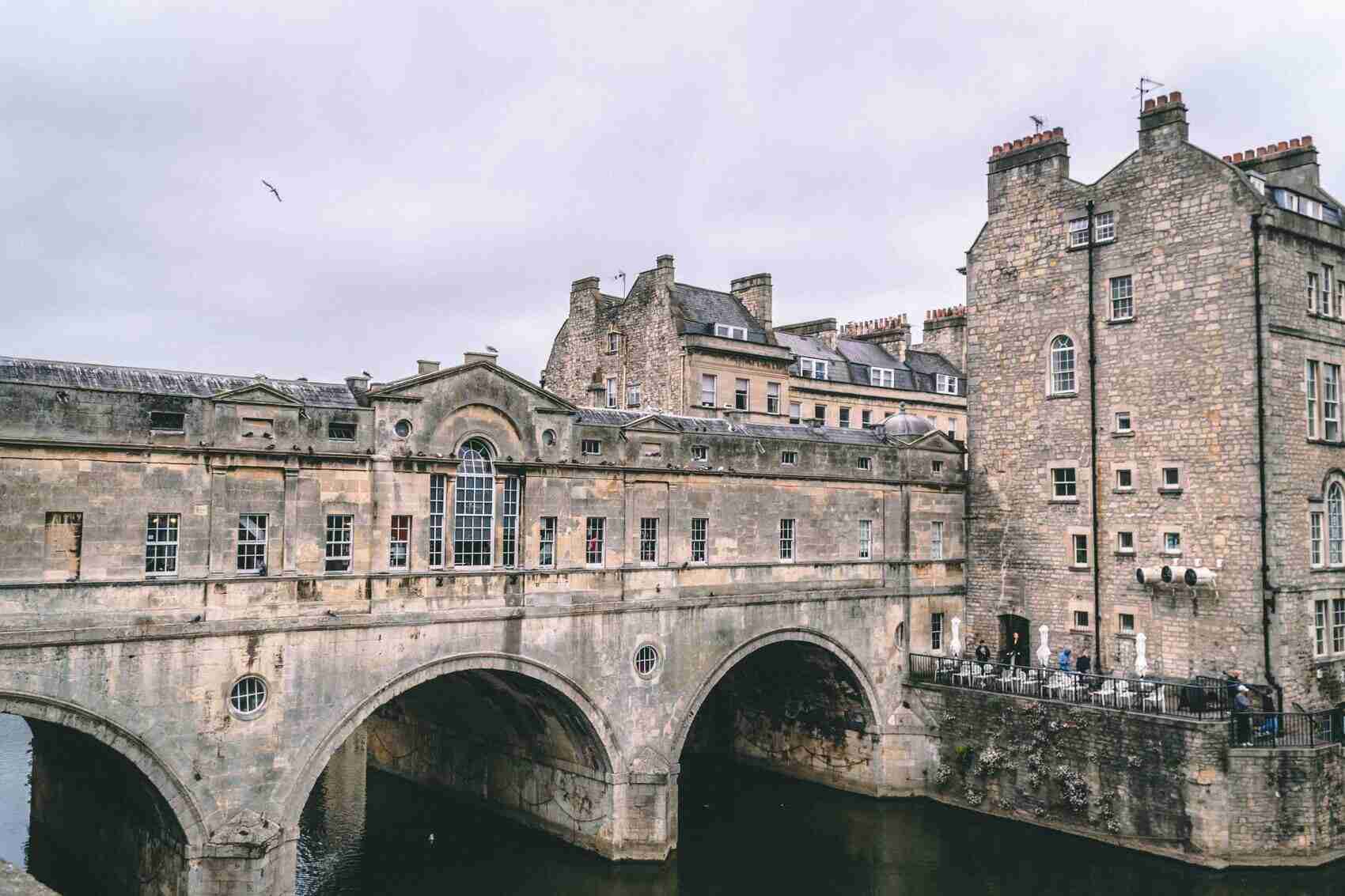
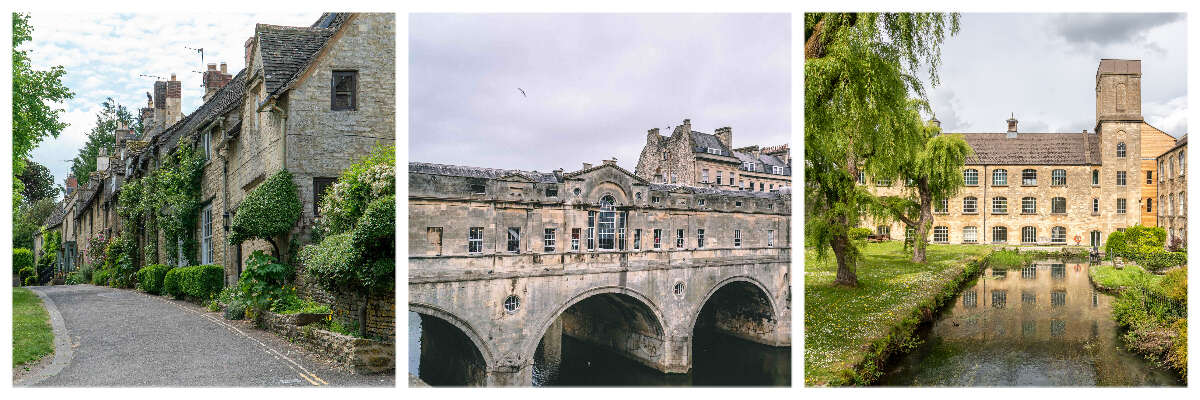
    pulteney-bridge-in-bath
    Pulteney Bridge in Bath

    Oxford or Bath are the best places to start your Cotswold adventure by train. Pick up the Cotswold Discoverer Pass for £10.00 a day which will give you travel around the area on trains and buses.

    Due to local buses and the days they run between Castle Combe and Chippenham, I only suggest this itinerary from Monday to Saturday. There are no local buses that run on Sundays or Bank Holidays. Alternatively, skip Castle Combe and there will be more frequent buses from Bath to Chippenham.

    Bath is the starting point for this itinerary, simply flip the journey around if you’re starting in Oxford.

    Start with breakfast in Bath at The Old Station Cafe and take a stroll along the river through Parade Gardens to see the Robert Adam Palladium Style Pulteney Bridge

    On the way back towards the train station you can divert slightly to admire the Guildhall, Bath Abbey and Roman Baths and maybe browse some of the little boutique shops. 

    If you have more time to explore Bath make sure you visit inside the Roman Baths, Jane Austen Centre or Herschel Museum of Astronomy.

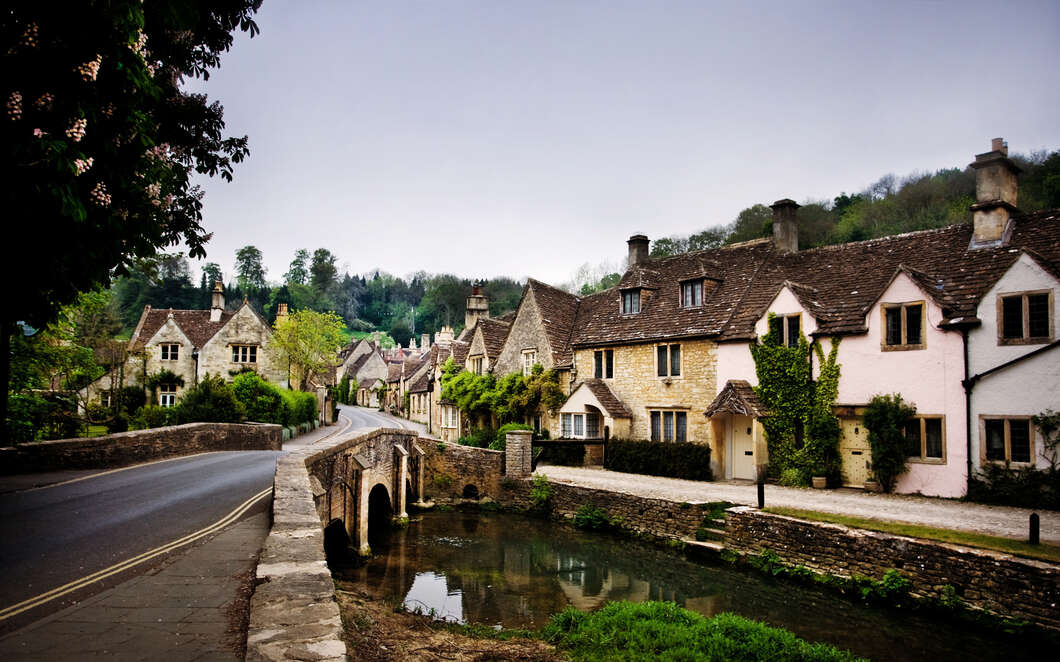
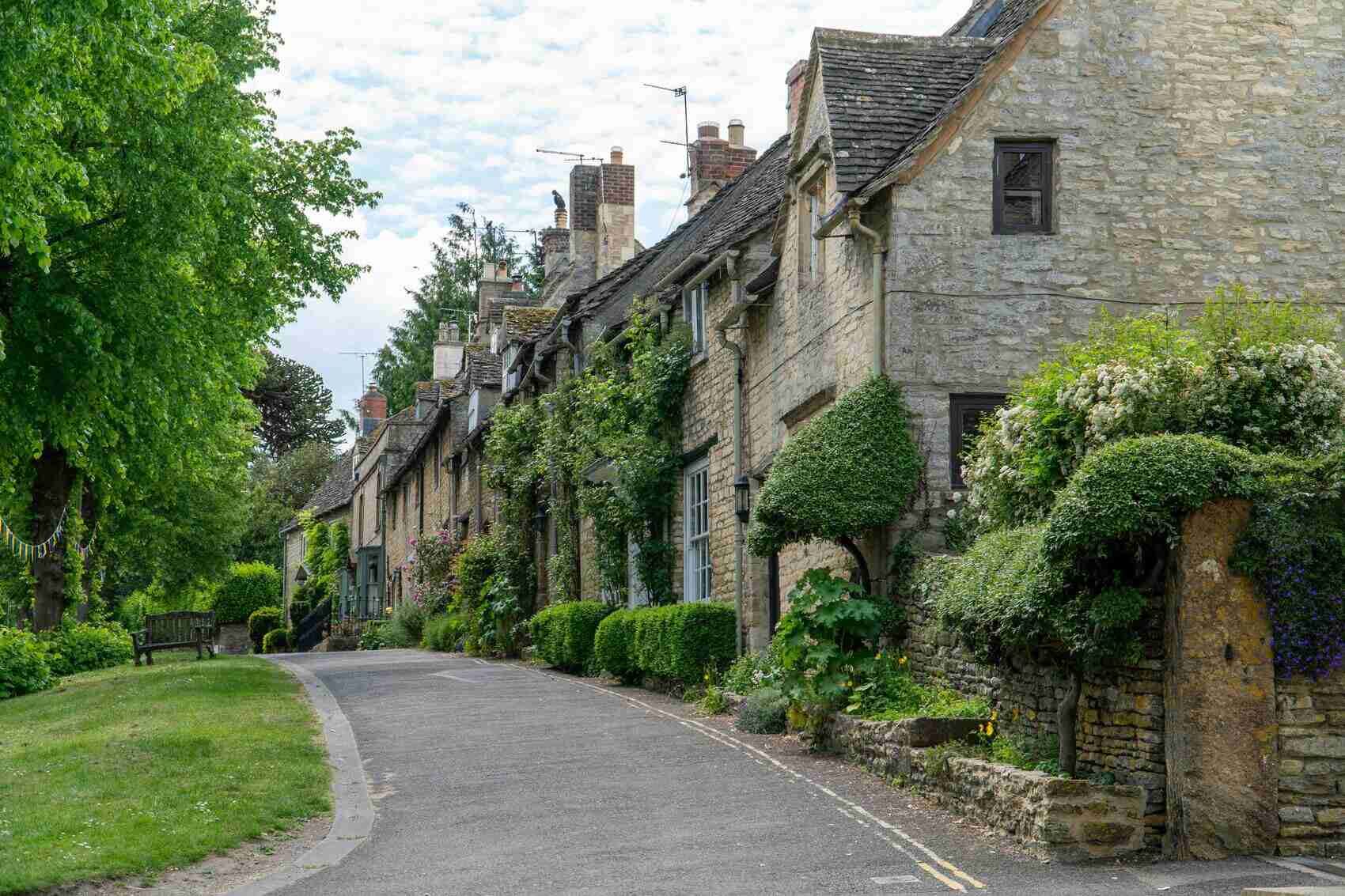
    Castle Combe in the Cotswolds
    Castle Combe in the Cotswolds

    Your onward journey takes you to Castle Combe, one of the prettiest villages in England by bus and from there you can catch another bus to Chippenham

    Depending on how much time you are planning on spending in Castle Combe the number one thing you need to do is wander down the hill from Market Place to the bridge.

    After all, you likely came here to admire the beautiful honey-coloured bricks of the cottages and get the ultimate photos. Once you reach the southern tip of the village this is where you will get that epic shot.

    Once you’re finished in Castle Combe catch bus 35to Chippenham. However, be careful as there is a limited bus that runs a day so you need to make sure you check the latest bus schedule.

    Alternatively, head straight to Chippenham on the X31 runs frequently from Bath.

    Chippenham is becoming a popular destination for day-trippers as it’s easy to get to by train and it’s named one of the best destinations for market towns.

    There is a market every Friday and Saturday, as well the Chippenham Multi Markets on the third Sunday of every month.

    If you don’t end up on a market day then explore the Town Hall, the Chippenham Museum & Heritage Centre, the Yelde Hall and the Butter Cross.

    Once in Chippenham, there is a short walk from the bus station to the train station where you can catch a train to Bristol and on to Cheltenham Spa and across to Oxford in time for dinner. 

    From Oxford once you have had a walk around the ancient streets and alleyways it is time to head home to London just a short train journey away.

    Looking for a longer trip to the Cotswolds without a car? Here are 6 places to stay and how to get around the Cotswolds without a car.

    2# How to Spend a Day in the Cotswolds by Car

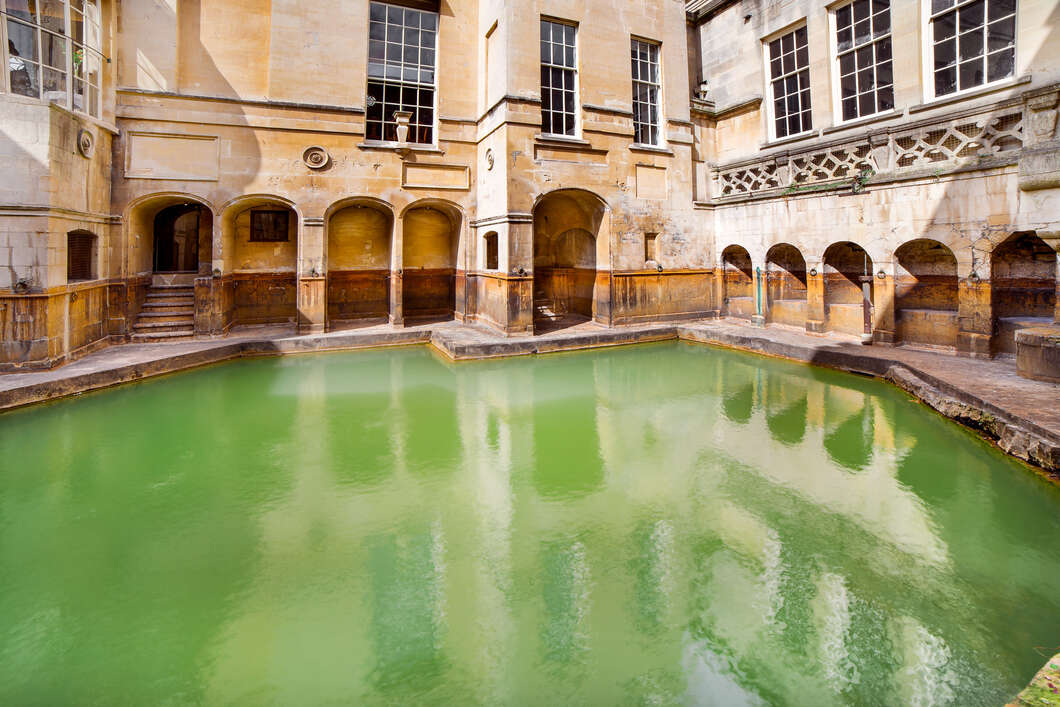
    Ancient Roman Bath at the City of Bath in England
    Ancient Roman Bath at the City of Bath in England

    Going by car has some massive advantages and some equally large disadvantages. The advantages are that you can go exactly where you want when you want, traffic permitting and can visit some places that are not on a bus or train route. The main disadvantages are that you will have to find parking and frequently pay for parking. 

    The trip also starts in Bath and do get there in time for an early breakfast to pack as much sightseeing as possible into the day. 

    From Bath travel to Marshfield via A46 Gloucester Road for some stunning views, and turn off the A420 onto the High Street and then to Market Place where it should be possible to park and have a walk around, walk up Church Lane past the cute cottages to The St Mary the Virgin Church and maybe walk back to the Lord Nelson pub for refreshments. 

    The old side of Marshfield is a beautiful, typical small Cotswolds town and if you continue your journey via Hay Street you will pass the village pond.

    From Marshfield you are going to Castle Combe, one of the prettiest towns in England, but that comes at a price, depending on the time of day and year, it may be very busy, the storm after the calm of Marshfield

    A slow drive through Castle Combe when it is busy with pedestrians may be enough for you or you may decide to park up and have a walk around.

    Either way, from Castle Combe it is an easy drive to Malmesbury where the attractions include the 12th Century Abbey, the pretty Abbey Gardens, Tomb of King Athelstan, the free Athelstan Museum, and see the original Market Cross.

    If traffic allows and you have not spent too much time enjoying any particular place so far, the next stop is Bourton-on-the-Water, a very pretty famous village with a river running next to the main road and pretty little bridges going over to the honey coloured cottages. 

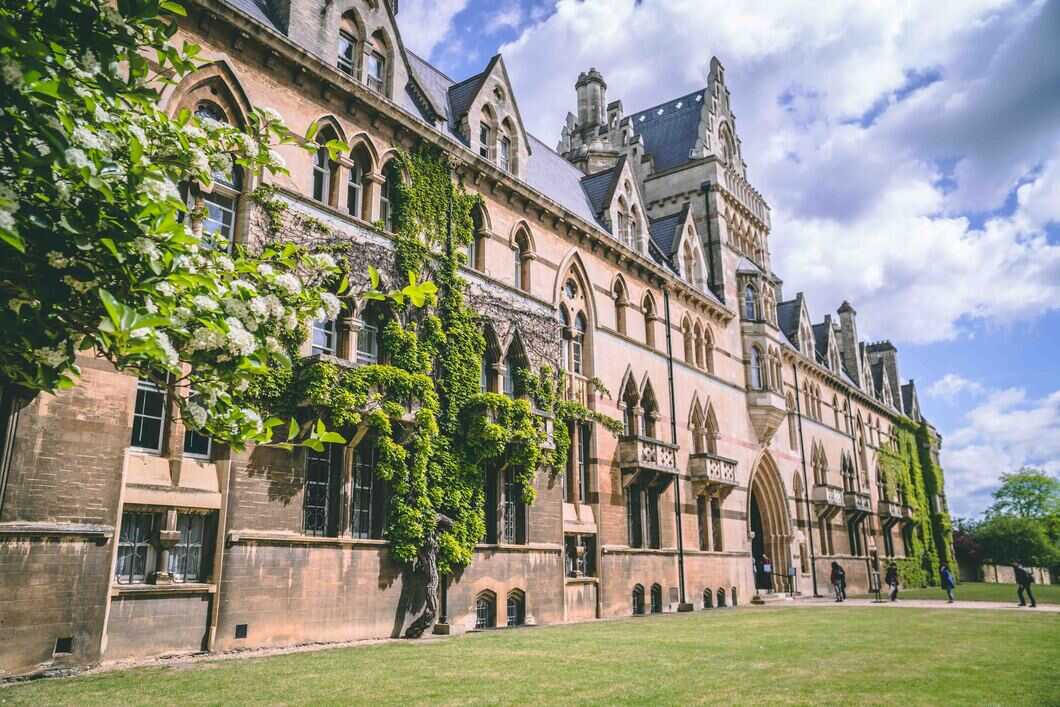
    Christ Church in Oxford England
    Christ Church in Oxford

    From Bourton-on-the-Water, head towards Oxford via Burford, where even if you don’t stop it is worth a drive along the High Street, then continue on the A40 past Witney and onto Oxford in time to enjoy a stroll around the ancient university centre and find where parts of the Harry Potter films were filmed, before heading home.

    Depending on the traffic and the time you start, you may decide to shorten the trip by missing some parts out and in which case, it would work well to leave out Oxford, Burford and Bourton-on-the-Water and plan a separate trip to cover those areas again.

    Staying in the Cotswolds will give more time to exploring the area more fully.  Staying a few days each at different locations will work even better for exploring, especially if you enjoy walking and getting away from the main tourist hotspots.

    Here are some ideas for days out that incorporate some of the main attractions, whilst also exploring away from the crowd and independently travelling in the area.

    This Trips all assume that you are travelling by car, I have explored getting about without a car elsewhere.

    3# South East: Malmesbury, Castle Combe & Corsham

    A full day with lunch stop, approximately 35 miles round trip.

    For this day out, we are assuming that you are staying in or near the medieval market town of Malmesbury and that is where we will start.

    Leaving your accommodation (in Malmesbury) at about 10.00 the obvious first place to visit is Malmesbury itself. There has been a settlement there since the Iron Age and if you are not staying in Malmesbury there is usually parking near the church or follow signs for car parks, parking is free for 2 hours in the Station Road Car Park.

    Things to do and see in Malmesbury

    Malmesbury Abbey, Abbey House Gardens, Tomb of King Athelstan, free Athelstan Museum, original Market Cross, Farmers and Artisan Market on Friday’s, live music at the Kings Arms pub, most Friday evenings.

    From Malmesbury, the next stop is Castle Combe which was featured in the film War Horse and in the television series Agatha Christie’s Poirot.  The village is famous as one of the prettiest towns or villages in England.  It is very pretty and the locals work to keep it lovely with hanging baskets and many offer flowers and cakes for sale outside their houses.  The little hump back bridge is a definite photo stop. 

    Next suggestion is just 1.6 miles away; Yatton Keynall for lunch at the 17th Century Bell Inn (booking advised 01249 782216) and a short walk before you leave to visit the 13th Century Church and look at some of the sweet cottages.

    Corsham Court and Corsham are next and you may recognise Corsham as it starred as a Cornish town in the Poldark television series.  Well known for its stunning architecture and wandering Peacocks, Corsham has been built largely from Bath Stone that is quarried nearby. ‘Corsham has no match in Wiltshire wealth of good houses and there are a few of really high merit.’ (Pevsner N, Sir, Buildings of England).  Corsham is said to have one of the best preserved high streets in England. 

    The Saxon royal manor house Corsham Court is certainly an example of ‘a good house’ and has a good collection of paintings and gardens and park land designed by Capability Brown.  The house and gardens are open to the public from 2pm – 5.30 in the summer and until 4.30 during the winter months.

    Other Things to Do and See in Corsham

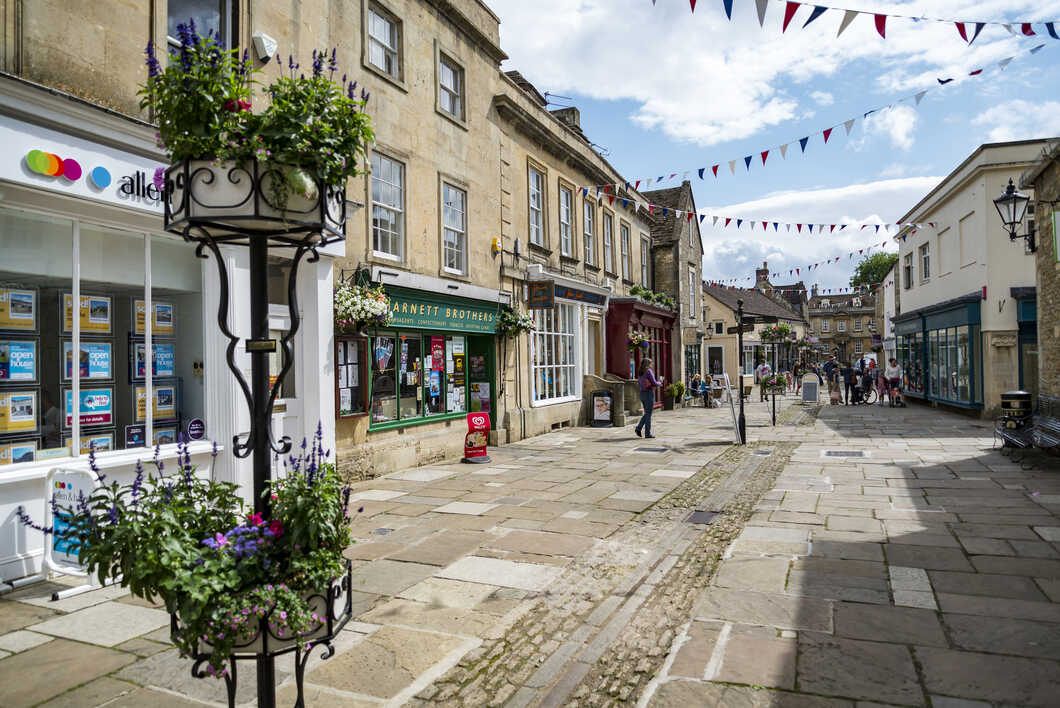
    Street in the market town of Corsham England
    Street in the market town of Corsham.

    Once you have had a look around Corsham Court, next door is St Bartholomew’s Church and other interesting architecture is The Almshouses and School House nearby and the Flemish Weavers Cottages.  The shops along the High Street and Pickwick Road are a mixture of mostly independent and include vintage, antique and craft shops.  Corsham is a Fairtrade town.

    If you are staying in Malmesbury it is now time to work back to your accommodation.  Unless, of course you are moving on somewhere else….

    4# North East: Burford, Bibury & Bourton-on-the-Water

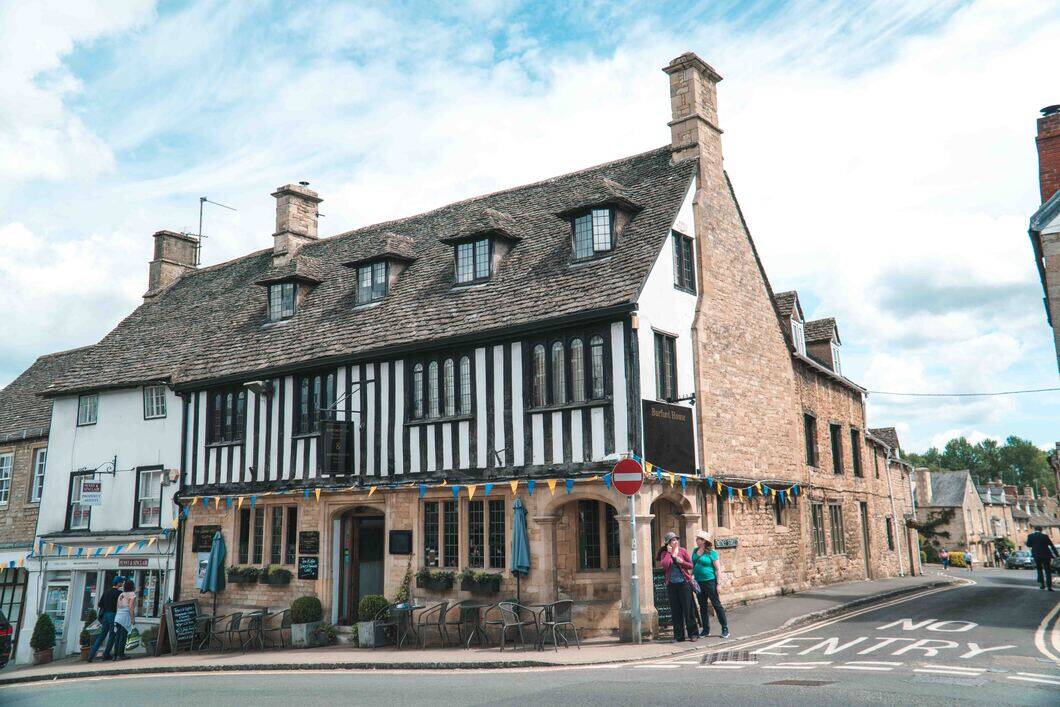
    Burford in the Cotswolds
    The cute town of Burford.

    A full day out with lunch stop approximately 47 miles round trip.

    For the North East Area we will start the tour in Burford High Street and if you have stayed in Burford, chances are you have already strolled up and down the street and admired the variety of architecture and marvelled at the little alleyways and pretty little twittens.  So, in the car and off to the first location:

    Our first stop on this day out is Bibury, Beautiful Bibury is a haven of peace and quiet and tranquillity. Just park up and stroll around, enjoy the architecture, the tickling water, the beauty and peace.

    On to the Chedworth Roman Villa and Chedworth Village.  The Villa is the oldest house looked after by the National Trust and the history is literally coming out of the ground there, with mosaics, an ancient octagonal pool with a questionable history, a fascinating place to visit.

    It may well be worth forward planning and bringing a picnic with you, as the Villa grounds are a great place for a picnic, or there is a cafe on site.

    Our next location is the famous, tourist destination Bourton-on-the-Water, a pretty Cotswolds town, worthy of its status as a must visit destination and known as the Venice of the Cotswolds

    Things to Do and See in Bourton-on-the-Water

    As well as the pretty main street with its lovely Windrush River running through there are some attractions you may like to visit whilst at Bourton-on-the-Water and the first is the model village; a lovely model of Bourton-on-the-Water to explore and is a good place to start. 

    The Cotswold Brewing Company is based at Bourton-on-the-Water and is open to the public at weekends and sometimes on weekdays. 

    Especially, if you have been to look around the Brewery, it will now be time to return to your accommodation in Burford.  If you still have time to kill, there are some lovely villages on the way back that you could select to explore.

    5# North West: Gloucester, Tewkesbury & Morton-in-Marsh

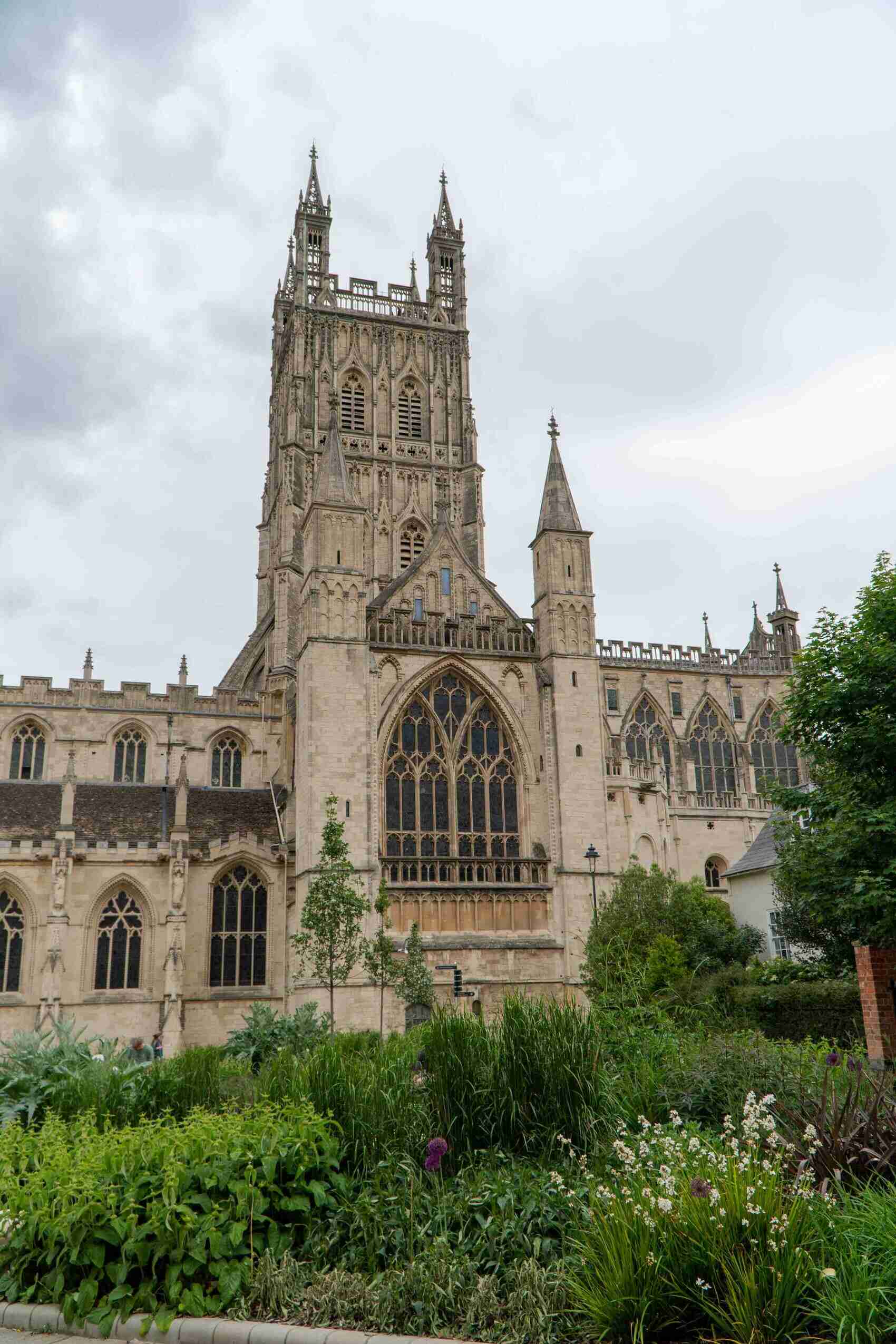
    Historical-cathedral-city-Gloucester
    Historical Cathedral in the city of Gloucester

    A full day, approximately 75 miles round trip

    Let’s start our North West day out at the Blackfriars Priory in Gloucester. 

    Blackfriars is a Medieval Dominican Priory and is open to the public on Sunday and Monday, so Monday is a good day for this tour.  If you need to cover this tour on a different day, then it is worth viewing from the outside.

    If you are staying in Gloucester then you will explore the museums, cathedral and television and film hotspots on another day as it is easy to spend a few days in Gloucester exploring all that it has to offer.

    First stop on the tour is the historical town of Tewkesbury that was in the news in February 2020 due to its location where rivers meet, called a confluence.  The River Severn and the River Avon meet at Tewkesbury as well as minor tributaries to those rivers Swilgate and Carrant Brook.

    Tewkesbury is famous for its beauty and history and has over 350 listed buildings.

    Things to do and see in Tewkesbury

    The Old Baptist Chapel and Court, Tewkesbury Town Museum, the John Moore Museum, Tewkesbury Abbey, Heritage Centre, Heritage and Alleyways Trail, nature reserve and much, much more. It would be easy to spend a whole day just in Tewkesbury.

    From Tewkesbury, if it is on to Hailes Abbey Ruins, a fascinating English Heritage site.  On the way there go via Winchcome an ancient town that has evidence of a settlement since 3000 BC and keep an eye out for the interesting houses and cottages among the new build homes.

    Hailes Abbey has a museum, a shop and the large ruins site.  It is possible to get an audio tour to enhance the experience.  The Abbey is a great place for a picnic lunch.

    For the rest of the afternoon you have the choice of Morton-in-Marsh or Stow-on-the Wold, both lovely and both at road junctions on the A429.  Time permitting a visit to Moreton-in-Marsh can be followed by a drive through Stow-on-the-Wold on the way back to Gloucester.

    Either way head back to Gloucester via the A436.

    6# South Western: Berkeley, Dursley & Cotswold Way

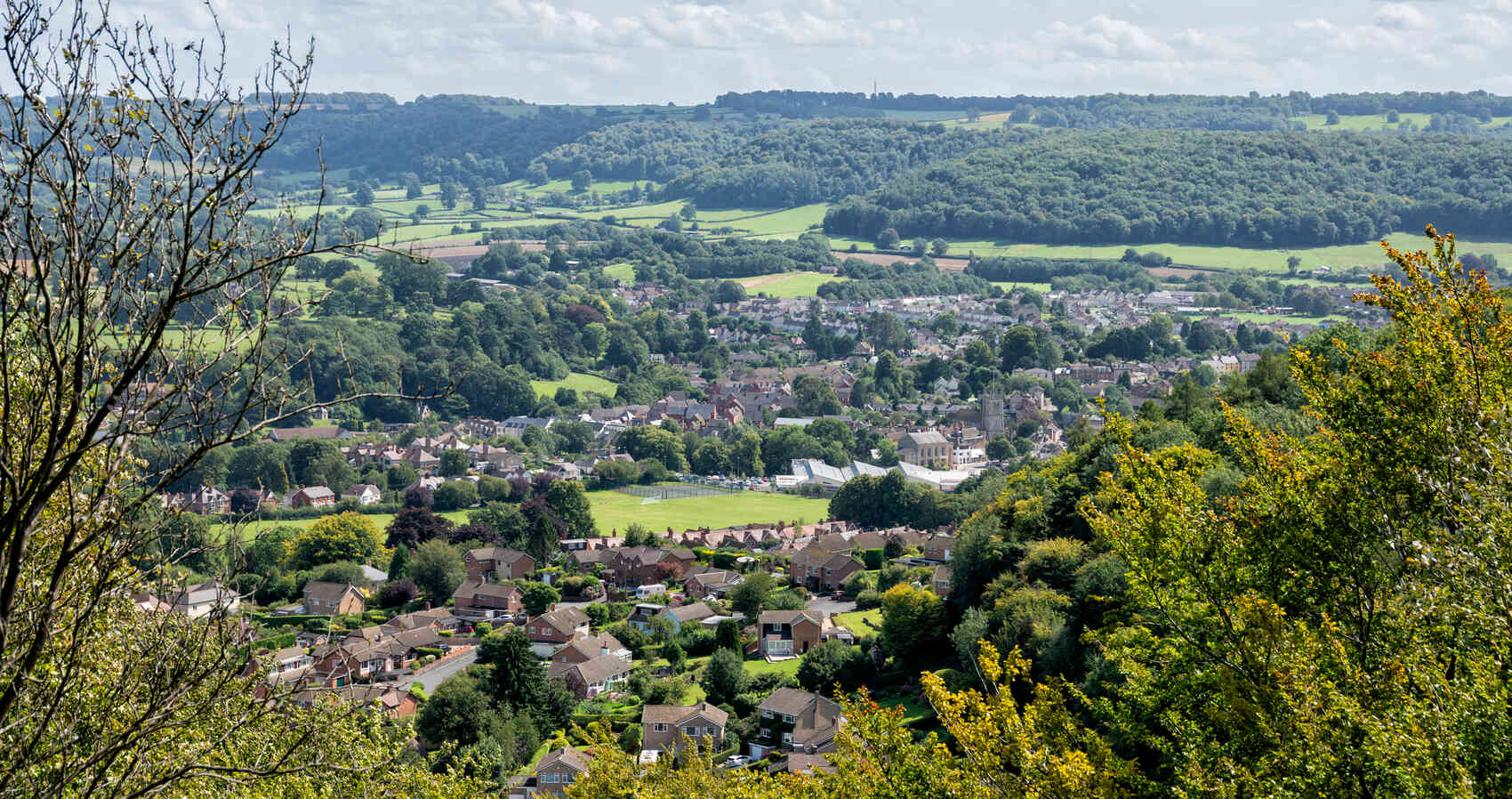
    View-of-the-Dursley-in-the-Cotswolds-Gloucestershire
    View of Dursley in the Cotswolds

    The south western part of the Cotswolds is all about great walks and great scenery.

    The day starts in a car park! Purton Car Park, Severn Way, Berkeley GL13 9HP by the Gloucester and Sharpness Canal. 

    Today’s tour starts with a walk along the canal, which is frequently described as a stunning place for a walk. Once you’ve had a gentle stroll along the canal path, it’s off to Dursley for some history.

    Dursley is a typical, pretty Cotswolds market town, steeped in history; with evidence in the area of settlements back to the Neolithic period. 

    Dursley is also on the Cotswolds Way and offers many great walks.  This makes it an ideal base for a walking holiday.  This day out in the Cotswolds is all about ditching the car and walking.  There are lots of walks to choose from and many of them can be found on this website here.

    So, choose your own from the list or follow this short walk guide that allows you to enjoy a 40 minute walk at the canal, some time and lunch in Dursley before heading out for a comfortable afternoon walk of either 3 ½ miles or 3 miles for the shorter route missing out the steep but pretty hill climb from Dursley.

    This walk starts at May Lane Car Park which is adjacent to the Cotswold Way.  Turn left out of the car park and follow signs for the Cotswolds Way, the first part of the walk is through pretty woodland and takes you up to the golf course, where you will come out at the car park.

    If you prefer, you can drive to Stinchcombe Hill Car Park that is beyond the golf course car park and walk from there, this takes out the most strenuous part of the walk and it is also possible to cut back to this point part way round.

    Once you cross the car park the Cotswolds Way splits into two directions, ignore the lane and go straight across the golf course, the way can be identified by a mown strip and continue to the next fingerpost and this time, ignore the straight on route and take the route to the right that is identified by the Korean Friendship trail sign. 

    You will soon see glimpses of the view that has brought you here.  Follow the signs through the trees, where there is a bench that you may like to take a short rest at.  Continue on for half a mile and you will come to a shelter hut on the Cotswolds Way. 

    Continue to follow the signs and cross a track that leads to Stinchcombe Hil House. At this point you could take a short cut back to the car park, by taking the track to the right or continue on to complete the walk.

    Continue to follow the signs for the Cotswold Way and you will arrive back at where you emerged at the Golf Course and return to Dursley through the woods.

    This is a short circular walk that is on the Cotswold Way, taking you around Stinchcombe Hill and takes in some of the best scenery of the Cotswolds Way walks.

    So, there you are a day trip suggestion from London by public transport or by car and four independent transport suggested tours. 

    These, of course, all just take in a small part of the area and other trips could easily be planned. 

    For example, if you are staying in Gloucester or Tewkesbury then a short day could easily be spent at Tewkesbury in which case that suggested day out could start at Winchcombe, go to Hailes Abbey Ruins and onto Moreton-in-Marsh and Stow-on-the-Wold before returning to your accommodation.

  • 27 Awesome Non-Touristy Things To Do In London

    27 Awesome Non-Touristy Things To Do In London

    There is a good reason most people flock to the iconic London tourist attractions, they are certainly worth seeing. But for the more adventurous, less touristy folks, there are even more treasures.

    Here are 27 non-touristy things to do in London that will take you off the beaten path into the hotspots only the locals know. From street art in the south-east to the incredible microbreweries and local markets, these places are the reason so many of us truly love London.

    1# Find Epic Views of London 

    View from One New Change of St Pauls

    In my opinion nothing beats a good skyline view of a city and watching it from above. With iconic shaped buildings such as the Walkie Talkie, Cheese Grater, Gherkin and Heron Tower what better way to see the city than panoramic views across the city. My top picks are: 

    One New Change

    If you want a perfect view of St Paul’s head to the roof of One New Change Building. Depending on the time you visit there may be security guards near the elevators. The bar at the top is quite fancy so there will be dress code restrictions so if you plan on visiting the bar check beforehand. Otherwise, just let them know that you are visiting the balcony and you will be let up (it’s a free balcony after all). 

    The Shard 

    Ok, so the Shard is a touristy place, but you can make it less touristy by skipping the viewing deck and instead go to the Oblix Bar. It’s free to go up there and a lovely place to grab a drink whilst soaking up the views.

    Bussey Building or Franks in Peckham

    Peckham is an area in London, just in zone 2. It’s outside the tourist area and has lots of great bars to visit. Two that host skyline views of London is Bussey Building and Franks. 

    Skylight Tobacco Dock 

    Skylight is in Wapping which is nice and central. During the summer you can play croquet and petanque and in the winter they have rooftop ice rink, ice hockey slap shot and cosy igloos and mountain huts. 

    2# Search for Street Art in Penge East 

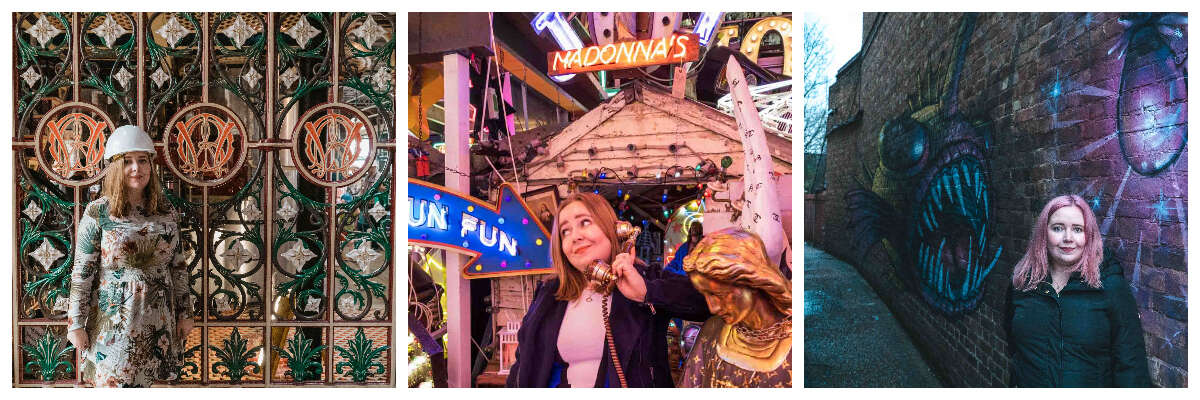
    Kat standing in front of Penge Street Art

    Penge East has the biggest collection of street art outside of places like Shoreditch. It was a Community Project in Penge and Anerley (SE20) called the SprayExhibition20 and hosts over 120 artworks in the area. The best time to explore the pieces is on a Sunday as some of them are located on shop roller doors, however there are plenty in the area to see on other days. 

    For more information read this. 

    P.s If you like good craft beer, look out for Southey Brewery which is located near the Gorilla piece on Southey Street. 

    3# Crossness Pumping Station

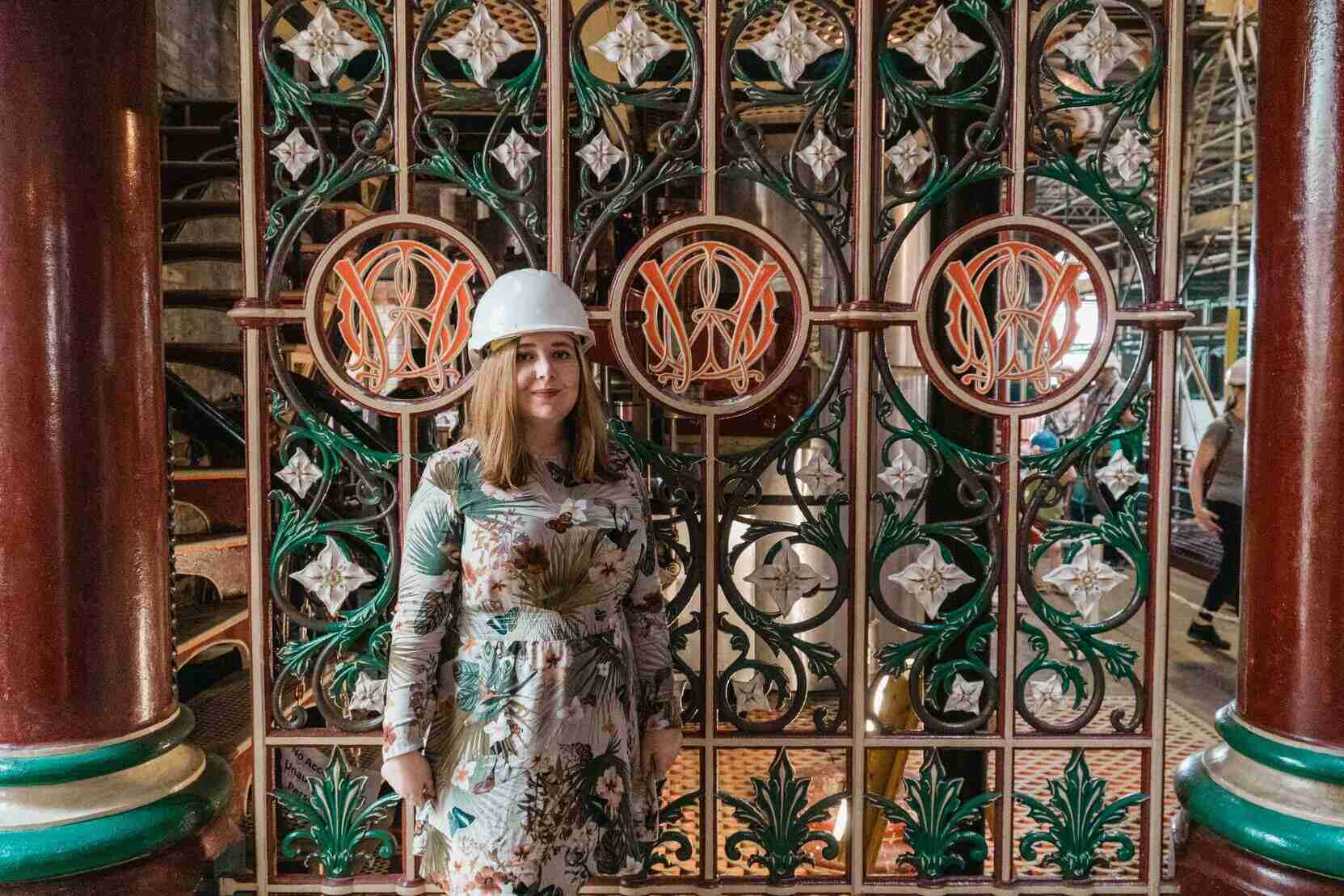
    Crossness Pumping Station 146

    I never thought I would be recommending a former sewage pumping station, but the Crossness Pumping Station is a beautiful piece of architecture. It was designed by the Metropolitan Board of Works’s chief engineer Sir Joseph Bazalgette and architect Charles Henry Driver and finally given the green light to go ahead in 1858. 

    In 1958 the pumping station was decommissioned and left for 26 year before Crossness the Preservation group began making moves to restore the 1865 buildings and engines. ​

    The staff at the pumping station are so passionate about repairing and preserving this piece of history. If you get a chance to chat with one of the staff members walking around.  

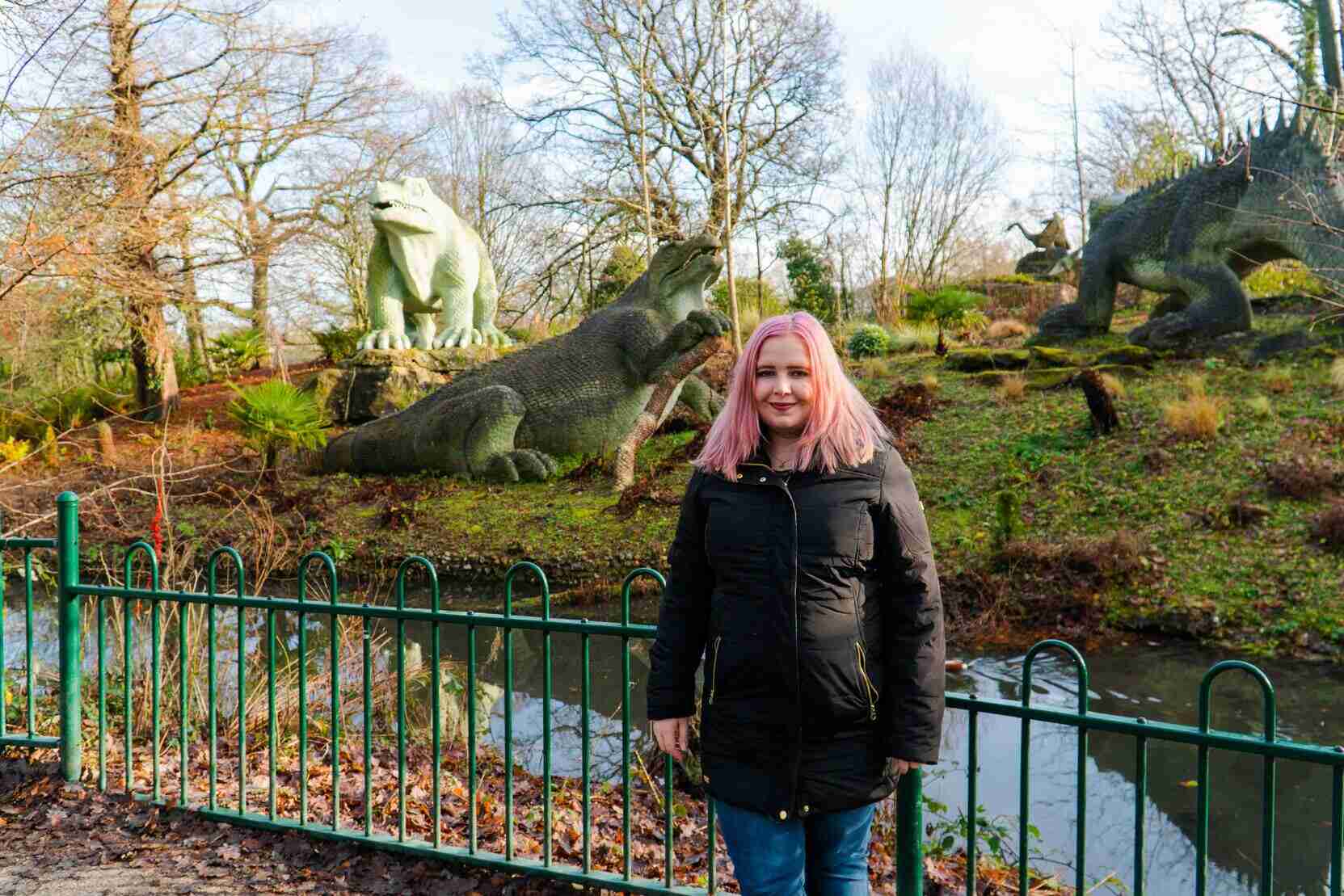
    4# See the Dinosaurs in Crystal Palace Park

    Kat standing in front of Crystal Palace Dinosaurs

    Crystal Palace park has the world’s first attempt at making full scale replicas of Dinosaurs. They were commissioned to be built in 1853 and completed in 1855, making them a fantastic piece of history. 

    The dinosaurs are wildly inaccurate so don’t take them too seriously. The signs around the park will illustrate what modern-day scientists now believe them to look like. 

    5# Alternative Food Markets 

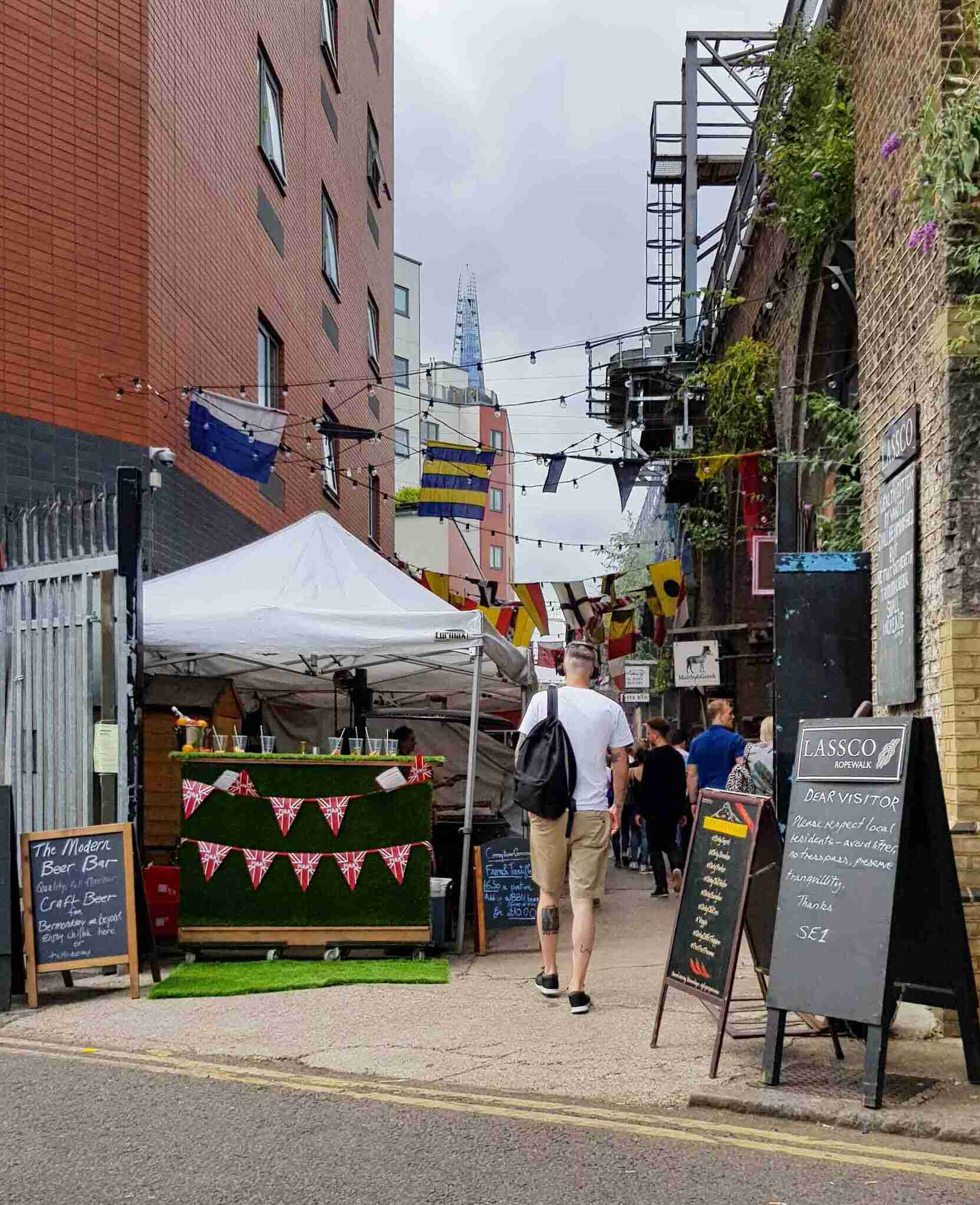
    Maltby Street Markets
    Maltby Street Markets

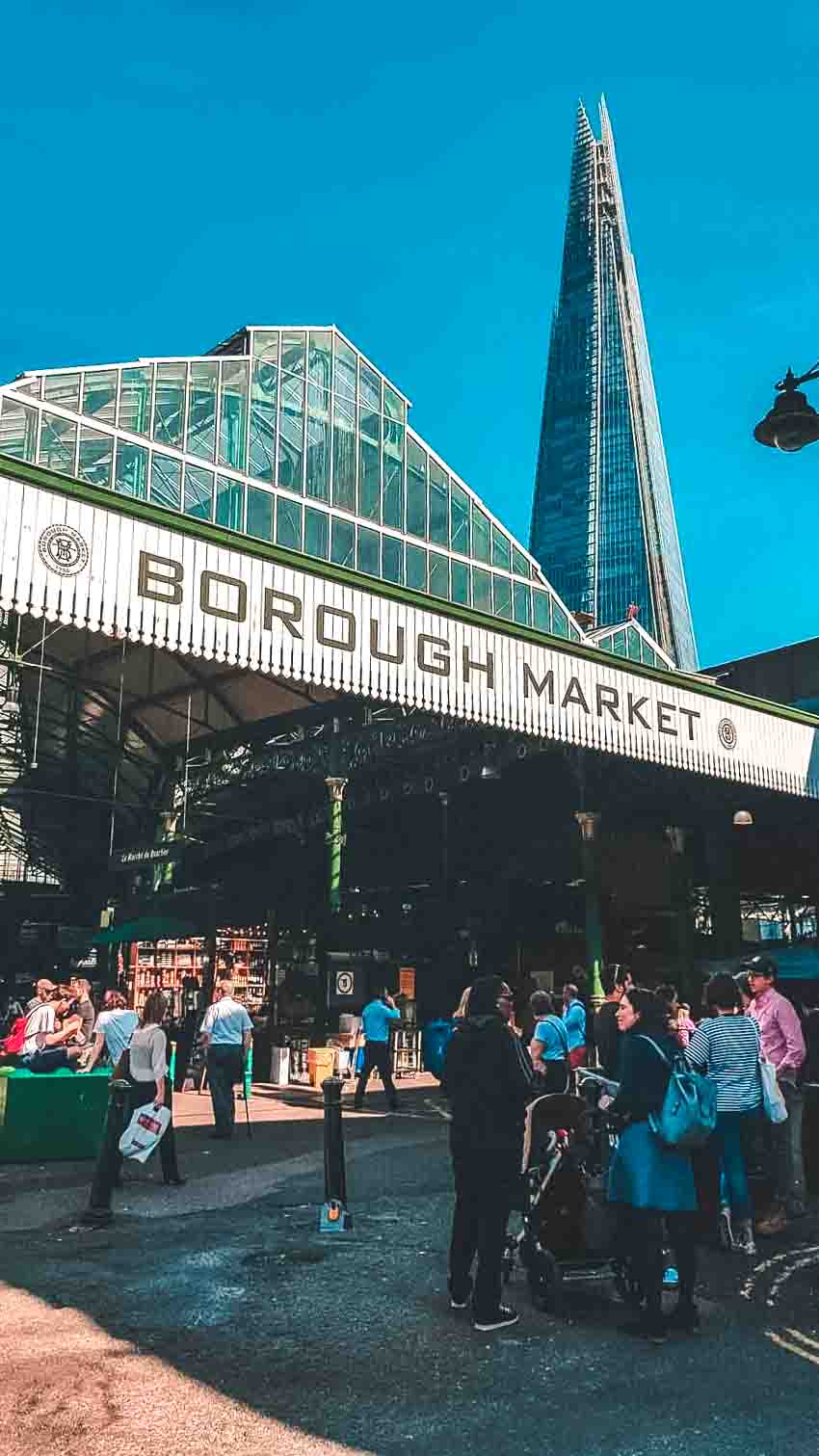
    Borough and Brick Lane markets are always on the list of things to do in London but there are some great alternatives to the usual. My favourites include:

    Whitecross Market

    I was introduced to Whitecross Markets by some co-workers of mine and have loved going ever since! It’s open Monday to Friday and is a hot spot for workers in the area to grab food. Depending on the weather I will either sit in The Two Brewers which allow you to bring your food in as long as you buy a drink or Fortune Street Park on a sunny day. 

    Leather Lane Market 

    Another great Monday to Friday market lined with food markets and accessory shops. I generally end up getting falafel or Pho whenever I visit here. 

    Mercato Metropolitano 

    Mercato is another great marketplace style of the venue offering lots of food and drinks options plus they have a cinema. Open every day of the week but does get super popular during the evenings. It does have an indoor and outdoor area so perfect for all types of weather. 

    Maltby Street Market

    The market is centred on a central alley known as the Ropewalk parade of street food stalls and restaurants. If you’re on the Bermondsey Beer Mile this is the perfect place to grab food to soak up the alcohol. The classic favourite is the Cheese truck. 

    6# Mayfield Lavender Fields

    Kat at Mayfields Lavender Farm

    Who says you must go to France for lavender fields? Located in Banstead (just 15 miles outside of London) is Mayfield Lavender Fields. 

    This is a season activity as the farm only welcomes visitors during the Summer months (usually early June to mid-September). It does have a small entry cost of £1 and make sure you have some spending money to buy some of their lavender essential oils, soaps and syrup made from the organic lavender grown here. 

    The café sells lavender infused products such as tea, cakes and much more. 

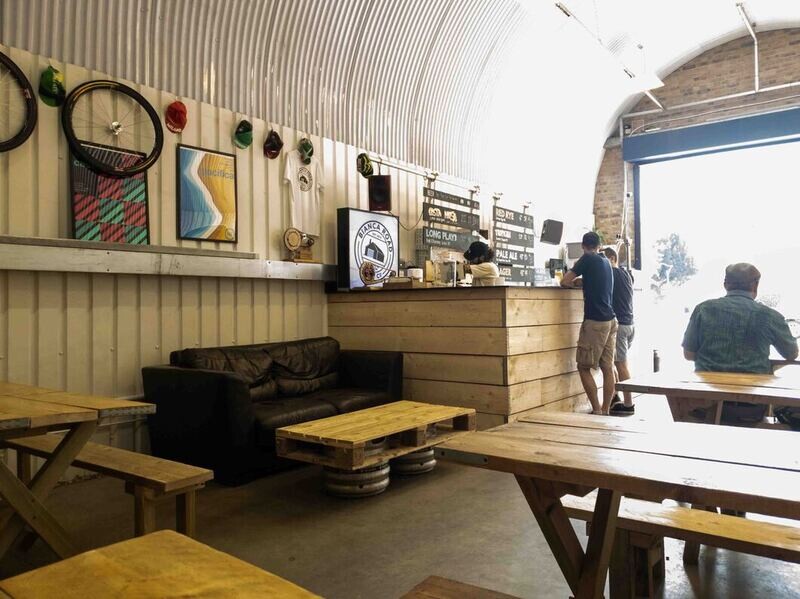
    7# Enjoy Craft Beer on The Bermondsey Beer Mile

    Bianca-Road-on-the-Bermondsey-Beer-Mile

    Located in southeast London is a stretch of elevated train tracks where a bunch of brewers decided to cleverly locate their microbreweries under the railway arches. Luckily for us, the public, the breweries open their doors to the public on the weekend!

    Unlike a lot of breweries which are generally a shopfront, the breweries on the Bermondsey Beer Mile is actually where the magic happens. During the week they are busily brewing beer in their archways and on the weekend convert the workshop into a taproom.

    If you want to know more about the Bermondsey Beer Mile I have a whole guide walking you through where to go and a handy map! 

    8# Discover London’s Secret Bars

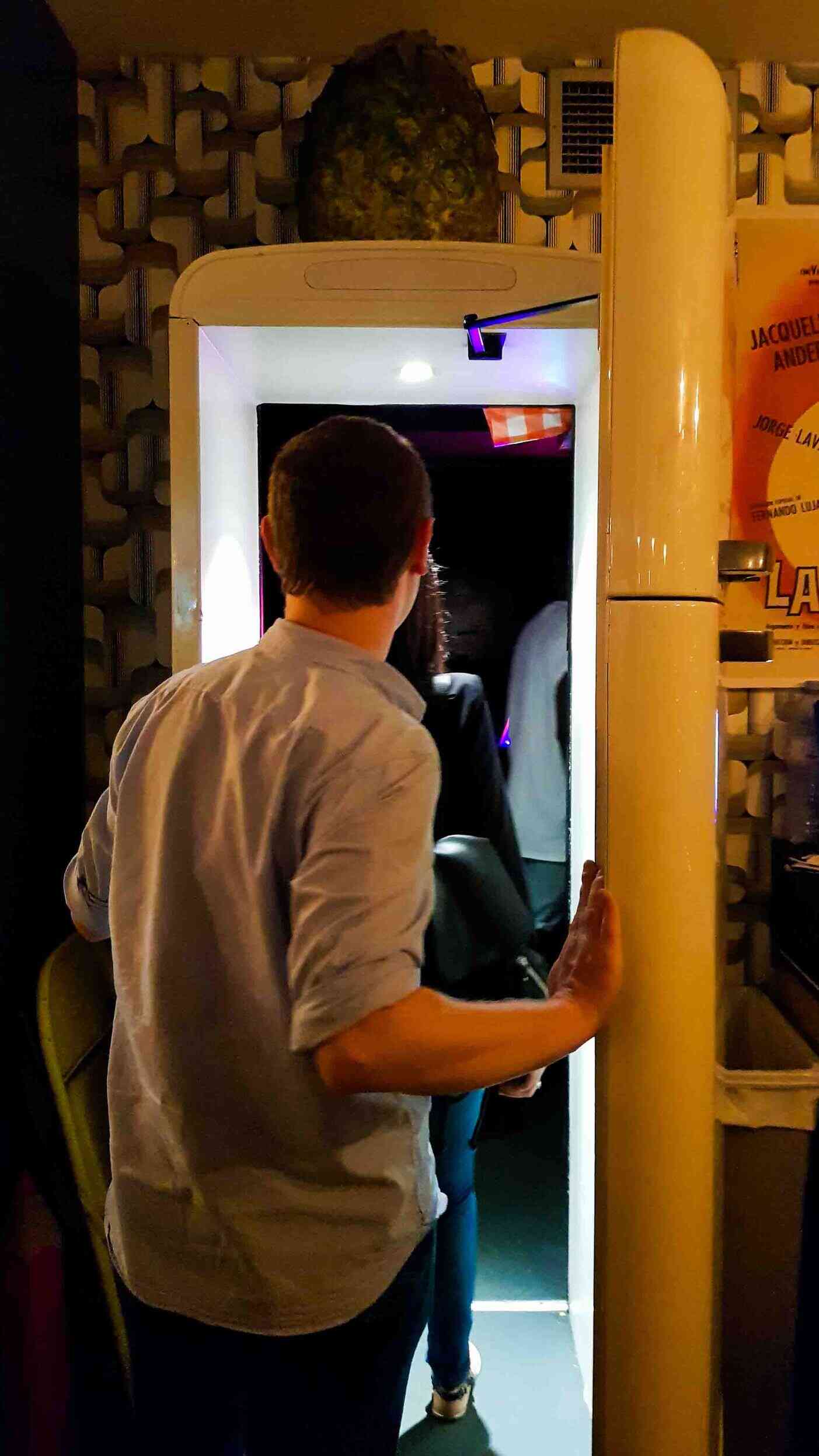
    Mayor of Scaredycat Town Shoreditch

    Turn your next night out into a little adventure by heading to one of London’s secret bars. 

    Mayor of Scaredycat Town (Shoreditch)

    Head to The Breakfast Club on Artillery Lane and announce “I’m here to see the Mayor”. You’ll then step into the Smeg fridge into a quirky, candlelit speakeasy with a great selection of cocktails. 

    King of Ladies Man (Clapham Junction)

    The Breakfast Club’s venue in Clapham Junction also has a secret bar. Go through a laundry room at the back of the venue, and step inside the 70s themed decor bar serving disco inspired cocktails.

    Evans & Peel Detective Agency (Earls Court)

    Before you can even enter the bar, you need to make a booking to ‘discuss a case’. Once you’ve made a booking, enter the dim office where a detective will lead you through a hidden door behind a bookcase. Fill up on light dishes, wines and cocktails.

    9# Enjoy a Drink at One of London’s Quirky Bars

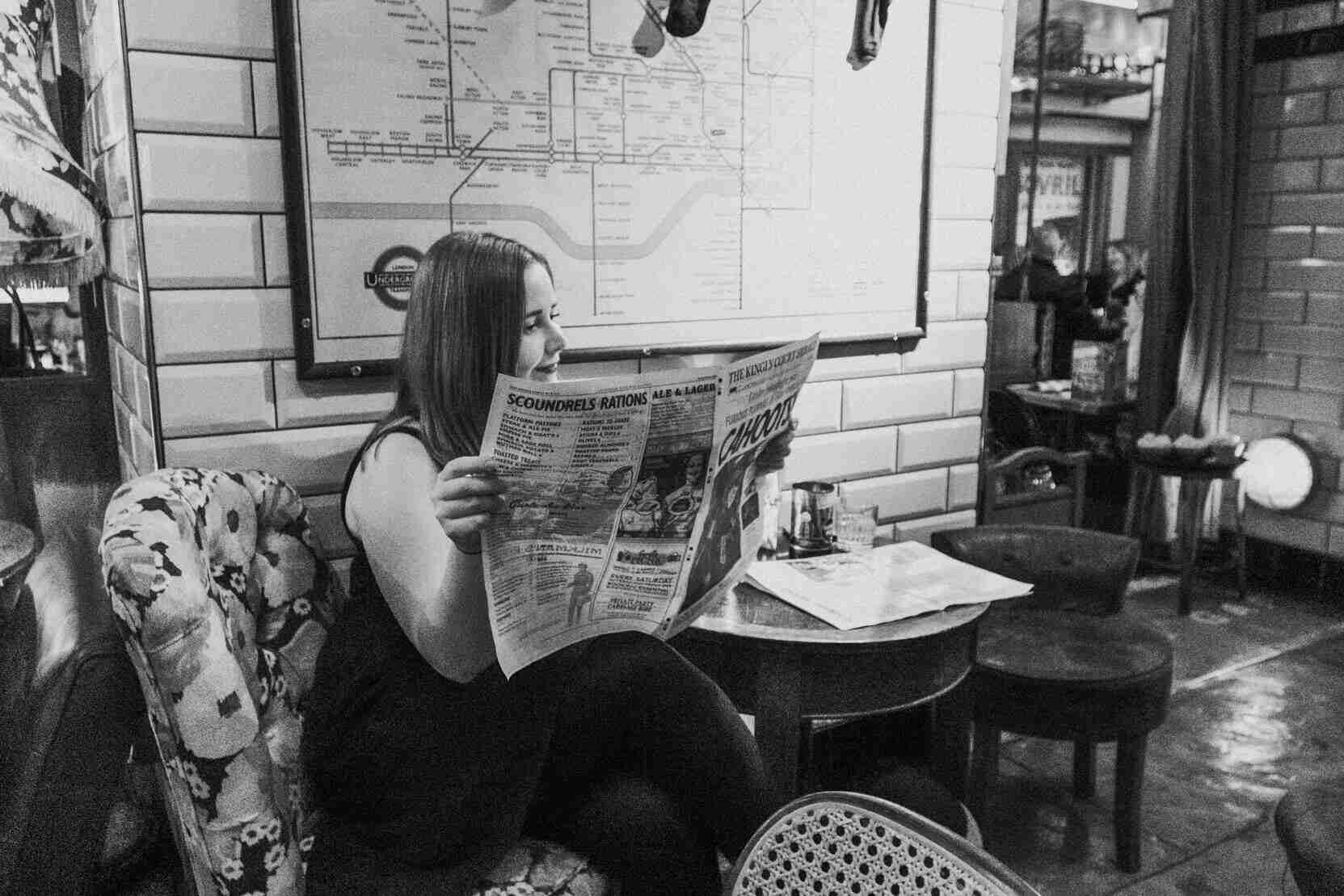
    Black and white photo of Kat at Cahoots

    Why opt for an average, run of the mill bar when London is filled with quirky and unique venues? Here are some of the best ones in town. 

    Cahoots (Soho)

    This is a 1940s themed bar set inside an abandoned train station. Serving up cocktails, tasty nibbles and live entertainment, Cahoots is a fab place to step back in time and enjoy a night out 1940s London!

    Drink Shop Do (Kings Cross)

    During the day, this cafe serves hot drinks, light lunches and delicious homemade cakes. But come nightfall, the venue transforms into a merry spot for dancing and drinking. It’s a great place to get creative too, and there is an events schedule filled with arts and crafts workshops. 

    10# Explore the Non-Touristy Pubs in London

    If you don’t fancy rubbing shoulders with tourists in bars, head to a locals only pub. Dotted around London, here are some of the best ones. 

    Wigmore 

    Not far from Oxford Circus and Regent Street, the Wigmore is a modern pub with stylish, retro-inspired decor. With a carefully curated drinks list and quintessential British pub food, the Wigmore brings you elevated pub dining.

    Old Fountain 

    Situated on Old Street, the Old Fountain is a lovely pub with a vast beer selection, rotating choice of cask ales and classic pub food and contemporary dishes. You can even enjoy your meals on the stylish roof terrace up top. 

    Lamb and Flag 

    The Lamb and Flag in Covent Garden is definitely one of the most interesting pubs in the city. It dates back to the mid 17th century, and there is a plaque outside noting how the poet Dryden was mugged in the alley next door. You’ll find traditional pub food and a constantly changing range of lagers, ales and ciders. 

    Viaduct Tavern 

    In Holborn, the Viaduct Tavern is a beautiful pub with an interior of marbles, mirrors and paintings. The most notable feature of the pub is the basement, thought to contain cells from Newgate Prison or Giltspur Street Compter. The Viaduct Tavern has the usual range of beers, an impressive variety of gin and traditional pub food.

    Cask Pub & Kitchen

    At Cask in Pimlico, you’ll find world-class beers, spirits and wines alongside simple, home cooked food. Visit on a Sunday afternoon between 16.30 and 19.30 and you’ll be treated to live music from bluegrass and traditional Irish musicians.  

    The Marquis of Westminster

    In this welcoming gastropub in Westminster, you’ll find top-end pub classics and crafty drinks. What makes it an elevated version of your local pub is the sleek wood paneling, a refined wine list, and chic cocktails.

    Waterloo Tap

    A short walk from Waterloo Station and set up in a converted railway arch, this funky bar boasts 20 kegs and 6 casks on constant rotation. Although you won’t be able to order meals here, you’ll find a variety of artisan bar snacks like soft baked pretzels. 

    11# Grab Lunch Inside Gorgeous Leadenhall Market

    With a 19th century painted roof and charming cobbled floors, Leadenhall Market is arguably one of the prettiest markets in London. It’s also one of the oldest markets in the city, dating back to the 14th century, although the current construction dates back to Victorian times. 

    Potterheads will probably recognise the market as it was the filming location for Diagon Alley. While you won’t be able to buy wands and spell books here, you can find a variety of produce including flowers, cheese, meat and other fresh goods. 

    Alternatively, you could also grab lunch at one of the cafes and restaurants. After lunch, browse through the array of shops, from stationery to fashion to perfumes. 

    12# Visit Highgate Cemetery

    For those of you interested in something a little different, a visit to Highgate Cemetery is a unique and compelling way to spend a few hours. This place has seen vampire hunters, dueling magicians, and real corpses being dug up. 

    The cemetery is split into two sections. The East cemetery is home to some of the most distinguished figures of the 19th century including George Eliot and Karl Marx. You’re free to wander round by yourself, or you can also take tours with expert volunteer guides.

    The West cemetery is only accessible via a guided tour. It has impressive architectural features, namely the Chapel, Colonnade, Egyptian Avenue, Circle of Lebanon, Terrace Catacombs and the mausoleum of Julius Beer.

    13# Explore Pop Brixton, Market Row and Brixton Village 

    Burger and chips from one of the stalls at Pop Brixton

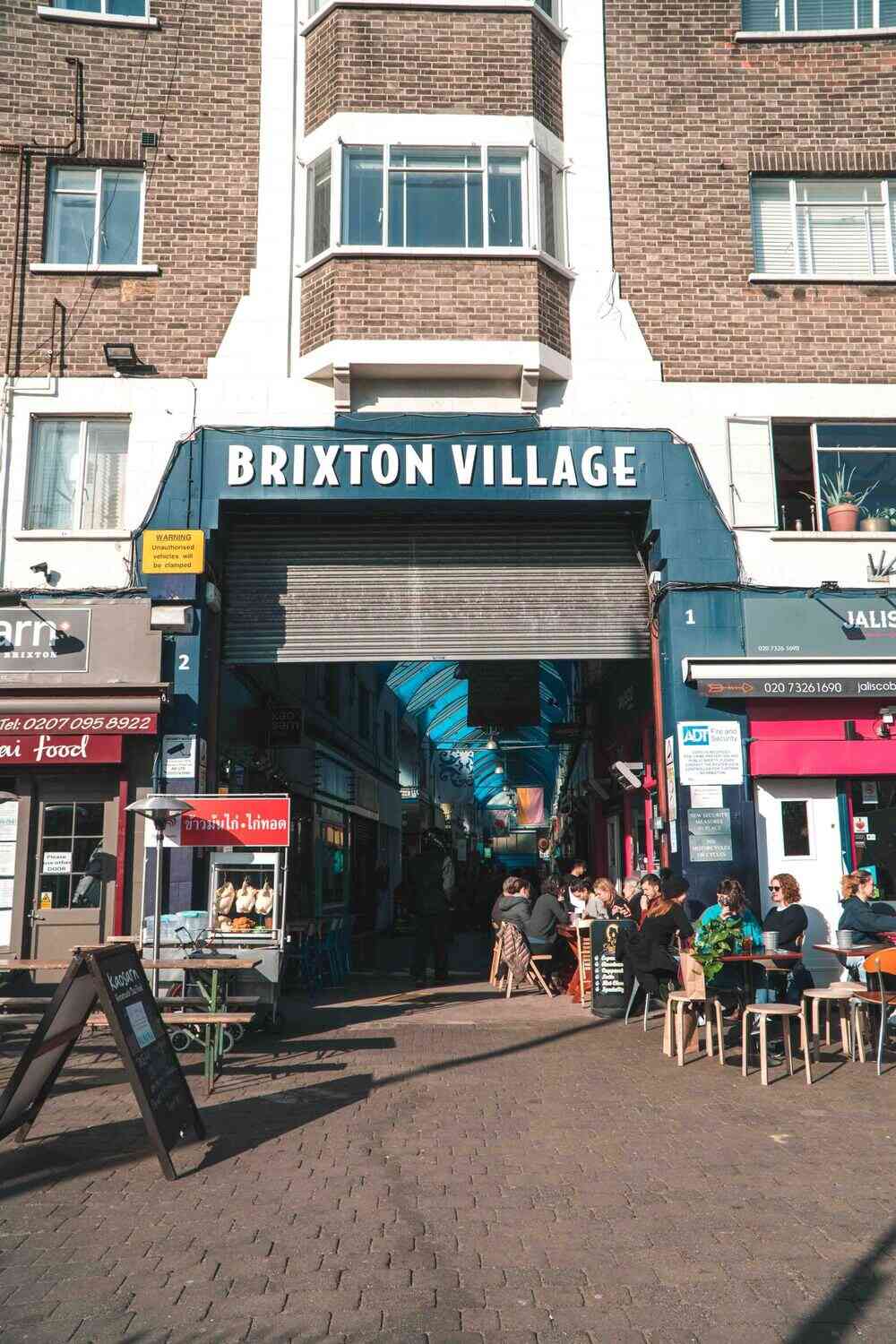
    If you find yourself in Brixton, make the time to visit Brixton Village and Market Row. These two indoor markets are a lively and bustling hub for independent food and shopping. Brixton is one of the city’s most diverse and multicultural neighbourhoods, and this is reflected in the choice of stalls and traders. 

    Find street food from around the world, from Jamaican to Portugese to French. If you’d rather pick up some ingredients to cook, there are fresh produce stalls selling fruit, veg, fish and meat. Stroll through the arcades and you’ll also find shops selling clothes, jewellery, homeware, arts and crafts. 

    While you’re there, head to Pop Brixton, a creative space for local, independent businesses. The traders are housed in a jumble of shipping containers and include street food stalls, new and second hand vinyl, vintage fashion, Japanese kitchenware, tattoo parlour, design studios and much more. Enjoy communal dining in the large greenhouse space, or catch one of the music events. 

    14# Enjoy a Traditional Sunday Roast at a Local Pub 

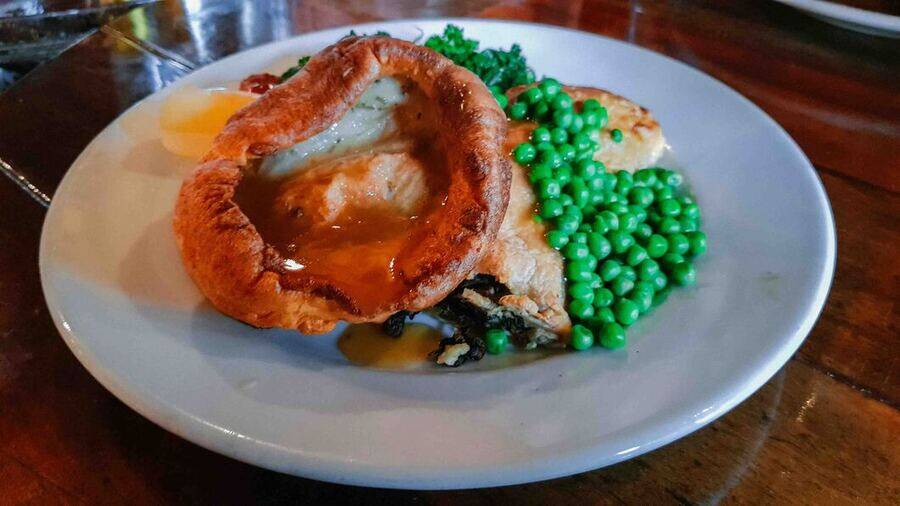
    Have-a-Traditional-Sunday-Roast-at-a-Local-Pub

    A Sunday roast is a true British tradition not to be missed out on. The main feature is roasted meat – lamb, chicken, beef or pork – served with Yorkshire puddings, roast potatoes, roasted or blanched vegetables and a variety of sauces including cranberry sauce, horseradish, mint sauce, apple sauce and gravy. 

    When done right, it can be one of the world’s most loved national dishes. Many places in London will claim to have the best Sunday roast, but my advice is to head to a local pub for a proper, traditional meal. 

    Find the best Sunday roasts in the city at: 

    The Compton Arms

    There has been a pub on the site of this local in Islington since the 16th century. Apart from being one of George Orwell’s favourite locals, The Compton Arms is also known for its fabulous Sunday roasts. 

    The Black Dog Beer House

    This traditionally furnished neighbourhood pub in Brentford serves up a simple but delicious Sunday roast menu. It also boasts a range of 14 keg lines, 5 real ales, 5 real ciders and over 50 bottled drinks. 

    The Brown Dog

    Tucked away in the streets of Barnes is The Brown Dog, a pub and dining room cooking up innovative dishes with the freshest ingredients. It’s known for its Sunday lunch menu, which has a range of other roast dishes as well as the classics.

    15# Visit the Deer in Richmond Park

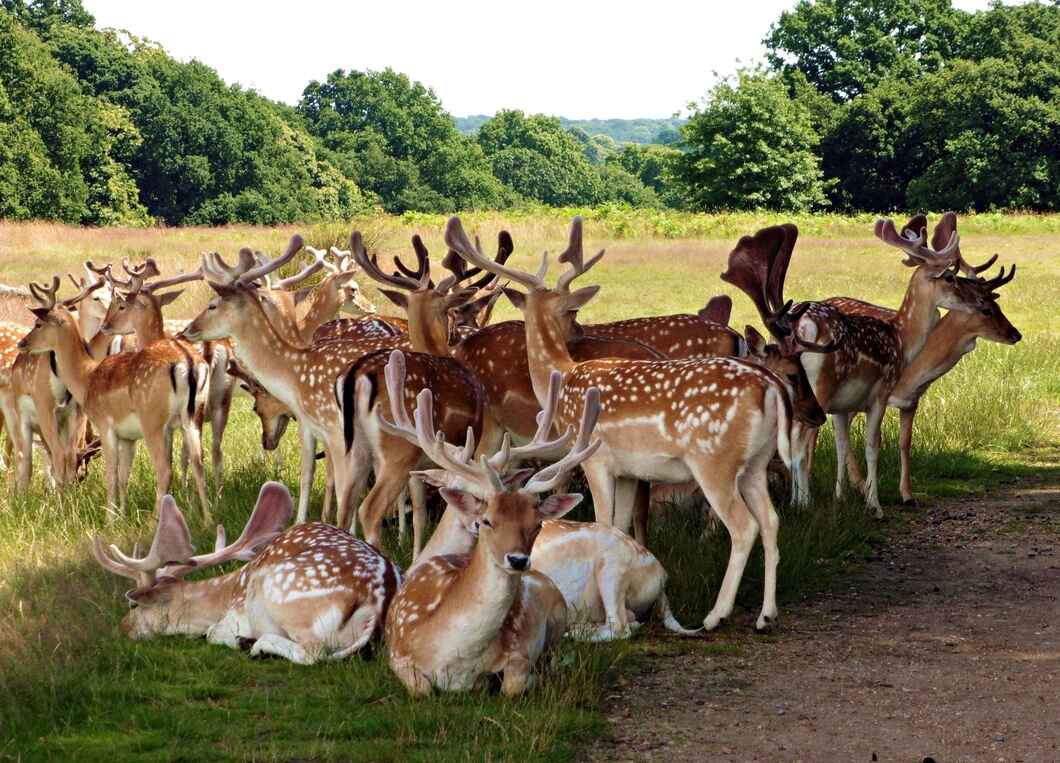
    Deer in Richmond Park London

    Richmond Park is both London’s largest Site of Special Scientific Interest and a National Nature Reserve. It’s a great place to explore, with 2,500 acres of open grassland and woodland. The site is home to an abundance of wildlife, including over 600 Red and Fallow deer which roam freely around the park. 

    If you visit in autumn during the breeding season, you’ll likely see males roar, bark and clash with other males as they compete for females. The fawns are born between May and July, but they’re mostly hidden in the long grass by their mothers. If you’re visiting, remember to keep at least 50 metres away, and don’t attempt to touch or feed them.

    16# See Cool Science Stuff In The Wellcome Collection

    This free museum on Euston Road is a wonderful place to be curious about all things health related. Connecting science, medicine, life and art through immersive exhibitions and collections, the museum is the best place to learn and have fun doing so. In the museum’s permanent exhibitions – Medicine Man and Medicine Now – there is a vast collection of items collected by the 19th century pharmacist Henry Wellcome, such as used guillotine blades, Napoleon’s toothbrush and Florence Nightingale’s moccasins. 

    There are also over 100,000 prints, drawings, paintings and photographs dating as far back as the 14th century. If you’re looking for a relaxing break, check out the Reading Room where you can play games, read books, perform digital autopsies, send a postcard to a friend and lounge on sofas and beanbags. 

    17# Afternoon Tea at the Wallace Collection 

    Although not as common as Sunday lunch, afternoon tea is another quintessentially British tradition that you mustn’t skip. It started in the early 19th century as a private social event for upper class ladies to keep the hunger at bay until dinnertime. 

    It was only until Queen Victoria had a taste of afternoon tea that it became a more common tradition. Today, afternoon teas are usually held on special occasions or events. One of the best places to try afternoon tea in London is at the Wallace Restaurant, which is housed inside the Wallace Collection gallery. 

    Surrounded by trees and sculptures and basked in natural light, the restaurant serves freshly made sandwiches, scones and clotted cream, a selection of cakes as well as a bottle of bubbly. You may as well check out the Wallace Collection while you’re there – an exquisite collection of 18th century French furniture, paintings, porcelain, medieval armour and weaponry. 

    18# Have A Nice Long Boozy Lunch 

    Lunch is great, but an alcohol infused lunch is even better. If you have time to spend a few hours with good food and drink, then London is the perfect place for a long, boozy lunch. Here are some of the best places to enjoy a cocktail before 11am.

    The Breakfast Club

    It wouldn’t be a list of boozy lunch spots without mentioning The Breakfast Club. This relaxed place serves all day breakfast and a fab selection of wines, beers and cocktails. You don’t have to travel too far to find one either, as there are venues dotted all around the city.

    Tank and Paddle

    With two venues in Minster Court and Bishopsgate, Tank and Paddle is an ideal place to spend a few hours with good food and drink. Alongside freshly made stone-baked pizzas and other small dishes, you can also enjoy home brewed pints of craft beer and real ale. Feeling competitive? Challenge your mates to a round of shuffleboard or board games. 

    The Lillie Langtry

    A short stroll from Earls Court station, this homely pub mixes traditional with contemporary. Relax in the Victorian cocktail lounge, and enjoy a selection of light dishes and meats from the grill menu. 

    Ask For Janice

    Ask For Janice is the perfect place for a long, boozy lunch. At this laid back eatery in Farringdon you’ll find fresh lunch dishes, light bites and sharing platters. Pair your food with over 50 gins, over 60 draught and bottled beers, and a unique cocktail list.  

    19# Visit the World’s Largest Collection Of Neon Signs: God’s Own Junkyard

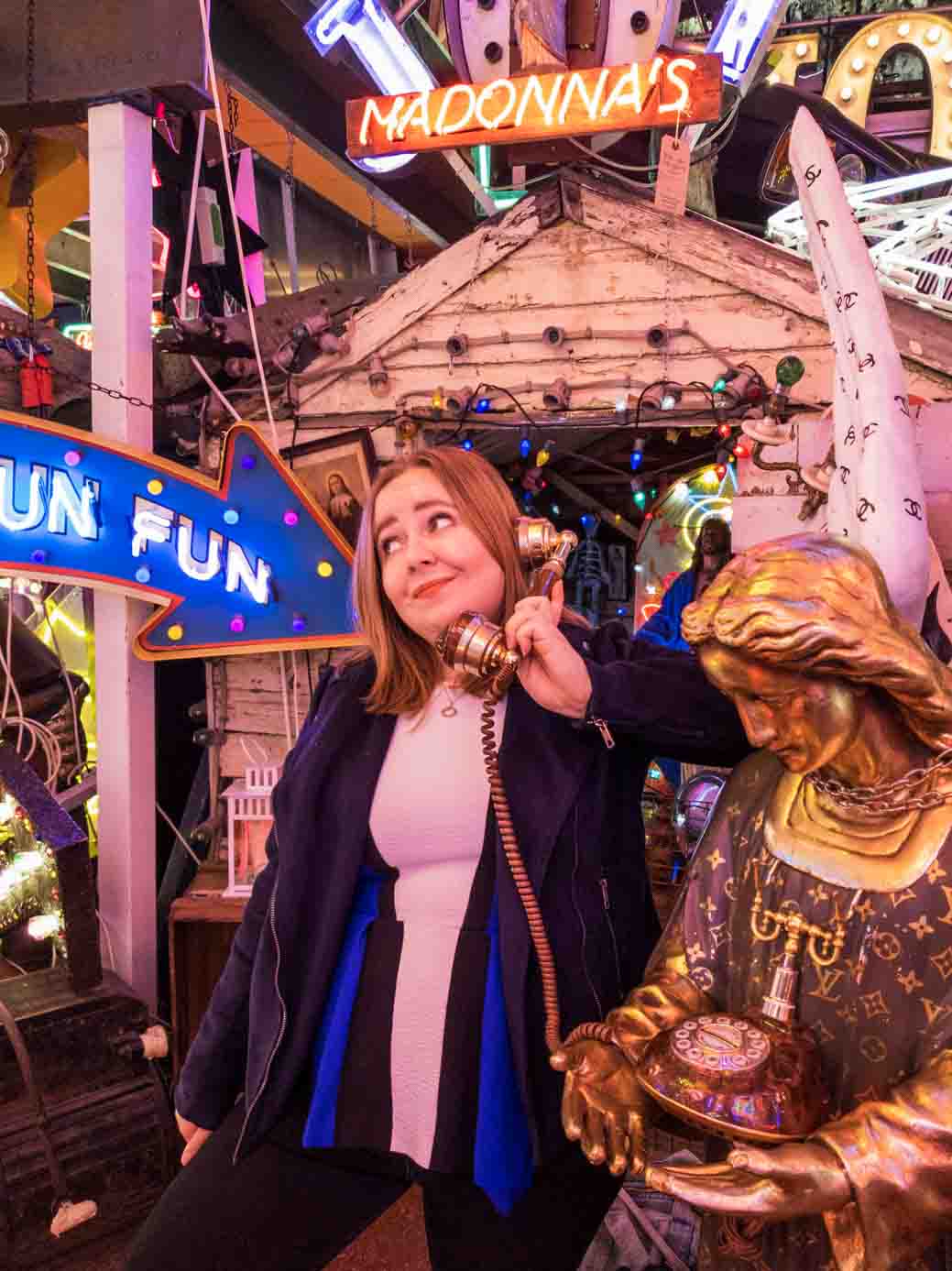
    Who needs to go to Vegas for neon lights when you have God’s Own Junkyard in London? Located in an unassuming warehouse in Walthamstow, God’s Own Junkyard is a collection of the late artist Chris Bracey’s work, incorporating everything from signs used in strip clubs in Soho, to film props used in the likes of Captain America and Eyes Wide Shut. 

    You could spend ages there ogling the vast mish mash of signs and trinkets. If you’re willing to splash the cash you can even purchase something. 

    Alternatively, you can rent a sign. Once you’re all signed out, visit the Rolling Scones cafe for some home baked goodies, or grab a drink from the bar. 

    20# Visit the Barbican Conservatory

    Barbican Conservatory

    The second largest conservatory in London (after Kew Gardens) is a magnificent rainforest with over 1,500 species of plants. You can take a guided tour and wander amongst the palm trees and banana plants to learn more about the different species. 

    Stroll over the wooden bridges and watch the colourful koi carp dart around the fishponds. If you look hard enough you might spot the terrapins basking on the rocks. The conservatory is also home to a cactus house, from tiny cacti to giant spiky monsters, and dainty little succulents.

     The conservatory has recently kept its doors open late on Saturdays, so you can grab a drink from the popup bar while you wander round the greenery. If you’re more of a daytime person, the Barbican does a lovely afternoon tea amongst the plants. 

    21# Go For A Swim At Hampstead Heath Swimming Pools

    Go-for-a-Swim-in-Hampstead-Heath

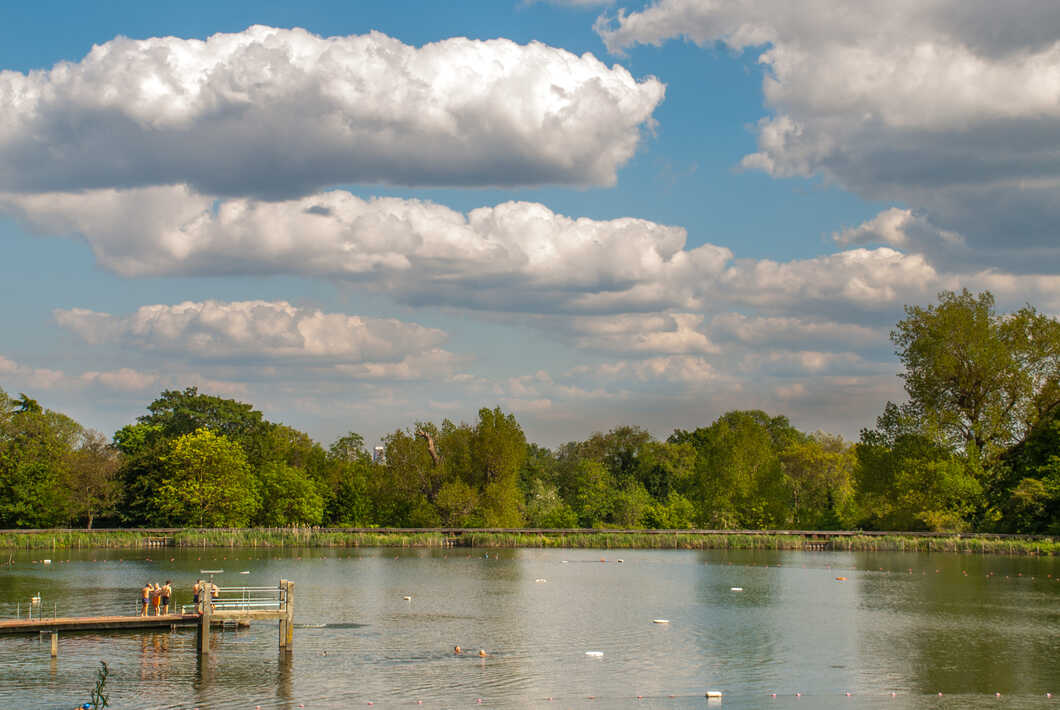
    Ever wonder where the locals head to on a hot day in London? Well there’s a high chance you’ll find them at one of the swimming pools in Hampstead Heath. There are three pools here: men only, ladies only and mixed. The men and ladies pools are open throughout the year, but the mixed pond is closed in winter to the Hampstead Heath Winter Swimming Club.

    It’s best to go for a swim in the early morning or on weekdays, as they tend to get very busy. But if you can brave the cold, you’ll find that the pools are a lot less crowded once the summer months have passed. Not a fan of outdoor swimming but still want to be near the water? Hampstead Heath has plenty of grassy areas to relax and sunbathe on. 

    22# Find A Good Read At London’s Only Floating Bookshop

    The suitably named Word On The Water is one of the most unique bookshops out there. Nicknamed ‘The London Bookbarge’, this 1920s Dutch barge has been floating on the Regent’s Canal since 2011, and is packed with a wonderful collection of new and second-hand books. 

    Whether you want to browse through shelves on the deck, or have a nosy at the collection indoors and warm up by the stove, you’re bound to find a good book to sink your teeth into. The bookshop also holds exciting events like book and poetry readings, open mic sessions and performances, and talks on topics like feminism, politics, art and technology. 

    23# Go Wildlife Watching At London Wetland Centre

    If you feel like escaping the big smoke but don’t have a lot of time on your hands, the London Wetland Centre is the perfect place to spend a few hours. This oasis close to central London will make you feel like you’re miles away from the hustle and bustle of the city. 

    Stretching over 105 acres, there is a network of walkways that meander around the pools and lakes. See how much wildlife you can spot – birds, amphibians, butterflies, bats, otters and water voles all call this place home. 

    There are numerous hides dotted around the wetland, as well as an Observatory to birdwatch. The centre isn’t short of things to keep the kids entertained, and features the Adventure Playground and Wild Walk.  

    24# Take A Trip To Dulwich Village

    Dulwich is a great place to visit if you want to see more of what London has to offer. This village-like neighbourhood in South London is full of green spaces, white picket fences and independent shops. 

    Be captivated by the rural charm of the village as you admire chocolate box houses, have a coffee at a cute cafe and pick up some treats at North Cross Market. 

    A must-do is a stroll down Lordship Lane and splash the cash on some unique finds. Dulwich isn’t lacking in greenery either – make a stop at Dulwich Park or Belair Park. 

    25# Enjoy Live Music In Soho

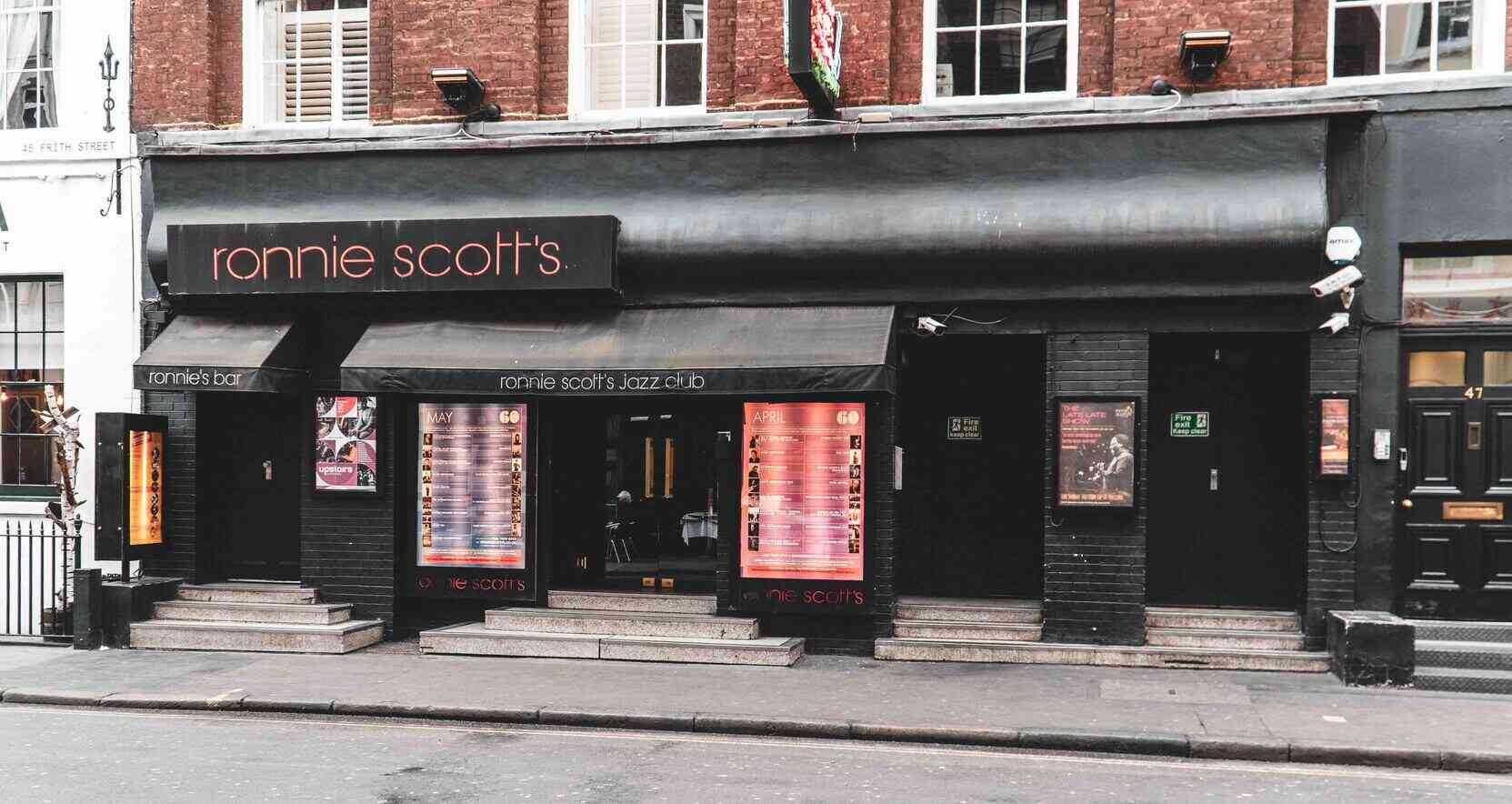
    Ronnie Scotts

    A big fan of live music? Soho is the place to be. This trendy district hosts some of the best live music venues in London, and you’ll be hard-pressed not to find jamming sessions on any given day of the week. Here are some of the leading venues to check out.

    Ronnie Scott’s 

    Ronie Scott’s is a legendary venue opened by the British saxophonist himself in 1959. It was the first venue in the UK to host jazz musicians from America, and it has seen some of the most famous names in the world of jazz, including Chet Baker and Ella Fitzgerald. With its cosy and plush decor, you’ll be transported back in time as you soak up some smooth sounds.

    100 Club

    Starting out as a swing bar in 1942, the 100 Club is identical with punk. Bands like The Clash, Sex Pistols and Oasis have all performed here. These days however, the club leans towards blues, jazz, soul and classic R&B. 

    The Borderline

    Those of you who are interested in a wide range of genres will love The Borderline. Hosting a mix of established and upcoming artists, the club is an intimate venue for rock, metal, indie, blues, country and folk music.
    26# Bag Some Sweet Treats At A Bakery

    London is a haven for anyone with a sweet tooth. There are countless bakeries all around the city cooking up fresh bread, cakes and pastries – here are some that you simply can’t miss.

    Aux Pains de Papy

    This rustic French bakery in Bloomsbury is the place to be if you’re looking for traditional, handmade pastries. From crusty baguettes and fresh croissants, to sweet treats like eclairs and bugnes, Aux Pains de Papy is all about old-school French classics.

    Soderberg Soho

    This Swedish bakery and cafe brings you open sandwiches, meatballs and waffles during the day, and smörrebröd platters and cocktails during the evening. Don’t leave without trying the signature kardemummabullar (cardamom buns). 

    The Dusty Knuckle Bakery

    You can get a wide range of baked goods at the Dusty Knuckle – sourdough and rye loaves, sweet treats, savoury bakes and innovative sandwiches. You can also get soups, toasties and homemade drinks to take on the go.

    27# Byob Vietnamese Food On The “Pho Mile”

    You may have heard of London’s curry mile located in Bricklane but east London also has another lesser-known mile (which serves some of my favourite food) – the “Pho Mile!” 

    The Pho Mile is located on Kingsland Road and stretches from Shoreditch High Street station to Hoxton. Here you will discover some of London’s best Vietnamese restaurants. 

    One of my favourite restaurants is Bunbunbun just near Hoxton station. They are also one of the rare places that allow you to bring BYO! There is a small cover charge for the glasses but still cheaper than buying booze at the venue. 

    Watch the Highlights of Hidden Gems in London

    Nothing beats visuals of incredible places, in this video, I will show you some of the spots highlighted in this article!

    More London Inspiration!

  • 22 Best Seaside Towns in England to Get Your Vitamin Sea

    22 Best Seaside Towns in England to Get Your Vitamin Sea

    As soon as summer hits I start dreaming about visiting the beach and enjoying a day out in a cute English seaside town eating icecream.

    Now there is a lot more to do at a seaside towns in England so if my version of a beach day isn’t your style then here is an endless list of things you can experience:

    • the atmosphere,
    • go sailing,
    • find the wildlife (I still want to see puffins in person!),
    • romantic getaway,
    • the excitement of the amusement parks,
    • for culture
    • and to where ever your imagination takes you.

    Take Cornwall as an example, the area is a hotspot! They a mix of fantastic seaside towns, great beaches, harbourside restaurants, amazing walks, sports facilities and much more!

    If you’re planning an escape to the coast, start with my ridiculous selection of the best seaside towns in England that offer something unique. All towns that have been selected a great beach, breakdown of the area and a must-do activity so that you can make your own mind up based on individual requirements.

    Burnham-on-Sea

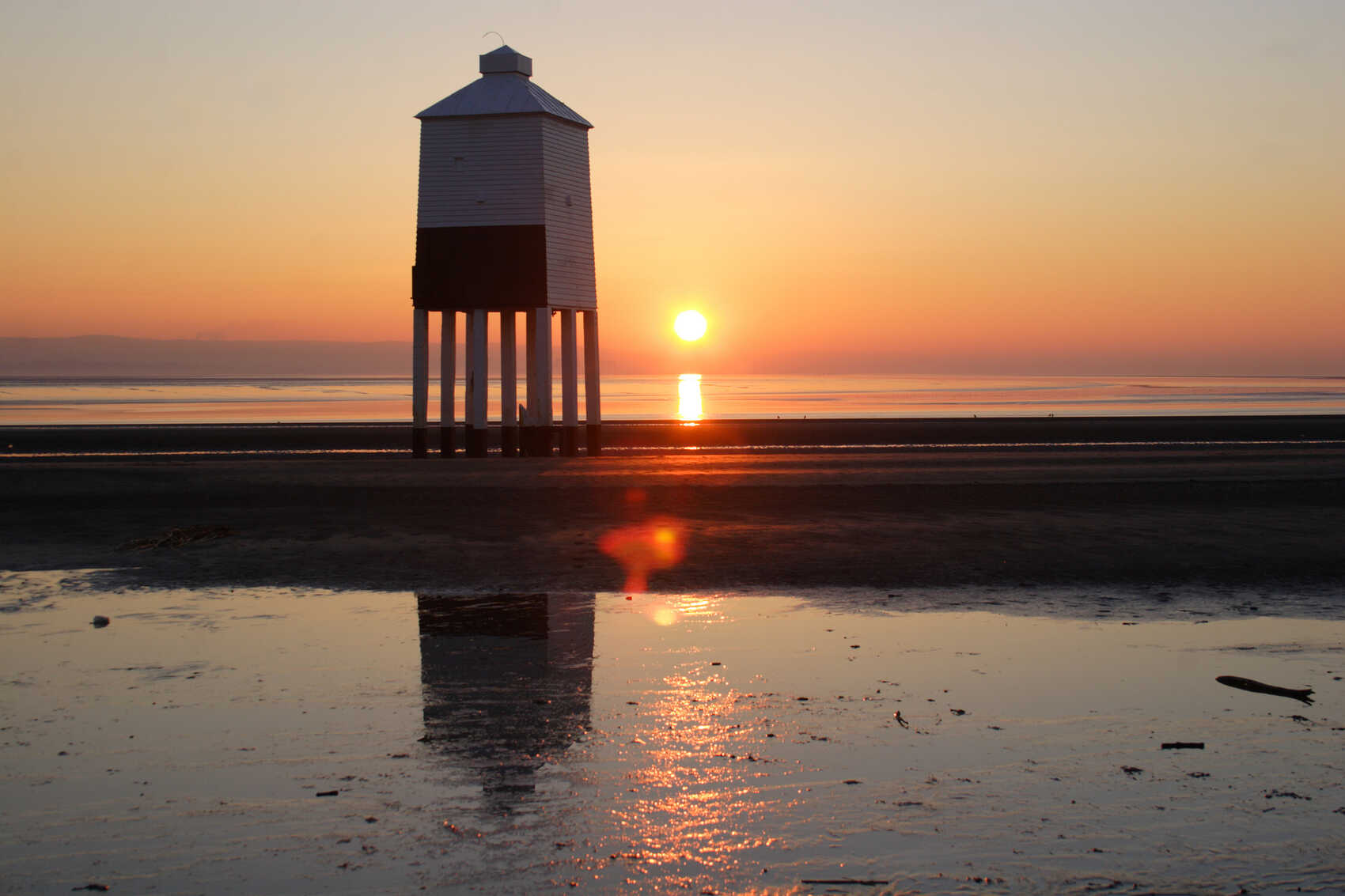
    Lighthouse with sunset over Burnham on Sea

    Burnham-on-Sea is a sweet little seaside town in Somerset situated between Highbridge and the larger Weston-Super-Mare.

    What Makes Burnham-on-Sea So Special

    You can see that Burnham-on-Sea was once a genteel place. The Victorian grandeur may be tired, but Burnham has a pier, a lighthouse on the beach and a still lovely promenade.  Due to its proximity to the M5 it makes a great seaside holiday destination for those from the Midlands who want something more upmarket than its much larger and bolder neighbour Weston-Super-Mare.

    •  Sandy Beaches
    • Water sports
    • Night life
    • Culture
    • Heritage
    • Shopping
    • Sporting

    Recommended

    Take a drive inland to Glastonbury.

    Dawlish

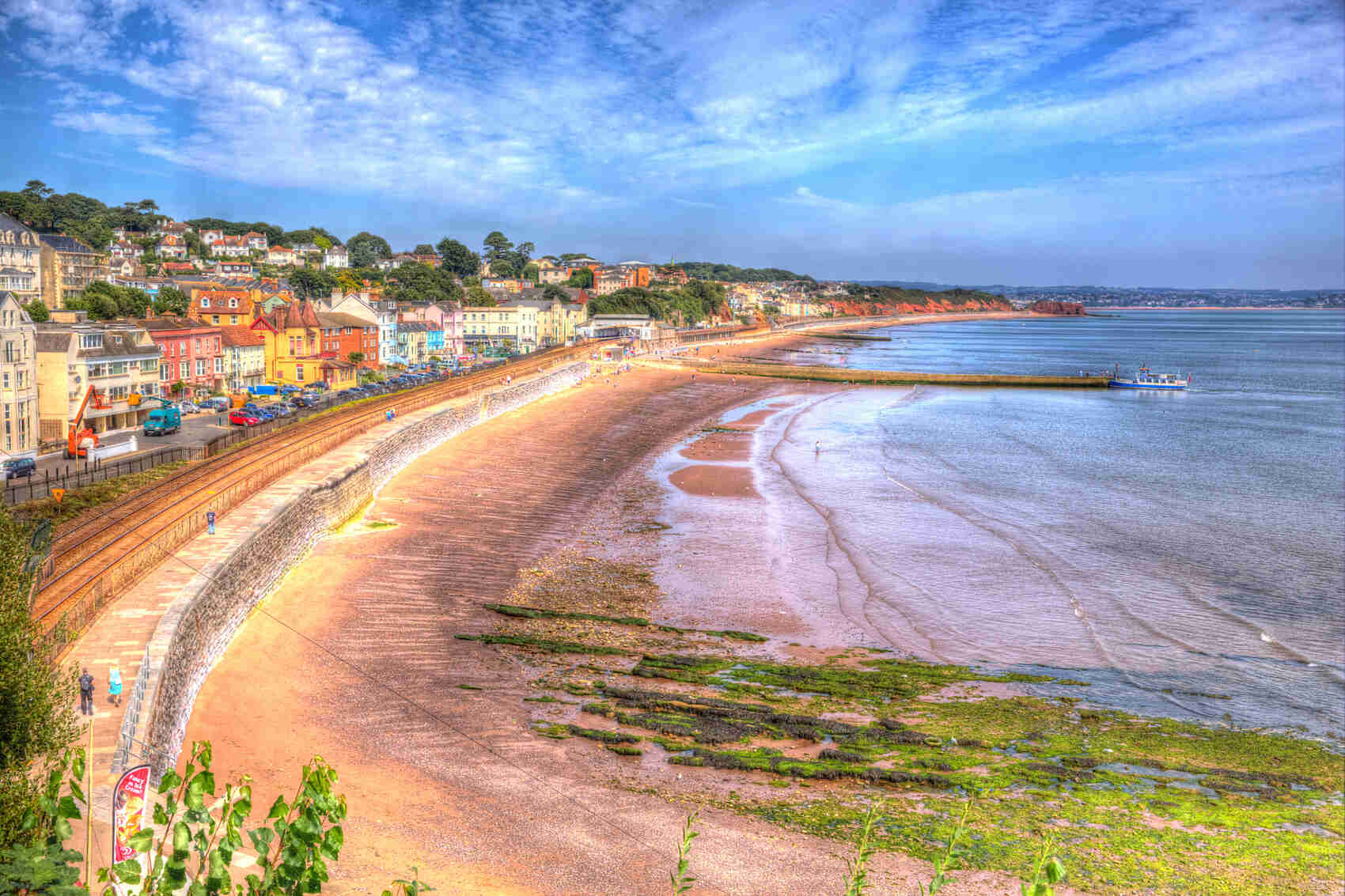
    Dawlish Devon England Beach

    Just 12 miles from the city of Exeter, Dawlish is well known for its holiday parks and sandy beach.  It is also a place you may have heard of because the train runs along the seafront and it made the news when the tracks were badly damaged in winter storms a few years ago. 

    What Makes Dawlish So Special

    Dawlish has an air about it of old seaside town grandeur, only a small place as well as the sandy beach, there are amusement arcades, lovely walks and a nature reserve at nearby Dawlish Warren.  The main part of the town is centred round the lawn which is a great place for picnics and the brook there is well known for its black swans.

    • Sandy Beaches
    • Stunning Scenery 
    • Water sports
    • Night life
    • Culture
    • Heritage
    • Shopping
    • Sporting

    Must Do

    Go on a train journey travelling west and back to experience the stunning seascape on the famous bit of track.

    Minehead

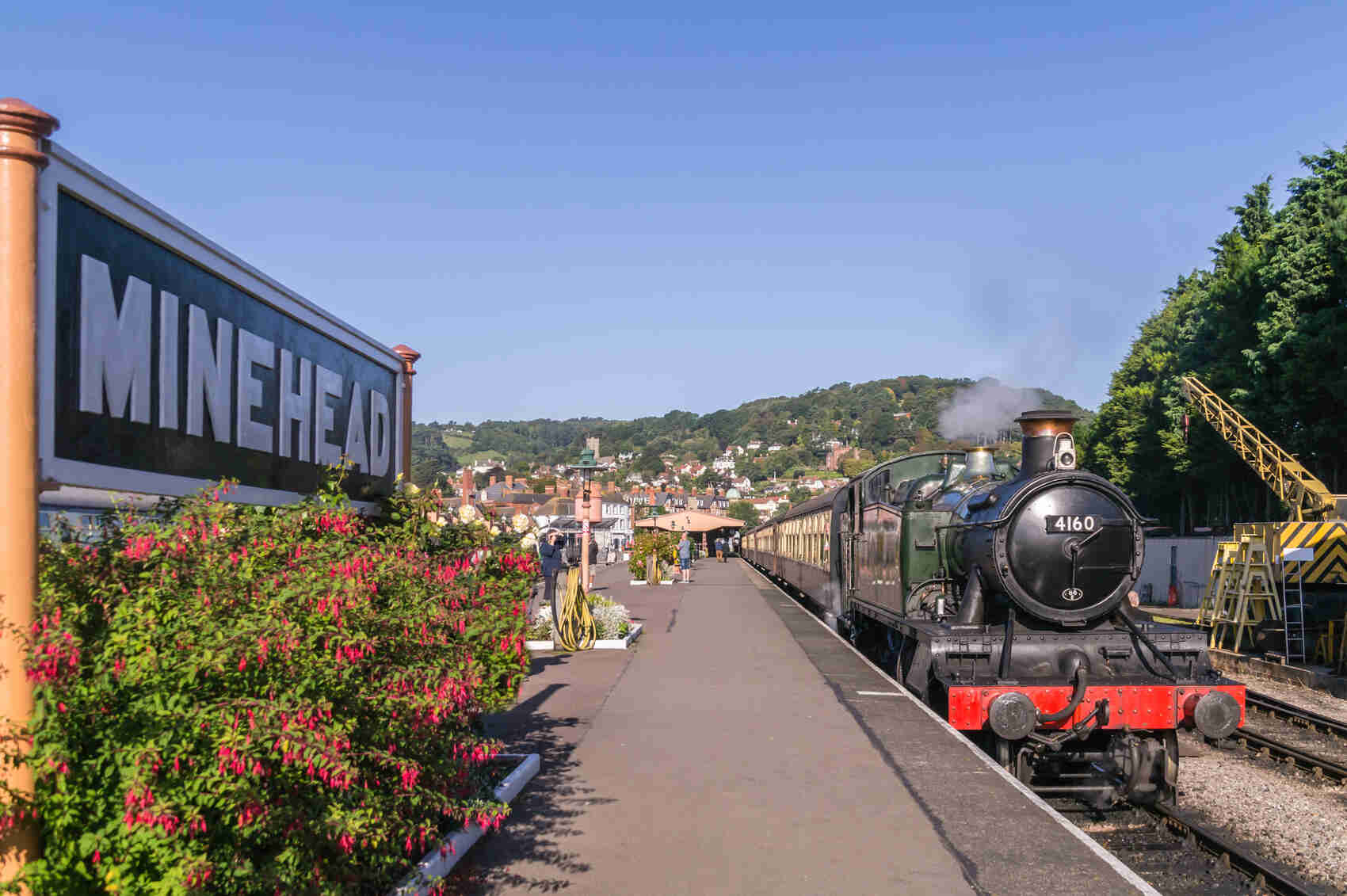
    Minehead station in Somerset

    Minehead in Somerset is on the edge of Exmoor and very close to North Devon.  Minehead is probably best known for the large Butlins camp nearby.

    What Makes Minehead So Special

    Depending on which way you walk it Minehead is the start or finish of the famous South West Coastal Path Walk.

    Minehead is a great place to stay for a mixed holiday, seaside on your doorstep, an old picturesque harbour and for history, there is the 15th Century Church of St Michael up on top of a hill. Dunster Castle is nearby.  Water sports include paddle boarding and kayaking and there is a golf course.  The town has some lovely shopping areas and the Blenheim Gardens in the centre of the town are beautiful.

    • Sandy Beaches
    • Stunning Scenery 
    • Water sports
    • Night life
    • Culture
    • Heritage
    • Shopping
    • Sporting

    Suggestion

    Take a steam train ride to enjoy the stunning countryside.

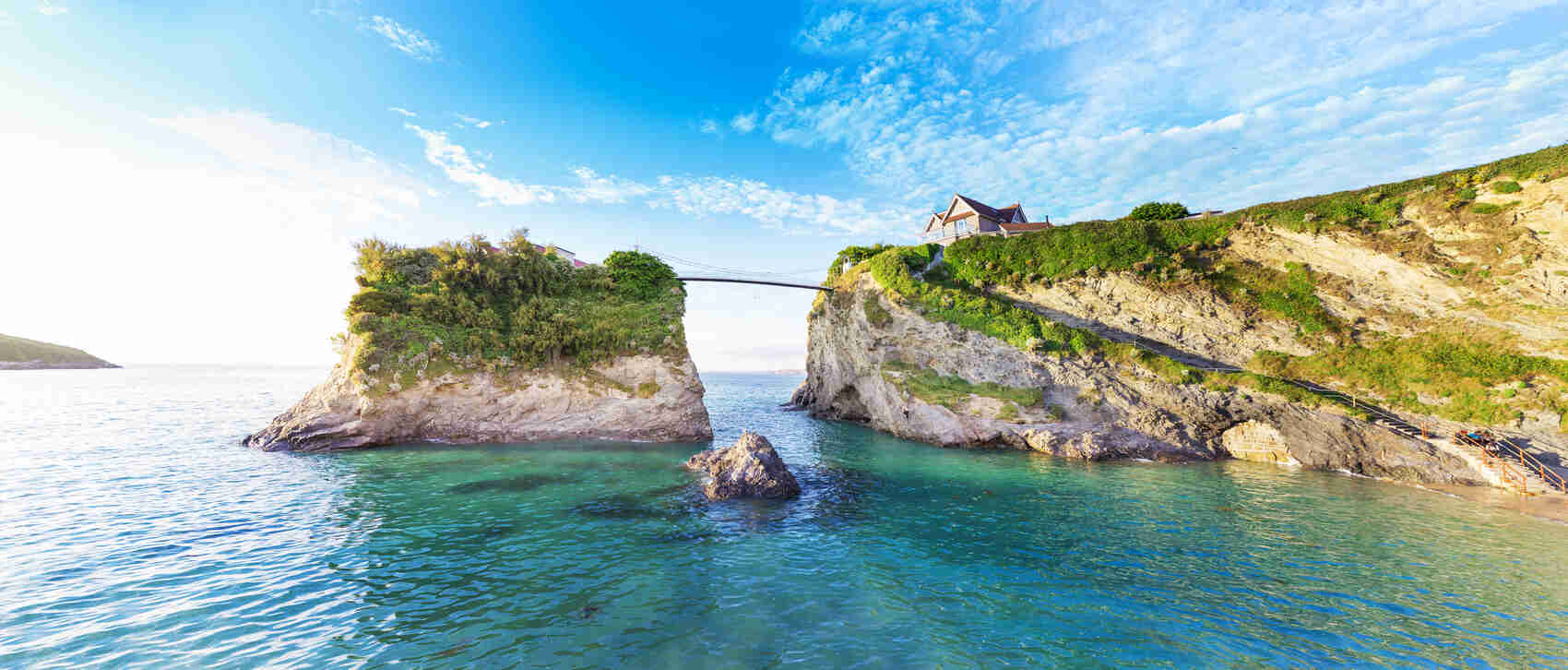
    Newquay

    Newquay Cornwall England

    Newquay is uniquay!  At certain times of the year, there are so many Australian surfers in Newquay that you could be mistaken for thinking you have woken up in Australia!

    What makes Newquay so Special

    Newquay is the surf capital of the UK.  With 12 sandy beaches and good surf from the Atlantic, Fistral Beach and Watergate Bay are the best locations for serious surfers and it is fun to watch the experts from the viewpoint of the headland.  Newquay town combines Cornish charm with modern facilities, the usual High Street outlets can be found there alongside the surf scene boutiques such as Fat Willey’s Surf Shack and Watershed.  Other great shops include the Retro Music Store.  There are pubs and cafes to suit all tastes and budgets too.  Plenty of other sporting opportunities with sports centres, a boating lake, great places for running, cycling and jogging.  There are also gardens, a pitch and putt, miniature railway and more.

    • Sandy Beaches
    • Stunning Scenery 
    • Water sports
    • Night life
    • Culture
    • Heritage
    • Shopping
    • Sporting

    Recommended

    Get up early and watch the seals cavort in Crantock Bay.

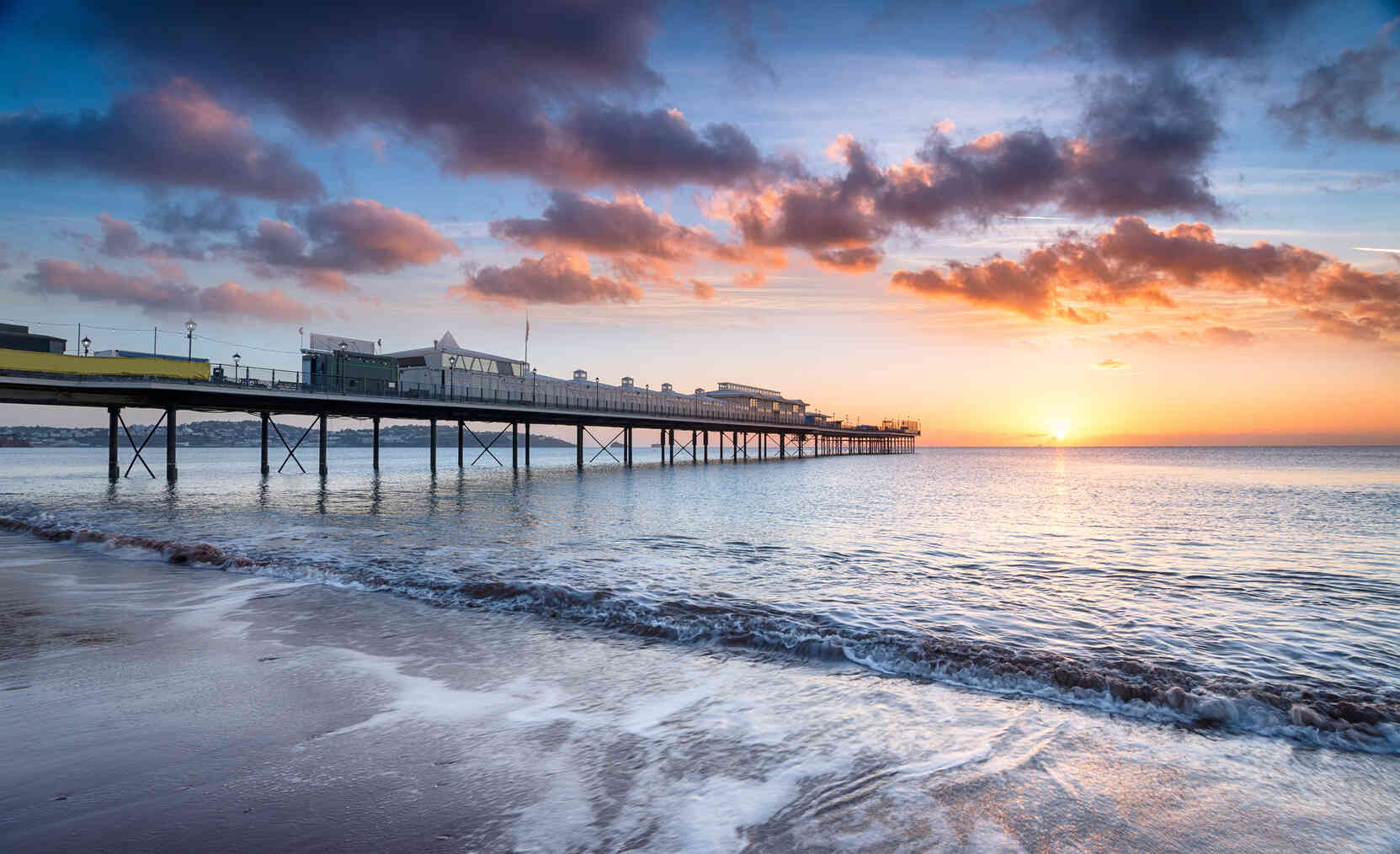
    Paignton

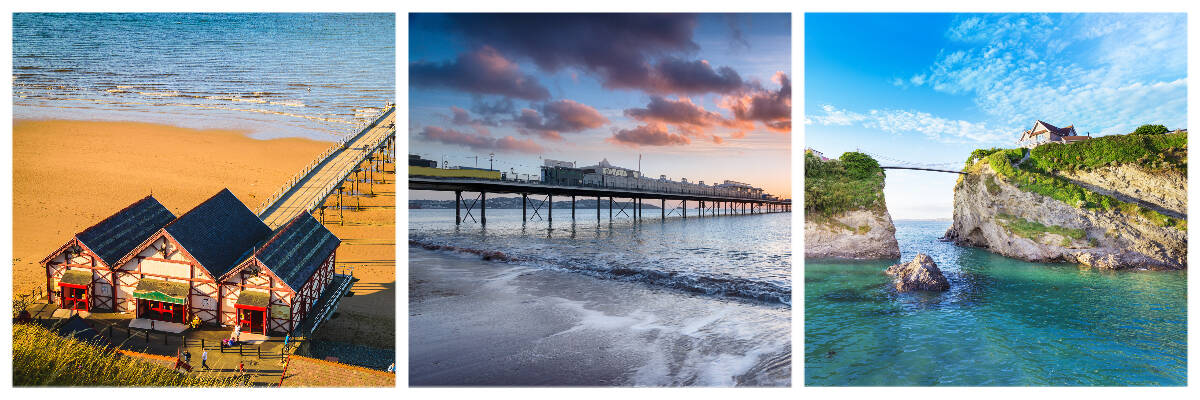
    Paignton Pier

    Paignton is the middle town of the three that make up the towns in Torbay, collectively known as the English Riviera. 

    What Makes Paignton So Special

    Paignton has lovely sandy beaches.  Best is Preston Beach; others include Galmpton Beach, Fairy Cove and the beach at the main part of Paignton.  Hyde Road is well known for the arcades, shops and cafes.  Evening entertainment can be found at The Spinning Wheel pub on the seafront for live music or The Gallery nightclub to dance the night away.

    • Sandy Beaches
    • Stunning Scenery 
    • Water sports
    • Night life
    • Culture
    • Heritage
    • Shopping
    • Sporting

    Rock

    Rock on the north coast of Cornwall is often referred to as Kensington of Cornwall or Chelsea on Sea due to the high number of wealthy Londoners who frequent the area rubbing shoulders with locals and celebrities.

    What makes Rock So Special

    Just across the Camel Estuary from Padstow, Rock has a lovely white sandy beach that due to its location is met by calm gentle waters.  There are lovely hotels and restaurants and a water taxi to take you across to Padstow, famous for its association with the television chef Rick Stein.

    • Sandy Beaches
    • Water Sports
    • Stunning Scenery 
    • Night life
    • Culture

    Must Do

    You have to go to the dive school or the water ski school at Rock or both.

    St Ives

    St Ives Harbour Cornwall

    Well known among artists for the spectacular light St Ives has long been a place of pilgrimage for artists and art lovers.

    What Makes St Ives So Special

    Drive down the hill into St Ives and the bay is laid out to your right, as you continue you are blessed with tantalizing views of the protected St Ives beach.    Stroll along the harbour and enjoy the boutique shops, galleries and arcades.  St Ives is home to the Barbara Hepworth Museum and Sculpture Garden as well as the famous St Ives Tate Modern Art Gallery and the St Ives Museum.

    • Sandy Beaches
    • Stunning Scenery 
    • Water sports
    • Night life
    • Culture
    • Heritage
    • Shopping
    • Sporting

    Must Do

    Make sure you try out both beaches as the town of St Ives is flanked by two beaches as part of the town is on a small peninsula. 

    Woolacombe

    Putsborough Woolacombe Warren Devon

    Miles of white sandy beaches can be found at Woolacome on the North Devon coast.

    What Makes Woolacombe So Special

    Many British people will remember going there as children on a holiday to Devon and learning to surf at Woolacombe.  The Atlantic waves keep rolling in but are more predictable than at more challenging locations making it an ideal place to enjoy a beach holiday and learn to surf.  It is one of the best locations for surfing, kite surfing, or paddleboarding.  Woolacombe is all about the beach, but the village set to one side of the beach has a lovely atmosphere, some great cafe’s pubs and places to stay and a nightclub. 

    • Sandy Beaches
    • Stunning Scenery 
    • Water sports
    • Night life
    • Culture
    • Heritage
    • Shopping
    • Sporting

    Best for water sport and romantic getaways.

    North West

    Ainsdale and Formby

    Ainsdale is a small town near Southport that is famous for its miles of sandy beach and sand dunes.  Next to Ainsdale is the smaller Formby with its nature reserve and sand dunes, Formby is home to Red Squirrels and the rare Natterjack Toads.

    What Makes Ainsdale and Formby So Special

    Both have nature reserves by the sea, golf courses and sand dunes.  Ainsdale has the lovely discovery centre and some nice shops.  There is a Pontins Holiday Park at Ainsdale near the beach, whilst Formby has the Formby Hall Golf Resort and Spa.  The coastline is a Special Area of Conservation SAC.  They offer some great walks and cycle trails. The two towns are convenient for the larger town of Southport with its shops and attractions.

    • Sandy Beaches
    • Stunning Scenery 
    • Water sports
    • Night life
    • Culture
    • Heritage
    • Shopping
    • Sporting

    Must Do

    Don’t miss out on the chance to see the Red Squirrels in a natural habitat.

    North East

    Saltburn by the Sea

    Pier at Saltburn by the Sea

    The last remaining pier in Yorkshire is at Saltburn by the Sea and it is one of a few places with a funicular precipitous cliff lift to take people down to the beach and back up again.

    What makes Saltburn by the Sea So Special

    Gaining a reputation as a cultural treat, Saltburn by the Sea has a feel of a contemporary seaside town; there is a surf school, a miniature railway, and lovely walks alongside the Saltburn Beck.  There is also the Valley Gardens to explore and the Woodland Wildlife Centre.  Saltburn’s specialism though is as a centre for contemporary arts.

    • Sandy Beaches
    • Stunning Scenery 
    • Water sports
    • Night life
    • Culture
    • Heritage
    • Shopping
    • Sporting

    Saltburn has up and come; you can still be one of the first to discover its charms.

    Skegness

    The family seaside place in Lincolnshire.

    What Makes Skegness So Special

    Skegness is a very easy place to visit for an action packed holiday or for easy beach days.  Features include a long sandy beach, a seafront with lawns and attractions including Natureland Seal Sanctuary, a theme park and a golf course.  Skegness is close to the Lincolnshire Wolds Area of Outstanding Natural Beauty AONB and has a separate nature reserve. 

    • Sandy Beaches
    • Stunning Scenery 
    • Night life
    • Culture
    • Heritage
    • Shopping

    Recommended

    Take a stroll along the pier for the best view of the beach.

    Whitby

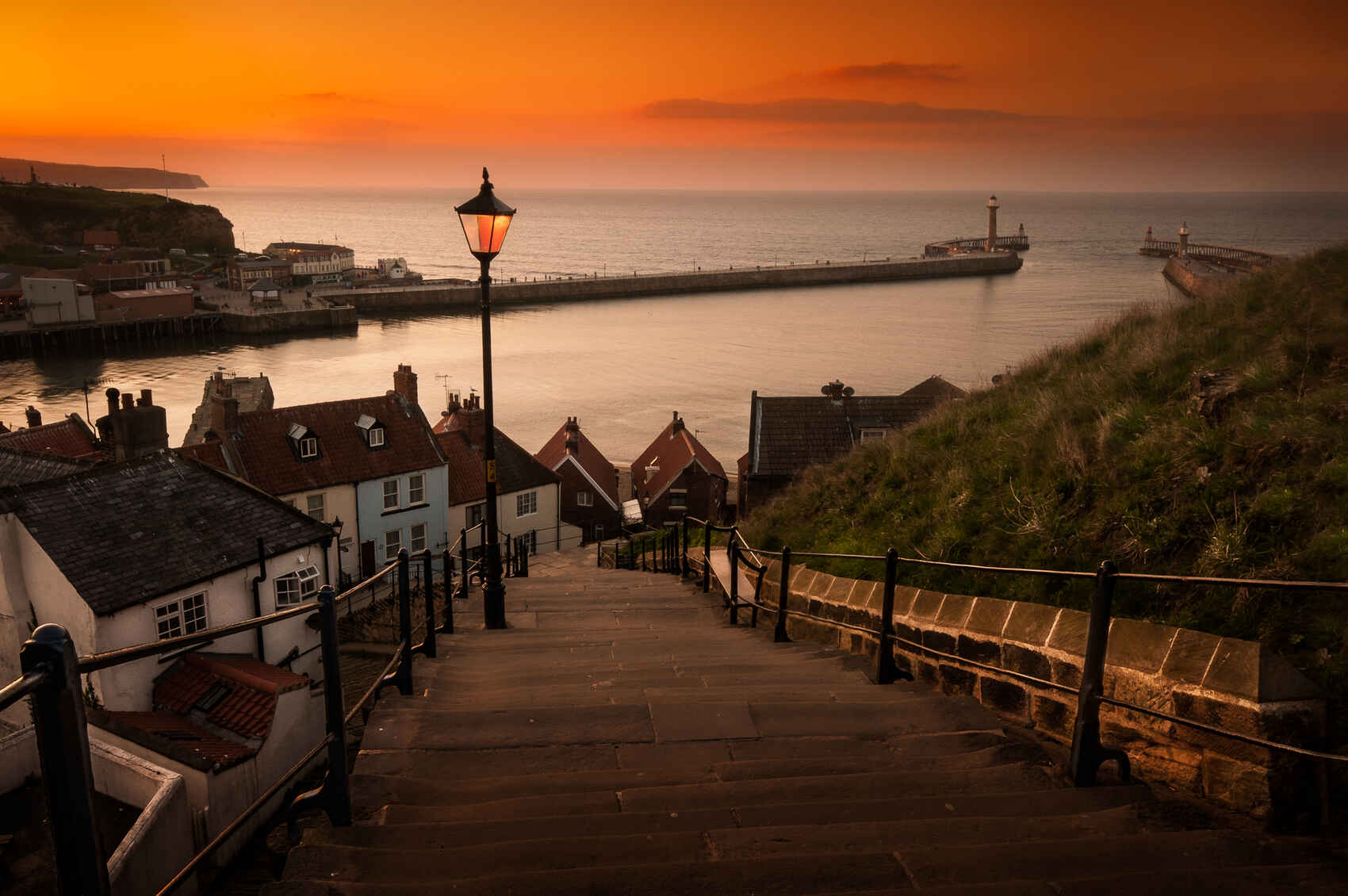
    Whitby Steps at Sunset

    With its connections to Dracula, witchcraft and pirates, it is easy to think about staying away from Whitby!  To do so would be a shame, Whitby has an interesting history and today is a great seaside resort to visit.

    What Makes Whitby so Special

    Due to its connections, Whitby is a Goth must visit place.  Whitby is more than the dark parts of its past.  Attractions include the Captain Cook Museum, Captain Cook Experience Boat Trip, steam railway, interesting historical walks, a lovely park, a museum and art gallery and the atmospheric Whitby Abbey Ruins.  Whitby is part of the North Yorkshire and Cleveland Heritage Coast and is on the edge of the North York Moors National Park.  Robin Hood’s Bay is nearby.

    It is said that Lewis Carroll’s Through the Looking Glass was inspired by his many walks along Whitby beach.

    • Sandy Beaches
    • Stunning Scenery 
    • Night life
    • Culture
    • Heritage
    • Shopping

    Must Do

    Take a trip to Robin Hoods Bay or enjoy the atmosphere of the Whitby Abbey Ruins.

    East Anglia

    Brancaster

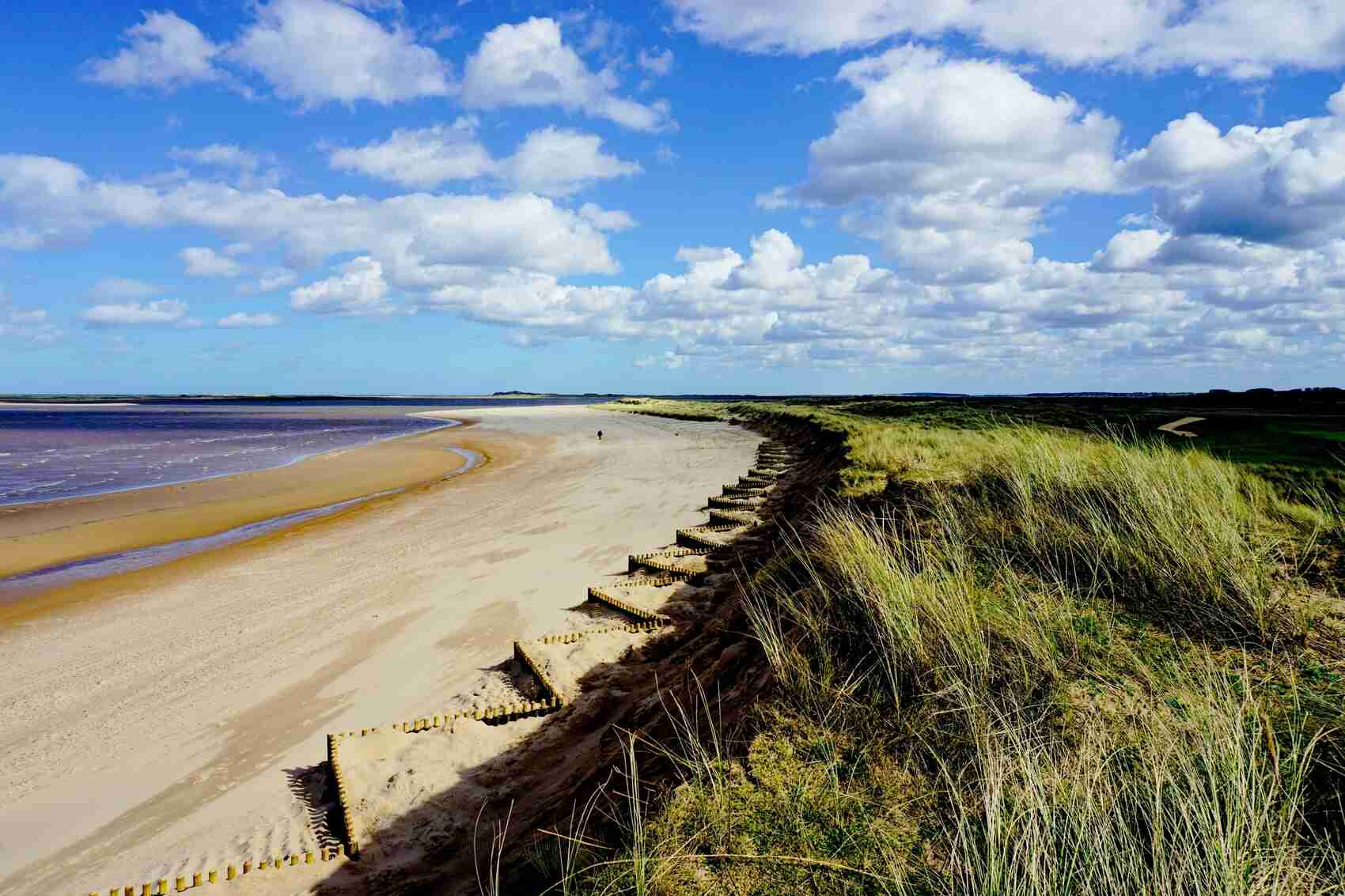
    Brancaster beach

    In an Area of Outstanding Natural Beauty AONB Brancaster together with Brancaster Staithe are collectively known as Brancaster, Norfolk and they are most famous for the beach.   

    What Makes Brancaster So Special

    Of course the beach, but also the high number of dry days, the lovely walks, a couple of miles from Titchwell Marsh the RSPB Nature Reserve, wildlife is in abundance.  There is an outdoor activity centre, boat trips, and independent shops.

    Great for a holiday with a beach, good walking, wildlife, stunning scenery, outdoor activities.

    • Sandy Beaches
    • Stunning Scenery 
    • Water sports
    • Culture
    • Heritage
    • Shopping
    • Sporting

    Recommended for a quieter slower holiday destination.

    Great Yarmouth

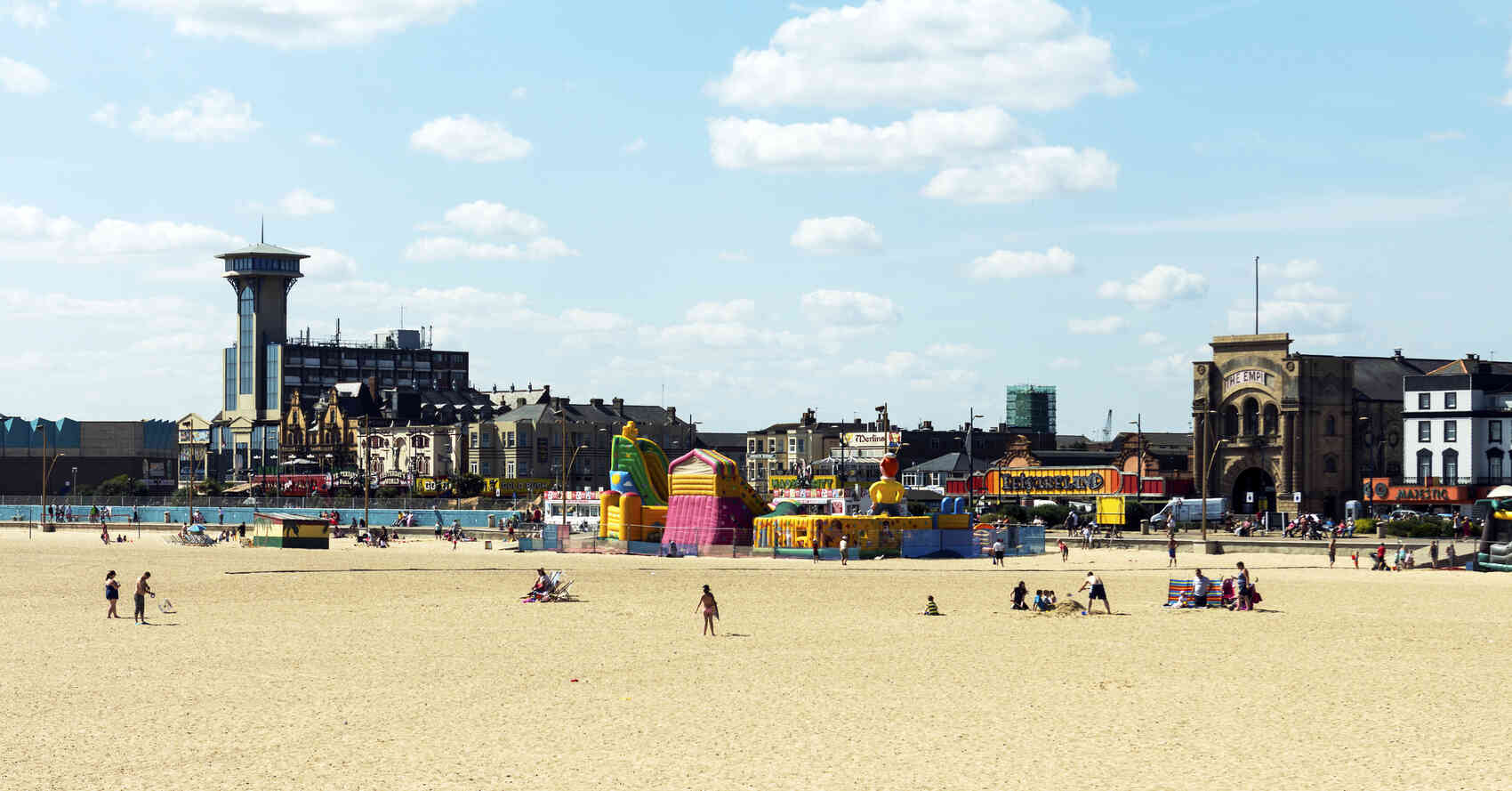
    Great Yarmouth beach Norfolk

    Known for its Golden Mile on the sea front Great Yarmouth is in an area of history and the heritage can be seen in the ancient churches and its medieval town wall.

    What Makes Great Yarmouth So Special

    Great Yarmouth is unashamedly a fun, fun, fun place to visit.  On Marine parade there are plenty of attractions including amusement arcades, crazy golf, a bowling green, pier, pretty flower beds, restaurants and pubs.  There is also a sea life centre, a circus, a model village, model railway a huge amusement fairground park and ten pin bowling.  There are plenty of shops at Great Yarmouth the big chain names, a permanent undercover market and sea front gift shops to choose from.

    • Sandy Beaches
    • Stunning Scenery 
    • Water sports
    • Night life
    • Culture
    • Heritage
    • Shopping
    • Sporting

    Must Do

    Have Fun!!!!

    Gorelston on Sea

    Right next to Great Yarmouth Goreleston on Sea is a quieter cousin to the brashness of Great Yarmouth.

    What Makes Gorelston on Sea So Special

    As well as a quieter, sheltered sandy beach Gorelston has a more spacious feel, with lawns, pitch and putt, tennis court and basketball court, children’s playground a model yacht pond and gardens.  It is a popular place for surfing and body boarding.  The golf course overlooks the sea and the town centre is an easy 5 minute walk from the seafront.  Gorelston has shops, amusements, cafes.  Free parking and toilets too.

    • Sandy Beaches
    • Stunning Scenery 
    • Water sports
    • Culture
    • Heritage
    • Shopping
    • Sporting

    Must Do

    Spend a day letting your hair down at Great Yarmouth.

    South East

    Bexhill on Sea

    Bexhill on Sea has many claims to fame:  British Motor Racing started there and Bob Marley played his first ever live UK Gig at Bexhill.

    What makes Bexhill So Special

    These days Bexhill with its famous and beautiful Art Deco De La Warr Pavilion on the seafront, a pier, long gently sloping mostly pebble beach and golf course, also has a sailing club and a rowing club.

    • Stunning Scenery 
    • Water sports
    • Night life
    • Culture
    • Heritage
    • Shopping
    • Sporting

    Must Do

    Take a short tip to Normans Bay, sandy beach.

    Brighton

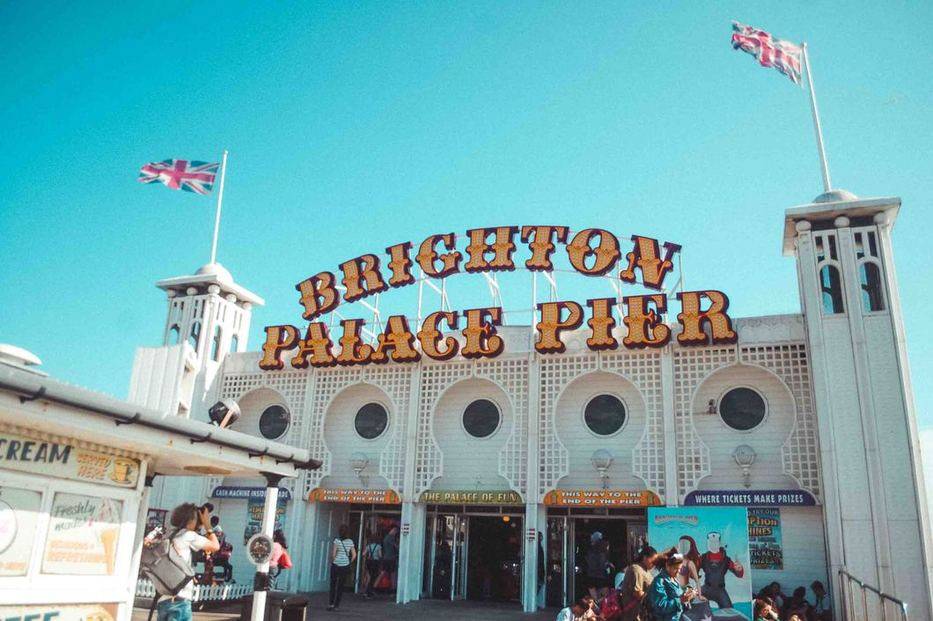
    Kat at Brighton Pier

    Regency town Brighton is often referred to as London on Sea. 

    What makes Brighton So Special

    Brighton is well known for its Regency style, the Pavilion and the Dome Theatre that mimics the style.  Brighton lanes are a draw for antique collectors and the city of Brighton and Hove to give it its full title is just a 53 minute train journey from central London. Brighton’s attractions include the I360 tower, the pier and the marina.

    Brighton is the only place to consistently have a Green member of parliament. 

    • Stunning Scenery 
    • Night life
    • Culture
    • Heritage
    • Shopping
    • Sporting

    Must Do

    Walk along the seafront from the Marina to Western Lawns, Hove.

    Cooden Beach

    Cooden Beach is a quiet unassuming, residential town situated on a long straight sandy beach between the sandy beach of Normans Bay and the larger town of Bexhill.

    What makes Cooden Beach so Special

    The town offers an easy live like a local experience with B&B’s in peoples own homes and homely holiday lets.  There are a few shops, a golf course and a hotel on the seafront.  The long sandy beach along to Normans Bay and beyond is pretty special.

    • Sandy Beaches
    • Heritage
    • Shopping
    • Sporting

    Must Do

    Go inland to Pevensey (not to be confused with Pevensey Bay) and visit the castle and some of the old timbered pubs and shops there.

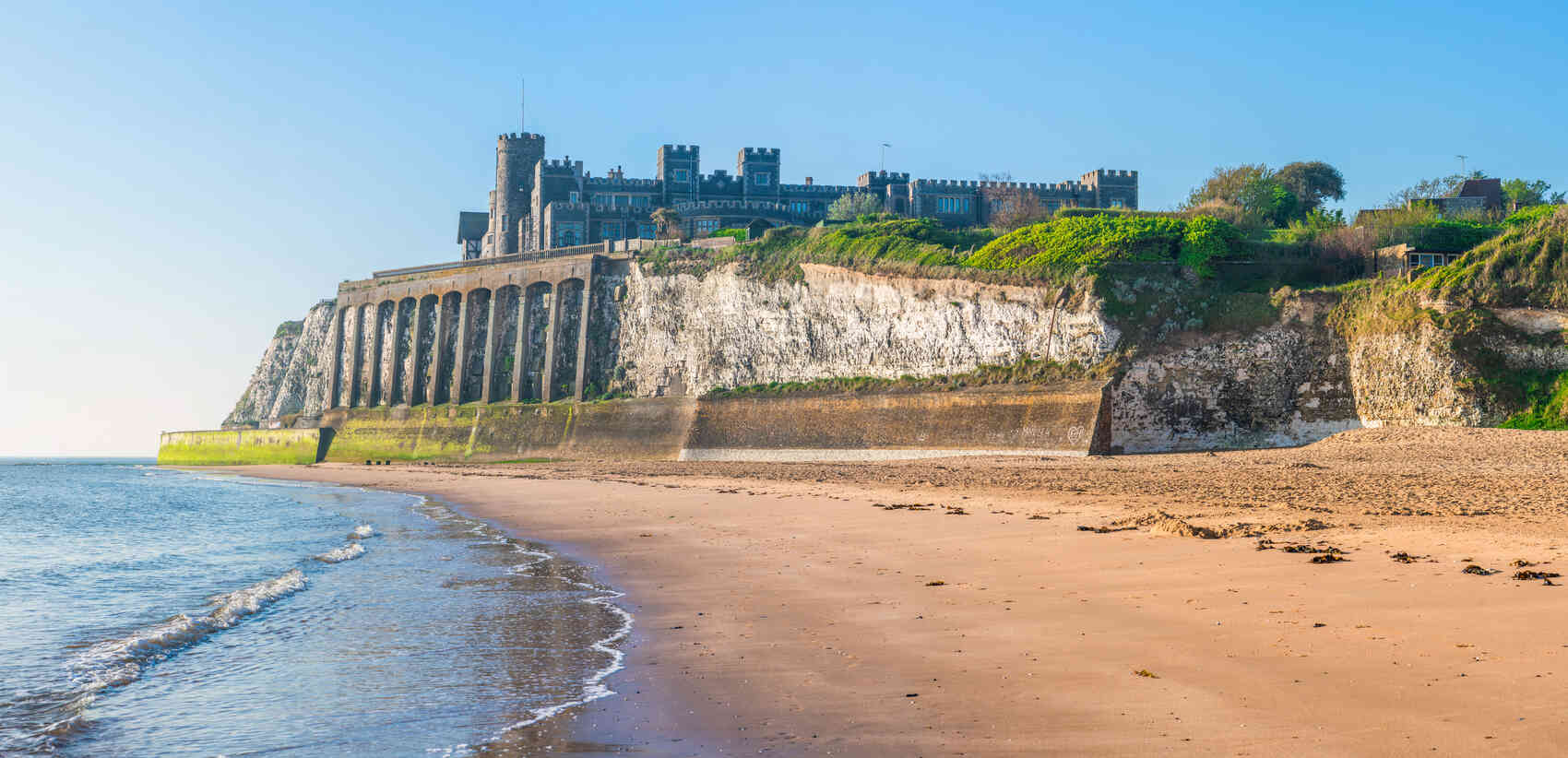
    Margate

    Kingsgate Bay in Margate East Kent

    On the Kent Coast, right out on a peninsula, Margate is a great location.

    What makes Margate So Special

    Margate is one of those places you never knew you wanted to visit!  Margate has a charm of its own and an eclectic mix of attractions for visitors, from Dreamland Amusement Park to the Turner Contemporary Art Gallery there is everything in between, stunning cliff top walks, gentle sandy beaches, shops, leisure and sports. 

    • Sandy Beaches
    • Stunning Scenery 
    • Night life
    • Culture
    • Heritage
    • Shopping
    • Sporting

    Must Do

    Mix it up:  If the amusement park is your thing try the art gallery, if art and gentle strolls are your comfort area then try the amusement park.

    Poole

    Poole Harbor in Dorset

    Poole is the highly unique natural port on the coast of Dorset.

    What makes Poole So Special

    The home of the Sunseeker motor yachts, Poole is famed for its unusual natural harbour and islands, the harbour is actually the second largest natural harbour in the world, only second to Sydney, Australia.  Pool is famous for water sports, boating trips, the lovely quay with restaurants and cafes.  Poole Park is a unique area with salt and fresh water lakes and there is crazy golf, bowling, a rose garden, a quiet garden.  There are regular ferry trips to Brownsea Island in the harbour, where there are brown squirrels and other wildlife. 

    • Sandy Beaches
    • Stunning Scenery 
    • Water sports
    • Night life
    • Culture
    • Heritage
    • Shopping
    • Sporting

    Recommended

    Take a Poole Harbour Boat Tour.

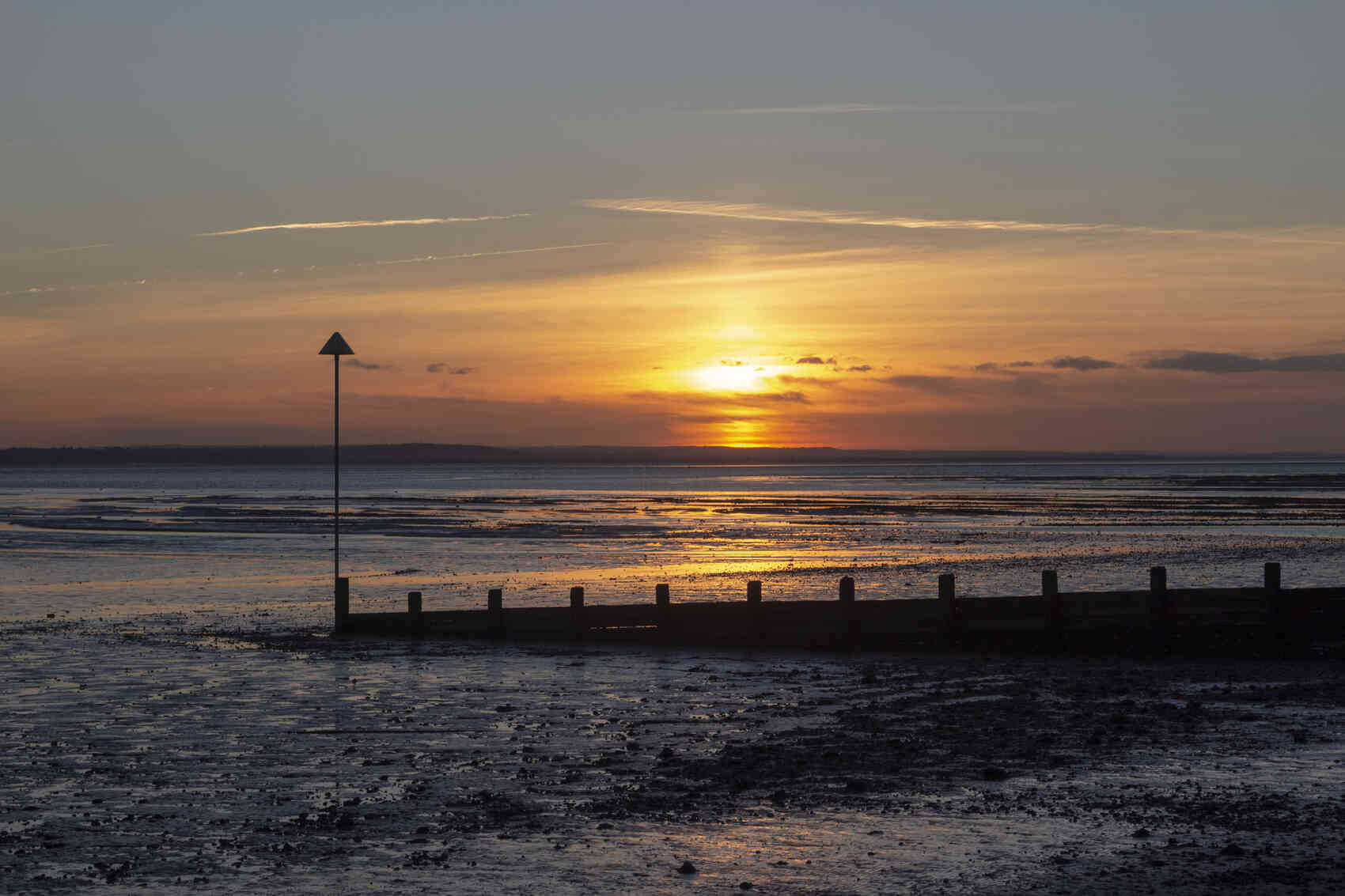
    Southend on Sea

    Unashamedly brash, famous for its miles of sandy beaches and casino’s Southend on Sea is situated at the mouth of the River Thames.

    What makes Southend on Sea So Special

    Sunset st Southend on Sea Essex

    There is so much that Southend on Sea is known for and it is a great holiday destination for everyone, as long as you don’t want a quiet, get away from it all break.  Southend is a large place with the holiday attractions mainly on the seafront where you can make the most of the miles of sand.  It has everything you’d need for a fun holiday and more.

    • Sandy Beaches
    • Stunning Scenery 
    • Water sports
    • Night life
    • Culture
    • Heritage
    • Shopping
    • Sporting

    Must Do

    Enjoy the night life.

    So there you have it! 21 of the best seaside towns in England, some are large some are small, some are famous, some you have probably never heard of before.  What they all have in common is that they all have something special or unique to offer the vacationer.

    I would have liked to highlight the main attraction for each, but they all offer more than one good reason to visit or stay.  The information listed above is designed to give you the lowdown of each of the places.  So, then you can make your choice which is for you.

  • 6 Brilliant Places to Stay in the Cotswolds Without a Car

    6 Brilliant Places to Stay in the Cotswolds Without a Car

    Travelling to the Cotswolds without a car can be difficult so finding the best Cotswold town to base yourself in is an important decision.

    You will be pleased to know that it is, with a little planning and imagination easy to explore the Cotswolds without a car. Many of the towns and cities offer train transport and there are good bus links to get around.

    The Cotswolds is an area in England that covers parts of five counties in south west England:

    • Oxfordshire
    • Gloucestershire
    • Wiltshire
    • Warwickshire
    • Worcestershire
    • North East Somerset.

    The area is unusual not only because it incorporates several counties but also because a lot of the beauty is manmade. The main attraction is the honey-coloured stone buildings, bridges and boundary walls. The architecture is what defines the Cotswolds.

    To add to the beautiful architecture the Cotswolds is An Area of Outstanding Natural Beauty AONB and quite rightly so. The Cotswolds includes the famous town of Bath which also has UNESCO world heritage status.

    Where to Stay in the Cotswolds Without a Car

    Here are my top recommendations and accommodation options to suit all requirements and budgets.

    Burford

    Classic Cotswolds house in Burford

    Burford is just a few miles from Oxford and a short bus ride away. It is also easy enough to get a bus direct from London which will take about 2 hours.

    On a hill, Burford nestles into its surrounding countryside in typical Cotswold fashion.  The High Street, in particular, is worth walking up one way and down the other, the houses are stunningly beautiful and the wide roadway means you can easily see the ancient buildings. 

    Burford is a Mecca for antique collectors and the medieval buildings, twittens and alleyways are the perfect backdrops to the antique and boutique style shops.

    Where to Stay in Burford

    Burford House

    For luxury and comfort go 5 star and stay at Burford House a boutique 6 bedroom hotel that dates back to the 17th Century.  Burford House can be found on the High Street near Witney Street and a third of the way up the High Street.

    The Bull

    The Bull at Burford is a 14th Century Coaching Inn that retains much of its ancient character whilst meeting 21st Century standards and expectations. 

    It’s located about halfway down the High Street hill and almost opposite Sheep Street, which has the distinctive Tolsey Museum is on the corner. 

    Lord Nelson and Charles II have both stayed at the Bull in Burford.

    Greyhounds

    Greyhounds have featured in Gardens Illustrated & Country Life magazines and are described as ‘the finest B&B in Burford’.  Less than a minutes’ walk from the town centre, Greyhounds is a tranquil and peaceful haven for the traveller who wants to explore, but unwind at the end of the day.

    5 Burford Hill Mews

    At the top of the hill, No 5 offers up to 4 guests a home from home.  The property has a modern layout, being clean and crisp and benefits from a nice garden too.

    Where to go from Burford

    Burford is a great place to stay and explore the Cotswolds from. Simply take the number 233 bus from Burford to Woodstock and explore the pretty town and Blenheim Palace a famous stately home and the birthplace of Sir Winston Churchill.

    To find the bus timetable, simply enter the bus number into this planner.

    Whilst there, The Black Prince near Blenheim Palace is a good 16th Century pub serving real ales, good food and has a great atmosphere.

    The 233 bus will also take you to Witney, which is the largest Oxfordshire market town that prospered from the wool trade and became world-famous for blankets. The town has twice-weekly general markets on Thursday’s and Saturday’s as well as its historical architecture.

    Minster Lovell is another short hop away from Burford and the picturesque and atmospheric ruins of Minster Lovell Hall and nearby dovecote are well worth a visit, the ruins can be found adjacent to Minster Lovell Church and only a short walk from the bus stop outside the White Hart Pub.

    Gloucester

    Historical cathedral city Gloucester

    Historical cathedral city Gloucester is a relatively easy place to get to and from as there is a railway station and good bus links.  A frequently running train from London Paddington will take +/- 2 hours depending on which train you get.

    Gloucester Cathedral is beautiful and well worth a visit as is the medieval priory house Blackfriars and the historical Gloucester docks.

    Film and TV buffs will love that Gloucester has often featured in television and film including Dr Who, Harry Potter, Wolf Hall and Sherlock.

    Where to stay in Gloucester

    The Spalite Hotel

    The Spalite offers basic but award-winning accommodation and is a grade II listed building convenient for the docks and the well-known designer outlet centre The Quays.

    Station Hotel

    The Station Hotel is a big imposing Georgian Style building right opposite the train station. Built-in 1880, the hotel is actually Victorian and offers a convenient place to stay within five minutes of the city centre.

    City Lodge Guest House

    Situated at Gloucester Park, City Lodge offers a great location for a stay in Gloucester. It is within easy walking distance of the city centre, yet they offer the peace and quiet of their park location with the convenience of clean modern rooms and easy convenience for getting around.

    Judges Lodgings

    Judges Lodgings is a lovely historic building in the Spa Road area of Gloucester handy for the restaurant quarter at the docks and Gloucester Park.  Number 5 is a ground floor apartment beautifully finished and is furnished with a collection of unique and antique items many of them judge related. 

    The dockland area of Gloucester has undergone a good deal of redevelopment in recent year and it is very easy to find a self-catering stay in one of the converted apartments, many of which offer the familiar contemporary style expected of such developments.

    Where to go from Gloucester

    There is a Gloucester walking tours app, which features 3 tours of the city to take on foot.  

    Once you have spent a day exploring the docks area and the history of Gloucester, you could easily spend some time people-watching at one of the dockland cafes or you could further explore the local Cotswolds, or, of course, you could do both.

    There are frequent buses and trains between Gloucester and Cheltenham and some pretty villages in between. 

    The Cotswold Discover One Day Pass allows free travel for a day on most rail and bus routes in the area.  So, it is a great way to go exploring, gain access to attractions and places that you might not have otherwise seen. 

    With a train station and good bus links at Gloucester, buying a couple of day passes is such a great way to go exploring for a couple of days.

    P.S. In May you can attend the cheese rolling festival! Be warned there are a lot of broken bones and injuries so not for the faint hearted.

    Stroud

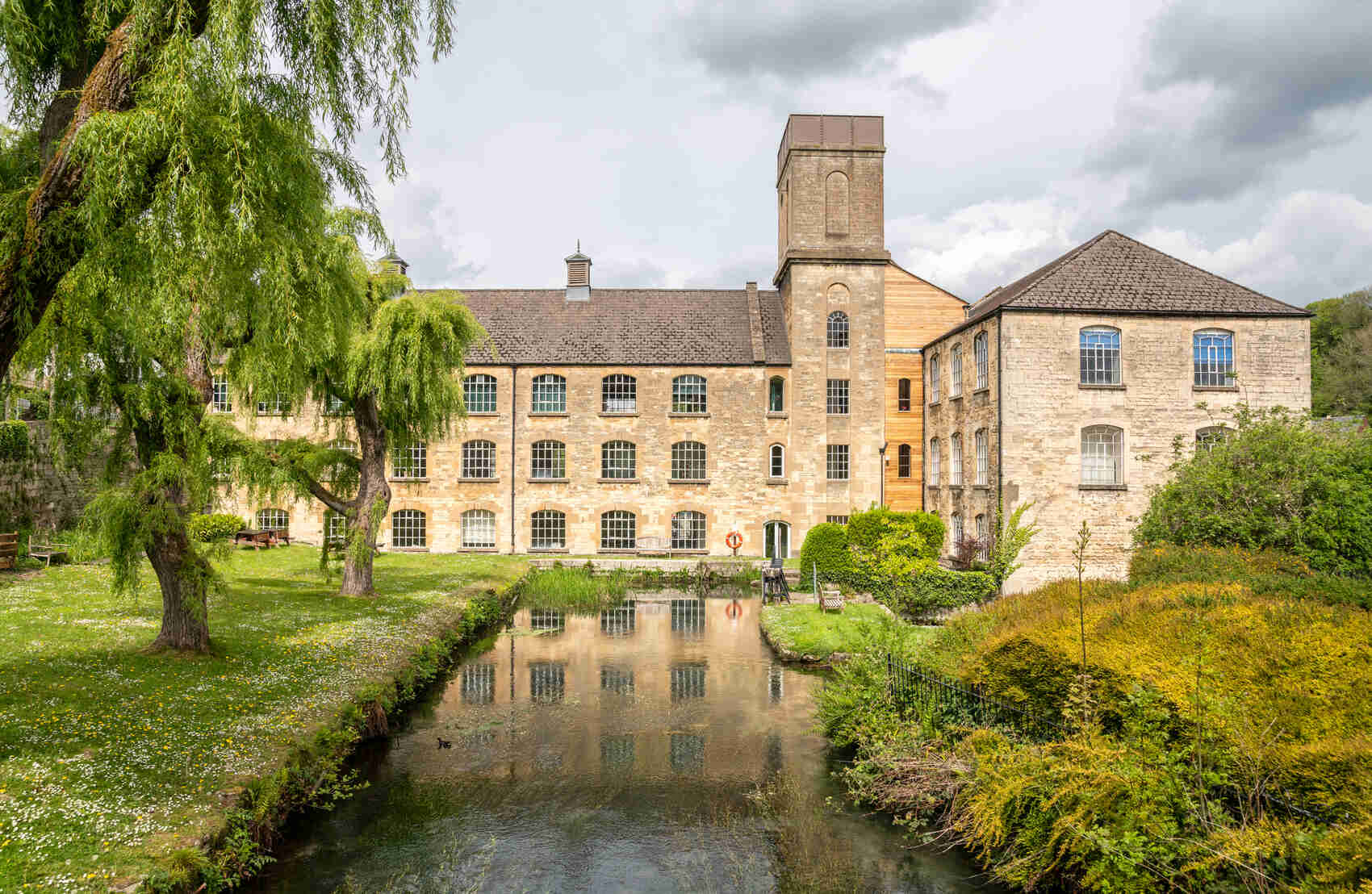
    Brimscombe Port Mill Stroud The Cotswolds

    Cheltenham has its Regency and Gloucester has its docks, if you want Cotswold Stone and the Cotswolds in under an hour and a half from London then Stroud is ideal.  By train typically 1 hour 28 minutes from Paddington.

    A perfect place to walk from Stroud is famous for the five valleys walk and is on the Cotswold Walk Way.  The canal is also undergoing restoration at Stroud and is also worth a look.

    Stroud is a place well known for its Bohemian vibe and contemporary arts.

    Stay in Stroud which is handy for Gloucester and the Roman town of Cirencester as well as great travel links to get around.

    Where to stay in Stroud

    The Clothiers Arms

    The Clothiers Arms is a pretty building and offers down to earth, spotlessly clean and friendly B&B at a pub.

    For somewhere completely unique for your Cotswolds stay Butterow Gate.

    Butterrow Gate is a grade 2 listed unique and quirky building that stands at the top of Butterow Hill on the outskirts of Stroud and has far-reaching stunning views.  This lovely place is great to come back to after a day exploring the local area. Butterow gate is a landmark building.

    Bath

    pulteney bridge in bath

    Bath is a UNESCO World Heritage site and known as one of Britain’s most beautiful cities.  The beautiful Cotswold stone buildings and the layout of the old sector of Bath is certainly a lovely place to spend time.

    Spend a day in Bath and you’ll be left wanting more; so Bath is an ideal place to stay when visiting the Cotswolds or alternatively a place to come back to one day.  Bath is tucked in a corner of North East Somerset and sits at the bottom of the Cotswolds, not far from Bristol.

    Long famous for its Roman Baths and Hot Thermal Spa waters, Bath also has some beautiful, stunning Georgian Architecture and two universities.  Spend a day just perusing the shops and having lunch by the river, or enjoying the museums and historical attractions.

    To get out and about from Bath, there are plenty of onward train and bus options, but probably the easiest way to see the Cotswold villages that you might not otherwise see without a car is to take a bus tour with Mad Max Tours from Bath, they visit such Cotswold Gems as Castle Combe, Bibury, Bourton-on-the-Water and more and have you back to your accommodation in time for dinner.

    Where to stay in Bath

    The Royal Crescent Hotel and Spa

    You can actually stay at the hotel that forms part of the famous Georgian Royal Crescent. Olde Worlde charm, luxury and a spa, The Royal Crescent offers everything you expect from a 5 star hotel.

    Pratts

    Pratts is right by the river and within metres of many attractions such as The Roman Baths and Bath Abbey each 250 metres away, also just 250 metres from the bus stop and a little over 1000 metres from Bath Spa railway station, a stay at Pratts is at the heart of historical Bath an ideal for the traveller without a car.

    The Bath House

    500 metres from The Royal Crescent and The Roman Baths and very handy for the theatre and museums The Bath House offers Boutique B&B where comfort is assured.  The Bath House is a slightly longer walk from the bus station than Pratts and a short taxi ride from the railway station.

    The Artpad, Great Pulteney Street

    The Artpad is a generously proportioned Georgian ground floor apartment centrally located for the Bath attractions and travel links and very handy for viewing the famous Pulteney Bridge.

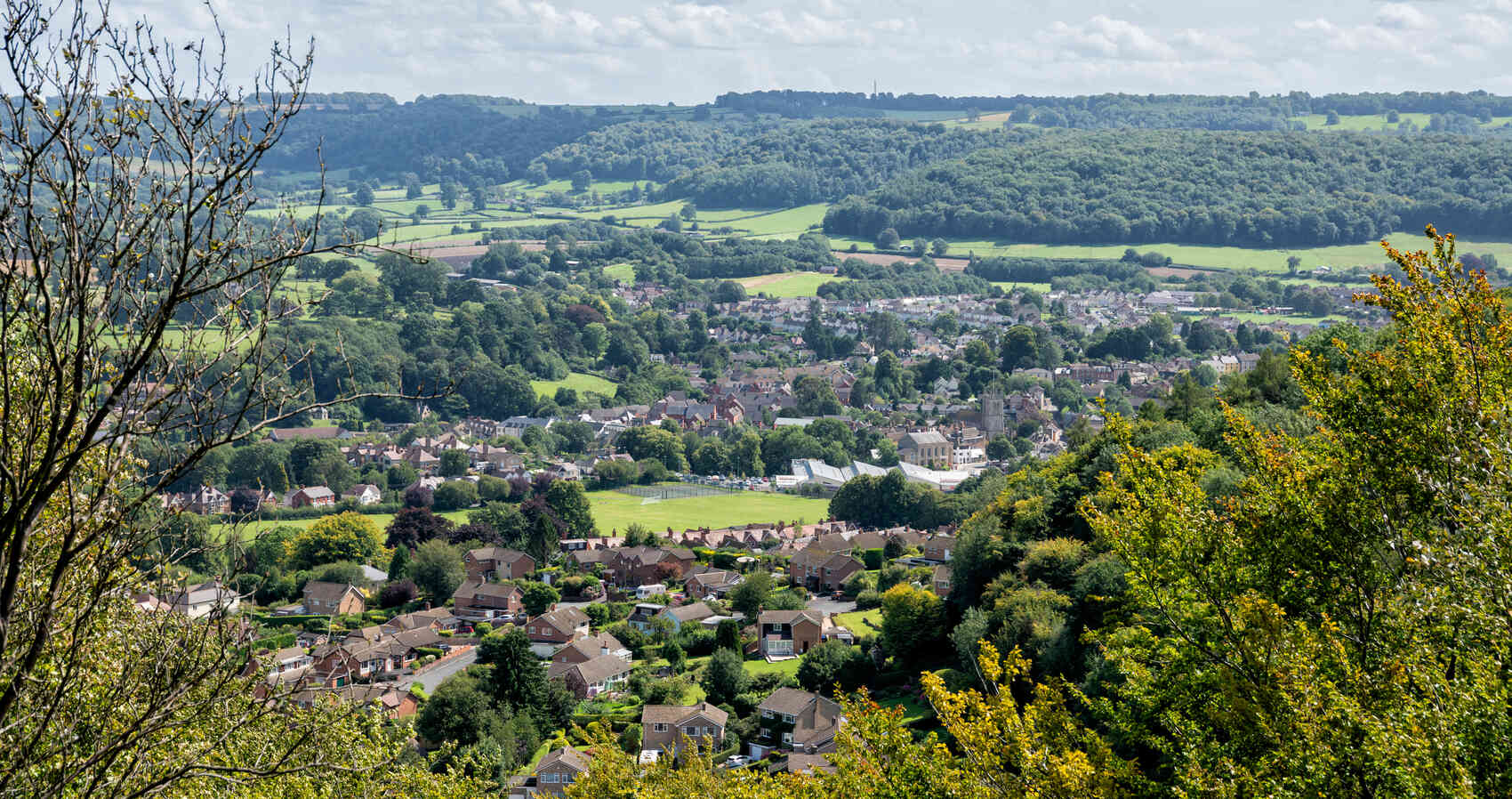
    Dursley

    View of the Dursley in the Cotswolds Gloucestershire

    Dursley is a charming Cotswolds market town on the west side of the Cotswolds, between Bristol and Gloucester.  Train times from London Paddington vary between just under 2 hours to around 2 and a half hours and change at Bristol.

    Where to stay in Dursley

    Ye Olde Dursley Hotel

    Who can resist a name like Ye Olde Dursley Hotel? Offers clean and simple rooms, friendly staff and a pub atmosphere downstairs.

    Woodland House

    Woodland House is a family-run B&B in a quiet cul-d-sac five minutes’ walk from the town centre.  As well as comfortable, well-appointed accommodation a laundry service is offered and they also do Sports Massage if you are aching after all that walking.

    Ewelme Manor

    Ewelme Manor is a lovely old house that sleeps up to 26 people, so if your party is larger or your budget allows, then this Georgian Manor house just 8 minutes from the town centre should be a strong contender. 

    Featuring heaps of country house luxury and charm and an outdoor heated swimming pool the house has the Cotswolds Way footpath pass right by, so great for walkers.

    Moreton-in-Marsh

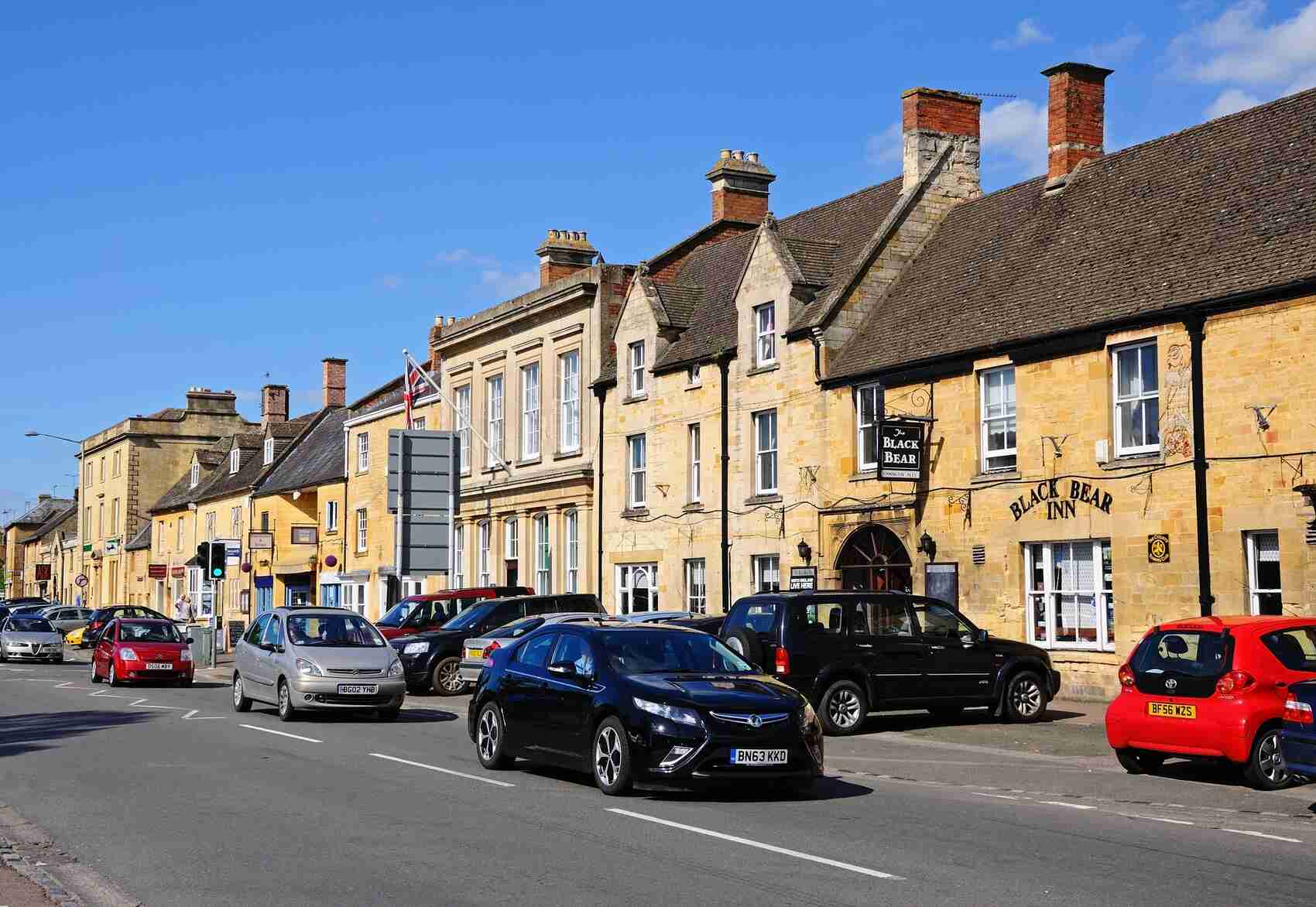
    View along the High Street Moreton in Marsh Cotswolds

    Being a principal market town where many roads converge, Moreton-in-Marsh is an ideal location to explore the Cotswolds without a car.  Dating back to the 13th Century and on the famous Fosse Way, Moreton-in-Marsh is just approximately an hour and a half from London Paddington and with onward trains to other Cotswold places and bus routes; this is almost a secret destination. I may have just saved the best till last!

    • The number 2 bus will take you to Blockley, Chipping Campden and Stratford upon Avon and a return journey back. 
    • The number 803 to Longborough, Upper Oddington and Bourton-on-the-Water and back.
    • The 801 to Cheltenham, via Bourton-on-the-Water and Andoversford and back to Morton-in-Marsh.

    Remember:  If you buy the Cotswold Discover One Day Pass to use these and many of the other buses from Morton-in-Marsh and hop on and off the buses to experience the places en-route that you fancy.

    Where to Stay in Morton-in-Marsh

    The Manor House Hotel

    The Manor House is very handily situated in the High Street and offers comfortable accommodation in beautiful surroundings.

    The Bell Inn

    A typical traditional Cotswolds Coaching Inn, the Bell Inn is said to have been the inspiration for the ‘Prancing Pony’ Inn that featured in J R R Tolkien’s Lord of the Rings.

    Martha’s Coffee House

    Martha’s is a friendly, family run coffee house in the centre of the town that offers a comfortable room. The coffee house is a pretty little Cotswold stone terrace that Picturesque views of the pretty town.  Breakfast is extra, but that gives the opportunity to grab a coffee and try other cafes for breakfast.

    Honeystone Cottage

    Positioned around the back of the town centre is Honeystone Cottage, the views from the cottage are over gardens and towards the church.  Honeystone is just one minute walk from the town centre, yet gives guests peace and tranquillity in a comfortable, welcoming cottage with great facilities, character and a garden.

    With these ideas of places to stay in the Cotwolds without a car, you will get a sense what towns suit you and things to do nearby.

    Bath is a must on a visit to the Cotswolds and is one of my top amazing places to see in England outside of London.

    Whatever you do, do visit some of the villages as that is where the real charm comes to life.

    Enjoy your Cotswolds Stay!

    More Ideas for England Adventures

  • 10 Incredible UK Staycation Ideas

    10 Incredible UK Staycation Ideas

    The UK is full of cultural cities, breathtaking natural landscapes and stunning coastline. There’s so much choice when it comes to staycation destinations, so I’ve put together a list to help inspire you.
    Whether you’re on a budget or want to minimise your carbon footprint, a staycation within the UK can be a perfect excuse to get out and explore the delights that the nation has to offer. With historical sites, iconic attractions and the great outdoors, there is plenty to keep you occupied.

    Here are some great places to visit on your next UK staycation.

    1. Dorset

    Weymouth Harbour
    Weymouth Harbour

    Over half of Dorset is classified as an Area of Outstanding Natural Beauty. The coastal landscape is definitely the highlight of the county, but there are also fascinating historical sites to explore.

    Things to do Dorset

    Durdle Door is one of Dorset’s most photographed landmarks. This natural limestone arch on the Jurassic Coast World Heritage Site is accessible via a footpath over the hill from Lulworth Cove.

    Another iconic natural feature are the Old Harry Rocks, three chalk formations on the Isle of Purbeck. Take the Old Harry Rocks circular walk to admire the views.            

    For a traditional English beach holiday, head to Weymouth Beach. It’s a great place to swim, as the bay is sheltered. With a grand Georgian seafront, the beach has tons of attractions like Punch and Judy, donkey rides, water sports and pedalos. Check out Weymouth Harbour which has a variety of cafes, restaurants and independent shops.

    If you’re a fan of grand country houses, then head to Kingston Lacy House. Once home to one of the most powerful families in Dorset, the lavish interior includes marble floors, vaulted ceilings and a large collection of artwork. It also has the largest private collection of Egyptian relics in the country.

    Outside, meander through the peaceful Japanese garden, the Fernery, Nursery Wood and the Kitchen Garden.

    Perched on a clifftop location, Highcliffe Castle has picturesque views out to sea. Built in 1835, the castle is full of lavishly decorated rooms, like the Great Hall, the Octagon Room and the Libraries.

    Set on 14 acres of land, the beautiful gardens were laid out by the famed Capability Brown. The castle frequently has a range of exciting events, such as art and photography exhibitions, music events and health and wellbeing workshops.

    Where to Stay in Dorset

    Dorset is chock full of picturesque villages. For a taste of country life, stay in Abbotsbury, Burton Bradstock, Corfe Castle and Tyneham.

    For larger towns, you can easily find accommodation in Lyme Regis, Sherborne, Weymouth and Shaftesbury.

    2. Somerset

    Catch a stunning sunset in Bosington on the Somerset coast
    Catch a stunning sunset in Bosington on the Somerset coast

    One of the larger counties in Britain, Somerset is brimming with things to see and do. It’s home to a big section of Exmoor National Park, as well as three Areas of Outstanding Natural Beauty.

    Things to do in Somerset

    Cheddar Gorge is a series of limestone cliffs which form England’s deepest canyon. Enter the many caves and caverns within the gorge, including Gough’s Cave, which prehistoric man once called home. Go on a cliff top walk or check out Jacob’s Ladder and the Lookout Tower for some panoramic views of the countryside.

    Dunster Castle is a former motte and bailey castle and has over 1,000 years of history, from a medieval stronghold to a lavish family home. Explore the interior, or make your way around the beautiful terraced gardens.

    Another historical house is Montacute House, an exquisite Elizabethan mansion. Admire the different rooms and see the collection of over 60 Tudor and Elizabethan portraits. The house has two elegant garden pavilions, walled gardens and a tearoom.

    Exmoor National Park has everything – coastal views, moorland and woodlands. Activities here include stargazing, walking, cycling, riding, watersports and visiting the towns and villages around the area. Check out the Valley of the Rocks for stunning views from a cliff top, and Tarr Steps which is an ancient clapper bridge across the River Barle.

    Where to Stay in Somerset

    Somerset is full of charming little villages, perfect if you’re looking for some peace and quiet on your staycation. Porlock, Mells, Winsford and Selworthy are all lovely places to stay.

    If you’re looking for somewhere with more going on, there are plenty of lively market towns to stay in, such as Frome, Watchet, Glastonbury and Taunton.

    3. Bath

    Kat and family at Pulteney Bridge
    Enjoying a weekend trip with my bother and sister to Bath.

    Bath is the largest city in Somerset and has plenty to offer. While it has a contemporary culture, it also has a rich history and heritage, proving itself as a fantastic destination for a city break.

    Things to do in Bath

    A must-do when in Bath is a visit to the Roman Baths. Built in circa 70AD, it’s the best preserved Roman Spa in the world, and is still filled with 1,170,000 litres of steaming water each day. Pop into the museum to learn more about life in Roman times.

    Literary fan? Check out the Jane Austen Centre to discover more about Bath’s most famous resident. Explore what it would’ve been like to live in Regency times.

    A city break is the perfect excuse for some retail therapy, and Pulteney Bridge doesn’t disappoint. Constructed in 1769, the bridge has shops across its full span on both sides. Find antique shops, fashion and jewellery boutiques, home stores and coffee shops.

    If the hustle and bustle of the city gets too much, escape to one of Bath’s green spaces. The Prior Park Landscape Garden is a beautiful oasis which boasts incredible views, hidden waterways and Georgian history.

    Where to Stay in Bath

    If you want to be as close as possible to the attractions, stay in the city centre. In terms of accommodation, you’ll be spoilt for choice here, with places to suit all tastes and budgets.

    Walcot is a trendy neighbourhood just north of the city. It has many speciality shops, independent boutiques, clubs and bars, and stunning architecture. 

    For somewhere a little more slow-paced, I’d recommend staying in the area of Oldfield Park. There are still plenty of shops and independent eateries, but without the frenzy of the city centre.

    4. The Cotswolds

    Burford in the Cotswolds

    Covering parts of six counties, the Cotswolds are an AONB that boasts rolling hills, woodland, thatched villages, stately homes and world-class attractions.

    Things to do in the Cotswolds

    A visit to Blenheim Palace is a must. Admire Baroque architecture of the primary residence of the Dukes of Marlborough. Marvel at the collections of art, tapestries and antiques, and wander round the gardens created by the famed Capability Brown.

    If you want to live out your childhood fantasies this staycation, hop on the Gloucestershire Warwickshire Steam Railway. The 29 mile round trip goes past the scenic views of the Vale of Evesham, the Malverns and Wales.

    The Cotswolds have their fair share of interesting museums. Some of the top museums include the Gordon Russell Design Museum, Museums in the Park and The Wilson.

    The Cotswolds are made for walking. Whether you want a gentle stroll or a more adventurous hike, there are a wealth of walks to choose from. If you’re looking for a walk that can be completed in a day, the Windrush Way is a 14 mile circular route that goes over the Cotswold hills, through medieval villages and along the tranquil River Windrush.

    The Leckhampton Route is another great choice, taking you through grasslands, ancient woodlands and finishing at an Iron Age fort and Victorian quarry.

    For a short walk, try the Cleeve Hill Ring. This walk takes you for six and a half miles up Cotswolds highest common. Known for its limestone grassland, the area boasts rare plants, wildflowers and many bird species.

    The Cotswolds can be difficult without a car but here are some ideas on how to visit the idyllic Cotswolds villages without a car.

    Where to Stay in the Cotswolds

    The Cotswolds are an ideal location for a peaceful staycation, as the area is full of quintessentially English villages. Head to Bourton-on-the-Water, The Slaughters, Fairford and Blockley.

    There are also many market towns if you’re looking for a more bustling atmosphere. Chipping Campden, Cirencester, Burford and Stow-on-the-Wold are all lovely choices.

    I’ve broken down different areas you can stay in the Cotswolds, here.

    5. Norfolk

    View from Cromer Pier on Norfolk centre
    View from Cromer Pier on Norfolk centre

    Norfolk is a great place for a staycation and it offers a variety of landscapes to enjoy. Whether you want to relax by the seaside or get active in nature, there are plenty of things to get up to.

    Things to do in Norfolk

    With over 90 miles of coastline, it can be difficult to choose where to head to. Cromer is a great choice, and this small town has all the charms of a traditional seaside holiday. There are a wealth of attractions, including Cromer Pier and the Pavilion Theatre.

    For a quieter seaside break, the village of Sea Palling is an attractive choice. The Blue Flag beach has safe waters and soft sands, and there are a lovely variety of cafes, shops and amusements. The village is near to the Norfolk Wildlife Trust reserve at Hickling, where you can take waterside trails, boat tours and go wildlife spotting.

    Another natural spot worth visiting is the Norfolk Broads. This network of navigable lakes and rivers are perfect for kayaking, canoeing, stand up paddling and sailing. You can also explore by bike or on foot, and the flat landscape is suitable for everyone.
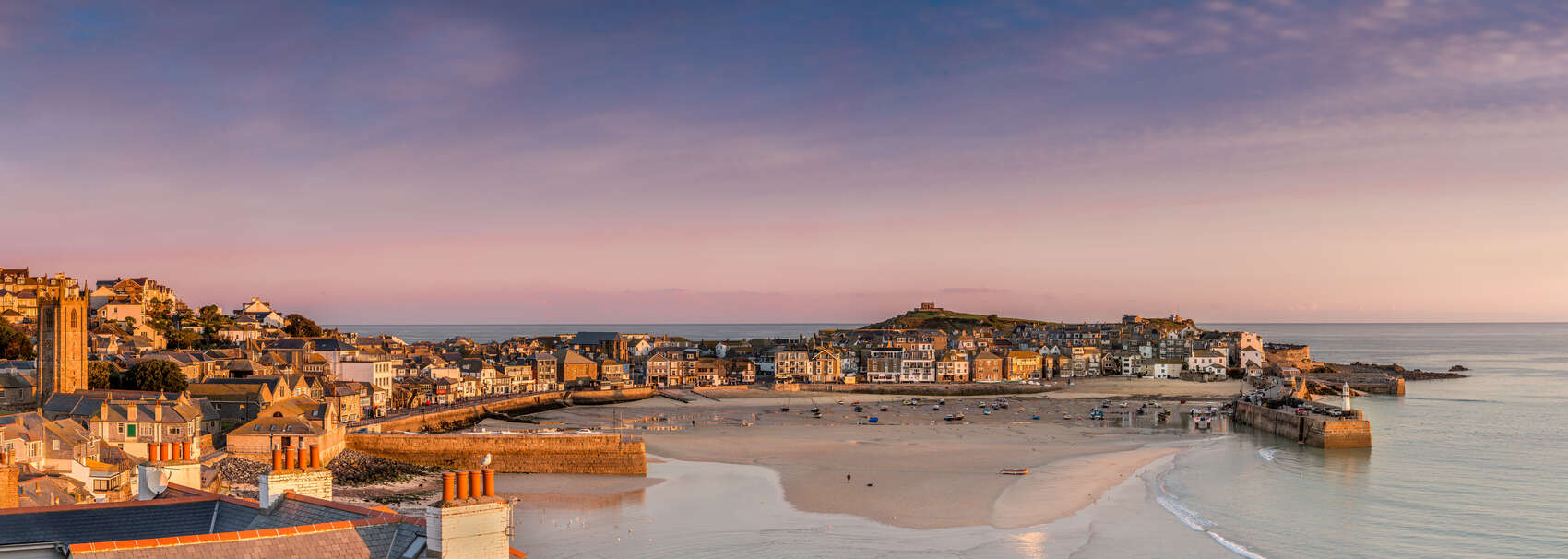
    Head to the delightful city of Norwich to visit the medieval Norwich Cathedral. This imposing building can be seen from miles away, and you can take a guided tour to see the interior.

    Afterwards, visit the Cathedral Quarter which surrounds the cathedral. This part of the city is picture-postcard with its multicoloured buildings and cobbled streets.

    Where to Stay in Norfork

    If you want to stay along the coast, places like Hunstanton, Great Yarmouth, Sheringham, Blakeney, Happisburgh and Cley-Next-The-Sea offer a good choice of accommodation.

    For inland locations, check out Wymondham, Thetford, Swaffham and Fakenham. Stay in King’s Lynn or Norwich if you prefer somewhere more urban.

    6. North Yorkshire

    Whitby in Yorkshire with yachts and Saint Mary's Church in the background.
    Whitby in Yorkshire with yachts and Saint Mary’s Church in the background.

    As England’s largest county, North Yorkshire doesn’t disappoint. There are countless things to do here, whether it’s visiting stately homes and castles, wandering through breathtaking landscapes or relaxing by the sea.

    Things to do in North Yorkshire

    Wensleydale is a valley in the Yorkshire Dales which is famous for its cheese. Visit Wensleydale Creamery in Hawes to see how it’s made and take some home with you. Visit the market town of Leyburn for unique shops and cafes, or head out onto the Dales and see places like Aysgarth Falls and Hardraw Force.
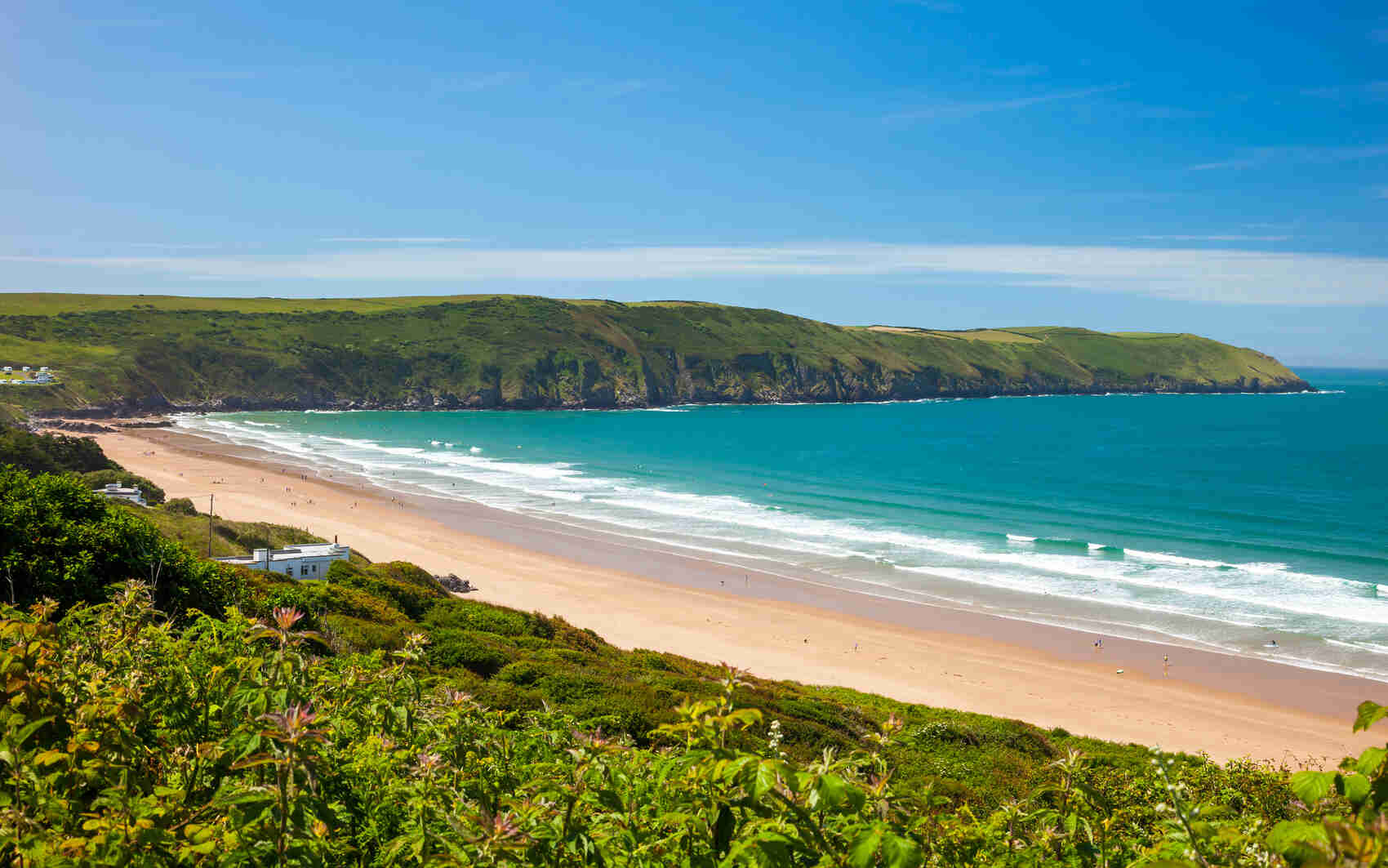
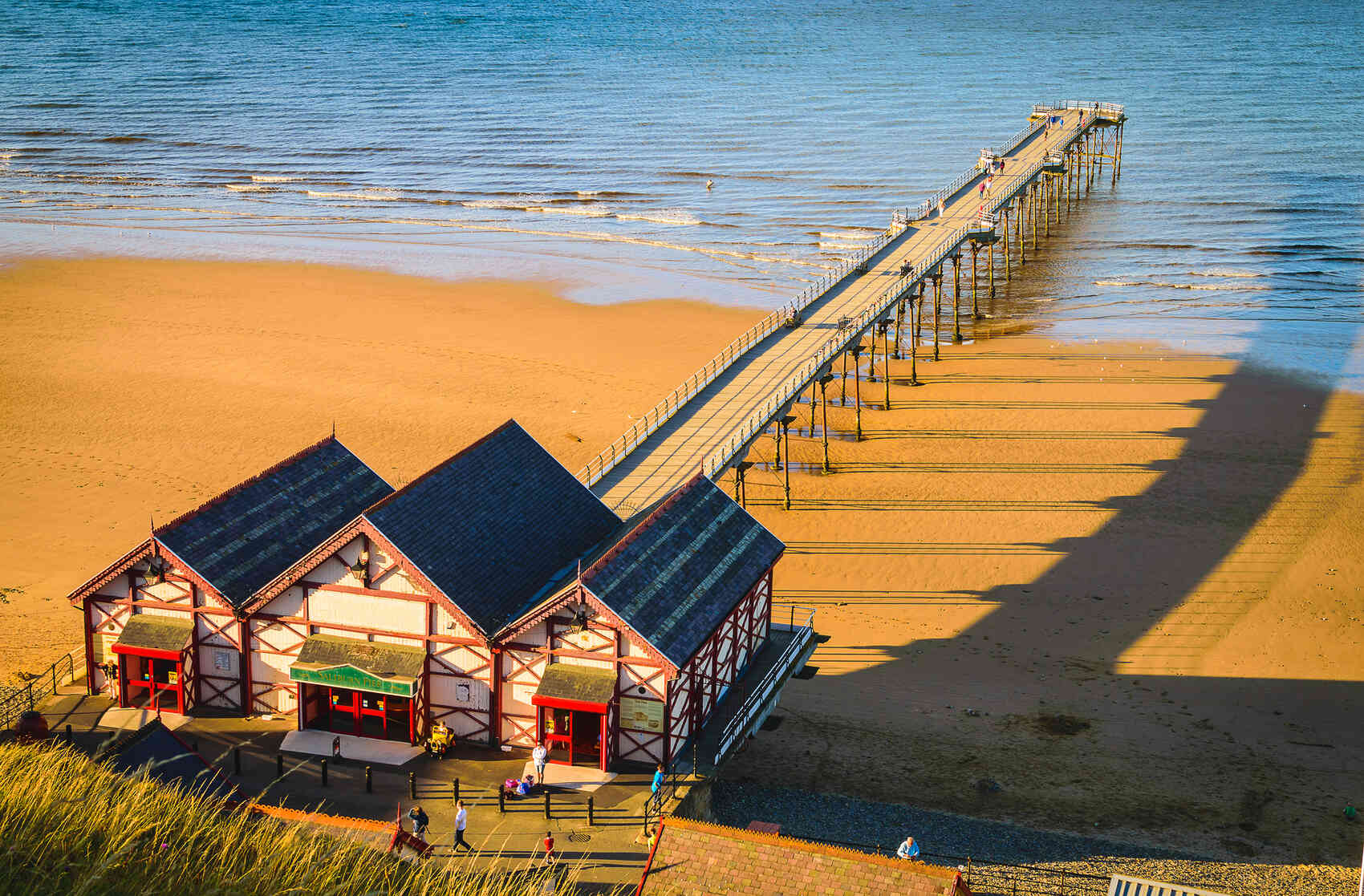
    Plant-lovers shouldn’t miss a visit to RHS Garden Harlow Carr. The 58 acre garden has many different landscapes which are full of exotic plants, multicoloured flowers, charming features and wildlife.

    North Yorkshire has some superb seaside towns. Scarborough is a fun destination, with two sandy bays, museums, art galleries, a scenic railway and the iconic Scarborough Castle.

    Whitby is a unique seaside resort which is full of medieval streets and beautiful clifftop views. Climb up to the ruins of Whitby Abbey which was the inspiration behind Dracula, or visit the James Cook Memorial Museum.

    Make sure you visit York, a walled city founded by the Romans. There’s a lot of history to take in, from walking on top of the city walls, to visiting the 7th century York Minster with its stained glass and handcrafted stone.

    For a bit of shopping, head to the Shambles, a historic street full of shops housed in medieval buildings. The National Railway Museum has an unrivalled collection of vintage trains.

    Where to Stay in North Yorkshire

    There are so many pretty villages in North Yorkshire which are ideal for a quiet staycation, such as West Burton, Osmotherley, Kettlewell and Cropton.

    To stay in coastal areas, check out Robin Hood’s Bay, Sandsend, Staithes, Filey and Bridlington.

    7. Lake District

    Windermere-in-the-Lake-District
    Bowness bay in Windermere.

    It wouldn’t be a list of staycations without the Lake District in Cumbria. With its magnificent lakes and mountains, it’s hardly surprising that the entire area is a UNESCO World Heritage Site.

    Things to do in the Lake District

    Hiking is the number one activity in the Lakes. No matter whether you’re a beginner or a pro, there are hikes and walks for every level.

    A popular walk for beginners is the Tarn Hows Circular Walk. As you circle the lake, you’ll find lovely views of Lakeland Fells. If you fancy a little challenge, the Helvellyn climb from Glenridding via Striding Edge is quite steep and takes between four and five hours.

    The Lakes are also home to Scafell Pike, the highest mountain in England. While the views are incredible, the climb isn’t for the faint-hearted!

    If you’re feeling a little sore from hiking, why not admire the scenery from the comfort of a vintage railway? The Ravenglass and Eskdale Railway departs from the coastal village of Ravenglass, and travels for seven miles along the estuary, through lush green hills and ends at Dalegarth Station.

    The Lake District has been home to some of the most esteemed writers and poets, including Beatrix Potter and William Wordsworth.

    Beatrix Potter spent many years in the area, and some notable attractions include Hill Top, the World of Beatrix Potter and the Beatrix Potter Gallery. Wordsworth was born and grew up in the Lakes, and you can see his former homes and where he’s buried. Check out Allan Bank, Rydal Mount and the Old Grammar School.

    Windermere is the largest natural lake in the area. One of the most popular spots on the banks is Bowness-on-Windermere.

    It’s the best place for watersports like sailing, windsurfing, kayaking, canoeing and water skiing. If you prefer to stay dry, pop into the Brockhole Visitor Centre and the Grizedale Visitor Centre for a range of outdoor activities.

    Where to Stay in Lake District

    The Lakes are massive and there is a large choice of towns and villages to stay in. Some of the best bases for exploring the area are Keswick, Bowness, Grasmere, Coniston, Hawkshead, Ambleside and Kendal.

    Windmere has good connections with public transport so if you lack a car I recommend basing yourself here.

    8. North Wales

    Dolwyddelan Castle in Snowdonia National Park, Wales
    Dolwyddelan Castle in Snowdonia National Park

    North Wales is filled with epic landscapes and historical sites. It’s a playground for lovers of the outdoors, with tons of exciting activities to get stuck into.

    Things to do in North Wales

    It wouldn’t be a trip to North Wales without a visit to Snowdonia National Park. There are an abundance of hiking trails, the best-known one of course being Snowdon, Wales’s highest mountain.

    If you’re not keen on climbing, you can take the Snowdon Mountain Railway up. There are tons of other activities within the National Park, including cycling, white water rafting, surfing, canyoning, kayaking and canoeing. For something more relaxing, there are tons of pretty villages like Beddgelert which are ideal to roam around and take photos. 

    If you love ancient castles, then you’ll be spoilt for choice in North Wales. Boasting rich history and set in gorgeous surroundings, some of the best castles are Caernarfon Castle, Conwy Castle, Beaumaris Castle, Harlech Castle, Penrhyn Castle and Rhuddlan Castle.

    Llechwedd is a fascinating attraction which tells the story of slate quarrying in Blaenau Ffestiniog. On a guided tour, descend 500 feet into the mines and explore the different chambers, complete with immersive displays and light installations which bring the miners’ stories to life.

    For a bit of sun and sand, visit Porthmadog. This coastal town has a rich maritime history and there are plenty of things to do. Take a ride on one of the vintage steam railways, browse through the independent shops and boutiques, and head out onto The Cob, an embankment across the estuary.

    Where to Stay in North Wales

    North Wales has many towns which are good bases for exploring the surrounding areas, both inland and on the coast. You’ll find a wide choice of accommodation in Betws-y-Coed, Abersoch, Conwy, Beaumaris, Llandudno, Llangollen, Ruthin, Portmeirion and Porthmadog. 

    9. Isle of Skye, Scotland

    highland cow in Isle of Skye, Scotland
    Every time I visit Scotland I love seeing the highland cows! They just ooze Scotland.

    Connected to the mainland by bridge, the Isle of Skye is the largest island in the Inner Hebrides of Scotland. Its magical atmosphere and breathtaking landscapes will reel you in the moment you get there.

    Things to do in Isle of Skye

    The Storr is located in the Trotternish area, and is one of the most magnificent scenes on the island. The sharp pinnacles of rock against rolling green hills make for a dramatic landscape, and is popular with walkers, hikers and photographers. The Old Man of Storr is the name given to one of the giant columns of rock towering towards the sky.

    Another magnificent natural landscape is Quairing. You’ll probably recognise Quiraing as it’s been the location for so many films, including King Arthur: Legend of the Sword (2017). The area was created by an ancient landslip, which formed steep cliffs, hidden plateaus and pinnacles of rock.

    One of the most iconic castles in Scotland, Eilean Donan sits on its own little island. Although it’s on the Scottish mainland, it’s only an hour’s drive from the Isle of Skye and makes for a great day trip. Admire the views from the 13th century castle, and stand where three sea lochs meet.

    The Fairy Pools are a must-see when on the Isle of Skye. These crystal clear rocks pools are bright blue, and are fed by a series of waterfalls. Brave the cold and take a dip!

    Where to Stay in Isle of Skye

    It doesn’t take long to get from one place to another on the Isle of Skye, so it’s not too big of an issue where you stay. That being said, some areas do have more facilities, such as Sleat, Portree, Broadford, Edinbane, Trotternish, Carbost, Kyleakin and Lochalsh.

    10. Ballycastle, Northern Ireland

    Kat at Giants Causeway
    Kat at Giants Causeway

    Ballycastle is a small seaside town in Northern Ireland. It’s a pretty little harbour town, great for a slow-paced staycation. There are tons of incredible attractions within a short driving distance of the town.

    Things to do in Ballycastle

    Ballycastle is only a 20 minute drive away from the famous Giant’s Causeway. This is an area of basalt columns left by volcanic eruptions 60 million years ago, and is a UNESCO World Heritage Site. Explore the trails in the area and enjoy amazing coastal scenery.

    First constructed by fishermen over 250 years ago, the Carrick-a-Rede Rope Bridge links the mainland to the small island of Carrick A Rede. If you’re not scared of heights, cross the rope bridge suspended almost 100 feet above the sea.

    Six miles across the sea from Ballycastle is Rathlin Island. There are some great walks on the island to make the most of the coastal views. Visit the Boathouse Visitor Centre to see artefacts from shipwrecks around the island. If you visit between April and July you’ll see puffins and many other sea birds.

    Fans of Game of Thrones will recognise The Dark Hedges, known as the Kingsroad in the series. Only a 15 minute drive from Ballycastle, The Dark Hedges are a stunning avenue of beech trees planted in the 18th century. It’s one of the most photographed attractions in Northern Ireland.

    Where to Stay in Ballycastle

    As Ballycastle is a small town, you’ll find most accommodation along the seafront or a few kilometres back from the coast.

  • 10 Amazing Country Weekend Breaks Near London

    10 Amazing Country Weekend Breaks Near London

    As great as London is, sometimes it’s good to get out of the big smoke and breathe in fresh country air. Luckily, London has great transport links to some of the best countryside locations, making it easy for a quick weekend break.

    Whether you’re looking to unwind or simply want a change of scenery, there are plenty of fantastic destinations within close distance to London.

    There are many things you can do on a country weekend break near London, from relaxing and experiencing life at a slower pace, to making the most of the outdoors.

    Ready to discover some of the best countryside breaks near London?

    Cornwall

    Tintagel Castle in Cornwall in England
    Tintagel Castle in Cornwall

    With its beautiful coastline, vast stretches of moors and amazing attractions, Cornwall is an ideal place for a short getaway. Start your weekend at one of Cornwall’s many excellent beaches.

    Kynance Cove is one of the best beaches in the country, with white sand, turquoise water and mossy boulders.

    Another fantastic beach is Porth Joke Beach, with ideal swimming conditions.

    If the prospect of lying on a beach isn’t exciting for you, why not try watersports? Cornwall is one of the most popular destinations for watersports, and there are plenty of schools that offer a wide variety of sports including surfing, windsurfing, kayaking, canoeing, stand up paddling and sailing.

    If you prefer to stay on dry land, there are tons of things to keep you entertained. Head to the Eden Project, an award-winning, unique global botanical garden set inside a crater.

    Another fantastic garden is the Glendurgan Garden with its cherry laurel maze, and Lost Gardens of Heligan with its variety of landscapes.

    Cornwall has its fair share of castles too. Cross over to the tidal island of St Michael’s Mount and explore the grounds of the medieval church and castle.

    Also make sure to check out Tintagel Castle and Pendennis Castle, which both have panoramic views out to sea. After a long day, head to The Fish House at Fistral for seafood dishes with views of the water.

    Once you’ve filled up, rest your head at The Harbour, a clifftop hotel overlooking Newquay harbour.

    For a splurge, head to Landal Gwel an Mor Luxury Lodges. Set in a relaxing lakeside setting, many of the lodges have private hot tubs and are pet-friendly, so no one gets left behind!

    Get there: around three hours and 40 minutes by car; around four hours and 45 minutes by train from Paddington Station.

    Devon

    One of the beaches in Devon

    For another seaside break slightly closer to London, head to Devon. Like Cornwall, Devon has fantastic surfing beaches if you’re looking to take up a new hobby.

    Some of the best beaches are Saunton Sands, Bantham and Woolacombe, with waves to suit every level. While you’re in North Devon, take a ferry from Ilfracombe or Bideford to Lundy Island.

    Here you can spot wildlife like dolphins and seabirds, or visit the remains of an ancient burial chamber. Devon is home to the Dartmoor National Park, which has attracted visitors for hundreds of years.

    With its heather moorlands, granite tors, rolling valleys and mires, there are a multitude of activities to do here, including kayaking, bouldering, climbing, wild running, wild swimming, cycling and horse riding. You can even walk with llamas here. For a more leisurely activity, take a ride on the South Devon Railway.

    If you’re into grand country estates, a trip to Berry Pomeroy Castle is a must on the itinerary. Take an audio tour to discover the different sections of the 15th century mansion, including the dungeon and medieval gatehouse.

    If you’re keen for some seafood, there are plenty of eateries along the coast. Some of the best ones are the Crab Shack, No 7 Fish Bistro & Wine Bar, and The Anchor Stone Cafe.

    Check in at the Watersmeet Hotel and wake up to stunning views over Woolacombe Bay.

    Further inland, the Moorland Hotel is a comfy country house set in the lush surroundings of Dartmoor National Park.

    Get there: around three hours and 30 minutes by car; around two hours and 38 minutes by train from Paddington Station.

    East Sussex

    On the southeast coast of England, East Sussex is a nice and easy journey from London. Part of the South Downs National Park lies within East Sussex, and it’s easily accessible from both Eastbourne and Brighton.

    Some areas of the park worth visiting are Meads village and Beachy Head, but if there’s only one place you visit, it should be the Seven Sisters.

    This series of chalk cliffs are a gorgeous part of the coast, and there are several walks to take around the area. Head down to Camber Sands, the only sand dune system in the county.

    Stretching for five miles, the golden beach is never overrun with people, making it an idyllic spot to relax.

    The High Weald AONB takes up part of East Sussex as well. This medieval landscape of wooded, rolling hills is perfect for walking and cycling, and there are tons of different routes to take.

    Spot wildlife at one of the many nature reserves, or visit castles and historical houses.

    The AONB is also home to Ashdown Forest, which has a number of woodland walks.

    East Sussex is home to a number of vineyards including Bluebell Vineyards Estate and Carr Taylor Vineyard, so why not book onto a tour and go wine tasting in some of the prettiest spots in the county.

    If you’re travelling with kids, then a trip to Herstmonceux Castle is exciting for all ages. Take a tour of this 15th century moated castle and make your way around 16 themed gardens.

    Settle down for the night at Ashdown Park Hotel & Country Club. Surrounded by the Ashdown Forest, this country retreat is a luxurious place to unwind. Alternatively, The Bell in Ticehurst is a quirky inn offering rustic-chic rooms and upscale dining.

    Get there: about an hour and 45 minutes by car; about two hours by train from Victoria Station.

    Hampshire

    New Forest National Park in the Summer
    New Forest National Park in the Summer

    Hampshire is a wonderfully diverse county, with a mix of lush countryside and scenic coastline.

    It’s home to two National Parks – the New Forest National Park and the South Downs National Park.

    Put together, these parks have over 2,000 miles of tracks and footpaths to explore, the top two being the Tall Tree Tail Walk in the New Forest, and the Meon Valley Trail in the South Downs. There are also numerous other activities in the National Parks, including cycling, horseback riding, fishing and archery.

    The New Forest Wildlife Park is a fun day out where you can see otters, deers, bison and lynxes. When it comes to watersports, Hampshire is the top destination for sailing, yachting and windsurfing.

    The coastline has many harbours, marinas and estuaries where you can find various watersport schools and equipment hires. Calshot Beach and Beaulieu River are particularly good spots for kayaking and stand up paddleboarding.

    Bordering the Beaulieu River is Exbury Gardens, a 200 acre woodland garden. It’s a spectacular display of colour, and there are many pathways that meander through the formal and wildflower gardens.

    At the bottom of the garden is a miniature railway that winds through the different landscapes. If you’re a fan of the drama series Downton Abbey, then you’ll recognise Highclere Castle.

    It’s worth taking a guided tour of this country house, in particular the Egyptian Exhibition.

    Head to the Chesil Rectory for gourmet modern British cuisine, set in a Medieval house.

    End the day at Lainston House, a 17th century country house set amongst 63 acres of parkland.

    The hotel features elegant rooms, an award-winning restaurant, a gym and tennis courts. For something a little easier on the wallet, Bourne Valley Inn in the small village of St Mary Bourne is a traditional British pub and B&B. Tucked away in the countryside, the rooms are designed in a contemporary cottage style.

    Get there: about one hour and 30 minutes by car; about one hour and 25 minutes by train from Waterloo Station.

    Buckinghamshire

    Buckinghamshire is home to part of the Chiltern Hills AONB, an idyllic area for peaceful walks which go through woodland and historic villages.

    Ashridge Estate is a massive area of ancient trees, rolling chalk downlands and lush meadows, with a large selection of walking and cycling routes. To enjoy views of the surrounding countryside, go to Ivinghoe Beacon.

    You’ll also find the outline of the remains of an Iron Age hill fort and see Bronze Age burial mounds.

    For a unique attraction, check out the Hellfire Caves. This network of manmade chalk and flint caverns wind deep underground for over a mile, and is thought to have been the site of meetings between wealthy pagans.

    Make your way back up to the surface and visit College Lake, a nature preserve and centre for wildlife. Enjoy a relaxing stroll around the lake, spot rare butterfly species and wetland birds.

    If you fancy getting onto the water, head to Willen Lake where you can hire boats, kayaks and pedalos.

    In Burnham Beeches, fill up at the Cherry Tree Inn, a pub and restaurant surrounded by beautiful countryside.

    If you’re looking to splurge, check in at Hartwell House Hotel. This country house hotel has a restaurant and spa, set in 90 acres of gardens and parkland.

    Get there: about one hour and 12 minutes by car; about one hour and 15 minutes by train from Marylebone Station.

    Derbyshire

    View towards Thorpe Cloud, Dovedale
    View towards Thorpe Cloud, Dovedale

    A large part of the Peak District National Park lies within Derbyshire, making it an ideal place to get outdoors.

    Dovedale is one of the prettiest spots in the Peak District, with magnificent limestone ravines and charming stepping stones crossing the River Dove.

    From here you can climb Thorpe Cloud, a limestone hill with reaching views across Staffordshire and Derbyshire. Another spot for fantastic views is the Height of Abraham.

    This 60 acre hilltop park is reachable via cable car over the Derwent Valley. Enjoy panoramic views from the Victoria Prospect Tower. At Poole’s Cavern & Buxton Country Park, you can venture deep underneath the earth and discover a natural limestone cave over two million years old.

    Venture round the extensive caverns and see how crystal stalactites and stalagmites have formed. Back on the surface, stroll around the country park woodlands.

    Head into the heart of the Derbyshire countryside to one of the county’s most unique attractions. Crich Tramway Village is a recreated period village with a collection of over 60 trams.

    If you’re more interested in stately homes, then you’ll love a trip to
    Chatsworth House. This magnificent house on the banks of the River Derwent has over 30 rooms to explore, as well as an art collection spanning 4,000 years.

    Outside, you’ll find 105 acres of stunning gardens, water features and exhibitions. Sleep and eat at Samuel Fox Country Inn, located in the picturesque Hope Valley.

    Another lovely hotel and restaurant in the Peak District is Biggin Hall Hotel, an ideal base for exploring nature.

    Get there: about three hours by car; about three hours and 30 minutes by train from St Pancras International.

    Kent

    Leeds Castle

    Kent has a beautiful coastline, extensive countryside and exciting historical attractions. Start your weekend break at the White Cliffs of Dover, one of Kent’s best known natural attractions.

    Stretching for eight miles, the chalk cliffs boast miles of footpaths.

    From your cliff walk, see if you can spot the shipwrecks lurking in the shallows.

    A 45 minute drive north is Botany Bay, one of the most photogenic spots in Kent.

    Surrounded by white cliffs and chalk stacks, the beach is a great spot for fossil hunting and swimming.

    A must-do when in Kent is a visit to Leeds Castle, described as ‘the loveliest castle in the world’.

    Set on two islands on a peaceful lake, the castle is over 900 years old. Explore the grounds and landscaped gardens, and see if you can make your way out of the maze of 2,400 yew trees.

    For some woodland walks, check out Bedgebury National Pinetum and Forest. There are trails for walking, cycling and orienteering, and a Go Ape Treetop Adventure.

    Samphire Hoe Country Park is a unique place, made from the material excavated from the Channel Tunnel.

    Walk through the stunning chalk grassland which has an abundance of flora and fauna. When you start feeling peckish, head to Rocksalt for fresh, locally sourced food.

    Enjoy views across the English Channel while you dine. The Wife of Bath has been serving up modern British and European cuisine since 1962.

    They also have a selection of luxuriously comfortable guest rooms. If you’d rather wake up with the sea breeze on your face, then book into The View Hotel in Folkestone.

    Get there: about one hour and 10 minutes by car; about one hour by train from Victoria Station.

    Suffolk

    Boats on River Stour Dedham Vale England
    Boats on River Stour Dedham Vale

    Suffolk is the perfect county to unwind in. With 50 miles of coastline, lush countryside and charming villages, you can do as much, or as little, as you want.

    If you’re keen on wildlife watching, RSPB Minsmere is a 1,000 hectare nature reserve where you can discover some of the UK’s rarest wildlife.

    Head to the coastal lagoons to see a wide variety of birds – you might even spot an otter if you’re lucky.

    Dedham Vale is a beautiful AONB which surrounds the River Stour, and is part of the area known as Constable Country, made famous by the painter John Constable.

    There are plenty of things to do here, from woodland walks to local attractions.

    Another stunning AONB is the Suffolk Coast and Heaths. With landscape like estuaries, ancient heaths and shingle beaches, there is something for everyone.

    Put your walking boots on or hop on your bike and take one of the many trails.

    Alton Water is the largest reservoir in Suffolk, and offers a wealth of things to do.

    From fishing, walking, cycling and wildlife watching, there are plenty of things to get up to. You can even try a range of watersports, including sailing, windsurfing, canoeing, kayaking and stand up paddleboarding.

    For a bite to eat, head to the Ramsholt Arms in Woodbridge. This friendly inn by the River Deben serves local seafood and seasonal dishes.

    Stay in an elegant country suite at The Marquis, set amongst the hills of Brett Valley. For the ultimate luxurious weekend break, stay at Hintlesham Hall.

    This 16th century manor house is set within 175 acres, and is well placed for exploring Suffolk’s nature spots.

    Get there: about one hour and 50 minutes by car; about two hours from Liverpool Street Station.

    Surrey

    Newlands Corner, Surrey Hills AONB England
    Newlands Corner, Surrey Hills

    Surrey is probably as close as you can get to the countryside without travelling too far from London. Designated as Britain’s leafiest county, Surrey is the perfect country weekend break.

    The Surrey Hills AONB covers 163 square miles of woodland, downland and heathland, and is a popular place for walking, cycling, horse riding and water sports.

    Newlands Corner is a lovely area of open chalk downland, boasting some of the best views over Surrey Hills.

    Another great place to enjoy the views is Hindhead Commons and the Devil’s Punchbowl – on a clear day you can even see London’s skyscrapers.

    For a fun day out, explore one of the ancient castles in Surrey, such as Guildford Castle, Farnham Castle and Betchworth Castle.

    If it’s a really hot day, go for a dip at Frensham Great Pond, or just chill on the sand. Refuel at Kingham Restaurant, located in the heart of the Surrey Hills.

    Housed in a 17th century building, the restaurant serves contemporary British dishes and daily fish specials. If you’re in need of some comforting pub food after a long day, stop by Hurtwood Inn Pub and Restaurant in the charming village of Peaslake.

    Wiped out and can’t be bothered driving? Stay in one of the Hurtwood Hotel’s comfortable rooms. If you’re looking to splash out, then a stay at Pennyhill Park will do the trick.

    Set in 123 acres of parkland, this hotel has chic rooms with all the modern comforts, as well as a restaurant, brasserie and spa.

    Get there: about one hour by car; about 30 minutes by train from Waterloo Station.

    Wiltshire

    Stourhead Gardens England
    Stourhead Gardens

    Wiltshire is a fascinating place, and its two World Heritage Sites of Stonehenge and Avebury are proof of this. Stonehenge is one of the most famous prehistoric monuments in the world, and is a fascinating place to visit.

    Check out the recreated Neolithic houses built on the foundations that have been excavated. Avebury is a village ringed by a Neolithic stone circle.

    They were likely placed there around 2600BC, but they remain shrouded in mystery. Another historical site is Old Sarum. The site combines a royal castle and the foundations of the original Salisbury cathedral within an Iron Age fortification.

    Bring a picnic with you and enjoy the views across rare chalk grassland and the Wiltshire countryside.

    A must-visit when in Wiltshire is Stourhead, an estate covering 1,072 hectares. The gardens were inspired by landscape painters from the 17th century and include a Palladian mansion, a central lake, classical temples, charming grottos and exotic trees.

    There are different walks that you can take to explore the estate and surrounding farmland and woodland.

    Take a walk along the Kennet & Avon Canal and head to Caen Hill Locks, the longest continuous flight of locks in the country.

    Visit The Admiral, the Canal River Trust’s welcome boat, to learn more about this fascinating canal engineering and for activity sheets on pond dipping and local walks.

    What would a country break be without staying in a relaxed country house? Beechfield House has luxurious rooms in the peaceful Wiltshire countryside, with an outdoor pool in the summer and roaring fires in the winter.

    Wiltshire has a great variety of country pubs if you’re looking for a hearty meal. The White Horse Inn is set in an 18th century building in the countryside, and serves up homemade food using fresh local ingredients.

    Make a weekend of it and stay in one of the inn’s cosy rooms.

    Get there: about two hours by car; about two hours and 30 minutes by train from Paddington Station.

  • How to Travel to England with Your Pets

    How to Travel to England with Your Pets

    Traveling the world is an amazing, broadening experience, but it can be hard to figure out the logistics of a vacation to England when you want to bring your pet along with you. Luckily, traveling to England with a pet is not as difficult as it once was.

    In order to travel in England with a dog, cat, or ferret, you will have to have your pet microchipped, get a pet passport or third-country veterinary certificate, and have it vaccinated against rabies. There are a variety of other requirements depending on the kind of pet you have and where you are traveling from.

    Continue reading below for the complete details on how to travel to England with a pet, including what requirements your pet must meet and how to make their time traveling as comfortable as possible.

    Disclaimer: You should check GOV UK for the latest information on travelling to England with pets.

    UK Requirements for Travelling to England with a Dog, Cat or Ferret

    It wasn’t that long ago that it was very difficult to travel to England with a pet. England is a rabies free country, and they are looking to keep it that way, but they have loosened the laws in the past decade so that now it is fairly easily to travel with a pet in England.

    These rules apply to residents of the UK as well as foreigners that are just visiting. If you are a UK resident and travel out of the country with your pet, you will have to meet the same requirements as anyone else traveling into the UK from that country.

    No matter what country you and your pet are traveling from, it must be microchipped, have a pet passport or a veterinary certificate, an up to date rabies vaccination, and potentially there will be even more requirements depending on where the pet is traveling from.

    But don’t worry, all the requirements are manageable as long as you have enough time to plan ahead.

    Microchipping

    A microchip is a permanent and electronic way of providing identification for your pet. If a pet gets out of its traveling crate and loses it collar, it can still be identified using a microchip scanner.

    The microchip itself is a small device no bigger than a grain of rice that is implanted just under your pets skin, usually between their shoulder blades. The microchip has a unique number that is read using a microchip scanner. This number is connected to a database that provides contact information for the pet’s owner.

    If your pet is not already microchipped, then you will need to bring your pet to a vet to get a microchip implanted, and you will need to add your information to the database. If your pet has already been microchipped, be sure the contact information in the database is up to date.

    When getting a microchip for travelling to England, there are a few things you need to know.

    • First, your pet must be microchipped before or at the same time that it gets its rabies vaccination. If your pet was not microchipped at the time that it got its rabies vaccination, it would have to get the vaccination again.
    • The microchip that you use should also meet the International Organization for Standardization’s standards for microchips. If the microchip does not meet these standards, there is a chance that the microchip scanner used when you arrive in England will be unable to read it.
    • Microchipping is not necessary if your pet has an identification number that was tattooed on it on or before July 3, 2011. The number must be recorded in their pet passport.

    EU Pet Passport

    A pet passport is not really like a human passport at all. It does provide some identifying information and a photo of your pet, but its main purpose is to chronicle the pet’s veterinary treatments and immunizations.

    Pet passports are offered by many veterinarians across Europe at reasonable prices, but if your vet does not offer them, they should be able to refer you to a vet that does without any issue.

    If you live outside of the European Union, you must get an official veterinary certificate that essentially does the same thing that a pet passport does. However, where a pet passport will last for the life of your pet as long as your pet is kept up to date on its vaccinations, a veterinary certificate will only be good for 4 months after you arrive in the UK.

    The official veterinary certificate must be obtained within 10 days of arrival in England.

    If you are planning to stay for an extended period of time with your pet in England or anywhere in the UK, you can get an EU pet passport while you are in Europe. Your pet may be required to undergo an examination and may get additional vaccinations, even if your pet already got the same vaccinations before you arrived in England. 

    To get a pet passport when you arrive in England, you will need to schedule a visit to a veterinary office that can distribute them when you arrive.

    Vaccinations Against Rabies

    Before you can bring your pet to England, it must be vaccinated against rabies. This is a very strict requirement because rabies does not exist in England either in domesticated animals or wildlife.

    Rabies is a virus that is commonly transmitted from dog saliva to humans when an infected dog bites the human, although many animals are capable of contracting rabies and passing it to humans through a bite. 

    Rabies can be lethal to both pets and humans, and it can be found on every continent except Antarctica, so it is truly rare that England has avoided it.

    A pet must receive his rabies vaccination or the last of his primary course of vaccinations at least 21 days before arriving in England. The vaccination should be recorded in the pet passport or on the veterinary certificate.

    Your pet’s booster vaccinations must be up to date, and all of the pet passport or official veterinary certificate must be filled out properly.

    The information required includes your pet’s date of birth, microchip number, the date it was put in or read, and where it is located, the date of the vaccination, the vaccine manufacturer and product name, the vaccine batch number, the date the vaccination is valid until and the vet’s signature and contact details.

    If the pet passport or official veterinary certificate is not filled out properly, your pet could be prevented from traveling or it could be held in quarantine for 4 months, and you would be responsible for paying the expense of this.

    If you are traveling from one of the Unlisted Countries, or any country not listed on the two lists displayed on this page, then you will have additional requirements that must be met to show unequivocally that your pet has been vaccinated against rabies.

    1. Of course, you first must vaccinate your pet against rabies.
    2. Thirty days after your pet has its rabies vaccination, it must get a blood test to prove that it has sufficient rabies antibodies.
    3. The vet must send the blood sample to an EU approved blood testing laboratory. The purpose of this is to show that the vaccination worked, and your pet is protected against rabies.
    4. If your blood test results do not show that your pet it immune to rabies, it cannot travel to England. 
    5. If your blood test results show that your pet is immune to rabies, you still must wait 3 months before you can travel to England.
    6. This 3-month wait is not necessary if you had the pet vaccinated, blood tested and given a pet passport in the UK before traveling to an unlisted country.
    7. The vet must enter the test results and record the day the test was given on the official veterinary certificate.

    Timing Requirements

    You can send your pet on ahead of you when traveling to England, but you must arrive within five days of your pet’s arrival.

    You can also authorize your pet to travel with someone else if part of your travel companions is going ahead of you with your pet.

    If you or another authorized person cannot pick up the pet within five days, you have to follow a whole other set of rules for bringing pets in the UK for commercial reasons.

    It is best for your pet that you arrive within 5 days of your pet anyway because traveling can be a very stressful for pets.

    Special Requirements

    There are some special requirements placed upon dogs in general, cats coming from Australia, and cats and dogs traveling from Malaysia. If your traveling with a dog or a cat coming from Australia or Malaysia, you will definitely want to follow the requirements below.

    Special Requirements for Dogs

    Dogs are some of the most common traveling companions because they generally can handle the stress of travel far better than other animals like cats, but there are two extra requirements for traveling to England with a dog.

    If you are traveling to England with a dog, the dog must be treated for tapeworm every time it enters the UK. 

    The tapeworm treatment must be given at least 24 hours before your pet’s arrival and no more than 5 days before. The vaccine itself must contain praziquantel or an equivalent that is proven to be effective against Echinococcus multilocularis (tapeworm).

    Make sure your vet lists the tapeworm treatment in your pet passport or official veterinary certificate. This information must include the name and manufacturer of the product, the date and time the dog was treated, and the vet’s stamp and signature.

    If you are a UK resident and taking your pet out of the UK for a short trip, then you can give the treatment before you leave. You must stay abroad for at least 24 hours and return within 120 hours (5 days).

    Additionally, there are certain types of dogs that are not permitted in England. These include Pit Bull Terriers, Japanese Tosas, Dogo Argentinos, and Fila Brasileiros.

    Whether your dog is one of these types is determined by look, not by its name or breed. Even a dog mixed with one of these types can be a banned dog.

    Special Requirements for Cats Travelling from Australia

    Due to incidences of the Hendra virus in Australia, England has some special requirements for cats that travel from Australia to the UK.

    Hendra virus is a rare viral infection that can cause a variety of flu like symptoms in humans that can range from mild to life threatening. It is also known to cause life threatening illness in horses. (source)

    If you are traveling to England from Australia with a cat, you need to obtain a certificate from the Australian Department of Agriculture that states that your cat has not been exposed to the Hendra virus in the past 60 days before your departure. (source)

    Special Requirements Cats and Dogs Traveling from Peninsular Malaysia

    Due to incidences of the Nipah virus in peninsular Malaysia, England requires some extra assurance that cats and dogs traveling from there have not been exposed.

    The Nipah virus can cause acute respiratory illness and fetal encephalitis in humans and it is known for causing severe disease in pigs which results in devastating economic loss for pig farmers. (source)

    When traveling from Malaysia with your pet, you will need to get a certificate from the Malaysian government’s veterinary health services.

    This certificate must show that your pet has not been in contact with a pig within 60 days of departing the country, has not been on a holding where Nipah disease has been found within 60 days of departing the country, and has a negative blood test result for the Nipah virus antibody.

    This blood test must be performed at a specially approved laboratory for the Nipah virus, and the blood draw must occur no more than 10 days before you plan to leave Malaysia.

    What About Traveling with Guide or Assistance Dogs?

    If you are traveling with an assistance or guide dog, it must meet all the requirements of other dogs including microchipping, vaccinations, and tapeworm treatments. 

    However, an assistance or guide dog is allowed to travel on more routes and are typically allowed to travel in the air cabin while other pets often must travel separated from their owners.

    Typically, UK travel companies will recognize your pet as a guide dog if it was trained by a company associated with Assistance Dogs International or the International Guide Dog Federation.

    Traveling to England via air, rail, or ferry is typically not a problem when you have an assistance or guide dog, but in all circumstances the guide dog must meet the same requirements as any other dog.

    It is always a good idea to call ahead and check with the company that you are traveling with to make sure that they can allow an assistance dog to stay with you and any requirements that may be necessary like a special car harness to secure the dog during takeoff and landing.

    Some companies will need to know ahead of time to ensure that they have enough space for your assistance dog.

    Traveling with Other Animals

    Dogs, cats, and ferrets are clearly not the only animals you may wish to travel with when you are visiting England. If you have a less conventional travel companion, there are a different set of requirements you must follow.

    If you are from the EU, then you can travel freely. The UK does not place any travel restrictions or requirements on pet rodents, rabbits, birds, invertebrates, amphibians, amphibians, or reptiles. This covers the most common animals that you might travel with.

    If you live outside of the EU and you are traveling with any of these animals, they will need to spend 4 months in quarantine before they can enter the UK. You are responsible for the cost of the quarantine which varies depending on the carrier.

    Horses are able to travel using a similar method as a dog or a cat. They must get a passport, have their health examined by a vet, and be up to date on any vaccinations (source).

    For questions about bringing a pet that is not a cat, dog, or ferret, you can contact the Centre for International Trade. (source)

    Pets that are exotic or not native to the UK will likely not be allowed to enter England. If you are a resident of the UK, you may be able to have a pet that is not native to England, but you must get special licenses.

    How to Make Your Pet Comfortable While Traveling

    Be certain that you really need to bring your pet with you. Many animals do not enjoy any part of traveling. Cats, for example, are very resistant to changing their environment and are prone to trying to find their way back home the moment they are given the opportunity. Time in a foreign country will most certainly be fun for you, but your pet might not have the same feelings.

    If you want to bring your pet with you, then begin to plan your trip at least two months in advance to ensure that you have plenty of time to get the necessary paperwork and vaccinations sorted out. This is especially true if you’re traveling from a country outside of the European Union.

    If you are planning to travel with your pet to England from an unlisted country, you should begin planning 6 months out because of the extra requirements for traveling from these countries.

    By preparing well in advance for your trip to England with your pet, you will ensure that your pet does not end up in quarantine or not allowed into the UK, which would likely be a very stressful and uncomfortable situation for your pet.

    Here are some simple tips you can follow when preparing for a trip to England with your pet.

    General Travel Tips

    Allow your pet to get used to being in their carrier, if you plan to use one. Let them explore it. Coax them into if they are hesitant and reward them with a treat and plenty of praise.

    If it can be managed, it is best not to feed your pet a few hours before travel. This will help keep your pet from getting sick if they become nauseous.

    Avoid causing your pet an upset stomach and bring a supply of your usual brand of food. It may be more difficult to locate in England, and many pets do not react well to a change in their diet.

    Along with your pet’s microchip, it is a good idea to have an identification collar on your pet in case it becomes lost. This way you can be contacted right away if your pet is found.

    Once you are in England, dogs are generally allowed on most city buses, trains, and the underground as long as there is enough room for them, and they are on a lead.

    If your dog is not used to being in new places on a leash, you will need to help them get used to both being on a leash and being in new places before traveling. 

    Tips for Traveling to England by Car with a Pet

    Get your pet used to riding in the car. This is extra easy if you have a dog as most dogs adjust quickly to going for a ride in the car. Start by taking short trips with your pet. 

    It may not be necessary to try to get your car used to riding in the car. For many cats no amount of practice will get them used to ride in a car. Focus on getting them used to their carrier so that they will feel secure when in the car.

    Plan to make many stops along the way for your pet to get out of the car. Once again this is extra important when traveling with dogs. Cats are not likely to enjoy exploring new places and are easier to lose track of.

    If you’re traveling with an adventurous cat, it may be worth getting your cat used to wearing a harness and walking on a leash. Some cats will bear this better than others, but it will allow you to let them out of their carrier to stretch their legs once in a while.

    The safest place for most pets is in a pet carrier in the back seat. Don’t let your pets roam the car.

    For a dog, you can also use a car harness that secures the dog in the vehicle and helps keep them safe in the event of an accident.

    The Eurotunnel has designated pet areas for your pet to relieve themselves. It is a good idea to take advantage of these areas before crossing the channel.

    Ferries often have different rules about pets. If you are planning to take a ferry, you will need to check with them in advance to be sure that your pet can cross.

    Avoid leaving your pet in the car alone, especially in warm temperatures. This can be very dangerous for many pets.

    Tips for Traveling to England by Airplane with a Pet

    If your pet is very small or an assistance animal, it may be allowed to travel with you in the cabin of the plane in a carrier. This will depend on the airline’s specific regulations. You should call ahead to see where your pet will be traveling in the plane.

    If your pet is larger, then it most definitely will be required to ride in its carrier in the cargo hold.

    You need to have a transport carrier or box that is approved by the airline and well ventilated.

    The travel carrier or box must also be large enough for your pet to lie down, stand, and turn around. This will help your pet travel safely and comfortably.

    Make sure your pet is comfortable in their carrier. You can place a favorite toy or blanket in the carrier to help comfort them in your absence.

    Look for direct flights so that your pet does not spend as much time in high stress situations. 

    If you are arriving at a warm destination, try to arrange it so that you can arrive in the evening or night to help keep your pet cool and transition well. It is easy for a pet in a travel carrier that is stressed out to become overheated.

  • 8 Fabulous London Staycation Ideas

    8 Fabulous London Staycation Ideas

    London is one of my absolute favourite places (after all I have made it my second home) and the perfect spot for a weekend getaway or staycation! 

    Each area of London has something different to offer. Whether you’re looking to unwind in a leafy neighbourhood, get in touch with your creative side or experience the vibrant culture, there’s something for everyone on a London staycation.

    As the city is so large and diverse, I’ve put together a guide to help you choose where to stay and things to do on your staycation.

    Best Places to Stay on a London Staycation

    1.  Richmond

    Deer in Richmond Park London
    Deer in Richmond Park

    Richmond is a residential area in southwest London by the River Thames. Although it’s only half an hour on the train from central London, you’ll feel like you’re worlds away from the rush of the city.

    Richmond has fantastic shops, excellent dining and pretty architecture, and has long been a favourite escape for royalty, including King Henry VIII and Queen Elizabeth I.

    The area isn’t lacking in things to do either, with historical houses, museums, galleries, theatres and open spaces.

    Places to Stay and Eat in Richmond

    The Petersham Hotel

    The Petersham Hotel is the perfect choice for a luxurious staycation.

    Located in a Victorian country house overlooking the River Thames, the hotel boasts a range of stylishly decorated rooms to choose from.

    Enjoy modern British cooking in a relaxed atmosphere at the hotel restaurant.

    Its floor to ceiling windows offer the best views of the Thames and surrounding countryside.

    Coach & Horses Pub and Hotel

    Situated opposite Kew Gardens, the Coach & Horses Pub and Hotel is housed in a modernised Georgian coaching inn.

    The botanical inspired rooms have all the amenities including Sky+ and a minibar, and are so comfortable you won’t want to leave.

    Enjoy seasonal British classics either in the Atrium or outside on the patio.

    To dine out, head to the vibrant and flamboyantly decorated Rock & Rose. This restaurant and cocktail bar serves an international menu alongside a wide selection of exotic cocktails.

    Things to do in Richmond

    A visit to Kew Gardens is a must when in Richmond. This UNESCO World Heritage Site is home to the world’s largest and most diverse botanical and mycological collections.

    You can easily spend a whole day here walking amongst the different plant and flower collections.

    Richmond Park is another great place to spend the day in nature. It’s the largest Royal Park in London with woodland, ancient trees and wild deer.

    It’s home to the beautiful Isabella Plantation, as well as golf courses, fishing at the ponds and a handful of cafes.

    Don’t miss out on the cultural attractions that Richmond has to offer. The Richmond Theatre opened in 1899 and has since hosted a wide range of entertainment.

    Hampton Court Palace is another special place where you can make your way around the royal palace and admire the art collection.

    2. Notting Hill

    Portobello market in Notting Hill London
    Portobello markets is a couple of markets bundled into one. Saturday is when the markets are in full swing. You will find stalls with vintage books to antiques to vintage clothing to some great street food.

    Notting Hill is one of the city’s most iconic neighbourhoods, and one of the best places for a staycation.

    It’s most famous for being home to Portobello Market and the world’s second biggest carnival, which happens every August.

    The trendy area has plenty of things to do, fantastic bars and restaurants, and is the perfect place to experience the best of London’s vibrant culture.

    Places to Stay and Eat in Notting Hill

    Portobello Hotel

    The Portobello Hotel is a luxurious boutique hotel known for its eclectic spirit and eccentric charm.

    The hotel is in fact two converted neoclassical mansions, with a selection of individually decorated rooms.

    Located down a quiet street, the hotel guarantees ultimate relaxation with comfy bedding, coffee and tea making facilities and a minibar.

    Have a tipple at the honesty bar before you head out into town.

    Portobello House

    Another fantastic place is Portobello House. This cosy boutique hotel has beautifully decorated bedrooms, each with luxuriously comfortable bedding for a good night’s sleep.

    You’ll find everything you need, from a flat screen TV to a Nespresso coffee machine. If you fancy staying in for dinner, the hotel also has a Felliniesque cocktail bar and gourmet bistro.

    For a fancy dinner, make your way to Core by Clare Smyth, an elegant and informal fine dining restaurant which uses sustainable British produce.

    Things to do in Notting Hill

    Heading to Portobello Road Market is a must do when in Notting Hill. Stretching over two miles, it’s the world’s largest antiques market, and has over 1,000 traders.

    Open six days a week, the market also has stalls selling jewellery, clothes, ceramics, music, bric a brac and a range of international street food.

    A unique attraction in Notting Hill is the Museum of Brands. It’s a collection of historical branded goods dating back to the 1800s, and has products ranging from fashion and cosmetics, to food and advertising.

    End the day with a flick at the Electric Cinema. Get comfy in plush armchairs and a glass of wine at one of the oldest working cinemas in the country. 

    3. Hampstead

    Cute street in Hampstead
    Explore the cute streets in Hampstead.

    If your ideal getaway for some relaxation is in a peaceful village, then Hampstead comes pretty close.

    This urban village in north London is situated right next to Hampstead Heath, one of the city’s largest and greenest open spaces.

    It’s a peaceful area of London with quaint little streets and a literary history – the best place to experience life at a slower pace.

    Places to Stay and Eat in Hampstead

    Haverstock Hotel

    Haverstock Hotel is a boutique hotel located between Belsize Park and Camden Town.

    The rooms are decorated in elegant, neutral tones and have all the facilities you need, including a TV and tea and coffee making facilities.

    The hotel is set in quiet surroundings and ideally placed for exploring on foot.

    Sakkson House Rooms & Suites

    If you’re planning on staying indoors, Sakkson House Rooms & Suites is a great place to put your feet up.

    The rooms exude comfort, with upscale furnishings, boutique style decor and king sized beds with Hypnos mattresses.

    With a minibar and complimentary Netflix and Amazon Prime, that’s your night in sorted.

    If you do decide to head out, 28 Church Row serves Spanish and Italian inspired dishes with small plates designed for sharing.

    Tucked away in the basement of a Georgian building, the wooden beams and furniture create a warm, cosy atmosphere.

    Things to do in Hampstead

    A visit to Hampstead Heath is a necessary part of your stay. If it weren’t for the panoramic views of the London skyline, you’d be forgiven for thinking you were in the countryside.

    Its wide expanses of grassland, woodland and range of natural habitats makes it a haven for wildlife. There are rambling walks, outdoor swimming ponds, an open air lido and a beautiful listed pergola and garden.

    Hampstead High Street is the heart of the village. It’s a lovely place to shop, with an array of boutiques, restaurants, cafes and delis. Discover interesting finds in shops that line the little side alleys.

    You don’t have to be an art connoisseur to appreciate the work at Kenwood House. This former stately home is now a museum and one of London’s hidden gems. Make your way through the house and admire the artwork before wandering around the gardens.

    4. Kensington

    Natural-History-Muesum-at-Christmas-time
    Christmas time at Natural History Muesum is such a magical time.

    If you’re looking for a sumptuously luxurious staycation, Kensington is as posh as it gets.

    The area is home to elegant townhouses, world-class shopping and upscale dining. It’s also a cultural hotspot, with a range of museums and the famous Royal Albert Hall. Perhaps rather surprisingly, the area has its fair share of green spaces to unwind in.

    Places to Stay and Eat in Kensington

    Make believe you’re in Italy with a stay at the Baglioni Hotel. This Italian-style hotel is the perfect luxury break.

    The exquisitely decorated suites are generously spacious, and most of them overlook the lush greenery of Hyde Park.

    In the restaurant, wine and dine on traditional Italian dishes with a contemporary twist. Get your sweat on at the hotel gym, or enjoy pure relaxation at the Baglioni Spa.

    The Ampersand Hotel is another fabulous place to stay. The rooms and suites are individually designed, with a minibar and satellite TV.

    The hotel restaurant, Apero, serves fresh Mediterranean food alongside aperitifs at the bar. Don’t miss the award-winning Science Afternoon Tea in the Drawing Rooms. There’s also a well-equipped gym.

    For a chic but relaxed meal out, Alexandrie Restaurant serves food inspired by Egyptian home cooking. French, Italian and Greek flavours are incorporated in the traditional Egyptian recipes.

    Things to do in Kensington

    A staycation is all about treating yourself, so why not splurge a little at Harrods. One of London’s most iconic shopping destinations, Harrods is spread over seven floors.

    If you’re more of a foodie, discover the flavours of the food hall, where you can find everything from exotic fruits to freshly baked cakes.

    Museums always make for a great day out. Luckily, Kensington is home to three of the best museums in the city: the Victoria & Albert Museum, the Natural History Museum and the Science Museum.

    Kensington Palace has been a royal residence since the 17th century, and today it’s the official London residence for the Duke and Duchess of Cambridge. Explore the palace and discover the range of exciting exhibitions on display.

    Kensington Gardens was once the private grounds of Kensington Palace. There’s a lot to see here, including the peaceful Italian Gardens and the Albert Memorial.

    Make sure to pop into the Serpentine Galleries where you’ll find contemporary art exhibitions. Opposite the gardens is the Royal Albert Hall, a concert hall and one of the country’s most treasured buildings.

    5. Clerkenwell

    Clerkenwell is a unique part of London. It feels new, but also has a way of making you feel as if you’ve stepped back in time.

    It’s quite a pretty area, full of historic buildings and several museums and attractions. It’s also attracted a large concentration of restaurants, bars and pubs, so it’s one of the best areas to stay in if you’re a foodie.

    Places to Stay and Eat in Clerkenwell

    The Rookery is a quirky boutique hotel set in an 18th century building. The hotel oozes period charm from every corner, with original period features, paintings and antiques, and 17th century carved oak and Victorian four-poster beds.

    But you’re not far from modern comforts either, and each room has a TV, wifi, a minibar and room service. Visit the honesty bar and enjoy drinks in the conservatory or cosy garden.

    Set in a Georgian townhouse, the Zetter Townhouse Clerkenwell is located in a quiet, cobbled square.

    The individually designed rooms are decked out in luxury fabrics, refined decor and antique furnishings. Go for a drink at the cocktail lounge before heading out for dinner.

    There are too many fantastic restaurants in Clerkenwell that it would be impossible just to recommend one.

    Moro has been serving Mediterranean food for over 20 years, with plenty of North African and Spanish dishes.

    Breddos Tacos is a taqueria serving Mexican small plates like tacos and tostadas, with the addition of unique twists like kung pao pork and octopus al pastor.

    Wash it all down with mezcal or margaritas (or both – you’re on staycation).

    For some fine European food, The Coach is the go-to. Established in 1790, the restaurant serves classic and signature dishes with a French influence. The Sunday roast is particularly popular – the perfect way to end the weekend.

    Things to do in Clerkenwell

    Clerkenwell is an excellent place to shop. There are tons of independent boutiques, coffee shops and cocktail bars along Exmouth Market.

    They spill out onto the pedestrianised street, creating a very European feel to it. The street also has an outdoor market of the same name. The market primarily focuses on international street food, so visit around lunchtime and see what you can find.

    For literary fans, the Charles Dickens Museum is an interesting place to go. Set in the author’s former home, the museum has over 100,000 items to explore including manuscripts, rare editions, personal items and paintings.

    If you’re not ready to go home just yet, why not catch a show at the Sadler’s Wells Theatre. This performing arts venue is dedicated to international dance, and has performances from contemporary, to flamenco, to ballet.

    6. Shoreditch

    Street-Art-in-Shoreditch

    Whether you have a creative streak in you or prefer to appreciate art from a distance, Shoreditch is the place to be.

    It’s the creative hub of London’s East End, and is full of street art, hip hangouts, trendy restaurants and interesting markets and shops.

    It’s a great place if you’re looking to experience the cool, quirky side of London during your staycation.

    Places to Stay and Eat in Shoreditch

    Montcalm Royal London House is a 5 star luxury hotel with a modern vibe. You’ll find everything you need in the stylishly decorated rooms, including a smart TV with international channels, a minibar and Nespresso machine.

    The hotel also has an indulgent Ayurvedic spa with a range of treatments as well as a gym. Enjoy a meal on the rooftop brasserie and admire the spectacular views across London. 

    The Curtain takes an industrial-chic approach to its decor. The rooms and suites have exposed brickwork, hardwood floors, marble bathrooms, and large windows for loads of natural light.

    Head to the rooftop brasserie for fresh seasonal food, or take a dip in the rooftop pool. For some pampering, check out the different treatment rooms at the spa.

    How often can you say you’ve had Peruvian food? Try something different and head to Andina Shoreditch, a restaurant specialising in traditional food from the Peruvian Andes. Open all day, the restaurant serves up healthy but delicious dishes in a lively, friendly atmosphere.

    Things to do in Shoreditch

    The number one thing to do in Shoreditch is to admire street art. Walk from Shoreditch to Brick Lane to take in some of the most impressive works, and look out for pieces by famous street artists like Banksy.

    Make sure to visit Redchurch Street and Shoreditch Triangle as well.

    Pressed for time? Take a guided walking tour of the best spots with Shoreditch Street Art Tours.

    Shoreditch is one of the best areas for shopping and is home to several markets. Columbia Road Flower Market is one of the most popular weekend markets, selling everything from houseplants to bouquets.

    Other markets in the area include Old Spitalfields Market and Brick Lane Market.

    Shoreditch is a fab place for a night out, with tons of trendy bars and clubs. From rooftop bars like Queen of Hoxton, to ping pong and drinks at Bounce Old Street, there are plenty of places to experience the city after the sun goes down.

    7. Marylebone

    Marylebone is a chic and fashionable area of London, and is particularly known for its world-class shopping. This affluent district is full of beautiful Georgian buildings and is a great place to stay if you’re after some serious luxury.

    Places to Stay and Eat in Marylebone

    Dating back to 1835, The Langham is one of the most prestigious hotels in London, and has hosted celebrities, royalty and foreign dignitaries.

    The stylish rooms combine Victorian charm with modern amenities including a mini bar, Nespresso machines and 24 hour room service.

    The Langham has a spa and health club complete with a swimming pool, sauna, steam rooms, gym and treatment rooms. Grab drinks at the Artesian bar before dinner at the stylish restaurant, Roux at the Landau.

    Another iconic Marylebone hotel is The Landmark London, established in 1899.

    Relax in the peaceful luxury of the spacious rooms and suites, decked out in fine fabrics and elegant furniture. Indulge in health and beauty treatments at the spa which boasts a steam room, sauna, reflexology and massages.

    There are two restaurants to choose from – fine dining at the Winter Garden, and modern European dishes at Great Central Bar & Restaurant.

    Ishtar is an upscale Turkish restaurant serving modern and traditional dishes.

    You’ll find freshly prepared seasonal food, mezzes, grilled meats and seafood, and a wide variety of vegetarian dishes. No meal at Ishtar is complete without a Turkish coffee and traditional dessert.

    Things to do in Marylebone

    Marylebone has its fair share of attractions, including museums and art galleries. For true detectives, the Sherlock Holmes Museum is a fun place to spend a few hours.

    Step into the world of Sherlock Holmes and Doctor Watson at 221B Baker Street. If you’re interested in visiting an art gallery, the Wallace Collections has a beautiful assemblage of French paintings, furniture, porcelain and body armour.

    Escape the crowds and go for a walk in the peaceful Regent’s Park. If you happen to be there between May and September, you’ll find open air theatre performances.

    There is also a boating lake where you can hire boats and pedalos. Climb up Primrose Hill for one of the best views of London.

    Avoid the crowds of Oxford Street and head down Marylebone High Street where you’ll find a great selection of independent boutiques, shops and restaurants.

    8. Chelsea

    Chelsea-in-Bloom
    Chelsea in Bloom happens every May. The high streets stores participate in elaborate flower displays.

    Another affluent area of London for a fancy staycation is Chelsea. It’s more than just football, flowers and reality TV – it’s also home to amazing restaurants, galleries and excellent shopping.

    Places to Stay and Eat in Chelsea

    The Draycott Hotel is a five star luxury hotel set in a romantic Victorian townhouse. The individually decorated bedrooms provide a welcoming place to relax, with cosy fireplaces and Victorian antiques.

    Relax in a contemporary, chic setting at Sloane Place Hotel. The bedrooms have comfortable Hypnos beds, Nespresso machines and TVs. Head to the Sloane Club and try a range of health and beauty treatments.

    For a unique meal, Rabbit is a restaurant serving farm to table dining. Using sustainable ingredients from the family farm in Sussex, Rabbit creates modern British dishes using wild and seasonal produce.

    Things to do in Chelsea

    Chelsea has a reputation for excellent shopping, and the shops are a reflection of how prosperous the neighbourhood is.

    Splurge on designer brands on Sloane Street, or pop into independent boutiques down King’s Road.

    Chelsea is also a great place to find antiques, and there are plenty of shops and auction houses down Lots Road.

    There is no shortage of tranquil green spaces either. Chelsea Physic Garden is one of London’s best-kept secrets. Established in 1973 as an apothecaries’ garden, it’s home to over 5,000 types of plants. Relax amongst the greenhouses and rock gardens.

    For an upmarket tipple, Chelsea has plenty of top-class bars and lounges, such as Barts or Beaufort House Chelsea. If you don’t fancy a rowdy night out, why not catch a show at the Royal Court Theatre, known for its innovative, thought-provoking performances. 

    More London Articles

  • How to Get Around the Cotswolds Without a Car

    How to Get Around the Cotswolds Without a Car

    Touring the Cotswolds without a car can seem a challenge to start with but after some research, it can be surprisingly easy to get around without a car.

    How do you get to Cotswolds without a car? Getting to the Cotswolds is quite easy from Bath, Oxford or London. Whether you decide to go by train, bus, coach or book a tour there are several ways you can succeed in getting to the Cotswolds.

    To help with the process here is a useful guide to getting around the Cotswolds without a car.

    Getting Around the Cotswolds Without a Car

    There are a few ways to get around the Cotswolds without a car by either catching the train, bus, coach or book a tour.

    Whatever your reason for not wanting to drive in England it can be an enjoyable experience not driving. The ability to be able to read, enjoy, take in the countryside or just not have the additional stress can add to the holiday vibes.

    The only downside is that you have to keep an eye on the time and how long it will take you to get to the train station or bus stop to catch the next train or bus on your journey.

    Some towns that are harder to visit without a car so keep in mind that you might not get to all the places that are on your list or require a few exchanges.

    Easiest Way to Get to the Cotswolds is Starting in Oxford

    Christ Church in Oxford England
    Christ Church in Oxford

    Getting to Oxford is actually very straightforward and it is well worth starting your Cotswolds trip with some time in Oxford. 

    The university town of Oxford is famously known as the town of the dreaming spires. 

    The university does dominate the centre of Oxford with its beautiful buildings showcasing stunning architecture. 

    Book lovers will head to Blackwells the famous academic bookseller and Harry Potter fans will be in their element in central Oxford (see 10 Places to visit in England outside of London). 

    There are plenty of green spaces to explore in Oxford and the outskirts on every side feature some beautiful areas to explore as well. 

    Oxford Cotswolds by Bus

    There is a shuttle bus service called The Airline from the Oxford Bus Company that runs from to and from London Heathrow to Oxford 44 times a day, making Oxford a very good option for anyone travelling from overseas and planning to tour or stay in the Cotswolds.  Advance booking is recommended.

    There is also a regular bus service that runs from Bristol International Airport to Oxford several times a day by National Express.

    Once at Oxford there are buses that go on to many of the Cotswold towns with stops in the villages on the way.

    Oxford Cotswolds by Train

    Paddington Train Station London
    Paddington Train Station

    Once in Oxford, there are good train links to lots of Cotswolds locations and it is well worth checking out a train timetable to see the options available. For example, you can go on to Moreton-in Marsh, Cam and Dursley or Bath stations.

    You can use the Cotswolds Discoverer by Rail Pass for GWR trains between Oxford and Moreton-in-Marsh.

    Getting to Oxford there are trains from Birmingham, Bristol, London and many other locations.

    The best way to get train tickets is by using National Rail Enquiries or Trainline. This applies to all the routes that are mentioned in this article. If you know the company operating these routes you can also buy directly from the train company.

    Birmingham – Oxford

    The train journey from Birmingham has no changes and takes one hour and seven or one hour and eight minutes.

    Bristol Temple Meads – Oxford

    Around one hour and twenty minutes with one change from Bristol Temple Meads.

    London Marylebone – Oxford

    Trains take from an hour to an hour and a half with no changes on some options.

    London Paddington – Oxford

    London Paddington to Oxford is from under an hour to just over an hour and tickets can be picked up very cheaply too.

    London to Cotswolds by Bus

    There is a daily National Express coach from London to Bourton-on-the-Water and hourly coaches direct from London Victoria to Cheltenham in the Cotswolds.

    London to Cotswolds by Train

    London to the Cotswolds by train is surprisingly easy; all you have to do is get to Paddington Station or Marylebone Station!  Okay, okay, it helps to know whereabouts in the Cotswolds that you want to go to.  Here are some options:

    London Paddington – Bath Spa

    Bath Spa from London Paddington can be done in as little as 1 hour 19 minutes with typical journeys all being below an hour and a half. There are no changes.

    London Paddington – Stroud

    Trains leave every hour throughout the day for Stroud and takes 1 hour and 28 minutes. There are no changes.

    London Paddington – Gloucester

    Travel times vary and the longer journey time actually takes longer, so choose your train time wisely.  Travel time tends to be between 1 hour and 46 minutes and 2 hours and 19 minutes.  As well as costing less the 1 hour 46 option also has no changes, making it the obvious choice.

    London Paddington – Cheltenham Spa

    There are various timing option and change options to go to Cheltenham from London.  The quickest is 1 hour 50 minutes with a change at Bristol Parkway, but the simplest is the slightly longer journey time of 1 hour 59 minutes with no changes.

    London Paddington – Dursley (Cam & Dursley)

    Travel times are between 1 hour 53 minutes and 2 hours and 23 minutes with a change at Bristol Parkway or Gloucester depending on which option you choose.

    London Paddington – Moreton in Marsh

    Most train journeys from London Paddington to Morton-in-Marsh take 1 hour and 29 minutes without any changes.

    London Marylebone – Moreton-in-Marsh

    Most trains take about an hour and three quarters from Marylebone with a change at Oxford for Moreton-in-Marsh.

    UK to Cotswolds

    If starting out from somewhere else then National Express coaches offer coaches to the Cotswolds from lots of locations and if you prefer of course trains link up with a bit of planning, if you can get a train to London or Oxford then you can get to the Cotswolds.

    Car Service London to Cotswolds

    One of the leading taxi and tour companies in the Cotswolds, Cotswold Executive Cabs not only offer individual tours of the Cotswolds area, but they will also collect you from London or London Airports to take you to your Cotswold destination.

    Car Tours Around the Cotswolds

    Groups of up to 8 people can book a dedicated tour guide/chauffeur to guide you around the Cotswolds at your own pace and to see the things you want to see. 

    The companies sometimes offer their preferred set routes, but where you stop and how long you stay is up to your group of friends or family. 

    This can be a very useful way to take an easier option for a day in the middle of a walking and public transport tour or if you prefer you could hire a chauffeur for the whole time. 

    Cotswolds Discovery Pass

    A brilliant way to get about in the Cotswolds is to use the Cotswolds Discovery Pass that is accepted by trains and most bus companies. 

    You simply buy a pass per day and hop on and off where you want to. 

    Using the Cotswolds hop on hop off bus system is a great way to see and explore villages and other beautiful things that you may not otherwise have known about. 

    It is also a great way to meet some of the local people, which is always the absolute best way to find out about the best places to visit, eat at and so on. 

    The tickets can be bought up to 3 months in advance from a train station or from the bus on the day.  Buses that offer the Cotswold Discovery Pass are Stagecoach, Pulhams, Johnsons Excelbus and Swanbrook.

    Cotswolds by Tour

    Tours are the easiest option when visiting the Cotswolds. The trip is pre-planned so all you need to do is rock up to the pick-up point and be guided around the Cotswolds.

    The only negative is that you won’t get off the beaten path but you will have someone knowledgable give you facts about the places you are visiting.

    Tours can be anything from a day trip to a few days. Trips will leave from Bath, Oxford or London, here are some options:

    Day Trips From London to the Cotswolds

    Each tour leaves between 7:45 to 9:15 am, are roughly 10 to 12 hours and have English guides. Meeting points are normally near Victoria station but ensure you check beforehand so you don’t miss your tour!

    Oxford and Cotswolds villages day trip highlights:

    • Visit one of the oldest English speaking universities – Oxford and you’ll get a peek inside Great Hall at Christ Church College.
    • Explore the traditional villages of the Cotswolds.
    • Visit Minster Lovell Hall and the charming town of Bibury.

    Oxford, Stratford Upon Avon, Cotswolds and Warwick highlights:

    • The day will start in the beautiful Cotswolds towns which are the highlight of the trip!
    • Next visit the Medieval Warwick Castle, which was originally built by William the Conqueror in 1068.
    • On the third stop, you will visit the birthplace of William Shakespeare, Stratford Upon Avon.
    • Lastly, Oxford. A jam-packed day of sightseeing!

    Stonehenge, Stratford, Bath & Cotswolds 

    • Visit the prehistoric monument Stonehenge.
    • Walkthrough the beautiful Bath before taking a scenic drive through the picturesque Cotswolds.
    • Discover Stratford-upon-Avon where you will visit Shakespeare’s Schoolroom & Guildhall.

    Day Trips From From Bath to the Cotswolds

    Kat and family at Pulteney Bridge
    Kat and family at Pulteney Bridge in Bath

    Tours are between 8 to 9 hours which depart from various locations in Bath.

    Cotswold Discovery Tour highlights:

    • This tour will allow you to visit the classic and famous Cotswolds towns. The list includes Castle Combe, Malmesbury, Bibury, Arlington Row, Bourton-on-the-Water, Stow-on-the-World and Tetbury.

    Stonehenge, Salisbury and the Cotswolds day tour highlights:

    • The tour starts with Stonehenge before going South to Salisbury to visit the Cathedral City.
    • Next is visiting some of the best Costwolds towns! On the agenda is Lacock, Biddestone, and Castle Combe.

    Day Trips From From Oxford to the Cotswolds

    Tours depart from the Oxford visitors centre and are typically around 7 hours.

    Cotswolds Towns and Villages small group tour highlights:

    • Like the Bath version, this tour covers all the best Cotswolds towns. This includes Great Tew, Stow-on-the-Wold Bourton-on-the-Water, known as the “Venice of the Cotswolds” and Burford.
    • You will also explore the valley of the River Windrush and discover amazing villages such as Swinbrook and Asthall.

    Cotswolds and Blenheim Palace with pub lunch highlights:

    • Nothing beats having a pub lunch at one of the Cotswold’s finest pubs – this has to be on the bucket list!
    • Explore the stunning Blenheim Place and Gardens, the birthplace of Winston Churchill.
    • And we can’t forget the main reason for your trip which is visiting the villages! The tour includes Burford, Bibury, Bourton-on the-Water and Stow-on-the-Wold.

    Longer Trips From London to the Cotswolds

    These tours are run by Rabbie’s and pick up location will change depending on the package you choose.

    Cotswolds, Bath, and Oxford: 2-Day Tour from London highlights:

    • Spend more time exploring Bath and the Cotswolds – cover all the best highlights.
    • Admire the ancient stone circle of Avebury, a World Heritage Site.

    Oxford and The Cotswolds: 3-Day Small-Group Tour highlights:

    • Visit the birthplace of Winston Churchill the beautiful Blenheim Place.
    • A dedicated afternoon exploring Stratford-Upon-Avon the birthplace of William Shakespeare.
    • Get as close to the medieval ages as possible at Warwick Castle.
    • Explore the university city of Oxford.
    • And of course, discover England’s beautiful Cotswold villages.

    Finally:

    Whatever type of Cotswolds trip you want, it is easy to get around without a car. Yes, you have to manage your time carefully. 

    Maybe pack a bit less stuff if you are going to be walking from the train station or bus stop to that dream accommodation you have booked, but The Cotswolds without a car independently is very, very possible and a lot of fun.

  • 15 Best Places To Visit In England Without A Car

    15 Best Places To Visit In England Without A Car

    England is filled with wonderful historic sights, grand palaces and ancient castles. Luckily, you don’t always need a car to get to them. This guide will highlight some of the best places to visit in England without a car.

    Many of the country’s sites and attractions date back to a time when there were no cars, trains or buses. Although they lie in remote locations that may seem hard to get to, don’t let this stop you from going – many of them are accessible via public transport, bike or on foot.

    Read on to discover the different places you can visit without a car.

    Eltham Palace, London

    Eltham Palace North Side London
    North-side of Eltham Palace

    Eltham Palace in Greenwich was once a medieval palace and a Tudor royal house before it came to be what it is today – a unique Art Deco mansion. Millionaires Stephen and Virginia Courtauld bought the palace in 1933 and restored it into an extravagant home.

    Take an interactive guide which explains the history of the palace more, and get a feel for what the couple’s lives were once like.

    There are some pretty unusual rooms in the palace, like the map room where they would plan expeditions and the sleeping quarters which were designed especially for their pet lemur. Make your way through the dramatic entrance hall, the luxurious golden bathroom and the basement bunker.

    Head outside into the 19 acres of beautiful gardens. Stroll through the Rock Garden and cross the moat on London’s oldest working bridge. Grab a bite to eat in the glasshouse cafe, and check out some Art Deco gifts in the shop. Mottingham Station is half a mile from the palace, whereas Eltham station is a bit further away. 

    You can also take the TfL bus service – 124, 126, 160 and 161 stop close by.

    Clifford’s Tower, North Yorkshire

    Clifford’s Tower, North Yorkshire

    When visiting the historical city of York, a visit to Clifford’s Tower is a must. Standing on a high mound with stunning views across the city, Clifford’s Tower is almost all that is left of York Castle, which was built by William the Conqueror in 1068.

    The tower has suffered a stormy past, having been burned twice before it was rebuilt in the 13th century. The name comes from Roger de Clifford who was hanged from the tower walls for treason against Edward II.

    You can take a self-guided tour on the ground floor, once home to the royal exchequer and treasury. Make your way to the top of the tower and take the wall walk.

    From here you’ll be able to see the remains of the medieval castle, and spot for the buildings which form the ‘Eye of York’. Clifford’s Tower is a short walk from York station, but there are also several buses which stop along Clifford St and Tower St.

    Stonehenge, Wiltshire

    Stonehenge is arguably the world’s most famous prehistoric monument. The UNESCO World Heritage Site has always been shrouded in mystery, and speculation of its meaning and significance continue to develop today.

    Take your time walking around the stone circle and admire the great columns. The visitor centre has an exhibition with over 250 archaeological objects including jewellery, pottery and even human remains.

    Nearby you’ll find five recreated Neolithic houses which are furnished with artefacts like axes and pottery. They’re based on the remains of houses which were excavated in 2006 and 2007, and give you a glimpse of what a typical home looked like when Stonehenge was built.

    You can find out more about what life was like four and half thousand years ago from volunteer guides, who can show you what common daily activities were like, including grinding grain and making rope out of rushes.

    There is a Stonehenge Tour Bus which collects visitors from Salisbury train and bus stations throughout the year. Otherwise, I recommend a Stonehenge tour as this will be the easiest route to get there.

    Pendennis Castle, Cornwall

    Pendennis Castle was constructed by Henry VIII between 1540 and 1542. Originally built as an artillery fort, the castle has defended Cornwall for hundreds of years, including defence against invasion from France and the Holy Roman Empire.

    The castle is perched on a headland and has panoramic views out to sea and the nearby town of Falmouth. There are plenty of exciting activities to get stuck into at Pendennis Castle. Visit the exhibition that explains the role of Pendennis Castle during the First World War, and take a look at the artefacts and memorabilia from that era.

    The castle has a collection of big guns used as coast defence weapons from Tudor, Napoleonic, Victorian and 20th century times. There is even a tunnel leading to Half Moon Battery, where ammunition was stored in the Second World War. You can find out how enemy ships were spotted during the war at the Battery Observation post.

    If you fancy something to eat, why not dine as the Tudors did in the castle’s cafe, which serves fresh Cornish dishes made with a Tudor twist. Falmouth Docks station is half a mile from Pendennis Castle.

    There is also the Falmouth Town Shuttle Bus 366 which stops at Pendennis Rise, close to the castle.

    1066 Battle of Hastings Abbey and Battlefield, Sussex

    1066 is a particularly significant year in British history, which was when the Battle of Hastings was fought. The armies of King Harold and William the Conqueror came to face each other, changing the course of England’s history.

    You can visit the site where the battle happened, and follow its tale with an audio guide. Explore the ruins of the abbey, the site where King Harold allegedly died. The abbey gatehouse has an exciting exhibition which looks at the stories of the abbey throughout history, complete with fascinating artefacts. The gatehouse also has a rooftop viewing platform with panoramic views across the battlefield.

    The site is also home to a rare surviving example of an ice house and dairy, which were commonly used for entertaining guests. The ice house at Battle Abbey was built between 1810 and 1820 and features a thatched dairy and underground icehouse, once used to store ice collected from ponds. The train station at Battle is half a mile from the abbey.

    There are local buses as well, including Stagecoach services 304 and 305, and Renown services 95 and 355.

    Tynemouth Priory, Tyne and Wear

    tynemouth priory tyne and wear
    Tynemouth Castle and Priory was once the largest fortified ares in England. The castle overlooks the North Sea and the River Tyne.

    Located on the North East coast of England, Tynemouth Castle and Priory is set on a rocky headland overlooking Tynemouth Pier. The priory was founded in the early 7th century, and in 651 King Oswin of Deira was buried at Tynemouth.

    He was the first of three kings who were buried at the priory. The two other kings to be buried here were Osred II and Malcolm III, and the site became a place of pilgrimage.

    Through the ‘Life in the Stronghold’ exhibition, you can discover the story of the priory from its original beginnings as an Iron Age settlement, an Anglo-Saxon monastery, a royal castle, artillery fort and coastal defence. There is also a 15th-century chapel to be explored.

    Don’t miss the restored gun battery and canon, used to defend Tyne during the First and Second World Wars.

    With stunning views across the North Sea and the River Tyne, the surrounding gardens are a great place to have a picnic on a sunny day. Tynemouth metro station is half a mile away from the priory. The 306 bus runs from Newcastle city centre to Whitley Bay, and Tynemouth Village is the closest stop.

    Carlisle Castle, Cumbria

    Carlisle Castle is located near the ruins of Hadrian’s Wall. First built in 1092 by William Rufus, the castle was built as a defence against the Scots. It was constructed on top of the remains of a Roman fort dating back to the first to fourth centuries.

    The castle is probably most known for being the place Mary, Queen of Scots was held captive in 1568. You can visit the tower that she was imprisoned in and learn more about her time at the castle through the exhibition.

    Listen to the stories of prominent inhabitants of the castle, including Bonnie Prince Charlie and Kinmont Willie Armstrong.

    Take a look at the stone carvings in the castle keep, or discover the warden’s apartment which was once King Richard the Third’s bedroom.

    The castle is home to Cumbria’s Museum of Military Life, which displays the 300 year history of Cumbria’s Infantry Regiment. It has an immersive exhibition, featuring a First World War trench environment, audio/visual displays, an extensive collection of uniforms, medals and weapons, and an interactive trail for kids.

    Carlisle Castle is half a mile away from Carlisle station. Make your way through the historic town centre and under a subway at the Tuille House Museum.

    There are also several Stagecoach buses that stop nearby.

    Dover Castle, Kent

    dover castle kent
    Inside of Dover Castle with St Mary and Roman lighthouse in the background.

    One of the largest castles in England, Dover Castle was founded in the 11th century by William the Conqueror and is nicknamed the ‘Key to England’ because of its remarkable defences. There is so much to explore within the castle.

    Start at the Great Tower and admire the luxurious furnishings, decked out to what it would’ve looked like in medieval times. Head down to the underground hospital where Second World War casualties were treated.

    There are audio effects in place, including the gripping story of an injured pilot fighting for his life. Explore the wartime tunnels beneath the castle and watch footage from the Dunkirk evacuation, or check out the oldest surviving lighthouse in the country.

    The castle has an escape room which is inspired by the Cold War history of the castle. Once you’ve solved the puzzle, reward yourself with a treat from the choice of eateries.

    The Dover Priory station is a half an hour walk from the castle. You can also take the Stagecoach 15 bus which leaves from Priory Street. There’s also the option of taking a taxi from the station which shouldn’t cost too much.

    Osborne, Isle of Wight

    osborne isle of wight
    Queen Victoria used Osborn House as her summer home and passed away here in 1901. It was designed by her husband Prince Albert in the Italian Renaissance style.

    Queen Victoria once said “it is impossible to imagine a prettier spot” when describing Osborne House, her royal holiday home on the Isle of Wight. Constructed between 1845 and 1851, Queen Victoria and Prince Albert’s rural retreat was built in the style of an Italian Renaissance palazzo.

    In 1901 Queen Victoria died at the house, which is now open for tours. Explore the lavish staterooms where the Queen would entertain royals and aristocrats. Admire the collection of artwork that the couple accumulated over the years, many of them Christmas and birthday present to each other.

    Queen Victoria and Prince Albert had nine children, and you can take a look at the nursery and family rooms at the palace. Step onto the balcony that the royal couple used to sit on, and see the Queen’s bedroom where she died.

    There is a ‘Children at Osborne’ exhibition where you can learn about the different children and their interests and personalities. The palace has a beautiful private beach where the Queen bathed and her children learned to swim. It’s open to the public, and there’s even a cafe where you can grab an ice cream.

    To get to Osborne, take the Southampton to Cowes ferry and then a bus to Osborne.

    Chiswick House, London

    This Palladian villa in west London is an impressive example of 18th century British architecture. The house was designed by Richard Boyle, the third Earl of Burlington and completed in 1729.

    Inside, you’ll find exquisitely decorated rooms, filled with paintings and architectural drawings belonging to Boyle. The house was never designed to be a private residence and was seen as an architectural experiment. Look out for the velvet wallpaper and the beautifully intricate ceilings.

    The garden itself is worth visiting, notable for being the birthplace of the English Landscape Movement. Spread over 65 acres, there is so much of it to explore.

    Admire the famous cedars of Lebanon, relax by the lake and check out the camellia collection in the conservatory. The garden cafe is an airy, modern space to relax in, and serves breakfasts, light lunches and cakes.

    If you visit in the autumn, you can even buy fresh produce from the garden. Chiswick station is only half a mile from the house on the District and Overground lines.

    The nearest tube station is Turnham Green, just over a mile away.

    Audley End House and Gardens, Essex

    audley end house and gardens essex

    This 17th century country house is one of the finest Jacobean houses in England. The house was built on the site of Walden Abbey, a monastery granted to Henry VIII in 1538.

    It was transformed into a domestic house, before being extended into a grand mansion for entertaining King James I. The first Baron of Braybrook made significant changes to the house before he passed in 1797, including designing new rooms.

    Wander through the different rooms, including the great hall, state apartments, dressing rooms and the 18th-century chapel. The state bed is one of the most notable 18th-century beds in England and was made especially for a royal visit in 1794.

    Kids will love the 1830s nursery room and dressing up as Victorian children. Learn about what life was like as a Victorian servant in the Service Wing and Coal Gallery.

    The Baron of Braybrook also commissioned Capability Brown to design the gardens. The River Granta runs through the gardens, with several charming bridges crossing it.

    Don’t miss the serpentine lake and the walled kitchen garden, which is full of organic fruit and veg. 

    Audley End station is a mile and a quarter away from the house and there is a footpath that runs along the main road.

    Alternatively, there are several local buses that go to Saffron Walden and stop within a quarter of a mile to the house.

    York Cold War Bunker, North Yorkshire

    The formal name for this bunker is Royal Observer Corps 20 Group Headquarters. This semi-submerged nuclear bunker is perhaps one of the most mysterious and eerie English Heritages sites, and was only open to the public from 2006.

    The bunker was opened in 1961 when it was used by different government agencies until it closed in 1991. It was originally used by the Royal Observer Corps, and designed to monitor fallout in case of a nuclear attack. The bunker features decontamination rooms and sewage ejectors which could serve up to 60 people in bombproof conditions.

    The bunker runs guided tours which include a short introductory film showcasing original Corps members who tell their stories of working in the bunker during the Cold War. The bunker is only a half hour walk from York station. There are also several buses that stop close by.

    Pevensey Castle, Kent

    Pevensey Castle is a medieval castle and former Roman Saxon Shore fort built around 290 AD. Although it’s not known for certain why it was built, it’s thought to have been a part of a Roman defensive system to guard the coast against Saxon pirates.

    After the Romans, the castle fell into ruins but was subsequently occupied by the Normans, where William the Conqueror landed for the first time in 1066. During the Second World War, the castle was used by the Home Guard, British and Canadian Armies and the United States Army Air Corps.

    Today, the site is managed by English Heritage and you can still see the machine gun posts that were left there.

    Take a tour to discover the 16 centuries of history. The dungeons are open to visitors and there is a newly added museum. It displays important artefacts including jewellery, household items and weapons which were excavated from the site.

    Pevensey and Westham and Pevensey Bay stations are both a ten-minute walk from the station. The 55 Stagecoach bus connects the stations to the castle.

    Whitby Abbey, North Yorkshire

    Whitby Abbey Spring

    Perched on a clifftop with magnificent sea views, Whitby Abbey is one of the most interesting attractions in North Yorkshire and has been popular with visitors for over 1500 years.

    The abbey was once a 7th century Christian monastery which later became a Benedictine abbey. Over the years, it has served as a king’s burial place, the location for a historic meeting between Celtic and Roman clerics, the home of the poet Caedmon, and perhaps most famously as the inspiration for Bram Stoker’s Dracula.

    Walk around the extensive ruins of the abbey and enjoy views over the town and across the sea. Walk in the footsteps of many different religious leaders, artists, writers and poets, including St Hild, a leading abbess. At the visitor centre, you’ll find exhibitions that tell the story of the abbey using artefacts including medieval manuscripts, Anglo-Saxon crosses and a signed copy of Dracula.

    During the school holidays there are plenty of activities for the whole family to get involved in. Whitby station is served by Northern Rail and the North York Moors Railway.

    The abbey is only half a mile from the station and includes a walk up the famous 199 steps.

    Stott Park Bobbin Mill, Cumbria

    The Stott Park Bobbin Mill was built in 1835, and is still working today. It was designed to produce millions of wooden bobbins which were used in the spinning and weaving industries in Lancashire. Located on the picturesque shores of Lake Windermere, the mill is the only remaining working bobbin mill in the Lake District.

    There are tours on offer to find out about the story of the mill and learn about the production process from tree to the bobbin.

    See the original Victorian machinery at work, which was originally powered using a waterwheel and steam engine.

    The tour guides will give demonstrations on how the machinery is used and you can even see bobbins being made. Don’t forget to pick one up for yourself at the gift shop.

    Although relatively small compared to other mills, there were around 250 men and boys who worked here, producing approximately a quarter of a million bobbins per week.

    The mill was named best small visitor attraction at the Cumbria Tourism Awards in 2014, and won Silver at the visit England Awards in 2015.

    To get to Stott Park, take a boat from Ambleside or Windermere. Windermere station has trains from Oxenholme Lake District station.