Category: London

  • 10 Brilliantly British Foods You Must Try in London

    10 Brilliantly British Foods You Must Try in London

    The days of “terrible British food” are long gone, as London has stepped up its culinary game in the last few decades, earning it countless Michelin stars and putting it in contention with the other foodie capitals of the world. But many old-fashioned classics can still hold their own, and it’s vital you try them on a trip to London.

    While finding just about any international cuisine your heart desires in the capital is possible, you can’t visit England without trying the local tried and true recipes that go back centuries. Family traditions are strong in the UK and recipes are still passed down through the generations, keeping them authentically British.

    This list breaks down not only the top dishes either my friends or I personally think you should try (as a vegetarian, I’ve not tried the meat versions of these) but also some of the best places to sit down and enjoy them at. This makes it easy for you to plan meals while visiting London, no matter how long your trip is. Prepare for your mouth to start watering!

    1. Fish and Chips

    Poppies Fish and Chips
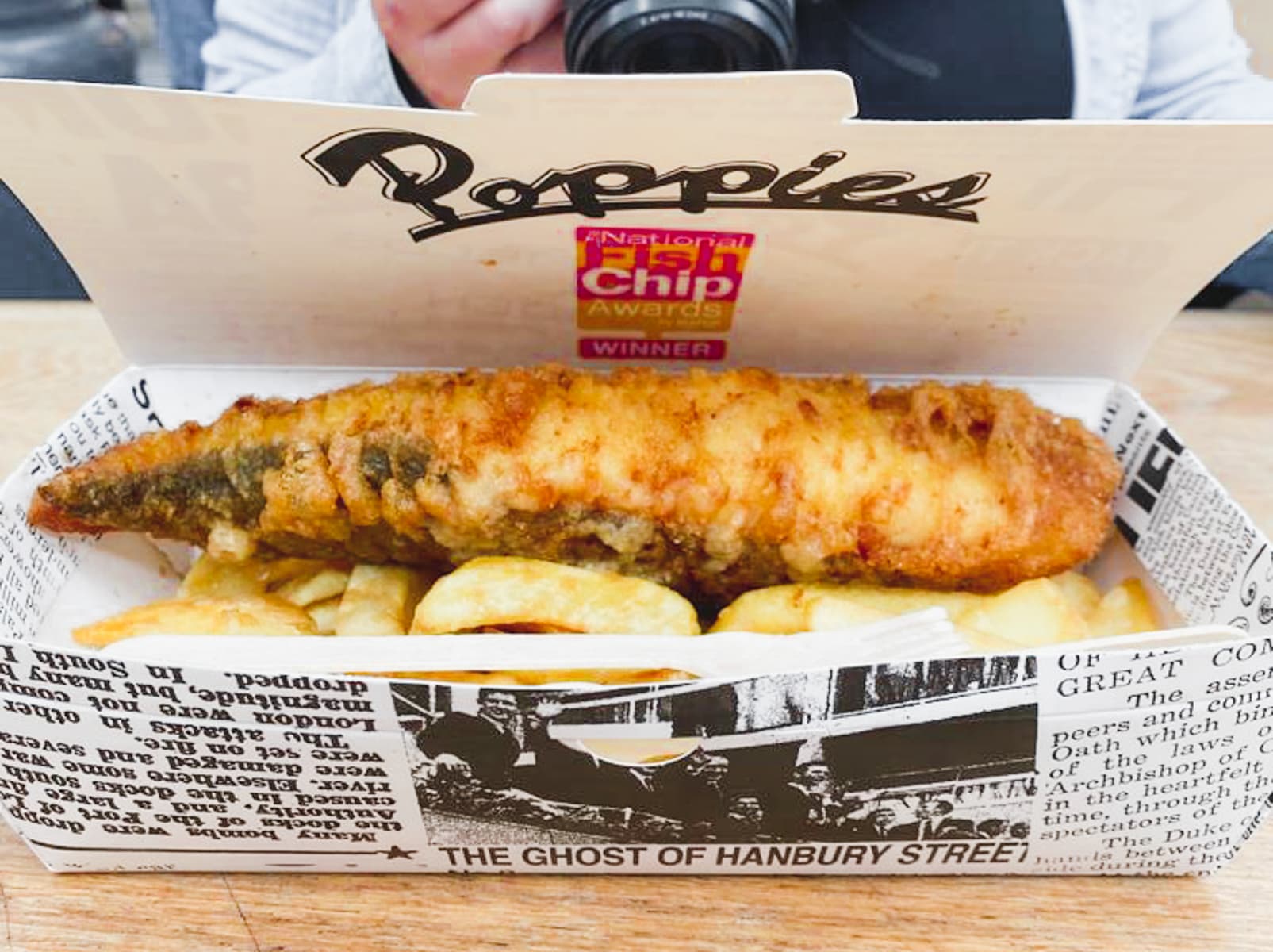
    The famous Poppies fish and chips in London.

    Nobody does the old classic fish and chips like England, and considering they originated here, a trip to London is not complete without them. The first fish and chip shop was actually recorded in 1860, followed by Mr Lees, who opened a shop in the North of England in 1863. By the middle of the 19th century, the dish’s popularity had spread to London and South East England. And now they’re everywhere!

    If you want to sound like a local, refer to fish and chip shops as “chippy.”

    Poppies

    Poppies was opened in 1952 by owner Pat “Pop” Newland, and serves up some of the best fish and chips London has to offer, complete with jellied eels and homemade mushy peas. Originally starting in East London, Poppies now has several locations throughout the city, each with a cool collection of 1950s memorabilia filling the walls.

    Rock and Sole Plaice

    Just minutes from Covent Garden, Rock and Sole Plaice is an honest contender for the best fish and chips in London as well. They use a 145-year-old fish recipe, and have all the traditional trimmings, including pickled eggs, mushy peas and gherkins. You can bask in the sunshine in their outdoor seating area if the weather’s nice.

    2. Pie and Mash

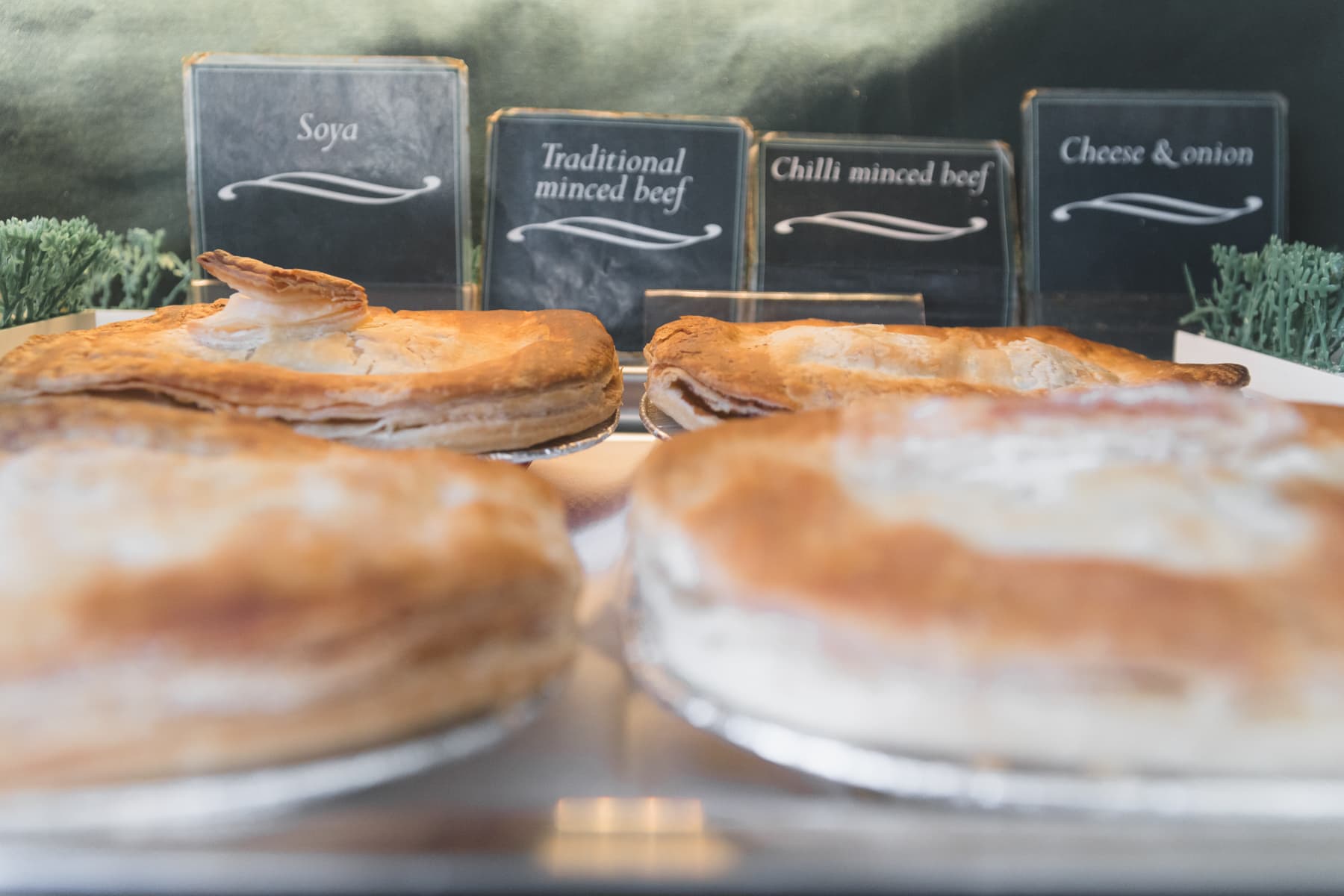
    Goddard's pies from Greenwich

    Pie and mash originated in the Docks of London around the 1800s and has always been considered a traditional working-class food. It was the original “fast food” and consisted of eels from the River Thames, which made the perfect filling for pies, as they were also cheap. They were served with a liquor sauce, which was a gravy made from the eel stock.

    Our pies today are quite different than the original pies. They typically consist of minced beef, mashed potato and are served with a new twist on liquor sauce made from parsley, or, as is more common, gravy. Nowadays you’ll even find chicken, lamb and vegetarian pies.

    Goddard’s Pie and Mash

    Goddard’s Pie and Mash was established in 1890 and is as traditional as it gets. Being one of the oldest pie and mash shops in London, it’s conveniently located in the heart of Greenwich. Choose from a selection of meat and vegetarian pies and homemade fruit pies with custard!

    You won’t find any servers here: grab a tray and order at the counter amidst the hustle and bustle. If it looks overly crowded, don’t worry, the line goes quickly and there’s plenty of seating at the back and upstairs.

    M Manze

    If you want to try a traditional pie, head to M Manze. The first M Manze Eel and Pie Shop opened in 1902, and by 1930 there were a total of 14 shops bearing the name. Today, you’ll find a simple menu at the two current locations, M Manze and L Manze. With wooden benches and narrow marble-topped tables, you’ll feel like you’re in the original restaurants.

    Offering pie, mash, liquor and eels at a super affordable price, you’ll quickly understand why there’s a long line at the door.

    3. Chicken Tikka Masala

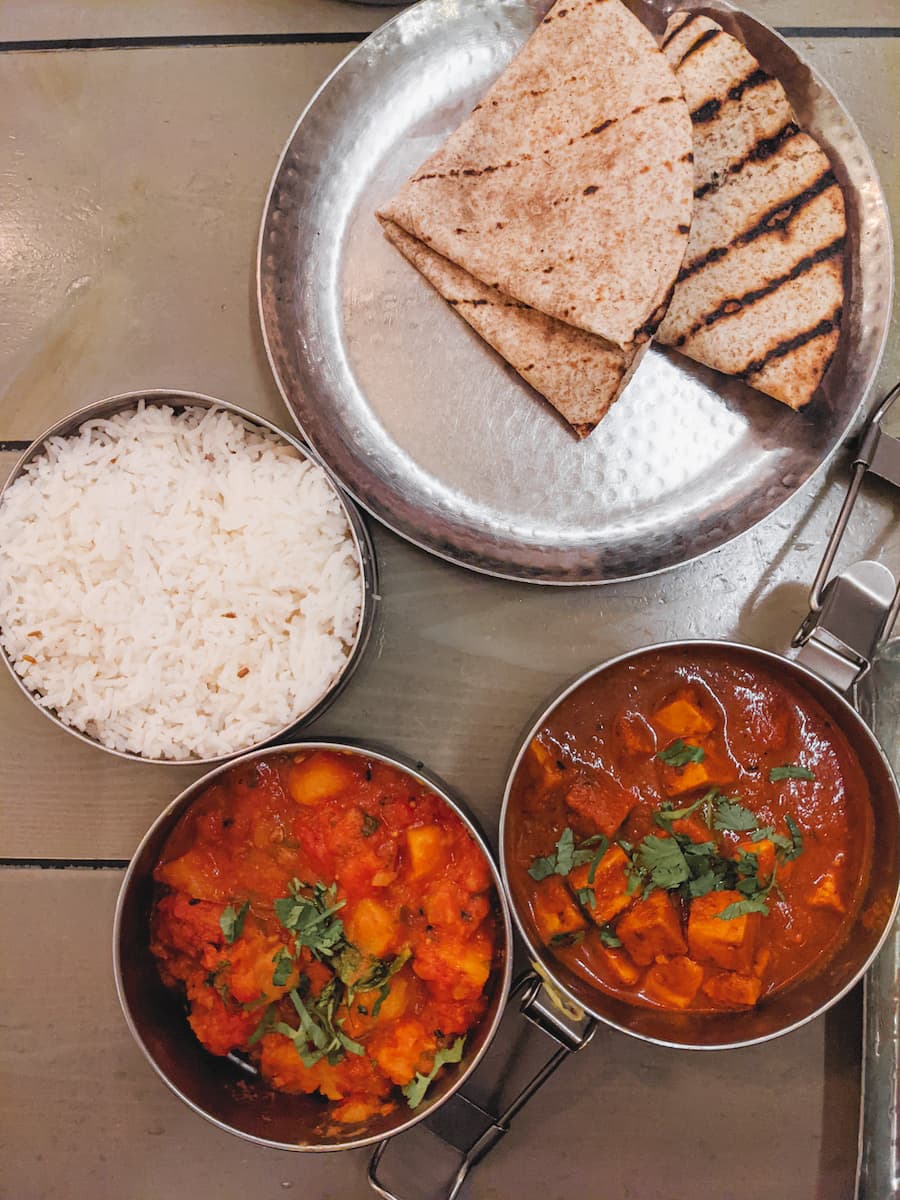
    Indian Curry

    Did you know fish and chips are not the national dish of the UK? But you know what is? Chicken tikka masala. Yep, this humble example of British-Indian cuisine has been the national dish of the UK since 2001. But really it shouldn’t come as a shock since England has been home to one million Indians since the late 19th century. The dish originated in the UK, and is believed to have been invented by a Bangladeshi chef in Glasgow.

    Chicken tikka masala consists of roasted marinated chicken chunks in a spiced creamy curry sauce, making it orange in colour and hard to miss. Brick Lane is famous for their curry, but you can find this famous dish at any store and many restaurants around the city.

    Punjab

    Punjab opened in London back in 1946 and moved to its current location in Covent Garden shortly after in 1951, making it the oldest North Indian restaurant in the UK. The area may have changed over the years, but Punjab is still owned and operated by the same family, now in its fourth generation!

    You’ll find history steeped in the walls of the restaurant with framed receipts, family portraits, historic Punjabi figures and diners of the cuisine over the years.

    4. Sunday Roast

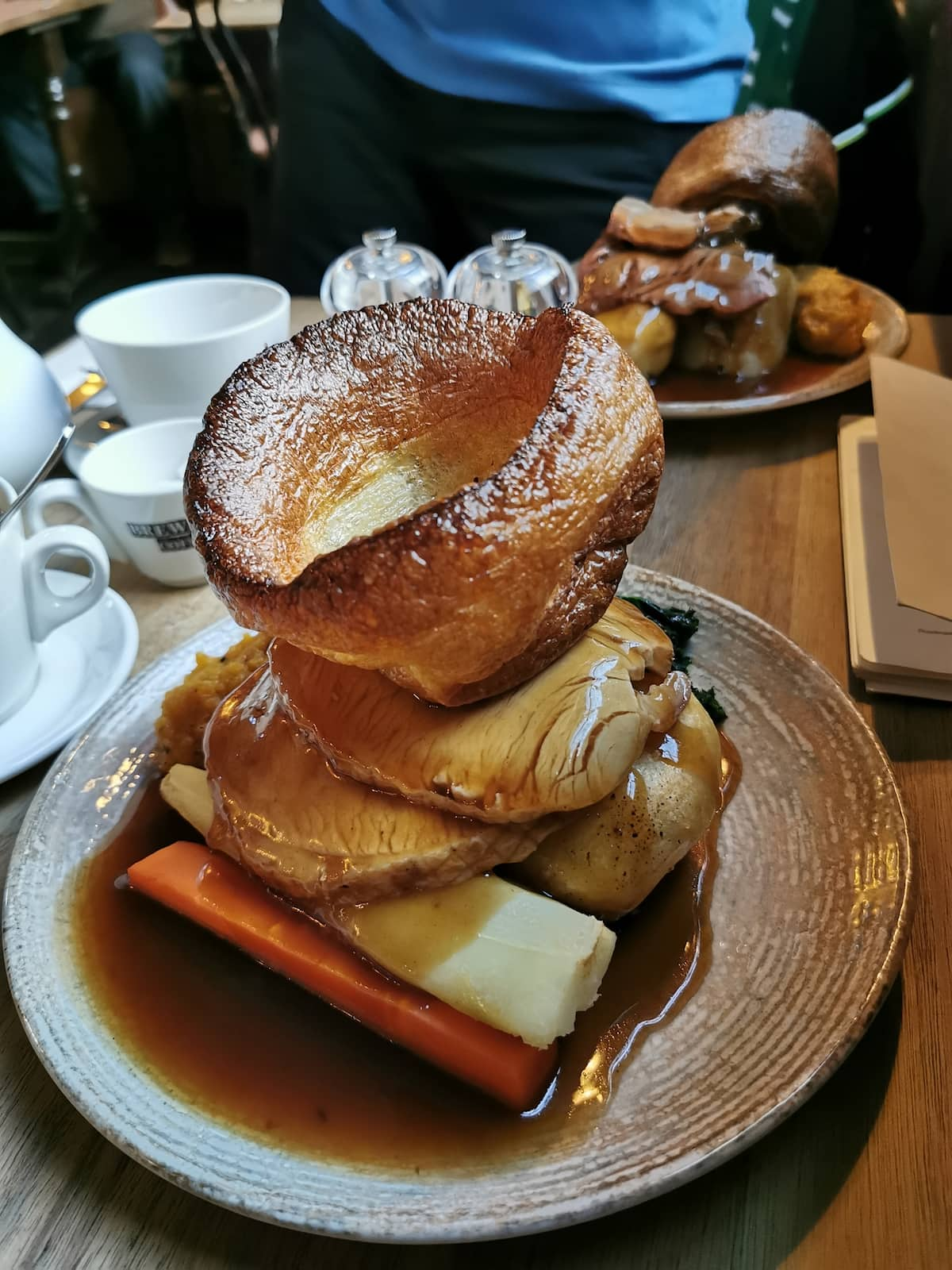
    Sunday roast in London
    Sunday roast in London

    The great British Sunday roast is at the heart of most Brits’ weekly routine. It’s a tradition where a family comes together and gathers around the dining table, usually in the afternoon, and go on to eat themselves into a roast dinner-induced food coma.

    Usually consisting of a variety of meats, like turkey, chicken, beef, pork and lamb, with potatoes, veggies and Yorkshire pudding as trimmings, a Sunday roast is not for the faint of heart; it’s essentially a mini Christmas dinner! You’ll find all of this doused in gravy on overflowing plates. But Sunday roast isn’t just for cooking at home! You can find the best of the best at restaurants around London.

    The Latchmere

    A Sunday roast at The Latchmere is well worth getting out of bed for. With giant-sized Yorkshire puddings and extra gravy, you might have to roll home. You’ll get the best of both worlds here with one half pub and one half formal dining, so take your pick.

    The Gun

    Journeying east to The Gun is worth it, without a doubt. The Gun’s Sunday roasts, along with their wine selection, are the perfect pairing. The Yorkshire puddings are absolutely delicious to boot.

    5. Afternoon Tea

    Christmas Afternoon Tea
    Christmas Afternoon Tea

    Afternoon tea was actually introduced by Anna, the seventh Duchess of Bedford, in 1840, and remains a long-standing British tradition. You definitely want to set aside a couple of hours one afternoon to indulge in this time-honoured delicacy, because here’s the catch; it’s not just tea! Nope, afternoon tea consists of delicate finger sandwiches, scones with jam and cream, and a selection of pastries or cakes. Not only that, but often the tea is swapped for alcohol, with champagne the preferred beverage.

    You can find “tea rooms” all across Britain and London, of course.

    Harrods

    Serving afternoon tea since 1896, Harrods Tea Rooms are now open on the ground floor of the iconic, luxurious department store. They boast an extensive selection of globally-sourced teas, from Earl Grey to Hawaiian Black and Superior Sencha. You’re sure to have a traditional posh afternoon tea experience at Harrods.

    The Goring

    The Goring has been serving up afternoon tea even longer than Harrods; since 1840, and they sure know how to do it. With opulent decor, you’ll melt into the backdrop as you spend the afternoon indulging in freshly baked scones, sampling your way through all the teas, and dipping into finger sandwiches and sweet cakes.

    6. Full English Breakfast

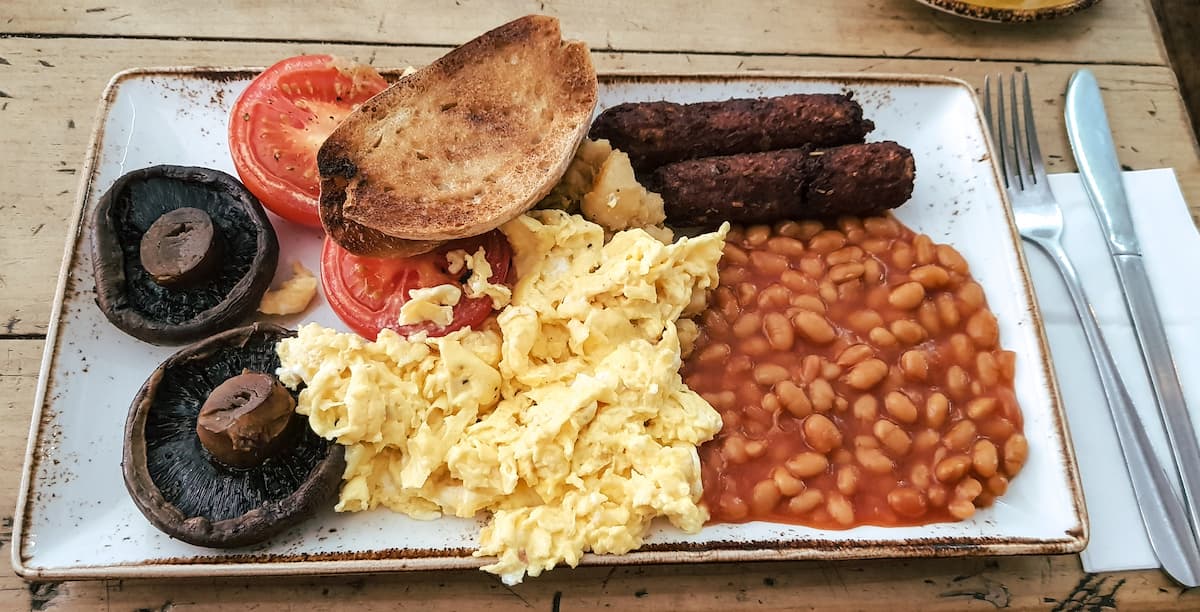
    Vegetarian English Breakfast
    Vegetarian English Breakfast

    The ‘Full English’ as it’s commonly referred to, is a feast of eggs, sausage, bacon, mushrooms, tomatoes, black pudding, baked beans, hash browns and toast. Phew. This mighty meal is an experience in and of itself, and is a tasty staple for Brits. You can see why it’s a famed hangover remedy!

    Regency Cafe

    The Regency Cafe is often referred to as one of the best breakfast spots in London, and has been serving up the full English breakfast since 1946. It’s a no-frills kind of place, having retained its post-war charm with red-checkered curtains and Formica tables. The famed retro look has attracted filmmakers and it’s been featured in movies like “Layer Cake,” “Brighton Rock,” and “Pride,” as well as several TV shows.

    Duck and Waffle

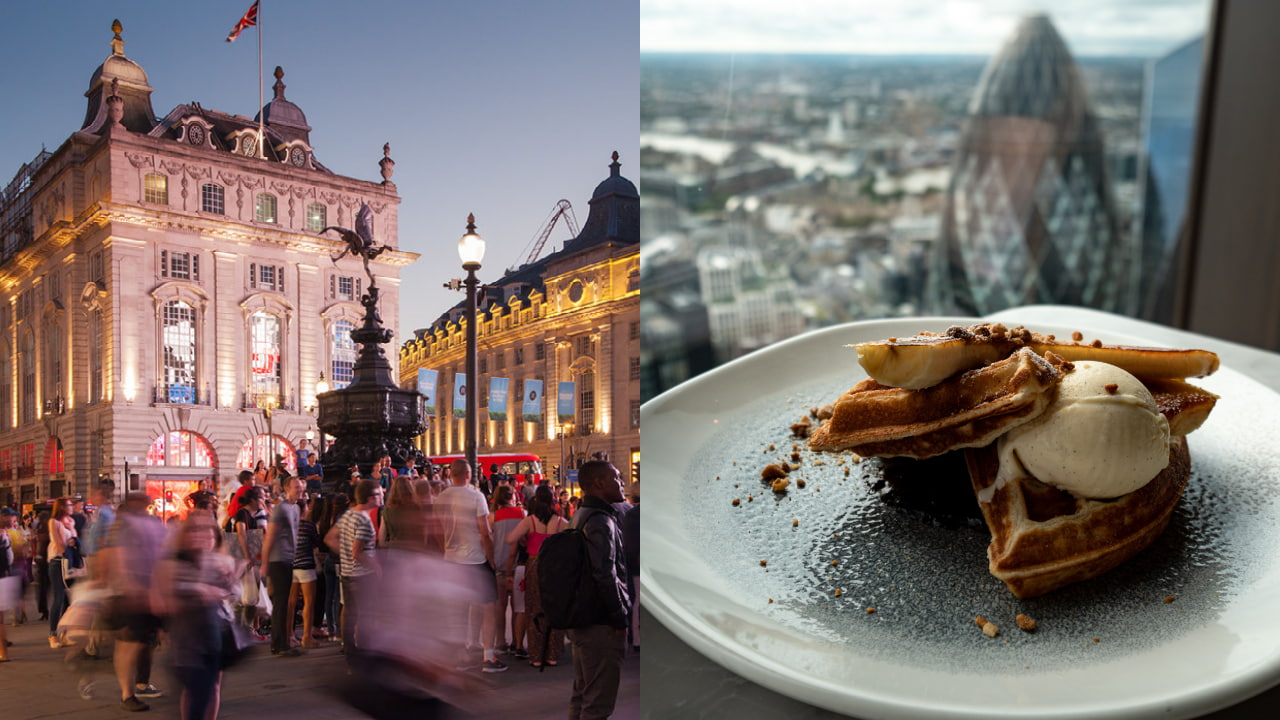
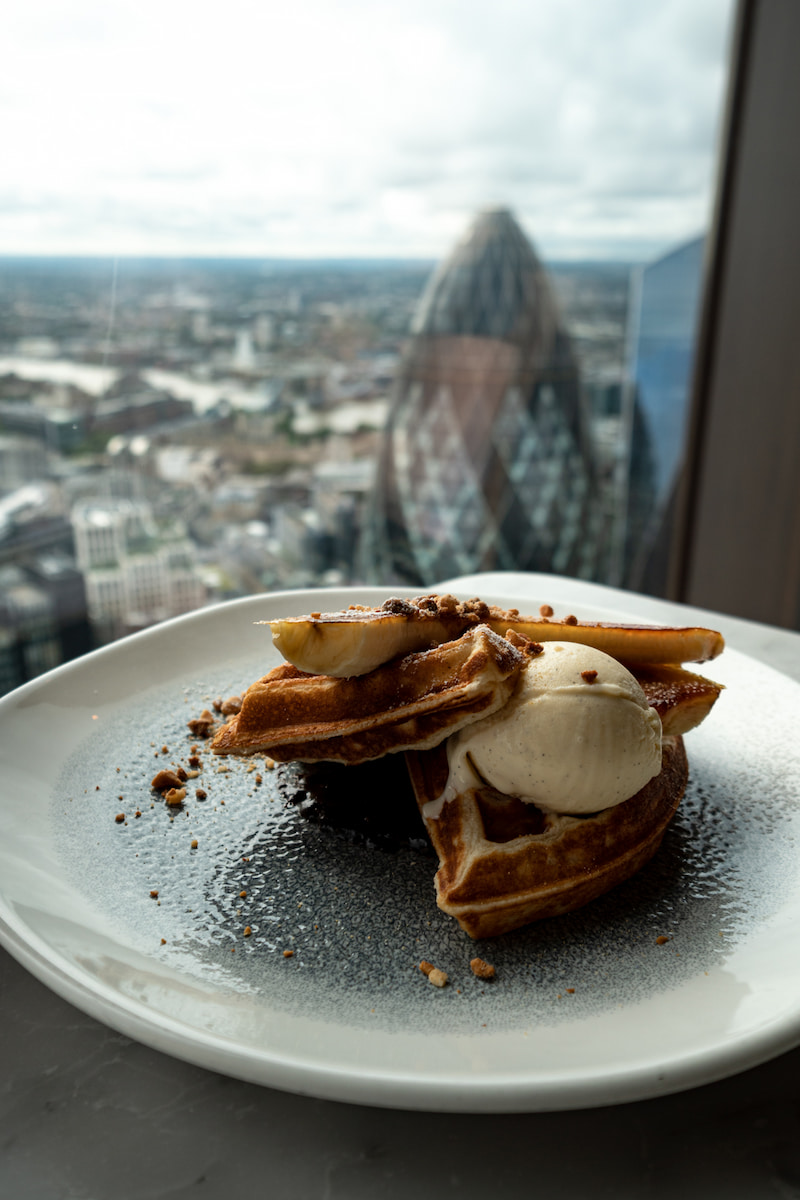
    For an upmarket twist on the full English breakfast, check out Duck & Waffle’s. This 40th-floor, 24-hour restaurant has spectacular brunch views across the city, from the famous Gherkin to the River Thames. Serving up breakfast from 6am, the full English includes Lincolnshire sausages, dry-cured bacon, eggs, tomato, mushroom, hash browns and a delicious cheddar and buttermilk scone.  

    7. Scotch Eggs

    You might think scotch eggs originated in Scotland from the name, but London’s own Fortnum and Mason claims to have invented the scotch egg in 1738. What are they, you ask? It’s essentially a hard boiled egg wrapped in sausage meat, breaded and deep fried.

    Fortnum and Mason

    Since they do claim to have invented them, what better place to try a scotch egg? After you’ve wandered through the plush red-carpeted tea and cake temple, savouring one of Fortnum’s lovely scotch eggs is quintessential British experience.

    8. Cornish Pasty

    If you’ve ever visited Cornwall in the west of England, then you’ve most likely enjoyed a Cornish pasty. These golden flaky pastries are crimped in a ‘D’ shape and filled with various mixes of meat, swede, potato and onion. They can be eaten hot or cold and have delighted locals and visitors for hundreds of years. But if you aren’t making the trek to Cornwall, never fear, for there are plenty of options in London to pick up a pasty.

    Keep in mind though that Cornish pasties are a Protected Geographical Indication (PGI). This means they have a protected status, like mānuka honey. According to the guidelines, only pasties prepared in Cornwall and to the very specific traditional standards can actually be named Cornish pasties. And you’ll know it because they’ll have a stamp of authenticity to prove it. It’s all very proper.

    Regency Cafe

    The Regency Cafe makes our list again for the Cornish pasty! Found on Regency Street in Westminster, it’s consistently ranked among London’s most popular eating establishments. You’ll find the pasties here as delicious as any found along the shores in Cornwall. Choose between a classic or vegetarian option, with your choice of sides.

    Warrens Bakery

    This Bakery has long claimed to be Cornwall’s oldest Cornish pasty maker, established in 1860. Warrens started as a family owned business and is now the largest bakery chain in the South West of England. And lucky for us, they have a shop in London too! They offer the traditional beef pasty, peppered steak, or vegetarian options, including the interesting cheese and marmite flavour. You’ll get consistently good quality and prices with these guys.

    9. Salt Beef Beigel

    Beigels (Bagels for Americans) have been a popular London treat since the Jewish immigrants from Poland starting baking them in the 19th century. The beigels are actually boiled in water and then baked at high temperatures and are best served with salt beef, which is like corned beef, but sliced thicker.

    Brick Lane Beigel Bake

    Beigal Bake is a 24/7 bagel shop that is a completely affordable indulgence. The line is always long, but it moves fast for the hungry visitors waiting on their epic portions of salt beef, smoked salmon, cream cheese and pretty much any other topping imaginable. Or just treat yourself to some heavenly beigel bites. Whatever you choose, you can’t lose at Beigal Bake!

    10. Cider

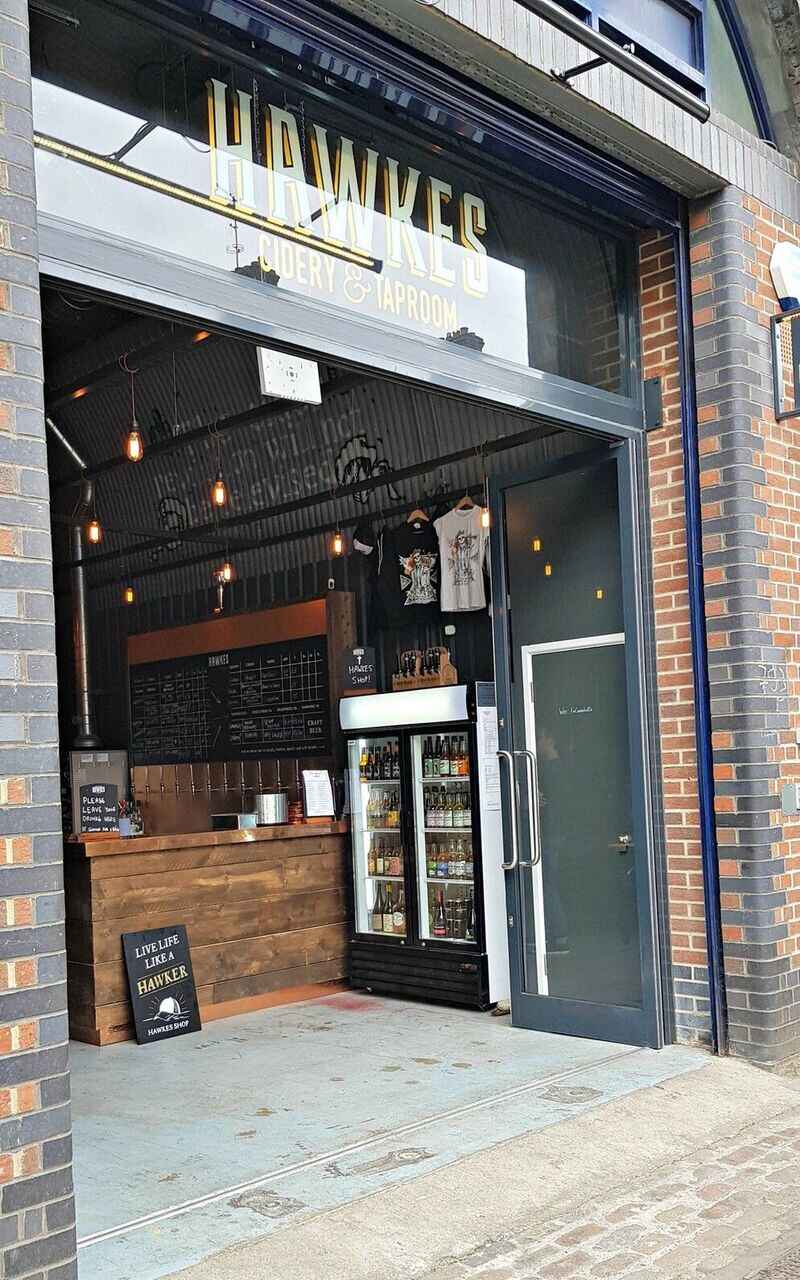
    Hawkes-Cidery-Taproom-on-the-Bermondsey-Beer-Mile

    No, it’s not a food, but I felt I should thrown in one of the most popular drinks you’ll find all over London, in the pubs and the shops. Cider is made from fermented apples and with more than 45% of the apples grown in the UK being used for making Cider, it’s safe to say this is a favourite alcoholic drink and something you must try in London.

    The Green Man

    The Green Man boasts a hefty cider selection, where you’ll find up to ten on draft, and at least twice as many by the bottle. They even have their own ‘Green Man Special’ cider.

    Hawkes Cidery and Taproom

    London’s first urban cidery happens to be on the Bermondsey Beer Mile. You can visit the taproom for samples of the in-house creation, Urban Orchard, or any other fruity bottled offerings.

    So, what do you think? Have you tried any of these brilliantly British foods yet? While there’s so much to choose from in London, I personally think these ten are what you seriously need to consider indulging in on your next trip to the capital!

  • 16 Ways to Avoid Looking Like a Tourist in London

    16 Ways to Avoid Looking Like a Tourist in London

    London is a massive metropolis and diverse home to over eight million people. While the multi-cultural population gives you the upper-hand of blending more smoothly than other countries, it’s still easy to spot the inexperienced tourists in a crowd of locals. This is your guide to ways you can avoid looking like a tourist in London altogether.

    One of the best things about London is that you can sit down to dinner and find yourself among five different people from five different countries. It’s really common to hear multiple languages spoken throughout the day and you’re likely to meet people from a range of backgrounds.

    Unfortunately, because of this, some classic British traits are dying out with the influence of other cultures, particularly American films and music. But that doesn’t mean there aren’t a few things worth bearing in mind when you’re visiting the capital to keep you from sticking out like a sore thumb.

    Obvious tourists run the risk of getting sucked into tourist traps and are easier targets for getting mugged. Although London is a fairly safe city, it’s definitely worth brushing up on some of these universal rules that will have you experiencing London in an authentically British way. Here’s how to avoid looking like a tourist, while getting the most out of your stay!

    1. Dress Like a Local

    Kat at six by Nico London

    Despite what you might read elsewhere, it doesn’t require too much effort to look like a local in London. You’ll find a wide range of clothing and it’s not always as posh as what London is actually known for.

    Ever since I moved to London, I hung up my heels and fancy clothing. Whilst there are occasions to dress up, most of the time Londoners’ wardrobe style is casual. It’s even made its way into the West End theatre scene at times.

    But let’s face it; Londoners have a way of making casual look not so casual, somehow. I do still feel they dress a little “smarter” than other places of the world, and you’ll still see people working in the City of London donning suits, but you don’t necessarily need to go out and buy a whole new wardrobe for hanging out in London, other than a nice rain jacket (preferably black in colour).

    Kat at Duck and Waffle London

    People of all walks of life live in London, and the range of styles on show is rich and diverse; wear what you’re comfortable in, but if you really don’t want to look like a tourist, maybe forgo the fanny pack (bum bag) and baseball caps!

    Plus, you’ll be doing heaps of walking, so make sure you have some sturdy and comfortable walking shoes. Nice trainers aren’t uncommon and neither are backpacks.

    Yep, you’ll need all the essentials on a day out in London, so take a classy backpack (not a typical travel backpack), and you’ll fit right in. Even canvas bags are common for shopping and groceries.

    2. Avoid Chain Restaurants

    Vegan Katsu Ramen at Hakata Ramen in Bermondsey
    Vegan Katsu Ramen at Hakata Ramen in Bermondsey

    More than just a way to avoid looking like a tourist, this is a general life tip. London has some of the best restaurants in the world, and you can try food from a hundred different countries all in one city – why would you want to eat food you could have at home?

    While Londoners may eat at a chain restaurant in a pinch, most would opt for the endless choice of local and independent restaurants right on their doorstep; the old stereotype of the Brits having poor food is more than outdated, so don’t be afraid to dabble in the local cuisine.

    The classics like fish and chips and the full English breakfast are still standard, but the London food scene encompasses so much more these days. Confining yourself to just one type of food, or the unwillingness to explore, would for sure have you standing out in the crowd, where you want to blend.

    3. Brush Up on British Expressions

    Note some British expressions before you head to London, as this will save you a lot of embarrassment and confusion.

    The one that always catches me out is ‘Are you alright?’. I took it as if I looked unwell or needed help, ha! It’s simply a greeting. To avoid awkwardness, just say – great thanks, you.

    If you’re used to saying ‘candy,’ refer to it as ‘sweets.’ Also ‘French fries’ are ‘chips’ in England and ‘elevators’ are ‘lifts.’

    There are heaps of other expressions that it wouldn’t hurt to learn ahead of time that will have you speaking like a local!

    4. Learn Proper Pronunciation

    Along the same line is pronunciation. It can take some time to learn how to properly pronounce all the street names, city and village names in England. If you think you know how something sounds, it’s probably not right.

    When I first heard Southwark being announced on the tube, I had no idea where this place was and quickly learned it was pronounced suh·thuhk.

    Check your phone for how to say these words properly, or you’ll for sure be spotted as a tourist!

    5. Mind Your Manners

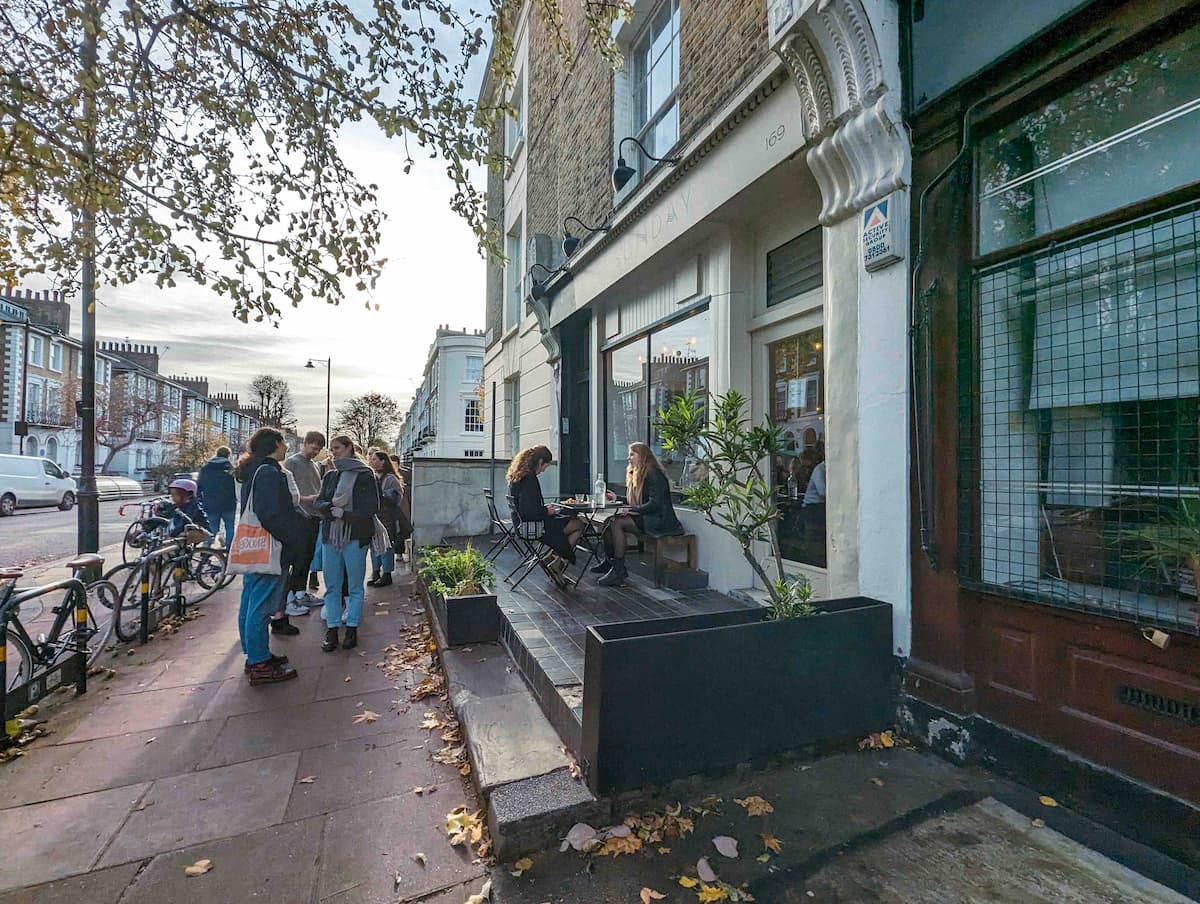
    Queue for breakfast at Sunday, London
    Queue for breakfast at Sunday, London

    Modern Brits aren’t like the old-fashioned stereotypes portrayed in the movies anymore, but a degree of politeness is still a bit of a national character trait. Good manners are widespread in the UK, so a ‘please’ and ‘thank you,’ or even ‘cheers,’ are appreciated in everyday interactions.

    Queueing is also a very British thing to do and Londoners have a lot more tolerance for it than many other countries. So, practice your patience when you see the orderly queues forming for entry into the museums or buying goods in a shop.

    ‘Jumping queue’ in considered very impolite and a traditional sense of fair play is enforced among Londoners. If you’re unsure, just ask – we will quickly advise you if there is a queue to join.

    Outside of pubs, being loud and boisterous is also frowned upon. Keeping your voice down in public is encouraged, particularly on public transport! Most people on the Tube are on their way to work or going about their day in peace, and don’t want to be disturbed.

    Lastly, it’s impolite to stare and point your finger, which is a common tourist trait.

    6. Mind Your Personal Space

    Keeping in tune with etiquette is also minding your personal space. If you’re not accustomed to public transportation, there’s a lot of etiquette to familiarize yourself with. Be conscious of those around you, especially at peak times, as the buses and trains will get quite busy.

    While you’re sitting down, don’t stretch out your legs or arms in a way that might get in someone else’s way. If you have to stand, make sure and hold onto a handrail so you don’t fall over onto anyone! If you want to look like a true local on transport, put your headphones on and avidly avoid eye contact with anyone at all.

    7. Use Local Table Manners

    If you’re not from Europe, you might not be accustomed to how Brits eat their food, and this is one sure fire way to make you stick out like a sore thumb. The proper way if you’re right-handed is to eat with your fork in your left hand and your knife in your right hand. Then cut each bite individually, not all at once, while you rest your arms midway between your wrist and elbow. Elbows should always stay off the table!

    8. Steep Tea Like a Local

    Kat drinking tea at the Mad Hatters Tea Party at Sandersons
    Kat drinking tea at the Mad Hatters Tea Party at Sandersons

    Tea is usually one of the first things one thinks of when it comes to England, and there’s never a wrong time for a “cuppa” in London. So learning how to make a proper cup of tea in any occasion will have you blending in with the locals.

    Here’s a Quick Tea Tutorial

    First, you’re going to boil the kettle and as soon as the water bubbles, pour it into a cup where a tea bag is waiting. You don’t want to let the water cool down too much as this will ruin the flavour, and the tea won’t steep as well. Wait a while to remove the bag. Keep in mind, you don’t want to over stew your tea, but it’s even worse to serve a weak tea. Practice makes perfect.

    Now, a cup of tea without milk in England is just unheard of, and you’ll want to add the milk after it’s brewed. How much you add is a personal preference, so when in doubt add a dash; less is better than more! Lastly, if you like yours with sugar, add your desired amount.

    And most importantly, when it comes to making the perfect cuppa, you simply cannot get away with making yourself one without asking every single other person within the vicinity if they would also fancy a cup. Don’t forget to ask if they take sugar and how much, and never ever use the same spoon for someone that isn’t taking sugar.

    Follow these instructions and you’ll be serving afternoon tea in no time!

    9. Get Off the Beaten Path

    Kat-standing-in-front-of-Crystal-Palace-Dinosaurs
    Crystal Palace park has the best statues in London! Famous natural sculptor Benjamin Waterhouse Hawkins designed these dinosaurs and revealed them to the public in 1854.

    Sightseeing does not have to be limited to famous attractions! Although it’s fun to throw of a few of those in too, getting off the beaten path is the best way to immerse yourself in the local culture. For instance, Londoners would seldom be seen visiting places like Buckingham Palace or Tower Bridge.

    Take a quick stroll through the popular tourist areas like Piccadilly Circus and Leicester Square, but for the ‘local experience’, you can spend the majority of your time wandering through some lesser-known areas of London. This is easier said than done, depending on the length of your stay, so a couple of trips to the city might be in order.

    If you’re willing to forego the crowds and would rather venture into some of the more quiet and charming neighbourhoods, try Dulwich Village – if you don’t mind venturing further from the centre – or the elegant and affluent Kensington, just to name a few.

    10. Know Which Bridge is Which

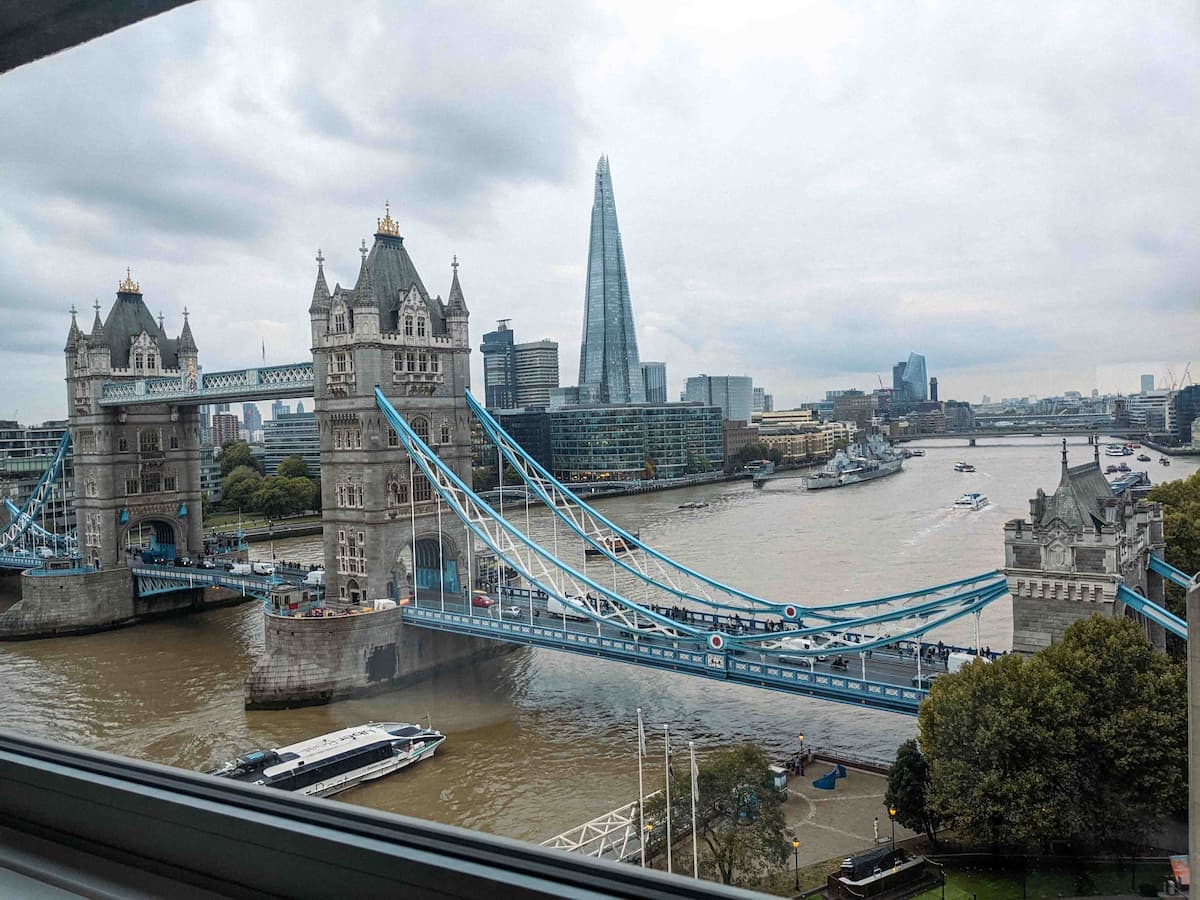
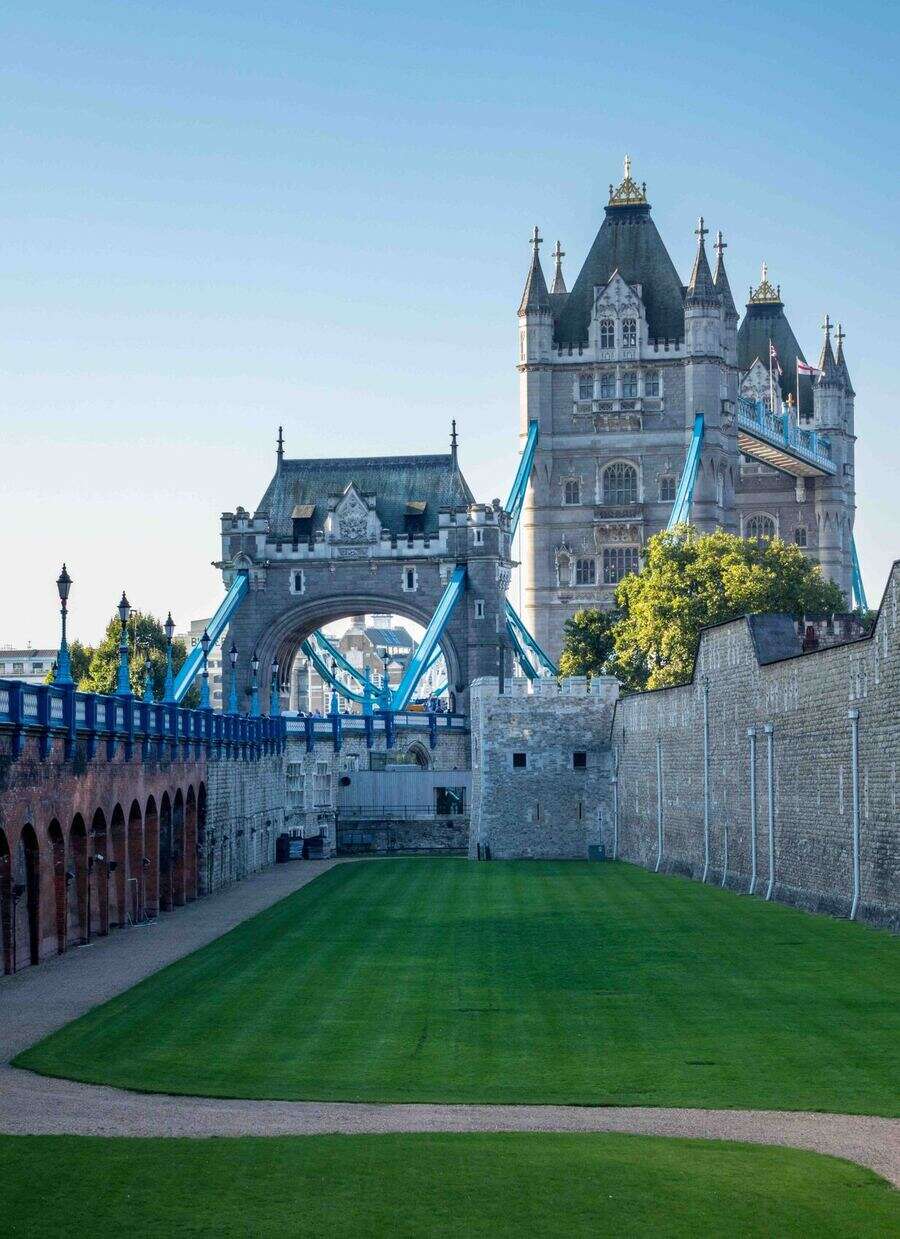
    Tower bridge with London Bridge in the background
    Tower bridge with London Bridge in the background

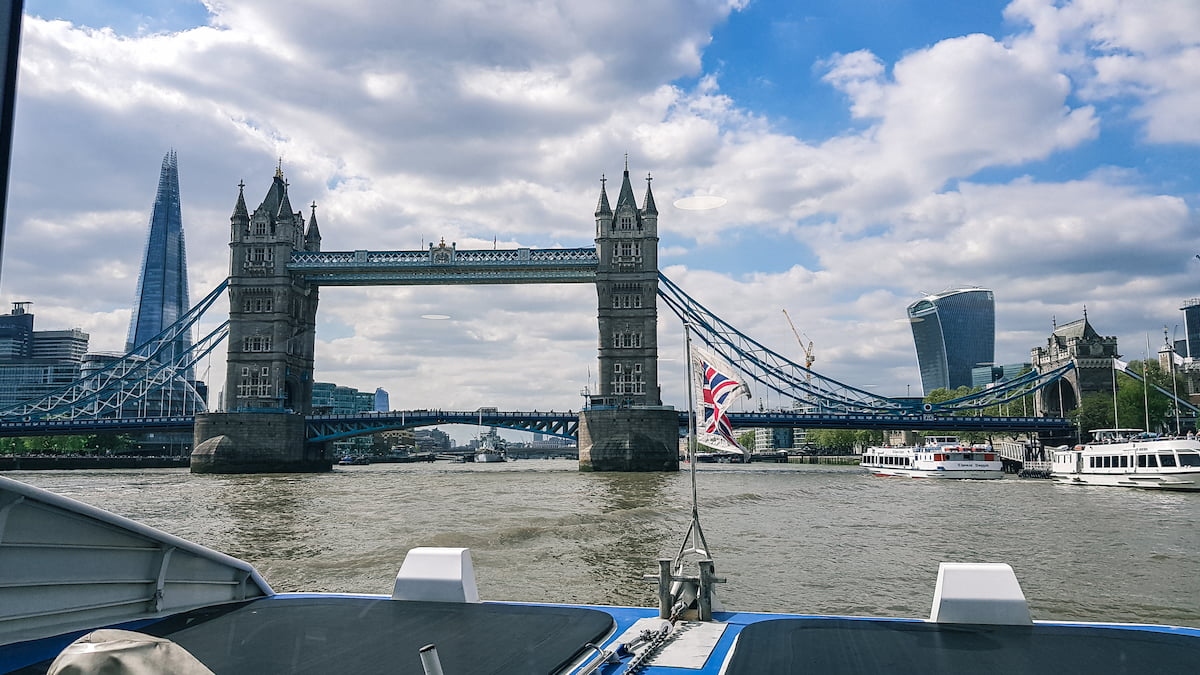
    One of the most common mistakes tourists make in London is confusing the two bridges, Tower Bridge and London Bridge. You would think by the name that London Bridge is the big, attractive, exciting one that everyone photographs, but it’s not. That one is actually Tower Bridge; named for the Tower of London which sits close by. London Bridge is the one next to the iconic Tower Bridge that’s honestly not much to look at. Now you know!

    11. Don’t Wear Your Camera Around Your Neck

    I think we can all agree that the easiest way to spot a tourist is when you see someone with a camera hanging around their neck. Get yourself a camera bag that doubles as a stylish backpack or cross-body bag and pull out the camera as needed. I know it might be hard because you’re bound to want to take pictures of literally everything and get swept up in the charm of London, but take some time to feel like a local and enjoy the moment as well.

    Also be respectful when taking photographs. The super cute houses you’re photographing are where people actually live. Don’t be rude or take too much time in one place, looking like a stalker. And don’t get in the way of others or act annoyed with people passing by. You’re in a busy city!

    12. Don’t Take the Heathrow Express

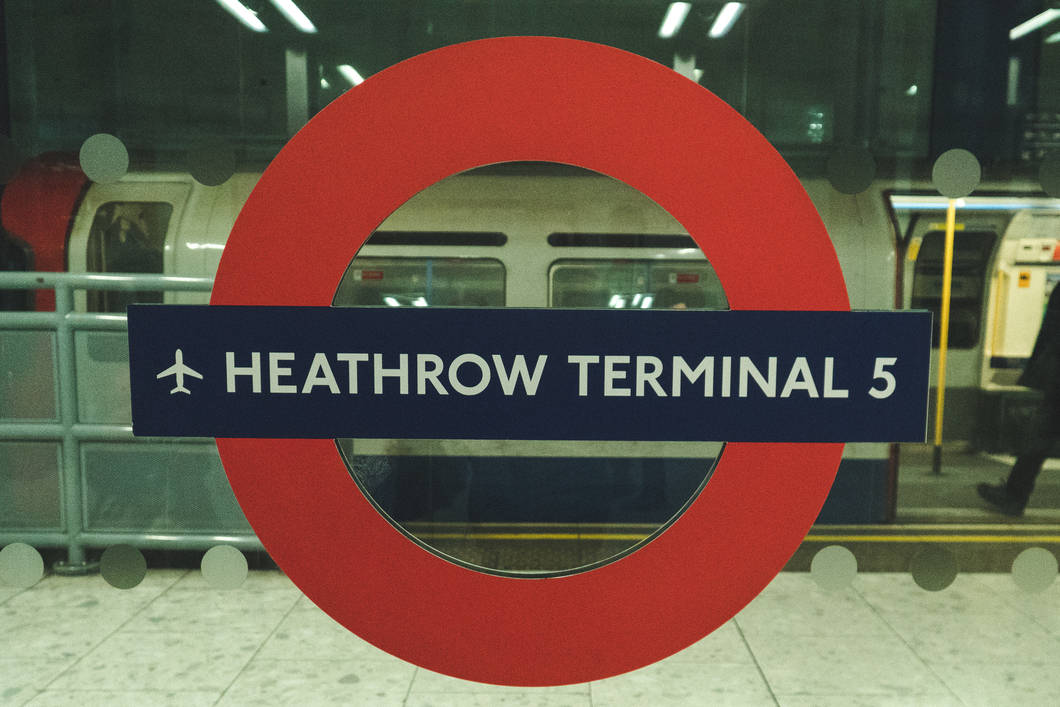
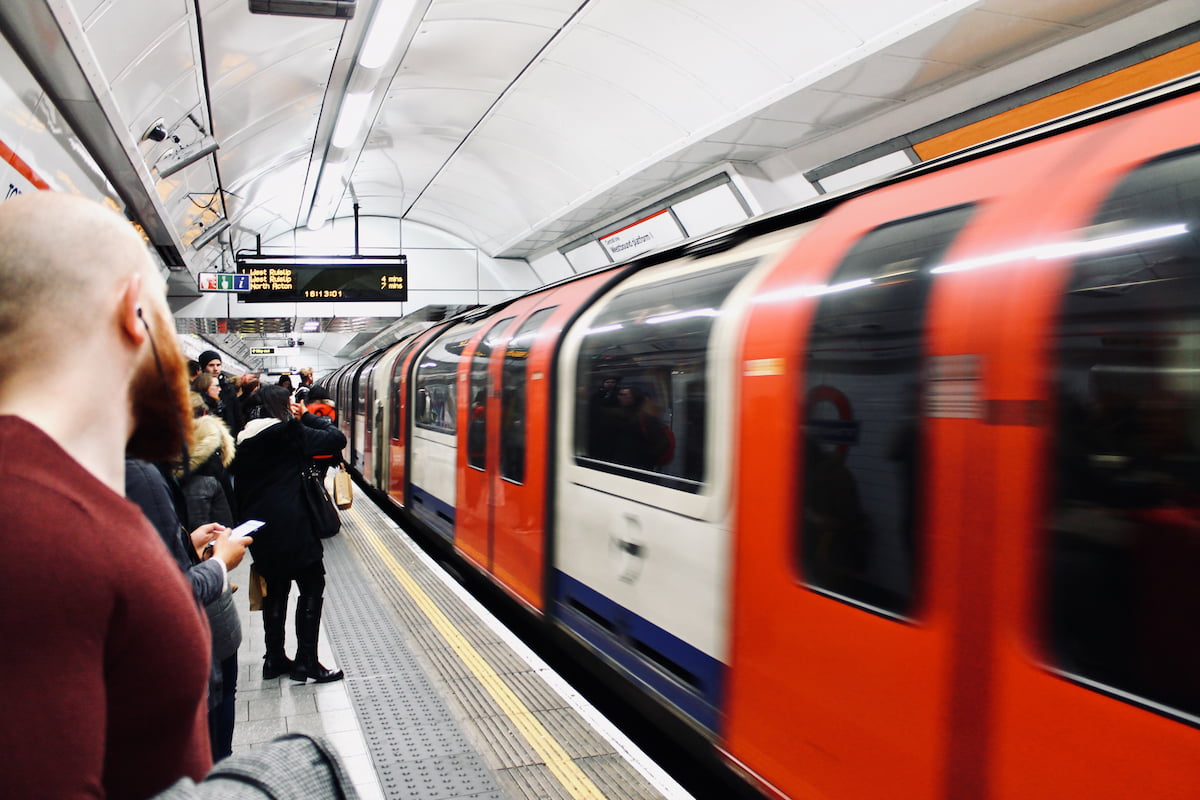
    Heathrow Airport T5 Tube Sign
    The tube is the easiest and cheapest way to travel from Heathrow to London.

    If you’re flying into London Heathrow, there’s a 20-minute Heathrow Express train that will cost you a good £25 to get to central London. If you want to avoid looking like a tourist, don’t take this train; the price is extortionate! Take a ride on the Piccadilly tube line (46 minutes to Piccadilly Circus) and pay just £3.10 with an Oyster or contactless card.

    13. Don’t Buy Paper Tickets for the Tube

    Purchasing a physical paper ticket is a rookie mistake in London, and often the most expensive way to use public transport. In the past, the advice would always be to purchase an Oyster Card or use a contactless card (including Apple and Google Pay) for travelling around London.

    This is still a great option, particularly if you’re staying long-term or will face extra fees for using your card abroad, but contactless payments are easier and don’t require paying an initial £7 fee. It works in the same way: simply tap your payment card as you enter and leave a station and you’re all set.

    If you want to get an Oyster Card, you can pick one up at the airport on your way in and even return it and get any leftover funds back at the end of your trip. Oyster cards are easy to ‘top up’ at most stations and are cheaper than one-way or day tickets for the tube, and they also work on the buses.

    If you want to avidly avoid looking like a tourist, make sure you have your card – Oyster or otherwise – handy so you can tap it as you enter and leave the stations. Nothing is worse than holding up the lines by having to fiddle around in your purse or wallet looking for it.

    14. Don’t Overuse the Tube

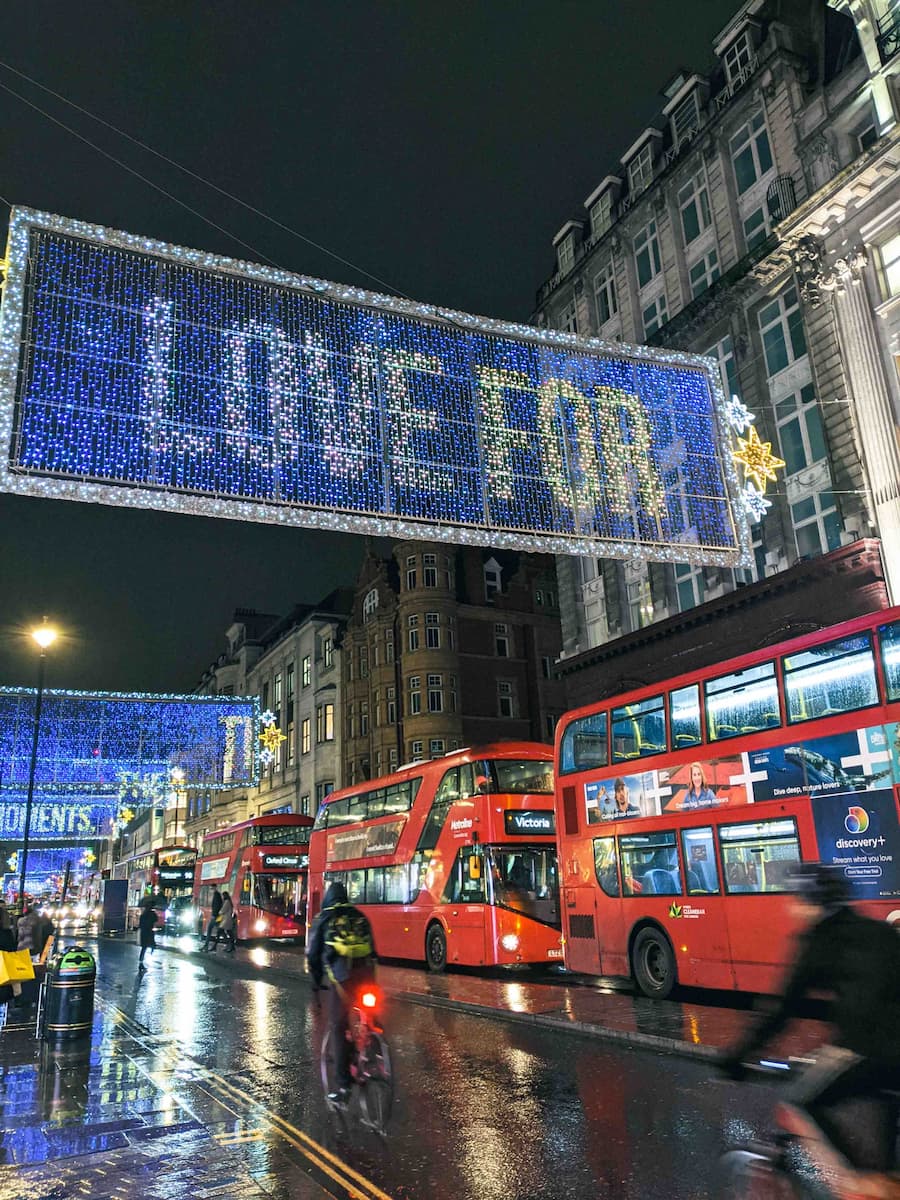
    Bus in driving in Oxford St London
    Bus in driving in Oxford St London

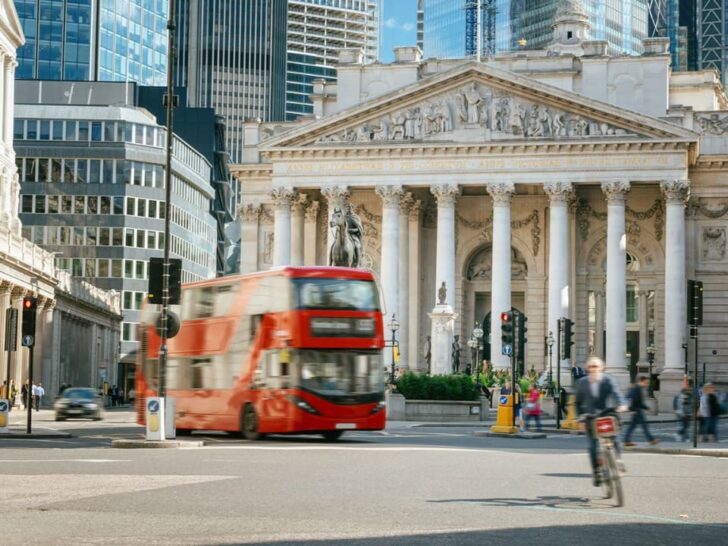
    While the tube is the quickest way to get around in London – and it’s definitely something you want to familiarise yourself with – it’s not actually necessary all the time. Studying the tube lines a bit before you arrive will have you seeing that it’s quite easy to walk between a majority of the main attractions in central London, and it’s a lot cheaper that way as well. You never need to take the tube just one stop away.

    If you get tired of walking, you can also hop on an iconic double decker bus. This is a classic Londoner move. Just don’t use a tourist bus! That should go without saying.

    Local Bus Routes for the Best Sightseeing

    Bus Route 11 – Fulham Broadway to Liverpool Street will take you by King’s Road in Chelsea, Belgravia, then the famous sights like Westminster Cathedral, Westminster Abbey, Big Ben and the Houses of Parliament. 

    Bus Route 24 – Pimlico to Hampstead Heath, like route 11 you will pass by Westminster Cathedral, Westminster Abbey, Downing Street and Trafalgar Square. 

    Bus Route 453 – I suggest catching it from Marylebone stations and hopping off once you’ve seen the sights on your list. The bus passes by Westminster, Whitehall, Regent Street, Oxford Street and Regent Park.

    15. Escalator Etiquette

    Don’t ever stand on the left side of the escalator. The left side is for people walking up or down. Stick to the right side if you’re standing still, and keep your belongings and limbs at your sides.

    Speaking of escalators, don’t get to the top and then stop! You’ll soon discover that people are seriously hustling through the tube stations to make their connections, and stopping at the top of the escalator will for sure get you some glares and possible comments. If you need to get your bearings, step aside and wait by the wall to read the signs or check your phone. It’s much safer for everyone.

    So there you have it! These are some excellent ways to avoid looking like a tourist in London. Don’t get too hung up on looking like a local; if you want to see the famous sights, then do it! Londoners would do the same if they were visiting New York.

    Yes, you’ll probably still have your moments, but overall, you’re now equipped with how to blend into the local city scene smoothly and have the best memories to take home with you!

  • 18 Hip Things to Do in Shoreditch

    18 Hip Things to Do in Shoreditch

    Shoreditch in London’s East End is best described as hipster meets London chic. This vibrant destination is home to the famous Columbia Street Flower Market, Brick Lane, and is the vintage capital of the city. From funky street art to eclectic bars and restaurants, Shoreditch has more to offer than you might think.

    It’s said that Shoreditch earned its name from the water that ran across the area’s marshland, originally known as Soersditch, or Sewer’s Ditch. Some prefer a more romantic version though and like to believe that it was named after Jane Shore, a mistress of Edward IV. Allegedly, she was buried in a ditch in the area, but we know this can’t be true because the dates just don’t match up.

    Whatever you choose to believe, Shoreditch has really built itself up over the years from being one of the oldest slums of London to now being a creative hub of the East End. You’ll find nothing lacking in Shoreditch, with plenty to eat, see and do through every step of your day.

    This guide will take you through all the best things to do in Shoreditch after dark and during daylight hours. You’ll discover some of the coolest and most fun things to do in London’s East End and will be ready to visit time and again.

    1. Hunt for Street Art

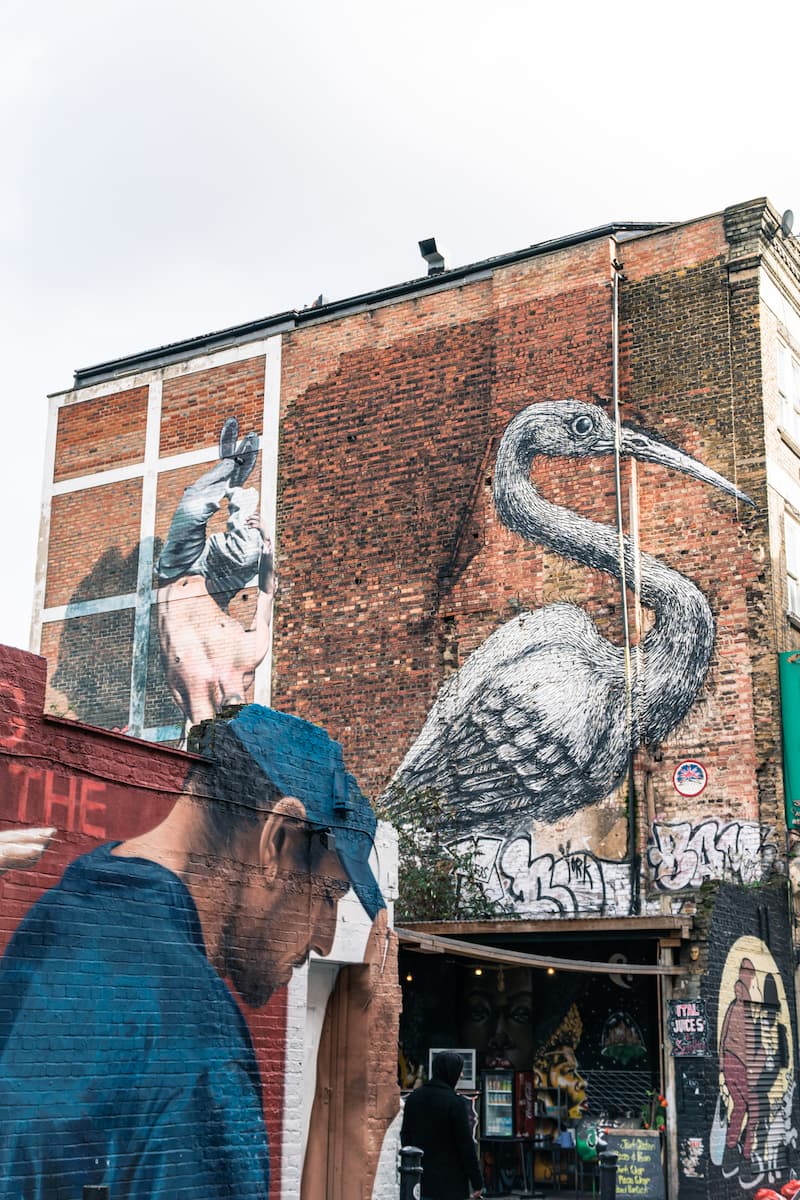
    Street art in Shoreditch

    Street art and graffiti has really skyrocketed in the last couple of years and London’s East End is really embracing this as a part of their identity, particularly Shoreditch. It’s now is a hotspot for famous street art by the likes of Banksy, El Mac, Stik, Space Invader, Jimmy C, Dscreet and Phlegm.

    The street art and graffiti is scattered throughout Brick Lane, Shoreditch, Fashion Street, Bateman’s Row and Spitalfields. So there’s a lot of ground to cover to find the artist or particular pieces you’re looking for.

    An excellent way to see all this brilliant street art is to go on one of the many street art walking tours. I chose Strawberry Tours when I did this earlier in 2017 as it’s run as a free tour, but there are also paid options such as Street Art London for roughly £12 to £15.

    2. Wander Through Brick Lane

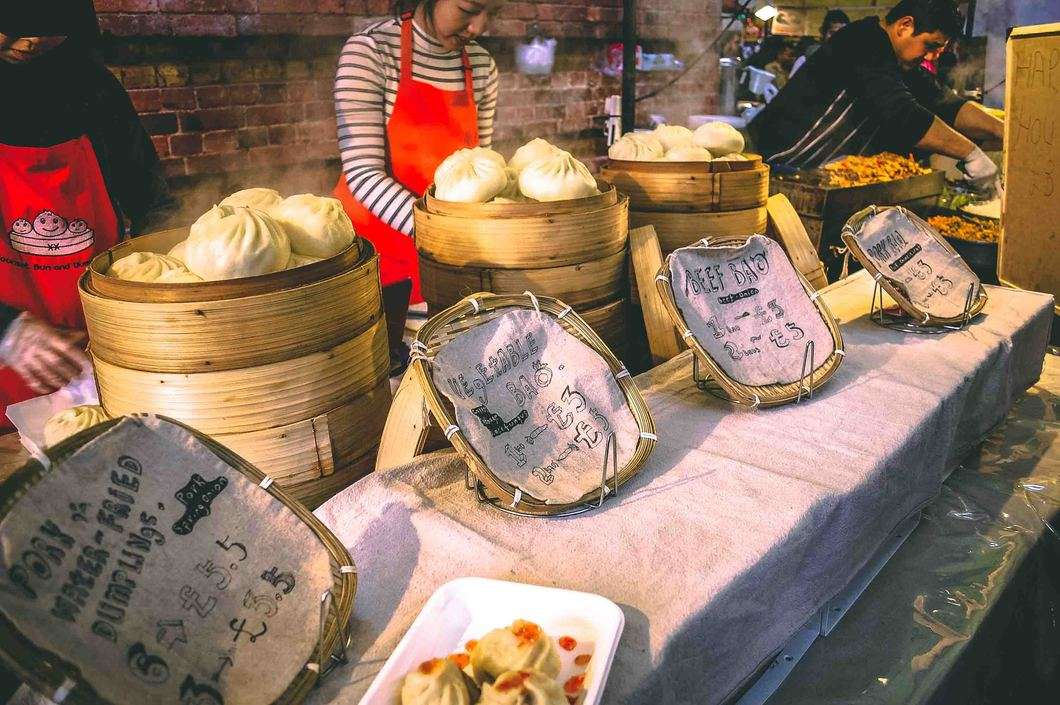
    Bao buns at Bricklane Markets
    The delicious food at Bricklane Markets (open on Sundays).

    Brick Lane is one of East London’s best-known spots for buzzing markets, eclectic vintage shops, and funky street art. There really is something for everyone on Brick Lane, as you walk through the tantalizing smells of food and soak up the vibrant energy.

    And although this area was once associated with the likes of Jack the Ripper and his infamous murder locations, Brick Lane is know considered an ethnic, artistic hub that millions of people explore all year long.

    3. Go Vintage Shopping

    Brick Lane Vintage Market

    If you’re looking for vintage, you definitely must check out the Brick Lane Vintage Market. Vintage specialists come from all over the UK and Europe to take part in this funky market, with clothes dating back to the 1920s and then every decade up to the 90s.

    Whatever vintage wares you’re hunting for, you’re sure to find, from glam fur coats, vintage bridal wear, feather capes, menswear and distinctive accessories. There’s a lot of exciting finds to discover at the Brick Lane Vintage Market!

    Hunky Dory Vintage

    Hunky Dory Vintage is a small place with a refined style, proclaiming themselves to have “20th-century frocks and manly modes.” But despite their size, there’s plenty of vintage finds from faux fur jackets, double-breasted coats and pinstriped blazers.

    Here After

    Here After started as a market stall as a market stall and then expanded to a standalone stop at the top of Brick Lane in 2017. Anna Farnham, the founder, travels the world for her designer finds. Here you’ll see pieces from the 1970s to 1990s, such as patchwork jackets and florescent orange Moschino jeans.

    Rokit

    Rokit actually has four stores across the city and is a London classic, with its Brick Lane location stretching across three shopfronts. It’s not the cheapest of the vintage shops, but it does have all things quintessentially vintage. Find Dr Martens from years past, 70s suede jackets, 80s windbreakers, and 90s dungarees.

    Beyond Retro

    Beyond Retro also has other shops in Soho and Dalston, as well as its Cheshire Street store. This location is more of a warehouse and takes some time to get through. But you’ll come across peacoats from the 1940s and 1950s, psychedelic prints from the 70s, and 90s sportswear from Nike and Champion.

    Serotonin Village

    Serotonin Village will give you that hit of vintage you need with rare designer pieces. With the likes of Dior, Burberry, Versace and John Paul Gaultier, it’s no wonder their price point is a bit higher, but eccentric to say the least.

    Nordic Poetry

    Nordic Poetry has a vibe to it, that’s for sure. Starting with the bar that sits at the centre of the store, fanning out to the men’s and women’s pieces from the 1970’s to the 90s, a visit to this shop is a unique experience.

    4. Enjoy a Latin-Inspired Brunch at Andina

    All the shopping and street art hunting will leave you hungry and there’s no shortage of restaurants and street food around Shoreditch. One spot, in particular, I’ve enjoyed is brunch at Andina.

    Andina is inspired by traditional, family-run Andean eateries, with Peruvian classics such as ceviche made with tiger’s milk. They even import the best native ingredients from Peru, alongside locally sourced seasonal produce. Everything on the menu is designed to share and there are plenty of vegan, vegetarian and gluten-free options available too.

    Andina is open seven days a week for lunch and dinner, with special brunches on the weekends. With an upbeat soundtrack always playing and the Pisco always flowing, you’ll be sure to enjoy a meal here.

    5. Pick Up Some Arts and Crafts

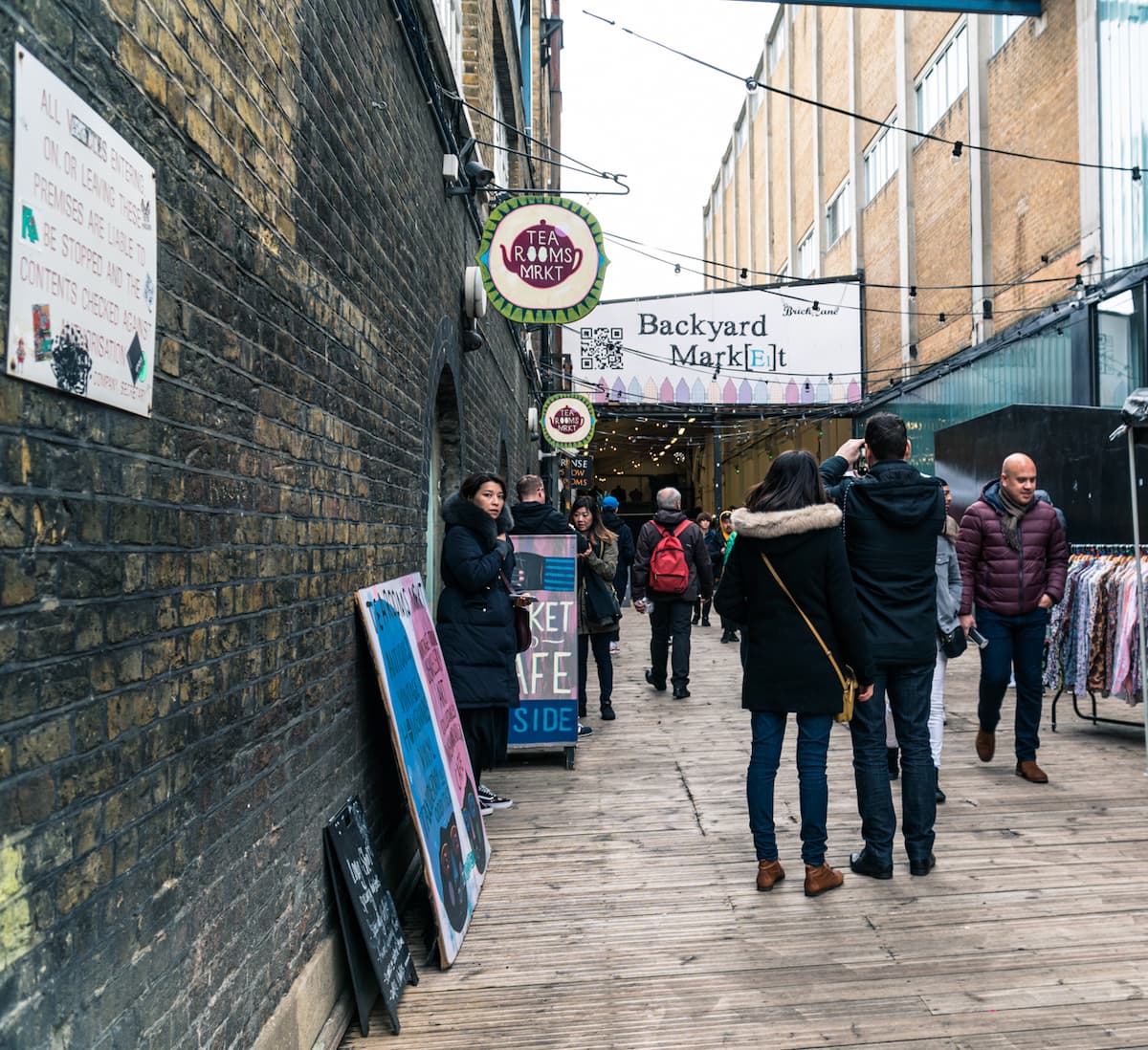
    Backyard Market in Shoreditch

    Right in the heart of Brick Lane, you’ll find the Backyard Market. I absolutely love arts and crafts, and the Backyard Market is where I’ve picked up some pieces that are now sitting in my house. This is a great place for treasures and trinkets from around the globe for the artsy and crafty types.

    6. Take a Tour of the 1800s

    Kat in Shoreditch

    Shoreditch is a great area for viewing houses and buildings from the 1800s. One of the most famous Instagram locations is a pink house on Winsley Street, with other notable locations at Princelet Street and Fournier Street. You could do a bit of a photoshoot while you stroll down these streets and admire all the history they have to offer.

    7. Cuddle Up in a Cat Cafe

    If you’ve never popped into a cat cafe, Lady Dinah’s Cat Emporium is a regal first choice. Cat cafes have really gained popularity in recent years, offering up cat cuddles from rescued kittens, while having tea and cakes.

    If you’re a cat person, you’ll love Dinah’s, which is the UK’s longest-running cat cafe. This is not your average cat cafe, which is why it’s become a kind of local legend. At Dinah’s, you’ll be immersed in a basement forest, with an Alice in Wonderland theme. They even have souvenirs, and no, they aren’t cats!

    8. Bury Yourself in a Book

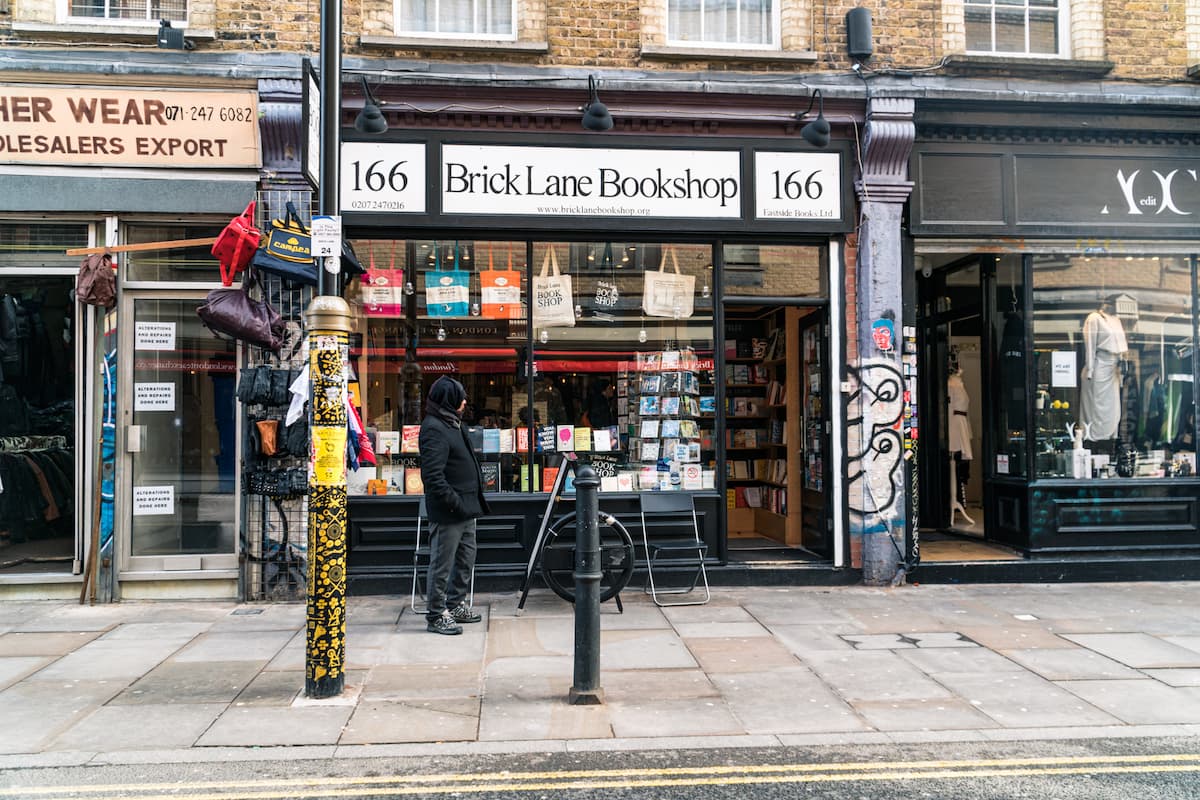
    Brick Lane Bookshop

    For all the book lovers who are also fans of vintage, check out Brick Lane Bookshop. This is an independent bookshop in Tower Hamlets, established in 1978 with fiction, non-fiction, London books, poetry, children’s classics, philosophy, graphic novels and more.

    A great place for local history with a fun stock of cards as well, Brick Lane Bookshop is a good addition to your day in Shoreditch.

    9. Stop and Smell the Roses

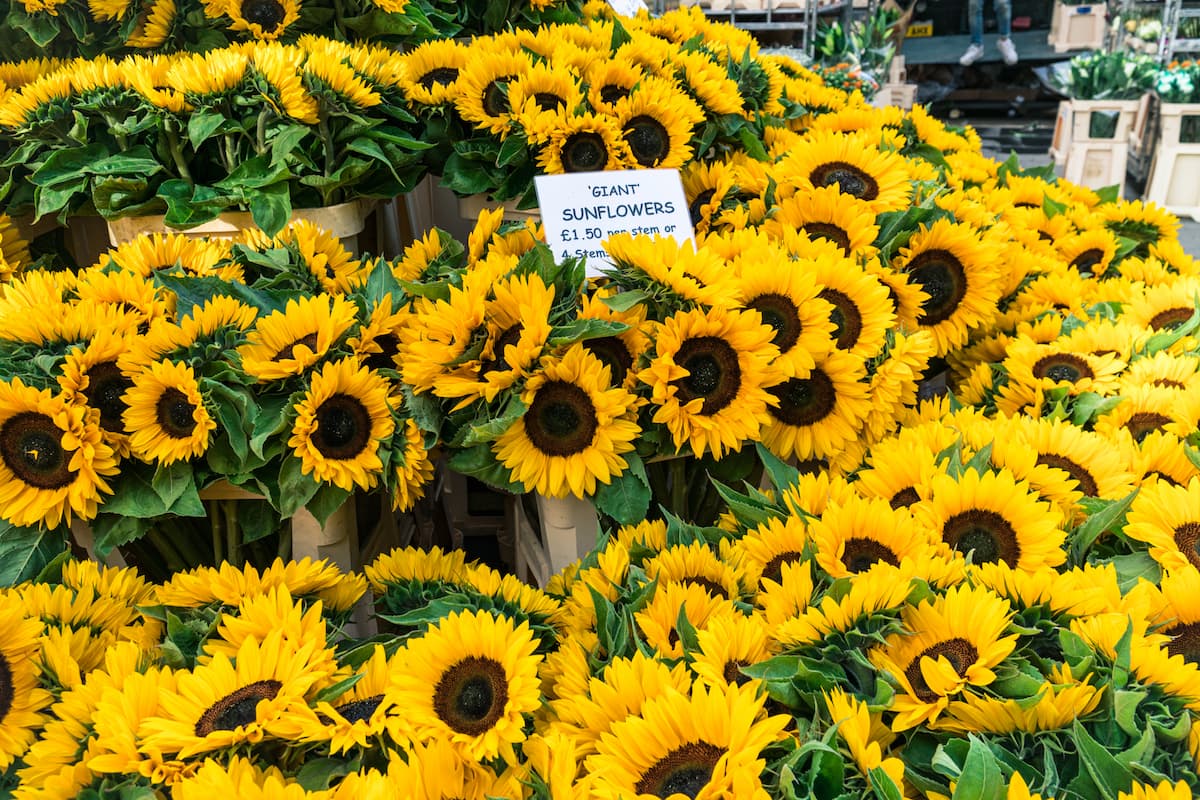
    Selection of Sunflowers at Columbia Road Flower Market

    The famous Columbia Road Flower Market in London has been going for decades and is the best place to go for a Sunday morning stroll, where you’ll find an array of plants, shrubs, bulbs and freshly cut flowers available at affordable prices.

    The flower market was originally a Saturday trading fair, but because of the rising requirements of the local Jewish community, the market had to eventually move to Sundays. But this worked out for the traders of Covent Garden and Spitalfields as they could then sell any leftover stock from Saturday’s trading.

    The French immigrants of London’s East End had a love for fresh cut flowers and songbirds and you’ll find the Birdcage tavern at the end of the market named after them. The market then suffered through World War II, but experienced a new renaissance in the 1960’s with the growing popularity of gardening programmes.

    Today you can visit the Columbia Street Flower market on Sundays from 8am-2pm, with traders setting up their stalls as early as 4am. Show up early for the best selection or arrive fashionably late for the best deals. You’ll find many of the traders at the market are 2nd and 3rd generation for their families. It’s very much a community market.

    10. Have Drinks in a Converted Police Station

    TT Liquor is an extremely unique establishment. They offer up a whole range of experiences, from cocktail making classes to tastings, supper clubs and classic film nights.

    In Shoreditch, they also have an incredible rooftop terrace with panoramic views over East London you don’t want to miss. And let’s not forget the intimate cellar cocktail bar and the specialist liquor store, selling only the finest of liquors and beverages. You for sure want to stop for a drink and more at TT Liquor.

    11. Play Tokyo Bingo

    If you want to take a break from London and escape to another country, then head to Hijingo. Hijingo is a bingo experience inspired by the Japanese capital, but with absolutely divine food as well. On the menu you’ll find hoisin duck croquettes, truffle spring rolls, and pork belly skewers, as well as a cocktail selection straight out of Japan. 

    For a foreign night out, with neon lights and bingo dabbers, head on over to Hijingo.

    12. Check Out an Event at the Truman Brewery

    The Truman Brewery is East London’s revolutionary arts and media quarter. For over 20 years, the Truman Brewery has been regenerating its ten acres of derelict and vacant buildings into amazing, useful office, retail and event spaces. This has made it a destination in its own right, with an array of independent shops, galleries, markets, bars and restaurants.

    13. Discover One of London’s Secret Bars

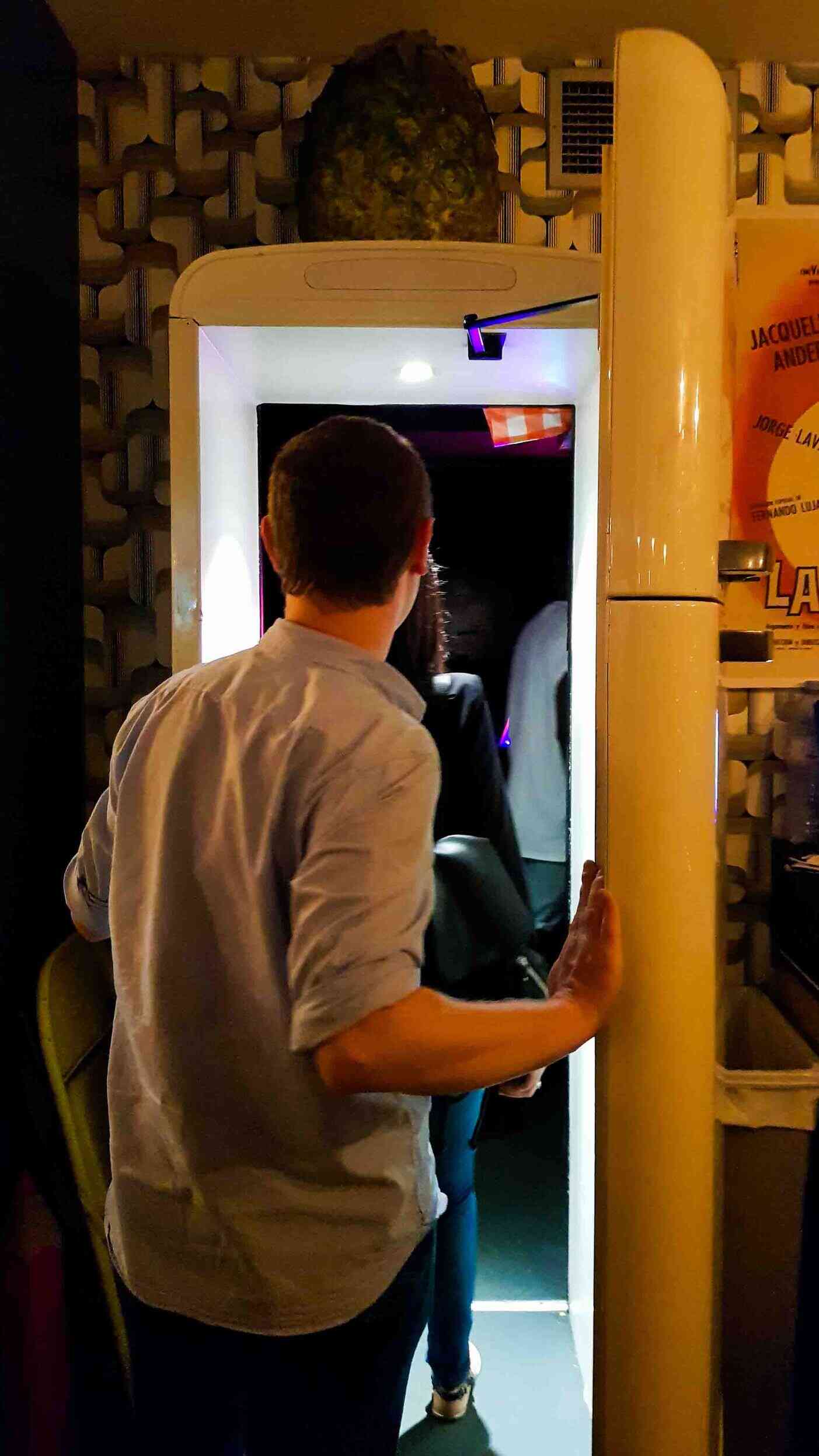
    Mayor-of-Scaredycat-Town-Shoreditch

    Head to The Breakfast Club on Artillery Lane and announce “I’m here to see the Mayor”. You’ll then step into the Smeg fridge into a quirky, candlelit speakeasy with a great selection of cocktails. The Mayor of Scaredy Cat Town is a special place for a drink, or brunch and a drink.

    14. Get Comfortable at the Museum of the Home

    The Museum of the Home was previously known as the Geffrye Museum and is an interesting museum to visit in London, where you’ll explore the concept of the home from 1600 to the present day.

    With premium installations and home galleries, you’ll experience room and gardens through time, that have all been recently renovated for your pleasure. The Museum of Home is free to visit and is open Tuesday through Sunday for a glimpse into the past.

    15. Be a Baller at Ballie Ballerson

    If you’re looking for something completely out of the ordinary and probably out of your comfort zone, take a pit stop at Ballie Ballerson. Release your inhibitions and your inner child in an adult ball pit, after you’ve loosened yourself up with a couple of drinks.

    Prices start at just £5 a session during the week or pay £15 on Saturday evenings. The amount of laughs you’ll have and Instagram worthy pictures you’ll get are worth the price of admission alone.

    16. Hang Out in a Rooftop Wigwam

    The Queen of Hoxton has everything you need for a night out. It’s a pub, club, and fringe theatre over two fun floors, with DJ’s playing it up. The rooftop is where you’ll want to head though because you can’t miss out on seeing the enormous wigwam set up during the winter months.

    17. Indulge in a Beigal Like No Other

    Beigal Bake is a 24/7 bagel shop that is a completely affordable indulgence. The line is always long, but it moves fast for the hungry visitors waiting on their epic portions of salt beef, smoked salmon, cream cheese and pretty much any other topping imaginable. Or just treat yourself to some heavenly beigel bites. Whatever you choose, you can’t lose at Beigal Bake!

    18. Stop by the Nomadic Community Gardens

    Shoreditch is a vibrant, upbeat are, so if you fancy something a little more peaceful during your visit, stop by the Brick Lane Nomadic Community Gardens. This private area is open to the public daily and you’ll even find street art, a cafe, and a library amid the vegetable plots.

    Directions can be tricky. From Brick Lane, go through to Allen Gardens, take a left through the underpass and you’ll see the gardens. Or alternatively, cross the footbridge from Cheshire Street and you’ll see a door opposite the bottom steps to the gardens. 

    Well, that’s our list of the top 18 interesting things to do in Shoreditch. As you can tell by now, there’s a lot to explore in London’s best East End neighborhood and I hope this guide has helped you plan your next visit! Whether you’re in London on holiday or you’re a resident here, visiting Brick Lane’s many markets and shops are a must.

  • A Local’s Guide to the Columbia Road Flower Market

    A Local’s Guide to the Columbia Road Flower Market

    The Columbia Road Flower Market has been a long-time love of Londoners dating back to 1869. You’ll find the finest quality plants and flowers, along with side streets filled with fantastic cafes, delis, vintage stalls, and galleries. This flower lover’s paradise is the best way to spend a slow Sunday in the East End.

    The History of the Columbia Road Flower Market

    Columbia Road has an interesting history and has really come up in the world. Originally, it was a path used to transport cattle down to Smithfield’s slaughterhouses. Not the best beginnings. And by the mid-19th century the whole area had become slums. Even worse.

    Luckily, in 1869, philanthropist Angela Burdett-Coutts bought the land and redeveloped it into a neo-gothic marketplace, to feed the poor of the East End. Unfortunately it was unpopular with the locals though and the market was demolished in 1960. More unrest.

    Then in the 1970s, there was a rapid decline of markets in London, but the locals in the area fought back for the market to return. When it finally did, it initially ran on Saturdays, but because of the East End’s many Jewish vendors, it later switched to Sundays.

    After all that chaos, now Columbia Road is an oasis in the East End. It overflows with bucketfuls of beautiful flowers, as market vendors line the narrow streets with houseplants, bulbs, herbs and shrubs.

    About the Market

    Selection of Sunflowers at Columbia Road Flower Market

    Bright colours, ()

    You can find the Columbia Road Flower Market in London’s East End from 8am-2pm on Sundays, where 2nd and 3rd generation flower vendors start setting up as early as 4am for the rush of Londoners out for their floral delights.

    Where is Columbia Road Flower Market?

    For a place with its address right there in the name, can be surprisingly difficult to find. Tucked away in London’s East End

    Midday used to be elbow to elbow with locals and tourists alike, searching for the perfect house plant. But nowadays you have to queue to enter the market. The entrance is at the Shoreditch end of Columbia Road, with the queue running through Ravenscroft Park.

    You’ll see wait times signposted and you can expect to wait up to 30 minutes. It’s a much different feel than it’s been for the past couple hundred years, but it does mean the shopping experience is a bit more relaxed. You might think that’s a good thing or you might not.

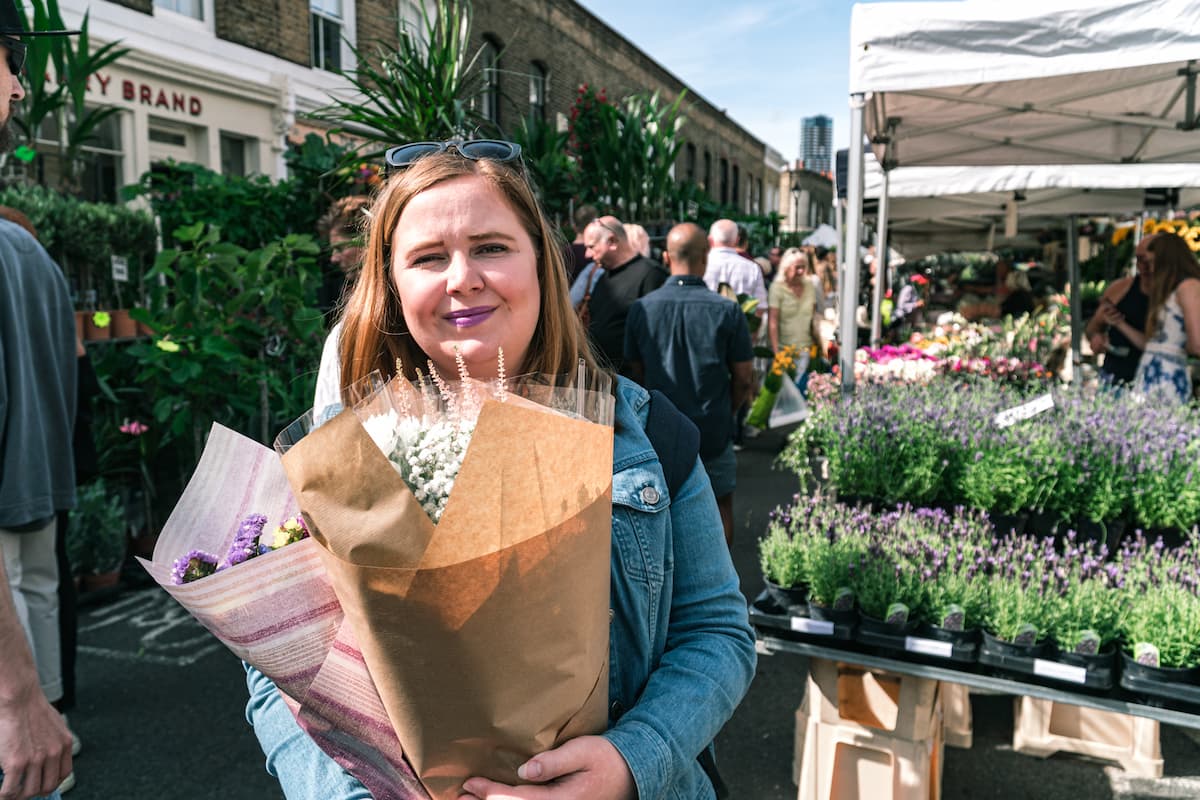
    Kat holding flowers at Columbia Road Flower Market

    You can also now pay for your flowers and foliage with the tap of your card, but you can be sure that cash is still a preferred form of payment. And cash in hand will more likely land you a better bargain. Make sure and shop around and don’t be afraid of bartering.

    The way out of the market is at the top of the road or you can loop back around a signposted route to return to Shoreditch. If you do loop back, make sure and check out the handful of vintage and plant shops behind the market street.

    Meet the Market Traders

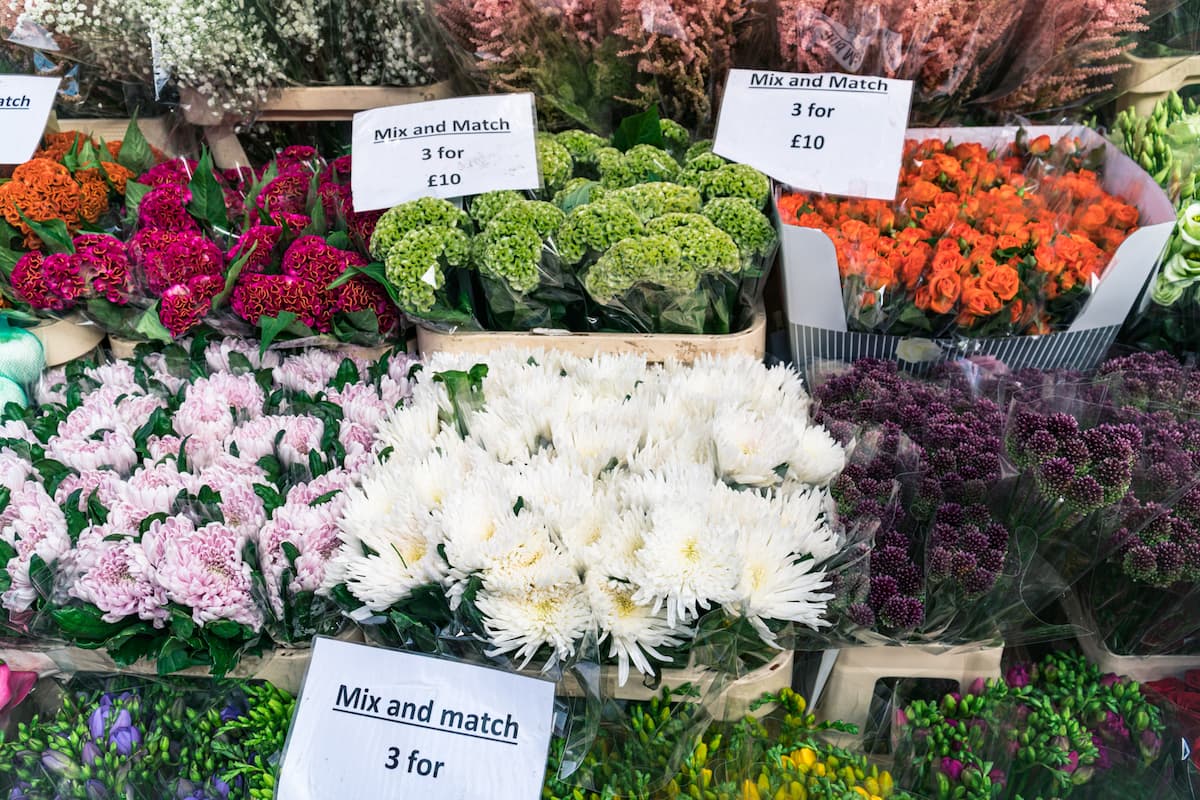
    Range of flowers tat Columbia Road Flower Market

    A. E Harnett & Sons

    This family is based in Stock, Essex and has been in business for over 100 years. Being 4th generation growers, they supply the finest quality plants and flowers to retail and wholesale customers at the Columbia Road Flower Market.

    JD Succulents & Cacti Ltd

    This beautiful mother and daughter duo have specialised in succulents and cactus for many years at the flower market, and provide friendly service with their variety of unusual goods.

    Leahurst Nurseries

    Lyndon is a kiwi by birth and started his career in New Zealand, working with various environmental agencies. He moved to the UK over 30 years ago, where he’s become an accomplished nurseryman and landscaper.

    Lyndon has built up the eclectic boutique nursery in North London called Leahurst Nurseries, described as a “hidden gem.” It’s existed at its current site for over 65 years. Lyndon’s family run the nursery and stock an eclectic range of plants, while also offering bespoke landscaping services.

    Lyndon’s stall at the Columbia Street Flower Market is a must-see for any true plant enthusiast, which reflects the ever-evolving horticulture industry.

    Rainforest Relics

    Rainforest Relics are original pieces of recovered driftwood sourced from below water. They provide a fantastic range of driftwood sculptures, wooden item and unusual relics. Theses sculptures and relics will enhance your garden and home and are fabulous to gaze upon at the market.

    Rathbone Flowers

    Rathbone Flowers is a family-run florist based in Dagenham, featuring floral displays, funeral tributes, helium balloons, pot plants and house plants.

    The Flower Stall Market Square

    Retailers of fresh cut flowers on Columbia Road, the Flower Stall Market Square provides the best quality and variety for a reasonable price. They actually buy the bulk of their flowers from the live Dutch auction in Holland as well as directly from the Holland growers. They provide flowers for the general public and for wholesalers.

    Eating and Drinking Around the Market

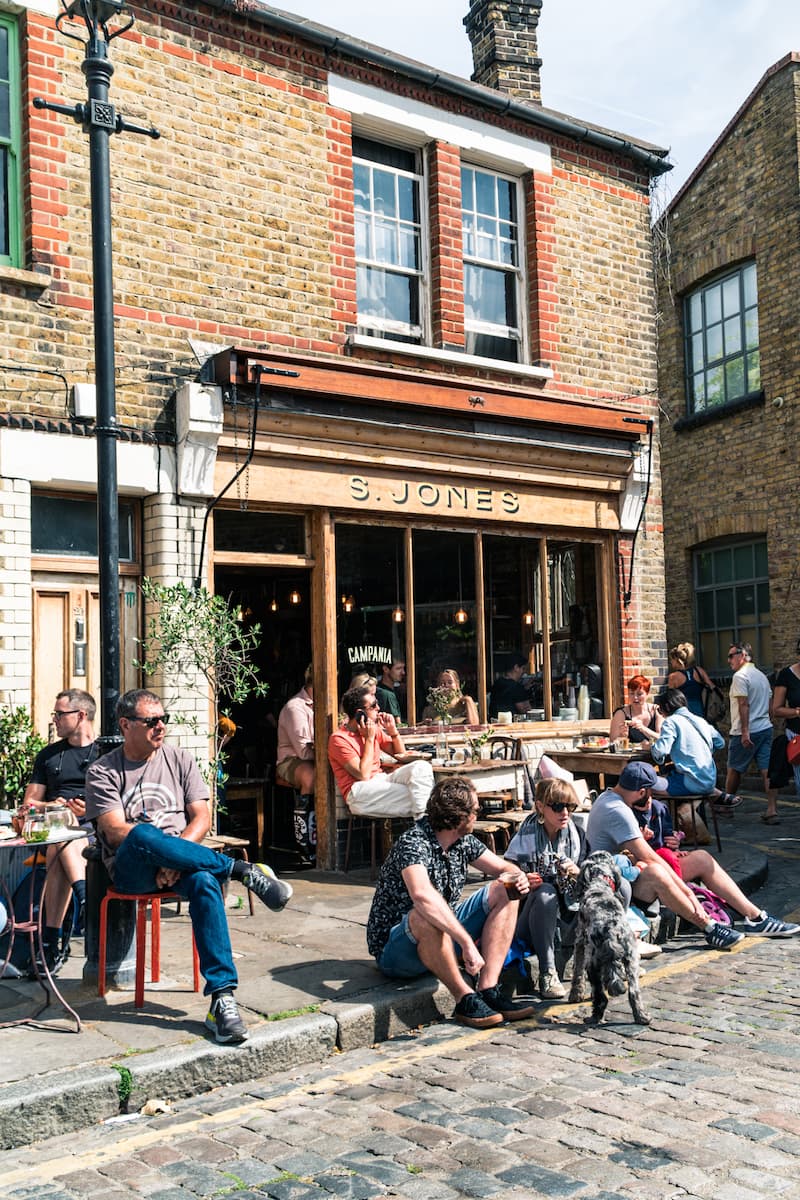
    S Jones Cafe at Columbia Road Flower Market

    The great thing about the location of the flower market is that the flowers aren’t the only attraction. Columbia Road and the side streets surrounding it have plenty of quirky coffee shops, delicatessens, bakeries and restaurants.

    The Birdcage

    The Birdcage is a place where the locals of the East End actually co-exist with the hipsters, both equally eager to indulge in the true history of London. With wild weekend karaoke and quiet times throughout the week, this hotspot is a great place to pop in for a pint following the Columbia Road Flower Market. The pub also now has a cute outdoor bookable terrace so you can plan ahead.

    The Royal Oak

    The Royal Oak operates as an ‘early pub,’ serving the traders and customers of the Columbia Road Flower Market. It’s close association with the market has it opening its doors from 9am on Sunday mornings. With its rich history, the Royal Oak has been featured in quite a few wartime and gangster films so if your looking for a placed steeped in history, this is your place.

    Laxeiro

    Sunday breakfasts and brunches are popular at Laxeiro, with a long menu of authentic Spanish staples. Featuring paella, morcilla, pisto, fabada and meat-free snacks, this place proves to be popular amongst the Columbia Road crowd.

    Cafe Columbia

    Cafe Columbia in London’s East End is a tiny family-run cafe, selling simple breakfast bagels to go for under £10. The shop has been in business for 3 generations and is only open one day a week, on Sundays! This means everything is always freshly prepared and the bagels are warm and soft.

    Each bagel is stuffed with yummy ingredients such as mozzarella, tomato, bacon, sausage, egg, lettuce and sprouts. This is sure to keep you full as you wander through the flower market.

    Pavilion Bakery

    The Pavilion Bakery was opened in 2016 and is a cosy space for a delicious cinnamon bun and chai tea. With original Victorian tiles and flooring, which is heated by an industrious log burner, you’ll feel right at home. The Bakery is open 7 days a week and offers sourdough bread, pastries and take away lunches. And of course a selection of coffees, chais and teas to your taste.

    Stringray Globe Pizzeria

    If the weather happens to be a bit dodgy on the Sunday you visit the market, head over to the Stringray Globe Pizzeria, where they have a heated, covered terrace to help you out. This independent, family-run Italian restaurant and bar has been in business for over 20 years now and are always ready to serve the Columbia Road Flower Market patrons.

    Other Things to Do Around the Columbia Street Flower Market

    Go Vintage Shopping

    B Southgate is located in the heart of the Columbia Road Flower Market. Ben has been trading since 2003, with a stock ranging from 1900-1950. Find large-scale storage pieces to armchairs and small desk lamps, as well quirky useful things for the home.

    Wander Through Brick Lane

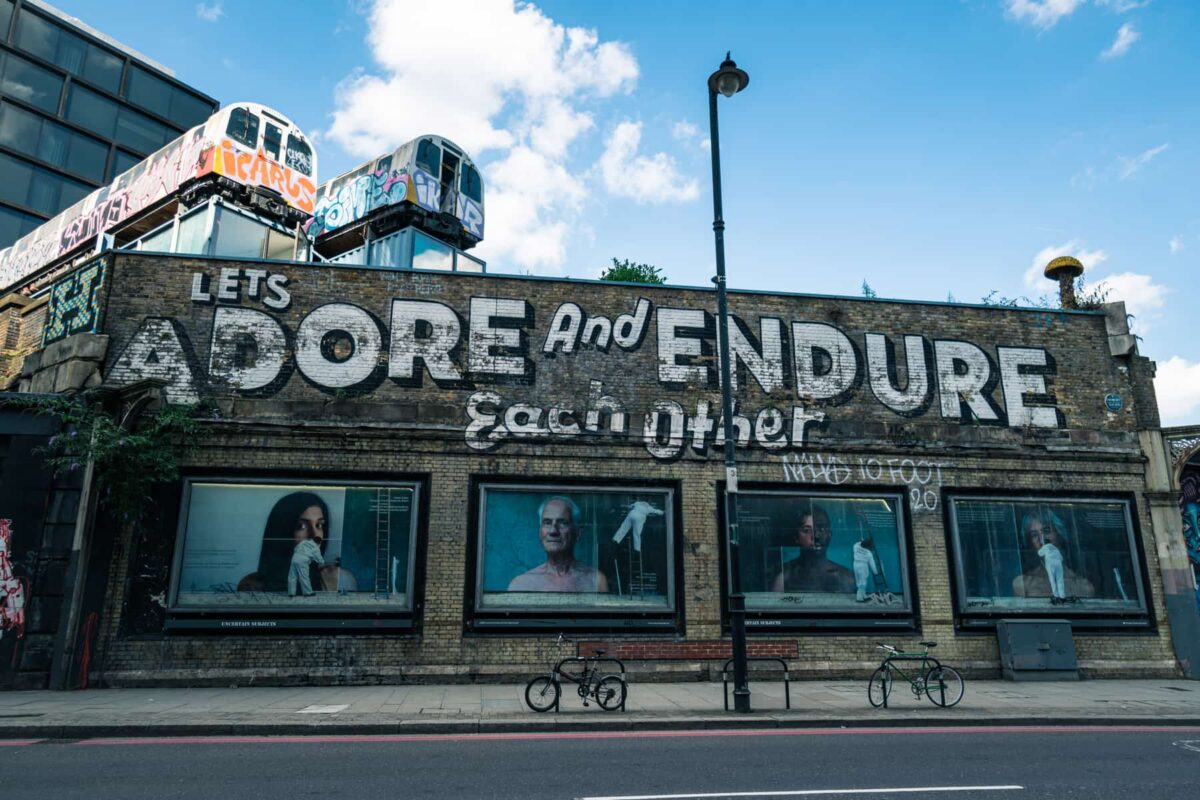
    explore Shoreditch Street Art

    There’s No Place Like the Museum of the Home

    The Museum of the Home

    the Nomadic Community Gardens

    Continue your flower a Brick Lane Nomadic Community Gardens.


    The Viktor Wynd Museum of Curiosities, Fine Art and UnNatural History

    Viktor Wynd’s Museum of Curiosities, Fine Art & Natural History
    Viktor Wynd’s Museum of Curiosities, Fine Art & Natural History

    This museum was described in The Fortean Times as,

    “the most wonderful collection of strange objects ever assembled under one roof, the modern equivalent of some 17th century kunstkammer, a collection of objects assembled at a whim on the basis of their aesthetic or historical appeal with little to link one wonder to another and no attempt at explanation.”

    The curious presentation is the lifelong project of the artist and writer Viktor Wynd and the subject of a monograph published by Prestel, called Viktor Wynd’s Cabinet of Wonders. Amongst the shrunken heads, skeletons, dodo bones, erotica and adult paintings, I must say they have a fabulous cocktail bar.

    Walk Around Spitalfields Market

    Spitalfields is a food and art market, as well as a trader’s market. It began operating in 1666 after the Great Fire of London, where the market stands today. Situated in the Tower Hamlets and surrounded by Lamb Street, Old Spitalfields Market, Brushfield Street and Bishops Square.

    Being one of London’s oldest markets, Spitalfields Market is open 7 days a week, where you’ll find an array of independent stall holders with hand-crafted and hard-to-find pieces that are sure to make your visit memorable.

    Explore Bethnal Green

    Just up the street from Columbia Road Flower Market is Bethnal Green, one of the city’s numerous districts to undergo a dramatic transformation in recent years. Once a gritty, rough, run-down area, the past couple of decades have brought with it quite a few hipster bars, trendy restaurants, art galleries, and even a boutique hotel.

    But despite the spread of gentrification, Bethnal Green has remained authentically East End, with family-run restaurants and pubs not too far off.

    Public Transport

    The Columbia Road Flower Market can be found in Bethnal Green near Brick Lane and Spitalfields. The nearest Overground stops are Hoxton or Shoreditch High Street, and are 5-10 minute walks. The nearest Tube station is Old Street.

    The Columbia Road Flower Market is a destination for any traveler to London or local alike. Being one of the top London attractions, you don’t want to miss this fragrant, flowering market, steeped in rich history. And with so much more to do in the area, the End End has never had more appeal than it does today. Don’t forget your trolley or oversized bags!

  • A Day Trip Guide to Kew Gardens

    A Day Trip Guide to Kew Gardens

    A visit to Kew Gardens is the perfect getaway from London, offering a tranquil setting in a botanical paradise. This top tourist attraction outside the city also happens to be a UNESCO World Heritage Site, and is one of the largest botanical gardens in the world. That’s why we’ve created this day trip guide to help you make the most out of your time at Kew Gardens.

    Officially called the Royal Botanic Garden of Kew, these beautiful grounds are perfectly manicured, with the indoor collections being equally and beautifully curated. There are over 50,000 different kinds of living plants in the Garden. A trip to Kew is your chance to get closer to nature and uncover the science behind the plants and glasshouses.

    Kew dates to the 18th century when it was established on the grounds of a royal palace. Originally only 9-acres, there are now 14,000 trees set over 300 acres for your exploration, all located in Richmond in Southwest London.

    There’s more than just plants though. This garden is a globally renowned scientific institution for fungal and plant research, with Victorian glasshouses and artwork to see as well.

    This guide will cover all the top attractions within Kew Gardens, as well as what to budget and the best times to visit. Always check their website before you go though because they temporarily shut exhibits down at random times, they always have new displays that might not be listed here, as well as pop-up events and festivals to enjoy.

    Kew Gardens Top Attractions

    Bamboo Garden and Minka House

    Bamboos are the fastest growing woody plants in the world and create dense landscapes wherever they grow. The Bamboo Garden at Kew has 130 bamboo species from China, Japan, the Himalaya and Americas, being one of the largest collections in the UK. They’re arranged by appearance to maximise the variety of form and leaf shapes. As you wander around, you’ll come across the Minka house. Meaning ‘houses of the people,’ these farmhouses are a treasured feature of Japanese heritage. The simple homes or ‘minka’ were common in Japan until the mid-20th century.

    Treetop Walkway

    tree walkway in kew gardens

    This is one of the things that you should definitely do at Kew Gardens is walk among the treetops. But if you’re like me and you’re slightly terrified of heights, it can be a little daunting. Just take a deep breath, enjoy the views and make sure you don’t look down.

    The Treetop Walkway towers 18 metres above the ground and is a chance to observe the complex ecosystem of the trees’ uppermost branches, birds, insects, lichen and fungi. On the ground level, you’ll find sculptures carved from tree trunks and a path that leads below ground to the Rhizotron, which is an underground lab for studying the soil.

    There are 118 steps up to the walkway in total.

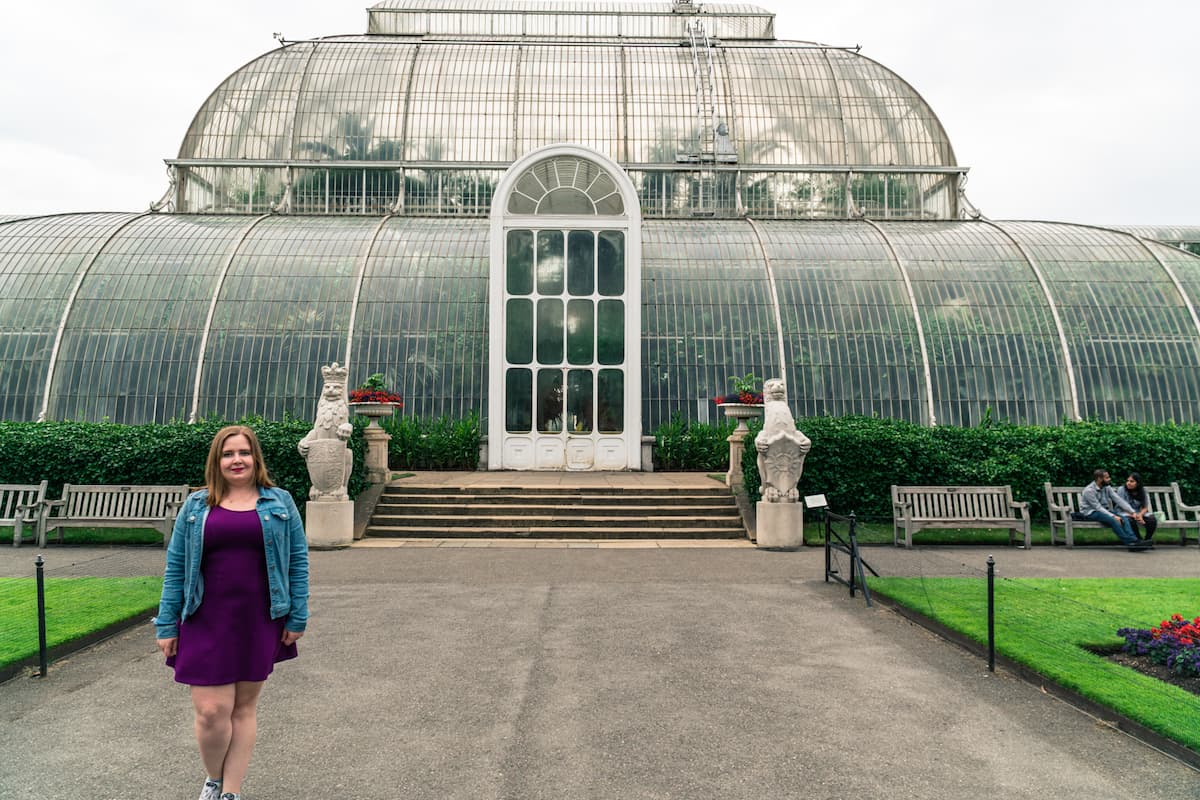
    Palm House

    tropical jungle rainforest kew gardens conservaton

    Palm House is where you’ll wander through the depths of the rainforest, where the air is heavy and dense. Discover treasures like the oldest pot plant in the world, along with the disease-fighting periwinkle. Lots of these plants are endangered or extinct. Rainforests are vital to sustaining life on earth, making up 50% of species. The Palm House is a living laboratory giving a chance to glimpse the magic of the rainforest.

    The nearest entrance is Victoria Gate.

    Great Broad Walk Borders

    This is a feast for the senses! At 320 metres, these are possibly the longest herbaceous borders in the world. Arranged in colourful themes across eight large circular beds, you’ll be filled with fresh fragrances, feathery grasses, and dazzling flower beds that evolve with the seasons. Although they’re at their finest in summer, they’re still amazing in spring and autumn as well.

    The nearest entrance is Victoria Gate.

    Japanese Landscape

    This is the perfect place for quiet reflection, combining a Garden of Peace, Garden of Activity, Garden of Harmony and Japanese Landscape. You’ll find areas reminiscent of a traditional Japanese tea garden, stone lanterns, a dripping water basin, flowing water and stone and rock outcrops. The landscape was designed by Professor Fukuhara of Osaka University and has a near replica of the Gate of Nishi Hongan-ji (Western Temple of the Original Vow) in Kyoto, Japan. 

    Th nearest entrance is Lion Gate.

    The Arboretum

    There are 14,000 trees rooted in the Arboretum, with more than 2,000 species, including rare and ancient varieties. This is an opportunity to experience the diversity of forests around the globe, as it stretches across two-thirds of the Gardens. This incredible collection includes trees as old as the Gardens themselves, with many that you can’t find anywhere else in Britain.

    This gallery has a vivid collection of 19th century botanical art, with more than 800 paintings covering the walls. Marion North solo travelled the world to record the tropical and exotic plants that she so loved and chose to paint the plants in their natural setting. Her vast collection is on permanent display at Kew and is exhibited in geographical order so you can follow in her footsteps.

    The nearest entrance is Victoria Gate. The Gallery is located near the Temperate House and Pavilion restaurant.

    The Davies Alpine House

    Alpines are able to grow above the altitude at which trees can survive, making them some of the world’s most resilient plants. They’ve adapted to be able to endure severe conditions such as the Earth’s poles and Arctic mountaintops. Because they have a short growing season, the plants must flower and then set seed quickly. So, the flowers in this glasshouse are only displayed when they come into bloom, when you’ll see a range of bright purples, bold pinks, fragrant lavenders and many other unique species.

    Mediterranean Garden and King William’s Temple

    Get ready to be transported to the sun-kissed landscape of Southern Europe in this part of the Garden, depicting a typical Mediterranean natural habitat. Built in 1837 and standing in the centre of the Mediterranean Garden is King William’s Temple, in memory of William IV. The Tuscan porticos of the Temple, have iron plaques commemorating British military victories from 1760 to 1815.

    The Hive

    The Hive towers 17 metres high and is an installation recreating life inside a beehive. It’s one of the most photographed spots in the Gardens and a magnificent piece of contemporary art. You can actually walk inside the enclosure and enter into the world of a real beehive, with music in the background responding to the activity. This is the place to explore the secret life of bees and celebrate their role in sustaining life!

    The nearest entrance is Elizabeth Gate.

    Princess of Wales Conservatory

    Princess of Wales Conservatory

    This Conservatory has ten computer-controlled climate zones and a series of fascinating ecosystems. Discover carnivorous plants, spiky cacti and succulents, and a celebrated giant waterlily, with a surprise around every corner of the winding glasshouse.

    Elizabeth Gate is the nearest entrance.

    Library and Archives

    The Library and Archives collection at Kew spans 2,000 years, with classification and uses of plants, ecology, conservation and naming. This is for the garden lover, researcher or avid reader, with plenty of resources on botanic gardens and herbaria worldwide. The oldest collection dates back to the 1370s, with copies of ancient works of botany taking you back even further in time.

    The Main Library is located in the Herbarium building off Kew Green to the right of Elizabeth Gate.

    Queen’s Garden

    The Queen’s Garden has plants and architectural styles of the 17th century, designed to complement Kew Palace. Most of the plants in this garden are species grown in the 1600s or even earlier. In May and June, the displays in this garden are simply spectacular.

    Rose Garden

    The Rose Garden contains 170 different species of the rose, making it a floral feast for the eyes. Designed in 1848 by English landscape architect William Nesfield, it wasn’t actually planted with roses until the 1920s. The best time of day to see the Rose Garden at its best is early in the morning or early in the evening, when the scent linger between the beds.

    Temperate House

    huge tropical green glass house in kew gardens

    This incredible glittering cathedral is home to 1,500 species of plants. Travel the world with plants from Africa, Australia, America, Asia, New Zealand and the Pacific Islands. These are all temperate plants that need to live in conditions above 10 degrees to survive. The Temperate House tells us about how Kew is working to rescue these rare and already extinct plants.

    The nearest entrance is Lion Gate.

    Rock Garden

    The Rock Garden display is framed by sandstone peaks and cascading waterfalls, mimicking life in the world’s mountainous regions. It’s over an acre in size, being constructed in 1882, making it one of the oldest and largest Rock Gardens in the world. The naturalistic display transports you to a rugged, wild landscape, with planting combinations designed to evoke the communities seen in nature.

    Where to Eat and Grab a Coffee Within the Gardens

    While spending the day at Kew, you’re sure to need a perk up with coffee and food. Here are your five options within the Gardens.

    Orangery

    For indoor and outdoor dining, the Orangery even has pop-up stalls available. Warm yourself up with a toastie, burger or Lebanese Barbeque.

    Pavilion Bar and Grill

    Enjoy dining surrounded by vines with views of the Pagoda and Temperate House. This is the place for plant-based options, as well as burgers, seasonal salads and cake from the kitchen.

    The Botanical Brasserie

    Enjoy delicious breakfast, afternoon tea and lunch dishes and this hotspot.

    Victoria Plaza Cafe

    This is the place for the perfect picnic grub. Grab sausage rolls and barista coffee for eating in or for taking away.

    Family Kitchen Shop

    Craving some pizza? Add to that a salad bar and ice cream servery and you’re good to go! The Family Kitchen Shop is conveniently located right next to the Children’s Garden.

    Best Times to Visit Kew Gardens

    Kew Gardens has peak and off-peak times to visit, but it’s open year-round. Here’s what each season has to offer.

    Spring

    Naturally, signs of new life spring up all over the Gardens in the season of fresh beginnings. You’ll see swathes of yellow daffodils in various areas, while bluebell seekers should visit in April and May and head to the Natural Area for a carpet of blue. And while you’re at it, indulge the senses with cherry blossoms along Cherry Walk near the Temperate House and in the Japanese Landscape, on display between the end of March and the beginning of May.

    Summer

    water lilly house

    Summer at Kew offers something bright and beautiful at every turn. The Rose Garden is the top spot to visit during the summer months, bursting with sweet fragrances and a sea of colours, from yellow and orange to pink and scarlet. The Waterlily House offers the striking waterlilies, while the Mediterranean Garden is a sunny landscape.

    Autumn

    The trees steal the show in Autumn at Kew. This is the best time to visit the Treetop Walkway, overlooking the bronzed chestnut, beech and oak trees. The Japanese Landscape is another autumn hotspot, along with the Grass Garden and the picturesque autumn reflections in the Lake. Autumn is also the best time of year to see fungi.

    Winter

    Pavilion of Kew Gardens in Christmas time, London
    Pavilion of Kew Gardens in Christmas time, London

    There are many botanic gems to discover at Kew, even during the chilly months. Walking among the conifer collection, you’ll notice the bright winter berries mixed with cones and foliage. And the Holly Walk near the Temperate House has one of Europe’s biggest holly collections, adding in bright colourful dashes to the winter landscape. I’ve visited once during the Christmas lights display, which is incredible and I totally recommend seeing if you’re planning a visit around the holidays.

    Ticket Prices and Discounts

    Just to quickly cover tickets, the normal entry price to Kew Gardens is around £16, but it varies a bit with the time of year you go. You can also get a discount if you’re a student, family, or by using the Days Out Guide. For the Days Out Guide, you’l get a rail ticket, not an Oyster card, and it will give you a two for one voucher to enter. Purchasing tickets in advance is recommended.

    For Kew Gardens opening times check the website as they change throughout the year. Also be sure and download the map of the Gardens before you go to help guide your way.

    As you can see, Kew Gardens is definitely worth a visit! It had been on my London bucket list for ages and it was well-worth the wait. You’ll find something in every corner of Kew Gardens so keep your eyes open as you walk around. You don’t want to miss the colourful border paintings, majestic wooded areas, ornamental structures and garden art. Get ready for a multi-sensory sensation!

  • A Guide to the Coolest Things to Do in Brixton

    A Guide to the Coolest Things to Do in Brixton

    Brixton is a cool cultural hub, south of the Thames, and one of the most vibrant neighbourhoods in London. As the birthplace of David Bowie, Brixton is quirky and creative, and the ultimate foodie hotspot. From exploring Brixton Village and Market Row to discovering hidden gems and admiring the view from Brockwell Park, this is your guide to the coolest things to do in Brixton.

    After living near this area for years, it’s close to my heart and one of my favourite places to explore in South West London. You’ll feel immersed in the art scene as you walk down the streets with buildings covered in vibrant murals, and it continues to overflow through the many quirky cafes, pubs, coffee shops, and restaurants.

    With a somewhat hedonistic nightlife, Brixton enjoys top-notch music venues to suit many tastes in which there’s never a dull moment. The diversity will have you fitting in somewhere, whether it’s wandering through the Market or discovering what locals love most.

    There’s a strange rumour that Brixton is unsafe and this might’ve kept you from visiting before, but I’ve never had any reason to feel this way. I think the locals might be saying this to keep people away from their little slice of Caribbean heaven, just ten minutes from Central London. So be adventurous and keep reading for all the best things to do in Brixton!

    Visit the David Bowie Memorial

    David Bowie Memorial

    I can’t talk about Brixton without talking about Bowie. The legend that is David Bowie was born here, and his impact on the area lives long to this day. Just opposite the Brixton tube station is a street mural on Turnstall Road, that serves as a semi-permanent memorial to the icon. A huge piece of Ziggy Stardust is painted on the wall, with flowers, candles, cards, pictures and even tee shirts lying about, where Bowie fans have publicly paid their respects.

    The mural, now preserved by plastic, was painted by Australian artist, Jimmy Cochran, in 2013 and has become a shrine, almost feeling like a religious experience or cultural pilgrimage, for any visitor to leave their mark and pay tribute. People really go all out here, performing various rituals enacted with care and respect, especially since his death in 2016. A visit to the David Bowie Memorial should definitely be at the top of your list of things to do in Brixton, as it’s a part of living history.

    See the Best of Brixton’s Street Art

    Brixton's Street Art - michelle obama

    David Bowie isn’t the only piece of art to see in Brixton though! Around the area, you’ll find quite a few murals, meant to depict the community, politics and ideas, all painted by Brixton locals. They were actually funded after the riots in 1981 by the Lambeth Council.

    Beehive Place Mural

    There’s a series of portraits, sculptures and pictures you must see, adjacent to Brixton Station Road Market, with a silver plaque that states ‘The people were vibrant, the music was vibrant, they dressed vibrant #HandsofBrixton.’ These dynamic illustrations represent the local community in a gallery-like presentation.

    The Hand at Brixton Village

    There’s a semi-creepy, unravelling bandaged hand at the entrance of Brixton Village and Market Row. Next to a vegan food outlet, this vividly detailed piece makes a great talking point.

    Under the Arches of Brixton Station

    Under the arches of Brixton Station is a local protest from independent traders called, ‘Stop the Evictions,’ protesting rent increases and threats of eviction. This gallery of graffiti features the cheeky Bart Simpson, to portray defiance and oppose gentrification.

    Bob at Brixton Station Road Market

    Brixton has strong Caribbean ties so it feels natural to have a portrait of the smiling Bob Marley gracing the shutters of the food kiosk, Bush Man Kitchen. This black and white piece is autographed by local graffiti artist, Dope.

    The Crow on Stockwell Avenue

    The pedestrian walkway ‘One Love Street,’ features images of a crow and of a boy reaching for a clock on top of wooden bricks, by artist Unify. These darkly charming pieces you don’t want to miss.

    Hip Hop on Atlantic Road

    There’s a hip-hop themed fish eatery called Chip Shop Bxtn, which has covered its shutters and walls with faces of old-school American musicians. Spread along Atlantic Road and around the corner to Coldharbour Lane, feast your eyes on 2Pac, Big L and The Notorious B.I.G., in this English tribute.

    The Face at Electric Avenue

    A bright, peculiar face appears on the Coldharbour Lane side of Electric Avenue, hiding low on a brick wall and is a smaller form of street art popping up around town.

    Rock Down to Electric Avenue

    Electric Avenue was built in the 1880’s and has been immortalised by the song of the same name by Eddy Grant. It was the first market street to be lit by electric lights and today is home to a bunch of independent shops, as well as Brixton Market.

    Walk Through the Maze of Brixton Village and Market Row

    Brixton Markets

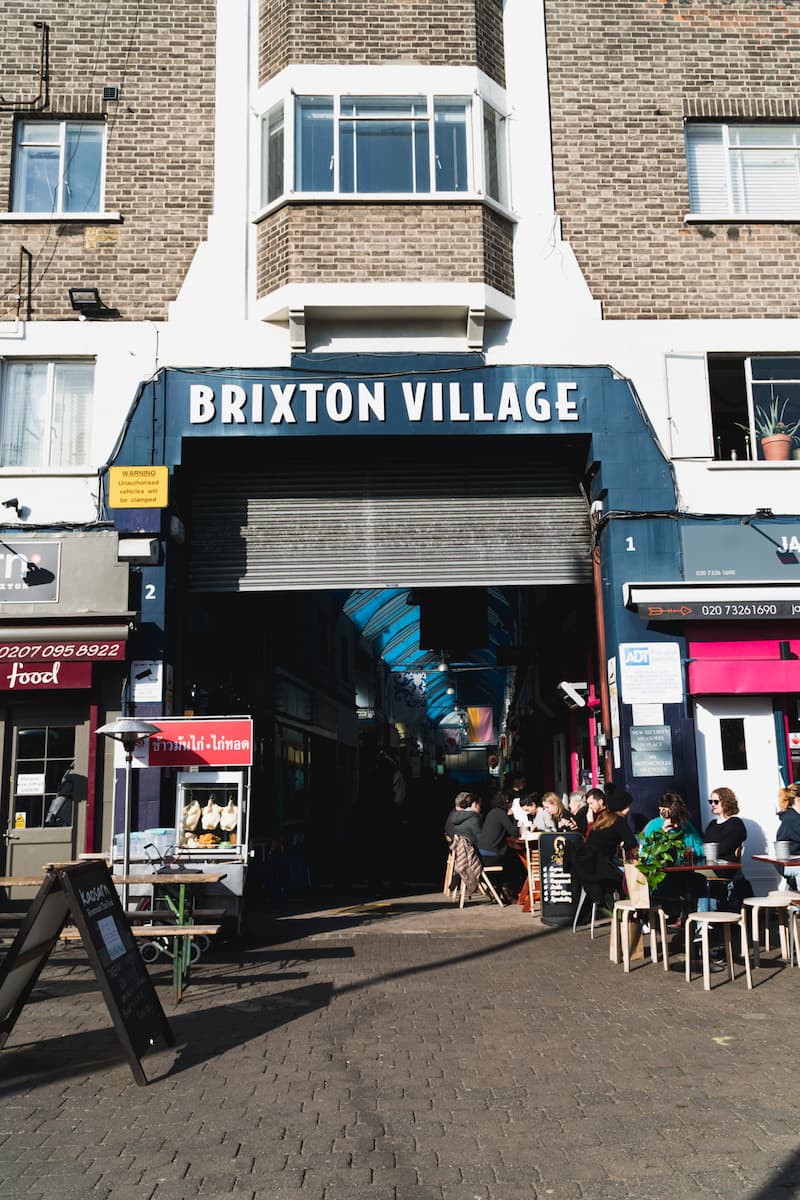
    Brixton Village and Market Row are two indoor markets housed in separates arcades, once the home of the dilapidated 1930’s Granville Arcade. Now completely revitalised, these markets have become the epicentre of culinary diversity, where more than 130 traders have set up shop.

    You’ll probably smell the delicious food before you arrive, with an eclectic mix of Caribbean, Portuguese, Jamaican, Mexican and French restaurants serving up their local dishes. But there’s more than just food here! Stroll through the maze of the arcades and you’ll discover a treasure trove of shops.

    Choose from an array of clothing, jewellery, homeware, art and music, with antique and vintage fashion and form. Pick up costumes, West African fabrics and enamel pots from vintage traders and fruit and veg from artisan food sellers. Perk up at an independent coffee shop, pop into a craft beer bar, or check out a cheese and charcuterie shop. It’s a fanfare!

    Grab a Post-Market Brew at Brixton Brewery

    This taproom has been set under a railway arch since 2013 when it first opened and is the perfect location for a craft beer tasting, post-Brixton Market. Each of the beers at Brixton Brewery is named after a Brixton landmark, and crafted in small batches, which are now sold nationwide. Try the likes of the Electric IPA and the Coldharbour Lager.

    Catch a Flick at The Ritzy

    The Ritzy is a Brixton institution, being one of the first purpose-built theatres constructed in 1911. Today the Ritzy still has that old-school picture palace feel, with the perfect balance of blockbusters and independent films. They also have late-night shows and classics across five screens and two bars. One bar serves up cafe food and offers views across Windrush Square, while the Upstairs hosts club nights and stand-up comedy shows. Take a break from Netflix and cosy up a the cinema!

    Explore Brixton’s History at the Black Cultural Archives

    Like much of London, Brixton has been shaped by its Afro-Caribbean community. After the end of the war, the Windrush generation arrived in London and many were shunned and refused places to work and live, but the impact of these generations should not be forgotten.

    As Britain’s only national centre preserving and celebrating the culture and heritage of those of the African and Caribbean descent, the Black Cultural Archives provides an authentic glimpse into the experiences of this community during the late 20th century.

    Generations of Africans and Caribbeans made the UK their home and you can walk through the Archives and see their struggles and successes through photographs, letters and literature. To learn about the subsequent generations of Black British people, you have to book ahead of time, but there’s an equally enlightening exhibition you can access without booking.

    See Brixton’s Hidden Gem: The Windmill

    Amidst the street art, food and music scene, you’ll also find a 19th-century windmill. Who would’ve thought? It may look a little out of place today, but Brixton’s old-school windmill is perfectly charming surrounded with delicate flowers and it did play a key role in the history of the area.

    Built in 1816, the windmill was leased to the Ashby family to mill flour, which was big business at the time. This wind-powered turbine was the height of cutting edge technology in Brixton and remained in the Ashby family until 1934. It was then forgotten about for more than two decades before it opened up to the public in the late 60’s after the surrounding area was made into a park.

    Renovated again in the 90’s, but still remaining an unappreciated attraction, the Brixton Windmill is truly one of the hidden gems of London.

    Stroll Through Brockwell Park

    Brockwell Park is a sprawling 50 acres of public green space, with wooded sections, floral beds and wide-open expanses. This is a place to for jogging, picnicking, and reading and serves as an oasis from the bustle and noise of Brixton.

    In the summer, take a dip in the fancy Lido, first constructed in the 1930’s to raise local spirits and now restored back its former glory. In the spring, retreat into the walled garden. Or any time of year, those in the know, go to Brockwell Park for the epic views of London’s iconic skyline.

    Get Cosy at Bookmongers

    This treasure trove is a second-hand bookshop lover’s dream. Bookmongers stocks a range of books from poetry, plays, cookery and craft books. There’s no real organisational system, but that’s what adds to the charm of the place and leaves you guessing at what you might find. The owner, Patrick, is always on hand to help and there’s even a shop dog to keep you company!

    Make Your Own Brew at the London Beer Lab

    Don’t miss this unique opportunity to brew your own ale at the London Beer Lab! This is by far an unusual activity in Brixton for all you beer connoisseurs. Within this independent microbrewery, you’ll have the chance to make and taste your own beer and you’ll even go home with a 5L brew your own kit to put your new skills to the test. You’ll weigh grains, pitch yeast and of course, sample plenty of beers.

    Lose Yourself at Pop Brixton

    Baba g at pop brixton

    It’s hard to describe exactly what Pop Brixton is, other than a time and money vortex! It started as a temporary project and has now turned into a mix of social projects, street food start-ups and small retailers. It’s essentially a hip gathering place, with over 55 thriving local businesses. And on Fridays and Saturdays from 6pm, it converts to an over-18’s venue, making it a good place to start your Brixton bar circuit.

    Dive Into Brixton’s Music Scene

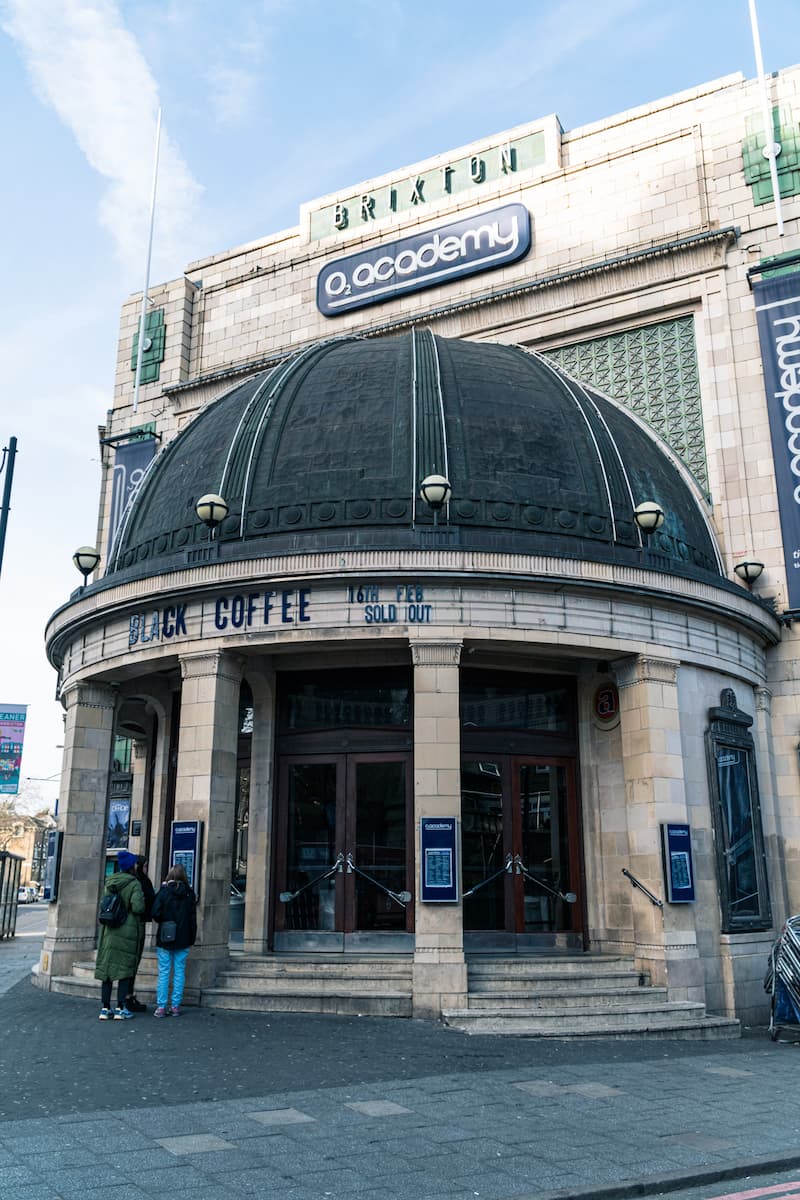
    O2 Academy Brixton

    There are few better places to catch live music in London than in the artistic hub of self-expression. Whether you’re vibing with jazz, hip hop, folk, indie or mix of it all, you’re going to find it. I mean, it wouldn’t be Brixton if it wasn’t diverse.

    O2 Academy Brixton

    The O2 Academy Brixton is often booked by big names wanting to sell-out gigs in smaller venues. This former cinema, built in the 1920’s, has been one of London’s coolest non-arena venues since 1983. With a large main floor space for dancing and seating on the balcony, you’re sure to have a brilliant night at the Academy!

    Dogstar

    The Dogstar opened back in 1995, with big names rolling in, such as The Prodigy, Basement Jaxx and Massive Attack. These are just a few of the iconic acts that have graced through the doors of Dogstar, a legendary venue with top-quality DJ’s and the best up-and-coming artists and established artists.

    Electric Brixton

    Electric Brixton is still as fabulous as it was in the 90’s, with top notch dance DJ sets, in an old theatre setting that dates back to 1912. There’s a large main floor, with ornate plasterwork all over the walls and balcony.

    Hootananny’s

    If you’re in the mood to get rowdy, Hootananny’s is the place for you! It was made for those kind of nights where you end up dancing til the wee hours of the morning, maybe in more places than the dance floor. Hootananny’s will get you moving with their epic calendar of events, including excellent multicultural bands and artists that are guaranteed to move your hips. They also offer food! What could be better than an accompaniment of Caribbean food stalls on Friday and Saturday nights?

    The Effra Hall Tavern

    On Thursdays at The Effra Hall Tavern, enjoy the reputed Jamaican Jazz night. This sensational evening has bubbled up out of Brixton’s thriving and well-established Jamaican community and has seen some uber talented artists. Along with the authentic Jazz music, drink down a classic Red Stripe beer and eat some home-cooked jerk chicken. This a great relaxed joint, with traditional food and music.

    There you have it! These are by far the coolest things to do in Brixton. You can’t go wrong with anything on this list when you make your way to this artsy, cultural neighbourhood in London. Don’t miss out on all Brixton has to offer!

  • 30 Pros and Cons of Living in London

    30 Pros and Cons of Living in London

    London is one of the most diverse, beautiful, and historical cities to live in. It’s easy to fall in love with the culture, architecture, and endless green space. I was smitten from my first visit, but once I returned again to make London my home, it didn’t take long for the pros and cons of living in such a big city.

    Life in a new location is always exciting because everything is well…new. And with London, the honeymoon phase can last for ages because there are endless things to do and places to discover. However, with all its big city vibes, London can be quite draining as well.

    More and more people these days are leaving the cities for the suburbs, but there are still lots of reasons why city life is attractive and why London itself can offer you the best of both worlds, in a way.

    Pros and Cons of Living in London

    Here I list the top pros and cons of living in London. For each pro, you’ll see the equal and opposite cons. This way, you’ll be able to make an informed decision for yourself as to whether London might be your next home.

    Most people love it, but then again there are those few that can’t wait to leave the capital. And you probably won’t know which one you are until you’ve spent enough time there to see for yourself, exploring and living in the wide variety of neighbourhoods. Most likely, you’ll have a little bit of both in you. As you go through the list, you’ll see what I mean.

    1. Pro: International Travel Hub

    Kat eating Belgium Waffles
    Eating Belgium Waffles

    Did you know that London actually has six different airports, including the famous Heathrow Airport? With that many to choose from it’s no wonder, you can pretty much hop a flight to any country in the world on the spot. Travelling to most other European countries is a fairly quick jaunt and can be quite cheap, meaning most Londoners tend to travel out of the city quite a bit.

    The ease of travel ranks pretty high on the list of pros for a new destination. Being able to get around easily and get back “home” to visit family and friends can be a high priority for most, and London provides that for sure.

    Also, all of the UK’s major railways run through the capital, so endless day trips are on the horizon for you. It’s not unusual to take weekend breaks in Prague or to take the 3-hour train ride to Brussels when travel gets a little easier again. Not only are the distances relatively short, but with plenty of budget airlines, you’d be surprised where you can fly for the cost of a dinner out.

    2. Con: Border Control

    Travel nearly came to a halt in 2020 and is slowly but surely climbing its way back up. London City Airport has restored 75 percent of its 2019 destinations for 2022 and London Heathrow remains in the top ten busiest airports in the world, even today. This means Brits are making international holiday plans for Summer 2022.

    There were also Brexit changes that occurred in 2021, such as new European travel rules for UK citizens and a new points-based system for foreign nationals wanting to move to the UK. Brexit has caused more trouble at the border overall.

    3. Pro: Excellent Public Transportation

    London Tube
    London Tube

    Public transportation in London is like nothing I’ve ever experienced before. The city has the famous double-decker buses, the Tube (underground), the DLR (Dockland Light Rail), and London Overground. Together these make up a vast system of connections throughout the city.

    This is fantastic because you can live almost anywhere in London and you’ll find you won’t have too much trouble getting around and even out of the city. Why? Because there are a whopping 11 tube lines connecting 270 stations across London. There’s even a District/Circle line that runs on a loop around the most popular neighbourhoods and attractions. It really is incredible. I often think about the person who must have done the planning for it all.

    You can even bring your dog on the tube. With all the modes of public transport, you won’t have any trouble getting around.

    Look at How to Travel by Train in the UK for more detailed information.

    4. Con: Long Commutes, Delays & Overcrowded

    Now to the problems with having such an intricate public transportation system. With 8 million people living in London, you can just imagine what rush hour must be like. The Northern, Central, and Jubilee lines can leave you packed in like sardines. It’s not the most fun experience, but it’s the price you pay.

    It took me about 3 months in the city to feel really comfortable going out on my own and finding my way around and I’ve always been really good with directions so my discomfort says a lot. Part of this was that I just was not at all used to long commutes to even do things like sightseeing.

    From where I live in East London, it’s between an hour to an hour and a half one way to get to central London, depending on the time of day and where I’m going. Factoring in 3 extra hours in my day for public transport was hard to get used to.

    This honestly used to leave me feeling completely overwhelmed and exhausted and even kept me from venturing out as much during the first year. But after that, my perspective seemed to shift, my motion sickness lessened and I learned the best ways to entertain myself on my journeys.

    TFL (Transport for London) is also expensive and is notorious for having delays and network problems. It’s not uncommon for there to be severe delays on a couple of lines at least a few times a week, even in peak hours. This can be extremely frustrating as you might find yourself re-routing to get home.

    5. Pro: Endless Activities

    Themed drinks in london
    Themed drinks in London

    Now to the fun part; how much there is to do, see, explore and experience in London! It’s like nowhere else in the world. With a constant stream of theatre shows, festivals, music gigs, new restaurants opening and a wealth of attractions, you’ll never be bored.

    Even though London has a reputation for being expensive, you can experience most of the best things for free! You could be doing something new every day and still not see it all. So if you love variety and exploring new things, London will be a thrill for you.

    There are shows for every taste, from musicals to Shakespeare. There are art galleries galore, like the amazing National Gallery. And the markets in London are some of the best in the world. Portobello Road was a frequent spot for me when I first arrived. And everybody is always changing things up, so you can really never be bored.

    Even if you want to change things up, you can always hop a train or get in the car and be on the seaside or country village somewhere in no time at all.

    Here are some articles to get you started on what London has to offer:

    6. Con: Too Many Choices & Too Much Frustration

    Shakespear Globe
    Shakespear Globe

    As I stated before, it was overwhelming for me to go out in my first year. First, there was the public transportation ordeal and then there were just too many options. I got overloaded because my list of places to see never seemed to end.

    While this can seem exciting, it can also cause what I call analysis paralysis. If you get in your head too much about things, you’ll find you’ll be in a state of mental paralysis, making no decisions at all. Choice overload is an actual psychological effect causing overwhelm when we’re presented with too many options.

    Where hopping on the tube or the bus at any moment is an option, it’s more likely not to happen if you’re overwhelmed. That’s why I think after my first year, I enjoyed the city so much more because I become more spontaneous than ever. I’ve always been a notorious planner, but with less planning, there’s less pressure.

    London can also make you really frustrated and miserable if you’re pining after a lifestyle you might not have at the moment. If you’re wishing you could dine out at nicer restaurants, live in fancier areas, and buy food from upscale markets, but you simply can’t afford it, you can get down and out about your circumstance.

    Oh, I’ve been there, and believe me, at first it can be a real deterrent until you realize how happy you can be without those things.

    7. Pro: A Foodie’s Paradise

    Waffles at Duck and Waffles in London
    Waffles at Duck and Waffles in London

    London has 15,000 restaurants so you can rest assured you’ll never go hungry because there’s something for everyone and for all budgets.

    From upscale restaurants, street food, and market stalls, every craving you’ve ever had can be fulfilled.

    Enjoy Taiwanese, Chinese, and Cantonese food in Chinatown or fish and chips in a traditional English pub. And with 70 Michelin star restaurants, you can splurge on a high-ticket meal or go the opposite and grab a surprisingly good hot dog at a street vendor. There are even restaurants open 24 hours!

    Craving Jamaican? We’ve got it. Craving Nepalese? We’ve got it. And London is super vegan and vegetarian friendly with more gluten-free places popping all the time as well.
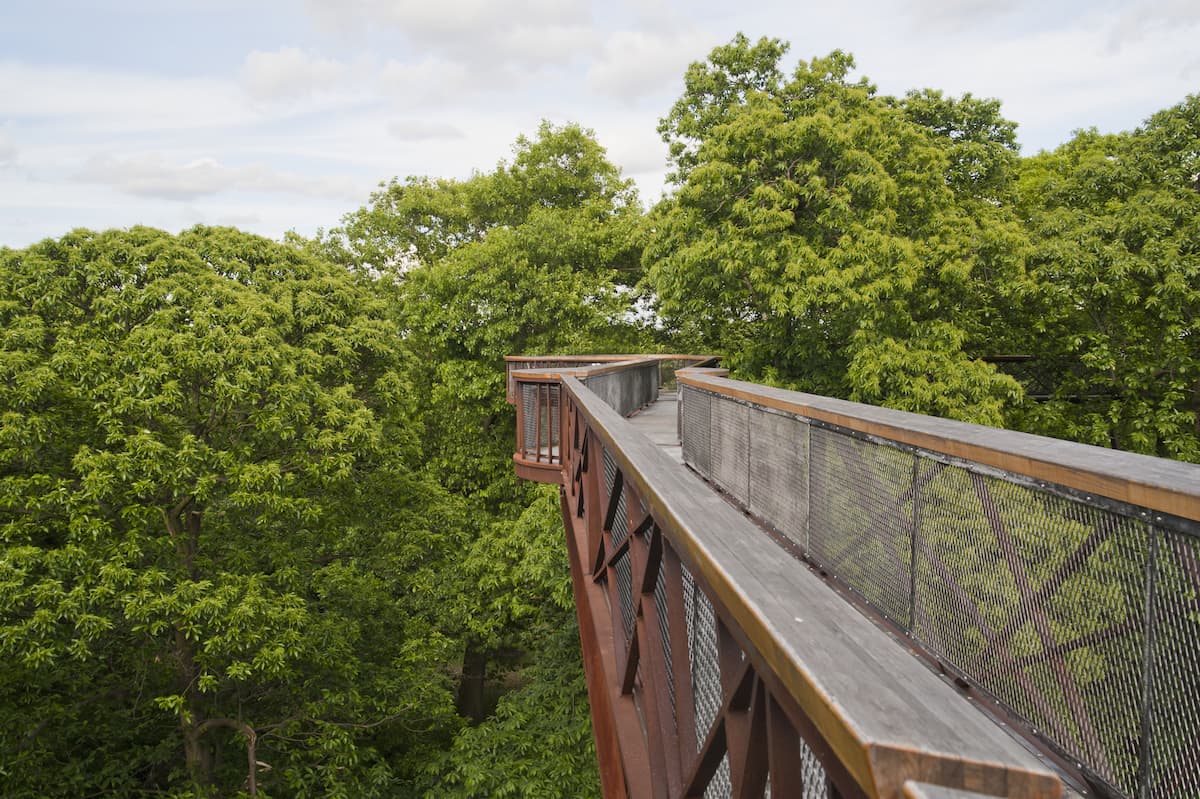

    8. Con: Dining Out is Expensive

    Drinks in Shoreditch London
    The average cost of a pint has gone up to around £6 to £7, eek.

    Dining out in London is expensive! Yes, there are lower-priced cafes and food stalls, but for a regular medium-range meal and drink out, be prepared to spend about $25-30 per person. And if you’re wanting something a little more up-scale, expect $40+ a plate, with tasting menus going for $100+.

    If you’re living in London on a tight budget, then you’ll definitely want to cook more at home and save yourself some special dates nights for dining out.

    9. Pro: Tons of Famous Locations

    Tower-of-London

    When you first come to London, it’s a must to visit famous locations like the iconic Tower Bridge, Buckingham Palace, the London Eye and Hyde Park. But then you can move on places like the pub where Charles Dickens liked to drink and film locations for Harry Potter. With the city’s rich history, there are literally hundreds of famous places for you to check out.

    If you’re looking to save a little money on attractions, I have a detailed guide on what to book in advance which will help know when to buy tickets to save money.

    10. Con: Crowded with Tourists

    Free activities in London like Tate Modern
    Free activities in London like Tate Modern

    You might just consider avoiding central London during the August travel peak as it can be a stressful experience for sure. Being surrounded by multi-cultural tourists can be a pro, but other times it’s definitely a con of the capital. You have to have a lot of patience for slow walkers, people navigating public transit, and the sudden stops for selfie-takers.

    London, in general, is a busy, vibrant city, but can be overwhelming with so many people and tourists. Prepare to have your patience and tolerance tested.

    11. Pro: Greenspace Galore

    Crystal Palace park in the snow
    Crystal Palace park in the snow

    I love sharing with people how London consists of 47% green space. This means nearly half of the capital is occupied by parks, natural reserves, gardens or shared spaces. I sometimes refer to the city as a concrete jungle, but in all honesty, it’s not that bad compared to a lot of other major cities.

    In the city, you will find little hidden gardens like Postmans Park, St. Dunstan’s, St Paul’s or little squares dotted around. Spread across London you will find a wealth of parks like:

    • Richmond – see the deer that live in the park
    • Crystal Palace – for the historic dinosaur statues, maze and foundations of Crystal Palace
    • Hyde Park – get there in time to watch the pelicans being feed
    • Kensington Gardens – stop to see the beautiful gardens and palace
    • Hamstead Health – visit the lido during summer for a swim

    12. Con: Loads of Litter

    When I first moved here, there was a lack of bins dotted around the place and instead of keeping on to the rubbish people would place it on the floor. This is for good reason as bins have been used as a place that people hide things in. You will see a lot of rings that hold clear plastic bags for this reason.

    When summer hits, it’s picnic season! I am always surprised by how much people leave litter around the parks or spaces. It feels like it’s a never-ending mess and always left to the park staff to help clean up.

    13. Pro: Higher Wages

    Kat throwing money.

    The increased wages in London started when companies needed to attract and keep staff and to do so they offered higher salaries to be able to do this.

    Then with the growth of the financial sector, London became Europe’s financial capital. In some industries, you can make a good wage compared to other parts of the UK. There is a fair amount of high-paying jobs in tech and finance.

    Higher wages, it does mean it is more expensive to live in the capital than elsewhere in the UK.

    14. Con: Cost of Living

    It’s no secret the Cost of Living in London is expensive. High rent tops the list, but restaurants, drinks, haircuts, and clothes can be quite pricey. Add in the cost of public transportation and you really have to watch where you’re money is going.

    15. Pro: Charming Character Homes & Flats

    Barbican Housing Estate
    Barbican Housing Estate, I personally love the brutalist style but there are also charming Victorian houses and colourful houses.

    London is dripping with character homes and historic period property. All I need to do for fun is walk through some of London’s neighbourhoods and gawk at the architecture. It’s on par with the famous sightseeing attractions.

    There are even famous houses like the Apsley House, Chiswick House, and Fenton House that you can visit for a more in-depth look. These are a must for those that go gaga for architecture.

    Housing is fairly easy to come by in London as well, with so many different neighbourhoods to choose from. Read my other post on how to Find a Flat in London to get you started!

    16. Con: Expensive & Competitive Housing Market

    It’s so easy to dream of living in London in a charming character property, with special shops, old pubs, and a tube station just around the corner, but let me stop you there before you get too dreamy. You might be able to find all that, but you’ll be living with several other people and still struggling to make ends meet.

    For the highly desirable neighbourhoods, properties often get snatched up within 24 hours of listing, which is quite shocking really, based on the crazy housing prices. Properties in London don’t often reflect the salaries of ordinary people.

    17. Pro: NHS Healthcare

    Brits don’t realize how great they’ve got it with their health care. You do have to pay for this within your taxes, however, when you enter the doctors they won’t ask you to hand over additional money. In many countries around the world, healthcare means hefty insurance prices, paying out of pocket, or healthcare is just nonexistent.

    The National Health Service, or ‘NHS’, is a vital service in the UK. Whether it’s seeing a doctor or getting prescriptions the NHS helps cover a lot of things.

    Some of it is subsidised so dental or optical as an example, you will need to pay a flat fee based on the service provided. However free dental care is available to qualifying low-income and elderly residents.

    It’s also important to be aware of the NHS surcharge as part of visa applications. It does depend on Visa type, so be sure to research this thoroughly if you are considering moving to England. For a 5-year Ancestry visa this can cost you upwards of £3,000 on top of your visa cost.

    18. Con: Long Waits to Get an Appointment

    The NHS has been struggling to keep up with the demand and it has only grown since the impacts of 2020/2021. Do expect longer wait times and if this is an issue for you, consider private health care.

    I am thankful for all the effort the staff put in! I can only imagine the stress that the demand causes them.

    19. Pro: You Can Buy a Car for Cheap

    Renting a car for trips outside of London
    I generally rent a car for a month at a time as I don’t use a car frequently enough but there are good deals to find on used cars.

    I was shocked when I arrived in London ready to buy a car and saw the prices! You can find a good European car for less than $1000 easily. There’s no way you can do that in the US.

    Check out my other posts: Do You Need a Car in London? and How to Exchange a Foreign License for a UK Driver’s License.

    20. Con: Petrol Prices are Through the Roof

    Petrol prices have always been crazy expensive in the UK, but they have gone up significantly in the past 2 years. I recently calculated I’m paying about $10/gallon at the moment, three times what I would be paying in the States.

    I keep my car for my beloved road trips but keep it parked the rest of the time. Luckily I live in a building where I don’t have to pay to park at all and it’s safe, but that’s not always the case elsewhere in London. But yeah, I take public transport for daily activities and save petrol for when I’m going further out.

    21. Pro: Very Friendly

    Did you know London is consistently rated in the top 5 best cities to live in the world? I’ve found it to be a very friendly place to live, especially considering what a massive city it is. Not only are people genuinely willing to help out with directions, but I’ve even noticed the lack of road rage on the roads here. And cars actually stop for pedestrians! I’m not used to that at all. I find Brits to be a much more patient bunch than Americans for sure.

    And did I mention “would you like a cuppa tea?” Positively and delightfully British.

    If you’re new to London or are wondering to meet people, then read over how to make friends in London.

    23. Con: Nobody Dares Talk on the Tube

    This I find very odd. It’s like no one dares to talk to each other on the tube, or even make eye contact for that matter. And if you even try to interact with anyone else it’s immediately labelled as weird. How does this even make sense when during times like peak hours, you’re intimately squished next to someone you’ll never see again?

    Other Things to Know Before Moving to London:

    • London has more CCTV cameras per square foot than any other place on the planet.
    • I still don’t understand it, but there are consistently crazy queues for the cash machines.
    • The air pollution isn’t great. Lots of black bits under your nails and in your nose.
    • It took me months to realize it never gets fully dark in the city. The light pollution is intense.
    • Why must the ugly rubbish bins always be in front of the houses? I mean I know why, but still.
    • London’s not known for the best weather, but I find it to be quite delightful most times. I guess it depends where you’re moving here from. I’m grateful to get out of the blustery winters while others miss the sun.
    • The UK has an excellent selection of both state and private schools to choose from.

    I hope this thorough list of pros and cons for living in London has helped you see the realities of big city life, but I sure hope it has deterred you because London really is a brilliant place to live.

  • Best of Greenwich: Full Day Itinerary

    Best of Greenwich: Full Day Itinerary

    Greenwich is one of the most interesting boroughs in London. Being home to the Prime Meridian of the World and Greenwich Mean Time, you might be surprised to learn that every place on earth is measured from this town. Greenwich really has everything to offer, other than being able to stand on two hemispheres at the same time, and makes a wonderful day out in southeast London.

    Greenwich is also home to London’s oldest Royal Park, a World Heritage Site, the Royal Museums and the O2 entertainment centre. You can shop and eat at Greenwich Market or take your pick from one of the town’s many top-notch restaurants. The beautiful views with the river backdrop are just the icing on the cake!

    View From Greenwich Park
    View From Greenwich Park

    Not only is Greenwich interesting, but it even has two unique ways to arrive, by cable car or by boat, and these are great ways to start your adventure. This guide will take you step-by-step through a full day in Greenwich.

    With so much to choose from, I’ve chosen only the best ways to spend your time in Greenwich. And check out the map at the end!

    Fly High on a Cable Car

    Emirates Air Line to Greenwich
    Emirates Air Line to Greenwich

    The Emirates Air Line has to be one of the most exciting modes of transport in London and is a fun and unique way to start your day in Greenwich. Starting at the Royal Docks, you’ll enjoy a ten-minute cable car flight across the River Thames and over to the Greenwich Peninsula, just about five minutes from North Greenwich Tube station.

    Right now is the best time to go because you’ll get your very own cabin, where normally you’d have to pay extra for a private flight. The cable car cabins arrive every 30 seconds so the lines are fast-moving.

    They even have night flying, where the cable cars are slowed down and the trip is 25 minutes instead of 10, for a relaxing evening out enjoying the skyline. Plan it right and you might make sunset!

    You can save a little bit of money by purchasing tickets online, but you can just show up and use your oyster card as well. Choose from a one-way or return ticket. Keep in mind, however, that there are usually long lines for the return if it’s after 4pm so a one-way ticket might suffice.

    Also, don’t be surprised when you show up and realize you’re not actually in Greenwich central. I learned this lesson. You’ll have to walk to the bus station and hop a bus for a 25 minute ride to the centre of town. But it’s totally worth it!

    Pst. I have a whole video on Emirates Cable Car below.

    Arrive in Style on a River Boat

    Catch the river boat to Greenwich
    Catch the river boat to Greenwich

    Another exceptional way to arrive in Greenwich in the maritime spirit is by River Boat. Also known as river buses, these are also part of TFL travel in London, so you can again use your oyster card for this mode of transport.

    The boats leave from three different locations in London; Tower Pier, London Bridge Pier and London Eye Pier. Travel time is between 20-35 minutes to Greenwich, depending on where you depart from. You can even combine a river boat and cable car experience!

    Other than offering iconic views of London, the best part is that the riverboats take you right to the heart of Greenwich, with the pier being next to the Cutty Sark and just a few minutes walk from Greenwich Market.

    Peruse Greenwich Market

    Peruse Greenwich Market
    Peruse Greenwich Market

    However, you decide to arrive in Greenwich, the first place to stop is the famous Greenwich Market. There has been a market in Greenwich since 1700 and it’s been at its current location since the first half of the 19th century! It’s no wonder the covered Market is one of Greenwich’s most popular attractions.

    This is a great place to grab a coffee and start your day by walking through the rows of stalls offering an eclectic array of arts, crafts and collectables unique to this market. On your way out, stop at one of the many street food vendors and have a bite to eat before hitting the museums.

    I’m happy to say that Greenwich Market is back to its normal hustle and bustle after some slow times these past two years, being especially vibrant on Saturday and Sunday. The only day they are closed during the week is Monday.

    Find Treasure at Clocktower Market

    Just a few minutes from Greenwich Market, you’ll find the Clocktower Market, next to the car park behind Greenwich Picturehouse. Here you’ll find fifty funky stalls of retro and vintage items from a collection of small traders who sell everything from military paraphernalia, musical instruments, mirrors, clocks and antique furniture. This is a fun gem of Greenwich.

    Now, it does say on their website that they’re closed indefinitely, but I was there in January 2022 on a Sunday and they were most definitely open and very busy.

    Marvel at The Painted Hall

    Old Royal Naval College
    Old Royal Naval College

    Next, head over to the Old Royal Naval College. How the Painted Hall doesn’t make it onto more must-see places in Greenwich baffles me. It could be that there is an entrance fee for this stop, whereas the other museums on our list are free. But nevertheless, this is a stunning place to visit after you’ve had your coffee, a bite, and have left the markets.

    The Painted Hall has one of the most epic Baroque interiors in all of Europe, with the incredible ceiling and wall decorations by British artist Sir James Thornhill. The painting masterpiece, known as ‘Britain’s Sistine Chapel’ took nineteen years from the start to its completion in 1726. The scheme earned him a knighthood and £6,685 payment.

    In 1869 the Hall became home to the Royal Naval College, an officers’ training academy and from 1937-1997 (not that long ago), it served as a dining space of all things, for trainee officers of the Royal Navy. Imagine eating in the Painted Hall every night? Wow.

    A visit to ‘Britain’s Sistine Chapel’ really is worth a visit I’d say.

    Embrace Royalty at The Queen’s House

    To keep in line with our fancy Baroque theme, I recommend the short walk across the street from the Painted Hall to the Queen’s House. You’ll probably pass by the National Maritime Museum, but don’t worry, we’re going to come back to that.

    The Queen’s House has free entry and it’s worth a walk-through for the art enthusiast, to see the layout of a former royal residence, and for the most Instagram worthy staircase in all of London, the Tulip Stairs. These were the first self-supporting spiral stairs in all of Britain.

    The House was built between 1616 and 1635 and has extensive views of Greenwich Royal Park, with a grand vista leading to the River Thames. If you’re feeling up for it, there’s an audio guide app that takes you through the House and even a cafe.

    And make sure you see the iconic Armada Portrait of Elizabeth l. The painting is on permanent public display in the Queen’s Presence Chamber, on the site of the original Greenwich Palace, also the birthplace of Elizabeth I. It really is spectacular in person.

    Go to the Depths at the National Maritime Museum

    National Maritime Museum
    National Maritime Museum

    Now you’ll be off to the National Maritime Museum, located right next door to The Queen’s House. Be warned that this is the largest maritime museum in the world and can take a while to walk through. You can easily spend half a day just here. So I recommend you either pick and choose which museums on the list are your top choices or be prepared to not get through all the exhibits.

    I’ll be honest, I was surprisingly impressed with the National Maritime Museum, another free museum in Greenwich. It was last on my list and quickly climbed up in rank.

    The Museum is filled with inspirational stories of exploration and endeavours at sea and a boat-load of intriguing objects and you can even research your ancestors on site.

    Make sure and snap a photo with your favourite Figurehead and another of the Ship in a Bottle. Then marvel at all the model ships, see a real Fijian canoe, and chill out in the Polar Worlds Gallery.

    As you can see, there’s a lot to discover at the National Maritime Museum and it’s also a great museum for kids!

    Fill Up on Goddard’s Pie and Mash

    Before our final destination, I recommend walking up the street for five minutes and enjoying a proper British meal of pie and mash at Goddard’s. You’ll have to be getting hungry by now!

    Goddard’s Pie and Mash is as traditional as you can get. Established in 1890, this is one of the oldest pie and mash shops in London and is conveniently located in the heart of Greenwich.

    You won’t find any servers here! Grab a tray and order at the counter amidst the hustle and bustle. If it looks overly crowded, don’t worry, the line goes quickly and there’s plenty of seating at the back and upstairs.

    Choose from their signature beef mince pie with liquor, have a speciality chicken pie or if you’re vegetarian like me, there’s vegan and vegetarian pie. And don’t forget to add a delicious homemade fruit pie with ice cream or custard for dessert!

    Stand in Two Hemispheres at Once at The Royal Observatory

    Stand in Two Hemispheres at Once at The Royal Observatory
    Stand in Two Hemispheres at Once at The Royal Observatory

    Now that you’ve gotten your energy back, head over to Greenwich Park, where you’ll follow the path leading up to the Royal Observatory. As of January 2022, the Observatory is closed until April 2022, but don’t let that dissuade you from visiting.

    Greenwich Mean Time starts here so it’s worth the climb up the hill through the park, to get to stand directly on the Prime Meridian, or zero degrees longitude, that runs through the courtyard of the Observatory. The very concept of global time was established here and today a laser beam shoots out across the night sky from the Royal Observatory to showcase the location of the Prime Meridian. Pretty spectacular.

    You can also still book a ticket for London’s only Planetarium for star gazing, or take an Astronomy Course during this time, even though the rest of the Observatory is closed.

    Bonuses:

    Sample Halva at Sesame Kingdom

    You will no doubt pass by Sesame Kingdom as you’re walking through Greenwich, but don’t be tempted to just walk on by. Pop in the shop for a taste of this amazing sweet treat. Halva is like a Middle Eastern type of fudge, with a base of sesame and it’s oh so good. The Sesame Kingdom is a pretty, delightful shop where they offer up free halva tastings every day of the week.

    Try Vegan Fudge at The Fudge Patch

    Another place to stop for a sweet treat is the Fudge Patch inside Greenwich Market. This fudge isn’t your typical fudge either. It’s vegan fudge made with hemp milk! And you won’t believe how good it is. They offer free samples as well and will even show you how this unique fudge is made right in the shop.

    Get Lost in The Junk Shop

    Don’t be deceived by the outside of the Junk Shop. Inside is what feels like a never-ending maze of rusty fireplaces, Edwardian children’s beds, a collection of teapots that look like cottages, a 70’s radio and broken dolls.

    The owner, Toby Moy, comes from a long line of antique dealers and the Junk Shop was established in 1954, being one of the last remaining shops of its kind in Greenwich. Most of the stock comes from house clearances so your time spent in the shop will be like a little window into the past, both thrilling and interesting.

    Even if you don’t buy anything, stay for a cup of tea in the back garden!

    Well, that wraps up your day in Greenwich! It’s a full-on day, with so many amazing gems, that you’re sure to walk away with some brilliant memories and will be ready to plan your next visit to the interesting borough of Greenwich.

  • 12 Brilliant Ways to Save Money Living in London

    12 Brilliant Ways to Save Money Living in London

    London is one of the most exciting cities to live in the world, and is one of the top 20 most expensive cities to boot! Let’s face it, life in London is not cheap. So how do you take advantage of all London has to offer while having a blast and not breaking the bank?

    Whether you’ve just moved to London and need help saving money or you’ve been in London for a while and realize how quickly things are adding up, we have a list of the Top 12 Brilliant Ways to Save Money Living in London. It just takes a little cutting back, learning some new negotiation skills and a different mindset and you’ll find yourself less stressed and actually happier living in the city. Don’t let the prospect of living in London long-term feel daunting!

    There are many ways to save money in London, from learning about public transport discounts, how to save on energy and free and discounted activities around the city. Also, check out the lowest-priced stores to shop at and how to furnish your home for free with our extensive list of savings. There’s nothing wrong with wanting to save more day-to-day so you can enjoy those holidays you’ve been itching to go on. So without futher ado, let’s get you those savings!

    1. Avoid Telly Tax by Streaming

    Watching tv. A young woman’s hand holding the tv remote control with a television in the background

    Did you know there’s a television tax in the UK?! I thought this was the most ridiculous thing when I moved to London. You actually have to pay for a license to watch live TV, and it’s around $159 a year! So if you don’t mind skipping TV, you can save money by streaming through Netflix, Prime, or your preferred provider. You might even be able to get a friend or family member to add you to their streaming account!

    2. Save on Energy

    Solar energy panel and light bulb, green energy
    Solar energy panel and light bulb = green engery.

    Don’t just assume you have to stick with the energy supplier the previous tenants had at your residence. Shop around to get the best rates and when you’re contract is up, don’t hesitate to negotiate for a lower rate. I’ve also always found when you’re midway through a contract and tell them you’re planning on switching, they suddenly are willing to negotiate. Never take things at face value! This actually goes for all your service providers; gas, electric, broadband, cell phone.

    I currently use Octopus Engery because I love that they use renewable engery. If you use my referal code you can save £50 if you choose to sign up.

    You can also save by being wise about things like switching off all your electronics at the wall before bed at night or even in between uses. Try getting a timer for your heater, or switch it off and on as needed. And while you’re at it, make your own DIY insulation by wrapping cardboard with aluminum foil and sticking it behind your radiator. Ha! Don’t be afriad to get creative!

    Lastly, have a look at the Warm Home Discount Scheme and see if you qualify. You could save up to $140 a year!

    More on how to save money on your energy bills here.

    3. Council Tax Discount

    Colourful English Victorian Houses in Notting Hill
    Colourful English Victorian Houses in Notting Hill

    What exactly is council tax? This was a new term for me when I moved to the UK and it took me a while to understand all the terminology. But it’s actually pretty simple. Your local council collects these taxes to pay for services in your community. 

    There’s a council tax band for every property that’s between A and H, mainly based on the property’s size and location. The council tax itself is based on your property’s market value and can be pretty pricey. Even at the lowest, council tax can cost at least $1,000 a year!

    What a lot of people don’t know is that there’s ways to get either 25% or 50% discounts on your council tax with a few variables. You can save just by living alone! So make sure and claim your council tax discounts to save big this year.

    4. Flatshare, aka, Get a Roommate

    This might seem obvious, but some people don’t really consider how much money sharing your space with someone can save you. You can split just rent or all of your bills depending on your contract. If you’ve never had a roommate before, make sure you go through a reputable website to find your perfect flatmate.

    To save money on rent in general, the further out you live from central London the better, but then you have to calculate travel costs if you’re working or visiting downtown frequently. So if your heart is set on a particular area of the city, you can always save money by getting a roommate or just renting a room yourself. And you never know, you might end up with a great new friend! I’ve listed here ten websites for flatshares to help your search.

    1. SpareRoom.co.uk
    2. Roommatesuk.com
    3. Gumtree
    4. Myrooms.co.uk
    5. Nestpick.com
    6. Cityrooms.com
    7. Spotahome.com
    8. Rentola
    9. Roomster
    10. City Accomodations

    5. Free & Discounted Furniture

    Vintage furniture in a flat
    Vintage furniture in a flat

    As they say, one man’s trash is another man’s treasure. Why pay full price for items you can get like-new for much cheaper? There are oodles of ways to find free furniture and household items, but nowadays there are dedicated websites for you to explore and take out the hassle of roaming the city. From free items to exchanges and deep discounts, check out this list of 5 websites to find your bargain of the day! Reduce, reuse and recycle.

    1. Gumtree
    2. Freeads
    3. Preloved
    4. Freecycle
    5. Freegle

    Also, get friendly with your neighbors! By that I mean to go out of your way to know who your neighbors are and how you can help each other. If you’re on good terms, they might be getting rid of a lamp and think of you before chucking it in the bin or giving it to a charity shop. And vice versa.

    6. Frequent the Charity Shops

    Vintage thrift shop interior
    Vintage thrift shop interior

    Welcome to one of the greatest things London has to offer…charity shops. Now I know it might not sound very exciting if you’re new to London, but I’m telling you that the world of charity shops in London is very, very exciting.

    In these amazing places, you can find pre-loved things to wear, to read or listen to, and of course, all kinds of stuff to adorn your house with. Hello, fabulous home decor. And you can find it all at knock-down prices. These shops are where to want to be if you’re not into the big retailers and are a bit more off the cuff. Each one is definitely unique.

    Even the rich and famous in London donate their cast-offs to charity shops, so if you choose the right location, you may even snag some designer duds if that’s your thing. From charity “boutiques” to junk shops, I’ve complied a short list of ten charity shops I definitely recommend you check out.

    1. All Aboard
    2. Oxfam Books
    3. King’s Cross Boutique at Coal Drops Yard
    4. British Heart Foundation
    5. Cancer Research UK
    6. Fara Kids
    7. LamasPyjamas
    8. Mary’s Living and Giving
    9. British Red Cross
    10. RetroMania

    7. Get a Free or Discounted Haircut

    Woman getting her hair cut

    Although London is home to some of the best hair salons in the world, why pay a premium, especially if you’re just needing a trim or restyle? Did you know when hairstylists are going through their training, they need people to practice on? That’s where you and I come in. I’ve actually done this in a few cities I’ve lived.

    Also, with London being as fashion-forward as you can get, trends and styles are constantly changing. So you’ll find stylists come from all over the world to learn the most up-to-date techniques and tricks of the trade. When they do this, a lot of them offer free or discounted haircuts and there are schools dedicated to just this.

    It can be a risk, but you could end up with a style you love, so why not? Have a look at these 5 training academies and schools in London with free or highly discounted rates:

    1. Aveda Institute
    2. Vidal Sassoon Academy
    3. Toni & Guy Academy
    4. Hari’s
    5. Jo Hansford Traing School

    8. Public Transport Discounts

    London Tube
    London Tube

    London transportation is one of the most efficient networks of tubes, buses and trains worldwide. However, it comes with a high price. Just one week in London and you’ll be floored at how much money you spend just getting around.

    Traveling throughout London adds up quickly and it takes a while to learn how to navigate the system. So real quick I’ll summarize; London is divided into 6 zones starting with zone 1 being the city center. If you’re traveling across London, try to avoid zone 1 as much as possible as it’s the most expensive. Also, an Oyster Card is a must for travel so that’s what we’re going to be talking about here.

    Taking the bus is the cheapest way to travel with your oyster card at just £1.45 each way. However, if you’re in a hurry or just don’t like the bus as much, be prepared to pay at least £4.70 for a single trip on the tube!

    But never fear, as you may be eligible for one of the National Railcard discount cars. They save you up to 1/3 off rail jouneries and you can connect to your oyster card. This gives you extra money off travelling during off peak on the tube. To activate this you do need to go to the station and get someone to connect your oyster card and railcard.

    You can buy a National Rail card on Trainline or the Railcards website.

    Another travel tip: Although the black cabs are super cute and notorious for life in London, never, ever hire a black cab. Maybe just ask to pose with one and get your photo opp! I’ve made the mistake a time or two of hiring a cab and they sure know how to jack up the rates for internationals. If you’re having a touristy day, you’ll definitely want to save that money for the pub!

    9. On-the-Go Coffee Subscription

    Now, you know I love my coffee. And it goes without saying you’ll save the most money on coffee by brewing at home, but you’re not always at home, are you? And let’s be honest, the smell of coffee in a coffee shop is intoxicating. And sometimes it’s fun to be waited on. But buying coffee out can end up being one of your biggest expenses in London.

    Luckily, the amazing Pret coffee shop has a new coffee subscription guaranteed to save you heaps of money!

    Pret Coffee Subscription

    Sign up with Pret to enjoy five, yes I said 5, Barista-made drinks a day, including organic coffees, teas, frappes, hot chocolates and more, for just £20 a month. Five a day would nearly cost you the same! And to top it off, your first month is free! This is definitely the best way to save money on coffee during the day when you’re out or on breaks at work.

    10. Save on Food Without Skimping on Quality

    Zero waste food shopping
    Zero waste food shopping

    Speaking of coffee and food, let’s talk about how you can save money in London on essentials. While I’m a bit of a foodie and love some of the higher-priced food shops, the overall quality of food in the UK is substantially better for the cost compared to other parts of the world. So even though these low-cost grocers will save you money, that doesn’t always mean you have to skimp on quality.

    Check out the top 5 cost-cutting food suppliers that are popular all over London. And don’t be afraid to make deals at your local neighborhood market stalls as well.

    1. Asda
    2. Aldi
    3. Lidl
    4. Tesco
    5. Sainsbury’s

    11. Ditch the Gym Membership

    Kat-standing-in-front-of-Crystal-Palace-Dinosaurs
    Crystal Palace Park

    In the past couple of years, more and more people have turned to outdoor and at-home workouts. And the first thing I always tell people about London is how much green space it has. Did you know London is actually 47% green space?! And not only that, but there’s 8 million trees in the city. Being the 5th greenest city in the world according to Eco Watch, you really can’t escape nature here.

    So that means London is definitely a city to be walked. Even if you’re just popping out to the shop, walk instead of catching the bus. You’ll discover so many side roads and quirky alleyways on foot while getting exercise.

    Also, consider getting a bike for a bigger workout and to save money on public transport. Here you can find more information about the cycling routes in London, how to choose the right bicycle and even better cycling skills.

    Then head out to one of the plethoras of parks and greenways for a walk, run or hike. Some of them, like the local park by my place, even have outdoor gym equipment you can use for free. Here’s my list of ten of the best parks to visit in the London area.

    1. Hyde Park
    2. St. James Park
    3. Hampstead Heath
    4. Regent’s Park
    5. Crystal Palace Park
    6. Greenwich Park
    7. Richmond Park
    8. Holland Park
    9. Victoria Park
    10. Kensington Gardens

    As the majority of these are royal parks, see their main website for more information and the complete list of London parks. Challenge yourself to visit as many as you can this year!

    12. Get Cultured with Free Museums & Galleries

    Natural History Museum
    Natural History Museum

    You can never be bored in London! It’s a cultural hub with endless possibilities. And one thing you’ll notice is that London is packed with every kind of museum and gallery you can imagine. And the best part? Most of them are absolutely free, with the exception of special exhibitions throughout the year.

    I can’t believe it took me so long to visit these museums because I didn’t know they were free. This proves you don’t have to spend a fortune to get cultured. I’ve compiled this list of ten free London museums & galleries you must visit. And if you want to learn even more about these free museums check out Nine Museums You Must Visit in London.

    1. National Gallery
    2. Science Museum
    3. Natural History Museum
    4. Tate Britain
    5. National Portrait Gallery
    6. Victoria & Albert Museum
    7. Saatchi Gallery
    8. Wallace Collection
    9. National Maritime Museum
    10. Imperial War Museum

    So there you have it; 12 Brilliant Ways to Save Money Living in London. As you can see, London is a pretty expensive city to live in, but hopefully, you’ve learned that there are many ways to cut back and save yourself a load of money this year with just a bit of a lifestyle modification.

    Again, don’t be afraid to think out of the box and get creative either. There have been many days I just take the tube to Leicester Square or Piccadilly Circus and spend hours walking around and people-watching, which only costs me a few quid in tube fare. You can also search for apps with restaurant discounts and if you’re hankering for the pub atmosphere, get there early for discounted specials.

    And no matter what, always remember your happiness isn’t about how much money is in your bank account. Enjoy the little things, especially in an extraordinary city like London!

  • How to Enjoy a Day in London for £100

    How to Enjoy a Day in London for £100

    London is a great place to visit with plenty of things to do and see. It’s also expensive, especially if you’re on a budget. But don’t worry! With this itinerary by a local, you can enjoy London a day for £100 and get off the beaten path.

    I love London but my bank balance definitely does not… Putting together a full day of sightseeing in London for only £100 can be challenging but there’s plenty that can be done with this amount.

    The best part about London is there are plenty of fantastic places that will entertain you without costing any money at all. And generally near some iconic attractions!

    Starting At Borough Markets and London Bridge

    The day starts off in London Bridge at 10 am to go to the famous Borough Markets. It’s been open for over a thousand years, still loved by locals and tourists.

    It’s now run by a charitable trust and it’s all about sustainability and sourcing local food. No better place to get a morning breakfast than here! Freshly made juice is my go-to option as I’m not a big breakfast person. This came to £4.25.

    Food options are plentiful in the area, from freshly baked bread and pastries to some of the best produce. If none of those tempts you then there are also wonderful restaurants nearby the market like El Pastor for tacos, Padella for pasta and Brindisa Kitchen Bar for Spanish tapas.

    Coffee at Gentlemen's Barista
    Coffee at Gentlemen’s Barista

    Coffee is something that I truly love, so that was next on my list. There are two great places in Borough Market -Monmouth Coffee, and Gentlemen’s Barista. I generally prefer to go to Gentleman’s Barista because it’s a little bit more chilled and off the main road. Whereas, Monmouth Coffee is right next to the market and busier.

    A flat white with oat milk at Gentlemen’s Barista costs £3.20.

    Walk Along the Thames to St Paul’s

    Tate Modern
    Tate Modern

    Continuing the day by walking along the Thames footpath. I’m always in awe when walking along the Thames and seeing places like Shakespeare’s Globe, the Tate Modern and St Paul’s.

    Millennium Bridge with view of St Paul's
    Millennium Bridge with a view of St Paul’s

    Reaching the Millennium Bridge, it’s time to cross. You would recognize Millennium Bridge from the Harry Potter movies and its great views of St. Paul’s.

    The bridge was built so it had the perfect line of sight to see St. Paul’s, and that’s why there are so many epic photos that you can take from that location.

    Walk across Millennium Bridge to get to St. Paul’s. Look out for the little pieces of artwork whilst crossing the bridge, there are over 400 small artworks that you can find. Made by Ben Wilson nicked named The Chewing Gum Man as they are all made from gum.

    St Pauls with the flowers
    St Paul’s

    St. Paul’s is one of the most iconic and popular tourist destinations in the city – and for good reason too. With its stunning architecture and history, St Paul’s is definitely worth a visit. Book your ticket online today and experience this amazing sight for yourself! It will dent £20 in the budget for the day.

    A little tidbit, if you do have a rail ticket and travelling with two people then Days Out Guide will give you two-for-one to get up to St. Paul’s.

    If saving money is on the agenda then I really like to go to One New Change to get a view of the Cathedral. In the shopping centre, there is a lift to the rooftop and it has stunning views.

    Explore Brutalist Architecture at the Barbican Complex

    Barbican complex
    Barbican complex

    The next stop is the Barbican Centre. The Barbican complex is in brutalist architecture style, so it’s really out there. Some people love it and some people hate it, but it’s a really cool place to go and visit.

    The centre took over a decade to build, and the Queen also declared it as one of the modern wonders of the world. It’s recognized internationally as an urban landscape and one of the most significant architectural buildings of the 20th century.

    In the complex, you will find all sorts from apartments, secret gardens, and the Barbican Centre, which is where this itinerary is heading to. The Barbican Centre has a lot to offer, the Conservatory, a cinema, exhibitions and restaurants.

    Barbican Conservatory
    Barbican Conservatory

    The Conservatory is free! Normally open on Sundays but during the school holidays, they open more slots. They have over 1,500 plants, and it’s just really nice to walk around, take some photos.

    For lunch, you can opt for one of the Barbican Centre restaurants such as Bonfire or for something a bit different, there is Whitecross Street. Historically, they have markets open during the weekday and you can go pick up some lunch there and go to the Two Brewers pub and sit and eat your lunch. There are also restaurants along Whitecross Street that are just around the corner from the Barbican Centre, and it’s well worth going to.

    Lunch at Bonfire came to £22.50 which included a burger, fries and a beer.

    Afterwards, make sure you have a little wander around the centre. Make sure you don’t get lost because the estate is big.

    Enjoy Italian Food and Wine

    Located in the heart of the city, Eataly London is a food lover’s paradise. Offering something for everyone, there’s no shortage of delicious options at this Italian marketplace. From wood-fired pizza and pasta dishes to artisanal cheese and fresh fruit, there’s something for everyone to enjoy at Eataly.

    For those who have a second stomach for desserts, this is where I would pick up something sweet!

    Some people say it’s a bit overrated, but importing food isn’t cheap and it does give you a taste of Italy. I grabbed an Italian espresso there, coming to £2.

    Nex is Passione Vino, it’s this cute Italian wine bar located in the heart of Shoreditch. The staff will run you through their recommendations. They are really good for taking in your taste and your budget range and suggesting a bottle that you can buy.

    You pay for the bottle and then a corkage fee, it’s on the pricier end but totally worth it for the quality.

    As it was summer, two bottles of white wine were on the menu. The bill for the wine came to £33.50. I did spend a bit there!

    Drinking isn’t everyone’s cuppa tea so for something else to do then the Shoreditch Street Art scene is a must to explore.

    Explore Shoreditch Street Art

    explore Shoreditch Street Art

    Street art has really skyrocketed in the last couple of years, and now some cities are totally embracing this as a part of their identity especially London’s East End. Shoreditch incorporates it into its vibe by hosting famous street artists like Banksy or El Mac who paint amazing pieces on buildings all over town!

    You can find it in Brick Lane, Shoreditch or Fashion Street. But if you want to be sure there’s something specific then head on down for a free walking tour at Strawberry Tours where they’ll show us their favourite pieces from around the city – I went last year and had an amazing time seeing pieces from talented artists while learning more about street art.

    A great way of seeing this is by taking one up as offered through various companies like theirs who run them completely FREE (but they do rely on tips so have some cash ready).

    Alternatively, do a DIY tour and save a bit of cash!

    Dinner on the Pho Mile

    The best authentic Vietnamese food in London is located on Hackney’s Kingsland Road. Locals call it the “Pho Mile”, and are famous for serving you classic pho or barbecue dishes. Best of all, most of them offer BYO! Who doesn’t love saving some money on drinks?

    My personal choices are Song Que Cafe, BunBunBun, Caytre restaurant, Viet Grill and Mien Tay.

    I went to Song Que Cafe, the meal came to £25 which included fried spring rolls, noodles, and wine. Bargain when it comes to London prices!

    Finish The Evening with One of These Choices

    Hoxton and Shoreditch have plenty of options when it comes to activities at night. Here are some ways you could spend the evening:

    • Queen of Hoxton rooftop changes for the summer and winter seasons. Each year the themes change and in 2021 it’s all about Alice in Wonderland for the winter season, serving up signature cocktails, moreish food delights and even shisha!
    • See how good your crazy golf is at Plonks Clubhouse or try your hand at foosball, arcades and board games.
    • Bring out your competive side at Bar Kick with a table football competition with friends or team up to play other people in the pub.

    These weren’t in my budget for the day but are great options if you have leftover money!

    Breakdown of £100 Day in London

    I love seeing walking along the Thames, seeing the free views of the iconic buildings and the surprising amount of free attractions London has to offer. I did spend a lot of money on food and drinks, but that’s how I enjoy my holidays.

    Not everyone loves spending money on food and drinks so there are plenty of alternative options in the itinerary for more activities.

    Summary:

    • £4.25 Breakfast Juice
    • £3.20 Flat White
    • Free Views at One New Change
    • Free Barbican Complex and Conservatry
    • £2 Coffee at Eataly
    • £33.50 Wine at Passione Vino
    • Free Shoreditch Street Art
    • £25 Dinner at Song Que Cafe
    • £6.20 Transport

    The total came to £95.35.