Category: Settling in the UK

  • 30 Pros and Cons of Living in London

    30 Pros and Cons of Living in London

    London is one of the most diverse, beautiful, and historical cities to live in. It’s easy to fall in love with the culture, architecture, and endless green space. I was smitten from my first visit, but once I returned again to make London my home, it didn’t take long for the pros and cons of living in such a big city.

    Life in a new location is always exciting because everything is well…new. And with London, the honeymoon phase can last for ages because there are endless things to do and places to discover. However, with all its big city vibes, London can be quite draining as well.

    More and more people these days are leaving the cities for the suburbs, but there are still lots of reasons why city life is attractive and why London itself can offer you the best of both worlds, in a way.

    Pros and Cons of Living in London

    Here I list the top pros and cons of living in London. For each pro, you’ll see the equal and opposite cons. This way, you’ll be able to make an informed decision for yourself as to whether London might be your next home.

    Most people love it, but then again there are those few that can’t wait to leave the capital. And you probably won’t know which one you are until you’ve spent enough time there to see for yourself, exploring and living in the wide variety of neighbourhoods. Most likely, you’ll have a little bit of both in you. As you go through the list, you’ll see what I mean.

    1. Pro: International Travel Hub

    Kat eating Belgium Waffles
    Eating Belgium Waffles

    Did you know that London actually has six different airports, including the famous Heathrow Airport? With that many to choose from it’s no wonder, you can pretty much hop a flight to any country in the world on the spot. Travelling to most other European countries is a fairly quick jaunt and can be quite cheap, meaning most Londoners tend to travel out of the city quite a bit.

    The ease of travel ranks pretty high on the list of pros for a new destination. Being able to get around easily and get back “home” to visit family and friends can be a high priority for most, and London provides that for sure.

    Also, all of the UK’s major railways run through the capital, so endless day trips are on the horizon for you. It’s not unusual to take weekend breaks in Prague or to take the 3-hour train ride to Brussels when travel gets a little easier again. Not only are the distances relatively short, but with plenty of budget airlines, you’d be surprised where you can fly for the cost of a dinner out.

    2. Con: Border Control

    Travel nearly came to a halt in 2020 and is slowly but surely climbing its way back up. London City Airport has restored 75 percent of its 2019 destinations for 2022 and London Heathrow remains in the top ten busiest airports in the world, even today. This means Brits are making international holiday plans for Summer 2022.

    There were also Brexit changes that occurred in 2021, such as new European travel rules for UK citizens and a new points-based system for foreign nationals wanting to move to the UK. Brexit has caused more trouble at the border overall.

    3. Pro: Excellent Public Transportation
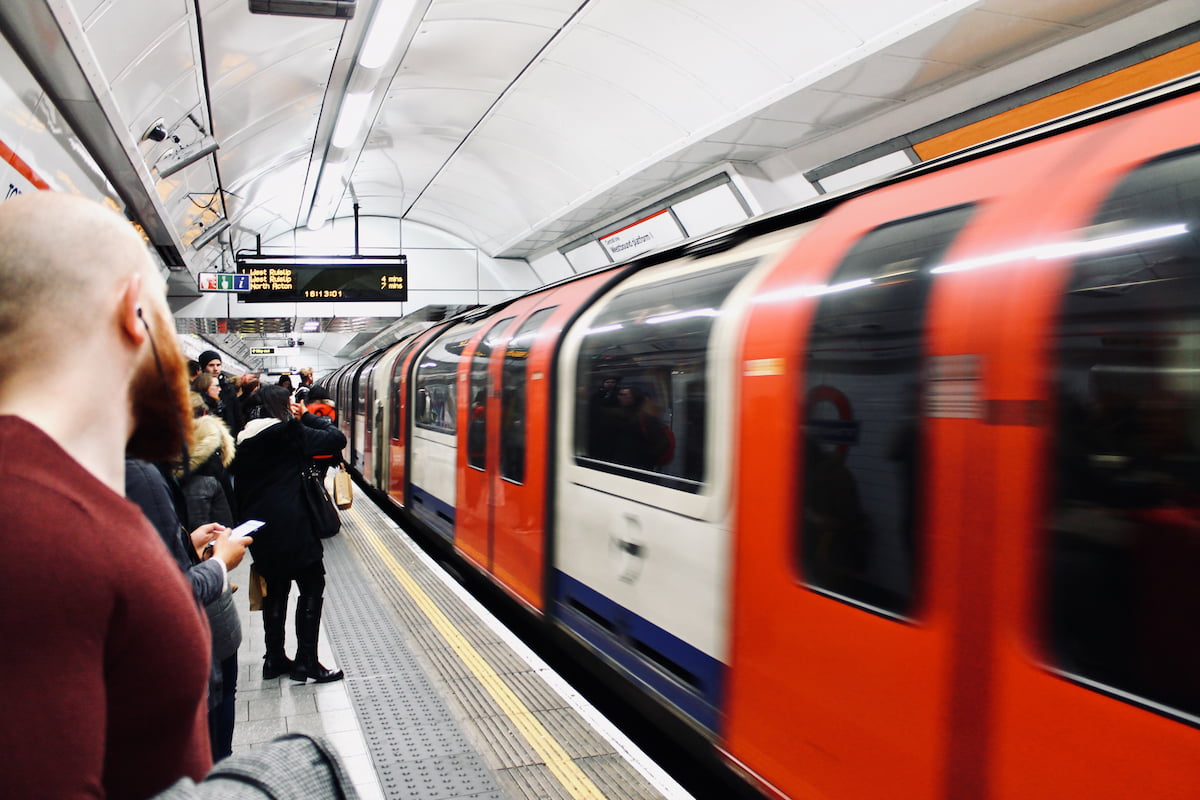
    London Tube
    London Tube

    Public transportation in London is like nothing I’ve ever experienced before. The city has the famous double-decker buses, the Tube (underground), the DLR (Dockland Light Rail), and London Overground. Together these make up a vast system of connections throughout the city.

    This is fantastic because you can live almost anywhere in London and you’ll find you won’t have too much trouble getting around and even out of the city. Why? Because there are a whopping 11 tube lines connecting 270 stations across London. There’s even a District/Circle line that runs on a loop around the most popular neighbourhoods and attractions. It really is incredible. I often think about the person who must have done the planning for it all.

    You can even bring your dog on the tube. With all the modes of public transport, you won’t have any trouble getting around.

    Look at How to Travel by Train in the UK for more detailed information.

    4. Con: Long Commutes, Delays & Overcrowded

    Now to the problems with having such an intricate public transportation system. With 8 million people living in London, you can just imagine what rush hour must be like. The Northern, Central, and Jubilee lines can leave you packed in like sardines. It’s not the most fun experience, but it’s the price you pay.

    It took me about 3 months in the city to feel really comfortable going out on my own and finding my way around and I’ve always been really good with directions so my discomfort says a lot. Part of this was that I just was not at all used to long commutes to even do things like sightseeing.

    From where I live in East London, it’s between an hour to an hour and a half one way to get to central London, depending on the time of day and where I’m going. Factoring in 3 extra hours in my day for public transport was hard to get used to.

    This honestly used to leave me feeling completely overwhelmed and exhausted and even kept me from venturing out as much during the first year. But after that, my perspective seemed to shift, my motion sickness lessened and I learned the best ways to entertain myself on my journeys.

    TFL (Transport for London) is also expensive and is notorious for having delays and network problems. It’s not uncommon for there to be severe delays on a couple of lines at least a few times a week, even in peak hours. This can be extremely frustrating as you might find yourself re-routing to get home.

    5. Pro: Endless Activities

    Themed drinks in london
    Themed drinks in London

    Now to the fun part; how much there is to do, see, explore and experience in London! It’s like nowhere else in the world. With a constant stream of theatre shows, festivals, music gigs, new restaurants opening and a wealth of attractions, you’ll never be bored.

    Even though London has a reputation for being expensive, you can experience most of the best things for free! You could be doing something new every day and still not see it all. So if you love variety and exploring new things, London will be a thrill for you.

    There are shows for every taste, from musicals to Shakespeare. There are art galleries galore, like the amazing National Gallery. And the markets in London are some of the best in the world. Portobello Road was a frequent spot for me when I first arrived. And everybody is always changing things up, so you can really never be bored.

    Even if you want to change things up, you can always hop a train or get in the car and be on the seaside or country village somewhere in no time at all.

    Here are some articles to get you started on what London has to offer:

    6. Con: Too Many Choices & Too Much Frustration

    Shakespear Globe
    Shakespear Globe

    As I stated before, it was overwhelming for me to go out in my first year. First, there was the public transportation ordeal and then there were just too many options. I got overloaded because my list of places to see never seemed to end.

    While this can seem exciting, it can also cause what I call analysis paralysis. If you get in your head too much about things, you’ll find you’ll be in a state of mental paralysis, making no decisions at all. Choice overload is an actual psychological effect causing overwhelm when we’re presented with too many options.

    Where hopping on the tube or the bus at any moment is an option, it’s more likely not to happen if you’re overwhelmed. That’s why I think after my first year, I enjoyed the city so much more because I become more spontaneous than ever. I’ve always been a notorious planner, but with less planning, there’s less pressure.

    London can also make you really frustrated and miserable if you’re pining after a lifestyle you might not have at the moment. If you’re wishing you could dine out at nicer restaurants, live in fancier areas, and buy food from upscale markets, but you simply can’t afford it, you can get down and out about your circumstance.

    Oh, I’ve been there, and believe me, at first it can be a real deterrent until you realize how happy you can be without those things.

    7. Pro: A Foodie’s Paradise

    Waffles at Duck and Waffles in London
    Waffles at Duck and Waffles in London

    London has 15,000 restaurants so you can rest assured you’ll never go hungry because there’s something for everyone and for all budgets.

    From upscale restaurants, street food, and market stalls, every craving you’ve ever had can be fulfilled.

    Enjoy Taiwanese, Chinese, and Cantonese food in Chinatown or fish and chips in a traditional English pub. And with 70 Michelin star restaurants, you can splurge on a high-ticket meal or go the opposite and grab a surprisingly good hot dog at a street vendor. There are even restaurants open 24 hours!

    Craving Jamaican? We’ve got it. Craving Nepalese? We’ve got it. And London is super vegan and vegetarian friendly with more gluten-free places popping all the time as well.

    8. Con: Dining Out is Expensive

    Drinks in Shoreditch London
    The average cost of a pint has gone up to around £6 to £7, eek.

    Dining out in London is expensive! Yes, there are lower-priced cafes and food stalls, but for a regular medium-range meal and drink out, be prepared to spend about $25-30 per person. And if you’re wanting something a little more up-scale, expect $40+ a plate, with tasting menus going for $100+.

    If you’re living in London on a tight budget, then you’ll definitely want to cook more at home and save yourself some special dates nights for dining out.

    9. Pro: Tons of Famous Locations

    Tower-of-London

    When you first come to London, it’s a must to visit famous locations like the iconic Tower Bridge, Buckingham Palace, the London Eye and Hyde Park. But then you can move on places like the pub where Charles Dickens liked to drink and film locations for Harry Potter. With the city’s rich history, there are literally hundreds of famous places for you to check out.

    If you’re looking to save a little money on attractions, I have a detailed guide on what to book in advance which will help know when to buy tickets to save money.

    10. Con: Crowded with Tourists

    Free activities in London like Tate Modern
    Free activities in London like Tate Modern

    You might just consider avoiding central London during the August travel peak as it can be a stressful experience for sure. Being surrounded by multi-cultural tourists can be a pro, but other times it’s definitely a con of the capital. You have to have a lot of patience for slow walkers, people navigating public transit, and the sudden stops for selfie-takers.

    London, in general, is a busy, vibrant city, but can be overwhelming with so many people and tourists. Prepare to have your patience and tolerance tested.

    11. Pro: Greenspace Galore

    Crystal Palace park in the snow
    Crystal Palace park in the snow

    I love sharing with people how London consists of 47% green space. This means nearly half of the capital is occupied by parks, natural reserves, gardens or shared spaces. I sometimes refer to the city as a concrete jungle, but in all honesty, it’s not that bad compared to a lot of other major cities.

    In the city, you will find little hidden gardens like Postmans Park, St. Dunstan’s, St Paul’s or little squares dotted around. Spread across London you will find a wealth of parks like:

    • Richmond – see the deer that live in the park
    • Crystal Palace – for the historic dinosaur statues, maze and foundations of Crystal Palace
    • Hyde Park – get there in time to watch the pelicans being feed
    • Kensington Gardens – stop to see the beautiful gardens and palace
    • Hamstead Health – visit the lido during summer for a swim

    12. Con: Loads of Litter

    When I first moved here, there was a lack of bins dotted around the place and instead of keeping on to the rubbish people would place it on the floor. This is for good reason as bins have been used as a place that people hide things in. You will see a lot of rings that hold clear plastic bags for this reason.

    When summer hits, it’s picnic season! I am always surprised by how much people leave litter around the parks or spaces. It feels like it’s a never-ending mess and always left to the park staff to help clean up.

    13. Pro: Higher Wages

    Kat throwing money.

    The increased wages in London started when companies needed to attract and keep staff and to do so they offered higher salaries to be able to do this.

    Then with the growth of the financial sector, London became Europe’s financial capital. In some industries, you can make a good wage compared to other parts of the UK. There is a fair amount of high-paying jobs in tech and finance.

    Higher wages, it does mean it is more expensive to live in the capital than elsewhere in the UK.

    14. Con: Cost of Living

    It’s no secret the Cost of Living in London is expensive. High rent tops the list, but restaurants, drinks, haircuts, and clothes can be quite pricey. Add in the cost of public transportation and you really have to watch where you’re money is going.

    15. Pro: Charming Character Homes & Flats

    Barbican Housing Estate
    Barbican Housing Estate, I personally love the brutalist style but there are also charming Victorian houses and colourful houses.

    London is dripping with character homes and historic period property. All I need to do for fun is walk through some of London’s neighbourhoods and gawk at the architecture. It’s on par with the famous sightseeing attractions.

    There are even famous houses like the Apsley House, Chiswick House, and Fenton House that you can visit for a more in-depth look. These are a must for those that go gaga for architecture.

    Housing is fairly easy to come by in London as well, with so many different neighbourhoods to choose from. Read my other post on how to Find a Flat in London to get you started!

    16. Con: Expensive & Competitive Housing Market

    It’s so easy to dream of living in London in a charming character property, with special shops, old pubs, and a tube station just around the corner, but let me stop you there before you get too dreamy. You might be able to find all that, but you’ll be living with several other people and still struggling to make ends meet.

    For the highly desirable neighbourhoods, properties often get snatched up within 24 hours of listing, which is quite shocking really, based on the crazy housing prices. Properties in London don’t often reflect the salaries of ordinary people.

    17. Pro: NHS Healthcare

    Brits don’t realize how great they’ve got it with their health care. You do have to pay for this within your taxes, however, when you enter the doctors they won’t ask you to hand over additional money. In many countries around the world, healthcare means hefty insurance prices, paying out of pocket, or healthcare is just nonexistent.

    The National Health Service, or ‘NHS’, is a vital service in the UK. Whether it’s seeing a doctor or getting prescriptions the NHS helps cover a lot of things.

    Some of it is subsidised so dental or optical as an example, you will need to pay a flat fee based on the service provided. However free dental care is available to qualifying low-income and elderly residents.

    It’s also important to be aware of the NHS surcharge as part of visa applications. It does depend on Visa type, so be sure to research this thoroughly if you are considering moving to England. For a 5-year Ancestry visa this can cost you upwards of £3,000 on top of your visa cost.

    18. Con: Long Waits to Get an Appointment

    The NHS has been struggling to keep up with the demand and it has only grown since the impacts of 2020/2021. Do expect longer wait times and if this is an issue for you, consider private health care.

    I am thankful for all the effort the staff put in! I can only imagine the stress that the demand causes them.

    19. Pro: You Can Buy a Car for Cheap

    Renting a car for trips outside of London
    I generally rent a car for a month at a time as I don’t use a car frequently enough but there are good deals to find on used cars.

    I was shocked when I arrived in London ready to buy a car and saw the prices! You can find a good European car for less than $1000 easily. There’s no way you can do that in the US.

    Check out my other posts: Do You Need a Car in London? and How to Exchange a Foreign License for a UK Driver’s License.

    20. Con: Petrol Prices are Through the Roof

    Petrol prices have always been crazy expensive in the UK, but they have gone up significantly in the past 2 years. I recently calculated I’m paying about $10/gallon at the moment, three times what I would be paying in the States.

    I keep my car for my beloved road trips but keep it parked the rest of the time. Luckily I live in a building where I don’t have to pay to park at all and it’s safe, but that’s not always the case elsewhere in London. But yeah, I take public transport for daily activities and save petrol for when I’m going further out.

    21. Pro: Very Friendly

    Did you know London is consistently rated in the top 5 best cities to live in the world? I’ve found it to be a very friendly place to live, especially considering what a massive city it is. Not only are people genuinely willing to help out with directions, but I’ve even noticed the lack of road rage on the roads here. And cars actually stop for pedestrians! I’m not used to that at all. I find Brits to be a much more patient bunch than Americans for sure.

    And did I mention “would you like a cuppa tea?” Positively and delightfully British.

    If you’re new to London or are wondering to meet people, then read over how to make friends in London.

    23. Con: Nobody Dares Talk on the Tube

    This I find very odd. It’s like no one dares to talk to each other on the tube, or even make eye contact for that matter. And if you even try to interact with anyone else it’s immediately labelled as weird. How does this even make sense when during times like peak hours, you’re intimately squished next to someone you’ll never see again?

    Other Things to Know Before Moving to London:

    • London has more CCTV cameras per square foot than any other place on the planet.
    • I still don’t understand it, but there are consistently crazy queues for the cash machines.
    • The air pollution isn’t great. Lots of black bits under your nails and in your nose.
    • It took me months to realize it never gets fully dark in the city. The light pollution is intense.
    • Why must the ugly rubbish bins always be in front of the houses? I mean I know why, but still.
    • London’s not known for the best weather, but I find it to be quite delightful most times. I guess it depends where you’re moving here from. I’m grateful to get out of the blustery winters while others miss the sun.
    • The UK has an excellent selection of both state and private schools to choose from.

    I hope this thorough list of pros and cons for living in London has helped you see the realities of big city life, but I sure hope it has deterred you because London really is a brilliant place to live.


  • 12 Brilliant Ways to Save Money Living in London

    12 Brilliant Ways to Save Money Living in London

    London is one of the most exciting cities to live in the world, and is one of the top 20 most expensive cities to boot! Let’s face it, life in London is not cheap. So how do you take advantage of all London has to offer while having a blast and not breaking the bank?

    Whether you’ve just moved to London and need help saving money or you’ve been in London for a while and realize how quickly things are adding up, we have a list of the Top 12 Brilliant Ways to Save Money Living in London. It just takes a little cutting back, learning some new negotiation skills and a different mindset and you’ll find yourself less stressed and actually happier living in the city. Don’t let the prospect of living in London long-term feel daunting!

    There are many ways to save money in London, from learning about public transport discounts, how to save on energy and free and discounted activities around the city. Also, check out the lowest-priced stores to shop at and how to furnish your home for free with our extensive list of savings. There’s nothing wrong with wanting to save more day-to-day so you can enjoy those holidays you’ve been itching to go on. So without futher ado, let’s get you those savings!

    1. Avoid Telly Tax by Streaming

    Watching tv. A young woman’s hand holding the tv remote control with a television in the background

    Did you know there’s a television tax in the UK?! I thought this was the most ridiculous thing when I moved to London. You actually have to pay for a license to watch live TV, and it’s around $159 a year! So if you don’t mind skipping TV, you can save money by streaming through Netflix, Prime, or your preferred provider. You might even be able to get a friend or family member to add you to their streaming account!

    2. Save on Energy

    Solar energy panel and light bulb, green energy
    Solar energy panel and light bulb = green engery.

    Don’t just assume you have to stick with the energy supplier the previous tenants had at your residence. Shop around to get the best rates and when you’re contract is up, don’t hesitate to negotiate for a lower rate. I’ve also always found when you’re midway through a contract and tell them you’re planning on switching, they suddenly are willing to negotiate. Never take things at face value! This actually goes for all your service providers; gas, electric, broadband, cell phone.

    I currently use Octopus Engery because I love that they use renewable engery. If you use my referal code you can save £50 if you choose to sign up.

    You can also save by being wise about things like switching off all your electronics at the wall before bed at night or even in between uses. Try getting a timer for your heater, or switch it off and on as needed. And while you’re at it, make your own DIY insulation by wrapping cardboard with aluminum foil and sticking it behind your radiator. Ha! Don’t be afriad to get creative!

    Lastly, have a look at the Warm Home Discount Scheme and see if you qualify. You could save up to $140 a year!

    More on how to save money on your energy bills here.

    3. Council Tax Discount

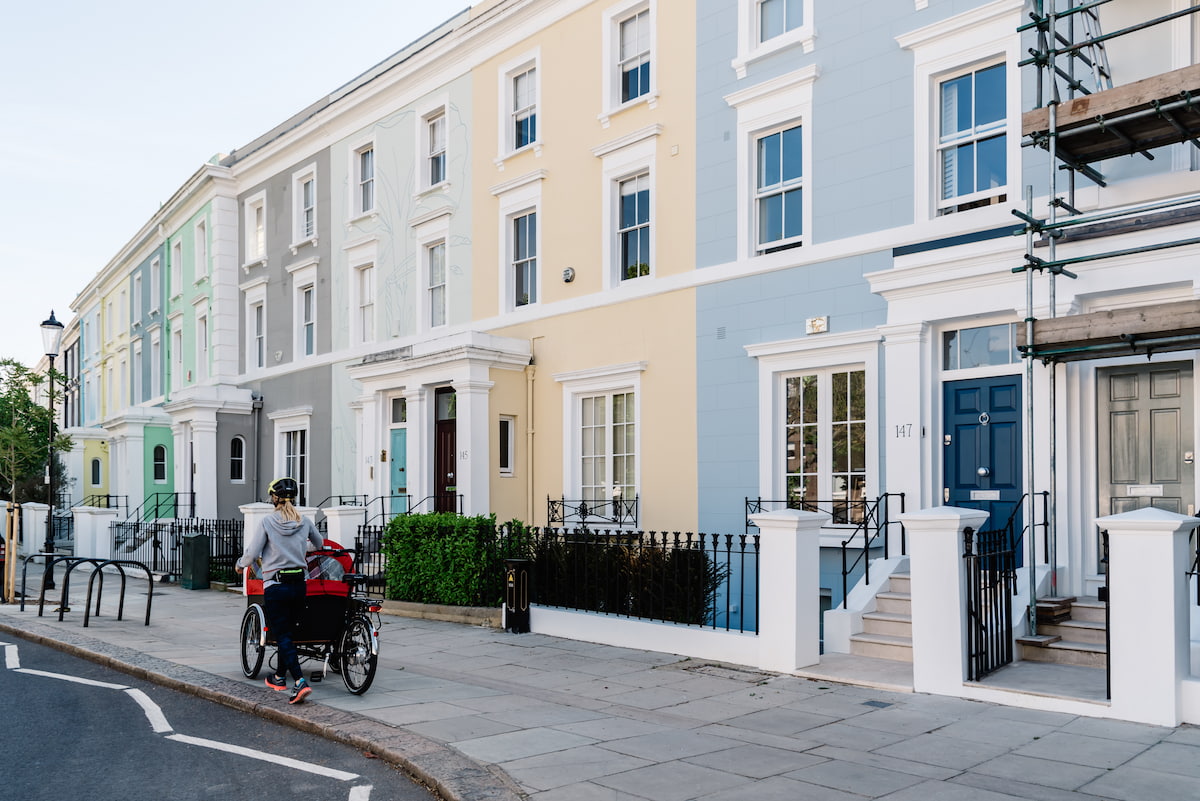
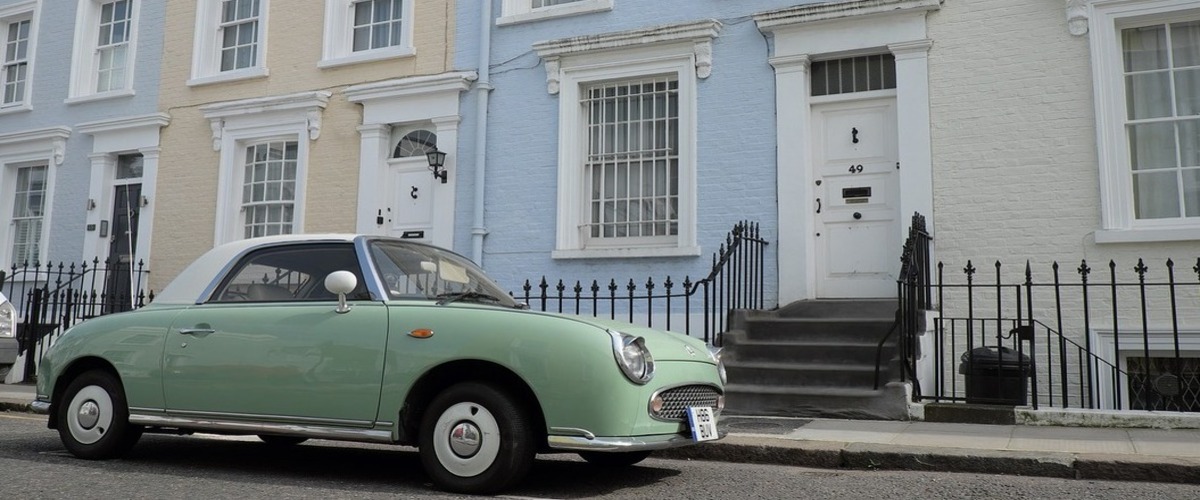
    Colourful English Victorian Houses in Notting Hill
    Colourful English Victorian Houses in Notting Hill

    What exactly is council tax? This was a new term for me when I moved to the UK and it took me a while to understand all the terminology. But it’s actually pretty simple. Your local council collects these taxes to pay for services in your community. 

    There’s a council tax band for every property that’s between A and H, mainly based on the property’s size and location. The council tax itself is based on your property’s market value and can be pretty pricey. Even at the lowest, council tax can cost at least $1,000 a year!

    What a lot of people don’t know is that there’s ways to get either 25% or 50% discounts on your council tax with a few variables. You can save just by living alone! So make sure and claim your council tax discounts to save big this year.

    4. Flatshare, aka, Get a Roommate

    This might seem obvious, but some people don’t really consider how much money sharing your space with someone can save you. You can split just rent or all of your bills depending on your contract. If you’ve never had a roommate before, make sure you go through a reputable website to find your perfect flatmate.

    To save money on rent in general, the further out you live from central London the better, but then you have to calculate travel costs if you’re working or visiting downtown frequently. So if your heart is set on a particular area of the city, you can always save money by getting a roommate or just renting a room yourself. And you never know, you might end up with a great new friend! I’ve listed here ten websites for flatshares to help your search.

    1. SpareRoom.co.uk
    2. Roommatesuk.com
    3. Gumtree
    4. Myrooms.co.uk
    5. Nestpick.com
    6. Cityrooms.com
    7. Spotahome.com
    8. Rentola
    9. Roomster
    10. City Accomodations

    5. Free & Discounted Furniture

    Vintage furniture in a flat
    Vintage furniture in a flat

    As they say, one man’s trash is another man’s treasure. Why pay full price for items you can get like-new for much cheaper? There are oodles of ways to find free furniture and household items, but nowadays there are dedicated websites for you to explore and take out the hassle of roaming the city. From free items to exchanges and deep discounts, check out this list of 5 websites to find your bargain of the day! Reduce, reuse and recycle.

    1. Gumtree
    2. Freeads
    3. Preloved
    4. Freecycle
    5. Freegle

    Also, get friendly with your neighbors! By that I mean to go out of your way to know who your neighbors are and how you can help each other. If you’re on good terms, they might be getting rid of a lamp and think of you before chucking it in the bin or giving it to a charity shop. And vice versa.

    6. Frequent the Charity Shops

    Vintage thrift shop interior
    Vintage thrift shop interior

    Welcome to one of the greatest things London has to offer…charity shops. Now I know it might not sound very exciting if you’re new to London, but I’m telling you that the world of charity shops in London is very, very exciting.

    In these amazing places, you can find pre-loved things to wear, to read or listen to, and of course, all kinds of stuff to adorn your house with. Hello, fabulous home decor. And you can find it all at knock-down prices. These shops are where to want to be if you’re not into the big retailers and are a bit more off the cuff. Each one is definitely unique.

    Even the rich and famous in London donate their cast-offs to charity shops, so if you choose the right location, you may even snag some designer duds if that’s your thing. From charity “boutiques” to junk shops, I’ve complied a short list of ten charity shops I definitely recommend you check out.

    1. All Aboard
    2. Oxfam Books
    3. King’s Cross Boutique at Coal Drops Yard
    4. British Heart Foundation
    5. Cancer Research UK
    6. Fara Kids
    7. LamasPyjamas
    8. Mary’s Living and Giving
    9. British Red Cross
    10. RetroMania

    7. Get a Free or Discounted Haircut

    Woman getting her hair cut

    Although London is home to some of the best hair salons in the world, why pay a premium, especially if you’re just needing a trim or restyle? Did you know when hairstylists are going through their training, they need people to practice on? That’s where you and I come in. I’ve actually done this in a few cities I’ve lived.

    Also, with London being as fashion-forward as you can get, trends and styles are constantly changing. So you’ll find stylists come from all over the world to learn the most up-to-date techniques and tricks of the trade. When they do this, a lot of them offer free or discounted haircuts and there are schools dedicated to just this.

    It can be a risk, but you could end up with a style you love, so why not? Have a look at these 5 training academies and schools in London with free or highly discounted rates:

    1. Aveda Institute
    2. Vidal Sassoon Academy
    3. Toni & Guy Academy
    4. Hari’s
    5. Jo Hansford Traing School

    8. Public Transport Discounts

    London Tube
    London Tube

    London transportation is one of the most efficient networks of tubes, buses and trains worldwide. However, it comes with a high price. Just one week in London and you’ll be floored at how much money you spend just getting around.

    Traveling throughout London adds up quickly and it takes a while to learn how to navigate the system. So real quick I’ll summarize; London is divided into 6 zones starting with zone 1 being the city center. If you’re traveling across London, try to avoid zone 1 as much as possible as it’s the most expensive. Also, an Oyster Card is a must for travel so that’s what we’re going to be talking about here.

    Taking the bus is the cheapest way to travel with your oyster card at just £1.45 each way. However, if you’re in a hurry or just don’t like the bus as much, be prepared to pay at least £4.70 for a single trip on the tube!

    But never fear, as you may be eligible for one of the National Railcard discount cars. They save you up to 1/3 off rail jouneries and you can connect to your oyster card. This gives you extra money off travelling during off peak on the tube. To activate this you do need to go to the station and get someone to connect your oyster card and railcard.

    You can buy a National Rail card on Trainline or the Railcards website.

    Another travel tip: Although the black cabs are super cute and notorious for life in London, never, ever hire a black cab. Maybe just ask to pose with one and get your photo opp! I’ve made the mistake a time or two of hiring a cab and they sure know how to jack up the rates for internationals. If you’re having a touristy day, you’ll definitely want to save that money for the pub!

    9. On-the-Go Coffee Subscription

    Now, you know I love my coffee. And it goes without saying you’ll save the most money on coffee by brewing at home, but you’re not always at home, are you? And let’s be honest, the smell of coffee in a coffee shop is intoxicating. And sometimes it’s fun to be waited on. But buying coffee out can end up being one of your biggest expenses in London.

    Luckily, the amazing Pret coffee shop has a new coffee subscription guaranteed to save you heaps of money!

    Pret Coffee Subscription

    Sign up with Pret to enjoy five, yes I said 5, Barista-made drinks a day, including organic coffees, teas, frappes, hot chocolates and more, for just £20 a month. Five a day would nearly cost you the same! And to top it off, your first month is free! This is definitely the best way to save money on coffee during the day when you’re out or on breaks at work.

    10. Save on Food Without Skimping on Quality

    Zero waste food shopping
    Zero waste food shopping

    Speaking of coffee and food, let’s talk about how you can save money in London on essentials. While I’m a bit of a foodie and love some of the higher-priced food shops, the overall quality of food in the UK is substantially better for the cost compared to other parts of the world. So even though these low-cost grocers will save you money, that doesn’t always mean you have to skimp on quality.

    Check out the top 5 cost-cutting food suppliers that are popular all over London. And don’t be afraid to make deals at your local neighborhood market stalls as well.

    1. Asda
    2. Aldi
    3. Lidl
    4. Tesco
    5. Sainsbury’s

    11. Ditch the Gym Membership

    Kat-standing-in-front-of-Crystal-Palace-Dinosaurs
    Crystal Palace Park

    In the past couple of years, more and more people have turned to outdoor and at-home workouts. And the first thing I always tell people about London is how much green space it has. Did you know London is actually 47% green space?! And not only that, but there’s 8 million trees in the city. Being the 5th greenest city in the world according to Eco Watch, you really can’t escape nature here.

    So that means London is definitely a city to be walked. Even if you’re just popping out to the shop, walk instead of catching the bus. You’ll discover so many side roads and quirky alleyways on foot while getting exercise.

    Also, consider getting a bike for a bigger workout and to save money on public transport. Here you can find more information about the cycling routes in London, how to choose the right bicycle and even better cycling skills.

    Then head out to one of the plethoras of parks and greenways for a walk, run or hike. Some of them, like the local park by my place, even have outdoor gym equipment you can use for free. Here’s my list of ten of the best parks to visit in the London area.

    1. Hyde Park
    2. St. James Park
    3. Hampstead Heath
    4. Regent’s Park
    5. Crystal Palace Park
    6. Greenwich Park
    7. Richmond Park
    8. Holland Park
    9. Victoria Park
    10. Kensington Gardens

    As the majority of these are royal parks, see their main website for more information and the complete list of London parks. Challenge yourself to visit as many as you can this year!

    12. Get Cultured with Free Museums & Galleries

    Natural History Museum
    Natural History Museum

    You can never be bored in London! It’s a cultural hub with endless possibilities. And one thing you’ll notice is that London is packed with every kind of museum and gallery you can imagine. And the best part? Most of them are absolutely free, with the exception of special exhibitions throughout the year.

    I can’t believe it took me so long to visit these museums because I didn’t know they were free. This proves you don’t have to spend a fortune to get cultured. I’ve compiled this list of ten free London museums & galleries you must visit. And if you want to learn even more about these free museums check out Nine Museums You Must Visit in London.

    1. National Gallery
    2. Science Museum
    3. Natural History Museum
    4. Tate Britain
    5. National Portrait Gallery
    6. Victoria & Albert Museum
    7. Saatchi Gallery
    8. Wallace Collection
    9. National Maritime Museum
    10. Imperial War Museum

    So there you have it; 12 Brilliant Ways to Save Money Living in London. As you can see, London is a pretty expensive city to live in, but hopefully, you’ve learned that there are many ways to cut back and save yourself a load of money this year with just a bit of a lifestyle modification.

    Again, don’t be afraid to think out of the box and get creative either. There have been many days I just take the tube to Leicester Square or Piccadilly Circus and spend hours walking around and people-watching, which only costs me a few quid in tube fare. You can also search for apps with restaurant discounts and if you’re hankering for the pub atmosphere, get there early for discounted specials.

    And no matter what, always remember your happiness isn’t about how much money is in your bank account. Enjoy the little things, especially in an extraordinary city like London!

  • Best Places To Live In The UK

    Best Places To Live In The UK

    Are you thinking of making a big move to the UK? Or perhaps you’re thinking of relocating someplace else within the country? Either way, take a look at this guide to the best places to live in the UK. 

    The UK is full of fabulous places to set up home, complete with fantastic transport links, excellent schools, and activities for the whole family to enjoy. Whether it’s by the sea, nestled in the countryside, or close to bustling towns, the UK has some great places for you to potentially call home.

    Keep reading to find out more about the best places to live in the UK. 

    England

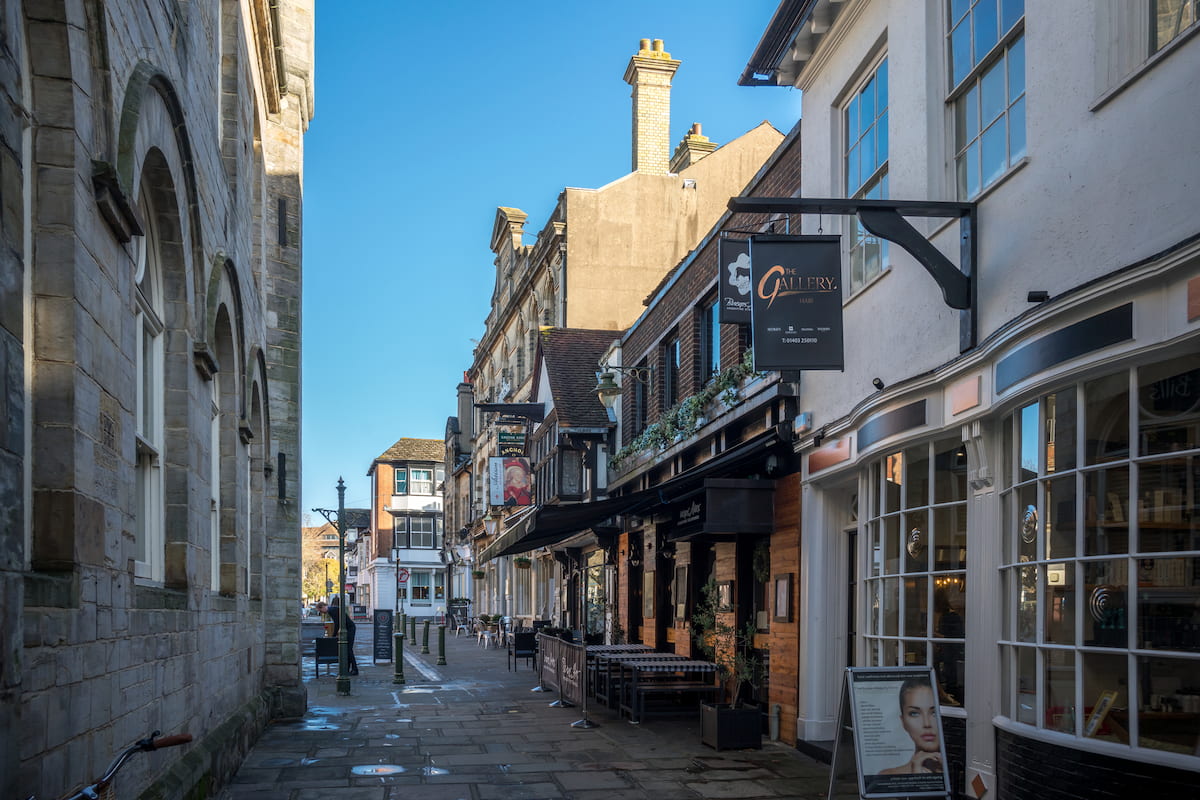
    Horsham, South East

    town centre in Horsham West Sussex

    Horsham is a market town in Sussex. Set in incredible parkland and beautiful countryside, the town is often voted one of the best places to live in England.

    It’s the perfect blend of old and new. Horsham has excellent transport links, and the hustle and bustle of the city is easy to get to. It’s under 30 minutes by car from Crawley and Gatwick, and the Horsham Train Station offers direct links to London. 

    But it’s not just the transport links that make Horsham such an attractive place to live. The town is popular with families as it boasts some great schools that have excellent Ofsted ratings. A large factor that affects how desirable a place is to live in, is the existence of green space.

    There are numerous fields, parks and open spaces in and around the town, such as Horsham Park, Warnham Local Nature Reserve and Leonardslee Lakes & Gardens. The National Trust Nymans is only a short drive away, and the High Weald Area of Outstanding Natural Beauty is also nearby. 

    In town, you’ll find plenty of places to eat and drink, from popular chains to independent restaurants. Although the town is more laid back, there are a few excellent pubs and bars. When it comes to leisure, you won’t run out of things to do. There are many gyms and sports clubs, an excellent high street, two markets a week, and a fab entertainment centre.

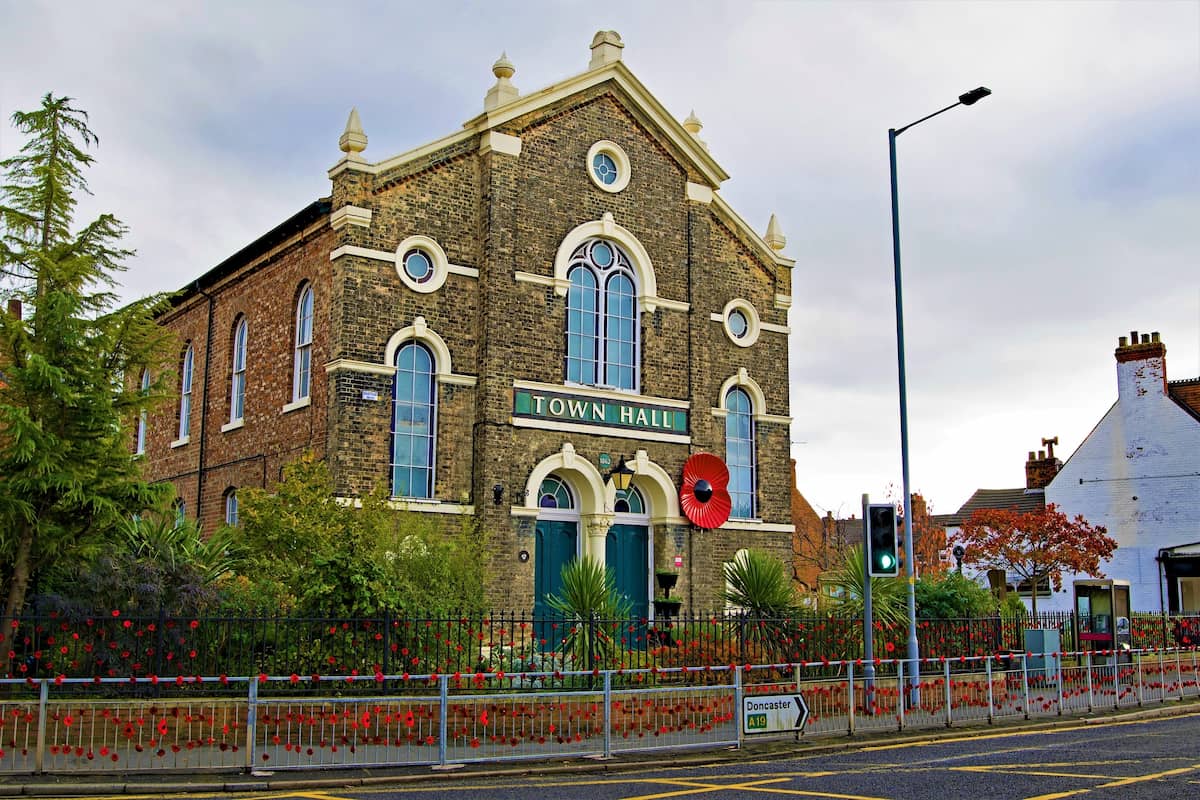
    Selby, Yorkshire and The Humber

    Centenary poppies display at Selby Town Hall

    Selby is a historic town and one of Yorkshire’s hidden gems. Situated in the heart of Yorkshire, it enjoys excellent transport links to Leeds, York and Hull, as well as the coast and Yorkshire’s National Parks. 

    Selby is a fantastic place to live, especially for families. The town is located in one of the safest parts of one of the safest counties in England, so it sees a lot of people staying long term.

    Another draw for families is the top quality education. Selby and the surrounding area has one of the country’s leading further education colleges, excellent primary schools and great independent schools. 

    One of the main draws that Selby has are the house prices, which are significantly lower than neighbouring urban areas. This means that you’ll get more bang for your buck. Plus, being surrounded by all that beautiful Yorkshire countryside makes it extra worth it.

    If you’re a walker or a cyclist, the Selby district has countless walks and trails that wind through picturesque villages and outstanding countryside. For something more local, Barlow Common Nature Reserve is a peaceful place for a stroll. 

    There are plenty of things to do in town as well. Selby Leisure Centre offers swimming pools, exercise classes and sports facilities. There’s also the Summit Indoor Adventure Park which is fun for the whole family.

    In the centre of town, you’ll find Selby Abbey, a huge and breathtaking medieval abbey founded in 1069. Fancy a bit of shopping? You’ll find a huge array of chains and independent shops. 

    Cheltenham, South West

    Sudeley Castle garden and church in Winchcombe, Cheltenham

    Cheltenham is a large spa town in Gloucestershire, on the edge of the Cotswolds. Famous for its Regency architecture, the town has plenty to offer. A word of warning: if you fancy moving to Cheltenham, you’ll need deep pockets as the house prices are higher than other areas in the UK.

    Having said that, it’s totally worth it. 88 miles west-northwest of London, 38 miles northeast of Bristol and 41 miles south of Birmingham, the town is well connected. London Paddington can be reached in just under two hours from Cheltenham Spa train station, and Bristol is only 45 minutes away by train.

    Cheltenham has been recognised as the best place to raise a family, and it’s no surprise why. There are 14 Ofsted ‘Outstanding’ schools within three miles of the town. But it’s not just the excellent schools that make Cheltenham such a great place to live. It’s also packed with things to do.  

    There are tons of lush green parks such as Montpellier Gardens and Pittville Park. There’s also the Sandford Parks Lido which is perfect for hot days.

    The town also happens to be a key shopping destination, with traditional shopping streets, arcades and markets. You’ll also find cultural treasures like the Cheltenham Town Hall, the Holst Birthplace Museum and the Pittville Pump Room.

    Of course, no conversation about Cheltenham would be complete without a mention of the legendary Cheltenham Racecourse.

    Bollington, North West

    An old factory on the banks of the canal near Bollington in Cheshire

    Fancy settling down somewhere in the North West? Bollington is the place to be. Situated in Cheshire, the town sits on the edge of the beautiful Peak District National Park and Macclesfield Forest.

    The Macclesfield Canal runs through Bollington, adding to the picturesque scenery. Plus, it’s known to residents as ‘Happy Valley’, so it’s definitely a great place to live. With so much outdoors to explore, it’s no wonder that the quality of life is so great in Bollington.

    Although transport links aren’t as well-connected as other places on this list (expect a longer drive to the M56 and M60 motorways), you can still access places like Macclesfield and Alderley Edge pretty easily. 

    With four primary schools in Bollington and secondary schools within travelling distance, it’s an ideal location for families. There are plenty of activities for the whole family to get involved in, whether it’s outdoor activities like walking and cycling, shopping or discovering the town’s famous landmark White Nancy.

    Bollington also has a fantastic community spirit, with plenty of local organisations, clubs and events like the Bollington Brass Band, Bollington Light Opera Group and Bollington Festival. Bollington also enjoys a good reputation for the number and quality of pubs and restaurants it has. 

    Scotland

    Dundee, Dundee

    Murraygate pedestrian street in Dundee

    Dundee is a coastal city in eastern Scotland, set at the mouth of the River Tay. Although it’s the country’s fourth largest city, it’s quite compact, making it easy to get around on foot. It also happens to be Scotland’s sunniest city, making it an attractive place to live.

    Another factor which makes it very liveable is how well connected the city is, with Edinburgh and Glasgow less than 90 minutes by train. Dundee Airport offers direct flights to London City Airport. 

    Another reason that Dundee is so attractive to live in is the abundance of schools. There are currently 38 primary schools, nine secondary schools, one special educational needs school and two universities in the city. Dundee is also not short of things to do.

    The city has gone through major regeneration, including the £1billion Dundee Waterfront project which has transformed it into a modern and vibrant city. There are plenty of shops, galleries and other cultural venues, with the food and drink scene really taking off. You’ll find a huge variety of cafes, bars and restaurants dotted around the city.

    Dundee is the first UK city to be awarded the UNESCO City of Design status. With a rich history of innovation and creativity, the city has become a hub for the digital industries, with the V&A Museum of Design being one of the most popular attractions. 

    With so much culture and history (plus, it’s super affordable compared to other Scottish cities), it’s a no brainer that Dundee is one of the best places to live in Scotland, and the UK.

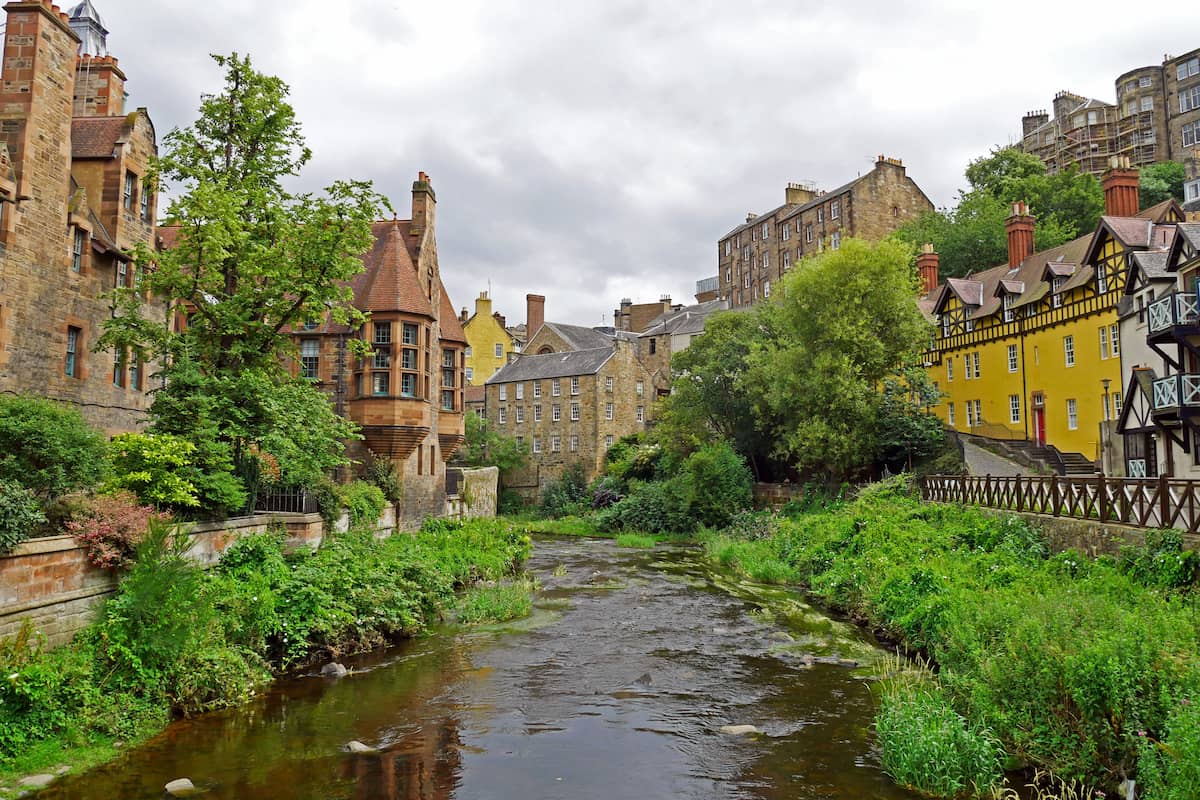
    Leith, Edinburgh

    Dean Village along the river Water of Leith in Edinburgh

    Leith is a port area in the north of Edinburgh and one of the coolest neighbourhoods in the UK. In the 18th century, it was a busy port with huge ships bursting with wool, wine, spices and raw materials. Today, it’s a trendy area boasting its own distinct characters. The great thing about Leith is that it’s its own area, but benefits from all that Edinburgh has to offer. 

    One of these things is Edinburgh’s excellent transport links. The neighbourhood itself is only 12 minutes drive to the centre of Edinburgh, where you’ll find two mainline stations as well as Edinburgh Airport on the outskirts of town. 

    Leith is a great place to bring the kids up. While the kids will benefit from a wide selection of schools in Edinburgh and the surrounding areas, Leith has plenty of things to keep the whole family entertained. There are plenty of open spaces and walks, such as Leith Links and the Water of Leith Walkway.

    Plus, there’s always something happening in the neighbourhood. The Leith Festival combines eight days of theatre, music and arts, and is definitely not one to miss. You’ll find the Biscuit Factory, an arts and fashion hub, Leith Theatre and The Pitt, a street food market with live music.

    Speaking of food, the food and drink scene in Leith is second to none. As well as Michelin starred restaurants, there are also traditional pubs, delis, bistros and plenty of the famous Leith seafood.

    Dunblane, Stirling

    Dunblane Town Centre Scotland

    Dunblane is a town in central Scotland. Just a 10 minute drive north of Stirling, Dunblane is a commuter town. It has easy access to the A9, with Glasgow and Edinburgh commutable by car.

    The train station offers regular links to Glasgow and Edinburgh as well as Stirling and Perth. But Dunblane is far from being a shoddy commuter town. Its safe and friendly community, reputable schools, central location, and attractive surrounding countryside make it a great place to live. 

    Dunblane is a fantastic environment to raise a family. The low crime rates and community spirit make it a great place for families. There is also an excellent choice of schools, from primary schools through to high schools. Plus, the University of Stirling is only a short distance away. 

    There are tons of activities and events to get involved in Dunblane. You’ll find local sports clubs, youth clubs and voluntary groups. You also have the great outdoors on your doorstep, and there are woodland walks and biking trails in Laighills Park and Sherrifmuir. An hour’s drive away is the Trossachs National Park. 

    The town itself has an excellent range of local shops and a fabulous selection of bars and eateries. There are also some historical gems, like the Leighton Library and the best-known feature of the town, the impressive 13th-century cathedral.

    Wales

    Cowbridge, Vale of Glamorgan

    Cowbridge is a market town in the Vale of Glamorgan. Dating back to Roman times, it’s one of the few medieval walled towns in Wales.

    Full of history, quaint old buildings and surrounded by rolling Welsh countryside, it’s no wonder that Cowbridge is such an attractive place to live.

    What’s more, Cowbridge has great transport links, which makes it a popular commuter town. It’s about a 25-minute drive to Cardiff, with the nearest train station, Bridgend, only six miles away. 

    If you’re moving with the family, Cowbridge Comprehensive School is one of the best performing secondary schools in Wales. There is also a nursery and primary school in the area.

    If you’re a shopaholic, you’ll love Cowbridge. It’s been dubbed the ‘Bond Street of Wales’ for its unique blend of shops and boutiques, whether it’s fashion, furniture, vintage items, gifts or food. When it comes to food and drink, Cowbridge doesn’t disappoint. There are plenty of country pubs, restaurants and cafes to refuel. 

    For a small town, there’s a surprising amount of things to do. You have St Quentin’s Castle, Old Beaupre Castle, Cowbridge Physic Garden, South Wales Aviation Museum. Nearby, you’ll find the National Trust Dyffryn Gardens. Cowbridge is only a 20 minute drive to Nash Point, a headland and beach with an iconic lighthouse.

    Tenby, Pembrokeshire

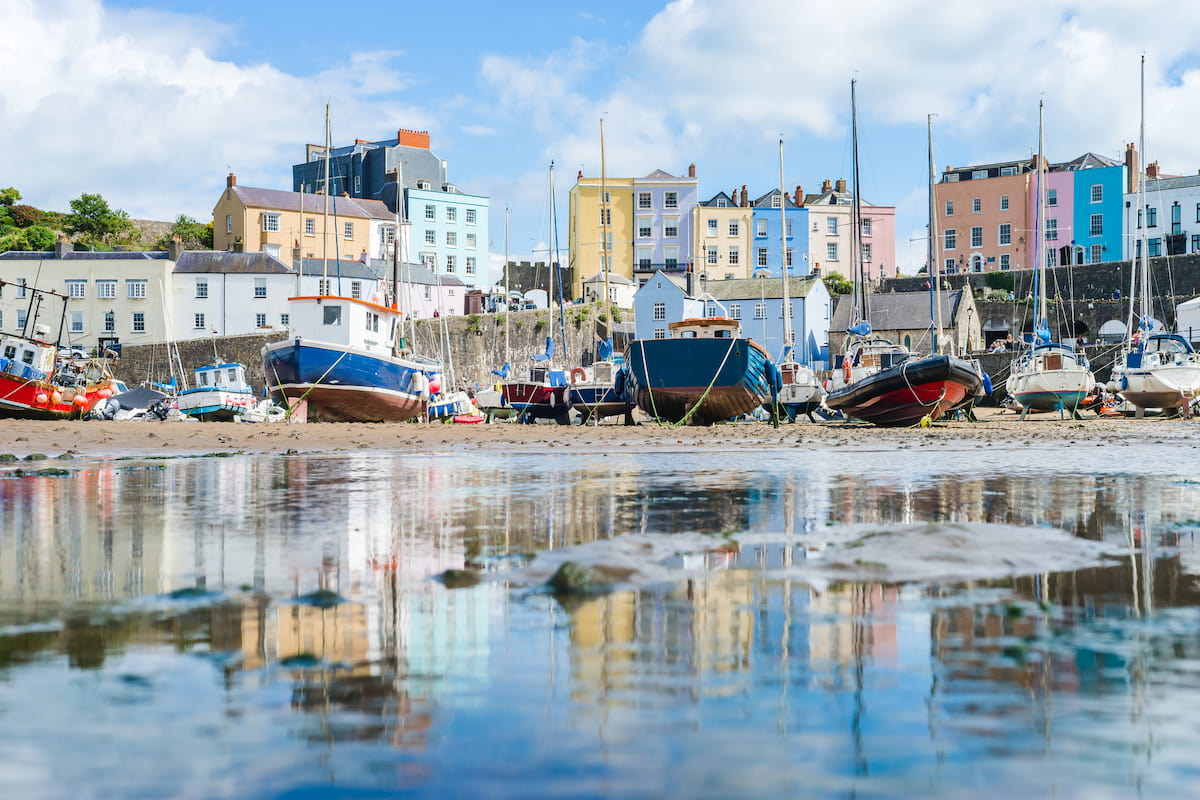
    Boats in the bay at low tide with town view in Tenby bay, Wales

    Tenby is a harbour town in the southwest of the country, and arguably one of the best seaside towns in Wales.

    This isn’t the place to live if you want to be in the thick of it. It’s a relaxed, peaceful place that is perfect for people looking for a slower pace of life. Having said that, it’s not completely out of the way. There are rail services to Pembroke, Carmarthen and Swansea. A drive to Swansea is about an hour and a half. 

    There are a selection of primary schools, and one secondary school, so it may be something to think about if you’re moving with teenagers. However, there is plenty to keep the kids (and the adults) entertained.

    When it comes to beaches, you’ll be spoilt for choice. From family-friendly beaches to secluded beaches, there’s something for everyone.

    Walkers will love Tenby, as there are countless coastal walks right from the town. The Pembrokeshire Coast Path is one of the most scenic routes, a 4.5-mile walk with panoramic views. Caldey Island is only 20 minutes away by boat and is the perfect getaway. 

    Abergavenny, Monmouthshire

    Abergavenny Town, Wales

    Abergavenny is a market town in Monmouthshire and is nicknamed ‘The Gateway to Wales’. Surrounded by seven mountains, it’s the perfect base for exploring the Brecon Beacons National Park and the Blaenavon World Heritage Site. 

    If you’re thinking of moving here, one of the first things you’re going to want to know is if it’s well connected. The answer is yes! By train, Cardiff is only 40 minutes away, Newport is 25 minutes and Hereford is 24 minutes. Sounds perfect. But what about schools? Abergavenny has a selection of highly rated primary schools, and one secondary school. 

    The town is an excellent place to raise a family, and has tons of things for kids to explore. Aside from attractions like Abergavenny Castle and Museum, the town is surrounded by historical gems like Llanthony Priory. Being right on the doorstep to the mountains also means there’s a wealth of activities like hiking, walking, cycling and climbing. 

    If you’re a foodie, you’ll love Abergavenny. This lively town is famous for its annual food festival, which transforms the town’s streets into a huge buffet of food stalls, chef demonstrations and entertainment for two days each September. There are also regular food and craft markets which attract the best artisan producers. Sugar Loaf Vineyard overlooks the town, and you can drop in to sample some of the finest Welsh wine.

    Northern Ireland

    Holywood, Co Down

    The Dirty Duck restaurant and pub n Holywood County Down

    Holywood (not a typo!) is a town in the metropolitan area of Belfast, which lies on the shores of the Belfast Lough. It’s the perfect combination of seaside and city, with the vibrant Belfast only a short train journey away.

    Only 11 minutes drive from Belfast, Holywood benefits from all the great transport connections that the city has. Belfast has rail and road connections with towns and cities in Northern Ireland, and Belfast Airport has flights to over 70 destinations. 

    Families thinking of moving to Holywood will benefit from a wide selection of schools, an abundance of green areas, stunning views and a chic town centre.

    The town centre is a real hub of activity, with an emphasis on independent shops and boutiques, elegant eateries and traditional pubs. The town’s Victorian appeal has been perfectly preserved, but with all the modern amenities you could wish for. 

    There are plenty of sporting facilities and local parks which is perfect for those with an active lifestyle. If you fancy getting out on the water, the Holywood Yacht Club is one of the oldest yacht clubs in Ireland, catering for all levels and abilities.

    Ballycastle, Co Antrim

    Boats in the bay at low tide with town view in Tenby bay, Wales

    Ballycastle is a lively seaside town in County Antrim, situated on the north-easternmost tip of Ireland. Surrounded by the sea, glens, forests and ancient rock, the town is a beautiful place to set up home. It’s also a short drive from the iconic Giant’s Causeway.

    If you’re a Game of Thrones fan, you’ll be excited to know that Ballycastle and the surrounding area was used as filming locations. Never watched Game of Thrones? Not to worry. You can still enjoy the breathtaking natural beauty of the place.

    Some of the most popular attractions include Ballycastle Beach, Carrick-a-Rede Rope Bridge, Rathlin Island and the Antrim Coast and Glens Area of Outstanding Natural Beauty. 

    The town itself has a rich history with over 50 listed buildings within the ‘18th Century Conservation Area’. It blends old and new, with its very own Blue Flag Marina situated within the inner harbour.

    There are several primary and secondary schools in Ballycastle and the surrounding area, so it’s an ideal location for families. Although trains don’t come near Ballycastle, Belfast or Derry are just over an hour’s (very scenic) drive. 

    Hillsborough, Co Down

    Landscape view of Hillsborough Castle, Northern Ireland

    Hillsborough is a village in County Down, only 19km from Belfast. It’s the ideal place to be if you want to live in a quiet and peaceful setting without being too far from the city and all its amenities.

    The excellent location has resulted in Hillsborough becoming part of the commuter belt of Belfast. This also works well if you have kids, because even though there are several primary schools in and around Hillsborough, Belfast is just 20 minutes by car and has a wealth of schools to choose from.  

    Kids will find it pretty difficult to be bored in Hillsborough. Despite its size, the village has a lot to offer when it comes to outdoor activities. Hillsborough Forest offers 150 acres of mixed woodland to explore. Fancy a boat trip? The village is also only a half hour’s drive to the Lough Neagh lake.

    The town itself has an array of cheerful shops and cafes to enjoy. It’s also home to the International Oyster Festival which happens every year, and attracts visitors from all over the world.

    Many people think of the village as Northern Ireland’s answer to the Cotswolds, due its picturesque scenery and significant amounts of Georgian architecture. Speaking of architecture, the nearby Hillsborough Castle and Gardens is home to visiting royals, so if it’s good enough for the royals then it’s good enough for us. 

  • Moving Into a New House Checklist (UK)

    Moving Into a New House Checklist (UK)

    If you are moving home soon you’ll know just how daunting the process can feel. There are a million and one things to remember and it can become overwhelming very quickly.

    But never fear! I have created this detailed checklist to help you have a successful move into your new place in the UK, so you can begin your fresh start as seamlessly as possible.

    This moving checklist covers everything from changing over utilities and packing to your first day essential tasks in your new home.

    It’s split into two sections – ‘Before You Move’ and ‘After You Move’, to help you navigate both processes.

    Get your pen and paper ready (or simply save this article to refer to again and again during your move), and let’s get started…

    Before You Move

    Reminder Moving to a New House in calendar with pen

    Before you move house you will be itching to start the process, wanting to be in your lovely new home as soon as possible.

    It’s a great time to redirect that energy into a series of tasks that will make sure your moving process goes as smoothly as possible. Here is a helpful list of the things you’ll need to do before you move.

    Change Over Your Utilities/Bills

    Changing over your utilities ahead of time is a great first step to take before you move. This will save you stress down the line, and help keep you organised. 

    Make sure you contact the companies you currently have your utilities with and let them know you will be moving house. Provide your move-in date and begin the process.

    It’s a good time to start researching new service providers and to decide whether you would like to switch when in your new house for better deals.

    Here is a list of people you will need to contact/ things to check:

    • Contact your gas, water and electric service providers.
    • Look at home insurance companies and decide whether to stay with your current provider or to go for a better deal in your new house.
    • Check if your new house is set up with an alarm system, and contact the company to provide your details.
    • Notify the council that you will be moving, so they can recalculate your council tax ahead of time.

    Change of Address Tasks

    There are a number of things you will need to do when you change your address.

    You’ll need to call and notify the following of your upcoming change in address:

    • Contact the HMRC to let them know if you’re moving.
    • DVLA to update your driving licence. Don’t forget to do this, as you will need a new driving licence issued. A driving licence with an incorrect/old address will be invalid.
    • Your employer – make sure you let work know when you will be moving, so HR can update your employee records.
    • Doctor and dentist – it’s really important to keep your records up-to-date with healthcare practitioners. If you are moving out of a catchment area and need to switch GP surgery get this organised ahead of time for you and your family.
    • Bank – let your bank know when you will be changing address so they can update their records.
    • Insurance companies – if you have any personal insurance, pet insurance, car insurance or home insurance, make sure you let them know you will be changing address.
    • Postal service – let your postal service know you will be changing address so they can set up a postal redirect for your post.

    Also don’t forget to register to vote in your new area, and get set up on the electoral roll.

    Set Up a New Internet Provider

    Getting your internet set up ahead of time ready for your move-in date will save you a headache on your moving day.

    Don’t leave you and your family without the internet by skipping this step. This is essential for those who work from home or attend online education classes.

    Setting up with an internet provider can take some time, so make sure you do this well in advance. It’s best to ensure this is sorted two to three weeks in advance. Do your research and find a good deal!

    Register To a New Doctor

    If you are moving out of the catchment area for your current GP surgery then you will need to register with a new one.

    Make sure you get in touch with the GP surgery in your new area ahead of time, and register.

    This is really important for everyone in your family, as you don’t want to have any issues if someone falls ill.

    A good alternative is Babylon Health, they have an NHS service as well as a private so it’s a great stop-gap or permanent doctors choice.

    Important Documents

    Gathering and organising all of your important documents ahead of time will be a lifesaver during the stressful move process.

    You want to make sure you have everything filed and organised, so nothing is lost in the move. Things like medical records, birth certificates and passports need to be kept really safe and organised.

    If you have a big family, sorting this out is so vital, to make sure everyone’s records are properly kept.

    Arrange Leave From Work

    Make sure you notify your employer ahead of time of your moving date and you book the appropriate amount of leave from work.

    If you are unsure of your exact move-in date let your employer know and you may be able to work out a flexible annual leave date.

    If in doubt, and you have the holiday days spare, book the whole week off that your move-in date is expected to fall within. You can use the extra time to pack/unpack either side of the move-in date.

    Give Notice if Renting 

    If you are renting you will need to give appropriate notice to your landlord of when you expect to move out. 

    Double-check your renting contract and make sure you are clear on the amount of notice required. For some this will be one month, for others, it can be up to three.

    It’s best to be clear on this, to avoid stress and confusion at the last minute.

    Maintenance on New Home/Old Home

    You may need to organise maintenance and cleaning on both your new and current home.

    Book a cleaner for your house and for your new house to help you save on extra time and effort at either end of moving. The last thing you want is to have to clean both houses yourself, as this can be stressful and time-consuming. Shoe-horning two deep cleans into your moving schedule are unrealistic for many.

    You will also need to consider any home improvements that either home might need, and book a maintenance company accordingly. Any repairs, like issues with plumbing or a boiler maintenance check, need to be sorted in advance.

    Book a Moving Truck

    Moving day on the calendar is written in red. Calendar with a note with cardboard boxes and truck

    Booking your move with a moving company in advance is an essential part of the moving process. You want to make sure you can get a slot with a reputable company, which you can double-check and confirm with closer to the time.

    Shop around for good deals, but beware of companies with super low prices. You don’t want last-minute cancellations.

    It’s best to get a quote from a reputable company and go from there.

    Book Childcare and Pet Care

    Making sure children and pets will be out of the way of the movers is key to a successful moving day.

    Pets and small children can be injured during the moving process, as people will be carrying heavy furniture in and out of the homes. You don’t want anybody underfoot during this transition.

    Moving can also be a stressful time for both pets and children, and they will need to adjust in the new home once everything has settled and is quiet.

    Book your childcare and pet care in advance and take them either very early on the morning of the moving day, or even the night before.

    You yourself will need a good solid night’s rest the night before, as it will be a long and taxing day. Sometimes having the kids and pets away for the night makes for a more restful sleep without interruptions.

    Moving Insurance

    Getting some moving insurance is an excellent tip to follow, to ensure your items and home are protected in case of damage.

    There is nothing worse than long, heavy scratches over a wooden floor, or lost or broken valuables, with no funds to fix the issues. I’ve even seen someone moving truck catch fire on my street and lose all their belongings.

    When booking your moving insurance shop around for a good deal, make sure you fully read the fine print and understand what you are covered against.

    Then take photos and make sure they are dated, of all of the items for the move. Organise and catalogue these photos in case of damages, as proof for the insurance company in the event of a claim.

    Decluttering

    Before you start the packing process it’s a great time to declutter your house.

    Sort through everything and begin to throw away what you no longer need.

    Start by sorting one room at a time, and gradually moving through the home to declutter the space. Don’t forget the attic (if you have one) – there’s often way more up there than we realise. It’s easy to accumulate clutter over the years, especially if you have a family, and you don’t want to take it all with you into a new home.

    I suggest listening to decluttering themed podcasts whilst you work, to inspire you and help you decide what should stay and what should go.

    Here are some ideas of things that may need decluttering:

    • Kitchen: old tupperware that’s broken or unused, old pots and pans, mismatched sets of cutlery, chipped cups and mugs, multiple sets of wine glasses that aren’t used, old dish towels, old spice and herb pots.
    • Bathroom: old towels that are wearing thin, an old bath mat, old shower curtain, old toilet brush, half used products that have been sitting on the shelf for years, dusty unused cleaning supplies.
    • Bedroom: old bed sheets and linen, old clothes that you no longer wear, dusty curtains, unsushed decorative cushions, clutter in drawers.

    Packing

    Packed boxes with a sofa

    After decluttering the next step is packing. Approaching the packing in an organised clear way will save you stress down the line.

    Here are some steps to follow when packing, to ensure a smooth process:

    • Take photos of all of your items and create an inventory. Store them in a folder on your phone, to stay organised. This is especially good for valuables or delicate items, so you have a record of their condition prior to moving in the event of a moving insurance claim.
    • If you will be taking apart furniture, keep all of the screws and bolts in a bag and tape it to the underside of the piece. This will make it much easier on the other side when unpacking and putting furniture back together.
    • Label all of your packing boxes clearly. Include the name of the room/area the stuff came from, and start a numeric system of what should be unpacked first.
    • Protect your flooring on the moving day with cardboard or sheets to prevent scuffs on the floor. Buy these bits in advance so you have something to lay flat.
    • Don’t buy perishable food in the week leading up to your move. Instead eat your way through your cupboards, fridge and freezer. 
    • Defrost your fridge and freezer before you move them. Allocate a few days to this, to ensure it is done correctly and the appliances aren’t damaged during the move.
    • Do your laundry ahead of time – nobody wants to take a big bag of unclean clothes into their new home!
    • Label spare keys and window keys and keep them in a drawer in your kitchen for the new owners. This is a great way to stay organised and ensure any keys aren’t forgotten or lost during the move.
    • Keep your documents and valuables in a bag to keep on you the day of your move. It’s best to keep the most important things with you, and to not have them lost on a moving truck.

    It’s best to start packing a few weeks in advance and to plan a system for unpacking. Add numbers to your boxes and keep a written note on your phone, so you can stay on top of things on the other side.

    First Day Essential Items

    Zero-waste, plastic-free household concept with laundry and cleaning products.

    Many forget about the key essential items they will need for their first day in their new home. Often the home you move into will be completely empty, and you won’t even have toilet paper on hand.

    Here are some first day essential items to pack in advance before your move, to ensure your first day goes as smoothly as possible:

    • Household essentials – you’ll need some snacks, packaged sandwiches, water bottles and a change of clothes that aren’t packed away so you can easily grab them.
    • Toilet paper – this is a must! There’s nothing worse than needing the bathroom in an empty house.
    • Shower curtain (if needed) – often the previous owners will have taken or thrown away their shower curtain, which will leave the bathroom very wet if you need to take a shower.
    • Toiletries – make sure you have some travel sized shampoo, conditioner and body wash to hand for your first shower in the new home.
    • Towels – make sure you take an unpacked towel for each family member, and a hand towel for the kitchen.
    • Light bulbs – often the new home will be without light bulbs, leaving you in a sticky situation when the sun goes down. Pack some in advance to use immediately when you move in.
    • Tea towels – for general cleaning or mopping up spills.
    • Basic cleaning supplies – even if you booked a clean for the new home prior to moving in, it’s best to have some basic cleaning supplies on hand in case anything needs a quick extra clean.
    • Bed linens – make sure you have washed and dried bed linens ready to make the beds on your first day.
    • Basic tools – there may be loose screws in a kitchen cupboard, or a door handle that needs fixing on your first day in. Make sure you have some basic tools to do any quick fixes before unpacking your stuff.
    • Laundry detergent – having a bottle of laundry detergent ready to go in your new home will stop any unwanted piles of washing building up. Your moving day clothes will likely be grimey after the long move, and you’ll want to wash up.

    After You Move

    After your big move there are several things you will need to sort out on your very first day/week in the new home.

    Staying organised and being prepared for what needs to be done will make the first few days in your home as easy as possible.

    First Day Essential Tasks

    The first day in a new home is super exciting, and often a few essential tasks will fall to the wayside.

    Here is a list of what you will need to sort on on your first day in a new home, to keep you on track:

    • First aid kit – get together a first aid kit and put it somewhere visible. Make sure all of your family members know where it is. During the moving process it’s likely bumps and scratches, or even splinters may happen.
    • Carbon monoxide detectors – you’ll need to locate these in your new home and test them. Replace any batteries and make sure they are operational.
    • Fire extinguishers – make sure you locate the fire extinguisher in the house, or purchase one if there isn’t one.
    • Smoke detectors – locate and test the smoke detectors and make sure to replace the batteries if needs be.
    • Home security system – locate the home security system if there is one and file the paperwork.
    • New locks – speak to a locksmith and arrange for your locks to be changed.
    • Water meter – locate the water meter and take a reading, submit this.
    • Circuit breaker box – locate the circuit breaker box. If this is in a dark place like a cellar make sure you have a torch to hand, or that you can use your phone light torch to light the way.
    • Main water shut off valve – locate the water valve, in case you need to shut it off in an emergency.
    • Water heater – find your water heater/boiler and check when it was last serviced.
    • Gas and electricity meters – take readings from your gas and electricity meters, submit these to your provider.
    • Warranties/instruction manuals on electrical items – locate any paperwork for the electrical items in the house and file this with your important documents.
    • Any paint in storage to cover scuff on the walls – looking for spare paint in storage (maybe in a garage or shed) is a great thing to do on your first day, as there will likely be scuffs from moving in furniture that need painting over.
    • Find out whether there are spare kitchen or bathroom tiles in storage and which company they came from. You never know when one might crack and you’ll need to replace it.
    • Return your house key to the old home/ to your estate agent to hand over to the new owner.

    Garbage

    Once you are in the new house you should make time to find out your bin day/garbage system.

    Often this will be on a leaflet somewhere in the important documents for the house, or you can check this online with your local council.

    This is really important, as bins fill up quickly, and you don’t want to miss a week of disposal. After moving it’s likely you will have some increased waste, so it’s key you get it taken away.

    Unpacking

    Before you unpack make sure you walk around the new home and get a good feel for the layout. Make a note of electrical sockets, phone lines, light switches etc, so you know where everything is before your furniture covers it up.

    Unpack following the numerical system/labels you used to label your boxes. It’s best to get the whole family involved and tackle the most important rooms.

    If anything has been broken or lost you will need to make a claim on your moving insurance. Refer to your catalogue of photos on your phone and provide these when making a claim. 

    Food Delivery

    Food delivery service, male worker holding grocery bag, express food order

    Organise a food delivery for your new home, to save you having to go out food shopping. Get a next day delivery and stock up on all of the essentials.

    You’ll likely be very busy in the new house and won’t have time to fill the cupboards. Book in a delivery so you don’t have to worry.

    I hope you found this moving into a new house checklist helpful and you now feel confident to begin planning your moving process. 

    Feel free to refer back to this article and keep it as your personal checklist to help your moving process go as smoothly as possible.

  • Foreign Prescriptions In The UK: Are They Valid?

    Foreign Prescriptions In The UK: Are They Valid?

    Getting your medications as and when due, is critical to managing health conditions. So, it is totally normal for you to be concerned about filling your medications, especially when you are away from home or overseas. In this article, we are going to be looking at whether foreign prescriptions are accepted in the UK.

    Are Foreign Prescriptions Valid in the UK? Foreign Prescriptions are not valid or accepted in the UK. Supplying medicine based on prescriptions issued outside the UK is considered illegal in the UK. However, there are exceptions to those issued in the EEA (European Economic Area) or Switzerland.

    Read on for more information regarding drug prescriptions in the UK and what to do in case of emergencies.

    Do UK Pharmacies Accept Foreign Prescriptions?

    Llyods Pharmacy UK

    Foreign prescriptions are prescriptions issued by a doctor in a particular country and then presented in another country. Simply put, it is when a patient presents a prescription from Country A to a pharmacist or doctor in Country B.

    In the UK, there are strict laws guiding drug dispensation and prescriptions. The Medicines for Human Use (Prescribing by EEA Practitioners) Regulations 2008 largely guides the laws on this subject. According to this Regulation, UK pharmacies are prohibited from accepting foreign prescriptions. As a result, issuing drugs based on prescriptions outside the UK, the EEA and Switzerland are considered illegal in the UK.

    So, if you are travelling to the UK, it is advisable to bring your medication along. Alternatively, you can see a doctor in the UK to prescribe a new medication for you. Although this process might take longer, it is better suited for people who are planning an extended visit or stay in the UK.

    Exceptions To The No Foreign Prescription Rule In The UK

    Although it is illegal for UK pharmacies to accept foreign prescriptions, there are few exceptions to this rule. They include:

    1. UK pharmacies are allowed to accept prescriptions from countries in the EEA (European Economic Area) and Switzerland. You will able to present your foreign prescriptions in UK pharmacies if your doctor or dentist is registered in a European Economic Country or Switzerland.

    However, you should note that EEA provision only applies to EEA doctors and dentists. Unfortunately, other medical practitioners such as nurses and pharmacists are not included in the provisions made for EEA or Switzerland.

    This means that a drug prescription written by a pharmacist or a nurse in the EEA and Switzerland cannot be accepted or dispensed in a UK pharmacy.

    Importantly, you must be able to prove that your doctor is from an EEA country or Switzerland and provide a valid prescription from such a doctor. Alternatively, you can also ask your doctor to request on your behalf as far as the doctor is registered in the EEA or Switzerland.

    However, a pharmacy in the UK may not be able to accept your prescription, even if it is from EEA or Switzerland doctor due to a language barrier. That is, a prescription written in a language that the pharmacist doesn’t understand.

    Furthermore, UK pharmacies cannot accept or dispense prescriptions of drugs that are controlled or drugs that do not have a UK marketing authorization.

    So, even though the prescription for these drugs is from registered medical practitioners in the EEA area, they won’t be considered valid. You might have to look for other alternatives for your supply.

    What To Look For In A EEA Or Switzerland Prescription

    Before you accept an EEA or Switzerland prescriptions, you have to be sure that what you are looking at is the real deal. The following are the information you have to look out for:

    • The date the prescription was signed
    • The name and address of the EEA or Switzerland Registered Doctor or Dentist.
    • The name of the patient and the address of the patient if the patient is more than 12 years old.
    • The details of the drugs, these include the common name, strength, and dosage.
    • The qualifications of the EEA or Switzerland registered Doctor.

    All the information above should be written in ink, and they can’t be cleaned off.

    What To Do In Case Of Emergency

    In an event where you need your meds urgently, you may able to get them with the following conditions.

    Life-threatening emergencies:  If you are in a life-threatening situation, and you need access to medication immediately, a pharmacist may be able to offer an alternative solution. At the end of the day, the goal is to preserve and save a life. However, this is only applicable in life-threatening cases.

    Otherwise, you must provide evidence that you have been prescribed before by a doctor registered and living in the UK, EEA or Switzerland. If you have all these, then the next thing is to visit the pharmacy.

    At the pharmacy, you will have to agree that you need the medicine urgently. In addition, the pharmacist will have to be satisfied that the dose is appropriate for the patient. If satisfied, the pharmacist may provide an emergency supply until you can get your usual supply.

    Note: A pharmacist may not be able to dispense controlled drugs. In a case where the pharmacist is unable to dispense an emergency supply of a drug, they are obliged to advise you on alternatives.

    How Long Is A Prescription Valid?

    Like drugs, prescriptions expire too, and you need to be conversant with how long they are valid for. Generally, prescriptions in the UK are valid for 6 months from the date signed on the prescription, unless of course, the prescription is for a controlled drug. 

    However, the date on a prescription can either be the date it was signed by the doctor or the date specified by the doctor for the drug not to be dispensed until that date. In a case where both these dates appear, your 6 months count starts from the date that the doctor specified for the drug to be dispensed.

    What To Do When Your Meds Gets Stolen or Lost During A Trip

    It is not unusual for your prescription drugs or stolen while on a trip. If you are visiting the UK and this happens to you, below are some tips to will facilitate your either replacement or alternative options.

    NOTE: This option is only available to those living in the EEA or Switzerland.

    • Plan before you leave: it is advisable to plan your trip and all you will need during your trip, including your meds. If you can pack your prescription bottle or a copy of your prescription drugs, then do, it will help a great deal in the event of theft or loss.

    However, if they are too much to pack, you can either compile a list containing all the details of the drug and the doctor’s address and number or take a photo of the drugs and the details.

    This way, you can prove that the drugs have been prescribed for you before.

    • It is also helpful if you can get a letter from your doctor. This letter must include the details of the prescriptions, reasons for needing the drug, and your name and address. You can present this letter to the pharmacist for a replacement.
    • Report to the Police: In the case of theft, it is advisable to file an official report with the police. This official report could help you prove that your medication was stolen and needs to be replaced.
    • To prevent theft or loss, it is better to carry your drugs in a bag that is always with you. Packing it in a suitcase might be convenient, but it is also very easy to misplace or get stolen.
    • You can also consult a doctor in the UK for your prescription replacement. If you are not in too much of a hurry, this is a better way. The UK doctor will make sure you end up with the appropriate replacement, especially if the drugs you are looking for are brand name drugs.
    • If all the above doesn’t work, you can opt for shipping your prescriptions drugs to you. However, before you do this, you need to research the laws guiding shipment of prescription drugs in your area. For instance, you cannot ship controlled drugs into the UK.

    Tips on How to Manage Your Prescription Drugs While Travelling

    • Carry them along: Never travel without your prescription drugs. If you are travelling to the UK and you are not from EEA or Switzerland, it is better to carry your medications as your travel. If you pack them along, getting your prescription will be impossible unless it is a life-threatening situation.

    Also, don’t forget to pack them in a carry-on bag that is always with you. This is to prevent theft and facilitate easy access.

    Another tip is to always carry more than enough. Carrying more than enough will ensure that even if your trip gets extended, you will still be covered.

    • Leave your Meds in their Original packs and containers: Repacking your meds may seem convenient but could cause problems in the long run. If your meds are not in their original package, it could cause issues such as delays or confiscation during a security search.

    More so, removing your meds from their original packs may expose it to harmful conditions.

    • Always take a copy of your prescription and a letter from your doctor with all the necessary details I mentioned above.
    • Be sure you are on the right side of the law: a drug might be legal in one country and illegal in another. Before travelling with your medications, research the country you are visiting to make sure the drug is legal in the country you are travelling to.
    • Research on whether your meds are sun-sensitive or not. To avoid sunburns when out.
    • It might also be helpful to find out the generic names of your prescribed drugs, in case you don’t find the one you are used at your destination.

    Differences between Brand Name Drugs and Generic Drugs

    A brand name drug goes through a process of research, development, and tests before marketing. The drug has a trademark, that is protected by a patent. Selling or producing such drugs is only limited to the company that has the patent for the drug.

    The patent of a brand name drug usually gives the company a monopoly of the drug until such time that the patent expires. After expiry, the generic versions of the drug can now come up in the market after fulfilling Medicines and Healthcare Products Regulatory Agency (MHRA)’s requirements.

    Generic drugs, therefore, are drugs that are copies of brand name drugs. They are expected to have the same use, dosage, safety, risks, and strength of the brand name drug.

    Generally, there are two basic differences between a brand name drug and a generic drug. These include the name of the drug and the cost of the drug.

    The name of a brand name drug is usually different from its generic versions. The brand name drug name is created by the pharmaceutical company that created the drug in the first place, while the generic drug is usually named after the active ingredient in the drug.

    A brand name drug is usually more expensive than a generic drug. Most times, public health facilities go for generic drugs rather than the brand name drugs. Generic drugs are not only cheaper, but they are also as effective as the brand name drug.

    If you are wondering why brand name drugs are more expensive, it is because the makers of brand drugs have to pay for research, development, testing, advertising, and promotion. This also explains why brand name drugs are given a patent for the monopoly over the drug for a period of time.

    On the other hand, generic drugs don’t have to go through the research and some other costs that brand name drugs do. So, they can afford to be less expensive than the original drug.

    Generic drugs are as safe as brand name drugs. They are tested using the same criteria for brand name drugs. Generic drugs are also required to follow Medicines and Healthcare Products Regulatory Agency (MHRA) regulations before being approved.

    Generic drugs are required to have the same active ingredients as the brand name drug, The same mode of consumption, quality, strength, and dosage. Though subtle differences are allowed in terms of colour, packaging, shape, and labelling.

     In addition, generic drugs are permitted to have flavouring and a different preservative from the brand name drug, however, these inactive ingredients must be safe for human consumption.

    Can I buy Drugs Without Prescription?

    There are some drugs you can buy without needing a prescription. A prescription drug is one that requires a prescription from a registered medical practitioner before it can either be dispensed or sold. Prescriptions are necessary because these drugs can be abused if not supervised. In essence, your prescription ensures that you have a legal, medical reason for using the drug.

    Drugs that you can buy without a prescription?

    A lot of drugs for minor illnesses do not require a prescription to be dispensed. These type of drugs are called ‘over the counter drugs’- which means you can easily buy them, treat the illness without seeing a doctor. Some of these drugs include:

    • Pain killers, cold and cough medicines or syrups.
    • Fever
    • Medicines for Diarrhoea, sore throat and allergies
    • Itching and constipation
    • Medicine, like eyedrops and emergency birth control drugs. Though emergency contraception drugs are available without a prescription, you might need pharmacist supervision, in that case, you will have to buy from behind the counter.

    Tips to Help You Take Your Meds According to Prescription

    Taking your medication according to the prescription is critical to managing that health condition as well as your safety. That said, here are some tips that can help you.

    • Create a schedule and stick to it: fix a time that you will be taking your meds and stick to it. To aid you, you can set an alarm to remind you or create a routine that will make you remember. For instance, you can choose to take your meds after breakfast every day.
    • Always bring more than enough whenever you are outside the house or travelling. Taking more than enough will ensure that you don’t get stranded whenever you are not at home.
    • Develop a medicine calendar or record to keep track of your dosage.
    • You can invest in a pill container. This will help you organize your meds. You can separate the meds in the pill container to avoid confusion. If you are using a pill container, you will have to fill at the same time whenever you finish what you have in the container.
    • If you are travelling overseas, apart from bringing more than enough medication, always make sure that your medications are secured in your carry-on bag to avoid losing them or having them stolen.

    Sources and Further Reading

    The Pharmaceutical Journal “Law and Ethics: Dispensing overseas Prescriptions”,3 July 2004.

    What to do when presented with a prescription from another European country: insight from a qualitative study of pharmacists in England.

    REGULATORY GUIDANCE for Dispensing Prescriptions issued by EEA doctors and dentists, Revised December 2010.

  • Do You Need a Car in London? Things to Consider.

    Do You Need a Car in London? Things to Consider.

    For a long time, it was expected that most people would own a car but with cities becoming less car-friendly do you really need a car in London? While some people may feel the need a car, London has great public transport so you can get around London easily without one. Lots of people have even turned in their keys for walking, cycling, train and buses.

    Do you need a car in London? The answer is yes and no. This will be entirely dependent on your situation which may require a car to get far out of town. However, if you are staying within the central heart of London, you most likely will not need a car.

    This guide will help you understand if you do or do not need a car in London. All of this advice will need to be filtered through to your personal circumstance or intention of using the car. Public transportation can be intimidating at first, but this guide will make you a suave pro in no time!

    How to Determine Whether You Need A Car

    The first steps will be understanding your commute, what areas you’ll be hanging around, or if you’re moving heavy things which would be miserable on the underground.

    I moved over from Western Australia where are a car is necessary to get around and public transport only goes in four directions. I went from driving all the time to not owning a car for 6 years in London.  I have always lived in zone 2 to 4 areas of London so that made things easier.

    In order to determine whether you need a car in London you should consider a few things:

    Your Job – Where you work is based and the type of job will play a big part in the decision of getting a car. Driving in central London (zone 1 -2) has a lot of additional charges, harder to park and many other challenges so the train can be an easier option. Alternatively cycling to work in a popular choice.

    Of course, if your job requires you to drive then the company may offer you a car to drive. It’s important that you read about the tax you may be charged using a company car.

    Where You Live in London – Generally, people that live on the outskirts of Greater London think it’s worth buying a car and will have cars. The distances can be far greater to the nearest station, shopping centre and general amenities.

    As someone that has always lived in transport zones between 2 to 4 and I have never found it worthwhile. The more central you live, the more eye-watering the parking prices will be! Unless you earn enough money or have been lucky enough to have affordable parking nearby.

    Personal Choice – If having a car is something truly what you want, then go for it! I have included all the important information below to factor in your decision.

    Parking in London

    Parking in central London is difficult to find and can be very expensive if you plan on staying there all day. Prices can vary significantly with street parking in London, in Westminster, the average price for parking is around £5.40 so quickly adds up to over £40 a day.

    To add to the difficulty in parking in central London, many apartments and houses in central London do not include a parking space. Next, think you of how your parking costs quickly add up to leave your car somewhere.

    It’s not all doom and gloom if you live less central, then parking does get easier, more house does come with parking spaces and the prices slowly go down.

    The most popular questions asked on the subject, and all the answers you’ll need are:

    • Is there free parking in London? Generally, in central London, you will not find free parking but outer London residential street can have no parking restrictions at all. To find free parking look at downloading the app AppyParking which will show you the regulations for every street in London. The app makes it a lot easier to find parking and the restrictions around those spaced.
    • Can you park on single yellow lines in London? In London you can only park where there are single yellow lines. Any areas where there are double yellow lines are it’s prohibited to park.
    • Where can I park in London Apps/Websites? There’s an app called Justpark that has completely changed my life! This will let you know if homeowners are advertising their spare parking space. This may sound crazy but in a busy city like London, we’ll take the spots we can get! This is also a perk to use the ‘Filters’ option and select ‘Driveways’ and ‘Garages’ near the area of town you plan to be in. Check it out here.
    • Do you have to pay to drive in London? For the most part driving in London and the UK is free. As London is extremely congested certain parts of London will require you to pay an £11.50 daily charge for driving in the city. The UK also has 23 tolls roads in the UK which 18 are river crossings.
    • Where is the congestion charge zone London? The congestion charge zone is around the city on and zone one areas of London so, for example, Clerkenwell, Marylebone, Westminster, Lambeth, Southwark, City of London, Covent Garden and Mayfair. You can find an interactive map on TfL’s website here.
    • How do I pay congestion charge in London? The best way to set-up paying for congestion charge is AutoPay. There’s an annual registration charge of £10 for each car you register but it means you pay the charge in time. Late payments will end up with you being sent a fine for £130!
    Day
    Time
    Congestion Charge Fee
    Monday – Friday
    07.00 – 18.00
    £11.50 – pay in advance or before midnight on the day of travel.
    Monday – Friday
    07.00 – 18.00
    £14.00 – If you pay after midnight on the previous days travel.
    Monday – Friday
    0700 – 18.00
    £10.50 – registered with AutoPay
    Monday – Friday
    After 18.00 and before 07.00
    Free
    Saturday – Sunday
    All day
    Free
    Bank Holidays – including Christmas and New Years Day
    All day
    Free
    • What cars are congestion charge exempt? There are a few exceptions to paying congestion charges, in most cases disabled drivers, motorbikes, mopeds, and bicycles are exempt. For more information about exemptions read here.
    • What are the ‘Ultra-Low Emission Zone Charges’ I’ve heard about in London? In April 2019 the Mayor of London introduced the Ultra Low Emission Zone (ULEZ) which is an additional charge on the congestion fees. This is to help improve the air quality and operates 24 hours a day, 7 days a week, every day of the year within the same area of central London as the Congestion Charge. You will avoid this fee if you meet the ULEZ emissions standards. For most types of cars, this will cost £12.50 and for heavier cars, this will be £100.
    • Are there too many cars in London already? Yes. It’s very busy and this is a top reason many don’t bring their car. There’s not enough room and it would be slower getting through traffic than to just hop on the subway or take an Uber. With big cities, there is always going to be traffic and no escaping this factor, but London has brought in some rules and regulations to help minimize the use of cars and improve air quality.

    Contacts and numbers to keep saved on your phone list to make parking easier in London (and your life easier):

    • Council-run car parksThe car parks owned and managed by the City of London Corporation are cheaper than private car parks. If you’re towed, start with the city then here.
    • Private car parksNCP, the UK’s biggest car park operator
    • To find other private car parks in London, try JustPark. Park in someone’s drive The JustPark website lets homeowners advertise their spare parking spaces.
    • Tube station car parks – see what parking spots are offered by your local tube/ underground subway network.

    Costs of a Car in London

    Evo 8 car in a London driveway.
    Evo 8 car in a London driveway.

    The cost of owning a car in London is up for debate and quite dependent on how often you use your car, how expensive the parking is where you go, and how far the travelling distance is you’re commuting daily.

    The average would be around £1500-£2000 a year on your car (outside of the initial cost to purchase the car). This will include everything from MOT, tax, parking permit, insurance, petrol and consumables (types etc) over 5000-6000 miles, etc. This is just an estimation but if you’re living here, you know London isn’t cheap.

    Keeping costs in mind early will prevent you from making an investment you regret. You’ll have many monthly fees and have difficulty parking outside of areas where you haven’t already purchased another permit. To some it can feel like one expense after the other.

    This is why people are so keen on simply travelling by subway, bus, or bike. The public transportation in Europe is far more developed than in the US and is very easy to use. It’s cost-effective and saves you a handful of bills and responsibilities.

    If you don’t absolutely need a car, you probably won’t need it. But if your job is an hour and a half outside of town and there’s no subway for miles or some situation as eccentric as that, a car may be your only option. In this case, buckle down on expenses by utilizing your public transport when convenient.

    According to the RAC we spend on average about 10-27% of our disposable income to buy and maintain our car. It can be a huge saving to avoid this, especially when calculated over many years or a lifetime. This will also reduce fuel pollution and your carbon footprint.

    Saving nature while saving your wallet? Sounds like a win-win to me!

    What You’ll Need to Own a Car in London

    The paperwork you’ll need will be just part of your responsibility in owning a car. This is the same for anywhere but in London specifically you will need:

    • Passport and ID
    • Documents for your car whether coming overseas with it (bring all of these documents as well if so) or if purchased in-country.
    • Valid Drivers license for that country.
    • Insurance as you must have motor insurance to drive on UK roads. Third-party insurance is the legal minimum. Bring your Certificate of International Travel Insurance.

    If you haven’t swapped your licence over yet, make sure you read Exchanging a Foreign Licence for a UK Drivers Licence.

    Alternatives to Owning a Car

    The decision to own a car really comes down to your personal situation and how useful it would be for your lifestyle. You can find more details on London specifically through clicking this link – London Area Reports.

    Some alternatives to owning a car in London are:

    • Zipcar – Consider hiring Zipcar. Zipcar is an American car-sharing company and a subsidiary of Avis Budget Group. Zipcar provides automobile reservations to its members, billable by the minute, hour or day; members may have to pay a monthly or annual membership fee in addition to car reservations charges.

    Joining this car club is perfect if you only need a car sometimes and don’t want all the responsibility and expenses attached to a full-time car. It is also ideal if you don’t have parking in your neighbourhood.

    There are other car clubs in the area so google online for the right brand for your needs.

    • Biking – London is made for bicyclists in a much bigger way than many large cities. The traffic is busy but if you’re a careful rider, you’ll zip right through all of it. Good for heart health and keeping the force off your joints as running would do.

    Many Londoners use public transport and their bikes never even dreaming of getting a car. To the home-grown Londoner, the idea of a car can be downright silly. One Englishmen says, “I cycleway more than I ever drove and haven’t had a car in years. Completely agree that for most Londoners (sans family) not having the burden and hassle of car ownership is probably a plus.”

    • Good ole’ Public Transportation: It’s everywhere, convenient, affordable, and fast. I personally love public transportation and wish I could use it more when living in Western Australia. It’s not as developed there but in London (and most of Europe) it’s truly the easiest way to get around.

    Now, you may simply enjoy the freedom of having a car and being able to get up and go whenever you please. In this case, you should hold onto your ride and keep the ease of control over your commute. Owning a car is just the right fit for some people. The same way not having a car is the right fit for others.

    • Airbnb Experiences and Rentals: You can go search for your dates, budget and town to see experiences all over the world on Airbnb, not just homestays. There are guided walking tours for foodies, drink lovers, and adventure enthusiasts. As far as transportation, there are dozens of hosts that rent you their electric bicycles, scooters, skateboards, and segways as unique ways to get around London town. This is a fun experience for the whole group or just for yourself to see London in a new way. Treat yourself a little and enjoy where you’re at.

    If You’re on the Fence

    If you’re not certain whether you should make the jump for a car or live life without it, here are some tips:

    • Try out both. Experiment with what works for you and challenge yourself to a month without a car. You may notice huge savings in your finances or losing 10 lbs from walking so much. See where you’re at then as you may want to keep the lifestyle change.
    • Know that it is required for you to drive on the right side of the car in the UK. If you’re moving from the US, this can be very challenging to learn and may eliminate the entire debate about having a car. In this case, yay! Decision made easy for you!
    • Read reviews and see what people say who are actually living it. This is the best way to hear from people who either think like you or the exact opposite of you. The answer will be clear.

    Final Thoughts

    A car can mean a great sense of freedom and not having to rely on anyone else for your commute. The need for a car is completely dependent on your situation but the general answer is – no, you don’t need a car in London.

    The options are truly endless, between the underground tube, trains spreading to all cities you can imagine, Uber / taxis, buses and Zipcar, car clubs, rentals, Airbnb experiences for odd rides like electric skateboards, scooters and segways and more!

    London has more versatile and flexible transport options than almost any city I can think of. If nothing else has convinced you in this article of selling your car and opting for the Bohemian lifestyle, I ask you this. Have you seen the traffic?

  • 13 Tips on How to Make Friends in London

    13 Tips on How to Make Friends in London

    As someone that has hopped on a plane and moved to London by myself, I know exactly what you are feeling when trying to make friends in London. The city can certainly be a very lonely place when you first move over.

    London is such a transient city and that can impact your group of friends as people come and go. This is certainly something that I have experienced while living here as friends’ visas expired, they wanted to move to another city, go travelling and so on.

    To maintain a group of local friends you will need to build new friendships regularly.

    I am sure I am not telling you anything new when I say making friends takes time and commitment to finding the people you click with. Build your initial friend network and then be prepared to go on lots of friend dates! I find a lot of people end up being lonely in the city because they don’t have the time or give up easily. Here are some ways to help you build your group of friends…

    Where to Meet Friends in London?

    Facebook

    One of the most popular places to connect with people is Facebook and there are several Facebook groups you can join that host events, you can suggest events or join other peoples groups.

    There is a bit of misbalance between groups that are mixed and ladies only – sorry guys, there are more groups that the ladies can join. Don’t be shy to post your own meet-ups on these groups!

    There are many more groups that you can join, these are just the ones I personally use and you will see me posting in them occasionally. I have found some great events and support in the groups.

    Let’s Start with Mixed Groups

    Kiwi’s in London

    Facebook Group run by Clint and famous for making people read his FAQ’s (haha). There are monthly Kiwis in London drinks which are generally located in the South West/ West of London. Even if you are not a Kiwi they are a welcoming bunch so check them out.

    Aussies in London

    The group provides a lot of entertainment, they host a few events but not as many as Kiwis in London.

    The Non-Boring London Collective.

    The Non-Boring London Collective is run by Gigi and John, as expats themselves, they understand the difficulty of making friends in London. They run a meet-up only group where they host various events every month plus others create side events.

    Britbound

    Britbound is run by Sarah, who has been welcoming new faces to London since 2008. Their social package does cost money but they provide you with all sorts of other benefits to like setting up your bank account and NI Number. Without Britbound I wouldn’t have been able to establish my life in the UK.

    They host lots of events at their base in Putney, pubs crawls and various other events across London.

    See more about their social package here.

    Ladies Only Facebook Groups

    London New Girl

    The group doesn’t host events itself but there are lots of people who create WhatsApps groups or events on the group so just look through the search bar and see if there is something that takes your fancy.

    London | Girl Gone International

    The group hosts events like colouring nights and a bookclub which you can join via their meet-up page. Similar to London New girl there are lots of people posting events or groups to join. I recently joined a dinner club via this group and has been really fun so far!

    Aussie & Kiwi Women in London

    Recently Hayley and Kaitlyn have started a group for Aussie and Kiwi Women in London. They have been hosting quite a few events since the group started so I recommend joining if you are an Aussie or Kiwi.

    Meet-up Groups

    Meet-up has 1000’s of events that you can join, this is great if you have a hobby like photography where there will be heaps of groups based on this. Some will cost money as the organiser can be experts in that field helping you grow your skills.

    Links to the Groups

    Move into a Share House

    Finding an apartment or house in London can be soul-crushing but getting the right people to live with will change your London life (no pressure ;)). Make sure you check out the Facebook groups I mentioned above as they will have people advertising rooms or posts about searching for places together.

    Other places you can look at Spareroom (the most popular), GumTree (be careful with scams) and Room Buddies.

    On Spareroom you can create a profile telling people about you and join up with others looking for a place. When I first moved to London I met two guys that were looking for an apartment in my price range. They got in touch with my friend and I to see if we were keen and went on a few viewings together.

    If you have found some buddies to rent with make sure you check out my article on How to Find a Flat in London.

    Connect with People You Know

    Friends-Visiting-from-Australia

    If you have acquaintances or friends of friends living in London this can be a great way to connect with people. I had an old co-worker that moved to London at the same time I did, while we were friendly at work we weren’t super close. I got in touch with her when I moved to London and she became one of my closest friends in London.

    I actually find that people that know acquaintances don’t end up getting in touch and therefore miss out on potential friendships. There is something about moving overseas and bonding that changes your relationship with that person. In most cases for the better as you get a good friend and they can relate to your challenges.

    Get to Know Your Friends’ Friends

    Do you have any friends or family members know people in London? See if they will connect you together. When I moved over my Grandma connected me with my Great Uncles Brother and while I didn’t become super close with them it was nice to hang out with family and know that they were there.

    It’s amazing the kindness of people when living overseas and truly welcome you into their homes.

    Pick Up Some New Hobbies

    New hobbies are a great way to meet some new friends and like-minded people. Learn a new language, go on a cooking class (the Bread Ahead baking classes look amazing!) or join a sports group.

    I found yoga classes a great way to meet new people, my personal favourite yoga studio is Fierce Grace which has a few locations around London.

    If you are into sport, then here are some clubs you can look into:

    Get to Know your Local

    The pub culture is strong in the UK so what better way than making friends by heading to your local pub. Get involved with the events too, chances are your local will hold quiz nights, cheap food nights and much more.

    Alternatively, drag your new co-workers for drinks. You will find that as long as the drinks are Monday to Thursday you will generally find someone keen to go for a drink (at least in my industry).

    Go and Volunteer

    Volunteering is the perfect way to help the communities around you and expand your social network. Some types of volunteering will have a waitlist in London so picking less popular volunteering activities like cleaning up rubbish or something in your local community will be more available.

    Check out the Mayor of London’s Volunteer team, Hands-on London or Do It are just two websites you can look into.

    Join Apps

    Just like the dating thing you can also get apps for the make your friendships. Check out apps like Hey Vina, Bumble and Citysocializer. Some of these apps we will have charges associated with them so they’re not the freeway to make friends.

    Citysocializer does host event quite often which you don’t need to pay to attend so just doing some of their weekly or monthly drinks and get to know the people going.

    Be a Leader Rather Than a Follower

    My-London-Bookclub

    I cannot recommend this enough to be a leader rather than a follower. Make your own destiny in London and create an event and invite other people along. Advertise your event on the Facebook groups and the next thing you know you will have a sea of people joining you.

    When I move to London I met my friend Mel in a hostel and ended up becoming friends. One day we started talking about book clubs and next thing I know I’m a part of a book club. We started off with a few ladies and then the group dwindled down to 3 members.

    We advertised on some Facebook groups and next thing you know we have 10 new people attending our bookclub the next month.

    It’s been such a success in the way that I make friends in London, every few years we have to do another recruitment run as people move away but it has been the number one way I make friends in London by running this group.

    Say ‘YES’ to Everything (Within Reason)

    Mimic Jim Carrey in Yes Man and just say yes to everything. Taking that leap and putting yourself out there is the best way to make friends. If you are just watching events go by and not joining any, the journey to finding friends will be longer.

    Just be careful and don’t get burned out but truly it is a great way to meet a bunch of new friends.

    Stay in a Hostel

    When I first moved to London I stayed in a hostel for 3 months and it was the place that I made my initial friends.  I even ended up moving out with one of the guys that I met and then eventually our other friend joined us in the flat.

    I get that living in a hostel isn’t for everyone but they can be buzzing places and great a place you can meet people. If sharing a room isn’t up your alley then look at a private room whilst you are flat searching.

    Talk to the Organisers if you have Social Anxiety

    Recently on a few social media groups, there have been posts about people reluctance to come to events as they suffer from social anxiety. Everyone has a different level of anxiety and I know it can be strong enough for people to cancel.

    A lot of the lovely people I have met in London will be happy to help out and try to ensure you feel comfortable. Reach out to the organisers and in most cases, they will do their best to discreetly help you to feel at ease and relaxed.

    I’d hate to think people might be missing out because they’re uncomfortable. It’s not easy being away from home. Feel free to PM me on social media as well!

    Hopefully, that has given you a few ideas on how to make friends in London and some of these have personally worked for me. If you have any other suggestions on how to make friends don’t forget to leave them in the comments and let’s help the community out!

    More Living in the UK Articles

  • A Helpful Guide on How to Find a Flat in London

    A Helpful Guide on How to Find a Flat in London

    The quest to find a flat in London is an involved process and with all the different types of properties, ways you can rent, ways to search for accommodation, knowing what to look for and figuring out the rules, it can get confusing.

    I know just how overwhelming this can be when you are new to London. Rental properties are snapped up quickly. If you are immigrating here, you can have a disadvantage with the lack of credit score and UK based references. Those from the UK will find it easier to find a flat.

    To save you having to wade through the tricks and pitfalls of the game I am going to give you the best resource for finding a flat in London. This guide to finding a flat in London covers the key things you should know when searching for a flat including:

    • When to start flat hunting
    • Things to know as a renter
    • Setting a budget
    • Learn the London flat terminology
    • Creating a list of deal-breakers and must-haves
    • Researching neighbourhoods
    • London expat neighbourhoods
    • Using websites and apps for finding flats in London
    • The viewing – what to look out for
    • When you’ve found a place – offer, contracts, etc
    • How to deal with issues if they occur

    The guide to flat hunting in London comes not only from my experience and others I have helped over the years but also contributed to by my amazing partner who is an estate agent. With his expertise, we have made sure you have all the tops tips to make your flat hunting go smoothly.

    Please note this article isn’t about finding a shared house which will be covered in another article.

    When to start flat hunting

    It’s normal for you to want to get a flat before you arrive in London and by all means do go online to get a feel of what is available. However, I recommend not starting the process until you arrive.

    Not only will it be easier but you will also have the important things established (like a job or bank account). Plus, you will have the ability to get a sense of the neighbourhoods, safety, commute to work and much more once you are in the city.

    If you do want to start searching for flats before arriving in London tend, then start you search 4 to 6 weeks (as this when properties tend to come available) prior to your desired move in date.

    This is not to say it is impossible to get an apartment before you arrive. However, in my time of living in London, I’ve only met one couple that successfully got an apartment before arriving in the UK.

    They had a friend that was willing and able to go house hunting for them and assist during the process. Plus, they had enough money to pay 6 months rent upfront.  

    Another alternative is to employ a Search Agent, they will hunt for a flat on your behalf. Simply they will take all your requirements, view the properties, set-up virtual viewing (if you want) and as they have knowledge in the industry pick up any issues with the flat or negotiate.

    A Search Agent will normally have the following fee structure:

    • Retaining fee – Payable upon instruction prior to the commencement of the search.
    • Success fee – a percentage of the annual rent. Payable – Upon signing the rental agreement.

    Things to Know as a Renter in London

    Some of the key things to know about flat renting in London are:

    • Your annual salary (as a general rule) needs to be 30 times more than the monthly rental price. This will vary between different agents and landlords but is a good benchmark to have in mind. If you are renting with other people the combined salary of all on the agreement will be taken into account.
    • The tenant fee ban is being introduced on the 1st of June 2019. Here are the Permitted Charges in accordance with the Tenant Fee Act 2019:
      • First month’s rent in advance
      • Tenancy Deposit 5 or 6 weeks depending upon the rental amount
      • Holding Deposit maximum one week’s rent
      • Early termination when requested by the tenant a charge not exceeding the financial loss experienced by the landlord
      • Utilities, communication services, TV licence and council tax
      • Default charge for late payment of rent limited to interest charged at 3% above Bank of England base rate, when rent is more than 14 days late
      • Default charge for replacement of lost key or security device equivalent to cost incurred
      • Changing the tenancy documents after the commencement of the tenancy
    • With the changes in June there will also a cap on deposits agencies and landlords can request. If the yearly rent is under £50,000 a year the maximum deposit that can be requested in 5 weeks rent. For properties that the rent is over £50,000 the maximum deposit is 6 weeks rent.
    • There is now a Zero Deposit Guarantee which means you no longer have to pay a deposit upfront, instead these deposit guarantee will request 1 weeks’ worth of rent and a yearly admin fee. You will not get your money back using this method so if your rent is £1,000 a month and therefore, you’d lose around £200 + the admin fee. If there are any damages during the tenancy you will still be liable for these.
    • Your deposit should be protected if you rent a flat under Assured Shorthold Tenancy contract (AST). This will change if you are renting a short let (i.e. anything under 6 months).
    • Pets can make searching for a flat more difficult as not all leases allow pets in the building.
    • Read how to rent guide.
    • This is a really useful document for anyone struggling with understanding the new acts and fees you can be charged.

    Immigrated to London? Things to Know Before Renting

    Relocating to London can make renting harder especially if you’ve just arrived in England. The more time you spend in London working, the easier it will get over time. Here are some things to consider:

    • Not having a credit history will impact your ability to be accepted through estate agents. Some landlords will request that you provide 3 to 6 months rent in advance to ensure the landlord has security.
    • If you wish to go down the guarantor route to avoid paying so much rent up front you would need a person that is a UK homeowner who is willing to act as your guarantor so this can be a challenge for those who immigrate here.
    • You need to prove that you can legally be in the UK so British Passport, EU Passport or working visa. The paperwork can’t be started until you can prove this.

    Set A Budget

    Kat raining money
    If you want a good flat in London it can feel like you are spending a lot of money to get it. There is hope when budgeting correctly and having patients. P.s. December is a great month to negotiate deals.

    According to the National Statistics Office the top four categories of spending in England are transport, housing, fuel and power, and recreation and culture.

    Based on those statistics, in 2017 BBC released an article stating that Londoners are spending 41.1% of their annual salaries on rent so as you can easily see your money is gone quickly.

    It’s no wonder that London is consistently ranked as one of the worlds most expensive cities to live in.

    The best way to help you determine the budget you have available is to use a pay calculator and get a rough idea of your take-home pay. In my experience, this has given me a close enough figure to work with.

    Now you can determine which neighbourhoods you can potentially afford; the next step is to consider how much money you will spend on bills and council tax.

    In the UK the renter pays property tax and will be based on the occupancy, the band the flat is in (from A to H) and borough you live in.  

    The council tax will be based on a yearly cost, for example, I live in Bromley in a band c property which is £1,367 a year. Note that students don’t have to pay council tax, and single occupants get a 25% discount.

    There are other factors to consider like food, utilities, transport, etc and you can read more about my breakdown of how much it costs to live in London.

    Learn the London Flat Terminology

    London flats in Peckham
    Flats in London can be converted houses or purpose-built flat blocks.

    If you speak English then you will know that there are different terminologies we use in each country. In this section, I will cover the nuances plus a few additional UK rental terms that you may not have heard of.

    What is a flat in London? Simply just terminology difference between the UK and countries like Australia and the US. There is no difference between the two. Flats can be built or converted, the two terms are:

    • Purpose-built – A block of apartments that were built as apartments when first constructed.
    • Conversion (e.g. Victorian Conversion) – A building that was originally a house once upon a time and then converted into flats and one of the most common styles of flat living in London.

    Here is some additional London flat terminology to get you started:

    • Flat share/House share – The most common way of renting in London. It’s where you live with others, either friends or strangers. If you’re renting with strangers there is normally an interview process to see if you fit within the houseshare.
    • Maisonette – There are different set-ups for Maisonettes but basically means that it will have its own private entrance.
    • End of terrace, Terraced, Semi-detached are houses and not flats.
    • Furnished vs. Unfurnished – Rental properties can come with various levels of furnishing so fully furnished, semi-furnished, or unfurnished. White goods are included in most cases – this includes refrigerator/freezer and washing machine. Don’t expect a dryer as there often isn’t space for these in flats in London. If a flat is unfurnished you can request the landlord to add furniture like a bed, wardrobe, sofa and dining room table however the landlord is under no obligation to do as you request and this will vary usually depending on the strength of your offer.
    • PCM In the UK you can here PCM which means Per Calendar Month.
    • PW – Sometimes properties are advertised with a Per Week price.
    • Assured Shorthold Tenancy (AST) – The most common type of tenancy if you rent from a private landlord or letting agent. You won’t have an AST if you share accommodation with your landlord. To read more about AST here.
    • Houses in Multiple Occupation (HMOs) – This is only relevant if you are renting a property with at least 3 people who are not from 1 ‘household’ (for example a family) but share facilities like the bathroom and kitchen. For example, if you are renting with 3 other friends then this could become an HMO. To check if a house is an HMO here.

    Don’t forget to read the essential you need for a flat in London.

    Create A List of Deal-Breakers and Must-Haves

    When you’re looking for a place to live you will have a list of deal breakers and a list of must haves for you to want to move into that property. The list shouldn’t be extensive otherwise you’ll never find a place to live but a handful of things will help you assess the properties out there.

    Here are a few things to consider:

    • Commute time
    • Furnished/ Unfurnished
    • Proximity to tube/train station, bus and shops
    • Number of bedrooms, size i.e. do you need double rooms
    • Number of bathrooms
    • Parking
    • Pet-friendliness
    • Garden/outdoor space
    • Kitchen amenities/space

    Research London Neighbourhoods

    With so many choices in London it can be hard to narrow the search to which neighbourhoods suit you. Luckily there are some tools out there to help you refine your search.

    There are lots of handy websites which will give you the latest area costs. Using maps tools will help guide you with the prices for areas in London. Here are some to start out with:

    • London Mayor website has a heat map that breaks down costs by postcode (for example E1 Whitechapel area) with sample data from the past 12 months.
    • Sparerooms has a “where to live wizard” which is a good starting point to get a rough idea of the potential areas. The downside is its based-on room prices and not the rental prices of a flat.
    • GoodMigrations is another website that helps identify neighbourhoods. Select the filters that suit you best and it will automatically start pulling up neighbourhoods. When you click on the area it will give you a breakdown of average rent price for the area, what’s around the area, safety, transport and walkability.

    Determining if the London Neighbourhood is Safe

    Determining the safety of the area can change depending on the person and your comfort levels so it’s good to have some statistics as well. The police publish a crime map and under the find your neighbourhood tab you can enter your postcode or the accommodation you are planning to stay at and see all reported crime in the immediate area.

    Wandering around the London neighbourhood during the day and night will give you a good sense of whether you do feel safe.

    Determining Your Commute

    Citymapper is a great app for getting a sense of the commute you will have to work and is loved by Londoners. The app will provide you in real-time the fastest route to work. Just make sure you set the departure time to your commuting hour.

    National Rail is great if your area is on a National Rail route. South East London and a few other areas don’t always access to the underground.

    London Expat Neighbourhoods

    London is a city filled with expats and there are some areas that we are just famous for building our roots in.

    For example, Aussie and Kiwis tend to live in West and South West London like Hammersmith, Shepherd’s Bush, Fulham, Putney, Southfields, Wimbledon, Wandsworth and Clapham. Even I have spent some time living in Clapham and it was hard not to pass a fellow antipodean. 

    The antipodeans have slowly spread their wings to North and East to be in the hip and trendy areas. Shoreditch, Hackney, Dalston, Angel, Islington and Old Street.

    Kensington, Notting Hill and Islington are meant to be where the American live.

    Finding your expat neighbourhood in London can make you feel settled in like having familiar people, supermarkets catering to your nationality and making friends. Although I always this it’s always good to spread your wings out a little.

    What are the Best Property Websites for Finding Flats in London?

    Zoopla or Rightmove

    The best place to start your hunt is Zoopla or Rightmove as they are the big players in listing properties. The search settings will allow you to set a budget and property preferences.

    What is the difference between Zoopla and Rightmove? There is no real difference in the portals. They have different interfaces and different agents will choose where they advertise.

    London Estate Agents

    Using the estate agents in the neighbourhood you’ve narrowed will provide you with more options and contact when new properties come to the market. Some of the common ones are Hamptons International, Foxtons, Knight Frank and Savills.

    A good way to check if an estate agent is reputable is that they are a part of the Property Ombudsman. I would also check their physical office, branding and online presence to see if that all matches and they are legit.

    The Aggregators

    Home.co.uk and Nestoria collate properties from across the various portals and act as a search engine for property listings across the web.

    Private Landlords

    OpenRent – is where private landlords list their rental properties. The properties will be managed directly by the landlord and not via an agency. The stock is not as abundant on OpenRent so you might not find the property you are looking for.

    I tend to avoid websites like Gumtree when searching for a flat as there are lots of scammers and less genuine listings.

    Finding a Rental Property in London that is Pet-Friendly

    Cat playing in a London flat
    How can someone say no to renting you a flat with London pets this cute!?

    Whatever your reason is for wanting to move to London, you’ll likely want to bring your pet along with you if you own one. They are such a big part of our lives!

    Is London a dog-friendly city? Yes, London is a dog-friendly place to live and is known as one of the most pet-friendly cities in the world. London offers plenty of beautiful walks and places to live that dogs will enjoy. 

    Even though London is one of the most pet and dog-friendly cities in the world, it will still take your time doing some research to figure out where the best place to live will be for you and your pet. Lets with Pets is a fantastic starting point as you’ll need to find a pet-friendly rental property, especially a dog-friendly one.

    If you have found an area that you already want to live in then make sure you speak to the lettings agent to help find you a pet-friendly rental property that isn’t overpriced. Do be prepared that this might take some time.

    Pet Renting Additions

    When shopping around for rental properties for you and your pet, consider making a “pet CV. Creating a “pet CV” can be similar to a person’s CV, but you should list the rental properties you’ve lived in with your pet before.

    Then you should also add “references,” like previous landlords and neighbours that can attest to how well-behaved your dog is. That way, you can persuade landlords to consider your pets when they might not otherwise have done so.

    Besides figuring out a beautiful place to rent for you and your dog when you live in London, you’ll also want to know about some fantastic places to go with your dog. We’ve developed a list of some of the best dog walks in London for you.

    The viewing

    Now that you’ve spotted some flats that you wish to view, and you’re all pumped for the viewing, you should have some questions on your list for the viewings.

    With the list of must-have this should be your starting point at the viewing to make sure it ticks all the boxes you were looking for. There are some additional questions and checks I’d recommend adding to the list when going on views.

    Questions to Ask When Viewing a Flat

    Financial Considerations

    How much is the rent and what is included? This would have been included in the advert but it’s always wise to reconfirm with the agent.

    How much of a deposit is required? What are the conditions for the landlord deducting money from the deposit? As per things to know as a renter there is a cap being placed on deposits so you shouldn’t be requested more than 5 weeks rent. Also if you wish to do the Zero Deposit Guarantee then ask the agent if they are offering this service.

    What are the estimated running costs of the property? Helps to get a sense of how much you will be paying in bills (unless the contract is bills included).

    Flat Considerations

    What type of boiler is there? In the UK there are generally two types of boilers;

    • Combi boiler is instant hot water.
    • Standard boiler will heat up water on a daily basis (as long as you have the right settings).

    Is it managed by the landlord or by the agent? Landlords can do find a tenant only or managed by the agent so this will give you an idea of who you will be speaking to when issues occur.

    Who is responsible for what? Depending on the type of flat there could be common areas, such as kitchens, gardens, courtyards or hallways to upkeep so its good to know what you will be responsible for.  

    Are repairs required? This will help form a part of your offer if there are issues you can state I would like x fixed before moving in.

    What’s the water pressure like? This was a massive issue in some of my flats but this was mainly the shower didn’t have enough pressure to shower in.

    Do kitchen appliances such as washing machines and dishwashers work? As most rentals come with white goods you should check that these are in working order and if any issues add this to the repairs.

    Can I decorate? Before making somewhere feel like home check what you’re allowed to do to the flat.  

    Put in an Offer

    Now that you’ve found a place you just have to put in an offer and get the contracts sorted!

    When you put in an offer then you need to put any terms you want them to meet, for example,

    • Adding furniture (beds, wardrobes etc)
    • Repairs

    Then stipulate:

    • the amount you wish to pay
    • break clause that you wish to have, for example, 6 months
    • the length of the contract
    • the date you want to move in

    The landlord will either accept or reject the offer which you can decide the next way forward from there.

    Signing the contract

    At the point of signing the contract make sure you check the following as a minimum:

    • the date
    • the terms you agreed
    • amounts
    • break clause
    • length of the contract
    • where your deposit is being held

    Inventory

    The landlord or agent should provide an inventory (or check-in report) which you agree before you move in.

    Make sure you agree with any amendments and as an extra safeguard, make sure that you take photos.

    If there is ever a dispute about the deposit at the end of tenancy this will make it easier.

    Once you are happy to sign it and keep a copy from your records.

    Meter Readings

    Last thing you want to be doing is paying for the previous tenants’ bills so check the meter readings before you move in.

    Contact details

    It’s in your rights to know the name and address of your landlord and agent including phone numbers. These to be used in the case of an emergency.

    How to Deal with Issues If They Occur

    Sometimes things don’t go well and if you are unable to resolve the issues with the agent or landlord then there are services to help support you. Here is a list of companies you can contact if issues do occur:

    • Citizens Advice – provides free, independent, confidential and impartial advice to everyone on their rights and responsibilities. They will be able to help you understand your contract, issues with break clauses, condition of the property and much more.
    • Shelter – housing and homelessness charity who offer advice and support.
    • Crisis – advice and support for people who are homeless or facing homelessness.
    • Your Local Housing Authority – to make a complaint about your landlord or agent, or about the condition of your property.
    • Money Advice Service – free and impartial money advice.
    • The Law Society – to find a lawyer.
    • Gas Safe Register – for help and advice on gas safety issues.
    • Electrical Safety First – for help and advice on electrical safety issues.
    • Marks Out Of Tenancy – information for current and prospective tenants.

    Let me know in the comments how your flat hunting is going and if you have any additional tips!

    More Living in the UK Articles

  • Can I Move to The UK Without a Job? How I Did

    Can I Move to The UK Without a Job? How I Did

    One of the most frequently asked questions before moving to the UK is, can I move to the UK without a job?

    Yes, you can move to the UK without a job if you have enough money to support yourself and if you are born to British parents or qualify for one of the following visa’s:

    • Tier 5 Youth Mobility (this is country and age-restricted)
    • UK Ancestry
    • Right to Abode
    • Spousal Visa (this includes if you have an EEA partner as well, will change for EEA after Brexit)
    • Student Visa (limited working hours)
    • Investor/ Set-up or run your own business
    • Exceptional Talent
    • And a few others…

    To check if you qualify for any of the visa’s above there is a check UK Visa questionnaire you can use here.

    Breakdown of Common UK Visa’s

    Tier 5 Youth Mobility Visa

    If you are from Australia, Canada, New Zealand, Japan, Monaco, Hong Kong, Taiwan or the Republic of Korea and between the ages of 18 and 30 the Tier 5 Youth Mobility visa could be the one for you.

    It’s a perfect visa for those who want to move aboard, plus the UK is a great base for travel. Although this visa cannot be extended and means after the 2-year term has ended you will have to leave the UK, obtain sponsorship or another visa.

    What you will need for a Tier 5 Youth Mobility Visa:

    • Your passport
    • £1,890 in the bank
    • Visa fee plus the healthcare surcharge

    Some professions will require you to be certified in the UK or have restrictions on certain jobs so do some research beforehand. For example, my friend couldn’t work as a pharmacist on her New Zealand qualification so she’s had to work as pharmacist’s assistant.

    UK Ancestry Visa

    If you have a grandparent born in the UK and are a Commonwealth citizen you may be eligible for a UK Ancestry Visa. Not only does this visa cover you moving to the UK but this visa can be extended to your family members or dependants (including unmarried and same-sex partners).

    After spending 5 years in the UK, you can switch from the UK Ancestry to Indefinite Leave to Remain (ILR) which is permanent residency and then naturalise after being on IRL for a year.

    What you will need for a UK Ancestry Visa:

    • Your Passport
    • Birth certificate
    • Parent birth certificate
    • Grandparent birth certificate
    • Potentially your grandparents’ and parents’ marriage certificates
    • Savings in your bank account – no official guidelines
    • Visa fee plus the healthcare surcharge.

    Read more about applying for your UK Ancestry Visa here…

    Right to Abode

    If you have a British parent then you might be eligible to apply for a ‘right of abode’. Essentially as the child of a British citizen, you have the right to permanent residency. This is a right you inherited at birth.

    What you will need for Right to Abode:

    • One of your parents was born in the UK and a citizen of the United Kingdom and colonies when you were born or adopted
    • You were a Commonwealth citizen on 31 December 1982
    • You didn’t stop being a Commonwealth citizen (even temporarily) at any point after 31 December 1982.
    • Evidence of employment in the UK (if applicable)
    • Financial evidence – bank statements, term deposit statements etc.
    • Letter of invitation from a British citizen living in the UK (not mandatory, but preferential)
    • Proof of relationship documents – your birth certificate, your mother’s birth certificate (grandparents are not required)
    • Evidence of accommodation upon arrival (this can be a hotel booking or your referee in their letter of invitation can state that you are staying with them, even if this is not a long-term arrangement).

    Read more about applying for your Right to Abode here…

    Spousal Visa

    Are you or your partner a British citizen, EEA National or settled in the UK (they have ‘indefinite leave to remain’ or proof of permanent residence) and you’ve been living together for more than two years or are married? Then you could be elidable for a spousal visa.

    What you will need for a Spousal Visa:

    • A civil partnership or marriage that’s recognised in the UK; or
    • Prove that you have been living together in a relationship for at least 2 years
    • A plan that you will marry or enter into a civil partnership in the UK within 6 months of arriving
    • Be capable of speaking English to a good level
    • Proof that you can financially support yourself
    • Visa fee plus the healthcare surcharge.

    Can a US Citizen Live in the UK?

    US Passport money and flag

    It’s not as easy for an American to move to the UK like it is for Australian, Canadian or Kiwi. The most common type of visas for US citizen is a student, work or family visas.

    Tier 2 Sponsorship visa is your best bet unless you have met the love of your life that’s a UK Citizen or someone that can have a spouse on their visa like the UK Ancestry. Sponsorship does defeat the purpose of moving without a job but it is a great option if you can find a placement.

    Another option is if you have a UK heritage where your mum, dad or yourself were born in the UK you can get a passport.

    If you have a Canadian (or another Commonwealth country) passport you could also look into your eligibility to get a youth mobility visa.

    The Tier 4 Student visa is also an option but there will be restrictions for the adult and child visa types. The adult visa will allow you to work up to 20 hours as long as it doesn’t interfere with your studies.

    Lastly the Tier 1 visa’s can be an option if you have enough money to get an investor, get an entrepreneur or bring your own business to the UK.

    Use the link in the above section to see what you qualify for or consult with an immigration lawyer for the best options for you.

    How to Move to the UK Without a Job

    Many people have made the move like myself and it’s totally doable to move to the UK without a job. So how were myself and other successful? And if so, how did we go around finding employment once they got there?

    From here on out I am going to assume you’ve figured out that you have the ability to work in the UK and you are now ready to start with the next steps. This guide will walk you through the two to three fundamental steps of moving to the UK:

    • Do you have enough funds ready for the move?
    • Applying for your visa (if required)
    • How to successfully job search (with hints and tips)

    Do You Have Enough Funds Ready for the Move?

    How much money should you bring to the UK

    In my article how much money should I save to move to the UK I recommend bringing over £5,000 as a single person. The budget based on getting cheap accommodation like living in a hostel or moving into a shared house and without the visa cost included.

    You should consider an amount that will cover three months’ worth of accommodation, travel, food, six weeks’ worth of bond money, being without a job and some money for fun activities per person.

    You should also factor initial travel costs which can be another £50 to £1000 per person.

    If you are lucky enough to have friends and family to stay within the UK they will be a life saver. Saving you a ton of money on accommodation!

    You can also save money on travel cost by locating yourself near to a high street which will give you access to shops, parks and other facilities you may need. Being savvy with your money in general and knowing where to spend it will help the pocket too!

    Planning to move to a new place without any funds is always risky. It’ll put you in positions like:

    • accepting a job you may not want to do
    • not being able to support yourself if there are issues with the market
    • many other issues that crop up when finding a job
    • or 2020 hits the world and we have no idea whether they will have a job.

    Of course, this is fine if you are happy to accept the risk of not having enough savings.

    Speaking from experience, I didn’t have enough money saved when I moved here and it ended up with a ton of credit card debt.

    By making this mistake it meant having to go to my family and asking for my first months’ rent and bond.

    Moving overseas was totally worth it but if I had put it off by three to fourth months to have enough money would have been better for my financial stability. I ended up spending four years paying off my debt each month.

    How to Apply For A UK Working Visa (If Required)

    The biggest part of getting a UK work permit is the preparations, mainly, the time to save (unless you’ve got that all sorted). All working permits will have pre-requisites and the two common ones are:

    • English language requirement.
    • Financial maintenance for yourself and any family members.
    • Valid Passport – No matter where you’re from, you’ll need a valid passport in order to enter the UK.

    As a minimum, you will need to meet the financial requirements for your visa even if you don’t plan on moving with the recommendation mentioned above.

    Additionally, the visa cost can be quite expensive in itself with the IHS surcharge.

    I moved over on a UK Ancestry visa which is a 5-year working visa. It’s one of the more expensive visas as you have to pay for the IHS fee for every year of your visa a UK Ancestry Visa (i.e. 5 times £400 plus visa fee) which will set you back around £2,000 in fees alone.

    Not all visas are clear in the financial requirements so to be safe I always recommend using the Youth Mobility requirement which is £1,890 per person if there is no definition.

    Process for Applying for UK Visa’s

    Six to three months before you intend to arrive in the UK you can apply for a UK visa depending on your visa type. Applications go through the British Embassy or High Commission closest to you and tend to be quicker when dealt with in Commonwealth countries. Processing time, in general, is around 3 weeks but it is visa dependent.

    You can check the likely processing time for different nationalities on the UK government website.

    Applications are started online, some visas are required to have your fingerprints and other biometric data recorded. This means that you will need to visit your nearest visa application centre (in your home country) to have your biometric data processed.

    If you’re already in the UK (and need to switch your visa type or extend it for example) then you can apply at a UK based application centre. It’s highly unlikely you will be eligible to apply within the UK.

    The general application process will be as followed:

    • fill in the application form and answer in English
    • pay the health surcharge
    • pay for the visa fee online (in most cases)
    • print out your form
    • book and attend an appointment at a visa application centre
    • have your biometrics taken (fingerprints and photo) for a biometric residence permit

    What Happens If I Don’t Qualify for One Those Visas?

    If you can’t meet any of the above then you will need to look into sponsorship which will require a job before you can move to the UK.

    The visa structure means that your employer needs to be licensed before you can be considered for sponsorship.

    Depending on the Tier 2 visa types you could also be evaluated against the points system and appear on the shortage occupation list. Make sure you double-check that the employer has a license or is willing to apply for one and for a better chance that your job is on the shortage list.

    Alternatively, tier 1 visas could be an option if you have the exceptional talent, business or investor.

    How to Successfully Job Search (Hints And Tips)

    Finding a job in the UK can either be really easy or hard depending on your profession. London is very competitive and generally always has been.

    It’s never affected my ability to get a job, with motivation and determination you will get there.

    However, some industries are having a rough time with Brexit like the property industry and there have been redundancies with the downturn of the market.

    My day job is as an IT project manager and on average each job it has taken me one month to land a job. I was willing to accept any job when I arrived so my first job in the UK was actually as an Information Manager not as a Project Manager.

    After 9 months of deciding I wanted to stay in the UK I took a lower-level role as Project Coordinator. After another 9 months I moved on to be a Project Manager again and since then all my jobs have been as a Project Manager for the last 4 years.

    The main ways I applied for these jobs was through jobs boards, connecting with recruiters and individual companies.

    Here are 10 tips to get you started:

    1. In this day and age social media plays a big part in our lives. Check that your Facebook and social media presence is boss proof. Google yourself. Might be a bit awkward if they find a compromising photo of you.
    2. Update your resume, LinkedIn, any portfolios and general documents that go with job hunting. Then ensure on LinkedIn that you have ticked that you are open to new opportunities and are following influencers in your industry. LinkedIn is a popular tool in the UK to find jobs, I get a message at least every week from recruiters asking whether I want to apply for xyz job.
    3. Have a UK number – no one wanted to speak to my mum whilst she had an Australian number.
    4. In the UK the majority of jobs go through recruiters and they typically specialise in fields. Target recruiters that may suit your career by looking at who is advertising the job suitable for you.
    5. Register with the largest employment websites like Monster, Indeed, Total Jobs, and Job Site.
    6. Upload your resume to these job sites like Monster and Indeed. One of my bosses always recommended doing this on a Sunday so you are in the first batch that week recruiters are sifting through.
    7. When you find a job to apply to tailor your application to suit. You should be demonstrating your experience and utilising examples of how you meet the job description.
    8. In your cover letter and resume you could go beyond the role itself and look at the objectives of the organisation at large then help solve for those in your application.
    9. Be ready to write your resume to address different application requirements.
    10. Allow extra time for travel in case of some unforeseen event especially if you are new to the area. It is almost impossible to recover from being late to an interview.

    More Living in the UK Articles

  • Exchanging a Foreign Licence for a UK Drivers Licence

    Exchanging a Foreign Licence for a UK Drivers Licence

    Now that you have finally settled down in the UK it’s time to exchange your license to a UK drivers license. It’s a pretty easy process to exchange your licence once you’ve been here for over 185 days.

    Why Should You Change Your Foreign Driving License To The UK One?

    The reason I changed my licence is because I was tired of everyone looking my Australian licence asking is this “valid” when I was buying alcohol, using it as proof of ID and I couldn’t use it as proof of address. The main benefits for you changing your licence are:

    • Proof of Address – One of the benefits of having a UK licence is that it is the most convenient Proof of Address you can have. Before having my licence I needed to carry my passport around when I needed to something at the bank and requiring me to remember in advance with having my UK licence I didn’t need to worry.
    • Cheaper Car Insurance – Most companies offer cheaper car insurance for full UK driving license holders. I recently tested this on confused.com to see whether it was true using VOLVO V60 SE T3 as the car model of choice. The first quote with my Australian licence came to £2924.32 and the second quote using my UK licence came to £937.56. It’s worth making the switch if you are planning to buy a car to save those £££’s.
    • Continue driving in the UK – If you wish to continue driving in the UK you must change your licence after 12 months of staying in the UK on a foreign licence. I waited 3 years before exchanging mine however I don’t really drive in the UK. You can exchange it up to 5 years after becoming resident if it hasn’t expired.

    Can You Get A UK Driving Licence On A Visa?

    As long as your visa allows you to hold a permanent address in the UK and have lived in the country for at least 185 days of the last year you will be able to get a UK drivers licence. For example:

    • Tier 5 Youth Mobility
    • UK Ancestry
    • Right to Abode
    • Spousal Visa
    • Student Visa
    • And others…

    How to Exchange a Foreign Licence for a UK Drivers Licence

    The process for exchanging your licence is (note that this is only for England, Scotland and Wales, Northern Ireland has its own process).

    Check If Your Country Has A Reciprocal Exchange Agreements

    To exchange your licence your home country must be a ‘designated country’ (countries with exchange agreements with Great Britain), the countries in this agreement are; Andorra, Australia, Barbados, British Virgin Islands, Canada, Falkland Islands, Faroe Islands, Gibraltar, Hong Kong, Japan, Monaco, New Zealand, Republic of Korea, Singapore, South Africa, Switzerland and Zimbabwe.

    The application does ask which country your licence was issued in and where you passed your test. If you didn’t pass in one of the above countries you will have to complete a driving test. You will be able to drive on your licence for 12 months before requiring to exchange.

    Complete driving test (if required)

    Countries that don’t have a reciprocal agreement you will need to apply for a UK provisional licence and pass the UK practical test. It’s not required that you take any driving lessons before taking the test but it could be helpful to familiarise yourself with the UK rules.

    Check out this handy little tool to see if you can drive in the UK on your non-UK drivers licence.

    A Copy of Your Licence or Proof of Entitlement Letter From The Issuing Authority

    You need a copy of your drivers’ license or proof of entitlement letter from the issuing authority confirming your licence is valid with all of your details etc. and send that in with your application in the UK. Saves you having to re-order another licence.

    When I was in Australia I said my licence was lost and paid for a new one. Plus got a new photo whilst I was at it.

    If you passed your driving test in Canada or New Zealand you will need to provide proof that you can drive a manual gearbox if you want a manual license.

    Manual or Automatic Licence

    Your licence should be switched to the type of licence you had in your home country so in Australia I had a manual licence and when I exchange I also received a manual drivers licences. The same happened when my sister applied, she has an automatic licence and received an automatic licence back.

    Order Form D1 From The Driver And Vehicle Licensing Agency (DVLA)

    D1 Instructions and Form
    D1 Instructions and Form

    The easiest way to get a D1 form is by ordering it online, otherwise post offices should have copies of the form.

    Get A Passport Sized Photo

    You will one standard UK Passport size photo to send with your application. Just like a passport the photo is valid for 10 years so make sure you look your best ?.

    Where to get photos? I always end up going to Snappy Snaps for my passport photos as there are so many around. They will ask you what type of photo you require and provide the correct type.

    Complete the D1 Form

    Simply complete the two page form. If you need any help there is also a guide to support the application.

    Send the Application with Your Documentation

    D1 form and ID
    D1 form, Australian license and biometrics card.

    You will need to include:

    • Completed D1 form
    • Passport Photo
    • Biometric Residence Permit (BRP) (if you’re on a visa)
    • Your licence or proof of entitlement letter from the issuing authority
    • £43 fee – As I don’t have cheque book I decided to get a postal order to pay the £43
    • Self-addressed registered post envelops (optional)

    If you arrived in the UK on a British passport then you just need to add your passport in the application and you will not need to send your passport off with the application.

    Please note: If you don’t provide a self-addressed registered post envelope then your documents will be posted back to you in second class post. DVLA will not compensate for any loss or delay in the return of your documents. I highly recommend paying extra for the registered post envelope for a piece of mind.

    How to Pay Via Postal Orders and Checks

    For some reason the DVLA only accepts cheques! The easiest way to get one is a postal order from the post office. The cheque will cost 12.5% of the value order which will be £5.37 on top of the £43. Simply go up to the counter, ask for a postal order to the DVLA Swansea and one will be produced with the correct amount.

    Alternatively, you can visit your bank or credit union’s branch to request a counter cheque. Make sure you check with your bank branch before you make a trip there and see if counter cheques are available. If you use an online bank like Monzo this option won’t be open to you.

    Make sure you add your name and date of birth or licence number on the back of the cheque.

    Where should I send the application?

    The application should be sent to:
    DVLA
    Swansea
    SA99 1BT

    I sent mine by registered post and included an addressed registered post envelope so it could be tracked when my documents were returned. Your new UK licence and identity documents will be sent separately.

    How long does it take to get a driving license UK?

    Allow about 3 weeks for your driving licence to be sent to you. This can take longer if they need to check your health or personal details.

    Understanding Your UK Driving Licence and the Codes

    On the back of your UK licence there will be a table of vehicles (categories) and licence codes which state what you can and can’t drive.

    If you have a standard licence then chances are yours will say something similar to mine. My exchanged licence it says I can drive the following categories and with the associated conditions:

    • AM which is a 2-wheeled or 3-wheeled vehicle with a maximum design speed of over 25km/h (15.5mph) but not more than 45km/h (28mph) if I comply with code 122 (see below).

    • A with restriction of 79 (3) which is motor tricycles with a power output more than 15kW.
    • B1 which is basically a quad bike.
    • B the one we are most likely to drive, a car. It’s exchanged to a full licence, if you had an automatic licence it would say 70, 78 which is restricted to vehicles with automatic transmission.
    • BE I can drive a car with a trailer.

    The codes determine what conditions are on your licence. Here is a quick highlight of the codes I think are most common:

    • 01 – eyesight correction, for example, glasses or contact lenses
    • 70 – exchange of licence
    • 71 – a duplicate of the licence
    • 78 – restricted to vehicles with automatic transmission
    • 79 – restricted to vehicles in conformity with the specifications stated in brackets on your licence
    • 79 (2) – restricted to category AM vehicles of the 3-wheel or light quadricycle type
    • 79 (3) – restricted to tricycles
    • 122 – valid on successful completion: Basic Moped Training Course 125 – tricycles only (for licences issued before 29 June 2014).

    For more information on the code here.

    Video on How to Get a UK Driving Licence

    More Living in the UK Articles