Author: Kat

  • Moving to the UK from the US: Step by Step Guide

    Moving to the UK from the US: Step by Step Guide

    If you’ve visited England, Ireland, Scotland or Wales – you know how absolutely stunning the UK is. A world all its own, this European nation is unique for more than just their currency and is a highly sought-after place to live. If you’re an American considering hopping the pond, this guide will be your complete how-to.

    As an American, it can be quite difficult to move to the UK but the questions are subjective and will depend on a variety of factors. It might not be possible to move there easily because you wish to. Visas will be required and often a reason – for a career, schooling or living with a family.

    Just because the process is difficult, doesn’t mean it’s impossible. This guide will be your comprehensive look at the preliminary steps to take, considerations to make if you’re on the fence about the move or just toying with the idea, as well as reasons why the UK may be your perfect home away from home.

    Disclaimer: You should seek professional legal advice if you are unsure about how to move to the UK. Go to GOV UK to check if there have been any changes to the visa rules.

    Ways of Getting into the UK

    UK Border gates at Heathrow

    There are some factors which will make your situation easier if you’re looking to get into the UK. This is not an extensive list of visa opportunities and I highly recommend reading the gov.uk site for more details and fully understand your options.

    Some of the following that may assist your process are:

    • Being married to a UK Citizen. This is arguably the most natural way but doesn’t go marrying someone just for that. They have laws against it, and you’ll probably get caught and owe $250,000 or more. Haven’t you seen, ‘The Proposal’?
    • You’re working in the UK. For this, you’ll be given a working visa, and this is much more permanent than any kind of tourist visa you can obtain. While most countries can enter the UK without a visa to travel, it’s an entirely different ball game to work in the UK. That will require a visa and sound reasoning for you being there.

      If you’re caught trying to work in the country, you will be removed from the country and barred up to 10 years from re-entering. Then how will you get you English Bitter Ale or fish and chips?
    • You’re related to someone in the country or have an ancestor. You will have an easier time with that country’s government if you have a link to the country. However with Brexit, if you move to the UK on a European passport there will be changes and you will need to add this into your plan.
    • You’re Hirable. If you have a skill that is in demand and an employer who is willing to pay for your visa, you can apply for a Tier 2 General visa. Those who might apply for this could be professions like doctors, pharmacists, certain scientists, engineers, etc. Essentially, having a reason to be there is better than not. In 2021 this will be changing to a point-based.
    • An American company wants to sponsor you. If they are willing to get you on an intra-company transfer, then the visa you’ll be looking for will be the Tier 2 Intra-Company Transfer Visa.
    • You’re creative. You could get a Tier 5 Temporary Worker Visa. You can pick under Creative, Sporting, Etc.
    • You wish to study in the UK. You can only do this visa if you plan to study full-time at university and pursue a degree in the UK.

    These are just some of the factors that may aid your entrance to the UK. None of them are guaranteed and you’ll need to hire a professional to consult if you’re unsure about your eligibility or record.

    Where to Find Information on UK Visa’s

    The first step will be to know which visa you’ll need. You’ll want to visit the British Government’s official websites and check based on your specific case. 

    If you’re unsure you should check with an immigration consultant or advisor as they will be up to date on the latest requirements.

    You’ll need to read all of the Tiers for the Visa structure and determine which one suits your needs. Some of the main ones are:

    1. Global Talent replaced the Tier 1 visa which allows people to move over as a recognised leader (exceptional talent), as an emerging leader (exceptional promise) or under the UK Research and Innovation (UKRI) endorsed funder option.
    2. Tier 2 Visa – If you’ve been offered a job in the UK., this is the visa you want to apply for. This is changing to point-based system in 2021.
    3. Tier 4 Student Visa – self-explanatory and only for short-term durations in the UK.
    4. Tier 5 – unfortunately American’s can’t get the Youth Mobility visa but there are other forms of Tier 5 like, Government Authorised Exchange, Creative and Sporting or Seasonal Worker Visa.
    5. Spouse Visa

    How to Apply for UK Visa

    Applications are started online and will require you to have your fingerprints and other biometric data recorded. As a part of your visa being processed, you will need to visit your nearest visa application centre (in your home country) to have your biometric data processed.

    You can hire a visa service to assist you through the bulk of paperwork and be certain it’s all done correctly. If you love filling out forms that require immense attention to detail, have at it!

    The general application process will be the following:

    • fill in the application form and answer in English
    • pay the health surcharge
    • pay for the visa fee online (in most cases)
    • print out your form
    • book and attend an appointment at a visa application centre
    • have your biometrics taken (fingerprints and photo) for a biometric residence permit.

    Requirements you may need to meet as a part of the UK visa application:

    • May need proof of your salary and that you can pay your bills, taxes, and living expenses
    • May need to prove your fluency in English (the USA is normally exempt from this)
    • May have to prove your funds and savings accounts, investment accounts, assets, etc
    • Valid Passport with your travel in the last 5 years
    • Not hold a criminal record
    • TB test from an approved clinic (if applicable).

    These are the basics, but factors will change depending on your situation so do your research and consult a professional on your specific case.

    If you’re not a UK or EU citizen, then make sure you get your visa arranged before leaving your home country. While Americans, Canadians, Australians, New Zealanders and nationals from certain other countries can usually enter the UK visa-free as tourists, this does not give you the right to work.

    When Should I Apply for the Visa?

    Timing of your visa processing will be very important, and you’ll need to check with the British High Commission. They all have different processing times, but you don’t want to start more than a year ahead.

    It will usually take 6 weeks so about 2-3 months ahead of your moving date is a good time to start. This is not a guarantee so do your research and understand that sponsorship is an entirely different beast that may take much longer.

    You certainly don’t want to buy your air tickets or pick the apartment out before you’ve gotten this approved or else, you’ll be locked into a lease in a country you aren’t allowed to live in! Messy.

    For official information on working visas and permit processing times please contact your nearest British Embassy or Consulate.

    Moving Checklist

    You’ve got what you need down to move and now you’re ready for the next steps. So what’s next?

    Here are some factors you’ll need to keep in mind for your move overseas.

    Research the Moving and Living Costs

    Knowing roughly how much money you need for the move and living costs will set you up for success when you arrive. You will need money for visa, flights, travel insurance, shipping items and if applicable bringing your pet over.

    To support your living costs you should try and prepare to have three months of accommodation, travel, food, five weeks’ worth of bond money and some money for fun activities. Unless you are luckily enough to have a company that is helping with your moving costs.

    Some article to help you figure out how much you should bring and expected living costs:

    Have an Emergency Fund

    With what we’ve have learnt in 2020, it’s super important to have an emergency fund in place for whatever circumstances occur.

    Now, this is totally up to you how much you put away but consider putting enough for emergency flight home and months worth living costs as a minimum. Just remember that most UK visas will state no access to public funds so you will be the one that needs to cover the cost if anything goes wrong or insurance to cover the situation.

    Organise and Prepare Your Stuff to Move Abroad

    There is a lot to organise when moving overseas and your list will depend on whether it is temporary or permanent. To get you started I have prepared a detailed pre-departure article and checklist.

    If you move is more permanent you will need to think more about shipping, storage or selling your belongings.

    Whatever you decide to do your suitcase will be the most important item for the first few weeks in the UK and I have a detailed UK packing list based on what I learnt when I moved here.

    Review Your Tax Requirements

    Taxes can become complicated when you move to another country. As an American, you will need to file a tax return even when you are living aboard. Check with your accountant what you will need to do with your taxes in the US.

    Sort Out Banking in the US and UK

    Sorting out bank accounts in the UK can be frustrating! There are quite a few checks that happen with traditional banks but with the new challenger banks things have become easier to set up.

    The first option is to set-up a Citibank Foreign Currency Account whilst in the US or alternatively with one with a non-traditional bank like Starling, Wise or Monzo.

    I dive into more details on how to get a UK bank account before moving to the UK.

    Postal

    Go online and you can input your new mailing address. This is important for the Post office to know where to forward your mail to. Updating this in the system will avoid the wrong things being delivered to an empty or newly leased out home in the US.

    Immunizations

    Check with the embassy and request the full list of what is required of you Healthwise to enter the country and remain for an extended duration. You can get this done in one trip to your local clinic.

    Travel Insurance

    Travel insurance can come in handy wherever you’re travelling too and can help for trip cancellation, trip interruption, accidental death or dismemberment, medical and dental care, transportation to medical facilities, loss of luggage or personal possessions and protection against the bankruptcy. It doesn’t hurt to have this protection while you see if your move to the UK is temporary or permanent.

    Flights

    I can tell you from personal experience that you want to buy your flights either very early or very last minute. Everyone’s buying them 2-6 months out so this will be the time where they gouge the prices. You can buy about 9-12 months out for the best deal (avoiding holidays and reading the surrounding dates of when it’s cheapest to make your journey.

    The other best time to purchase tickets is about a week or two before you depart. If you buy them the night before, they’ll be the cheapest. But there’s a whole other list of risks that come with that so don’t do this if you have deadlines waiting or you or a pet arriving before you, etc.

    Taking Your Pet Overseas

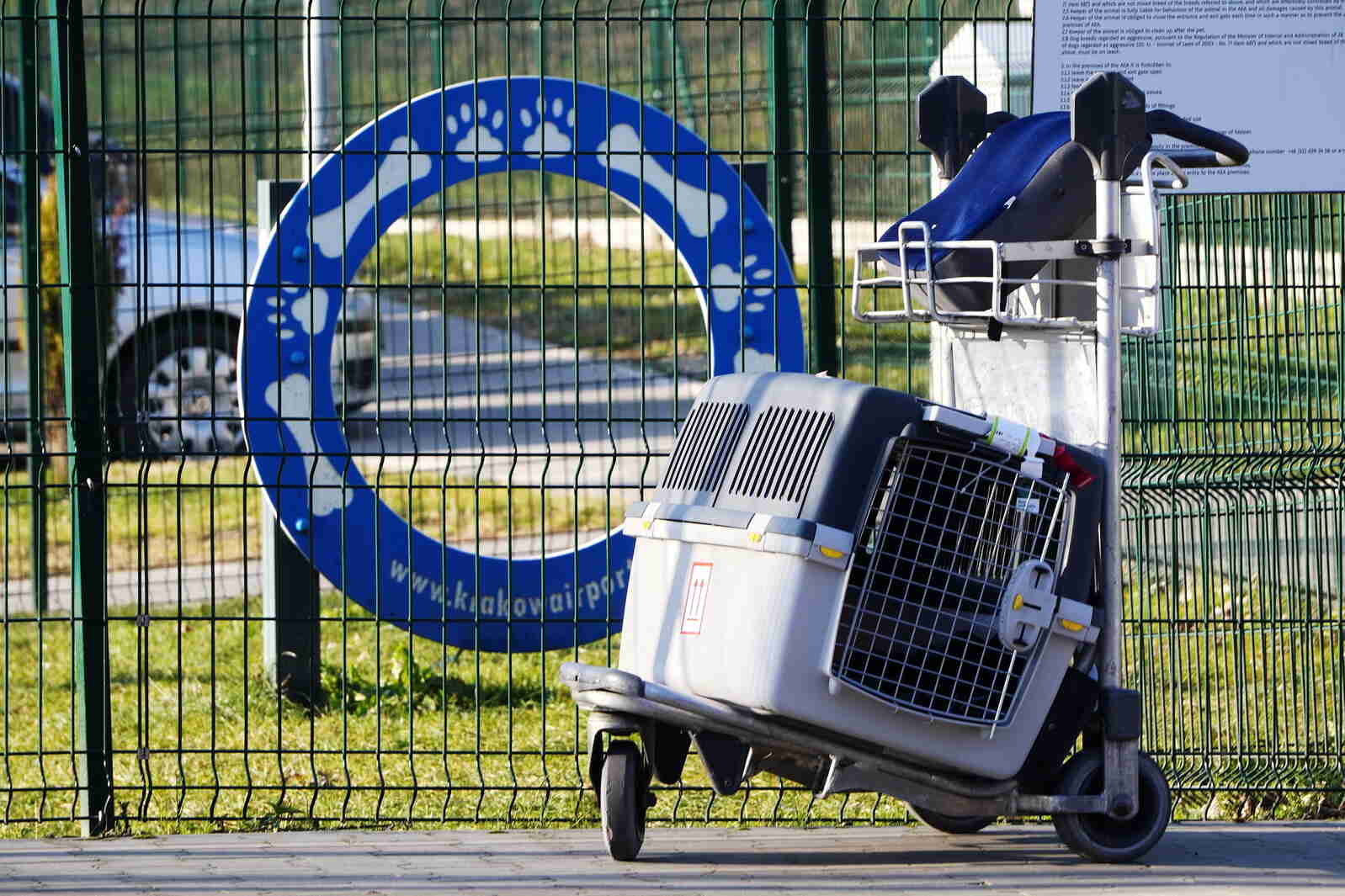
    Dog-in-front-of-a-plane-1

    We know you’re well researched because you’re here learning how to be the best pet owner possible. If you prep in advance, you’ll know how to move your family (including the fur-babies) overseas without a hitch.

    There are many components which will affect your timing. Perfect timing and a solid game plan with your vet is really the key to all of this running without any hang-ups that could delay you or your pup.

    Some tips if you’re thinking about or planning to move your fur-baby across the pond with you are:

    • Check with your vet if your species of animal is allowed in the UK. Yes, some won’t be. Check the list to be safer rather than sorrier.
    • Start looking for a home a couple to a few months early. You don’t want to be scrambling and it can take time to find the right place in a pet-friendly neighbourhood. We’ll discuss these in the next section.
    • Rabbies must be valid so keep all vaccination forms and certificates in one place.
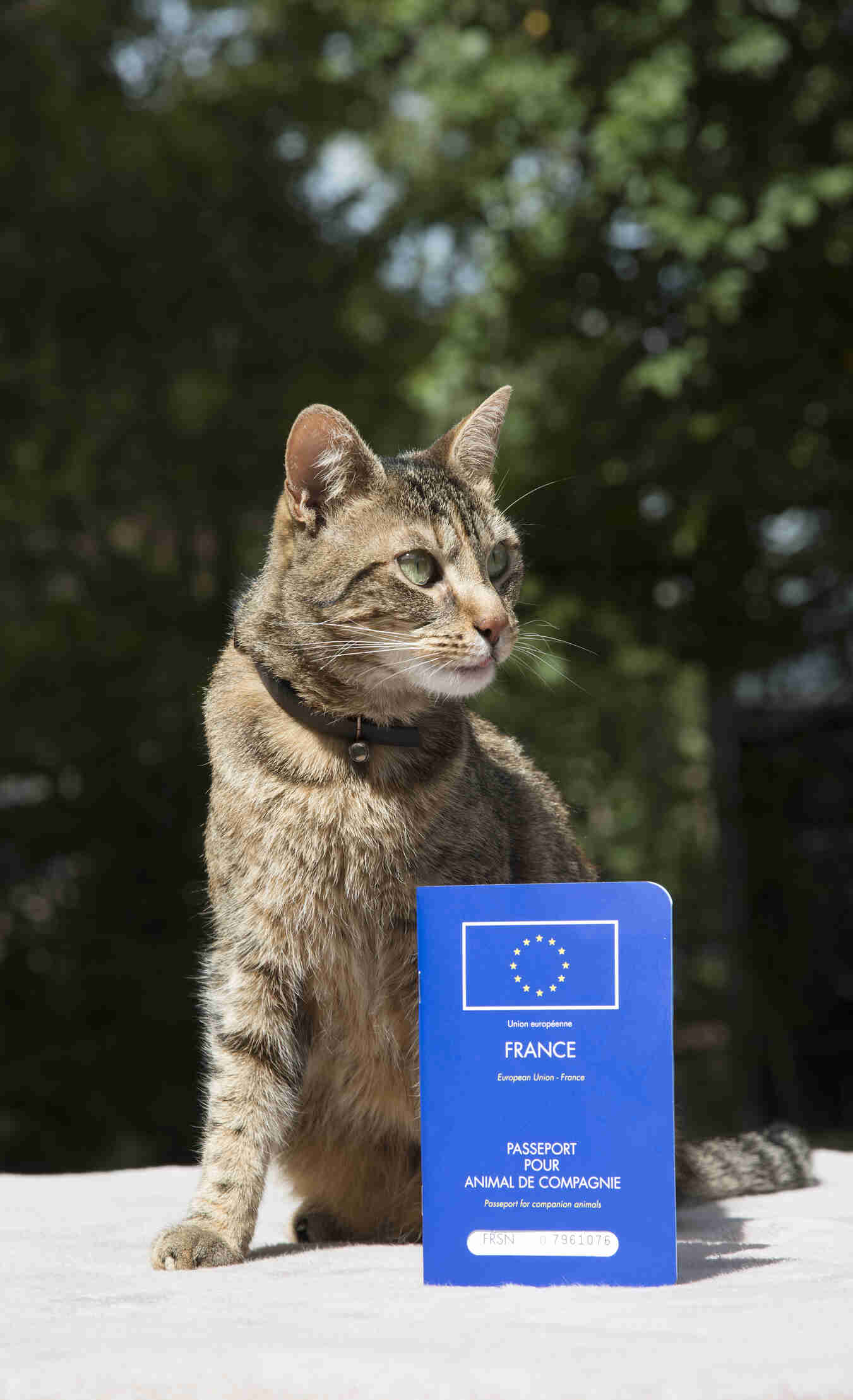
    • If you’re presently living in an EU country, you’ll need to check if you need a pet passport. As adorable as these sound, they do take time to get so start early on this.
    • If you’re not from an EU country, then you’ll need a Third Country Approved Veterinary Certificate. You can find the links for different forms you may need to enter the UK here.
    • Get your pet microchipped before you leave. This works for any breed (feline, pup, ferret). This is sometimes a requirement of different countries anyways but this way if they run off, you can track them at any local vet. They all have the software to search for these chips.
    • Check with your vet for any vaccinations needed to the country and you’ll need about a month afterward before you can actually move them. For UK it is 21 days after vaccination before you can enter the country.
    • You cannot bring more than five pets unless it’s for a training or competition show. You can find the list of further requirements and information here – UK government and EU institutions.
    • You will have a form to fill out which is available in an open document, PDF, or Word format. This is to be filled out through the link above that says  UK government and EU Institutions). The form will be called – Health certificate for pets entering the EU from non-EU countries and some territories.
    • Your pet must enter the EU country up to 10 days from the date in which this certificate is issued and signed by your veterinarian. This certificate can be used for travel between EU countries, which includes the UK for up to four months from it’s issuing date.

    Things You May Love About the UK

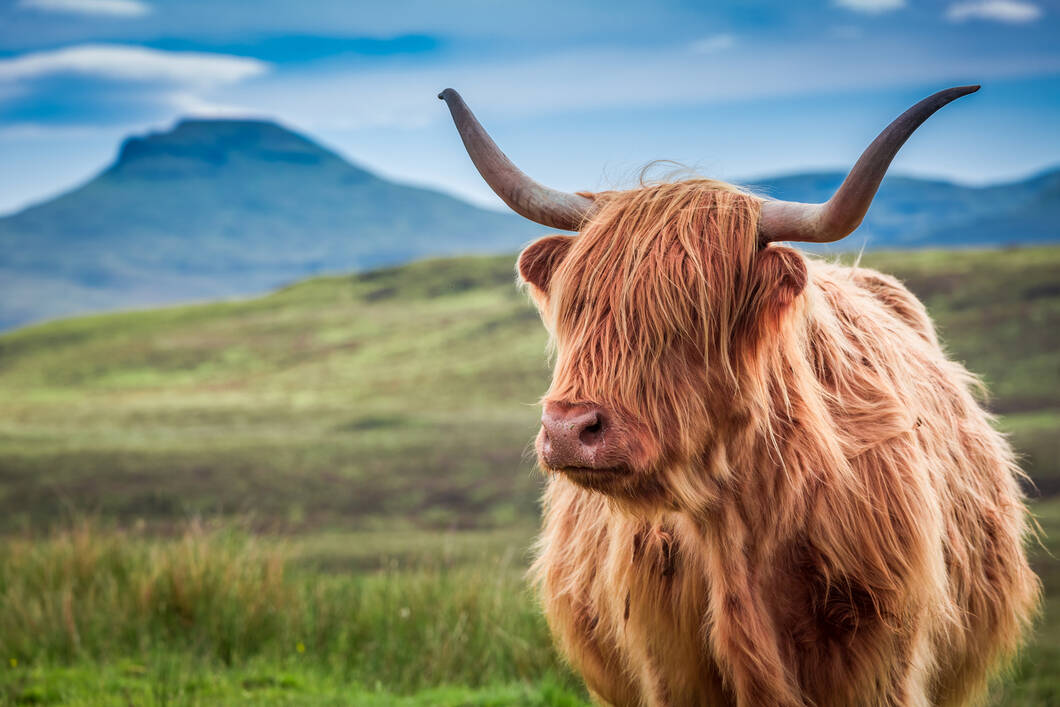
    highland cow in Isle of Skye, Scotland

    This is a country that is easy to love. There are tons of culture, Shakespeare, Guinness, the Scotts, and more! Things that may capture your heart if you’re unsure about the move are:
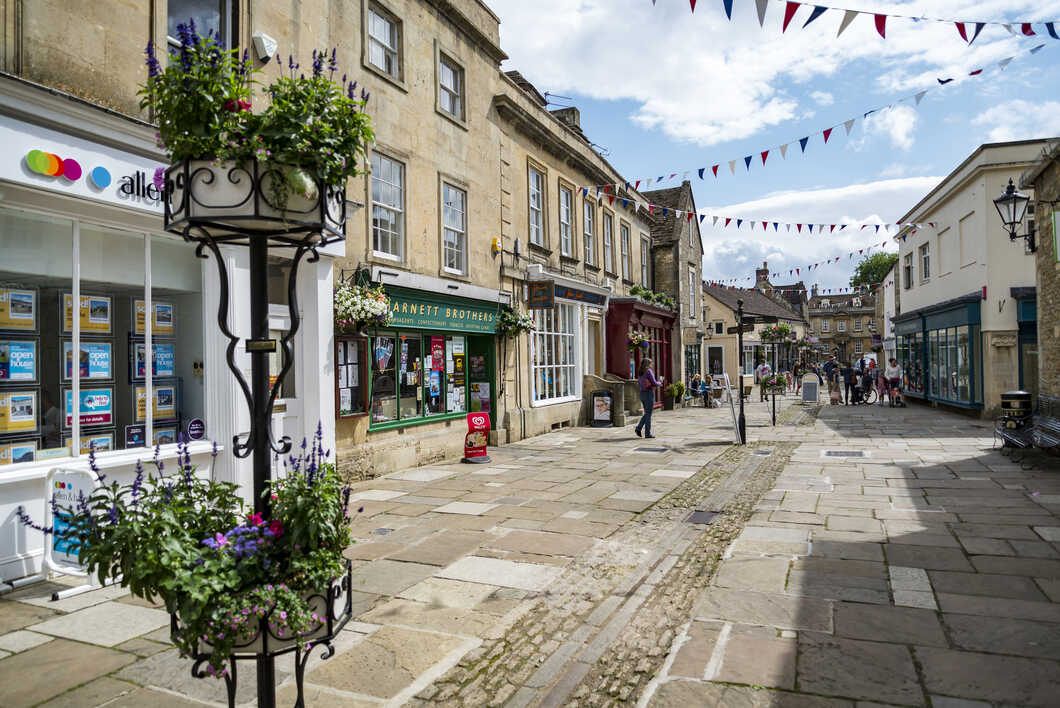
    • The accents – if you love language and speaking the way we used to with care and intention, you will love the Brits and their absolutely marvellous way with words. Big fan, obviously.
    • Healthcare – it’s taken care of because you pay higher taxes, but wouldn’t you pay more to live in a place with beautiful streets and the governments taking care of its people?
    • Education – if you don’t know how much better education is overseas, google it. You’ll be amazed at how it’s even possible for the US to charge so much and take young people for their billion-dollar industry of student loans.
    • You like cold and rainy weather. This is a very personal one and will be up to where you thrive best and what environment you can handle for the long-term.
    • Great public transportation – you can probably sell your car and save thousands every year in expenses. The subway is fun, the buses are cheap, trains are a peaceful time to sit back and watch the countryside, and walking is a way of life here. Your legs will look amazing, your tush will be firm and your wallet will thank you.
    • Great pubs and nightlife. With a whole new appreciation for alcohol, there are fun times on every corner whether you want a bustling club or a quiet hole in the wall.

    If any of these made your heart sing along with rolling hills and beautiful countryside, the UK might be the place for you.

    If You’re Unsure About Moving

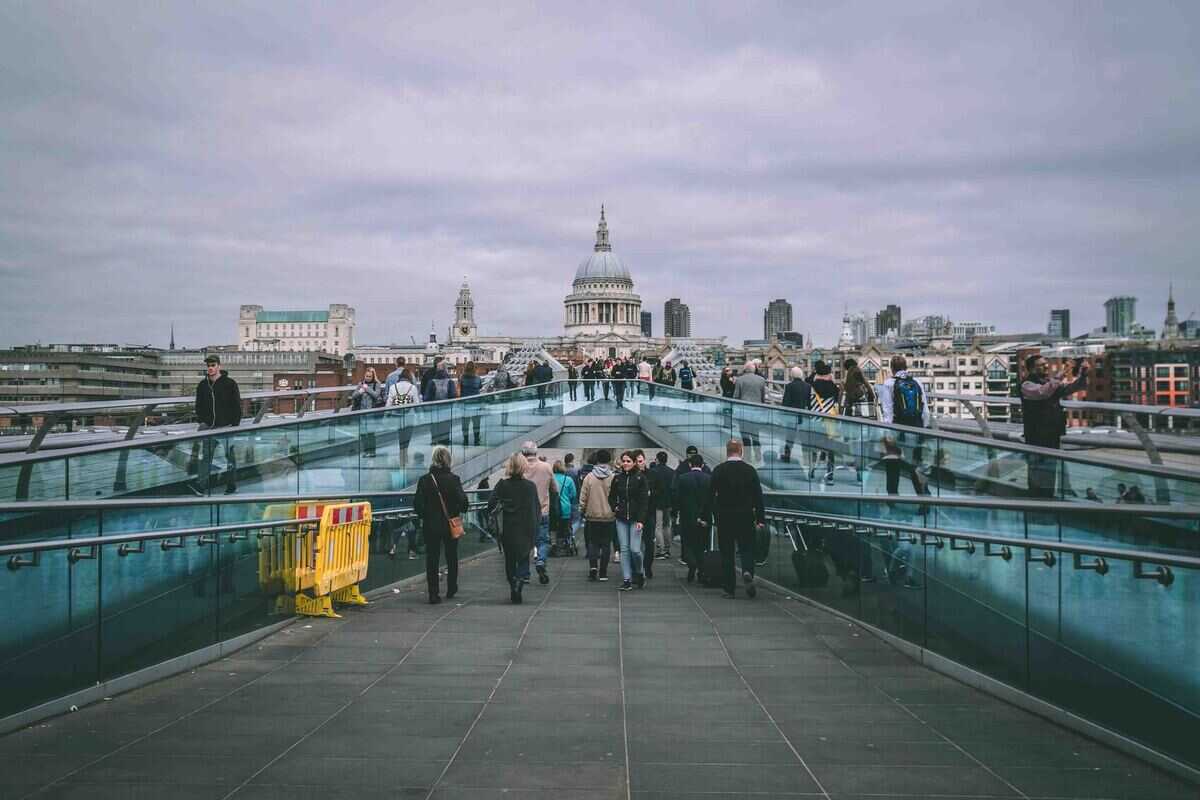
    View-of-the-St-Pauls-City-of-London

    On the fence about your move? Here are some reasons that may help you in deciding. This isn’t to build up a hate list against England, because I absolutely adore England.

    These are only factors to consider before you dive into a long and difficult process like moving your life overseas. You may not be cut out for it and that is more than fine.

    Things to consider are

    • Weather – it is freezing here and as someone that loves the heat, it’s still hard for me to adjust to this.
    • The culture – It’s different. If you love America and BBQ and Tex-Mex, you may not be interested in Shakespeare and libraries. It may be quieter but that may be the perk to some.
    • It’s expensive – far more expensive than in America. The average rent that you will pay in the UK varies depending on where you live. A one-bedroom flat averages at £850 (a bit more than $1000 USD) per month, but if you’re in the city you may be paying $2-3K for a one-bedroom flat. Along with expensive parking costs, higher food prices, etc. It can be a lot to adjust to.
    • They actually consume more alcohol than us. This is proven and they are known to start at a younger age in European countries. If this offends you or you don’t approve of tomfoolery, then you’re no fun. But you probably shouldn’t move to a loud spot in the city. You can consider a quieter rural spot, but the same traditions apply throughout the country.
    • There’s rarely sunshine – this wipes out your vitamin D and can truly be depressing. If you need sunshine and hate Seattle, don’t move to the UK.

    Final Thoughts

    Anytime someone is asking, ‘How difficult is –“it’s difficult to answer because the question is subjective. It’s based on personal opinion and what is difficult for me may not be difficult for you.

    I think the best advice anyone can have when embarking on a new adventure as big as moving continents; you need to be well researched and hire professionals that do this every day.

    Don’t be cheap when it comes to your move because if the process is done incorrectly, you miss a line in your paperwork, or something is done incorrectly – it’ll be your butt being deported back to the US.

    It could also result in your being banned from the country for 10 years. So do it right. Like a good tattoo, it’ll be pretty permanent, so you want it done by a professional.

    Read reviews, and you’ll see some people have a very simple time getting into the country. Many academics with PhDs found the process very easy.

    Good luck with your move and send me a postcard! Bon Voyage!
    More Resources for Moving to the UK

  • 10 Awesome Things To Do On A Staycation In London

    10 Awesome Things To Do On A Staycation In London

    Whether you’re from London or around the UK there’s no reason to look further than London for a staycation. From fun-filled outdoor activities and nightlife, to taking it easy and enjoying the sights, here is a guide to the best staycation activities in the capital.

    A staycation is all about relaxing and making time to do things you enjoy. When staycationing in London, you’ll be spoilt for choice as the city has so much to offer. Whether you’re a culture vulture, a foodie or want to make the most of the outdoors, you won’t run out of things to do on a staycation in London.

    Keep reading for some inspiration for your next London staycation.

    Hunt for Bargains at a Market

    London’s markets have always been an essential part of the city, attracting tourists and locals all year round. There is such a wide variety of markets across the city, from farmers markets to street food, vintage and antiques, fashion and crafts.

    Borough Market

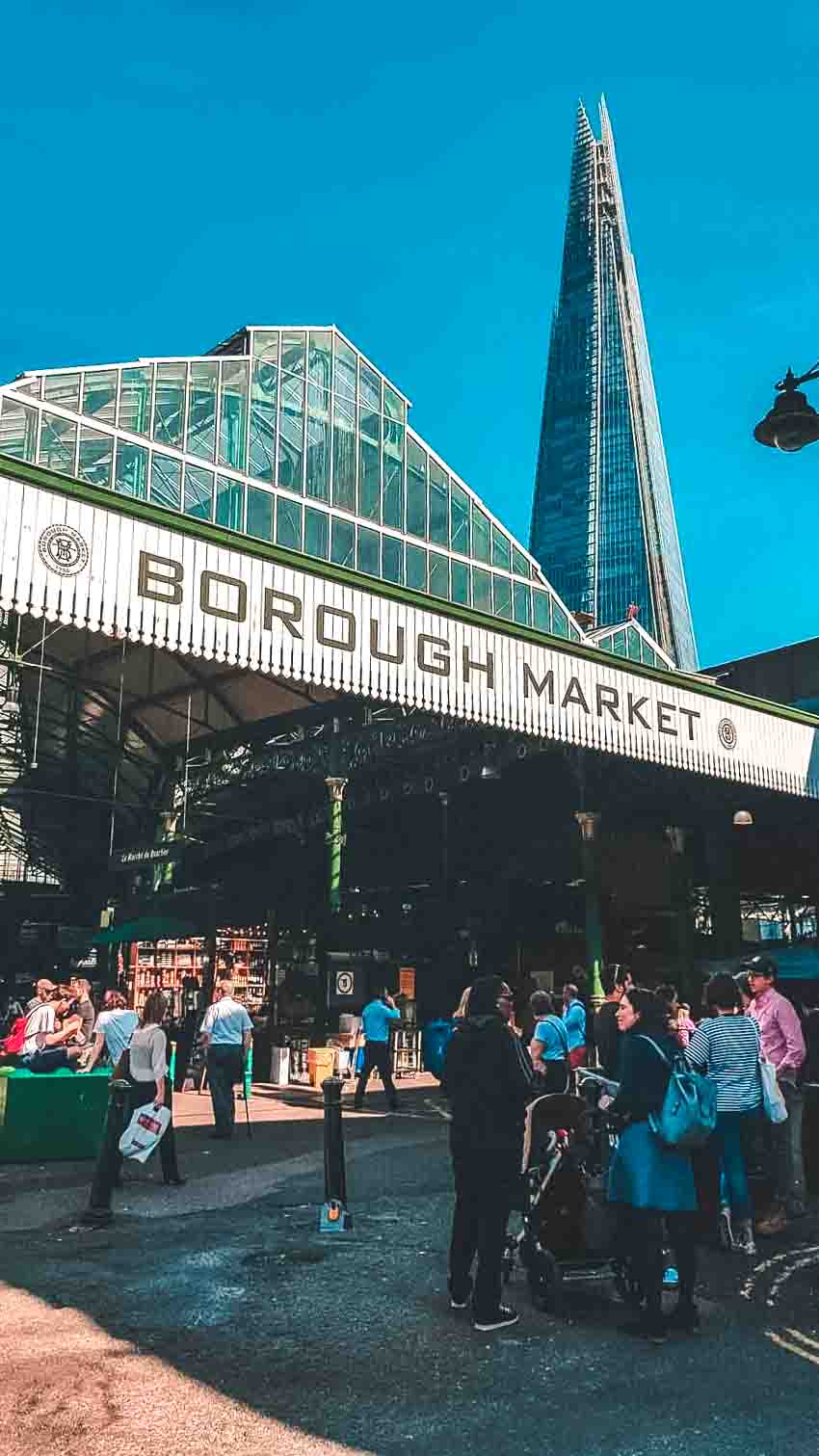
    View of Borough Market with the Shard in the background.

    No list of London markets would be complete without mentioning Borough Market. This iconic food market is one of the oldest and largest in London.

    You’ll find top-quality meats and seafood, fresh fruit and veg, home baked bread, pastries and cakes, oils and vinegars, jams and preserves. There’s a huge range of street food from around the world, as well as a great selection of restaurants.

    I love coming here just people closing time on a Saturday where you can pick up awesome last-minute deals on fruit and veg!
    Alfies Antique Market in Marylebone

    If you’re into antiques, head to Alfies Antique Market in Marylebone. The indoor market is spread over four floors and has around 100 different traders selling a selection of jewellery, clothing, homeware, memorabilia, furniture, artwork and trinkets.

    Once you’ve bagged a bargain, head onto the rooftop cafe for a drink and bite to eat.

    Brixton Village and Market Row

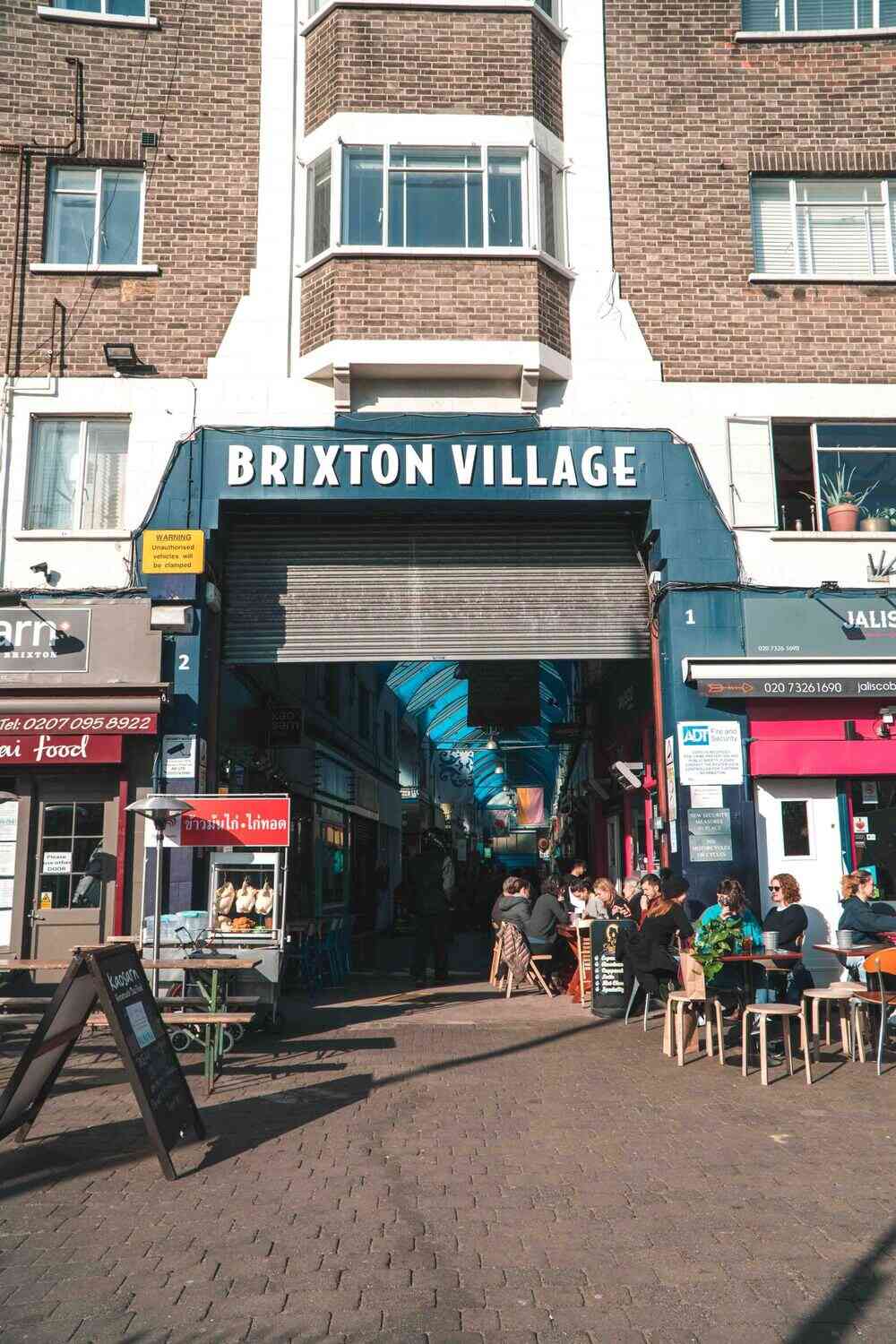
    Brixton Village with people eating outside on a sunny day.

    Brixton Village and Market Row is another great place to shop. Brixton is one of London’s most culturally diverse neighbourhoods, and this is reflected in the different stalls and outlets in these adjacent markets.

    You’ll find fresh food, fresh produce, jewellery, clothing, homeware, arts, antiques and unusual gifts. It’s also a fantastic place to find a wide range of international cooking – Portugese, Mexican, Jamaican, Asian, Afro-Caribbean, Italian and much more.

    I used to live nearby and come all the time for dinner!

    Camden Market

    Camden Market is the place to be! You can find everything you need here, with over 1,000 shops and stalls selling clothes, jewellery, arts and craft, gifts and souvenirs, books, food and furniture.

    Get Pampered at the Spa

    Staycation are perfect for setting some time aside for yourself, what better way of doing this than by treating yourself to a spa day?

    Spa at Four Seasons Hotel

    Enjoy lush green views of Hyde Park while you relax at the Spa at Four Seasons Hotel. Using only the best natural products, the spa offers massages, body treatments, facial treatments, manicures and pedicures and treatments for men. If you can’t quite decide what you want, choose one of the spa packages for a mix of treatments.

    Housed in Park Lane’s Metropolitan Hotel

    Housed in Park Lane’s Metropolitan Hotel, the COMO Shambhala Urban Escape offers specialist therapies and beauty treatments. Choose from various massage therapies, body treatments, acupuncture, facial care and beauty treatments. The spa also offers wellness experiences and fitness classes tailored to your needs. 

    Aman Spa in the Connaught Hotel

    The Aman Spa in the Connaught Hotel in Mayfair offers ultimate relaxation. With an emphasis on holistic wellness of physical, social and mental wellbeing, the spa offers the following four treatments: massage, body polish and wrap, face ritual and the Journey, which encompasses all three treatments. The spa also offers reiki, meditation classes, holistic fitness and beauty treatments. 

    Cowshed Carnaby

    For something a little more wallet-friendly, try Cowshed Carnaby in Soho. Settle down with a herbal tea, pressed juice or wine from the drinks menu, and prepare to be pampered. This country-themed day spa offers bespoke manicures and pedicures, facials and massages. In a hurry? The spa has a range of 30-minute treatments if you’re in need of a quick beauty fix.

    Splash About on the Water

    Have you ever wanted to go swimming but never seem to have the time? A staycation is the perfect chance to head out onto the water for a dip. Swimming is an excellent way to relax and destress, and London has some great ponds and lidos.

    Hampstead Mixed Ponds

    Go-for-a-Swim-in-Hampstead-Heath

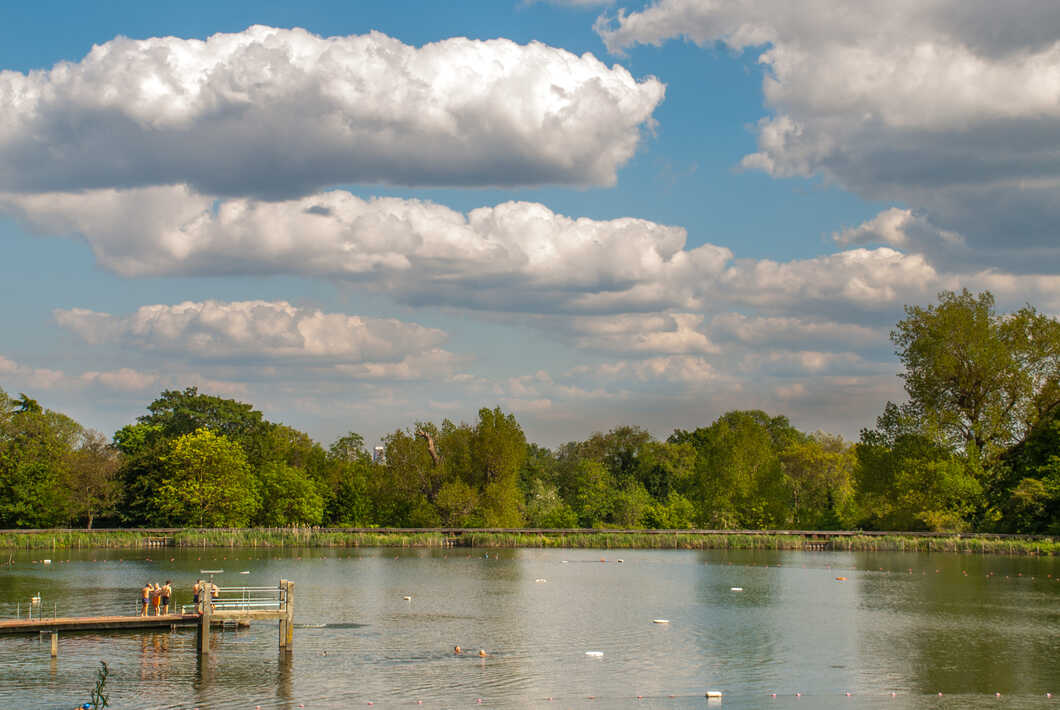
    Hampstead Mixed Ponds is one of three swimming ponds on Hampstead Heath, the other two being the males only and females only ponds. They’re open all year round, but keep in mind that they’re extra busy in the warmer months. There are plenty of grassed areas around the ponds to sunbathe, picnic, or just relax amongst the greenery.

    Parliament Hill Lido

    London has a few outdoor swimming pools as well. Parliament Hill Lido in Hampstead Heath is one of the oldest and most well-known pools in the city.

    The 61m unheated pool is lined with stainless steel which gives the water a magical shiny sheen. Another outdoor pool is the London Fields Lido in Hackney. The 50m heated pool is open all year round, and has a large sundeck and sunbathing area.

    Serpentine lake in Hyde Park

    Stop for Drinks and Food in Hyde Park
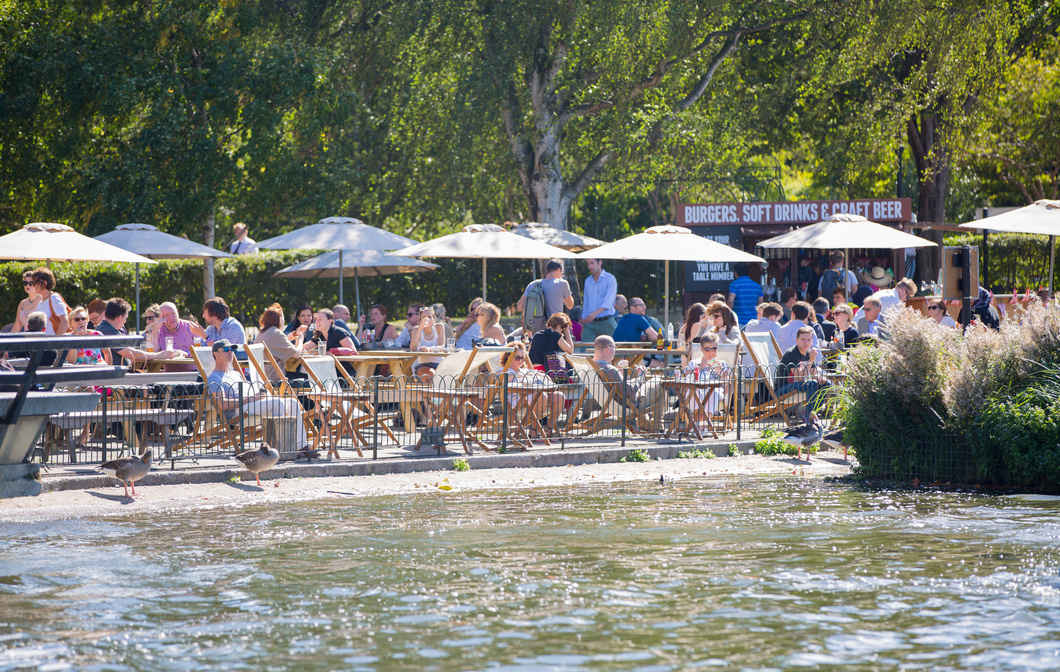
    Stop for Drinks and Food in Hyde Park

    If you don’t fancy a swim but still want to hang out on the water, head down to The Serpentine lake in Hyde Park. Here you can hire rowing and pedal boats which hold up to six people each. The lake also has the UK’s first Solarshuttle, a solar-powered vessel carrying up to 40 people across the lake.

    Enjoy Cocktails with a View at a Rooftop Bar

    While London’s pubs are a favourite, sometimes you need to treat yourself to a cocktail or three at one of London’s rooftop bars. From swanky venues to casual joints, it’s a great way to take in the panoramic skyline while you sip on cocktails and nibble on bar snacks.

    Madison Terrace Bar and Lounge

    Madison Terrace Bar and Lounge offers spectacular views over the city and close ups of St Paul’s Cathedral. The drinks menu includes classic and signature cocktails, spirits and beers. Madison has an excellent tapas menu, with unique additions like truffle fries and spicy buttermilk chicken.

    Jin Bo Law

    Jin Bo Law is a chic bar on the 14th floor of Dorset City Hotel and boasts close up views of the Gherkin, the Shard and Tower Bridge. The bar has a subtle Asian influence which is evident in the decor and drinks menu – find cocktails with flavours like sour yuzu, sake and Chinese cherry apple.

    Culpeper Roof Garden

    For something a little more casual, the Culpeper Roof Garden is a lovely place to hang out, and the veggie and herb garden is a welcome patch of greenery amongst the high rises. The cocktail bar is housed under a glass atrium and serves unique drinks with a botanical twist. There’s also a wood-fired grill serving barbecued meats and sides.

    Big Chill House

    If you’re looking for somewhere with more of a lively, buzzing atmosphere, then Big Chill House in King’s Cross is the place to be. The rooftop bar is decked out with brightly coloured decor and wooden shacks serving locally brewed beer and eclectic cocktails. You’ll also find modern pub grub like halloumi fries, burritos and resident burger joint Chuck Burgers.

    Get a Culture Fix at a Museum

    London is filled with world-class museums and the best part is that most of them are free to enter. Whether you’re interested in art, world history or science, you’re bound to find a museum that’s right up your alley.

    Tate Modern and Tate Britain

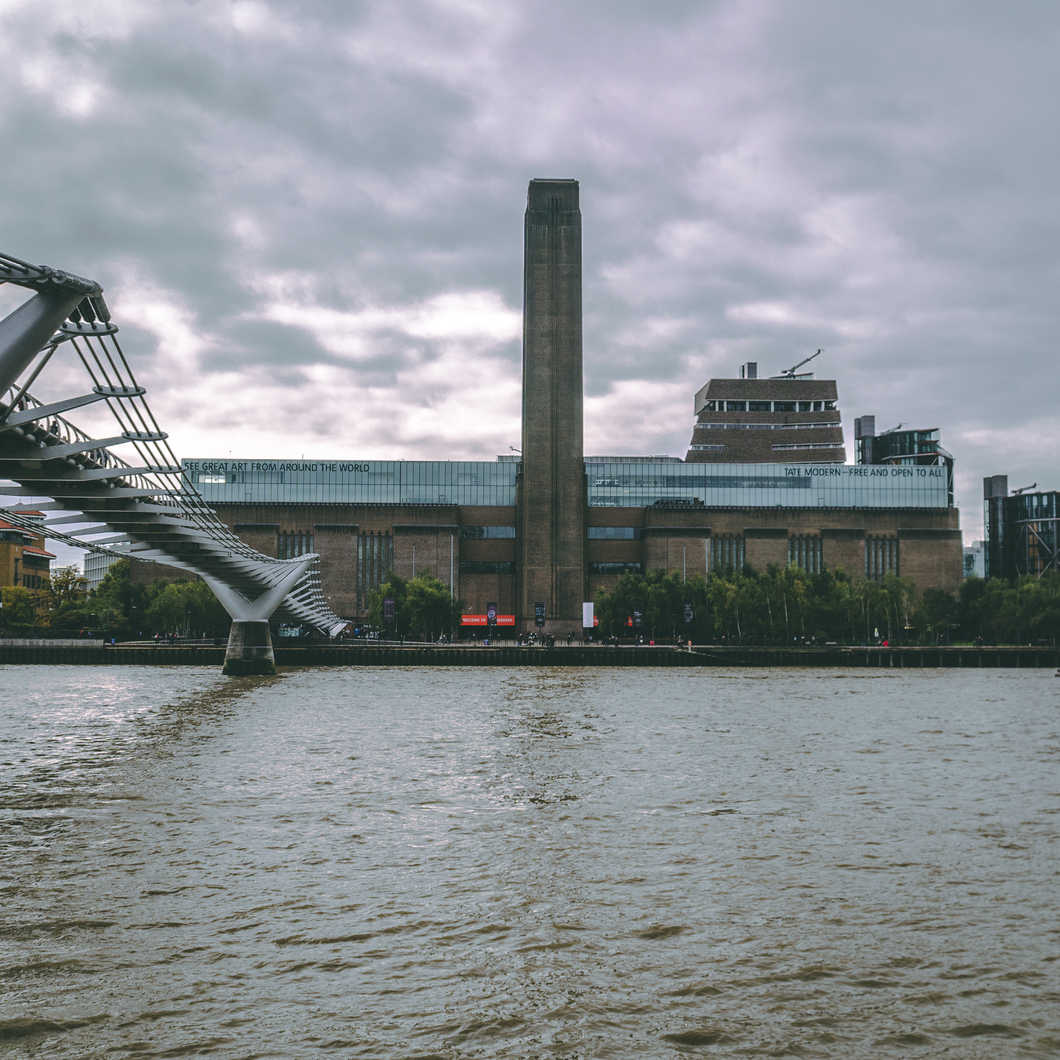
    Cloudy autumn day over the Tate Modern.

    To get up close and personal with famous pieces of work from artists like Matisse, Dali, Picasso, Turner and Warhol, head to the Tate Modern and Tate Britain.

    National Portrait Gallery

    The National Portrait Gallery is an iconic museum that showcases portraits of influential British people. It’s a unique place as it puts emphasis on the person portrayed, rather than the artist.

    Imperial War Museum, the Victoria and Albert Museum and the British Museum

    If you’re interested in world history and learning more about international affairs, then you’ll love a trip to the Imperial War Museum, the Victoria and Albert Museum and the British Museum.

    The British Museum is one of the most renowned museums in London and is home to eight million objects from around the world.

    Sherlock Holmes Museum and the Jack The Ripper Museum

    If you happen to be interested in a specific niche or individual, London doesn’t disappoint – find museums such as the Sherlock Holmes Museum and the Jack The Ripper Museum.

    Horniman Museum and the Sir John Soane’s Museum

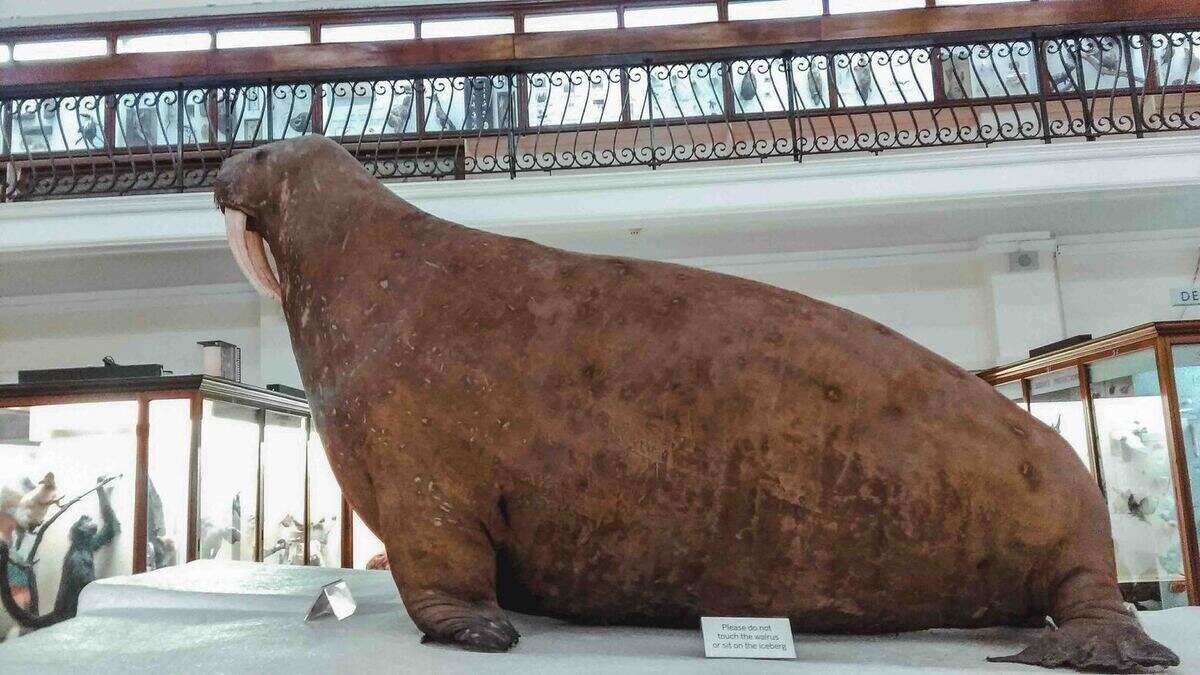
    Overstuffed Walrus at Horniman Museum
    Back when people had no idea what Walrus looked like this taxidermist over stuffed him! So this is what a Walrus would look like if it had no fat rolls.

    There is also a range of museums that were founded by significant members of London society, such as the Horniman Museum and the Sir John Soane’s Museum, which showcase fascinating personal collections.

    During the day, London’s museums and galleries are often overrun with tourists. Many of them have opened their doors to allow after-hours entry so you can enjoy the exhibitions without the crowds. Most venues have free live entertainment including open mic performances, live music, DJ sets, dance performances, workshops and talks, with the addition of drinks and meals. 

    Catch a Theatre Show

    Another unmissable event that should be on your staycation itinerary is a trip to one of London’s esteemed theatres. You’ll be spoilt for choice with an unforgettable night out, from blockbuster musicals at renowned West End theatres, to classic shows at open air theatres.

    National Theatre

    One of the most prominent theatres in the country, the National Theatre is home to three auditoriums and presents up to 25 different shows each year. You’ll find a wide programme of shows including international dramas, up and coming plays, musicals and Shakespeare. The theatre also offers behind the scenes tours where you can discover how these productions are brought to life.

    Barbican Centre

    The Barbican Centre is a performing arts centre and the largest of its kind in Europe. It’s your best bet if you’re unsure what sort of performance you’re in the mood for, or if you want a little bit of everything. Home to the London Symphony Orchestra, the venue hosts classical and contemporary music concerts, theatre performances, film screenings and art exhibitions. It also has a large international programme of shows, talks and festivals.

    Shakespeare’s Globe

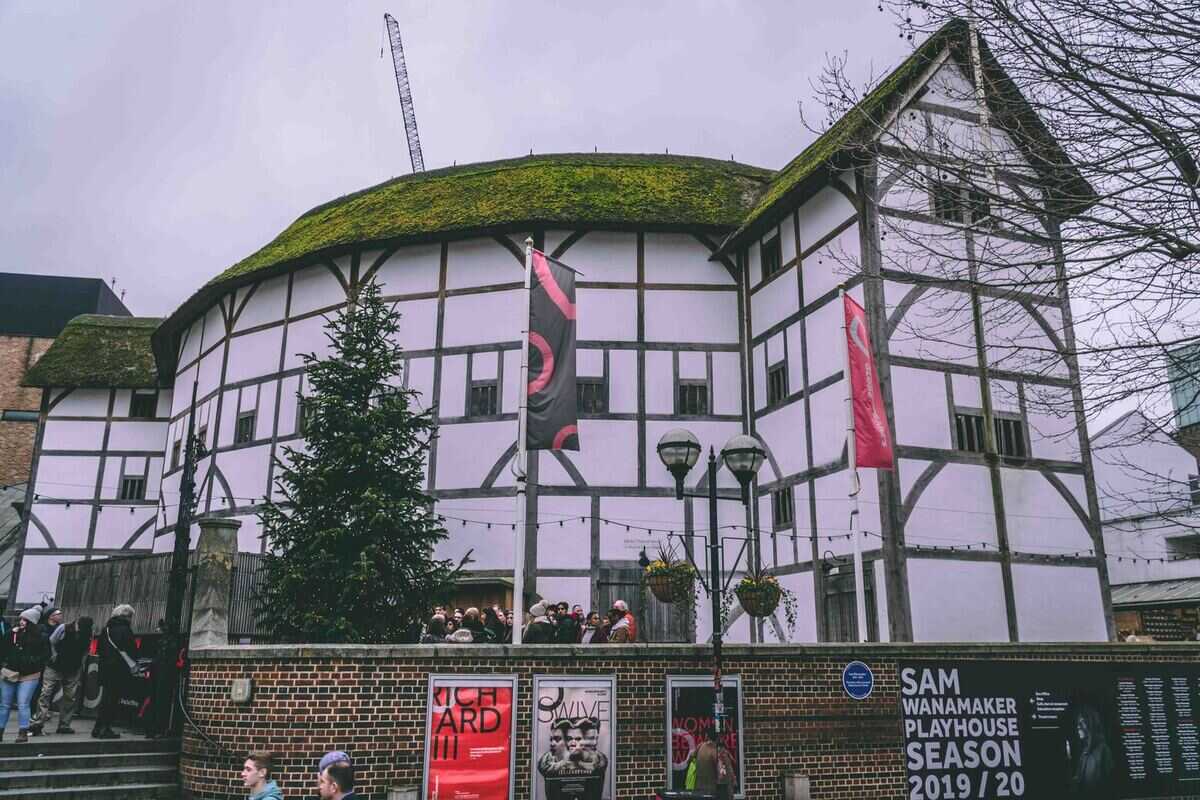
    Shakespeare’s Globe is an extremely realistic reconstruction of the Elizabethan playhouse built close to its original location at Bankside, Southwark. Shows open between April and October and you can catch all of your favourite Shakespeare plays here. For die-hard Shakespeare fans, why not take a guided tour to go behind the scenes and hear stories about the theatre.

    Regent’s Park Open Air Theatre

    Regent’s Park Open Air Theatre is a charming amphitheatre which opens each May. Set in the beautiful leafy surroundings of one of London’s Royal Parks, the theatre is one of the largest in the city, with 1,240 seats. The theatre showcases Shakespeare and classic comedies such as 101 Dalmatians.

    Have a Picnic at a Peaceful Garden

    When the sun comes out, London transforms. The city’s parks and gardens come into life as people flock to find the nearest patch of green. Places like Hyde Park and Hampstead Heath tend to get quite busy, especially during warmer months. If you’re looking for a quieter, less crowded spot, London has plenty of hidden gardens and green spaces to unwind in.

    Hampstead Hill Garden and Pergola

    A stone’s throw away from the busy Hampstead Heath is Hampstead Hill Garden and Pergola, where not many people seem to visit. It was built by Lord Leverhulme in the early twentieth century as a venue for his lavish parties. What remains today are the magical and romantic remains of grand pillars and arches overgrown with vines and flowers.

    Kensington’s Holland Park

    Kyoto Garden is a tranquil Japanese garden in the heart of Kensington’s Holland Park. In the middle of the garden is a charming waterfall that flows into a rock pool full of koi carp. With colourful blossoms, shrubs and quaint water features, you’ll be googling a one way ticket to Japan in no time. Look out for Holland Park’s resident peacocks.

    World Peace Garden

    Not far from Hampstead Heath is the World Peace Garden, which lives up to its name. This serene woodland glade is filled with gentle notes of wind chimes, and is one of the best places in the city to unwind. Within the garden there are three ponds and a charming little wishing well.

    Isabella Plantation

    Although it’s nestled in Richmond Park, the Isabella Plantation is never overrun with crowds. This woodland garden boasts intensely colourful blooms, in particular rhododendrons and azaleas. The flowers line the ponds and streams, a haven for invertebrates and amphibians. You’ll also find an array of rare and unusual plants and shrubs.

    Saint Dunstan in the East Church Garden

    Saint Dunstan in the East Church Garden is a lesser-known spot. The bombed out ruins of this medieval church provide a stunning little oasis in the heart of the city. Trees wind themselves through windows and vines hang gracefully down walls.

    Join a Cooking Class

    While the thought of cooking when you’re on holiday may not seem at all appealing, hear me out on this one – a staycation is the perfect time to start on that recipe you’ve always wanted to try, or brush up on your culinary skills.

    If you’re on staycation with your significant other, it’s also a great way to bond and spend some time together. There are so many different types of cooking classes in London, whether you want to make vegetarian-friendly food or learn recipes from around the world.

    52 Cookery School

    Food at 52 Cookery School is what every cooking school should look like – a long farmhouse table, rustic decor, copper pots and a cosy lounge upstairs.

    The school offers a wide range of classes inspired by cuisine around the world, including Indian, Italian, Mexican, Moroccan, Spanish, Thai and Vietnamese. There are also classes which focus specifically on vegan and vegetarian food, as well as basic kitchen and knife skills.

    School of Wok

    If you’re looking to develop your skills in creating exquisite Asian food, School of Wok covers everything from Japanese cuisine to Thai dishes. Learn how to make Korean bibimbap, sushi, dim sum, bao and classic Chinese takeaway dishes. You can even take classes to develop your wok frying techniques, or join a walking tour through Chinatown.

    Masterclass by Pied A Terre

    Here’s an opportunity you can’t miss – a cooking class at a Michelin starred restaurant. Pied A Terre runs several masterclasses where you’ll be guided by head chef Asimakis Chaniotis, or founder David Moore. Choose from pasta making, butchery, fish preparation, vegan and vegetarian cuisine, dessert making, cocktail classes, and ceviche and tartare making.

    Borough Kitchen Cook School

    If a confidence boost in the kitchen is what you’re looking for, Borough Kitchen Cook School focuses on the science behind cooking techniques to help you become a better and more confident chef.

    The school puts emphasis on transferable skills and techniques rather than specific recipes. Learn to make jams and chutneys, Korean food, Thai food, Middle Eastern food, Chinese dumplings and bao, steaks, fish and seafood. There are also classes on fermentation and pickling, pastry and bread making, gluten-free baking and mindful eating and cooking.

    Take a Day Trip Out of Town

    A staycation is the perfect time to get out and explore life outside London. If you’re looking for a change of scenery, there are tons of villages, coastal towns and countryside spots within a short distance from the capital.

    Canterbury

    Only an hour’s train ride from St Pancras, Canterbury is a small city known for its UNESCO World Heritage Site cathedral. Located on the River Stour, the city has beautiful architecture, charming little streets and lush green spaces. Visit the cathedral, go on a boat tour down the river, or take a walk through the riverside meadows and woodlands. Find Roman treasures at the Canterbury Roman Museum, or catch a show at the Marlowe Theatre.

    Brighton

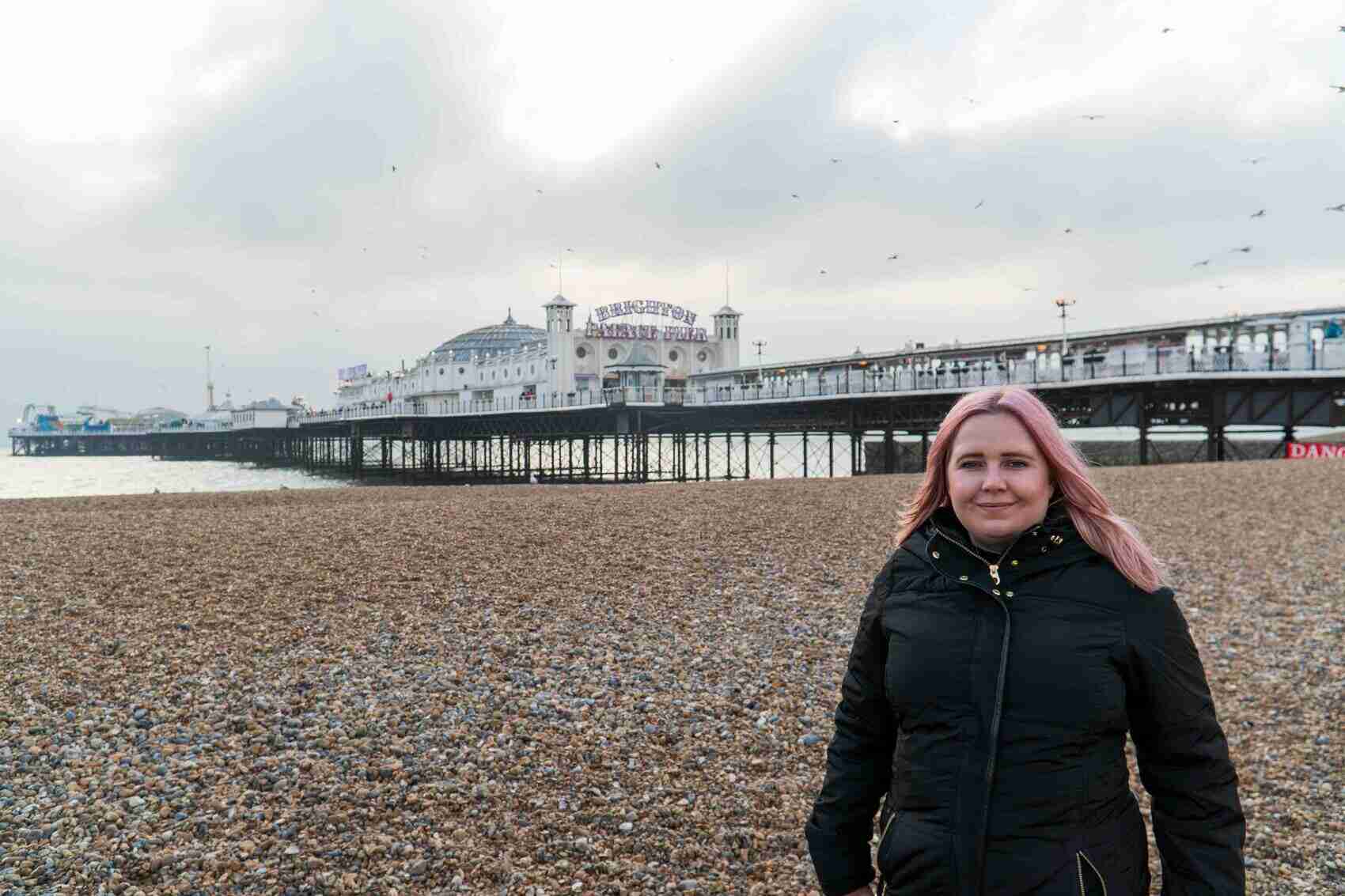
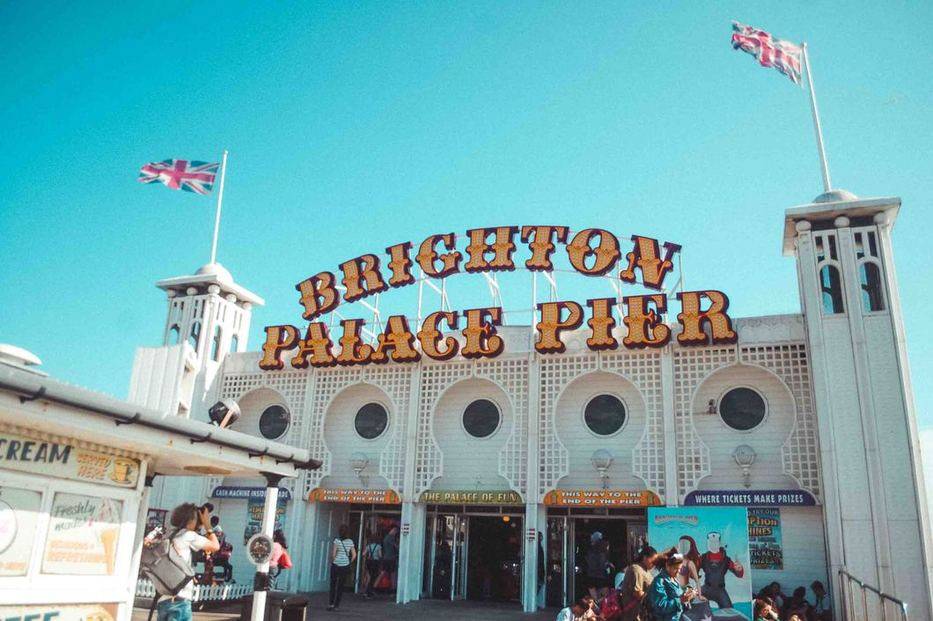
    Kat-at-Brighton-Pier

    Brighton is a seaside resort full of character and personality, and it takes around an hour to get there on the train from London Victoria or London Bridge. Check out the bohemian market streets around The Lanes, full of independent cafes, record shops, vintage stores, bookshops and art spaces.

    Down on the seafront, chill out on the wide stretch of beach. Walk along Brighton Palace Pier and have a go at arcade games and fairground rides. End the day with fish and chips on the sand.

    Surrey Hills

    Surrey Hills is an Area of Outstanding Natural Beauty which stretches over a quarter of the county of Surrey. It takes an hour and half by train to get there from Waterloo or Victoria Station. Surrey Hills has some of England’s most beautiful countryside, with an extensive network of footpaths, byways and bridleways to enjoy. Some of the most picturesque sites are Box Hill, Tillingbourne Waterfall and Leith Hill Tower.

    Rye

    The fairytale town of Rye is a must-visit. Only one hour by train from St Pancras International, Rye is full of cobbled lanes and medieval half-timbered houses. Mermaid Street is one of the most picturesque walkways, and you’ll want to have your camera ready. Rye is close to the sea, so there are plenty of coastal walks you can take. Before you head back to the big smoke, fill up at one of the quaint little tea rooms.

    Cosy up at an Independent Cinema

    If you want to head out after sundown but don’t feel like a rowdy night out in town, why not chill with a film at an independent cinema? London has a ton of indie picture houses showing a wide variety of blockbusters, cult classics and world cinema.

    Electric Cinema

    Electric Cinema is one of London’s leading independent cinemas, and the Portobello venue is one of the oldest working cinemas in the country. There is also a newer branch at White City. With luxury armchairs, cashmere blankets, footstools and side tables, it’s the perfect place to indulge with a glass of red and the latest release.

    Regent Street Cinema

    Regent Street Cinema is often dubbed the birthplace of British cinema, as this is where the Lumiere brothers’ Cinematographe was first shown in 1896. Take a seat in the grand interior and enjoy exclusive premieres, documentaries and animations, as well as the latest 4K films.

    Rooftop Film Club

    If it happens to be a clear night, grab a cosy jumper and head to an outdoor cinema. Rooftop Film Club is one of the most popular events during the summer months, with venues in Shoreditch, Peckham and Stratford. Relax in comfy deck chairs and enjoy cult classic and brand new releases – that’s if you can tear your eyes away from the panoramic city skyline. 

  • 1 Week Trip to England Cost & Money-Saving Tips!

    1 Week Trip to England Cost & Money-Saving Tips!

    It’s no secret that England isn’t the cheapest country to travel to. That being said, it’s easier when you know exactly how much you should budget for a one week trip to England.

    The average person spends £511 a week (£73 a night) on accomodation and £623 spending money per visit to England. An average total of £1,134 per week.

    This takes into consideration budgeting for transport, accommodation, food and leisure. While spending varies depending on the kind of traveller you are, a rough idea of how much things cost in your country of destination can really help you put together a budget.

    Here is a complete guide to how much you should spend for a week in England.

    Transport Costs for Travel in England

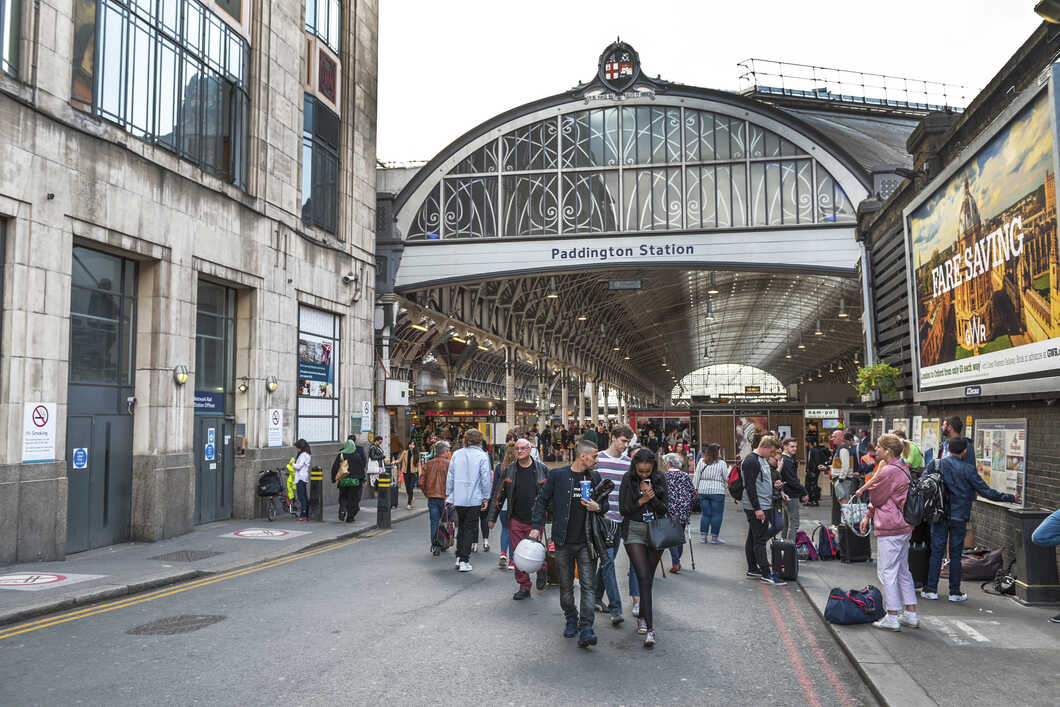
    Paddington Train Station London
    Paddington Train Station

    Price of Public Transport in England

    England has a well-connected public transport system with buses, coaches and trains linking different cities throughout the country. You can even take domestic flights from one city to another, for example from Southampton to Newcastle. Sometimes, flying from one city to another works out even cheaper than catching the train.

    Major cities like Manchester and Birmingham have trams which are pretty affordable. For example, the Birmingham city hop single for an adult is £1.50 and £0.70 for a child.

    Although not all cities in England have trams, buses are available in all cities and towns and cost between £1.50 and £2 for a single, and between £2 and £4 for a return ticket. Buses are also available in rural areas, although you’ll find that they don’t run as often as in busier towns.

    The two main coach companies in England are Megabus and National Express. They have great connections around the country and tickets are really good value.

    For example, a single journey from Liverpool to London booked a week in advance costs approximately £8. Shorter distance journeys, for example a single from Manchester to Leeds, cost about £4.

    Although they do take significantly longer than trains, they’re a good option if you want to save money.

    You’ll often hear Brits complain about trains. While they’re much more expensive than other countries in Europe, they have a wide network that covers the whole country.

    It’s also a much faster way of getting around if you’re on a tight schedule. A single train journey from Liverpool to London booked a week in advance costs between £30 and £60, depending on the time.

    Peak hour trains are much more expensive, costing up to £120! So, it’s a good idea to travel during off-peak times when you can get some good deals.

    Taxis are another option for getting around, although these can be expensive, especially in London. There are the metered taxis which you can hail in the street and minicabs which are advanced bookings only. They cost around £3 to £5 per mile. You’ll find ridesharing apps like Uber available in most towns and cities.

    Looking for inspiration of places to travel in England? Here are 15 places you can travel in England without a car.

    Money Saving Tips for Public Transport in England

    Local buses have the option of day riders and weekly tickets, which work out a lot cheaper than buying several single tickets. Travelling outside of peak times is also a major way to save money.

    Peak hours on coaches and trains are usually around 6am – 9pm, and start again at 4pm – 6pm. Some days of the week are much more expensive, mainly Friday, Saturday and Sunday. If you’re visiting during the holidays, for example Easter and Christmas, ticket prices tend to be a lot higher.

    Another tip is booking tickets in advance. You can save a lot of money this way, although this can be tricky when you’re on holiday and don’t have set plans! For example, the cheapest single from Liverpool to London three weeks in advance can cost as little as £12. A single on the same route, being booked for tomorrow, can cost up to £90.

    Consider getting a railcard if you’re under 26, over 60, travel as a family, travel as a couple, or have a registered disability. Railcards give 1/3 off Anytime, Off-Peak and Advance fares which is perfect if you plan on travelling England by rail!

    If you’re only in England for a week, you may be able to find weekly passes which are good value if you’re planning on frequently taking public transport.

    Transport for London (TfL) has travel cards which are valid for a week and can be used on the Tube, overground and National Rail trains in London, London buses, trams in South London and the Docklands Light Railway.

    Price of Car Rental in England

    Renting a car is a great way to make the most of your time, especially if you’re only in England for a week. It also helps you get around remote places like the Lake District, which is full of hidden spots and charming little villages.

    Prices for renting a car vary massively depending on how long you want it for, but there are many price comparison websites to help you out such as Kayak and Car Rentals. On average hiring a car in England costs £148 per week (£21 per day).

    This is also the quickest way to scan the web for the cheapest price. The only downside to renting a car is high parking costs and fuel if you’re on a budget, and being stuck in traffic jams if you’re on a tight schedule.

    If your itinerary consists of exploring the countryside and rural areas, then renting a car is probably the most efficient way of getting around.

    Money Saving Tips for Car Hire in England

    Book in Advance

    Booking a car in advance can save you hundreds of pounds. When running your searches you will get better deals when renting 7 days over 5 to 6 days. Even if you don’t plan on using it for 7 days check this against the 5 to 6 days prices.

    Fuel

    In terms of fuel, I would recommend checking the terms and conditions carefully. Oftentimes, rental companies will provide a full tank which you pay upfront for, but not provide a refund for any unused fuel.

    Even if the company does give you a refund, there are often processing fees slipped into the contract. The best way to avoid this is to take out a ‘return as you found it’ policy. On most comparison sites you can filter results by fuel policies.

    Milage

    In the T&Cs check the number of miles/km your deal includes. I normally aim for unlimate milage so I don’t need to worry about how much driving I do. However, when I did my great British road trip I did have a milage cap as it reduced the cost for the car. If I went over that I would have been an additional £0.10 per mile I went over.

    Insurance

    When you book a car, basic insurance policies will be included, but you’ll have to pay an excess charge if you need to use them. Sometimes firms will have top-up insurance which gets rid of this excess, and this can be really expensive.

    I wouldn’t recommend using this top-up insurance. Instead, find an excess policy from an independent provider who charges a lot less. How this works is that when you pay the hire company’s excess charge, you can then reclaim the money from the independent provider.

    Check the T&Cs as not all car companies allow third party insurance.

    Driving in England Tips

    • Fill-up at supermarket petrol stations – Asda, Morrisons, Sainsburys, Tesco etc. will all offer cheaper petrol by some margin. If you stop at any of the petrol stations along the motorway you could easily see prices increased by 10 to 20 pence per litre!
    • Potential Tolls – Some routes in England can have tolls but I have found these pretty easy to avoid. Check Google maps before driving and it will highlight toll roads. For example, the M6 has one, however, you can just take the non-toll M6 route to save the money.
    • Download Parking Apps – A lot of parking around the country is paid and I am not sure about you but I never really carry cash any more. Download these apps before hitting the road; Just Park, Pay by Phone and Ring Go. They were by far the most frequent ones I encountered. Another way I have saved money with parking in cities is by booking in advance on Just Park. Weirdly in Bristol, it was cheaper to pay for a week’s worth of parking than two days!

    Accommodation Costs for England Trip

    Accommodation in the Cotswolds England

    Price of Accommodation England

    A large chunk of your holiday budget will be spent on accommodation. Prices vary greatly depending on where you’re staying in the country and the type of accommodation you choose e.g. hostels, apartments, boutique hotels etc.

    The table below illistrates the daily averages for acommodation in England. Like any country the big cities will be more expensive to stay.

    Daily Average
    Estimated Weekly Cost
    Hostel
    £24.57
    £171.96
    Hotel
    £64.75
    £453.25
    Airbnb
    £70.10
    £490.70
    Average cost for accommodation in England.

    Staying in hostels is a fantastic way to save money on your trip. Depending on the location and number of people you share with, you can find rooms starting from £10 per night.

    A typical double occupancy room in a top tier hotel can set you back around £100 to £140 per night. For mid-tier hotels, you can find rooms that cost between £40 and £80 per night.

    These numbers are significantly higher in touristy cities like London. An advantage of staying at a hotel is that most of them offer breakfast included in your room price, so you’ll save money on eating out.

    Another option is Airbnb, and you can get some really good deals on there. It’s also a good way to meet locals and get a feel for the culture of the place. If you’re staying for a whole week in one place, it might be worth looking into renting an apartment, especially if you’re travelling with a large group.

    These can be cheaper than hotels, and you have the option of cooking from home too, which further saves on meals out. For a week’s stay at an apartment in England (not London), you’re looking at around £400 to £900 for a one or two-bedroom apartment. Split between you and others, this would significantly lower your costs compared to staying at a hotel.

    If you want to travel around the UK while also saving money, it’s a good idea to rent a motorhome or a campervan. Your accommodation and transport will be covered, and it also offers you much more flexibility in getting around.

    Bunk Campers is one of the largest campervan and motorhome rental companies in the UK, and is a good place to start. Most rental companies have depots all over the country so they’re easy to pick up and drop off wherever you are.

    Money Saving Tips for Accommodation in England

    Use a comparison site like Booking.com, Tripadvisor and SkyScanner to see reviews and compare different places. If you’re more of a spontaneous person or don’t have set travel plans, it’s worth taking a look at Lastminute.com for some bargain deals.

    Some hotel chains such as Marriott and Hilton have loyalty schemes which you can sign up to and get special offers when you sign up. Similarly, registering with hotels and websites for email alerts can get you some pretty good discount codes.

    Another handy trick to save money on accommodation is the rebook trick. Depending on the hotel, sometimes you can get free cancellation. If you notice the price has dropped, simply cancel your booking and rebook it with the new, lower price.

    Travel or reward credit cards also are a great source of deals, I often see deals on £100 off if I spend £300.

    Food Costs for England trip

    Burger-and-chips-from-one-of-the-stalls-at-Pop-Brixton

    Price of Eating Out in England

    Eating out in England is generally quite affordable. There is such a large range of places you can eat, from street food stalls to chain restaurants, to fine dining.

    Especially in cities, you’ll find plenty of street food stalls and food trucks in markets, shopping centres and around city centres. From wraps and burgers, to sweet treats and desserts, you’ll be spoilt for choice.

    The UK’s rising foodie scene means that there is a lot of international street food as well. Expect to pay around £4 to £8 for a meal from a street food vendor.

    If you’re staying somewhere which has a kitchen, it’s worth making your own meals as you can save a lot of money on dining out. Discount supermarkets like Aldi and Lidl are very affordable, and local markets are great for fresh produce.

    England has such an extensive choice of restaurants that sometimes it can be hard to pick where to eat. The average mid-tier restaurant meal costs between £10 and £20 for one course and a drink.

    If you’re looking to have a traditional Sunday roast, a local pub or carvery is a good option. You’ll find that portions are really generous and you can expect to pay around £7 to £13 for a meal of Yorkshire pudding, boiled or steamed veg, roast potatoes, vegetarian roast, roast beef, turkey or pork and a range of sauces.

    Money Saving Tips for Eating Out in England

    To save some money, eat at an ethnic restaurant. The UK has such a large choice of ethnic cuisine, including Indian, Chinese, Thai, Vietnamese, Arabic and much more. Prices tend to be much lower than at British or European restaurants.

    If you’re out for the day and want to take a packed lunch with you, large supermarkets like Sainsbury’s, Tesco and Morrisons do meal deals where you get a sandwich/wrap/pasta dish, plus a snack and drink for £3. Independent sandwich shops also have a good choice of homemade lunches which tend to be much cheaper than chains like Subway.

    Many sit down restaurants have fixed price menus which are often cheaper than ordering a la carte. These usually consist of two or three course meals, and these can save you a lot if you do fancy eating in a restaurant.

    Fish and chips is a must when visiting England, and luckily enough this is a cheap meal. Look out for a ‘chippie’ near you, where you can order chips with the addition of battered cod, haddock, sausages or a meat pie. Meals usually cost around £4 to £6 each.

    If the place you’re staying at allows you to order in takeaway, then this can be a good money saving trick. Apps like Just Eat and Uber Eats often have promo codes which will help you save money on orders.

    Open Table is a handy website which lets you find restaurants, read reviews and book online. There is a specials section when you filter results, which allows you to find deals that are 50% off, or set your budget for £20 and under.

    Sightseeing Costs for England Trip

    Enjoy-a-summers-day-in-Brighton

    Costs for Sightseeing in England

    England is home to many world-class attractions. If you’re planning on doing a lot of sightseeing, you’ll want to budget enough so that you can tick off everything on your list.

    It comes as no surprise that London is the most expensive city to sightsee. Although there are tons of free attractions, there are also paid attractions which can sometimes put a dent in your wallet. For example, the standard adult ticket for the London Eye costs £27 if booked in advance.

    With my guide on what to book in advance in London, you will be covered on how to get discounts and when you should book!

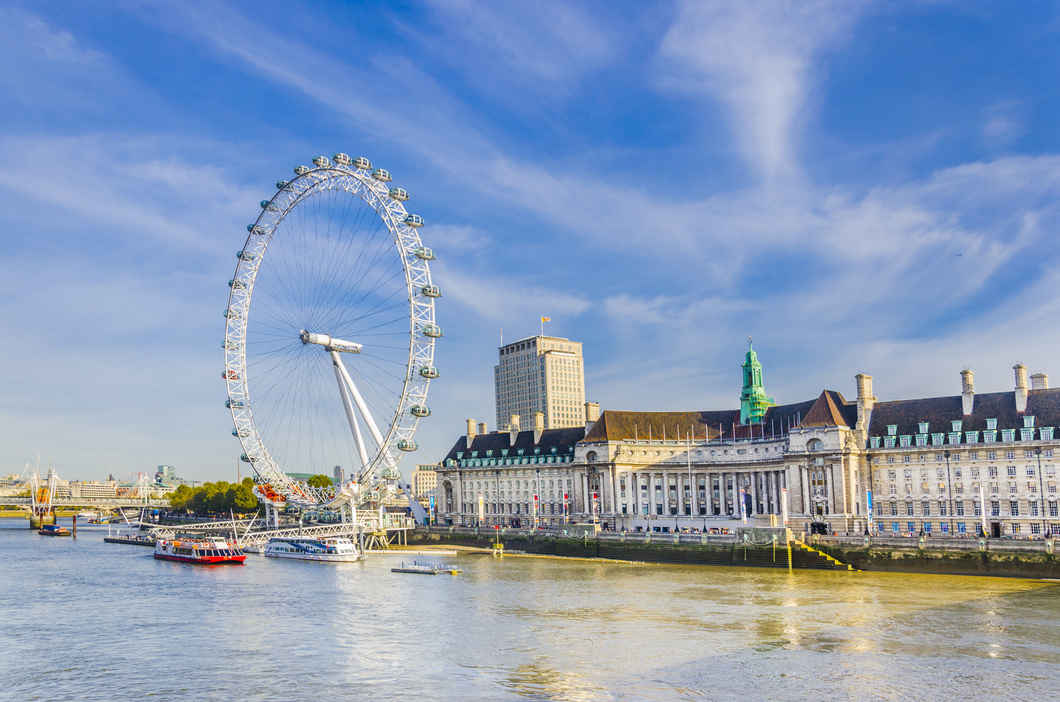
    View of the London Eye from the river Thames.
    View of the London Eye from the river Thames.

    Sports play a prominent role in English society and the country is home to world-class rugby, football, cricket and tennis. The majority of sports stadiums in England are open to visitors, and they also run guided tours where you can see inside the grounds, dressing rooms, press rooms etc. Sports stadium tours usually cost between £15 and £25, depending on the extent of the tour.

    Most cities in England such as Manchester, Liverpool, York and Brighton, have hop on hop off bus tours which are a fun way of taking in the sights if you’re pressed for time. Tickets cost around £11 for an adult, and you can get good offers on family passes.

    Money Saving Tips for Sightseeing in England

    Visit Britain is the official tourism website for Great Britain and there many different sightseeing passes to help you save money exploring the country. If you’re planning on staying in London, there are different kinds of passes which give you access to all the top attractions, theatre scenes and nightlife.

    There are also tons of passes if you want to explore the countryside or other cities in the UK like York, Blackpool and Portsmouth. Depending on the pass, this can cost between £20 and £79. A bonus of using a prepaid pass is that you can jump the queue!

    England is home to an abundance of historic and cultural landmarks. From prehistoric times to Roman conquerors and Norman invaders, the different influences are reflected in the diversity of historical sites. One off entry fees to these places can quickly add up, so the best way of visiting heritage sites is to invest in a heritage pass.

    These passes are offered by the National Trust and English Heritage, and allow you to access hundreds of sites including the iconic Stonehenge and Stourhead. The National Trust Touring Pass costs £33 for one adult for seven days. The ‘admit two’ option much better values and costs £58.

    Meanwhile, the English Heritage Overseas Visitor Pass lasts for a minimum of nine days, and this costs £37.

    If you happen to be visiting in September, you’re in luck – thousands of historic monuments and buildings open their doors to the public for free. Check out Open House London for sights in the capital, and Heritage Open Days for sights around the country. Additionally, September is the very end of tourist season so it’s a much cheaper time to travel in general.

    National museums in England are all free, and you’ll find them dotted all around the country. From the iconic National Gallery in London to the National Football Museum in Manchester, it’s definitely worth putting a visit to a museum on your itinerary.

    England has 10 fantastic national parks and it would be a shame not to get outside and enjoy the rolling countryside, lush woodland and stunning valleys and lakes.

    They’re all free to enter and are suitable for the whole family, with trails for all abilities. There are so many things you can do in the national parks, from walking, hiking, cycling, wildlife watching, orienteering, camping and much more.

    Groupon can be a useful tool if you’re looking to save money off experiences, days out and sightseeing. It’s a service where you can find virtual coupons for anything from food and drink, to shopping and days out. Save up to 50% off experiences like afternoon tea and Thames river cruises.

    Must know tip! Days Out Guide is a great way to save money across the UK! It offers 2 for 1 price for certain attractions across England, Wales and Scotland.

    To be able to use the deal you need to book the vouchers online or visit a rail station for the voucher (it needs to be a physical copy) and have a National Rail ticket for each person. I’ve used 2 for 1 on the Tower of London before which saved my mum and I £15 each on our entry.

    In Summary: How much do you need for a week in England?

    How much you’ll spend on a one week holiday in England varies greatly depending on where you’re staying, how much you’re travelling, what you’re planning to see and where you go for meals.

    However, as an average figure, I would suggest budgeting around £1,000 for the whole week.

    This number can be much lower if you’re a budget traveller, as there are plenty of ways to make your holiday a cheap one – staying at hostels, cooking for yourself or eating at cheap places, visiting free sights etc.

    If you’re travelling as a family or a group then prices can be brought down even further, as kids’ tickets tend to be cheaper and accommodation can be shared.

    More England Travel Inspiration and Tips

  • 6 Perfect Cotswolds Day Trip Itineraries

    6 Perfect Cotswolds Day Trip Itineraries

    Planning on how to spend a day in the Cotswolds can be tough as there are so many great options. With these 6 itineraries, you can explore the Cotswolds as a day trip by car, get to know the South East, South West North East, North West or my first option by train!

    The Cotswolds covers quite a large area in the West of England, so I assume that your plan is to experience the Cotswolds character, history and countryside. 

    1# A Day Trip to the Cotswolds from London by Public Transport

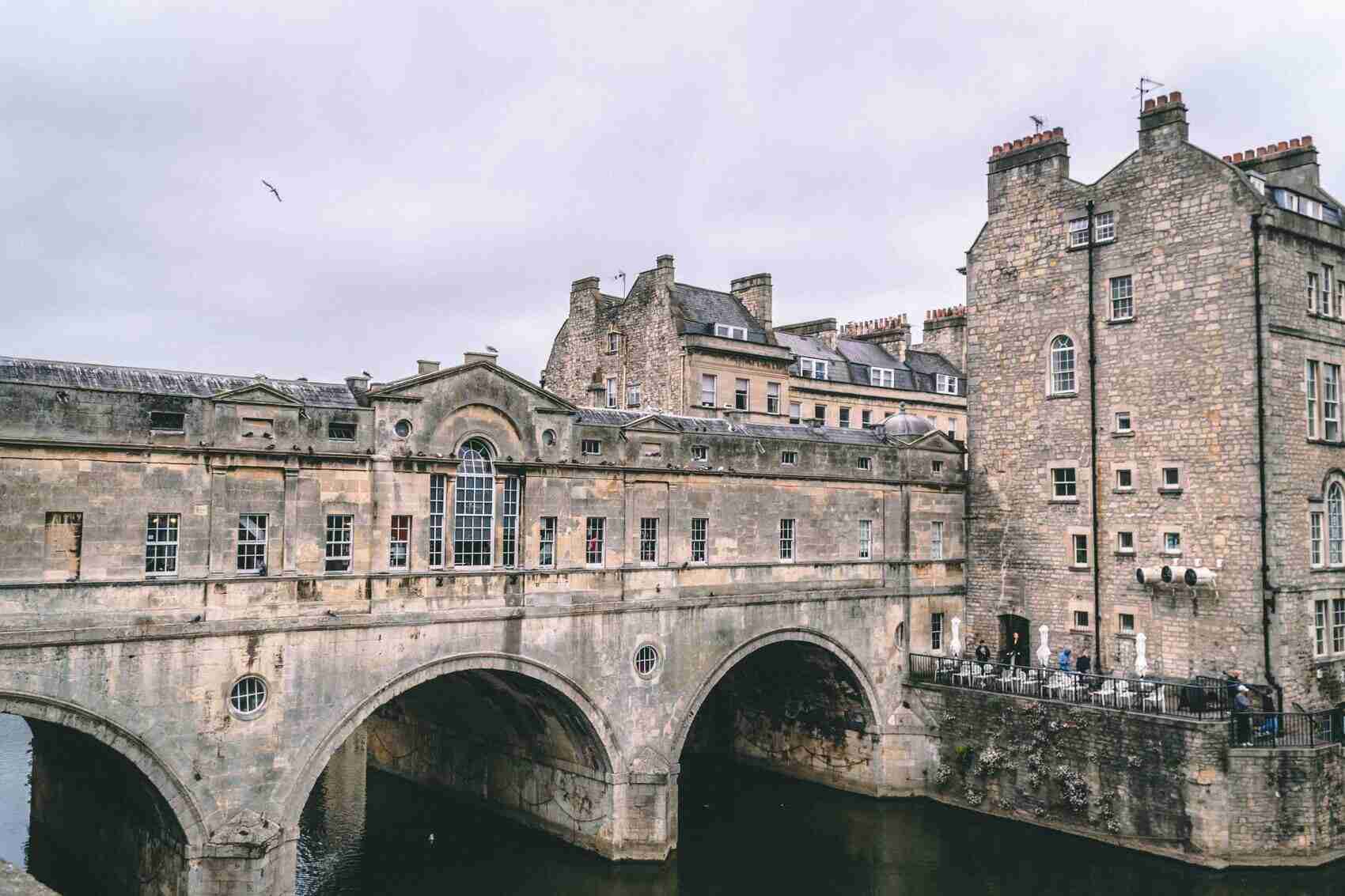
    pulteney-bridge-in-bath
    Pulteney Bridge in Bath

    Oxford or Bath are the best places to start your Cotswold adventure by train. Pick up the Cotswold Discoverer Pass for £10.00 a day which will give you travel around the area on trains and buses.

    Due to local buses and the days they run between Castle Combe and Chippenham, I only suggest this itinerary from Monday to Saturday. There are no local buses that run on Sundays or Bank Holidays. Alternatively, skip Castle Combe and there will be more frequent buses from Bath to Chippenham.

    Bath is the starting point for this itinerary, simply flip the journey around if you’re starting in Oxford.

    Start with breakfast in Bath at The Old Station Cafe and take a stroll along the river through Parade Gardens to see the Robert Adam Palladium Style Pulteney Bridge

    On the way back towards the train station you can divert slightly to admire the Guildhall, Bath Abbey and Roman Baths and maybe browse some of the little boutique shops. 

    If you have more time to explore Bath make sure you visit inside the Roman Baths, Jane Austen Centre or Herschel Museum of Astronomy.

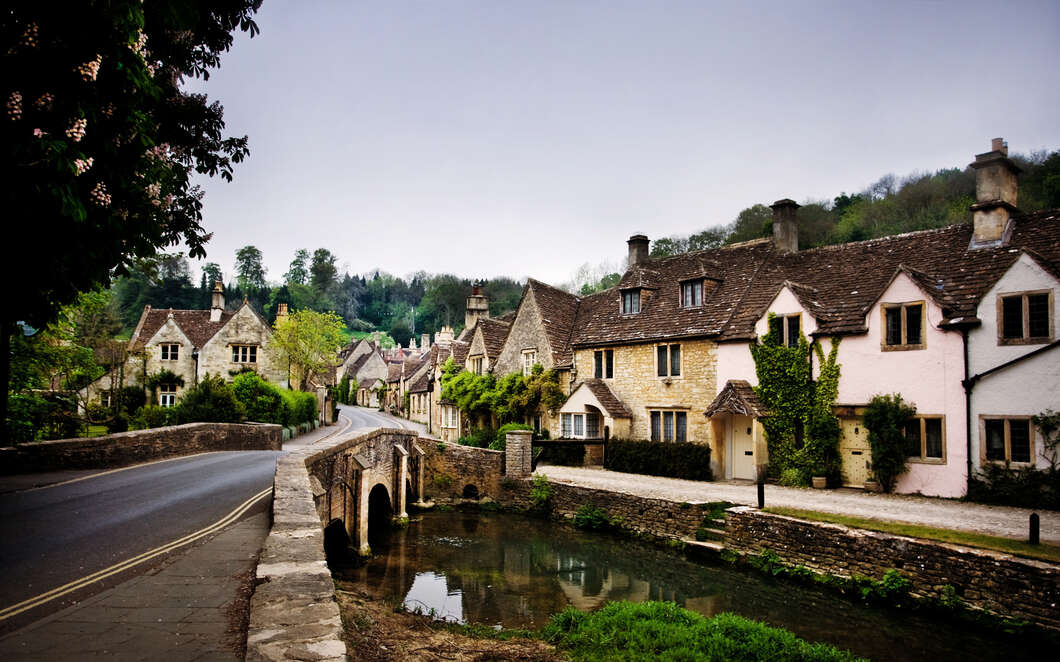
    Castle Combe in the Cotswolds
    Castle Combe in the Cotswolds

    Your onward journey takes you to Castle Combe, one of the prettiest villages in England by bus and from there you can catch another bus to Chippenham

    Depending on how much time you are planning on spending in Castle Combe the number one thing you need to do is wander down the hill from Market Place to the bridge.

    After all, you likely came here to admire the beautiful honey-coloured bricks of the cottages and get the ultimate photos. Once you reach the southern tip of the village this is where you will get that epic shot.

    Once you’re finished in Castle Combe catch bus 35to Chippenham. However, be careful as there is a limited bus that runs a day so you need to make sure you check the latest bus schedule.

    Alternatively, head straight to Chippenham on the X31 runs frequently from Bath.

    Chippenham is becoming a popular destination for day-trippers as it’s easy to get to by train and it’s named one of the best destinations for market towns.

    There is a market every Friday and Saturday, as well the Chippenham Multi Markets on the third Sunday of every month.

    If you don’t end up on a market day then explore the Town Hall, the Chippenham Museum & Heritage Centre, the Yelde Hall and the Butter Cross.

    Once in Chippenham, there is a short walk from the bus station to the train station where you can catch a train to Bristol and on to Cheltenham Spa and across to Oxford in time for dinner. 

    From Oxford once you have had a walk around the ancient streets and alleyways it is time to head home to London just a short train journey away.

    Looking for a longer trip to the Cotswolds without a car? Here are 6 places to stay and how to get around the Cotswolds without a car.

    2# How to Spend a Day in the Cotswolds by Car

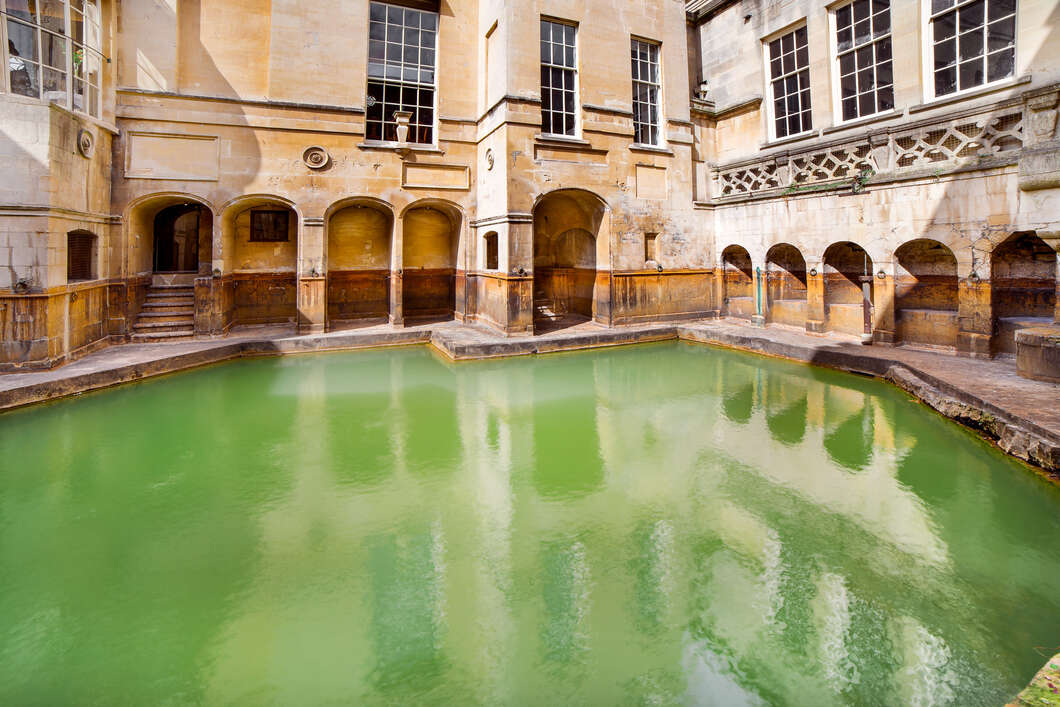
    Ancient Roman Bath at the City of Bath in England
    Ancient Roman Bath at the City of Bath in England

    Going by car has some massive advantages and some equally large disadvantages. The advantages are that you can go exactly where you want when you want, traffic permitting and can visit some places that are not on a bus or train route. The main disadvantages are that you will have to find parking and frequently pay for parking. 

    The trip also starts in Bath and do get there in time for an early breakfast to pack as much sightseeing as possible into the day. 

    From Bath travel to Marshfield via A46 Gloucester Road for some stunning views, and turn off the A420 onto the High Street and then to Market Place where it should be possible to park and have a walk around, walk up Church Lane past the cute cottages to The St Mary the Virgin Church and maybe walk back to the Lord Nelson pub for refreshments. 

    The old side of Marshfield is a beautiful, typical small Cotswolds town and if you continue your journey via Hay Street you will pass the village pond.

    From Marshfield you are going to Castle Combe, one of the prettiest towns in England, but that comes at a price, depending on the time of day and year, it may be very busy, the storm after the calm of Marshfield

    A slow drive through Castle Combe when it is busy with pedestrians may be enough for you or you may decide to park up and have a walk around.

    Either way, from Castle Combe it is an easy drive to Malmesbury where the attractions include the 12th Century Abbey, the pretty Abbey Gardens, Tomb of King Athelstan, the free Athelstan Museum, and see the original Market Cross.

    If traffic allows and you have not spent too much time enjoying any particular place so far, the next stop is Bourton-on-the-Water, a very pretty famous village with a river running next to the main road and pretty little bridges going over to the honey coloured cottages. 

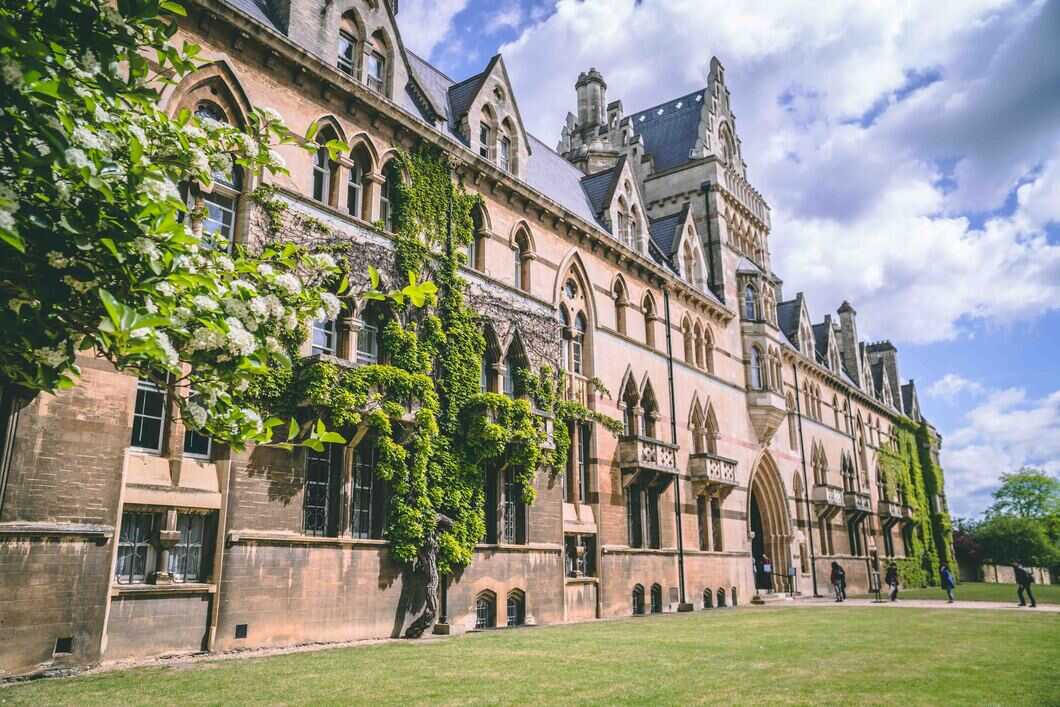
    Christ Church in Oxford England
    Christ Church in Oxford

    From Bourton-on-the-Water, head towards Oxford via Burford, where even if you don’t stop it is worth a drive along the High Street, then continue on the A40 past Witney and onto Oxford in time to enjoy a stroll around the ancient university centre and find where parts of the Harry Potter films were filmed, before heading home.

    Depending on the traffic and the time you start, you may decide to shorten the trip by missing some parts out and in which case, it would work well to leave out Oxford, Burford and Bourton-on-the-Water and plan a separate trip to cover those areas again.

    Staying in the Cotswolds will give more time to exploring the area more fully.  Staying a few days each at different locations will work even better for exploring, especially if you enjoy walking and getting away from the main tourist hotspots.

    Here are some ideas for days out that incorporate some of the main attractions, whilst also exploring away from the crowd and independently travelling in the area.

    This Trips all assume that you are travelling by car, I have explored getting about without a car elsewhere.

    3# South East: Malmesbury, Castle Combe & Corsham

    A full day with lunch stop, approximately 35 miles round trip.

    For this day out, we are assuming that you are staying in or near the medieval market town of Malmesbury and that is where we will start.

    Leaving your accommodation (in Malmesbury) at about 10.00 the obvious first place to visit is Malmesbury itself. There has been a settlement there since the Iron Age and if you are not staying in Malmesbury there is usually parking near the church or follow signs for car parks, parking is free for 2 hours in the Station Road Car Park.

    Things to do and see in Malmesbury

    Malmesbury Abbey, Abbey House Gardens, Tomb of King Athelstan, free Athelstan Museum, original Market Cross, Farmers and Artisan Market on Friday’s, live music at the Kings Arms pub, most Friday evenings.

    From Malmesbury, the next stop is Castle Combe which was featured in the film War Horse and in the television series Agatha Christie’s Poirot.  The village is famous as one of the prettiest towns or villages in England.  It is very pretty and the locals work to keep it lovely with hanging baskets and many offer flowers and cakes for sale outside their houses.  The little hump back bridge is a definite photo stop. 

    Next suggestion is just 1.6 miles away; Yatton Keynall for lunch at the 17th Century Bell Inn (booking advised 01249 782216) and a short walk before you leave to visit the 13th Century Church and look at some of the sweet cottages.

    Corsham Court and Corsham are next and you may recognise Corsham as it starred as a Cornish town in the Poldark television series.  Well known for its stunning architecture and wandering Peacocks, Corsham has been built largely from Bath Stone that is quarried nearby. ‘Corsham has no match in Wiltshire wealth of good houses and there are a few of really high merit.’ (Pevsner N, Sir, Buildings of England).  Corsham is said to have one of the best preserved high streets in England. 

    The Saxon royal manor house Corsham Court is certainly an example of ‘a good house’ and has a good collection of paintings and gardens and park land designed by Capability Brown.  The house and gardens are open to the public from 2pm – 5.30 in the summer and until 4.30 during the winter months.

    Other Things to Do and See in Corsham

    Street in the market town of Corsham England
    Street in the market town of Corsham.

    Once you have had a look around Corsham Court, next door is St Bartholomew’s Church and other interesting architecture is The Almshouses and School House nearby and the Flemish Weavers Cottages.  The shops along the High Street and Pickwick Road are a mixture of mostly independent and include vintage, antique and craft shops.  Corsham is a Fairtrade town.

    If you are staying in Malmesbury it is now time to work back to your accommodation.  Unless, of course you are moving on somewhere else….

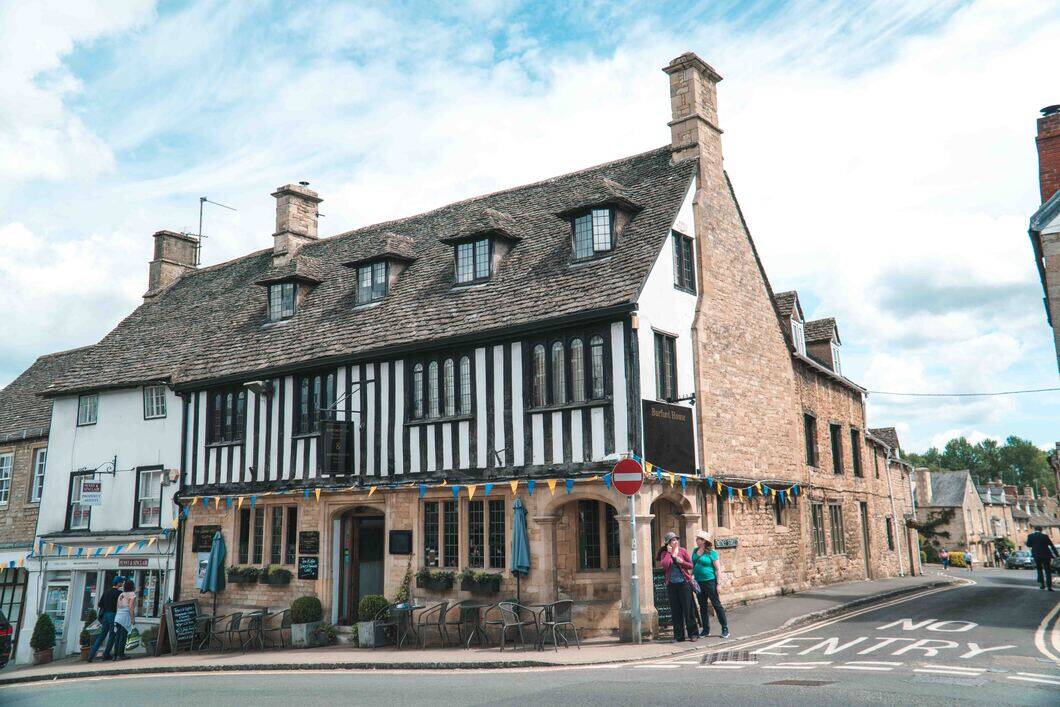
    4# North East: Burford, Bibury & Bourton-on-the-Water

    Burford in the Cotswolds
    The cute town of Burford.

    A full day out with lunch stop approximately 47 miles round trip.

    For the North East Area we will start the tour in Burford High Street and if you have stayed in Burford, chances are you have already strolled up and down the street and admired the variety of architecture and marvelled at the little alleyways and pretty little twittens.  So, in the car and off to the first location:

    Our first stop on this day out is Bibury, Beautiful Bibury is a haven of peace and quiet and tranquillity. Just park up and stroll around, enjoy the architecture, the tickling water, the beauty and peace.

    On to the Chedworth Roman Villa and Chedworth Village.  The Villa is the oldest house looked after by the National Trust and the history is literally coming out of the ground there, with mosaics, an ancient octagonal pool with a questionable history, a fascinating place to visit.

    It may well be worth forward planning and bringing a picnic with you, as the Villa grounds are a great place for a picnic, or there is a cafe on site.

    Our next location is the famous, tourist destination Bourton-on-the-Water, a pretty Cotswolds town, worthy of its status as a must visit destination and known as the Venice of the Cotswolds

    Things to Do and See in Bourton-on-the-Water

    As well as the pretty main street with its lovely Windrush River running through there are some attractions you may like to visit whilst at Bourton-on-the-Water and the first is the model village; a lovely model of Bourton-on-the-Water to explore and is a good place to start. 

    The Cotswold Brewing Company is based at Bourton-on-the-Water and is open to the public at weekends and sometimes on weekdays. 

    Especially, if you have been to look around the Brewery, it will now be time to return to your accommodation in Burford.  If you still have time to kill, there are some lovely villages on the way back that you could select to explore.

    5# North West: Gloucester, Tewkesbury & Morton-in-Marsh

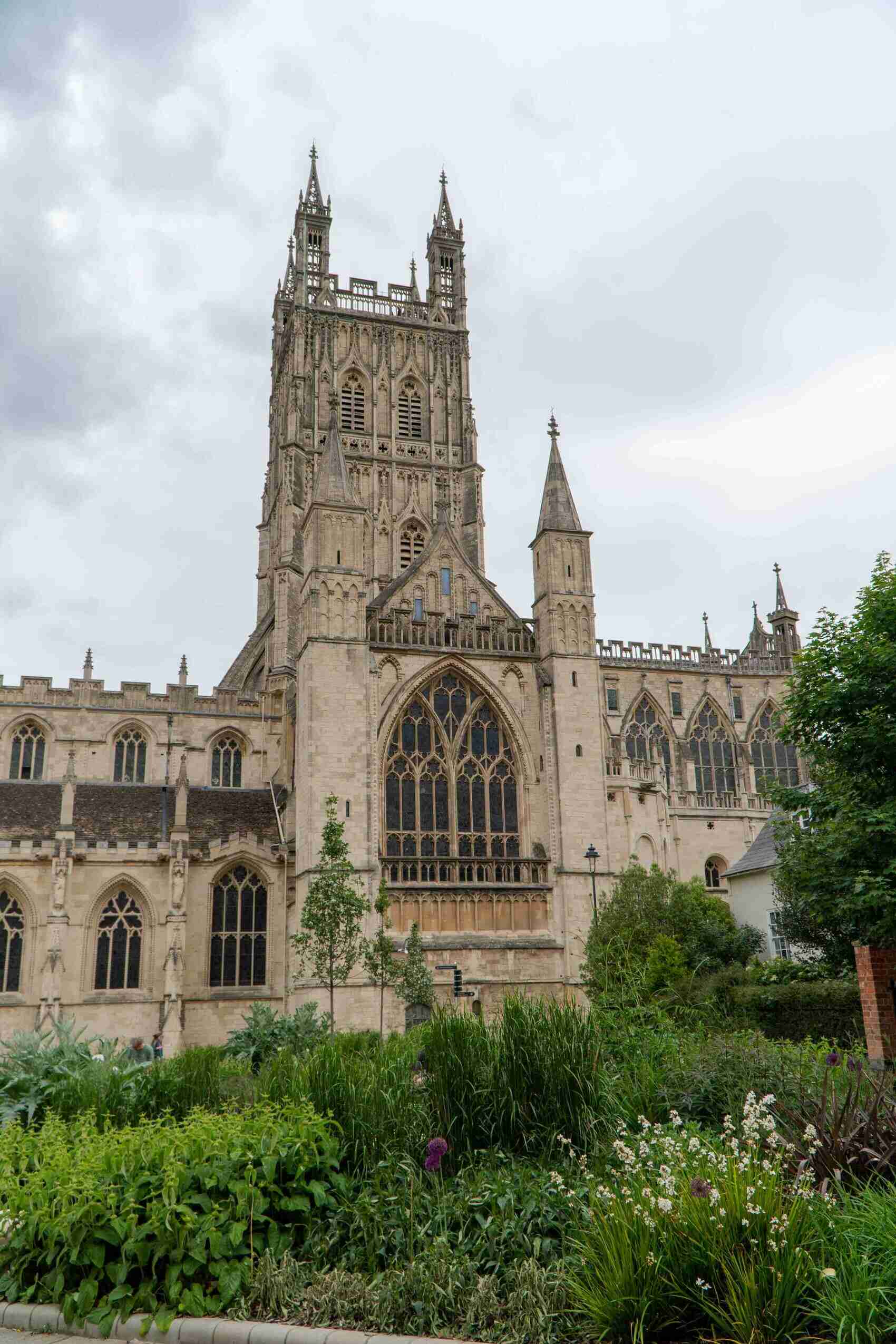
    Historical-cathedral-city-Gloucester
    Historical Cathedral in the city of Gloucester

    A full day, approximately 75 miles round trip

    Let’s start our North West day out at the Blackfriars Priory in Gloucester. 

    Blackfriars is a Medieval Dominican Priory and is open to the public on Sunday and Monday, so Monday is a good day for this tour.  If you need to cover this tour on a different day, then it is worth viewing from the outside.

    If you are staying in Gloucester then you will explore the museums, cathedral and television and film hotspots on another day as it is easy to spend a few days in Gloucester exploring all that it has to offer.

    First stop on the tour is the historical town of Tewkesbury that was in the news in February 2020 due to its location where rivers meet, called a confluence.  The River Severn and the River Avon meet at Tewkesbury as well as minor tributaries to those rivers Swilgate and Carrant Brook.

    Tewkesbury is famous for its beauty and history and has over 350 listed buildings.

    Things to do and see in Tewkesbury

    The Old Baptist Chapel and Court, Tewkesbury Town Museum, the John Moore Museum, Tewkesbury Abbey, Heritage Centre, Heritage and Alleyways Trail, nature reserve and much, much more. It would be easy to spend a whole day just in Tewkesbury.

    From Tewkesbury, if it is on to Hailes Abbey Ruins, a fascinating English Heritage site.  On the way there go via Winchcome an ancient town that has evidence of a settlement since 3000 BC and keep an eye out for the interesting houses and cottages among the new build homes.

    Hailes Abbey has a museum, a shop and the large ruins site.  It is possible to get an audio tour to enhance the experience.  The Abbey is a great place for a picnic lunch.

    For the rest of the afternoon you have the choice of Morton-in-Marsh or Stow-on-the Wold, both lovely and both at road junctions on the A429.  Time permitting a visit to Moreton-in-Marsh can be followed by a drive through Stow-on-the-Wold on the way back to Gloucester.

    Either way head back to Gloucester via the A436.

    6# South Western: Berkeley, Dursley & Cotswold Way

    View-of-the-Dursley-in-the-Cotswolds-Gloucestershire
    View of Dursley in the Cotswolds

    The south western part of the Cotswolds is all about great walks and great scenery.

    The day starts in a car park! Purton Car Park, Severn Way, Berkeley GL13 9HP by the Gloucester and Sharpness Canal. 

    Today’s tour starts with a walk along the canal, which is frequently described as a stunning place for a walk. Once you’ve had a gentle stroll along the canal path, it’s off to Dursley for some history.

    Dursley is a typical, pretty Cotswolds market town, steeped in history; with evidence in the area of settlements back to the Neolithic period. 

    Dursley is also on the Cotswolds Way and offers many great walks.  This makes it an ideal base for a walking holiday.  This day out in the Cotswolds is all about ditching the car and walking.  There are lots of walks to choose from and many of them can be found on this website here.

    So, choose your own from the list or follow this short walk guide that allows you to enjoy a 40 minute walk at the canal, some time and lunch in Dursley before heading out for a comfortable afternoon walk of either 3 ½ miles or 3 miles for the shorter route missing out the steep but pretty hill climb from Dursley.

    This walk starts at May Lane Car Park which is adjacent to the Cotswold Way.  Turn left out of the car park and follow signs for the Cotswolds Way, the first part of the walk is through pretty woodland and takes you up to the golf course, where you will come out at the car park.

    If you prefer, you can drive to Stinchcombe Hill Car Park that is beyond the golf course car park and walk from there, this takes out the most strenuous part of the walk and it is also possible to cut back to this point part way round.

    Once you cross the car park the Cotswolds Way splits into two directions, ignore the lane and go straight across the golf course, the way can be identified by a mown strip and continue to the next fingerpost and this time, ignore the straight on route and take the route to the right that is identified by the Korean Friendship trail sign. 

    You will soon see glimpses of the view that has brought you here.  Follow the signs through the trees, where there is a bench that you may like to take a short rest at.  Continue on for half a mile and you will come to a shelter hut on the Cotswolds Way. 

    Continue to follow the signs and cross a track that leads to Stinchcombe Hil House. At this point you could take a short cut back to the car park, by taking the track to the right or continue on to complete the walk.

    Continue to follow the signs for the Cotswold Way and you will arrive back at where you emerged at the Golf Course and return to Dursley through the woods.

    This is a short circular walk that is on the Cotswold Way, taking you around Stinchcombe Hill and takes in some of the best scenery of the Cotswolds Way walks.

    So, there you are a day trip suggestion from London by public transport or by car and four independent transport suggested tours. 

    These, of course, all just take in a small part of the area and other trips could easily be planned. 

    For example, if you are staying in Gloucester or Tewkesbury then a short day could easily be spent at Tewkesbury in which case that suggested day out could start at Winchcombe, go to Hailes Abbey Ruins and onto Moreton-in-Marsh and Stow-on-the-Wold before returning to your accommodation.

  • 27 Awesome Non-Touristy Things To Do In London

    27 Awesome Non-Touristy Things To Do In London

    There is a good reason most people flock to the iconic London tourist attractions, they are certainly worth seeing. But for the more adventurous, less touristy folks, there are even more treasures.

    Here are 27 non-touristy things to do in London that will take you off the beaten path into the hotspots only the locals know. From street art in the south-east to the incredible microbreweries and local markets, these places are the reason so many of us truly love London.

    1# Find Epic Views of London 

    View from One New Change of St Pauls

    In my opinion nothing beats a good skyline view of a city and watching it from above. With iconic shaped buildings such as the Walkie Talkie, Cheese Grater, Gherkin and Heron Tower what better way to see the city than panoramic views across the city. My top picks are: 

    One New Change

    If you want a perfect view of St Paul’s head to the roof of One New Change Building. Depending on the time you visit there may be security guards near the elevators. The bar at the top is quite fancy so there will be dress code restrictions so if you plan on visiting the bar check beforehand. Otherwise, just let them know that you are visiting the balcony and you will be let up (it’s a free balcony after all). 

    The Shard 

    Ok, so the Shard is a touristy place, but you can make it less touristy by skipping the viewing deck and instead go to the Oblix Bar. It’s free to go up there and a lovely place to grab a drink whilst soaking up the views.

    Bussey Building or Franks in Peckham

    Peckham is an area in London, just in zone 2. It’s outside the tourist area and has lots of great bars to visit. Two that host skyline views of London is Bussey Building and Franks. 

    Skylight Tobacco Dock 

    Skylight is in Wapping which is nice and central. During the summer you can play croquet and petanque and in the winter they have rooftop ice rink, ice hockey slap shot and cosy igloos and mountain huts. 

    2# Search for Street Art in Penge East 

    Kat standing in front of Penge Street Art

    Penge East has the biggest collection of street art outside of places like Shoreditch. It was a Community Project in Penge and Anerley (SE20) called the SprayExhibition20 and hosts over 120 artworks in the area. The best time to explore the pieces is on a Sunday as some of them are located on shop roller doors, however there are plenty in the area to see on other days. 

    For more information read this. 

    P.s If you like good craft beer, look out for Southey Brewery which is located near the Gorilla piece on Southey Street. 

    3# Crossness Pumping Station

    Crossness Pumping Station 146

    I never thought I would be recommending a former sewage pumping station, but the Crossness Pumping Station is a beautiful piece of architecture. It was designed by the Metropolitan Board of Works’s chief engineer Sir Joseph Bazalgette and architect Charles Henry Driver and finally given the green light to go ahead in 1858. 

    In 1958 the pumping station was decommissioned and left for 26 year before Crossness the Preservation group began making moves to restore the 1865 buildings and engines. ​

    The staff at the pumping station are so passionate about repairing and preserving this piece of history. If you get a chance to chat with one of the staff members walking around.  

    4# See the Dinosaurs in Crystal Palace Park

    Kat standing in front of Crystal Palace Dinosaurs

    Crystal Palace park has the world’s first attempt at making full scale replicas of Dinosaurs. They were commissioned to be built in 1853 and completed in 1855, making them a fantastic piece of history. 

    The dinosaurs are wildly inaccurate so don’t take them too seriously. The signs around the park will illustrate what modern-day scientists now believe them to look like. 

    5# Alternative Food Markets 

    Maltby Street Markets
    Maltby Street Markets

    Borough and Brick Lane markets are always on the list of things to do in London but there are some great alternatives to the usual. My favourites include:

    Whitecross Market

    I was introduced to Whitecross Markets by some co-workers of mine and have loved going ever since! It’s open Monday to Friday and is a hot spot for workers in the area to grab food. Depending on the weather I will either sit in The Two Brewers which allow you to bring your food in as long as you buy a drink or Fortune Street Park on a sunny day. 

    Leather Lane Market 

    Another great Monday to Friday market lined with food markets and accessory shops. I generally end up getting falafel or Pho whenever I visit here. 

    Mercato Metropolitano 

    Mercato is another great marketplace style of the venue offering lots of food and drinks options plus they have a cinema. Open every day of the week but does get super popular during the evenings. It does have an indoor and outdoor area so perfect for all types of weather. 

    Maltby Street Market

    The market is centred on a central alley known as the Ropewalk parade of street food stalls and restaurants. If you’re on the Bermondsey Beer Mile this is the perfect place to grab food to soak up the alcohol. The classic favourite is the Cheese truck. 

    6# Mayfield Lavender Fields

    Kat at Mayfields Lavender Farm

    Who says you must go to France for lavender fields? Located in Banstead (just 15 miles outside of London) is Mayfield Lavender Fields. 

    This is a season activity as the farm only welcomes visitors during the Summer months (usually early June to mid-September). It does have a small entry cost of £1 and make sure you have some spending money to buy some of their lavender essential oils, soaps and syrup made from the organic lavender grown here. 

    The café sells lavender infused products such as tea, cakes and much more. 

    7# Enjoy Craft Beer on The Bermondsey Beer Mile

    Bianca-Road-on-the-Bermondsey-Beer-Mile

    Located in southeast London is a stretch of elevated train tracks where a bunch of brewers decided to cleverly locate their microbreweries under the railway arches. Luckily for us, the public, the breweries open their doors to the public on the weekend!

    Unlike a lot of breweries which are generally a shopfront, the breweries on the Bermondsey Beer Mile is actually where the magic happens. During the week they are busily brewing beer in their archways and on the weekend convert the workshop into a taproom.

    If you want to know more about the Bermondsey Beer Mile I have a whole guide walking you through where to go and a handy map! 

    8# Discover London’s Secret Bars

    Mayor of Scaredycat Town Shoreditch

    Turn your next night out into a little adventure by heading to one of London’s secret bars. 

    Mayor of Scaredycat Town (Shoreditch)

    Head to The Breakfast Club on Artillery Lane and announce “I’m here to see the Mayor”. You’ll then step into the Smeg fridge into a quirky, candlelit speakeasy with a great selection of cocktails. 

    King of Ladies Man (Clapham Junction)

    The Breakfast Club’s venue in Clapham Junction also has a secret bar. Go through a laundry room at the back of the venue, and step inside the 70s themed decor bar serving disco inspired cocktails.

    Evans & Peel Detective Agency (Earls Court)

    Before you can even enter the bar, you need to make a booking to ‘discuss a case’. Once you’ve made a booking, enter the dim office where a detective will lead you through a hidden door behind a bookcase. Fill up on light dishes, wines and cocktails.

    9# Enjoy a Drink at One of London’s Quirky Bars

    Black and white photo of Kat at Cahoots

    Why opt for an average, run of the mill bar when London is filled with quirky and unique venues? Here are some of the best ones in town. 

    Cahoots (Soho)

    This is a 1940s themed bar set inside an abandoned train station. Serving up cocktails, tasty nibbles and live entertainment, Cahoots is a fab place to step back in time and enjoy a night out 1940s London!

    Drink Shop Do (Kings Cross)

    During the day, this cafe serves hot drinks, light lunches and delicious homemade cakes. But come nightfall, the venue transforms into a merry spot for dancing and drinking. It’s a great place to get creative too, and there is an events schedule filled with arts and crafts workshops. 

    10# Explore the Non-Touristy Pubs in London

    If you don’t fancy rubbing shoulders with tourists in bars, head to a locals only pub. Dotted around London, here are some of the best ones. 

    Wigmore 

    Not far from Oxford Circus and Regent Street, the Wigmore is a modern pub with stylish, retro-inspired decor. With a carefully curated drinks list and quintessential British pub food, the Wigmore brings you elevated pub dining.

    Old Fountain 

    Situated on Old Street, the Old Fountain is a lovely pub with a vast beer selection, rotating choice of cask ales and classic pub food and contemporary dishes. You can even enjoy your meals on the stylish roof terrace up top. 

    Lamb and Flag 

    The Lamb and Flag in Covent Garden is definitely one of the most interesting pubs in the city. It dates back to the mid 17th century, and there is a plaque outside noting how the poet Dryden was mugged in the alley next door. You’ll find traditional pub food and a constantly changing range of lagers, ales and ciders. 

    Viaduct Tavern 

    In Holborn, the Viaduct Tavern is a beautiful pub with an interior of marbles, mirrors and paintings. The most notable feature of the pub is the basement, thought to contain cells from Newgate Prison or Giltspur Street Compter. The Viaduct Tavern has the usual range of beers, an impressive variety of gin and traditional pub food.

    Cask Pub & Kitchen

    At Cask in Pimlico, you’ll find world-class beers, spirits and wines alongside simple, home cooked food. Visit on a Sunday afternoon between 16.30 and 19.30 and you’ll be treated to live music from bluegrass and traditional Irish musicians.  

    The Marquis of Westminster

    In this welcoming gastropub in Westminster, you’ll find top-end pub classics and crafty drinks. What makes it an elevated version of your local pub is the sleek wood paneling, a refined wine list, and chic cocktails.

    Waterloo Tap

    A short walk from Waterloo Station and set up in a converted railway arch, this funky bar boasts 20 kegs and 6 casks on constant rotation. Although you won’t be able to order meals here, you’ll find a variety of artisan bar snacks like soft baked pretzels. 

    11# Grab Lunch Inside Gorgeous Leadenhall Market

    With a 19th century painted roof and charming cobbled floors, Leadenhall Market is arguably one of the prettiest markets in London. It’s also one of the oldest markets in the city, dating back to the 14th century, although the current construction dates back to Victorian times. 

    Potterheads will probably recognise the market as it was the filming location for Diagon Alley. While you won’t be able to buy wands and spell books here, you can find a variety of produce including flowers, cheese, meat and other fresh goods. 

    Alternatively, you could also grab lunch at one of the cafes and restaurants. After lunch, browse through the array of shops, from stationery to fashion to perfumes. 

    12# Visit Highgate Cemetery

    For those of you interested in something a little different, a visit to Highgate Cemetery is a unique and compelling way to spend a few hours. This place has seen vampire hunters, dueling magicians, and real corpses being dug up. 

    The cemetery is split into two sections. The East cemetery is home to some of the most distinguished figures of the 19th century including George Eliot and Karl Marx. You’re free to wander round by yourself, or you can also take tours with expert volunteer guides.

    The West cemetery is only accessible via a guided tour. It has impressive architectural features, namely the Chapel, Colonnade, Egyptian Avenue, Circle of Lebanon, Terrace Catacombs and the mausoleum of Julius Beer.

    13# Explore Pop Brixton, Market Row and Brixton Village 

    Burger and chips from one of the stalls at Pop Brixton

    If you find yourself in Brixton, make the time to visit Brixton Village and Market Row. These two indoor markets are a lively and bustling hub for independent food and shopping. Brixton is one of the city’s most diverse and multicultural neighbourhoods, and this is reflected in the choice of stalls and traders. 

    Find street food from around the world, from Jamaican to Portugese to French. If you’d rather pick up some ingredients to cook, there are fresh produce stalls selling fruit, veg, fish and meat. Stroll through the arcades and you’ll also find shops selling clothes, jewellery, homeware, arts and crafts. 

    While you’re there, head to Pop Brixton, a creative space for local, independent businesses. The traders are housed in a jumble of shipping containers and include street food stalls, new and second hand vinyl, vintage fashion, Japanese kitchenware, tattoo parlour, design studios and much more. Enjoy communal dining in the large greenhouse space, or catch one of the music events. 

    14# Enjoy a Traditional Sunday Roast at a Local Pub 

    Have-a-Traditional-Sunday-Roast-at-a-Local-Pub

    A Sunday roast is a true British tradition not to be missed out on. The main feature is roasted meat – lamb, chicken, beef or pork – served with Yorkshire puddings, roast potatoes, roasted or blanched vegetables and a variety of sauces including cranberry sauce, horseradish, mint sauce, apple sauce and gravy. 

    When done right, it can be one of the world’s most loved national dishes. Many places in London will claim to have the best Sunday roast, but my advice is to head to a local pub for a proper, traditional meal. 

    Find the best Sunday roasts in the city at: 

    The Compton Arms

    There has been a pub on the site of this local in Islington since the 16th century. Apart from being one of George Orwell’s favourite locals, The Compton Arms is also known for its fabulous Sunday roasts. 

    The Black Dog Beer House

    This traditionally furnished neighbourhood pub in Brentford serves up a simple but delicious Sunday roast menu. It also boasts a range of 14 keg lines, 5 real ales, 5 real ciders and over 50 bottled drinks. 

    The Brown Dog

    Tucked away in the streets of Barnes is The Brown Dog, a pub and dining room cooking up innovative dishes with the freshest ingredients. It’s known for its Sunday lunch menu, which has a range of other roast dishes as well as the classics.

    15# Visit the Deer in Richmond Park

    Deer in Richmond Park London

    Richmond Park is both London’s largest Site of Special Scientific Interest and a National Nature Reserve. It’s a great place to explore, with 2,500 acres of open grassland and woodland. The site is home to an abundance of wildlife, including over 600 Red and Fallow deer which roam freely around the park. 

    If you visit in autumn during the breeding season, you’ll likely see males roar, bark and clash with other males as they compete for females. The fawns are born between May and July, but they’re mostly hidden in the long grass by their mothers. If you’re visiting, remember to keep at least 50 metres away, and don’t attempt to touch or feed them.

    16# See Cool Science Stuff In The Wellcome Collection

    This free museum on Euston Road is a wonderful place to be curious about all things health related. Connecting science, medicine, life and art through immersive exhibitions and collections, the museum is the best place to learn and have fun doing so. In the museum’s permanent exhibitions – Medicine Man and Medicine Now – there is a vast collection of items collected by the 19th century pharmacist Henry Wellcome, such as used guillotine blades, Napoleon’s toothbrush and Florence Nightingale’s moccasins. 

    There are also over 100,000 prints, drawings, paintings and photographs dating as far back as the 14th century. If you’re looking for a relaxing break, check out the Reading Room where you can play games, read books, perform digital autopsies, send a postcard to a friend and lounge on sofas and beanbags. 

    17# Afternoon Tea at the Wallace Collection 

    Although not as common as Sunday lunch, afternoon tea is another quintessentially British tradition that you mustn’t skip. It started in the early 19th century as a private social event for upper class ladies to keep the hunger at bay until dinnertime. 

    It was only until Queen Victoria had a taste of afternoon tea that it became a more common tradition. Today, afternoon teas are usually held on special occasions or events. One of the best places to try afternoon tea in London is at the Wallace Restaurant, which is housed inside the Wallace Collection gallery. 

    Surrounded by trees and sculptures and basked in natural light, the restaurant serves freshly made sandwiches, scones and clotted cream, a selection of cakes as well as a bottle of bubbly. You may as well check out the Wallace Collection while you’re there – an exquisite collection of 18th century French furniture, paintings, porcelain, medieval armour and weaponry. 

    18# Have A Nice Long Boozy Lunch 

    Lunch is great, but an alcohol infused lunch is even better. If you have time to spend a few hours with good food and drink, then London is the perfect place for a long, boozy lunch. Here are some of the best places to enjoy a cocktail before 11am.

    The Breakfast Club

    It wouldn’t be a list of boozy lunch spots without mentioning The Breakfast Club. This relaxed place serves all day breakfast and a fab selection of wines, beers and cocktails. You don’t have to travel too far to find one either, as there are venues dotted all around the city.

    Tank and Paddle

    With two venues in Minster Court and Bishopsgate, Tank and Paddle is an ideal place to spend a few hours with good food and drink. Alongside freshly made stone-baked pizzas and other small dishes, you can also enjoy home brewed pints of craft beer and real ale. Feeling competitive? Challenge your mates to a round of shuffleboard or board games. 

    The Lillie Langtry

    A short stroll from Earls Court station, this homely pub mixes traditional with contemporary. Relax in the Victorian cocktail lounge, and enjoy a selection of light dishes and meats from the grill menu. 

    Ask For Janice

    Ask For Janice is the perfect place for a long, boozy lunch. At this laid back eatery in Farringdon you’ll find fresh lunch dishes, light bites and sharing platters. Pair your food with over 50 gins, over 60 draught and bottled beers, and a unique cocktail list.  

    19# Visit the World’s Largest Collection Of Neon Signs: God’s Own Junkyard

    Who needs to go to Vegas for neon lights when you have God’s Own Junkyard in London? Located in an unassuming warehouse in Walthamstow, God’s Own Junkyard is a collection of the late artist Chris Bracey’s work, incorporating everything from signs used in strip clubs in Soho, to film props used in the likes of Captain America and Eyes Wide Shut. 

    You could spend ages there ogling the vast mish mash of signs and trinkets. If you’re willing to splash the cash you can even purchase something. 

    Alternatively, you can rent a sign. Once you’re all signed out, visit the Rolling Scones cafe for some home baked goodies, or grab a drink from the bar. 

    20# Visit the Barbican Conservatory

    Barbican Conservatory

    The second largest conservatory in London (after Kew Gardens) is a magnificent rainforest with over 1,500 species of plants. You can take a guided tour and wander amongst the palm trees and banana plants to learn more about the different species. 

    Stroll over the wooden bridges and watch the colourful koi carp dart around the fishponds. If you look hard enough you might spot the terrapins basking on the rocks. The conservatory is also home to a cactus house, from tiny cacti to giant spiky monsters, and dainty little succulents.

     The conservatory has recently kept its doors open late on Saturdays, so you can grab a drink from the popup bar while you wander round the greenery. If you’re more of a daytime person, the Barbican does a lovely afternoon tea amongst the plants. 

    21# Go For A Swim At Hampstead Heath Swimming Pools

    Go-for-a-Swim-in-Hampstead-Heath

    Ever wonder where the locals head to on a hot day in London? Well there’s a high chance you’ll find them at one of the swimming pools in Hampstead Heath. There are three pools here: men only, ladies only and mixed. The men and ladies pools are open throughout the year, but the mixed pond is closed in winter to the Hampstead Heath Winter Swimming Club.

    It’s best to go for a swim in the early morning or on weekdays, as they tend to get very busy. But if you can brave the cold, you’ll find that the pools are a lot less crowded once the summer months have passed. Not a fan of outdoor swimming but still want to be near the water? Hampstead Heath has plenty of grassy areas to relax and sunbathe on. 

    22# Find A Good Read At London’s Only Floating Bookshop

    The suitably named Word On The Water is one of the most unique bookshops out there. Nicknamed ‘The London Bookbarge’, this 1920s Dutch barge has been floating on the Regent’s Canal since 2011, and is packed with a wonderful collection of new and second-hand books. 

    Whether you want to browse through shelves on the deck, or have a nosy at the collection indoors and warm up by the stove, you’re bound to find a good book to sink your teeth into. The bookshop also holds exciting events like book and poetry readings, open mic sessions and performances, and talks on topics like feminism, politics, art and technology. 

    23# Go Wildlife Watching At London Wetland Centre

    If you feel like escaping the big smoke but don’t have a lot of time on your hands, the London Wetland Centre is the perfect place to spend a few hours. This oasis close to central London will make you feel like you’re miles away from the hustle and bustle of the city. 

    Stretching over 105 acres, there is a network of walkways that meander around the pools and lakes. See how much wildlife you can spot – birds, amphibians, butterflies, bats, otters and water voles all call this place home. 

    There are numerous hides dotted around the wetland, as well as an Observatory to birdwatch. The centre isn’t short of things to keep the kids entertained, and features the Adventure Playground and Wild Walk.  

    24# Take A Trip To Dulwich Village

    Dulwich is a great place to visit if you want to see more of what London has to offer. This village-like neighbourhood in South London is full of green spaces, white picket fences and independent shops. 

    Be captivated by the rural charm of the village as you admire chocolate box houses, have a coffee at a cute cafe and pick up some treats at North Cross Market. 

    A must-do is a stroll down Lordship Lane and splash the cash on some unique finds. Dulwich isn’t lacking in greenery either – make a stop at Dulwich Park or Belair Park. 

    25# Enjoy Live Music In Soho

    Ronnie Scotts

    A big fan of live music? Soho is the place to be. This trendy district hosts some of the best live music venues in London, and you’ll be hard-pressed not to find jamming sessions on any given day of the week. Here are some of the leading venues to check out.

    Ronnie Scott’s 

    Ronie Scott’s is a legendary venue opened by the British saxophonist himself in 1959. It was the first venue in the UK to host jazz musicians from America, and it has seen some of the most famous names in the world of jazz, including Chet Baker and Ella Fitzgerald. With its cosy and plush decor, you’ll be transported back in time as you soak up some smooth sounds.

    100 Club

    Starting out as a swing bar in 1942, the 100 Club is identical with punk. Bands like The Clash, Sex Pistols and Oasis have all performed here. These days however, the club leans towards blues, jazz, soul and classic R&B. 

    The Borderline

    Those of you who are interested in a wide range of genres will love The Borderline. Hosting a mix of established and upcoming artists, the club is an intimate venue for rock, metal, indie, blues, country and folk music.

    26# Bag Some Sweet Treats At A Bakery

    London is a haven for anyone with a sweet tooth. There are countless bakeries all around the city cooking up fresh bread, cakes and pastries – here are some that you simply can’t miss.

    Aux Pains de Papy

    This rustic French bakery in Bloomsbury is the place to be if you’re looking for traditional, handmade pastries. From crusty baguettes and fresh croissants, to sweet treats like eclairs and bugnes, Aux Pains de Papy is all about old-school French classics.

    Soderberg Soho

    This Swedish bakery and cafe brings you open sandwiches, meatballs and waffles during the day, and smörrebröd platters and cocktails during the evening. Don’t leave without trying the signature kardemummabullar (cardamom buns). 

    The Dusty Knuckle Bakery

    You can get a wide range of baked goods at the Dusty Knuckle – sourdough and rye loaves, sweet treats, savoury bakes and innovative sandwiches. You can also get soups, toasties and homemade drinks to take on the go.

    27# Byob Vietnamese Food On The “Pho Mile”

    You may have heard of London’s curry mile located in Bricklane but east London also has another lesser-known mile (which serves some of my favourite food) – the “Pho Mile!” 

    The Pho Mile is located on Kingsland Road and stretches from Shoreditch High Street station to Hoxton. Here you will discover some of London’s best Vietnamese restaurants. 

    One of my favourite restaurants is Bunbunbun just near Hoxton station. They are also one of the rare places that allow you to bring BYO! There is a small cover charge for the glasses but still cheaper than buying booze at the venue. 

    Watch the Highlights of Hidden Gems in London

    Nothing beats visuals of incredible places, in this video, I will show you some of the spots highlighted in this article!

    More London Inspiration!

  • 22 Best Seaside Towns in England to Get Your Vitamin Sea

    22 Best Seaside Towns in England to Get Your Vitamin Sea

    As soon as summer hits I start dreaming about visiting the beach and enjoying a day out in a cute English seaside town eating icecream.

    Now there is a lot more to do at a seaside towns in England so if my version of a beach day isn’t your style then here is an endless list of things you can experience:

    • the atmosphere,
    • go sailing,
    • find the wildlife (I still want to see puffins in person!),
    • romantic getaway,
    • the excitement of the amusement parks,
    • for culture
    • and to where ever your imagination takes you.

    Take Cornwall as an example, the area is a hotspot! They a mix of fantastic seaside towns, great beaches, harbourside restaurants, amazing walks, sports facilities and much more!

    If you’re planning an escape to the coast, start with my ridiculous selection of the best seaside towns in England that offer something unique. All towns that have been selected a great beach, breakdown of the area and a must-do activity so that you can make your own mind up based on individual requirements.

    Burnham-on-Sea

    Lighthouse with sunset over Burnham on Sea

    Burnham-on-Sea is a sweet little seaside town in Somerset situated between Highbridge and the larger Weston-Super-Mare.

    What Makes Burnham-on-Sea So Special

    You can see that Burnham-on-Sea was once a genteel place. The Victorian grandeur may be tired, but Burnham has a pier, a lighthouse on the beach and a still lovely promenade.  Due to its proximity to the M5 it makes a great seaside holiday destination for those from the Midlands who want something more upmarket than its much larger and bolder neighbour Weston-Super-Mare.

    •  Sandy Beaches
    • Water sports
    • Night life
    • Culture
    • Heritage
    • Shopping
    • Sporting

    Recommended

    Take a drive inland to Glastonbury.

    Dawlish

    Dawlish Devon England Beach

    Just 12 miles from the city of Exeter, Dawlish is well known for its holiday parks and sandy beach.  It is also a place you may have heard of because the train runs along the seafront and it made the news when the tracks were badly damaged in winter storms a few years ago. 

    What Makes Dawlish So Special

    Dawlish has an air about it of old seaside town grandeur, only a small place as well as the sandy beach, there are amusement arcades, lovely walks and a nature reserve at nearby Dawlish Warren.  The main part of the town is centred round the lawn which is a great place for picnics and the brook there is well known for its black swans.

    • Sandy Beaches
    • Stunning Scenery 
    • Water sports
    • Night life
    • Culture
    • Heritage
    • Shopping
    • Sporting

    Must Do

    Go on a train journey travelling west and back to experience the stunning seascape on the famous bit of track.

    Minehead

    Minehead station in Somerset

    Minehead in Somerset is on the edge of Exmoor and very close to North Devon.  Minehead is probably best known for the large Butlins camp nearby.

    What Makes Minehead So Special

    Depending on which way you walk it Minehead is the start or finish of the famous South West Coastal Path Walk.

    Minehead is a great place to stay for a mixed holiday, seaside on your doorstep, an old picturesque harbour and for history, there is the 15th Century Church of St Michael up on top of a hill. Dunster Castle is nearby.  Water sports include paddle boarding and kayaking and there is a golf course.  The town has some lovely shopping areas and the Blenheim Gardens in the centre of the town are beautiful.

    • Sandy Beaches
    • Stunning Scenery 
    • Water sports
    • Night life
    • Culture
    • Heritage
    • Shopping
    • Sporting

    Suggestion

    Take a steam train ride to enjoy the stunning countryside.

    Newquay

    Newquay Cornwall England

    Newquay is uniquay!  At certain times of the year, there are so many Australian surfers in Newquay that you could be mistaken for thinking you have woken up in Australia!

    What makes Newquay so Special

    Newquay is the surf capital of the UK.  With 12 sandy beaches and good surf from the Atlantic, Fistral Beach and Watergate Bay are the best locations for serious surfers and it is fun to watch the experts from the viewpoint of the headland.  Newquay town combines Cornish charm with modern facilities, the usual High Street outlets can be found there alongside the surf scene boutiques such as Fat Willey’s Surf Shack and Watershed.  Other great shops include the Retro Music Store.  There are pubs and cafes to suit all tastes and budgets too.  Plenty of other sporting opportunities with sports centres, a boating lake, great places for running, cycling and jogging.  There are also gardens, a pitch and putt, miniature railway and more.

    • Sandy Beaches
    • Stunning Scenery 
    • Water sports
    • Night life
    • Culture
    • Heritage
    • Shopping
    • Sporting

    Recommended

    Get up early and watch the seals cavort in Crantock Bay.

    Paignton

    Paignton Pier

    Paignton is the middle town of the three that make up the towns in Torbay, collectively known as the English Riviera. 

    What Makes Paignton So Special

    Paignton has lovely sandy beaches.  Best is Preston Beach; others include Galmpton Beach, Fairy Cove and the beach at the main part of Paignton.  Hyde Road is well known for the arcades, shops and cafes.  Evening entertainment can be found at The Spinning Wheel pub on the seafront for live music or The Gallery nightclub to dance the night away.

    • Sandy Beaches
    • Stunning Scenery 
    • Water sports
    • Night life
    • Culture
    • Heritage
    • Shopping
    • Sporting

    Rock

    Rock on the north coast of Cornwall is often referred to as Kensington of Cornwall or Chelsea on Sea due to the high number of wealthy Londoners who frequent the area rubbing shoulders with locals and celebrities.

    What makes Rock So Special

    Just across the Camel Estuary from Padstow, Rock has a lovely white sandy beach that due to its location is met by calm gentle waters.  There are lovely hotels and restaurants and a water taxi to take you across to Padstow, famous for its association with the television chef Rick Stein.

    • Sandy Beaches
    • Water Sports
    • Stunning Scenery 
    • Night life
    • Culture

    Must Do

    You have to go to the dive school or the water ski school at Rock or both.

    St Ives

    St Ives Harbour Cornwall

    Well known among artists for the spectacular light St Ives has long been a place of pilgrimage for artists and art lovers.

    What Makes St Ives So Special

    Drive down the hill into St Ives and the bay is laid out to your right, as you continue you are blessed with tantalizing views of the protected St Ives beach.    Stroll along the harbour and enjoy the boutique shops, galleries and arcades.  St Ives is home to the Barbara Hepworth Museum and Sculpture Garden as well as the famous St Ives Tate Modern Art Gallery and the St Ives Museum.

    • Sandy Beaches
    • Stunning Scenery 
    • Water sports
    • Night life
    • Culture
    • Heritage
    • Shopping
    • Sporting

    Must Do

    Make sure you try out both beaches as the town of St Ives is flanked by two beaches as part of the town is on a small peninsula. 

    Woolacombe

    Putsborough Woolacombe Warren Devon

    Miles of white sandy beaches can be found at Woolacome on the North Devon coast.

    What Makes Woolacombe So Special

    Many British people will remember going there as children on a holiday to Devon and learning to surf at Woolacombe.  The Atlantic waves keep rolling in but are more predictable than at more challenging locations making it an ideal place to enjoy a beach holiday and learn to surf.  It is one of the best locations for surfing, kite surfing, or paddleboarding.  Woolacombe is all about the beach, but the village set to one side of the beach has a lovely atmosphere, some great cafe’s pubs and places to stay and a nightclub. 

    • Sandy Beaches
    • Stunning Scenery 
    • Water sports
    • Night life
    • Culture
    • Heritage
    • Shopping
    • Sporting

    Best for water sport and romantic getaways.

    North West

    Ainsdale and Formby

    Ainsdale is a small town near Southport that is famous for its miles of sandy beach and sand dunes.  Next to Ainsdale is the smaller Formby with its nature reserve and sand dunes, Formby is home to Red Squirrels and the rare Natterjack Toads.

    What Makes Ainsdale and Formby So Special

    Both have nature reserves by the sea, golf courses and sand dunes.  Ainsdale has the lovely discovery centre and some nice shops.  There is a Pontins Holiday Park at Ainsdale near the beach, whilst Formby has the Formby Hall Golf Resort and Spa.  The coastline is a Special Area of Conservation SAC.  They offer some great walks and cycle trails. The two towns are convenient for the larger town of Southport with its shops and attractions.

    • Sandy Beaches
    • Stunning Scenery 
    • Water sports
    • Night life
    • Culture
    • Heritage
    • Shopping
    • Sporting

    Must Do

    Don’t miss out on the chance to see the Red Squirrels in a natural habitat.

    North East

    Saltburn by the Sea

    Pier at Saltburn by the Sea

    The last remaining pier in Yorkshire is at Saltburn by the Sea and it is one of a few places with a funicular precipitous cliff lift to take people down to the beach and back up again.

    What makes Saltburn by the Sea So Special

    Gaining a reputation as a cultural treat, Saltburn by the Sea has a feel of a contemporary seaside town; there is a surf school, a miniature railway, and lovely walks alongside the Saltburn Beck.  There is also the Valley Gardens to explore and the Woodland Wildlife Centre.  Saltburn’s specialism though is as a centre for contemporary arts.

    • Sandy Beaches
    • Stunning Scenery 
    • Water sports
    • Night life
    • Culture
    • Heritage
    • Shopping
    • Sporting

    Saltburn has up and come; you can still be one of the first to discover its charms.

    Skegness

    The family seaside place in Lincolnshire.

    What Makes Skegness So Special

    Skegness is a very easy place to visit for an action packed holiday or for easy beach days.  Features include a long sandy beach, a seafront with lawns and attractions including Natureland Seal Sanctuary, a theme park and a golf course.  Skegness is close to the Lincolnshire Wolds Area of Outstanding Natural Beauty AONB and has a separate nature reserve. 

    • Sandy Beaches
    • Stunning Scenery 
    • Night life
    • Culture
    • Heritage
    • Shopping

    Recommended

    Take a stroll along the pier for the best view of the beach.

    Whitby

    Whitby Steps at Sunset

    With its connections to Dracula, witchcraft and pirates, it is easy to think about staying away from Whitby!  To do so would be a shame, Whitby has an interesting history and today is a great seaside resort to visit.

    What Makes Whitby so Special

    Due to its connections, Whitby is a Goth must visit place.  Whitby is more than the dark parts of its past.  Attractions include the Captain Cook Museum, Captain Cook Experience Boat Trip, steam railway, interesting historical walks, a lovely park, a museum and art gallery and the atmospheric Whitby Abbey Ruins.  Whitby is part of the North Yorkshire and Cleveland Heritage Coast and is on the edge of the North York Moors National Park.  Robin Hood’s Bay is nearby.

    It is said that Lewis Carroll’s Through the Looking Glass was inspired by his many walks along Whitby beach.

    • Sandy Beaches
    • Stunning Scenery 
    • Night life
    • Culture
    • Heritage
    • Shopping

    Must Do

    Take a trip to Robin Hoods Bay or enjoy the atmosphere of the Whitby Abbey Ruins.

    East Anglia

    Brancaster

    Brancaster beach

    In an Area of Outstanding Natural Beauty AONB Brancaster together with Brancaster Staithe are collectively known as Brancaster, Norfolk and they are most famous for the beach.   

    What Makes Brancaster So Special

    Of course the beach, but also the high number of dry days, the lovely walks, a couple of miles from Titchwell Marsh the RSPB Nature Reserve, wildlife is in abundance.  There is an outdoor activity centre, boat trips, and independent shops.

    Great for a holiday with a beach, good walking, wildlife, stunning scenery, outdoor activities.

    • Sandy Beaches
    • Stunning Scenery 
    • Water sports
    • Culture
    • Heritage
    • Shopping
    • Sporting

    Recommended for a quieter slower holiday destination.

    Great Yarmouth

    Great Yarmouth beach Norfolk

    Known for its Golden Mile on the sea front Great Yarmouth is in an area of history and the heritage can be seen in the ancient churches and its medieval town wall.

    What Makes Great Yarmouth So Special

    Great Yarmouth is unashamedly a fun, fun, fun place to visit.  On Marine parade there are plenty of attractions including amusement arcades, crazy golf, a bowling green, pier, pretty flower beds, restaurants and pubs.  There is also a sea life centre, a circus, a model village, model railway a huge amusement fairground park and ten pin bowling.  There are plenty of shops at Great Yarmouth the big chain names, a permanent undercover market and sea front gift shops to choose from.

    • Sandy Beaches
    • Stunning Scenery 
    • Water sports
    • Night life
    • Culture
    • Heritage
    • Shopping
    • Sporting

    Must Do

    Have Fun!!!!

    Gorelston on Sea

    Right next to Great Yarmouth Goreleston on Sea is a quieter cousin to the brashness of Great Yarmouth.

    What Makes Gorelston on Sea So Special

    As well as a quieter, sheltered sandy beach Gorelston has a more spacious feel, with lawns, pitch and putt, tennis court and basketball court, children’s playground a model yacht pond and gardens.  It is a popular place for surfing and body boarding.  The golf course overlooks the sea and the town centre is an easy 5 minute walk from the seafront.  Gorelston has shops, amusements, cafes.  Free parking and toilets too.

    • Sandy Beaches
    • Stunning Scenery 
    • Water sports
    • Culture
    • Heritage
    • Shopping
    • Sporting

    Must Do

    Spend a day letting your hair down at Great Yarmouth.

    South East

    Bexhill on Sea

    Bexhill on Sea has many claims to fame:  British Motor Racing started there and Bob Marley played his first ever live UK Gig at Bexhill.

    What makes Bexhill So Special

    These days Bexhill with its famous and beautiful Art Deco De La Warr Pavilion on the seafront, a pier, long gently sloping mostly pebble beach and golf course, also has a sailing club and a rowing club.

    • Stunning Scenery 
    • Water sports
    • Night life
    • Culture
    • Heritage
    • Shopping
    • Sporting

    Must Do

    Take a short tip to Normans Bay, sandy beach.

    Brighton

    Kat at Brighton Pier

    Regency town Brighton is often referred to as London on Sea. 

    What makes Brighton So Special

    Brighton is well known for its Regency style, the Pavilion and the Dome Theatre that mimics the style.  Brighton lanes are a draw for antique collectors and the city of Brighton and Hove to give it its full title is just a 53 minute train journey from central London. Brighton’s attractions include the I360 tower, the pier and the marina.

    Brighton is the only place to consistently have a Green member of parliament. 

    • Stunning Scenery 
    • Night life
    • Culture
    • Heritage
    • Shopping
    • Sporting

    Must Do

    Walk along the seafront from the Marina to Western Lawns, Hove.

    Cooden Beach

    Cooden Beach is a quiet unassuming, residential town situated on a long straight sandy beach between the sandy beach of Normans Bay and the larger town of Bexhill.

    What makes Cooden Beach so Special

    The town offers an easy live like a local experience with B&B’s in peoples own homes and homely holiday lets.  There are a few shops, a golf course and a hotel on the seafront.  The long sandy beach along to Normans Bay and beyond is pretty special.

    • Sandy Beaches
    • Heritage
    • Shopping
    • Sporting

    Must Do

    Go inland to Pevensey (not to be confused with Pevensey Bay) and visit the castle and some of the old timbered pubs and shops there.

    Margate

    Kingsgate Bay in Margate East Kent

    On the Kent Coast, right out on a peninsula, Margate is a great location.

    What makes Margate So Special

    Margate is one of those places you never knew you wanted to visit!  Margate has a charm of its own and an eclectic mix of attractions for visitors, from Dreamland Amusement Park to the Turner Contemporary Art Gallery there is everything in between, stunning cliff top walks, gentle sandy beaches, shops, leisure and sports. 

    • Sandy Beaches
    • Stunning Scenery 
    • Night life
    • Culture
    • Heritage
    • Shopping
    • Sporting

    Must Do

    Mix it up:  If the amusement park is your thing try the art gallery, if art and gentle strolls are your comfort area then try the amusement park.

    Poole

    Poole Harbor in Dorset

    Poole is the highly unique natural port on the coast of Dorset.

    What makes Poole So Special

    The home of the Sunseeker motor yachts, Poole is famed for its unusual natural harbour and islands, the harbour is actually the second largest natural harbour in the world, only second to Sydney, Australia.  Pool is famous for water sports, boating trips, the lovely quay with restaurants and cafes.  Poole Park is a unique area with salt and fresh water lakes and there is crazy golf, bowling, a rose garden, a quiet garden.  There are regular ferry trips to Brownsea Island in the harbour, where there are brown squirrels and other wildlife. 

    • Sandy Beaches
    • Stunning Scenery 
    • Water sports
    • Night life
    • Culture
    • Heritage
    • Shopping
    • Sporting

    Recommended

    Take a Poole Harbour Boat Tour.

    Southend on Sea

    Unashamedly brash, famous for its miles of sandy beaches and casino’s Southend on Sea is situated at the mouth of the River Thames.

    What makes Southend on Sea So Special

    Sunset st Southend on Sea Essex

    There is so much that Southend on Sea is known for and it is a great holiday destination for everyone, as long as you don’t want a quiet, get away from it all break.  Southend is a large place with the holiday attractions mainly on the seafront where you can make the most of the miles of sand.  It has everything you’d need for a fun holiday and more.

    • Sandy Beaches
    • Stunning Scenery 
    • Water sports
    • Night life
    • Culture
    • Heritage
    • Shopping
    • Sporting

    Must Do

    Enjoy the night life.

    So there you have it! 21 of the best seaside towns in England, some are large some are small, some are famous, some you have probably never heard of before.  What they all have in common is that they all have something special or unique to offer the vacationer.

    I would have liked to highlight the main attraction for each, but they all offer more than one good reason to visit or stay.  The information listed above is designed to give you the lowdown of each of the places.  So, then you can make your choice which is for you.

  • 6 Brilliant Places to Stay in the Cotswolds Without a Car

    6 Brilliant Places to Stay in the Cotswolds Without a Car

    Travelling to the Cotswolds without a car can be difficult so finding the best Cotswold town to base yourself in is an important decision.

    You will be pleased to know that it is, with a little planning and imagination easy to explore the Cotswolds without a car. Many of the towns and cities offer train transport and there are good bus links to get around.

    The Cotswolds is an area in England that covers parts of five counties in south west England:

    • Oxfordshire
    • Gloucestershire
    • Wiltshire
    • Warwickshire
    • Worcestershire
    • North East Somerset.

    The area is unusual not only because it incorporates several counties but also because a lot of the beauty is manmade. The main attraction is the honey-coloured stone buildings, bridges and boundary walls. The architecture is what defines the Cotswolds.

    To add to the beautiful architecture the Cotswolds is An Area of Outstanding Natural Beauty AONB and quite rightly so. The Cotswolds includes the famous town of Bath which also has UNESCO world heritage status.

    Where to Stay in the Cotswolds Without a Car

    Here are my top recommendations and accommodation options to suit all requirements and budgets.

    Burford

    Classic Cotswolds house in Burford

    Burford is just a few miles from Oxford and a short bus ride away. It is also easy enough to get a bus direct from London which will take about 2 hours.

    On a hill, Burford nestles into its surrounding countryside in typical Cotswold fashion.  The High Street, in particular, is worth walking up one way and down the other, the houses are stunningly beautiful and the wide roadway means you can easily see the ancient buildings. 

    Burford is a Mecca for antique collectors and the medieval buildings, twittens and alleyways are the perfect backdrops to the antique and boutique style shops.

    Where to Stay in Burford

    Burford House

    For luxury and comfort go 5 star and stay at Burford House a boutique 6 bedroom hotel that dates back to the 17th Century.  Burford House can be found on the High Street near Witney Street and a third of the way up the High Street.

    The Bull

    The Bull at Burford is a 14th Century Coaching Inn that retains much of its ancient character whilst meeting 21st Century standards and expectations. 

    It’s located about halfway down the High Street hill and almost opposite Sheep Street, which has the distinctive Tolsey Museum is on the corner. 

    Lord Nelson and Charles II have both stayed at the Bull in Burford.

    Greyhounds

    Greyhounds have featured in Gardens Illustrated & Country Life magazines and are described as ‘the finest B&B in Burford’.  Less than a minutes’ walk from the town centre, Greyhounds is a tranquil and peaceful haven for the traveller who wants to explore, but unwind at the end of the day.

    5 Burford Hill Mews

    At the top of the hill, No 5 offers up to 4 guests a home from home.  The property has a modern layout, being clean and crisp and benefits from a nice garden too.

    Where to go from Burford

    Burford is a great place to stay and explore the Cotswolds from. Simply take the number 233 bus from Burford to Woodstock and explore the pretty town and Blenheim Palace a famous stately home and the birthplace of Sir Winston Churchill.

    To find the bus timetable, simply enter the bus number into this planner.

    Whilst there, The Black Prince near Blenheim Palace is a good 16th Century pub serving real ales, good food and has a great atmosphere.

    The 233 bus will also take you to Witney, which is the largest Oxfordshire market town that prospered from the wool trade and became world-famous for blankets. The town has twice-weekly general markets on Thursday’s and Saturday’s as well as its historical architecture.

    Minster Lovell is another short hop away from Burford and the picturesque and atmospheric ruins of Minster Lovell Hall and nearby dovecote are well worth a visit, the ruins can be found adjacent to Minster Lovell Church and only a short walk from the bus stop outside the White Hart Pub.

    Gloucester

    Historical cathedral city Gloucester

    Historical cathedral city Gloucester is a relatively easy place to get to and from as there is a railway station and good bus links.  A frequently running train from London Paddington will take +/- 2 hours depending on which train you get.

    Gloucester Cathedral is beautiful and well worth a visit as is the medieval priory house Blackfriars and the historical Gloucester docks.

    Film and TV buffs will love that Gloucester has often featured in television and film including Dr Who, Harry Potter, Wolf Hall and Sherlock.

    Where to stay in Gloucester

    The Spalite Hotel

    The Spalite offers basic but award-winning accommodation and is a grade II listed building convenient for the docks and the well-known designer outlet centre The Quays.

    Station Hotel

    The Station Hotel is a big imposing Georgian Style building right opposite the train station. Built-in 1880, the hotel is actually Victorian and offers a convenient place to stay within five minutes of the city centre.

    City Lodge Guest House

    Situated at Gloucester Park, City Lodge offers a great location for a stay in Gloucester. It is within easy walking distance of the city centre, yet they offer the peace and quiet of their park location with the convenience of clean modern rooms and easy convenience for getting around.

    Judges Lodgings

    Judges Lodgings is a lovely historic building in the Spa Road area of Gloucester handy for the restaurant quarter at the docks and Gloucester Park.  Number 5 is a ground floor apartment beautifully finished and is furnished with a collection of unique and antique items many of them judge related. 

    The dockland area of Gloucester has undergone a good deal of redevelopment in recent year and it is very easy to find a self-catering stay in one of the converted apartments, many of which offer the familiar contemporary style expected of such developments.

    Where to go from Gloucester

    There is a Gloucester walking tours app, which features 3 tours of the city to take on foot.  

    Once you have spent a day exploring the docks area and the history of Gloucester, you could easily spend some time people-watching at one of the dockland cafes or you could further explore the local Cotswolds, or, of course, you could do both.

    There are frequent buses and trains between Gloucester and Cheltenham and some pretty villages in between. 

    The Cotswold Discover One Day Pass allows free travel for a day on most rail and bus routes in the area.  So, it is a great way to go exploring, gain access to attractions and places that you might not have otherwise seen. 

    With a train station and good bus links at Gloucester, buying a couple of day passes is such a great way to go exploring for a couple of days.

    P.S. In May you can attend the cheese rolling festival! Be warned there are a lot of broken bones and injuries so not for the faint hearted.

    Stroud

    Brimscombe Port Mill Stroud The Cotswolds

    Cheltenham has its Regency and Gloucester has its docks, if you want Cotswold Stone and the Cotswolds in under an hour and a half from London then Stroud is ideal.  By train typically 1 hour 28 minutes from Paddington.

    A perfect place to walk from Stroud is famous for the five valleys walk and is on the Cotswold Walk Way.  The canal is also undergoing restoration at Stroud and is also worth a look.

    Stroud is a place well known for its Bohemian vibe and contemporary arts.

    Stay in Stroud which is handy for Gloucester and the Roman town of Cirencester as well as great travel links to get around.

    Where to stay in Stroud

    The Clothiers Arms

    The Clothiers Arms is a pretty building and offers down to earth, spotlessly clean and friendly B&B at a pub.

    For somewhere completely unique for your Cotswolds stay Butterow Gate.

    Butterrow Gate is a grade 2 listed unique and quirky building that stands at the top of Butterow Hill on the outskirts of Stroud and has far-reaching stunning views.  This lovely place is great to come back to after a day exploring the local area. Butterow gate is a landmark building.

    Bath

    pulteney bridge in bath

    Bath is a UNESCO World Heritage site and known as one of Britain’s most beautiful cities.  The beautiful Cotswold stone buildings and the layout of the old sector of Bath is certainly a lovely place to spend time.

    Spend a day in Bath and you’ll be left wanting more; so Bath is an ideal place to stay when visiting the Cotswolds or alternatively a place to come back to one day.  Bath is tucked in a corner of North East Somerset and sits at the bottom of the Cotswolds, not far from Bristol.

    Long famous for its Roman Baths and Hot Thermal Spa waters, Bath also has some beautiful, stunning Georgian Architecture and two universities.  Spend a day just perusing the shops and having lunch by the river, or enjoying the museums and historical attractions.

    To get out and about from Bath, there are plenty of onward train and bus options, but probably the easiest way to see the Cotswold villages that you might not otherwise see without a car is to take a bus tour with Mad Max Tours from Bath, they visit such Cotswold Gems as Castle Combe, Bibury, Bourton-on-the-Water and more and have you back to your accommodation in time for dinner.

    Where to stay in Bath

    The Royal Crescent Hotel and Spa

    You can actually stay at the hotel that forms part of the famous Georgian Royal Crescent. Olde Worlde charm, luxury and a spa, The Royal Crescent offers everything you expect from a 5 star hotel.

    Pratts

    Pratts is right by the river and within metres of many attractions such as The Roman Baths and Bath Abbey each 250 metres away, also just 250 metres from the bus stop and a little over 1000 metres from Bath Spa railway station, a stay at Pratts is at the heart of historical Bath an ideal for the traveller without a car.

    The Bath House

    500 metres from The Royal Crescent and The Roman Baths and very handy for the theatre and museums The Bath House offers Boutique B&B where comfort is assured.  The Bath House is a slightly longer walk from the bus station than Pratts and a short taxi ride from the railway station.

    The Artpad, Great Pulteney Street

    The Artpad is a generously proportioned Georgian ground floor apartment centrally located for the Bath attractions and travel links and very handy for viewing the famous Pulteney Bridge.

    Dursley

    View of the Dursley in the Cotswolds Gloucestershire

    Dursley is a charming Cotswolds market town on the west side of the Cotswolds, between Bristol and Gloucester.  Train times from London Paddington vary between just under 2 hours to around 2 and a half hours and change at Bristol.

    Where to stay in Dursley

    Ye Olde Dursley Hotel

    Who can resist a name like Ye Olde Dursley Hotel? Offers clean and simple rooms, friendly staff and a pub atmosphere downstairs.

    Woodland House

    Woodland House is a family-run B&B in a quiet cul-d-sac five minutes’ walk from the town centre.  As well as comfortable, well-appointed accommodation a laundry service is offered and they also do Sports Massage if you are aching after all that walking.

    Ewelme Manor

    Ewelme Manor is a lovely old house that sleeps up to 26 people, so if your party is larger or your budget allows, then this Georgian Manor house just 8 minutes from the town centre should be a strong contender. 

    Featuring heaps of country house luxury and charm and an outdoor heated swimming pool the house has the Cotswolds Way footpath pass right by, so great for walkers.

    Moreton-in-Marsh

    View along the High Street Moreton in Marsh Cotswolds

    Being a principal market town where many roads converge, Moreton-in-Marsh is an ideal location to explore the Cotswolds without a car.  Dating back to the 13th Century and on the famous Fosse Way, Moreton-in-Marsh is just approximately an hour and a half from London Paddington and with onward trains to other Cotswold places and bus routes; this is almost a secret destination. I may have just saved the best till last!

    • The number 2 bus will take you to Blockley, Chipping Campden and Stratford upon Avon and a return journey back. 
    • The number 803 to Longborough, Upper Oddington and Bourton-on-the-Water and back.
    • The 801 to Cheltenham, via Bourton-on-the-Water and Andoversford and back to Morton-in-Marsh.

    Remember:  If you buy the Cotswold Discover One Day Pass to use these and many of the other buses from Morton-in-Marsh and hop on and off the buses to experience the places en-route that you fancy.

    Where to Stay in Morton-in-Marsh

    The Manor House Hotel

    The Manor House is very handily situated in the High Street and offers comfortable accommodation in beautiful surroundings.

    The Bell Inn

    A typical traditional Cotswolds Coaching Inn, the Bell Inn is said to have been the inspiration for the ‘Prancing Pony’ Inn that featured in J R R Tolkien’s Lord of the Rings.

    Martha’s Coffee House

    Martha’s is a friendly, family run coffee house in the centre of the town that offers a comfortable room. The coffee house is a pretty little Cotswold stone terrace that Picturesque views of the pretty town.  Breakfast is extra, but that gives the opportunity to grab a coffee and try other cafes for breakfast.

    Honeystone Cottage

    Positioned around the back of the town centre is Honeystone Cottage, the views from the cottage are over gardens and towards the church.  Honeystone is just one minute walk from the town centre, yet gives guests peace and tranquillity in a comfortable, welcoming cottage with great facilities, character and a garden.

    With these ideas of places to stay in the Cotwolds without a car, you will get a sense what towns suit you and things to do nearby.

    Bath is a must on a visit to the Cotswolds and is one of my top amazing places to see in England outside of London.

    Whatever you do, do visit some of the villages as that is where the real charm comes to life.

    Enjoy your Cotswolds Stay!

    More Ideas for England Adventures

  • How to Move Your Pet From the US to the UK: A Step-by-Step Guide

    How to Move Your Pet From the US to the UK: A Step-by-Step Guide

    When they are choosing to travel to the United Kingdom, most people choose to travel solo, with people, or even with their pet. Bringing your pet to the U.K can be a lot of fun- you can walk the streets of London and eat the famous fish and chips together, hike along the Thames, or even walk along the White Cliff of Dover together.

    Here are the seven steps that you will need to move your pet from the U.S to the U.K:

    1. Make sure that your pet is allowed by the company you are travelling with
    2. Get the necessary tests and vaccinations for your pet
    3. Obtain a health certificate for your pet from your veterinarian
    4. Obtain a pet passport
    5. Fill out the Declaration Form
    6. Pick your mode of transportation that you feel is best for you and your pet
    7. Double-check that you have everything you need to travel with your pet

    But before going out on your trip, you have to make sure you have everything in order with your pet, or else they can be held in quarantine, which won’t be pleasant for either your or your pet.

    You have to make sure that your pet is healthy enough to travel for long hours, have the right documentation, and you have to make sure that your pet is going to be comfortable.

    If you are planning on travelling to the United Kingdom and you don’t want to leave your furry friend behind, here is a step-by-step guide to helping you move your pet across the world comfortably.

    Disclaimer: You should seek professional advice if you are unsure about how to move your pet to the UK. Go to GOV UK to check if there have been any changes to pet immigration.

    1# Make Sure That Your Pet is Allowed

    Unfortunately, not all pets are considered “pets” when it comes to international air travel. Most airlines will also only accept cats, dogs, and ferrets as pets that can travel on their planes. Therefore, pets like rabbits, hamsters, guinea pigs, or rats won’t be allowed to travel with you.

    If you do have pets that can’t fly with you, you will have to find someone to watch them for you while you are away, such as a family member, a friend, or a pet sitter.

    Some airlines and boats also don’t accept any pets at all. Therefore, you should always with the companies that you are planning to travel with to make sure that they even allow pets.

    If you are planning on traveling with multiple pets, you should expect to pay extra fees. Typically, you will only be allowed to travel with up to five pets. However, some airlines will only let you bring one on board.

    2# Get Your Pet the Necessary Tests and Vaccinations

    Before you embark on your adventures with your pet in the United Kingdom, you have to make sure that they are healthy enough for traveling and meet all of the U.K’s pet health standards. Your pets will have to get tested by a veterinarian for various diseases and illnesses. If they do have an illness, they have to get treated and be disease-free for several months before your trip.

    It’s important to get all of these done in advance because if you do not get your pet the proper tests and vaccinations, they can be held in quarantine for up to four months and you can be charged with fines.

    Tests

    Before you send your pet and yourself off to the U.K, you have to get them tested for tapeworms because they are an infectious disease. Your vet will have to analyze their stool in order to test them and to make a proper diagnosis.

    Even though you need a vet’s diagnosis to treat tapeworms, you can typically notice the symptoms in your pet yourself. They will typically notice your pet scooting and rubbing their behinds on the ground, licking or biting at their behinds, or they are visible in their stool.

    Tapeworms are incredibly common, especially in puppies, are extremely easy to get treated. If your pet has tapeworms, your veterinarian will prescribe a medication, called praziquantel, either orally or in a shot for them to take. Typically, it will take about a week to completely cure the tapeworms. However, some pets may need a second dose three weeks after.

    Because it takes some time to cure it, it’s important to do this as early as possible before your flight. If you put off the vet visit until right before your trip, you may have to postpone it if they have to get treated because they can not travel unless they are completely cured.

    In addition to tapeworms, you should also get your pet tested for any other illnesses to make sure that they are healthy and ready for the trip. The last thing that you want is to make an unexpected stop at a vet while you are on vacation. 

    Vaccinations

    In addition to getting tested for illnesses, your pet has to take some preventative measures. Your pets also have to get vaccinated for rabies before you take your trip. Rabies can be a very serious and deadly disease, and it’s important that your pet doesn’t have it before coming into contact with other people and animals.

    It is a good idea to get your pets rabies vaccination a month before you make your final arrangements because you are required to wait 21 days prior to the vaccination.

    Microchip

    Aside from getting them the proper tests and vaccinations, it is also a good idea to get your pet fitted with a microchip before transporting them to the United Kingdom.

    A microchip is an implant that acts as an identification for your pet. Despite what most people believe, it isn’t a tracking device. Microchips omit a radio frequency that can be scanned to show information on the pet.

    The microchip will have information like your pets name, your name, and your contact information. If your pet ever gets lost, this way someone will be able to identify your pet and contact you. The procedure for the implant is quick and painless for your pet. You can get the microchip implanted at most local vets or animal clinics.

    Not all microchip readers will be able to read every kind of microchip, especially if it’s across the world. When you are getting your microchip, make sure that it is compatible with microchip readers in the United Kingdom.

    It’s understandable to want to know where your pet is, especially if you are in a foreign country for the first time. Som if you are looking for a way to track your pet’s whereabouts, there are some collars that have GPS’s in them. These collars can be pretty expensive, but they are worth the extra buck for the reassurance of knowing where your pet is.

    3# Health Certificate

    In order for your pet to fly with you to the U.K, you will have to have documentation of all of the shots, tests, and microchips that you have for your pet. You can get this health certificate signed by your vet. The health certificate will prove that your pet is free from any infectious diseases and is healthy enough to fly.

    The health certificate will confirm that your pet has received all of the needed vaccinations and has been treated for anything recently. You should travel within 10 days of the certificate being issued and will only be valid for up to four months.

    The airport will ask to review the health certificate before you get on the plane and will not allow your pet to travel if you don’t have the documentation or it isn’t up to date. It is a good idea to make extra copies to keep with you in your luggage just in case.

    4# Pet Passport

    Cat-with-a-french-pet-passport

    Just like how people need a passport to travel internationally, so do your pets. A pet passport is essentially the same as a typical passport, but it includes a little more information about your pet, including:

    • Your name and contact information
    • A full description of your pet
    • Microchip information
    • Proof of vaccinations
    • Proof of tapeworm test and treatments (if applicable)

    Typically, you can get your pet passport for your vet. If for some reason your vet does not provide pet passports, you can see if they can refer you a vet nearby that does, or you can contact the United States Department of Agriculture, Animal and Plant Health Inspection Service (USDA APHIS)

    5# Declaration Form

    Before you leave for your United Kingdom trip with your pet, you also have to fill out a Declaration form which states that you aren’t bringing your pet into the U.K for commercial purposes and prooves that you are the owner. This means that you aren’t planning on selling your pet while in the United Kingdom. You can find the form here.

    6# Pick Your Mode of Transportation

    Dog-in-front-of-a-plane-1

    There are a few ways that your pet can be transported to the United Kingdom, but it is ultimately up to you with what method you choose. If you are traveling from the United States to the U.K, the only ways that you have your pet transported are by plane or by boat.

    You can find a list of airlines that accept pets on their planes here, and you can find a list of ferries and cruises here. If you want to take a different airline or a different company, you can always call and ask what their policies for pets are.

    Each mode of transportation has different policies and procedures for handling your pet while you travel. Do your research and see which way to travel would be best for you and your pet. You can also contact the companies that you are considering to travel with and ask them what their specific procedures are.

    7# Double-Check

    Before you leave, you should double-check that you have all of the documents that you need for your pet and even some copies, just in case. The very last thing that you want is to be turned away for not having all of your needed documents.

    Because the rules and regulations for importing pets into the United Kingdom, be sure to double-check with the website for United States Department of Agriculture, Animal and Plant Health Inspection Service (USDA APHIS) for updated regulations. Since the U.K is composed of multiple countries, it is also good to double-check the requirements for the country you are landing in as they may be different from others.

    How Will Your Pet Be Transported?

    Plane-loading-cargo

    Whether you decide to travel in a plane or on a boat to the United Kingdom, there are a few different ways that your pet will be traveling. Because these options aren’t always ideal, you should really consider how your pet will be traveling and treated before bringing them on a trip.

    Here are a few ways that your pets can be transported:

    The Cargo Hold

    If you decide to travel with your pet on the plane, they will most likely be put in the planes cargo hold. They don’t get bathroom breaks or any sort of comfort during their ride. This kind of environment can be really unsettling for them because they will most likely be around other nervous pets, loud sounds, and will be alone.

    Luckily, the pilot can control the temperature of the plane, so your pet doesn’t get overheated. Before the flight, the pilot is informed about the cargo and any pets on board. However, you should double-check with them to make sure that the pilot does know about your pet.

    Some airlines even bring your pet’s water during the flight, or they will allow you to put water and food for them in their carriers. However, neither is guaranteed so you should call your airline and ask what their procedures are.

    If you are allowed to provide them with food and water, the best ways to do this is with clip on food and water dispensors so they don’t fly around during the flight.

    Your pets carriage will not be with the rest of the luggage, so you don’t have to worry about them getting thrown around or hurt. A planes cargo hold has a special section that securely holds pet carriers.

    Can You Bring Your Pet in the Plane Cabin With You?

    If you don’t want your pet to be transported in the cargo cabin, some airlines do let your pets fly with you in the cabin. Unfortunately, there are restrictions on how big your pet can be. Typically, they have to be able to fit into a carrier small enough to fit in a seat. Therefore, larger dogs will have to be flown in the cargo cabin of the plane.

    Most airlines also only let a certain number of dogs in the cabin, so it is a good idea to book your dogs spot as far in advance as possible. You should also expect to pay a fee to have your pet in the cabin with you. Most airlines can charge at least $500 extra for a one-way trip.

    Ship Kennel

    If you are choosing to travel with your pet by a cruise ship, your pet will most likely have to stay in the ship’s kennel. Much like a planes cargo hold, the kennel is located within the boat and hold the passenger’s pets. Your pet would have to stay in their carrier with limited bathroom breaks and time out of the cage. Some cruises also let you check in on your pet.

    However, some cruise lines do allow pets in private cabins, but they typically charge an extra fee. Ideally, you would rather your pet be in the room with you and not in a carrier for the duration of your trip. Therefore, you should contact your cruise line and see what options they offer.

    How to Make Your Pet More Comfortable for the Trip

    Having your pet travel internationally can be a very nervous situation for them. Depending on where you leave within the United States, it can be at least an 11-hour flight to the United Kingdom. Even though this may be a trip of a lifetime for the both of you, your pet’s comfort should be a priority.

    Here are some ways to make your pet more comfortable on the long trip over to the U.K:

    Direct Flights

    To reduce the amount of stress that your pet will be put through, you should try to get a direct flight to the United Kingdom, if possible. Long flights and layovers may be too stressful on your pet, so minimizing the number of hours traveling is better for your pet. Even though it may be more expensive to find direct flights, it will be better for your pet’s well-being in the long run.

    Airlines don’t typically take pets out of the cargo hold during layovers, and they can also get misplaced, just like luggage. In case something like this happens, you should also attach tags with your contact information on the crate and around your pet’s neck with a collar.

    Pick the Right Season

    Even though pilots can control the temperature in the plane, they can’t control the climate outside. It may not be a good idea to travel with your pet in the summer because they could potentially overheat. If you can’t have your pet with you in the cabin where you can monitor them, then it may not be a good idea to travel with high temperatures.

    Because of the same reasoning, most airlines will not let you bring pets onboard during certain times of the year. Especially when you are traveling from a colder place to a much hotter place, it is important to consider how comfortable your pet will be while traveling with these temperatures.

    A Comfortable Carrier

    Pet-Carrier

    If you do get the opportunity to have your pet on the plane with you, make sure you get a carrier that is comfortable enough for them. The ideal carrier for a plane ride is one that fits the allowed sizes but also leaves some room for your pet to move around and for you to put some treats and food in there.

    Unfortunately, if your pet is travelling in the cargo hold of a plane, they will most likely have to be in a gated carrier. However, you can make it more comfortable by adding some padding, like a bed and pee pads, and also add in some of their favourite toys to keep them entertained.

    Line the Carrier with Absorbent Pads

    Even though your pet may be house-trained, with the stress of a plane ride and the long flight, there may be some accidents. The nerves from flying could also upset your pet’s stomach, which could induce accidents. You can play it safe by lining the carrier with absorbent pads, like the brand DryFur.

    You should also sprinkle some deodorizer, like baking powder, in the carrier so if there is an accident, you and the people around you won’t have to smell it until the flight ends.

    To help prevent any unwanted accidents from happening on your flight, don’t feed your pet the morning of and cut off their drinking water two hours before the flight. This way, your pet won’t feel the urge to go while they are on the flight.

    Once you get on the plane and your pet gets a little more comfortable with the flight, you can give them water in increments. You don’t want your pet to dehydrate, but you also don’t want any accidents, so watch how much water you give them and how often.

    If you start to notice that your pet does have to go, take them into the plane bathroom with you and with a pee pad and try to get them to go there. It may take them a little while to go because they aren’t used to the environment, but it is definitely worth the patience, so they don’t go in the carrier. Make sure to clean up after your pet when you are finished.

    Attention

    Because they will most likely be anxious during the trip, be sure to give your pet lots of attention and reassurance. Even though most airlines probably won’t let you take your pet out of their carrier during the flight, you can still open it a little bit and give them a quick pet to reassure them that everything is okay.

    Most airports won’t let you bring in food or drinks before you go through security, but you may get away with bringing treats. Feeding them their favorite treats in moderation throughout the flight would be a great way for them to feel more comfortable.

    Most airlines won’t do frequent check-ins with the pets in the cargo hold, so they will be lonely most of the time. If this is important to you, then you should see about having your pet with you in the cabin.

    If you decide to travel by boat to the United Kingdom with your pet, you should aks your cruise about their policies on visiting your pet in the kennel. If you are allowed, try to visit them as frequently as possible so they don’t feel so alone.

    During your visits, play with them and pet them and make them feel loved. Even though your cruise may be fun, don’t cut your visits short. This is a scary time for them, so having you there makes the trip much easier.

    Sedatives

    You should always use sedatives as the last resort for keeping your pet calm and comfortable during the flight. Sedatives should only really be used with extremely nervous pets and you should only give your pet a sedative with the okay from the vet. Your pet may have some health problems that could react badly with this kind of treatment.

    There are some sedatives that won’t completely put your pet to sleep but will calm them down for the flight. Now there are CBD oils and treats for nervous pets, but you should also check with your vet before giving them to your pet. However, sedatives should be the last resort because they can have some adverse side-effects, such as breathing problems and dizziness.

    What About Service Animals?

    Service animals are, without a doubt, allowed to travel with you, even in the cabin of a plane. In fact, it is very common to have emotional support animals with them when they are flying because of how stressful it can be.

    Even though they are service animals, they do still have to have the proper tests and vaccinations in order to fly. When you go to the airport to board on your plane, make sure you have the proper identification for your service animal, including their vest and the proper documentation.

    More Resources for Moving to the UK

  • 10 Incredible UK Staycation Ideas

    10 Incredible UK Staycation Ideas

    The UK is full of cultural cities, breathtaking natural landscapes and stunning coastline. There’s so much choice when it comes to staycation destinations, so I’ve put together a list to help inspire you.

    Whether you’re on a budget or want to minimise your carbon footprint, a staycation within the UK can be a perfect excuse to get out and explore the delights that the nation has to offer. With historical sites, iconic attractions and the great outdoors, there is plenty to keep you occupied.

    Here are some great places to visit on your next UK staycation.

    1. Dorset

    Weymouth Harbour
    Weymouth Harbour

    Over half of Dorset is classified as an Area of Outstanding Natural Beauty. The coastal landscape is definitely the highlight of the county, but there are also fascinating historical sites to explore.

    Things to do Dorset

    Durdle Door is one of Dorset’s most photographed landmarks. This natural limestone arch on the Jurassic Coast World Heritage Site is accessible via a footpath over the hill from Lulworth Cove.

    Another iconic natural feature are the Old Harry Rocks, three chalk formations on the Isle of Purbeck. Take the Old Harry Rocks circular walk to admire the views.            

    For a traditional English beach holiday, head to Weymouth Beach. It’s a great place to swim, as the bay is sheltered. With a grand Georgian seafront, the beach has tons of attractions like Punch and Judy, donkey rides, water sports and pedalos. Check out Weymouth Harbour which has a variety of cafes, restaurants and independent shops.

    If you’re a fan of grand country houses, then head to Kingston Lacy House. Once home to one of the most powerful families in Dorset, the lavish interior includes marble floors, vaulted ceilings and a large collection of artwork. It also has the largest private collection of Egyptian relics in the country.

    Outside, meander through the peaceful Japanese garden, the Fernery, Nursery Wood and the Kitchen Garden.

    Perched on a clifftop location, Highcliffe Castle has picturesque views out to sea. Built in 1835, the castle is full of lavishly decorated rooms, like the Great Hall, the Octagon Room and the Libraries.

    Set on 14 acres of land, the beautiful gardens were laid out by the famed Capability Brown. The castle frequently has a range of exciting events, such as art and photography exhibitions, music events and health and wellbeing workshops.

    Where to Stay in Dorset

    Dorset is chock full of picturesque villages. For a taste of country life, stay in Abbotsbury, Burton Bradstock, Corfe Castle and Tyneham.

    For larger towns, you can easily find accommodation in Lyme Regis, Sherborne, Weymouth and Shaftesbury.

    2. Somerset

    Catch a stunning sunset in Bosington on the Somerset coast
    Catch a stunning sunset in Bosington on the Somerset coast

    One of the larger counties in Britain, Somerset is brimming with things to see and do. It’s home to a big section of Exmoor National Park, as well as three Areas of Outstanding Natural Beauty.

    Things to do in Somerset

    Cheddar Gorge is a series of limestone cliffs which form England’s deepest canyon. Enter the many caves and caverns within the gorge, including Gough’s Cave, which prehistoric man once called home. Go on a cliff top walk or check out Jacob’s Ladder and the Lookout Tower for some panoramic views of the countryside.

    Dunster Castle is a former motte and bailey castle and has over 1,000 years of history, from a medieval stronghold to a lavish family home. Explore the interior, or make your way around the beautiful terraced gardens.

    Another historical house is Montacute House, an exquisite Elizabethan mansion. Admire the different rooms and see the collection of over 60 Tudor and Elizabethan portraits. The house has two elegant garden pavilions, walled gardens and a tearoom.

    Exmoor National Park has everything – coastal views, moorland and woodlands. Activities here include stargazing, walking, cycling, riding, watersports and visiting the towns and villages around the area. Check out the Valley of the Rocks for stunning views from a cliff top, and Tarr Steps which is an ancient clapper bridge across the River Barle.

    Where to Stay in Somerset

    Somerset is full of charming little villages, perfect if you’re looking for some peace and quiet on your staycation. Porlock, Mells, Winsford and Selworthy are all lovely places to stay.

    If you’re looking for somewhere with more going on, there are plenty of lively market towns to stay in, such as Frome, Watchet, Glastonbury and Taunton.

    3. Bath

    Kat and family at Pulteney Bridge
    Enjoying a weekend trip with my bother and sister to Bath.

    Bath is the largest city in Somerset and has plenty to offer. While it has a contemporary culture, it also has a rich history and heritage, proving itself as a fantastic destination for a city break.

    Things to do in Bath

    A must-do when in Bath is a visit to the Roman Baths. Built in circa 70AD, it’s the best preserved Roman Spa in the world, and is still filled with 1,170,000 litres of steaming water each day. Pop into the museum to learn more about life in Roman times.

    Literary fan? Check out the Jane Austen Centre to discover more about Bath’s most famous resident. Explore what it would’ve been like to live in Regency times.

    A city break is the perfect excuse for some retail therapy, and Pulteney Bridge doesn’t disappoint. Constructed in 1769, the bridge has shops across its full span on both sides. Find antique shops, fashion and jewellery boutiques, home stores and coffee shops.

    If the hustle and bustle of the city gets too much, escape to one of Bath’s green spaces. The Prior Park Landscape Garden is a beautiful oasis which boasts incredible views, hidden waterways and Georgian history.

    Where to Stay in Bath

    If you want to be as close as possible to the attractions, stay in the city centre. In terms of accommodation, you’ll be spoilt for choice here, with places to suit all tastes and budgets.

    Walcot is a trendy neighbourhood just north of the city. It has many speciality shops, independent boutiques, clubs and bars, and stunning architecture. 

    For somewhere a little more slow-paced, I’d recommend staying in the area of Oldfield Park. There are still plenty of shops and independent eateries, but without the frenzy of the city centre.

    4. The Cotswolds

    Burford in the Cotswolds

    Covering parts of six counties, the Cotswolds are an AONB that boasts rolling hills, woodland, thatched villages, stately homes and world-class attractions.

    Things to do in the Cotswolds

    A visit to Blenheim Palace is a must. Admire Baroque architecture of the primary residence of the Dukes of Marlborough. Marvel at the collections of art, tapestries and antiques, and wander round the gardens created by the famed Capability Brown.

    If you want to live out your childhood fantasies this staycation, hop on the Gloucestershire Warwickshire Steam Railway. The 29 mile round trip goes past the scenic views of the Vale of Evesham, the Malverns and Wales.

    The Cotswolds have their fair share of interesting museums. Some of the top museums include the Gordon Russell Design Museum, Museums in the Park and The Wilson.

    The Cotswolds are made for walking. Whether you want a gentle stroll or a more adventurous hike, there are a wealth of walks to choose from. If you’re looking for a walk that can be completed in a day, the Windrush Way is a 14 mile circular route that goes over the Cotswold hills, through medieval villages and along the tranquil River Windrush.

    The Leckhampton Route is another great choice, taking you through grasslands, ancient woodlands and finishing at an Iron Age fort and Victorian quarry.

    For a short walk, try the Cleeve Hill Ring. This walk takes you for six and a half miles up Cotswolds highest common. Known for its limestone grassland, the area boasts rare plants, wildflowers and many bird species.

    The Cotswolds can be difficult without a car but here are some ideas on how to visit the idyllic Cotswolds villages without a car.

    Where to Stay in the Cotswolds

    The Cotswolds are an ideal location for a peaceful staycation, as the area is full of quintessentially English villages. Head to Bourton-on-the-Water, The Slaughters, Fairford and Blockley.

    There are also many market towns if you’re looking for a more bustling atmosphere. Chipping Campden, Cirencester, Burford and Stow-on-the-Wold are all lovely choices.

    I’ve broken down different areas you can stay in the Cotswolds, here.

    5. Norfolk

    View from Cromer Pier on Norfolk centre
    View from Cromer Pier on Norfolk centre

    Norfolk is a great place for a staycation and it offers a variety of landscapes to enjoy. Whether you want to relax by the seaside or get active in nature, there are plenty of things to get up to.

    Things to do in Norfolk

    With over 90 miles of coastline, it can be difficult to choose where to head to. Cromer is a great choice, and this small town has all the charms of a traditional seaside holiday. There are a wealth of attractions, including Cromer Pier and the Pavilion Theatre.

    For a quieter seaside break, the village of Sea Palling is an attractive choice. The Blue Flag beach has safe waters and soft sands, and there are a lovely variety of cafes, shops and amusements. The village is near to the Norfolk Wildlife Trust reserve at Hickling, where you can take waterside trails, boat tours and go wildlife spotting.

    Another natural spot worth visiting is the Norfolk Broads. This network of navigable lakes and rivers are perfect for kayaking, canoeing, stand up paddling and sailing. You can also explore by bike or on foot, and the flat landscape is suitable for everyone.

    Head to the delightful city of Norwich to visit the medieval Norwich Cathedral. This imposing building can be seen from miles away, and you can take a guided tour to see the interior.

    Afterwards, visit the Cathedral Quarter which surrounds the cathedral. This part of the city is picture-postcard with its multicoloured buildings and cobbled streets.

    Where to Stay in Norfork

    If you want to stay along the coast, places like Hunstanton, Great Yarmouth, Sheringham, Blakeney, Happisburgh and Cley-Next-The-Sea offer a good choice of accommodation.

    For inland locations, check out Wymondham, Thetford, Swaffham and Fakenham. Stay in King’s Lynn or Norwich if you prefer somewhere more urban.

    6. North Yorkshire

    Whitby in Yorkshire with yachts and Saint Mary's Church in the background.
    Whitby in Yorkshire with yachts and Saint Mary’s Church in the background.

    As England’s largest county, North Yorkshire doesn’t disappoint. There are countless things to do here, whether it’s visiting stately homes and castles, wandering through breathtaking landscapes or relaxing by the sea.

    Things to do in North Yorkshire

    Wensleydale is a valley in the Yorkshire Dales which is famous for its cheese. Visit Wensleydale Creamery in Hawes to see how it’s made and take some home with you. Visit the market town of Leyburn for unique shops and cafes, or head out onto the Dales and see places like Aysgarth Falls and Hardraw Force.

    Plant-lovers shouldn’t miss a visit to RHS Garden Harlow Carr. The 58 acre garden has many different landscapes which are full of exotic plants, multicoloured flowers, charming features and wildlife.

    North Yorkshire has some superb seaside towns. Scarborough is a fun destination, with two sandy bays, museums, art galleries, a scenic railway and the iconic Scarborough Castle.

    Whitby is a unique seaside resort which is full of medieval streets and beautiful clifftop views. Climb up to the ruins of Whitby Abbey which was the inspiration behind Dracula, or visit the James Cook Memorial Museum.

    Make sure you visit York, a walled city founded by the Romans. There’s a lot of history to take in, from walking on top of the city walls, to visiting the 7th century York Minster with its stained glass and handcrafted stone.

    For a bit of shopping, head to the Shambles, a historic street full of shops housed in medieval buildings. The National Railway Museum has an unrivalled collection of vintage trains.

    Where to Stay in North Yorkshire

    There are so many pretty villages in North Yorkshire which are ideal for a quiet staycation, such as West Burton, Osmotherley, Kettlewell and Cropton.

    To stay in coastal areas, check out Robin Hood’s Bay, Sandsend, Staithes, Filey and Bridlington.

    7. Lake District

    Windermere-in-the-Lake-District
    Bowness bay in Windermere.

    It wouldn’t be a list of staycations without the Lake District in Cumbria. With its magnificent lakes and mountains, it’s hardly surprising that the entire area is a UNESCO World Heritage Site.

    Things to do in the Lake District

    Hiking is the number one activity in the Lakes. No matter whether you’re a beginner or a pro, there are hikes and walks for every level.

    A popular walk for beginners is the Tarn Hows Circular Walk. As you circle the lake, you’ll find lovely views of Lakeland Fells. If you fancy a little challenge, the Helvellyn climb from Glenridding via Striding Edge is quite steep and takes between four and five hours.

    The Lakes are also home to Scafell Pike, the highest mountain in England. While the views are incredible, the climb isn’t for the faint-hearted!

    If you’re feeling a little sore from hiking, why not admire the scenery from the comfort of a vintage railway? The Ravenglass and Eskdale Railway departs from the coastal village of Ravenglass, and travels for seven miles along the estuary, through lush green hills and ends at Dalegarth Station.

    The Lake District has been home to some of the most esteemed writers and poets, including Beatrix Potter and William Wordsworth.

    Beatrix Potter spent many years in the area, and some notable attractions include Hill Top, the World of Beatrix Potter and the Beatrix Potter Gallery. Wordsworth was born and grew up in the Lakes, and you can see his former homes and where he’s buried. Check out Allan Bank, Rydal Mount and the Old Grammar School.

    Windermere is the largest natural lake in the area. One of the most popular spots on the banks is Bowness-on-Windermere.

    It’s the best place for watersports like sailing, windsurfing, kayaking, canoeing and water skiing. If you prefer to stay dry, pop into the Brockhole Visitor Centre and the Grizedale Visitor Centre for a range of outdoor activities.

    Where to Stay in Lake District

    The Lakes are massive and there is a large choice of towns and villages to stay in. Some of the best bases for exploring the area are Keswick, Bowness, Grasmere, Coniston, Hawkshead, Ambleside and Kendal.

    Windmere has good connections with public transport so if you lack a car I recommend basing yourself here.

    8. North Wales

    Dolwyddelan Castle in Snowdonia National Park, Wales
    Dolwyddelan Castle in Snowdonia National Park

    North Wales is filled with epic landscapes and historical sites. It’s a playground for lovers of the outdoors, with tons of exciting activities to get stuck into.

    Things to do in North Wales

    It wouldn’t be a trip to North Wales without a visit to Snowdonia National Park. There are an abundance of hiking trails, the best-known one of course being Snowdon, Wales’s highest mountain.

    If you’re not keen on climbing, you can take the Snowdon Mountain Railway up. There are tons of other activities within the National Park, including cycling, white water rafting, surfing, canyoning, kayaking and canoeing. For something more relaxing, there are tons of pretty villages like Beddgelert which are ideal to roam around and take photos. 

    If you love ancient castles, then you’ll be spoilt for choice in North Wales. Boasting rich history and set in gorgeous surroundings, some of the best castles are Caernarfon Castle, Conwy Castle, Beaumaris Castle, Harlech Castle, Penrhyn Castle and Rhuddlan Castle.

    Llechwedd is a fascinating attraction which tells the story of slate quarrying in Blaenau Ffestiniog. On a guided tour, descend 500 feet into the mines and explore the different chambers, complete with immersive displays and light installations which bring the miners’ stories to life.

    For a bit of sun and sand, visit Porthmadog. This coastal town has a rich maritime history and there are plenty of things to do. Take a ride on one of the vintage steam railways, browse through the independent shops and boutiques, and head out onto The Cob, an embankment across the estuary.

    Where to Stay in North Wales

    North Wales has many towns which are good bases for exploring the surrounding areas, both inland and on the coast. You’ll find a wide choice of accommodation in Betws-y-Coed, Abersoch, Conwy, Beaumaris, Llandudno, Llangollen, Ruthin, Portmeirion and Porthmadog. 

    9. Isle of Skye, Scotland

    highland cow in Isle of Skye, Scotland
    Every time I visit Scotland I love seeing the highland cows! They just ooze Scotland.

    Connected to the mainland by bridge, the Isle of Skye is the largest island in the Inner Hebrides of Scotland. Its magical atmosphere and breathtaking landscapes will reel you in the moment you get there.

    Things to do in Isle of Skye

    The Storr is located in the Trotternish area, and is one of the most magnificent scenes on the island. The sharp pinnacles of rock against rolling green hills make for a dramatic landscape, and is popular with walkers, hikers and photographers. The Old Man of Storr is the name given to one of the giant columns of rock towering towards the sky.

    Another magnificent natural landscape is Quairing. You’ll probably recognise Quiraing as it’s been the location for so many films, including King Arthur: Legend of the Sword (2017). The area was created by an ancient landslip, which formed steep cliffs, hidden plateaus and pinnacles of rock.

    One of the most iconic castles in Scotland, Eilean Donan sits on its own little island. Although it’s on the Scottish mainland, it’s only an hour’s drive from the Isle of Skye and makes for a great day trip. Admire the views from the 13th century castle, and stand where three sea lochs meet.

    The Fairy Pools are a must-see when on the Isle of Skye. These crystal clear rocks pools are bright blue, and are fed by a series of waterfalls. Brave the cold and take a dip!

    Where to Stay in Isle of Skye

    It doesn’t take long to get from one place to another on the Isle of Skye, so it’s not too big of an issue where you stay. That being said, some areas do have more facilities, such as Sleat, Portree, Broadford, Edinbane, Trotternish, Carbost, Kyleakin and Lochalsh.

    10. Ballycastle, Northern Ireland

    Kat at Giants Causeway
    Kat at Giants Causeway

    Ballycastle is a small seaside town in Northern Ireland. It’s a pretty little harbour town, great for a slow-paced staycation. There are tons of incredible attractions within a short driving distance of the town.

    Things to do in Ballycastle

    Ballycastle is only a 20 minute drive away from the famous Giant’s Causeway. This is an area of basalt columns left by volcanic eruptions 60 million years ago, and is a UNESCO World Heritage Site. Explore the trails in the area and enjoy amazing coastal scenery.

    First constructed by fishermen over 250 years ago, the Carrick-a-Rede Rope Bridge links the mainland to the small island of Carrick A Rede. If you’re not scared of heights, cross the rope bridge suspended almost 100 feet above the sea.

    Six miles across the sea from Ballycastle is Rathlin Island. There are some great walks on the island to make the most of the coastal views. Visit the Boathouse Visitor Centre to see artefacts from shipwrecks around the island. If you visit between April and July you’ll see puffins and many other sea birds.

    Fans of Game of Thrones will recognise The Dark Hedges, known as the Kingsroad in the series. Only a 15 minute drive from Ballycastle, The Dark Hedges are a stunning avenue of beech trees planted in the 18th century. It’s one of the most photographed attractions in Northern Ireland.

    Where to Stay in Ballycastle

    As Ballycastle is a small town, you’ll find most accommodation along the seafront or a few kilometres back from the coast.

  • 10 Amazing Country Weekend Breaks Near London

    10 Amazing Country Weekend Breaks Near London

    As great as London is, sometimes it’s good to get out of the big smoke and breathe in fresh country air. Luckily, London has great transport links to some of the best countryside locations, making it easy for a quick weekend break.

    Whether you’re looking to unwind or simply want a change of scenery, there are plenty of fantastic destinations within close distance to London.

    There are many things you can do on a country weekend break near London, from relaxing and experiencing life at a slower pace, to making the most of the outdoors.

    Ready to discover some of the best countryside breaks near London?

    Cornwall

    Tintagel Castle in Cornwall in England
    Tintagel Castle in Cornwall

    With its beautiful coastline, vast stretches of moors and amazing attractions, Cornwall is an ideal place for a short getaway. Start your weekend at one of Cornwall’s many excellent beaches.

    Kynance Cove is one of the best beaches in the country, with white sand, turquoise water and mossy boulders.

    Another fantastic beach is Porth Joke Beach, with ideal swimming conditions.

    If the prospect of lying on a beach isn’t exciting for you, why not try watersports? Cornwall is one of the most popular destinations for watersports, and there are plenty of schools that offer a wide variety of sports including surfing, windsurfing, kayaking, canoeing, stand up paddling and sailing.

    If you prefer to stay on dry land, there are tons of things to keep you entertained. Head to the Eden Project, an award-winning, unique global botanical garden set inside a crater.

    Another fantastic garden is the Glendurgan Garden with its cherry laurel maze, and Lost Gardens of Heligan with its variety of landscapes.

    Cornwall has its fair share of castles too. Cross over to the tidal island of St Michael’s Mount and explore the grounds of the medieval church and castle.

    Also make sure to check out Tintagel Castle and Pendennis Castle, which both have panoramic views out to sea. After a long day, head to The Fish House at Fistral for seafood dishes with views of the water.

    Once you’ve filled up, rest your head at The Harbour, a clifftop hotel overlooking Newquay harbour.

    For a splurge, head to Landal Gwel an Mor Luxury Lodges. Set in a relaxing lakeside setting, many of the lodges have private hot tubs and are pet-friendly, so no one gets left behind!

    Get there: around three hours and 40 minutes by car; around four hours and 45 minutes by train from Paddington Station.

    Devon

    One of the beaches in Devon

    For another seaside break slightly closer to London, head to Devon. Like Cornwall, Devon has fantastic surfing beaches if you’re looking to take up a new hobby.

    Some of the best beaches are Saunton Sands, Bantham and Woolacombe, with waves to suit every level. While you’re in North Devon, take a ferry from Ilfracombe or Bideford to Lundy Island.

    Here you can spot wildlife like dolphins and seabirds, or visit the remains of an ancient burial chamber. Devon is home to the Dartmoor National Park, which has attracted visitors for hundreds of years.

    With its heather moorlands, granite tors, rolling valleys and mires, there are a multitude of activities to do here, including kayaking, bouldering, climbing, wild running, wild swimming, cycling and horse riding. You can even walk with llamas here. For a more leisurely activity, take a ride on the South Devon Railway.

    If you’re into grand country estates, a trip to Berry Pomeroy Castle is a must on the itinerary. Take an audio tour to discover the different sections of the 15th century mansion, including the dungeon and medieval gatehouse.

    If you’re keen for some seafood, there are plenty of eateries along the coast. Some of the best ones are the Crab Shack, No 7 Fish Bistro & Wine Bar, and The Anchor Stone Cafe.

    Check in at the Watersmeet Hotel and wake up to stunning views over Woolacombe Bay.

    Further inland, the Moorland Hotel is a comfy country house set in the lush surroundings of Dartmoor National Park.

    Get there: around three hours and 30 minutes by car; around two hours and 38 minutes by train from Paddington Station.

    East Sussex

    On the southeast coast of England, East Sussex is a nice and easy journey from London. Part of the South Downs National Park lies within East Sussex, and it’s easily accessible from both Eastbourne and Brighton.

    Some areas of the park worth visiting are Meads village and Beachy Head, but if there’s only one place you visit, it should be the Seven Sisters.

    This series of chalk cliffs are a gorgeous part of the coast, and there are several walks to take around the area. Head down to Camber Sands, the only sand dune system in the county.

    Stretching for five miles, the golden beach is never overrun with people, making it an idyllic spot to relax.

    The High Weald AONB takes up part of East Sussex as well. This medieval landscape of wooded, rolling hills is perfect for walking and cycling, and there are tons of different routes to take.

    Spot wildlife at one of the many nature reserves, or visit castles and historical houses.

    The AONB is also home to Ashdown Forest, which has a number of woodland walks.

    East Sussex is home to a number of vineyards including Bluebell Vineyards Estate and Carr Taylor Vineyard, so why not book onto a tour and go wine tasting in some of the prettiest spots in the county.

    If you’re travelling with kids, then a trip to Herstmonceux Castle is exciting for all ages. Take a tour of this 15th century moated castle and make your way around 16 themed gardens.

    Settle down for the night at Ashdown Park Hotel & Country Club. Surrounded by the Ashdown Forest, this country retreat is a luxurious place to unwind. Alternatively, The Bell in Ticehurst is a quirky inn offering rustic-chic rooms and upscale dining.

    Get there: about an hour and 45 minutes by car; about two hours by train from Victoria Station.

    Hampshire

    New Forest National Park in the Summer
    New Forest National Park in the Summer

    Hampshire is a wonderfully diverse county, with a mix of lush countryside and scenic coastline.

    It’s home to two National Parks – the New Forest National Park and the South Downs National Park.

    Put together, these parks have over 2,000 miles of tracks and footpaths to explore, the top two being the Tall Tree Tail Walk in the New Forest, and the Meon Valley Trail in the South Downs. There are also numerous other activities in the National Parks, including cycling, horseback riding, fishing and archery.

    The New Forest Wildlife Park is a fun day out where you can see otters, deers, bison and lynxes. When it comes to watersports, Hampshire is the top destination for sailing, yachting and windsurfing.

    The coastline has many harbours, marinas and estuaries where you can find various watersport schools and equipment hires. Calshot Beach and Beaulieu River are particularly good spots for kayaking and stand up paddleboarding.

    Bordering the Beaulieu River is Exbury Gardens, a 200 acre woodland garden. It’s a spectacular display of colour, and there are many pathways that meander through the formal and wildflower gardens.

    At the bottom of the garden is a miniature railway that winds through the different landscapes. If you’re a fan of the drama series Downton Abbey, then you’ll recognise Highclere Castle.

    It’s worth taking a guided tour of this country house, in particular the Egyptian Exhibition.

    Head to the Chesil Rectory for gourmet modern British cuisine, set in a Medieval house.

    End the day at Lainston House, a 17th century country house set amongst 63 acres of parkland.

    The hotel features elegant rooms, an award-winning restaurant, a gym and tennis courts. For something a little easier on the wallet, Bourne Valley Inn in the small village of St Mary Bourne is a traditional British pub and B&B. Tucked away in the countryside, the rooms are designed in a contemporary cottage style.

    Get there: about one hour and 30 minutes by car; about one hour and 25 minutes by train from Waterloo Station.

    Buckinghamshire

    Buckinghamshire is home to part of the Chiltern Hills AONB, an idyllic area for peaceful walks which go through woodland and historic villages.

    Ashridge Estate is a massive area of ancient trees, rolling chalk downlands and lush meadows, with a large selection of walking and cycling routes. To enjoy views of the surrounding countryside, go to Ivinghoe Beacon.

    You’ll also find the outline of the remains of an Iron Age hill fort and see Bronze Age burial mounds.

    For a unique attraction, check out the Hellfire Caves. This network of manmade chalk and flint caverns wind deep underground for over a mile, and is thought to have been the site of meetings between wealthy pagans.

    Make your way back up to the surface and visit College Lake, a nature preserve and centre for wildlife. Enjoy a relaxing stroll around the lake, spot rare butterfly species and wetland birds.

    If you fancy getting onto the water, head to Willen Lake where you can hire boats, kayaks and pedalos.

    In Burnham Beeches, fill up at the Cherry Tree Inn, a pub and restaurant surrounded by beautiful countryside.

    If you’re looking to splurge, check in at Hartwell House Hotel. This country house hotel has a restaurant and spa, set in 90 acres of gardens and parkland.

    Get there: about one hour and 12 minutes by car; about one hour and 15 minutes by train from Marylebone Station.

    Derbyshire

    View towards Thorpe Cloud, Dovedale
    View towards Thorpe Cloud, Dovedale

    A large part of the Peak District National Park lies within Derbyshire, making it an ideal place to get outdoors.

    Dovedale is one of the prettiest spots in the Peak District, with magnificent limestone ravines and charming stepping stones crossing the River Dove.

    From here you can climb Thorpe Cloud, a limestone hill with reaching views across Staffordshire and Derbyshire. Another spot for fantastic views is the Height of Abraham.

    This 60 acre hilltop park is reachable via cable car over the Derwent Valley. Enjoy panoramic views from the Victoria Prospect Tower. At Poole’s Cavern & Buxton Country Park, you can venture deep underneath the earth and discover a natural limestone cave over two million years old.

    Venture round the extensive caverns and see how crystal stalactites and stalagmites have formed. Back on the surface, stroll around the country park woodlands.

    Head into the heart of the Derbyshire countryside to one of the county’s most unique attractions. Crich Tramway Village is a recreated period village with a collection of over 60 trams.

    If you’re more interested in stately homes, then you’ll love a trip to
    Chatsworth House. This magnificent house on the banks of the River Derwent has over 30 rooms to explore, as well as an art collection spanning 4,000 years.

    Outside, you’ll find 105 acres of stunning gardens, water features and exhibitions. Sleep and eat at Samuel Fox Country Inn, located in the picturesque Hope Valley.

    Another lovely hotel and restaurant in the Peak District is Biggin Hall Hotel, an ideal base for exploring nature.

    Get there: about three hours by car; about three hours and 30 minutes by train from St Pancras International.

    Kent

    Leeds Castle

    Kent has a beautiful coastline, extensive countryside and exciting historical attractions. Start your weekend break at the White Cliffs of Dover, one of Kent’s best known natural attractions.

    Stretching for eight miles, the chalk cliffs boast miles of footpaths.

    From your cliff walk, see if you can spot the shipwrecks lurking in the shallows.

    A 45 minute drive north is Botany Bay, one of the most photogenic spots in Kent.

    Surrounded by white cliffs and chalk stacks, the beach is a great spot for fossil hunting and swimming.

    A must-do when in Kent is a visit to Leeds Castle, described as ‘the loveliest castle in the world’.

    Set on two islands on a peaceful lake, the castle is over 900 years old. Explore the grounds and landscaped gardens, and see if you can make your way out of the maze of 2,400 yew trees.

    For some woodland walks, check out Bedgebury National Pinetum and Forest. There are trails for walking, cycling and orienteering, and a Go Ape Treetop Adventure.

    Samphire Hoe Country Park is a unique place, made from the material excavated from the Channel Tunnel.

    Walk through the stunning chalk grassland which has an abundance of flora and fauna. When you start feeling peckish, head to Rocksalt for fresh, locally sourced food.

    Enjoy views across the English Channel while you dine. The Wife of Bath has been serving up modern British and European cuisine since 1962.

    They also have a selection of luxuriously comfortable guest rooms. If you’d rather wake up with the sea breeze on your face, then book into The View Hotel in Folkestone.

    Get there: about one hour and 10 minutes by car; about one hour by train from Victoria Station.

    Suffolk

    Boats on River Stour Dedham Vale England
    Boats on River Stour Dedham Vale

    Suffolk is the perfect county to unwind in. With 50 miles of coastline, lush countryside and charming villages, you can do as much, or as little, as you want.

    If you’re keen on wildlife watching, RSPB Minsmere is a 1,000 hectare nature reserve where you can discover some of the UK’s rarest wildlife.

    Head to the coastal lagoons to see a wide variety of birds – you might even spot an otter if you’re lucky.

    Dedham Vale is a beautiful AONB which surrounds the River Stour, and is part of the area known as Constable Country, made famous by the painter John Constable.

    There are plenty of things to do here, from woodland walks to local attractions.

    Another stunning AONB is the Suffolk Coast and Heaths. With landscape like estuaries, ancient heaths and shingle beaches, there is something for everyone.

    Put your walking boots on or hop on your bike and take one of the many trails.

    Alton Water is the largest reservoir in Suffolk, and offers a wealth of things to do.

    From fishing, walking, cycling and wildlife watching, there are plenty of things to get up to. You can even try a range of watersports, including sailing, windsurfing, canoeing, kayaking and stand up paddleboarding.

    For a bite to eat, head to the Ramsholt Arms in Woodbridge. This friendly inn by the River Deben serves local seafood and seasonal dishes.

    Stay in an elegant country suite at The Marquis, set amongst the hills of Brett Valley. For the ultimate luxurious weekend break, stay at Hintlesham Hall.

    This 16th century manor house is set within 175 acres, and is well placed for exploring Suffolk’s nature spots.

    Get there: about one hour and 50 minutes by car; about two hours from Liverpool Street Station.

    Surrey

    Newlands Corner, Surrey Hills AONB England
    Newlands Corner, Surrey Hills

    Surrey is probably as close as you can get to the countryside without travelling too far from London. Designated as Britain’s leafiest county, Surrey is the perfect country weekend break.

    The Surrey Hills AONB covers 163 square miles of woodland, downland and heathland, and is a popular place for walking, cycling, horse riding and water sports.

    Newlands Corner is a lovely area of open chalk downland, boasting some of the best views over Surrey Hills.

    Another great place to enjoy the views is Hindhead Commons and the Devil’s Punchbowl – on a clear day you can even see London’s skyscrapers.

    For a fun day out, explore one of the ancient castles in Surrey, such as Guildford Castle, Farnham Castle and Betchworth Castle.

    If it’s a really hot day, go for a dip at Frensham Great Pond, or just chill on the sand. Refuel at Kingham Restaurant, located in the heart of the Surrey Hills.

    Housed in a 17th century building, the restaurant serves contemporary British dishes and daily fish specials. If you’re in need of some comforting pub food after a long day, stop by Hurtwood Inn Pub and Restaurant in the charming village of Peaslake.

    Wiped out and can’t be bothered driving? Stay in one of the Hurtwood Hotel’s comfortable rooms. If you’re looking to splash out, then a stay at Pennyhill Park will do the trick.

    Set in 123 acres of parkland, this hotel has chic rooms with all the modern comforts, as well as a restaurant, brasserie and spa.

    Get there: about one hour by car; about 30 minutes by train from Waterloo Station.

    Wiltshire

    Stourhead Gardens England
    Stourhead Gardens

    Wiltshire is a fascinating place, and its two World Heritage Sites of Stonehenge and Avebury are proof of this. Stonehenge is one of the most famous prehistoric monuments in the world, and is a fascinating place to visit.

    Check out the recreated Neolithic houses built on the foundations that have been excavated. Avebury is a village ringed by a Neolithic stone circle.

    They were likely placed there around 2600BC, but they remain shrouded in mystery. Another historical site is Old Sarum. The site combines a royal castle and the foundations of the original Salisbury cathedral within an Iron Age fortification.

    Bring a picnic with you and enjoy the views across rare chalk grassland and the Wiltshire countryside.

    A must-visit when in Wiltshire is Stourhead, an estate covering 1,072 hectares. The gardens were inspired by landscape painters from the 17th century and include a Palladian mansion, a central lake, classical temples, charming grottos and exotic trees.

    There are different walks that you can take to explore the estate and surrounding farmland and woodland.

    Take a walk along the Kennet & Avon Canal and head to Caen Hill Locks, the longest continuous flight of locks in the country.

    Visit The Admiral, the Canal River Trust’s welcome boat, to learn more about this fascinating canal engineering and for activity sheets on pond dipping and local walks.

    What would a country break be without staying in a relaxed country house? Beechfield House has luxurious rooms in the peaceful Wiltshire countryside, with an outdoor pool in the summer and roaring fires in the winter.

    Wiltshire has a great variety of country pubs if you’re looking for a hearty meal. The White Horse Inn is set in an 18th century building in the countryside, and serves up homemade food using fresh local ingredients.

    Make a weekend of it and stay in one of the inn’s cosy rooms.

    Get there: about two hours by car; about two hours and 30 minutes by train from Paddington Station.