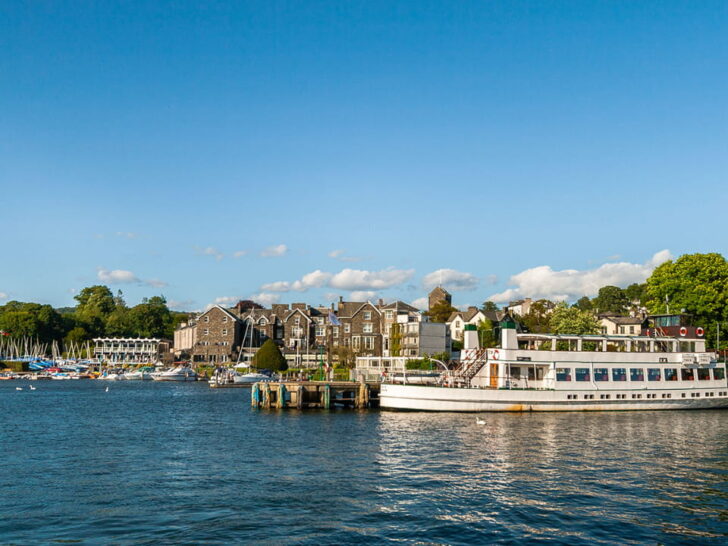
Tag: Lake District

  • How to Explore the Lake District (If You Don’t Have a Car)

    How to Explore the Lake District (If You Don’t Have a Car)

    A mention of England’s favourite National Park, the Lake District, should bring to mind rolling hills, sweeping valleys and remote countryside. There are almost 600,000 wild acres to explore within the borders of the Lake District, which are perfect for long rambling hikes and getting lost in the wilderness.

    Of course, it’s an unfortunate fact that none of these things typically coincide with being public transport friendly. But the Lake District is more accessible than you might think.

    While the most hidden corners and further afield locations may be out of the picture, you can still enjoy a full and satisfying itinerary in this National Park. With our guide to the best Lake District itinerary without a car, you will not only leave feeling like you have seen the best of the region, but like you could visit again and again and never feel that you have missed out.

    Discover one of the UK’s most beautiful regions without ever needing to get behind the wheel.

    Begin Your Trip at Windermere 
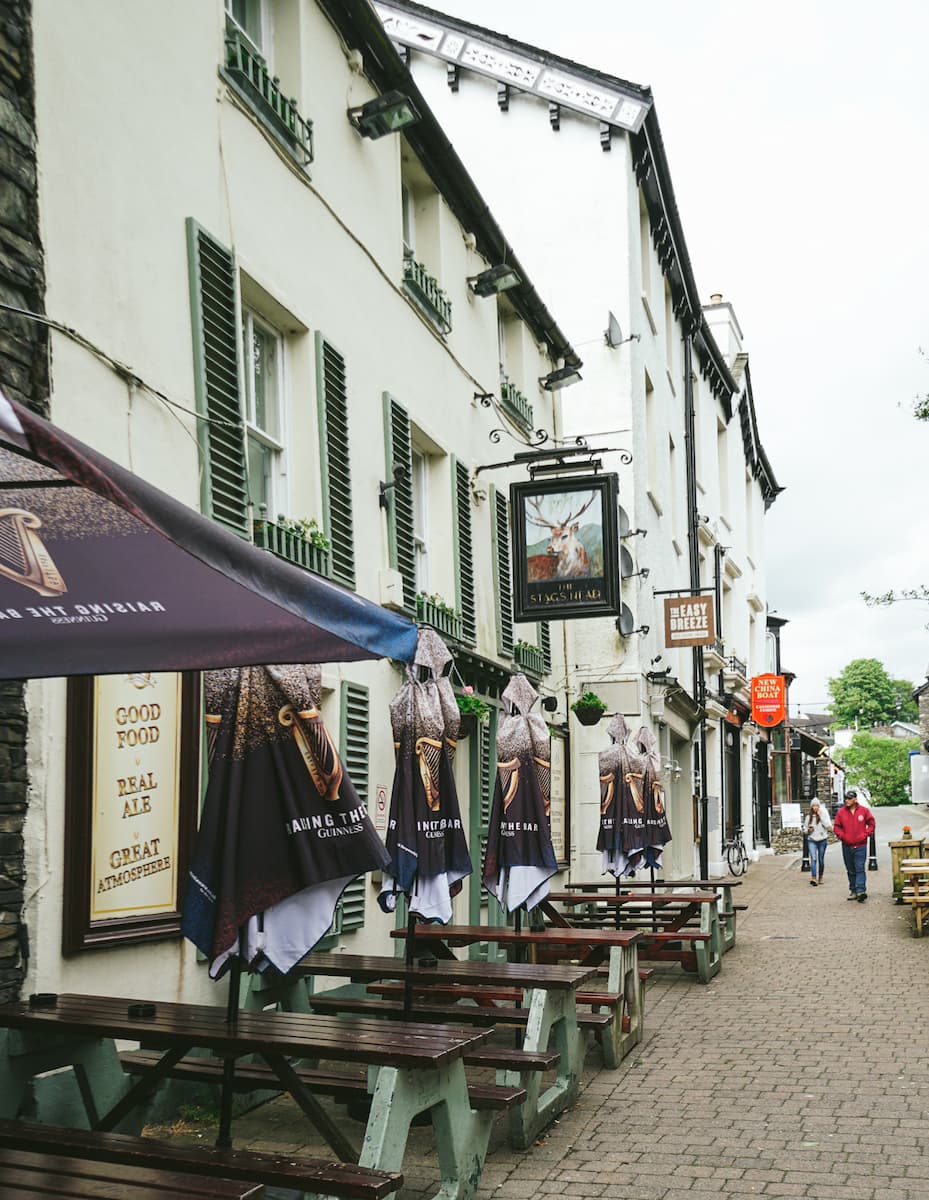
    Pub in Windermere

    Where better to start than the Lake District’s most iconic lake? Windermere is both the largest and most famous lake in the eponymous Lake District. As a virtue of those traits, it is also the best connected.

    Staying in Bowness-on-Windermere puts you in the centre of all the action, right on the edge of the lake in a busy town filled with shops and places to eat. It’s connected to most areas in the Lake District by bus or ferry, and works as a great base for car-free visitors hoping to explore the region.

    You can easily reach Bowness-on-Windermere by bus after catching the train into Windermere station. Once there, it’s time to start exploring the Lake District’s busiest town. With thousands of tourists flooding through Bowness-on-Windermere every week, you get the immediate sense that the town caters to a transient, affluent crowd. This isn’t a bad thing for visitors at all, as unique shops are able to flourish with the extra income provided by tourism. 

    There are gift shops, unsurprisingly, but you will also find independent clothing boutiques, a fudge pantry, galleries, pottery shops and the like in this town. Cafes, pubs and restaurants are also thriving – Graze is a favourite of mine – which is perfect for visitors. Hikes and boating are the obvious activities of choice, but there are some rainy day alternatives in Bowness: Blackwell – The Arts & Crafts house, the Old Laundry Theatre, and, most famously…

    Journey Into The World of Beatrix Potter

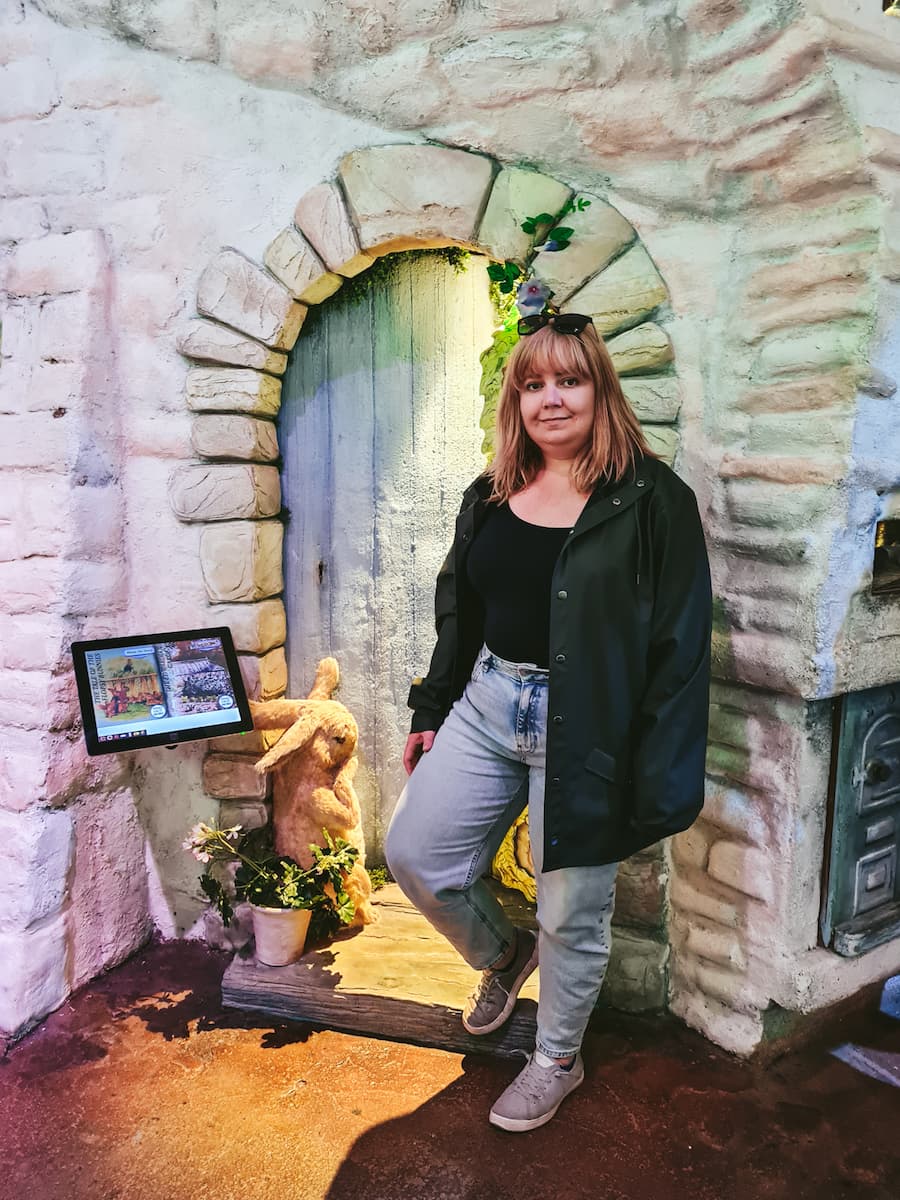
    World of Beatrix Potter - Peter Rabbit
    World of Beatrix Potter – Peter Rabbit

    Meet Peter Rabbit, Mrs Tiggy-Winkle, Jemima Puddle-Duck and more in the enchanting ‘World of Beatrix Potter’ attraction in Bowness-on-Windermere. 

    Beatrix Potter spent much of her life living on Hill Top Farm in Near Sawrey, a village not far from Windermere on the west side of the lake. She adored the Lake District, and made hugely important efforts to protect the landscape; you will often find real-life locations from the region appearing in her books. The Tower Bank Arms, a gorgeous little pub in Near Sawrey, is one such example – it is featured in The Tale of Jemima Puddle-Duck.

    At The World of Beatrix Potter, you can see her beloved characters and illustrations come to life. Wander through the charming tales of Peter Rabbit and the UK’s other favourite childhood stories in a series of interactive exhibits. You will step into Mrs. Tiggy-Winkle’s kitchen, and smell the fresh laundry hanging there, explore Jemima Puddle-Duck’s woodland glade, and hide from Mr. McGregor in the Peter Rabbit Garden. It’s an adventure for all the family; kids and grown-ups alike. Besides the tales and characters, you also get a chance to learn a bit more about Beatrix Potter herself – there’s an exhibit detailing her life, with a particular focus on her affection for the Lake District.
    World of Beatrix Potter
    World of Beatrix Potter

    The World of Beatrix Potter can be found in Bowness-on-Windermere, which means it can be easily reached by public transport, even if you’re not staying conveniently in the town. If you want to visit Hill Top, the farm where Beatrix Potter lived and set many of her stories, you can catch a bus from Bowness.

    Embark On a Boat Trip On Windermere Lake
    Boat Trip On Windermere
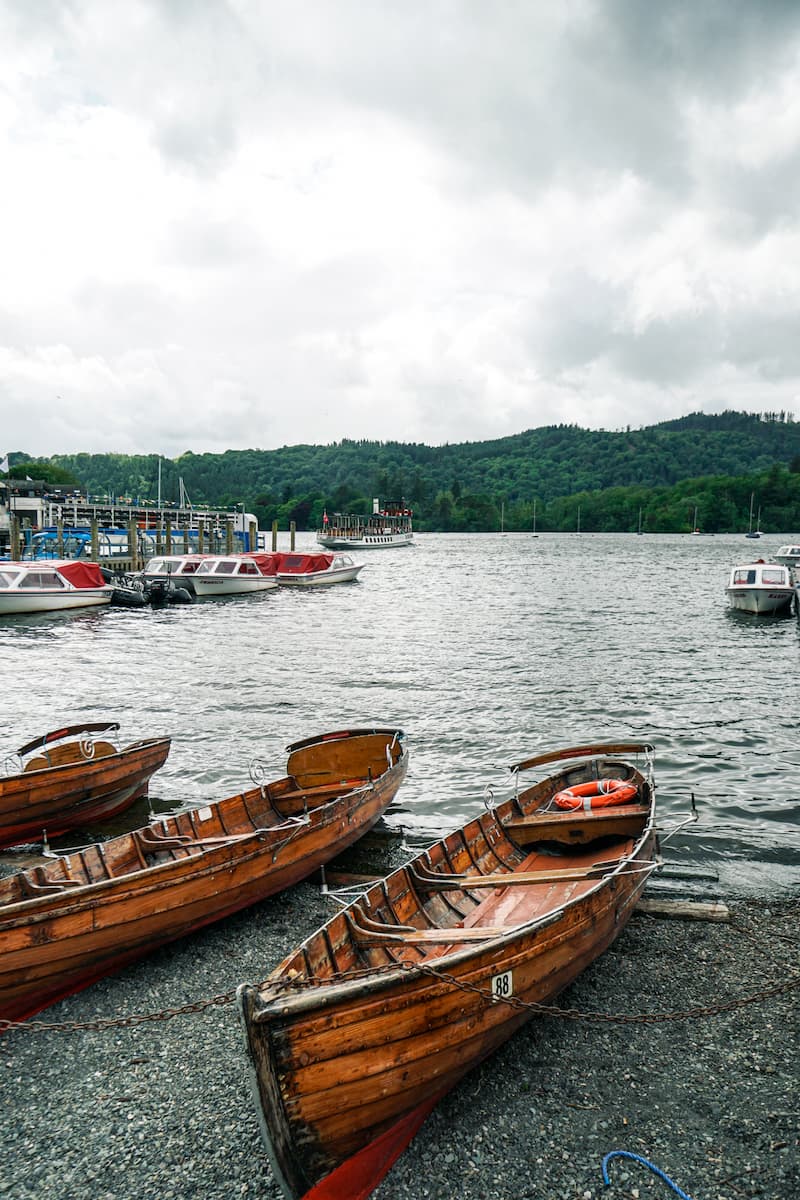
    Boat Trip On Windermere

    It’s just one of those unmissable experiences: when visiting the Lake District, you really need to see it from the water. Drifting away from the shore, cruising gently across a lake immersed in some of England’s most gorgeous scenery is a relaxing adventure that appeals to all ages. 

    Windermere is the largest naturally formed lake in England, and stretches for 10.5 miles (or 18 kilometres). Exploring Windemere on the water can be done in a myriad of ways; there are ferry routes to Ambleside from Bowness-on-Windermere and vice-versa, but you can easily hire a boat and chart your own course. If you want to spend longer sailing around Windermere, choosing to hire a boat or embarking on a private tour are better options than the ferry.

    If you want to try something a little more adventurous, you can canoe, kayak or paddleboard your way out into the lake. While jet skis and power boats are not outright banned, the speed limit of 10 nautical miles per hour – unfortunately, lakes have speed limits too – takes all the fun out of using them! 

    Visit Hawkshead
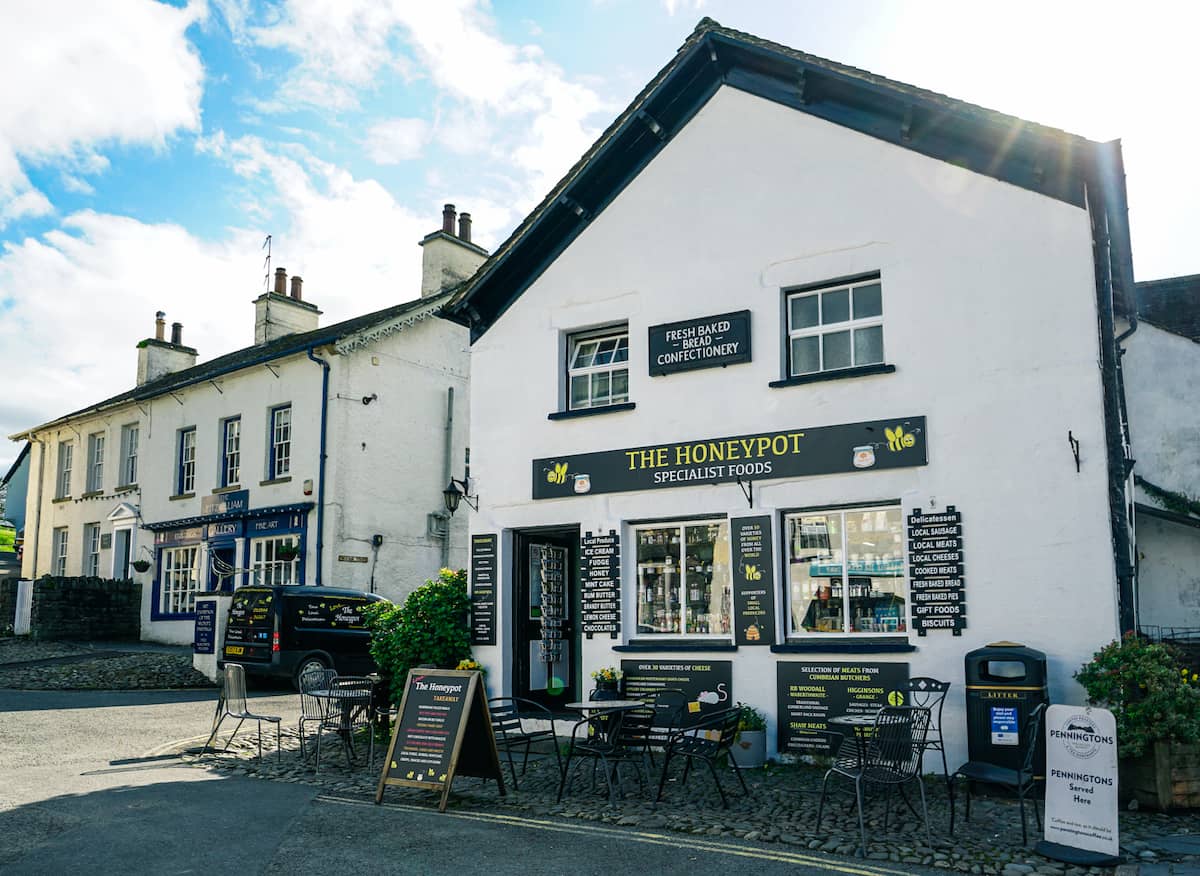
    Hawkshead is the poster village for the Lake District
    Hawkshead is the poster village for the Lake District

    Hawshead is one of the prettiest villages in the Lake District, and is visited by thousands of tourists every year. There are regular buses that can take you directly to the village.

    Tall chimney stacks and medieval inns and the slate and stone cottages typical of this corner of Cumbria make for a village typically plastered on postcards. Hawkshead offers the kind of rural idyll you might have expected to find in the Lake District; country pubs, a 12th century church and miles upon miles of rolling green hills just outside its borders. 

    The village is situated in beautiful countryside, and is an excellent starting point for a number of forays into the surrounding wilderness; Grizedale Forest and the 2 mile trail to Tarn Hows are particular highlights.

    As for those who would prefer to stay within the borders of Hawkshead itself, there are a smattering of small independent shops to browse – which range from specialist food shops and delicatessens, to jewellers and boutiques; there’s even a chocolate factory! After walking around for a while, you can put your feet up in cute cafes like Ginny’s Teapot, or one of the fantastic pubs and restaurants in the village.

    If you’re still hoping for more Beatrix Potter-related material after your experience in Bowness-on-Windermere, you’re in luck. The National Trust’s Beatrix Potter Gallery displays the original artwork of the author, displaying her famous character illustrations inside a 17th century house. Other things to do in Hawkshead include Hawkshead Grammar School Museum and a trip over to the Hawkshead Brewery.

    Extend your Trip West of Windermere By Stopping in Coniston

    Coniston is a charming village just under 4 miles west of Hawkshead, and can be reached from there by bus, bike or on foot. The villages are similar – as you might expect, being so close together – but the big difference is that Coniston sits on the banks of Coniston Water, and has an affinity for water sports as a result.

    You can hire rowboats or kayaks and venture out into this small lake for an afternoon of adventure after spending a leisurely morning in Hawkshead. While the village is lovely, Coniston is really put on the tourist trail because of the landscape all around the village. You will find Coniston to be a hub of adventure and outdoor sports; hiking is the undeniable favourite, with the towering shadow of the Old Man of Coniston a popular conquest among hikers, while other trails, like Tarn Hows and the walk around Coniston Water itself, are also worth the trip.

    Coniston isn’t essential viewing in the Lake District, but if you find yourself in Hawkshead looking for a little adventure, or fancy the challenge of the Old Man of Coniston, it is well-worth a visit. Ardent hikers may even want to skip Hawkshead altogether and focus on Coniston; it provides convenient access to some great trails – something not always easy to come by without a car.

    Catch the Bus or Cycle to Wordsworth’s Grasmere
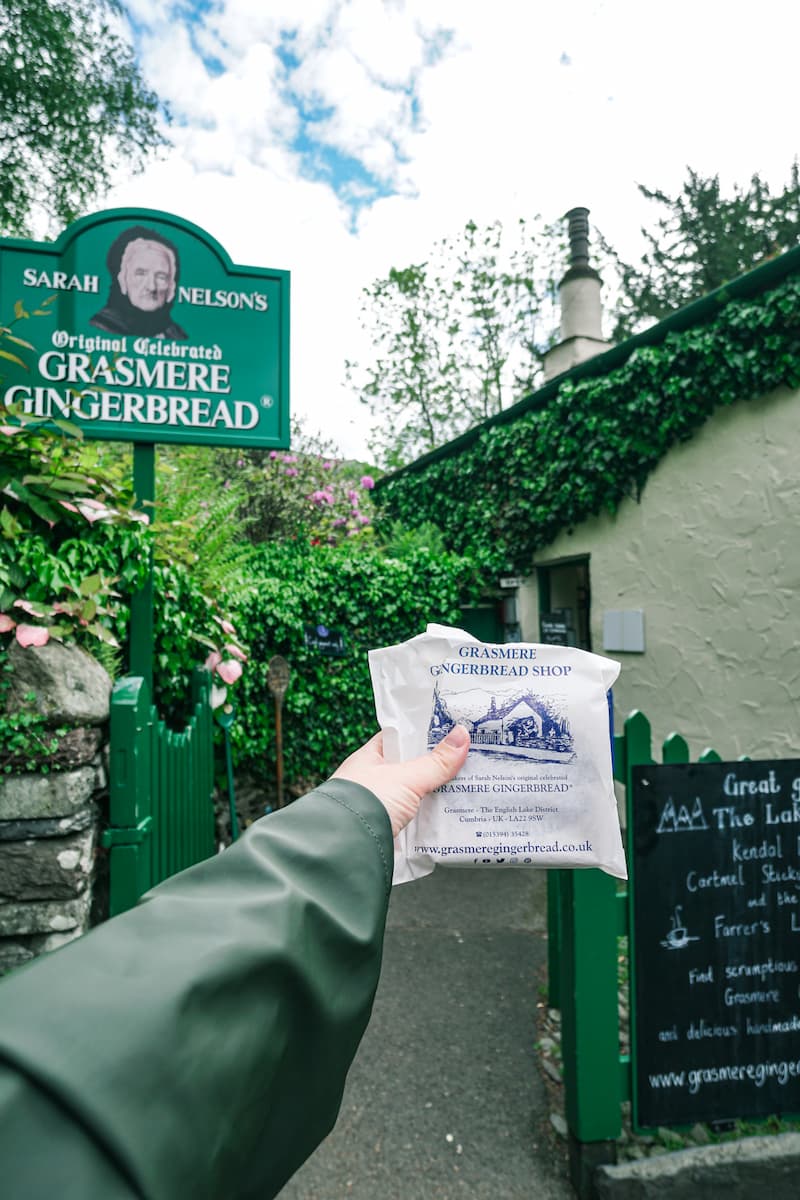
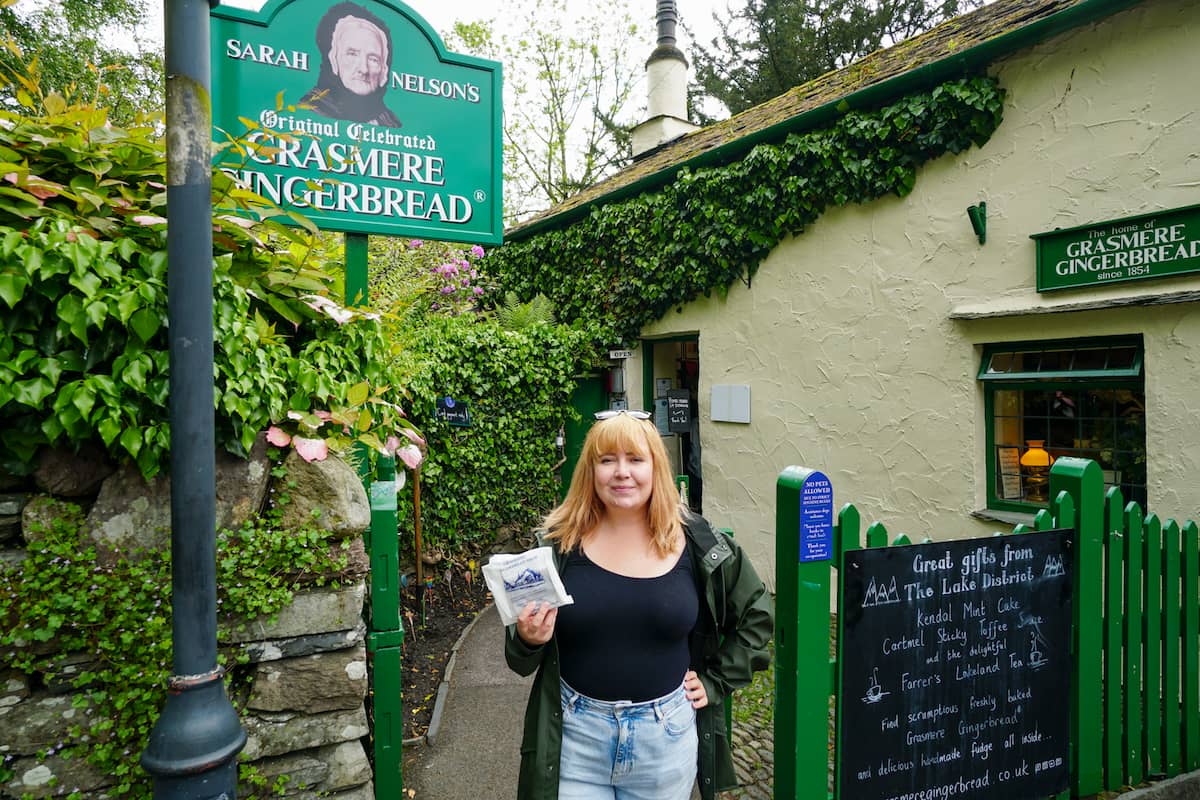
    The famous Grasmere Gingerbread
    The famous Grasmere Gingerbread

    Grasmere is a beautiful little village in the Rydal and Ambleside Valley, best known for its connections to Romantic poet William Wordsworth. It is easily reached by bus from Bowness-on-Windermere.

    Wordsworth would quite literally wax poetic about the joys of living in Grasmere and the Lake District, writing odes to the region’s beauty while deriding the dirty nature of the city. His opinion of the peace and serenity found in the Lake District is one shared by countless others, who flock to the area hoping to experience a glimpse of that same wonder. Grasmere is as perfect a representative for the ideal of the Lake District as you could possibly imagine – which is why it is also one of its most visited.

    Every angle and vista of the village offers a postcard-worthy view; Grasmere’s quaint cottages and winding streets are endlessly charming, and Grasmere lake is small, but beautiful. While in Grasmere, besides from simply taking it all in, you can explore its many cafes and boutiques, enter a 13th century church, and wander over an ancient stone bridge. An unmissable stop is the iconic Grasmere Gingerbread shop, where you will find a unique type of gingerbread – invented in 1854 – that can only be bought in England.
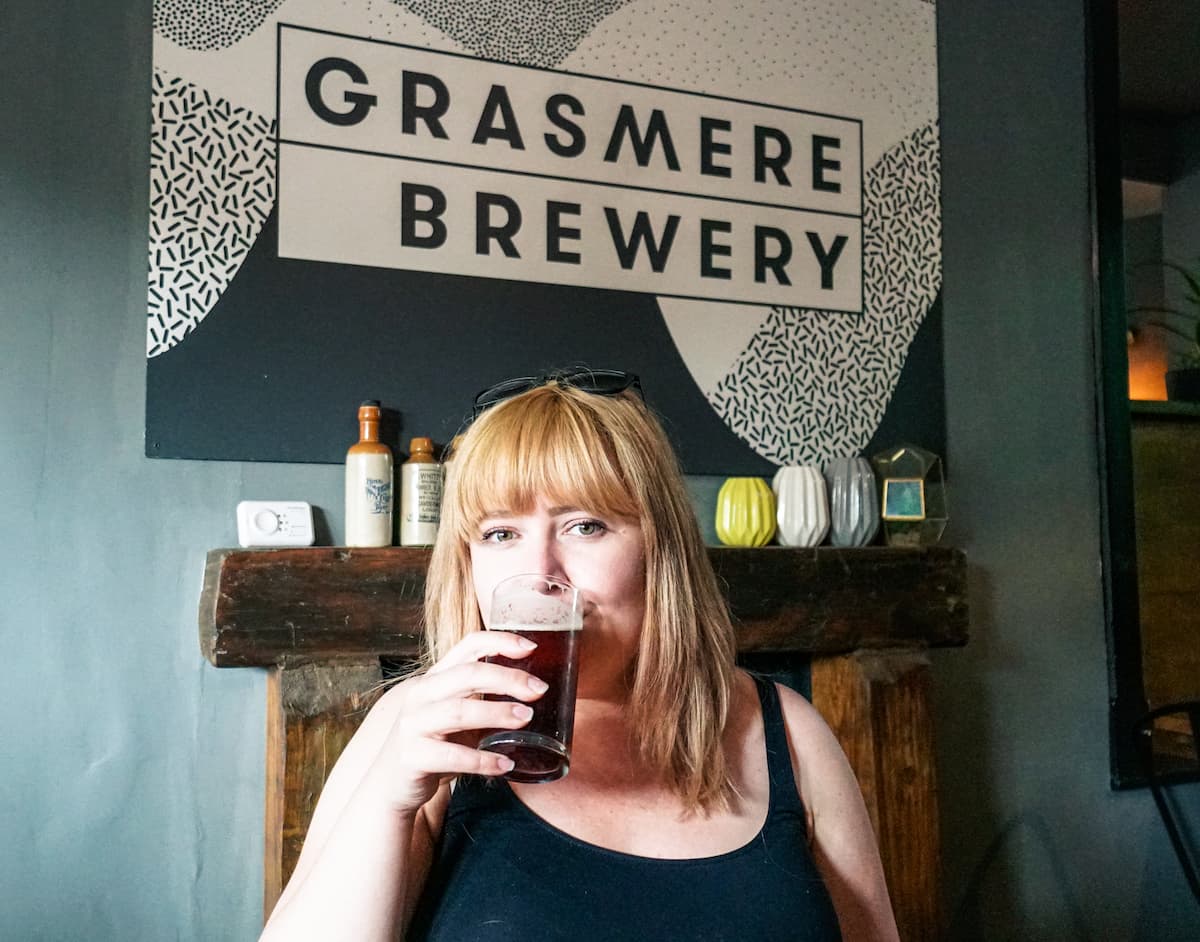
    Try Grasmere Brewery
    Try Grasmere Brewery

    When in Wordsworth’s beloved Grasmere, you have to visit Dove Cottage, where he and his family once lived. The home has since been converted into a museum and tearoom, where you can learn more about the poet’s life and works, while experiencing the same setting that Wordsworth found so inspiring. The cottage is tucked away in the winding pathways of the village, but is only a few minutes from the gorgeous views of natural landscapes that were Wordsworth’s muse. Walks from Grasmere will treat you to sweeping views of Grasmere lake and the surrounding mountains.

    Amble on to Ambleside
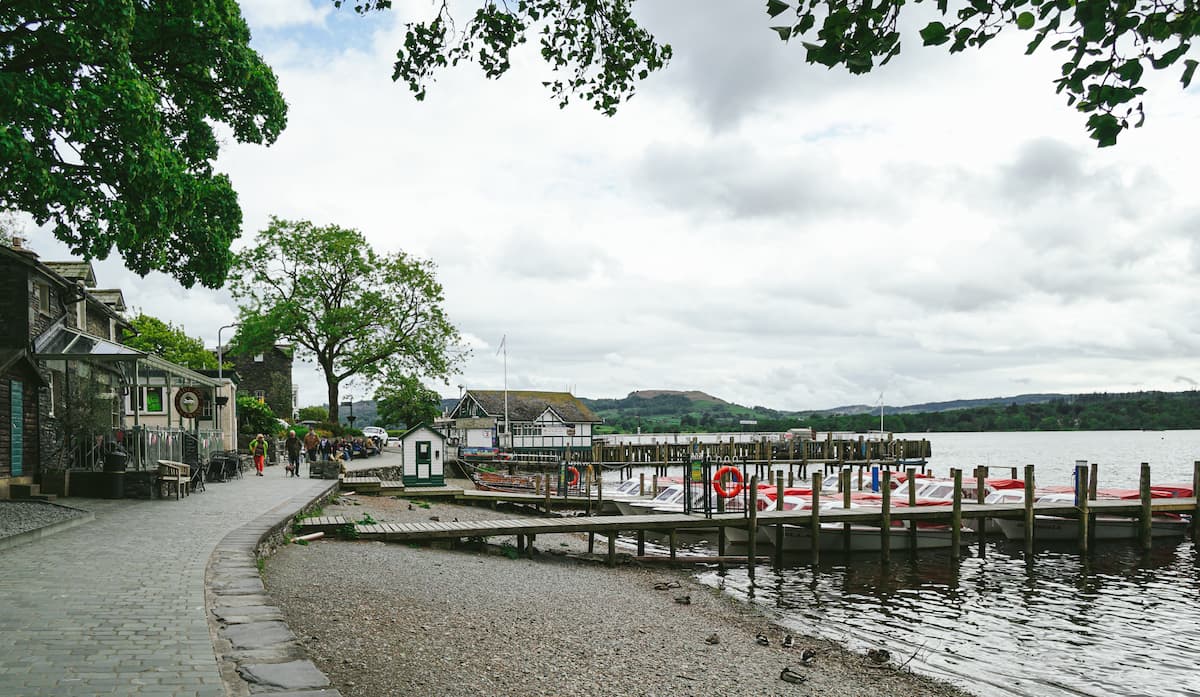
    Lake views by Ambleside
    Lake views by Ambleside

    Ambleside sits at the top of Windermere, and historically marked the head of the lake. It is one of the most popular towns in the Lake District – its easy to reach location combined with its obvious charm guarantee it a place on many people’s Lake District bucket lists.

    There’s a certain sense of whimsy to Ambleside, which has marks of a pervasive, lighthearted eccentricity dotted around the town. The one most familiar to visitors, and the most delightfully ridiculous, is the Bridge House. A minute stone bridge crosses over Stock Beck, and in the 17th century, Georgian architects, in all their finite wisdom, saw this as the perfect place to build a house. It may be an odd location for a home, but it has worked well as a tourist attraction; the precariously balanced cottage draws in thousands of bemused visitors and eager photographers every year.
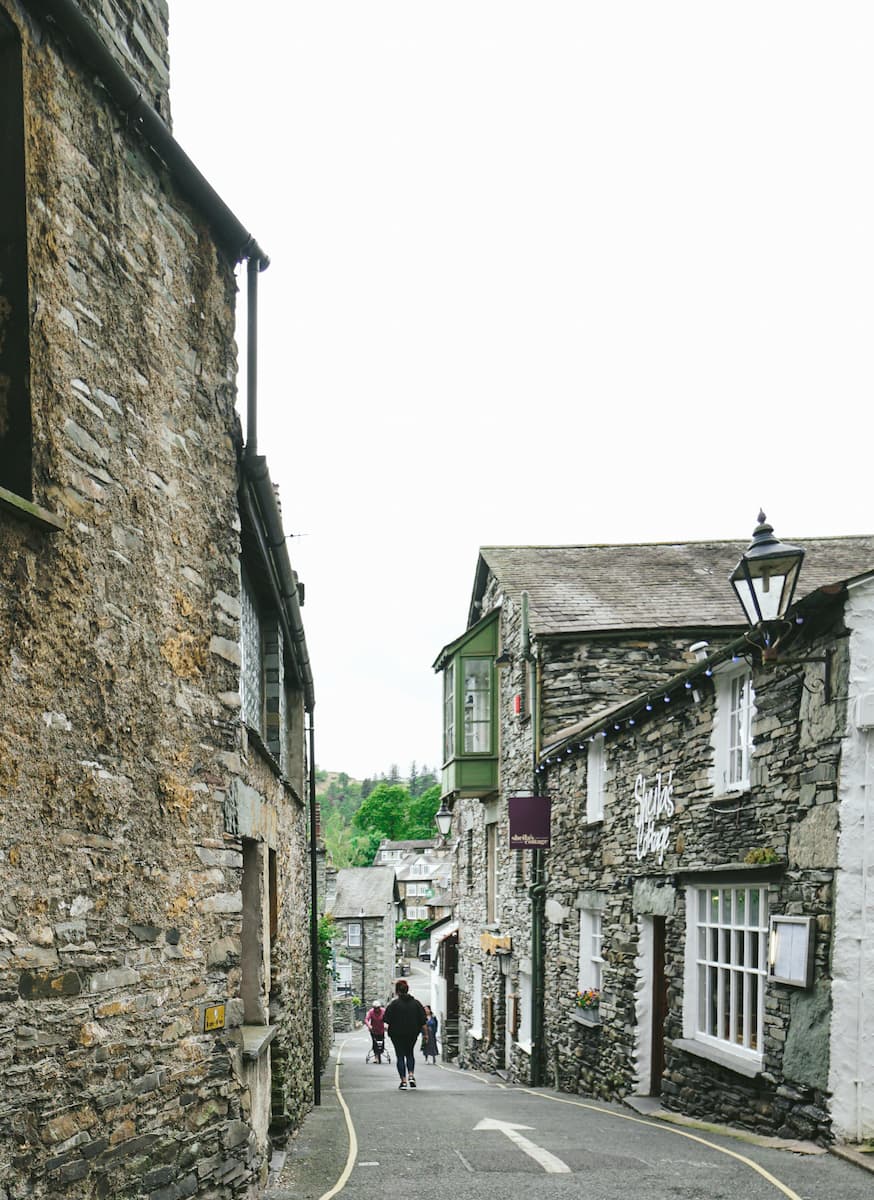
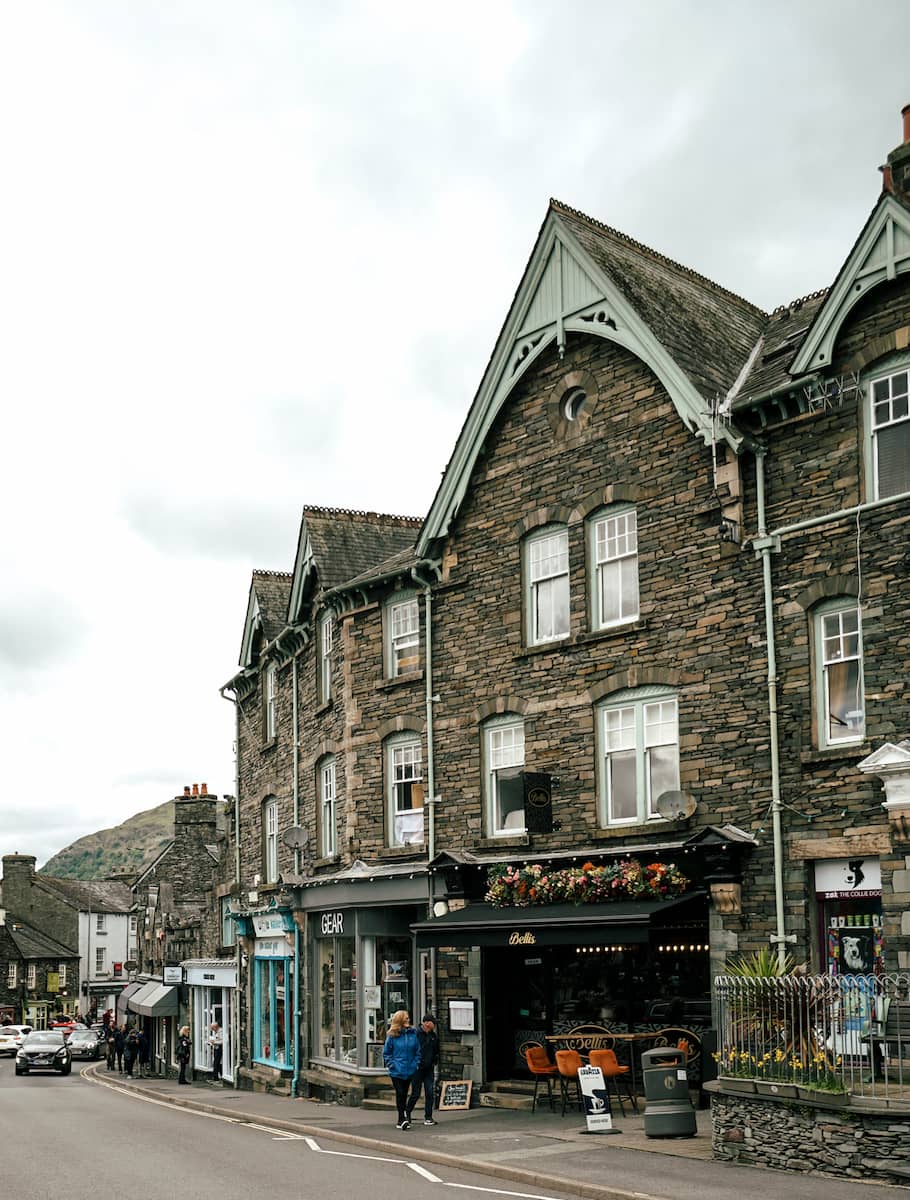
    Side streets of Ambleside
    Side streets of Ambleside

    Ambleside has plenty of other attractions, both in and outside of the town. You can potter around the shops, cafes, museums and galleries in Ambleside, or head out into the countryside. Wray Castle, a Victorian neo-Gothic mansion now belonging to the National Trust, is a 10 minute drive, or an hour long walk from Ambleside.

    As you will often find in towns and villages in the Lake District, natural beauty is never too far away. Ignoring the lovely views over Windermere, Ambleside has wonderful walks leading into woodland, up mountains and alongside the banks of a river; Stock Ghyll Waterfall is only a 10 minute walk away from the town.

    If after all that, you still have some time in the day to spare, you can enjoy another trip on to the lake. Boat hires and ferries are almost as plentiful in Ambleside as they are in Bowness-on-Windermere!

    Wander Around Keswick
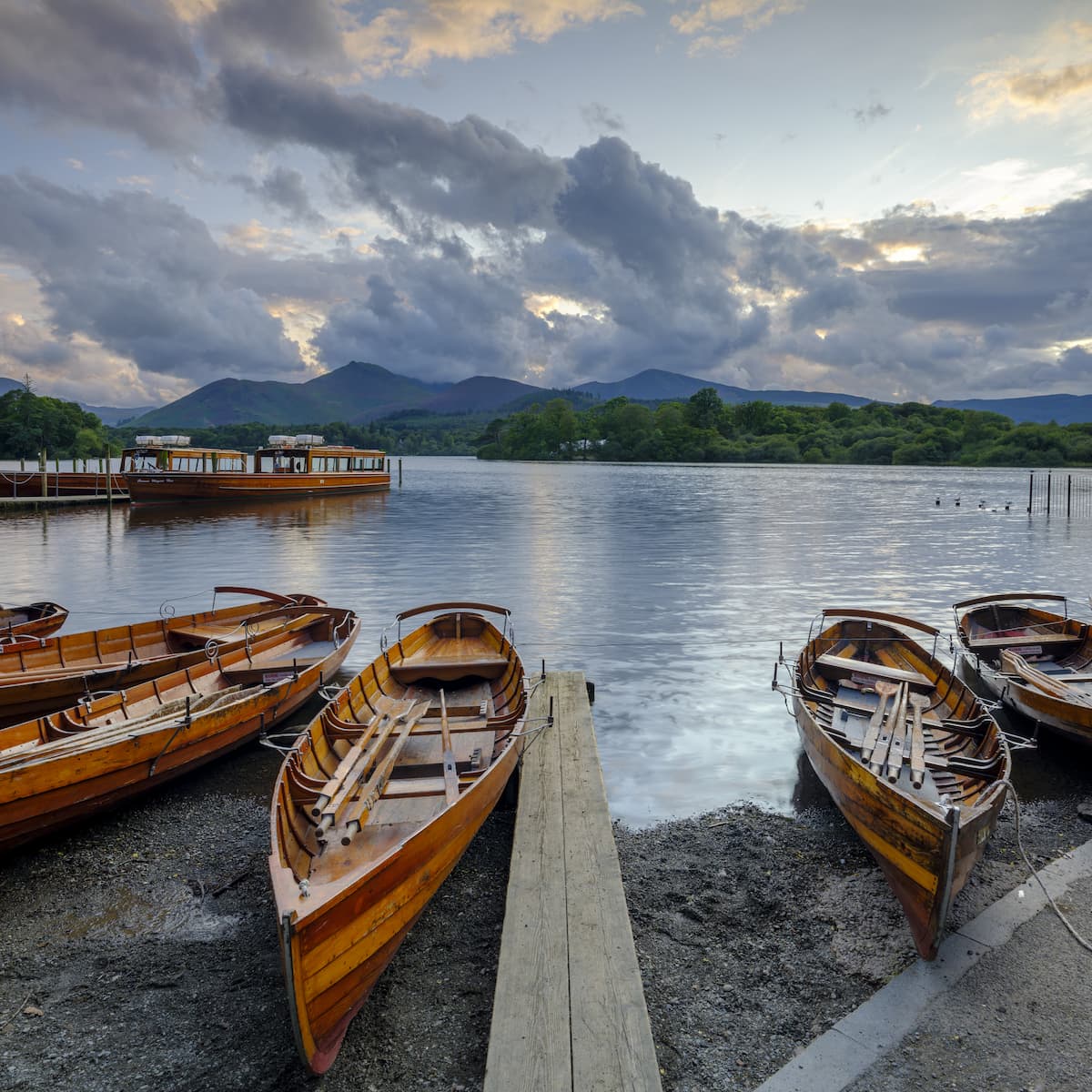
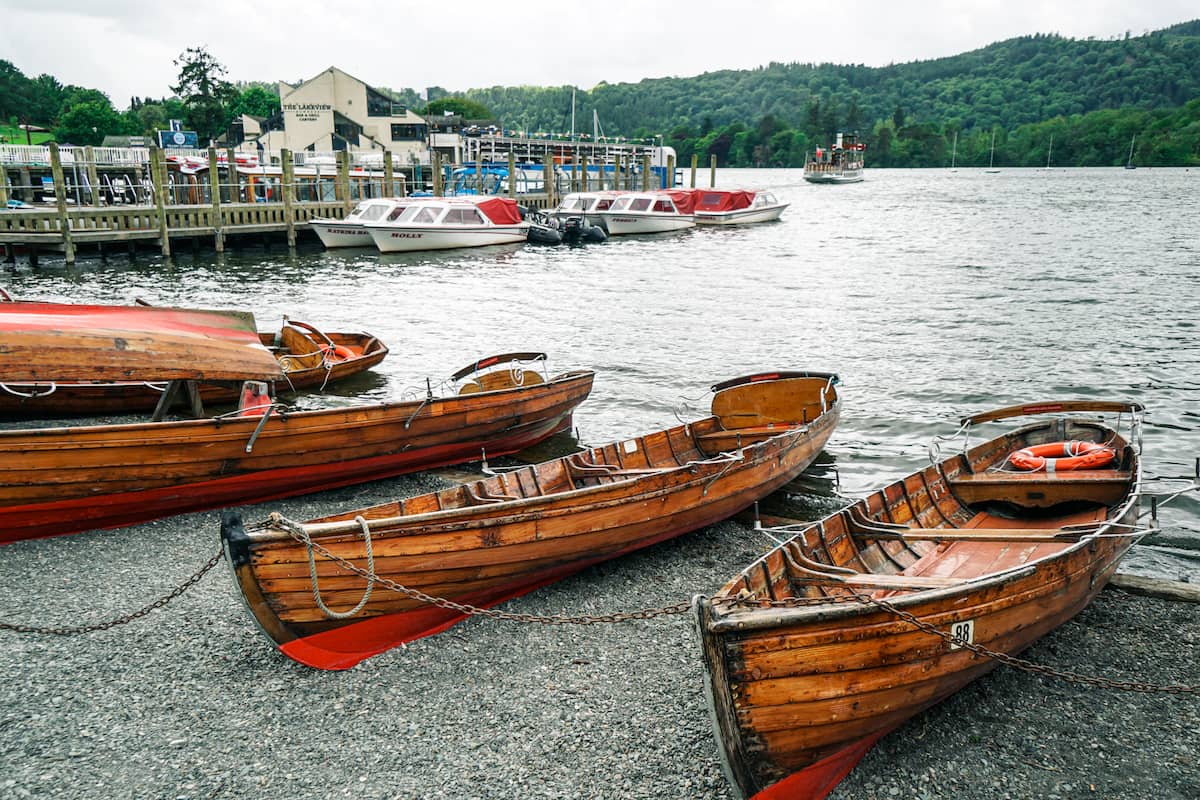
    Derwent Water from Keswick, Lake District National Park

    Keswick is the largest town in the Lake District, but shares the same charm and quaint atmosphere as the smallest villages. There are streets of sweet little chocolate shops and independent boutiques that fit seamlessly into the character of the town.

    Many of the shops and cafes in Keswick are family businesses that have been in the town for decades; they add to an overall atmosphere of rural authenticity that keeps Keswick from falling prey to the cloning of high streets so common in mid-size UK towns. You could easily whittle away a few hours shopping in Keswick, and you won’t struggle for places to eat or things to do either. 

    Some of the Lake District’s more eccentric attractions are located in Keswick. The Cars of the Stars museum may no longer be there, but Keswick still holds its own with unique things to do; you can head to the Derwent Pencil Museum to learn all about the history of the pencil, or experience optical illusions and mind-boggling artwork in Puzzling Place. You can journey back 5000 years at the Castlerigg Stone Circle: this atmospheric stone monument is believed to have been built in roughly 3000BC, making it even older than Stonehenge.

    Keswick also gives you another chance to see the water. It’s not called the Lake District for nothing! The beautiful Derwentwater is surrounded by fells and woodland, and offers visitors the chance to hire a rowboat and slowly drift out into the lake, or take a dip – you can swim, but it’s not for the faint hearted; lakes in this part of the country are notoriously cold!

    Explore Ullswater
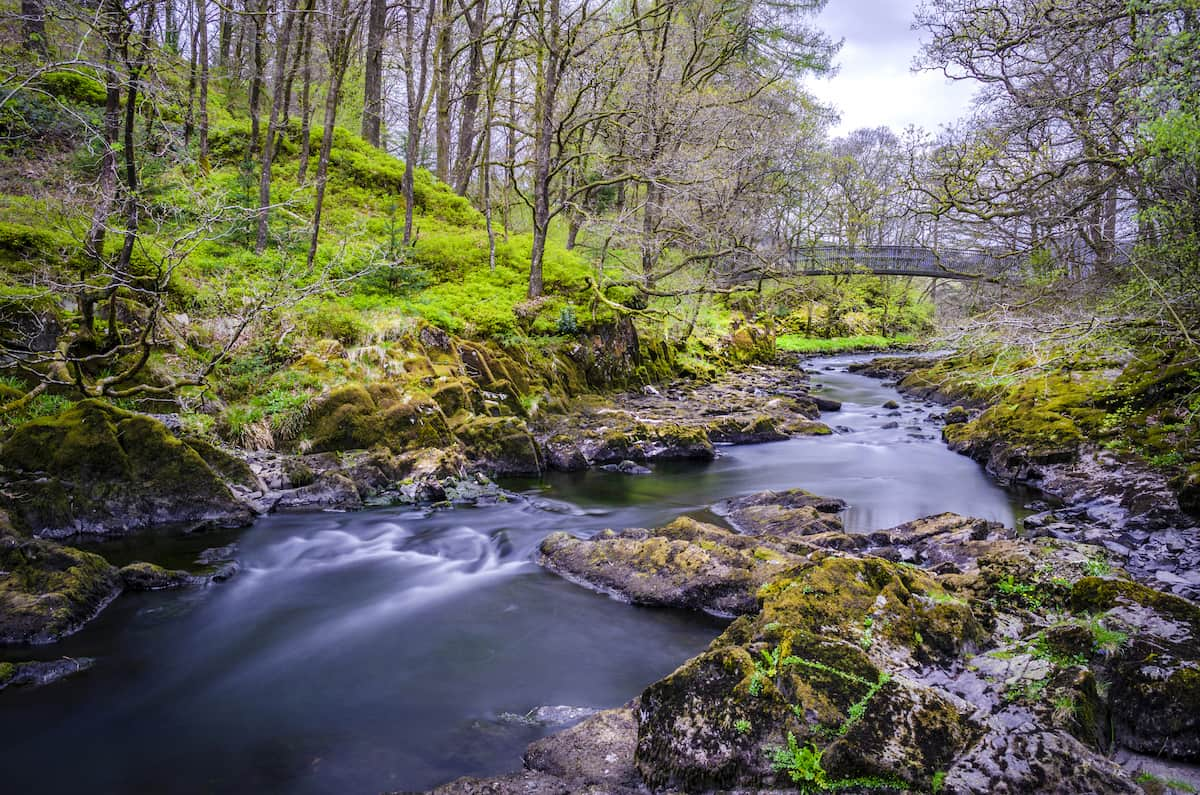
    River Brathay passing from Elterwater
    River Brathay passing from Elterwater

    Ullswater is one of the easiest locations in the Lake District to reach without a car. Penrith station is connected to national rail networks, has transportation links to London via train or coach, and is connected to the rest of the Lake District by bus.

    Ullswater is the second largest lake in the national park, and has a more rugged, remote feel than Windermere. Stunning mountainous scenery, dramatic waterfalls, jutting rockfaces and dense woodland make Ullswater a hiker’s paradise. Aira Force waterfall is one of the most impressive in Cumbria, walks among the fells are breathtaking, and a loop of the lake itself is an epic 20 mile hike. It’s not quaint villages that make Ullswater so appealing, it’s unquestionably the scenery: some of the finest views and landscapes in all of the Lake District can be found here, making it a worthwhile stop for anyone that loves to spend time out in the great outdoors.

    Want to Avoid the Hassle? Join a Tour Instead.

    If you want a car-free trip without the stress of finding your own way, you can join one of several tours available that explore the Lake District.

    Tours range from single-day excursions to multi-day adventures; some have meeting points within the park, like this Ten Lakes Full-Day Tour, others will begin from a separate location altogether, like the 3-Day Small Group Tour from Manchester. These tours will take you to the majority of the Lake District’s most unmissable sights, and save you the stress of finding your own way there.

    While you lose some freedom in choosing your own itinerary, joining a tour around the Lake District is a convenient way to get around without a car. It’s certainly not for everyone, but for those that want an entirely stress-free holiday that requires next to no planning, joining a tour will help you avoid the hassle.

    Frequently Asked Questions

    Can You Go to the Lake District Without a Car?

    Not everyone in the UK can drive, and even less own a car. It can seem that the countryside is off limits to people who use public transport. While the Lake District is undeniably more difficult to reach without a car, it is far from impossible.

    As this article details, most of the Lake District can be reached by bus – and there are train links into the park for those travelling from further afield. Once in the park trains quickly disappear, but buses are reliable, and ferries offer alternative travel options. If you’re physically fit, cycling is another fantastic way to move around the Lake District.

    How Do You Get Around the Lake District Without a Car?

    You can catch the train into Oxenholme Lake District, then venture into the national park from there by bus. Certain areas, like Ambleside and Bowness-on-Windermere, have ferries running between them.

    While coaches and trains are the way into the Lake District, once you are inside, you will mostly be relying on the bus network. Buses connect all the major places and attractions in the park, and are usually reliable and inexpensive.

    As long as you’re physically fit – and somewhat enjoy cycling – you could also hire bikes to explore the local scenery; there are hundreds of great cycle routes running throughout the national park. 

    Where to Stay in the Lake District Without a Car?

    It is hard to argue against Bowness-on-Windermere as the best place to stay in the Lake District without a car. It’s the unofficial centre of the Lake District, as it’s the most popular place on the banks of Windermere. By staying in Bowness, you will be perfectly located to explore the rest of the region. It has excellent public transport links, with a train station close by and frequent buses to all the major tourist spots in the Lake District. It’s also a great town for restaurants, places to stay and things to do – being the most popular town has a few perks!

    Though Bowness-on-Windermere is fantastic for public transport, it can be very busy, which some people may find offputting. If you want a quieter escape, any of the towns or villages mentioned throughout this article will work. Staying somewhere like Hawkshead would make accessing the rest of the Lake District slightly more tedious, but would give the peaceful countryside escape many are looking for.

    The Lake District Without a Car

    Exploring the Lake District without a car is far easier than you may have thought. If you base yourself in Ambleside or Bowness-on-Windermere, the rest of the park is virtually at your fingertips. Buses or cycling are the best methods of getting around, and you will find very few places are off limits to you.

    You can enjoy the breathtaking scenery, quaint and quirky towns and villages, and the generally calming escape of the Lake District without a car. As this itinerary hopefully highlights, you can experience an expansive, varied holiday in Cumbria while only using public transport, and find enough to explore for return visits.
  • 11 Prettiest Towns and Villages in the Lake District

    11 Prettiest Towns and Villages in the Lake District

    “The loveliest spot that man hath found” is the apt description William Wordsworth used to describe the village of Grasmere, his home and frequent source of inspiration. 

    You will find the Lake District is an area eternally linked with the Romantic poets. They lamented the distance forming between humanity and nature, and saw places like the Lake District as a reprieve from increasing industrial tendencies. Today, visitors flock to Cumbria with a similar mindset; to relax, take a break and reconnect with nature.

    This is, perhaps, the UK’s most serene corner: with rounded mountain tops swooping down into the titular lakes and waterways, verdant green hills peppered with livestock, and villages filled with chocolate-box cottages that capture a simpler time. England’s largest national park offers a dramatic but tranquil landscape – which is perfect for escaping the city. 

    Your trip should include a visit to as many of the prettiest towns and villages in the Lake District you can fit in – which is why I have compiled here the best the park has to offer:

    Keswick

    Derwent Water from Keswick, Lake District National Park

    Windermere may be the most famous part of the Lake District, but I feel that Keswick is the region’s unofficial capital. It is the main town within the national park’s borders, with the most to keep you occupied, while also being wonderfully picturesque.

    Keswick has a long history, which only started being recorded in the Middle Ages, but is believed to extend all the way back to prehistoric times. The Castelrigg Stone Monument is an impressive stone circle dated back to around 3000BC, which suggests that the area of Keswick may have been occupied for millenia. 

    While there is plenty to see for history buffs, there are a number of sillier activities to enjoy in Keswick. You can go to Puzzling Place for optical illusions and mind-boggling artwork, learn about the history of the pencil at the Derwent Pencil Museum, or try something more active at the Kong Adventure climbing wall. There is enough to keep you occupied for any rainy days.

    When the weather is good, however, you will want to go out and explore the stunning scenery that Keswick is immersed in. Derwentwater and the surrounding fells, forests and crags provide some of the best hikes and most unmissable views in all of the Lake District.

    Keswick is a charming ancient market town with an enchanting array of independent shops, including Friars, a chocolate shop established in 1927, and cosy cafes and pubs. The town is particularly lovely at Christmas, when the peaks are capped with snow and the historic streets are adorned with twinkling lights.  

    Grasmere

    Grasmere at the famous ginger bread house
    Grasmere at the famous gingerbread house

    This is the aforementioned “loveliest spot that man hath found”; Wordsworth’s home is a sentimental little village nestled in the fells right in the centre of the Lake District. 

    You won’t have to look far to see the inspiration behind Wordsworth’s famous poetry here. 

    You can visit Dove Cottage, where he and his family once lived – which has since been converted into a museum and tearoom – and see the views Wordsworth would have enjoyed centuries ago; in the grand scheme of things, they have changed very little. The cottage is tucked away in the winding pathways of the village, but walk for just a few minutes and you will find sweeping panoramas of the gorgeous Grasmere lake and surrounding mountains.

    There are so many fantastic walks and scenic points you can reach from Grasmere, with Rydall Cave and the waterfall walkways particular highlights. Grasmere itself is a collection of stone cottages and winding streets, accompanied by a pretty stone bridge and 13th century church. 

    Thanks to its connections to Wordsworth and lovely scenery, Grasmere is a popular village, with many gift and trinket shops. Most famous is the delicious offerings at the Grasmere Gingerbread shop, a type of gingerbread invented in 1854 that can only be bought in England.

    Hawkshead

    Hawkshead is the poster village for the Lake District
    Hawkshead is the poster village for the Lake District

    Hawkshead is the poster village for the Lake District: it has a history stretching thousands of years into the past, cobbled streets and stone cottages with limitless charm, and the lovely scenery the park is so famous for.

    If you’re hoping to find an exceptionally pretty village, you won’t be disappointed by Hawkshead. It is often cited as the prettiest of all the villages in the Lake District. It used to be a village centred on the wool industry in medieval times, but became a market village during the 16th century. Today, it is mostly driven by tourism: the many shops, cafes, restaurants and pubs are supported by the waves of visitors that flock to the village.

    You can quickly see the appeal – the cosy inns and rustic old cottages have a lot of character, and are matched by the narrow cobbled streets that can only be the result of centuries of history. Wonky timber frames and slanting medieval houses are the norm in Hawkshead, and house tearooms, boutiques and high-quality gastropubs in the modern day.

    From Hawkshead you can begin some fantastic forays into the countryside. One of the most popular is the 2 mile trail to Tarn Hows, which has lovely views and is fairly easy-going.

    Bowness-on-Windermere

    Windermere - The iconic lake
    Windermere – The iconic lake

    Think of the Lake District and Windermere is usually the first point of reference. The iconic lake is the largest in England, stretching 10.5 miles in length, and is backed by mountains and lush greenery. 

    The central hub of Windemere is the town Bowness-on-Windemere, which sits close to the mid point of the lake. Its a pretty town filled with the kind of shops and boutiques that are tailor-made to attract tourists. Inbetween all the gift shops selling trinkets and postcards there are some genuine fantastic independent shops and classic pubs that are well-worth a visit. 

    Bowness-on-Windermere is the favoured launch point used to explore Lake Windermere; there are a handful of different boat hire providers and a ferry service that can be used to journey around the lake. After all, the best way to see Windemere is on the water!

    You can’t stop in Bowness-on-Windemere and not visit the most charming attraction in Cumbria. The World of Beatrix Potter is a dream attraction for families, as the sweet characters of Beatrix Potter’s books are brought to life in wonderful displays and exhibits. Peter Rabbit, Mrs Tiggy-winkle and Jemima Puddle-Duck are just a few of the characters you can expect to see in the interactive exhibits. Beatrix Potter lived in the Lake District for much of her life, in a farm on the western side of Lake Windermere. Her passion for conserving the natural beauty of the area was vital in preserving the scenery we enjoy today.

    Kendal

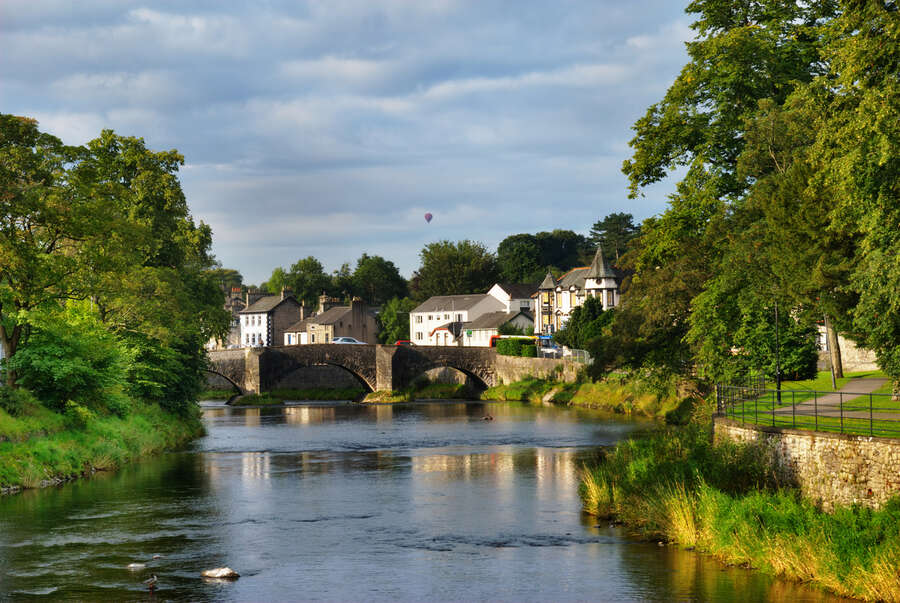
    Kendal-River-Scene
    Kendal River Scene

    Kendal sits just outside the borders of the Lake District national park, so isn’t technically in the Lake District, but as it is only nine miles south of Windermere it might as well be.

    Compared to the towns and villages inside the park, Kendal is quite large. There is quite a bit to see – for a rural town in Cumbria – but not all of it is as picturesque as you might have hoped. As a larger town, relatively speaking, there is more room for nicer and not-so-picturesque parts. But the parts of Kendal that are pretty are truly lovely, and earn it a place on this list.

    You can wander down winding medieval streets, visit the ruins of a 13th century castle and see the pretty riverside area that follows the fast-flowing River Kent through the town. Travel a few minutes south of Kendal by car and you will find Levens Hall, the Elizabethan manor house with the oldest topiary gardens in the world. 

    Kendal’s most famous export is unquestionably the Kendal mint cake – when in town, you simply have to try this blast of peppermint sweetness. It is often used by people who enjoy endurance sports for a quick burst of energy. There are a number of shops that sell Kendal Mint Cake in town, but Romney’s and Quiggin’s have the most history behind them. If you visit in March, you could run into the Kendal Food Festival, which celebrates food from around the world, with a particular focus on Cumbria.

    Cartmel

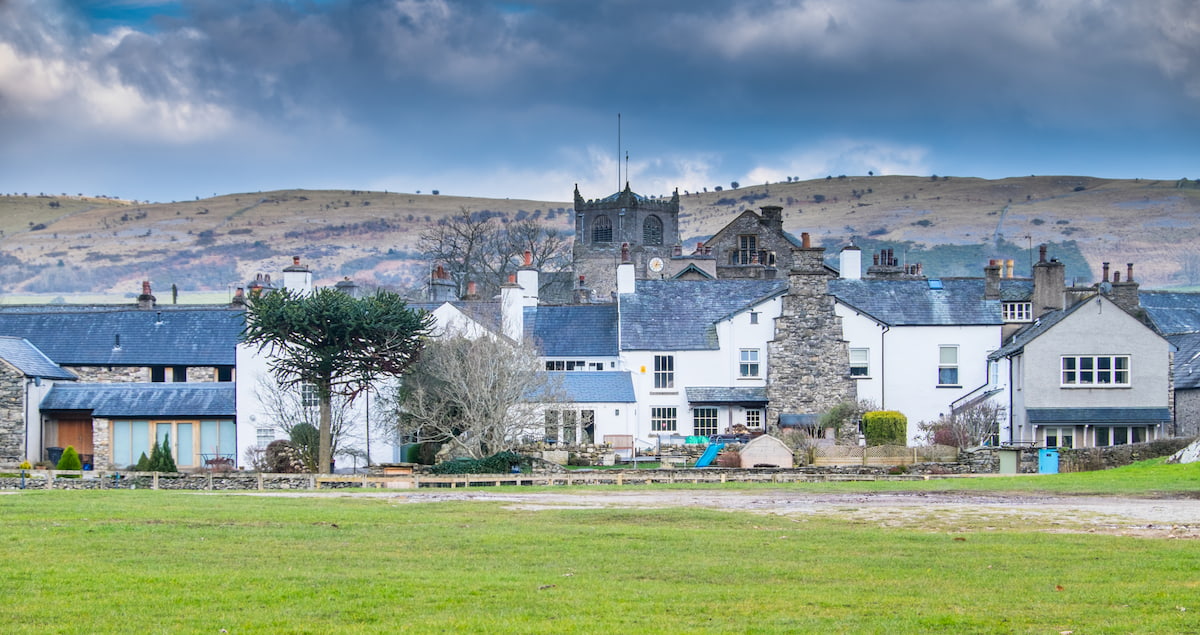
    Cartmel Village
    Cartmel Village

    A willow tree and stone bridge hang over the gently-flowing River Eea in Cartmel, another of the Lake District’s (or just south of the Lake District, in this case) pretty but minute villages.

    Cartmel is very quaint and cute, with the typical look of stone cottages and historic homes commonly found in the more picturesque settlements of the region. 

    The highlight here is the 12th-century Cartmel Priory, an astonishingly large church hidden in this unassuming piece of countryside. It is a beautiful and fascinating piece of architecture with a long history: it was founded by the Normans, saw gunfire during the English Civil War, and came close to destruction during the reign of Tudor king Henry VIII. Cartmel Priory only survived the fate of so many other monasteries during Henry VIII’s dissolution because the villagers protested – they had no other place of worship, so the church was allowed to remain.

    Besides the priory, Cartmel has another surprise tucked away in its streets: L’Enclume, the first restaurant in the north of England to earn three Michelin stars. This fine dining experience is the flagship restaurant of Simon Rogan. The focus on hyper-local, seasonal produce makes this a truly Cumbrian dining experience, elevated to an exceptional level.

    A lovely village square, rustic pubs and a handful of shops roundout the offerings of this charming village.

    Caldbeck

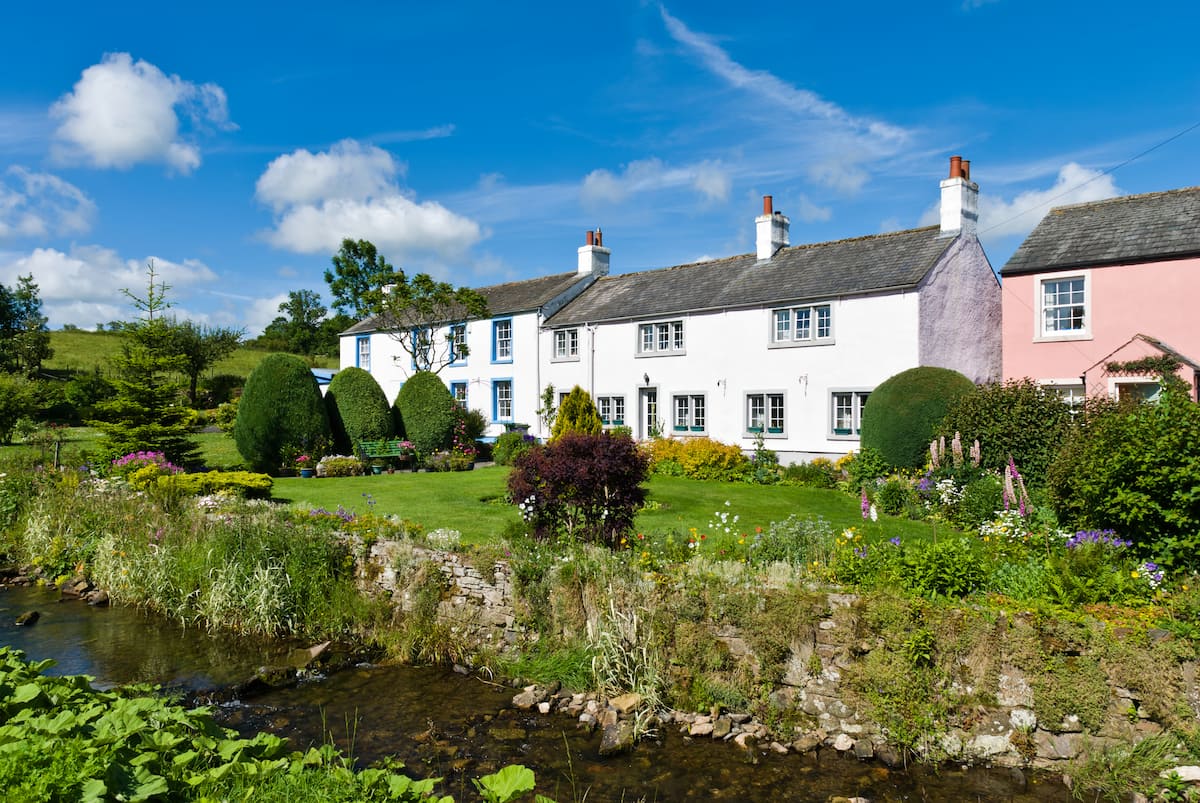
    Picturesque cottages in the village of Caldbeck
    Picturesque cottages in the village of Caldbeck

    Up in the northern fells of the Lake District lies Caldbeck, a simple, traditional village named for the river, ‘Cold Beck’, on which it stands.

    This village’s smattering of colourful houses and quaint cottages make the perfect base for exploring the rugged mountain ranges of the northern fells. It is in a very remote area surrounded by beautiful wild countryside, with waterfalls, rivers and mountains almost commonplace. Hiking and cycling into the trails running from Caldbeck is a popular pastime for adventurers staying here – the cosy village is perfect for an escape into nature.

    Caldbeck is most famous for the 12th century St Kentigern’s Church. Though it is less about the church itself, and more who is buried there! John Peel, a famous huntsman, and Mary Robinson, the Maid of Buttemere were both buried in the church yard.

    Ravenglass

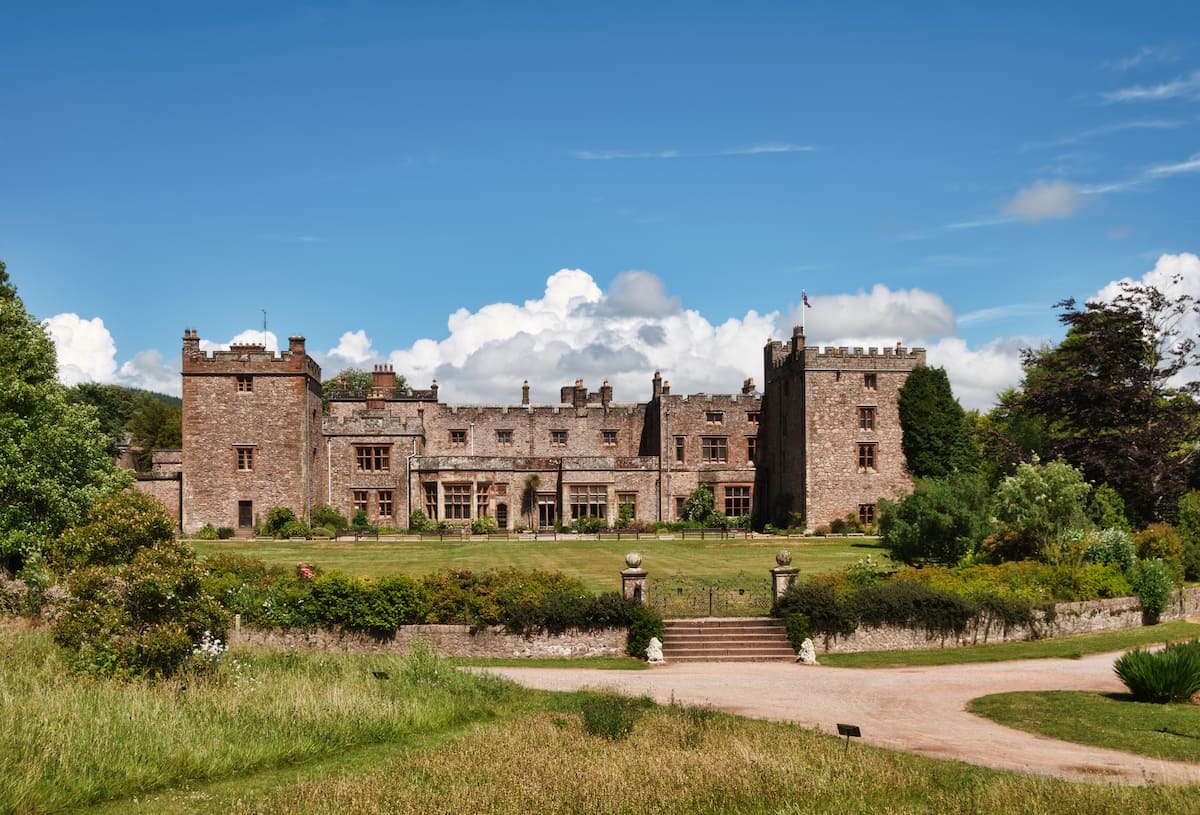
    Muncaster Castle, Ravenglass
    Muncaster Castle, Ravenglass

    Where other towns and villages in the Lake District may sit alongside a lake or be hidden away in the fells, Ravenglass is located on the coast. 

    It is the only coastal village in the national park, and has a slightly different feel to it due to this. Ravenglass is not, in my opinion, as pretty as the quaint villages nestled in the valleys and fells further inland. But unlike those places, it can boast sea views, a beach and a wonderful steam railway. 

    One of Ravenglass’ star attractions is the steam-powered Ravenglass and Eskdale Railway, which passes through some of the most outstanding scenery in England, which includes its highest mountain. The journey ends at Dalegarth station, which is close to Boot, another pretty village worth visiting if you get the chance.

    Ambleside 

    Ambleside
    Ambleside

    Ambleside makes an excellent alternative to Bowness-on-Windermere for those who would like to explore the lake. It is as pretty as the latter town, but isn’t quite so busy. 

    The town has the typical look of rural settlements in the Lake District: cobbled streets and stone cottages follow a winding river down towards the lake. Ambleside has plenty of attractions that make it unique, however. Not least the Bridge House, an example of whimsical ridiculousness from the 17th century, when a tiny house was built on top of a small stone bridge. 

    There is also the ruins of a 2nd century Roman fort close to the shore of Lake Windermere, an art gallery, shops, restaurants and a pub. An easy walk to do from Ambleside is the one to Stock Ghyll Force – it only takes 15 minutes to reach this 70 foot waterfall from the centre of Ambleside.

    Seatoller

    Seatoller Borrowdale Valley Lake District
    Seatoller Borrowdale Valley

    Seatoller is a tiny settlement in the centre of the Lake District which is unquestionably put on the map because of its use as a starting point for scaling Scafell Pike, the highest mountain in England.

    Besides this famous hike and the other excellent walks in the area, there is little to see or do in Seatoller. But it is pretty, with a lovely stone bridge crossing the River Derwent and a street lined with historic cottages.

    Elterwater

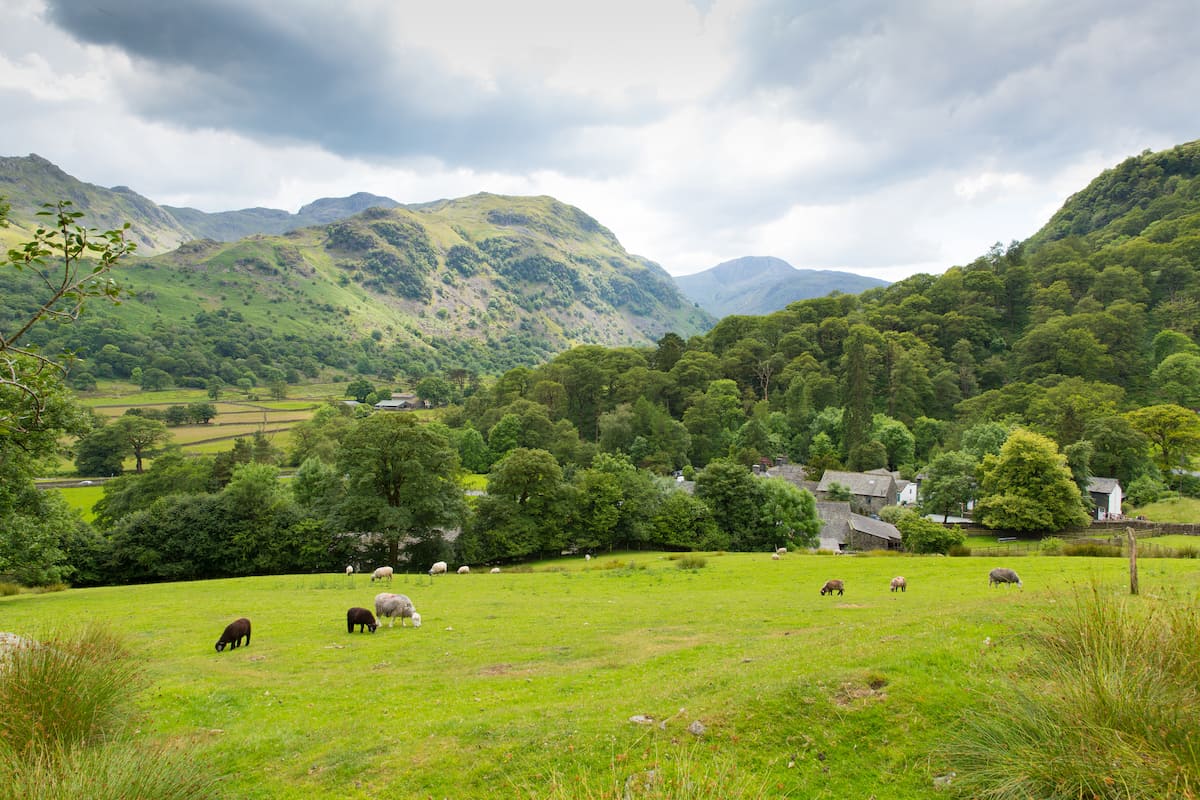
    River Brathay passing from Elterwater
    River Brathay passing from Elterwater

    Elterwater village is, I think, even smaller than Seatoller. It has a few shops and a historic inn, and is suitably pretty, but is not an action-packed, sightseeing tourism magnet.  

    Its place in the Great Langdale valley and proximity to Elter Water, for which the village is named, make this one of the prettiest villages in the Lake District. The cottages of Elterwater spring out of the hillside, are hidden amongst lush trees and have a breathtaking backdrop of rugged mountains. This sublime view is even lovelier in the autumn, when the valley turns into a waterfall of oranges, reds and yellows.

    Though small, Elterwater is not completely bereft of life. There are a couple of inns, a few places to eat and drink and the odd shop to keep you busy during your visit.

    Where Should I Stay?

    Some of these lovely towns and villages may be places you would like to visit during your holiday, but not choose as a place to stay. It depends on personal taste almost entirely, and the part of the Lake District you want to be closest to.

    If you want to focus on Windermere, Bowness-on-Windermere may be ideal for you, while Keswick is well-placed to explore the northern corners of the park. For a small, off the beaten track rural experience, staying in a small village like Elterwater or Cartmel may be preferable. It depends on what you enjoy in a holiday, but any of the places listed here would be suitable.

    Prettiest Towns and Villages in the Lake District

    As you can see, you won’t be hard pressed to find pretty towns and villages in the lake district. Which is the prettiest is subjective, but not many would argue against Hawkshead or perhaps Grasmere as strong contenders.

    You would struggle to pack all of these places to visit into one trip, but it is worth selecting a few that stand out to you most and going from there. You can always come back and visit the others another time!

    The Lake District is a fantastic place to visit, whether you are travelling solo or in a group, or visiting in the depths of winter at the height of summer. It is an excellent national park, with gorgeous scenery and pretty villages, that can be enjoyed by all manner of travellers year-round.

  • Road Trip From London to Edinburgh: East and West Routes

    Road Trip From London to Edinburgh: East and West Routes

    One of the best ways to see what England and Scotland have to offer is by completing a self-drive road trip from London to Edinburgh. Today, I’ve added all my favourite places for the ideal London to Edinburgh road trip, full of the best stops along the way.

    The two itineraries cover everything from historic towns, Area of Outstanding Natural Beauty, UNESCO heritage sites, film locations and much more!

    Starting your trip in London without a car (honestly, you don’t want the headache of driving there) then choose whether you want to do the east or west route of England before ending up in Edinburgh. Unless you live here and have no choice but to drive through London.

    If you have enough time make sure you do the full loop and soak in what England and Scotland have to offer.

    I am so excited to share all the things I love about these countries! Let’s get started!

    Things to Know Before Driving From London to Edinburgh

    If you are looking for the best options for car rental then I always use Europcar or Enterprise cars in the UK.

    For my great British road trip, I used Europcars long rental option which gave us the car for half the price for 28 days, unlimited drivers and delivered to my door! The only drawback to this option is we were limited to 2,520 miles which just covered our round trip. There is another option at 3,360 miles.

    Don’t forget to take out a travel insurance policy before travelling, even if you are local this will protect your belongings whilst you travel. I always like to use World Nomads for my travels – get a quote from WorldNomads here.

    Other things to know before travelling:

    • Don’t rent a car in London! – Chances are that you will be staying in Central London (unless you live here then skip to option 1 and 2 routes) and it’s honestly a total nightmare to drive here.
      Not only that there are congestion charges which cover quite a large radius. For each option I have added a recommended airport to pick up a rental car, this will save you driving time and the stress of driving in London.
    • Fill-up at supermarket petrol stations – Asda, Morrisons, Sainsburys, Tesco etc. will all offer cheaper petrol by some margin. If you stop at any of the petrol stations along the motorway you could easily see prices increased by 10 to 20 pence per litre!
    • Choose to either drive the East or West Route – I’ve split the itinerary into two routes as it’s more logical to follow these routes rather than zig-zagging across the country.
    • Overloading your trip – Try not to cram half of England and Scotland into a two-day trip otherwise you will not see much apart from the road.
    • Don’t drive from London to Edinburgh in one go – Unless you are familiar with driving long distances I don’t recommend trying the 8-hour drive. As someone that grew up with long distant driving across Australia, I still struggle with driving over here and recommend at least having 1 overnight stop. Plus you will be missing all the amazing things to see driving straight there!
    • Potential Tolls – Some routes suggested can have tolls but I have found these pretty easy to avoid. Check Google maps before driving and it will highlight toll roads. For example, the M6 has one (west route) however, you can just take the non-toll M6 route to save the money.
    • Download Parking Apps – A lot of parking around the country is paid and I am not sure about you but I never really carry cash any more. Download these apps before hitting the road; Just Park, Pay by Phone and Ring Go. They were by far the most frequent ones I encountered. Another way I have saved money with parking in cities is by booking in advance on Just Park. Weirdly in Bristol, it was cheaper to pay for a week’s worth of parking than two days!
    • English Heritage – If you’re interested in visiting a bunch of different historic sites, you can purchase an Overseas Visitors Pass or if you’re living in England a yearly membership. Not only does this save you money at each individual place it includes parking! Valid at over 100 places, you can choose between a 9 or a 16 day passes.  

    Start in London: 2 Day Itinerary

    Before starting your road trip to Edinburgh it’s time to explore London! It’s a good idea to stay somewhere within close proximity to attractions and activities so here are some of the best places to stay in London.

    Looking for something a little more off the beaten path to visit in London? Here is a list of alternative things to do in London that will not disappoint!

    Psstt… To make the most of your time in London make sure you read my London sightseeing tips to get the most of your time in the city!

    Day 1: West of London

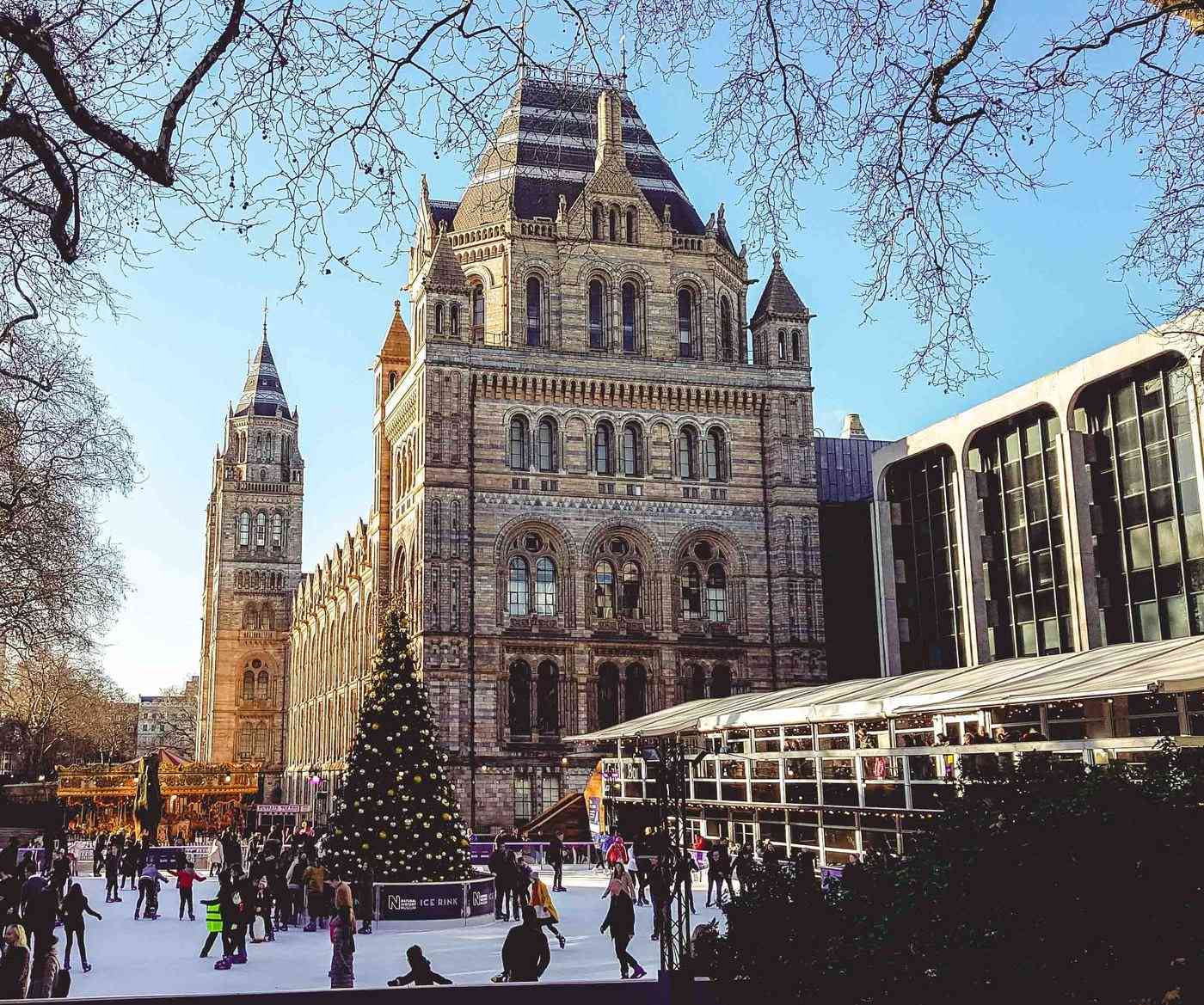
    Natural-History-Muesum-at-Christmas-time
    Christmas time at Natural History Muesum is such a magical time.

    Start the day by going to Kensington and pick one of the fantastic free museums:

    • Natural History Museum – In my opinion this is the best museum in London. I always think of David Attenborough speaking whilst I am walking through the gorgeous building learning about dinosaurs.
    • Victoria and Albert Museum
    • Science Museum

    If you get there by 9am you will beat all the crowds and fewer crowds means you will be able to walk around faster.

    Next walk through Kensington Palace & Gardens, through Hyde Park finally reaching Buckingham Palace. If watching the changing of the Guards is on your list then make sure you get to Buckingham Palace by 10:45 (I also have some tips in my London sightseeing tips on the best spot to watch this). I would say it would be impossible to do the changing of the Guard and a muesum so if it’s high on your list choose one or the other.

    Afterwards head to Westminster Abbey and Big Ben before crossing Westminster Bridge to Waterloo.

    Once you’re in Waterloo you can explore Leake Street Tunnel which became a famous street art spot after Banksy hosted the Cans Festival there in 2008. It’s the largest area in London for street art so it’s frequently having new pieces added or replaced.

    Ready for a drink? The Waterloo Tap is also a short walk from Waterloo Station and set up in a converted railway arch, this funky bar boasts 20 kegs and 6 casks on constant rotation. They also serve bar snacks but not full meals.

    Head back to the Thames path (i.e. The Queen’s Walk) and you’ll arrive at the London Eye. Make sure you read my guide on what to book in London where I cover everything you need to know about booking the London Eye.

    Continue east down the Thames and you will see either the Underbelly Festival (summer event) or Rekorderlig Cider Lodge (winter event). There are lots of stalls that offer food and drinks, alternatively there plenty of restaurants around the Southbank.

    Cross back over the Golden Jubilee Bridge to Embankment. Just a short way up Villiers Street you will find Gordon’s Wine Bar which is a 19th-century wine bar in a candlelit vaulted cellar. It’s lovely to grab a glass of wine here and just relax your feet for a bit.

    Finish your day off in Covent Garden and Soho. There are lots of bars, restaurants and theatre options in the area, plenty to keep you entertained for an evening!

    Day 2: East of London

    Kat-in-front-of-Street-Art-in-Shoreditch
    Here’s an example of one of the street art peices you can see in Shoreditch.

    Start the day off at St Paul’s Cathedral, on the weekend the area is super quiet apart from the tourists in the area. For a great view head to One New Change and go to the viewing platform.

    Afterward, you can go by the Monument which commemorates The Great Fire of London, decide whether you want to climb the 311 steps or just have a sneak peek at it.

    Cross London Bridge to Borough Market. Everyone gets confused with London Bridge and Tower Bridge. The first one is the functional one and Tower Bridge is the beautifully designed bridge originally opened in 1894 which you can see across the Thames from London Bridge.

    Have a late breakfast or early lunch (brunch) stop at Borough Market. I am always overwhelmed by the choice of food options. It suits all dietary requirements as well!

    Head back to the Thames Path and you will pass HMS Belfast, get a great photo opportunity of the London Skyline before crossing Tower Bridge.

    Once you are finished the next place is the Tower of London! If you decide to go inside check out the 2 for 1 on Days Out Guide or buy tickets online to save a little bit of money.

    Shoreditch is a great place to stop for food, find street art, have a drink on a rooftop, explore BOXPARK for food and shopping or find a secret bar like the Mayor of Scardy Cat Town.

    Brick Lane is known as the curry mile and to really get the authentic feel you need to haggle for Indian food. Otherwise, head to one of the amazing restaurants like the famous Dishoom. If you’re lucky enough to be there on Sunday then Brick Lane hosts markets full of food stalls until 5pm.

    East and West England Routes to Edinburgh

    Both of these routes can be customised to how many days you have available to you. As a minimum give yourself two days to allow two pit stops and one overnight stay somewhere. Seven days will truly allow you to see the best of both routes and if you want to do the loop then allow at least 14 days!

    This is not including the days you wish to spend in London and Edinburgh.

    Option 1: East England Route to Edinburgh

    The best place to pick up a hire car for option 1 is Stansted Airport. This will cost a little bit more money to get to if you’re catching the train as it’s a National Rail line, however, booking your tickets in advance or getting the coach will save you money.

    The east route will mainly take you on the A1 and A1(M)/A1 to Edinburgh.

    Cambridge

    Drive: Roughly 1hr 30mins depending on where you start your journey in London.

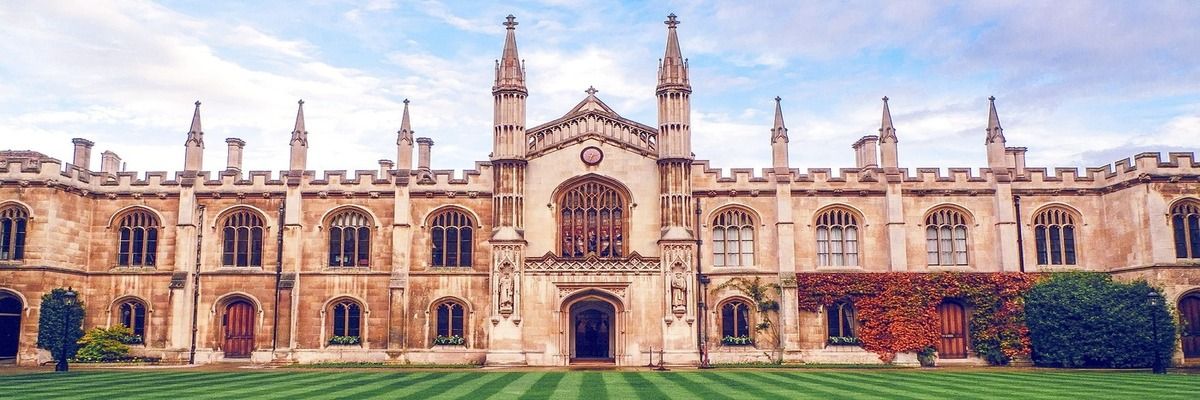
    Cambridge is one of the most well-known cities in England, and it’s easy to see why it is so popular with tourists!  The city has some of the most amazing architecture in all of England and a world-famous university as well.  Due to the large student population there is so much to do as well as numerous great places to eat and drink in the centre of the city!

    There are many things that are fun to do when you visit Cambridge, but an absolute must-try is the famous punting! A punt is a flat bottomed boat, which is used for leisure time and pushed across the water using a quant pole. This is a popular method of seeing some of the Colleges on the university, as well as the Bridge of Sighs which is very popular among tourists.

    You can choose to punt yourself or pay for a tour like this shared tour for up to 4 people.

    Some other popular tourist attractions in Cambridge include:

    • King’s College Chapel – A huge and stunning chapel with beautiful ceilings and carvings.
    • The Botanic Gardens – The gardens are home to several greenhouses and a seriously impressive collection of different plants!
    • Mathematical Bridge – Officially known as the Wooden Bridge, this is one of the most famous bridges in the UK due to its unique design and structure.
    • St. John’s College – If you want to see the most incredible college in Cambridge then this is certainly one of the most impressive.  It is known across the UK for its annual May Ball, one of the best parties going!

    Just to bear in mind that the preferred option for parking in Cambridge is to park and ride. Unless your accommodation offers parking as a part of your stay.

    Stamford

    Drive: 55 minutes from Cambridge.

    Fancy a quick stop off in a picturesque and historic town?  Why not take a drive to the cobbled streets of Stamford, the gorgeous Georgian town in Southwest Lincolnshire.  You may not have heard of the town before, but you’re sure to recognise parts of it, such as Burghley House, if you’ve seen the films Pride and Prejudice or The Da Vinci Code as it was used as a filming location in both.

    Stamford is the kind of place where you can simply wander; behind every corner and down every alley is more stunning architecture to see. The town is incredibly walkable and has many pretty churches, such as St Mary’s Church (12th century) and All Saint’s Church (13th century).

    Sheffield and the Peak District

    Drive: 1hr 30mins from Stamford.

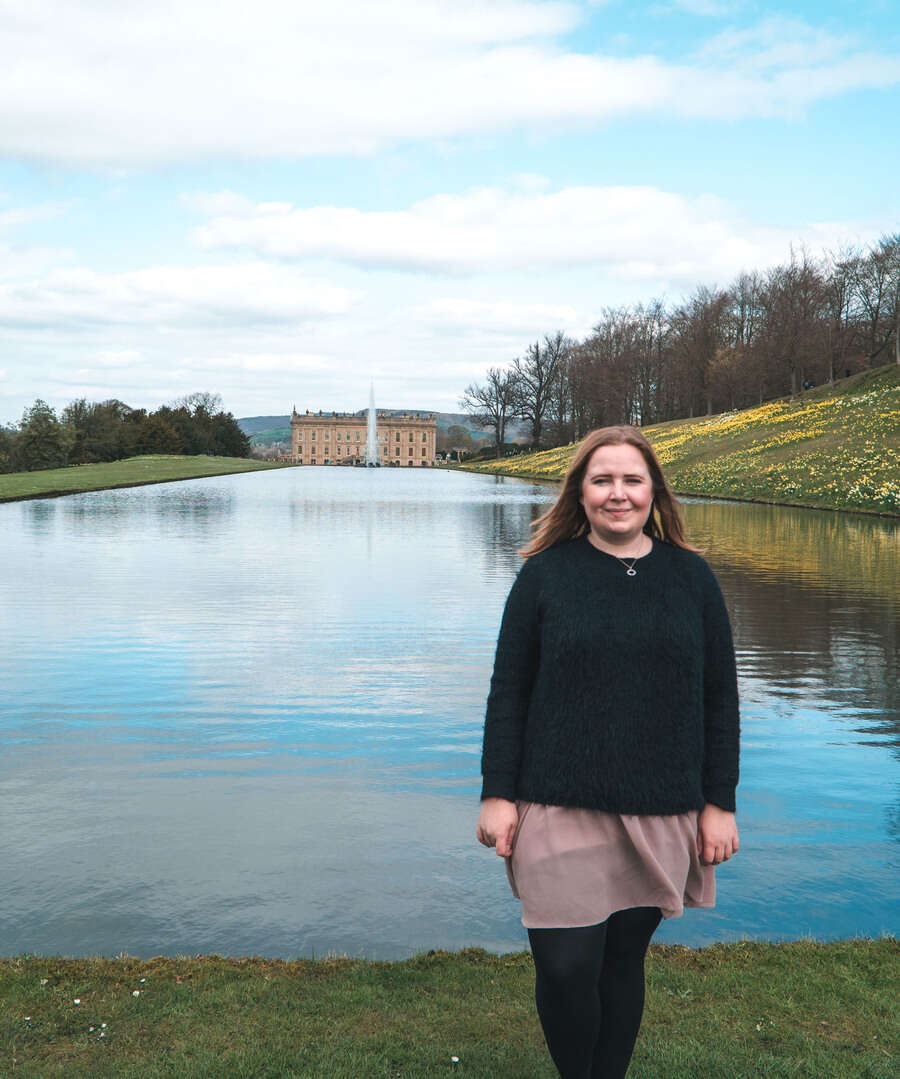
    Kat standing in front of the lake with Chatsworth House in the background.

    Sheffield is one of the greenest cities in the UK, and is right on the doorstep of the Peak District National Park. 

    The Peak District offers many opportunities for outdoor activities such as hiking, paragliding and rock climbing – what’s not to love? It’s also the UK’s first ever National Park back in 1951.

    For a nice and easy stroll, I suggest the Mam Tor Walk trail which takes you to one of the Peak’s most iconic views. This 4.5km circular route is steeped in ancient history and you’ll be rewarded with views of the Vale of Edale, Peveril Castle and the Hope Valley. 

    The world famous Chatsworth House was used as Pemberleyin Pride and Prejudice; Hardwick Hall was used as Malfoy Manor in the Harry Potter films and the medieval Haddon Hall was used in Kit Harrington’s Gunpowder. 

    If the great outdoors isn’t for you, there are plenty of other things that Sheffield can offer:

    • For a spot of shopping go to Meadowhall.
    • Sheffield has the largest theatre complex outside London, the two major theatres are the Lyceum Theatre and the Crucible Theatre.
    • Visit the tropical butterfly house which is popular with the locals.
    • Visit Our Cow Molly which is a working dairy farm and makes delicious icecream.

    Leeds

    Drive: 50 minutes from Sheffield.

    Leeds is a thriving city and one of the larger cities in England.  It’s a hub for art, culture and history so the city offers something for everyone.

    For museums and art galleries, I recommend visiting:

    • Royal Armouries Museum
    • Leeds City Museum
    • Thackray Medical Museum
    • the National Coal Mining Museum
    • Leeds Art Gallery
    • Henry Moore Institute
    • The Tetley

    Microbreweries have really popped up all over the UK in the last few years and Leeds has some you should add to your list. Many of the breweries will hold tours and tasting. Some of the most established ones are Leeds Brewery, Northern Monk and North Brewing Company.

    York

    Drive: 40 minutes from Leeds.

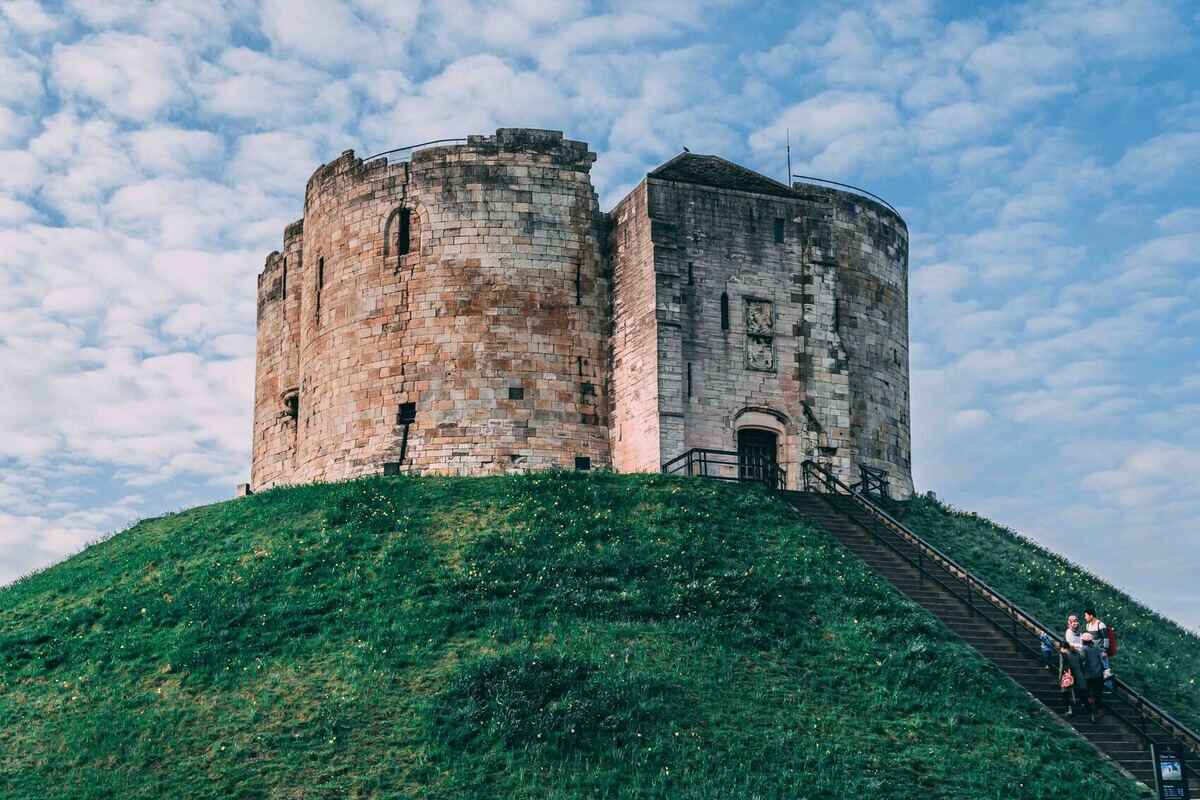
    Clifford’s Tower, North Yorkshire
    Clifford’s Tower, North Yorkshire

    Step back into medieval times with York’s winding cobbled streets, magnificent cathedral and stone walls surrounding the city. The best thing about York is that everything is within walking distance so it gives you a break from all that driving.

    Things to add to your list include:

    • Walking the city walls
    • Climbing Clifford’s Tower
    • Rascal buns at Betty’s tearoom
    • Walk down the Shambles to see the beautiful shop fronts
    • If you happen to be in York on the first Friday of the month then you need to visit York’s Farmers Market

    Newcastle-Upon-Tyne

    Drive: 1hr 40mins from York.

    Newcastle has a great reputation for its lively atmosphere and friendly people. There are numerous cocktail bars, trendy clubs, traditional pubs and restaurants all over the city.

    The city gets its name from the fortress sitting on the River Tyne which you can go and see as a part of your tour, including the great hall and the view from the roof. To learn more about the history of the city check out the Laing Art Gallery. Alternatively visit the Discovery Museum which gives an interesting account of Newcastle’s background in shipbuilding and coal mining, and how that evolved over time through technological innovation.

    Here are a few more sights to check out:

    • BALTIC centre for contemporary art
    • Live theatre – check out a theatrical performance
    • The Biscuit Factory – a great art gallery and awesome brunch spot
    • St. Nicholas Cathedral

    North Berwick

    Drive: 2hrs from Newcastle Upon Tyne

    This is one of the most stunning towns in Great Britain offering beautiful beaches, amazing food and a great castle! Here are some of the best things to do:

    • The Scottish Seabird Centre – See a variety of birds at this charitable research centre which dedicates itself to protecting indigenous wildlife in the area. You can also take a boat tour at some times of the year to see some seabirds in the wild! Depending on the season you may even see puffins!
    • The Lobster Shack – This is known to be one of the best places in the area to enjoy a fresh catch right from the ocean!  Enjoy a half lobster and chips and appreciate how incredible the fresh produce is!
    • Tantallon Castle – The castle ruins sit right on the Firth of Forth overlooking the sea. It has a rich history of sieges and feuds dating back to the 14th century!
    • Bass Rock – This famous rock sits proudly in the Firth of Forth and is a site of special scientific interest due to the fact that it homes the world’s largest local gannet colony.
    • Yellowcraig Beach – This is a gorgeous beach that should not be missed on your travels – it makes for one of the most stunning coastal walks in the area!

    Option 2: West England Route to Edinburgh

    The best place to pick up a hire car for option 2 is Heathrow Airport. It will save you driving through London and therefore is a lot less stressful!

    Windsor Castle (Stop en route to Oxford)

    Drive: 40 minutes from Heathrow Airport.

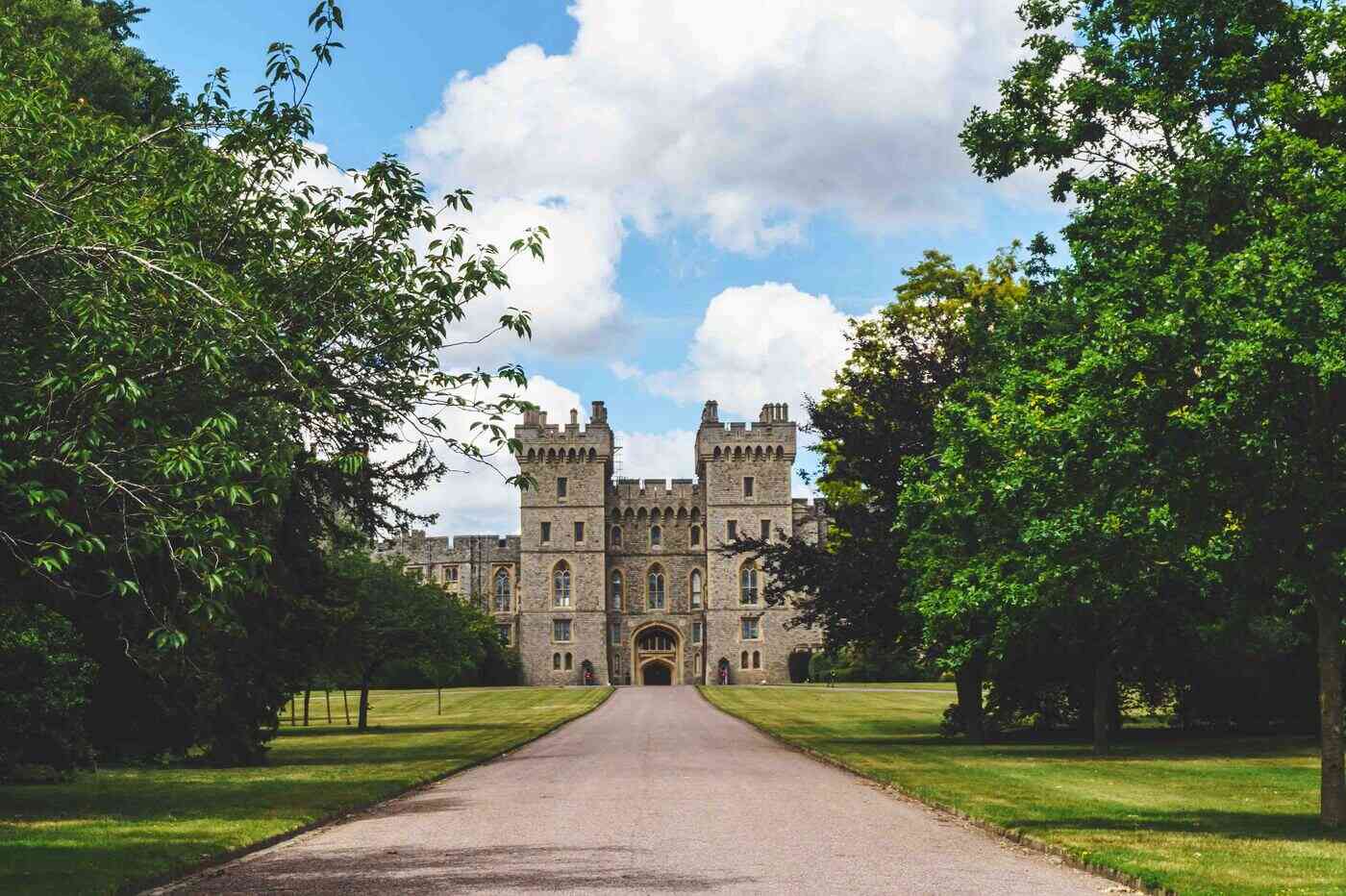
    Windsor-Castle
    The view of Windsor Castle from the entrance gates.

    Windsor is a stunning town and walking through it on the way to the castle is an absolute treat in itself.  And the awe certainly does not stop when you reach the glorious 1,000-year-old castle.  To explore the castle and its grounds in full, it will take around two hours.  The highlight of visiting the castle is certainly the beautiful St. George’s Chapel where the Duke and Duchess of Sussex were married in 2018.

    Windsor Castle is open Thursday to Monday, entry times start at 10am and the last admission at 3.30pm. Buy tickets to Windsor Castle here.

    Oxford

    Drive: 50 minutes from Windsor.

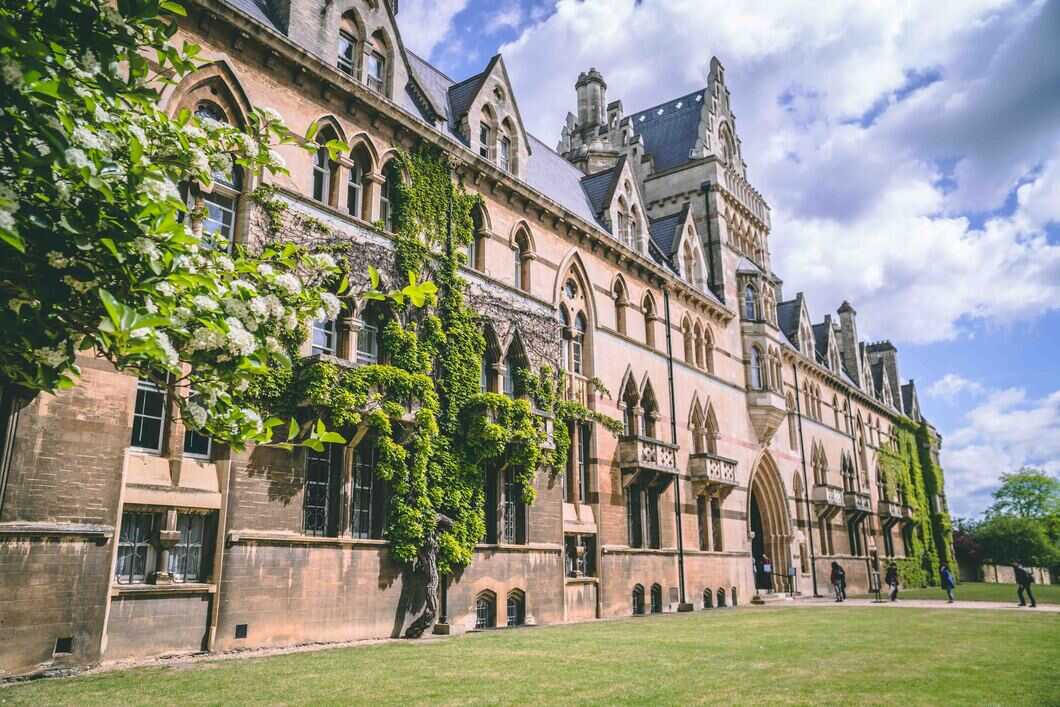
    Christ Church in Oxford England
    Christ Church in Oxford

    One of the best things about Oxford is that you can see the city on foot, from the most famous colleges, to historic pubs, to the many free museums.

    The historic Oxford University was first established in the 12th century and is the oldest speaking English university in the world. The university does not have a campus so you will see the buildings spread across the city.

    Famous works of literature were written in Oxford such as Alice in Wonderland, The Lord of the Rings and the Chronicles of Narnia.

    Here are some other great things to do while you are in Oxford:

    • Bodelian Library
    • Radcliffe Camera
    • University Church of St Mary the Virgin
    • Oxford University Museum of Natural History

    After exploring the town, why not take some time to visit Highclere Castle which is very nearby.  You may recognise the castle from the opening scenes of popular period drama Downton Abbey, and it certainly lives up to how excellent it looks on screen.  The castle was built in the 17th century and encompasses 5,000 acres of land that you can explore at your leisure, including the Secret Garden, the Monk’s Garden, the White Border and some beautiful woodlands.

    Bath

    Drive: 1 hour and 30 minutes from Oxford.

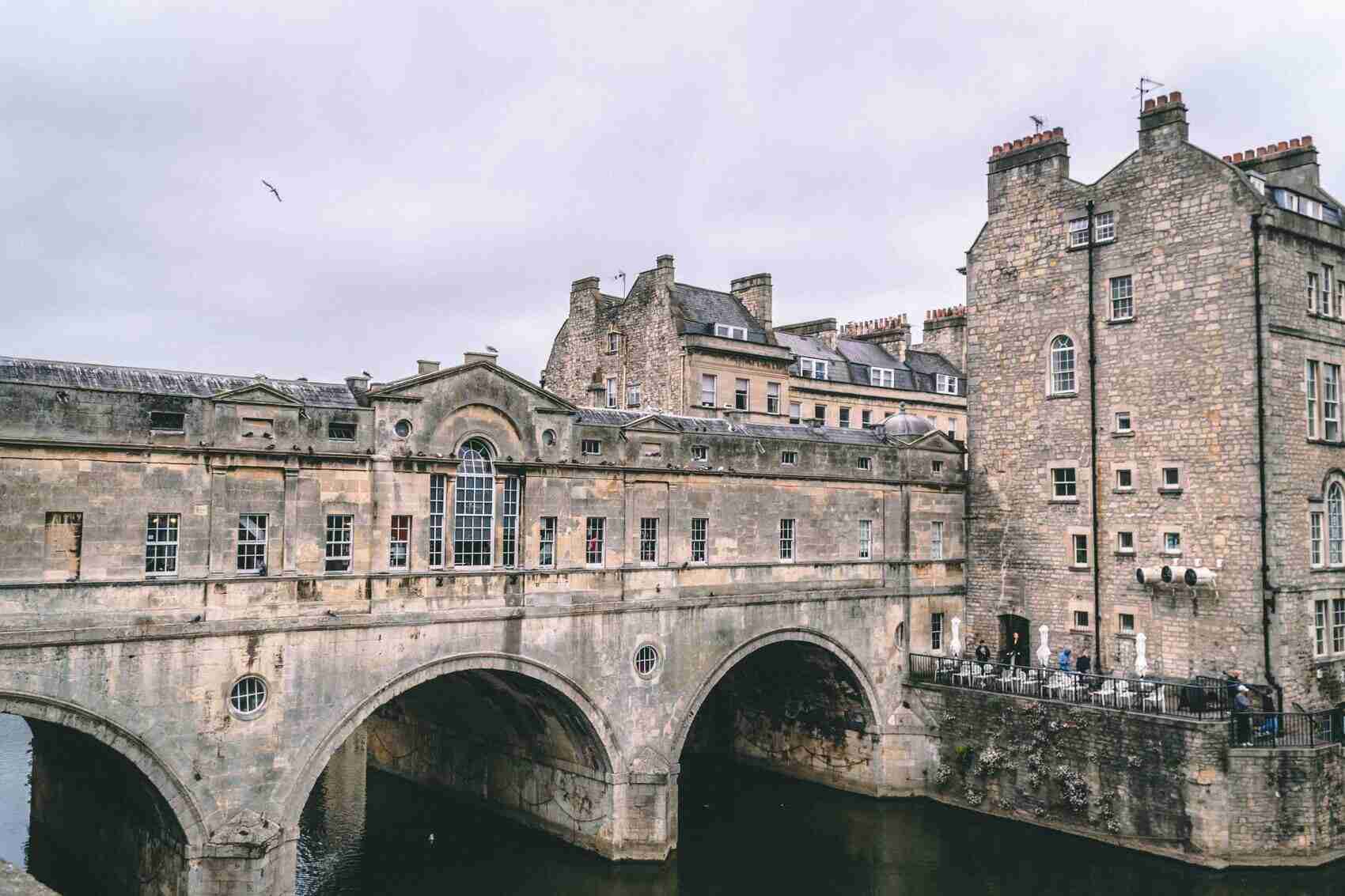
    pulteney-bridge-in-bath
    Pulteney Bridge in Bath

    An essential of visiting Bath is of course to visit the famous Roman Baths, which are surprisingly well preserved given how old they are.  Continuing with the stunning architecture of the baths, Bath Abbey should be your next stop, where you can climb the gothic tower and admire the views.

    Booking a walking tour for Bath is a great idea if you want to make sure that you see all the sights as well as getting some highly valuable and interesting information on the history of this fascinating town.

    There is a wealth of things you can do in Bath so make sure you allow enough time.

    Cotswolds

    Drive: As Bath is on the edge of the Cotswolds it will be right at your doorstep. Castle Combe is an easy 30 minutes drive from Bath. It depends on which towns are on your list.

    Not sure where you want to go to the Cotswolds? Here are 6 Perfect Cotswolds Day Trip Itineraries.

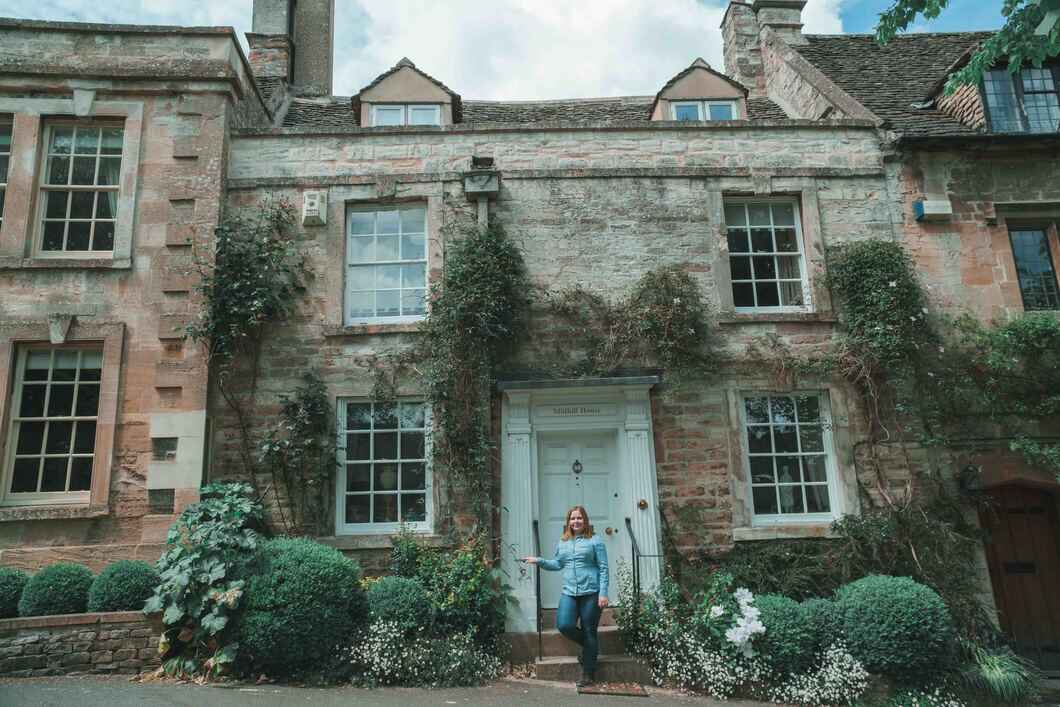
    Cotswolds-Towns-and-Villages
    Honey coloured building of the Cotswolds.

    The Cotswolds is a continuous stream of picturesque villages and beautiful natural landscape, truly resembling something out of a storybook or fairytale. As the Cotswolds is a collection of villages it is best to know where it is that you want to go in advance of getting on the road.

    Bilbury

    On the banks of the River Coln, Bilbury is home to one of the most well-known streets in the area, Arlington Row. If you are looking for the quintessential fairytale style streets and crooked brick cottages that the Cotswolds are so well known for, then this is the place for you.

    Stow-on-the-Wold

    This sweet little town is perched right at the top of a hill and features a gorgeous church, a small gallery and a famous farmers market held on the second Thursday of each month.  You will definitely want to grab a bite at Lucy’s Tearoom for some yummy freshly baked goods!

    Castlecombe

    This is without a doubt one of the best places in the Cotswolds to admire the beautiful honey-coloured bricks of the cottages and get the ultimate photos. The southern tip of the village is where you will get that classic shot of the village.

    Bourton-on-the-Water

    Right on the River Windrush, Bourton-on-the-Water is a pretty Cotswolds town and is known as the Venice of the Cotswolds. Walk down the river and see what the Cotswolds is most famous for the honey-coloured bricks. Alternatively, enjoy a drink or food at one of the village’s cafes.

    Gloucester

    Drive: Gloucester is on the northeast edge of the Cotswolds so this will be a short drive as well.

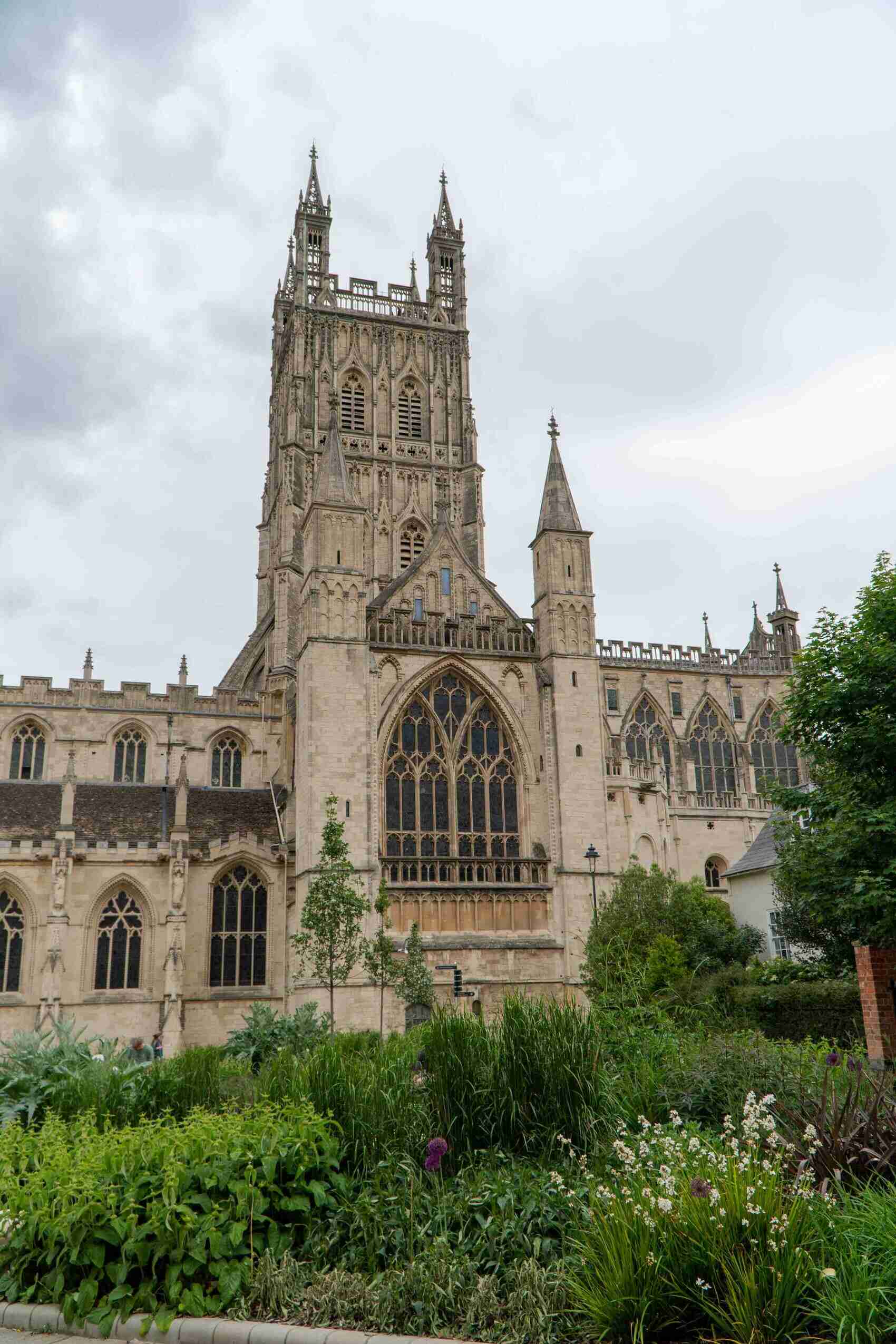
    Historical-cathedral-city-Gloucester

    Start by exploring the area around College Court where you will find The House of the Tailor of Gloucester, which inspired the author Beatrix Potter. The building is now a museum with a shop that is dedicated to the author.

    Next head over to Gloucester Docks which is Britain’s most inland port. You will discover Victorian warehouses, a working dry dock and a Mariners Chapel. A lot of the buildings have been converted into restaurants, tap rooms and shops.

    Don’t forget to see Gloucester Cathedral. It is an 11th century Romanesque and Gothic masterpiece. You may even recognise the cathedral’s corridor as it’s featured in the Harry Potter movies!

    There is quite a lot to do in Gloucester so this could be a stop in itself but if you are short for time then a few hours will cover the main sites.

    Stratford-Upon-Avon

    Gloucester to Stratford-Upon-Avon is 1 hour drive.

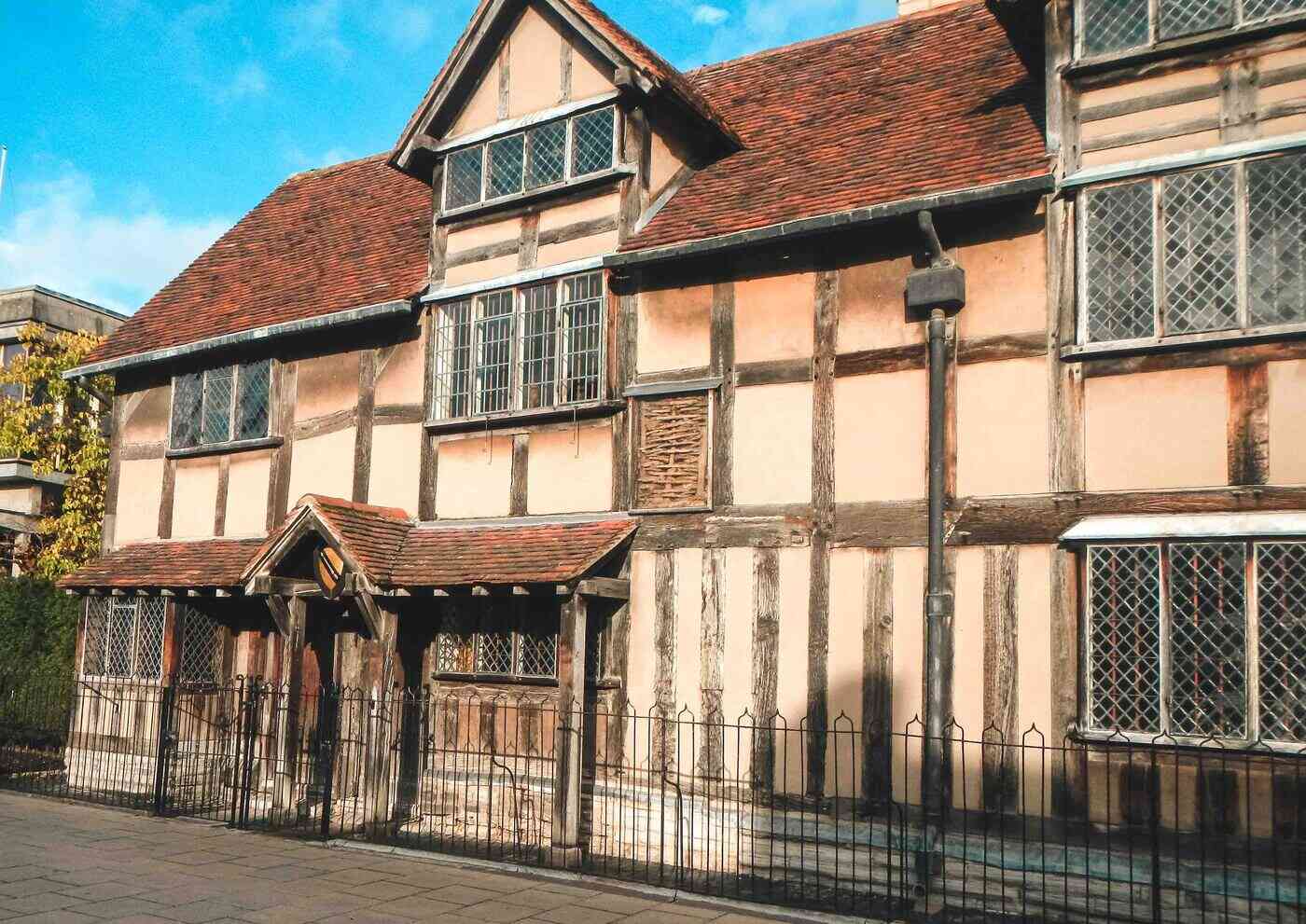
    Shakespeares-Birthplace
    Shakespeares Birthplace

    Stratford-upon-Avon is where William Shakespeare was born and most activities in this town are based around Shakespeare. 

    The Stratford’s Historic Spine is where the most important buildings of the town are and some of the buildings date back to the 15th century. The walk through the spine is approximately 0.6 miles (0.9 km) and will take you to mosts of the iconic sites in the town.

    Starting at Henley Street you can see the building where Shakespeare was born. Tours are offered to see Shakespeares’ birthplace.

    Anne Hathaway’s cottage is where Shakespeare courted his bride to be. You can pay to go inside the 500 years old cottage and see items from the 13 generations that lived there including the original furniture. Consider buying a ticket online which gets you into all of these attractions!

    There are also lots of wonderful independent restaurants, cafes and bars in the heart of the city where you can have a great dining experience no matter what you’re after.

    I would recommend going for some afternoon tea as it is a British tradition; this is arguably one of the most quintessentially British places you could have it! 

    Fancy something savoury instead? Chef Gordon Ramsay swears that Barnaby’s is the absolute best place to get yourself some fish and chips, and it’s right next to the Royal Shakespeare Company.

    Chester

    Drive: Stratford-Upon-Avon to Chester is around 2 hours and 30 minutes. Makes sure you avoid the toll road on the M6 and carry on the non-toll M6 route.

    You are now pretty much at the halfway point between London and Edinburgh and sitting right on the Welsh border.  This city has a rich history for you to explore; learn about Roman Legionnaires, Vikings, Normans and Anglo Saxons on your travels through the city.

    The city is nearly completely surrounded by walls, which are considered to be the most well preserved in Great Britain running nearly two miles long.  Other historic sites include:

    • The oldest racecourse in Great Britain
    • The largest Roman amphitheater in Great Britain
    • A one thousand year old Cathedral, with some amazing medieval carvings within
    • Seven hundred year old Rows galleries

    Chester has one of the largest zoos in the UK and dedicates some of its resources to the conservation of endangered species. This makes for a great day out for visitors of all ages!

    Liverpool

    Drive: the drive to Liverpool is a quick one at 40 minutes.

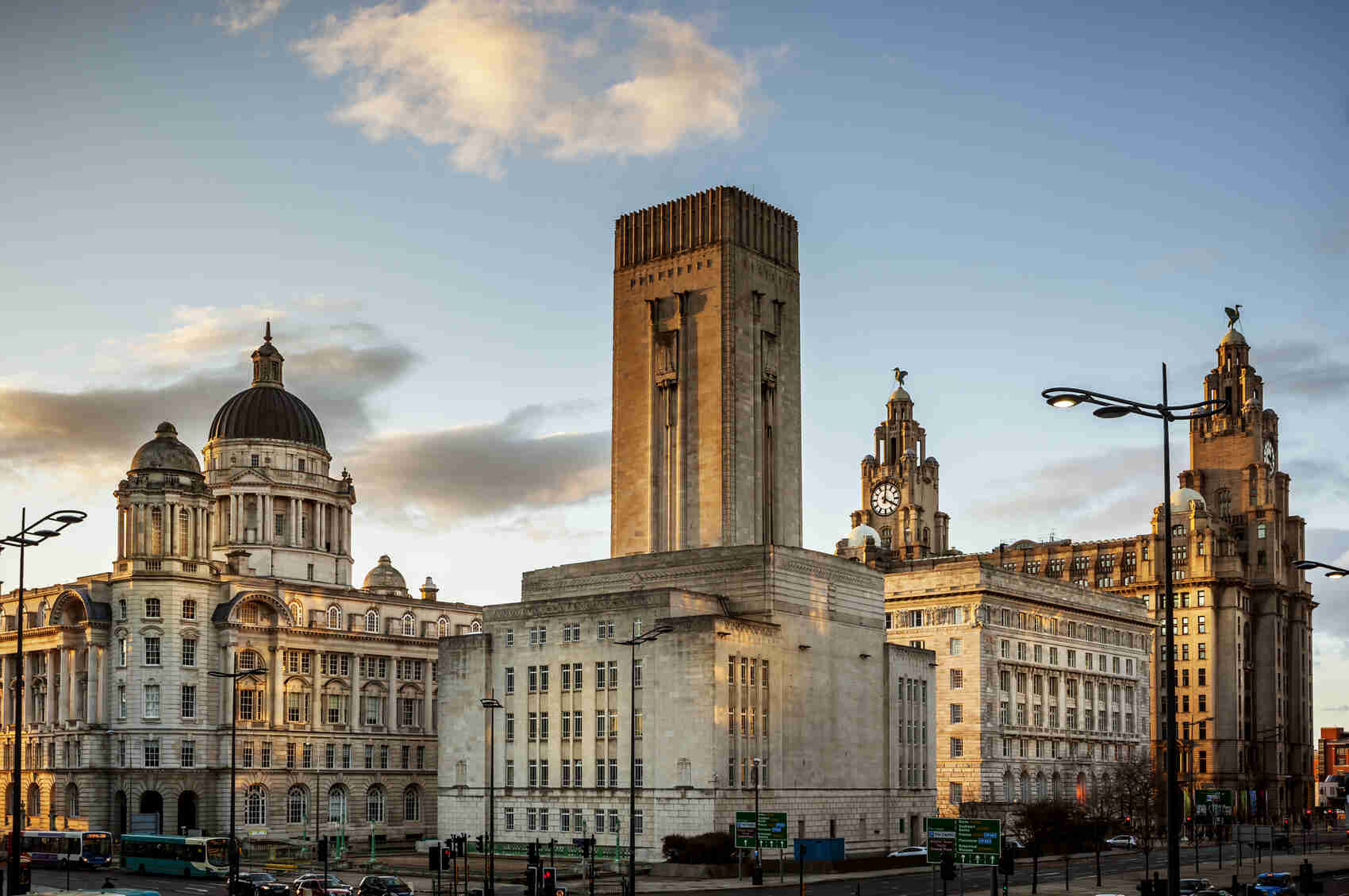
    Pier-Head-Liverpool
    Pier Head Liverpool

    Time to visit one of England’s major cities – the home of The Beatles, it’s Liverpool!  This is the UK’s fifth biggest city, and there is so much to see and do that you could spend your entire trip there!  Check out some of the historic areas, which have been granted World Heritage Status by UNESCO, like the Royal Albert Dock Area and William Brown Street.

    There is also a great art and creative scene making for some awesome murals and street art as well as some art galleries.  Here are some locations to check out:

    • Cains Brewery Village
    • Red Brick Vintage Market
    • Baltic Market
    • Tate Liverpool
    • Museum of Liverpool

    If you’re spending the day in Liverpool, don’t forget to check out this day guide.

    Manchester

    Drive: Liverpool to Manchester is 1 hour.

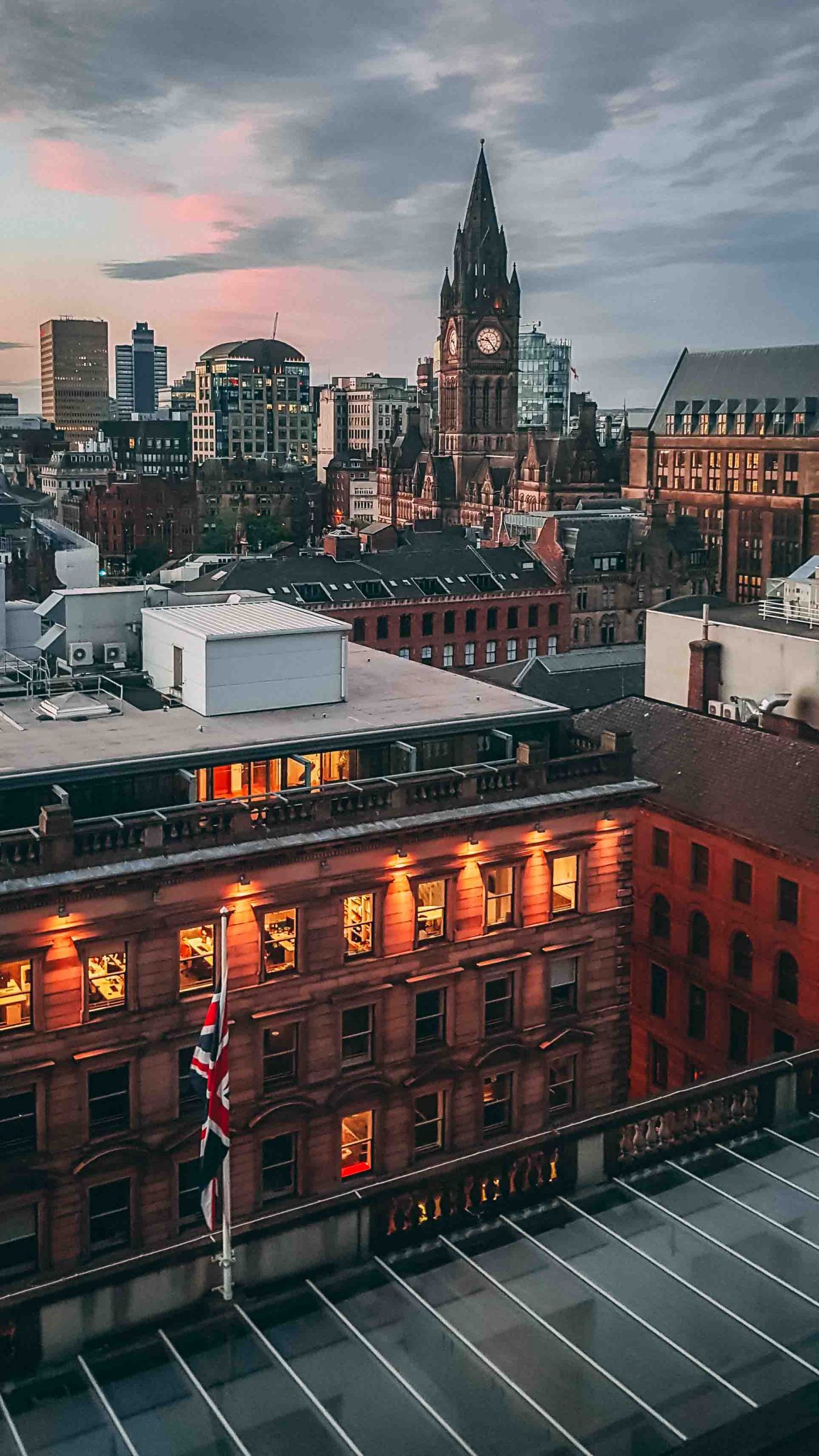
    View-of-Manchester
    View of Manchester

    Manchester is known across the UK for its rich and diverse cultural scene! After all, it is the home of The Smiths, Oasis, and the Stone Roses.  It also has numerous other sights such as galleries, museums and plenty of pubs and restaurants too!  Here are some of the highlights:

    • Afflecks Palace – This is one of the best things to do in Manchester; it is ‘an emporium of eclecticism, a totem of indie commerce in Manchester’s Northern Quarter’ – enjoy looking through craft stores and at jewellery and trinkets.  It is truly a unique place.
    • Chinatown – You will know that you have reached Chinatown when you see the giant red archway that leads into the area.  The area has a large number of Asian restaurants and cafes serving delicious food and even some karaoke! One of my favourite places to eat is Try Thai (I know it’s not Chinese!) but it offers great food and I often visit on my trips to Manchester.
    • Federal Cafe – This place is known across the city as a trendy brunch spot with fantastic coffee – it’s totally instagrammable!
    • PLY – Best pizza in the city, and very affordable – enough said!
    • Football – Manchester is home to premier league teams Manchester United and Manchester City. As you can imagine that means there is a football atmosphere! You can try and catch a game or visit the National Football Museum.
    • John Rylands Library – This building is one of the best examples of neo-Gothic architecture in Europe and an incredible library. One of the cool facts about the building is that it was the first place in Manchester to be lit by electricity.

    As I travel to Manchester a lot, I’ve tried a significant amount of hotels in the city! By far my favourite is the Great John Street Hotel which is a 4-star hotel. The building is a Victorian former schoolhouse so it has a lot of wonderful architecture. The rooms are beautiful! Last time I stayed here I had a second floor just for my bathroom which had a free-standing bath. My other hotel recommendations are the Lowry Hotel and the Midland.

    Here’s how to spend 24-hours exploring Manchester.

    Lake District

    Drive: 1 hour and 30 minutes to reach the outskirts of the Lake District.

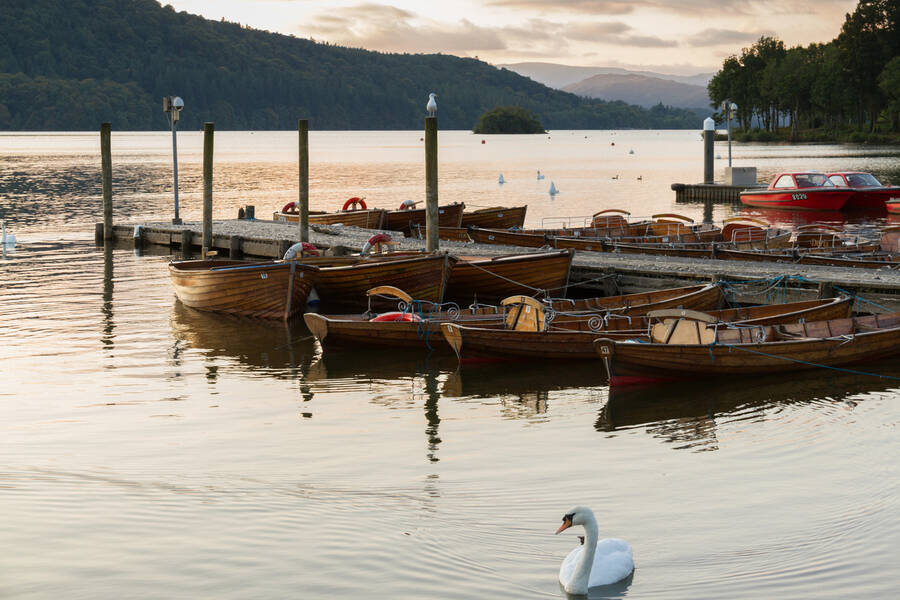
    swan-and-moored-boats-in-Lake-Windermere
    Swan and moored boats in Lake Windermere.

    The Lake District has some incredible things to do – you’ll want to take your time and make sure you’ve seen all that you wish to!

    Rydal Mount

    Whether you’re a literature buff or not, you’re definitely not going to want to miss visiting the home of Wordsworth, Rydal Mount in the small village of Ambleside.  The famous poet resided here for the latter part of his life, and you can walk in the beautiful gardens that were once landscaped by Wordsworth himself!  You can even take a look at the place where he wrote, as well as his library!

    The Lakes Distillery

    This distillery was founded in 2014 and has become one of the most popular in the Cumbria area in recent years. It produces gin, vodka and whisky.  Even better? It uses local produce to do so!

    The distillery is awesome to visit – it even has alpacas! Plus, there is a shop, so you can buy your favourite drinks and take them home with you!

    Lake Windermere

    This is the largest natural lake in England, and gives a great picture of the beauty of the Lake District.  If you are going to go to any lakes in the Lake District, make sure its this one.  There are tonnes of amazing things to do around the lake, such as boating, running, hiking and cycling!

    Grasmere Gingerbread

    One of the most famous things you can buy in the Lake District is Grasmere Gingerbread. When you walk into the shop you will smell the spices and the aroma of gingerbread. The perfect snack to grab for your road trip! If it is winter then pair it with a nice hot drink alongside a fireplace.

    Find out more about whether you should choose the Lake District or Peak District, here.

    Finish in Edinburgh

    You have finally arrived at your destination; Scotland’s capital city of Edinburgh!  This city is great to spend a couple of days exploring, particularly the old town which is where you will find the castle!

    For ideas of what to see and do during your time here, check out my article on the 7 Day Drive Loop from Edinburgh to Glasgow.

    More Articles on the UK