Tag: Jurassic Coast

  • Your Jurassic Coast Travel Guide (Everything You Need to Know)

    Your Jurassic Coast Travel Guide (Everything You Need to Know)

    Devon, Dorset, and dinosaurs. The Jurassic Coast spans 95 miles of rocky cliffs, sweeping sands and crashing waves.

    It is a natural UNESCO World Heritage site, putting it in the same illustrious bracket as the Galápagos Islands and Yellowstone National Park.

    Find out what makes the Jurassic Coast so spectacular in this comprehensive travel guide, with the inside track to its best places to visit and things to do, and plenty of essential travel information. 

    What, Where and Why: The Jurassic Coast
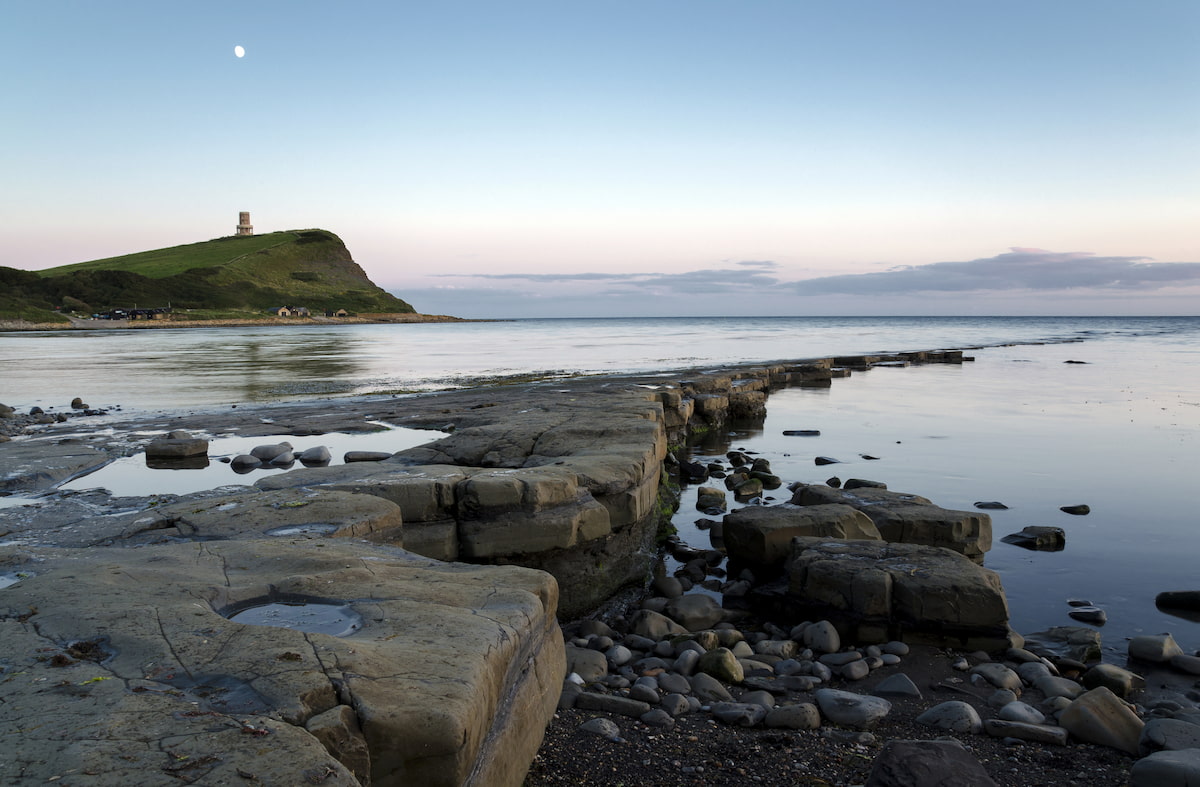
    Kimmeridge Bay In Dorset

    The Jurassic Coast sounds as if it should be in some incredibly exotic, far-flung destination, but it is actually a protected portion of land on England’s genteel southern coastline. 

    You will find most of the coast’s iconic landmarks in Dorset, but the UNESCO World Heritage Site is long enough that it stretches into Devon, which borders Cornwall in the southwest. The Jurassic Coast officially runs from Exmouth in Devon to Old Harry Rocks, near Swanage in Dorset.

    It is the only natural UNESCO World Heritage site in England – the distinctive rock formations, unusual landforms and rich fossil deposits make the Jurassic Coast a geological treasure. Besides its UNESCO status, much of the coastline is – quite unsurprisingly – a designated Area of Outstanding Natural Beauty.

    Crumbling white chalk cliffs characteristic of England’s southern shore make a striking contrast against the tumultuous blue of the English Channel. Add in golden sands, picturesque villages and lush greenery and you quickly start to see the appeal.

    So why is it called the Jurassic Coast? It’s more than just the astonishing collection of fossils found in the area. The formation of the very rocks beneath your feet takes you on a journey through 185 million years of the Earth’s history. Constant coastal erosion has revealed a sequence of rock formations covering the Triassic, Jurassic and Cretaceous periods.

    The Jurassic Coast gives us invaluable insight into the history of Earth. It’s importance can’t be constrained to any one country – as the heritage of the planet itself, it belongs to people the world over.

    Best Places to Visit

    The Jurassic Coach is overflowing with spectacular natural phenomenon, fantastic places to visit and stunning views. These are some of the best.

    Durdle Door
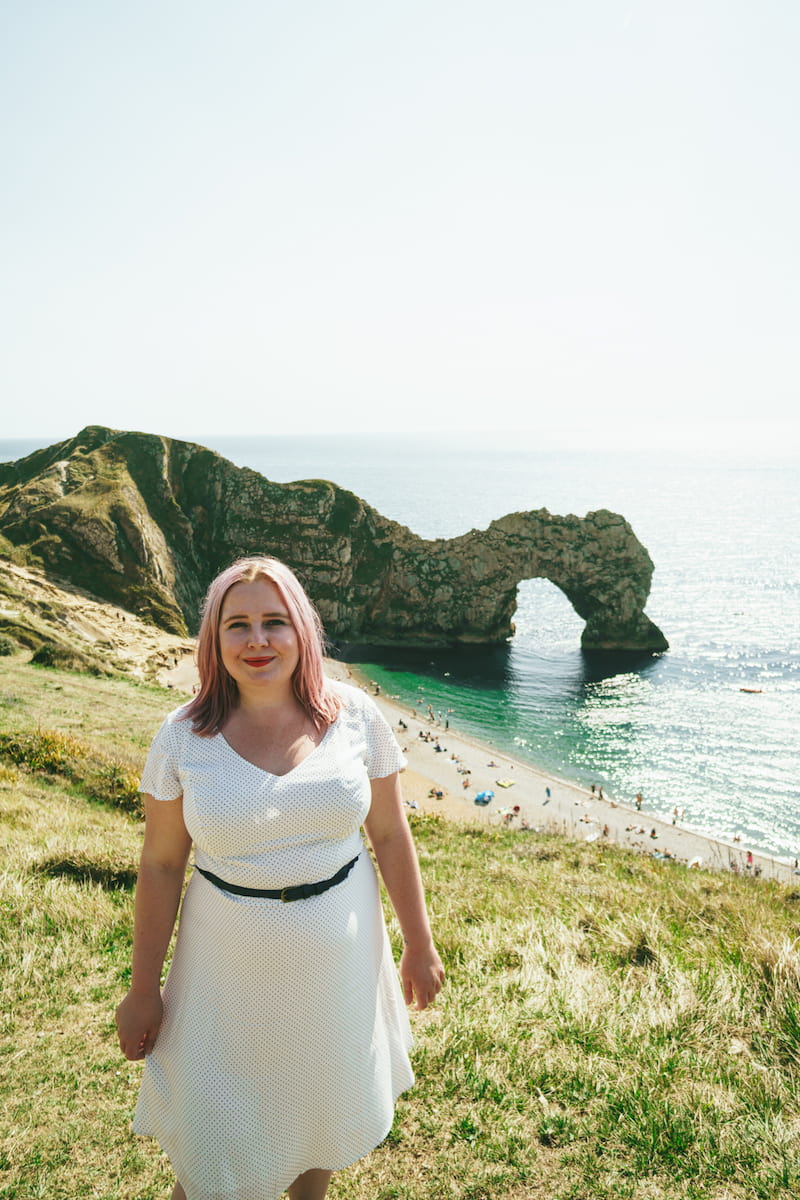
    Kat standing in front of Durdle Door
    Durdle Door on a Summers day

    Starting with the Jurassic Coast’s most recognisable landmark, the curving arch of Durdle Door has been a feature here for approximately 10,000 years. 

    Durdle Door is the result of countless years of coastal erosion – the sea pierced through the limestone cliffs all those millennia ago to form an archway; possibly the most famous naturally-formed arch in the world. 

    Only adding to its beauty is the fact that it is a relatively short-lived geological feature. The arch will eventually fall into the sea, leaving behind only a stack of rock. We are lucky to exist in the same time frame to enjoy it as it is today.

    Though a popular spot, Durdle Door is undeniably beautiful. Every top destination has a few unmissable places – and this is one of them. Whether you approach by traversing the steep wooden steps down to the beach or by boat, Durdle Door is a sight sure to steal your breath away.

    Lulworth Cove
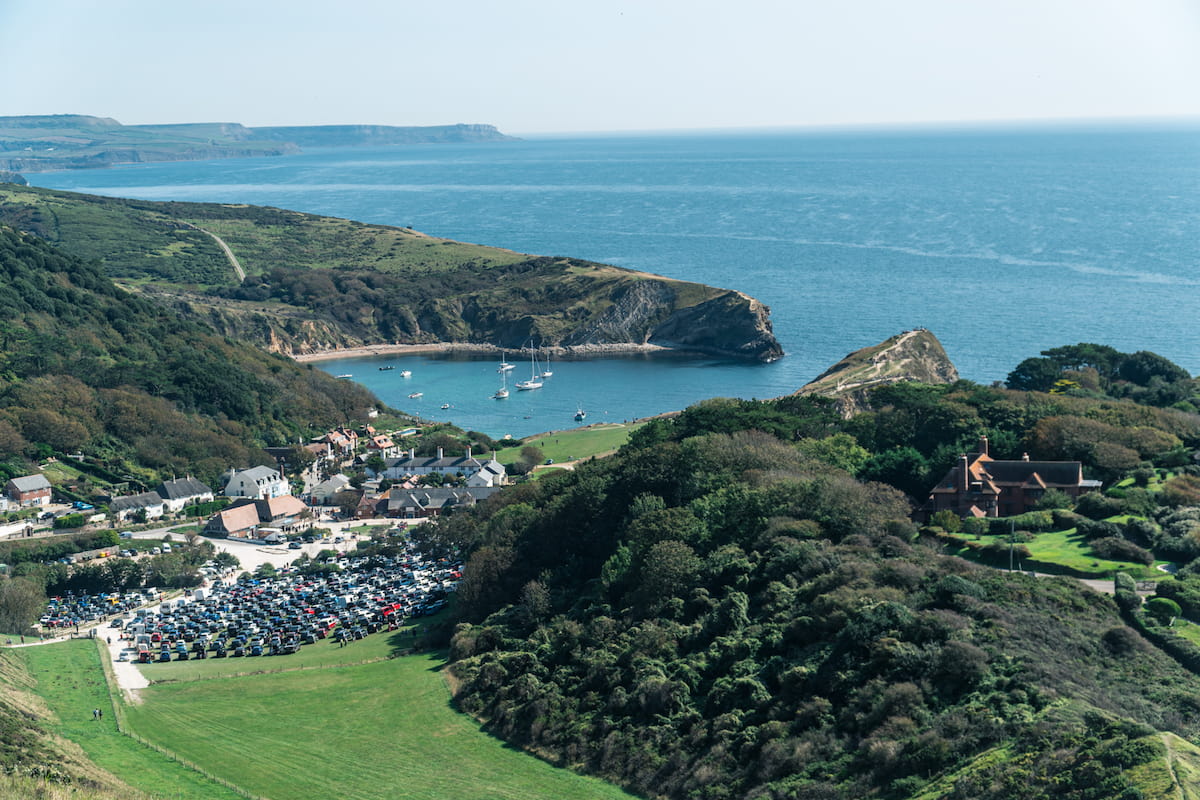
    View of Lulworth Cove
    View of Lulworth Cove

    A few miles away from Durdle Door sits Lulworth Cove, Dorset’s premier beach destination.

    Dorset and the southwest of England, in general, is blessed with fantastic beaches. But Lulworth Cove is one of the most impressive. 

    The cove is almost perfectly circular and largely sheltered from the sea – only a small opening carved out 10,000 years ago connects the two. From a purely scenic standpoint, this is one of the finest beaches in England; the golden shingle beach backs up on to towering green hills that follow the arc of the cove until they drop to the sea.

    The geology of Lulworth Cove is also extraordinary. You would be hard-pressed to find clearer displays of rock folds, cove formation and coastal erosion anywhere in the world. 

    Unique geological formations like the folded stone, known as Lulworth crumple can be seen all around this area. The small cove of Stair Hole is a particularly good example. Walk further along from the beach and you will find the fossilised tree stumps of Fossil Forrest, which were alive a mind-blowing 145 million years ago.

    Chesil Beach
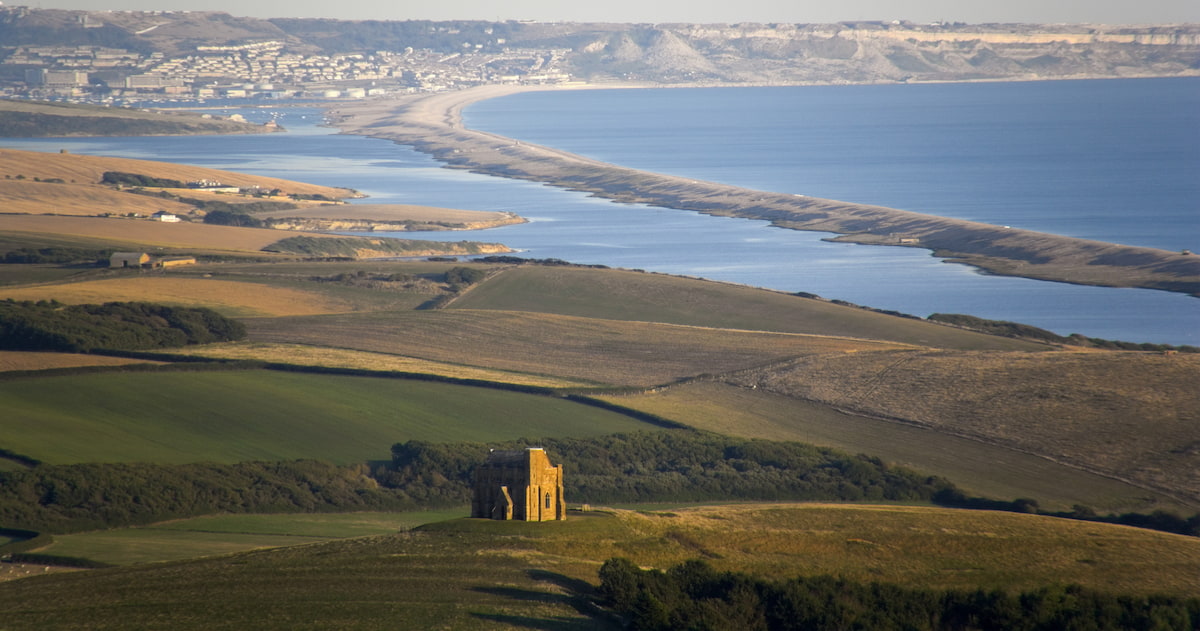
    England dorset coast chesil beach

    Yet another unique geological formation – the Jurassic Coast really earned its UNESCO status – is Chesil Beach, an 18 mile long shingle barrier beach. 

    The pebble beach stretches all the way from Portland to West Bay. Behind Chesil Beach is the Fleet Lagoon, which separates it from the mainland – the distance between them is decreasing every year by 15cm, as the sea slowly pushes Chesil Beach further into the lagoon. 

    The sheer size of this thin strip of land is impressive; it is rare to see a land formation like this, and there are only two others in England. While the beach is being pushed back, it still acts as a buffer for the mainland, reducing the power of waves

    If you’re visiting Chesil Beach, you should stop at the Isle of Portland. The beach is the only thing connecting the island to the mainland. Portland is a beautifully rugged island, home to a famously picturesque lighthouse and a great variety of birdlife.

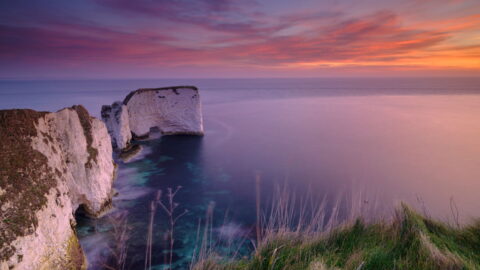
    Old Harry Rocks
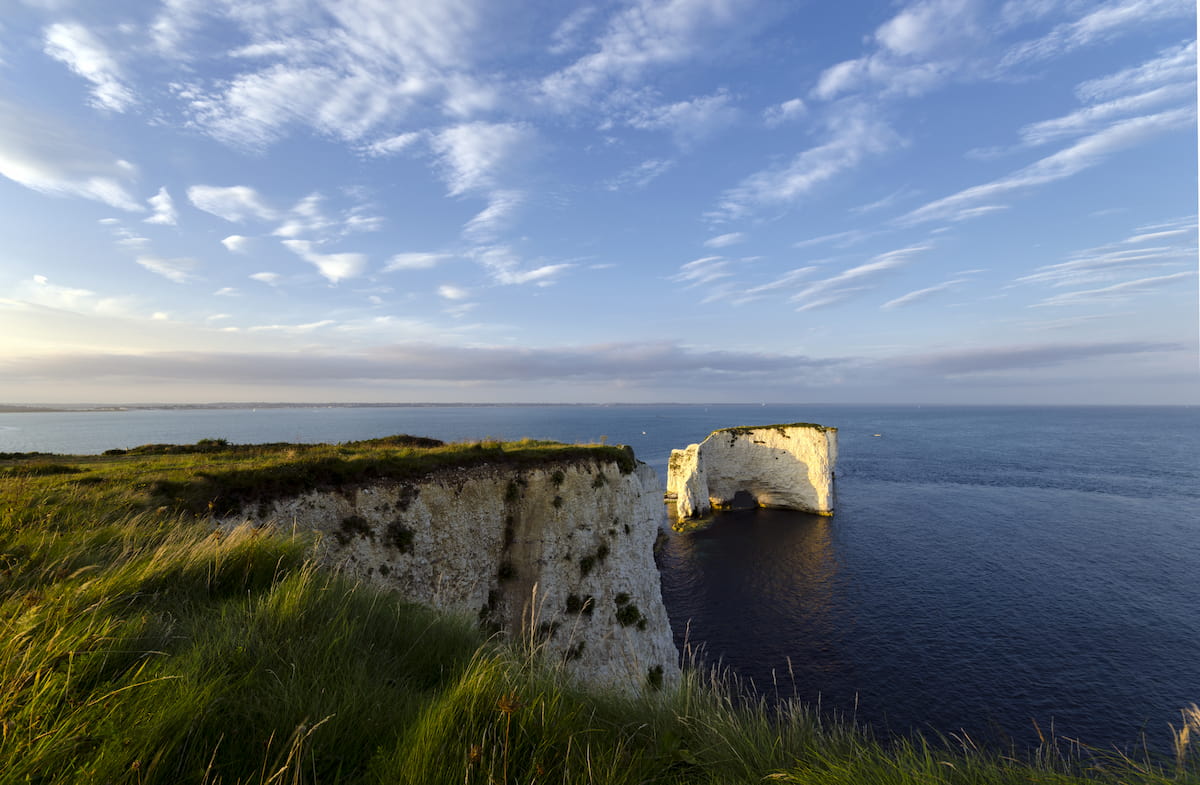
    Old Harry Rocks
    Old Harry Rocks

    Nervously peeping over the cliff edge to get a glimpse of Old Harry Rocks is one of the Jurassic Coast’s unmissable experiences. 

    Once connected to the mainland, the stack and stump of Old Harry and his wife were ripped away by coastal erosion. The distinctive chalk formations jut out into the English Channel, which continues to chip away at the soft chalk underbelly of the rock.

    If you’re curious about the unusual names, there are a few theories. One legend states that the name Old Harry comes from the devil (Old Harry is age-old slang for the devil) sleeping on the rocks, while another suggests they were named for an infamous smuggler, Harry Paye, who once hid his boat among the rocks. Whatever the truth behind the name, the rocks have continued to stir the imagination for centuries.

    With blue sea, white cliffs and the green grass atop them creating a stark contrast of colour, the weaving cliff edge and Old Harry Rocks make for a striking picture. 

    You can see the rocks well enough from the roughly hour long walk up the cliffs, but I would really recommend catching a boat trip out to see Old Harry Rocks if you can. They’re beautiful when seen from the land, but the wider perspective from the sea is truly spectacular.

    Lyme Regis
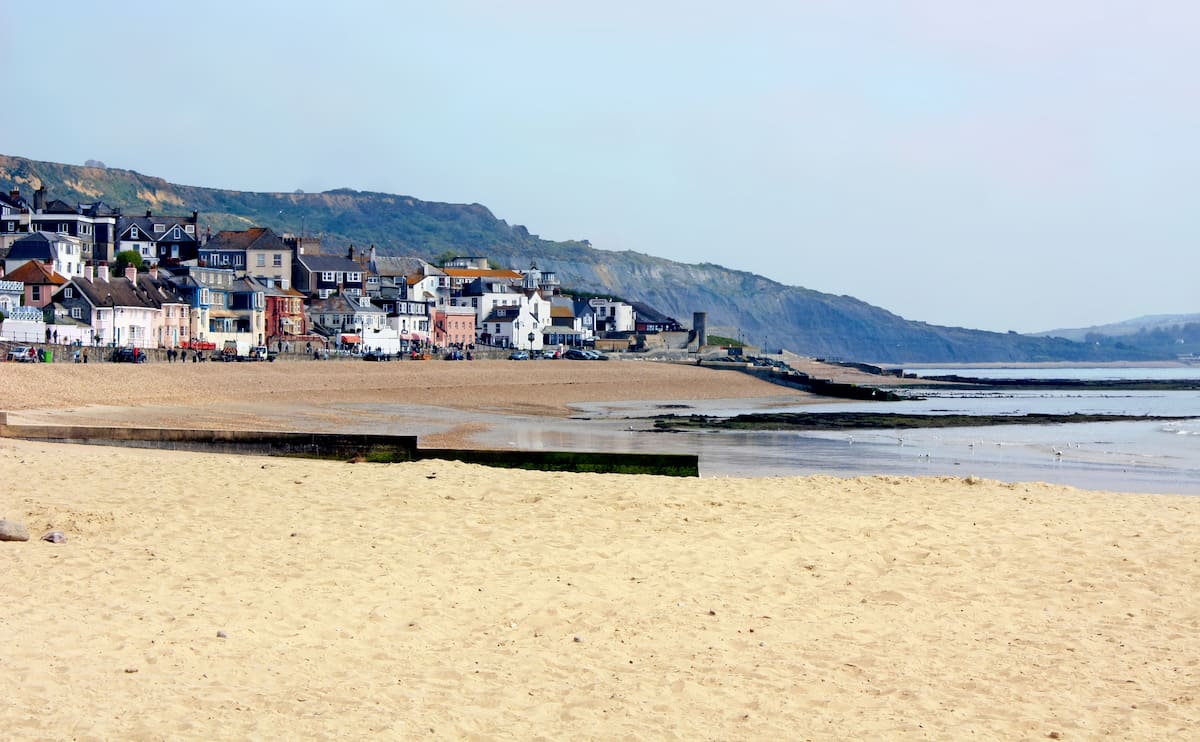
    Lyme regis sandy beach dorset uk

    Boasting a picturesque harbour of bobbing sailboats, a seafront of pastel-coloured houses and a lovely beach, Lyme Regis is the quintessential upmarket seaside resort. With a classically pretty look and a bit of bustle, the town is one of the most popular on the Jurassic Coast.

    It makes a lovely base for your holiday, but is worth visiting regardless. The colourful architecture is mostly from the Georgian and Regency era, giving the town a sophisticated look. Winding streets and independent boutiques add a layer of charm, while museums and art galleries give it a bit more depth as a place to visit. The Lyme Regis Museum is built on the site of Mary Anning’s former home. 
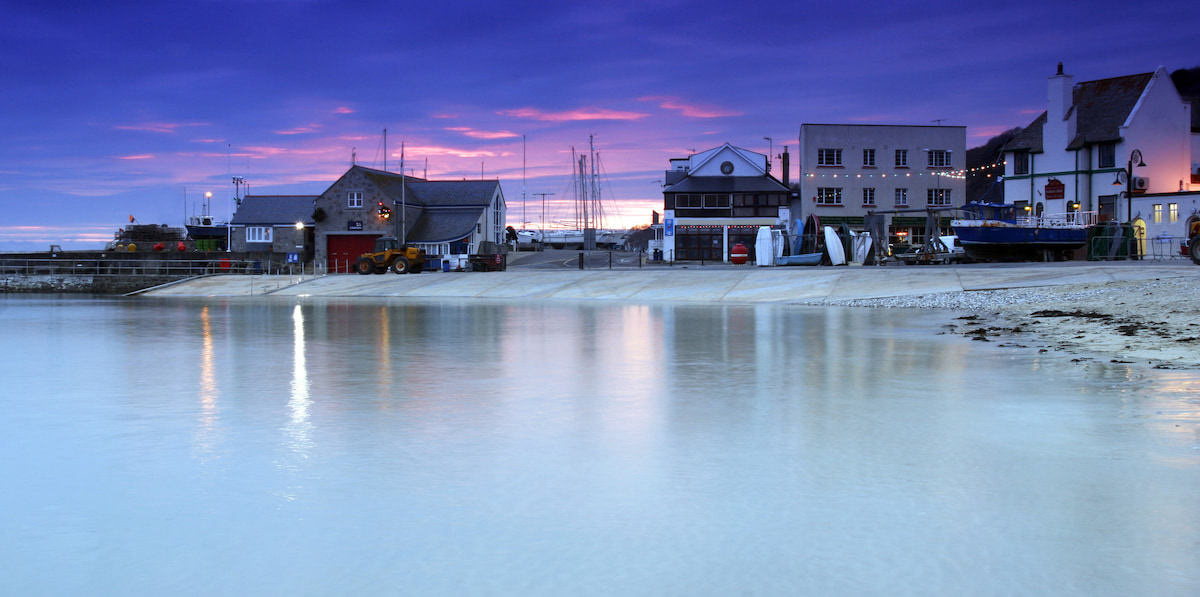
    The Cobb in Lyme Regis at sunset

    The pioneering paleontologist and fossil collector was born in Lyme Regis on 21st May 1799 and lived there until she died in 1847. Her work was groundbreaking at a time where geology had yet to truly exist as an official discipline, and teachings of the Bible were rarely challenged. Anning’s discoveries and documentation of dinosaur skeletons changed the scientific world; her work is honoured in the museum.

    Small, pretty and charming are all words I would use to describe Lyme Regis – quiet is not. It helps add to the joyful atmosphere pervading the town, but if the weather is nice, there are always crowds of people that follow.

    West Bay
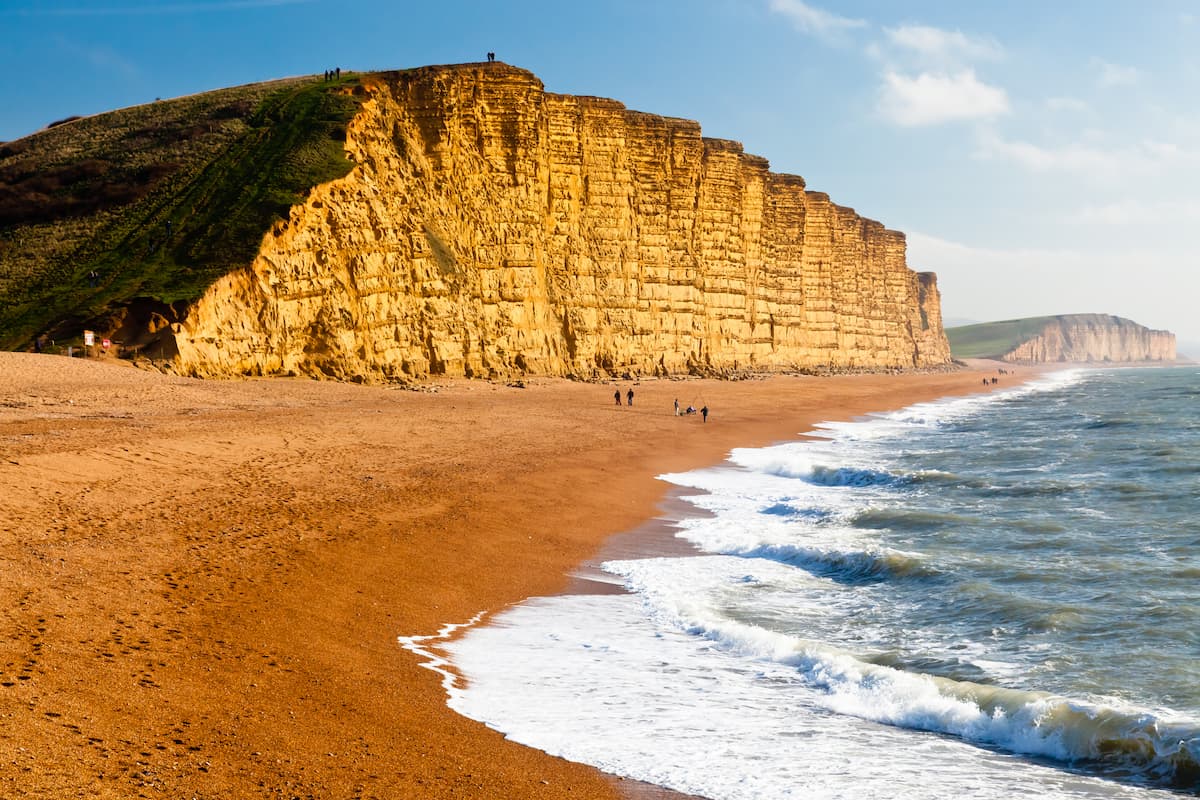
    West Bay Beach

    West Bay has always been a favourite with visitors, but it is hard to deny that its popularity has skyrocketed since featuring prominently in the ITV crime drama Broadchurch. 

    The tiny settlement has two gorgeous sand beaches, rather unimaginatively named West Beach and East Beach. The backdrop of towering sandstone cliffs on East Beach is the one you’ll recognise: David Tennant and Olivia Colman filmed on location here for series one of Broadchurch. 

    Even people that have never seen the show will still love West Bay. You can’t go wrong with soft sands, gentle waves and the open sky. A small but quaint fishing village like West Bay is the perfect place to try fish & chips as they are intended: fresh from the sea, bought from an unassuming chip shop, and eaten overlooking the water.

    If you want to be somewhere a little more developed, nearby Bridport is a lovely little market town. 

    Corfe Castle
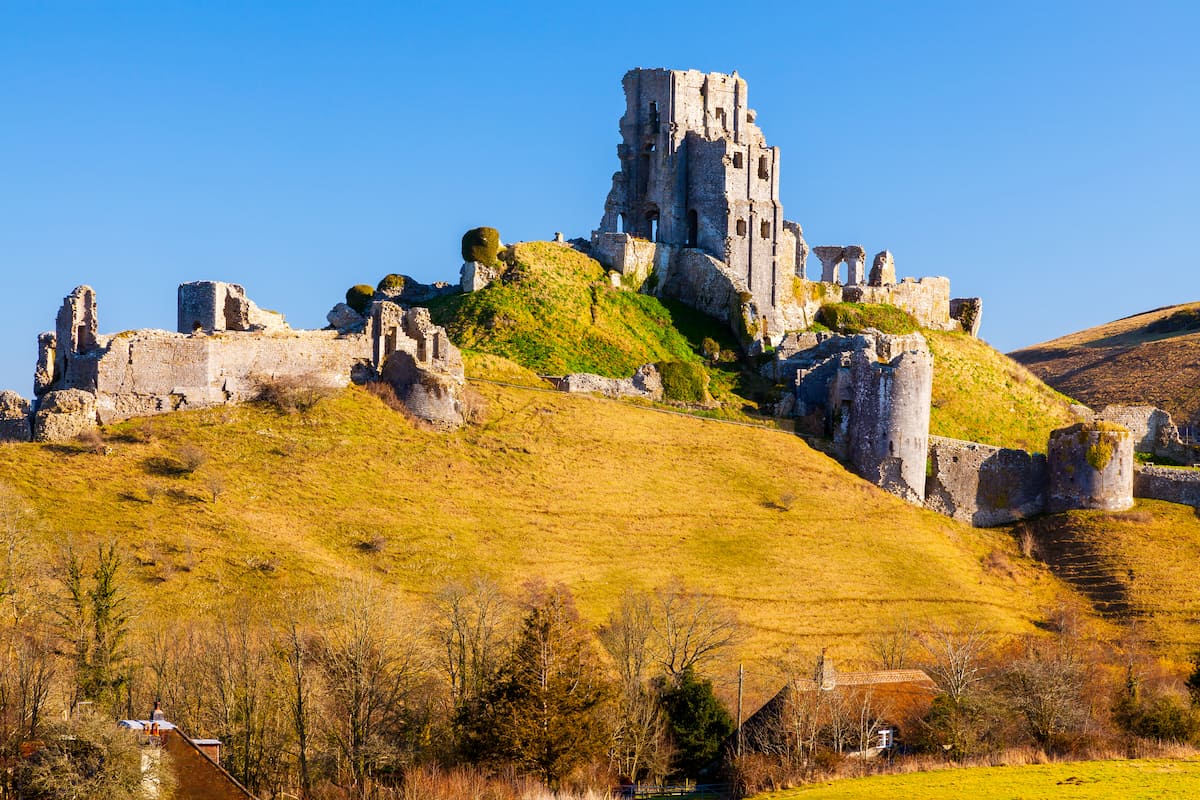
    Corfe Castle Dorset England

    If you asked for a list of prettiest villages in Dorset, Corfe Castle would be somewhere near the top. Dominated by the ruins of an ancient castle standing high over the village and filled with quaint cottages, this is a community ripped straight out of the pages of a storybook.

    It’s the kind of place that just breathes history. The precariously balanced castle has stood for a thousand years. It has been a Norman fortress, Royal castle and Saxon stronghold in that time, but the most famous event is the one that left it to ruin: the English Civil War. The Bankes family supported King Charles I against the Parliamentarians – Lady Bankes was left to defend the castle under siege in 1643 and 1645. They were eventually overcome, and the castle was destroyed.

    An hour of a time – and strong legs – are required to climb the hill and explore the castle. Panoramas over the Purbeck peninsula await you at the top.

    The village itself – named for Corfe Castle – has that typical quaint, rustic feel often found in rural England. Old stone cottages with brightly coloured doors, pretty gardens, tearooms, independent shops and country pubs are all found in Corfe Castle. It won’t take long to explore but is a lovely & relaxing way to while away an afternoon.

    Of all these places to visit, which should you absolutely not miss? 

    If you’re strapped for time, Durdle Door & Lulworth Cove are a two-in-one package, being so close together, and Old Harry Rocks and Lyme Regis are my other two must-visit locations on the Jurassic Coast.

    Things to Do

    Fossil Hunting

    If you’re staying in a place called the Jurassic Coast, it is only right that you should dedicate a little time to fossil hunting.

    You can technically find fossils practically anywhere along the Jurassic Coast, but true fossil hunters know that Charmouth is the best for it. 

    Foraging for fossils at Charmouth is safe and perfect for beginners; you usually have a good chance of finding something hidden on the beach. Especially on quiet days as the tide is going out! Not all fossils should be kept, but a few smaller ones (often ammonites, belemnites and crinoids), are fine to add to a collection.

    You can learn more about fossils – and how to find them – at the Charmouth Heritage Coast Centre.

    Walk (part of) the South West Coast Path
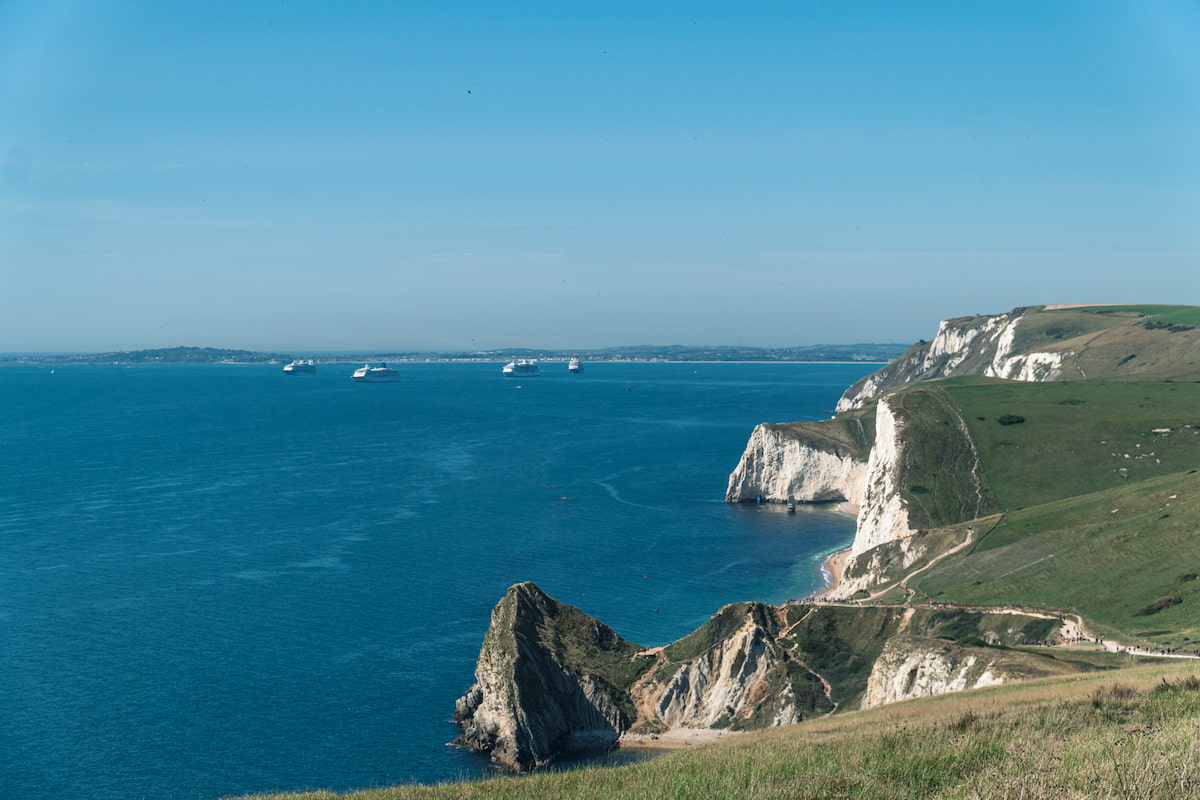
    Scenic Coastal Walks in Lulworth Cove
    Scenic Coastal Walks in Lulworth Cove

    England’s longest waymarked footpath covers an incredible 630 miles, running from Minehead in Sommerset along the coast until it reaches Poole Harbour in Dorset.

    I’m not advocating the whole trail here – but if you’re up to the challenge, I’m sure it is worth it – just the stretch across Dorset. The trail runs along cliff tops, past lagoons and along the beach as it weaves its way across the coastline.

    Many of the Jurassic Coast’s best places to visit are highlights of the walk. Chesil Beach, Lulworth Beach and Durdle Door all feature on the South West Coast Path. Distance aside, much of the walk is fairly easy-going. The trickier parts are mostly in the Purbeck area, where some of the ascents and descents can get very steep.

    You don’t have to follow the trail for endless miles, but it is worth hiking at least some of it if you are able. The views are simply sublime, and the path is well-trodden for good reason.

    Follow the acorn symbol – you’ll know you’re on the right track whenever you see them.

    Explore Tyneham Ghost Village
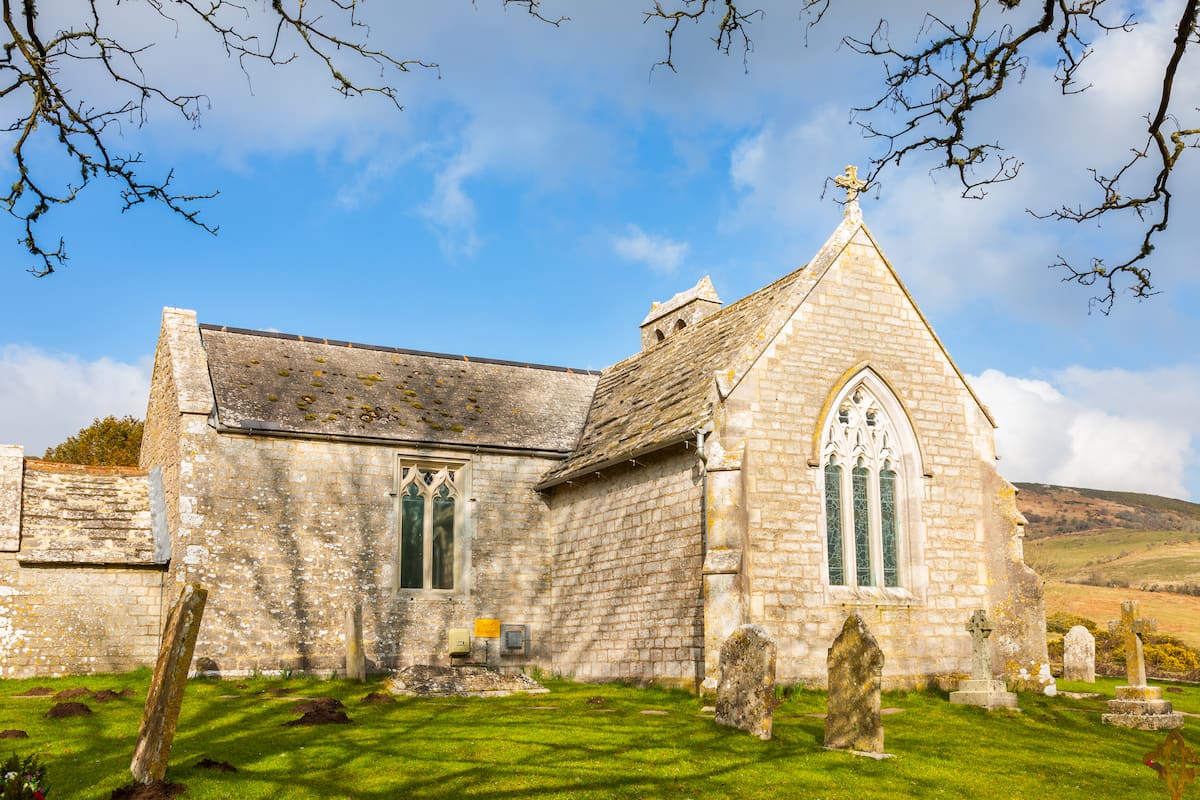
    tyneham ghost village

    Wander through an eerie abandoned village positioned on the Purbeck peninsula, close to Lulworth Cove and Kimmeridge Bay.

    Tyneham has been frozen in time since 1943, when an evacuation of the entire village was ordered during WWII. The space was used for military training, but even after the end of the war, the villagers were barred from returning.

    Today, you can see this time capsule of a village as a tourist attraction. A few buildings in the once idyllic Tyneham are in ruins, but many are preserved exactly as they were in the 1940s. We are so used to ruins being centuries removed from our time, that it feels a little unsettling to see more familiar buildings in such a state.

    You can see inside the school, church and farm – which have been kept in near-pristine condition, learn about the families that once lived in Tyneham and pose for a photo by the classic cream phone box. It’s an entertaining and unusual way to spend a few hours.

    The ‘lost’ village is open to the public most weekends and during the school holidays.

    See the Wildlife at Kimmeridge Bay
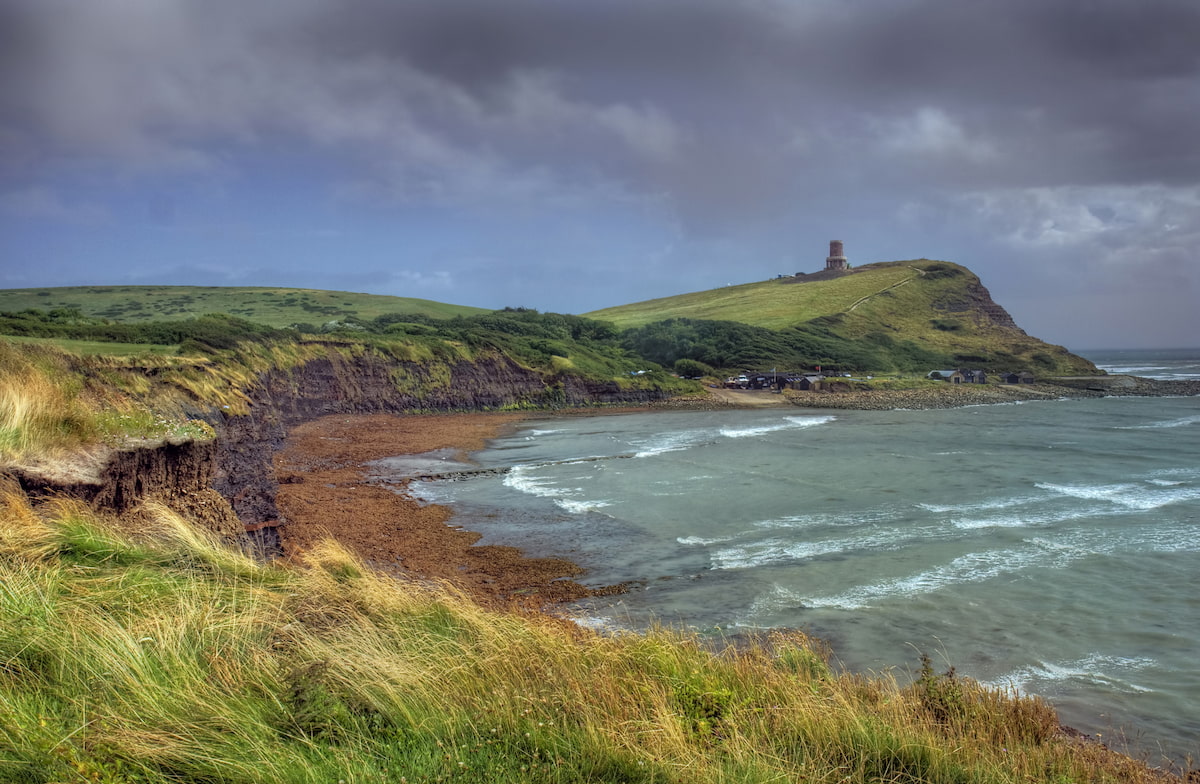
    Kimmeridge Bay Jurassic Coast

    Kimmeridge Bay offers an easily accessible glimpse of marine wildlife; the sheltered positioning of the bay makes it one of the safer spots to explore.

    As is ridiculously common on the Jurassic Coast, the geology of Kimmeridge Bay is both fascinating and important. You can see fossils entrenched in the ground and bedrock formed in the Jurassic age.

    The natural limestone ledges take you further out into the water without having to dip in the sea. Many anglers cast lines off from here, while others choose to search the rock pools for crabs and sea snails. 

    For those who prefer to get up close and personal with the creatures of the sea, snorkelling is popular in Kimmeridge Bay. Schools of fish are often spotted moving among the colourful seaweed on the sea floor. On occasion, seals and dolphins also make an appearance in the bay.

    To learn more about the marine wildlife of the area, head to the Wild Seas Visitor Centre.

    Where Should You Stay?
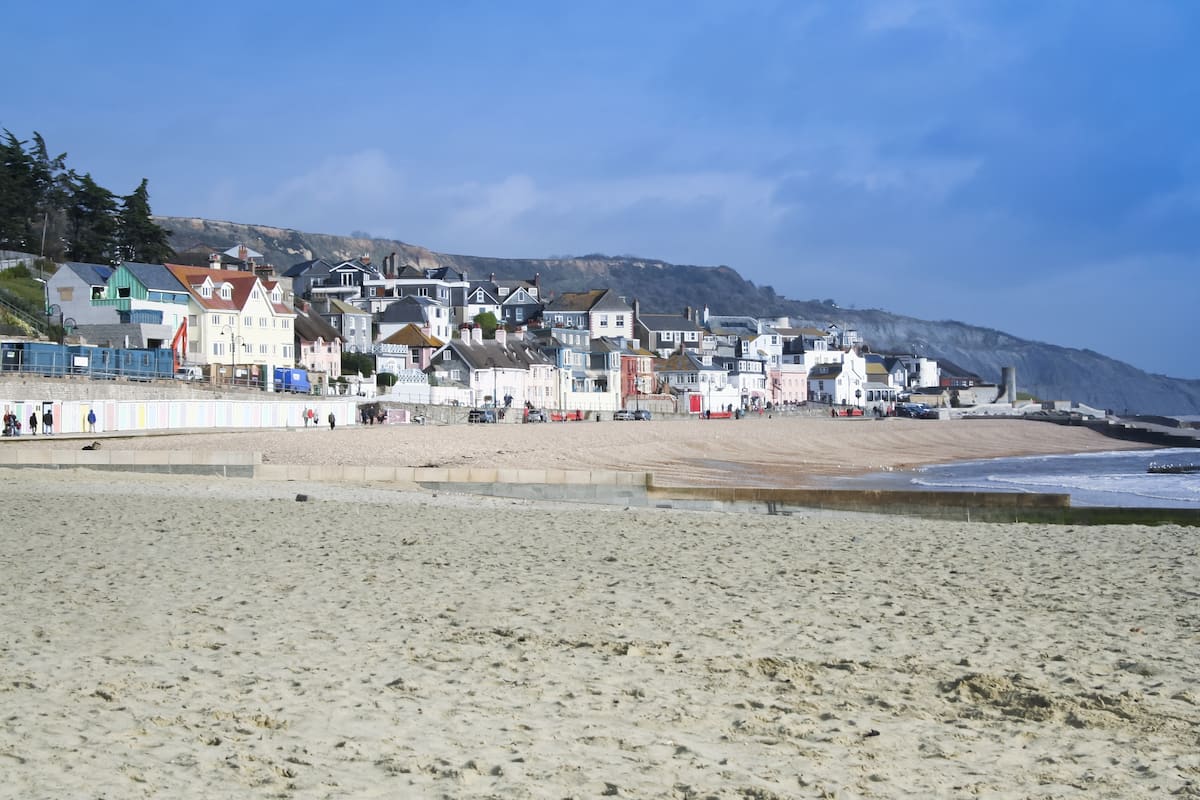
    Lyme Regis Beachscape

    Depending on your vacation style, you can stay in a hotel, cottage or a tent – as for location, I think anywhere on the Purbeck peninsula or in pretty Lyme Regis is hard to beat. 

    There isn’t an endless supply of hotels and B&Bs on the Jurassic Coast, but enough to get by; most range from mid-level to luxury budget-wise and get booked up quickly in the summer. If you prefer camping, there are dozens of sites up and down the coast. Most villages have at least a few cottages let out to holidaymakers and Airbnbs, but like the hotels, these tend to get booked up fast.

    How Long Will You Need to Explore the Jurassic Coast?

    Focusing on the Dorset stretch of coastline alone, a week should be enough time to explore the Jurassic Coast.

    If you want to extend your trip into Devon, you might want a little longer – 10 days would be plenty of time. Most of the Jurassic Coast’s biggest attractions and highlights are in Dorset.

    A week gives you time to see everything the coast has to offer without rushing too much. If you only have a long weekend, you can still have a great holiday. You just have to narrow down the places you want to see to a select few.

    Will I Need a Car? 

    Much of the Jurassic Coast is very rural, which is always easier to explore by car. Remote areas tend to have very little in the way of public transport, and what they do have is usually infrequent.

    You will find that the Jurassic Coast has a little more than most since it is a popular holiday destination with higher demand. Trains into Bournemouth and Weymouth are the quickest option, and you can catch a bus or taxi from there. 

    As is often the case, many of the most remote parts of the coast will be off limits to you without a car. You can still visit places like Corfe Castle and Old Harry Rocks, but the buses only run hourly from Poole.

    A car isn’t essential, but it makes exploring the coast much easier. Without a car, your best option really is to…

    Go on a Tour
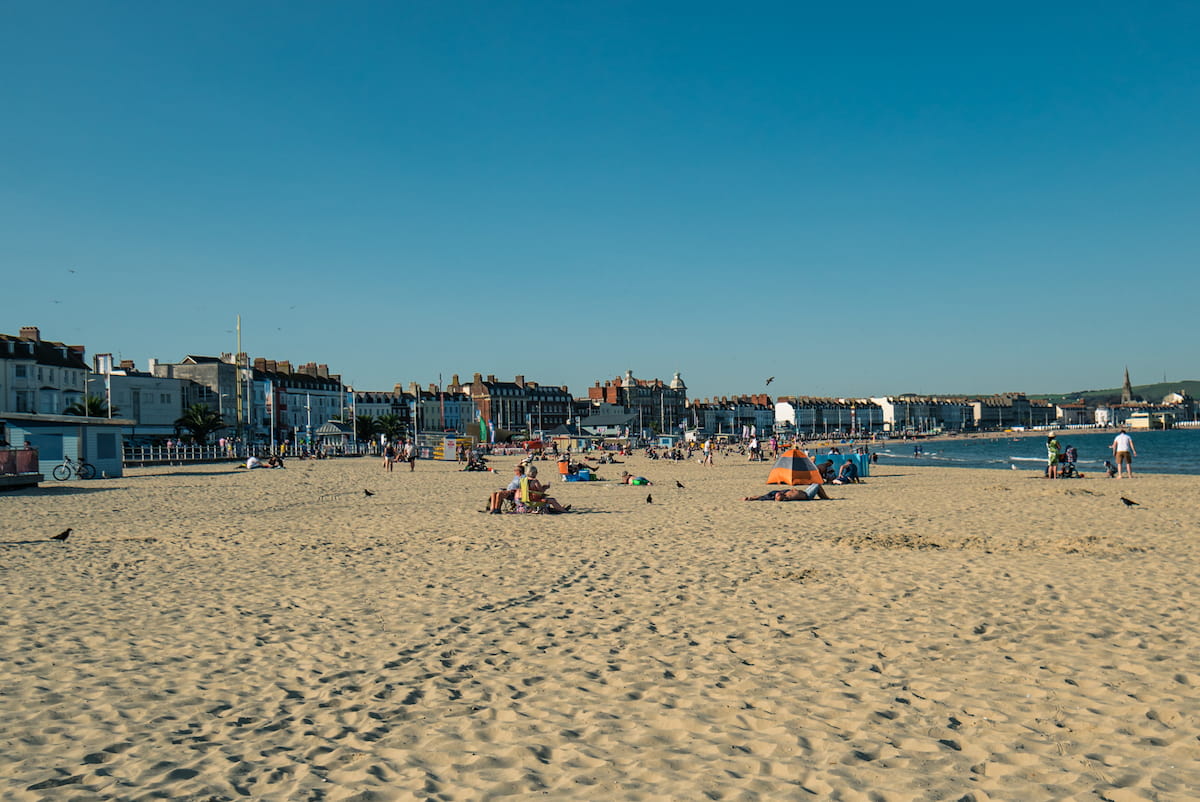
    weymouth beach

    Joining a tour can be one of the best and most convenient ways to see the coastline. They’re particularly worthwhile for people travelling without a car. 

    Even people with cars would still benefit from joining one of the boat trips.

    • Poole Harbor and Islands Cruise – a 70 minute boat trip travelling around islands just off the Dorset coast. You will see the historic castle built by Henry VIII on Brownsea Island during your cruise, as well as the luxurious houses of the Sandbanks peninsula.
    • Jurassic Coast: Lulworth Cove and Durdle Door Coach Trip – see the Jurassic Coast’s most iconic sights, Lulworth Cove and Durdle Door, on this 3 hour excursion. Travelling with a knowledgable tour guide gives you the chance to find out more about the prehistoric history of the area.

    Is the Jurassic Coast Worth Visiting?

    Everyone has different expectations on holiday, but if you love rugged coastlines, beautiful scenery and the prehistoric age, the Jurassic Coast is absolutely worth visiting.

    How often do you get the chance to see millions of years of Earth’s history right under your feet? Classic white chalk cliffs, golden sands and sweeping views await you in this scenic coastal holiday. Take a break from the busy life and take it easy on the epic Jurassic Coast.
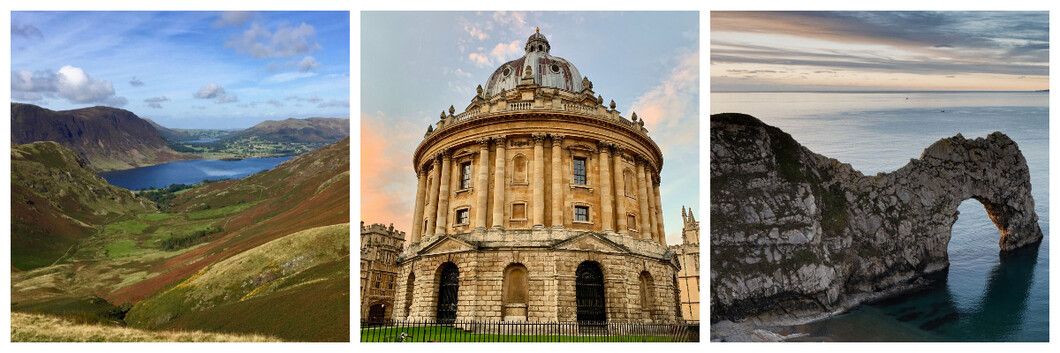

  • 10 Amazing Places to Visit in England Outside of London

    10 Amazing Places to Visit in England Outside of London

    England has a fascinating culture and history, a varied landscape and a lot of unique places both natural and manmade. While London is one of my favourite places in the world there are places to visit in England outside of London.

    There are so many reasons why you should get outside of London, for example:

    • Historical interest, in particular, it is all around and easy to see and with a little imagination also experience. 
    • Nature is an important part of English heritage and some of these get out of the cities to experience the natural phenomenon of the countryside.

    If you’re searching for ideas of where you can go in England other than London? Here are 10 incredible ideas for new adventures and places to visit in England.

    Beatles Trail

    Fab four taxi tour cab infront of Penny Lane sign
    Make sure you visit the famous Penny Lane street sign.

    Most people will know that the iconic pop group of the ‘60’s The Beatles come from Liverpool and unsurprisingly there is a Beatles Trail:

    It is possible to buy a map and plan your own trail around the city, but there are also several guided tours to take you around the Beatles home city and check out the Beatles hotspots.

    Start with the museum in the Albert Dock all about the Beatles called The Beatles Story, the museum is the authority on all things Beatles and even has replicas of some of the famous places, such as The Cavern and Matthew Street.  You are whisked back to the 1960’s for a fact filled Beatles experience.

    Visit Penny Lane and Strawberry Field, Paul McCartney’s childhood home, which is now also a museum and John Lennon’s childhood home.  See the murals drawn by Cynthia Lennon and the fabulous Beatles statue.

    The Lake District National Park

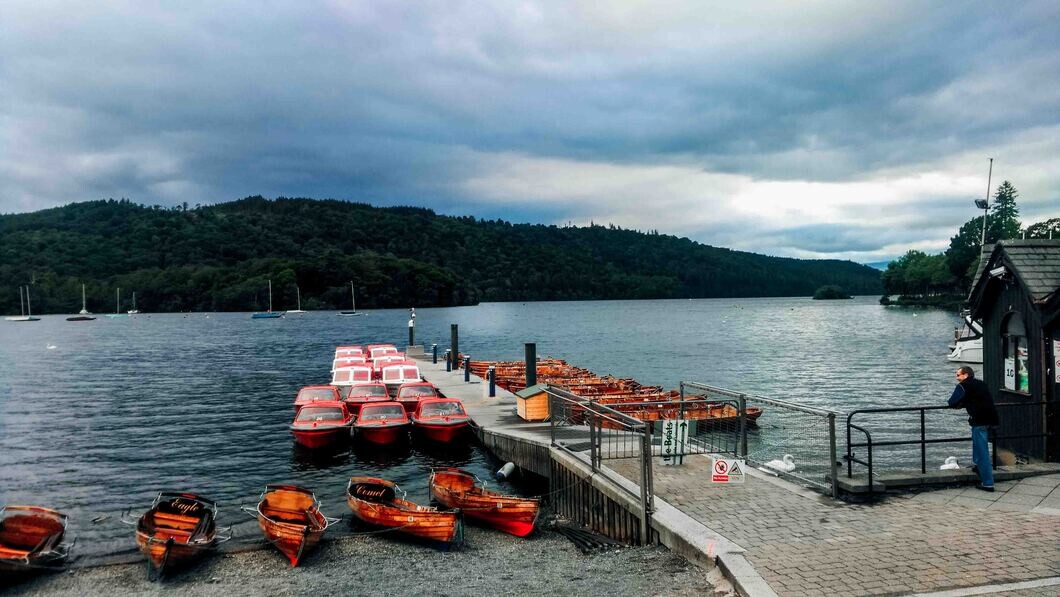
    The cute rowboats in Windermere in the Lake District.
    The cute rowboats in Windermere in the Lake District.

    England’s first national park, The Lake District in Cumbria is unique with its rolling hills, rugged areas and sweeping lakes all interspersed with cute villages, Scafell Pike, England’s tallest mountain is also in the Lake District.  

    Whilst Scafell Pike is a must do for serious hill walkers, there are several routes up the mountain to suit different people and stunning far reaching views from the top. 

    It is not just the hill walkers who gain from visiting the Lake District though, there is such a lot that is special about the area.  There are lots of other easier trails suitable for the less experienced or pleasure walkers, gentle rambles and family friendly explorations and even guided walks. 

    It is also not only walking that the Lake District offers either, there are cycling friendly trails, boat hire and of course the chance to just sit and look out over a lake and watch the world go by. 

    Lake Windermere is the largest and probably the best known of the lakes and it is possible to take boats from village to village around the lake. 

    Watch the various water vessels or hire a boat, kayak or paddle board and get out on the water that way. 

    There is a visitor centre near Windermere which includes children’s play area and treetop nets, fully enclosed nets like trampolines nine metres off the ground. 

    One of the smaller lakes Coniston is a great place to stay with plenty of little shops, pubs and B&B’s nearby. 

    Visit the pretty village of Hawkshead with its cobbled lanes, Beatrix Potter gallery and Wordsworth connection, there are pubs and cafes to enjoy as well.

    An example of a different attraction is the Haverthwaite Steam Railway which is a great way to enjoy the spectacular scenery of the Leven valley.

    Covering nine hundred square miles there are plenty of choices of where to go and things to find to explore.

    Cotswolds Towns and Villages

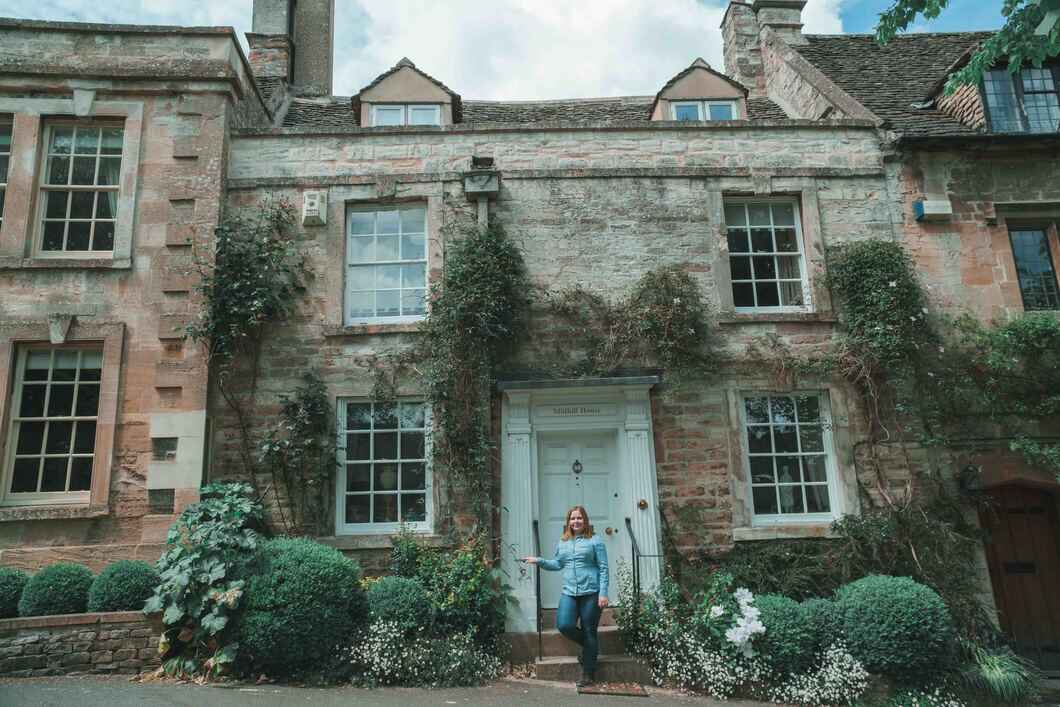
    Burford is a quintessential Cotswold town with beautiful honey-coloured natural stone. Perfect for photos!
    Burford is a quintessential Cotswold town with beautiful honey-coloured natural stone. Perfect for photos!

    England has many pretty villages and towns; one of the best places to see several in one day or over a few days is to visit the Cotswolds

    An area of outstanding natural beauty AONB, the natural beauty is enhanced by the honey-coloured natural stone that many of the houses are built from. 

    The Cotswolds is an area which is in parts of five counties in south-west England; Gloucestershire, Wiltshire, Oxfordshire, Warwickshire, Worcestershire and North East Somerset including the famous town of Bath.

    Many of the listed places will offer B&B and it is possible for the independent traveller to find a hidden gem off the beaten track.  Here though to start with are two stunningly beautiful places to visit:

    Castle Combe Wiltshire

    The houses are built from the lovely honey hued Cotswold stone topped with rustic ancient tiles and the locals ensure it is kept pretty with lovely hanging baskets and well kept gardens. 

    Castle Combe was featured in the film War Horse and if you decide to stay there, be sure to leave the car and go for a stroll to best appreciate the beauty of the little town.

    Bourton-on-the-Water Gloucestershire

    Picture postcard perfect and the quintessential Cotswold village, there is no wonder it is called the Venice of the Cotswolds. 

    The main street has the river Windrush running alongside it, crossed at regular intervals by low Cotswold stone bridges, the backdrop if the tickle of water lends a romantic feel to this beautiful place. 

    There is plenty to do in Bourton-on-the-Water, there is a world famous motor museum, a model village that beautifully captures the village in an easy to explore miniature version, a model railway, a nature reserve, a brewery and and  of course some lovely little shops, cafes and pubs.

    Other places recommended to visit are Burford, Fairford or Woodstock and if grand houses interest you then visit Blenheim Palace the birth place of Sir Winston Churchill which is in Woodstock. 

    Rye

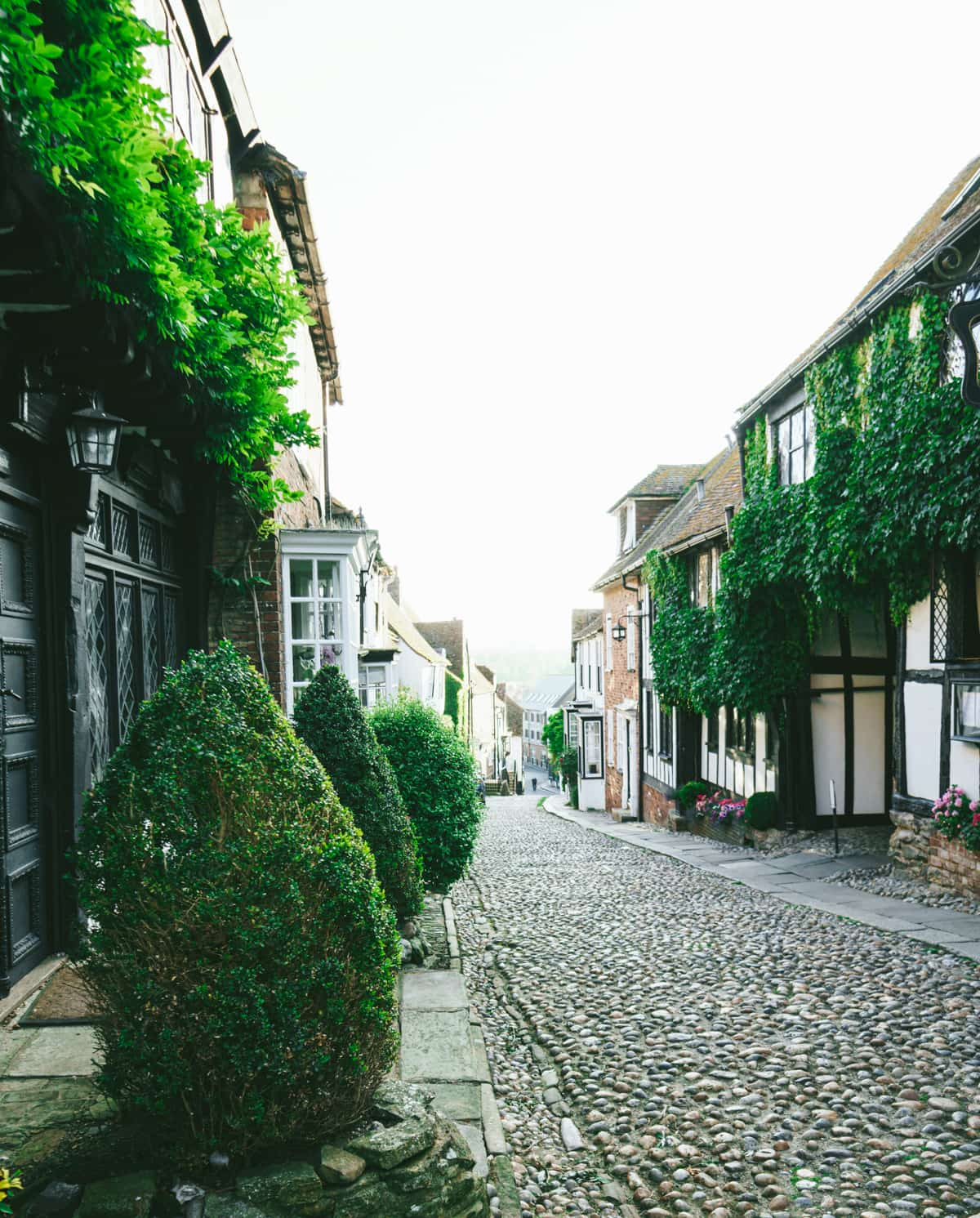
    Mermaid Street in Rye
    Mermaid Street in Rye

    Rye in East Sussex, lying serenely between rolling hills and the English Channel just along the coast from Hastings, it is a must visit location teeming with history through the ages and giving a fascinating glimpse into medieval England together with the nearby Harbour, Rye offers a unique experience. 

    With its cobbled lanes and crooked half timbered houses, Rye retains much of its medieval character and it is easy to imagine being back in history, was that a smuggler skulking in a doorway or just a shadow? Is that secret passage safe…? 

    Mermaid Street is a good place to start with its timber framed houses, many with unusual names giving a taste of the history of the place, these days the town is peaceful and gentle, picturesque and a great place for taking photos. 

    The town has far reaching views over the Rye Harbour Nature Reserve, but whilst there take a trip down to the Harbour to see the little boats and enjoy a bracing walk along the coast to Camber Sands, a large expanse of sand dunes, gently lapped by the English Channel most of the time, but occasionally stormily moody. 

    The great thing is you can enjoy a walk along and get a bus back to Rye. 

    Stay at the Hope Anchor Hotel for far reaching views or the eleventh century Mermaid Inn, which is also a great place to stop for a drink and it is definitely a must to go in and explore the inside of this ancient Inn. 

    Rye has long been a draw for literary people and a visit to Lamb House where the American author Henry James wrote three of his novels and the house has also been used a few times as a film location. Rye has a railway station, making it ideal for non-driving visitors and has some wonderful little independent shops.

    Rye and Rye harbour offer a unique and diverse experience, there are the ancient cobbles and pretty houses of medieval Rye and there is also architecture and preserved history throughout the ages to the present day and it is very easy to spend a lot of time walking along the ancient cobbles before exploring the harbour and other architecture.

    Clovelly

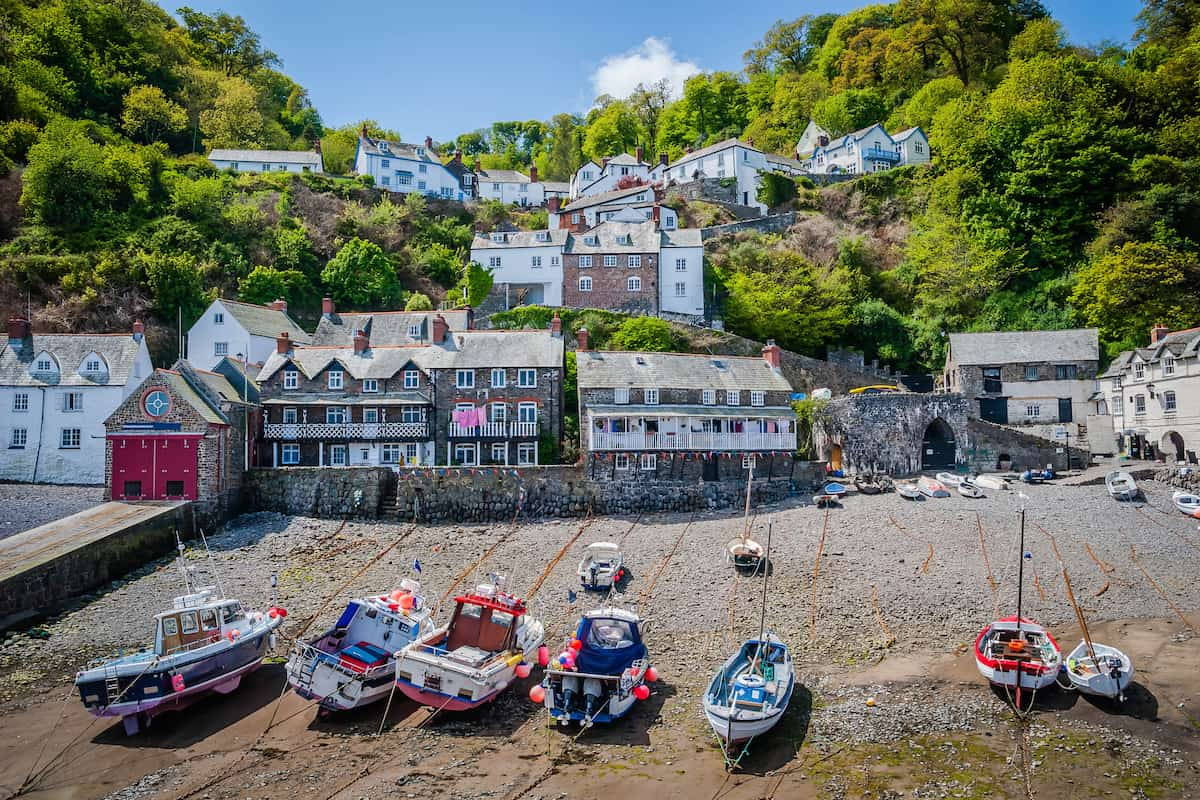
    Clovelly
    Clovelly

    The West Country Coast of England has many picturesque towns and villages and pretty harbours nestled into the hillside, none though catch the imagination quite like Clovelly on the North Devon Coast.

    Nestled in steep tree lined cliffs, Stunningly pretty Clovelly’s cobbled, steep, main street barely more than a path in places is flanked by pretty mostly terraced cottages, some with little shops and galleries and of course cafes. 

    The walk down is steep and tricky, unfortunately, this is not for the faint hearted or less able, but for anyone who can this is a must visit destination, the memory will stay with you for a lifetime. 

    Once at the bottom, the last few steps open up to a viewing point over the pretty little harbour and right at the bottom of the town is the Red Lion Hotel.  Clovelly’s charm is increased by the donkeys being pretty much the only mode of transport to carry things up the hill, including tired children. 

    The path can be so treacherous that delivery men and locals use sledges to drag things up and down. 

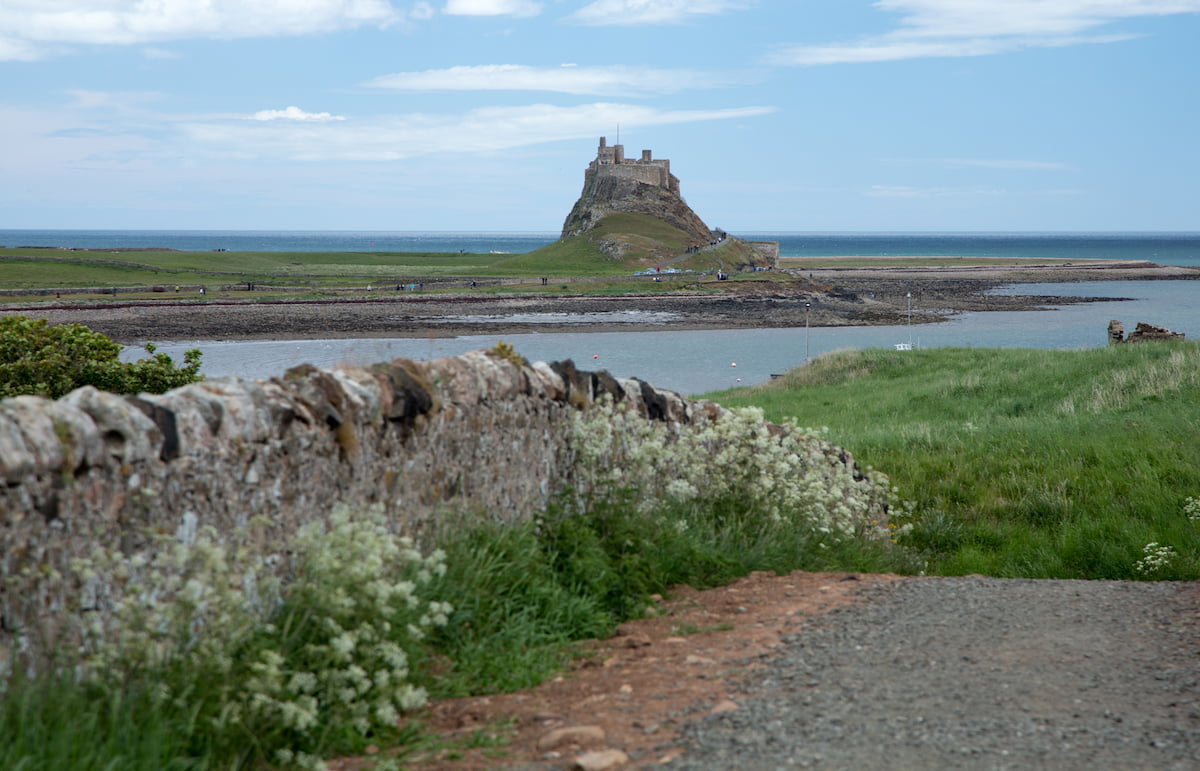
    Lindisfarne – Holy Island

    Lindisfarne Holy Island
    Lindisfarne Holy Island

    St Aiden arrived at Lindesfarne in 635 AD and decided to open a monastery, thus as legend has it changing the island forever. 

    Lindisfarne is now often known as Holy Island and is an island attached to the mainland off of the Northumbria coast by a causeway, adding to the mysticism of the place. 

    The island is cut off from the mainland twice a day and any visit needs to be preceded by checking the tide times when the causeway will be closed. 

    Living on the island is a small community of less than two hundred people and many of these are involved with the tourism of the island.

    Lindisfarne Castle built in the 1500’s is what dominates the island from a mainland viewpoint and is now in the care of the National Trust. 

    The Priory Ruins where there is also a museum is the other main attraction once on the island. 

    Still a location for Pilgrims, who walk an alternative route to the island than the causeway, you don’t need to be religious or a pilgrim though to appreciate and enjoy the unique island. There is also lots of wildlife and history to add interest. 

    Lindesfarne has a new car park where all but disabled visitors must leave their cars, or for those without a car who don’t wish to walk, it is possible to access the island from the mainland via a boat trip.

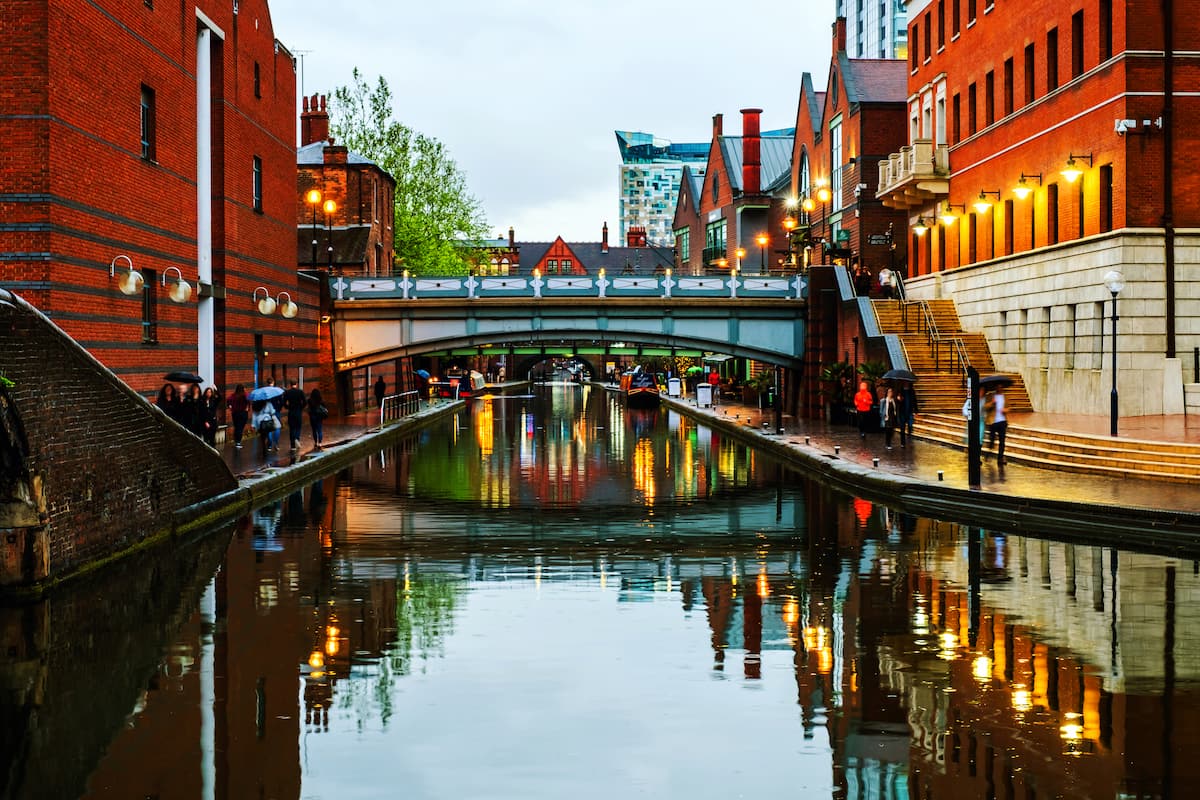
    Birmingham Back to Backs

    Birmingham Canals
    Birmingham Canals

    Within easy reach of the city centre are the Birmingham Back to Backs, are a step back in time.  The little houses offer an interesting insight into the lives of the Birmingham working classes between the 1840’s and 1970’s. 

    These historically important and fascinating houses are just a few minutes’ walk from the Bullring and the picturesque area of the canal. 

    There is a lovely 1930’s sweetshop and interesting displays, a souvenir shop and various craft workshops. It is even possible to stay in a Back to Back Cottage managed by the National Trust, in fact they have two: 52 Inge Street in a Victorian style and 1930’s style 54 Inge Street. 

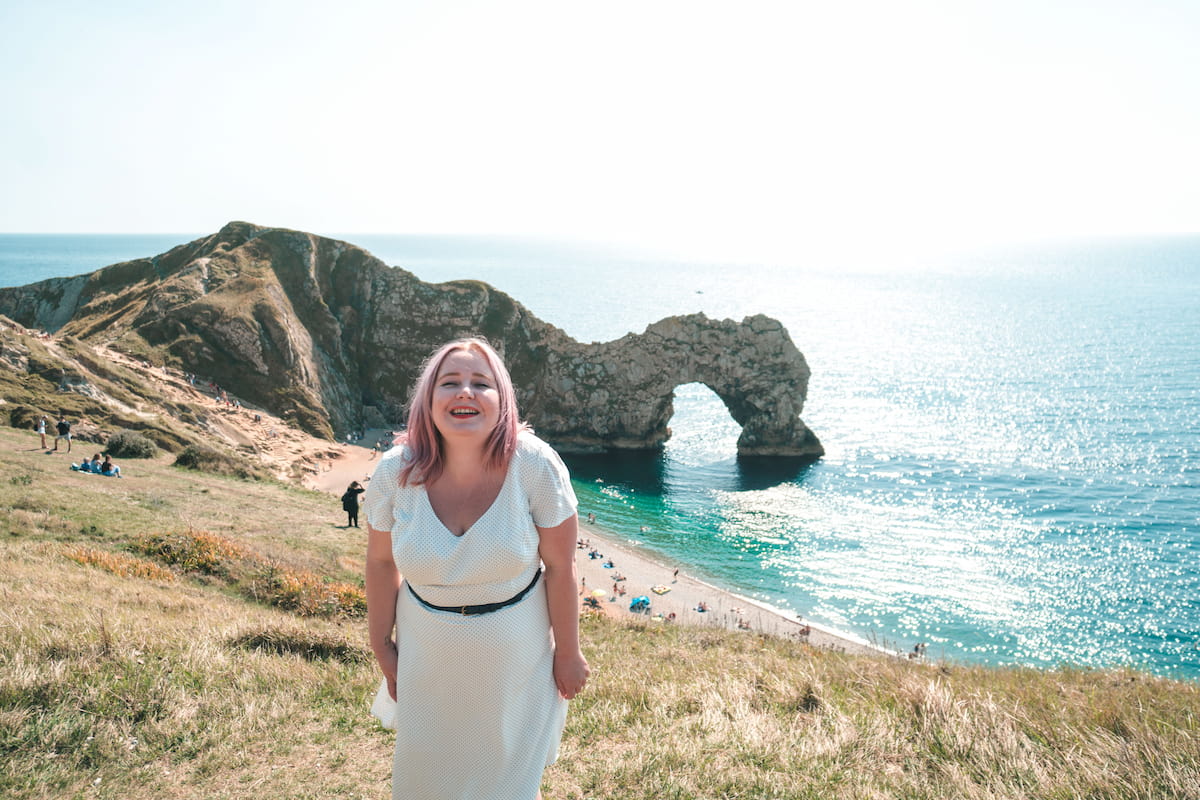
    Jurassic Coast

    Kat in a white dress at Durdle Door
    The most iconic photo of the Jurassic Coast is Dorest’s Durdle Door beach.

    England’s Jurassic coast is a World Heritage Site (UNESCO) and of tremendous historical interest and importance due to the access it gives scientists to the Triassic, Jurassic and Cretaceous periods. 

    There is literally millions of years worth of history available to see there.  If this is of little interest to you, don’t worry, there is more to the area than the fantastic and unique geology, although it is still this unique geology that creates the beauty. 

    The Jurassic coastline is a ninety five mile stretch of Dorset and Devon coastline and has created a stunning and varied landscape. Known for fossils, this is the place to do some serious fossil hunting or the casual searcher can also turn up some interesting fossils on a stroll combing the beaches.

    Staggeringly beautiful cliff tops, give way to sweeping slopes and hidden valleys, the landscape inland is no less outstanding and plays home to some lovely pretty Dorset and Devon villages that are well worth exploring.

    Although, probably the best way to enjoy the coastline is to walk all or part of the Jurassic Coast South West Coast Path, part of a much longer footpath that incorporates these ninety five miles. 

    There are plenty of places to join and for a shorter taste of the walk and to enjoy probably the most famous landmark Durdle Door, a simply magnificent natural limestone arch that juts out to sea next to a sheltered beach cove.  Durdle Door was created by the power of waves eroding the rock causing a hole through the rock that looks like a doorway.

    There is a handy car park near Durdle Door and access is by going through camp site to access the South Coast Path and the phenomenon is visible from the cliff top, there is an handy path that goes down to the sheltered shingle beach below, where it is possible to get much closer to Durdle Door and also to see some of the layers in the rock of the cliff. 

    Nearby is Lulworth Cove, a beautiful curved almost fully enclosed large natural cove, offering beauty, tranquillity and a sheltered place for sea bathing.  

    It is possible to walk along the cliff tops to the Cove and that is a fantastic way to view its breathtaking beauty. 

    If going by car, follow signs for West Lulworth, the village at Lulworth Cove that has a pub, toilets and take-a-way.

    Harry Potter Oxford Tour

    Explore the beautiful buildings in Oxford and discover Harry Potter filming locations.
    Explore the beautiful buildings in Oxford and discover Harry Potter filming locations.

    Whilst it is possible to tour the Warner Brothers Studios in London to see the sets where a lot of the films were made, another interesting aspect of the films is that a lot of it was also filmed at Oxford or inspired by Oxford. 

    Fortunately, it is possible to visit this historical learning city and see where many of the scenes were filmed and the sites that inspired the film makers to bring Hogwarts to life.

    Go to Oxford and search on your own or book a tour; either way let your imagination run away with you as you walk the corridors walked by Harry, Hermione and Ron. 

    Duke Humfrey’s Library which is only accessible by a private tour is where the invisibility cloak library scene was filmed and Divinity School’s Bodleian Library was used as Hogwarts Infirmary, both in The Philosopher’s Stone.

    The wonderful gothic Christ Church College was used a lot and can be spotted in a lot of scenes, the staircase in the scene where Professor McGonagall met Harry, Hermione and Ron and the scene where Hermione shows Harry the Quidditch trophy was filmed here. 

    The New College Cloisters feature in Harry Potter and the Goblet of Fire when Harry saw Malfoy sitting on a giant oak tree and Mad Eye Moody turned him into a ferret.  The real tree used in the film is right there in the cloisters.

    A lot of the impressive architecture of Oxford was used to create the sets at the studios drawing inspiration and direct copies from Oxford an example being the Tudor Great Dining Hall of Christ Church College inspired the set of Hogwarts Great Dining Hall and it is easy to see the similarities.

    An absolute must for Harry Potter fans.

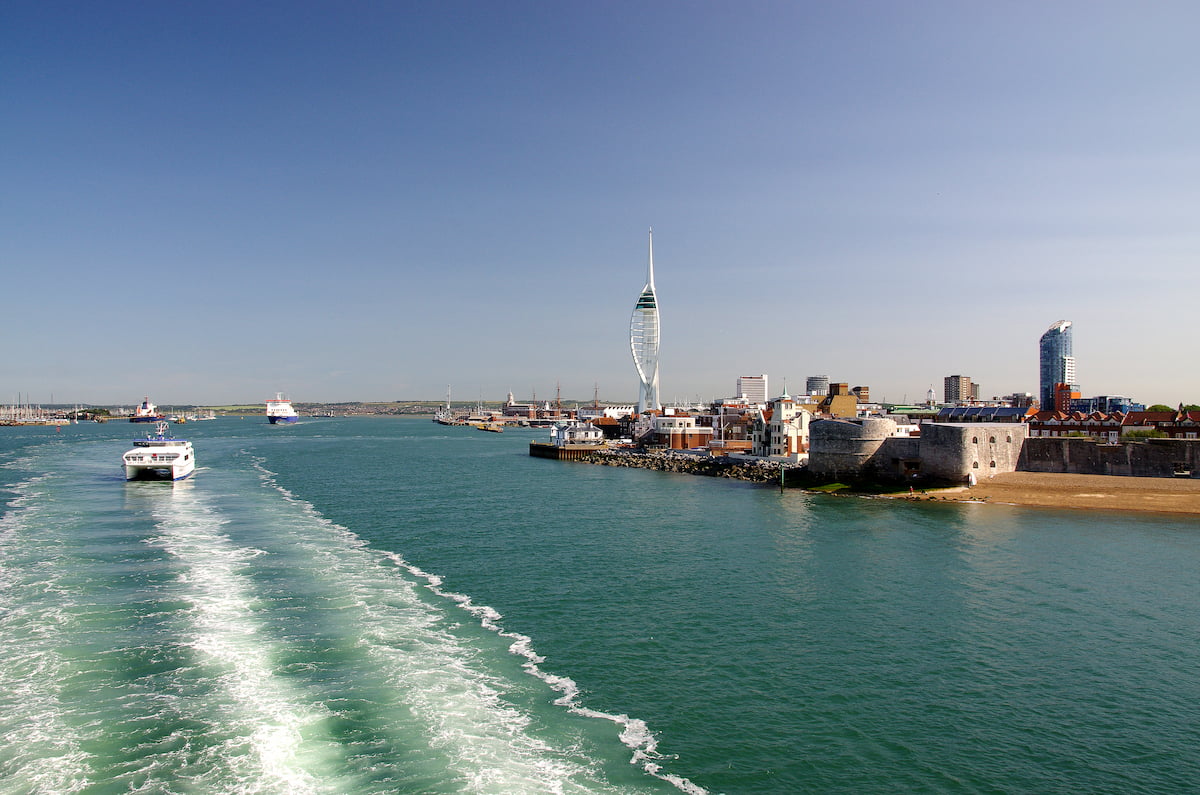
    Portsmouth Historic Dockyard

    Portsmouth Historic Dockyard
    Portsmouth Historic Dockyard

    Portsmouth Historic Dockyard offers a varied and interesting day out and a peak in to England’s maritime history. The attractions include:

    Henry VIII’s flagship the Mary Rose, the genuine remains are in Portsmouth an almost perfect half, giving an interesting insight of a 500 year old English ship.  As well as the actual Mary Rose the museum also has a lot of Tudor artefacts on show.

    Lord Nelson’s famous HMS Victory is also at Portsmouth and undergoing restoration, the tours of Nelson’s ship are highly informative and interesting.

    Another attraction is the Dockyards Apprentice, an historical recreation of 200 years of dockyard history exploring the ingenuity behind traditional boatbuilding techniques and imagined through the eyes of the dock workers.

    For younger visitors there is also a Horrible Histories section.

    The Dockyard is right next to the Royal Navy base and it is possible to see some of the modern fleet. This is just a snapshot of what is available at the Dockyard and a visit is a fascinating day.

    Finally:

    The above ten ideas are a snapshot of some of the must visit places in England, some are a little off the usual tourist routes and less busy, being wonderful to do at any time.  The following are best done out of the main summer season to gain the best possible experience:

    The Cotswolds can get very busy in the summer and the lovely towns and villages can be enjoyed at any time.  Probably best appreciated when less busy, but Castle Combe is at its best when the hanging baskets are in bloom when it is absolutely stunning. 

    Clovelly really is a must visit location, go in the spring, avoiding school holidays if you can when it is less busy, alternatively, arrive early and you’ll be climbing up when the bulk of visitors are going down.

    The Jurassic Coastline is stunning at any time, if you are not bothered about sea bathing or paddling the beautiful coastline can be appreciated at any time and is quieter in the winter and autumn months, when a crackling log fire at the pub at Lulworth Cove is incredibly welcoming after a walk along the South West Coat Path from Durdle Door.

    The Portsmouth Historic Dockyard is always very busy at bank holidays and when special exhibitions are on.  Best visited in the spring or summer or as a winter break outing.

    Whilst the other places are also busy, The Lake District’s main tourist traps can be very busy, but avoid them and there are miles and miles of countryside to explore. 

    Birmingham is always a busy place, but the Back to Backs give you an hour or so to catch your breath and step back in time. 

    The holiday lets there are an ideal base to explore the area or when visiting the theatre. 

    Liverpool is also always busy, but go on a Beatles tour and it is as though time does not matter as you walk where the Fab Four walked and see where they played and grew up.