Tag: Cornwall

  • Travelling to Cornwall Without a Car – The Itinerary You Need

    Travelling to Cornwall Without a Car – The Itinerary You Need

    Exploring rural landscapes can seem like an impossibility without a car, but in Cornwall, it isn’t nearly as difficult as you might think.

    Most of those famous rolling hills, gorgeous beaches, and rugged cliffs can be reached by public transport. It just requires a fair bit of planning beforehand.

    What you lose in mobility and freedom you gain in relaxation. You can visit almost everything in Cornwall without having to stress about getting stuck in traffic, or worrying about where you’re going to park.

    This is how you can see Cornwall without a car – and the places you can visit.
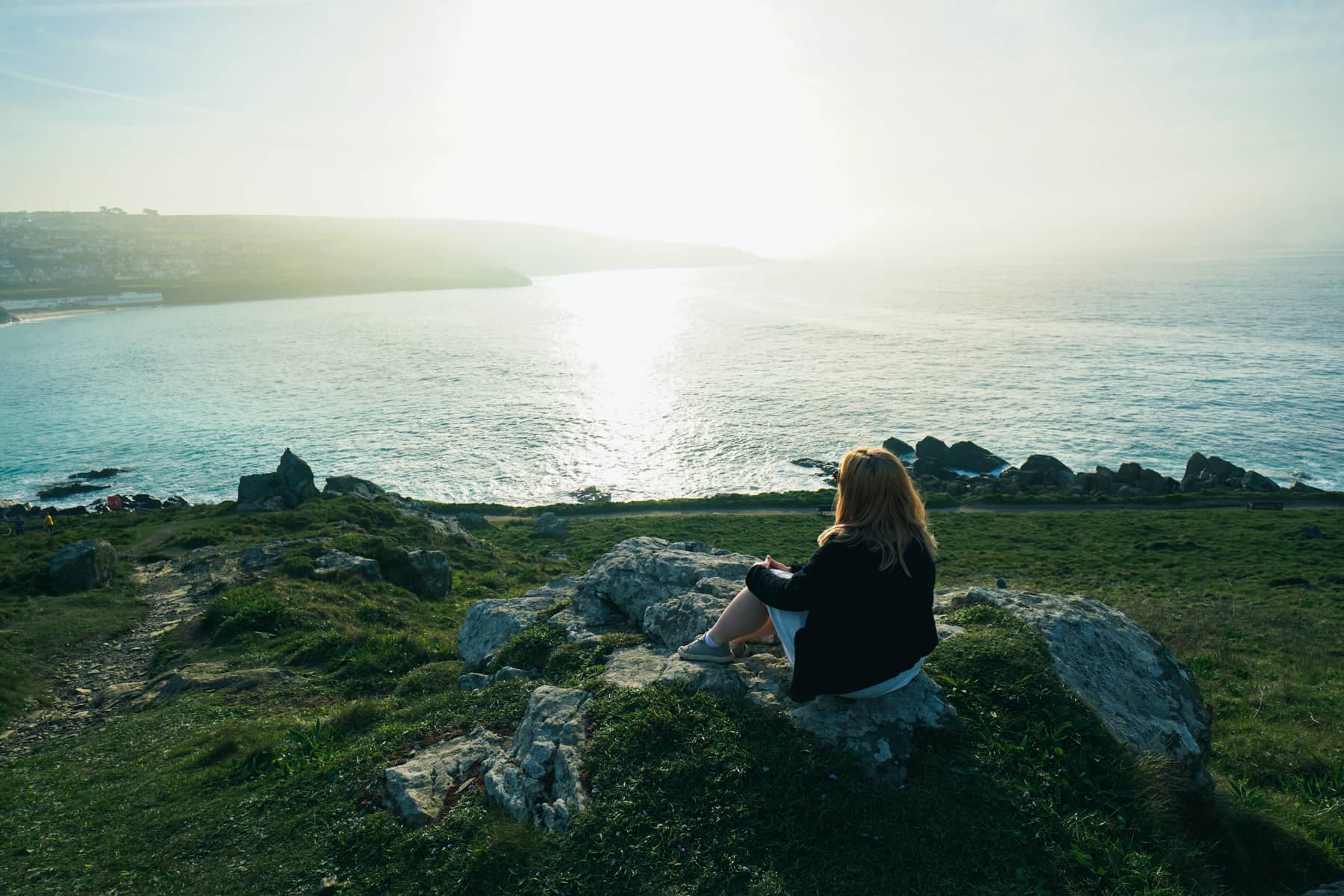
    View across St Ives
    View across St Ives

    Can You Get Around Cornwall Without a Car?

    Thanks to an extensive public transport system, you can easily get around Cornwall without a car. Your best bet is to catch the train or coach to one of the major hubs of Cornwall, like Truro, Newquay, or Penzance, and travel on from there.

    From London Paddington you can catch a train right to the end of Cornwall with Great Western Railway – it stops at the likes of Truro, Penzance and St. Ives.

    There are, inevitably, a few areas you will struggle to reach using public transport. Though the rail and bus network is far-reaching, the most remote coves, beaches, and countryside will be near impossible to visit.

    If you’re willing to walk a few miles, you could visit a few additional places. Kynance Cove is a great example of this: it has no direct links with public transport, but you can stop at the Kynance Cove Turn bus stop and walk for 50 minutes to reach the beach.

    Where to Stay in Cornwall Without A Car: Choose a Base.

    You will want to stay in one of the main transport hubs, with plenty of connections to the rest of Cornwall. Ideally, your chosen town should be on a direct train line to a major city like London or Birmingham. 

    Luckily, there are quite a few of these.

    These towns are the best options for staying in Cornwall without a car. They are all well-connected to the rest of the region with train and bus routes.

    Truro 
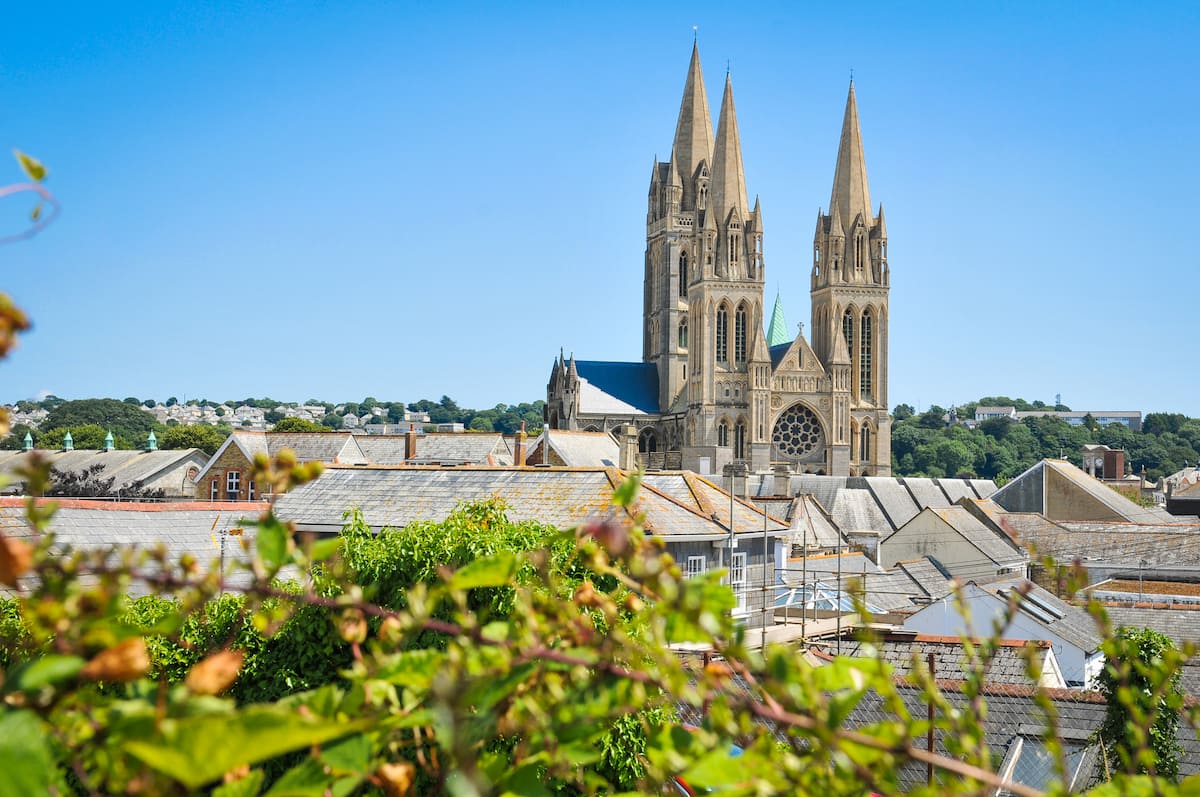
    Truro in Cornwall
    Truro in Cornwall

    It really does depend on what you want from a holiday in Cornwall, but I think Truro is one of the best bases for a short break. There are no beaches, but the city is centrally located – making it an ideal place to stay if you want to visit places on opposing ends of the region.

    This is the only city in Cornwall; it’s the best choice for people that like to have plenty of facilities at their fingertips. You will have a greater variety of restaurants, bars, and shops in Truro. There are more options for accommodation as well; one of the biggest benefits of staying in a city is this wider range of choice.

    Truro is only an hour from St Ives to the south via public transport and an hour to the Eden Project in the north. It works perfectly as a bridge between the two areas; ideal for those who want to dabble in both. 

    If travelling from London Paddington, you can arrive in Truro – without changing lines – in less than 5 hours.

    It might not be on the coast, but Truro is still a lovely city. The historic streets are winding and picturesque; it’s not just convenient, but a joy to visit in its own right.

    St. Ives 

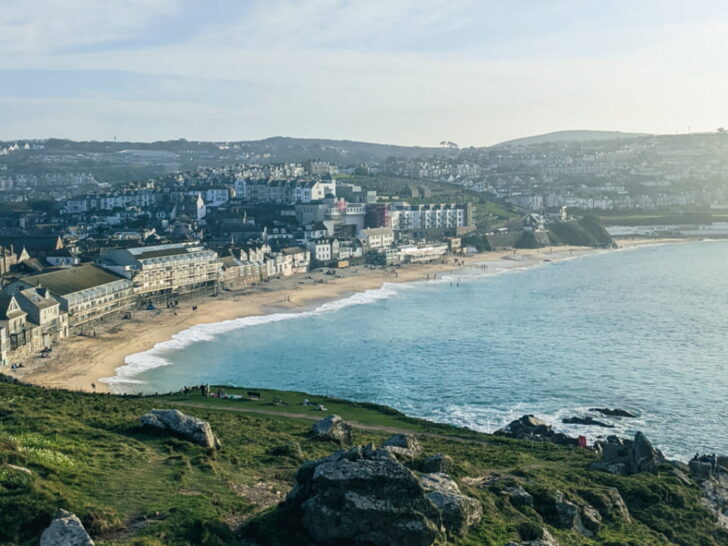
    Beach at St Ives
    Beach at St Ives

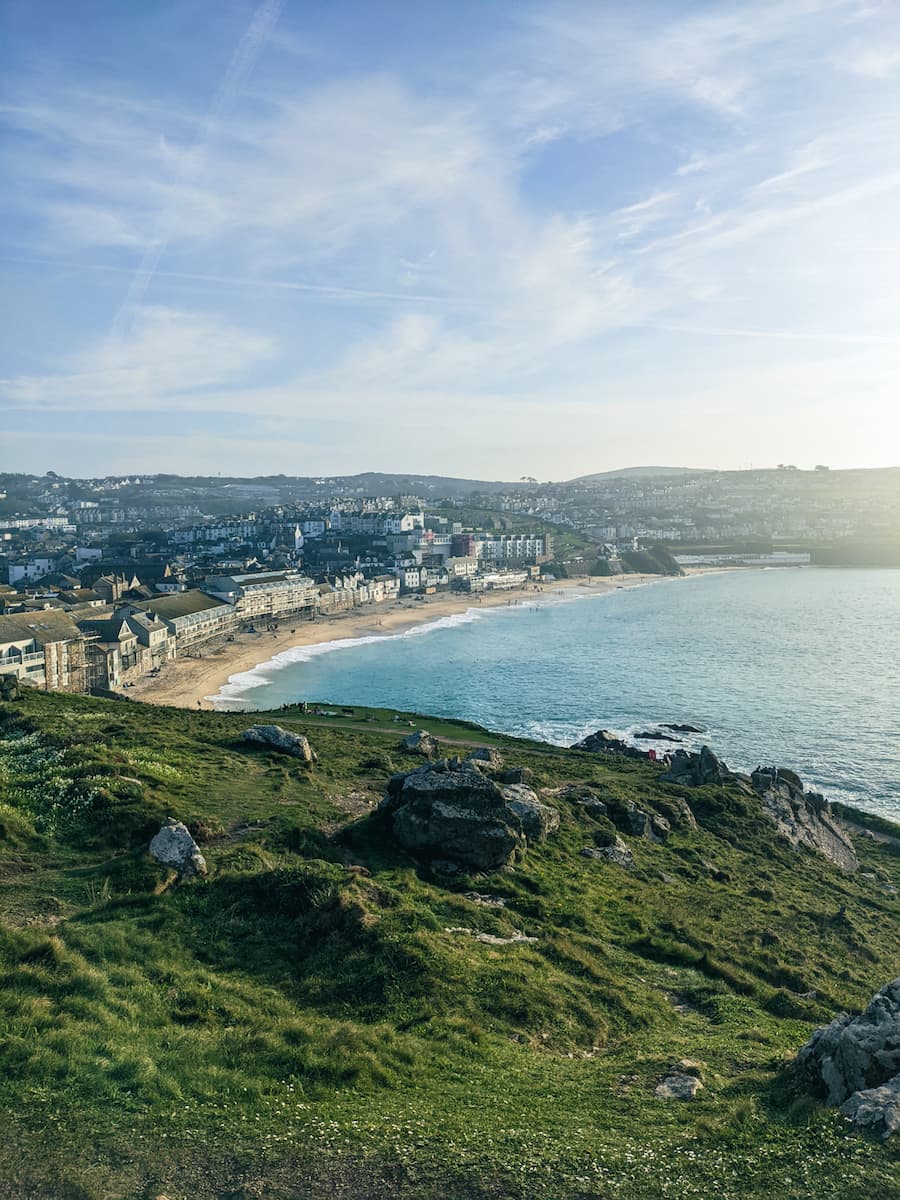
    St. Ives is a little out of the way if you want to see more than the very southwest end of Cornwall. But it is, I think, the loveliest town to stay in that can be reached without a car.

    If you like a town filled with charming cobbled lanes, cute boutiques and golden beaches, you will love St Ives. It also has an excellent food scene – with seafood a common speciality. Many seafront restaurants have the option to dine al fresco by the ocean. You will likely find St. Ives irresistibly delightful; it has a reputation that precedes it as a beautiful, laid-back and bustling destination.

    There are world-class art galleries in St Ives, with the Tate St. Ives an exceptional example, and a handful of museums. With half a dozen fantastic beaches on your doorstep and a wealth of culture to explore, you could spend your entire holiday in St Ives alone without issue.

    For people that want to venture further out, St Ives isn’t ideal. The likes of the Eden Project, Polperro and northwestern Cornwall are a little too far away. But you can experience the southwestern corner instead, which, for many people, is Cornwall’s most beautiful area. You can head to Penzance by train to find connecting buses to huge attractions like the Minack Theatre and St. Michael’s Mount.

    Penzance 
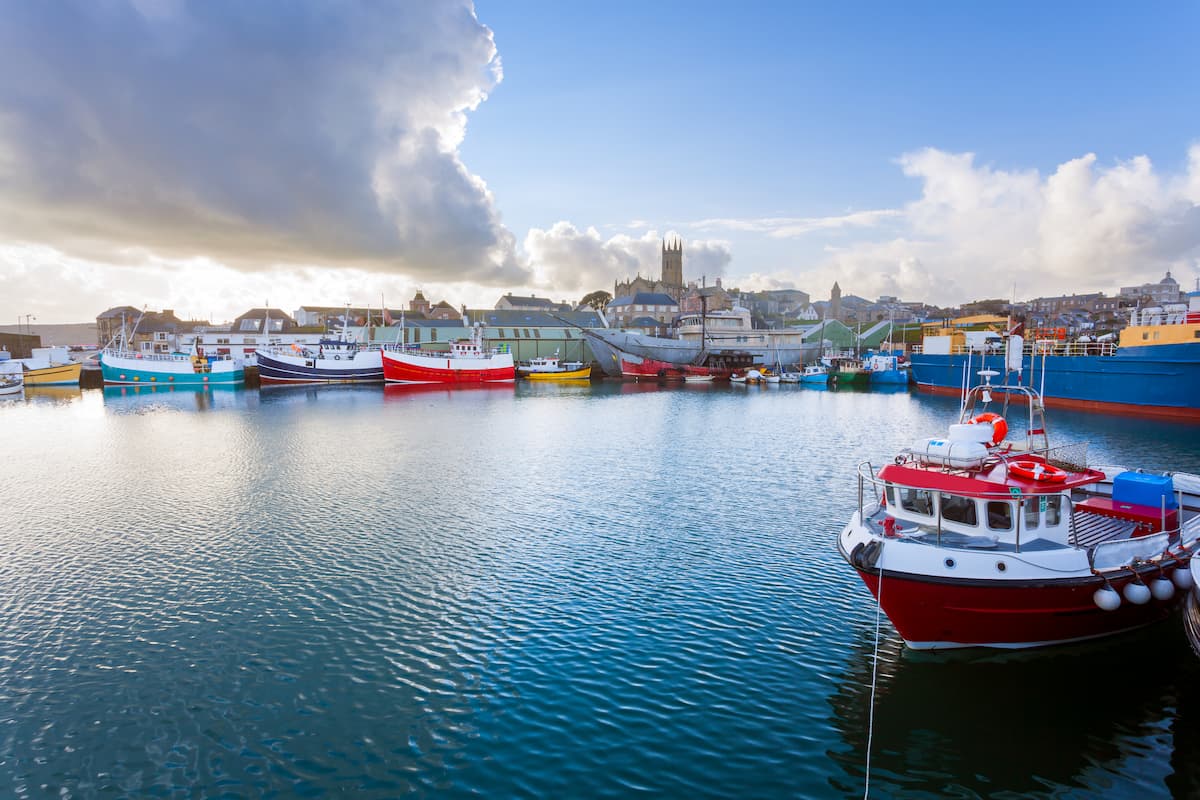
    Penzance Harbour Cornwall
    Penzance Harbour Cornwall

    While not the prettiest town in Cornwall, Penzance is located in one of the prettiest areas. 

    It is situated in the corner of Mount’s Bay, which is home to some of the most gorgeous views on the Cornish coast. St. Michael’s Mount is only a few miles away from Penzance, just off the coast of the sweet village of Marazion. You can walk to the breathtaking castle and tidal island from Penzance in an hour, or catch a bus.  

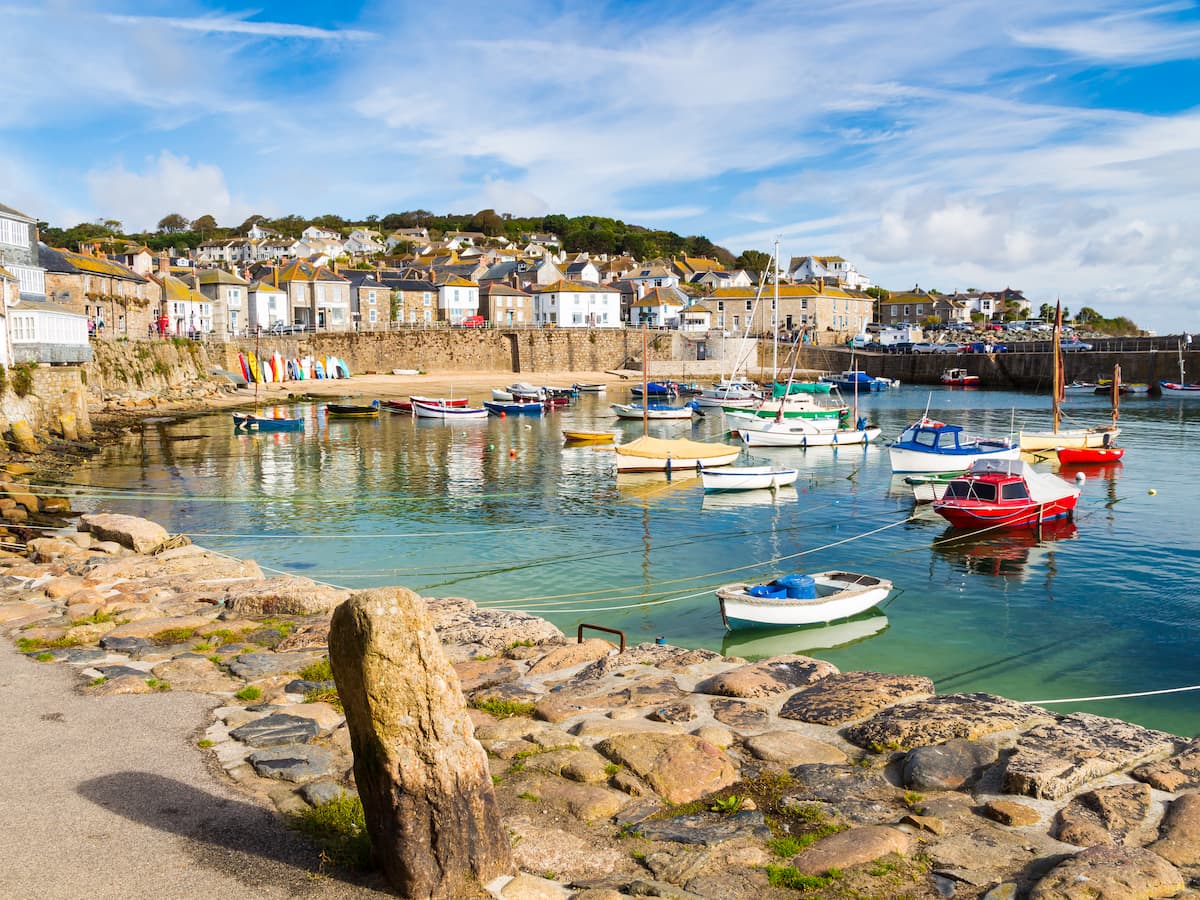
    Mousehole is also close by; like Marazion, you could walk from Penzance down the coast to the village or catch a bus. Dylan Thomas once described Mousehole as the “loveliest village in England”. You will see why as soon as you reach it – the village is all narrow streets and ancient cottages; it’s a gorgeous little place, and the harbour is unbelievably quaint.

    Penzance itself has its own charm. The jaunty atmosphere of this bustling harbour town is infectious – even if Penzance isn’t the most upmarket town on the Cornish coast, it still makes for a fun base for your holiday. You can catch the Night Riviera Sleeper train from London Paddington to Penzance, so you can sleep the eight-hour journey away.

    Falmouth
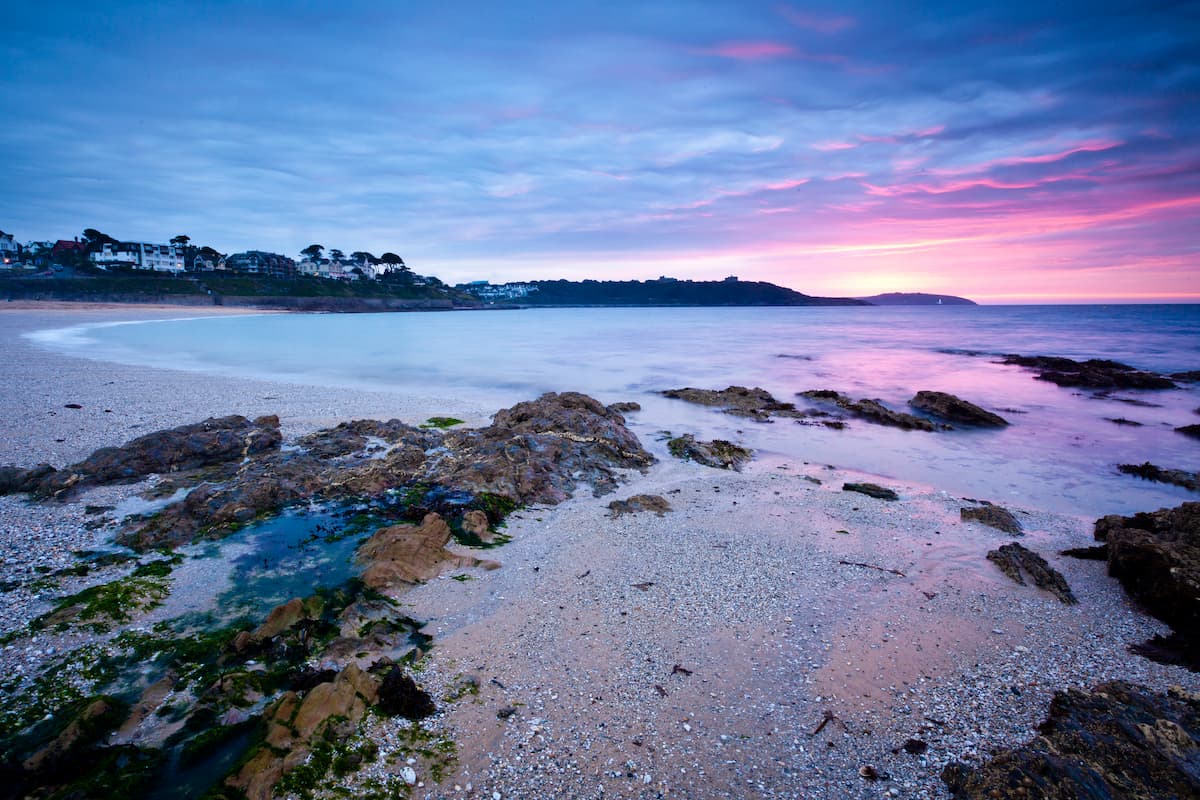
    Gyllyngvase Beach Falmouth Cornwall
    Gyllyngvase Beach Falmouth Cornwall

    Falmouth is arguably best-known for its castle; Henry VIII built the imposing Pendennis Castle between 1540 and 1542 to defend against potential invaders from the continent.

    But the accompanying town is one of Cornwall’s more underrated locations. It has a lovely harbour, pretty Georgian shops and townhouses and a sizeable beach. Falmouth is also close to Penzance in the southwest, Trebah Gardens is nearby, and the likes of the Eden Project are reachable for a day trip. You can stay in Falmouth and explore a great deal of the rest of Cornwall without a car. 

    It’s a larger town, with plenty of restaurants and accommodation options, and has a handful of things to do. Besides the beach, castle and surrounding countryside, you can try out other activities like visiting the National Maritime Museum Cornwall or going on a boat trip. The town has a rich history to explore; Pendennis Castle is connected to the fascinating Tudor period, when it was built as an artillery fort to defend against the French, but is worth visiting for the views over the harbour alone. Falmouth’s harbour is the third deepest natural harbour in the world.

    Newquay
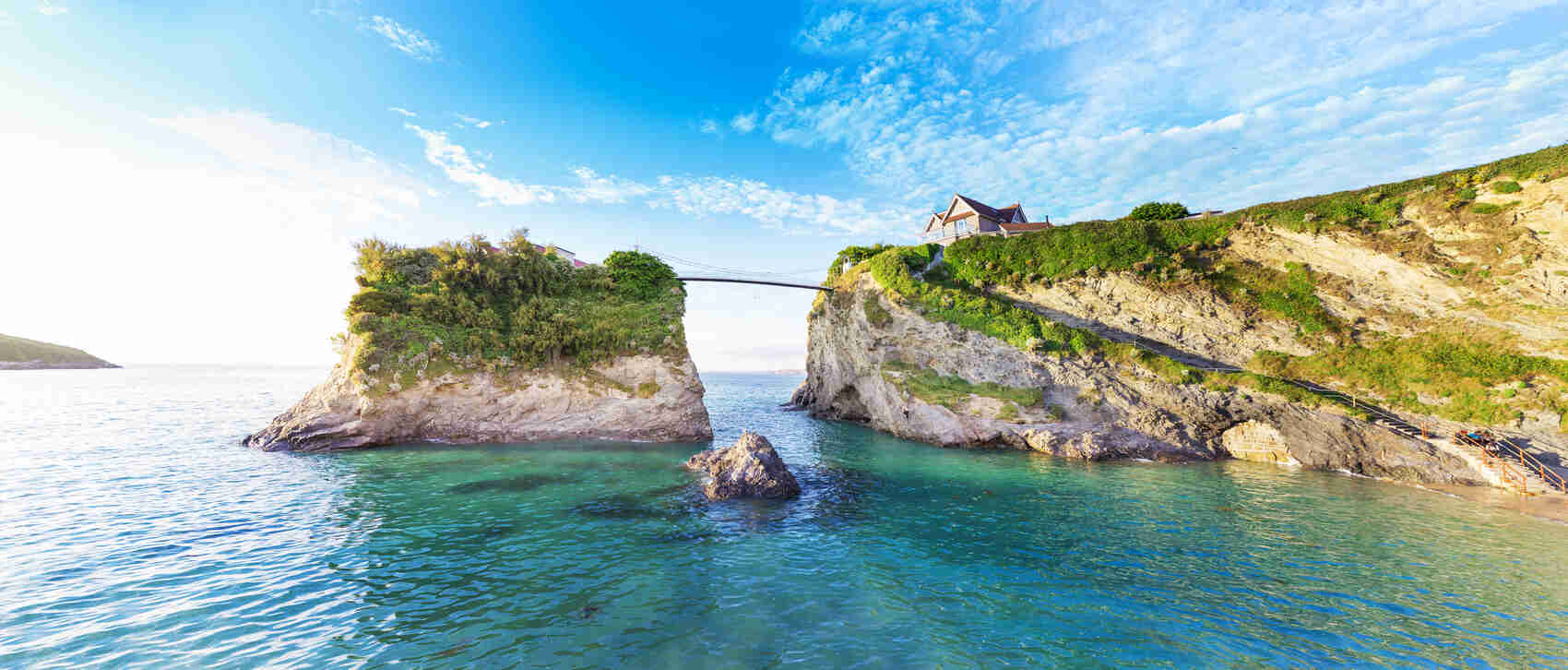
    Newquay Cornwall
    Newquay Cornwall

    Newquay is a vibrant town, with a bustling, raucous atmosphere. It feels a bit like a holiday resort – there are beaches and bars everywhere you look, and everyone’s there just to have a good time.

    It has been a popular destination for tourists for some time. Newquay has all the sandy beaches Cornwall is so famous for and is a fantastic holiday base for surfers. The Atlantic waves are whipped up into perfect surf on sandy Fistral and Watergate Bay beaches in particular. You can reach the gorgeous Perranporth beach by bus from Newquay; it really is an amazing base for beach-goers.

    Newquay has more than lovely beaches to boast about though, as it has great variety in places to eat, museums and things to do. It has a zoo and an aquarium; both are particularly good options on days when the weather isn’t up to par.

    Bodmin
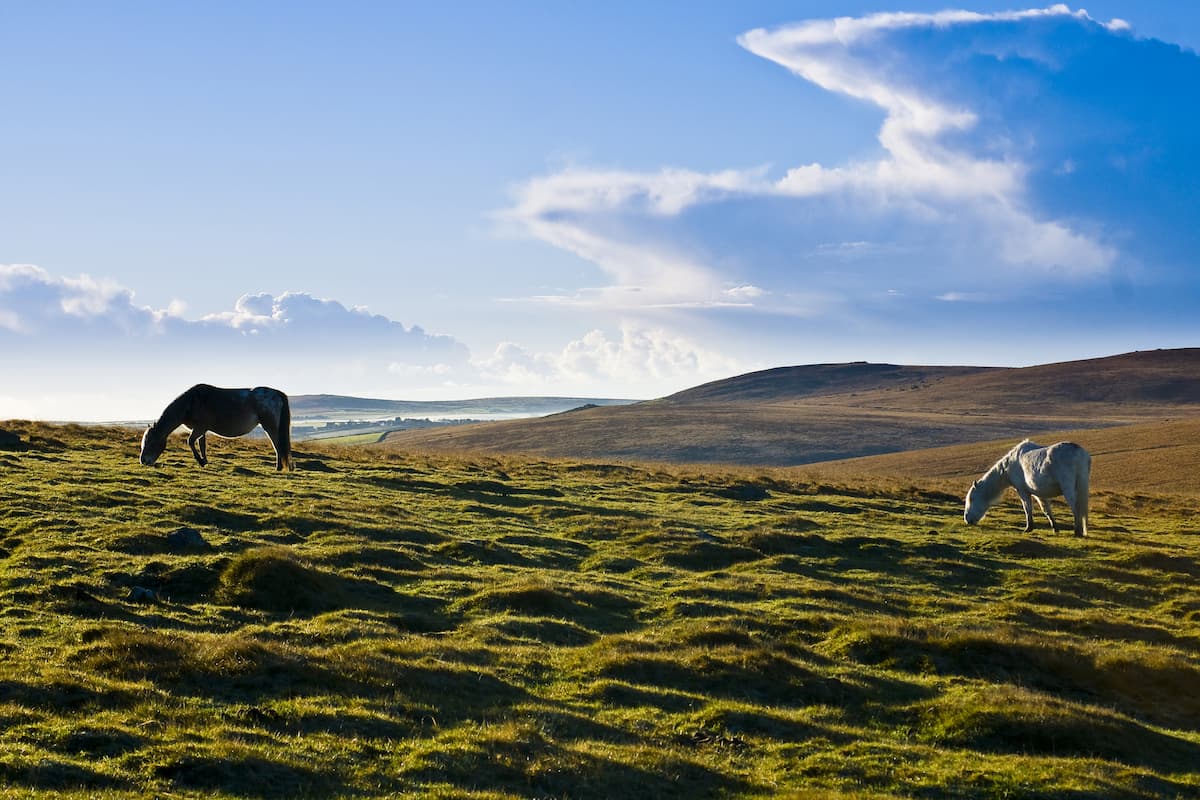
    Bodmin Moor in Cornwall
    Bodmin Moor in Cornwall

    While not the most worldly of towns, Bodmin is well-placed for visitors who want to explore northwestern Cornwall. 

    The likes of Port Issac, Boscastle and Tintagel can only be reached by bus. These beautiful places are worth taking the extra time to explore – and most of these bus routes begin in Bodmin. Generally, it should take somewhere around an hour to reach Port Issac from Bodmin, and a little longer for the others.

    Bodmin is in an excellent position for people who want to focus on the northern coast of Cornwall. As for Bodmin itself, there isn’t a lot to say. The town is pretty and pleasant, but there’s nothing distinctly Cornish about it; it could be a nice, quiet rural town from anywhere in the English countryside.

    There are a few attractions, including Bodmin Jail and the National Trust’s Lanhydrock House and Garden, but its main purpose on this list is as a springboard to explore Cornwall’s wild northern coast.

    A Car-free Itinerary for a Long Weekend in Cornwall

    After settling in at your chosen base, you will want to spread your wings and explore the rest of the region. These are a few of the best attractions in Cornwall that can easily be visited without a car.

    All of the towns mentioned as potential places to stay – but particularly St Ives and Falmouth – could be added to a car-free itinerary if you’re not using them as a base.

    The Eden Project

    Visiting the Eden Project in Cornwall.
    Eden Project in Cornwall.

    Catch the train to St Austell station, which is on the main line from London Paddington, so runs fairly regularly. From there, you can catch a bus that takes you directly to the Eden Project.

    The Eden Project is one of the most famous eco projects in the world. Ever since it first opened its doors in 2001, the site has welcomed millions of visitors every year. The huge biomes have become an iconic sight in Cornwall – but what’s inside is even more impressive.

    There are two main biomes, with two artificial microclimates inside; the Mediterranean and the Rainforest. The Mediterranean biome is filled with the flora and fruits of Italy, Greece, and Spain; it stays a balmy 9–25°C, allowing the olive trees and more exotic species to flourish. You will journey outside of Europe in the South African and West Australian gardens, which add even more colour to the experience.

    The Rainforest biome is an experience like no other in Cornwall: temperatures of 35°C are often reached in the summer. You can walk through a jungle less than an hour from Truro, wander along a rainforest canopy walkway, see crashing waterfalls and tropical creatures all within this biome. A visit to Cornwall’s microcosm of the humid tropics is unforgettable; one of the region’s true unmissable attractions. 

    Porthcurno & the Minack Theatre
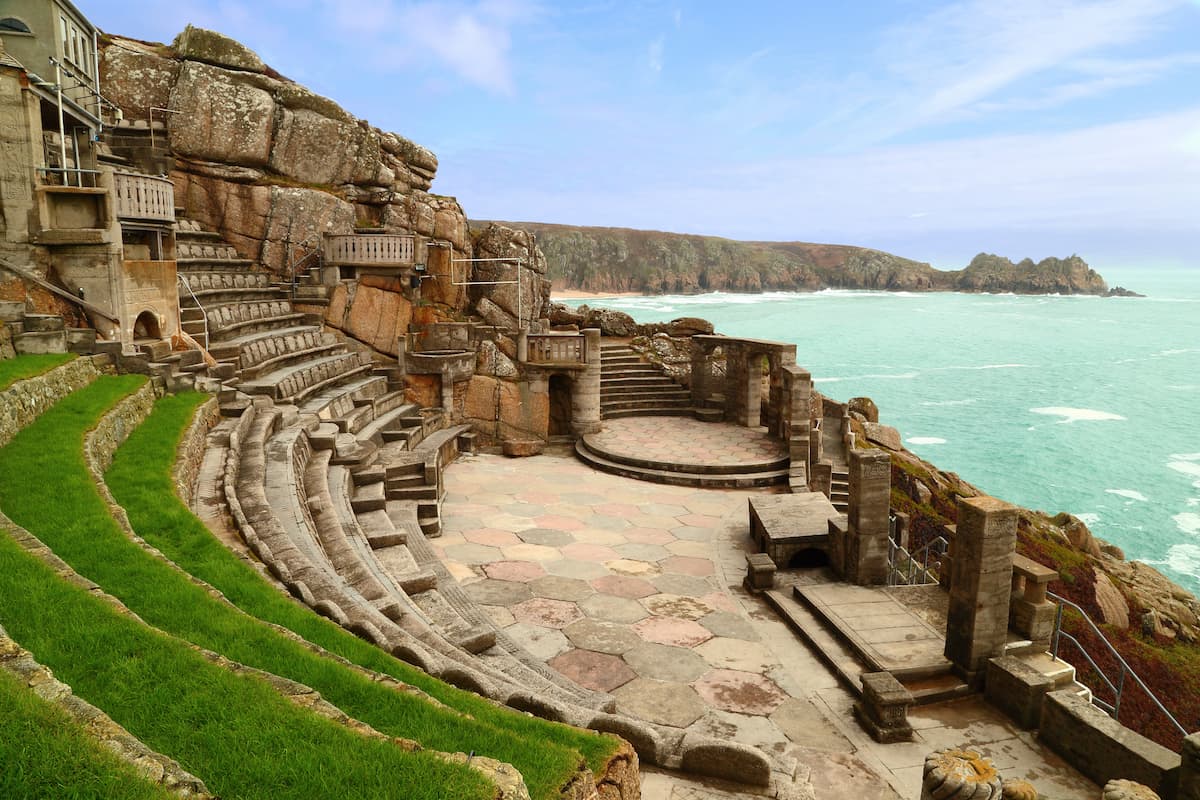
    Minack Theatre Cornwall
    Minack Theatre Cornwall

    The easiest way to reach Porthcurno is if you’re already staying in Penzance – it’s the nearest train station. From Penzance you can catch a bus with the First KERNOW A1 service, which stops at Porthcurno on its way to Land’s End.

    Porthcurno is often alluded to as the most beautiful beach in Cornwall. It is situated in a spectacular narrow ravine, with turquoise blue waves crashing gently against the light golden sand. The cliffs on either side are topped with greenery, while rugged rock formations curve out into the sea. It looks like a stunning secret cove, but Porthcurno is far from hidden; it can get quite busy at times, as it is one of the most famous beaches in Cornwall.

    The Minack Theatre, only a 5 minute walk away, is one of those incredible locations that seems both world-famous and a hidden secret all at once. The theatre, which is built to look like Roman ruins, is carved into the cliffside; it’s a spectacular venue that hosts performances overlooking the sea. 

    Trebah Gardens
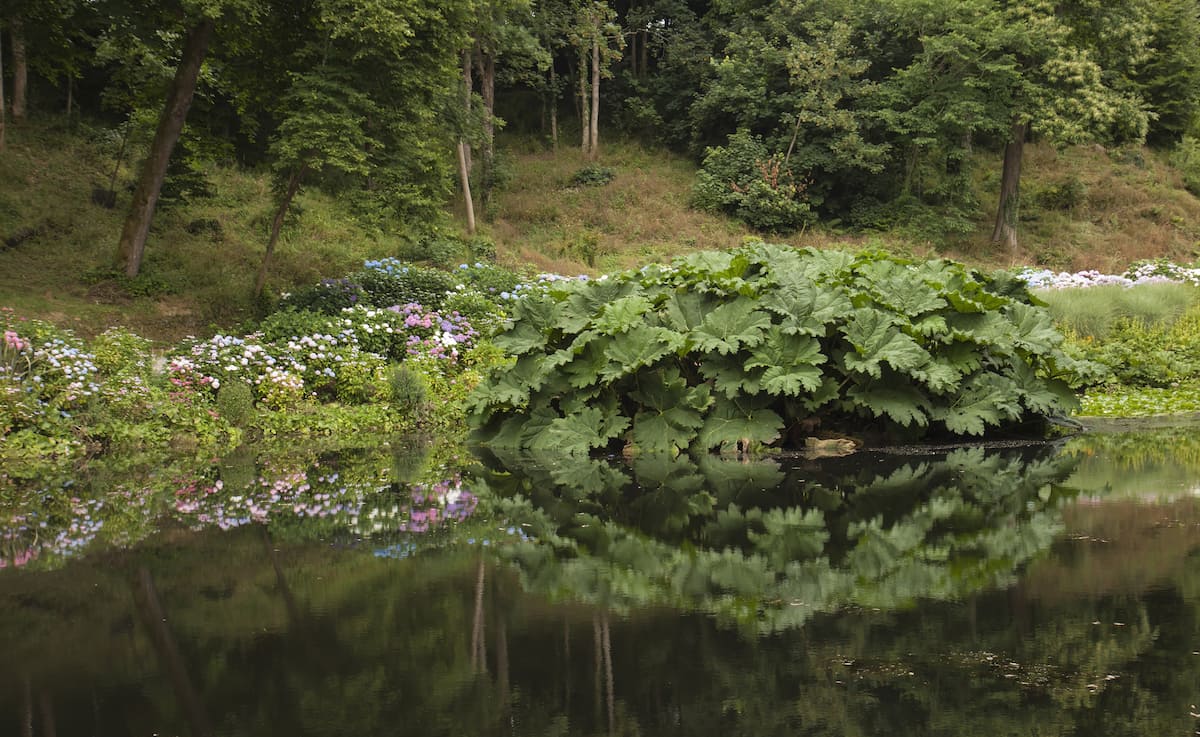
    Trebah Gardens
    Trebah Gardens

    Without a car, Trebah Gardens is most easily reached from Falmouth by bus. 

    Trebah Gardens is one of the handful of world-famous gardens dotted around Cornwall. It is located in a valley that provides a warmer microclimate for the plants, allowing more exotic varieties to grow. 

    Trebah has been ranked as one of the best 80 gardens in the world – it has taken 180 years of careful design and nurturing to reach that level of excellence. The garden follows a natural spring, which trickles through a series of pools until it reaches a Koi pond. You eventually reach a secluded private beach at the base of the cliffs.

    You can enjoy a new experience in the gardens with every season. Spring brings the bloom of a 100-year-old rhododendron, magnolias and camellias, but my favourite season in Trebah is early autumn, when the hydrangeas bring a burst of endless colour to the gardens.

    Looe & Polperro
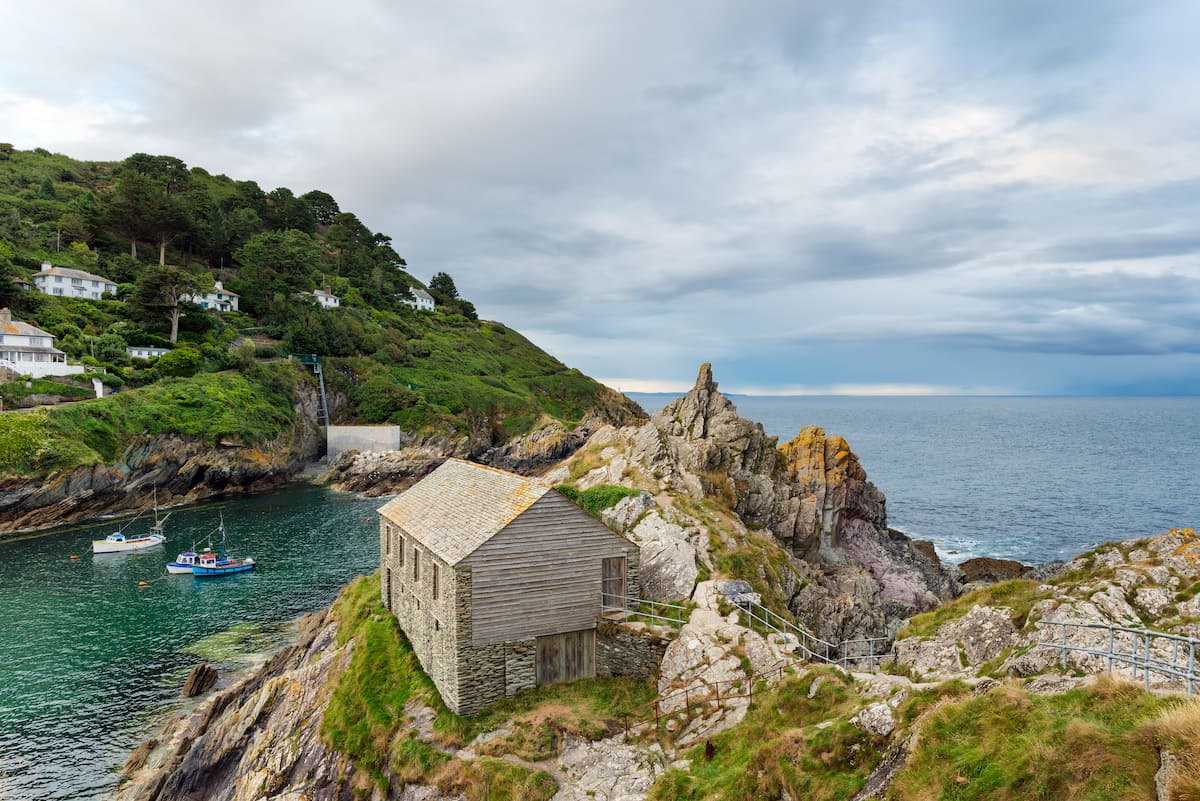
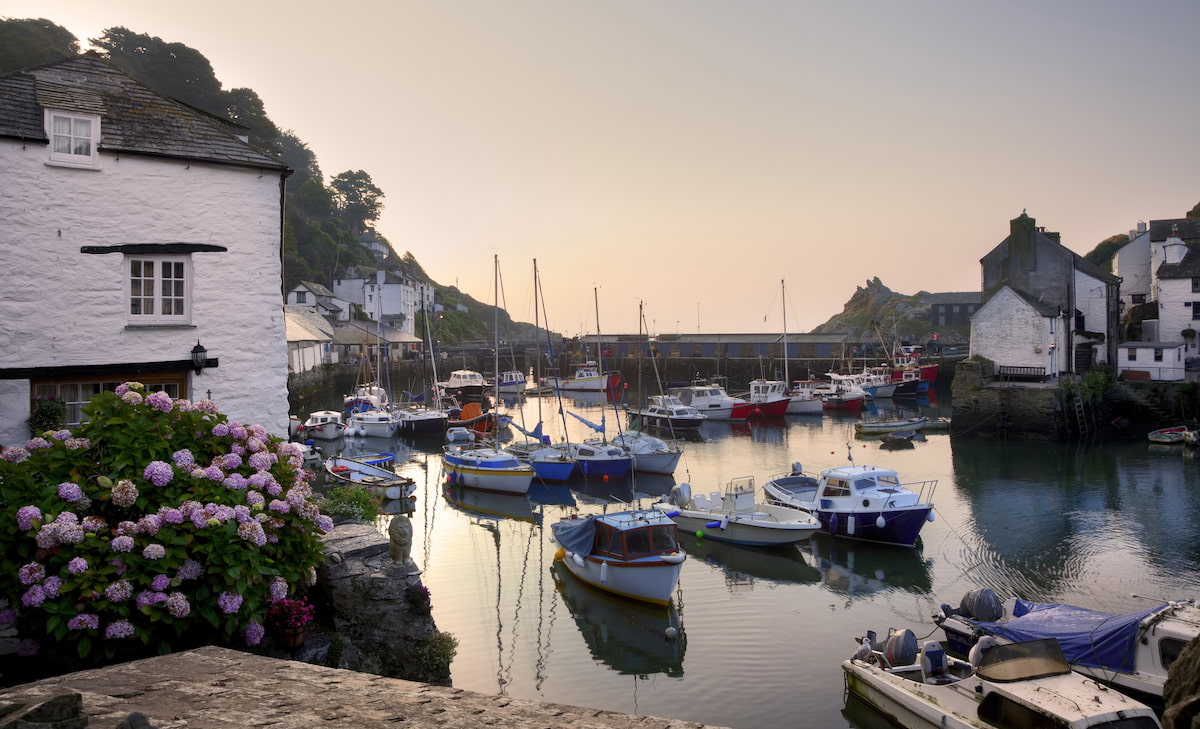
    Polperro in Cornwall
    Polperro

    If, when you think of Cornwall, quaint fishing villages of whitewashed cottages and bobbing boats come to mind, Looe and its neighbour Polperro will meet all your expectations.

    Looe is the larger of the two, being a town, but is still a peaceful coastal retreat. It’s a place where characterful buildings cling to hills on either side of its namesake river, and colourful boats linger in the harbour after a long day at sea. 

    Looe is an escape from stress and turmoil; a chance to experience a simple life in a pretty town by the sea, if only for a little while. You can spend your days exploring its winding cobbled streets, browsing its handful of boutique shops, lounging on its beach and wandering across its Victorian stone bridge to explore the other side of town. When you’re done with all of that, you can take the scenic route down to Looe’s pretty neighbour, Polperro.

    Polperro is only a few miles down the coast from Looe – the walk is a pilgrimage countless tourists and locals alike have undertaken over the centuries. The village is even more picturesque than Looe, where the crooked and ramshackle streets are replaced by uniformly pretty stone white cottages overlooking a harbour. Every corner of this tiny fishing village is worthy of a postcard: enjoy it by sampling an afternoon tea surrounded by views of tumbling hillside cottages and turquoise blue water. 

    Hiking and Bike Trails

    The best thing to do in Cornwall when travelling without a car? Explore the scenery at a slower pace.

    Cars are for getting from one scenic location to another. Once you’re there, they are nothing but a hindrance. Getting out and enjoying the countryside – whether on foot or by bike – is the best way to experience the Cornish landscape. If you’re staying in a great, public transport friendly location, you will be able to access hundreds of fantastic routes without even needing to drive.

    Some of the best hikes and trails you can reach without a car will be on your doorstep; there are dozens of routes to take from Penzance alone.

    St. Michael’s Mount

    Penzance Harbour Cornwall
    Penzance Harbour Cornwall

    Catch a bus from Penzance to Marazion – or walk – to enjoy one of the most incredible views in England: the lonely silhouette of St. Michael’s Mount in Mount’s Bay.

    This unbelievably romantic location has a long and fascinating history but is mostly appealing for purely aesthetic reasons. A beautiful castle sitting above an island in a glistening bay: St. Michael’s Mount is the stuff of fairy tales. To add even more charm to the location, the island is tidal. When the tide is out, a cobbled walkway is revealed, winding its way from Marazion up to the castle.

    Northwestern Cornwall (Easily reached from Bodmin):
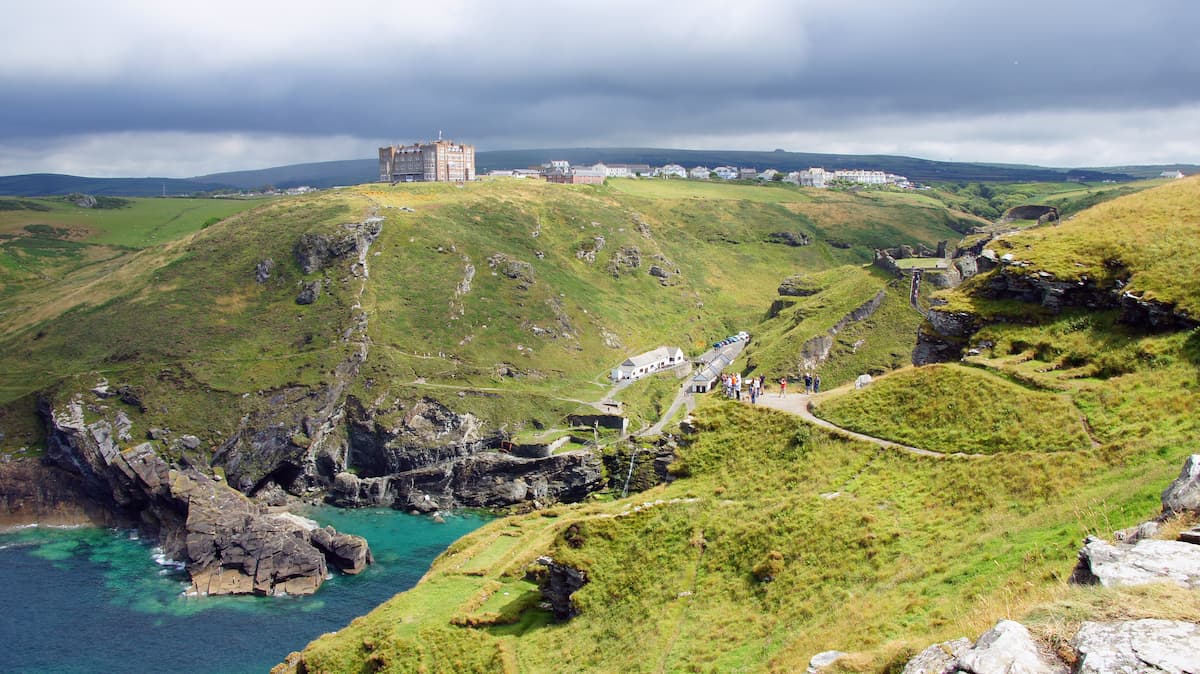
    Tintagel Castle Cornwall
    Tintagel Castle Cornwall

    This part of Cornwall’s rugged coastline can be tricky to reach without a car. If you’re staying in St Ives or Penzance, it would be a fairly unrealistic expectation to visit.

    But staying in Bodmin – or even Truro and Newquay, at a push – makes it more accessible. All of these places can be reached by bus.

    • Boscastle. The quirky village of Boscastle is a mixture of picturesque scenery and unusual charm.
    • Padstow. Padstow is an upmarket coastal town – both the town and surrounding countryside are lovely and worth exploring.
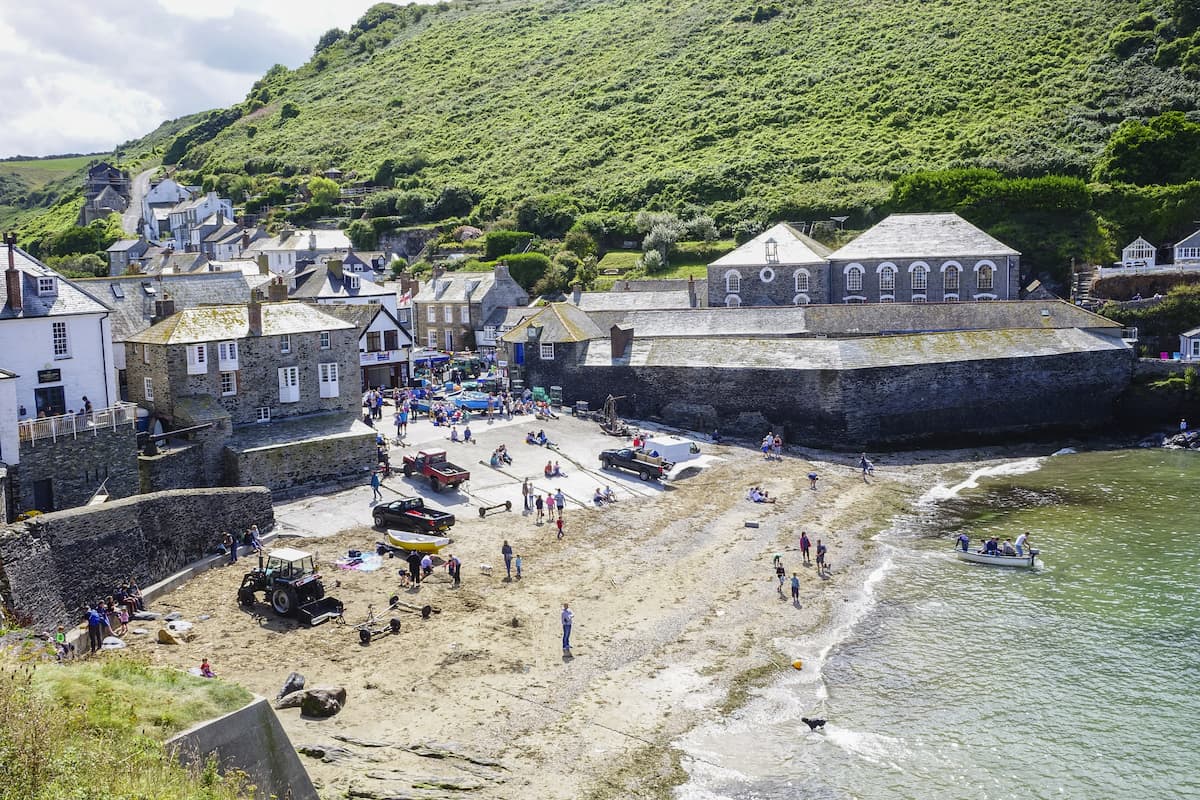
    • Port Issac. This pretty fishing village is one of Cornwall’s most visited. The pretty harbour, sloping beach, and lovely scenery shouldn’t be missed! 
    • Tintagel Castle. An ancient ruin surrounded by mystery and magic: Tintagel Castle is supposedly the birthplace of the legendary British king, King Arthur of Camelot. The setting is beautiful; the coastline is typically dramatic and craggy. But the ruins and stories add a mystical quality to your visit. It is never more atmospheric than at the entrance of Merlin’s Cave, the supposed home of the famous wizard.

    Can you travel around Cornwall by train?

    Yes! The rail network in Cornwall is surprisingly comprehensive. Many of the villages and coastal locations will be off-limits to you if you stick to the railway, but the major towns are all accessible.

    Of course, you could quite happily travel all the way down to St. Ives by train and spend your entire trip there. It all depends on what you want to do and see.

    Is it easy to travel around Cornwall?

    Easy is all relative! If you plan your route well, travelling around Cornwall will feel incredibly simple.

    Leave it to the last minute and it might feel stressful – but hopefully this itinerary will take some of that burden. Public transport is easy to use and generally takes a lot of the stress out of travelling. As long as you are realistic about your expectations and check leaving times beforehand, you should easily be able to travel around Cornwall without a car.

    Visiting Cornwall Without a Car

    A visit to Cornwall using only public transport is surprisingly varied – there are few options and attractions off-limits to you.

    Choosing your base is the most important step (unless you plan on hopping from one to another), as what you will be able to see depends hugely on what is close by. You can explore so much of Cornwall without a car that not having one is no longer an excuse: book your holiday for this year, but be sure to avoid the most awkward months.
  • 3-Day Road Trip Cornwall: Best of the Cornish Coast

    3-Day Road Trip Cornwall: Best of the Cornish Coast

    Cornwall is home to Britain’s favourite coastline.

    Clear blue waters, golden beaches and dramatic cliff faces are the backdrops for quaint villages, crumbling ruins and world-class gardens. There’s so much to see in this corner of the UK; and Cornwall’s natural beauty is so consistent that it is perfect to explore via road trip.

    A 3-day road trip through Cornwall doesn’t give you heaps of time – but this itinerary will help you make the most of it.

    Day 1

    Begin your road trip through Cornwall by exploring the south coast.

    Polperro

    Fishing village of Polperro, Cornwall
    Fishing village of Polperro, Cornwall

    Start your road trip in the idyllic fishing village of Polperro. This postcard-perfect community can be found high up on the south coast of Cornwall; it’s perfectly located for the beginning of your holiday in the southwest.

    Cornwall is famous for its quaint seaside towns and villages – you have to visit at least one, and you may as well start with one of the best. Polperro is a charming collection of haphazardly placed cottages nestled within a ravine. The village and harbour are just wonderfully picturesque. Gently bobbing boats, 14th-century inns and the typically rugged Cornish scenery make for a stunning setting.

    The narrow streets of Polperro are lined with whitewashed cottages that carry a timeless appeal. Many of these buildings are now used to host art galleries, bakeries, jewellers and a whole host of other tourist-friendly retailers. But it all has a very quaint, historic feel; as there are no cars within the village itself – you park just outside – you can enjoy a completely old-world experience in Polperro. 

    The Eden Project

    Visiting the Eden Project in Cornwall.
    Eden Project in Cornwall.

    Drive 37 minutes down the coast to arrive at one of the most iconic attractions in all of Cornwall. 

    The Eden Project has fascinated visitors and captured imaginations for almost two decades. Though it is a relatively new addition to Cornwall’s tourist repertoire, it is arguably the most famous. 

    The project began in the late 90s, with the aim that visitors would leave the site a little more in tune with the natural world. Its purpose is largely to educate the general public, but the charity is also active in conservation.

    Each of the two main biomes is its own little contained world. Stepping inside one is a beautifully unique experience – it’s like being transported halfway across the globe. 

    The Mediterranean biome is pleasantly warm, with all the trimmings of a vineyard in Tuscany, the gnarled olive trees of a Greek island, and the fiery chillies of a Spanish valley. You can travel a little further afield just by taking a few extra steps within the biome; the vibrant South African, West Australian and Californian gardens add an even more global feel to an already worldly experience.  

    As wonderful as the Mediterranean biome is, I think the rainforest biome is even more impressive. You can lose yourself in the humid tropics of the rainforest, and temporarily transport yourself to the likes of SE Asia, West Africa, and South America. It stays between 18 -35°C all year round, so dress for warm weather!

    A rushing waterfall, a spectacular Rainforest Canopy Walkway and an abundance of tropical plants and animals await you in Cornwall’s very own miniature rainforest.

    The Lost Gardens of Heligan

    Lost Gardens of Heligan in Cornwall
    Lost Gardens of Heligan in Cornwall

    Wander through the real-life Secret Garden of Cornwall in The Lost Gardens of Heligan; where the actual story behind the gardens feels almost as mythical as the name suggests. 

    Heligan’s gardens were absolutely flourishing in the 19th century. The Tremayne family had developed the estate’s grounds into one of Cornwall’s premier outdoor spaces. 

    But the estate was abandoned during World War I, and the gardens spent half a century lost to time. The forgotten grounds soon fell into disrepair; eventually becoming derelict as the decades passed. 

    The gardens were neglected for so long that the entrance became completely overrun by plants and ivy. It was only the chance discovery of a hidden door in the 90s that led to the restoration of the gardens.

    The ensuing recovery project was a huge success. Heligan is now home to one of the finest gardens in the UK. Its location within a valley creates a microclimate that allows a wide variety of plants to grow.

    You can wobble across a Burmese rope bridge in The Jungle or go for a romantic stroll through The Sundial Garden: the Lost Gardens have an unmatched diversity, and are a real joy to explore.

    Trebah Gardens 

    It would be a bit of a squeeze to fit in, but Trebah Gardens is en route to our next stop. 

    If you have the time, Trebah Gardens is worth a visit. The colourful gardens follow a gentle stream as it trickles down towards the seafront. The gardens are particularly vibrant in September when the hydrangeas come into bloom.

    Kynance Cove

    Kynance Cove Cornwall
    Kynance Cove Cornwall

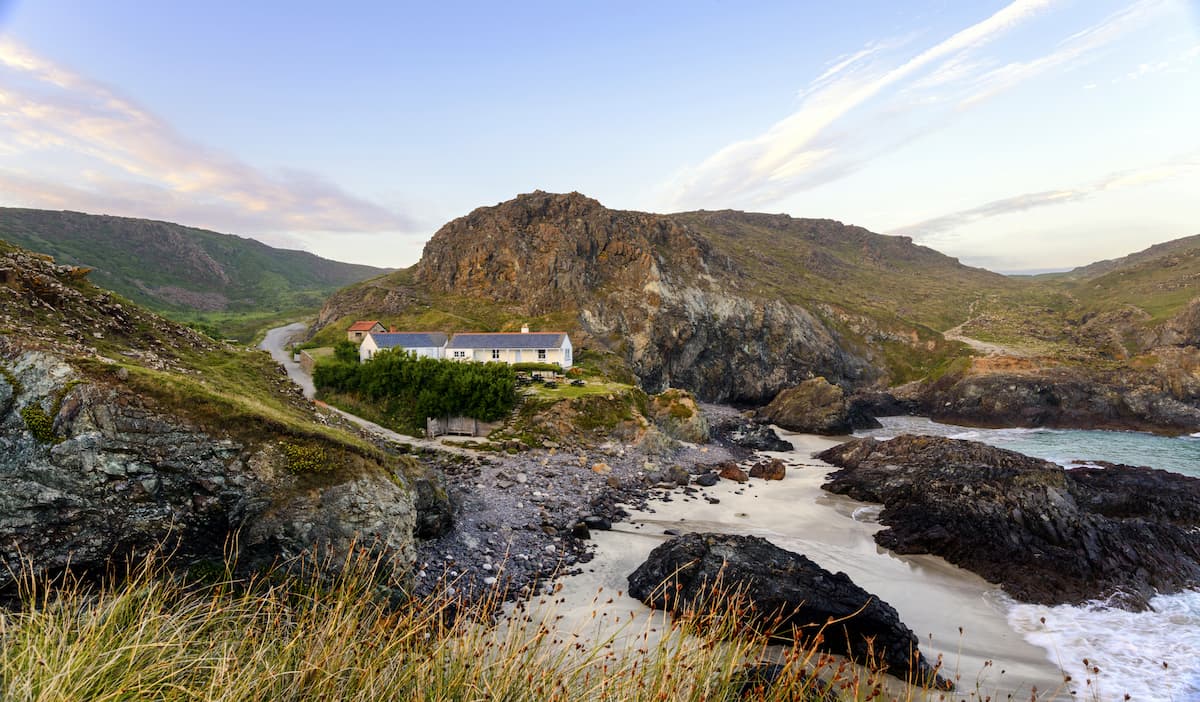
    The Lizard Peninsula is one of the most dramatic – and photogenic – pieces of coastline in Cornwall.

    Kynance Cove is the crown jewel of that already treasured peninsula. This is honestly quite the detour from the most direct route down the south coast – it will add just over an hour on to your travel time. 

    But it is worth it. Serpentine rock formations weave between the sand and sea in Kynance Cove. It is one of the most photographed locations in Cornwall, thanks to the sheltered cove’s unmistakable staggered headlands of rock, white sands and turquoise waters.

    Climbing the hill opposite to Kynance Cove is possibly more impressive than being on the beach itself. It gives you a unique perspective on one of the most memorable vistas in Cornwall.

    Kynance Cove is best seen at low tide, when the beach is fully visible.

    Marazion

    At the end of a long day, you just want to put your feet up and relax. 

    A road trip is exciting, but can be tiring. Marazion is a lovely place to unwind after hours of driving. The ancient market town is small, but pretty and charming. It’s perfect for an overnight stay.

    If you’re looking for somewhere to eat, you will find a handful of cute pubs and cafes in the town. As you might have expected on the coast, they’re especially notable for their seafood offerings.

    Marazion is a lovely town, but what really puts it on the map is its proximity to St. Michael’s Mount; the views of the castle island are incredible.

    Day 2

    After spending the early morning relaxing in Marazion, it’s time to get back to exploring.

    St. Michael’s Mount 

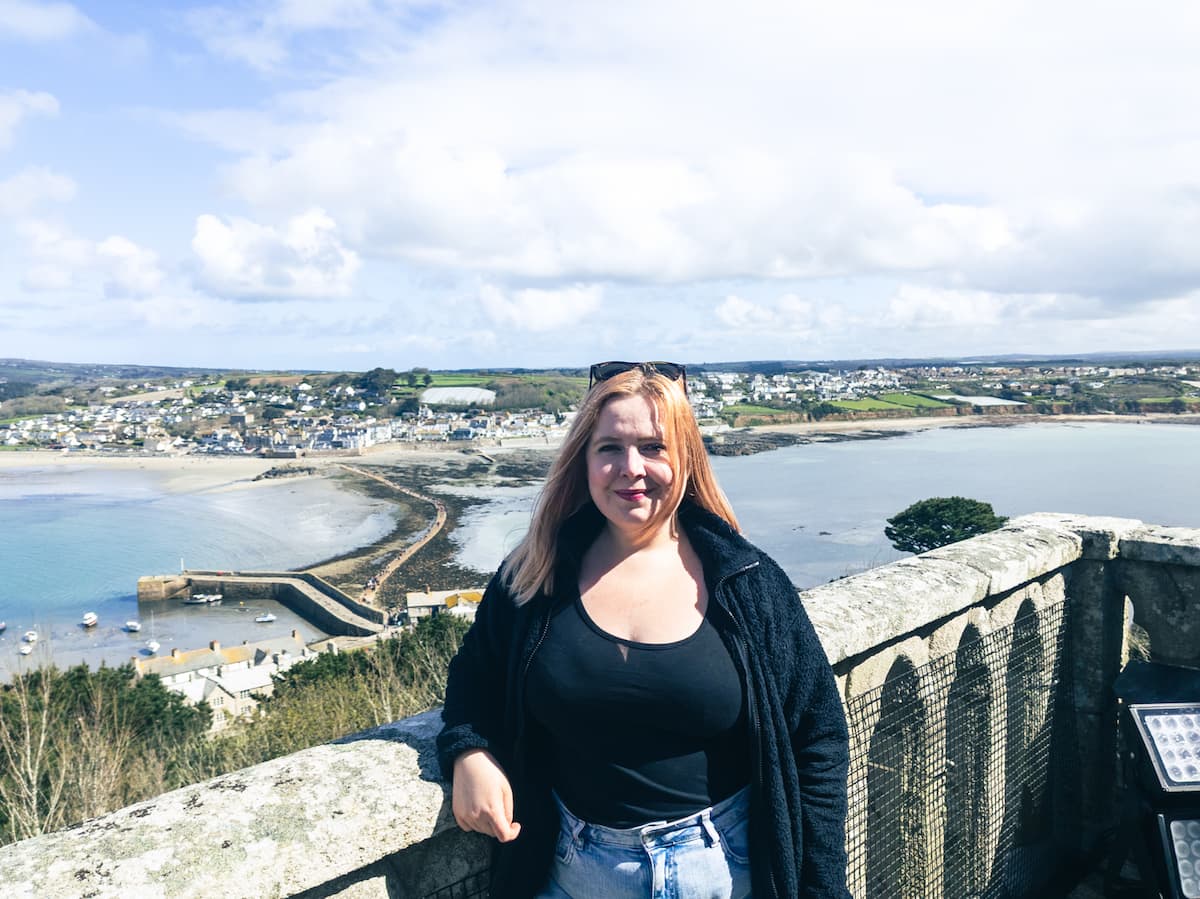
    View from St. Michael’s Mount with the tide out
    View from St. Michael’s Mount with the tide out. There are two ways you can get to the island, when the tide is in by boat which you need to add to your ticket or when the tide is out you can walk across the path.

    Cornwall’s answer to Mont Saint-Michel in France is located on the south coast in Mount’s Bay; it’s an island anchored to the mainland by the whims of the tide. 

    St. Michael’s Mount is as close to a fairy tale as you can experience in everyday life. The scene is breathtakingly romantic: a medieval castle is perched high above an island of lush greenery, cutting an unmissable outline against the open sky. Mount’s Bay is a sparkling turquoise colour, completing the image of almost unnatural beauty. 

    St. Michael’s Mount Cornwall
    St. Michael’s Mount Cornwall

    It’s so beautiful that it could easily be a purpose-built tourist attraction. But the castle has stood for centuries – the first priory on the island was built in 1135. It played a particularly active role in politics during the medieval period, when an imposter to the throne occupied the Mount.

    You can explore the castle and gardens in the warmer months, but times are limited outside the peak of June, July and August. 

    St. Michael’s Mount is a tidal island: at high tide, it is cut off from the mainland. The water retreats to reveal a cobbled causeway winding across the bay, and you access the Mount by checking the tide times and embarking across this path. In April, ferries start to run between Marazion and the pretty harbour of St. Michael’s, allowing for extra visits during high tide.

    Mousehole

    Fishing town of Mousehole Cornwall. With small boats and a backdrop of the town.
    Mousehole Cornwall

    Skip across the bay from St. Michael’s Mount and you will land in Penzance; famously the setting of The Pirates of Penzance. But keep going – in truth, Penzance isn’t the loveliest town in Cornwall. Hidden just below it is the sweet village of Mousehole, once dubbed the “loveliest village in England” by poet Dylan Thomas.

    Mousehole is a tranquil respite for any weary traveller. The tiny fishing village has an enchanting atmosphere, and despite its popularity, still feels authentically Cornish. You can indulge in a Cornish Cream Tea, visit a museum, or set off on a boat ride from the fishing port. For such a small place, there’s plenty to see and do.

    Porthcurno

    Winning the unofficial competition for most beautiful beach in Cornwall is no easy task, but Porthcurno somehow manages to stand a cut above the rest. This small slice of paradise is carved out of the cliffside, nestled in a narrow valley on Porthcurno Bay.

    The water is a shade of blue more commonly seen in the Caribbean, and the beach is a golden layer of soft sand beneath your feet. The greenery of the cliffs on either side make for a striking burst of colour, and the contrast only enhances the beauty of Cornwall’s most breathtaking beach.

    Allow yourself a few hours to lounge on the sands and swim in the sea if the weather is nice. Even if the skies are grey you can still enjoy a visit to Porthcurno. The circular walk up the hillside and across the coastline from Porthcurno to Penberth Cove is spectacular. 

    The unmissable sea views, picturesque Penberth harbour, and clifftop perspective over the beach make this a hike worth taking in all weathers. Wander slightly off track to reach Pedn Vounder beach – this is one of the finest views of a craggy cove in Cornwall, and is usually deserted.

    Minack Theatre

    Minack Theatre
    Minack Theatre

    Even on a trip as brief as three days, you have to find the time to visit the Minack Theatre while in Cornwall. It is conveniently located on the cliffs overlooking Porthcurno beach – it’s so close that you don’t have to get back behind the wheel, you can just walk for five minutes and you’re there.

    It’s hard to imagine a theatre in existence more picturesque than the Minack. Hanging on the edge of a cliff sloping down to the sea, the theatre looks impossibly romantic. It almost looks like it could be the recently unearthed discovery of ancient ruins; the Minack has all the appearance of a Roman amphitheatre. 

    In actuality, the Minack Theatre was built as a private playhouse. Dreamed up by Rowena Cade, the Minack’s first ever performance was fittingly Shakespeare’s stormy masterpiece, The Tempest.

    During the summer season, when performances run from Easter to September, you could – and, maybe, should – catch a show. Matinee performances are fairly frequent and would fit into the schedule of a busy road trip itinerary. If there are no performances available, you can still tour the theatre. 

    The views over the sea from the theatre are simply sublime: no theatre has a better backdrop than the hazy blue of southern Cornwall’s sea and sky.

    Mayon Cliff Shipwreck

    Mayon Cliff Shipwreck in Cornwall
    Mayon Cliff Shipwreck in Cornwall

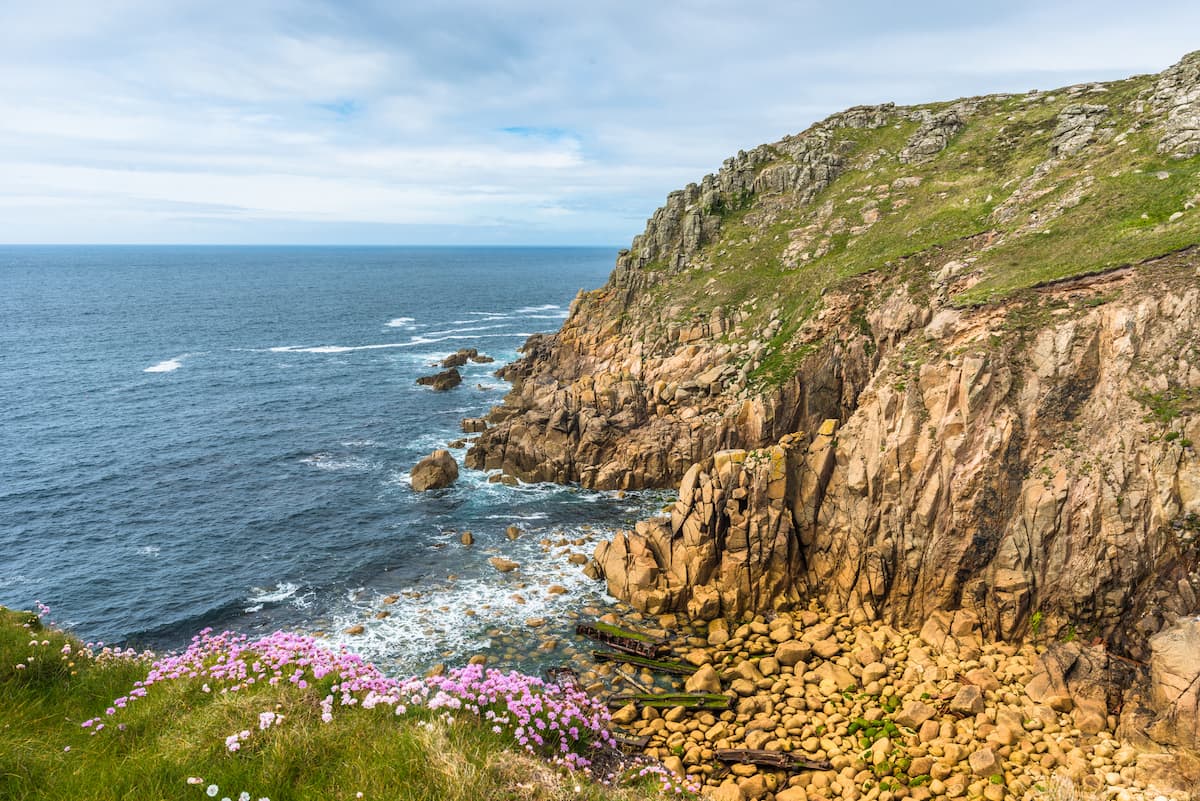
    The Mayon Cliff Shipwreck is a slight detour from the usual tourist hotspots. Situated only a few miles from the wildly overrated Land’s End, the wreck of the RMS Mülheim has been stranded on the rocky inlet of Castle Zawn cove for almost twenty years.

    The cargo ship has been teetering on the Cornish coast ever since its doomed voyage first ran into trouble. All that is left is the bow, which has been perched on the pebble beach since 2003, after a storm split the ship in two. You can walk to the wreckage as part of a scenic coastal route over Mayon Cliff.

    Amble through a carpet of heathland on your journey along the perilous cliffs, enjoying sweeping vistas of the ocean and a glimpse of Bronze Age castle ruins, a Victorian lookout, and the distant Longships lighthouse. 

    Of course, once you arrive on the shipwreck beach there isn’t much to do but admire the atmospheric surroundings. It’s not a beach to lounge on, but you can spend some time looking out to sea trying to spot the wildlife. Dolphins and porpoises are common, but everything from basking sharks to killer whales have been spotted off this coastline.

    Mên-an-Tol

    Men-An-Tol in Cornwall
    Men-An-Tol in Cornwall

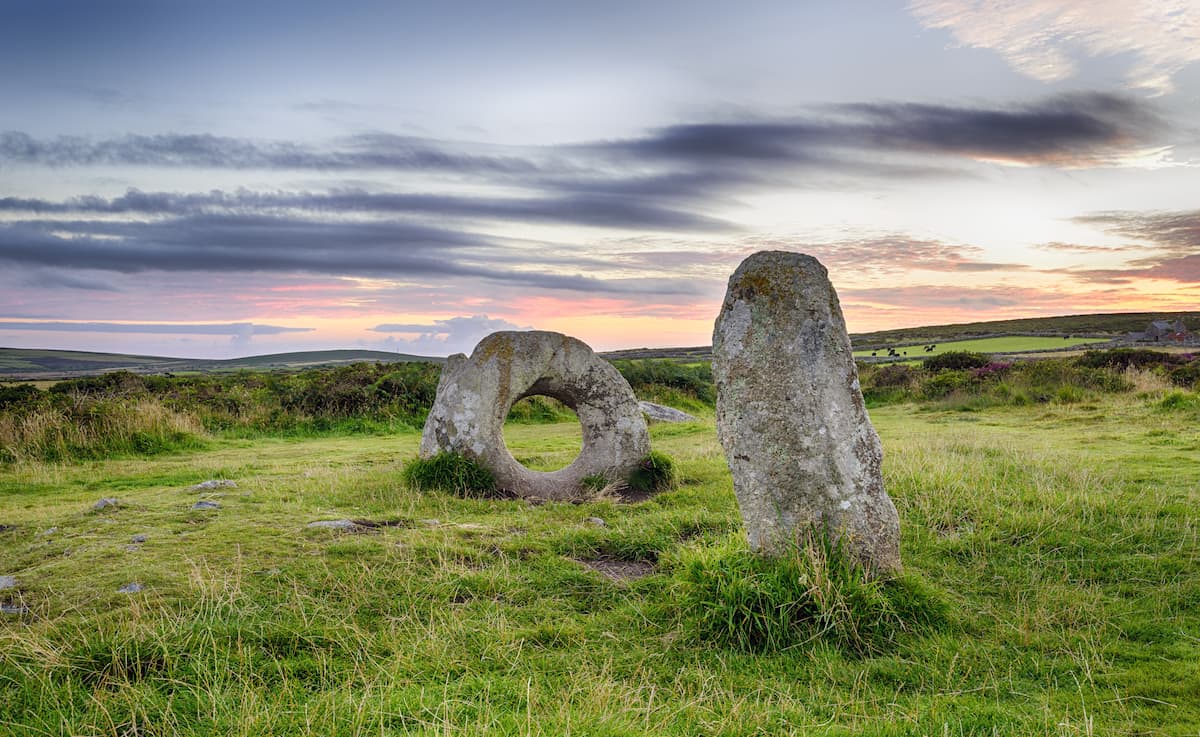
    From a 21st century wreckage to an ancient stone formation. Travel back 3500 years, long before even the founding of Ancient Rome, to Mên-an-Tol. 

    Cornwall has a surprising amount of these stone circles and formations; the ancient Cornish societies had an astonishingly advanced grasp of stonework and craftsmanship. But this is perhaps the most impressive of the many remnants of early civilisations in Cornwall. The unusual pierced circular rock is one of only two of its kind in the UK.

    Cornwall is closer culturally to Wales, Scotland and Ireland, with its Celtic roots. There’s a distinct difference between Cornwall and the rest of England – it even has its own revived Cornish language. Visiting places like Mên-an-Tol gives us greater insight into a fascinating part of Cornwall’s history.

    This will be the longest stretch of travelling on your second day, though none of the journeys are particularly strenuous – the drive from the Mayon Cliff Shipwreck to Mên-an-Tol takes around 30 minutes, and the following trek to St. Ives slightly less. 

    Visiting Mên-an-Tol won’t require too much of your time. It’s a quick stop, but one worthy of a packed itinerary.

    St. Ives

    St Ives Cornwall
    St Ives Cornwall

    End your second day in Cornwall in pretty St. Ives; a town famous for glorious beaches, a thriving art scene, and an idyllic harbour. 

    The appeal of St. Ives is no secret, so it does tend to get very busy in the summer. But even if you are road tripping in the middle of August, I think it’s a place you just can’t miss. St. Ives is a charming collection of winding streets and golden beaches. It has a lovely atmosphere; simultaneously bustling and relaxed.

    You will find world-class art galleries in the town, with the Tate St. Ives a particular highlight. There’s great food options as well, with plenty of variety. The Cornish Deli does a mean pasty.

    Cobbled streets, quaint cottages and alabaster townhouses make up the town centre; the Down-a-long is especially charming. St Ives is a fantastic blend of culture and beauty – I can’t think of anywhere better to end your second day in Cornwall.

    Day 3

    Begin the final day of your road trip through Cornwall with breakfast by the beach in St. Ives. If you’re particularly fearless, go for a bracing early morning swim – you only have a few dozen beaches to choose from.

    Perranporth 

    Perranporth Cornwall
    Perranporth Cornwall

    Explore the St. Agnes Heritage Coast by visiting the longest stretch of uninterrupted sand in Cornwall at Perranporth.

    It’s a lovely way to while away a few hours. After all, no trip to Cornwall is complete without thoroughly perusing its beaches. 

    If you’re all beached out or the weather isn’t so great, feel free to skip this part of the road trip. But Perranporth is one of the finest beaches on the north coast; it’s well worth a few hours of your time if you’re willing. 

    Polzeath to the Rumps

    The Cornish coast is made for windswept hikes. The jagged cliff edges, golden beaches and endless ocean views are all meant to be savoured.

    You can enjoy a scenic walk on the northern coast as you wind your way back up through Cornwall. Polzeath is a sweet little village, but not all that notable by itself. The nearby scenery, which includes an Iron Age hillfort, is what makes this a worthwhile trip.

    Granite cliffs and the twin headlands of ‘the Rumps’ sit alongside the clear blue waters of the Atlantic Ocean. This is an excellent walk with very little foot traffic; you feel almost completely alone on these rugged hills. It also gives you a chance to get out of the car and stretch your legs, seeing some of Cornwall’s most beautiful countryside while you do so.

    Port Issac

    Port Issac Cornwall
    Port Issac Cornwall

    Pretty fishing villages are a dime a dozen in Cornwall. But there are some that continue to charm even repeat visitors with their beauty. Port Issac is one of them.

    The pretty fishing village is backed by green hills and opens on to the sea with a little beach. Port Issac is ideal for a lunch stop – it would give you enough time to explore the scenic village and relax in a cute cafe. The Cornish are incredibly loud advocates of a cream tea, and Angelique’s Tea Room does one of the best.

    Tintagel Castle

    Tintagel Castle Cornwall
    Tintagel Castle Cornwall

    Enter into a land of myth and legend at Tintagel Castle, and immerse yourself in the story of King Arthur and his Roundtable.

    There’s an air of mystery – and, some would say, magic – around Tintagel that has inspired storytellers for centuries. The setting is so dramatic that people tend to assume it simply must have had a grander purpose. According to legend, Tintagel is the birthplace of King Arthur. 

    Though the medieval castle is little more than ruins, it is easy to get swept up in the mythos of it all. It’s incredibly atmospheric, and the scenery is stunning. The precarious walk down to Merlin’s Cave, where the illustrious wizard supposedly lived, is especially memorable.

    Boscastle

    The final stop on our whirlwind tour of Cornwall is a village with huge character. It’s exceedingly pretty, as most Cornish villages are, but has an eccentricity that is unique to Boscastle. This is a village with a strong sense of personality, and oodles of charm.

    Famously the victim of flash flooding in 2004, Boscastle has recovered in spades in the years since. Stroll alongside the river as it meanders down through the tiny port village – the stone cottages of the village are built on either side of the river within a deep valley. 

    It’s an exceptionally beautiful setting. The location is matched in charm by the inhabitants. Boscastle is a friendly village with some unusual quirks – you can even visit a Museum of Witchcraft and Magic, and see an eclectic mix of voodoo dolls and crystal balls in the collection.

    Road Trip Roundup

    By the end of the three days, you will have packed in as much of Cornwall as is physically possible. You will have seen the rainforest of the Eden Project, the romantic St. Michael’s Mount, half a dozen gorgeous beaches, and a handful of charming towns and villages.

    Your road trip will have ticked off the best of the Cornish coast.

    But this little taster of Cornwall is a great introduction to the region, and is sure to leave you eager to return for more!