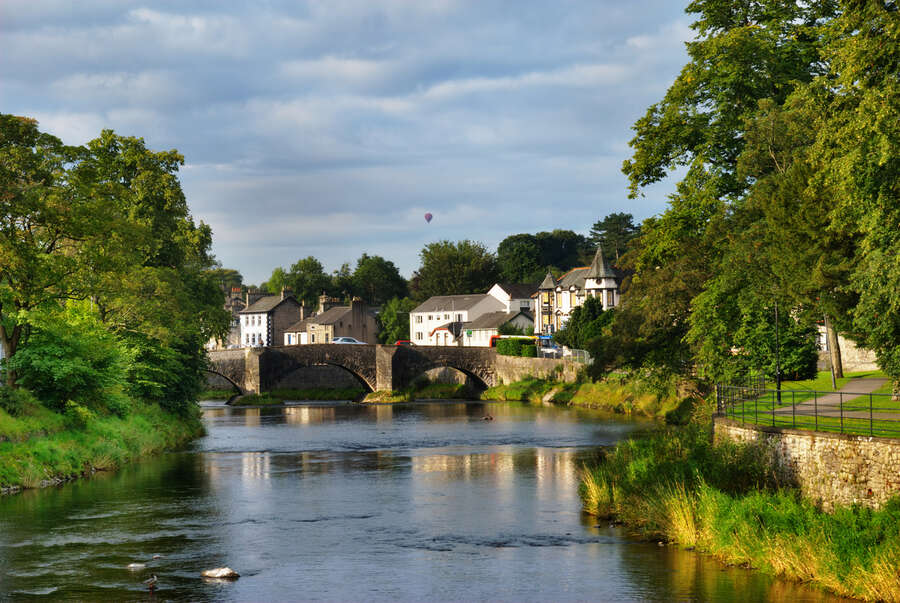
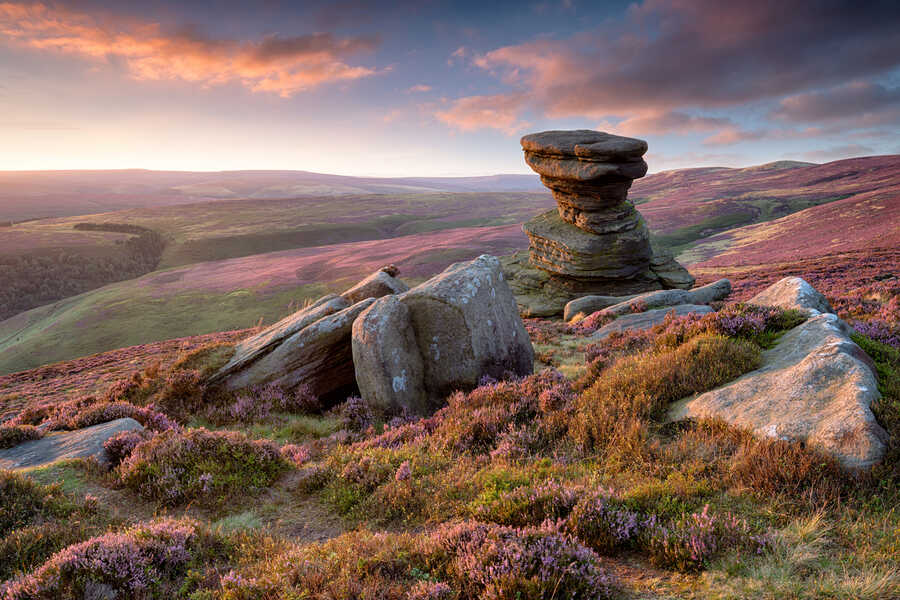
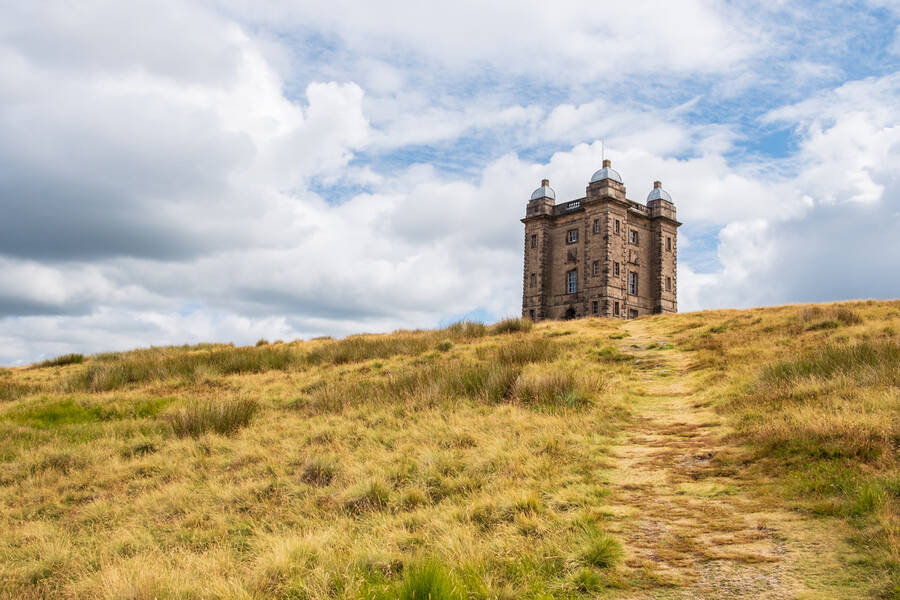
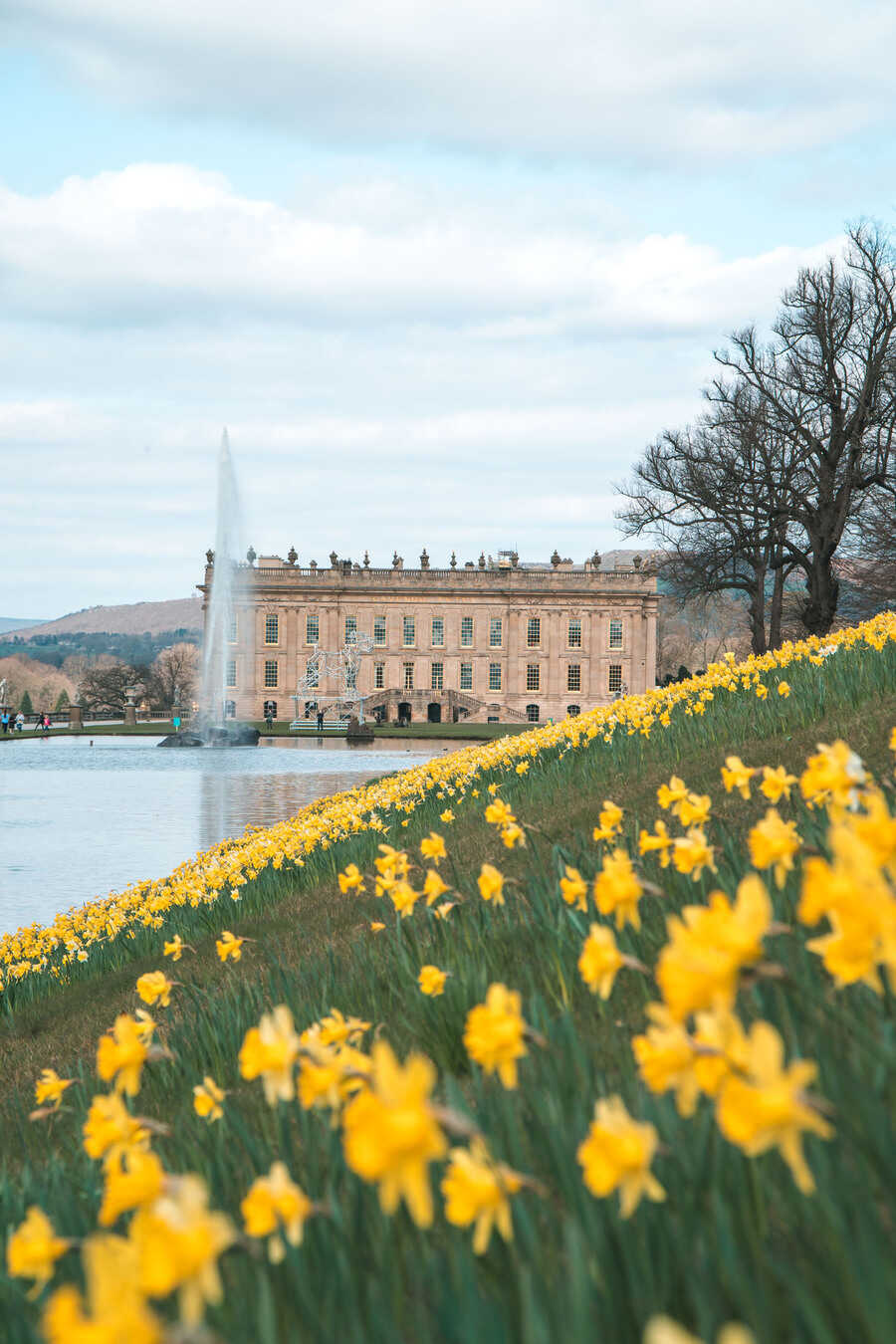
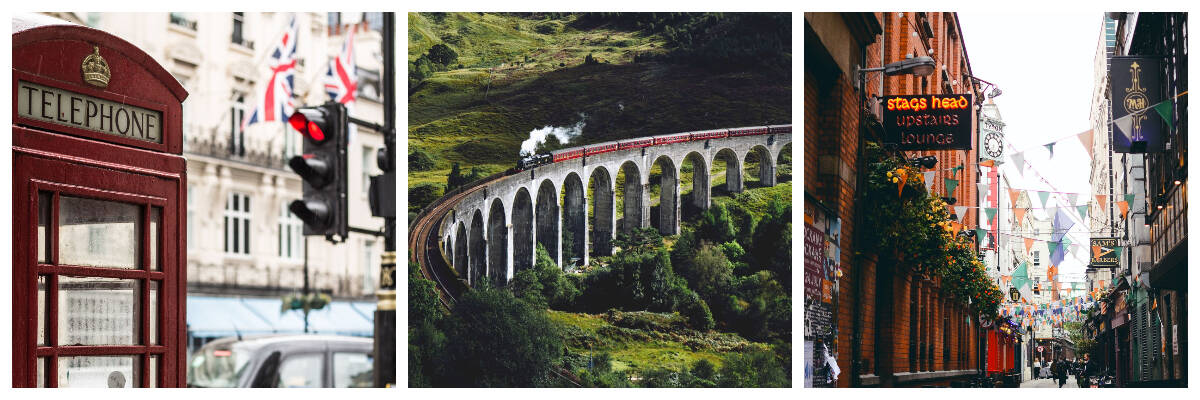
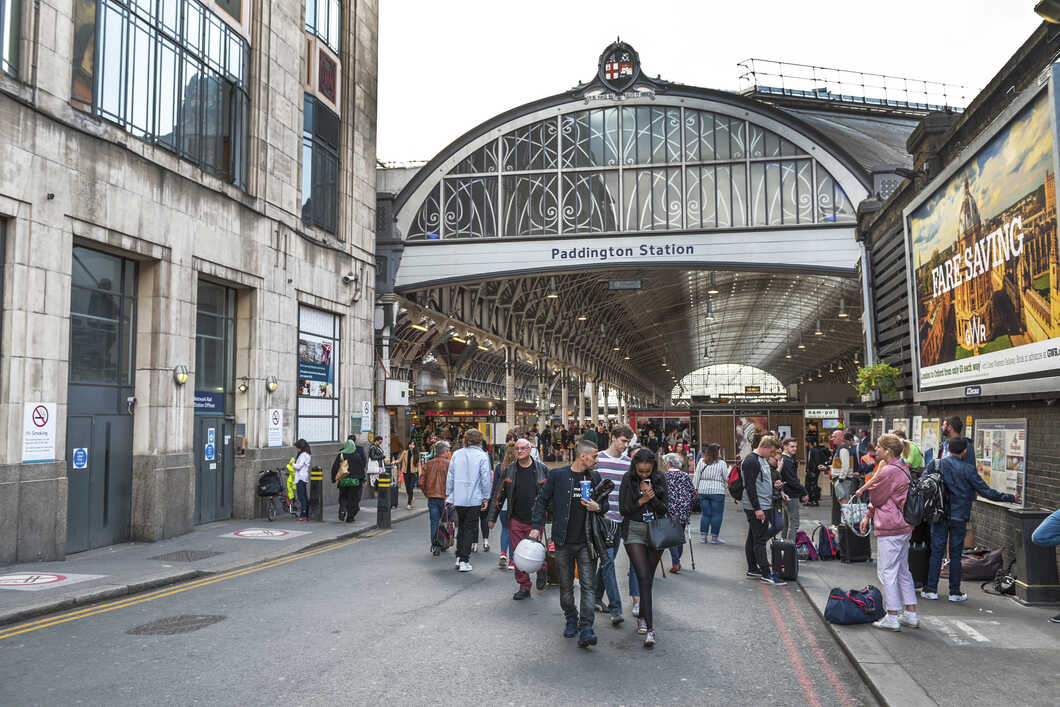
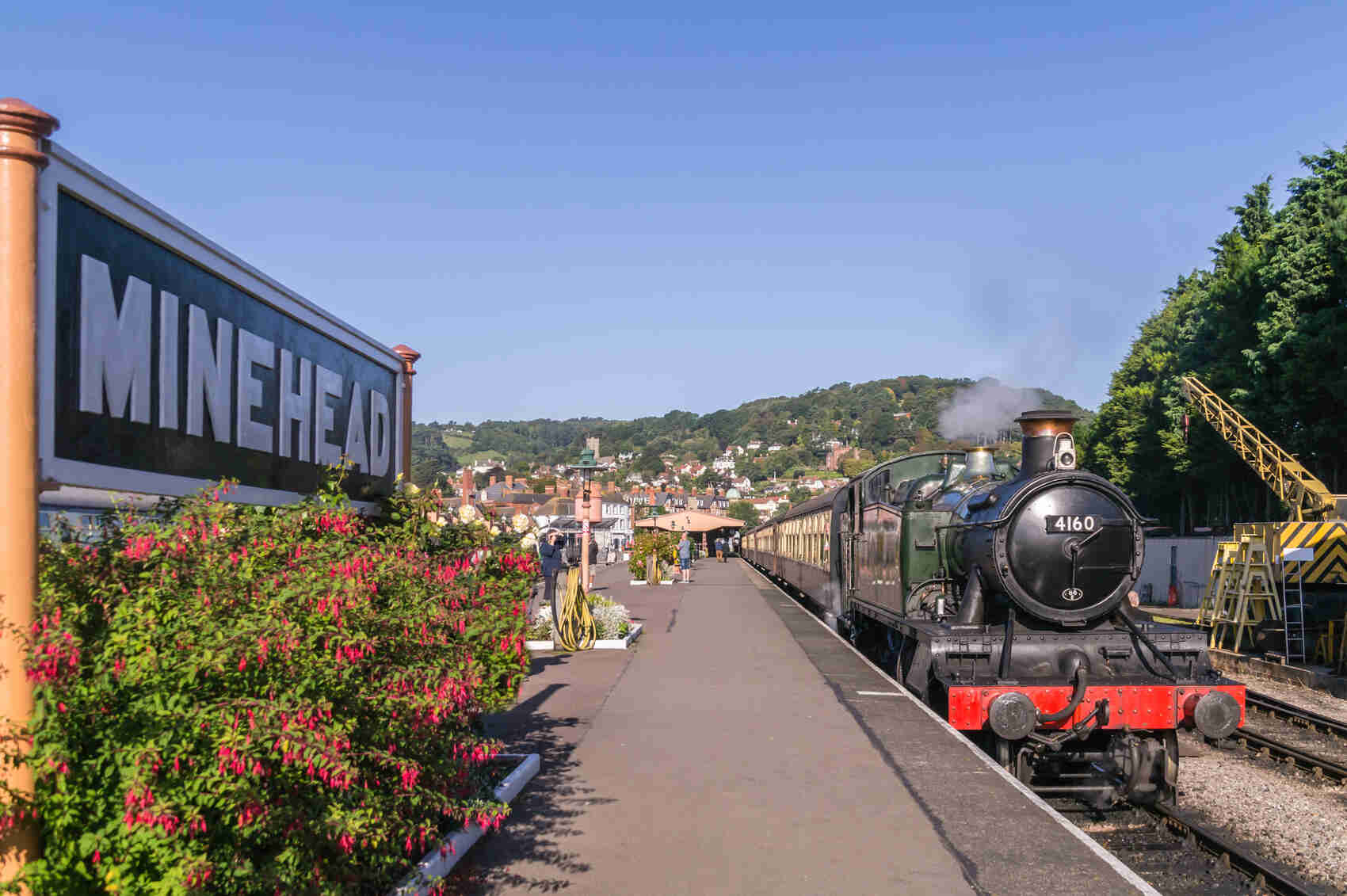
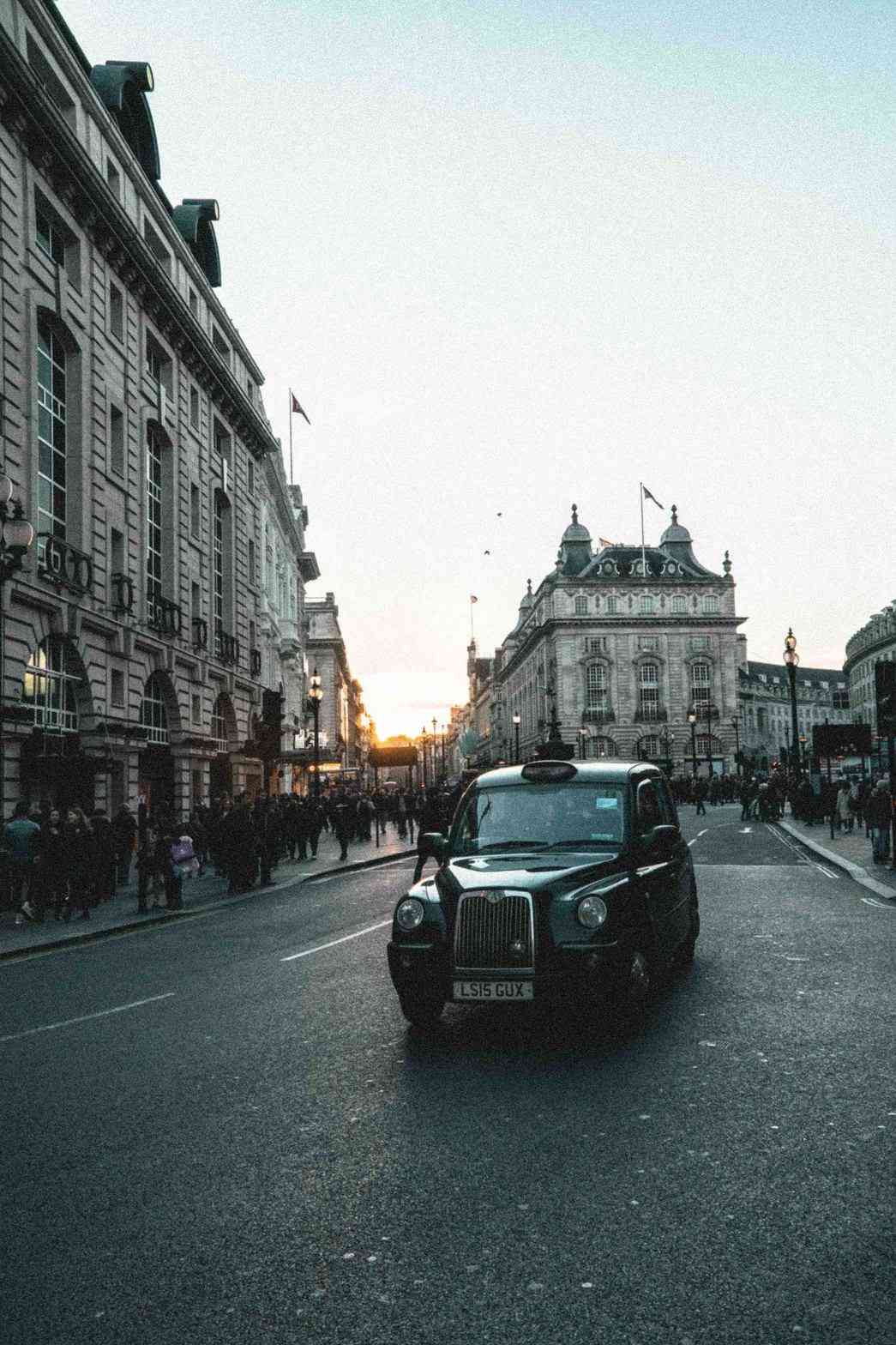
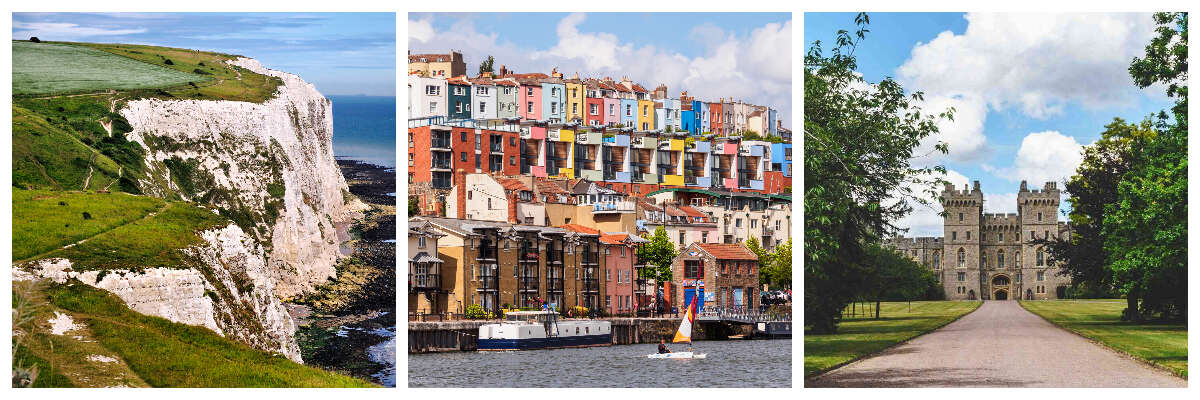
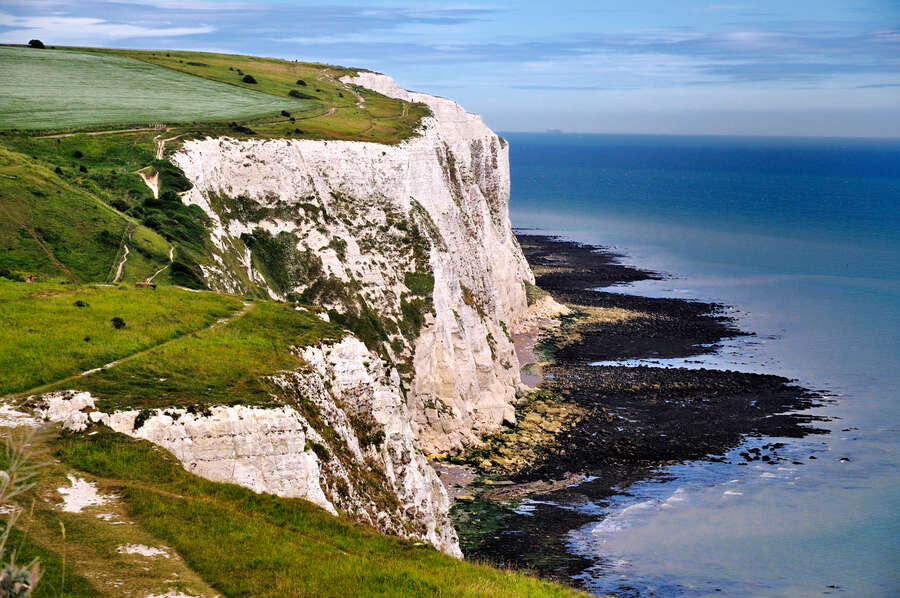
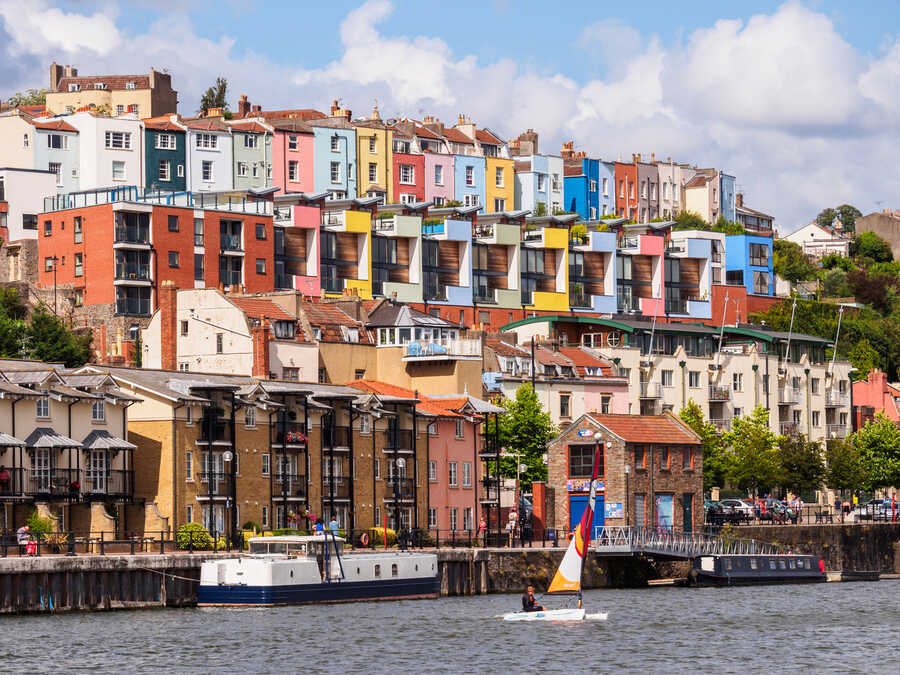
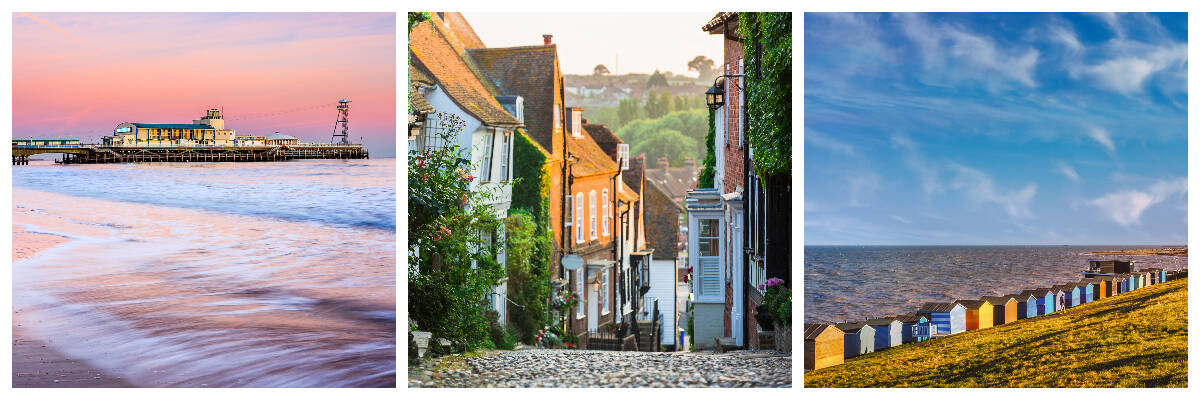
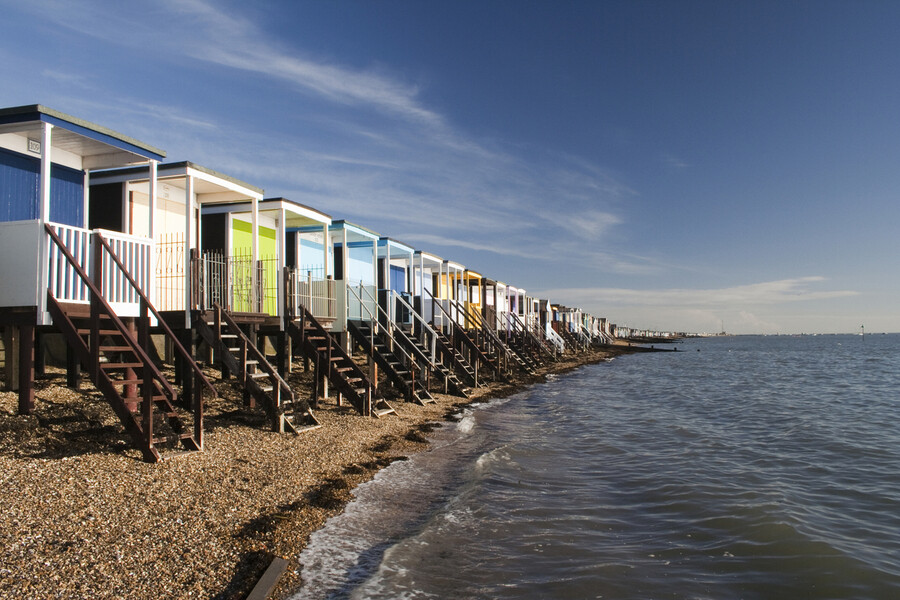
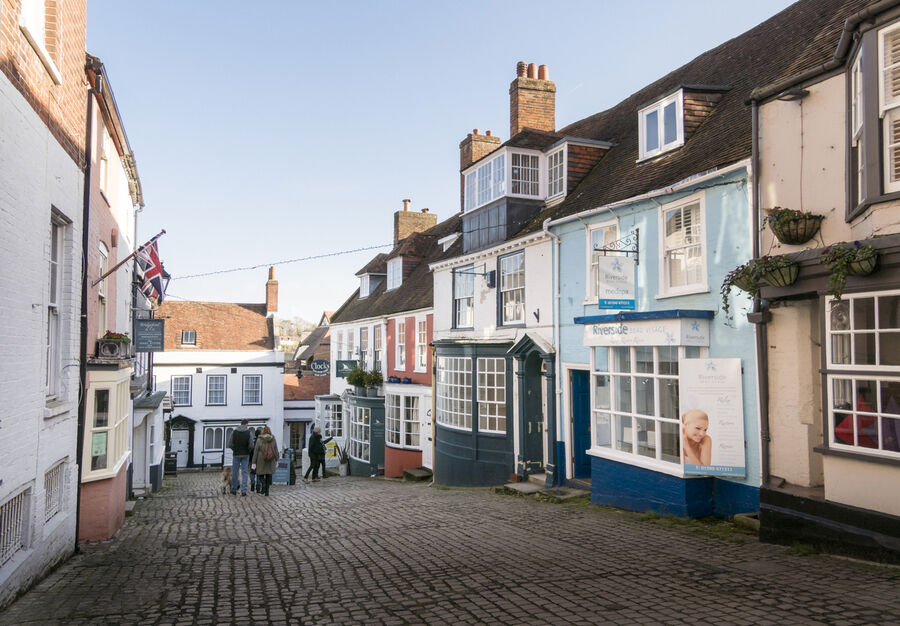
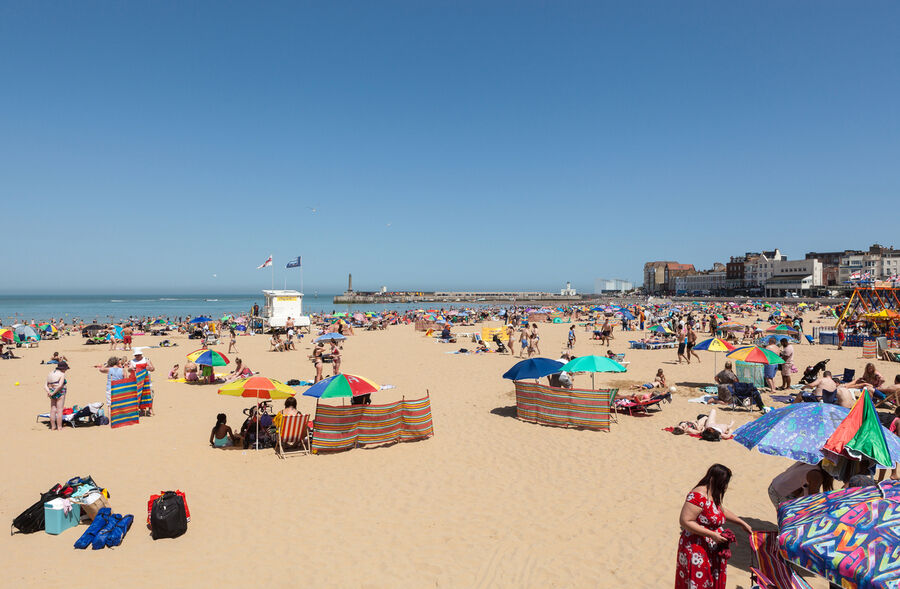
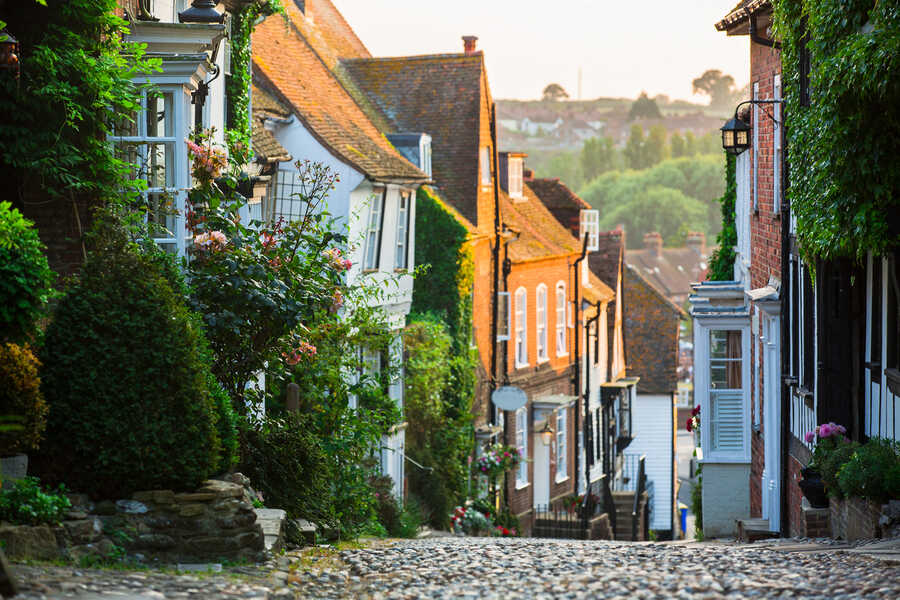
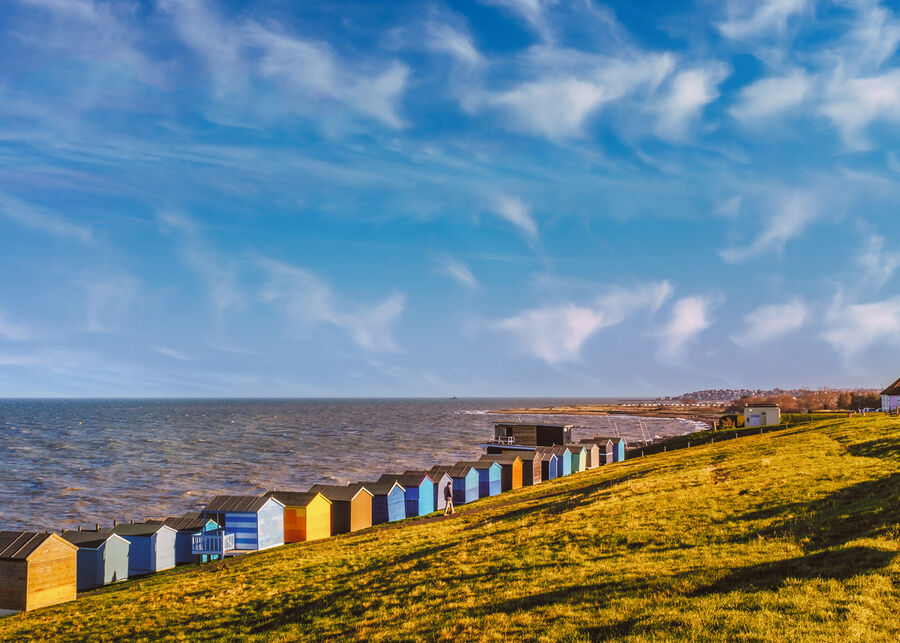
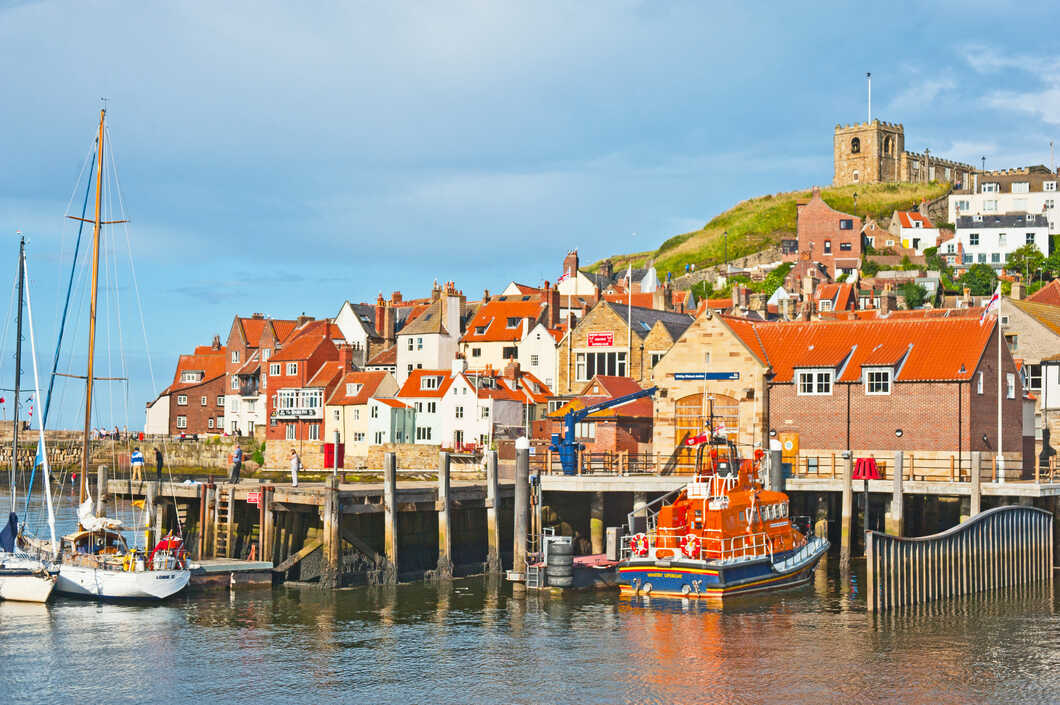
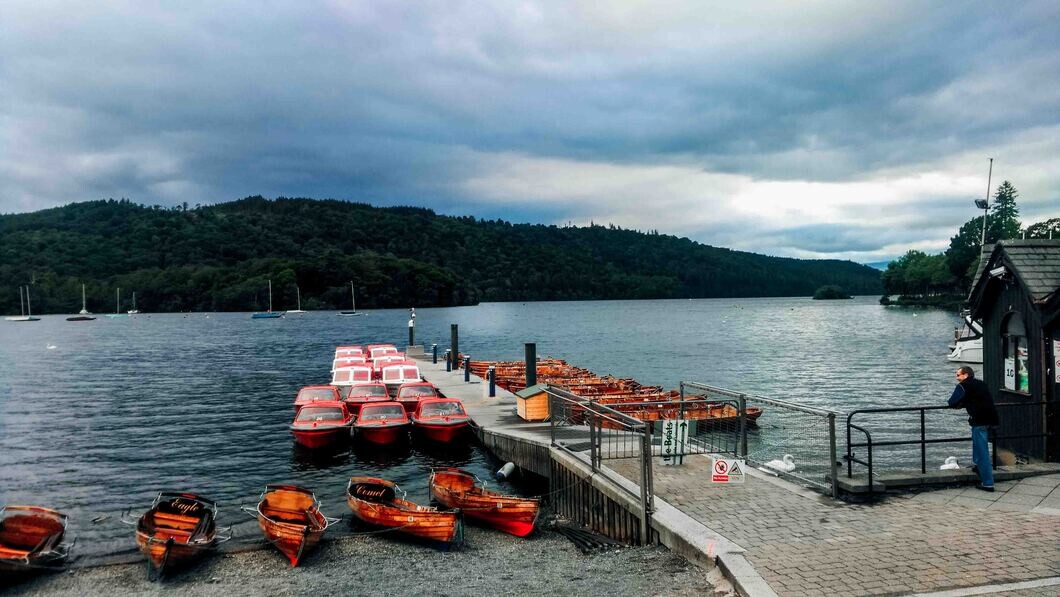
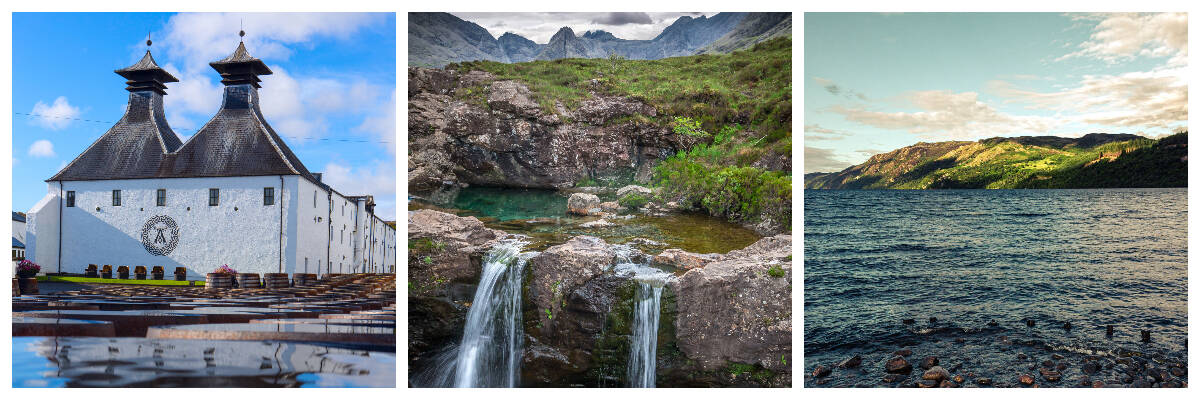
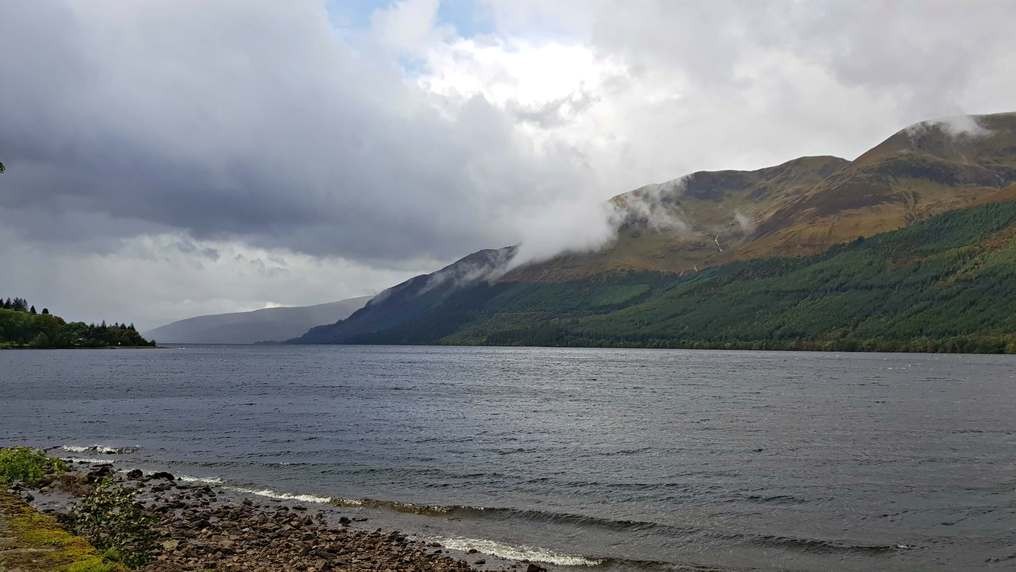
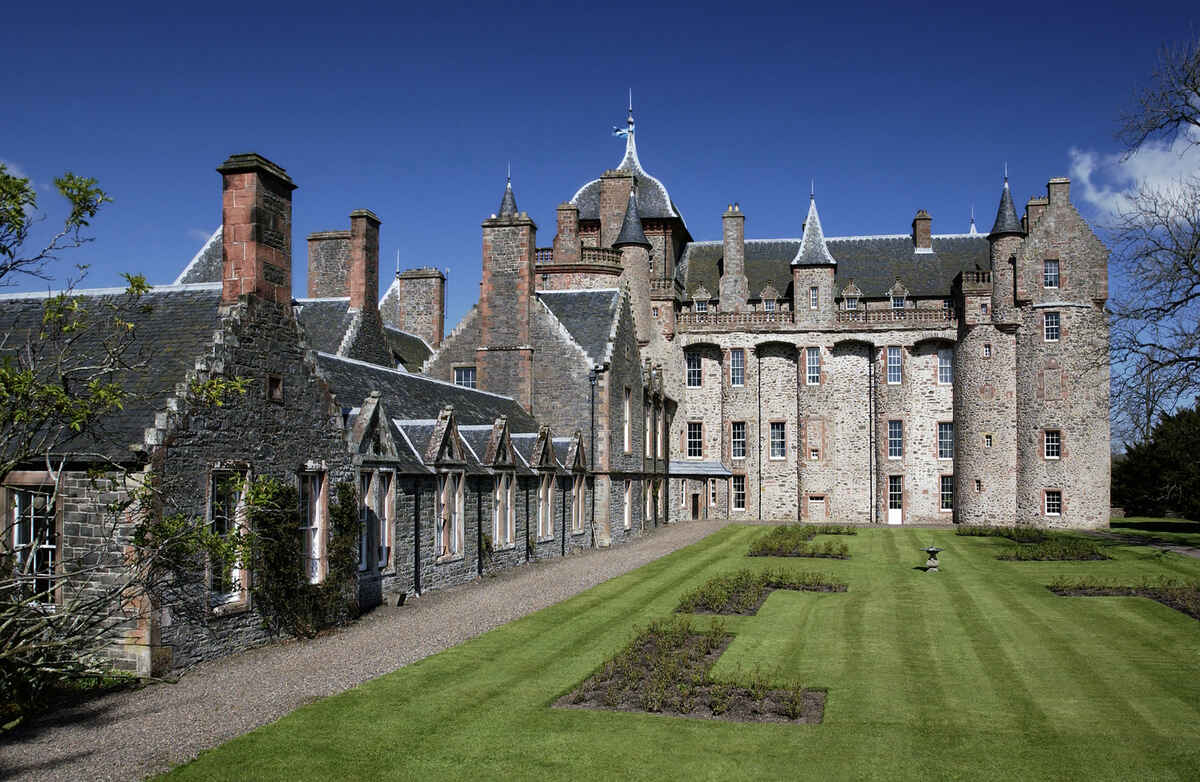
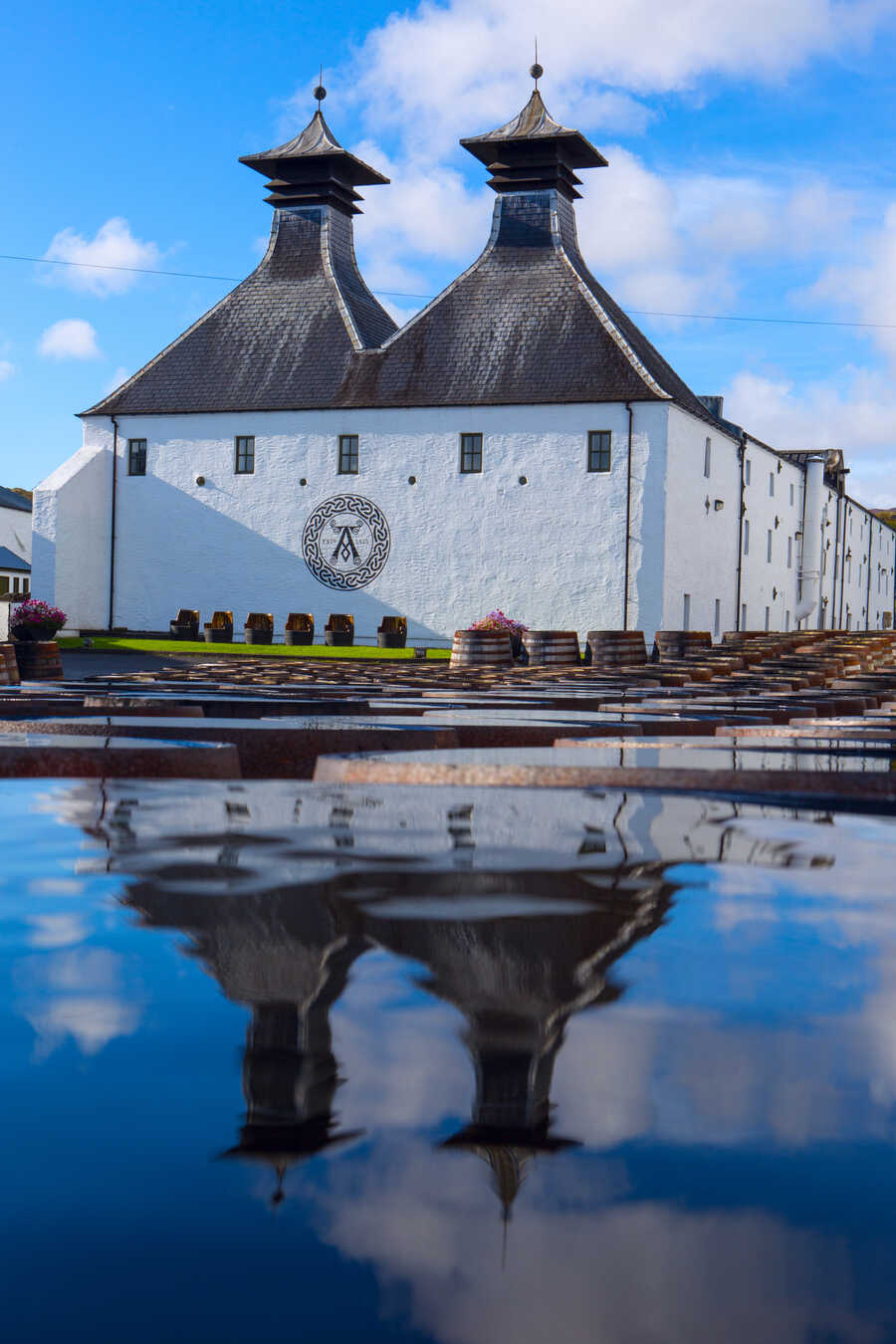
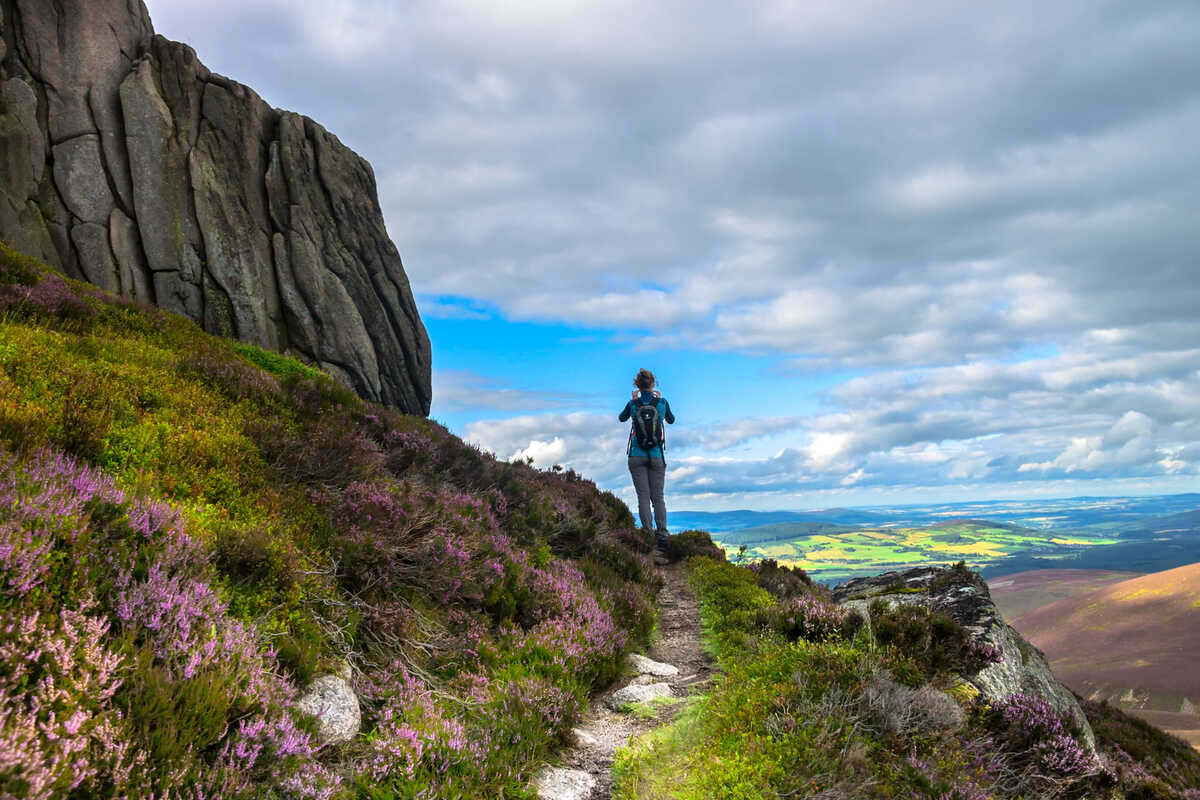
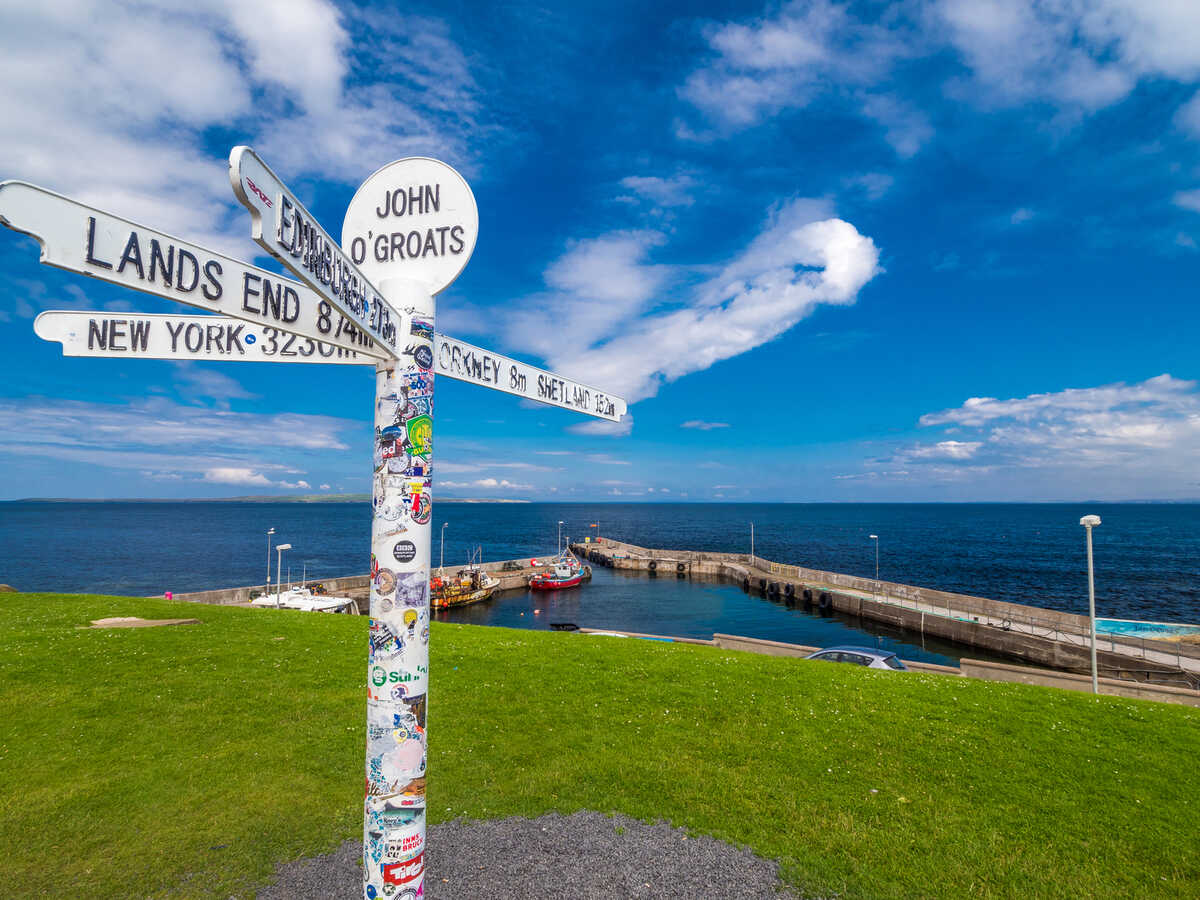
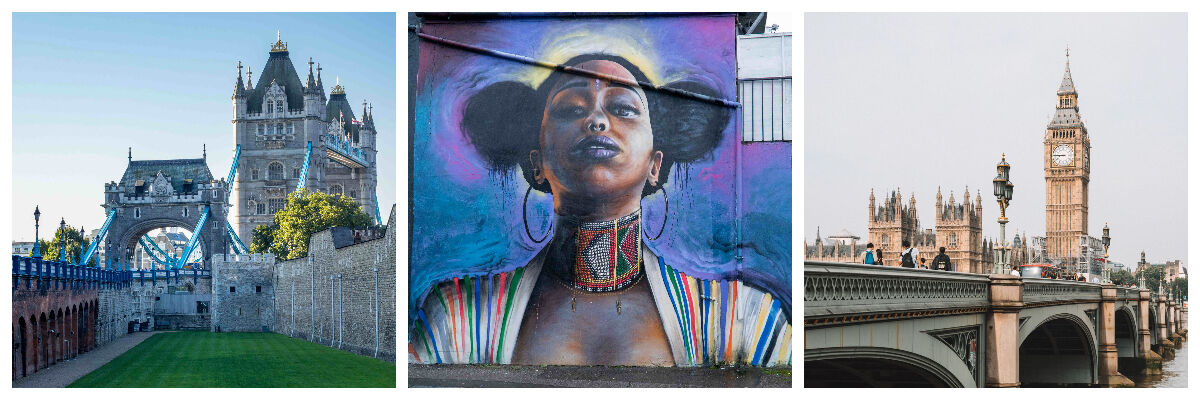
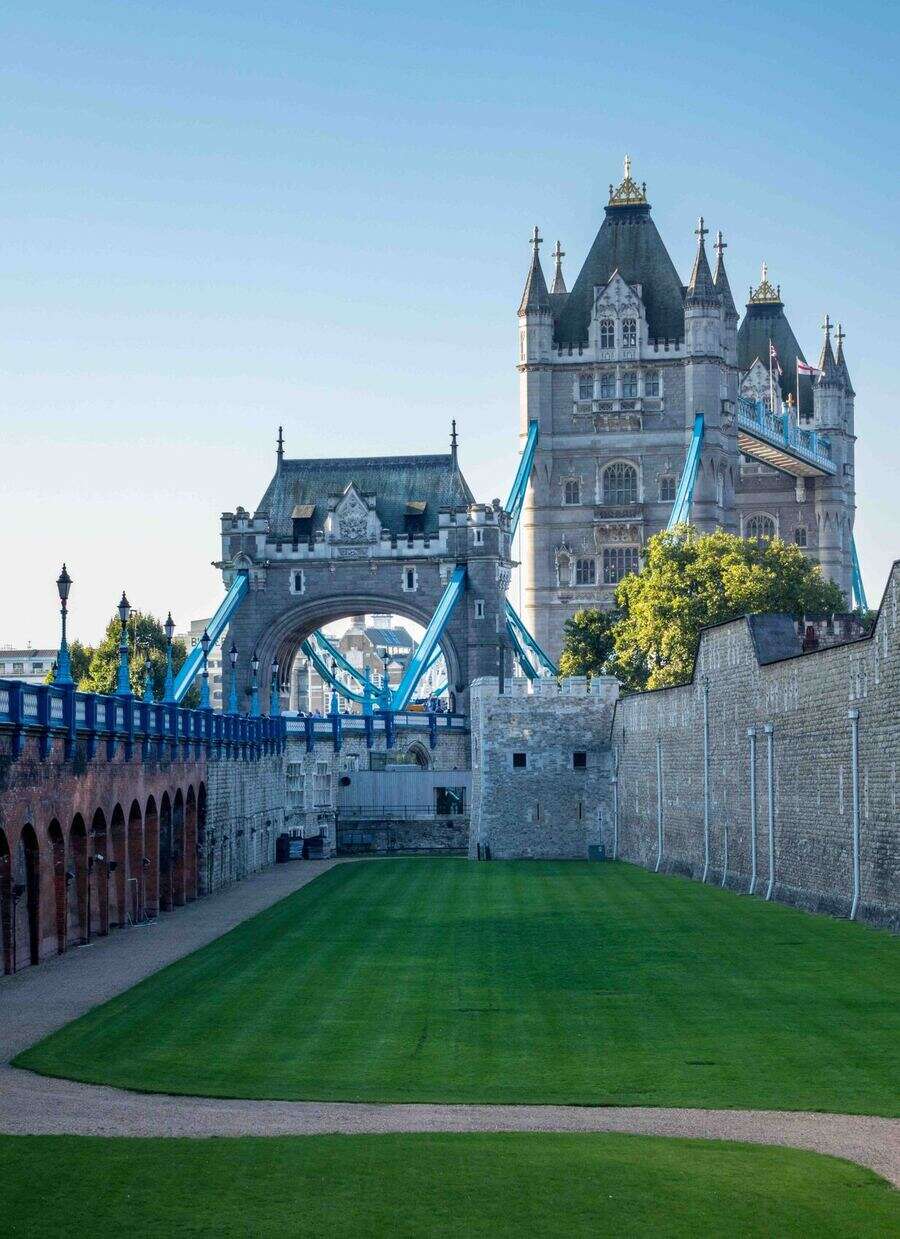
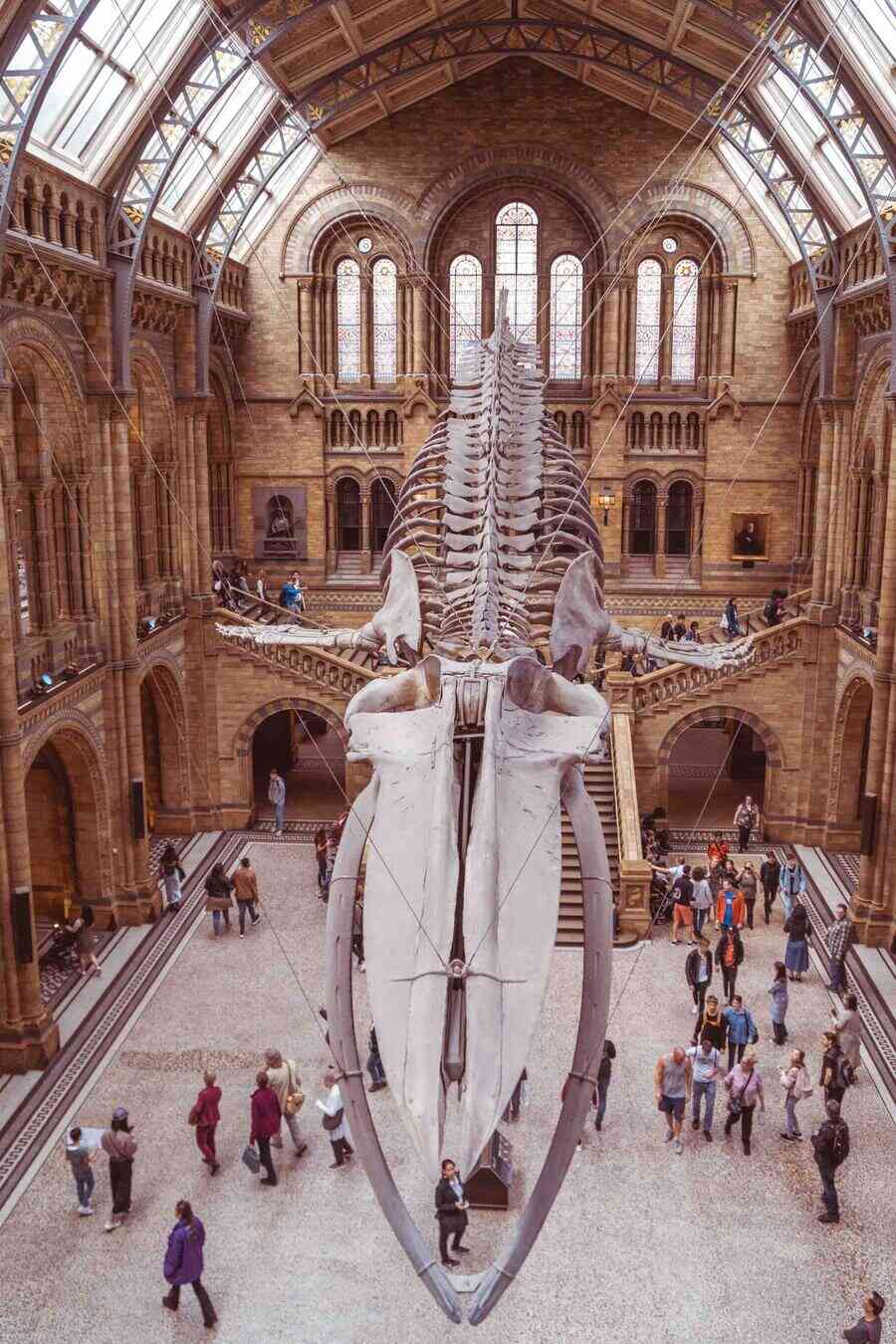
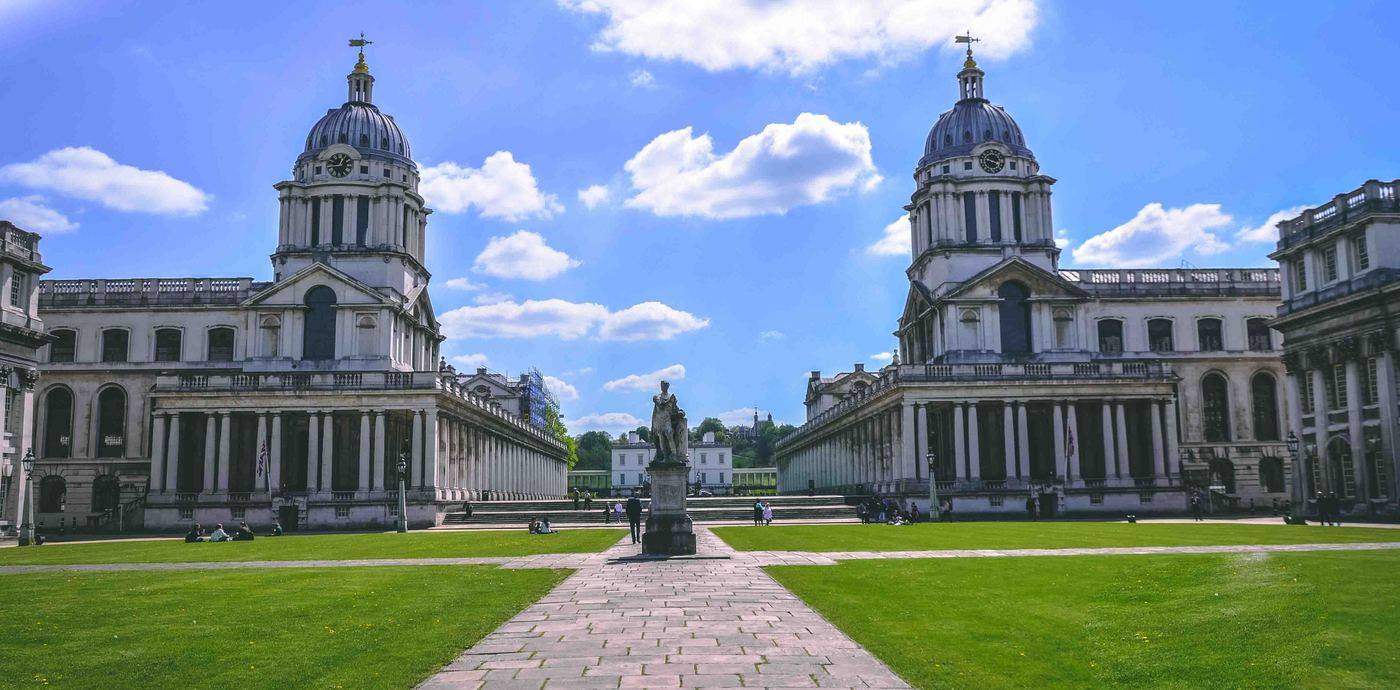
Discover England, Northern Ireland, Scotland and Wales with its breath-taking scenery, history and culture it is packed with appeal for travellers. It’s hard to travel more than a few miles without stumbling upon a castle, pub, stately home or historic village. Alternatively, explore one of the bustling cities like London, Glasgow, Cardiff, Edinburgh, Belfast and Manchester…
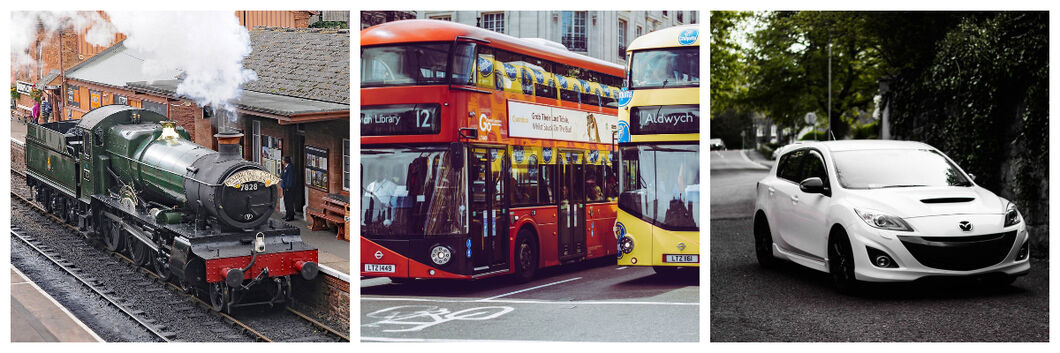
England is famous for a variety of things and there are certain things that will pop up instantly like the iconic double-decker red bus, fish and chips, pubs, cream tea, castles, football, the Beatles and many more great things.
Make sure you add some of these to your list when visiting England! Whether it’s experiencing the pub culture whilst drinking some English beer to soaking in the historic sites, there is something for everyone!
Pubs
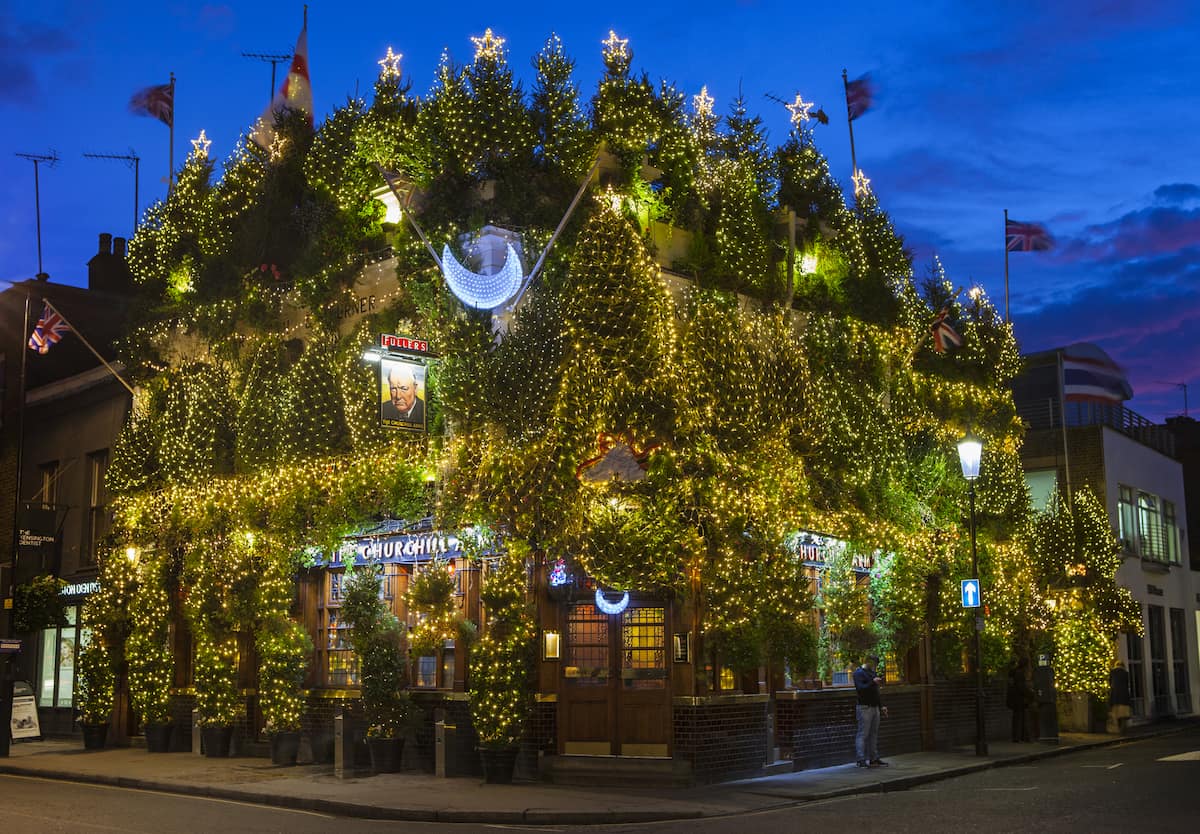
The Churchill Arms Public House at Christmas Source: Chris Dorney _Dreamstime
Pubs play a big part in English culture and across the UK. Whether you are going to meet a friend for a drink, going out for a meal or to enjoy the famous Sunday roast, there is always a reason to go to a pub. There are roughly 39,000 pubs across England and some date back quite a few centuries.
There is always a debate about which is the oldest pub in England and they will come up with an inventive way of saying they are the oldest for something. Here are some of the famous claims!
The Ye Olde Trip to Jerusalem in Nottingham claims it’s the oldest pub as it was established in 1189, however, there is no documentation to prove this.
The Prospect of Whitby in Wapping says it’s the oldest riverside pub, opening in 1520. The pub is in a Tudor style and served scholars such as Charles Dickens and Samuel Pepys. If you’re in London it’s well worth adding this to your list of pubs to visit.
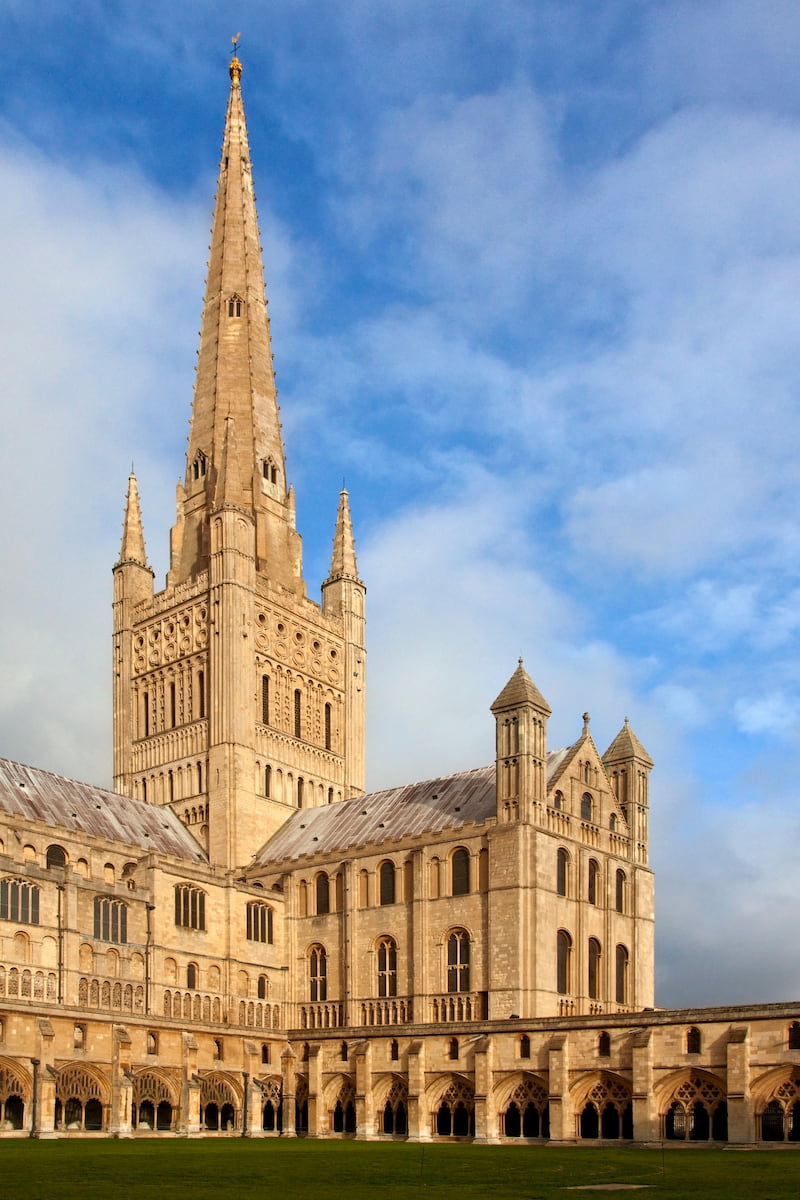
The Adam and Eve in Norwich is said to be the longest-running establishment but of course, there are no official records to confirm this. Staff claim that the earliest known reference of the pub is in 1249 when it was a brewhouse owned by Benedictine monks.
The Porch House’s is an Inn located in Cheltenham in the Cotswolds. Their claim is that they are the oldest Inn with evidence of a pub since 947AD. It’s now a five-star hotel and they have kept some of the original features like fireplaces, windows and oak doors.
English Beer
Beer has been brewed in England for hundreds of years and the beer they are most known for is a real ale (fermented cask beer). The beer is served from the cask via a hand pump at cellar temperature (between 10–14 °C (50–57 °F). Depending on where you’re from this style is very different from keg style beer which is carbonated and served cold.
The most common types of casks beer are bitter, mild, brown ale and old ale. There are other options like stout, porter and IPA.
When ordering for the first time I suggest asking for half a pint, just in case, it’s not your style! It’s often the cheapest beer available in pubs so it can save a bit of money on drinks.
Interested in learning more about English pubs and beers? Why not take a historical pub walking tour in London. You will stop by 4 pubs, have a few pints and learn all about the history of these alehouses.
Fish and Chips
Fish and chips originated in England and it is a well-known classic, especially when visiting the seaside! In my experience, each seaside town will have at least two fish and chip shops so you will have a choice. Of course, the locals will argue their favourites. It’s a must to try on your travels.
When fish and chips were first combined is unknown but Joseph Malin, a Jewish immigrant, opened the first recorded shop in 1860. Followed by Mr Lees who opened a shop Mossley in the North of England in 1863. In the middle of the 19th century, this dish started to become popular in London and South East England.
Local’s refer to fish and chips shops as “chippy” so add this to your slang list!
Stonehenge
Stonehenge is arguably the world’s most famous prehistoric monument. The UNESCO World Heritage Site has always been shrouded in mystery, and speculation of its meaning and significance continue to develop today.
It was built by Neolithic people around 5000 years ago, about 2500 BC and Archeologists are still trying to figure out all the mysteries behind these stones. I highly recommend when visiting buying a ticket so that you can get a free audio guide which explains the history and findings around the stones.
As it’s one of the most popular tourist attractions outside of London during the summer it can get really busy so booking tickets in advance is recommended. For residents of England, you can English Heritage membership, which gets you free entry to Stonehenge and many other benefits. Otherwise, I recommend a Stonehenge tour as this will be the easiest route to get there.
Afternoon Tea
Kat drinking tea at the Mad Hatters Tea Party at Sandersons
Afternoon tea is a long-standing British tradition that was introduced by Anna, the seventh Duchess of Bedford, in 1840. As the name implies, afternoon tea is tea and snacks in the afternoon. It started with the Duchess getting peckish in the afternoon and had a tray of bread and butter and cake brought to her room.
After a while this became a habit and the Dutchess extended an invite for her friends to join her. Later the afternoon tea became a fashionable social event. Now there are plenty of classic tea rooms across England to choose from. Here are some examples:
Afternoon Tea Buses – add some sightseeing with your afternoon tea with a bus tour of London.Harrods or B Afternoon tea buses are a great choice.
Afternoon Tea for Two at James Martin Manchester– Named one of the Sunday Times top 100 restaruants in Britian, you know you are in for a treat. With free flowing prosecco and delicious treats like sticky toffee éclair, ginger chocolate and hazelnut mousse, and melt-in-the-mouth scones.
Traditional Afternoon Tea for Two at Oakley Court, Windsor– Located in a beatiful Victorian manor a few miles away from Windsor castle is the Oakley Court Afternoon Tea. Nothing beats freshly made scones with clotted cream and seasonal homemade fruit preserves. Once you’ve finished enjoying all the food you can explore the magnificent grounds or enjoy relaxing in the manor.
York Afternoon Tea Cruise – All aboard the Captain James Cook! You will sail through York city and then downstream to Bishopthorpe Palace whilst enjoying home-made sandwiches, delicious finger dessert and of course, scones.
The Royal Family
The Royal Family is probably the most famous thing about England, not least because historical eras are referred to by English monarchs even in other countries outside of the commonwealth.
Our present Queen, Queen Elizabeth the Second has been on the throne since 1952 and her long reign followed on from a few turbulent years for the country. Queen Elizabeth did not expect to one day become Queen; her Uncle Edward VIII abdicated to marry American divorcee Wallis Simpson in 1936 and Elizabeth’s father, next in line to the throne became King George VI. Suddenly the lives of Elizabeth and her younger sister Margaret changed.
The royal family is celebrated by the English people and a large number of ceremonies and rituals take place at regular times in connection with the royal family.
Buckingham Palace
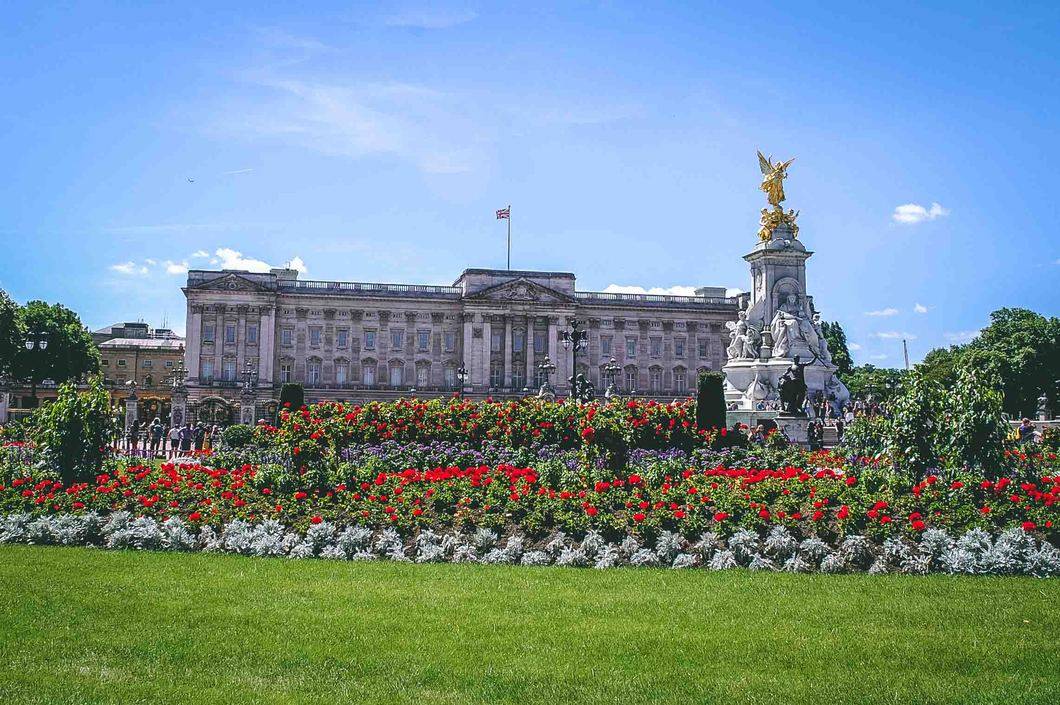
Buckingham Palace and the Changing of the Guard
A few of the London Landmarks are famous and just like the Sydney Opera House or the American White House or The Taj Mahal are instantly recognisable to people as being that particular country. Along with Big Ben, The Tower of London and The Houses of Parliament Buckingham Palace is one of the famous landmarks that signifies England.
Buckingham Palace, which is in the Westminster part of London, is known around the world as the home of the monarch, the main offices for the monarchy and as a backdrop for state occasions.
Castles
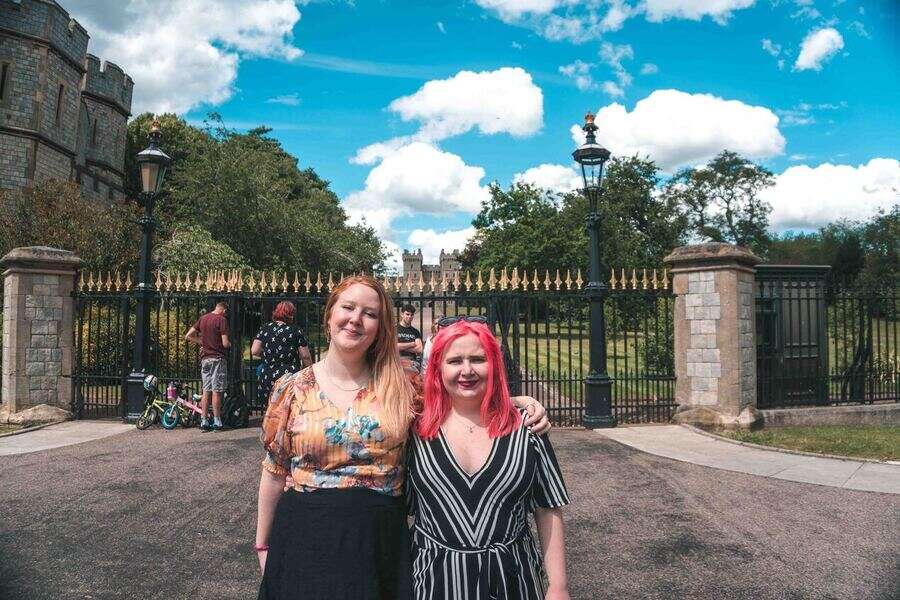
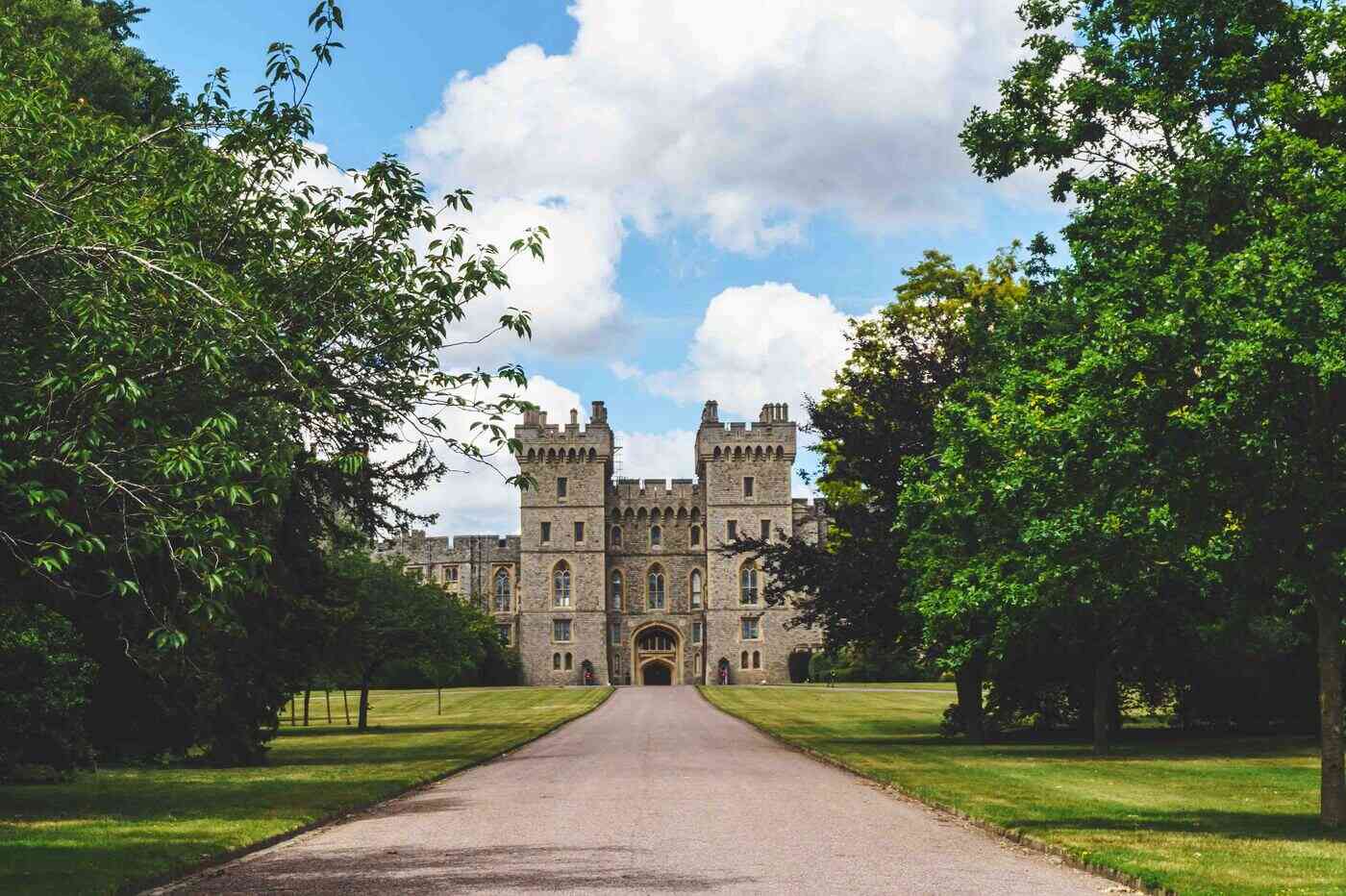
England is well known for its castles, the most famous is probably one of the alternative homes of the Queen; Windsor Castle, which in turn is famous for its beautiful long driveway of almost 3 miles, with its long straight.
Windsor is the oldest castle in the world that is still occupied and the Queen famously spends a lot of her spare time there. Parts are open to the public and for private tours.
Other famous castles that are instantly identified with England include:
The beautiful, romantic Leeds Castle that is in Kent, near Maidstone.
Studley Castle in Warwickshire is an impressive building that is instantly recognisable due to being one of the Warner Leisure Group’s adults hotels.
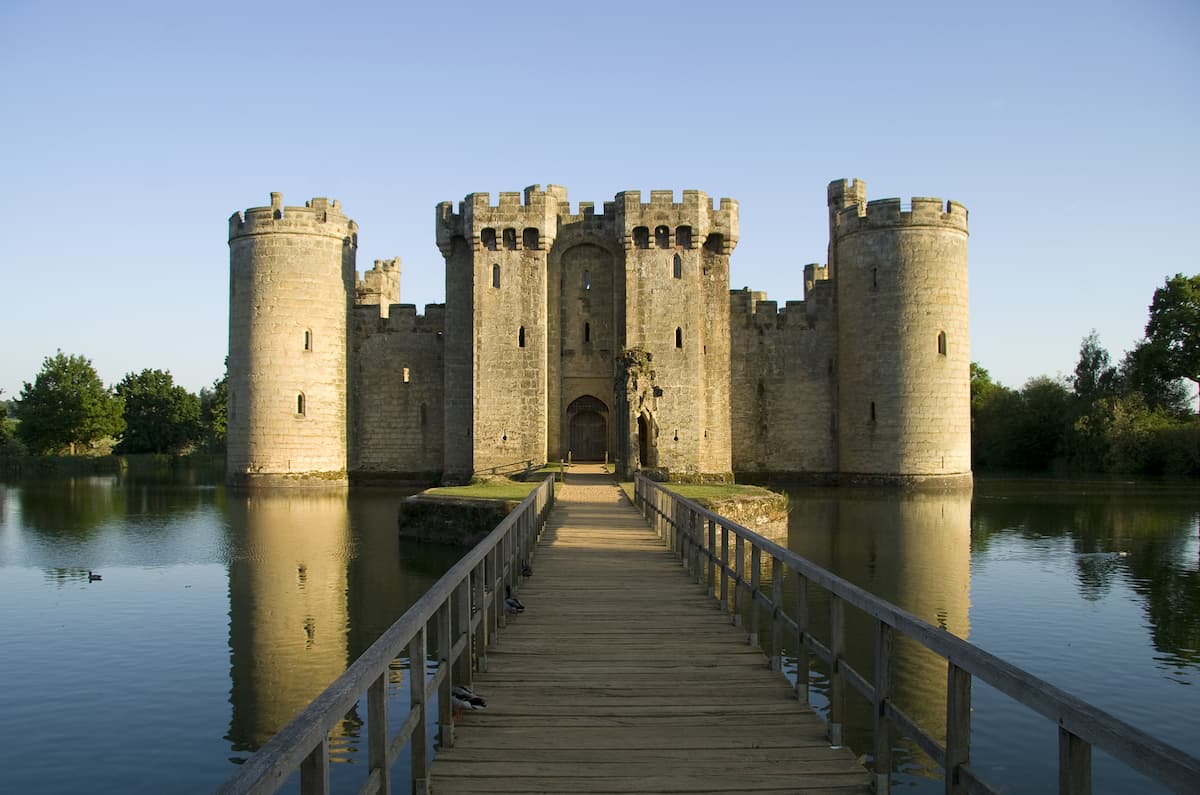
Bodiam Castle in East Sussex is a fine example of a 14th Century castle and with its moat, and towers has captured the imagination of many children for history projects.
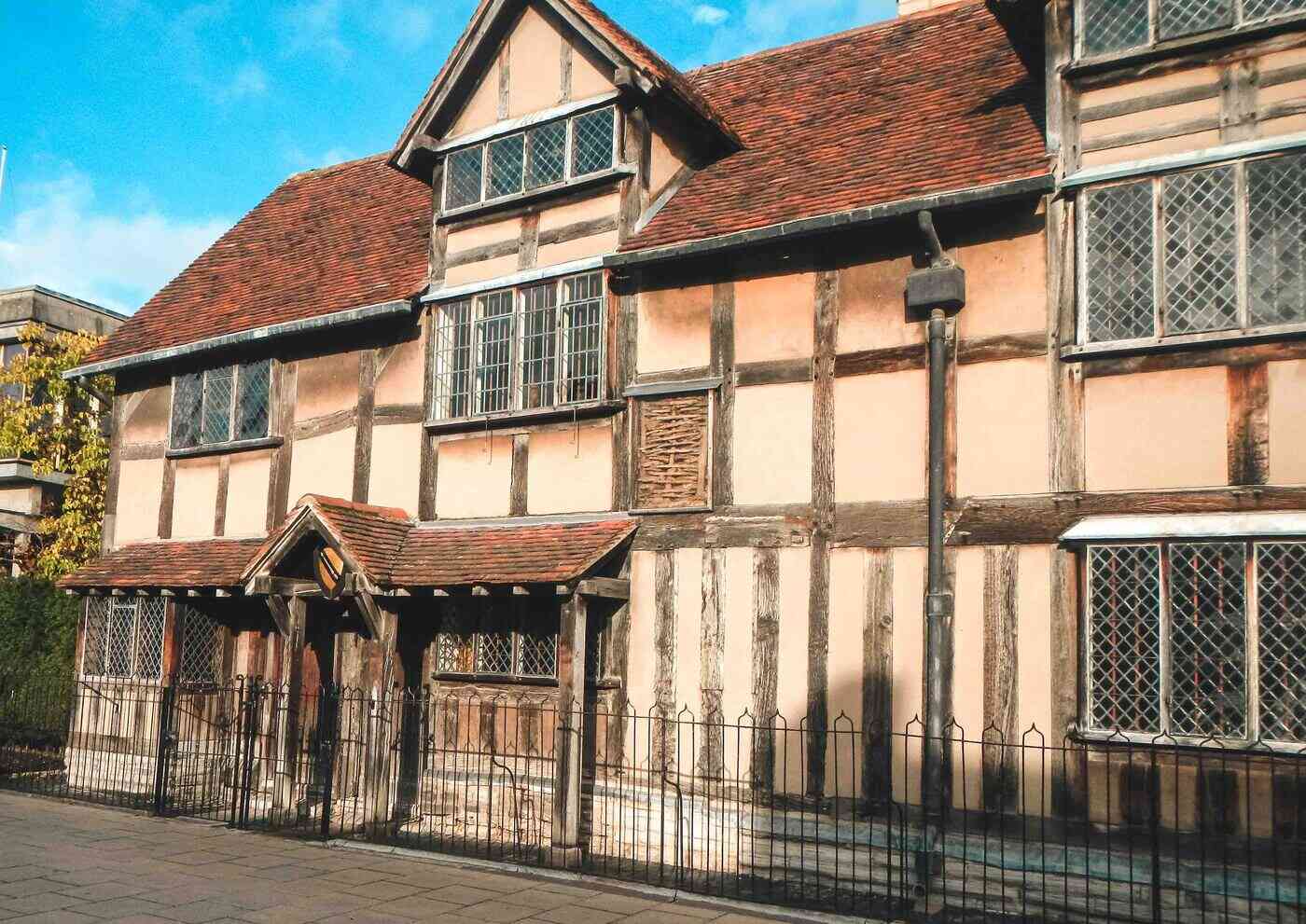
England is famous for its architecture: We all have different favourites, but there are some stunning ancient cobbled, thatched cottages; timber framed Tudor buildings of Stratford-Upon-Avon and other places too; honey coloured stone cottages; higgledy-pickledy seaside cottages; proud Portland Stone buildings; ancient farmhouses and geometrically perfect Georgian homes; Edwardian terraces; Victorian houses often identifiable by their high V shaped roofs; arts and crafts buildings with individual style.
As well as the homes above English Stately homes of various styles and splendour are English icons.
History
England has a long history and famous “landmarks” in the history of the nation include Queen Victoria; the industrial revolution; the dissolution of the monasteries by Henry VIII; the sealing of the Magna Carta; the battle of Hastings; the war of the roses; the gunpowder plot; the battle of Waterloo; Admiral Lord Nelson and his ship HMS Victory.
The English were the Inventors of the telephone, the steam engine and the power loom.
Famous Literary
England has produced many famous writers, poets and playwrights. Most notably:
William Shakespeare
Charles Dickens
Jane Austen
the Bronte sisters
Thomas Hardy
Lord Byron
William Wordsworth
George Elliot
Percy Shelley
Agatha Christie
John Milton
William Blake
J R R Tolkien
Alfred Tennyson
Rudyard Kipling
D H Lawrence
Beatrix Potter
A lot of tourists seek out the homes, birthplaces and inspiration locations for many of these famous literary stars, consequently, Stratford-upon-Avon, famous as the home of William Shakespeare is a draw for tourists and many of the buildings connected to Shakespeare remain and are maintained for prosperity and tourism. Other places include the Lade District’s connection to Beatrix Potter and William Wordsworth and much of Dorset is known as Hardy’s Dorset.
The Beatles
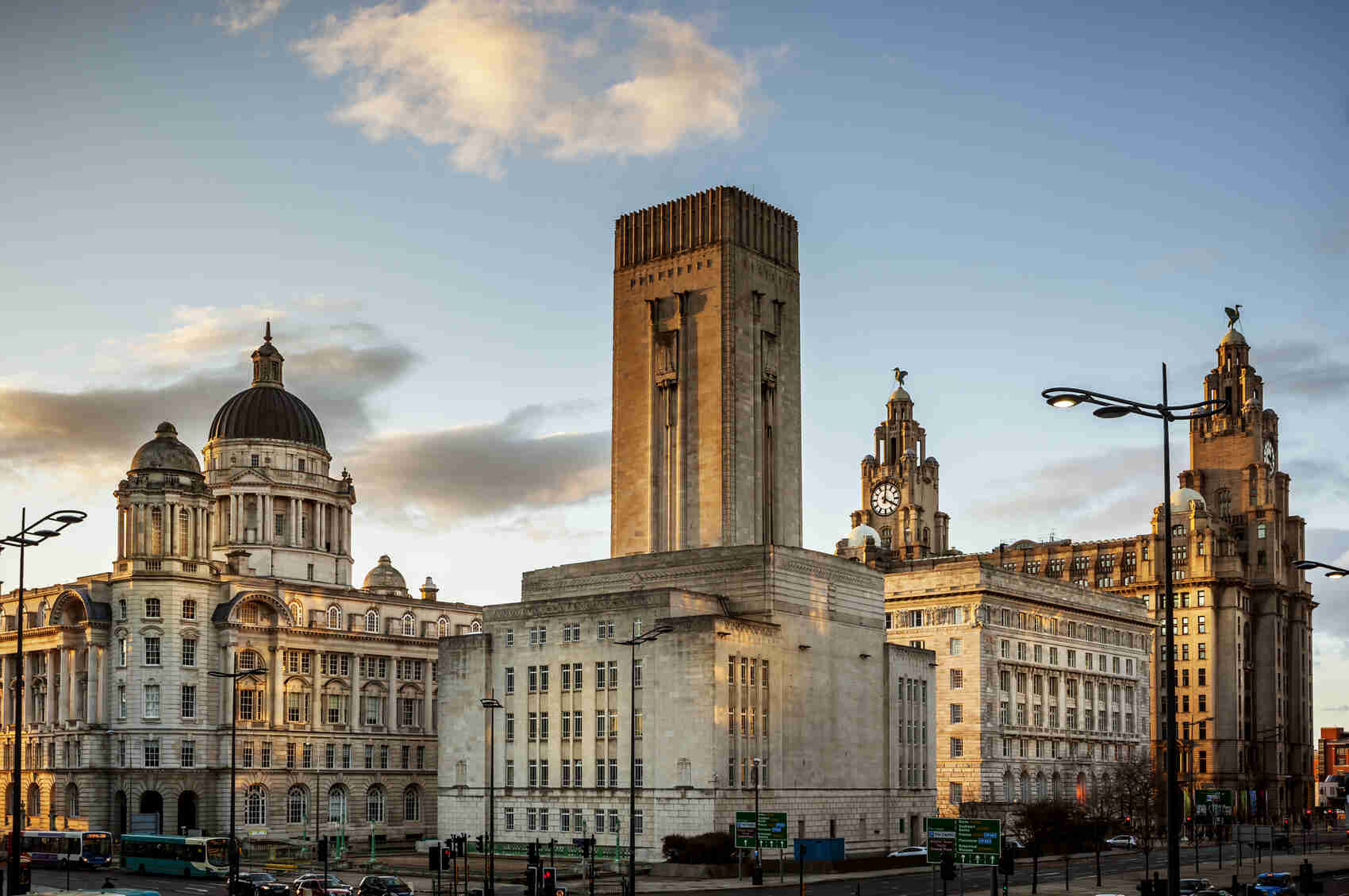
The Beatles from the 1960’s are still one of the best known pop groups in the world. They grew up in Liverpool and changed the world of music in Britain and influenced the rest of the world.
Everyone knows the Beatles’ story right, so I won’t bore you with too much detail here. In the early days, the band went through name changes and line-up changes before they were signed by George Martin and released their first single in 1962, closely followed by Please, Please me. The Beatles became known for their falsetto harmonies, Harrison’s guitar work and of course the Lennon and McCartney song writing. Within a year of their first single release The Beatles, known as the Fab Four were the biggest artists throughout Europe and they were setting fashion and hair trends almost as fast as they were selling music.
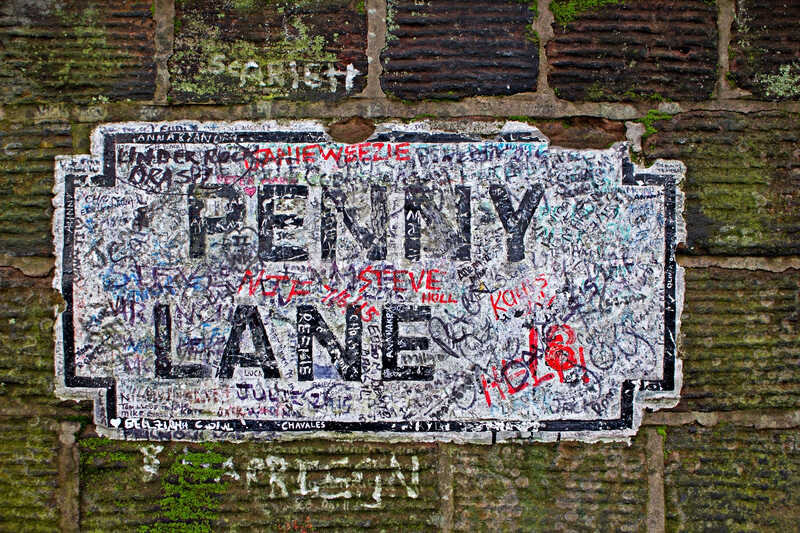
Interested in learning more about the Beatles? Why not take a Beatles Tour by Taxi in Liverpool. You will visit iconic sites such as Penny Lane and Strawberry Fields and learn what inspired this great band.
Harry Potter
The Sorting Hat at Warner Bros. Studio Tour London
Author J K Rowling dreamt up Harry Potter and the stories that surround the character when on a train. Little wonder then that the Hogwarts Express features so strongly in the psyche of the books.
‘Jo conceived the idea of Harry Potter in 1990 while sitting on a delayed train from Manchester to London King’s Cross. Over the next five years, she began to map out all seven books of the series. She wrote mostly in longhand and gradually built up a mass of notes, many of which were scribbled on odd scraps of paper.’ (Rowling J K 2016).
Just like the Beatles, Harry Potter is synonymous with England and the wonderful, creative writing by Rowling was captured so well in the films that the allure of Harry Potter reached a far larger audience than it might have done had it only been available in print.
Potter and his friends’ adventures were filmed partly in the studio and partly on location and there are many places in England that Potter fans can visit to see first hand where some of their favourite scenes were filmed. Oxford featured heavily as a film location.
The real Kings Cross Station is the setting for platform 9¾ where the students caught the train to go to school at Hogwarts. London City Hall, Millennium Bridge and Claremont Square are just some of the London locations used as locations for filming the stories. Other locations include Alnwick Castle, Durham Cathedral, Lacock Abbey and Hardwick Hall.
The Glastonbury Festival of Contemporary Performing Arts
To give it its full title!
Probably the most famous music festival in the world the Glastonbury Music Festival started as the Pilton Pop, Talk & Blues Festival at Worthy Farm in Somerset. The tickets were priced at just £1.00 and included free milk!
The 2019 festival carried a ticket price of £248.00. The festival gained popularity among music fans and as it grew features more and more genres of music. Being televised by the BBC increased the popularity of the event onto the global stage.
The Music Scene
England is well known for its music scene, the love of music the country has and for the stars from there such as the Beatles mentioned above and other bands including:
Oasis
Blur
The Spice Girls
One Direction
Little Mix
The Rolling Stones
The Smiths
Whitesnake
Black Sabbath
and singers such as:
Cliff Richard
Adele
Amy Winehouse
David Bowie
Robbie Williams
Freddie Mercury
Katie Perry
Joss Stone
That English music influences musicians elsewhere in the world is undisputed and that the style of music is frequently distinctive and instantly recognisable is probably one of the reasons why England is so well known for music.
The Actors
English actors don’t only star in English films, many of them also appear and star in films overseas. The Royal Shakespeare Society is also world famous as a training ground for classical actors, especially for stage work. Many alumni from the college go onto perform in films as well.
When in England it is well worth seeing a Shakespeare play performed or to seek out a live play that includes an actor you have seen and liked in a film.
State and film acting are a huge part of the British economy and are a draw for visitors.
Some of the current well know faces of stage and screen:
Colin Firth
Hugh Laurie
Tom Hardy
Jude Law
Michael Caine
John Cleese
Christian Bale
Keira Knightly
Kate Winslet
Helen Mirren
Emma Watson
Helena Bonham-Carter
Amelia Fox
Michelle Dockery
The Spitfire
England is very well known for the little airplane that changed the course of World War 2.
There is a very good reason why the Spitfire captured the imagination of so many of our grandparents and great-grandparents, the little aircraft represented hope, romance and courage.
For his book Spitfire– A Very British Love Story, Author and pilot John Nichol interviewed many people who flew, worked on, or otherwise remember the Spitfire to create an incredible account of the development of the aircraft and what it meant to so many people. Nichol explains how the aeroplane spanned a full global deployment to find fame during WWII.
The National Trust
Bodiam Castle, East Sussex
The National Trust was founded in 1895 by Octavia Hill, Sir Robert Hunter and the Canon Hardwicke Rawnsley. Hill was a social reformer and a determined, strong-minded person:
‘We all want quiet. We all want beauty … we all need space. Unless we have it, we cannot reach that sense of quiet in which whispers of better things come to us gently.’
Hill, O
The above quotation by her is a statement that would have raised a few eyebrows in 1895 amongst the upper echelons of society. The three founders all believed that nature, beauty, history and historic places are for everyone and that historic places should be preserved for everyone. The National Trust was born.
The quote is as true today as it was then and the National Trust is a protector of open spaces and beautiful places.
In 2020 The National Trust celebrated its 125th anniversary and is one of the UK’s largest charities. The National Trust cares for historic places, buildings and countryside in the UK and is actually the largest conservation charity in Europe.
Many of us enjoy a look around a stately home or a walk to the grounds or parkland. The Trust though looks after miles of coastline, common-land and less auspicious historical properties that are of national importance and of interest to Brits and overseas visitors alike.
Here are some National Trust buildings I recommend adding to your list:
Born in 1959, the little car with a wheel at each corner remains today a celebrated icon of 1960’s Britain. The car was as British as it could be, the car was designed with women in mind and early marketing described the mini as perfect for going shopping in.
The mini features a lively performance, easy handling, and is easy to park. By 1965 a million of them had been made and sold. Today they are a classic cars and enthusiasts preserve them with a passion. They are fuel-efficient and quick, making them a fun car for those who want something different.
The Mini name for new cars is now owned by BMW and they make a modern car called Mini that bares only a passing resemblance to the original.
The great thing is about the Classic Mini is that it can be fitted with an electric motor, so people who love the style of the little old car can still drive one with a clear conscience.
You’re standing in a shop somewhere off the Royal Mile with a bag that’s already too heavy, working out what’s worth carrying home. That’s the whole question. Everything else is noise.
Here’s the short answer. Buy your sweets in a supermarket, not a gift shop. Spend what you save on one good bottle plus one good bit of wool. Skip the tourist confectionery that exists to be photographed rather than eaten. Don’t pay Royal Mile prices for anything sold on Princes Street for half.
Everything below is something I’ve eaten, drunk, or stood in a shop looking at with my own camera in my hand. Where it’s the third one, I say so.
Last shopping my way round Edinburgh in August 2025. Fort William 2017, Stirling 2020, Edinburgh again over Hogmanay 2022.
Disclosure
Some links here are affiliate links. If you click one and buy something, I earn a commission at no extra cost to you. It never changes what goes on the list. Read the full disclosure.
If you do one paid thing in Scotland, make it a tasting. Whisky at a distillery, gin at one of the Edinburgh makers, or the fruit winery up in Perthshire. You taste before you spend, which beats guessing at a shelf.
£15–30 buys a good haul of food plus sweets. £40–120 for a bottle worth carrying. Wool starts around £50 for a scarf, then climbs fast.
Where to buy
Supermarket for anything edible. Independent shops for wool, whisky, prints. Airport for nothing at all.
When
Edinburgh and Glasgow keep city hours, Sundays included. Everywhere else, check before you travel. Smaller shops, distilleries and island makers run shorter hours out of season and some close for the winter entirely. Sunday is the one that catches people.
Works for
Anyone leaving Scotland with luggage space plus about £50 to spend well.
Buy your sweets in a supermarket
Biggest saving on this list. Nobody tells you.
The actual rule is simpler than the gift shops want you to think. Branded, buy it in a supermarket. Homemade, buy it from an independent. Nothing goes in a tartan-fronted shop on the Royal Mile, because that’s the same product in a dearer bag.
Tablet
It’s not fudge. Anyone who tells you it is has never had it. Crumblier, sweeter, always slightly on the edge of falling apart.
Homemade is the whole point here. Good tablet comes by weight from independent shops plus bakery counters. It’s a different substance to anything mass-produced. Eat it within the week because it doesn’t improve.
Price check · August 2026
150g supermarket carton: £1.95. Handmade bag, same size: £3.50–£4.99. Two to three times the price, still under a fiver.
Worth it
Pay it. Two to three times the supermarket price, still under a fiver.
Shortbread
Same rule. If you see homemade shortbread on a bakery counter, buy that. It beats anything in a box.
I’m biased here. My family has its own shortbread recipes, handed down the Melville side. No packet has ever come close.
Wrap it properly though, because the good stuff breaks. If you’re posting it or checking a bag, the branded packets survive the journey better. Those are all in the supermarket at a third of gift-shop prices. The tin is what you’re paying extra for. Want the tin because it’s a present? Fair enough. Want the biscuits? Buy the packet.
Worth it
Buy homemade for eating, buy the packet for posting. Skip the tin unless it’s the gift.
Tunnock’s
Cheapest joy on the list. The teacakes are the ones: chocolate over marshmallow on a biscuit base, wrapped in red and silver foil. They travel. They survive being sat on.
Price check · August 2026
Multipack of four to six: £2.99–£3.50 in a supermarket. Branded gift pouch: £4.99. Teatime gift box: £24.95–£39.95.
Worth it
Buy the multipack. If you want the gift box, you’re buying the box.
Highland toffee
It will pull a filling out. That’s part of the experience.
Irn Bru
Cans travel. Glass doesn’t. Hold luggage makes its own decisions about your glass, so buy cans.
Bare Bones chocolate
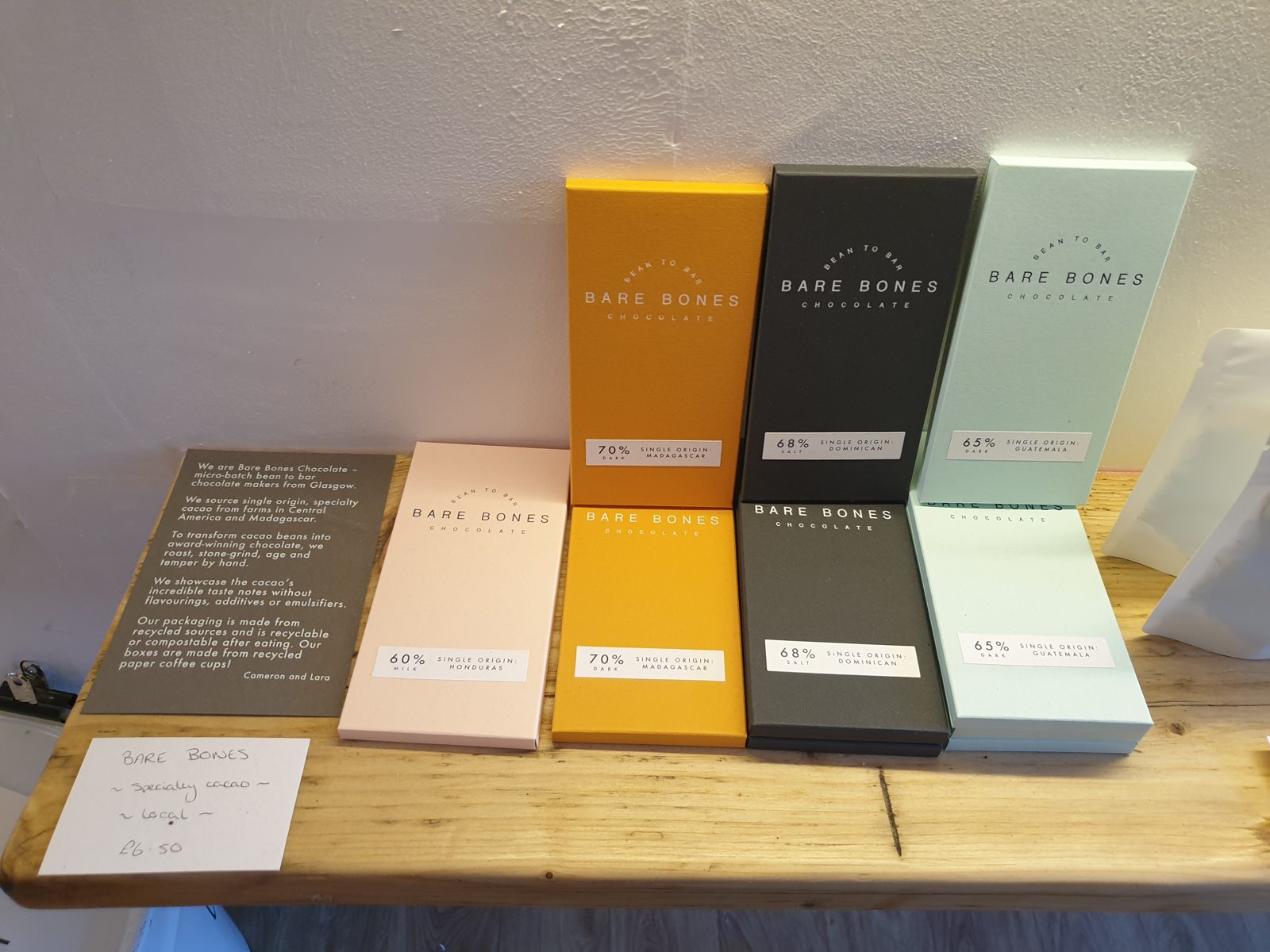
The thing on this list most people have never heard of, plus the clearest proof of the rule. Bean to bar, made in Glasgow, single origin, sold in 70g bars in a wrapper you’ll want to keep. No supermarket carries it. No gift shop either.
I bought mine in Stirling in October 2020 for £6.50. Checking today, August 2026, a single bar is £7.50 direct from them. That’s what six years does. I’d still pay it. They ship UK-wide plus they have a Glasgow shop.
Single origin Bare Bones chocolate bars from Glasgow on a shop shelf in Stirling, priced at £6.50.
The two I’d leave
Not worth it — Edinburgh rock
The confectionery equivalent of a fridge magnet. Soft, chalky, powdery. It exists to be bought by people who feel they should buy something. Nobody finishes the box. Buy tablet instead. You’ll eat it.
Not worth it — Macaroon bars
A potato-based fondant centre in chocolate with toasted coconut. Sounds like a dare. Tastes like one. I’ve had it. I’m not having it again. If you’re curious, buy one rather than a pack, then don’t say you weren’t told.
Two out of twenty-odd. Not me being contrary. That’s the honest hit rate.
The bottle you carry home
You get one good bottle. Choose it properly.
Single malt Scotch
The useful advice isn’t buy whisky. It’s buy the one you can’t get at home. Distillery-exclusive bottlings. Small releases. Anything the person behind the counter is visibly pleased about. If you can buy it in a supermarket in London or Sydney, you’ve spent your luggage allowance on convenience.
I’ve been round Ben Nevis in Fort William. Standing in a distillery shop is a different thing to standing in Tesco. You taste before you buy. Somebody explains what you’re tasting. You leave knowing why you chose it, which is worth more than the bottle.
Book ahead in summer. Tours sell out, island distilleries faster than mainland ones and turning up on spec in August is how you end up buying your whisky in a supermarket after all.
Fort William, 2017 · Edinburgh’s Balmoral whisky bar, 2025.
If you do one paid thing in Scotland, make it a tasting. Whisky at a distillery, gin at one of the Edinburgh makers, or the fruit winery up in Perthshire. You taste before you spend, which beats guessing at a shelf.
Widely available, so this is buy-it-if-you-like-it rather than a rarity. The flavoured ones are a matter of taste. I’d take the standard.
Tobermory gin
Better buy of the two, because it’s harder to find outside Scotland. From Mull.
Tennent’s
Worth it as a novelty rather than a haul. The everyday lager. That red T means something to Scots the way no other lager does. A can is a fine souvenir. Don’t fill a case with it.
Innis & Gunn
Barrel-aged. The lager is better than it has any right to be. This one I can prove.
Kat holding a can of Innis and Gunn Scottish lager in Edinburgh.
Wool, tweed and tartan
Straight with you. Everything in this section I’ve looked at, photographed and priced up in the shop rather than bought. My family’s Scottish things are on the other side of the world. So take this as what’s on the shelves plus what it costs. Not a review of how it wears.
Harris Tweed
The one thing here with a legal guarantee behind it. Genuine Harris Tweed is protected by law, handwoven in the Outer Hebrides, carrying the Orb mark. Check for the Orb. No Orb, not Harris Tweed, whatever the label implies.
Tartan scarves and blankets
Best value wool on the list. A lambswool scarf is light. It packs flat. It costs a fraction of cashmere. It looks like the thing you went to Scotland for.
Price check · August 2026
A standard pure new wool tartan throw, roughly 150 × 185cm: £50–£60. Premium lambswool from a named weaver: £145–£175. The first is a good buy. The second is a proper object you’d keep.
Cashmere
Worth it if you buy one good thing rather than three cheap ones. Edinburgh has cashmere shops on practically every corner of the Old Town. The quality range inside them is enormous.
Blue and grey check 100% cashmere scarf hanging in an Edinburgh shop, tagged at £79.
Knitwear generally
The independents in the Old Town do ribbed wool hats plus blankets that beat anything on the tourist strip. That’s where I’d spend it.
A kilt
Worth it if you get a real one. A proper kilt is eight yards of wool, made to measure, priced accordingly. It is not the thing hanging in a souvenir shop window. If you’ve got Scottish family, a kilt in your tartan is an heirloom. People keep them for decades. Buying for a wedding? Hire first.
On clan tartans: pick the one that means something to you, or pick the one you like the look of. Both are fine. The crest badge tradition is a real one, worn as a mark of allegiance rather than ownership.
Objects worth the weight
Same caveat as the wool. I’ve handled these, priced them up, photographed the shops. I don’t own any of them.
A quaich
A two-handled shallow cup, traditionally for a shared drink of welcome or farewell. Pewter or silver. Small enough to post. The most Scottish object on this list, plus a very good wedding present.
Price check · August 2026
Small pewter, two to three inches: £24–£34. Standard three to four inch with a thistle or Celtic design: £38.50–£55. Handcrafted wood and pewter: £104–£130. Buy at the small end unless you’re giving it to somebody getting married.
Scottish slate
Coasters, cheeseboards, engraved pieces. Heavy, so it’s one item rather than a haul.
Art prints
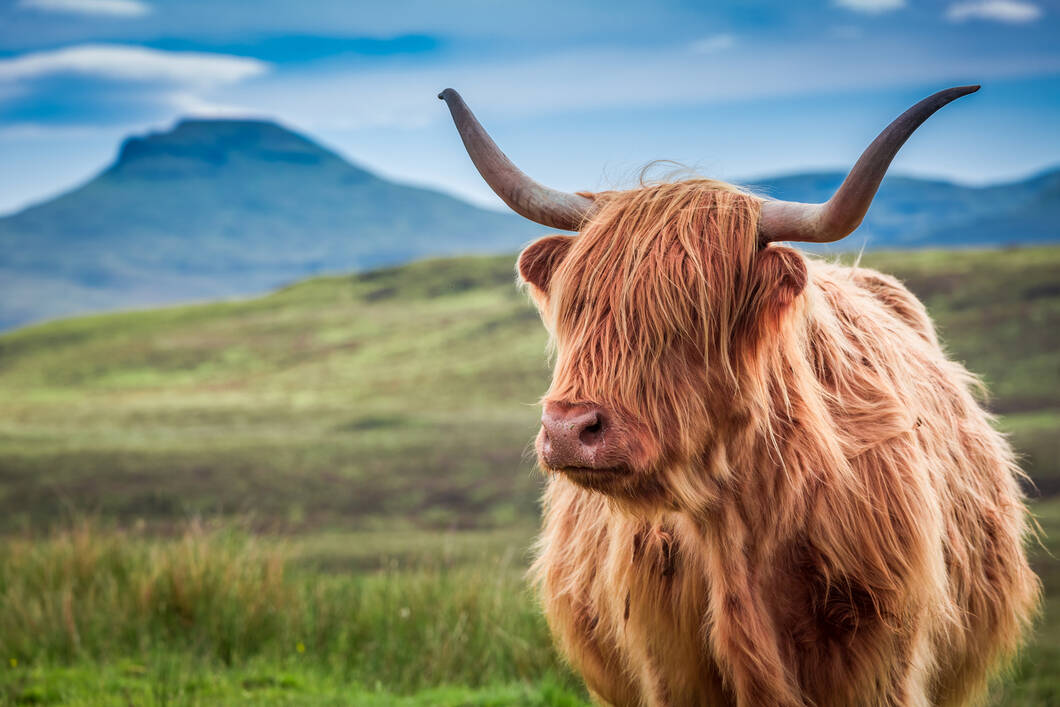
The sleeper on this list. Independent shops in Edinburgh sell giclée prints by Scottish illustrators. Flat. Light. Nothing to post. A Highland cow print does more for your kitchen than any fridge magnet.
In the Old Town over Hogmanay in December 2022, prints were £8, or two for £15. Larger ones at £15, or two for £28. That was a while ago, so treat it as the shape of the pricing rather than today’s number.
Three I haven’t got to yet
I’m not going to tell you something’s worth it when I’ve never bought it. So here are three that belong on this list, priced, with no verdict from me until I’ve had them.
Heather honey
Thicker and more floral than supermarket honey, by every account except mine. A standard 227g jar of raw heather honey is about £8. Artisanal single-flower jars at 340g run £9.50 to £11. Heavy, so it’s a one-jar purchase. (Checked August 2026.)
Cairn O’Mohr
A fruit winery in Perthshire, near Dundee, making wine from local fruit, flowers and leaves rather than grapes. Elderberry, oak leaf, blackcurrant.
The interesting part for anyone already in Scotland isn’t the bottle. It’s £10 for a tour of the winery plus a tasting of around ten things, which on paper is the cheapest good hour in Perthshire. Bottles are roughly £11.50 in shops. It’s the thing on this whole list I most want to go and do. (Checked August 2026.)
Scottish-grown tea
It does exist now. Small plantings across Perthshire, Fife and Angus, tiny volumes, properly artisanal rather than a gift-shop line.
One thing worth checking before you spend. Buy from an independent grower or seller who can tell you which garden it came from. Traceability is the product here. If nobody can name the growing site, that’s your answer.
FAQ
Can you take haggis home from Scotland?
Fresh haggis from a butcher isn’t built for a suitcase. The United States bans it outright. Tinned and vacuum-packed versions do exist.
Is it cheaper to buy whisky at the airport?
Not reliably. Duty free saves you the duty. Airport pricing eats a lot of that back, plus the range is narrower than a specialist shop. Buy from a distillery or a whisky shop for anything interesting.
What’s the difference between tablet and fudge?
Tablet is harder, grainier, sweeter. Fudge is soft and smooth. They’re not the same thing. Scots will tell you so.
Where’s the best place to buy Scottish gifts in Edinburgh?
Off the Royal Mile. The independents in the Old Town plus the shops around Lothian Road do better wool and better prints at better prices than the tartan-fronted places on the main drag.
Will the shops be open when I get there?
In Edinburgh and Glasgow, yes, seven days. Outside the cities it’s worth a phone call. Distilleries, island weavers and small makers often run seasonal hours and a fair few shut over winter. Don’t build a day around a shop you haven’t checked.
The Pivot
What I’d buy with £50
Tunnock’s multipack. A bag of tablet. A couple of cans of Irn Bru, all from a supermarket. One Bare Bones bar at £7.50. A lambswool scarf. One art print.
That’s a bag costing less than a bad dinner where every single thing gets used.
Got £150? Swap the scarf for cashmere, or add a distillery bottle.
Both the Lake District and Peak District are popular destinations for outdoor lovers. With both places boasting untouched natural beauty, incredible views and unique attractions, it can be tough to choose which one to visit. This guide will help you decide.
The ongoing debate on whether the Lake District or Peak District is better, is one that is difficult to win. In truth, both places are beautiful – it just depends on what you’re looking for. Not only does each place present an abundance of things to see and do, but they both also offer something unique.
Let the battle begin! Will you choose to visit the Lake District or the Peak District?
Lake District
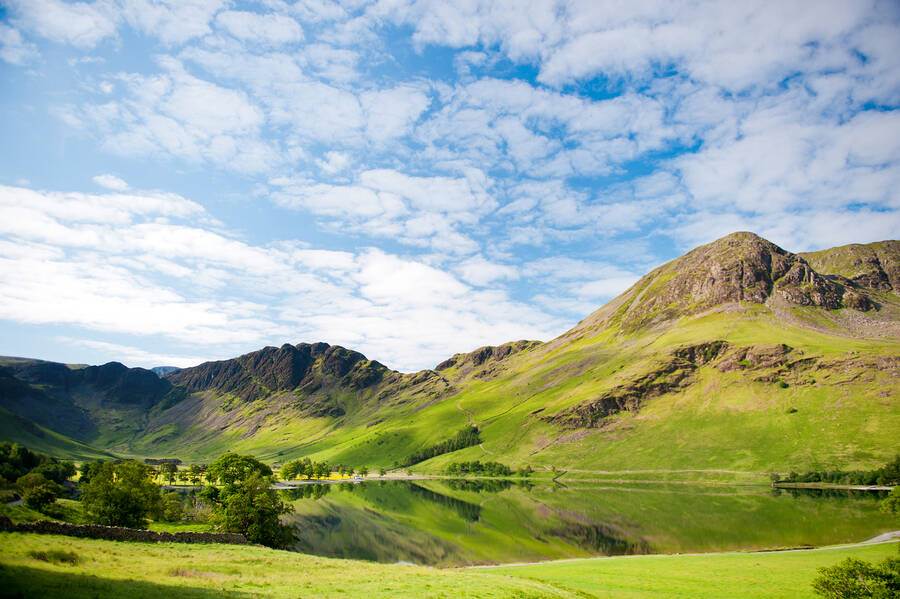
At just under 600,000 acres, the Lake District is England’s largest National Park, located in the county of Cumbria. In 2017, it was granted UNESCO World Heritage Site Status, and it’s not difficult to see why.
The Lakes are home to wild landscapes – from huge lakes and meres to dramatic pikes and fells. It’s also where you’ll find Scafell Pike, which at 987 metres, is the highest peak in England.
It comes as no surprise that the natural beauty of the Lake District has inspired writers and poets for centuries, and shaped the writings of people like William Wordsworth and Beatrix Potter. But it’s not just about the outdoors – it’s a great place to delve into history with a range of fascinating attractions.
How to get there and travel around
Fortunately, the Lake District is pretty easy to get to. If you’re wanting to arrive by train, the West Coast mainline runs to the east of the Lakes, connecting Oxenholme, Penrith and Carlisle with London and Glasgow.
You can also catch a direct train from Manchester to Windermere. You’ll also find some local trains running in the area, stopping at Kendal, Staveley and Windermere. If you’d rather travel by coach, National Express runs coaches to various towns in the area from all over the UK.
Once you’re in the Lake District, the easiest way to get around is by car. Some of the best areas are quite remote and won’t necessarily have public transport connections.
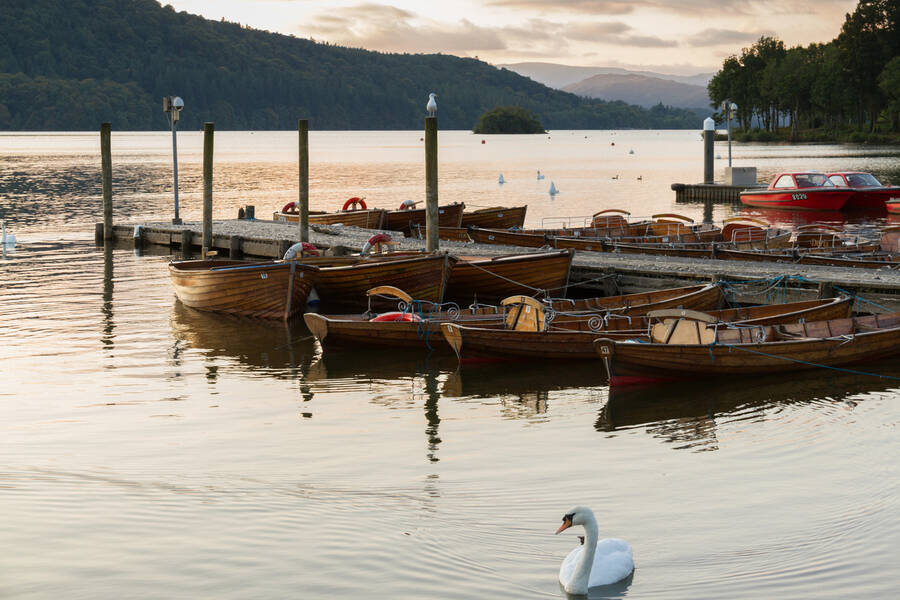
Want to travel around a lake in one day? A great way to explore the actual lakes is to take a steamer or boat cruise. Windermere, Ullswater, Coniston and Derwentwater all have passenger boats with multiple stops, and this can be a fun way to see different sections of the lakes.
It goes without saying that walking is one of the best ways to explore the Lake District. It would be impossible to list all of the walks in the area, as there’s a walk for every level and ability, whether you’re after a gentle stroll or a challenging climb. There are also guided walks led by local experts which run from April to October each year.
If you’re a first-time hiker, start out with the iconic Tom Gill to Tarn Hows route. Its pathway was actually gifted to the National Trust by Beatrix Potter, and is accessible to buggies and mobility scooters.
Another easy walk is the Buttermere to Rannerdale route. This scenic walk will take you past the most photographed trees in the UK – the Sentinels. Stroll past Crummock Water and spot the highest waterfall in the Lakes, Scale Force.
If you have a bit of stamina, a great hike is Howtown to Glenridding. On the three hour trek, you’ll pass Ullswater lake and go through Patterdale village. You can even switch things up and return via the ferry boat.
Another fab medium-level walk is Thirlmere to Blea Tarn. This walk takes three to four hours, but boasts some fantastic scenery.
Up for a challenge? There are plenty of walks that can take you the entire day. One of these is the Fairfield Horseshoe. Beginning and ending in Rydal, the route covers 16km with stunning views over to the Helvellyn range. You’ll encounter grassy mountains, tarns, rocky steps, open plateaus and steep ridgelines.
Another challenging climb is Helvellyn Ridge, one of the best ridge walks with views across the whole of the Lakes. This 10km route isn’t for the faint hearted!
Cycling
The Lake District is a haven for cyclists, whether you’re a road cyclist or a mountain biker. There are a wide selection of country lanes, cycleways and bridleways to suit every ability. Some of the best mountain bike routes are located in Whinlatter Forest and Grizedale Forest. These routes are suitable for beginners all the way through to professionals.
A great route for beginners is Windermere Western Shore. This is an 8 mile return route which takes you around the scenic western side of lake Windermere, with only a few gentle slopes.
Fancy something on a more moderate level? The Grasmere Trail is a 10 miles return route which takes you from Ambleside to Grasmere and back. Mostly off-road or on quiet lanes, it boasts some incredible views of Rydal Water and Loughrigg Fell.
If you’re an experienced cyclist, the Lakes don’t disappoint. One very challenging (but completely worth it!) route is the Great Mell Fell and Little Mell Fell Cycle Loop. It’s 17.3 miles long, and is surrounded by the gentle rolling fells of the northern side of Ullswater. Start and finish at Pooley Bridge, where you’ll find cafes and pubs to refuel.
If you don’t actually own a bike, don’t worry – there are tons of places you can hire a bike in the Lake District. Some of these are Coniston Boating Centre, Windermere Bike and Cycle Hire Centre, Grizedale Mountain Bikes and Keswick Bikes.
Watersports
With all those bodies of water, it would be a shame not to actually get out on the water. There are a multitude of water-based activities, from canoeing and sailing, to windsurfing and diving. You’ll find most of the action happens at Coniston Water, Derwentwater, Ullswater and Windermere.
There are plenty of watersport centres in the area that offer a range of activities and hire equipment. Some of the most popular ones are Windermere Outdoor Adventure Centre, Hodge Howe Watersports Centre, Bowness Bay Marina and Coniston Boating Centre.
Other attractions
The Lake District has a lot more to offer than just walking and cycling. There are plenty of other outdoor activities to get involved in, like horse riding, rock climbing and abseiling.
There are also a multitude of activities which aren’t for the sporty type, whether it’s exploring historic houses and castles, discovering the area’s industrial past or taking a ride on a heritage railway.
If you’re a fan of historic houses, you won’t be disappointed. There are so many stately homes, castles and manor houses that are open to the public, some of which are still occupied by the same families who have been there for hundreds of years. One of the must-sees is the breathtaking Muncaster Castle, set within over 70 acres of gardens.
If you’re a fan of Beatrix Potter, you can’t miss The World Of Beatrix Potter attraction. Take a look at the interactive exhibits which tell the story of her writing and her significance to Lakeland conservation. Other attractions related to Beatrix Potter include the Beatrix Potter Gallery and Hill Top.
The Lakes have a long industrial heritage from when copper and lead mines were booming. You can visit Coniston Copper Mines, Myers Head lead mine and Honister Slate Mine to get a feel of what it was like during the 1600-1700s. Stott Park Bobbin Mill is now a working museum, where you can see the original machinery used to make wooden bobbins for the spinning and weaving industries.
A fun and unique way of taking in the views is from a steam train. There are several heritage railways in the Lake District, including the Ravenglass and Eskdale Railway, Lakeside and Haverthwaite, South Tynedale and the Threlkeld Quarry Railway.
You can’t miss picking up some famous Grasmere Gingerbread! It’s something that should be onEnglish souvenir list!
Where to stay
Whether you’re looking for a hostel, holiday cottage or luxury hotel, there is a huge range of accommodation options in the Lakes. It can be quite tricky picking a place to stay, as the towns and villages are so spread out. Here are some of the best areas to find accommodation:
Windermere and Bowness-on-Windermere: these twin towns have been attracting holidaymakers since 1847. You’ll find everything you want, including a wide choice of accommodation, shops, pubs and restaurants.
Ambleside: this small village in the heart of the Lakes is a great base for exploring the region. There is a fantastic selection of activities and facilities, including restaurants, pubs, two cinemas and the famous Stagshaw Gardens.
Keswick: one of the largest towns in the Lakes, Keswick is a fab place to base yourself if you want to explore the northern Lakes. There is a large range of accommodation, as well as plenty of outdoor equipment shops. The peaks of Helvellyn, Skiddaw and Scafell are nearby, as well as Derwentwater.
Grasmere: slightly north of Ambleside, Grasmere is a pretty village perfect for those of you looking for a quiet and relaxing place to stay. It’s a great place to find cheap accommodation, with a pick of good value hostels and guesthouses.
Kendal: this market town is located on the southern border of the Lake District. While it’s packed with shopping, dining and sightseeing options, it also offers easy access to hiking trails. It’s a great place if you’re looking for the best of both worlds.
Camping can also be a great option for accommodation. There are a wide range of campsites dotted all around the Lakes, and range from basic to luxury. It’s important to note that wild camping isn’t permitted anywhere in the Lakes without prior permission from the landowner.
What makes it unique?
By now, you’ve probably realised that the Lake District has a lot to offer. What makes it stand out is the range of distinctive and dramatic landscapes it has. You have a mix of lakes, mountains and craggy peaks all in one area.
Another highlight is that there are plenty of things to do even for the less active amongst us, including a ton of history and heritage to explore.
Peak District
The Peak District National Park is spread out over 355,090 acres and spans the counties of Derbyshire, Cheshire, Staffordshire, Yorkshire and Greater Manchester. The park is broadly split into two.
To the south, you have the White Peak which incorporates wooded dales, craggy hills and limestone gorges. To the north, you have the Dark Peak which features wild heather moorlands and gritstone crags, as well as Kinder Scout, which at 636 metres is the highest point in the Peaks.
This fantastic and varied landscape is what made the Peak District become the UK’s first ever National Park back in 1951. As well as natural landscapes, the area is also full of pretty towns and villages, ancient settlements and historic houses and gardens.
How to get there and travel around
The Peak District is very accessible, with an extensive public transport network. This makes it easy to get to if you don’t drive.
One of the easiest ways to get to the Peaks is by train. The cities which neighbour the Peak District, such as Manchester and Sheffield, all have rail services from destinations around the country. From these cities, it’s easy to catch local services into the Peak District. Northern Railway, East Midlands Railway and TransPennine Express all have lines which run through smaller towns in the Peaks.
If you’re arriving by coach, National Express and Megabus have coach routes from different spots around the UK which link with destinations around the Peak District. From here, you can take onward local buses or trains.
Once you’re in the Peak District, getting around is pretty easy. If you don’t drive, there are a number of bus connections which connect local towns and villages within the District.
The Peak District is a walker’s haven. There are all kinds of walks, from easy rambles through pretty valleys, to challenging climbs with epic views. Whatever your fitness level is, you’re bound to find a walk that’s right for you.
If you’re after a nice and easy stroll, the Mam Tor Walk is a fantastic trail that takes in one of the Peak’s most iconic views. This 4.5km circular route is steeped in ancient history, and you’ll be rewarded with views of the Vale of Edale, Peveril Castle and the Hope Valley.
Another easy but scenic route is the Padley Gorge Hike. This 6km trail takes you from the beautiful Longshaw Estate, through Burbage Valley to the village of Grindleford.
Fancy something a little longer? The Dovedale Walk is an incredible 11.6km trail that takes you along the River Dove, going past some impressive limestone features. At the summit of Bailey Hill, you’ll find some stunning panoramas.
The 9.2km Thor’s Cave and the Manifold Valley Hike is a fantastic walk around the hidden Manifold Valley. Follow a subterranean river system and hike through one of the largest natural caverns in the Peaks.
Now, it wouldn’t be a hike in the Peaks without something really challenging. A must-do is the Kinder Scout Walk. This 14.5km walk is on the Dark Peaks’ most physically demanding terrain, but with its breathtaking views and alluring charm, it’s completely worth it.
Not quite up to it? The Stanage Edge Walk is a 9.8km walk that’s physically demanding but still enjoyable. It takes you through a beautiful valley landscape (where Charlotte Bronte took inspiration from) and up onto the Stanage escarpment for some epic views.
Cycling
The Peak District offers a lot to cyclists, whether you’re a road cyclist or a mountain biker. There are plenty of quiet backroads as well as challenging gradients, all of which go through some magnificent scenery.
There are plenty of easy going routes which are mainly traffic-free, perfect for families and beginners. There are easy trails at Monsal, Manifold, Tissington, High Peak and Thornhill.
If you’re looking for a medium level route, the Derwent Reservoirs offer a 15 mile cycle which encompasses the three reservoirs in the Upper Derwent Valley. A mix of road and track, the route is particularly great for birdwatching.
A challenging route that’s reserved for experienced cyclists is the High Peak Trail. At 18 miles one way, you’ll need the whole day to complete it in both directions. The dismantled railway cuts across limestone uplands and through countryside with a rich industrial heritage. You’ll come across breathtaking views and wide open vistas.
There are many places you can hire a bike in the Peaks. The Peak District National Park has four bike hire centres, and you’ll find them in Ashbourne, Derwent, Parsley Hay and Manifold.
Climbing
The Peak District is home to some of the most challenging rock climbing routes in Europe. Whether you’re a beginner or an experienced climber, there are plenty of crags for you to discover.
Some of the most popular spots to climb for beginners include Burbage South Boulders and Windgather Rocks. If you’re an advanced climber, then you’ll enjoy the climbs at Stanage Edge, Froggatt Edge, Curbar Edge and Burbage North.
If it’s your first time rock climbing, a good place to start is at one of the outdoor activity centres where you’ll find instructors who can show you the ropes (literally). Some of the most popular centres are The Adventure Hub, Lost Earth Adventures and The Peak Climbing School.
Caving
Caving is another highly popular activity in the Peak District. The area is home to Titan Cave, the highest natural cavern in the UK which stands at 141.5m.
If you’re a beginner, it’s best to use an expert. There are numerous activity centres in the Peak District that offer caving days out with trained and qualified instructors. You’ll also be provided with all the equipment you’ll need.
Some of the best climbing centres are Lost Earth Adventures, Dolomite Training, Acclimbatize Ltd and Pure Outdoor.
One of the must-sees is the Heights of Abraham. This 60 acre hilltop park is accessible via a cable car journey over the Derwent Valley. You can take a guided tour into two well known caverns: the Great Masson Cavern and the Rutland Cavern & Nestus Mine which were both mined for lead ore and fluorspar.
Another must-see is Poole’s Cavern. This natural limestone cave dates back to two million years ago. Take a guided tour down into the depths to explore the extensive caverns and learn how crystal stalactites and stalagmites have formed over time.
Other attractions
Kat standing in front of the lake with Chatsworth House in the background.
Other outdoor activities in the Peak District include horse riding, fishing and water sports (although not as extensive as the Lake District!).
If you’re a fan of historic houses, castles and stately homes, then you’ll absolutely love the Peak District. Plenty of box office hits and series have been shot in these historic houses, so you might even recognise a few!
You can also visit the world famous Chatsworth House which was used as Pemberleyin Pride and Prejudice; Hardwick Hall was used as Malfoy Manor in the Harry Potter films, and the medieval Haddon Hall was used in Kit Harrington’s Gunpowder.
Like the Lake District, the Peaks have a rich industrial heritage that’s worth exploring. Arkwright’s Cromford Mill is part of the Derwent Valley Mills World Heritage Site, and allows a peek into the world’s first water powered cotton mill.
Visit Royal Crown Derby or Denby Pottery to see where the famous ceramics all started, or delve into the remains of the area’s lead mining history at the Peak District Mining Museum.
Where to stay
Whatever kind of accommodation you’re looking for, you’ll definitely find it in the Peaks. Here are some of the best towns and villages to find accommodation:
Bakewell: this bustling market town is home to the delicious Bakewell Pudding. Full of quaint charm, it’s one of the best Peak District towns.
Buxton: although not strictly in the Peak District, Buxton is surrounded by it on three sides and is an excellent base for exploring. This spa town has all the amenities you need.
Castleton: sheltered by Mam Tor, this village is an ideal base for keen walkers. There are plenty of climbs and caves close by, as well as a great selection of delicious tea rooms!
Eyam: famous for conquering the Black Plague in the 17th century, Eyam is a village steeped in history. You’ll also find a selection of cottages and inns here.
Camping is one of the best ways to experience the Peaks, and there are several campsites in the area. It’s important to note that wild camping isn’t permitted anywhere in the Peaks without prior permission from the landowner.
What makes it unique?
One of the most unique things about the Peak District is its labyrinth of caves and hidden chasms. It’s like a whole underground world just waiting to be explored.
Verdict
Both the Lake District and Peak District are incredible destinations that you should aim to visit at least once in your lifetime. While they both have similarities – rolling hills, high peaks and stunning vistas – they each have something unique to offer. If you’re looking for a diverse range of landscapes and want to spend more time on the water, then the Lakes is for you. If you’re keen on climbing and caving, then the Peaks is the better option. But honestly? Both are worth a visit!
Still Can’t Decide? Why Not Explore Both!?
A tour to the Lake District and the Peak District is the perfect option! I always find it hard to choose as well. The best way to do this is by driving but understand that not everyone is comfortable with driving in foreign countries.
This 5-day adventure will start in York, though the Lake District before heading to the Peak District visiting Chatsworth House and finishing in Cambridge.
It’s a good balance of enjoying the stunning landscapes of the Lake District, the Yorkshire Dales and the Peak District and visiting historic cities along the way like York, Lincoln and Cambridge.
It’s a small group tour which I always prefer as it’s easier to get a better experience with the guide and make friends. Find out more about the 5-Day York & the Lake District, here.
Thinking of visiting England, Ireland and Scotland but don’t know where to start when it comes to planning? This guide will help you put together a fuss-free trip.
When it comes to preparing for a trip, especially to three countries, there are so many different things to keep in mind – what to do, where to go, accommodation, how you’re going to get around… the list goes on. To make it easier for you, I’ve put together a guide to organising your travels around England, Ireland and Scotland.
Keep reading for the ins and outs on planning a trip to England, Ireland and Scotland.
England
England truly has it all – charming little villages, thriving cities, dramatic coastline and expansive countryside. There’s also plenty of history, culture and heritage to explore everywhere you go.
Planning What to Do & Where to Go
Many people make the mistake of going to England and only visiting London. There is so much more to England and if you take the time to explore it, you’ll find plenty of fascinating history and culture.
Cities
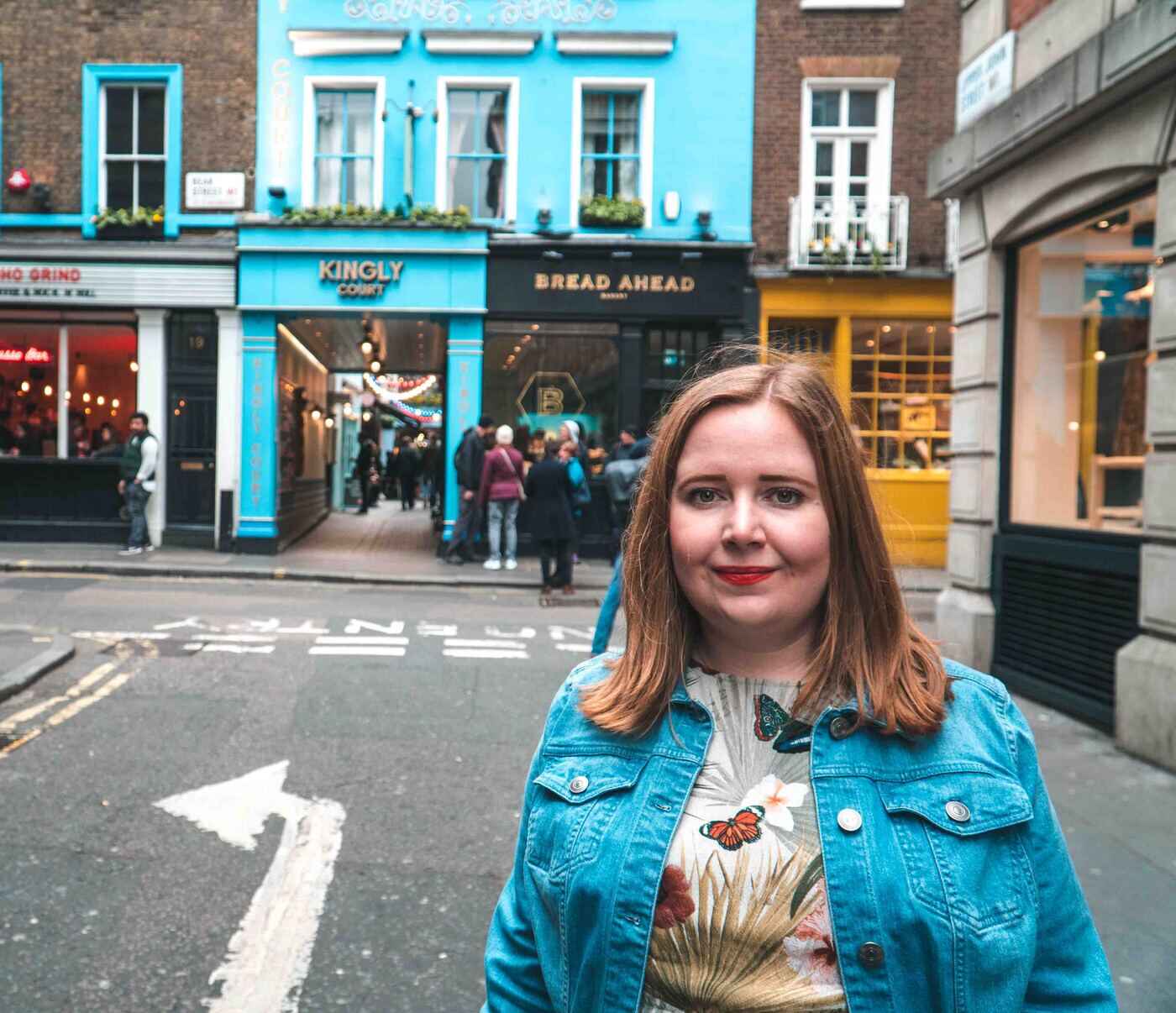
Kat nearly Kingley Court
England has some fantastic cities that offer plenty of things to see and do. You’ll find vibrant food and drink scenes, world-class attractions and cultural activities. In the South West, you have cities like Bath, Bristol, Plymouth and Exeter which offer history, cultural attractions and plenty of outdoor activities. In the South East, find super-cool Brighton, historic Oxford and nautical Portsmouth.
Towards the East of the country, you’ll find the famous Cambridge, home to the world’s fourth oldest university. Although it doesn’t get as many tourists as southern cities, Central England and the Midlands has some exciting cities to visit. It’s home to England’s second largest city, Birmingham, where you’ll find Victorian architecture and heritage museums. Head to Lincoln for the medieval Cathedral Quarter, and Nottingham for the famous Robin Hood trail.
It’s definitely worth visiting the North of England. In the North West, there is the Roman city of Chester, vibrant Manchester and cultural Liverpool. In the North East, find cities like Leeds, Newcastle, York and Durham, all offering a mix of history, culture, food and drink, museums and sports.
But despite how amazing the rest of England is, London is still a fantastic place to visit. It’s a vibrant, world-class city with a lot going on. London is made up of many different neighbourhoods, each with their own vibe.
The great thing about London is that there’s something for every kind of traveller. Whether you’re a backpacker or a luxury traveller, whether you’re into tourist sites or discovering history, you’re bound to find something up your alley.
Sometimes the best way to get a feel for a city is to get off the tourist trail and experience it the way locals would. Check out this guide to what to do in London as a local.
Countryside
Puzzlewood Gloucestershire
It wouldn’t be England without the rolling green hills, misty moors, forests and lakes. If you’re keen to get outdoors, England has plenty of forest and woodland walks.
England has 10 National Parks, each offering a beautiful diversity of landscapes. There are plenty of activities within these National Parks, including walking, hiking, horse riding, cycling, rock climbing, stargazing, sailing and water sports.
Whether it’s exploring dramatic caves in North Yorkshire, discovering beautiful lakes in the Lake District, or riding on heritage railways through different counties, England truly is a haven for lovers of the outdoors.
Coastal towns
While you wouldn’t necessarily think of England as a great destination to relax on the beach, you’d be surprised at how stunning some of the coastal areas are. England is home to some charming coastal towns and fishing villages, as well as exciting seaside resorts. No two parts of the English coast are the same, so wherever you go, you’re bound to find something different.
You’ll find some of the warmest spots around the South West, where counties like Cornwall, Dorset, Devon and Somerset boast warm weather, blue seas and family-friendly beaches. Thrill-chasers looking to experience a traditional English seaside holiday should visit Brighton, Scarborough, Blackpool, Weymouth, Margate, Falmouth, Southport and Tynemouth.
The beaches and coastal towns in England have plenty of activities, whether it’s arcades, coastal walks, fossil hunting or watersports. Not to mention the choice of fresh seafood on offer!
Some useful resources to help you plan:
VisitEngland is a really useful site. As the official tourist board for England, you’ll find a whole ton of information on places to visit, things to do and practical information and advice. What’s useful is that you can explore England by county, making it so much easier when putting together an itinerary.
English Heritage is a charity that takes care of over 400 historic buildings, monuments and sites all over the country. On their website, you can find information of the different places to visit throughout the country. If you’re interested in visiting a bunch of different historic sites, you can purchase an Overseas Visitors Pass which is better value for money than if you were to pay entry prices at each individual place. Valid at over 100 places, you can choose between 9 or 16 day passes. If you’re on a budget, you can also find a whole range of days out for under £20 for the whole family.
National Trust is also an independent charity, focusing on environmental and heritage conservation. It owns over 500 heritage properties which include historic houses and gardens, social history sites and industrial monuments. On their website, you can find information about the range of days out, whether it’s outdoors, houses and buildings, or parks and gardens.
The National Trust also has a wide selection of accommodation, whether it’s campsites, holiday cottages, hotels or bothies and bunkhouses. Like English Heritage, you can also get an Overseas Visitors Pass which can save you money and time when visiting National Trust sites. You can purchase either a 7 or 14 day pass which gives you free entry to over 300 historic houses and gardens.
How to Plan Accommodation
If you’re visiting during the holiday season, it’s best to book your accommodation well in advance. England is a very popular tourist destination, with most tourists visiting during the summer months, which is between June and August. The peak season tends to peter out in September, so you may find more options around that time.
When it comes to choice, you won’t find it difficult to find your dream accommodation. England has a great range of accommodation to suit every kind of budget and traveller, whether it’s hostels, B&Bs or luxury hotels. You can even find more unusual types of accommodation, such as castles, canal boats and farms. If you’re the outdoorsy type, you might even be interested in camping, caravanning or glamping (if the weather’s decent!).
Hostels
If you’re travelling on a budget, you might want to consider staying in hostels, as you can get some pretty good deals. Websites such as Hostelword and Hostelbookers are some of the best known sites. YHA is a charity that provides over 150 youth hostel accommodations in England and Wales. You can find high quality and low cost hostels, camping and glamping which are suitable for both families and backpackers. Here’s a general guide I put together to how much you should budget for a week in England.
Budget hotel chains
Budget hotel chains are always handy if you’re looking for comfortable and affordable accommodation. Some of the most common ones you’ll find throughout the country include Premier Inn, easyHotel, Holiday Inn Express, Ibis, Travelodge and Point A Hotels in London.
Hotels
For anywhere mid-range to luxury, your best bet is to find accommodation using websites like Booking.com, Trivago, TripAdvisor, Agoda, Expedia and Kayak. If you’re the type of person to leave things to the last minute, LateRooms is great for finding last minute deals.
Staying with locals
A large part of travelling is getting to know the country beyond its famous sights, meeting locals and immersing yourself in the culture. A great way to do this is by staying with locals. You get to know more about the country you’re visiting, and get precious insight to the best places to eat, drink, shop and hang out! There are paid accommodation sites like AirBnb and Homestay, but you can also find free accommodation on sites like Couchsurfing and Trustroots.
Camping, glamping and caravanning
During the warmer months, it’s pretty fun to camp in England. The country is a treasure trove of camp spots, whether you head into the remote woods, set up your campervan by the beach or load up your touring caravan and bring your whole family to a holiday park. There are some very helpful websites you can use to find campsites throughout the country, including Camping in the Forest, Pitchup and Campsites.
How to Plan your Arrival
If you plan on arriving in London, it might be useful to point out that London has six airports (London City, London Gatwick, London Heathrow, London Luton, London Stansted and London Southend). All of these airports are well connected to central London.
If you’re planning on being based in the North, then the best airport is Manchester Airport. As the main international gateway for the north of England, you can easily get to anywhere in the North from here. The airport has a coach and train station with links to other major northern cities.
If you’re arriving from Europe, you may consider arriving by Eurostar. Travelling through the Channel Tunnel, you’ll arrive at St Pancras International in London.
Planning Travel Logistics
First things first, we need to talk safety. In this guide I put together, you can read up on why getting travel insurance for your trip to the UK is a good idea.
Now that we’ve got the boring stuff out of the way, let’s get travelling! A great thing about England is that it’s so easy to get around. To give you an idea of the places you can see, have a read of this guide to the best places to visit in England without a car.
If you’re going to be spending time in London, then Transport for London (TfL) is the main transport network you’ll encounter. Whether you use buses, the Tube or the Overground, London is well-connected and in general, you get anywhere within the hour. To get into stations and on buses, you can tap your contactless card to pay.
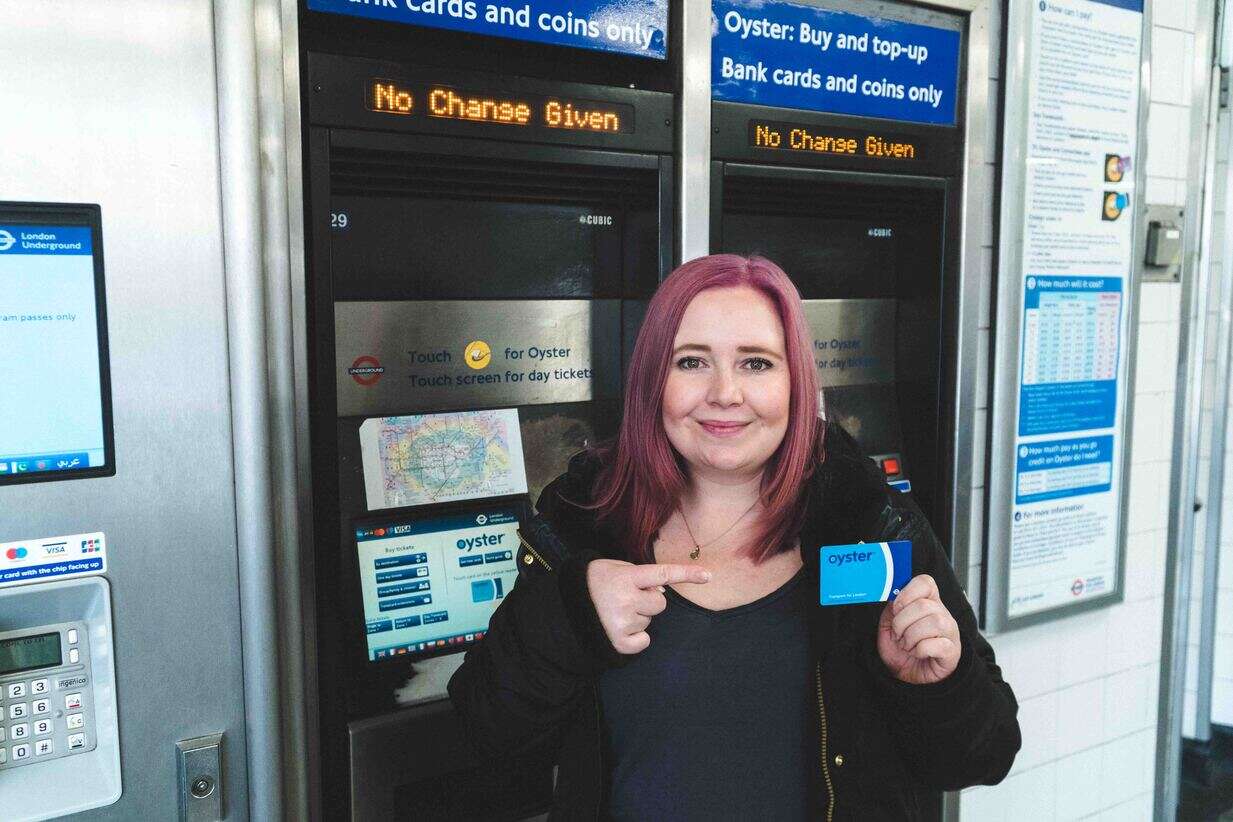
Alternatively, you can get an Oyster card and top it up with credit, which you then tap at the pay points. There’s also the option of getting an Oyster Visitor card which is a quick and easy way to pay for travel. It’s convenient because you can get it delivered straight to you before you even arrive in England.
The great thing about London is that it’s super easy to get around on foot. Walking is one of the best ways to take a city in and to soak up the atmosphere. If you plan on doing a lot of walking while in London, check out this guide to the best places to stay in London for walking.
Trains
England has a great rail network. While it’s considerably more expensive than other countries in Europe, there are fantastic connections and they do generally run on time. Trains are one of the easiest ways to get around the country. It’s also a scenic and relaxing way to discover England. Why not find some inspiration with this guide to the best places to visit in England by train.
To book tickets, I would recommend using Trainline. It’s an independent ticketing platform where you can search train times and buy tickets. Be aware that individual train companies like TransPennine Express and LNER can sometimes have flash sales, so it’s worth checking their websites.
Coaches
If you’re on a budget and aren’t pressed for time, I would suggest using coaches to get around. They’re so much cheaper than trains, and you can still get to major cities around the country. However, they don’t generally go to smaller towns so you’ll need to use local public transport connections if you do plan on going a little more rural.
There are two main coach companies that operate in England: National Express and Megabus. National Express has a nationwide network of over 1,200 destinations. Megabus links 90 locations around the UK, and even offers tickets from as little as £1!
A transport tip for budget friendly travellers is to book in advance. Anything up to two weeks in advance (especially on trains) can save you a significant amount of cash.
Car hire
Hiring a car is a great way of getting round, especially if you’re travelling with younger family members or plan on visiting remote, rural areas. Some of the most popular car hire companies are Avis, Budget, Enterprise, Europcar and Sixt. If you want to shop around first, websites like Kayak and Travel Supermarket are handy when it comes to comparing different companies to get the best deals.
Ireland & Northern Ireland
Kat at Giants Causeway
Ah, the Emerald Isle. Not to be confused with Northern Ireland, the Republic of Ireland is a country independent to the UK. This green, friendly island attracts millions of people each year to experience the breathtaking scenery and magical culture.
Planning What to Do & Where to Go
Ireland and Northern Ireland have a variety of places to visit, whether it’s landmarks, vibrant cities, mountains, beaches and countryside.
Cities
It goes without saying that no visit to Ireland is complete without a trip to Dublin. This rowdy city is home to Guinness-fuelled pubs, beautiful Georgian architecture and exciting attractions. Whether you’re looking to live it up at Temple Bar, learn how Guinness is made at the Guinness Storehouse, delve into history at Dublin Castle and Malahide Castle or relax at the National Botanic Gardens, there is plenty to do here.
You can also take a trip to Cork, Ireland’s second largest city. This lively, fun-loving city has tons of coffee shops, traditional pubs and historic attractions. Another must-see city is Galway City. Once a Medieval trading port, this city is an artsy, bohemian destination with plenty of history to explore. Although tourists don’t tend to visit Limerick, it’s worth stopping by if you’re interested in castles, cathedrals and museums. It’s also a fabulous place for foodies, with a great selection of artisan food markets and street food.
Belfast is definitely a hidden jewel of the UK. The city and country has had a turbulent past, called the troubles but now that has settled it has allowed the country to grow. The city became popular to visit after Game of Thrones! I highly recommend visiting Crown Liquor Saloon, grabbing some food at St Georges Market, enjoying the nightlife in Cathedral quarter and wandering around the Botanic Gardens.
Countryside
Ireland is known for its breathtaking vistas and natural wonders. If there’s only one thing you do in Ireland, make sure you head out into the countryside. An entire list of beauty spots would be exhaustive, but a good place to start is National Parks. Ireland is home to six National Parks, each offering stunning views, lakes, mountains, woodlands and wildlife. Visit any of them and you won’t be disappointed.
One of the country’s most famous natural attractions, the Cliffs of Moher, stretch for five miles along the west coast of Ireland, and reach up to 702 feet high in some parts. Let’s just say the views from here are inconceivable. If you’re feeling up for a challenge, take a boat ride out to Skellig Michael.
This towering, emerald green island is home to the remains of a 6th century monastery – but you’ll have to climb the 600-step staircase to get there! If you fancy a scenic drive, the Ring of Kerry is a must. The trail runs through 120 miles of southwestern Ireland’s most incredible landscapes. As well as glacial lakes, lush meadows and rugged mountains, the trail also passes iconic landmarks like the Beara Peninsula and the Kerry Way.
Coastal towns
With over 1,450km of coastline surrounding the island, there’s bound to be some fantastic coastal destinations. If you want to visit the seaside but don’t want to travel too far from Dublin, the beautiful little town of Skerries is a great place to visit. With pastel coloured shops and cafes along the seafront, stunning scenic walks and a variety of watersports, it’s an ideal place for a quick day trip.
Tramore is a seaside village in County Waterford that has become one of Ireland’s most popular tourist destinations – and for good reason. Take a stroll along the promenade, or relax on the 5km stretch of beach and sand dunes. There are plenty of leisure activities for the whole family to enjoy, including surfing, horse riding and visiting sites like Reginald’s Tower.
If you’re travelling with your family, you might consider visiting Enniscrone in County Sligo. This small seaside town has sandy beaches and campsites, and is popular with families. Try adrenaline-fuelled activities like surfing or horseback riding, or unwind in the Enniscrone Seaweed Baths.
Some useful resources to help you plan:
Ireland.com is the official tourism website for the country. It’s a really handy tool that you’ll want to keep referring to on your trip. There is information on different destinations in the country and things to do depending on what you’re interested in (eg. cycling, food and drink, sports, literature).
If you’re not really sure where exactly you want to go, or if you’re interested in seeing a bit of everything, they’re even put together different trip ideas where you can journey through the most beautiful parts of Ireland. Whether you’re after culture, coastal views, film locations, or want to get off the beaten track, you’ll find something to suit your interests. There’s even a Game of Thrones trip where you can visit the different filming spots! On the website, you can also find a range of accommodation, and get help and advice about travelling within Ireland.
Discover Ireland is another great site that you should take advantage of. This website is geared towards things to do, and you’ll find activities grouped by theme, for example cities, surfing and cruises, as well as Viking Adventures, Medieval Mysteries and Mighty Kingdoms. If you’re interested in exploring the country by region, you’ll find a guide to different areas, including Ireland’s Hidden Heartlands, Wild Atlantic Way, Ireland’s Ancient East and Dublin.
How to Plan Accommodation
Like England, Ireland’s peak season is in the summer months, which is between mid-June and mid-September. If you’re visiting during this time, I’d recommend you book your accommodation well in advance to avoid any disappointment. If you want to avoid the tourist crowds but still want to catch some of the good weather, it’s a good idea to visit during the shoulder season which is April, May, early June and early October. Plus, prices tend to be cheaper around this time so you may bag some great deals.
Ireland offers a wide variety of accommodation for every kind of budget and traveller. From hostels and budget hotels for the cash conscious traveller, to staying in local homes and sleeping on the road.
Hostels
If you’re on a budget, then you may want to stay in a hostel. Aside from saving money, staying in hostels also allows you to meet like minded travellers and make new friends!
You’ll find plenty of choice on websites like Hostelworld and Hostelbookers. Additionally, you can try independent sites like Hostels Ireland, or Independent Hostels Ireland. An Óige is the Irish Youth Hostel Association. They have 22 youth hostels located around the country that offer safe and comfortable accommodation for families, groups and individuals of all ages.
Budget hotel chains
If you’re the kind of traveller who is out exploring all day and only comes back to the hotel to sleep, then you may want to consider staying at a budget hotel. They’re comfortable and affordable, and are usually quite centrally located. You’ll find the same budget hotel chains in Ireland as you would in England: Premier Inn, easyHotel, Holiday Inn Express, Ibis and Travelodge.
Hotels
To experience the delightful Irish hospitality, there is a huge choice of hotels to stay at, from one star to five stars. The easiest way to find hotels is by using accommodation booking websites like Booking.com, Trivago, TripAdvisor, Agoda, Expedia and Kayak. Ireland Hotels is also pretty useful as it gives you advice and information based on region, type of accommodation and type of holiday.
Staying with locals
The Irish are a friendly bunch, and a great way to get to know them better is by staying with them. Sites like AirBnb and Homestay let you find paid accommodation where you can stay with an Irish host. If you’re on a tight budget, you can try websites like Couchsurfing and Trustroots where you can stay for free.
Camping, glamping and caravanning
As Ireland is full of stunning natural spots, it makes sense to camp if you can. Bring your tent, touring caravan or motorhome to experience the freedom of Ireland’s landscape. To find campsites, use websites like EuroCampings and Pitchup.
For something a little fancier, try glamping. Ireland Glamping is a handy tool to find the best glamping spots around the country. If you enjoy the freedom of camping and caravanning but prefer something a little comfier, self-catering accommodation could be the right choice for you. Imagine Ireland have a fantastic choice of holiday cottages all around the country.
How to Plan your Arrival
Before arriving in Ireland, you should take into consideration where you would like to arrive and where you’ll be spending the most time. Ireland has five international airports: Dublin Airport on the east coast, Cork Airport on the south coast, Shannon Airport on the west coast, Knock Airport in the North West and Belfast Airport in Northern Ireland.
If you’re arriving from Scotland, England or Wales, there is also the option to take a ferry. The main Dublin ferry port offers the most convenient location. It also has great connections to the M1 motorway if you wish to travel up North. If you’re planning on travelling further south of the country, Dublin’s second ferry port of Dun Laoghaire is located in the southern suburbs near Blackrock. It’s also the better choice if you want to avoid the traffic of central Dublin.
Planning Travel Logistics
Ireland’s compact size means it doesn’t take long to get around the island. In fact, driving across the country from Dublin to Galway only takes two and a half hours which makes the perfect place if you’re on a tight schedule. As well as driving, you can also travel around by boat, train and coach.
Boats
Ireland is home to numerous islands, rivers, lakes and canals which are worth exploring by boat. Most of the islands can be visited by ferry, depending on the weather. Some ferry companies only operate seasonally between June and August, so make sure to check timetables in advance!
Trains
Iarnród Éireann (Irish Rail) is the main rail network in Ireland. It’s not very extensive, and only serves larger cities and major towns. If you’re planning on travelling to rural, remote areas, I’d recommend using the local bus services instead. If you decide you’ll be travelling by train, you may want to consider using Iarnród Éireann’s Explorer Tickets which give you different travel options and cheaper deals. If you’re spending most of your time in Dublin, I’d recommend purchasing a Dublin Explorer Ticket for the DART (Dublin Area Rapid Transit), the electric rail system that lets you get around Dublin quickly and easily.
Coaches
Getting around Ireland by coach is a great way to take in all the sights. Bus Éireann is the main coach company in Ireland and has routes all around the island. There are also many private coach tour operators which run city to city trips, airport transfers and themed trips. There are numerous tour companies in Ireland that going through them all would be exhausting. Tourradar makes it easier to decide as you can filter by age range, price, destination and duration.
Car hire
The best way to get outdoors and see the rural side of Ireland is by car. You’ll have more luck finding car hire companies in airports and cities. There are different options when it comes to booking, including travel booking sites like Kayak and direct websites like Hertz, Enterprise, Avis, Six, Europcar and Budget. If you prefer to shop local, choose the Irish owned Irish Car Rentals.
Scotland
There’s a lot more to Scotland than haggis, bagpipes and the Loch Ness Monster. Scotland is full of historical attractions, cultural experiences and breathtaking natural beauty. Whether you want to explore the cities or head out into the wilderness, this country offers something for everyone.
Planning What to Do & Where to Go
Cities
Edinburgh is Scotland’s capital city and one of the top spots for tourists. To immerse yourself in history, head into the Medieval old town and discover sites like Edinburgh Castle and Mary Kings Close. Hike up Arthur’s Seat, an extinct volcano boasting panoramic views over the city. Make sure to visit Glasgow, Scotland’s largest city.
If you’re a shopaholic then you’ll feel right at home here, as it’s known for being a great shopping destination. Glasgow also has a fantastic music scene (with a status as UNESCO City of Music) with plenty of music venues each offering something different. Dundee is another fabulous city, and is the UK’s first UNESCO City of Design. All year round there are exciting events, including the Jazz Festival and Scotland’s biggest food festival.
Its compact streets are packed with treasures like old bookshops, artisan cafes and architectural delights. Believe it or not, Scotland does get its fair share of sun, although most of it seems to shine down on Aberdeen. Regularly named the UK’s sunniest city, Aberdeen is the best place to spend some time if you’re looking for a mix between city and outdoor activities. With beautiful beaches dotting its coastline, it’s an ideal place for a relaxing getaway.
Heading further north you’ll find Inverness, a cathedral city in the Scottish Highlands. It’s the perfect base if you’re going to be exploring Scotland’s magnificent outdoors. But the city itself doesn’t disappoint. With a vibrant culinary scene, fantastic shopping opportunities, and art, history and heritage events and festivals.
Countryside
Renowned for its mountains, lochs and glens, Scotland truly is a special place when it comes to the outdoors. A definite must is a trip to the Scottish Highlands. This mountainous region in northwest Scotland boasts majestic views and wild scenery everywhere you look.
Go in search of the famous Loch Ness Monster, or follow in Harry Potter’s footsteps on the West Highland Line across the Glenfinnan Viaduct. If it’s castles you’re after, Eilian Donan Castle is arguably the most iconic and photogenic castle in Scotland. There’s also the fairytale Dunrobin Castle, Ardvreck Castle, Cawdor Castle and Castle Varrich, to name a few.
If you’re a serious climber, why not challenge yourself to hike up Ben Nevis, the UK’s tallest peak. Scotland has two National Parks – Cairngorms National Park and Loch Lomond and The Trossachs National Park. You’ll find plenty of walking routes for all abilities, as well as other activities like cycling, rock climbing, mountain biking, pony trekking and even skiing! If you have the time, you should consider taking a trip to the Isle of Skye. With incredible spots like The Storr and Quiraing, the island is just full of epic landscapes.
Coastal towns
Scotland isn’t a place that screams beach destination, think again. This country has numerous seaside towns and villages that offer beautiful views, exciting activities and rest and relaxation. Plockton, also known as the ‘Jewel of the Highlands’ is a picturesque Highland village set on the shores of Loch Carron Bay.
There are many water activities to get involved with, as well as cycling and hiking. Or if you just feel like relaxing, the harbour is a peaceful place to sit and watch the boats and come and go. Aberdour is a lovely seaside town in Fife. Featuring two beaches, a harbour, a 13th century castle, a golf course and plenty of shops and cafes, the town is a great place to bring the family.
For somewhere with a little more going on, head to North Berwick which isn’t too far from Edinburgh. From fancy hotels and spas, to restaurants and funky coffee shops, the lively town has plenty to keep everyone occupied. Relax on the sand and enjoy views across the water to Bass Rock, an island described by David Attenborough as “one of the 12 wildlife wonders of the world”.
Some useful resources to help you plan:
Visit Scotland is the official website of Scotland’s national tourist board. The website is an incredibly useful tool when planning your trip to Scotland, as it has information on pretty much everything you need. There are sections on all the top destinations, as well as interactive maps which make it easier to plan your itinerary. Things to see and do are divided into different categories, from ancestry and castles, to film locations and island hopping.
You can also find information based on the type of holiday you’re interested in, whether it’s budget stays, city breaks, family breaks or romantic breaks. If you’re pressed for time (or need a little help), the website also has a bunch of itineraries ready to go. There are itineraries for every part of the country and to suit every interest. There is also information on different types of accommodation, as well as practical resources like how to get there and getting around the country.
Scotland.org is another helpful tool. It’s more generalised than Visit Scotland, and also has information on working, studying and living in the country. However, the Visit section is really useful, and has a lot of information that can help you put together a great trip. Find inspiration on things to do, or whet your appetite with the inside scoop on the food and drink scene. You can also find out about the different kinds of accommodation and essential information about getting around the country.
How to Plan Accommodation
Like England and Ireland, Scotland’s peak season is in the summer months when the weather is warmest, from July to August. If you’re visiting during the summer, then try to book your accommodation well in advance to avoid any disappointment. Having said that, the best time to actually visit Scotland is in spring (between May and June) and autumn (between September and October). This is when the weather is most likely to be dry and pleasant, plus you won’t have to deal with huge crowds of tourists.
Scotland offers a wide variety of accommodation so you’re bound to find your dream stay. Whether you’re on a budget and in need of a hostel, or whether you want to make the most of the Scottish Highlands, there’s something for everyone.
Hostels
It’s really easy to find a hostel in Scotland. Plus, they’re not just for the young. Hostels welcome everyone including solo travellers, groups, families and backpackers. You’ll find plenty of choice on websites like Hostelworld and Hostelbookers. You can also try Hostelling Scotland, a non-profit charity who have been welcoming visitors in 1931!
Budget hotel chains
If you want to level up from hostels but don’t want to spend too much, budget hotel chains are your best bet. Scotland has the same hotel chains as England and Ireland, including Premier Inn, easyHotel, Holiday Inn Express, Ibis and Travelodge.
Hotels
There is a huge choice of hotels in Scotland which range from one star to five stars. The easiest way to find hotels is by using accommodation booking websites like Booking.com, Trivago, TripAdvisor, Agoda, Expedia and Kayak.
Staying with locals
The Scots have a reputation for being some of the friendliest bunch in Britain. So what better way to get to know them than to stay in their homes with them? Sites like AirBnb and Homestay are great for finding local hosts you can stay with. If you’re on a tight budget, check out websites like Couchsurfing and Trustroots where you can stay with people for free.
Camping, glamping and caravanning
Scotland is a playground for camping enthusiasts. Camping is permitted on most unenclosed land, so bring your tent, touring caravan or motorhome and enjoy Scotland’s natural landscapes. Plus, it’s a good option if you’re on a budget! To find campsites, use websites like Pitchup where you can find campsites with facilities like showers and kitchens.
Glamping is also a fun option if you’re looking for something a little more comfortable than a sleeping bag. There are glamping spots all around Scotland, from forests to lakes to coasts. For somewhere that feels a little more homely, self-catering accommodation is a good choice for a home away from home. Embrace Scotland is a good site to find cottages around the country.
How to Plan your Arrival
Scotland has five international airports: Aberdeen, Edinburgh, Glasgow, Glasgow Prestwick and Inverness. The airports are all served by flights from European and long haul destinations. Glasgow Prestwick is the only airport which is served by its own station, but if you’re travelling to any of the others, there are numerous buses, coaches and taxis that you can get.
If you’re arriving from England and Wales, you can also take a train. Glasgow and Edinburgh have frequent and direct services from London with operators like LNER, Avanti West Coast and the overnight sleeper services. If you’re arriving from other cities outside London, there are a number of services like Avanti West Coast, CrossCountry and First TransPennine Express.
If you’re arriving from Ireland, there is also the option of taking a ferry which arrives in ports such as Cairnryan, Port Ellen and Campbeltown. All ferries take between one and two hours, depending on the route.
Planning Travel Logistics
What I love about Scotland is that it’s a relatively small country, with most places being pretty accessible. Travelling to all the main tourist spots is pretty straightforward, and you’ll find that even getting to remote places isn’t all that difficult.
Trains
Scotland has an extensive and well-developed train network. There are six main companies: ScotRail, LNER, CrossCountry, TransPennine Express, Avanti West Coast and the Caledonian Sleeper. Although there may seem like plenty of choice, it’s best to focus on the particular route you want to take rather than which company you want to travel with.
The best way to look up routes is by using Trainline, an independent ticketing platform. You can also look up coaches on the app. If you think you’ll be travelling by train a lot, it might be worth using a travel pass to save extra cash. ScotRail offers flexible travel passes depending on how far you want to go.
The Spirit of Scotland Travelpass gives you unlimited train travel within Scotland, and you can even use it on some buses and ferries. There is also the Highland Rover and Central Scotland Rover which offer unlimited train travel, as well as the Rail and Sail which combine train and ferry tickets. If you’re travelling in Glasgow, a cheap and efficient way to get around is by the ‘Clockwork Orange’, Scotland’s only subway.
Coaches
A good way of saving money getting around is to travel by coach. Bear in mind that coaches take much longer than trains, but you can travel for a fraction of the price of a train ticket. To save the most money, make sure to book in advance to get the best deals. Scotland has the same coach companies as England: Megabus and National Express which have routes to all the major destinations in Scotland.
Car hire
In my opinion, the best way to get around Scotland is by car. It gives you so much more freedom in visiting remote places, and you can set your own pace and stop wherever you like. Visit Scotland has a handy section on driving in Scotland, where you can read up on rules and get useful tips. Hiring a car in Scotland is pretty straightforward. Websites like Kayak and Travel Supermarket are great for comparing different companies. You can find all the same car hire companies like in England and Ireland: Avis, Budget, Enterprise, Europcar and Sixt.
The English countryside is a beautiful place to explore, with vast pastures and plains or one of fantastic cities! But… understanding how to get around England can be confusing! Depending on your itinerary and how much you wish to spend you will have access to:
England’s vast rail network
Coaches which are cheap, reliable & comfortable
Local public transport
Car rentals
Ferries
The best ways to get around England is by using England’s railway, coaches, local buses, renting a car and potentially flying.
That being said, looking at all of the travel options available is still an important part of trip planning. To make sure that you have a solid idea before starting your trip, this article is going to go through the advantages and challenges of each travel method.
Flying to Britain
When coming into Britain (or more specifically, England) from another country, one will probably use one of the premier international airlines for European travel, such as Lufthansa or British Airways. Tickets to England will vary based on the time of year and location of departure.
For example, a flight from New York City to London usually sits at around $500 USD, while a flight from Mexico City is probably going to be more than three times as much money at the same airline and same timeframe.
The price difference here can be based on a number of factors, including distance traveled and demand of seats within a particular airport. Always check online ticket vendors or a local travel agency for current pricing. Here are some tips for getting started:
Plane Travel Tips
Book the flight at least a month in advance. Plane tickets boost in cost when they are booked last minute, so be vigilant when booking.
If possible, try to depart from a larger airport. Tickets from smaller airports are going to cost far more money due to lack of seating. While arriving at a large airport will most likely be a little more costly, departing from one help your budget.
Travel in the low season. The most popular time to travel is in the summer months and around holidays. If you are planning on taking a trip to England, try to make the trip during the low season, which is usually between the months of September and April—excluding December, of course.
Fly in the middle of the week. Booking a flight for a weekend date is, in general, going to cost a little more expensive due to demand.
Travelling Around England
Once you have arrived in England, you may want to visit populous areas other than London, like Manchester or Liverpool.
These trips can be long and a little exhausting. Usually, however, they are quicker than those through the country due to their focus on getting from one destination to the next. Traveling from city to city is probably going to take up a lot of time, so if this is your travel goal, you will most likely be spending multiple days on the trip.
The best way to get from city to city might depend on what kind of trip you are looking to have. It also may depend on what kind of traveler you are. Here are a couple of travel types when it comes to moving between hubs.
Catching Trains in England
Paddington Train Station
If you are interested in taking it easy between cities, you may want to book a train ride. Rail systems in England can vary from loud and packed to still and quiet, depending on the distance of travel.
For longer distances, however, trains can be a comfortable and relaxing experience. They are a great way to take a breath between stressful city touring and still let you look at stretches of the country you’ve come to visit.
If you are going to be doing a lot of travel by train, getting a BritRail GB Pass is a good way to make sure that you’re not paying too much. This option is the best for travelers because it is exclusive to non-UK residents, making it much less busy. It can be an expensive option, but it may be worth it to you if the train is your travel vehicle of choice!
A little more luxurious about it, you can even take a steam train for a fun dining experience with a view. Into the Blue offers customers gourmet food and fun experiences. On a steam train, you also get the pleasure of enjoying a slow, smooth ride which allows you to enjoy even more countryside views.
Train Travel Tips
Get a Railcard or BritRail Pass before arrival. Be prepared by getting one of these cards loaded and ready before you want to get on a train.
Buy tickets early. This is going to be a theme it seems, but one of the best ways to cut down on costs and secure a spot on a train is to reserve your seat early. Advance tickets which are the cheapest come out 12 weeks before your travel date. For more flexibility, you can get off-peak tickets and finally anytime tickets will be the most expensive.
Try using Megatrain. Using a service like Megatrain cuts down on cost and is a sure way to know the time that it will take to get to your wanted location.
Prep your itinerary. By knowing what you want to do beforehand, there is going to be less room for error.
Travelling England by Coach
Coaches are buses that travel long distances, similar to the Greyhound bus of the U.S. They are a much more affordable option than a train and very often can include tours.
It’s a more affordable way to see the country from your window, riding a coach is a good way to do it. Coaches are a little slower than trains, which makes them perfect for getting a more extensive view of an area.
These tours can range of minimal to extensive, which gives you plenty of options. If a tour coach is something that you would be interested in, you can check out some of the most popular coach holidays.
There are more direct coaches that are still going to take much longer than a train but are a little quieter and relaxing as well. Megabus is a coach service that boasts many services like free Wi-Fi, charging stations and free luggage allowance.
A long-distance bus ride is probably going to be a little less comfortable than a train ride, however, and may require frequent stops. If this isn’t something that you’re interested in, you may want to consider something else.
Coaches can also be a problem for large groups, unless your group was to rent their own coach. When choosing not to rent an entire coach for a group, however, members of the group will very frequently not be able to sit next to each other. Sometimes they can even not find seats on the same bus, which can be a stressful experience.
Coach Travel Tips
Use Megabus.This is the simplest service for taking a bus anywhere in England. With plenty of amenities and affordable prices, Megabus is the first service to check.
Bring headphones. If you don’t want to have to worry about listening to the conversations of every other tourist on the bus, you might want to put in some headphones to enjoy the ride.
Choose your seat, if possible. If available, seat choice before the ride is a great way to feel more comfortable for your entire journey.
Renting a Car
Create your own adventure by renting a car. This is perfect if you plan on getting outside of the main cities and exploring areas like the Cotswolds, Norfolk Coast and the English countryside.
This way, you can stop at any point to take photos, check out local sights, or just go explore the area. There are a few things to remember if renting a car sounds like the best option for you.
First of all, skip the rental cars if you plan is to stay in the major cities especially London! The cities have great transport options and will be way cheaper than having a rental car.
Secondly, rental cars are not exactly inexpensive in the U.K. The least expensive rentals are around $30/day. So, if it is a multi-day trip, that cost is going to add up quickly. Petrol (known as gasoline in the U.S.) is also not cheap. Though commonly measured by liters instead of gallons, when comparing the average price of a gallon of gas between the U.S. and the U.K., the latter costs more than twice as much as the former.
However, you can negotiate with some car companies by calling them so it’s worth a shot!
Rental Car Travel Tips
Get a credit card with rental car insurance. You may not be aware of it, but there are actually a lot of credit cards that offer this option. You may even already have a card that does this!
Fill the tank back up before you return the car. If you’ve never rented a car before, you may not know that this could help you! Many times, returning the car with a low tank can result in being charged more for “extra gas” on their end. While it may be simpler, it’s much cheaper to fill it up yourself.
Drop off the car at the same location that you picked it up. It’s usually going to end up being more expensive to drop the car off at a second location than to just bring it back to the same place. This is especially recommended if you’re just using it to get around the city or if you’ll be going back to the city anyway.
Pick out a car online beforehand. Just like how you’re going to want to buy any plane, bus, or train tickets in advance, renting a car in advance is going to ensure that you get the best deal as well as a better choice range.
Practice driving on the left side of the road. If you’ve never driven on the left side of the road before, you will definitely want to get a little bit of practice before heading out on an adventure.
Psssttt… I’ve learnt the best secret the best secret when renting a car for a long period of time (over 28 days)! As a general rule (company dependent) you can get fixed pricing for the car, basic protection insurance, road tax at no extra cost and unlimated drivers! I’ve recently done this with Europcar and managed to get my rental cost from £1000 for 24 days to £530 for 28 days!
Black Cabs
My favourite photo I’ve taken of London lately. Classic shot of Piccadilly Circus with a Black Cab. It’s only around the corner from Soho and Covent Garden.
Visiting London may be a dream come true for you. If getting to finally see Big Ben in person is something that you’ve waited for seemingly your entire life, you might feel a sense of pride from taking a ride in a black cab.
Black cabs are most prominently found in the heart of English cities. They are black and are usually printed with large advertisements. Similarly, to the New York taxi, black cabs are a cultural symbol that represents the hustle and bustle of everyday life.
They are more expensive than using other modes of transport but they do spend years training to become black cab drivers!
Ride-Sharing Apps
If you’re a younger person (or young at heart), you may be familiar with ridesharing apps. Ridesharing apps are basically the taxi services of the future. There are definitely a few things that ridesharing apps are doing better than other services, but there are also definitely some downsides.
There are a few apps that are prominently used in London to consider. Each of them has its own pros and cons, depending on your needs.
Everyone who knows about ridesharing apps knows about Uber. Most people between the ages of 18 and 35 have probably ridden in an Uber before as well. This is the most popular ridesharing app to use, which also makes it the most popular to work for—especially in English cities like London.
By using Uber instead of a traditional taxi, you are not only possibly saving time, but you are supporting locals who may not otherwise have a job.
For many people, working for ridesharing apps like Uber mean having enough money just to pay the bills. Just with that in mind, using Uber is actually a pretty solid choice.
This app actually works with local taxi drivers while still providing the timely ride service that you’ve come to expect. You may be wondering why supporting taxi drivers is an important thing to consider.
Taxi drivers have actually been highly undervalued in most major cities, with many having to invest thousands of dollars into starting as a driver. To pay back the investment, driving must become their full-time career.
Ridesharing apps like Uber and Lyft are already putting a strain on their earnings. With that in mind, if you can support your local taxi drivers, why wouldn’t you?
If you’d like to support local drivers but would rather not pay the exorbitant prices of an app like Uber, you can use Kabbee. This app offers the best of both worlds. With the low cost of taxi apps and the ability to pay far more people for the work, this is a great choice to make.
Not only is Kabbee cheaper than most ridesharing apps, but it is also a significant amount cheaper than the average taxicab. They are also known to have better customer service than other ridesharing apps.
One of the best things about Kabbee is that they give 30 minutes for the driver to wait without a fee. This means no rushing to catch your Uber before it leaves and no paying too much for a cab because you took too long.
Ridesharing Travel Tips
Give feedback. For a majority of ridesharing apps, feedback is extremely important. For example, after every ride, Uber makes you give feedback to your driver. Giving feedback to your driver is a great way to thank them for your good experience. Be aware, however, that negatively rating someone can seriously affect their chance at continuing as a driver. Unless you would be happy with seeing that person fired, consider not giving harsh feedback.
Check driver ratings before ordering. A good way to be sure that you’re getting a quality ride is to check the ratings prior to ordering a specific driver. This isn’t going to be available on all apps, but it’s a great resource on those that do include the feature!
Never give your personal information. It’s common to have polite conversation with your driver. However, you should never be sharing any personal information. The most that your driver should know about you is where you are being picked up, where you are going, and what your name is. They may need to know your phone number if they are unable to find you, but anything more than that is a liability.
Make sure to send your ETA to a friend or family member. While a majority of the rides from an app or a taxi service are going to be safe and easy, the danger is always a possibility. To be as safe as possible, it’s always a good idea to keep a friend or family member in the know about where you will be and when you should be there.
Local Transport
If you don’t want to stick out as a tourist, using local transport in the cities is probably the best way to go.
London has Transport for London (TFL) that offers the famous tube (underground), red double-decker buses, ferries and much more. There are a few ways to pay like an oyster card or contactless pay with your bank card.
Double-decker buses are iconic to English culture, specifically in London. These tickets are going to be more expensive than the average bus ticket in general, but it may be worth it for the experience!
Cities like Manchester and Birmingham have trams that are pretty affordable. For example, the Birmingham city hop single for an adult is £1.50 and £0.70 for a child.
Hire a Bike
Santander Bicycle Station in Hyde Park
For the more active traveler, you may want to consider biking around the city as a means of transportation. Bringing your own bike can be a little difficult, but thankfully there arehundreds of bike docks across cities in England. At these docks, bikes can be rented and then replaced.
While you’re not going to be able to get as far as you could with a car or on a bus, biking is a great way to get around. Biking as a means of travel is a great way to explore the city at your own pace while still getting in some exercise.
Bike Traveling Tips
Dress for the weather. Whatever time of year your traveling, you’re going to want to be prepared for the weather conditions. Keep watch of the forecasts in London while packing for your trip. If you are traveling during the colder months, you will need to have the proper coverage. In the warmer months, make sure to wear light, breathable clothes.
Stay hydrated. Even in colder times of the year, biking around a large city like London is going to require some extra hydration. Try to travel with a water bottle on hand at all times so that dehydration isn’t a factor in your trip.
Keep a bike lock on hand. Even if you’re renting a bike, you’re going to need to protect it as you visit indoor areas. Bring a bike lock with you to make sure that you can keep the bike you’re using safe at all times.
Anything Else?
When looking for ways to get around England during your trip, there is no shortage of choices to make. The great thing, though, is that with so many choices available you have endless possibilities to make the perfect trip a reality.
The most important thing when planning how you’re going to get around England during your trip is to consider what you want out of your vacation. Do you care more about the journey or the destination? Are you more interested in the scenery of the country or the iconography of the city? If you have enough time and funds, you may even be able to enjoy it all!
Whatever you decide, hopefully, the tips that were given in this article can help you navigate your trip. While you may wish that you could go back in time during your time in England, it’s obvious that we are living in the best time to travel.
England truly has so much to offer, and there are plenty of amazing places within a couple of hours of London that showcase just how beautiful and diverse this country is. And best of all you don’t need a car – there are loads of places that you can easily get to by public transport.
Make sure you download the Trainline app – it will make planning your journey a breeze. Not only will it bring up all stations and all rail companies (so you will literally see all options) – you’ll also be able to check for any planned engineering works or disruptions. You can even see congestion and how full individual carriages are!
My top tip though would be not to venture anywhere too far away – e.g. Scotland! Although Edinburgh is doable as a day trip by train (4.5 hours each way), the required early start and very late finish (maybe even a sleeper train!) will leave you exhausted, and you won’t get the most out of the experience. Maybe save anywhere with a travel time of more than 2.5 hours each way for a weekend getaway! I genuinely suggest sticking to England for day trips.
But fear not, many top places to visit are closer to London than you may think.
Here are my most recommended day trips from London by train…
Oxford
When people say they only have time to do one day trip from London, I usually recommend Oxford. Home to the oldest university in the English-speaking world (only the University of Bologna and the University of Paris are older), it is a town steeped in tradition, and being one of the few places not to have been bombed at all during the Second World War, a rare opportunity to see genuine old buildings (as opposed to rebuilds).
One of the best things about Oxford is that you can set off from the train station on foot, and everything – from the most famous colleges, to historic pubs, to the many free museums – are within walking distance. Alice in Wonderland, the Lord of the Rings, and the Chronicles of Narnia are just some of the great works of literature that were born in Oxford.
A lot of Inspector Morse and even Harry Potter were filmed in Oxford – so it’s a great place to visit to see quintessentially English buildings, as well as some familiar film locations. The town really has something for everyone – and for that reason, my recommendations for Oxford will be a bit more extensive that the other day trips on my list!
Getting There
Direct trains run from Paddington Station every half hour, and the total journey time is less than one hour.
Things to Do
I’d definitely recommend doing a walking tour of Oxford, not only to get your bearings, but also to hear the unique history of this magical place. You won’t be able to get a true appreciation of what you’re looking at, without a walking tour! Footprints offer a 2-hour free (tips-based) walking tour, departing regularly throughout the day from Broad Street. The guides are Oxford students, so you’ll also get a unique insight of both the university as well as college life from the perspective of someone who really knows!
As for the colleges, not all of them are open to the public, and those that are, are sometimes closed for exams and special events. If there is a specific college that you are interested in visiting, I would urge you to phone in advance and check that they will be open for sightseeing on the day that you are visiting.
If you don’t have a college in mind, then I would highly recommend Christ Church – it is the largest, grandest, and most impressive. The dining hall is also the famous “Harry Potter dining hall” – so a must for fans!
Tickets are much more expensive than other colleges (£15 at the time of this article’s publication), but in my opinion, you do get what you pay for – including an audio tour, which is not offered by any of the other colleges I am recommending.
If Christ Church is outside your budget, you can visit either Balliol College or Trinity College for only a few pound. Alternatively, Worcester College is free to visit the impressive grounds as well as the college chapel (but you will not have access to any other buildings). Tickets for the colleges can be purchased at the entrances to them, when they are open.
Alternatively, also worth a visit is the Bodleian, one of the oldest libraries in Europe. It is a working library, so visitation is only possible via guided tour. Again, tickets are available at the entrance, when the library is open to visitors.
Oxford is also home to a number of free museums, including the Ashmolean, which believe it or not, is older than the British Museum (which claims to be the oldest public museum in the world – important to note that the Ashmolean is owned by the university).
The collection ranges from ancient artefacts such as Egyptian mummies, to contemporary art. Some of the items from the original 17th Century collection are still on display, including a lantern thought to have been used by Guy Fawkes during the Gunpowder Plot of 1605, Oliver Cromwell’s death mask, and the “posy rings” thought to have inspired the “one ring” in J.R.R. Tolkien’s Lord of the Rings. The Ashmolean – along with other museums – is free to visit, but donations are encouraged. The museums are typically open until 5pm, and closed on Mondays.
You can also get a great (free) view of the “city of dreaming spires” from the cafe on the top of the Ashmolean. Other great (cheap) views can be found atop Carfax Tower, Oxford Castle’s motte/mound, or the tower of the University Church of St Mary the Virgin, in Radcliffe Square.
A visit to Oxford wouldn’t be complete without a visit to some of the many historic pubs. My personal favourites are the Turf Tavern, thought to be the oldest pub in Oxford, in part dating back to the 12th Century.
A favourite haunt of the Harry Potter cast and crew, the Turf was also where former Australian Prime Minister Bob Hawke broke the Guinness World Record for downing a yard-glass of beer in 11 seconds, and where former US President Bill Clinton famously “puffed but did not inhale” a particular substance while he was a student at Oxford. Another favourite is the Eagle and Child – notorious for being the meeting place of the informal literary group the Inklings, including Tolkien and C.S. Lewis.
I’m often asked if which is better to visit: Oxford or Cambridge. In my opinion, it’s far better to visit Oxford – you can easily walk into the town from the train station (Cambridge will require a bus ride or taxi), it’s smaller (so easier to explore), and older. Oxford just has a feel to it that you don’t get from Cambridge, but both are fabulous places.
Bath
Kat and family at Pulteney Bridge in Bath
Only 80 minutes from London, Bath is another university town steeped in history. Named after its Roman-built baths, it is thought to be the only natural thermal spa in England, and the city was given World Heritage site status in 1987. Although some bombings happened here during the war, there are plenty of old buildings and cobbled streets that survive.
Getting There
Trains run from London Paddington to Bath Spa every hour.
Things to Do
Bath is a great city just to wander around yourself, armed with some basic history in a guidebook. Don’t spend too long doing this, as there are 2-3 other things that will definitely fill up your day…
The Roman Baths are understandably the main attraction in Bath. A well-preserved and hugely immersive museum, you’ll experience some of the fascinating Roman history of England. You can’t actually immerse yourself in the water here, but if you are looking for a spa experience, be sure to check out nearby Thermae.
Britain’s only operational natural thermal spa, it’s one of my favourites anywhere in the world. You can either pay for a 2-hour access to the facilities (includes robe and slippers), various treatments, or one of the great-value packages online. Most packages include a meal (vegans are catered for).
If you’re a Jane Austen fan, Bath should definitely be on your list to visit. In addition to the Jane Austen Centre, Visit Bath’s website has some great information for fan must-do’s in the city.
An unusual museum to visit in Bath is the Herschel Museum of Astronomy, and I’d highly recommend it. The home of William and Caroline Herschel, you can stand in the garden on the exact spot where the planet Uranus was discovered – first sighted through telescope in 1781.
If time permits and you’re very interested in doing it, you could also spend half of your day visiting Stonehenge. There are plenty of tour operators that offer excursions there from Bath city centre. It’s really difficult to visit Stonehenge using public transport, so it is a place I would always recommend booking on to an organised tour.
There are Stonehenge and Bath combined day trips via coach that depart London (Golden Tours and Premium Tours are just a couple of companies that offer these trips), but it’s also perfectly easy to book one of the many options departing Bath – and this would give you more flexibility in terms of your Bath sightseeing schedule.
However you do it, I would not recommend Stonehenge as a standalone day trip from London – you’ll spend more time on the coach than at the site, and if you’re going to travel that far, it is definitely worth combining the trip with Bath. Bath really has a lot of offer on its own for a full day, so Stonehenge might be better to include in a weekend trip – but for those who only have a day, it is definitely doable.
Stratford-Upon-Avon
Shakespeare’s hometown is definitely a worthwhile jaunt for fans of the bard. With an average journey time each way of 2 hours 20 minutes, it is a day trip farther away than the other rail journeys I am recommending – but definitely worth it. There are some direct fast trains that take just over 2 hours.
Getting There
Trains run from both London Euston and London Marylebone, and most require at least one change. Chiltern Railways do offer a direct service from Marylebone.
Things to Do
I absolutely recommend doing the 2-hour walking tour with Stratford Town Walk – only £7 for adults; it’s incredible value for money. Note that the walk only happens at 11am daily (there is a later walk at 2pm on Saturdays, but to be honest you’re best to start your day with the walk) – so try to get a train that will get you into Stratford by 10.30am at the latest!
There are a number of sites in and near the town that are relevant to Shakespeare – including his 5 “homes”. The Shakespeare Birthplace Trust offers a pass that will give you access to all 5 sites (for 12 months, if you’re keen to become a regular visitor!), and this is the best value for money, at only £23 for adults (comparably just to visit his birthplace, it is £18).
The house where Shakespeare was born, as well as Anne Hathaway’s cottage, are my top two must-do’s. Note that you won’t be able to walk to Anne Hathaway’s cottage – you’ll need to get a local taxi, but it’s definitely worth it. You’ll also need to get a taxi if you wish to visit the farm, which is even further away. I don’t think that in a day you’ll have time to do both the cottage and the farm – I’d personally recommend visiting the cottage over Mary Arden’s Farm.
Contrary to popular belief, Shakespeare is not buried in Poet’s Corner at Westminster Abbey (even though there is a statue there to memorialise him). He’s buried in the chancel of his local church in Stratford-upon-Avon: Holy Trinity, where he was also baptised. If you’d like to pay your respects, the church is free to visit – and his funerary monument is definitely worth seeing.
Stratford-upon-Avon is a worthwhile visit at any time of year, but I particularly recommend visiting around Shakespeare’s birthday, which is April 23rd. The week of his birthday sees a huge festival of celebrations, including a parade and other activities. Although typically a busier time to visit, the atmosphere is incredible.
Brighton
Right after I took this photo a Seagull swooped in and stole my donut! Watch out for them as they are pretty agressive in Brighton and not affriad to steal your food.
There are few things more quintessentially English than a day trip to the seaside. There’s no shortage of famous beaches and seafronts, though some of the more spectacular ones (such as those in Devon and Cornwall) are too far away for a day trip. Close to London, you’re best to head to Southend, Margate, or of course Brighton. Although you’ll find more sand in Southend or Margate (Brighton is a pebbled beach) – there’s a lot more to Brighton than simply heading to the beach.
Getting There
Brighton is on the same rail line as Gatwick Airport (obviously further away from London than Gatwick) – meaning that there is an abundance of direct trains, and they run regularly. The faster route is departing Victoria Station, but the Thameslink service goes via many suburban stations – so you may find that you’re able to pick up a train to Brighton close to home, rather than having to trek into central London to get one. If you are in central London, the Thameslink service typically runs via London Blackfriars (or some via St Pancras International).
Things to Do
Brighton is vegan foodie heaven… full disclosure: the main reason I go there is to eat! The city is regularly voted one of the most vegan-friendly cities in the UK (and even the world), so there is no shortage of vegan restaurants (as well as vegan-friendly restaurants) to enjoy.
Happy Maki is a vegan sushi bar, specialising in sushi burritos which are perfectly packed for a beachside snack. Or wait until you hit the beachfront itself and head to v360 for your fast food fix, followed up with some vegan whippy ice-cream!
For a proper sit-down meal head to Erpingham House, or for something a bit more laid-back, check out plant-based cafe Green Kitchen.
You may also be surprised to discover how many pubs in Brighton have a fully vegan kitchen, or host pop-ups within them. Tried and tested favourites include the Hope and Ruin – Beelzebab have long operated their fully vegan kitchen from within this iconic establishment, serving up vegan doners, hot dogs, loaded fries and more.
Or check out (although not fully vegan), vegetarian pub the Prince George which is only a short walk from the train station – making it the perfect place for a pub lunch, or as a final destination for a pint (or a few) before heading back to London. If you’re hungry, I recommend the loaded baked burrito! Opt for the pie and mash if your taste buds seek more traditional fare.
Of course there is much more to Brighton than just the food! It really is a great city to wander around. Be sure to spend a good chunk of time exploring Brighton Palace Pier – the biggest attraction in Southeast England.
A Grade II listed pleasure pier, it’s about as typically English as you can get – and offers a truly authentic experience in terms of what it has to offer, from the rides and amusements to the typical eats and drinks that you would expect from an old-fashioned fair (and of course many vegan options too)! If you are planning on doing a few rides, I would recommend getting a wristband as you will save a lot of money – and you can buy them 25% cheaper on the pleasure pier’s official website.
Also worth a look while you’re in town is the Royal Pavilion. Built as King George IV’s seaside pleasure home, it’s one of the most historic buildings in Brighton as well as probably also being the most exotic. A mix of Regency period grandeur, with strong influences from India and China, the Royal Pavilion is in the centre of town (towards the seafront, of course!) – so very easy to get to and see for yourself. You can purchase tickets to view the inside, which I would highly recommend, but it is also breathtaking from the outside… and access to the gardens is free.
Hampton Court Palace
Aside from St James’s Palace in London, Hampton Court Palace is the only surviving palace from the reign of King Henry VIII – and the only one of these two palaces that you can visit. Only 12 miles from central London, it is one of the easiest day trips that you can do from the capital.
Getting There
Direct trains run from London Waterloo to Hampton Court every half hour, with a journey time of 36 minutes. Cheap and cheerful, tickets are only £7.60 each way.
Things to Do
Building of Hampton Court Palace commenced in 1519, and the palace was initially intended for Cardinal Thomas Wolsey, a favourite of King Henry VIII. When Wolsey fell from favour (largely as a result of failing to negotiate an annulment for the king, who wanted rid of his first wife so that he could marry another) – the palace was handed back to Henry VIII, who then had it significantly extended. It ultimately became his favourite palace, and is the residence most associated with his reign.
Although often described as a Tudor palace, in fact much of the original palace was destroyed during the reign of King William III, who sought to rebuild something to rival the Palace of Versailles. However this work was not completed, leaving Hampton Court Palace an accidental mix of two styles – Tudor and Baroque.
Nonetheless, the palace remains firmly associated with the story of King Henry VIII and his six wives, and offers a true sense of both the Tudor period and more historic royal life – which is typically what most visitors to England are hoping for… as opposed to the more modern style, found inside the residences still used by the royal family today.
So, a visit inside the palace is a must. Tickets include access to the buildings, gardens and even a hedge maze! The maze was part of King William III’s work on the palace, and is the oldest surviving hedge maze in Britain. Also of interest are the royal tennis court (the oldest surviving real tennis court in England), and the world’s largest grape vine!
Personally I would recommend purchasing the full ticket, as the interior of the palace itself is a must-see… however, if you are only interested in the gardens and the maze, separate tickets for these are available on site (not online, where only the full ticket is available, costing around £19. It will only cost you a little less to miss the buildings).
Truly, this day trip is all about the palace, although there are some hiking trails in the area. The palace is also right on the River Thames, so there are plenty of nice spots for a riverside picnic. Alternatively, plenty of traditional pubs nearby!
Windsor Castle
While on the subject of royal palaces, Windsor Castle also makes a lovely day trip from London by train. The actual home of Her Majesty the Queen (she doesn’t actually live in London, she lives here!) and her favourite place to spend weekends, the 1,000 year old palace offers both a staggering amount of history and tradition, as well as a real sense of the day-to-day life of Britain’s modern working royal family.
The scene of many royal weddings, Windsor Castle has become particularly popular since the marriage of Prince Harry and Meghan Markle in St George’s Chapel – and even after stepping down from royal duties, the couple’s primary residence (Frogmore Cottage) is still within the castle estate.
Getting There
The fastest and easiest way to get from London to Windsor by train, is from Paddington Station – but note that there are no direct trains from London. Even though you will have to change trains, the total journey time will vary between 22 and 35 minutes! Too easy!
You’ll change to a Windsor and Eton Central train at Slough, and trains to Slough from London Paddington are incredibly frequent.
I would recommend setting out early for Windsor… like I say, it’s become an incredibly popular excursion from London since Harry and Meghan’s wedding. Thankfully both train journeys are relatively short, so it’s not a big issue if you can’t get a seat and have to stand. Be warned that the trains to Windsor and Eton are tiny though – usually only two carriages.
Things to Do
Another reason to set out early is to ensure that you catch the Changing the Guard ceremony at Windsor Castle – make sure that you choose a day that it’s actually happening! It’s not every day, but typically happens on Tuesdays, Thursdays and Saturdays at 11am. Schedules are subject to change, so always check online.
Do be aware though that the guard change can be cancelled last minute due to poor weather, or for other reasons, and you’re not always told why (if it’s short notice, the linked website is also unlikely to be updated). You’ll have a great day in Windsor regardless, even if the ceremony is cancelled unexpectedly.
Obviously the trains that arrive closer to the Changing the Guard ceremony start time tend to be busier, so try to get an earlier train to get ahead of the crowds.
You can actually catch a chunk of the ceremony from Windsor High Street itself – you don’t even need to pay for an admission ticket for the castle to do so. The band and guards march from Victoria Barracks on Sheet Street, up the High Street and into Windsor Castle. If you’re opting to watch them from the street, the best spots are on Windsor High Street itself, or on the Corn Exchange under Windsor Guildhall. Again, get there early to secure your spot. The march up the street takes about 10 minutes.
If you want to see that actual “changing” and full 30-minute ceremony that takes place in front of the castle, you will need to purchase an admission ticket – and allow extra time to actually get inside the grounds before the ceremony starts. Be sure to book your castle ticket in advance, online – and print at home.
Do allow at least 2-and-a-half (ideally 3) hours to visit Windsor Castle. It’s the oldest occupied castle in the world, and truly has so much to offer. The ticket price includes access to the magnificent State Apartments, Queen Mary’s doll’s house, the castle grounds, and St George’s Chapel. Not only did the chapel serve as Harry and Meghan’s wedding venue, 10 British monarchs are buried inside – including King Henry VIII. A free 30-minute Precinct tour is also included in the admission price.
After exploring the castle you will certainly have worked up an appetite. Although there are plenty of options for food in town, the castle’s cafe is definitely worth checking out before you leave. Situated in King Edward III’s medieval Undercroft, it is one of the oldest surviving spaces in Windsor Castle, and for centuries served as the castle’s wine cellar. The vegan chocolate cake is to die for!
For keen walkers, I’d recommend grabbing some food from the cafe and heading off along the Long Walk. From the castle gate to the Copper Horse (a statue of King George III) it’s around 2.7 miles, so be mindful of time, especially as a round trip. The Long Walk connects Windsor Castle with Snow Hill in Windsor Great Park, and is still used by royal carriages every year to get to the Ascot Races. Snow Hill makes a great spot for a picnic.
If you’re not up for the walk, a substantial lunch can be sourced from one of the town’s many pubs and restaurants. Windsor has become increasingly vegan-friendly, with most pubs having at least one decent option on the menu. Otherwise you’ll find the usual suspects such as The Real Greek, Giggling Squid, Wagamama, and others.
If time permits, spend the afternoon on a Thames river cruise. French Brothers offer either a 40-minute or 2-hour round trip. Alternatively, you can jump on the Windsor Duck, for a tour of both road and river!
Liverpool
Just like Shakespeare’s birthplace, the Beatles’ hometown is a little bit further away from London than some of these other places, but still doable as a day trip and absolutely worthwhile. More than just music and football, Liverpool was the main trade and migration port at the height of the British Empire, and famously nicknamed “the world in one city”.
Getting There
Direct trains run regularly from London Euston to Liverpool Lime Street, and are even more frequent if you’re happy with one change. The average journey time is 2 hours and 30 minutes.
Things to Do
The best way to easily cover much of the history and key sights of Liverpool over a period of about three hours, is by taking the “free” (tips-based) walking tour with Sandemans. Try to catch the 11am tour if you can. Although the tour does include some of the key Beatles sights and stories, if the band is the main reason for your visit, you may wish to check out Sandemans’ more in-depth Beatles to the Blitz tour, departing at 3pm.
Although the original Cavern Club that launched the fab four was demolished in 1973, it was authentically rebuilt on Mathew Street and remains an important venue today. A place of pilgrimage not only for Beatles fans but for musicians generally, it is arguably the most famous club in the world, and no visit to Liverpool is complete without stopping by. There will likely be a gig on while you’re in town, and in my opinion this is the best way to experience The Cavern. Alternatively, tours are also available.
But an absolute must for Beatles fans is a visit to The Beatles Story. More than just a museum, the exhibition is a truly immersive experience.
Away from the Beatles, you should head to Royal Albert Dock, the vibrant heart of Liverpool’s historic waterfront, to soak up the atmosphere and meet some friendly locals. The Victorian dock comprises of the country’s largest group of Grade I listed buildings, and is home to a number of independent shops, as well as museums and galleries if you’re looking to get your cultural fix. There’s also an abundance of places to eat and drink.
The city is famous for its architecture, much of which was influenced by its development into a major port of the British Empire. English Heritage has described Liverpool as England’s finest Victorian city, and you’ll certainly get a sense of this from Albert Dock. But the city is really a mix of architectural styles, spanning a period of about 300 years – and it’s certainly worth checking out some of the more modern buildings. A personal favourite is the Metropolitan Cathedral, nicknamed “Paddy’s Wigwam”. Built in the 1960s, it’s a curious mix of modern architecture, Gothic Revival, and rock ‘n roll!
Football fans should definitely head to Anfield, the home of Liverpool Football Club. A stadium tour is an absolute must-do for anyone who loves “the beautiful game”, and although not located in the city itself, there are loads of local buses that will get you there easily.
Dover
Inside of Dover Castle with St Mary and Roman lighthouse in the background.
Known as the Gateway to England, for centuries Dover has been the first point of contact for countless travellers entering Britain, and the iconic White Cliffs have been the last glimpse of the country for those crossing the English Channel. Before you decide to leave England behind and jump on a ferry to France, stick around to see what makes this famous port a perfect day-tripper’s destination.
Getting There
There are trains that run from London St Pancras International to Dover Priory every hour with Southeastern – and this is the train that you’ll want to get. You’ll see other trains going to Dover as well, but these are much slower. The high-speed Southeastern service will only cost you a few pounds more, and you’ll get there in half the time! The journey should take just over an hour.
Things to Do
Dover has “Walkers are Welcome” status, and yes – this does mean that you can walk the famous White Cliffs themselves. I’d recommend you make this the first thing you do upon arrival.
The White Cliffs hold huge cultural significance for Britain, and are a national symbol of freedom and hope. They’ve played a huge rule in the shaping of English history since the arrival of Julius Caesar in 55AD, and have been linked to wars and invasions ever since.
It takes most people around 40 minutes to walk to the top of the cliffs from the town centre. It’s a beautifully scenic walk, with spectacular views of both the ocean and Dover Castle. You’ll know you’ve reached the top (and where the actual cliff walk begins, haha), when you spot the White Cliffs of Dover Visitor Centre. I recommend a brief stop here to both catch your breath, and also maybe grab a snack and a drink.
The walk along the cliffs boasts incredible views, and on a very clear day, it is sometimes possible to even glimpse France. The full walk is about 2 miles, and the end of it you will find the South Foreland Lighthouse. The current lighthouse is Victorian, but there have been various lighthouses on the site since the 14th Century. The former lighthouse keeper’s cottage now houses Mrs Knott’s Tearoom, where you can stop for some food and a cup of tea, surrounded by 1950s decor. I wouldn’t recommend lingering too long here, as there is much more to see!
It is possible to see both the White Cliffs and Dover Castle in the same day, as they are quite close to each other. I’d recommend refuelling with lunch, and then not wasting any time getting to the castle – as there really is enough to see there to spend a whole day at the castle itself!
If you fancy a pub lunch, there is no place more suitable than the historic White Horse Inn. Situated in the ruins of Norman Church, the building dates back to 1365! The cellar at this time was used as the town morgue! This award-winning pub has great vegan options too, but if you think you’ll be tempted to linger there, you may wish to visit the castle first (which closes at 5pm) and then hit up the White Horse for an early dinner instead.
Dover Castle boasts more than 2,000 years of history, and I have to say it is probably one of the best castles I have visited anywhere in the world. From the Great Tower of the Royal Court of King Henry II, you can also immerse yourself in the incredible history of the Second World War, including visiting the underground hospital that treated injured troops. There are also tours of the secret wartime tunnels that were used from Napoleonic times, up to as recently as the Cold War.
Bristol
From its importance in maritime history, to Banksy – Bristol is a vibrant city that is so much more than a student town. Spilling with culture and not afraid to confront and address its oftentimes dark history – including associations with the slave trade – it’s a fiercely diverse and dynamic city, full of life and energy.
Getting There
Direct trains run hourly from London Paddington to Bristol Temple Meads. The total journey time is around 1 hour 40 minutes.
Things to Do
Being a student town, Bristol unsurprisingly has a great “free” (tips-based) walking tour. Spend a couple of hours with a local who will tell you the stories of the city, as well as show you all of the major sights including the great Clifton Suspension Bridge, Bristol Cathedral, the SS Great Britain, some of Banksy’s graffiti art, and more. The tour will finish down by the harbour, from where you will be able to head directly to just about anything of interest.
If you are a big Banksy fan, you’ll definitely want to spend some time seeing his many artworks and murals in the city. Born in Bristol in 1974, the city has always been one of his main canvases, and is home to some of his most famous pieces. Visit Bristol have listed some of his most important artworks on their website in order to allow you to do a self-guided walk; there’s even the Banksy Bristol Trail map you can download.
Hit up the old town and walk through St Nicholas Market, weaving your way through quirky stalls and street food in a Georgian arcade. Then head over to the Christmas Steps, a historic street dating back to the 17th century – flanked with cafes and antique shops.
If the steps weren’t too strenuous for you, climb Cabot Tower for a fabulous free view of the city. Another fun thing to do is head to the university campus to experience the mirror maze in Royal Fort Gardens.
M Shed is a museum all about Bristol and its people, and again – it’s free. Housed in a 1950s dockside transit shed, it is an interesting building in its own right. Immerse yourself in all aspects of Bristol’s history, from its settlement right up to the modern day, and learn about the events and controversies that have helped shaped the city to what it is today.
Bristol has played a key role in the aviation technology, and co-led the development of Concorde. A visit to Aerospace Bristol will take you on a supersonic journey through the history of British Concorde, as well as give you the opportunity to actually board the last Concorde to ever fly – the Alpha Foxtrot – although you won’t be flying anywhere! The museum is located out at the Filton Airfield, where every British Concorde made her maiden flight. There are local buses that will take you there, although it is a half-mile walk from the bus stop to the museum.
In 2019 Bristol was dubbed the “best vegan city in the world” – this is obviously up for debate, but unsurprisingly there is no shortage of incredible vegan restaurants to grab a bite to eat. I always find myself heading back to Vx, which incidentally was named the third best vegan restaurant in the entire world, haha. Specialising in vegan junk food, the chain first opened in Kings Cross, but don’t be fooled – the Bristol joint is far superior to its older London sibling.
These are just some of the many incredible places you can do as a day trip from London by train. So get out there and see England – it really has so much to offer.
When the sun shines Londoners seek out a place to cool down! With a little planning, the beer gardens and picnics can be replaced with the seaside!
Dr Richard Russell wrote a dissertation in Latin in 1750 that was to change English seaside towns forever. The dissertation was republished in English in 1752 and gave health attributes to drinking and bathing in seawater.
People began to flock to the seaside believing that bathing in and drinking the water would cure many ailments. Now you don’t want to be drinking seawater for obvious reasons but we know today that there is some truth in the claim.
Individuals reported significantly better health when they lived nearer the coast. And… the effects were present for both general and mental health.
Pack your swimwear, towel, sunscreen and all the beach essential you can think of! Then jump on the next train out of London to one of the wonderful seaside towns near London.
Best Seaside Towns within an Hour of London
Brighton
Built around a Princes Playground
From 53 minutes by train from London Victoria.
For History Lovers:
As far as we know Brighton started out as a small Saxon village in the Kingdom of Sussex in the 5th Century. Jump forward quite a few hundred years and the good doctor mentioned above based his findings on a visit to Brighthelmstone from his home in nearby Lewes. The success of the study enabled him to buy a bigger house in Brighthelmstone on the seafront.
In 1783 the Prince of Wales visited Brighthelmstone, staying with some friends in a small house overlooking the promenade. The prince was advised that the climate in the area and submersing in seawater were the best for his health and in 1815, 4 years after becoming Prince Regent he commissioned the architect John Nash to build him an oriental villa suitable for his status and for entertaining. The Prince Regent’s adoption of Brighton played a huge part in the growth of the town and much of the architecture we still see today is from that period, giving Brighton a Regency style as well as an oriental palace.
You can check out the Regency architecture on the seafront by looking at Regency Square, Bedford Square and Brunswick Square and the attractive Royal Crescent.
The Lanes in Brighton near the Old Steine and not far from the seafront is an ancient warren of lanes that are home to boutiques, antique shops, art galleries and much more. The Lanes is the original home of the upmarket perfume company Pecksniffs.
Twenty First Century:
As well as shopping or window shopping in the Lanes the gently sloping pebble beach is a popular draw.
Other attractions include the I 360 tower, the remaining pier there were two and the marina. If you centre your stay near the seafront, there is plenty to see and do. A walk along the promenade which runs all the way along the seafront is essential to take in the sea air, the architecture and the cheerful Brighton vibe.
Southend-on-Sea
The Playground of Essex
Famous for its nightlife and 7 miles of sandy beach, visitors to Southend are not usually interested in the history of the place, although for those who are interested the many attractions include museums and historical sites.
Southend can guarantee an action packed stay; however, there is no reason not to spend the days lazing on the beach and the nights dancing the night away. At night Southend comes to life when the amusement arcades, casinos and nightclub are all brightly lit up. By day Southend boasts the longest pleasure beach in the world, so there is plenty to do.
TBH, history wise there is the medieval Prittlewell Priory, a Grade II listed building that is open to the public; Hadleigh Castle, a ruined tower that overlooks the marshland; Or the architecturally wonderful, Grade I listed Southchurch Hall a Medieval house with a moat.
A bit inland at Rayleigh is the Rayleigh Windmill which is a Grade II listed Tower Mill.
Less Than 2 Hours by Train
Bournemouth
Like Southend on Sea Bournemouth has 7 miles of sandy beaches. Bournemouth though has a different vibe to Southend, it’s all there, but the pace is a little more relaxed.
As well as Bournemouth itself, it is a great place to visit the wider area. Close by are the natural harbours of Christchurch and Poole, with the famous yachting town of Lymington is just a few miles along the coast.
Inland, there is the fantastic New Forest and all that has to offer, places to visit such as Corfe Castle and Wimborne Minster.
Not to say that Bournemouth doesn’t have great attractions in its own right, there are all the usual attractions of amusements, gardens and museums.
The South Coast Makers Market is an exciting project where you can see and buy a huge variety of artisan made items direct from the makers. The market takes place on the first Saturday of the month and is well worth a visit.
Nightlife is thriving in Bournemouth too, with plenty of choices of clubs, bars, live music venues and restaurants.
The Concert venue The BIC is in Bournemouth and hosts some big names such as Stormzy and can match any of the London venues for size and visiting acts.
Dymchurch
Dymchuch is probably best known for the Blue Flag award sandy beach and the Romney, Hythe & Dymchurch Railway, Dymchuch is one of the four stops for the steam railway.
As far as attractions go the Romney, Hythe & Dymchurch Railway offers a great way to see the local countryside. There is an amusement park at Dymchuch and of course the main line railway station.
Eastbourne
A quieter choice than Brighton or Hastings
Largely Victorian, Eastbourne has an architectural mix of Villas, Victorian terraces and the luxurious hotels along the seafront. Added to this mix are the inevitable newer buildings and the early 1990’s Sovereign Harbour is an added place to spend some time and a big advantage for the town. The Old Town area at the other end features brick pavements and old style charm.
In common with Brighton, Eastbourne is an interesting location for those interested in history, but the luxury and the yachts of the Sovereign Harbour offer a draw to those interested in people watching and contemporary style.
For those wanting a quiet stroll Eastbourne has gentle lawns and gardens on the seafront that lead to the long wide promenade. The beach though is pebbles and rocks in places, so sandy beach lovers would best fair with a trip to Cooden Beach or Norman’s Bay nearby. Eastbourne’s pier offers a night club and for other night life there are pubs and live music venues as well as restaurants and cafes. For the daytime Eastbourne offers art galleries, museums and theatres as well as plenty of areas for children to let off steam, such as Treasure Island and Sovereign Park with its swan boats.
Eastbourne is close to Beachy Head and its famous lighthouse. There are buses that go near to the head and you could enjoy a walk along the South Downs atop the famous Seven Sisters cliffs.
Those travelling by car and staying for a few days could easily fill their time in the area just exploring the history, with The Long Man of Willimington being close by and Michelham Priory a few miles inland near to Hailsham. Also accessible by car is miles and miles of the South Downs Way to explore and this is easily accessible from the picturesque village of Alfriston which is well worth a visit.
Hastings
1066 and all that!
The battle of Hastings actually took place about 8 miles away near the location of the historic town of Battle, named after the battlefields nearby.
Hastings though still has a long and interesting history. With its twisting lanes and alleyways in the old town near the seafront it is easy to imagine the smugglers at large.
The St Clements Caves offer a chance to let the imagination run wild and visit the world of smugglers at Hastings. Other attractions include the ruins of Hastings Castle; the East Hill Cliff Funicular Railway; Hastings Pier which was reopened in 2017; the gently sloping pebble beach and the variety of museums.
Hastings is next to Bexhill, but notably on the seafront the towns have very different characters. If staying for more than a day a visit to Battle and Battle Abbey is recommended.
Lymington
Sailing Paradise
Lymington is a lovely picturesque ancient seaport and where the New Forest meets the sea. Mostly Georgian, the High Street has a lovely mix of independent shops boutiques and some names you may recognise. The pretty cottages line cobbled streets and ancient squares as you follow them down to the Harbour area. Lymington is a famous sailing location and has three marinas in the mouth of the Lymington River that it is named after.
Activity wise, this location is all about the sailing, water sports and boutique shopping. Naturally, there are plenty of restaurants, cafes and pubs. Lymington has a regular ferry crossing to the Isle of White.
Margate
Reinvented and newly Cool
Ladies and Gentlemen Margate has been reinvented. Margate is THE seaside town you have to visit. The people of Margate are clear about their town, what it is, what it does. For those of us planning a visit it does what it says on the tin and more.
Margate offers sandy beaches, seaside attractions, typical seaside town facilities and much, much more. Somehow the old seaside charm of candy floss and arcades sits brilliantly alongside 21st century living.
Margate has a Turner Art Gallery, so is an art lover’s destination.
The amusement park Dreamland is on the seafront for the fun lovers.
History lovers will be drawn to the Museum, the Shell Grotto, Drapers Windmill and the Tudor House.
The cobbled streets of the old town is home to a quirky shops and cafes and is just inland from the Turner Art Gallery.
The main road of and Northdown Road is worth exploring for retro and vintage stores, boutiques and vinyl records as well as the seaside town stores all mixed in with the facilities for living.
Whatever your pleasure, chances are you’ll find it at Margate.
Stay for more than a day and explore the area.
Rye with Camber
Rye is probably best known for its cobbled lanes and crooked half timbered houses. Situated between rolling hills and the English Channel, Rye is just along the coast from Hastings and is in East Sussex, but only just, very close to the Kent boarder.
Rye is not a typical seaside town, situated a little inland with far reaching views over the harbour, the nature reserve and out to sea over Camber Sands, Rye is not really a seaside town at all.
Rye is a must visit location and that is why it is here, having a train station it is easy to get to from London by train in less than 2 hours and has the nearest train station to the wonderful stretch of sands on the south coast known as Camber Sands.
Just down the road from Rye is Rye Harbour and Camber Sands.
Camber is a popular film and television location, the most notable being the 2014 films The Monuments Men and The Theory of Everything.
From Camber you can stroll along the beach, watch the kite surfers, enjoy the views out to see, there are boat rides both for speed and seal spotting.
The two together combine the medieval history of Rye and the fun filled seaside of Camber.
For history lovers there is the charm of Mermaid Street, the Mermaid Inn, the Ypres Tower and the Rye museum in Rye.
For nature lovers there is the windswept nature reserve and the miles and miles of beaches to comb and sand dunes to explore in Camber.
But don’t expect the usual seaside attractions of arcades and amusements, a visit to Rye and Camber is a different type of seaside experience.
Whitstable
A little pastel coloured gem!
Whitstable is known for its pastel shaded beach huts and pastel painted shops. Loved for its maritime history and famous harbour market, it is a popular day trip location from London and other parts of Kent. Whitstable has charm, lots of it.
The market is a series of huts selling a huge eclectic mix of wares, crafts and even fine art and furniture.
There are plenty of options for refreshments and lunch. Notably there is a good vegan cafe Potato Tomato at 49 Oxford Street. It’s gaining quite a reputation, so it is worth booking a table.
Tip: Go at the weekend, because a lot of the shops do not open on weekdays.
If you go in the summer, it is busier, but the atmosphere is ramped up with live street music and entertainers.
Travelling solo in England is one of the best experiences. It’s quite safe, transport is excellent and the people are friendly. These are some of the best spots to visit, from dynamic cities, to seaside towns and rolling countryside.
England’s rail network has good links around the country. There are coaches connecting cities and towns, and local buses within smaller areas. There’s also the option of hiring a car if you want more flexibility in getting around. Whichever way you decide to travel, there are so many beautiful destinations to explore.
Keep reading to discover the best places to go as a solo traveller in England.
1# London
St Pauls Cathedral
Although England is so much more than London, the capital is definitely a great place to start if you’re travelling by yourself. You can get pretty much anywhere you like with Transport for London’s tube, buses and overground trains.
The city is packed with world-class attractions, and whatever your interests are, you’re bound to find something to do. If you’re a history buff then London is the perfect destination. Some of the world’s most well known historical buildings are located in London.
From royal residences like Buckingham Palace and Hampton Court Palace to religious monuments like Westminster Abbey and St Paul’s Cathedral, there is plenty of history to get lost in. London also has a large number of fascinating museums, from the Natural History Museum to the National Portrait Gallery.
There are plenty of options for sightseeing as well. Whether you like to whizz through the city on an open deck tour bus, walk around neighbourhoods or sail down the Thames, you can choose how you want to explore. If you prefer to take it easy and want to avoid the tourist crowds, London has plenty of green spaces including Hyde Park, Primrose Hill and Hampstead Heath.
If it’s raining, head to Kew Gardens for some incredible indoor jungles. You won’t be stuck finding a bargain either, as London is home to a huge variety of markets selling everything from fashion and jewellery, to vintage goods and antiques.
2# Oxford, Oxfordshire
Christ Church in Oxford
Oxford is a city that’s filled with beautiful old buildings, cobbled streets and picturesque views. Oxford Bus Company has great connections around the city, so you won’t be stuck for transport. Oxford is also a very bike-friendly city and is often the fastest way to get around, so it’s worth renting one out.
Another fun historical site is Oxford Castle and Prison. Visit the exhibitions and listen to the intriguing stories of the people who lived in the castle. Afterwards, climb St George’s Tower to enjoy panoramic views over Oxford.
Those of you who have a green thumb will love a visit to Oxford Botanic Gardens & Arboretum. It’s the UK’s oldest botanic garden and a great place to unwind amongst the greenery.
Another relaxing activity also happens to be a unique, quintessentially Oxford way of seeing the city – punting. Take in the charming old buildings as you float down the River Cherwell. If you’re looking to do a little shopping, the Covered Market has been selling everything from fresh produce to bric a brac since 1774.
3# The Cotswolds
The Cotswolds is an Area of Outstanding Natural Beauty which lies across six different counties. Covering almost 800 square miles, the best way to explore the area would be by car, as it offers you much more flexibility in the places you can visit. There are picturesque English villages, lively market towns, splendid country houses and rolling countryside.
Bourton on Water is a beautiful village nicknamed ‘Venice of the Cotswolds’ because the River Windrush flows right through it. Attractions in the village include the Cotswolds Motor Museum and the Model Village. Another charming village is Painswick, known as the Queen of the Cotswolds. It’s home to some of the best-preserved settlements in the area and has some great walking trails.
Cirencester is a lovely market town which was popular during the Roman era, and you can explore the Roman history at the Corinium Museum. For even more history, visit the impressive Berkeley Castle, originally built in the 12th century. If quirky old houses are more of your thing, then head to Snowshill Manor. This traditional Cotswolds manor house is filled with an assemblage of peculiar objects collected by the eccentric architect and artist Charles Paget Wade.
St Ives is a picturesque seaside town in Cornwall, famous for its fantastic surf beaches and art scene. The views here are second to none, with sparkling blue waters, cobbled streets and whitewashed cottages. It’s pretty easy to get around St Ives on foot or bicycle.
If you’re wanting to explore further out, it’s easiest to rent a car, although there are buses and trains that link St Ives with other coastal towns. If you’re interested in art, St Ives is a great place to be.
Its scenery has attracted artists including Barbara Hepworth, Turner, Henry Moore and Whistler. There are over 30 local art shops and galleries to visit, and some of the best ones are the Tate St Ives, the Barbara Hepworth Museum and Sculpture Garden and the New Craftsman Gallery.
Whether you enjoy watersports, paddling or relaxing on the sand, there are many beaches to choose from. From larger beaches like Porthminster and Harbour Beach, to quieter ones like Porthgwidden, you’re bound to find the perfect sandy spot for a picnic.
Another great way to appreciate the sea views is to go on a coastal walk. There are many that you can take, including the St Ives to Carbis Bay walk, St Ives to Zennor walk and the St Ives to Lelant walk. If you’re keen to get out on the ocean, why not take a boat trip to Seal Island. Trips run from the harbour and take you seal spotting – you might also spot sharks, dolphins, porpoises and sea birds.
5# Mersea Island, Essex
An old boat in the salt marsh at West Mersea
Mersea Island is an island in the Blackwater and Colne Estuaries in Essex. The island is connected to the mainland by the Strood, a causeway which often floods at high tide. Before driving over, make sure you check the tide times.
There are also buses which connect Colchester to West Mersea. Although the island is only eight miles square, there is so much to see and do. The waters around Mersea Island are calm and shallow, making it perfect for watersports. Paddleboarding, windsurfing, kitesurfing and sailing are particularly popular.
There are breathtaking views all around and if you have time, you can walk the entire island which takes about five hours. You’ll pass tidal flats, colourful beach huts, the Blackwater Estuary and farm land. If you want a shorter route, take the Cudmore Grove Country Park circular route.
There is evidence of human settlement on the island that dates back to pre-Roman times. It was very popular as a holiday destination for the Romans, as the Roman settlement of Colchester was nearby. Mersea Island was also a significant place for troops during both World Wars.
To explore more of the history, head to Mersea Island Museum which has exhibitions on the local, natural and marine history of the island. After exploring, make sure you sample the freshly caught local seafood. It’s especially known for its oysters which are cultivated from the creeks surrounding the island.
6# Norwich, Norfolk
Norwich Cathedral in the city of Norwich in the county of Norfolk in southeast England
The historic city of Norwich lies on the River Wensum in Norfolk. It’s a great place to visit solo as it’s safe, friendly and easy to get around. Steeped in history, Norwich is the most complete medieval city in the country, full of cobbled streets, ancient buildings, half-timbered houses and medieval lanes.
The first stop for any traveller should be Norwich Cathedral. This iconic building has over 1,000 colourful roof bosses, sweeping vaulted walkways and the famous cloisters. Norwich Castle is another must-see. Built between 1066 and 1075, the castle served as a jail for most of its life. Take a guided tour and make your way up to the battlements for panoramic views over the city.
Norwich is surrounded by beautiful countryside, and is the perfect place to spend time outdoors. Norwich is located within the Broads National Park, an area of navigable lakes and rivers. The park is filled with footpaths, nature reserves and wildlife parks – the perfect place to get away from it all. The best way to get around is by boat, canoe or kayak.
It’s also easy to explore on foot or by bike, as there many quiet country lanes along the edges of the water. Back in the city, the Plantation Garden is a restored Victorian garden which is packed with colourful flower beds and unique plants. You’ll also find a gothic fountain, Italianate terrace and a rustic bridge.
7# Liverpool, Merseyside
This maritime city is a fantastic destination to visit alone. The city centre is compact and easy to walk around, and the Merseyrail and local buses connect you to surrounding areas. Liverpool is rich in history and culture with world-class attractions.
It’s widely known as the birthplace of The Beatles, who were formed in the city in 1960. Check out The Beatles Story, an immersive walk-through experience with tons of memorabilia and merchandise. There are some amazing tribute acts who perform at The Cavern Club, an iconic live music venue that played a role in the birth of The Beatles.
Why not take a Beatles Tour by Taxi in Liverpool. You will visit iconic sites such as Penny Lane and Strawberry Fields and learn what inspired this great band.
Liverpool has a rich maritime history and was once one of the busiest docks in the world. The waterfront is a UNESCO World Heritage Site, and there are many attractions along it to explore. The Royal Albert Dock is a complex of dock buildings and warehouses, which is now a major tourist attraction.
It’s home to the Tate Liverpool, as well as an array of independent shops, boutiques and cafes. The Merseyside Maritime Museum and the Museum of Liverpool are also along the waterfront. The best way to admire the city’s skyline is from the Mersey Ferry, via a hop-on-hop-off ride along the River Mersey.
Liverpool Cathedral is the largest religious building in Britain and is definitely worth a visit. It’s a stunning building, home to the world’s highest and widest Gothic arches, the largest organ in the country and beautiful stained glass windows. Climb to the viewing platform for views across to Wales.
8# Canterbury, Kent
Canterbury is a cathedral city and a UNESCO World Heritage Site. Situated on the River Stour, the city is easy to get around. It’s set up for pedestrians, although there are also local buses within the city centre. Canterbury is famous for its cathedral, and no visit to the city would be complete without stepping foot inside one of the oldest Christian structures in England.
The cathedral is the seat of the Archbishop of Canterbury, although perhaps it’s best known as the place of murder of Thomas Becket who was killed by King Henry II’s army in 1170. Take a guided tour and trace the steps that pilgrims would’ve made in the Middle Ages.
If you’re more interested in the Romans, the Canterbury Roman Museum is a fascinating place. It’s built on the remains of a former Roman town house, and you can even see the original mosaics as well as other artefacts that were used in everyday life.
If you prefer a more relaxed approach to sightseeing, a boat tour down the River Stour is a unique way to see the city. Spot landmarks like the Dominican Priory and Greyfriars Chapel. There are many green spaces to chill out in too.
Make your way to the Westgate Parks, a formation of four different landscape areas made up of woodland, meadows, gardens and riverside. Culture vultures will love a trip to the Marlowe Theatre, Canterbury’s leading performing arts venue. With a wide programme of concerts, dramas, musicals, contemporary dance shows, ballets, operas, comedy shows, you’ll definitely find something you enjoy.
9# Exeter, Devon
Located on the River Exe, Exeter is a cathedral city in Devon. It was heavily influenced by the Romans, Tudors and Victorians, and boasts a rich history which is reflected in its sites and attractions.
Exeter is quite compact and has excellent transport links, so getting around is simple. Exeter Cathedral is one of the prettiest cathedrals from the Medieval era. Take a guided or audio tour to hear the stories of the people who influenced it. Spot the highlights of the cathedral, including the 15th century Astronomical Clock and the Minstrels’ Gallery.
Another historical sight in the city which can’t be missed are the Underground Passages. Unique to Exeter, this web of underground tunnels spreads for 425 metres across the city and were originally used to transport water in medieval times. Make your way through the tunnels on a guided tour.
Take a stroll through the city before stopping at the quayside. This is one of the most picturesque parts of Exeter and has a historically important past. Here you’ll see old warehouses and historic buildings, left behind from when the city was a thriving centre for the wool trade.
There are lots of shops and cafes at the quayside, which is a lovely spot to have a drink by the water. For a little adventure, head out to Haldon Forest Park, a 15 minute drive from the city centre. There is so much to do here, including Nordic walking, cycling, mountain biking and the Go Ape Treetop Adventure.
10# West Yorkshire
Whitby in Yorkshire with yachts and Saint Mary’s Church in the background.
West Yorkshire is a county that has everything – cultural cities, quaint market towns and scenic countryside. There are excellent train, coach and bus connections which link villages, towns and cities throughout the county.
For a spot of culture, head to the city of Leeds. It’s home to some wonderful art galleries, museums, theatres and live music venues which offer something to suit all tastes. Leeds Grand Theatre, City Varieties Music Hall and the Leeds Playhouse have a wide programme of events all year round.
Make sure to visit the Royal Armouries and see over 75,000 pieces of arms and armour from around the world. If you’re more interested in sculptures, the Yorkshire Sculpture Park near Wakefield won’t disappoint. The open-air gallery displays modern and contemporary pieces, and is set over 500 acres of parkland.
Experience the charm of a classic Yorkshire village in Haworth, once home to the Brontë sisters. Learn more about the famous bookwrights at the Brontë Parsonage Museum. Haworth is a great place to shop, and its pretty, cobbled High Street is packed with independent shops, boutiques, cafes and artisan bakeries.
The village is a great starting point for different walks on the surrounding moors. If you’re looking for a woodland walk, Hardcastle Crags offers some lovely views. Just north of Hebden Bridge, this woodland valley has over 15 miles of footpath. Make your way past rocky ravines, tranquil streams and alluring waterfalls.
11# The Lake District, Cumbria
A trip to the Lake District is a must when visiting England. Located in Cumbria, its name comes from the collection of glacial lakes that lie amongst the fells, moors and valleys. Its beautiful countryside has inspired writers and artists for centuries, and it’s not hard to see why.
It’s particularly popular with outdoor lovers and has plenty of hikes, walks and cycling trails. The Lakes is a great place to visit alone, as it’s very safe, the people are friendly and there is a wide choice of accommodation all around. The best way of getting around the area is by car, as a lot of the best places to see are quite remote and don’t have public transport links.
A good base for exploring the Lakes is Ambleside, a small town with interesting shops, pretty houses and tons of great restaurants. From here, you can walk to Stockghyll Force, a waterfall walk that boasts sweeping views over the town.
Grasmere is a pretty village filled with stone cottages and cafes. It’s home to Dove Cottage, where the writer William Wordsworth grew up. The Wordsworth Museum and Art Gallery is also located in the village.
Head to Tarn Hows in Coniston Waters for one of the most picturesque views in the area. There is a circular walk around the water which is suitable for all abilities. Another picture-postcard view is Wasdale Head from Wastwater. Wastwater is the deepest lake in the Lake District, and is surrounded by mountains including Scafell Pike, the highest mountain in England.
Chester was founded as a Roman fortress in the 1st century AD. It’s famous for its city walls which were built by the Romans as a defensive system. Stroll round the three kilometre walls and admire the many picturesque old buildings dotted round the city.
Look out for the Eastgate Clock which marks the original entrance to the Roman fortress of Deva. Another fun way to admire the views is by visiting the Chester Cathedral and climbing to the top of the central tower. It serves some of the best views across one city, two countries and five counties. You can also take a boat tour along the River Dee, where you’ll get to see some of the city’s landmarks as well as an abundance of wildlife.
You can’t visit Chester without going to Chester Zoo. One of the best zoos in the world and notable for its conservation efforts, Chester Zoo is enormous and is home to over 21,000 different animals. There are buses from Chester that travel straight to the zoo.
If you love to shop, Chester is an excellent place to be. Chester Rows is a series of half-timbered buildings dating back to Medieval times, and is now used as shopping arcades. You’ll find big-name brands as well as independent retailers.
To learn more about Chester and the surrounding area, visit the Grosvenor Museum. Housed in a magnificent Renaissance Revival building, you’ll come face to face with Roman artefacts, reconstructions of period houses, silverware, paintings and tombstones.
When travelling solo in England, you’ll be spoilt for choice when it comes to places to see. You’ll find that England is safe to travel around, and the locals are friendly and accommodating. There is so much fascinating history and culture to explore, and whether you prefer cities, towns or the outdoors, you won’t be short of places to visit.
One of the best ways to discover the amazing views and scenic landscapes of Scotland is to set off on a road trip! Scotland is not a big country, but it does have a lot to offer; from beaches to mountains, golf courses to whiskey, pubs to campsites, there is something for everyone here.
There are hundreds of places I could recommend for you to visit in Bonnie Scotland, but in this list I have combined my personal favourites. Most importantly, these are all places that you can visit in Scotland by car!
So buckle up and get driving; you’ve got some adventures ahead of you!
The first step to planning your driving tour of Scotland is to figure out which area of Scotland you would like to drive around (if not all of it).
Here you have a few options of what area you’d like to cover, but I have mapped out the general areas for you below:
Central Scotland – this can include the country’s capital city, Edinburgh, as well as Stirling, Loch Lomond and Perthshire. This is a nice easygoing route, with more cities and towns than mountains and countryside – it’s great if you want to see the famous sight such as Edinburgh Castle or the Kelpies!
The West Coast and Islands – you can hop between islands on car-friendly ferries to discover beautiful beaches and tall mountains, or keep to the mainland and explore the busy city of Glasgow. The west coast without a doubt has the best variety of urban and natural routes to take.
Wester Ross – head far north to experience parts of Scotland that almost seem undiscovered! Still, serene lochs and towering mountains await you here (included in route 500)
Angus – situated between Dundee and Aberdeen, this underrated section of coastline can be made into an entire holiday! This coastline is rugged and untamed, in the most perfect way!
The East Coast – there are so many little hidden gems of towns on the East Coast, and every town has its own special charm. Food, drink and pretty harbours – all can be found on this coastline!
The North Coast – take an epic journey along the whole north coast and discover Scotland’s most rural landscapes! See the route 500 section for more info!
The list below now has some more specific examples of places you can go to:
1# The Isle of Skye
Location: northwest coast of Scotland, connected by bridge.
The largest island in the Inner Hebrides archipelago
Gaelic Name: an t-Eilean Sgiathanach
Skye is an island situated on the Northwest coast of Scotland, connected to the mainland by bridge. It is the largest island in the Inner Hebrides archipelago, and takes its name from the old Norse sky-a, which means ‘cloud island’. This name is a Viking reference to the misty Cuillin Hills.
Skye is the second largest of Scotland’s islands and offers a mosaic of landscapes; moors, mountains, lochs and cliffs.
This Scottish island is potentially one of the most beautiful and scenic destinations that you can drive to in Scotland. Situated right off the West Coast, this destination has an abundance of activities available to tourists and Scottish locals alike.
It’s not just the island itself that displays such beauty; even the drive that will get you there is absolutely stunning! I would recommend driving from Fort William along the road to the island and then hop on the ferry from Mallaig to Armdale, and then do your tour of Skye! Portree as a town is the perfect place to start exploring, with its adorable pubs and independent shops – it really does feel like something out of a movie!
This island offers so many activities and things to do but is most famous for its gorgeous mountains, unique whiskies and delicious craft beer. Furthermore, it offers many historical connections which can be found in the learnings of Bonnie Prince Charlie.
More opportunities found on this scenic island include:
Castles
Fishing villages
Lochs
Coves
Birdwatching
2# Loch Ness
Loch Ness
Loch Ness is a large freshwater loch in the Scottish Highlands, expanding approximately thirty-seven metres southwest of Inverness.
Fun fact: it contains more water than every single lake in England and Wales combined! Amazing, right?
Besides the busy and bustling city of Inverness, which will have all of the amenities that you may need while you are travelling, Loch Ness is one of the easiest sites to get to in northern Scotland and is without a doubt one of the most interesting experiences that Scotland has to offer.
The most intriguing thing about this body of water is that it is steeped in the very mysterious monster mythology that Scotland is best known for. This site is truly untouched by time, and thus is the very best way to be transported back to a time where Nessie’s mythologies were in their prime among highlanders.
Eye-witness accounts of the famous Nessie date all the way back to 1933, and there have been over a thousand of them to date[3]. Scientists to this day cannot figure out the anomaly of Loch Ness, but why not go and try to figure it out for yourself? Get yourself onto one of the ever-popular boat trips on Loch Ness, and be sure not to forget your binoculars!
3# Jedburgh to Lauder
A more southern look at Scotland’s scenic driving routes takes us to the less talked about Scottish Borders. However, I personally think that this is a hugely overlooked part of Scotland’s car routes because these drives are honestly some of the most incredible looking routes that I have seen.
This drive-in particular offers some of the most breath-taking scenery, with plenty of pit-stops you can take a breather at and explore a gorgeous trail.
Lauder is very near to busy Edinburgh, and Jedburgh is only ten miles north of the border with England, so if you are touring Scotland, this drive will be super easy to work into your route!
Lauder is a small but popular and bustling town with plenty of attractions to keep you busy while you explore. The best way to see the town in a short amount of time is to complete the Lauder Town Trail, which will allow you to explore the town in a condensed period of time as well as learn about local history. This trail takes around one hour to complete, so it’s super easy to work into a tight schedule.
If you are doing a summer trip in Scotland, then Lauder is certainly the perfect place to go, as they host an annual summer festival with fun events including a concert!
Jedburgh also exhibits many fun attractions to see at the end of your drive; such as the majestic 12th century Augustinian Abbey, founded in 1138 by David I, pillaged and rebuilt multiple times to look like it does when we see it today! Another fun fact about Jedburgh? Mary Queen of Scots stayed here in 1566!
4# Glencoe to Fort William
Hiking Steall Waterfall in Ben Nevis
The most famous of Scotland’s glens, Glencoe, is home to the UK’s tallest mountain, making it a truly unmissable stop on your trip. If you do fancy tackling Ben Nevis itself, it is certainly achievable and not as steep an ascent as come of Europe’s other mountains, averaging an eight-hour ascent. Therefore, this is an attraction that can quite easily be added to your list of things to do whilst you are in this area.
If an eight hour trip up a mountain does not sound like your cup of tea, however, then the drive from Glencoe to Fort William alone will be more than enough to give you a taste of some of Scotland’s most incredible scenery and wildlife.
On your drive, you will see grassy (or snow-capped) mountains, fresh rivers, lochs, and moors. Although you are never too far from a small town to stop off at, this drive truly makes you feel as though you are in the middle of nowhere – totally lost in nature.
Once you arrive in Fort William, located in Lochaber in the West Highlands, you will be greeted by cosy pubs, friendly people, and traditional Scottish restaurants – what more could you ask for after a day spent in the great outdoors?
Fort William is often described as the ‘Outdoor Capital of the UK and makes a great place to stop for a weekend away or as part of a tour of the Scottish Highlands.
5# The East Neuk
You simply cannot visit Scotland without treating yourself to one of our national favourite dishes: the fish supper.
These comforting, wonderfully salty portions can be found just about anywhere you look in this country… but if you want the best of the best (as I am sure that you do) then the East Neuk is the place where you should be looking.
Whilst driving the East Neuk, you will wind through numerous beautiful fishing villages such as Crail, Anstruther, Pittenweem, St Monans and Earlsferry, before arriving at the stunning town of St. Andrews at the end of your drive.
For an award-winning fish supper, you will need to wait until you are in Anstruther for the Anstruther Fish Bar, which as won four awards for ‘Best Fish and Chip Shop’ – pretty impressive, right? Well, it certainly does not disappoint – these are certainly some of the best fish and chips around, so don’t miss out!
Aside from the incredible food, each one of these towns offers its own beauty and quaintness in itself. Sometimes, it is almost as if you have gone back in time completely.
6# The Whiskey Island of Islay
Islay (pronounced Eye-la) is a part of the southern Hebrides, and also goes by the name Queen of the Hebrides. It is the southernmost island of the inner southern Hebrides and lies in Argyll and Bute. It is best known for its whiskey distilleries, stunning scenery, wildlife and friendly natives – sounds pretty great, right?
Much like the fish and chips, I would recommend that your tour of Scotland is not complete until you have attended one of their world-famous whiskey distilleries.
There is a huge amount to choose from when it comes to deciding which one to go to, and this can seem very overwhelming when trying to decide. That is why I would recommend visiting the island of Islay, which offers a whole host of distilleries – nine in total – all on one island.
Islay is worth visiting anyway, for its rich history and stunning camping opportunities, but when it comes to whiskey, it really doesn’t get any better!
7# The Cairngorms National Park
Right in the heart of the Scottish Highlands, and the proud owner of the title of the largest national park in the UK, this national park is renowned for its amazing wildlife and access to nature. For places to crash at the end of the day, there are plenty of campsites that are easy to access by car, and also a selection of cosy b&bs to catch a good rest.
However, your most difficult task here will be choosing between all of the different activities that are available in the park, including:
Hiking
Cycling
Rafting
Golf
Swimming
Skiing
Visiting historic castles and sites
A great route to take when driving in the Cairngorms is the Snow Roads route. This route takes you through ninety miles of mountains, glens, pubs, restaurants and activities – if you want to really make the most of the Cairngorms then this is a great route for you to try.
Included in this route is the highest public road in Britain[5], which will give you a spectacular view of some of the most incredible scenery in Scotland. The mountains surround you here, and offer some excellent photography opportunities as well.
7# Blair Atholl
Blair Atholl is a stunning little village in Highland Perthshire, sat right on the very edge of the Cairngorms National Park, and is home to a whole host of outdoor activities and leisure opportunities. Enjoy outdoor sports or a leisurely walk in the great outdoors around the Atholl Estates – there is really no shortage of things to do.
Go and see the River Garry, which flows through many picturesque villages and towns such as Bruar and Killiecrankie – both of which are plentiful in Scottish sites and rich histories.
The spectacular looking Blair Castle is like an entryway into the highlands, where you can learn about the history surrounding this area.
8# Angus Coastal Route
This is perhaps one of the more well-known Scottish driving routes, spanning from Dundee to Aberdeen – two great cities to visit while in Scotland!
Here, we visit the eastern coastline of Scotland, where one can experience the gorgeous ocean and countryside views.
This is one of the longer drives on the list, but it is sure worth it. If you are doing a tour of Scotland, you would probably be driving this distance anyway between the two cities, so why not make it worth your while and follow the coastline while you’re at it?
This route takes around 1 hour and 40 minutes, and the entire time you are driving you are surrounded by gorgeous scenery and ocean waves – so crank up the music and enjoy the view!!
9# Route 500
I know we’ve gone over many different destinations to go to by car in this list, but now it is time for the ULTIMATE road trip route, known as route 500. It’s pretty much common knowledge in Scotland that this is the best route to take for a road trip. It’s pretty long but definitely worth it!
So, as the name suggests, this route is 500 miles long (there’s a Scottish song to match your trip, look up The Proclaimers to see what I mean).
The total drive time of the route is roughly 13 hours and 35 minutes, so definitely do not try to drive it all in one go! It is highly recommended that you take several days to complete the route – and with such great options for stops along the way, who can complain about that??
This route spans across the north coast of Scotland and begins in the city of Inverness. It then takes you along the west coast to Applecross and northwards to Torridon and Ullapool.
It is from this point that you then head to the northmost points of the Scottish coastline, passing by Caithness and John o’Groats and seeing the ocean in a way that makes it look like you’re on the very edge of the world.
The route will then take you south again, through Dingwall, and back to Inverness again. For the whole itinerary read this North Coast 500: 7 Day Road Trip.
Because the route takes you in a circle, it makes it very easy to incorporate it into a bigger trip around Scotland. This route will show you some of the best coastal scenery that the country has to offer, and every small town it takes you through makes an excellent pit-stop!
10# The North East 250
Don’t feel like you’re up to driving the full 500 miles? No problem! Here it offers an alternative that only covers half of the distance, but is also an amazing road trip to try out!
The North East 250 is not as well known as the 500, but it is a beautiful drive that will show off some of the best views (and sunsets) that Scotland has to offer.
This route is one that I would certainly recommend to whiskey lovers as well, as it spans the Malt Whiskey Trail, meaning that on your travels you can stop off at some of the world’s most famous distilleries in the world, such as Glenlivet.
For the mountain lover, this route will also suit you very well! This route encapsulates dozens of Munros that can easily be climbed in a day – for those who wish to get the best views possible.
For the golfer, this route also encapsulates some of the greatest golf courses in the country, such as Braemar Golf Club (the highest course in the country) which is travelled to by golf lovers the world over.
And last, but by no means least, the beaches on this route are simply incredible. This also means that the surrounding villages offer some incredible seafood that you can try out.
I do hope that this guide has been helpful and has given you some ideas of places to travel to in Scotland. It really is a beautiful country with so much to offer, and I can’t recommend driving around it enough! Getting out into nature is so underrated these days, where every day is a whirlwind of jobs to do and people to see. Sometimes it can be so cathartic to just *breathe* and be with the outdoors for a while!
In my opinion, the locations listed above are some of the most incredible places to do this. Scotland has a sort of magical feel to it; it makes you feel serene and calm, and somehow part of it…even if it is your first time visiting!
Whatever your budget, see the best of London with these essential tips.
London is definitely one of the top cities in the world to visit, and there is no shortage of things to do. So how do you make the best of your time in this very special, and very busy city and without spending more money than you have to? Here are just a few of my London sightseeing tips!
1. Avoid the Bus Tours – Go on a Walking Tour Instead
Bus tours are great in some cities, but they don’t really lend themselves well to London unfortunately. The main reason for this is narrow roads and a lack of bus lanes – meaning you often end up spending around £30 to sit in traffic.
If you really do fancy seeing things from bus though, simply jump on the route number 15, which takes you through some of the major London sights. You won’t have any commentary, of course – but it will also only cost you £1.50!
A lot of the best things to see in London are only accessible by foot, anyway – for example, the bus tours can’t take you to Buckingham Palace.
There are a number of “free” walking tours that you can do in London – I personally recommend Sandemans, who operate in a number of cities across Europe. Free walking tours are free to join, with the tour guides working on a tips-only basis – so you pay the guide what you want at the end, based on both the quality of the tour as well as your own budget.
If you were thinking of doing one of the famous Jack the Ripper walking tours, I would again recommend going with Sandemans. The Grim Reaper tour is one of their paid walking tours (as opposed to being free/tips-based) – but rather than just covering the Ripper content, it also covers other aspects of London’s dark history, including executions and the plague.
For something different, Women of London offer walking tours of London from the perspective of female figures and women’s history. Highly recommended!
Sightseeing Tips Video on London
2. Book the London’s Most Popular Attractions
The Sorting Hat at Warner Bros. Studio Tour London
Book the most popular London tourist attractions in advance so that you don’t miss out. Not only will it save you from the disappointment that things don’t sell out, but you can also save time by not waiting in those queues! The bonus of booking in advance is that it can save you money as a lot of companies give discounts.
Buckingham Palace – Changing of the Guard, State Rooms, The Queens Gallery and Royal Mews
Ceremony of the Keys at the Tower of London sells out about 9 months in advance
Shard Viewing Platform – mainly to save money on the tickets. Alternatively, skip this and go to the Oblix bar on the 32nd floor. Enjoy a drink for the same price of the viewing platform.
Special events or exhibitions such as the Christmas lights at Kew Gardens.
For most of the main attractions like London Eye, Tower of London and Tower Bridge, Westminster Abbey or St Paul’s Cathedral it’s pretty easy to get tickets but booking in advance can get you cheaper tickets. Alternatively, use my tip in point 3!
3. Take Advantage of the Days Out Guide 2for1 Offers
I don’t see enough people recommending the Days Out Guide 2for1 vouchers. Essentially a host of London attractions will give discounts if you have a rail ticket. During the summer there are fewer offers but it’s great the rest of the year.
To be able to use the deal you need to book the vouchers online or visit a rail station for the voucher (it needs to be a physical copy) and have a National Rail ticket for each person.
Perfect for people that are travelling in pairs, family of four or in even numbers!
4. Decide Whether You Should Get A London Pass
The London Pass is a popular option for tourists when visiting London! Before going full steam ahead with buying a London Pass make sure that it fits your schedule and you’re getting the savings.
If you’re not worried about the cost, the benefit of hopping in and out of places as you please is a nice treat to your trip!
Some other benefits include:
They cover an impressive 60+ attractions including the Tower of London, Westminster Abbey and London Bridge Experience.
For some attractions this also gives the ability to skip lines which is great when you have a limited time or get tired feet!
Tours like the Thames Clipper and Hop on and Off buses are included.
5. Confirm Open Times Before Visiting Attractions
Opening times will change depending on the season so it’s crucial that you check before you make your way there. As a general rule during the winter you will have fewer hours to visit and during the summer they will have longer opening hours.
6. Get Off The Beaten Park To Experience London Like A Local
Street art on Penge High Street in South East London
Visit one of the alternative street markets – Whitecross Market, Leather Lane Market or Maltby Street Market
Explore Pop Brixton, Market Row and Brixton Village
Enjoy a Traditional Sunday Roast at a Local Pub – The Compton Arms, The Black Dog Beer House or The Brown Dog
Vietnamese Food On The “Pho Mile”
7. Be Warned There Will Be Scaffolding
Whatever major city you visit there is going to be at least a few attractions covered in scaffolding!
You’ve seen social media posts showcasing all the iconic attractions and you are hoping to get the perfect shot. Next thing you look up and disappointed that Big Ben is covered in scaffolding.
Don’t always believe what you see portrayed in social media. But, hey! That’s why you have me guiding you around London like a pro!
Psstt… Big Ben won’t be in action until at least 2021!
8. Get The Best Spot To See Changing The Guard – And Then Head To The Park
Buckingham Palace and the Changing of the Guard
The Changing the Guard ceremony at Buckingham Palace is one of the most popular things to do in London – usually attracting thousands of people, regardless of the time of year.
With such big crowds, it’s difficult to actually see anything, unless you get to the palace a couple of hours before the ceremony – and you’re then likely to get crushed against the high fence by the crowds that will gather behind you. Not a pleasant experience, not worth it – not something I’d recommend at all.
However, most visitors are seemingly unaware that the ceremony both starts and finishes somewhere else. You can catch one of the bands in the courtyard of St James’ Palace on Marlborough Road at 10.30am. Aside from a few tour groups, there are usually not many people there. You’ll see the guard inspection, and then the band usually place one song before marching off to Buckingham Palace – you can march along with them! Even seeing the guards just from the roadside is a much better experience than at the palace gates. You’ll be much closer to them, and get much better photos than anyone up the front – importantly, you will actually see something.
If you want to experience Changing the Guard with a professional and knowledgeable guide, Fun London Tours run a Changing the Guard walking tour that will take you to all of the best spots as the guards move around, as well as explaining everything you could possibly want to know about both the guards and the ceremony.
Do note that the Changing the Guard schedule frequently changes, so you’ll want to check what days the ceremony is happening during your visit. Alternatively, the household cavalry do change every day – head to Horse Guards Parade for 11am Monday to Saturday, or 10am Sundays.
After Changing the Guard, head for a stroll through the park. Green Park, St James’ Park, and London’s famous Hyde Park are all nearby. I’d personally recommend St James’ Park, due to its gardens and abundance of wildlife. You can grab something to eat or drink from the park cafe or one of several kiosks – if the weather is nice, you might fancy a picnic. St James’ Cafe is also licensed – it’s nice to prop yourself up on one of their beanbags with a cold beer on a hot summer’s day.
9. Late Night At The Museum
Natural History Museum
London has some of the best museums in the world – and most of them are free. The main issue you’re going to have is deciding which ones to visit, especially if you’re only here for a short visit!
If you only have time for one, I’d recommend the British Museum. It is the oldest public museum, having opened its doors in 1753, and a lot of people argue it is at least the second best (if not the best) museum in the world. Highlights include the famous Rosetta Stone from Egypt, as well as the Parthenon Marbles from Greece.
The National Gallery in Trafalgar Square is home to one of the largest collections of European paintings in the world. You can see some of the most famous artworks by the likes of Da Vinci, Cezanne, Monet, Van Gogh, and others.
If you head to South Kensington, you’ll find three museums conveniently right next to each other: the Victoria & Albert Museum, Science Museum, and Natural History Museum.
For London-specific history, the Museum of London is a must-do – and for something unique, head to the Bank of England Museum, where you’ll have the opportunity to hold a real gold bar!
London’s museums are all open 7 days a week – avoid weekends if possible, when they are particularly crowded. Most of the museums also have one night of the week where they are open late – the British Museum is open until 8.30pm on Fridays, and the National Gallery until 9pm.
10. Get A Great View Of The City
Breakfast at Duck and Waffle which has some of the best views of London
The London Eye is consistently ranked one of the most overrated attractions in the world, and it’s a lot of money to spend for a similar view that you can get elsewhere for free.
There’s no shortage of excellent alternatives, but the Sky Garden at the top of the City of London’s “walkie talkie” skyscraper is definitely the best free view of London that you can get. However, you do need to book a ticket in advance, and the sooner the better, as its popularity means it is often booked out quickly. Unless you follow tip 11!
Alternatively head for a drink at the bar “Aqua” in the Shard – drinks are not cheap, but it’s still cheaper than buying a ticket for “The View” sightseeing platform only a few floors higher.
For a view of the city from a distance, walk up Primrose Hill, or Parliament Hill in Hampstead Heath. These are both lovely places to visit in any case.
11. Instead of Booking the Sky Gardens Do This!
Everyone thinks that you need to book the Sky Garden but you can actually visit between 7am and 10am and after 6pm without a ticket. All you need to say is you’re going for breakfast or the cocktail hour.
It’s one of my key secrets for London and I even have a whole YouTube video about visiting the Sky Garden without a booking.
12. Enjoy A Pint In London’s Oldest Pub
There are a lot of pubs in London that claim a lot of things, and in fairness the city has no shortage of excellent ancient pubs so you can’t really go wrong. However, do avoid “The Anchor” in Southwark, which is a notorious tourist trap.
“Ye Olde Cheshire Cheese” on Fleet Street is technically London’s “oldest pub” – not due to its founding date, but because it is in the oldest building. The current building dates from 1667, when it was rebuilt following the Great Fire of London in 1666.
The good news for vegans is that “Ye Olde Cheshire Cheese” is a Samuel Smith’s pub – an English brewery that carries the Vegan Society logo. Almost all of their beers are vegan.
Also vegan nowadays of course, is Guinness – after a pint at “Ye Olde Cheshire Cheese”, head across the road to “The Tipperary”… the oldest Irish pub outside of Ireland.
Another old pub worth a visit is the “George Inn” on Borough High Street. It is the only surviving galleried coaching house in London, and was a favourite haunt of Charles Dickens.
The traditional ales in England are cask ales (also known as real ales). These are the beers that are on the old-style handles or pumps that you’ll see at the bar. They contain no preservatives and no gas – so are a living, breathing drink. As the flavour changes the longer the beer has been “tapped”, you can always ask for a small taster of these, for free. Be warned that cask ales are usually not suitable for vegans – however do check the label on the handle, as increasingly I am finding some that are labelled vegan.
The Public House (“pub”) has been the centre of British life for centuries. Even if you’re not a beer drinker, no visit to London is complete without visiting one. If you don’t like beer, just stick to London’s other traditional tipple… gin!
Interested in learning more about English pubs and beers? Why not take a historical pub walking tour in London. You will stop by 4 pubs, have a few pints and learn all about the history of these alehouses.
13. Cheap Theatre Tickets
The West End show is one of the most popular things to do in London, for locals and visitors alike. You can get heavily discounted last minute theatre tickets from a number of outlets – but I recommend heading to “TKTS” in Leicester Square – who are licensed and work with the theatres directly. They can even show you seating plans.
If you’re not fussy about what you see (everything is good), then you’ll have a much better chance of getting the best deal.
Bear in mind that the tickets are cheap because these are seats that the theatre has been unable to sell – so avoid trying to get cheap tickets at weekends… it’s unlikely that there will be any, as everything sells out. You’ll have better luck on quieter nights earlier in the week.
Groundling tickets are available for Shakespeare’s famous Globe theatre for only £5. Be warned: these are standing tickets, so you’ll be on your feet for several hours! These are still considered the best “seats” in the house – the seated galleries were designed primarily for people who came to the theatre to be seen, rather than watch the performance.
If a play at the Globe is sold out, it’s worth arriving an hour before the performance and joining the “Returns” queue. Every time I’ve done so, I’ve been able to get a groundling ticket (the more expensive seated tickets are harder to come by).
The Globe itself only has performances during the summer months, however in the colder and wetter months, the adjoining Sam Wanamaker Playhouse stages plays. It’s a traditional candlelit theatre, the only one of its kind in London – so a special experience in itself.
14. Typically English Afternoon Tea and Bangin’ British Curry
A proper English afternoon tea is another experience that most people want to have when visiting London. Tea can range from £15 per person in a more informal setting, soaring to over £100 in some of the clubs and posh hotels such as The Ritz and Savoy. Wherever you’re having tea, most places will cater for your dietary requirements. Note that usually tea is for a minimum of two people – and hotels and other places usually require you to pre-book.
Cafe Forty One is an entirely vegan establishment at La Suite West Hotel in Bayswater. Their afternoon tea is incredible – featuring savouries such as mini bagels with a smoked carrot “lox”, and sweets including scones and vegan clotted cream. I don’t recommend having lunch beforehand – it’s a lot of food! There is also an entirely vegan patisserie within the hotel.
Contrary to popular belief, Britain’s national dish is not fish and chips – it’s chicken tikka masala, and Britons eat more curry than any other type of dish. You won’t find tikka masala in India – as the dish was invented in Glasgow.
Vegan restaurant SpiceBox in Walthamstow does a delicious tikka masala – in addition to various other curries, starters, rice and vegan naan.
15. Experience Evensong at St Paul’s Cathedral or Westminster Abbey
St Paul’s Cathedral
In general I don’t recommend spending your money on the big attractions – though the Tower of London is worth every penny. Book online for cheaper tickets, and visit in the morning when it’s usually quieter. Head to the Crown Jewels first (the only part of the Tower that tends to get queues once inside), and then join a walking tour with the Yeoman Warders, which is included in your admission.
Aside from that, the London Pass is a waste of money… you’re better off sticking to the free museums.
It’s arguably worthwhile paying to visit Westminster Abbey (for the tombs) and St Paul’s Cathedral (for the view), but you can also enter both of these buildings for free by attending Choral Evensong. The service is sung by a choir, so it’s almost like attending a concert – and all are welcome. Services last between 45 minutes and 1 hour.
16. Spend A Day In Greenwich
University of Greenwich
If you want to get a sense of real old London, there is no better place to do so than Greenwich. It’s a remarkable place with so much history, and surprisingly, a lot less touristy than central London.
You can use your Oyster card on one of the Thames Clipper ferries (do be aware that the ferries are not included in the day cap) – not only is it the fastest way to get there, you’ll also get to see some of London’s most iconic sights from the river.
In Greenwich, the majority of buildings are free admission, including the National Maritime Museum. At the Old Naval College, you’ll find the Painted Hall – a must see. Also worth checking out Queen’s House, and walking up the big hill at the top of Greenwich Park for great views of the City of London.
Greenwich is where time began (hence Greenwich Mean Time), so there is a possibility to stand on the Meridian Line – with one foot in the East, and one in the West. You’ll see people standing on the line behind the fence of the Royal Observatory – which is nice to visit, but if you don’t want to buy a ticket, you can still stand on the line for free… simply follow the fence, and you’ll see a gate where the property of the observatory ends. Go through the gate, and you’ll see the line continues! So you can stand on it there.
For a true Cockney lunch, head to one of the oldest pie and mash shops in London. Goddards opened in 1890 and is still run by the same family. “The Banks” is their soya mince pie, and not only the pie, but also their mash, gravy, and liquor (a parsley sauce alternative to gravy, much more authentically London) – is all suitable for vegans! It’s one of the cheapest hot lunches you’ll have, and it’s absolutely brilliant.
For dessert, head to Greenwich Market, where you’ll find no shortage of options including a vegan patisserie and vegan fudge at the Fudge Patch.
17. Check For Planned Engineering Works And Driver Strikes
The railway in the UK surprisingly has a lot of planned engineering works and occasionally drivers strike. The planned engineering works annoyingly happen on the weekend or during holiday seasons like Christmas.
Double check before you plan to travel! You will generally get a rail replacement bus or some sort of alternative method to get around if this is planned.
If there is an incident on the railway then apps like Transport for London (TFL) or National Rail will tell you the impact, delays and other information you need to know.
When an incident hits as Brits we like to complain. The normal excuses why there are delays is that it’s autumn and the leaves fall on the tracks, it’s too hot for the tracks or a snowflake falls.
P.s. did you also know that you can get compensated if there are delays. It’s called delay repay and both TFL / National Rail offer this. There are terms and conditions that apply.
18. Look Closely At Google Maps Before You Choose Your Accommodation
There is nothing worse than finding awesome cheap accommodation and it ends up being too far out or the travel costs start to rack up. Before deciding on your accommodation check Google maps where it is. Is it close to transport links, how far are the London attractions near your accommodation, restaurants, food shops and so on.
There are plenty of great places to stay in London for walking like South Kensington, Marylebone, Covent Garden, Soho & Leicester Square, Shoreditch and Brick Lane, King’s Cross and Euston, Bermondsey and London Bridge and South Bank and Waterloo.
19. Check Whether You Need to Tip or Not
Restaurants and bars can include service charges on the end of the bill. If you see an additional 12.5% at the end of the bill this service (i.e tip) is included. You should also see this stated on the menu as well so you have the heads up. Unsure whether it’s included just ask your waiter how it works.
If the tip is discretionary a safe bet is to leave between 10% and 15% as a tip.
20. For London’s Popular Restaurants and Bars, Make Your Reservations Weeks In Advance
Chamber of Flavours is a unique dining experience in London. Tickets normally sell out months in advance!
Popular bars and restaurants will be booked out weeks to months in advance. Double check the places you want to visit so you get a seat! This is especially important if you are travelling in a big group as it’s a lot harder to get a table.
However if you have more casual vibes there are lots of great places that you can visit that don’t require a booking.
21. Check The Distance Between Places Before Catching The Tube
Sometimes taking the tube feels like the best option, it’s not always a great choice. Some places can take you forever to get to by tube and it can be way faster to walk the distance.
For example, Covent Garden to Leicester Square is a quick 4 minute walk. Whereas the tube will take you way longer and cost you money!
Double check on Citymapper or Google Maps before travelling.
22. The Bus Gives Better Views
Sitting on top of the double-decker bus, in the front row, gives some of the best public transport views. For under £2 you can save a lot of money by not catching a hop-on and hop-off bus and using these routes instead! Passing some best areas in London and catching all the popular sights.
Bus Route 11
Starting off in Fulham Broadway to Liverpool Street will take you by King’s Road in Chelsea, Belgravia and then passing famous sights like Westminster Cathedral, Westminster Abbey, Big Ben and the Houses of Parliament.
Bus Route 24
The goes from Pimlico to Hampstead Heath and just like route 11 you will pass by Westminster Cathedral, Westminster Abbey, Downing Street and Trafalgar Square.
Bus Route 453
Doesn’t start off in the best of places in London Deptford Bridge so I suggest catching it from Marylebone stations and hoping once you’ve seen the sights on your list. The bus passes by Westminster, Whitehall, Regent Street, Oxford Street and Regent Park.
23. Comfy Shoes Are Essential
Whenever I have friends visiting me in London I can easily do 20,000 steps in a day so it totally calls for comfy shoes. I always end up wearing my favourite trainers and if you are worried whether you will get into restaurants with casual shoes, most will! Unless you end up on the higher end then you will be fine!
24. Don’t Overcram Your Days In London
We are all guilty of wanting to cram everything into our trip. I know I’ve done this on many trips before and then always end up dropping things off my list to enjoy my time more.
Put 2 to 3 things on your list and then some nice to have just in case you have a bit more time. Plus give you time to get lost down some of the pretty London streets or enjoy another holiday drink.
25. Cheap Train Tickets Starting Selling 12 Weeks in Advance
There are several train ticket options available but the most affordable is advance followed by off peak. Advance trains tickets generally mean you are locked into a time which is better for long distance trains. These are available 12 weeks before the date you plan on travelling. Off peak is outside the peak hours i.e. morning and afternoon rush hours.
Anyone selling you tickets earlier than 12 weeks will be any time tickets and you will be paying an arm and a leg for these. It seems like a great idea to book early but this tip will save you a lot of money!
27. Get An Oyster Card And Get Around Central London
Oyster Cards in London are essential.
Get an Oyster card as soon as you arrive in London – it’s by far the cheapest way to get around, and an essential if you’ll be using public transport. Single journeys are significantly cheaper with Oyster, and the card is also capped at a maximum daily spend.
You’ll pay a £5 deposit for the card, which is refundable (along with any remaining balance) if you hand it back at the end of your trip. I’d start off with topping up £20 initially.
Alternatively, if you have a contactless credit or debit card, this works in the same way as Oyster – same fare, and same daily cap.
Rather than using Google Maps in London, download the free CityMapper app. The app will bring up various transport options, as well as any closures or disruptions, and will advise the journey time as well as cost for each option. Some stations in London are closer to each other than they look – so the app is helpful in helping you determine if it’s worthwhile changing lines on the “tube” (London Underground), or just walking from another station.
The buses are cheaper than the tube, and although they’re often slower, you’ll see a lot more from the upper deck of an iconic red London Routemaster. Each bus ride costs only £1.50 on your Oyster card, regardless of how far you’re travelling – and if you need to change to another bus within an hour of boarding the first one, you won’t be charged for the second journey (still be sure to “tap in” upon boarding though). Be aware that London buses cannot accept cash – so the only way to ride is with your Oyster card, travelcard, or contactless credit or debit card.
Also take a look at the walking option on CityMapper – you might find it’s just as easy to walk to your destination, and again, you’ll see more. CityMapper has built-in maps and walking directions, so you won’t need to exit out of the app to use Google Maps or similar.
So those were my top tips for visiting London – as a general rule, plan and book things in advance (except for the theatre!), stick to the free museums over the expensive attractions, and see more by covering as much of the city as you can on foot.
Live like a local: get an Oyster card, drink in old pubs, and have a curry! It’s impossible to run out of things to do in London, so I hope that these tips act as a foundation for helping you decide how to get the most out of this amazing city. I hope you have an incredible time here!