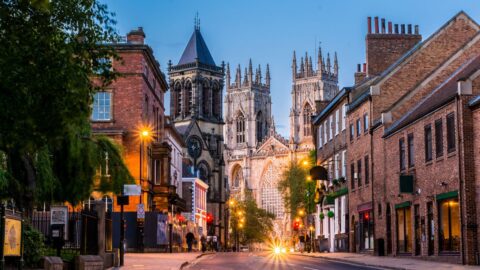
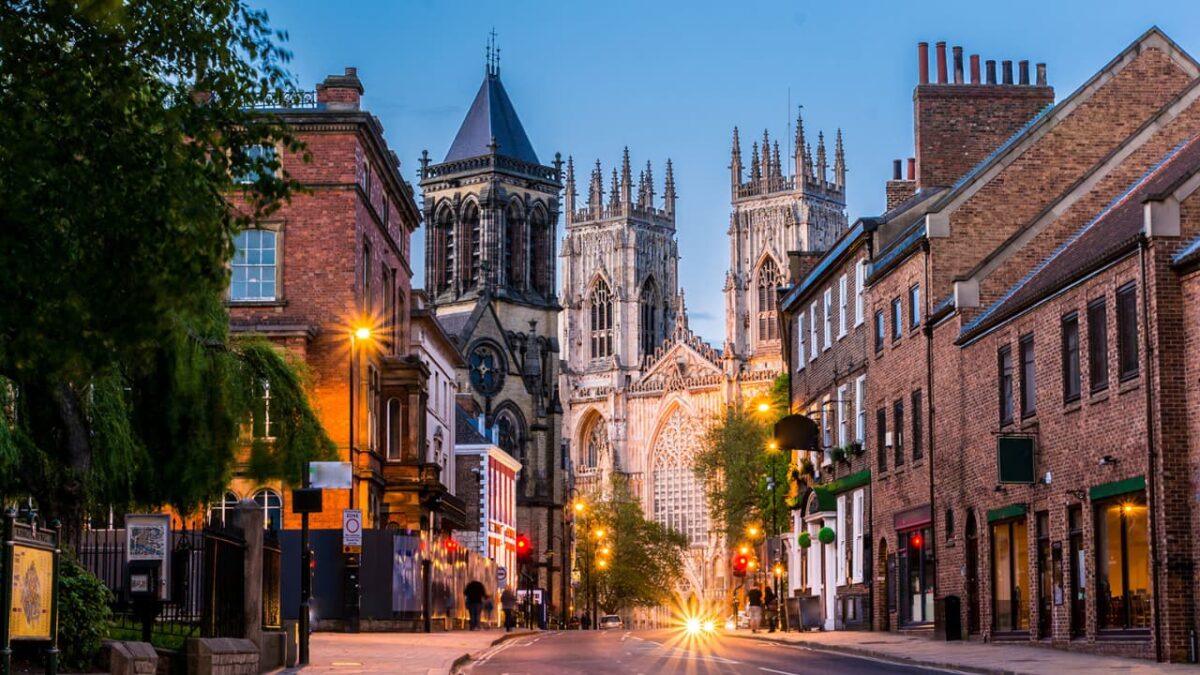
York is the perfect bite-sized taste of medieval England: the twisting alleys and teetering houses look virtually the same now as they did 600 years ago.
Its beautiful streets and long history have helped make York one of England’s favourite cities – it’s one of those places you absolutely have to scratch off the bucket list.
And if you can only spend one day in York, this is the perfect way to do it.
A Full Itinerary for One Day in York
This itinerary has been made to include all of York’s most famous sights on an easily walkable tour of the city. I’ve included some of my favourite food stops, coffee shops and lesser-known spots along the way.
Have a Full English Breakfast at Brew & Brownie
A breakfast at Brew & Brownie is the best way to start your day in York. They do both a traditional and veggie English breakfast made using high-quality seasonal produce, sourced from around Yorkshire whenever possible.
If a full English is – understandably – too much for you early in the morning, there’s plenty of other options, vegan or otherwise, to choose from. I recommend the smashed avocado on sourdough toast – it’s amazing.
The cafe is cosy but contemporary, and made welcoming with that classic warm, northern hospitality. With delicious food, coffee and a lovely atmosphere, there’s nowhere in York I’d rather go for breakfast.
Beat the Crowds to York Minster
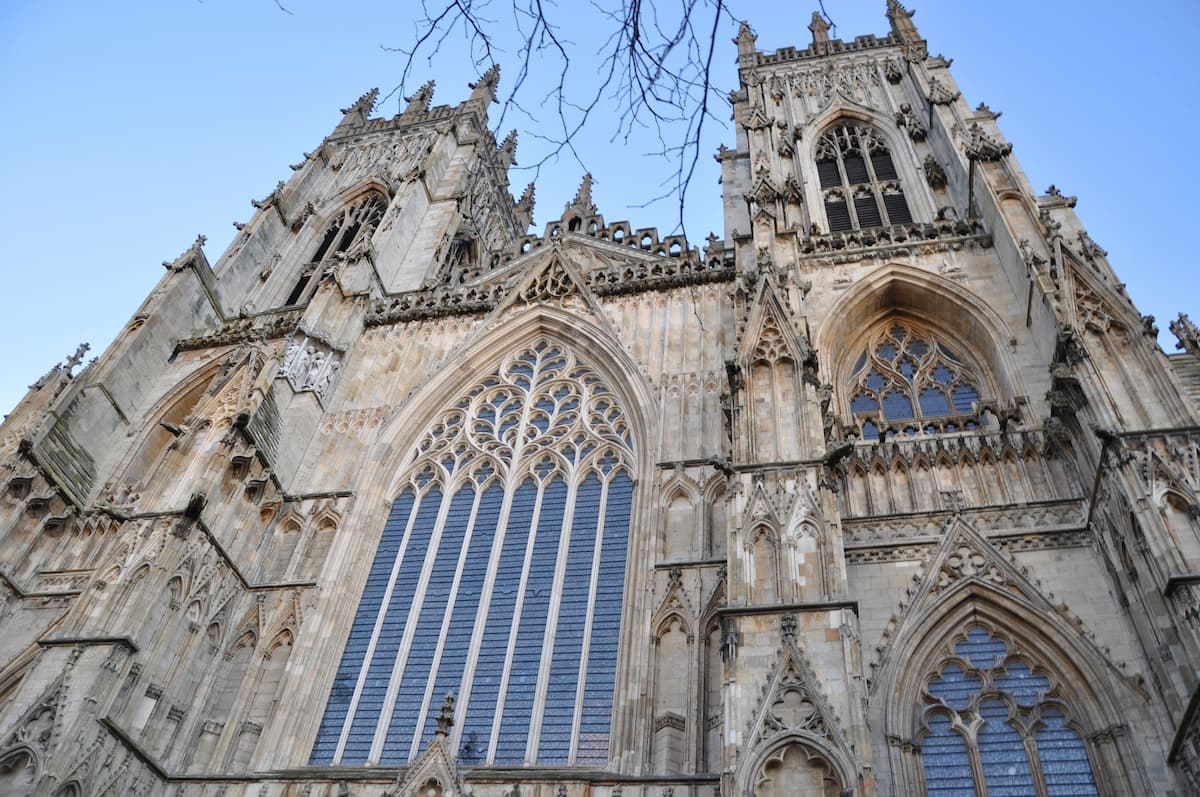
York Minster in England
Follow up your hearty breakfast with a trip to the city’s most iconic building, York Minster. Conveniently located just down the street from Brew & Brownie, you can nip in early and avoid the crowds that tend to gather later in the day.
In the morning, it feels incredibly peaceful to walk around at your own pace, admiring some of the finest examples of medieval art in the stained glass windows around the cathedral.
There are few things more awe-inspiring than witnessing the careful craftsmanship that went into building the cathedral. It really is mind-blowing that people were able to achieve something on the scale of York Minster 800 years ago.
It is literally an unmissable part of the city: the cathedral is the largest example of Gothic architecture in northern Europe. The imposing structure took centuries to build, starting in the 1200s and finally reaching completion in 1472.
For an extra fee, you can climb up the 275 steps to the top of the Central Tower for wonderful panoramas over the city.
Wander Through Ruins at the Museum Gardens
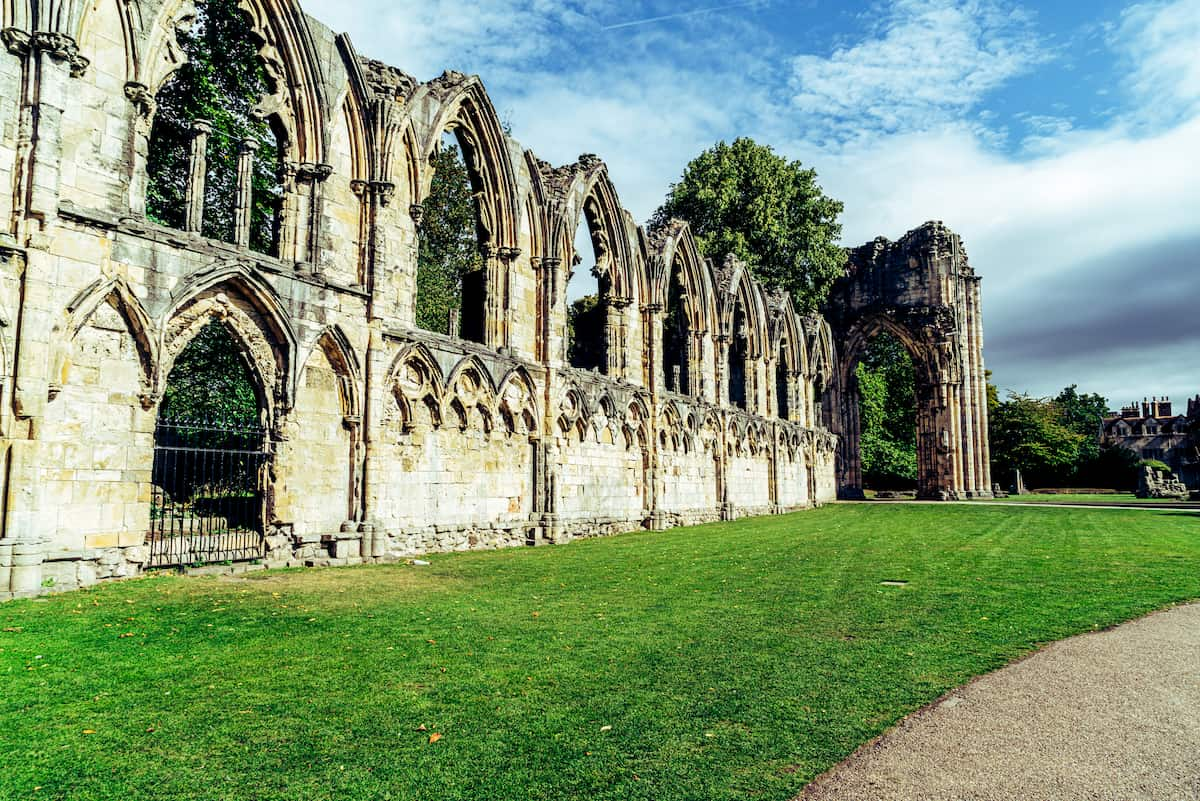
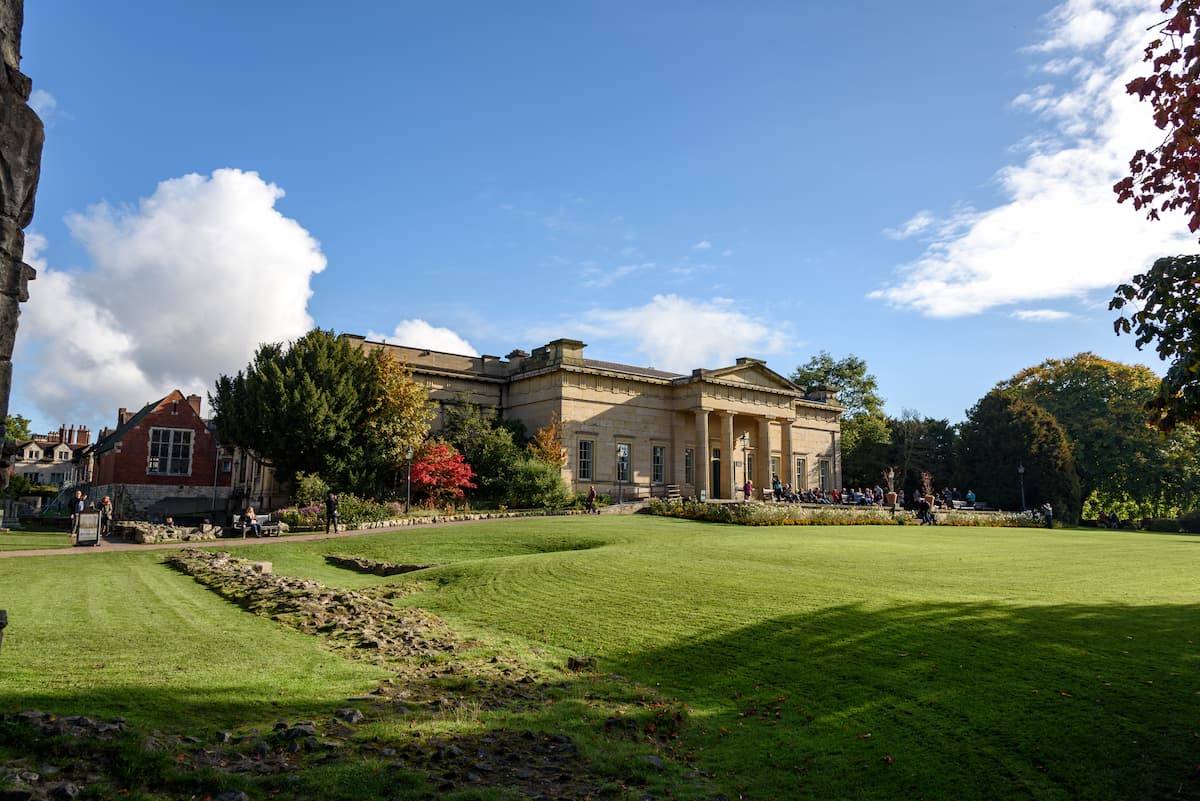
St. Marys Abbey Museum Garden in York
Doubleback on yourself slightly and head to the Museum Gardens, by the River Ouse.
The beautiful botanical gardens are home to the York Observatory, the Yorkshire Museum and a scattering of medieval and Roman ruins. The ruined Benedictine St Mary’s Abbey was built in the 11th Century. Weaving between the crumbling remains of the monastery inspires the imagination – it’s easy to envision a time before the Abbey’s destruction.
Even older is the Roman Multangular Tower. The legionary fortress was once a part of a huge stone wall, and was built around 1800 years ago. It’s the best preserved example of the Roman presence in York – which there was a surprising amount of. Constantine the Great was even proclaimed Emperor in the city in 306 AD, supposedly on the site of York Minster.
Wander back along Dame Judi Dench Walk – named for the York native – to get back into town.
Grab a Coffee from Spring Espresso
York isn’t short of independent artisan coffee shops. Many an hour has been spent staring wistfully out onto cobbled streets and spired rooftops, clutching a hot drink – the city might as well have been built with coffee shops in mind.
But the coffee at Spring Espresso is a cut above the rest. Award-winning baristas crafting artisan coffee – the drinks here are exceptional, and the best York has to offer.
Other great picks for a cup of coffee:
ThePerky Peacock
Coffee Culture
The Attic
Stroll down the Shambles & Discover York’s Snickelways
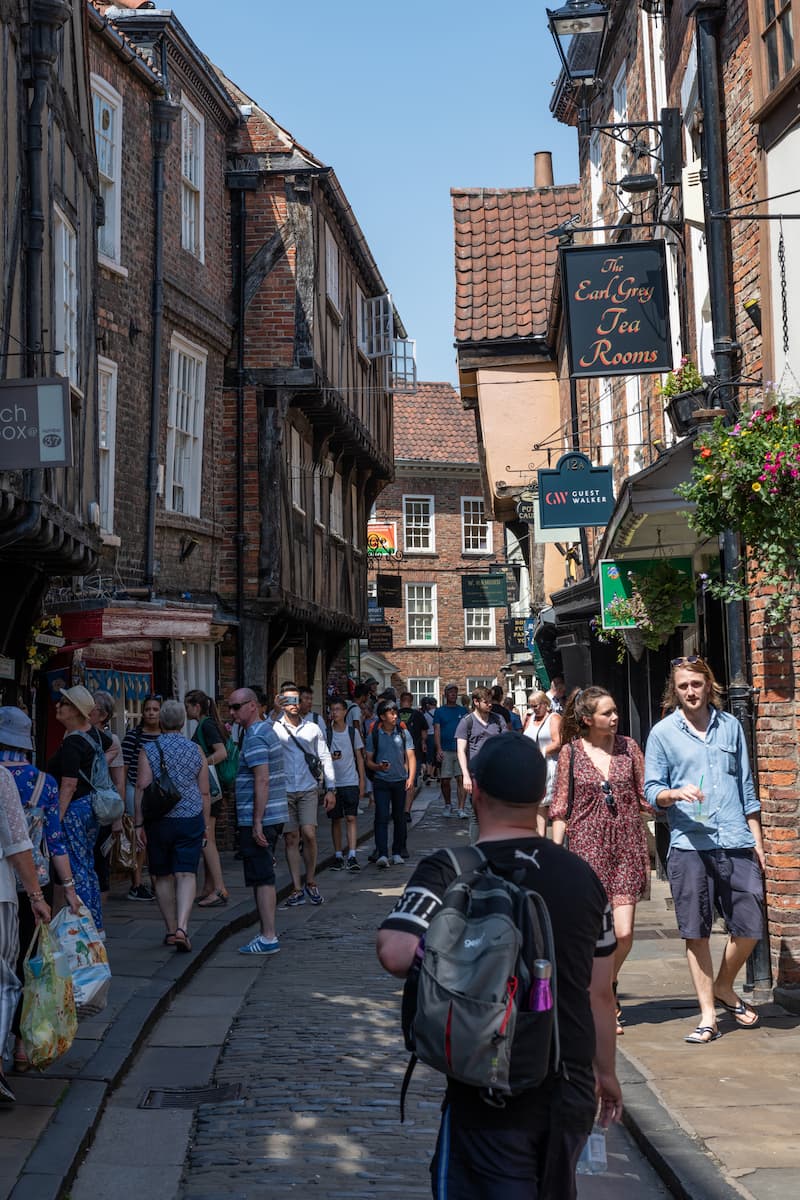
The Shambles in York. Credit: Andorapro on Dreamstime
Amble down to the Shambles for a glimpse into history on England’s most picturesque street. The delightful ramshackle of overhanging timber-framed buildings and crooked storefronts are thought to be an inspiration for Diagon Alley in Harry Potter.
Have the Shambles become a tourist trap? A little bit, yes. But there’s nowhere in York that better captures the romance and charm of medieval England.
In between the tacky tourist shops and endless Harry Potter souvenirs, you can still find a few authentic independent stores. Ye Olde Sausage & Pie Shoppe is a personal favourite – they make a phenomenal pork pie!
While the Shambles is a contender for the most famous street in England, the Snickelways are often forgotten.
These cute medieval alleys are often similar to the Shambles in appearance, with wonky buildings and narrow footpaths the norm. Lady Peckett’s Yard is the prettiest, and Mad Alice Lane is the most memorable – for obvious reasons!
Lunch at the Fossgate Social
The Fossgate Social is really a bar, but the lunch menu is so good that it is easy to forget.
You can get pancakes, toasties, sourdoughs and sandwiches alongside your drink (but maybe not all at once!). There’s vegan options as well, and though the menu is small, the quality is good. I love the chill atmosphere in the Fossgate Social. It’s got that indie, laid-back vibe you often find in creative districts.
It’s also just around the corner from the 14th Century Merchant Adventurers’ Hall, which is worth a quick stop.
Pick a Museum
Yorkshire Museum York
In a city where history is practically infused into the walls, a collection of excellent museums seems inevitable. York has some of the most fun and interactive museums in any city I’ve encountered!
JORVIK – this famous Viking museum mixes fascinating exhibitions with an entertaining jaunt into 10th Century York. The animatronic ride gives you the chance to experience the sights, sounds and, unfortunately, smells of the Viking Age. Adult ticket (advance): £12.50. For an alternative Viking themed activity, try axe-throwing at the Hilt.
National Railway Museum– the railway has had an immeasurable impact on the world as we know it. The National Railway Museum houses an impressive collection of locomotives, and offers great insight into the history of the railway. Free to enter.
York’s Chocolate Story– the history of chocolate is a story that I think we can all get behind. Throw in some of York’s most famous brands and plenty of taste-testing – this is a tour guaranteed to make you melt. Adult ticket: £15.
York Castle Museum– the award-winning Castle Museum explores 400 years of York history. From Georgian prisons to iron corsets, the museum leaves no aspect of historical society unexplored. Adult ticket: £8.50.
Ignore any and all lists telling you the climb up to Clifford’s Tower is essential viewing. The tower is honestly more impressive from below, and is really only worth entering for die-hard history buffs and the – admittedly spectacular – view. But if a view is all that you’re after, you’d be better off heading to the swish new Sora Sky bar.
Walk Along the City Walls
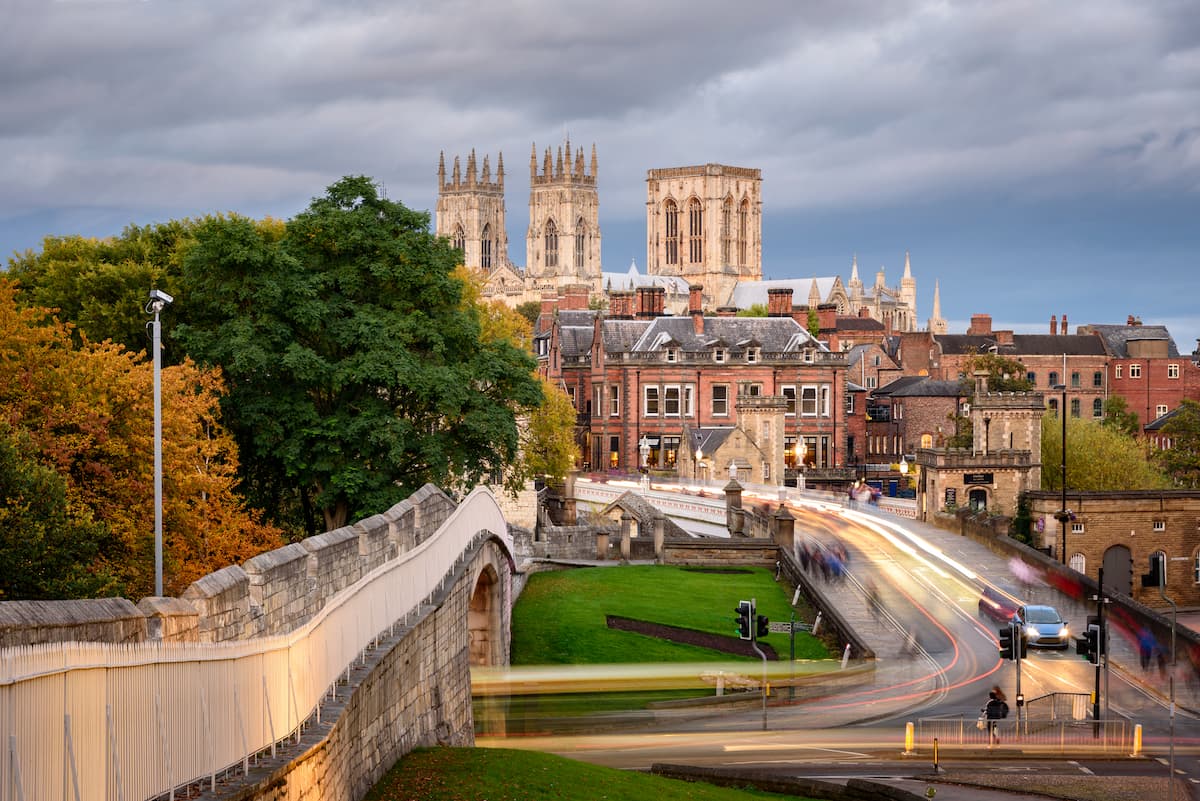
City Walls with York Minster
The City Walls are as much a part of the fabric of York as the Minster and the Shambles. They have been a part of the city since Roman times, though little remains of the original wall.
What you see today is mostly from the 13th Century – and were built to help defend against the Scots. People flock to the walls for a lovely walk around the city, with fantastic views of the cathedral and gatehouses.
It can get pretty busy, which is why I have put it towards the end of the day. The best time to walk along the walls is either early morning or just before dusk, as most of the crowds have dispersed by then.
The entire circuit is around 4km long, but you’re not stuck on the walls until the bitter end. You can hop on and off at different entry points – you can only do a small section if you’d prefer.
I recommend seeing the small fortresses and gatehouses of Monk Bar and Walmgate Bar if you can. These ornate town gates were once the main entry points into the city.
Got some time? Head to the Quiet Place at York University
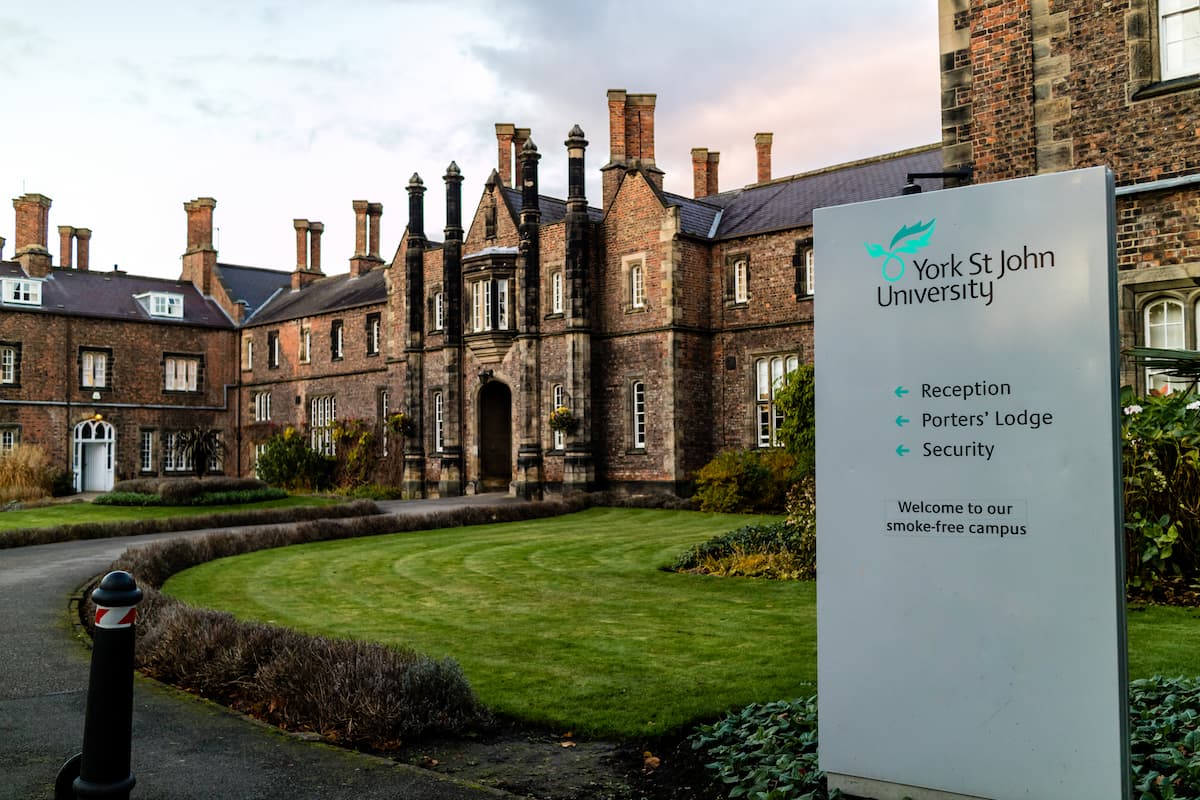
York St. John University campus. Credit: Peter Austin on Dreamstime
If you find yourself with a bit of time to kill, or just fancy some peace and serenity away from the crowds, visit the Quiet Place. The landscaped gardens at York University are a designated area of stillness and quiet. It’s the perfect place to unwind after a busy day, and is often used for contemplation and meditation.
You don’t have to be a student to enter: visitors can obtain the access code for the gate and door from Derwent Reception. This pretty spot is a little out of the way though, so be prepared to walk some distance or catch a bus.
You could head to the Reading Cafe in Rowntree Park for a similar experience closer to the centre.
Around the World Dining at SPARK*
If you like vibrant, bohemian-style eateries with a fantastic variety in cuisine and vendors, you’ll love SPARK*. The trendy food hall offers a casual dining experience – you sit down to eat in a piled up collection of artfully upcycled shipping containers.
The project began as a way to revitalise the Piccadilly neighbourhood, supporting independent traders and bringing a burst of colour to a rundown area – it’s been a huge success. The food hall is one of the coolest places in York for an evening meal, and always has an electric atmosphere.
From vegan tacos to Sicilian street food, the food at SPARK* is rich in flavour and dips into so many different cultures. Whether you want to eat BBQ from the Smokeyard Club or a Mediterranean salad from Frango Eduardo, there’s so much choice – even pickier eaters are bound to find something to enjoy!
Go on a Ghost Tour
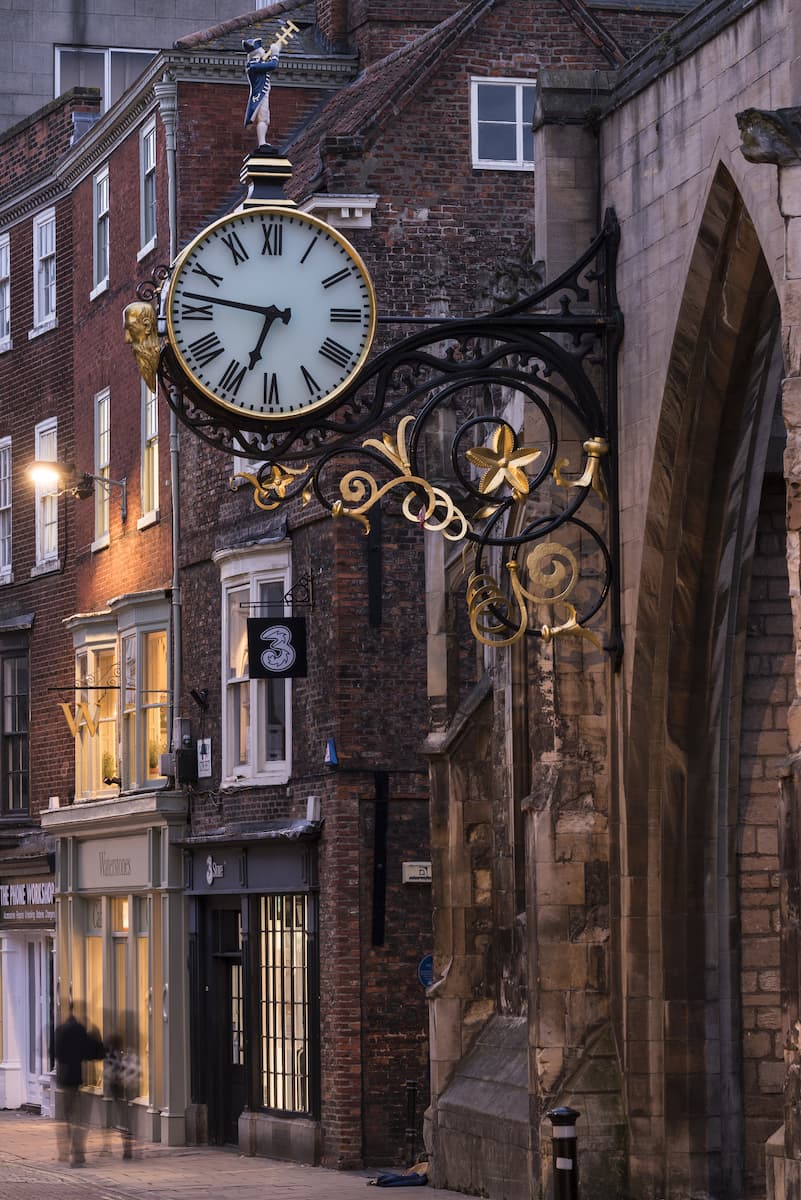
Old town clock in York. Credit Michael Warwick on Dreamstime
A city as old as York is bound to have a few ghosts lurking around, and the tall-tales and local legends told on the ghost tours are sure to entertain even the most staunch of sceptics.
It’s a fun way to explore the city with a knowledgeable guide. Most of the guides are locals to York with a passion for history and a flair for the dramatic – but the over-the-top storytelling is half the fun.
Turning the spooky factor up is the fact that York has some notoriously haunted locations. The Golden Fleece is one of the most haunted pubs in England!
Whether you are hoping to spot a ghost or get a macabre insight into the city’s dark underbelly, a ghost tour is a memorable way to start the evening. There are a number of different tours available, but the Ghost Keeper Tour of York and The Bloody Tour of York are both great options.
Have a Drink in the House of the Trembling Madness & Evil Eye
End your day in York with a visit to one of the city’s best loved bars.
Evil Eye has been a fixture in lists for best bars in England for years, and for good reason. The cocktails are absolutely exquisite and the gin menu is the most extensive you’ll ever see. It’s a bar with a quirky vibe that feels more like London than York, but has a relaxed atmosphere that is easy to enjoy.
House of the Trembling Madness gives a different experience. Exchanging the cocktails for craft beers and the colourful interior for rustic tavern chic, the Trembling Madness is a low-key, very York-like way to enjoy a few pints.
The final adventure of the day is navigating those cobbled streets after a few drinks!
As you can see, it’s easy to pack a full day of activities into walking around York. This ancient city is a must-see in England – and you’ll love every minute exploring it as much as I did.
The UK is full of historic cities, rolling countryside, breathtaking coastline and stunning mountain ranges. To truly take it in, the best way to travel is by train. Take your time exploring, and spend as long as you want at each place.
These DYI train tours are designed to go through the most scenic train tours in the country. Whether it’s cities or natural landscapes, there is an option for you to explore the best of the UK than by train.
Yorkshire is a historic county in northern England. It’s well known for its Roman and Viking heritage, Norman castles, medieval abbeys and Industrial Revolution cities. As well as history and heritage, Yorkshire is also home to some of the most beautiful scenery in the UK. There are three national parks in Yorkshire – the Yorkshire Dales National Park, North York Moors and a large chunk of the Peak District National Park.
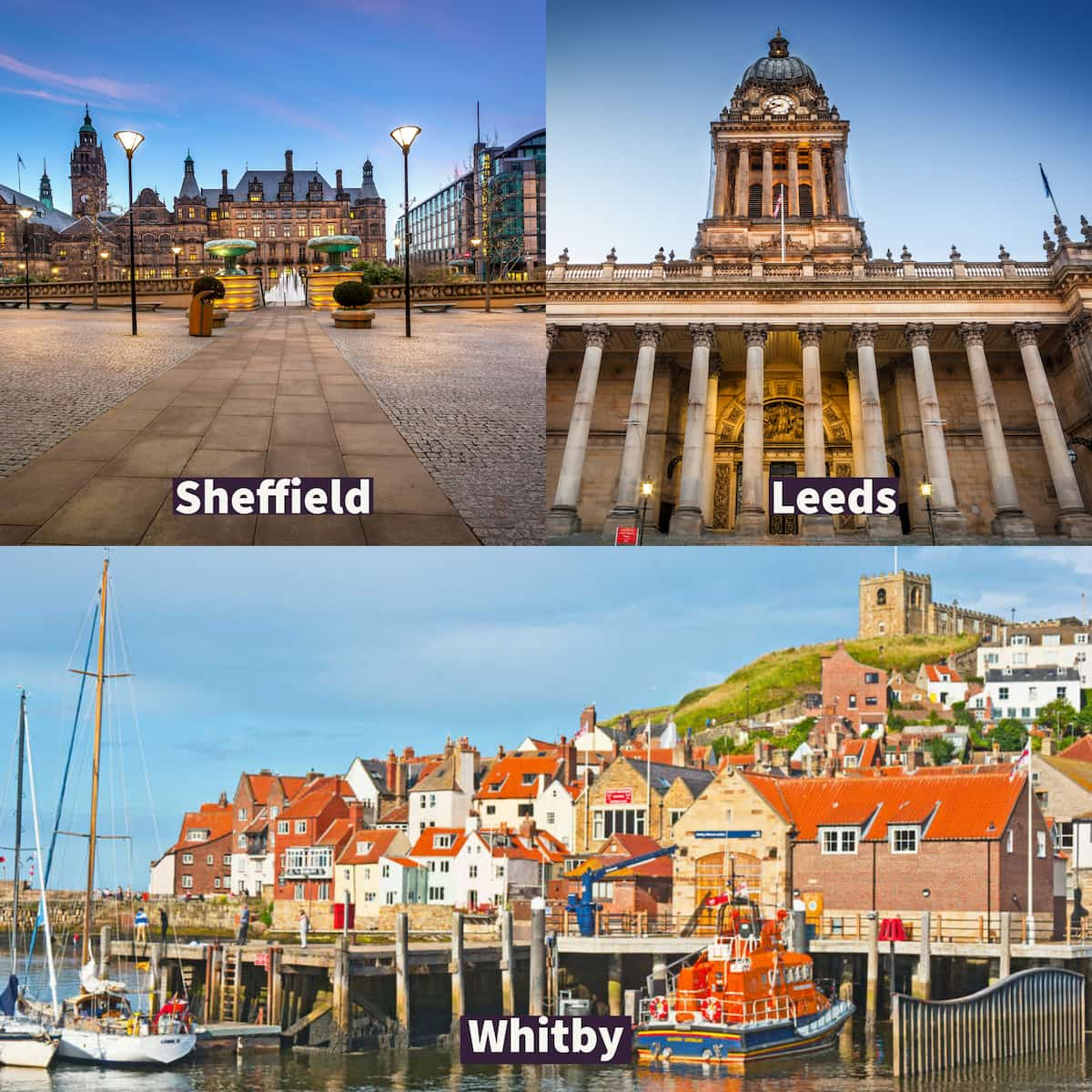
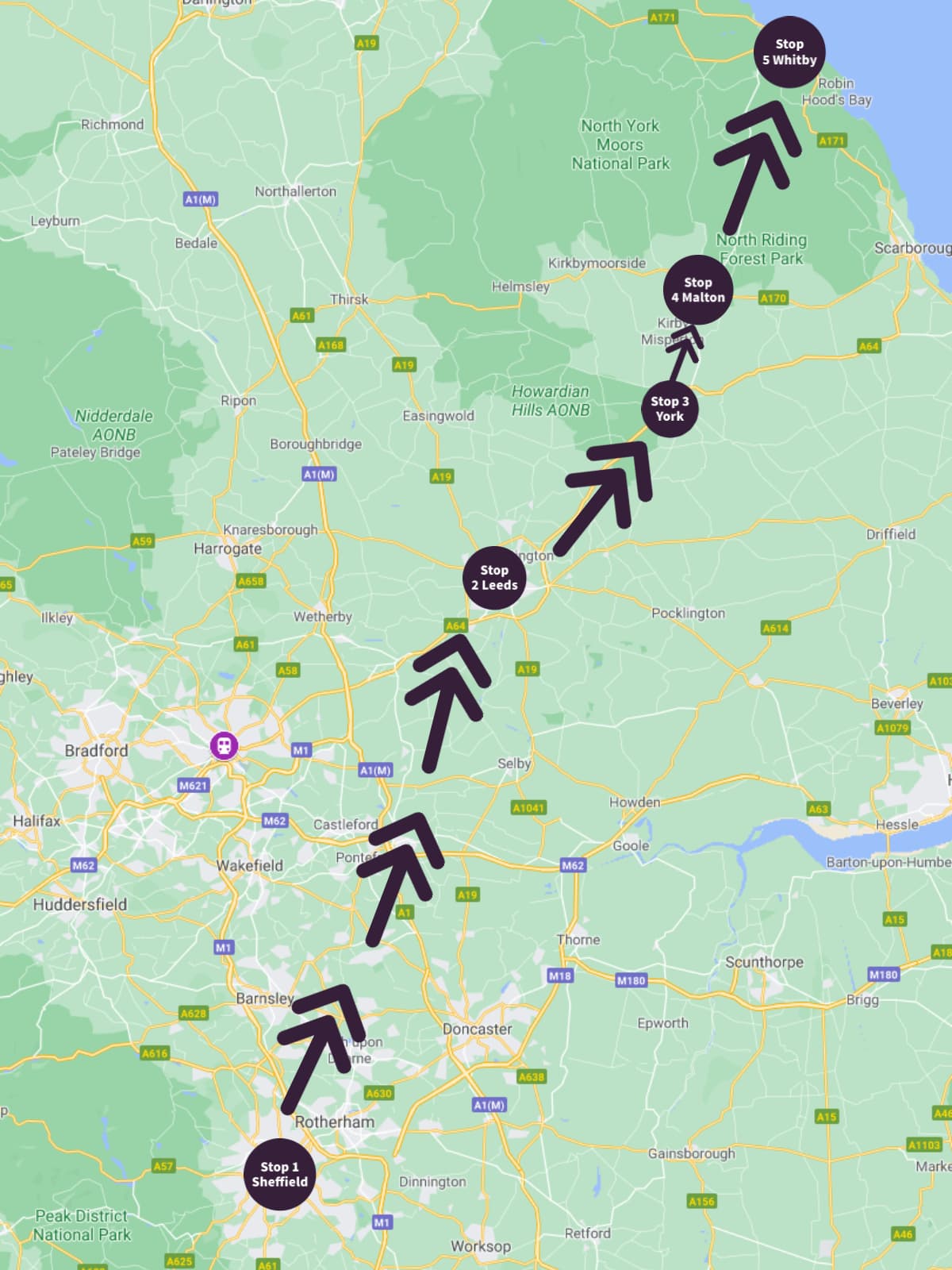
A great place to start is the city of Sheffield in South Yorkshire. It’s right on the doorstep of the Peak District National Park, so it’s a good opportunity to explore the great outdoors. The city also has a wealth of attractions, from the Millenium Gallery to the Sheffield Botanical Gardens. Sheffield is home to the largest theatre complex outside of London, so if you want to catch a show then head to Tudor Square.
From Sheffield, catch the train to Leeds (the quickest journey is 39 minutes). Leeds is full of historic buildings, such as Temple Newsam, Kirkstall Abbey and Harewood House.
You can also explore Yorkshire’s industrial past at the city’s various museums like Armley Mills and Leeds City Museum. One of the best museums is the Royal Armouries, home to the National Collection of Arms and Armour.
Leeds is quickly rising through the ranks as a foodie city, and you’ll find a whole slew of restaurants and eateries around the city centre.
Next, head further north to York (22 minutes). This walled city was founded by the ancient Romans. York is best explored by foot, and a great place to start is by walking along the remains of the walls. When you explore the city centre, make sure to stop by York Minster, the massive 13th century Gothic cathedral. This impressive building is one of the largest of its kind in Northern Europe. For a little retail therapy, head to The Shambles, an old street with overhanging timber-framed buildings housing all kinds of independent shops and boutiques.
From York, take the train to Malton (24 minutes). Malton is a market town with the self-proclaimed nickname of ‘Yorkshire’s Food Capital’. It’s home to a staggering wealth of artisan shops and food festivals, so if you fancy yourself as a gourmand, then it’s worth exploring the town.
From Malton, take a bus to Pickering (20 minutes). From the 1930s themed Pickering Station, you can head to the seaside town of Whitby on the North Yorkshire Moors Railway. This is one of the world’s greatest heritage railway experiences. Climb aboard a steam or diesel train which takes you through 24 miles of breathtaking scenery.
At Whitby, make sure you climb the famous 199 Steps up to Whitby Abbey which overlooks the town. This is said to be the inspiration for Bram Stoker’s Dracula. But that’s not all. Whitby has a lot of interesting history, from the jet industry (those gleaming black gemstones that the Victorians loved), to Captain Cook who was born nearby and later trained in Whitby.
West Highlands
The Scottish Highlands are a truly magical place. Think breathtaking landscapes, big skies, dramatic scenery, fantastic food and welcoming people. It’s a natural playground just begging to be explored. The western part of the highlands stretch from the Moor of Rannoch to the west coast past Glen Coe and Fort William.
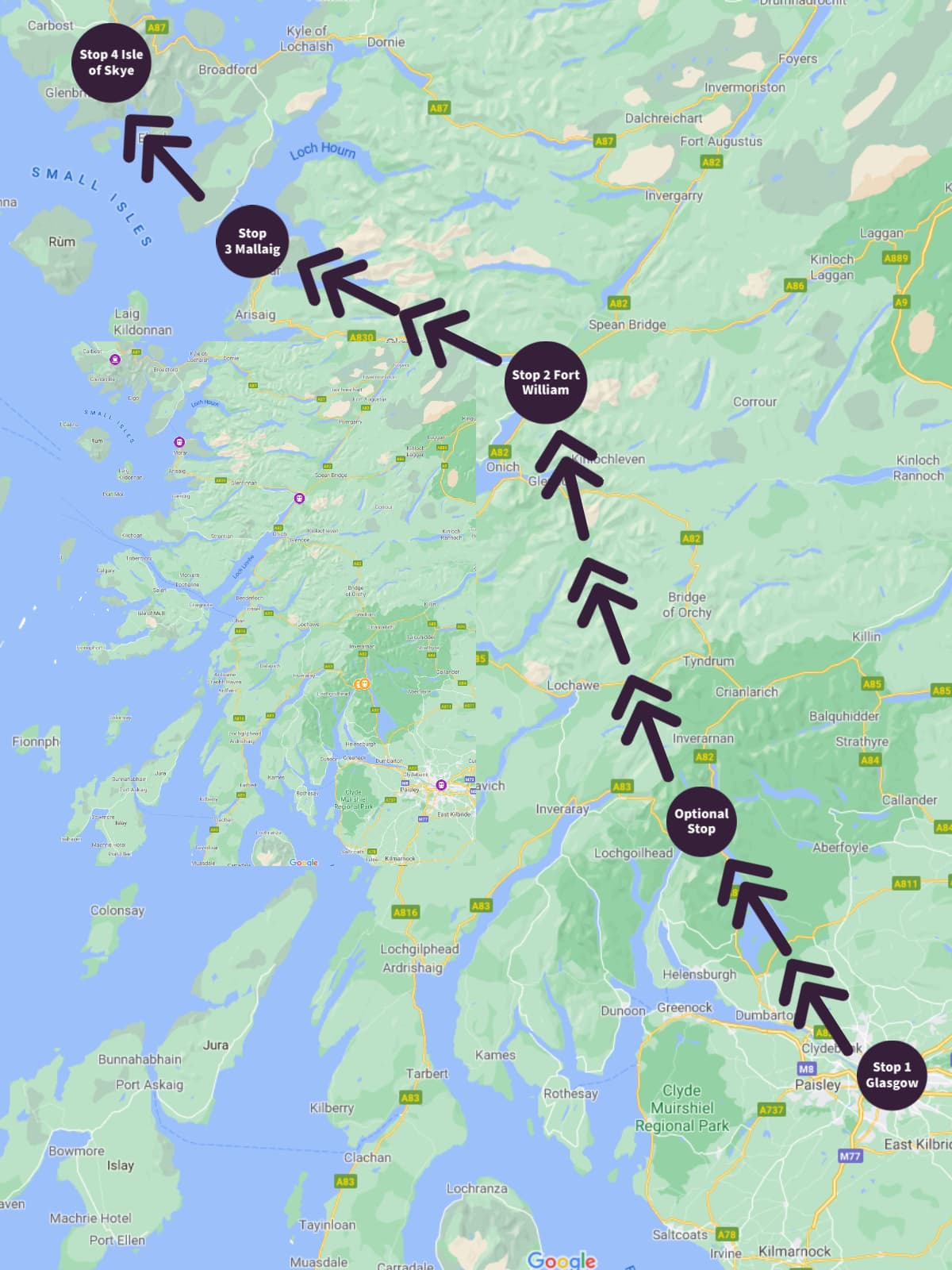
The West Highlands are bursting with grand scenery, with towering rocky mountains to wild glens and sprawling moors. Naturally, the best way to explore the region is by train. There’s one train that goes all the way from Glasgow to Mallaig, so you don’t have to worry about swapping trains. You can either journey the whole way through (5 hours and 14 minutes) or stop at some of the most notable spots below.
Start your journey in Glasgow, Scotland’s cultural hub. As well as a thriving music scene and plenty of acclaimed museums, the city is home to institutions like the Scottish Opera, Scottish Ballet and National Theatre of Scotland. So if you’re a culture vulture, it’s definitely worth exploring.
While you’re here, it would be rude not to sample some of Scotland’s finest whisky. The Clydeside Distillery is a historic scotch maker located in the old Pumphouse building down at the docks. Join one of the tours to learn more about the distillation process, and sample a few wee drams of whisky.
From Glasgow, jump on the train to Mallaig. Stop at Arrochar and Tarbet (1 hour and 14 minutes). This railway station sits between the villages of (you guessed it), Arrochar and Tarbet. Arrochar lies on the shores of Loch Long, and Tarbet on the shores of Loch Lomond. The two villages are only a half hour walk apart, so you can cover both if you wish. Arrochar is popular with hikers, especially since it’s home to the beautiful Arrochar Alps. At Tarbet, you can head to the pier and choose from a variety of cruise options to explore the largest freshwater lake in Scotland.
Next stop, Fort William (2 hours and 38 minutes). This is the largest town in the Highlands, second to the city of Inverness. It’s the gateway to Ben Nevis, the UK’s highest mountain. If you’re not up for a challenging hike, there are plenty of other outdoor activities you can get stuck into, like skiing at Nevis Range or taking a stroll through Glencoe.
From Fort William to Mallaig, you have two options. The first one is to hop back on the West Highland Line to Mallaig (1 hour and 21 minutes). A more unique experience would be to climb aboard the Jacobite Steam Train. The train journeys over the Glenfinnan Viaduct – made famous by the Harry Potter films – for 84 miles north through world-class scenery. You can get off and explore Glenfinnan and Arisaig, the two stops between Fort William and Mallaig.
Once you get to the fishing port of Mallaig, take the ferry to the Isle of Skye (45 minutes). Known for its rugged landscapes, charming fishing villages and medieval castles, this is the largest island in the Inner Hebrides. Some of the must-sees are the natural landmarks like Quiraing, the Storr and Fairy Pools. Portree is the largest town on the island and makes a great base for exploring.
North Wales Coasts, Castles and Mountains
North Wales is one of Britain’s oldest established tourist regions. Snowdonia National Park covers 823 square miles and is home to Wales’ highest mountain, Snowdon (1,085 metres). There are plenty of outdoor activities in Snowdonia if you’re feeling adventurous. In addition to stunning scenery, there is also plenty of culture and history to explore. Discover ancient castles, visit charming seaside towns and be wowed at some of the most unique attractions in Britain.
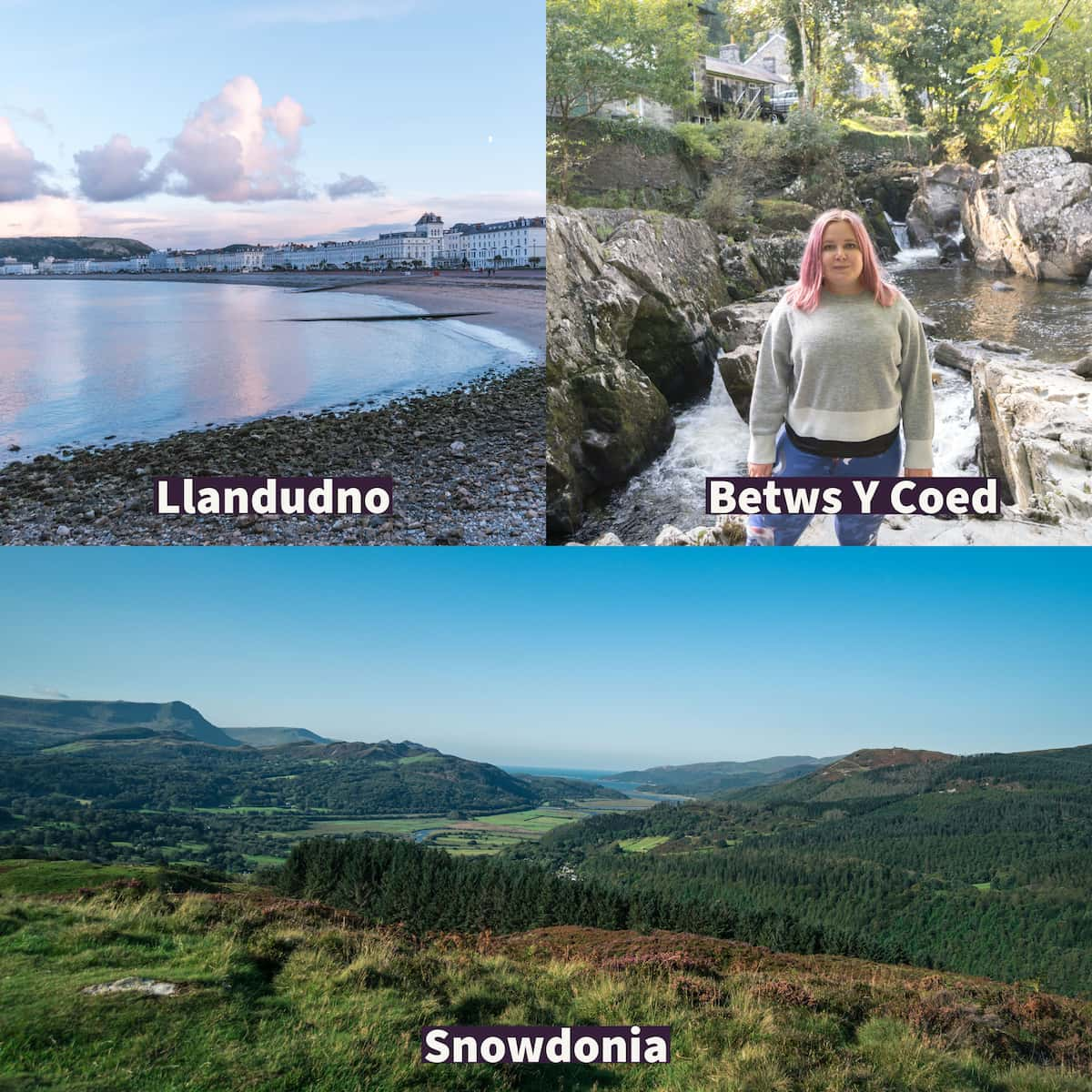
Start your journey in Llandudno, one of the best seaside towns in Wales, nicknamed the Queen of Welsh Resorts. This Victorian seaside resort is home to the longest pier in Wales which stretches 700m out to sea. Grab a bite to eat and walk along the magnificent promenade to enjoy the views. Another fun thing to do is to ride on the Great Orme Tramway to visit the world’s largest prehistoric copper mines.
Next, catch the train to Betws Y Coed (40 minutes). This picturesque village is the gateway to the peaks and lakes of Snowdonia National Park. Surrounding the village is Gwydir Forest Park. Full of leafy trails, waterfalls, and mountain lakes, it’s a magical place for a walk. Want to get your pulse racing? Betws Y Coed is at the centre of mountain biking, with the Marin Route taking you around the peaks and pines of the Gwydir Forest.
Next stop, Blaenau Ffestiniog (35 minutes). Once a famous slate mining town, Blaenau Ffestiniog now relies on tourists who come to visit the Llechwedd Slate Caverns. This is one of the most unique attractions in Wales and shouldn’t be missed. Head deep underground via cable railway and step into the world of a slate miner. See how slate was mined through multimedia displays that shows the harsh working conditions to life – be prepared to duck as you scramble through dark tunnels.
From Blaenau Ffestiniog, you’ll hop on the heritage Ffestiniog Railway which runs to Porthmadog.
Porthmadog is a bustling harbour town, once the busiest slate port in North Wales. The town has a picturesque harbour and plenty of shops and attractions, including the nearby Portmeirion. This is an Italianate style village with a variety of shops, cafes, a picturesque piazza, exhibitions and displays. From Porthmadog, climb aboard the Welsh Highland Railway which runs from Porthmadog to Caernarfon.
One of the stops you should visit is Beddgelert. This is a picturesque village just south of Snowdon. It won’t take you long to walk around the village and admire the pretty buildings – make sure you stop by a traditional cafe or tea room for a drink.
From Beddgelert, hop on the train again. If you’ve decided to challenge yourself to a climb up Snowdon, get off the train at Rhyd Ddu. This village is a starting point for walks up Snowdon, and is one of the traditional routes up the mountain.
The last stop on the Welsh Highland Railway is Caernarfon. The town is home to Wales’ most famous castle and UNESCO World Heritage Site. The magnificent Caernarfon Castle was built in the 13th century by Edward I as a royal palace and military fortress. You can take a tour of the castle and learn more about its history. After the castle, make your way through the town’s narrow streets and to the vibrant waterfront.
Cornish Explorer
Cornwall is a county on the very southwestern tip of England. With over 400 miles of coastline, it’s one of the UK’s favourite summer holiday destinations. The south coast of Cornwall is nicknamed the Cornish Riviera for its collection of picturesque seaside villages. Meanwhile, the north coast is dotted with towering cliffs and seaside resorts. But look beyond the sandy beaches and sparkling blue waters and you’ll find world-class galleries, unique attractions, glorious countryside and fantastic food.
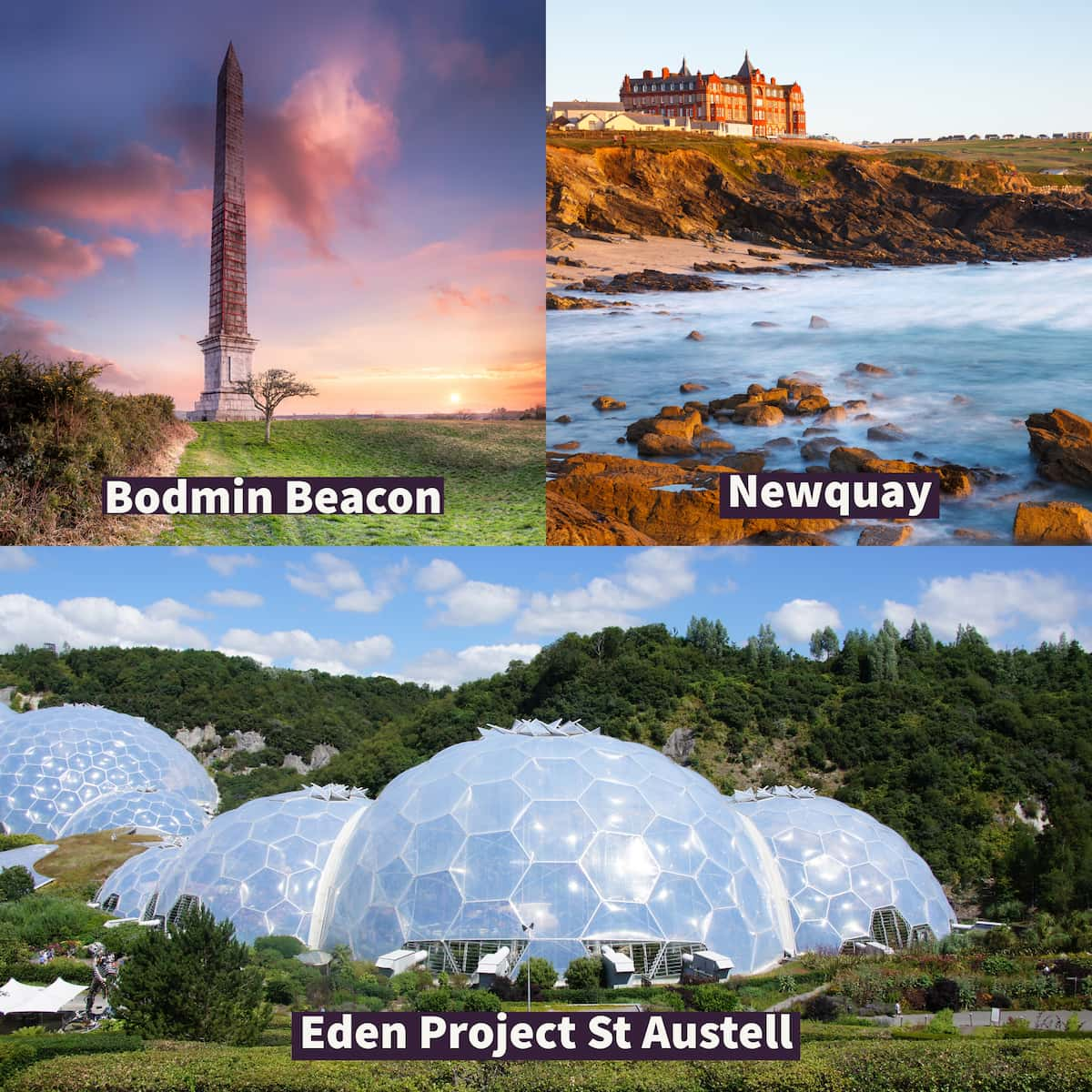
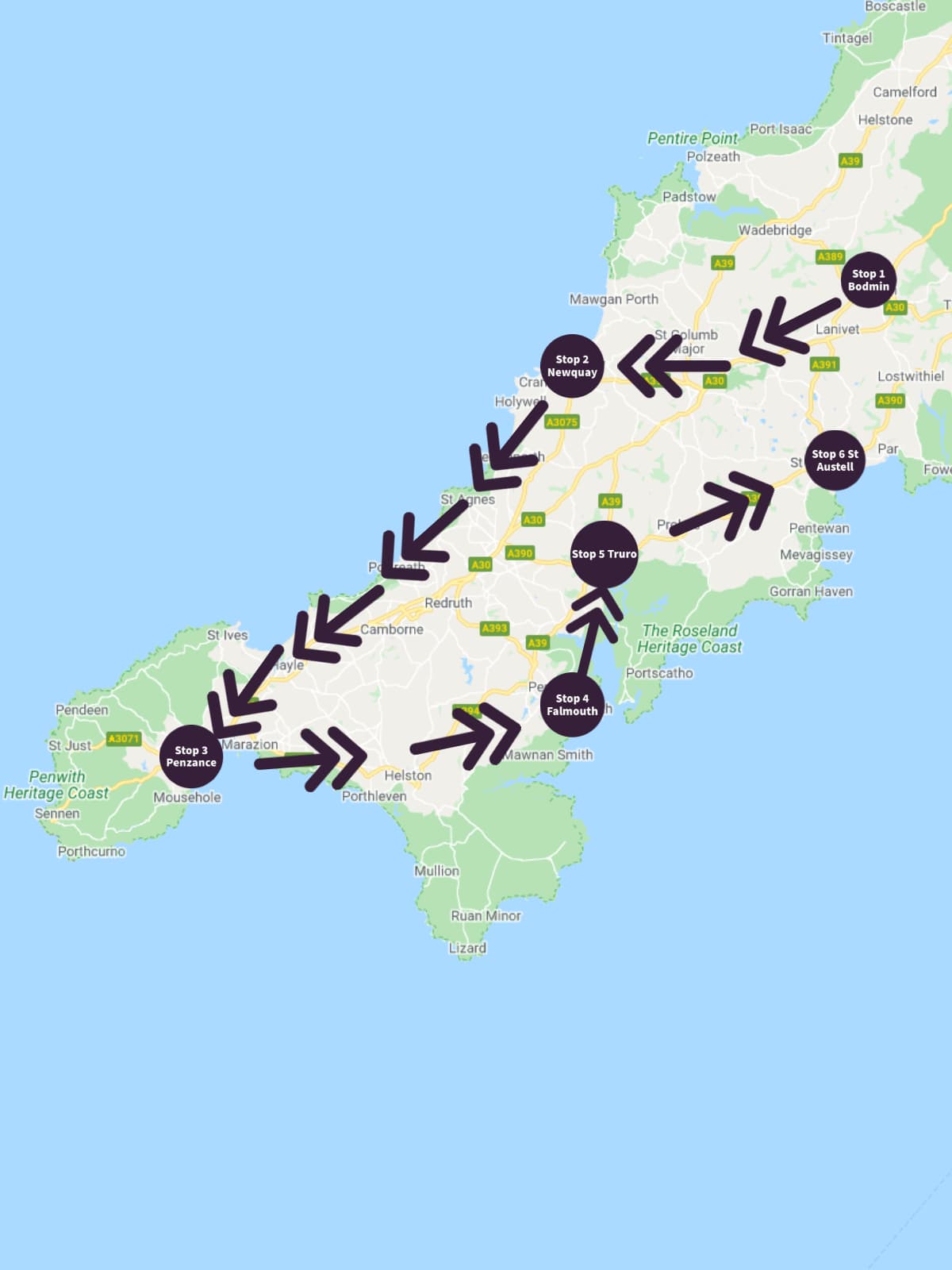
Start your journey in Bodmin. There is plenty to do in this historic town which was once Cornwall’s county town. Bodmin Jail is one of the most interesting places to visit, dating back to the 18th century. Take a tour and soak up the spooky ambiance! A great picnic spot is the hilltop of Bodmin Beacon which overlooks the town. Check out the 144 foot tall Gilbert Memorial. Want to visit a historic house? Lanhydrock is one of the finest country houses in Cornwall. Owned by the National Trust, this fine Victorian manor has 50 rooms open to the public.
Next, head to Newquay (1 hour and 9 minutes). Known as the surf capital of England, Newquay has an array of incredible sandy beaches where you can try some watersports or simply relax. The town is an important fishing port, and a trip to Newquay Harbour is a must. From here you can join fishing trips and excursions. Trenance Gardens and boating lake is a great place for a relaxing lunch before you head to Trenance Leisure Park.
From Newquay, hop on the train to St Ives (2 hours and 24 minutes). St Ives is known for its surf beaches and strong art scene. Porthmeor is the best known beach, popular with swimmers and surfers. It backs onto the Tate Gallery, a must-visit if you’re interested in art. For more art, the Barbara Hepworth Sculpture Garden is a fantastic place to see where one of St Ives’s most influential artists worked. A unique activity in St Ives is to take a bat trip out to Seal Island to get up close to grey seals.
Next, head to Penzance (23 minutes), the most westerly major town in Cornwall. Stroll down Chapel Street, the most historic street in Penzance. Running from the town centre to the harbour, Chapel Street is lined with shops, houses and hotels, many of which date back to the 18th century. Just around the corner you’ll find The Exchange, a contemporary art gallery. Ranging from local to international artists, there’s plenty to be seen here. Down on the seafront, you’ll find Jubilee Pool, a beautiful art deco seawater lido.
Next up, Falmouth (1 hour and 12 minutes). The town has a pretty old harbour and docks on one side of town, with sandy beaches on the other. Positioned on the headland is Pendennis Castle. It’s open to the public and is definitely worth a visit. On the dockside, the National Maritime Museum is a fun way to kill a few hours. Set over three floors, it covers all things nautical. For some beaches, you have the choice of Gyllyngvase beach or Swanpool beach within walking distance of town.
From Falmouth, hop on the train to Truro (28 minutes). While you’re in Cornwall, you should definitely visit one of its many gardens. The subtropical climate means there’s an abundance of unique plants to see, and Trelissick is one of the best gardens in the county. For some history, check out Truro Cathedral. There are free guided tours around this lovely Gothic Revival building. If you visit between April and October, Enterprise Boats run different cruises between Truro’s harbour and Falmouth which sail through the AONB on the Fal River.
The last stop on the Cornish explorer is St Austell (15 minutes). A must-see is Eden Project, two giant biomes featuring plants collected from around the world. Next, head to the Lost Gardens of Heligan. The magnificent 19th century gardens are a real-life secret garden. To explore Cornwall’s mining history, visit Wheal Martyn, part of the Cornish Mining World Heritage Site. It’s the UK’s only china clay museum with plenty of interactive things to do.
The UK’s Historical Southern Cities
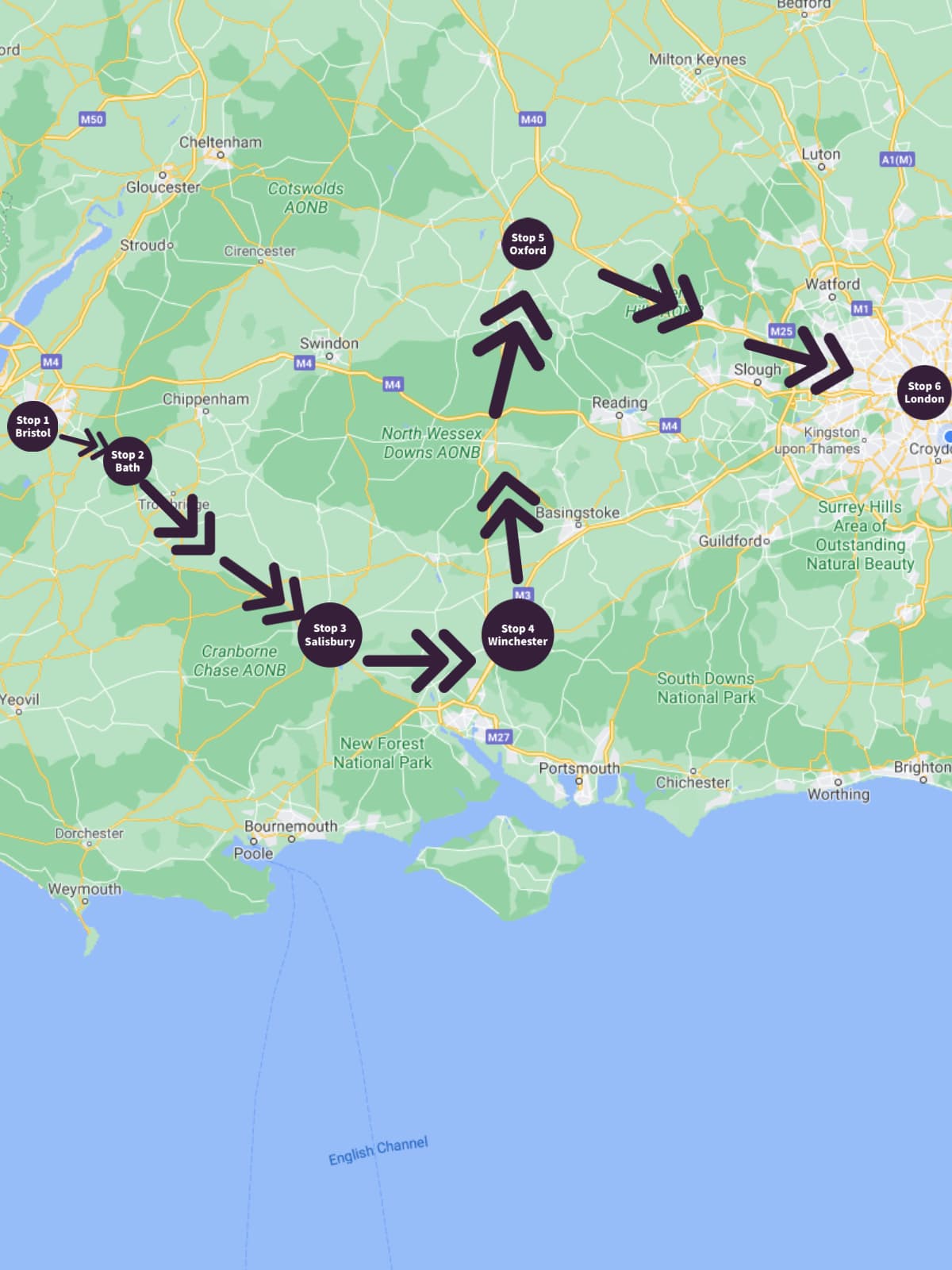
On this Bristol to London journey, you’ll be stopping at some of the UK’s most historic cities in the south of England. There are plenty of things to do and each city offers something different. From the vibrant port city of Bristol, the university city of Oxford, to the world-class city of London, hop on this journey to discover the best of the UK’s cities.
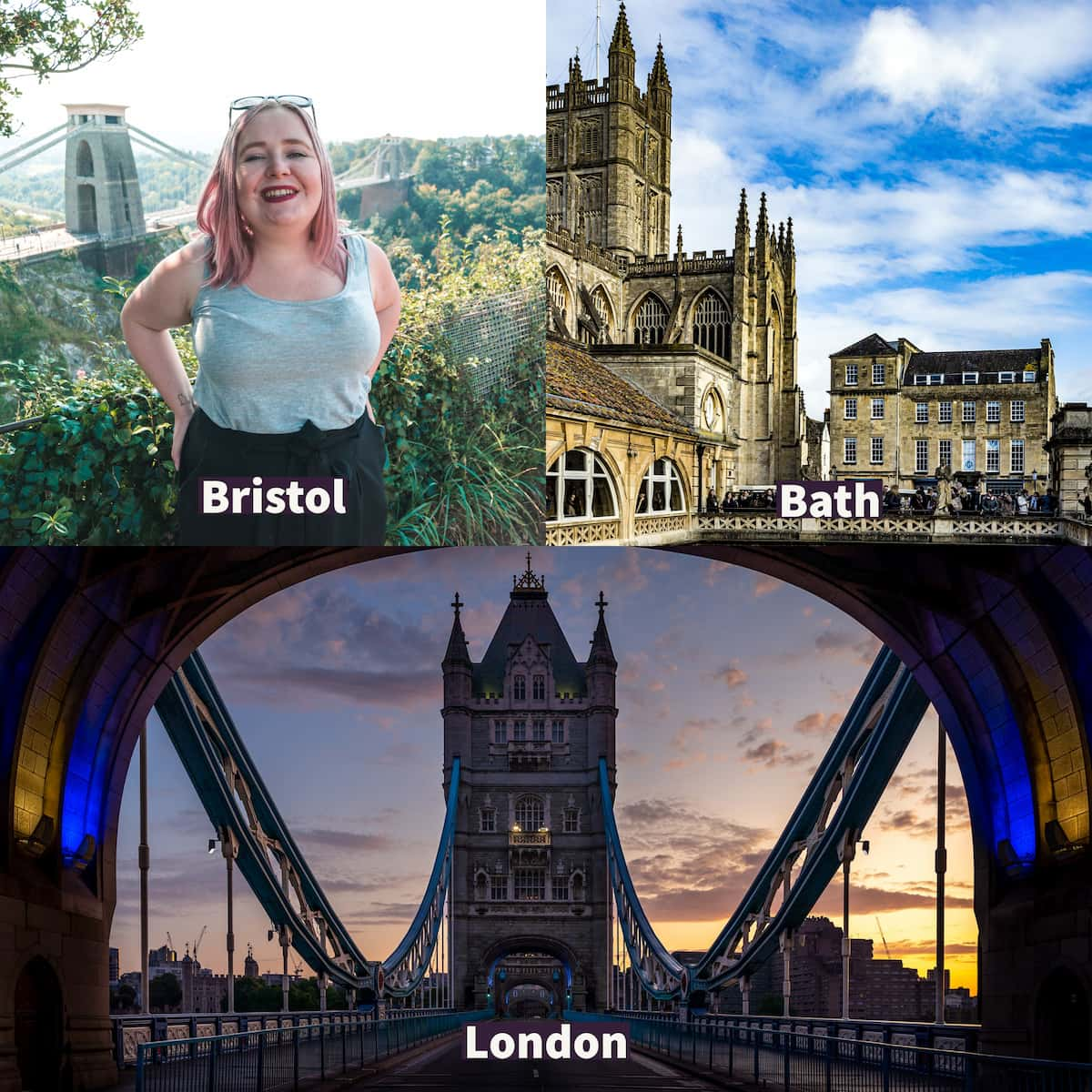
Start your journey in Bristol. Straddling the River Avon, the city has a rich maritime history with lots to see and do. Once the main port, the Harbourside is now a cultural centre where you’ll find tons of attractions, markets, bars, restaurants, sports and activities.
If there’s only one thing you do here, make sure it’s climbing aboard Brunel’s SS Great Britain, an iconic ship and museum.
A must-see in the city is the Clifton Suspension Bridge, an engineering feat spanning the Avon Gorge and the River Avon. Walk across it or admire the views from the grassy parkland.
Next, head to Bath (11 minutes). No visit to Bath would be complete without seeing the Roman Baths. See how the Romans used to relax, and learn what life was like through interactive exhibits. Although you can’t bathe there, you can take a dip at the Thermae Bath Spa. The luxurious rooftop pool offers 360 views of the city as well as treatments and relaxation spaces.
For more views, climb Bath Abbey’s tower. Bath is home to a whole array of museums and galleries to dive into. Whether it’s Victorian life or fashion, you’re bound to find something interesting.
After Bath, journey on to Salisbury (56 minutes). This medieval cathedral city is the departure point for Stonehenge, as it’s only nine miles south of the prehistoric stone circle. It goes without saying that a quick trip to Stonehenge is a must. After that, make sure you see more of the city itself. Check out the impressive Salisbury Cathedral, home to the best preserved Magna Carta. Book onto a Tower Tour for some panoramic views. Check out Salisbury Market Place for a range of markets held throughout the week, including the Charter Market which dates back to medieval times.
Next stop, Winchester (56 minutes). Right on the edge of the South Downs National Park, it’s a great base for exploring the Park and trying out some outdoor activities like climbing, hiking and mountain biking. Winchester Cathedral is the longest Gothic cathedral in Europe and is full of exquisite details, perfect for history lovers. For more history, the Winchester City Museum is bursting with things to see. Dating back to 1861, it’s home to Roman artefacts, Edwardian costumes, and Jane Austen’s personal belongings.
From Winchester, catch the train to Oxford (1 hour and 22 minutes). This famous university city is best explored on foot. Start with a University of Oxford tour for a behind the scenes look at the magnificent campuses. The Oxford Botanic Gardens and Arboretum is the UK’s oldest botanic garden and set within 130 acres of woodland – the perfect place for green thumbs. The Pitt Rivers Museum is a museum you can actually get excited about, with half a million (very fascinating) exhibits. Another great way to see the city is by going on a punting tour. Glide down the River Cherwell and see the city’s iconic landmarks from a unique angle.
Last but not least, London (53 minutes). London has it all, so whatever you’re interested in, you won’t be disappointed. If it’s your first time here, then it could be fun to play tourist and see all the main attractions like the London Bridge, the Tower of London, London Eye and Buckingham Palace. London also has numerous museums covering everything from science to fashion to transport. Are you a foodie? London’s street markets, cafes and restaurants don’t disappoint.
One of the best ways to see what England and Scotland have to offer is by completing a self-drive road trip from London to Edinburgh. Today, I’ve added all my favourite places for the ideal London to Edinburgh road trip, full of the best stops along the way.
The two itineraries cover everything from historic towns, Area of Outstanding Natural Beauty, UNESCO heritage sites, film locations and much more!
Starting your trip in London without a car (honestly, you don’t want the headache of driving there) then choose whether you want to do the east or west route of England before ending up in Edinburgh. Unless you live here and have no choice but to drive through London.
If you have enough time make sure you do the full loop and soak in what England and Scotland have to offer.
I am so excited to share all the things I love about these countries! Let’s get started!
Things to Know Before Driving From London to Edinburgh
If you are looking for the best options for car rental then I always use Europcar or Enterprise cars in the UK.
For my great British road trip, I used Europcars long rental option which gave us the car for half the price for 28 days, unlimited drivers and delivered to my door! The only drawback to this option is we were limited to 2,520 miles which just covered our round trip. There is another option at 3,360 miles.
Don’t forget to take out a travel insurance policy before travelling, even if you are local this will protect your belongings whilst you travel. I always like to use World Nomadsfor my travels – get a quote from WorldNomads here.
Other things to know before travelling:
Don’t rent a car in London! – Chances are that you will be staying in Central London (unless you live here then skip to option 1 and 2 routes) and it’s honestly a total nightmare to drive here. Not only that there are congestion charges which cover quite a large radius. For each option I have added a recommended airport to pick up a rental car, this will save you driving time and the stress of driving in London.
Fill-up at supermarket petrol stations – Asda, Morrisons, Sainsburys, Tesco etc. will all offer cheaper petrol by some margin. If you stop at any of the petrol stations along the motorway you could easily see prices increased by 10 to 20 pence per litre!
Choose to either drive the East or West Route – I’ve split the itinerary into two routes as it’s more logical to follow these routes rather than zig-zagging across the country.
Overloading your trip – Try not to cram half of England and Scotland into a two-day trip otherwise you will not see much apart from the road.
Don’t drive from London to Edinburgh in one go – Unless you are familiar with driving long distances I don’t recommend trying the 8-hour drive. As someone that grew up with long distant driving across Australia, I still struggle with driving over here and recommend at least having 1 overnight stop. Plus you will be missing all the amazing things to see driving straight there!
Potential Tolls – Some routes suggested can have tolls but I have found these pretty easy to avoid. Check Google maps before driving and it will highlight toll roads. For example, the M6 has one (west route) however, you can just take the non-toll M6 route to save the money.
Download Parking Apps – A lot of parking around the country is paid and I am not sure about you but I never really carry cash any more. Download these apps before hitting the road; Just Park, Pay by Phone and Ring Go. They were by far the most frequent ones I encountered. Another way I have saved money with parking in cities is by booking in advance on Just Park. Weirdly in Bristol, it was cheaper to pay for a week’s worth of parking than two days!
English Heritage – If you’re interested in visiting a bunch of different historic sites, you can purchase an Overseas Visitors Pass or if you’re living in England a yearly membership. Not only does this save you money at each individual place it includes parking! Valid at over 100 places, you can choose between a 9 or a 16 day passes.
Start in London: 2 Day Itinerary
Before starting your road trip to Edinburgh it’s time to explore London! It’s a good idea to stay somewhere within close proximity to attractions and activities so here are some of the best places to stay in London.
Looking for something a little more off the beaten path to visit in London? Here is a list ofalternative things to do in London that will not disappoint!
Psstt… To make the most of your time in London make sure you read my London sightseeing tips to get the most of your time in the city!
Day 1: West of London
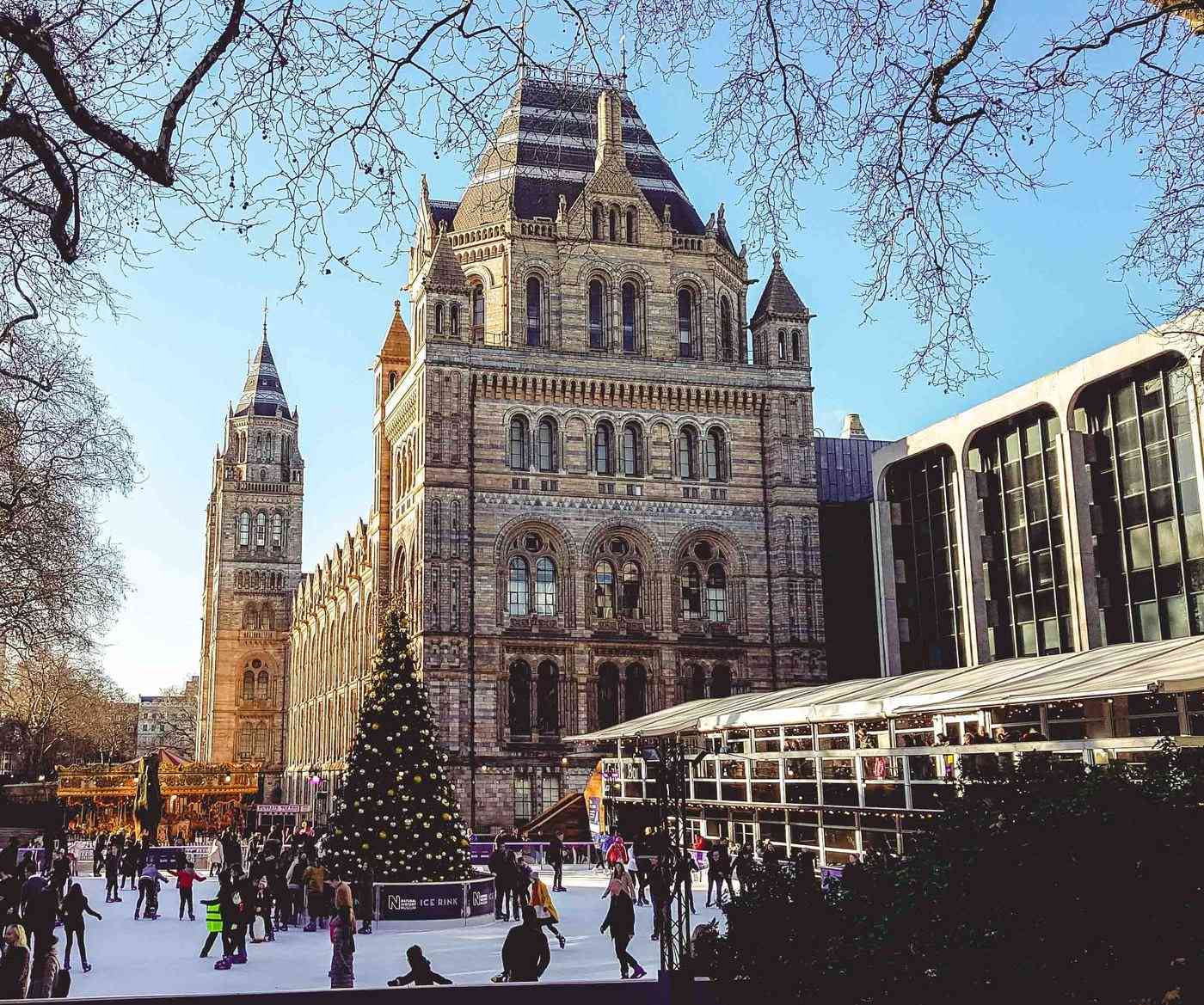
Christmas time at Natural History Muesum is such a magical time.
Start the day by going to Kensington and pick one of the fantastic free museums:
Natural History Museum – In my opinion this is the best museum in London. I always think of David Attenborough speaking whilst I am walking through the gorgeous building learning about dinosaurs.
Victoria and Albert Museum
Science Museum
If you get there by 9am you will beat all the crowds and fewer crowds means you will be able to walk around faster.
Next walk through Kensington Palace & Gardens, through Hyde Park finally reaching Buckingham Palace. If watching the changing of the Guards is on your list then make sure you get to Buckingham Palace by 10:45 (I also have some tips in my London sightseeing tips on the best spot to watch this). I would say it would be impossible to do the changing of the Guard and a muesum so if it’s high on your list choose one or the other.
Afterwards head to Westminster Abbey and Big Ben before crossing Westminster Bridge to Waterloo.
Once you’re in Waterloo you can explore Leake Street Tunnel which became a famous street art spot after Banksy hosted the Cans Festival there in 2008. It’s the largest area in London for street art so it’s frequently having new pieces added or replaced.
Ready for a drink? The Waterloo Tap is also a short walk from Waterloo Station and set up in a converted railway arch, this funky bar boasts 20 kegs and 6 casks on constant rotation. They also serve bar snacks but not full meals.
Head back to the Thames path (i.e. The Queen’s Walk) and you’ll arrive at the London Eye. Make sure you read my guide on what to book in London where I cover everything you need to know about booking the London Eye.
Continue east down the Thames and you will see either the Underbelly Festival (summer event) or Rekorderlig Cider Lodge (winter event). There are lots of stalls that offer food and drinks, alternatively there plenty of restaurants around the Southbank.
Cross back over the Golden Jubilee Bridge to Embankment. Just a short way up Villiers Street you will find Gordon’s Wine Bar which is a 19th-century wine bar in a candlelit vaulted cellar. It’s lovely to grab a glass of wine here and just relax your feet for a bit.
Finish your day off in Covent Garden and Soho. There are lots of bars, restaurants and theatre options in the area, plenty to keep you entertained for an evening!
Day 2: East of London
Here’s an example of one of the street art peices you can see in Shoreditch.
Start the day off at St Paul’s Cathedral, on the weekend the area is super quiet apart from the tourists in the area. For a great view head to One New Change and go to the viewing platform.
Afterward, you can go by the Monument which commemorates The Great Fire of London, decide whether you want to climb the 311 steps or just have a sneak peek at it.
Cross London Bridge to Borough Market. Everyone gets confused with London Bridge and Tower Bridge. The first one is the functional one and Tower Bridge is the beautifully designed bridge originally opened in 1894 which you can see across the Thames from London Bridge.
Have a late breakfast or early lunch (brunch) stop at Borough Market. I am always overwhelmed by the choice of food options. It suits all dietary requirements as well!
Head back to the Thames Path and you will pass HMS Belfast, get a great photo opportunity of the London Skyline before crossing Tower Bridge.
Once you are finished the next place is the Tower of London! If you decide to go inside check out the 2 for 1 on Days Out Guide or buy tickets online to save a little bit of money.
Shoreditch is a great place to stop for food, find street art, have a drink on a rooftop, explore BOXPARK for food and shopping or find a secret bar like the Mayor of Scardy Cat Town.
Brick Lane is known as the curry mile and to really get the authentic feel you need to haggle for Indian food. Otherwise, head to one of the amazing restaurants like the famous Dishoom. If you’re lucky enough to be there on Sunday then Brick Lane hosts markets full of food stalls until 5pm.
East and West England Routes to Edinburgh
Both of these routes can be customised to how many days you have available to you. As a minimum give yourself two days to allow two pit stops and one overnight stay somewhere. Seven days will truly allow you to see the best of both routes and if you want to do the loop then allow at least 14 days!
This is not including the days you wish to spend in London and Edinburgh.
Option 1: East England Route to Edinburgh
The best place to pick up a hire car for option 1 is Stansted Airport. This will cost a little bit more money to get to if you’re catching the train as it’s a National Rail line, however, booking your tickets in advance or getting the coach will save you money.
The east route will mainly take you on the A1 and A1(M)/A1 to Edinburgh.
Cambridge
Drive: Roughly 1hr 30mins depending on where you start your journey in London.
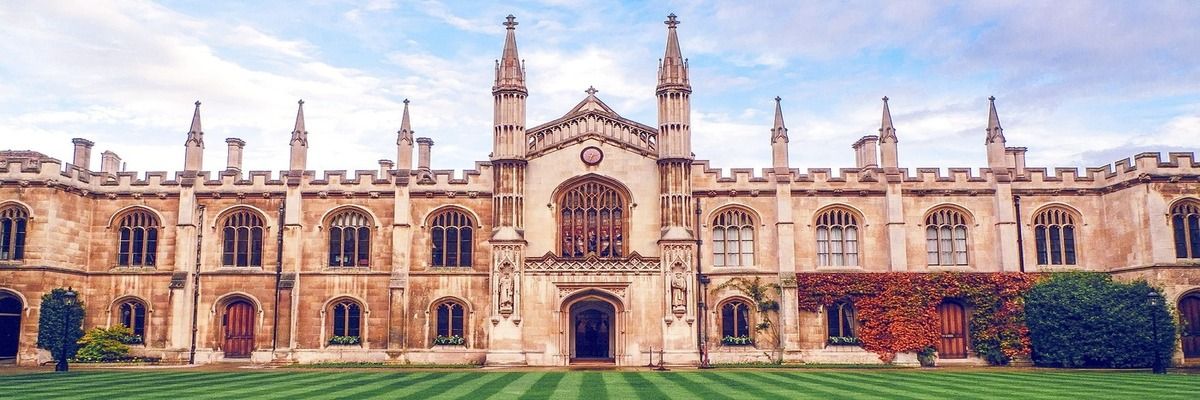
Cambridge is one of the most well-known cities in England, and it’s easy to see why it is so popular with tourists! The city has some of the most amazing architecture in all of England and a world-famous university as well. Due to the large student population there is so much to do as well as numerous great places to eat and drink in the centre of the city!
There are many things that are fun to do when you visit Cambridge, but an absolute must-try is the famous punting! A punt is a flat bottomed boat, which is used for leisure time and pushed across the water using a quant pole. This is a popular method of seeing some of the Colleges on the university, as well as the Bridge of Sighs which is very popular among tourists.
Some other popular tourist attractions in Cambridge include:
King’s College Chapel – A huge and stunning chapel with beautiful ceilings and carvings.
The Botanic Gardens – The gardens are home to several greenhouses and a seriously impressive collection of different plants!
Mathematical Bridge – Officially known as the Wooden Bridge, this is one of the most famous bridges in the UK due to its unique design and structure.
St. John’s College – If you want to see the most incredible college in Cambridge then this is certainly one of the most impressive. It is known across the UK for its annual May Ball, one of the best parties going!
Just to bear in mind that the preferred option for parking in Cambridge is to park and ride. Unless your accommodation offers parking as a part of your stay.
Stamford
Drive: 55 minutes from Cambridge.
Fancy a quick stop off in a picturesque and historic town? Why not take a drive to the cobbled streets of Stamford, the gorgeous Georgian town in Southwest Lincolnshire. You may not have heard of the town before, but you’re sure to recognise parts of it, such as Burghley House, if you’ve seen the films Pride and Prejudice or The Da Vinci Code as it was used as a filming location in both.
Stamford is the kind of place where you can simply wander; behind every corner and down every alley is more stunning architecture to see. The town is incredibly walkable and has many pretty churches, such as St Mary’s Church (12th century) and All Saint’s Church (13th century).
Sheffield and the Peak District
Drive: 1hr 30mins from Stamford.
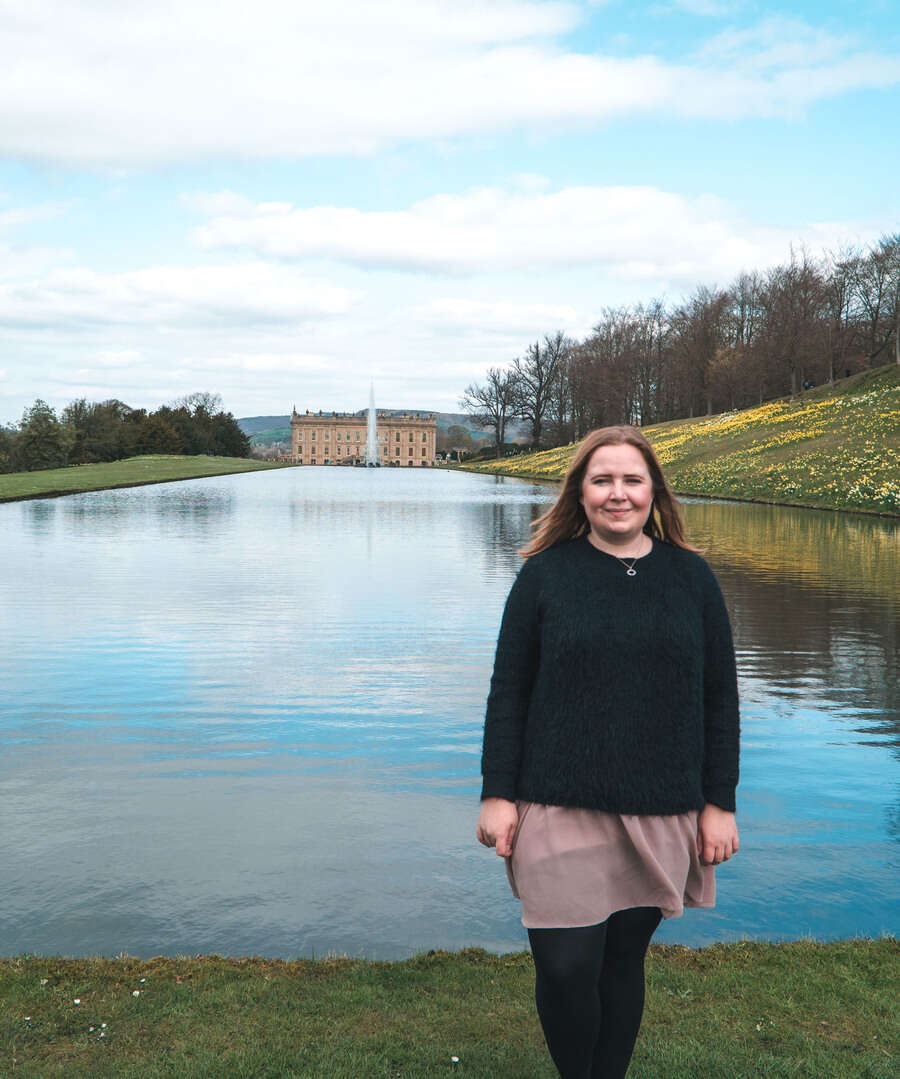
Kat standing in front of the lake with Chatsworth House in the background.
Sheffield is one of the greenest cities in the UK, and is right on the doorstep of the Peak District National Park.
The Peak District offers many opportunities for outdoor activities such as hiking, paragliding and rock climbing – what’s not to love? It’s also the UK’s first ever National Park back in 1951.
For a nice and easy stroll, I suggest the Mam Tor Walk trail which takes you to one of the Peak’s most iconic views. This 4.5km circular route is steeped in ancient history and you’ll be rewarded with views of the Vale of Edale, Peveril Castle and the Hope Valley.
The world famous Chatsworth House was used as Pemberleyin Pride and Prejudice; Hardwick Hall was used as Malfoy Manor in the Harry Potter films and the medieval Haddon Hall was used in Kit Harrington’s Gunpowder.
If the great outdoors isn’t for you, there are plenty of other things that Sheffield can offer:
For a spot of shopping go to Meadowhall.
Sheffield has the largest theatre complex outside London, the two major theatres are the Lyceum Theatre and the Crucible Theatre.
Visit the tropical butterfly house which is popular with the locals.
Visit Our Cow Molly which is a working dairy farm and makes delicious icecream.
Leeds
Drive: 50 minutes from Sheffield.
Leeds is a thriving city and one of the larger cities in England. It’s a hub for art, culture and history so the city offers something for everyone.
For museums and art galleries, I recommend visiting:
Royal Armouries Museum
Leeds City Museum
Thackray Medical Museum
the National Coal Mining Museum
Leeds Art Gallery
Henry Moore Institute
The Tetley
Microbreweries have really popped up all over the UK in the last few years and Leeds has some you should add to your list. Many of the breweries will hold tours and tasting. Some of the most established ones are Leeds Brewery, Northern Monk and North Brewing Company.
York
Drive: 40 minutes from Leeds.
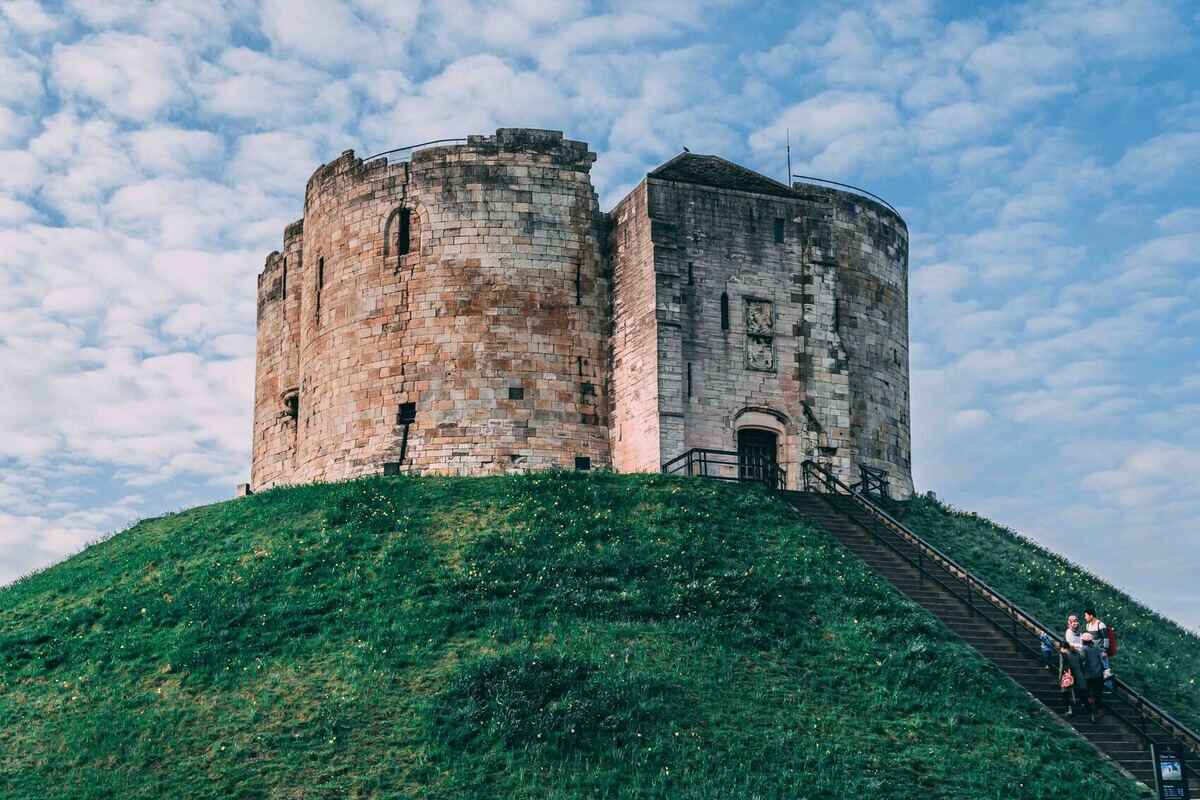
Clifford’s Tower, North Yorkshire
Step back into medieval times with York’s winding cobbled streets, magnificent cathedral and stone walls surrounding the city. The best thing about York is that everything is within walking distance so it gives you a break from all that driving.
Things to add to your list include:
Walking the city walls
Climbing Clifford’s Tower
Rascal buns at Betty’s tearoom
Walk down the Shambles to see the beautiful shop fronts
If you happen to be in York on the first Friday of the month then you need to visit York’s Farmers Market
Newcastle-Upon-Tyne
Drive: 1hr 40mins from York.
Newcastle has a great reputation for its lively atmosphere and friendly people. There are numerous cocktail bars, trendy clubs, traditional pubs and restaurants all over the city.
The city gets its name from the fortress sitting on the River Tyne which you can go and see as a part of your tour, including the great hall and the view from the roof. To learn more about the history of the city check out the Laing Art Gallery. Alternatively visit the Discovery Museum which gives an interesting account of Newcastle’s background in shipbuilding and coal mining, and how that evolved over time through technological innovation.
Here are a few more sights to check out:
BALTIC centre for contemporary art
Live theatre – check out a theatrical performance
The Biscuit Factory – a great art gallery and awesome brunch spot
St. Nicholas Cathedral
North Berwick
Drive: 2hrs from Newcastle Upon Tyne
This is one of the most stunning towns in Great Britain offering beautiful beaches, amazing food and a great castle! Here are some of the best things to do:
The Scottish Seabird Centre – See a variety of birds at this charitable research centre which dedicates itself to protecting indigenous wildlife in the area. You can also take a boat tour at some times of the year to see some seabirds in the wild! Depending on the season you may even see puffins!
The Lobster Shack – This is known to be one of the best places in the area to enjoy a fresh catch right from the ocean! Enjoy a half lobster and chips and appreciate how incredible the fresh produce is!
Tantallon Castle – The castle ruins sit right on the Firth of Forth overlooking the sea. It has a rich history of sieges and feuds dating back to the 14th century!
Bass Rock – This famous rock sits proudly in the Firth of Forth and is a site of special scientific interest due to the fact that it homes the world’s largest local gannet colony.
Yellowcraig Beach – This is a gorgeous beach that should not be missed on your travels – it makes for one of the most stunning coastal walks in the area!
Option 2: West England Route to Edinburgh
The best place to pick up a hire car for option 2 is Heathrow Airport. It will save you driving through London and therefore is a lot less stressful!
Windsor Castle (Stop en route to Oxford)
Drive: 40 minutes from Heathrow Airport.
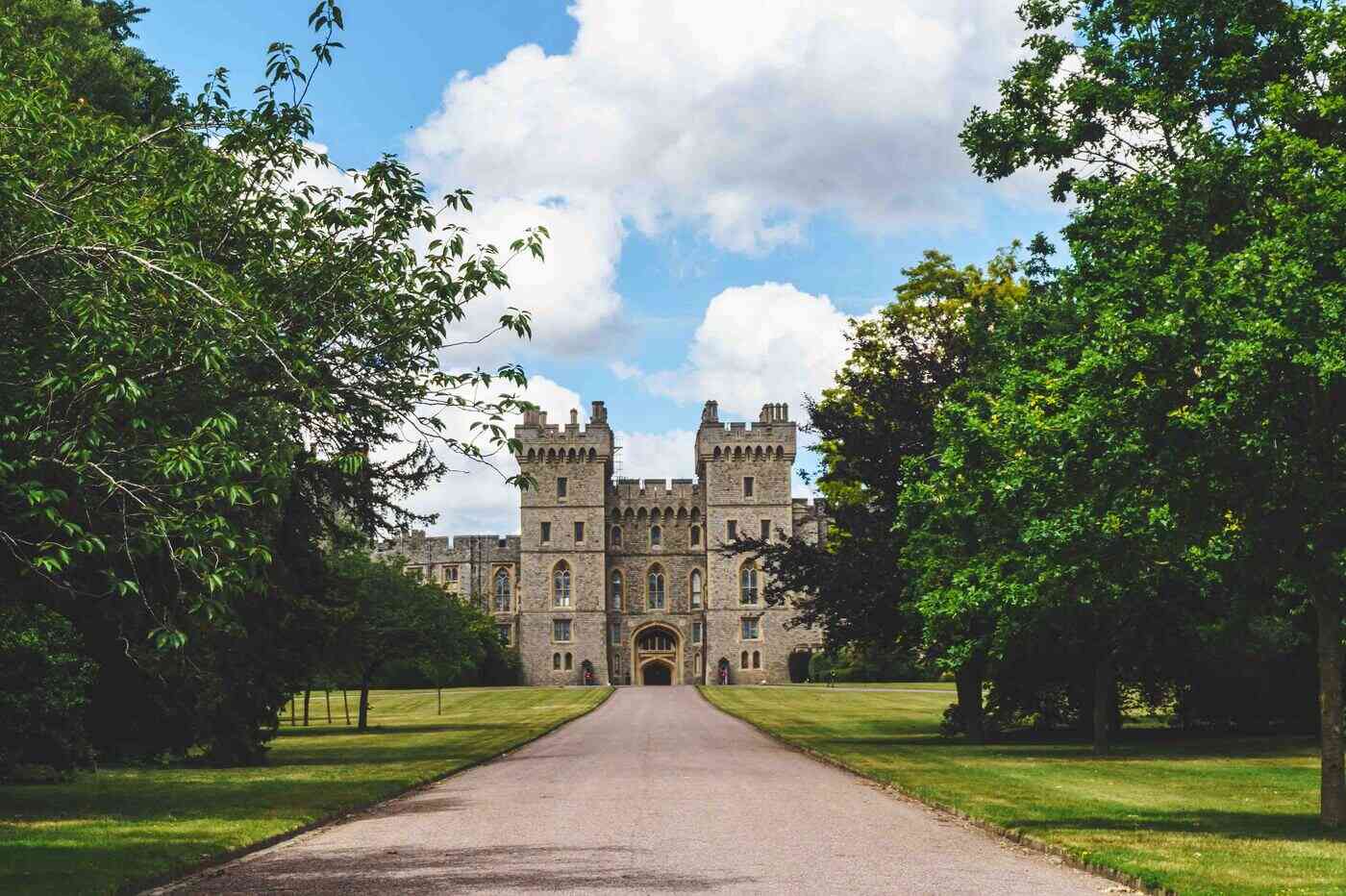
The view of Windsor Castle from the entrance gates.
Windsor is a stunning town and walking through it on the way to the castle is an absolute treat in itself. And the awe certainly does not stop when you reach the glorious 1,000-year-old castle. To explore the castle and its grounds in full, it will take around two hours. The highlight of visiting the castle is certainly the beautiful St. George’s Chapel where the Duke and Duchess of Sussex were married in 2018.
Windsor Castle is open Thursday to Monday, entry times start at 10am and the last admission at 3.30pm. Buy tickets to Windsor Castle here.
Oxford
Drive: 50 minutes from Windsor.
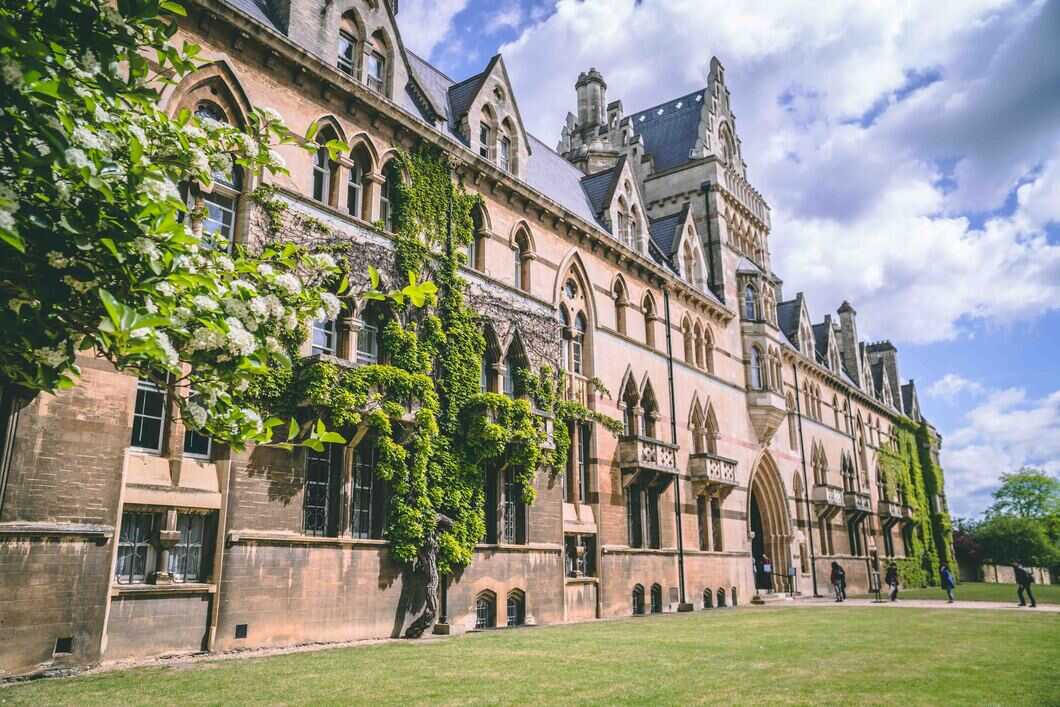
Christ Church in Oxford
One of the best things about Oxford is that you can see the city on foot, from the most famous colleges, to historic pubs, to the many free museums.
The historic Oxford University was first established in the 12th century and is the oldest speaking English university in the world. The university does not have a campus so you will see the buildings spread across the city.
Famous works of literature were written in Oxford such as Alice in Wonderland, The Lord of the Rings and the Chronicles of Narnia.
After exploring the town, why not take some time to visit Highclere Castle which is very nearby. You may recognise the castle from the opening scenes of popular period drama Downton Abbey, and it certainly lives up to how excellent it looks on screen. The castle was built in the 17th century and encompasses 5,000 acres of land that you can explore at your leisure, including the Secret Garden, the Monk’s Garden, the White Border and some beautiful woodlands.
Bath
Drive: 1 hour and 30 minutes from Oxford.
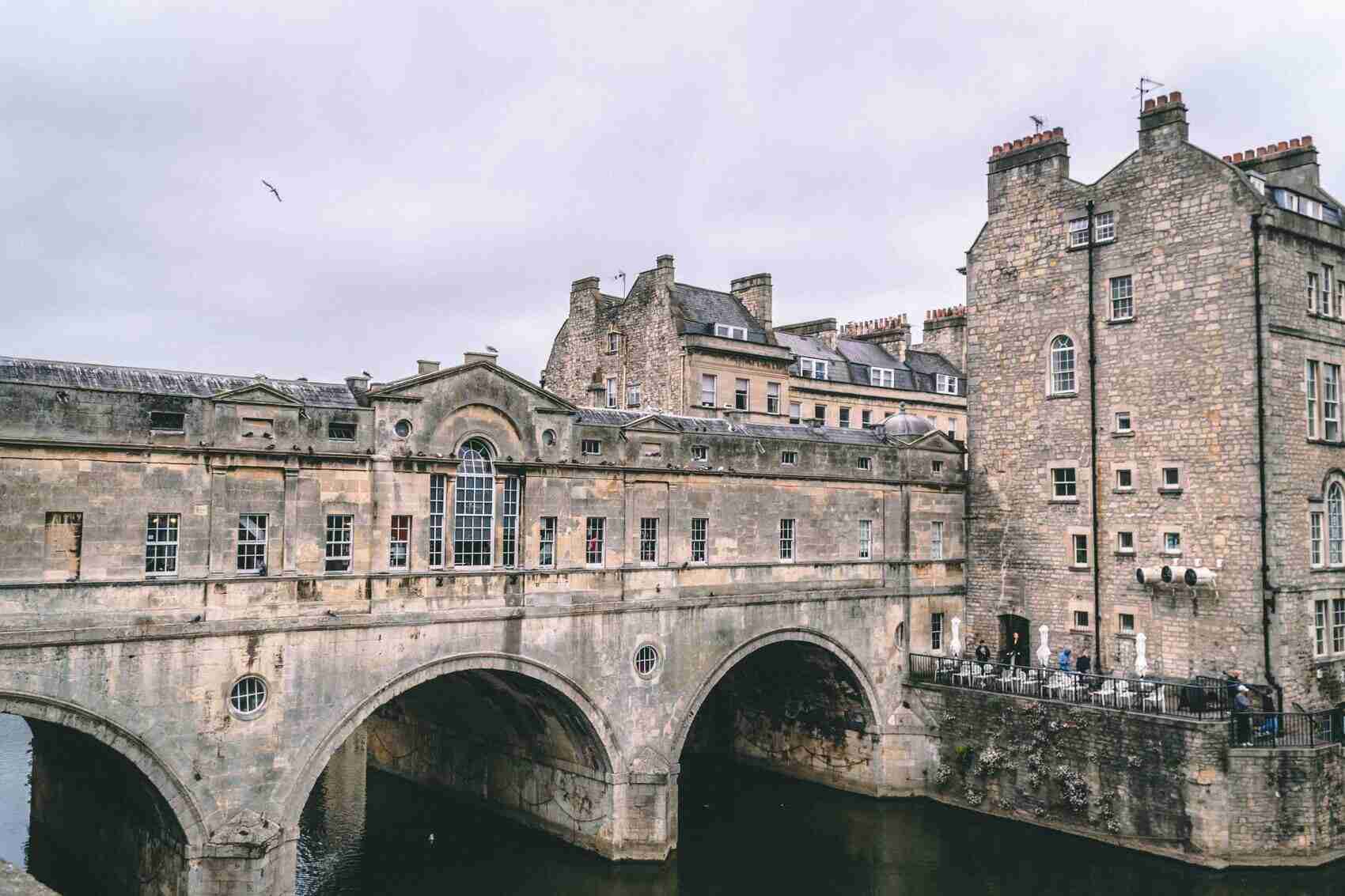
Pulteney Bridge in Bath
An essential of visiting Bath is of course to visit the famous Roman Baths, which are surprisingly well preserved given how old they are. Continuing with the stunning architecture of the baths, Bath Abbey should be your next stop, where you can climb the gothic tower and admire the views.
Booking a walking tour for Bath is a great idea if you want to make sure that you see all the sights as well as getting some highly valuable and interesting information on the history of this fascinating town.
Drive: As Bath is on the edge of the Cotswolds it will be right at your doorstep. Castle Combe is an easy 30 minutes drive from Bath. It depends on which towns are on your list.
The Cotswolds is a continuous stream of picturesque villages and beautiful natural landscape, truly resembling something out of a storybook or fairytale. As the Cotswolds is a collection of villages it is best to know where it is that you want to go in advance of getting on the road.
Bilbury
On the banks of the River Coln, Bilbury is home to one of the most well-known streets in the area, Arlington Row. If you are looking for the quintessential fairytale style streets and crooked brick cottages that the Cotswolds are so well known for, then this is the place for you.
Stow-on-the-Wold
This sweet little town is perched right at the top of a hill and features a gorgeous church, a small gallery and a famous farmers market held on the second Thursday of each month. You will definitely want to grab a bite at Lucy’s Tearoom for some yummy freshly baked goods!
Castlecombe
This is without a doubt one of the best places in the Cotswolds to admire the beautiful honey-coloured bricks of the cottages and get the ultimate photos. The southern tip of the village is where you will get that classic shot of the village.
Bourton-on-the-Water
Right on the River Windrush, Bourton-on-the-Water is a pretty Cotswolds town and is known as the Venice of the Cotswolds. Walk down the river and see what the Cotswolds is most famous for the honey-coloured bricks. Alternatively, enjoy a drink or food at one of the village’s cafes.
Gloucester
Drive: Gloucester is on the northeast edge of the Cotswolds so this will be a short drive as well.
Start by exploring the area around College Court where you will find The House of the Tailor of Gloucester, which inspired the author Beatrix Potter. The building is now a museum with a shop that is dedicated to the author.
Next head over to Gloucester Docks which is Britain’s most inland port. You will discover Victorian warehouses, a working dry dock and a Mariners Chapel. A lot of the buildings have been converted into restaurants, tap rooms and shops.
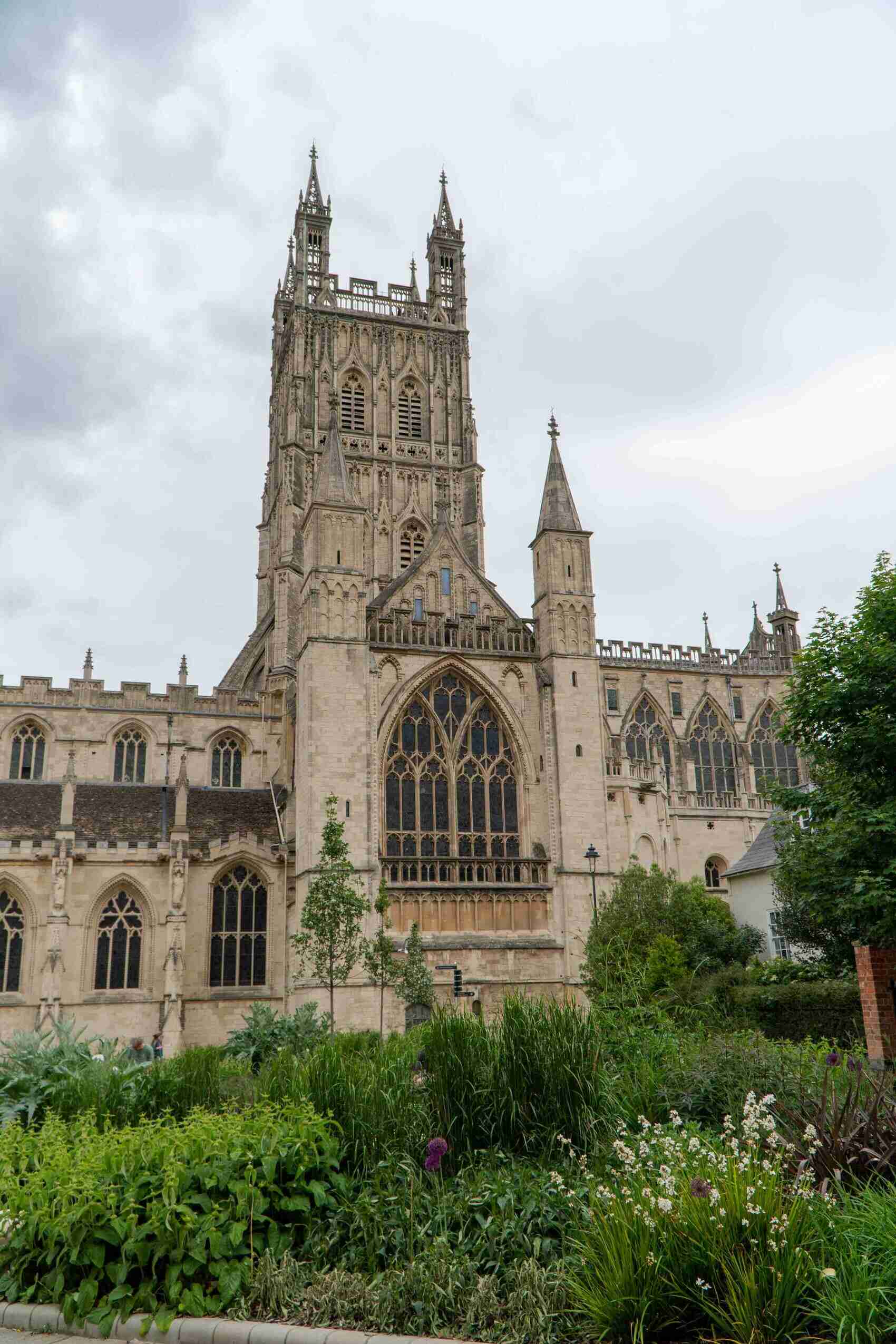
Don’t forget to see Gloucester Cathedral. It is an 11th century Romanesque and Gothic masterpiece. You may even recognise the cathedral’s corridor as it’s featured in the Harry Potter movies!
There is quite a lot to do in Gloucester so this could be a stop in itself but if you are short for time then a few hours will cover the main sites.
Stratford-Upon-Avon
Gloucester to Stratford-Upon-Avon is 1 hour drive.
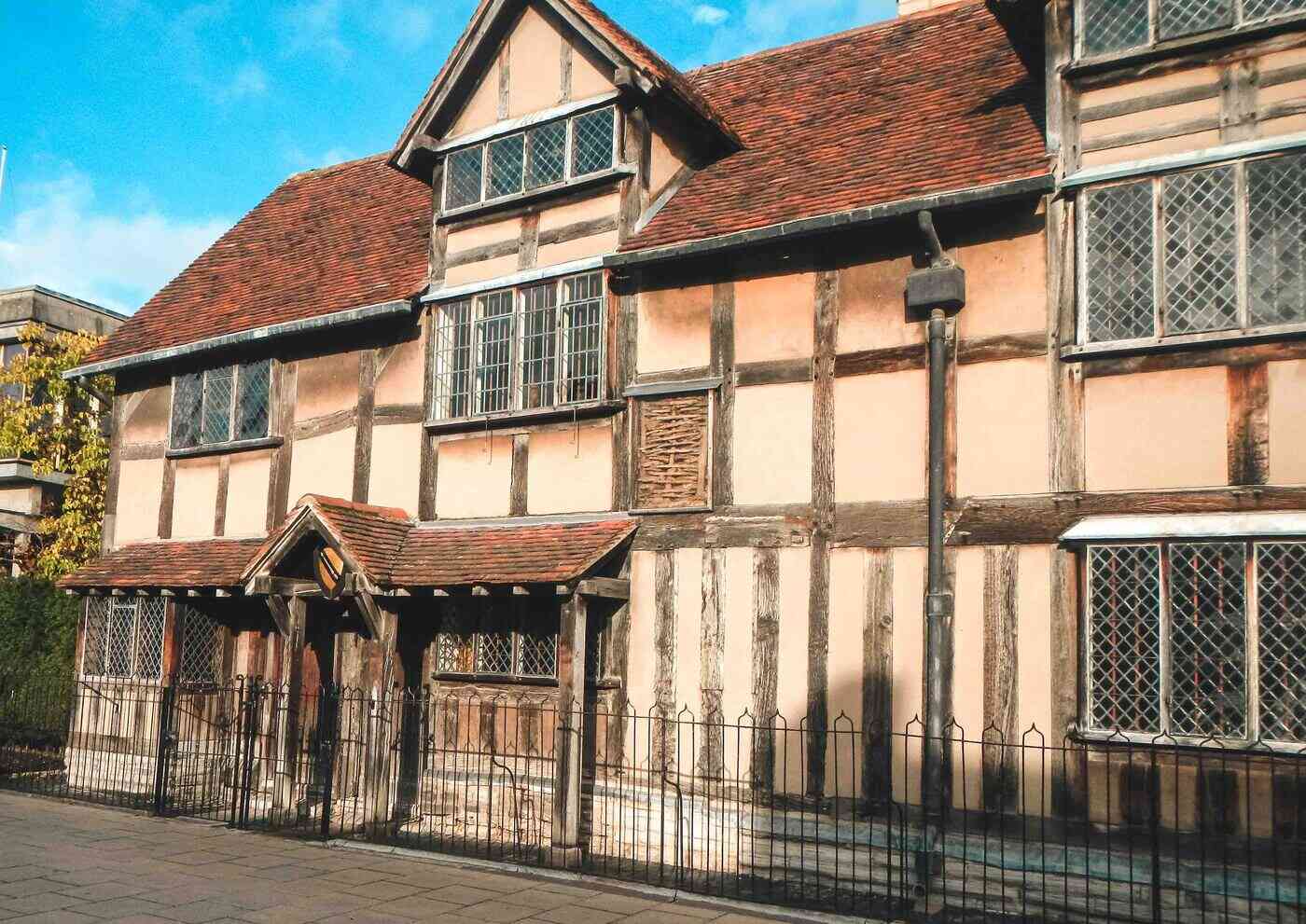
Shakespeares Birthplace
Stratford-upon-Avon is where William Shakespeare was born and most activities in this town are based around Shakespeare.
The Stratford’s Historic Spine is where the most important buildings of the town are and some of the buildings date back to the 15th century. The walk through the spine is approximately 0.6 miles (0.9 km) and will take you to mosts of the iconic sites in the town.
Starting at Henley Street you can see the building where Shakespeare was born. Tours are offered to see Shakespeares’ birthplace.
Anne Hathaway’s cottage is where Shakespeare courted his bride to be. You can pay to go inside the 500 years old cottage and see items from the 13 generations that lived there including the original furniture. Consider buying a ticket online which gets you into all of these attractions!
There are also lots of wonderful independent restaurants, cafes and bars in the heart of the city where you can have a great dining experience no matter what you’re after.
I would recommend going for some afternoon tea as it is a British tradition; this is arguably one of the most quintessentially British places you could have it!
Fancy something savoury instead? Chef Gordon Ramsay swears that Barnaby’s is the absolute best place to get yourself some fish and chips, and it’s right next to the Royal Shakespeare Company.
Chester
Drive: Stratford-Upon-Avon to Chester is around 2 hours and 30 minutes. Makes sure you avoid the toll road on the M6 and carry on the non-toll M6 route.
You are now pretty much at the halfway point between London and Edinburgh and sitting right on the Welsh border. This city has a rich history for you to explore; learn about Roman Legionnaires, Vikings, Normans and Anglo Saxons on your travels through the city.
The city is nearly completely surrounded by walls, which are considered to be the most well preserved in Great Britain running nearly two miles long. Other historic sites include:
The oldest racecourse in Great Britain
The largest Roman amphitheater in Great Britain
A one thousand year old Cathedral, with some amazing medieval carvings within
Seven hundred year old Rows galleries
Chester has one of the largest zoos in the UK and dedicates some of its resources to the conservation of endangered species. This makes for a great day out for visitors of all ages!
Liverpool
Drive: the drive to Liverpool is a quick one at 40 minutes.
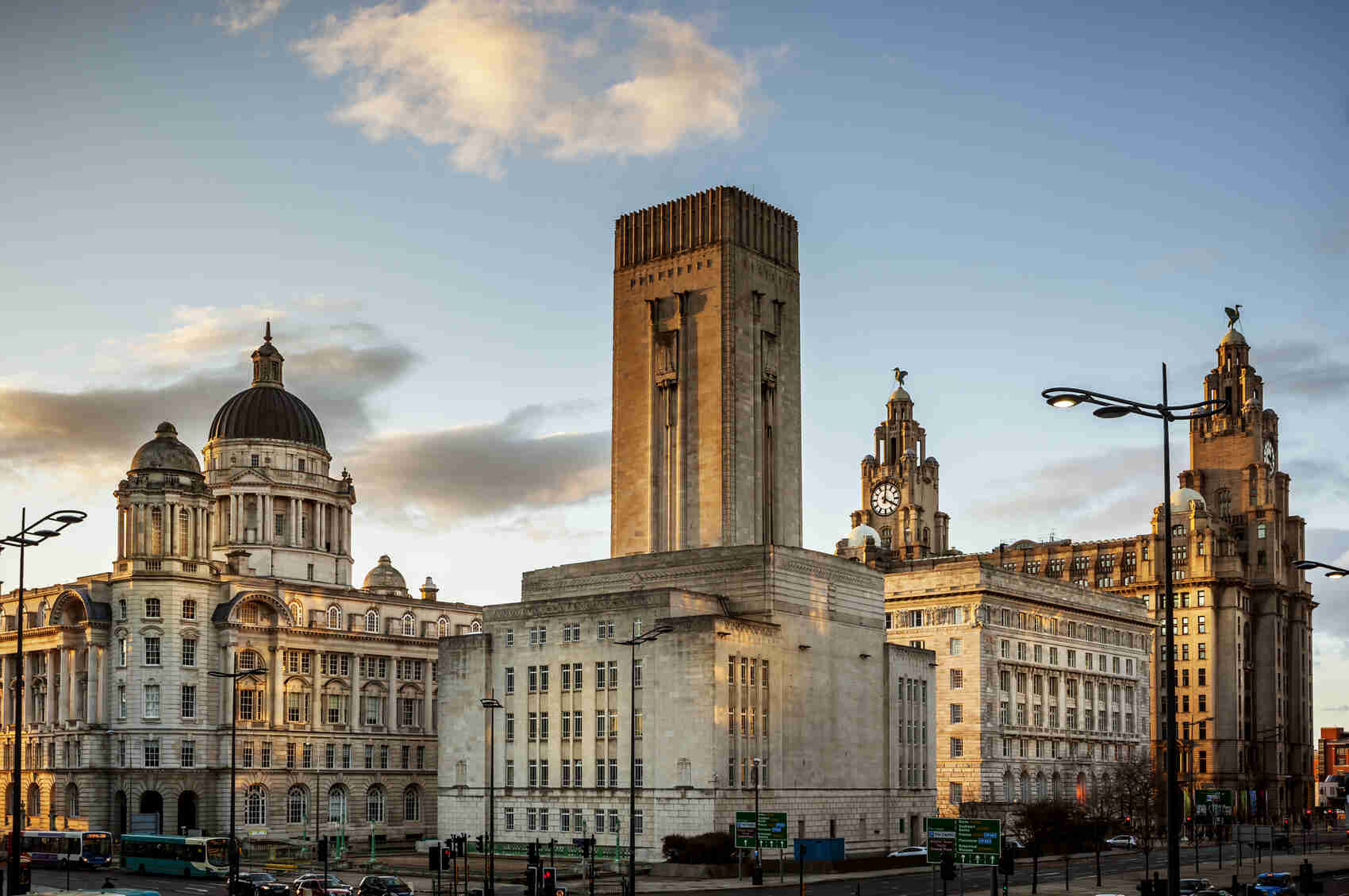
Pier Head Liverpool
Time to visit one of England’s major cities – the home of The Beatles, it’s Liverpool! This is the UK’s fifth biggest city, and there is so much to see and do that you could spend your entire trip there! Check out some of the historic areas, which have been granted World Heritage Status by UNESCO, like the Royal Albert Dock Area and William Brown Street.
There is also a great art and creative scene making for some awesome murals and street art as well as some art galleries. Here are some locations to check out:
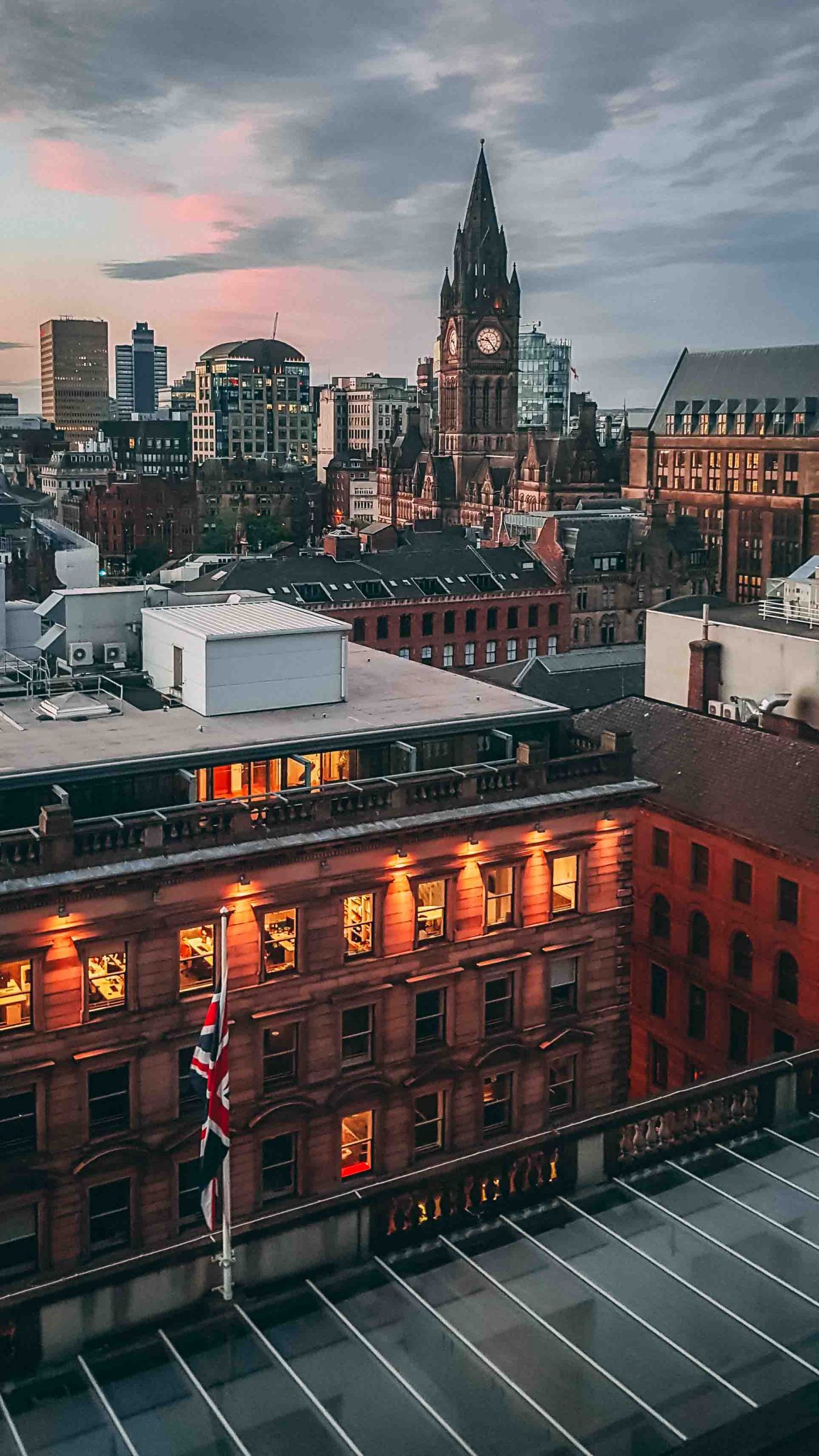
Manchester is known across the UK for its rich and diverse cultural scene! After all, it is the home of The Smiths, Oasis, and the Stone Roses. It also has numerous other sights such as galleries, museums and plenty of pubs and restaurants too! Here are some of the highlights:
Afflecks Palace – This is one of the best things to do in Manchester; it is ‘an emporium of eclecticism, a totem of indie commerce in Manchester’s Northern Quarter’ – enjoy looking through craft stores and at jewellery and trinkets. It is truly a unique place.
Chinatown – You will know that you have reached Chinatown when you see the giant red archway that leads into the area. The area has a large number of Asian restaurants and cafes serving delicious food and even some karaoke! One of my favourite places to eat is Try Thai (I know it’s not Chinese!) but it offers great food and I often visit on my trips to Manchester.
Federal Cafe – This place is known across the city as a trendy brunch spot with fantastic coffee – it’s totally instagrammable!
PLY – Best pizza in the city, and very affordable – enough said!
Football – Manchester is home to premier league teams Manchester United and Manchester City. As you can imagine that means there is a football atmosphere! You can try and catch a game or visit the National Football Museum.
John Rylands Library – This building is one of the best examples of neo-Gothic architecture in Europe and an incredible library. One of the cool facts about the building is that it was the first place in Manchester to be lit by electricity.
As I travel to Manchester a lot, I’ve tried a significant amount of hotels in the city! By far my favourite is the Great John Street Hotel which is a 4-star hotel. The building is a Victorian former schoolhouse so it has a lot of wonderful architecture. The rooms are beautiful! Last time I stayed here I had a second floor just for my bathroom which had a free-standing bath. My other hotel recommendations are the Lowry Hotel and the Midland.
Drive: 1 hour and 30 minutes to reach the outskirts of the Lake District.
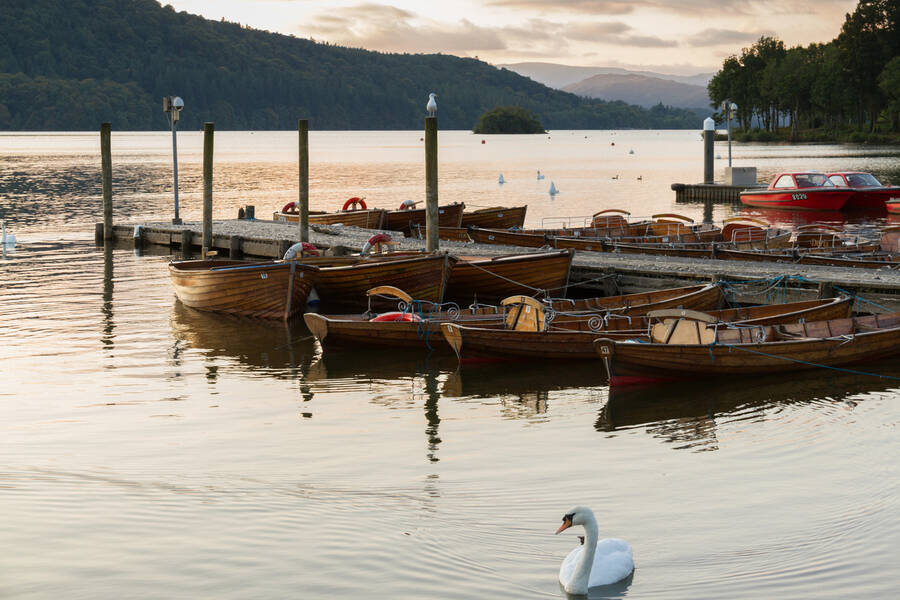
Swan and moored boats in Lake Windermere.
The Lake District has some incredible things to do – you’ll want to take your time and make sure you’ve seen all that you wish to!
Rydal Mount
Whether you’re a literature buff or not, you’re definitely not going to want to miss visiting the home of Wordsworth, Rydal Mount in the small village of Ambleside. The famous poet resided here for the latter part of his life, and you can walk in the beautiful gardens that were once landscaped by Wordsworth himself! You can even take a look at the place where he wrote, as well as his library!
The Lakes Distillery
This distillery was founded in 2014 and has become one of the most popular in the Cumbria area in recent years. It produces gin, vodka and whisky. Even better? It uses local produce to do so!
The distillery is awesome to visit – it even has alpacas! Plus, there is a shop, so you can buy your favourite drinks and take them home with you!
Lake Windermere
This is the largest natural lake in England, and gives a great picture of the beauty of the Lake District. If you are going to go to any lakes in the Lake District, make sure its this one. There are tonnes of amazing things to do around the lake, such as boating, running, hiking and cycling!
Grasmere Gingerbread
One of the most famous things you can buy in the Lake District is Grasmere Gingerbread. When you walk into the shop you will smell the spices and the aroma of gingerbread. The perfect snack to grab for your road trip! If it is winter then pair it with a nice hot drink alongside a fireplace.
You have finally arrived at your destination; Scotland’s capital city of Edinburgh! This city is great to spend a couple of days exploring, particularly the old town which is where you will find the castle!
For ideas of what to see and do during your time here, check out my article on the 7 Day Drive Loop from Edinburgh to Glasgow.