Category: London

  • 18 Things To Do In London Without Alcohol

    18 Things To Do In London Without Alcohol

    Whoever said you need alcohol to have fun clearly hasn’t been to London. London is filled with things to see and do that you won’t even have time for a pint. To make it easier, I’ve put together a list of things you can do in the city if you want to stay teetotal. 
    What can you do in London without alcohol? London has a full calendar of exciting events and activities that don’t require alcohol. From cruises down the River Thames to finding vintage treasures at Portobello Road Market, there are plenty of things to keep you busy.
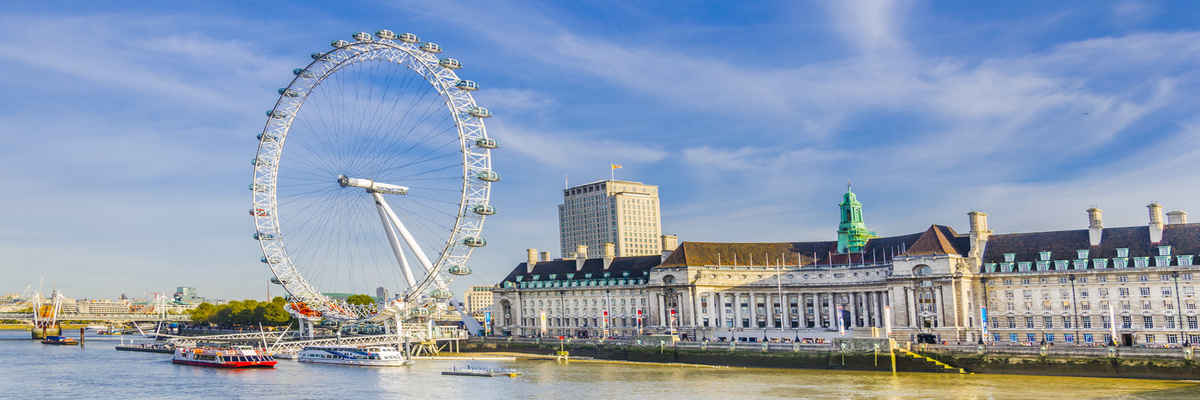
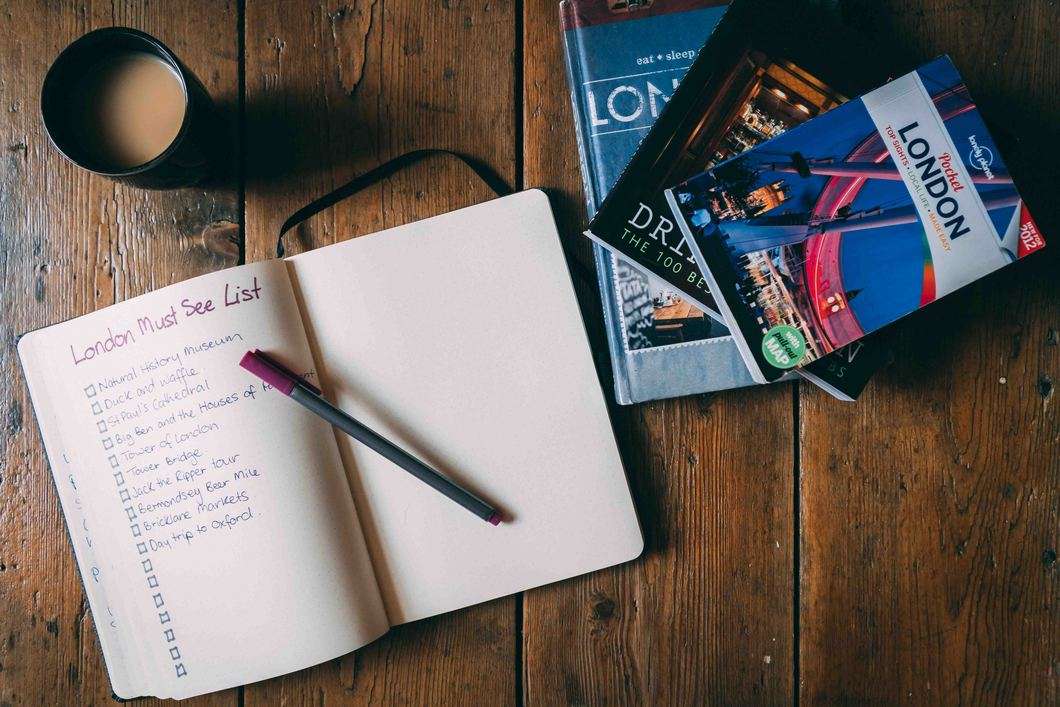
    Read on to discover the best things to do in Britain’s capital.

    Take a Walking Tour of London

    As you probably already know, London is a city full of history and culture. From magnificent old buildings, to edgy, artsy areas, London offers plenty of things to see, and the best way to take it all in is by foot.

    Now, I know what you’re thinking – walking around a city the size of London sounds daunting, especially if you’re not familiar with the different areas. Which is why a walking tour is a great idea.

    Most companies offer different packages so you can choose which sights and areas you’re most interested in seeing. This way, you don’t have to spend time researching and putting together an itinerary. Plus, you’ll learn a lot of interesting facts about the city from the tour guides.

    I’d recommend using Free Tours By Foot. They’re a pay-as-you-feel tour company, and they offer both guided and self-guided tours.

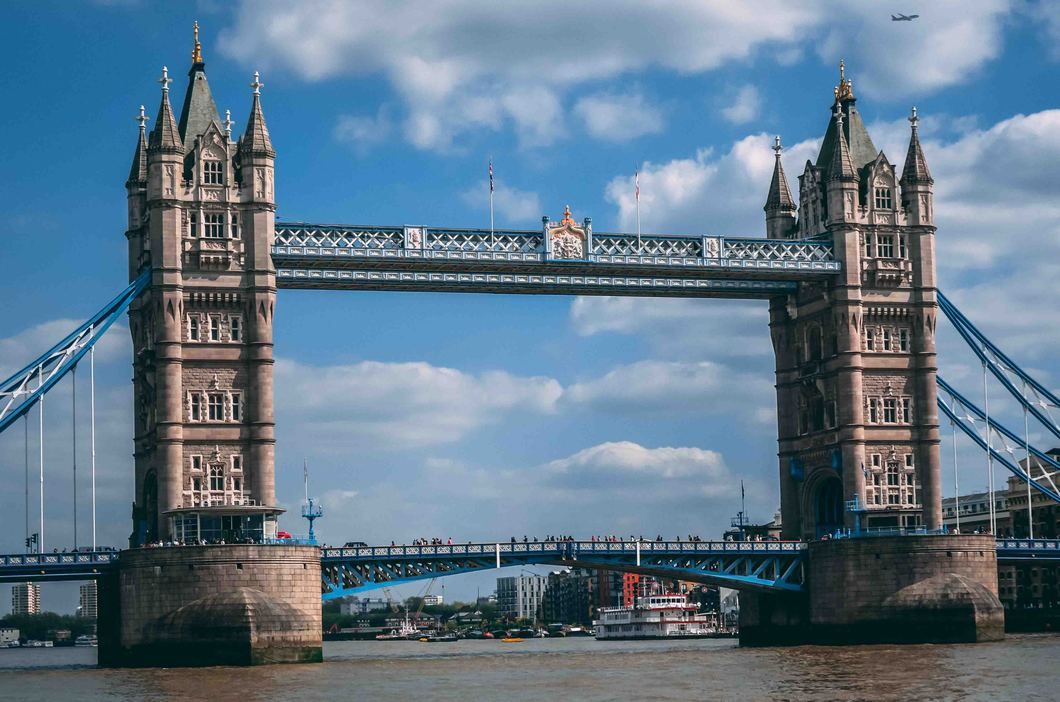
    What’s great about them is that as well as offering tours of the main London landmarks like Big Ben and Tower Bridge, they also have tours that let you explore off the beaten track parts of town that you usually wouldn’t see. Some of their most popular options are the graffiti and street art tour, and the Harry Potter tour. 

    Go for a Long Walk

    Continuing the walking theme and getting some more fresh air, look at taking one of London’s scenic walks. From exploring canals to seeing the deer in Richmond park, there is a walk for you.

    The London Wall

    There is something about soaking up the history and imagining what it was like 1000’s of years ago. The London Wall walk is perfect for this, you explore Roman ruins, Tower of London, Barbican and Museum of London.

    It’s 2.5-mile walking around Roman ruins built around in AD200 and what was known as the City of London for 1700 years. During the Second World War most of the wall was torn down but you can find fragments of the wall hidden among the office blocks.

    Richmond to Hampton Court Palace

    Perfect for those who love nature, it’s an 8-mile walk that is surrounded by trees, water and some stately homes. The path will take you along Richmond riverside, past Petersham Nurseries, Ham House, Marble Hill, Eel Pie Island and end up in Hampton Court Palace. 

    Capital Ring Road

    Challenge yourself with the 15 walks from the capital ring walk which is 78 miles (126KM) through London’s nature reserves and landmarks. Not only do you have something to do for quite a few weekends, but you also get your step count up!

    Watch a Film at an Independent Cinema

    Catch a movie marathon at the Prince Charles Cinema!
    Catch a movie marathon at the Prince Charles Cinema!

    Forget big name cinema franchises – independent cinemas are where it’s at. You can say goodbye to overcrowded theatres, uncomfortable seats and sticky floors. Independent cinemas are more intimate, have cosy decor, and don’t tend to exclusively show box office films.

    London has a great independent cinema scene showing new and old films, classic British films and foreign flicks. 

    Regent Street Cinema is said to be the birthplace of British cinema. Built-in 1848, this ornate picture house only has 187 seats. It is one of the few cinemas in the UK where you can watch 16mm and 35mm film, as well as 4K film.

    It also features exclusive premieres, documentaries and repertory screenings. If you can tear your eyes away from the screen, look up and admire the art deco features and domed ceiling. 

    Visit Royal Botanic Gardens, Kew 

    If you’re looking to escape from the hustle and bustle of the city, Kew Gardens is the perfect place to go. This UNESCO World Heritage Site is home to the world’s most diverse collection of living plants, and you could pretty much spend the whole day getting lost in them.

    Kew Gardens has an amazing range of displays, including the Princess of Wales Conservatory with its ten different climate zones; the Orchid Collection and its beautiful colours; and the Carnivorous Plant Collection with its cunning traps. 

    Kew Gardens is great for visitors of all ages. The Treetop Walkway is a favourite and offers a special view from 18m up into the tree canopy. For a moment of quiet reflection, visit the Japanese Landscape.

    Combining a Garden of Peace, a Garden of Activity and a Garden of Harmony, it’s quite easy to forget you’re in London. If you fancy yourself as a bit of a chef, visit the Kitchen Garden to see what fruit and veg is growing, and learn about producing healthy and sustainable food. You can even taste some of the produce, as they are used in Kew’s restaurants.  

    Find Something to Read at Daunt Books

    Daunt Books isn’t just any bookshop. It’s one of London’s prettiest independent bookshops. Opened in 1990 by James Daunt, the flagship store in Marylebone is located in an Edwardian building with a stunning galleried main room complete with oak balconies, a conservatory ceiling and stained glass windows. So as well as browsing for books, you might want to get your camera out.

    Although it initially specialised in travel books, it now offers an expansive choice of genres. However, the bookshop has still kept its books arranged by country, no matter what the topic is.

    Daunt Books also has branches in Cheapside, Chelsea, Hampstead and Holland Park, but I recommend popping into the Marylebone one for the best experience. 

    Learn More About London at a Museum

    Natural-History-Museum
    Natural History Museum is one of my favourite places, I love going every couple of months and exploring new parts of the museum.

    You can’t come to London and not visit at least one of the city’s world-class museums. With fantastic exhibitions, events and vast permanent collections, there are plenty of museums to choose from.

    It’s pretty difficult to rank them in terms of top museums, as they each have something different on offer, but here are three that you should definitely visit:

    Natural History Museum

    With more than 80 million plant, animal, fossil, rock and mineral specimens, the Natural History Museum is one of the most exciting museums in London. Fun fact: some of the specimens on display were collected by Charles Darwin himself.

    Get lost in the different zones and meet animatronic dinosaurs, or take an escalator ride down to the centre of the Earth. 

    Tate Modern

    The Tate Modern is all things modern and contemporary art from around the world. Right on the bank of the Thames, the former oil-fired power station is home to the works of Picasso, Dali, Warhol, Matisse and Pollock, to name a few.

    The building itself is a magnificent piece of architecture, worth visiting in its own right.

    Victoria and Albert Museum

    This museum is arguably the world’s most glamorous collection of decorative art, design, textiles and fashion. The V&A museum is divided into different sections – fashion, theatre, furniture, architecture – and date back to several hundred years. One of the highlights is Queen Victoria’s sapphire and diamond coronet.

    Visit a Classic British Tearoom

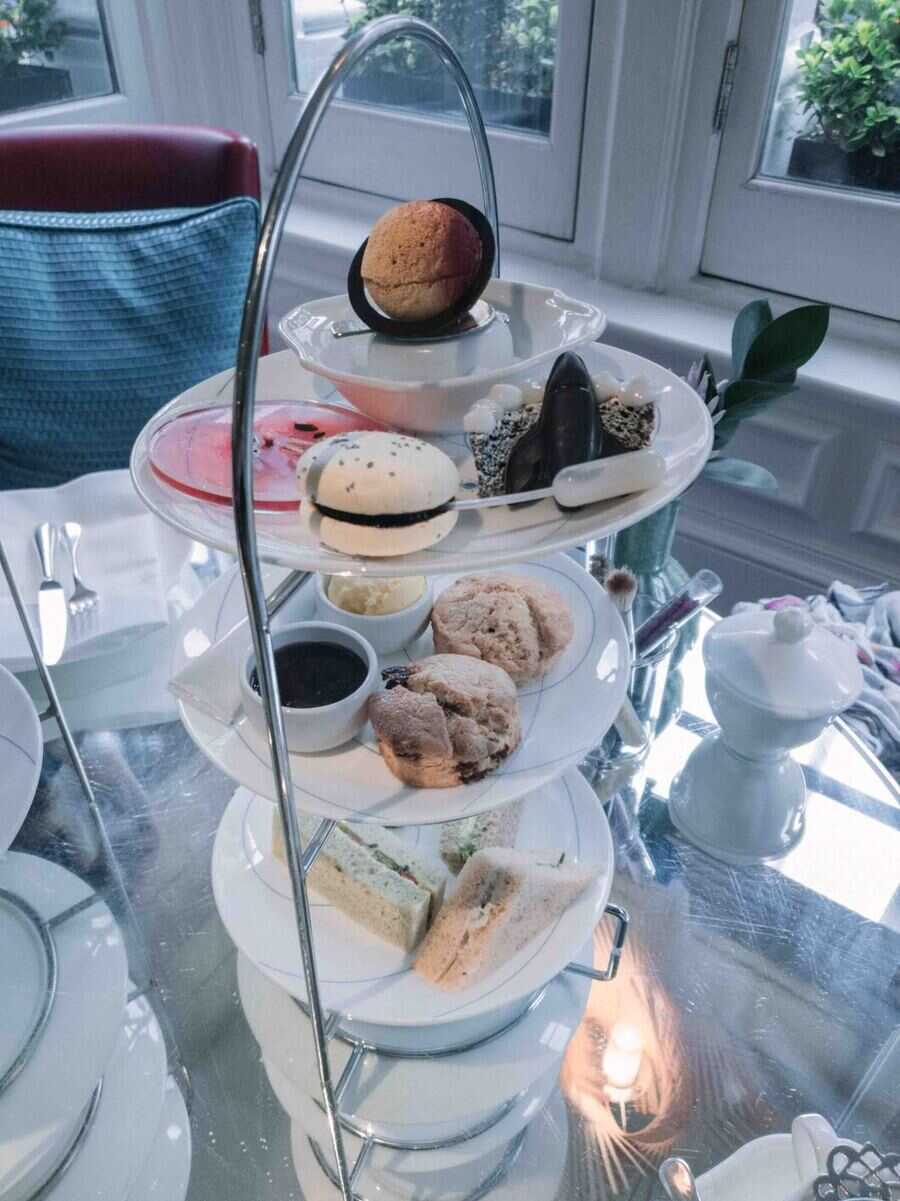
    science-themed-afternoon-at-The-Ampersand-Hotel
    My brother and sister treated me for a lovely science-themed afternoon at The Ampersand Hotel for my birthday one year. They cater to all types of diets as well!

    Nothing is more quintessential British than afternoon tea. The tradition is thought to date back as far as 1840 when the Duchess of Bedford declared her love for tea and snacks a few hours before dinner.

    Typical afternoon tea snacks include scones, finger sandwiches, crumpets, sausage rolls and copious cups of tea. This tradition quickly became a fashionable social event.

    During the Victorian era of the 1880s, women from the upper class echelons of society would don their long gowns, gloves and hats, and head to afternoon tea which was served between four and five o’clock.

    But don’t worry, these days you’re not required to wear your best gown, and there are plenty of places in London that you can indulge in afternoon tea. From the traditional classics to quirky twists, there’s something for everyone.

    Check out:

    • The Mary Poppins afternoon tea at Aqua Shard,
    • The science-themed afternoon at The Ampersand Hotel inspired by the Science Museum,
    • Or for a super cliche British experience – the afternoon tea bus tour at B Bakery. Hop aboard a double-decker bus at Victoria, try out all the tea and snacks, and enjoy a guided voiceover tour of London.

    Go on a Thames Cruise 

    I’ve started this list with walking tours of London, but a river cruise is also highly recommended. Some of the best views of the city are from the River Thames, and it’s also a great way to escape the tourist crowds.

    There are many types of cruises on offer, from afternoon tea cruises, dinner cruises, sunset cruises, jazz cruises, a speed boat tour, or if you’re not looking for anything fancy – a simple hop-on, hop-off cruise. 

    For a convenient and affordable option, I recommend taking the Westminster to Greenwich Sightseeing Thames Cruise. This cruise leaves from Westminster Pier every 30 to 40 minutes. As you travel east, you’ll get to spot some of the city’s iconic landmarks, including:

    • The Tower of London,
    • Tower Bridge;
    • and Shakespeare’s Globe Theatre.

    When you arrive in Greenwich, you can check out the National Maritime Museum, Greenwich Observatory and the Greenwich Market. You can return back on the boat if you like, or catch a train back to central London. 

    Hunt for Bargains at One of London’s Markets

    Markets have been an integral part of London life for hundreds of years. If you enjoy hunting for special finds at markets, then you’ll be spoilt for choice in London. There is such a huge range across the city, from vintage and antique markets to food and farmers markets, to fashion and jewellery markets.

    While each one of them offers great bargains, here are the top three that I recommend:

    Borough Market

    Located near London Bridge, Borough Market is a gourmet’s paradise. The market specialises in top quality food, and you’re bound to find a huge range of delicacies to satisfy your hunger.

    Meat, fish, veg, home-baked cakes and bread, oils and condiments – whatever you’re craving, you’ll find it. There’s also a street food section with a great selection of international cuisine. The market is open Monday to Saturday.

    Portobello Road Market

    Portobello Road Market is thought to be the world’s largest antiques market. It’s located in Notting Hill, known for its charming colourful houses and the set of Hugh Grant and Julia Roberts’ Notting Hill.

    While you can also buy groceries and household goods here, it’s best known for the selection of antiques with hundreds of stalls selling jewellery, books and collectables dating as far back as the 1600s. While the market is open Monday to Saturday, Saturdays are the best day to find antiques.

    Brick Lane Market

    Each Sunday, Brick Lane Market comes alive. This East London market is full of antiques, fabrics, arts and crafts, vintage fashion, vinyls, furniture and unique gifts. If you get hungry, there are over 30 street food stalls selling everything from curry, to ribs, to vegan choices.

    Brick Lane Market is a fantastic place to come if you don’t quite know what you’re looking for – the sheer unpredictability of what you’ll find is an experience in itself. 

    Have a Picnic in One of London’s Green Spaces

    London can get quite hectic, so sometimes it’s nice to find a quiet space to escape from the traffic and crowds. Luckily, London has plenty of parks and green spaces that you can unwind in.

    Once you’ve bought some tasty treats at Borough Market, head to Hyde Park, one of London’s largest Royal Parks. At the bottom of Hyde Park is the Serpentine, the city’s oldest boating lake. Hire a rowing boat and see if you can spot any wildlife, including ducks, swans, coots and tufty-headed grebes.

    For a more rural feel, head to Hampstead Heath. This sprawling space makes a contrast to the manicured parks found elsewhere in London. Covering over 790 acres, Hampstead Heath has swimming ponds, playing fields, tennis courts, and tall grass meadows to get lost in.

    Head to the south-east part of the park and climb up Parliament Hill for breathtaking views over the city. The wooded areas are protected conservation spaces, and are great if you want to catch a glimpse of some wildlife.

    Try Your Hand at Bowling or Table Tennis

    A night out doesn’t always have to involve a bar or a club. Games venues are cropping up all over the city, and are really fun places to unleash your inner child.

    If you’re visiting in the winter, they’re also a good excuse to spend time indoors. All Star Lanes are a favourite for bowling, and have several branches spread out across the city. Most of their venues are decked out in a retro 50s American style, and they also serve food if you fancy a bite. 

    Bounce is another popular destination if you want to play ping pong. With two venues in Shoreditch and Farringdon, it’s a fun place to get competitive with your friends.

    Bounce has recently launched Wonderball, which is augmented reality, projection mapping, a giant game which takes gaming to the next level. If you get hungry, head to the restaurant for gourmet burgers, pizzas and tacos. 

    Travel Back In Time at the Tower of London

    Theatre-at-the-Tower-of-London
    Theatre practice at the Tower of London

    The Tower of London may have a reputation for blood and torture, but its history is undeniably fascinating and is one of the most visited attractions in the city.

    It has served as a royal palace, an armoury, a medieval fortress, a prison and a zoo. The Tower is also home to the Crown Jewels which are still used in royal ceremonies today. 

    The Tower of London runs tours guided by Beefeaters, who are the ceremonial guardians of the Tower. Traditionally, they are responsible for guarding any prisoners in the Tower and looking after the Crown Jewels.

    Today, they’ll guide you through the White Tower, Traitors’ Gate and Tower Green where Anne Boleyn was executed. If you’re there at the right time, you might just catch an event such as the 62-gun salutes and the Ceremony of the Keys. 

    Explore Chinatown

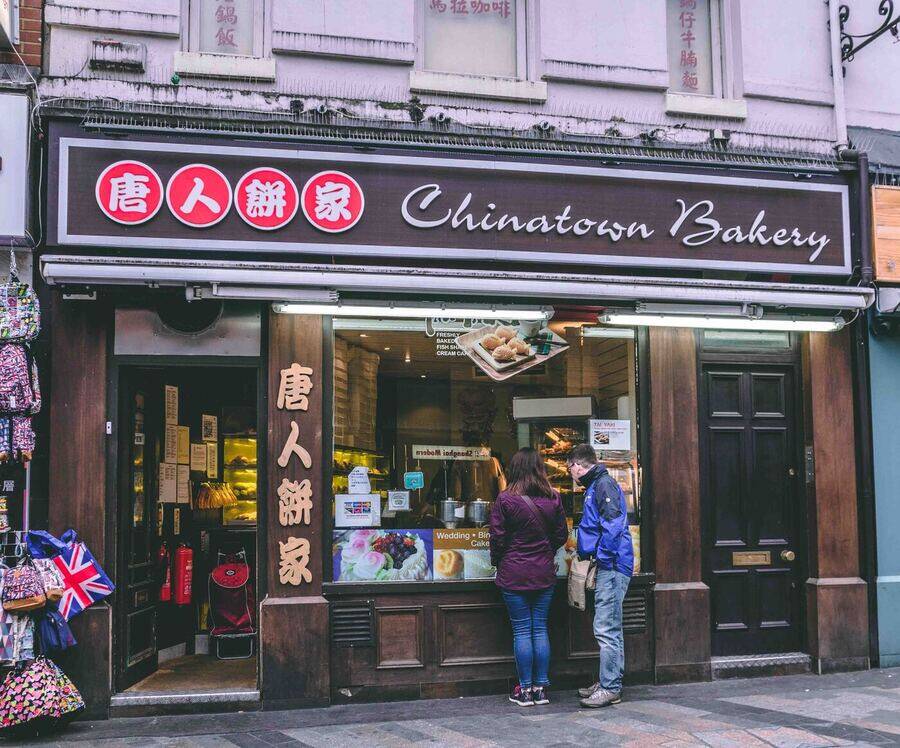
    Pick up some tasty treats at Chinatown Bakery.
    Pick up some tasty treats at Chinatown Bakery.

    Chinatown is one of the most colourful and lively pockets of London. Located near Leicester Square and Soho, Chinatown is part of London’s West End. The area started to form in the 1950s, starting with a few Chinese restaurants.

    Over the next few decades, other businesses and services made their home here, gradually turning the area into a hub for Chinese and East Asian culture. Chinatown is pedestrianised, so it’s easy to get around on foot.

    There is so much to look at in the neighbourhood itself, such as the stone lions, paper lanterns, buildings decorated with Chinese symbols, dragons and the grand, ornamental gate. 

    You should come here hungry, as the authentic Chinese food is not one to miss. There is a great selection of restaurants, all you can eat buffets, bakeries and supermarkets to choose from. If you fancy something different, you’ll also find other cuisines including Korean, Malaysian, Vietnamese and Japanese. 

    Catch a Theatre Show in the West End

    It would be a crime to come to London and not head to one of West End’s theatres. For hundreds of years, the culture and history of central London have been associated with West End shows.

    The very first theatre opened in the West End in 1663 and is still in use today. Over time, more and more theatres opened, and today it is the world’s largest theatre district. 

    There are all kinds of plays and dramas to suit different tastes, from comedies to musicals to operas to dance productions. Some of the most famous, long-standing plays include:

    • The Lion King at the Lyceum Theatre,
    • The Phantom of the Opera at Her Majesty’s Theatre, Wicked at the Apollo Victoria
    • and Mamma Mia! at the Novello Theatre.

    However, the theatres in the West End don’t just cater for big shows. There are many venues hosting smaller, more intimate productions and specialise in fringe and experimental theatre, such as the Canal Cafe Theatre and the Gate Theatre.

    Whip up Something Tasty at a Cookery Class

    It’s often said that the best way to discover a city is through its food. But what if you make that food yourself? When British food is mentioned, you probably think of fish and chips, pies, and Sunday Roast.

    But it’s much more than that – British food takes inspiration from different cultures that have made their home in British society. So what’s a better way to learn more about British cuisine than through a cookery class? It doesn’t matter whether you’re a culinary artist or a ready meal type of person – there’s always room for improvement. 

    There are many cooking schools in London, ranging from budget to expensive, easy to advanced, and vegan to meaty.

    A good place to start is at L’atelier des Chefs. With two locations in Oxford Circus and St Paul’s, this cookery school has classes ranging from 30 minutes to four hours. L’atelier des Chefs offer British cooking classes that focus on simple recipes made from quality ingredients. Some of the dishes include perfect roast potatoes, lamb leg steak, roast cod and sticky toffee pudding. 

    Do a Sports Stadium Tour 

    Arsenal-Stadium
    Arsenal Football ground during match day.

    If you’re a sports fan, then you’ve come to the right place. London is home to world class sporting events, and football is a favourite. London has five major football teams which are in the English Premier League: Arsenal FC, Chelsea FC, Tottenham Hotspur FC, Crystal Palace FC and West Ham United FC.

    Tours are available at any of these stadiums, and they’re pretty comprehensive. Amongst other things, you’ll get to see the players entrance, home and away dressing rooms, head coach’s office, media rooms and the pitch itself. Most stadiums have a museum as well, with interactive games, memorabilia, trophies, kit etc. 

    If tennis is more your thing, then the Wimbledon Lawn Tennis Museum is not one to miss. Go on a 90 minute tour of the grounds and sit in the players’ seats at the Media Centre, come face to face with the Championships Trophies and catch a glimpse of Andy Murray’s outfit from the London 2012 Olympics. The museum’s latest VR technology lets you travel back in time to experience the history of the game. 

    Do a London Food Tour

    Food tours are the perfect way to try some new delicious foods that you may have not discovered yet. Get your chocolate fix at Chocolate Ecstasy, try ethnic and international foods in East London or get some cheesy bits at Neal’s Yard Dairy.

    Free London Food Tour

    Who doesn’t love a free tour! Strawberry Tours offers a free London Food Tour which takes you around East London from London’s favourite chips to the salted beef bagel at Brick Lane Bagel Bake.

    The details: The tour starts at 2pm on Tue, Thu, Sat & Sun and will take approximately 2 hours. More information here.

    Chocolate Ecstasy

    Love chocolate? Then this tour is for you! Jennifer Earle creates tours with the best chocolate shops, bakeries and gelaterias in London. Their popular tour is Mayfair Chocolate Tour, tasting the classic English fondants (favourite of our Queen ?), a taste of treats from European countries (Belgium chocolate is incredible!) and maybe a sneaky dessert like Banoffee Pie.

    Every tour takes about three hours and you will get to explore different areas of London too.

    The details: The Mayfair Chocolate Tour runs from 10am–2pm on Mondays, Fridays and Saturdays. The cost is £44 per person.

    Cheese Tasting at Neal’s Yard Dairy

    Neal’s Yard is known as one of London’s prettiest areas and has one of the best-known cheese shop! There are also branches in Covent Garden and Borough Market. They host lots of tasty cheese tasting classes and workshops.

    The Dry January tasting is designed to serve as a light meal with 6-8 kinds of cheese with a sample of 3-4 soft drinks. The idea is to give you an introduction to pairing cheese with non-alcoholic beverages plus all the accompaniments.

    The details: All the events can be found on their website and generally around £40.

    Attend Festivals

    There are so many fantastic festivals that take place in London each year, attending one will be a great way to spend your time. You will get to meet new people (both local and tourist), what is more, you also get to experience the festival culture in London.

    Some ideas to look into; London Restaurant Festival, London’s Coffee Festival, BBC Proms in the Park, Underbelly Festival in South Bank or British Summer Time Hyde Park.

    Whether you don’t drink at all, or you’re just participating in Dry January, there is plenty to do in London that doesn’t involve alcohol. Even on a night out, there’s a huge range of activities where you don’t need to step foot in a bar. London is packed with history and culture, and it’s virtually impossible to run out of things to do. With that being said, pick an activity and get exploring!

  • Is London Better In Spring Or In Fall? A Local’s Guide

    Is London Better In Spring Or In Fall? A Local’s Guide

    London is one of those cities that has a charm to it no matter what time of the year you visit. Having said that, if you’re looking to avoid the tourist crowds in summer, it’s best to consider visiting in spring or fall.

    To help you decide when to visit, I’ve put together all the exciting events that both seasons have to offer.

    London’s temperatures rarely differ between spring or fall, and you can expect warm days in both seasons. Spring and fall are the rainiest seasons, so remember your umbrella! But don’t let the rain get you down – both seasons have plenty of events that’ll make your time in the capital memorable. 

    Keep reading to find out what’s on offer in both seasons.

    What to do in London in the Spring

    Spring in the UK comes early, with mild temperatures and blossoming trees appearing as early as late February.

    At the start of spring you’ll find cheaper accommodation deals, but keep in mind that prices usually increase in March and April as it hits the Easter holidays.

    The months between February and May are packed with events to suit everyone, from couples and families to nature lovers and sports fans.

    February in London

    For schools in the UK, the spring half term holidays take place during the middle of February. This means that there are more families and children out and about in the city compared to quieter months.

    However, it’s still a good time to visit, especially if you’re travelling without children. 

    Imagine Children’s Festival

    Having said that, if you are travelling with kids then you should definitely check out the Imagine Children’s Festival at the Southbank Centre.

    This is a 12 day arts festival that happens in February each year, dedicated to families experiencing all sorts of art and culture together. Expect to see performances, music, literature, comedy, creativity and parties for children aged 0 – 11. 

    Valentine’s Day

    If you’re travelling with your significant other, then why not celebrate Valentine’s Day while you’re in London? Whether you like to keep it casual or go all out, the city isn’t short of romantic spots.

    Try something different with a dinner cruise on the Thames. Or snuggle up next to the fire at one of London’s many pubs. Or try a quintessentially English afternoon tea, with many places featuring themed menus for the occasion. 

    Pancake Day

    Don’t laugh just yet. In London, there’s a long tradition of Pancake Day races held to raise money for charity. Head to one of the city’s many markets to witness the fun-filled event, and cheer on contestants as they flip pancakes in a frying pan while they try to complete the race course.

    Don’t forget to treat yourself too – many cafes do special pancake menus to mark the occasion. Pancake Day usually takes place in February, but may sometimes fall in March, depending on the date for Easter. 

    London Fashion Week

    London Fashion Week comes to the city every February and September. Showcasing over 250 designers, it is one of the ‘Big Four’ fashion weeks, along with New York, Milan and Paris. The February event showcases the fall/winter collections from the designers, sharing trends for the following season.

    Traditionally, Fashion Week was invite-only but is now open to the public. Purchase a ticket to the catwalk shows and you might just rub shoulders with A-list celebrities, reality TV stars, high profile fashion writers, bloggers and photographers. 

    March in London

    While February might still be a bit cold, the weather begins to improve in March. You’ll see the beginning of a ‘proper’ spring, with temperatures averaging 10°C. Most of the city’s parks will be green and blooming by now, making it the perfect time to go out and explore.

    St Patrick’s Day

    Every 17 March, Ireland celebrates St Patrick’s Day. Although it isn’t a national holiday in England, London joins in the festivities with an annual parade and festival that showcases the best of Irish dance, music, food, culture and arts.

    The parade usually happens on the weekend closest to 17 March and sets of from Piccadilly along a 2.4km route through the city’s landmarks.

    The Boat Race 

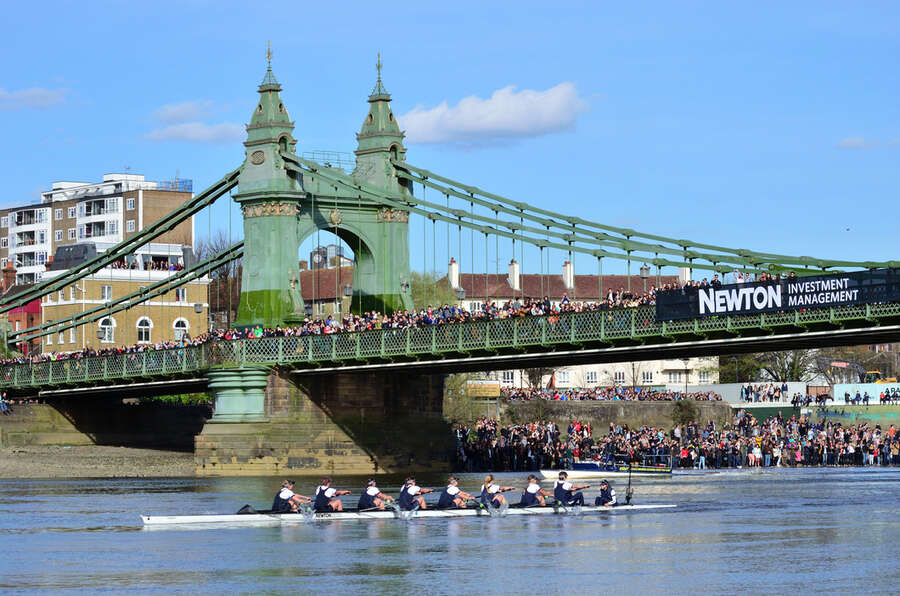
    The Oxford and Cambridge boat Rac in London which is the perfect thing to do in Spring.
    The Oxford and Cambridge boat Rac in London which is the perfect thing to do in Spring.

    Make your way to the riverbanks of the Thames and watch teams from Oxford and Cambridge universities race in one of London’s largest annual sporting events.

    First taking place is 1829, this free event is a must do. Both the women’s and men’s teams battle it out along the 6.8km route along Putney and Mortlake, and you can find great viewing spots either side of the river.  

    International Women’s Day 

    8 March is International Women’s Day, and London is not short of events to mark the occasion. Each year, the city celebrates the social, economic, cultural and political achievements of women around the world. There are tons of interesting events to attend, including workshops, talks, performances and festivals. 

    April in London

    April has quite similar weather to March, and may even be slightly rainier. Some days may be cloudy and chilly, and some may be mild and sunny. It’s a good idea to be prepared for different weather conditions, so make sure you pack a waterproof jacket as well as lighter layers. 

    Easter Weekend

    Easter weekend is a great time to be in London. Although the dates vary each year between March and April, for the most part Easter weekend takes place in April.

    There are a ton of events going on in the city. Try locally made chocolate eggs, or join an Easter service at one of London’s churches, including Westminster Abbey and St Paul’s Cathedral.

    Head to Trafalgar Square to witness The Passion of Jesus, an extraordinary open-air play featuring 100 performers. 

    Virgin Money London Marathon

    Virgin-Money-London-Marathon
    Virgin Money London Marathon is a fun day out. People get dressed up and raise money for charity.

    First run in 1981, the London Marathon takes place in spring each year, usually in April. Since the first ever run, the marathon has raised over £450 million for charity, and is the largest annual fundraising event in the world.

    Join millions of people watching and cheering from the sidelines in London’s 42.3km street party!

    Feast of St George

    Saint George’s Day, also known as the Feast of St George, is England’s national day. All things English are celebrated, so this is a great chance to learn more about English culture.

    The free festival comes to Trafalgar Square each year, and is complete with live music, brass bands, medieval jousting tiltyard, comedy shows and family games. Since the Feast of St George is traditionally a day of feasting, there are a huge selection of food stalls to sample.

    Vaisakhi 

    London is one of the most multicultural cities in the world, and over 200 languages are spoken throughout its neighbourhoods. London is known to celebrate diversity with different events and festivals.

    Each April, Londoners come together to celebrate Vaisakhi, a historical and religious festival in Hinduism and Sikhism. Head to Trafalgar Square to learn more about Sikh and Punjabi tradition, heritage and culture.

    Take part in fun activities, learn about Gatka – an ancient martial arts, and enjoy traditional food and Indian tea. 

    May in London

    Although May is the start of the peak season, it is a great time to visit London. Average temperatures fall in the high teens and the days are longer, with the sun setting at about 9pm. There are two May bank holidays, which means plenty of events throughout the city. 

    RHS Chelsea Flower Show

    RHS-Chelsea-Flower-Show

    Each May, the RHS Chelsea Flower Show is held in the grounds of the Royal Hospital Chelsea. Since its very first show in 1912, it has become the most famous flower and landscape gardens show in the UK.

    Garden designers, plant specialists and florists come together to create beautiful garden exhibits, floral displays and plant sculptures.

    The show sees more than 150,000 visitors each year, including members of the British Royal Family.

    Chelsea in Bloom

    Kat-at-Chelsea-in-Bloom
    Aren’t the flowers at the Chelsea in Bloom wonderful?

    Chelsea in Bloom is a free event that happens alongside RHS Chelsea Flower Show. Chelsea’s best retailers, restaurants and hotels come up with creative flower designs.

    The designs are on King’s Road, Sloane Street and the little streets in between. They come up with some pretty impressive artwork! There is a different theme each year, in 2019 it was ‘Under the Sea’.

    Catch an outdoor cinema event

    If you’re a film buff, then you definitely shouldn’t miss rooftop film season. Each May, different venues hold outdoor cinema events in fantastic locations throughout the city.

    Whether you’d like to watch Jaws while floating on top of a pool, or catch a classic 80s film on a rooftop with 360° views over London, this is something unique to write home about. 

    London Wine Week

    Each May, London celebrates all things vino at this week long festival, with over 100 venues across the city participate in discovering and appreciating wine.

    The programme includes tastings, showcases, pop-up prosecco gardens, dinners, masterclasses, meet the maker evenings and parties.

    So if you’re a serious oenophile, or simply just love a glass or two, make sure you don’t miss this event.

    London History Day

    First held in 2017, London History Day takes place on May 31 each year. The date marks the anniversary that Big Ben was completed in 1859.

    This is a perfect time to visit the city, as many museums, galleries and cultural spaces offer behind the scenes tours, rarely-seen exhibits and special events.

    Make the most of the warm May sunshine with historic walking tours of London, a great way to learn more about the city and take all the sights in. 

    What to do in London in the Fall (Autumn) in London

    As the temperatures drop and fall approaches, the busy summer months wind down. It’s easier to find deals on accommodation and airfares around this time of year, and you’ll also find that there is more availability when booking theatre or event tickets. As the leaves turn red and the crisp mornings arrive, stay cosy with these events. 

    September in London

    Schools are back and the tourist crowds start to thin out, which means that London’s sights aren’t as jam-packed.

    The weather in September starts to cool down, although there can still be warm, mild days. You won’t experience too much rain, although there may be some light showers rather than torrential downpours. 

    Totally Thames Festival

    Every year since 1997, the whole month of September is dedicated to the Totally Thames Festival. There are over 100 events covering art installations, exhibitions, concerts, films, performances and workshops.

    For the more adventurous, you can join a river boat marathon, a Thames swimming event and night kayaking. Events are spread across the city, so find one you like and join in the fun!

    London Design Festival 

    Every September for the past 17 years, the London Design Festival has promoted the city’s creativity. With over 400 events and exhibitions, the festival draws in an estimated 580,000 people from around the world.

    The Victoria and Albert Museum is the official hub for the festival, and offers an extensive programme of events, talks, keynotes, daily tours and workshops.

    However, you’ll also find installations dotted all around the city. 

    Open House London

    Emirates cable car in London
    Not all the places in Open Houses in London are houses, places like Emirates cable car has been a part of the event.

    One weekend in September each year, London opens the doors of over 800 of its biggest, most renowned buildings.

    With the aim of making architecture accessible to everyone, you can venture in some of London’s most secretive buildings to discover hidden histories and get interior inspiration.

    The best part is that this event is free, but as it’s so popular, you can expect to queue. The buildings are spread across 30 London boroughs, so you’ll need to plan in advance which locations to visit.

    If you live in London you can also volunteer at the open house days.

    Pearly Kings and Queens Harvest Festival

    Each September, London celebrates the harvest with the Pearly Kings and Queens decked out in their dazzling costumes.

    The tradition dates back to the 19th century when Henry Croft, a street sweeper who went out and collected money for charity wearing a dark suit covered in pearls to attract attention.

    Today, people gather at Guildhall Yard to celebrate the fall harvest with traditional entertainment including Morris dancing, maypole dancing, marching bands, and a street parade. Everyone is dressed in bright pearl buttons, and it is truly an unforgettable sight. 

    October in London

    In October, heavy rains and mist return to the capital. Having said that, there is only an average of 15 days of rainfall, so you’ll still see some dry and sunny days. Trees start to change colours around this time of year, and transform London into a vibrant red and orange palette. 

    London Restaurant Festival

    Meat caver at Bindisa longest lunch as a part of the London Restaurant Festival.
    Meat caver at Bindisa longest lunch as a part of the London Restaurant Festival.

    What’s a better way to explore a city than through its food? Every October, the London Restaurant Festival returns to the city. Now in its 11th year, the festival celebrates the diverse range of restaurants that London has to offer.

    You can enjoy a collection of food and drink events across the city, and try out curated menus, restaurant hopping tours, movie nights and masterclasses in various cuisines. With events in over 250 bars and restaurants, you won’t run out of options for sampling the best of London’s cuisine.

    BFI London Film Festival

    This annual film festival runs every October for two weeks. Founded in 1957, the festival screens more than 300 films, documentaries and shorts from approximately 50 different countries.

    While many film professionals and actors attend the festival, it’s still a public festival, and offers opportunities for people to see films that don’t have a UK screening, or exclusive access to films that haven’t been released yet.

    You may have to get tickets for talks by actors, directors and filmmakers, but there are tons of free events like quiz nights, performances and documentary screenings.

    Halloween

    While Halloween in the UK isn’t as big as it is in the US, it’s definitely growing in popularity and in cities like London, there are plenty of spooky things to do.

    London has quite a gory past, including Jack the Ripper, the Black Death, the Bloody Tower at the Tower of London and the London Dungeons all making the city the perfect place to spend Halloween.

    There are many tours and experiences you can take to discover the bloody history of the city. If you prefer a more cheerful, less scary Halloween experience then head to one of London’s many parties.

    The city’s pubs, bars and clubs are alive with different parties, so grab your best costume and get spooky.

    November in London

    November is pretty much the end of fall and you can expect cold, wet and windy weather throughout the month. If you love the festive season then good news –

    Christmas tends to start early in the UK, with many streets, shops and restaurants putting up lights and decorations in November. But if you’re the type of person who thinks Christmas should start in December, then don’t worry – there are still a few festivities in November to get through first.

    Bonfire night

    Remember, remember the fifth of November. Each year, London commemorates the day that Guy Fawkes attempted to blow up the Houses of Parliament in the Gunpowder Plot of 5 November 1605.

    Huge bonfires are lit in various locations around the city, and the London sky becomes a colourful display of fireworks. You can also experience other activities like funfairs and music, plus heaps of seasonal food and drink. 

    Remembrance day

    Each November, London remembers the people who lost their lives in the war with various commemorative events such as concerts and church services.

    Remembrance Sunday is held on the second Sunday of November, where a service and parade attended by the Queen takes place.

    There are also events at the Imperial War Museum, where you can learn more about wars through exhibitions and collections.

    Hyde Park Winter Wonderland

    This is London’s must-visit Christmas destination. Opening in mid November, there’s no harm in getting the holiday season started early with a huge selection of festive entertainment and activities.

    You can skate to live music at the UK’s largest outdoor ice rink, or sit back and admire the acrobatic performances at Zippos Christmas Circus. Catch spectacular views over the city from the top of the Giant Observation Wheel, or create your own ice sculpture at the Ice Sculpting workshops.

    For some hot food, head to the German style Bavarian village full of bratwurst, roasted nuts, waffles, Berliners and tons of other Christmas treats. 

    London Jazz Festival

    Every November, one of the UK’s landmark music events comes to the capital. The festival brings together emerging talent with established musicians from the jazz world.

    Experience a mix of concerts, events and performances, from headline shows to intimate recitals.

    You can find events at various venues across London, from large, well-known concert halls such as the Royal Festival Hall, to smaller spaces such as the Purcell Room. 

    The Verdict

    Is London Better In Spring Or In Fall? It’s hard to choose between spring or fall. London is such an amazing city with plenty of events throughout the year.

    Overall, the spring months are filled with a lot more outdoor events, so if you’re looking to spend time exploring the city by foot and soaking up the warm weather, then I’d recommend visiting between February and May.

    If you don’t mind chillier temperatures and less daylight, then fall can be a great time to visit. There are many events between September and November that’ll give you a taste of traditional British food, art and culture.

    Whichever season you decide to visit, you’ll be sure to find a huge selection of things to do – just remember to pack your umbrella!

    More London Articles

    If this is your first time in London, make sure you read my guide with all my insider tips to make your first trip to London amazing! Some things also require booking in advance, see my guide on what to book in ahead in London.

    Here is more London inspiration and frequently asked questions.

  • 9 Reasons You Need Travel Insurance for the UK

    9 Reasons You Need Travel Insurance for the UK

    Travelling to the UK can be expensive. With airfare, places to stay, and things to do, you’re going to spend some money. Travel insurance is another expense layer on top of that!

    I’ve seen several posts across the internet questioning if it is worth the money you’re spending? If something happens to you whether it’s a cancelled flight or something more serious the initial outlay is worth it.

    Do I need travel insurance for the UK? I always recommend getting travel insurance. If you think “I don’t need it” or “I won’t get hurt” please rethink that as it DOES happen. While most trips go to plan if it doesn’t you’ll be happy you spent that little bit of money on travel insurance.

    Why should someone get travel insurance for the UK? Travel insurance can be beneficial to travellers regardless of their planned destination. The top 9 reasons you need travel insurance for the UK:

    1. Medical Emergencies
    2. You Need an Emergency Medical Evacuation
    3. Baggage and Belongings Mishaps
    4. Cancellation of Your UK Trip
    5. You Miss Your Connection
    6. Flight Cancellation
    7. Your Passport is Lost
    8. Your Travel Company Files Bankruptcy
    9. Stress-free Car Hire

    Before you get travel insurance, you’ll need to know more about it: what it is, why you might want it, and what kind you may want depending on the trip that you’re planning. We’ve outlined all the basics here, to help you decide.  

    What Is Travel Insurance – and Why Would I Need if?

    Travel insurance is just like any other kind of insurance, in that it ensures your safety and wellbeing. When travelling, this can mean a few different things. Most of them have to do with the safety of you and your belongings. Different types of insurance cover different things and can have more or less coverage than others.

    To get started, we’ll outline some of the most important things that you need to know about travel insurance. Having a basic understanding of what is most commonly covered will give you a better understanding of what you might want to protect while travelling to the UK.

    9 Reasons You Need Travel Insurance for the UK

    1. Medical Emergencies While the UK

    As much as we would all like to hope that our vacations will go according to plan, accidents are inevitable. Most of the time they aren’t that serious but there is always the chance that a serious injury happens to you while you’re in another country.

    The problem is, of course, that most health insurance may not extend to a UK hospital if you’re as a citizen of another country.

    If you know you’re going to travel to the UK, and before you buy travel insurance, call your health insurance company. Find out if you are covered or if your existing health insurance plan offers a travel supplement. If it’s available, find out the cost of that so you can compare when you look at specific travel insurance.

    2. You Need an Emergency Medical Evacuation

    Rugby-players-preparing-to-catch-contestants-in-the-cheese-rolling-festival
    Rugby players helping at the Glouster Cheese Rolling to catch contestants after running down the hill chasing the cheese! They also assist in the injuries that occur in this dangerous sport and there are a few brutal ones.

    While the UK might not seem the first place you may need an emergency medical evacuation there are plenty of stories of people getting lost during a hike in Scotland or Wales, some requiring airlifts off mountains.

    During my travels, I have witnessed things that you just don’t think will happen. As an example, on a sailing trip around the Greek Islands, I watched a lady fall out a window at a bar and shatter her elbow. While the UK has better safety standards than Greece, she needed to get airlifted off this island as we were in a remote location. If she didn’t have travel insurance the cost would have been thousands of euros that she owed.

    By having travel insurance it will return the initial cost outlay. If you plan for outdoor activities this will give you the peace of mind whatever happens on your adventures.

    3.  Baggage and Belongings Mishaps

    One of the easiest problems to come into contact with when travelling (especially internationally) is to have luggage get lost in transit. Ending up in the UK without any of your things would probably be extremely frustrating.

    On top of missing some of your favourite products, if you’re not staying with friends or family who can lend you clothes, you will probably have to shell out money just to be clothed the rest of the trip!

    Investing in travel insurance for your trip to the UK could save you from having to spend your money on clothes and other supplies that you don’t really need. Baggage insurance usually comes in the form of reimbursement for lost goods, so you would still have to buy new clothes, but you would get reimbursed, making them free in the end.

    This process is still stressful and tedious, but insurance can definitely help ease the cost.

    4. Cancellation of Your UK Trip

    Most trip reservations are going to include a non-refundable booking fee and, very often, a booking fee on top of it. If something happens and you end up having to cancel your trip, you could be paying even more money for a trip that you didn’t get to take.

    Thankfully, most travel insurance includes cancellation coverage, which reimburses you for any extra funds that you might have to spend due to cancelling your trip. If you have an ever-changing schedule, look for a travel insurance plan that has really good cancellation. This way, you can relax even if something comes up.

    Pay attention to what kind of situations your cancellation insurance covers. There is a wide range of cancellation coverages policies and packages. Some comprehensive packages include a “cancel for any reason” insurance. This option is just what it sounds like: an assurance that you can back out of your trip for any reason, within a stated time frame.

    5. You Miss Your Connection

    Travel doesn’t always go to plan and you discover that you are going to miss a connection that impacts your trip. Whether is joining a cruise, tour bus, train or flight this will be an additional or lost cost to your trip.

    Having missed connection coverage will be providing you with the assistance services to help you arrange and pay for those travel changes.

    6. Flight Cancellation

    Flight-Cancellations

    From natural disasters to industrial action there are factors out of your hand that could your flight cancelled. With cancellation or interruption coverage you will have the money refunded and the costs covered for a new ticker or stay in a hotel.

    Now, this doesn’t mean that the airline won’t cover you in instances, but insurance gives you that extra support if the airline ends up being difficult. Do read the terms and conditions of the booking to ensure what you are covered for in case of a cancellation.

    7. Your Passport Is Lost

    You’ve taken your passport on a night out and realise it’s no longer in your bag and now you’re stuck! I’ve witnessed this happen a few times, even when I was renewing my passport at the Australian Embassy in London.

    Not sure about your countries emergency passport but getting an Australian passport overseas is expensive!

    Lost passport coverage will help you getting the process expedited and paying for the new passport.

    P.s. want to know if you should take out your passport in London? Read this article.  

    8. Your Travel Company Files for Bankruptcy

    With travel companies like Thomas Cook and Monarch going bankrupt in the last few years you just never know if your trip will be safe. Travel insurance can recoup the cost you would lose if the company cancels due to financial default and provide assistance finding an alternative solution to your trip.

    9. Stress-free Car Hire

    Driving in a new country can be stressful and for most of the world, the UK drives on the other side of the road.  Car accidents can happen, so I always make I have car insurance if I am renting a car. One of the biggest ways that car rental companies earn money from you is via insurance. Including car insurance in your trip policy can save you money and still be covered!  

    What Types of Travel Insurance Are Available for My Trip?

    A typical travel insurance policy will have coverage for most of your concerns when visiting the UK.  These include trip cancellations, medical emergencies, travel delays, and lost luggage. However, you may choose to get additional coverage to cover cruises, adventure activities or a higher coverage on your belongings (if you decided to bring a lot of camera gear as an example).

    Coverage Type

    While every individual travel insurance company is going to price their plans differently, there are two specific groups of plans that you can get. Depending on the situation that you’re in, you’re going to either want basic coverage or comprehensive coverage.

    • Basic Cancellation Coverage:

    This is exactly how it sounds. Basic cancellation coverage is only going to cover trip cancellation fees and non-refundable deposits for flights, hotels, etc. It also oftentimes covers baggage loss or damage, but not much more than that. This is perfect for any short, standard trip to the UK.

    • Comprehensive Coverage:

    This is the coverage that is going to help you get out of a dangerous situation or get medical attention for no out-of-pocket costs. If you are going on an extended UK trip or plan on doing particularly dangerous activities, a more comprehensive plan might be something to look into.

    The Cost of Insurance Coverage Based on Traveler’s Age

    Like many other types of insurance, travel insurance actually increases in cost as you age. So, the younger you are, the less you will pay for more coverage. This is mostly because of the increased risk of medical problems for older individuals because their health is in decline.

    Older travellers may have more health issues that make them at risk of needing medical assistance or attention while travelling. And, while most insurance companies will still offer coverage, it will cost more as you age – and that cost will be compounded, depending on what kind of coverage you are interested in.

    However, when you price compare, check to see which companies offer special packages for seniors. It’s possible to find special deals and group rates, too. 

    What Doesn’t Travel Insurance Cover?

    Travel insurance isn’t a miracle coverage, nor does it offer generous coverage of any and all potential travel-related issues. Like other forms of insurance, there will be some fine print to travel insurance.

    • Pre-existing Conditions – This is a big one to remember if you don’t disclose or choose a travel insurance policy that covers this then you could not be cover. If your trip to the UK is negatively affected by a medical emergency that has anything to do with a condition already existing in your medical records, you will have no coverage. This is a very unfortunate exception to coverage, but it exists, and you should definitely be aware of it if you do have any pre-existing conditions.
    • Individual Risks – While medical costs are generally covered by comprehensive insurance plans, there is always the chance that they will take individual risks into account. This can be a bit vague when it comes to things like outdoor accidents but is more clear-cut in other scenarios.

      For example, you are not covered you are under the influence of drugs or alcohol when the medical emergency occurs. High-risk sports, like scuba diving or bungee jumping, are also not covered automatically, with only some plans providing them as add-ons for an additional fee.
    • Disease Outbreaks – Strangely enough, even though they cover most medical emergencies and disasters, travel insurance plans usually do not cover medical treatment for a disease involved in an outbreak. They may, however, cover travel costs to escape after the outbreak has been labelled an emergency.

    Important tip: Most of the time, your homeowner’s insurance will cover the loss of personal property while travelling. If you have homeowner’s insurance, you may still have coverage in this area, so check with your agent before you leave for your destination.

    Choosing Your Travel Insurance

    Just like there isn’t just one kind of car insurance, there are different types of travel insurance to choose from. Which type you need depends on your situation and sometimes you have the ability to choose one that is cheaper or has more coverage than another.

    The process of picking your travel insurance actually involves a lot more control than you might think. Here are the primary categories of travel insurance plans and why each one might fit your specific travel needs.

    Single Trip Travel

    If you’re just visiting the UK once, this is the plan for you. This kind of plan will cover a trip that you are going on alone (or that you are only covering yourself for) and only the once. The cost depends mostly on your age and the length of the trip, without much change between areas of travel.

    Annual Multi-Trip Travel

    If you are travelling regularly, you’re going to want to get a multi-trip plan. This plan continues through each of your visits and costs less overall than getting a new policy for each individual trip.

    Group Travel

    If you are travelling with more people than yourself, a group plan may be more beneficial in the long run. The best thing about group travel plans is that they are just as comprehensive for a lower price per person. This is best for large groups, but any group larger than two people would do well to have a group plan.

    Senior Citizen Travel

    If you’re a senior, you can get an insurance plan specific to your needs. It includes coverage for pre-existing conditions and even more medical assistance, which can be beneficial to those dealing with health issues at their advanced age.

    Student Travel

    There are also travel insurance plans specifically for students. These plans usually have increased protective measures and may include add-ons for emergency evacuations. These plans are also usually just more accommodating in general, but because of this can be a bit pricier than some single trip plans.

    When Should You Get Travel Insurance?

    The easiest answer? Get it as soon as possible after you have booked your trip. The more exact answer depends on the travel insurance plan. Most of them are around two weeks after you’ve booked your flight, hotel room, and anything else so that they can get all of the necessary information.

    You can even get travel insurance after you’ve already left. Many, if not most, travel insurance companies offer the ability to get travel insurance when already abroad. They do have a cap-off date of around two weeks after you arrived at your destination, but if you would still like travel insurance but are a little late, you can get covered.

    While getting your coverage late is doable, the best time to get your coverage is still as early as possible. Travel insurance companies, like all insurance companies, are risk-based. That means that they are going to give coverage based on any determined risk. The earlier that you get your insurance before leaving, the more aware they are that you will avoid risk. So, the earlier that you get the insurance, the more coverage you are likely to receive.

    Is Travel Insurance Worth It When Visiting the UK?

    Travel insurance is always worth the costs to give you peace and mind that you will be covered on your trip. If you are planning on doing any outdoor adventure, cruising or bringing expensive items like cameras and laptops make sure these are included in your policies.

    Picking a travel insurance company can be overwhelming with all the choices, depending on the type of trip I have I will either start with an aggregators website like Go Compare, Confused and Money Super Market or go straight to trusted travel insurance companies like World Nomads, Covermore or True Traveller.

    • True Traveller is only for Europeans so it is restricted if you are travelling from places like Australia or the United States.
    • World Nomads is a very popular travel insurance company that provides cover across the world and also when you don’t have a country you reside in.  
    • Covermore will cover you if you are from Australia, India, New Zealand, the United States and the UK.

    More London Articles

    Hostels are a great way to save money when travelling solo, here are 11 Safety Tips. If you’re worried about travelling to London and whether it’s safe.

    Here are some more inspiration and frequently asked questions.

  • How To Get Internet And Wi-Fi In London

    How To Get Internet And Wi-Fi In London

    We are living in a digital age and constantly in need of staying connected via the internet. Regardless of where we are, we all have one thing in common, we all want a good Internet connection. If you don’t want to spend time looking for constant, uninterrupted Internet and WI-FI in London, this article is just for you!

    How to Get Internet and WI-FI in London? There are several options available to people who want a good internet and WI-FI connection in London. These options include but are not limited to buying a local sim card with a data plan, searching for public Wi-Fi or using hotel Wi-Fi, getting a Travel Wi-Fi Hotspot, and lastly roaming your sim.

    For more on information on what your internet and Wi-Fi options in London are, continue below.

    Staying Connected in London: Internet & WI-FI Options

    Staying connected with your loved ones and the world at large is important. Depending on your plan and budget, below are some internet and WI-FI options to help you stay connected when in London.

    Buying a SIM Card

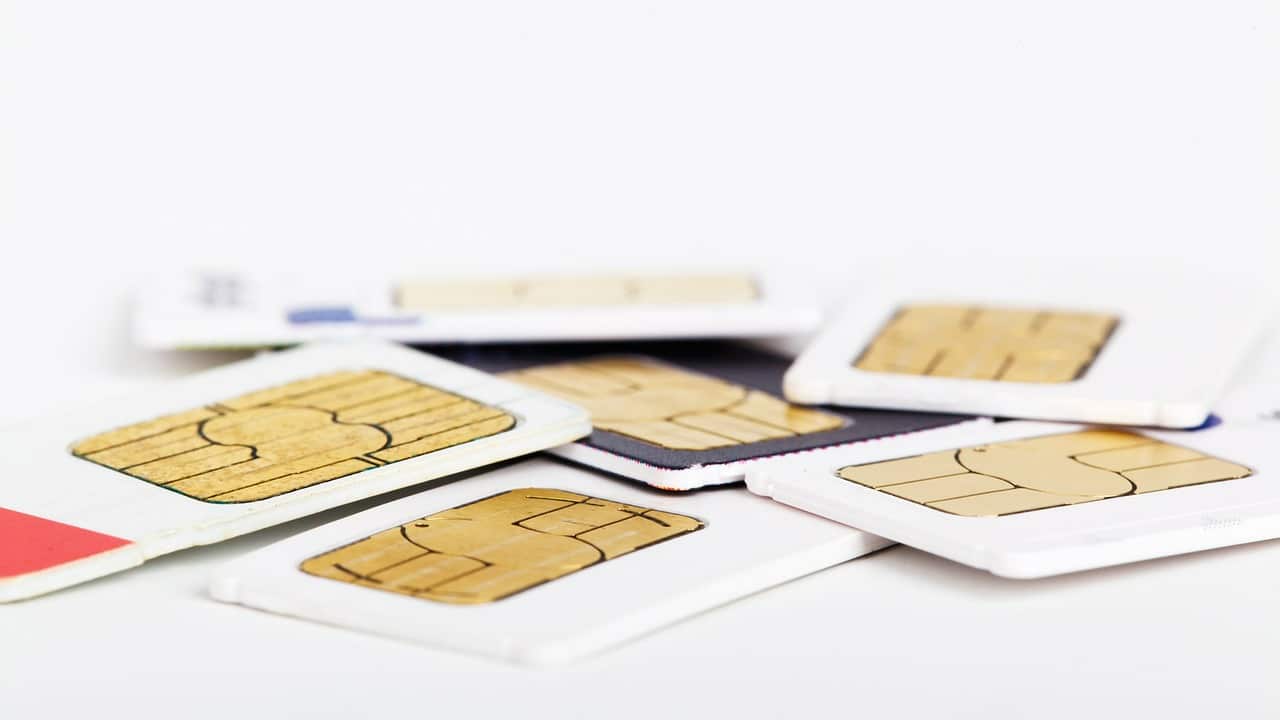
    The local sim cards will have etched cut-outs for three sizes so you will have no issues finding a provider that fits with your phone.
    The local sim cards will have etched cut-outs for three sizes so you will have no issues finding a provider that fits with your phone.

    One of the options available to you is to buy a local sim card. A local Sim card will give you the advantage of texting and making calls. You can also access the internet by buying a local data plan. Getting a sim card can be the best options if you don’t plan on needing big amounts of data.

    However, you should know that your device will need to be unlocked before you can use data on the phone. If you are not sure whether your device is unlocked or not, you can check with the place you got the phone from.

    With a local sim card, you should be able to access the internet with the highest speed possible. In addition, you will also be able to use a phone as a hot spot to connect your other gadgets that might require internet access.

    Read this before purchasing a SIM card: Do all Phones Work with UK Sim Cards? What to Know Before Visiting.

    Advantages of buying a local SIM card

    • Cost-effective when compared to hefty roaming charges
    • The added advantage of calling and texting
    • Good for people planning for an extended visit or stay in London
    • Offers the fastest local speed possible

     Disadvantages of buying a local SIM card

    • You will have to first find, buy, and then insert the sim card before you can be connected. This may prove stressful, especially if you are not familiar with your surroundings.
    • Though a local sim card is cost-effective to the owner, loved ones trying to call or text you may incur heavy charges.
    • You may have to wait till you can get a sim card before you can contact your loved ones.
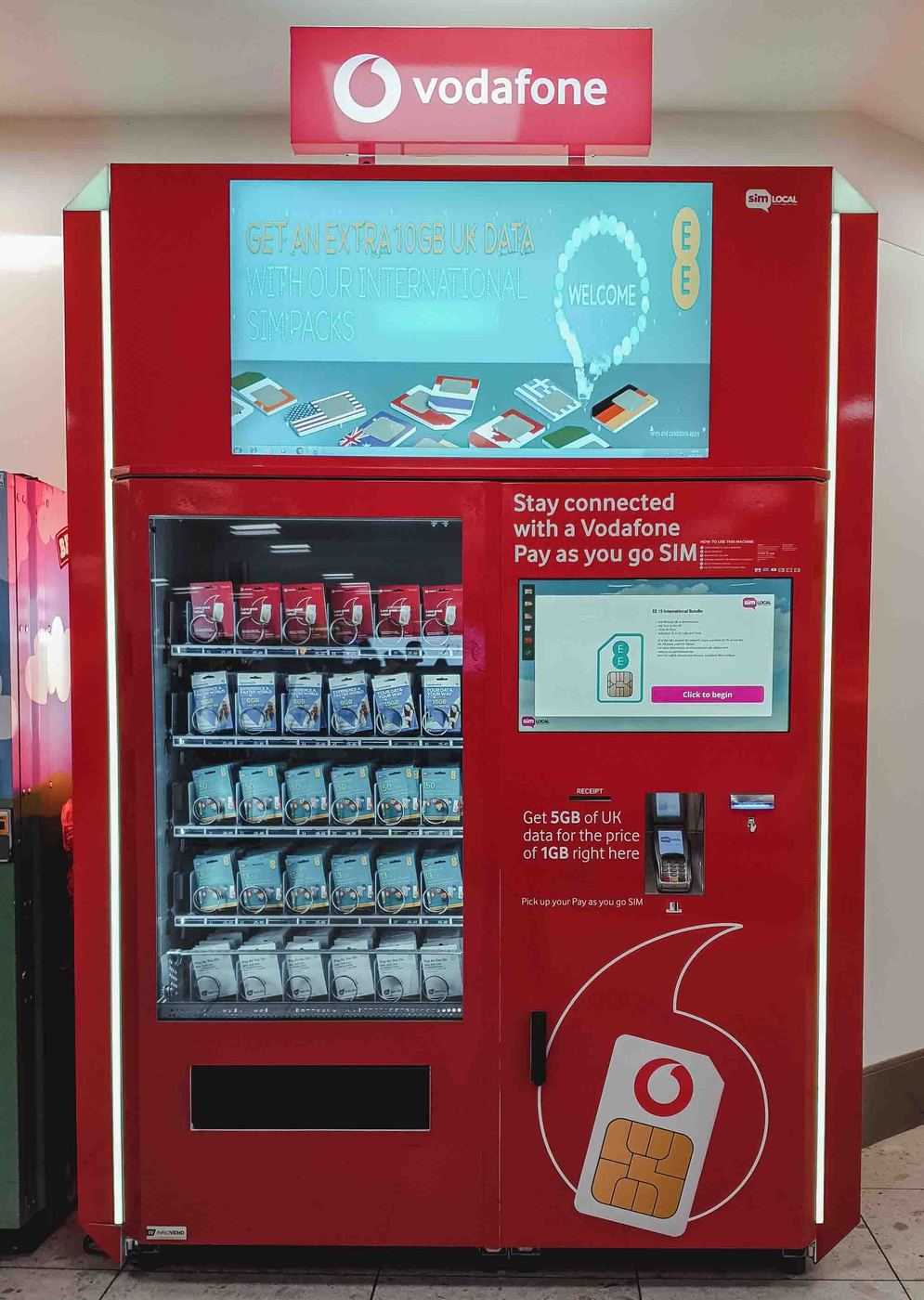
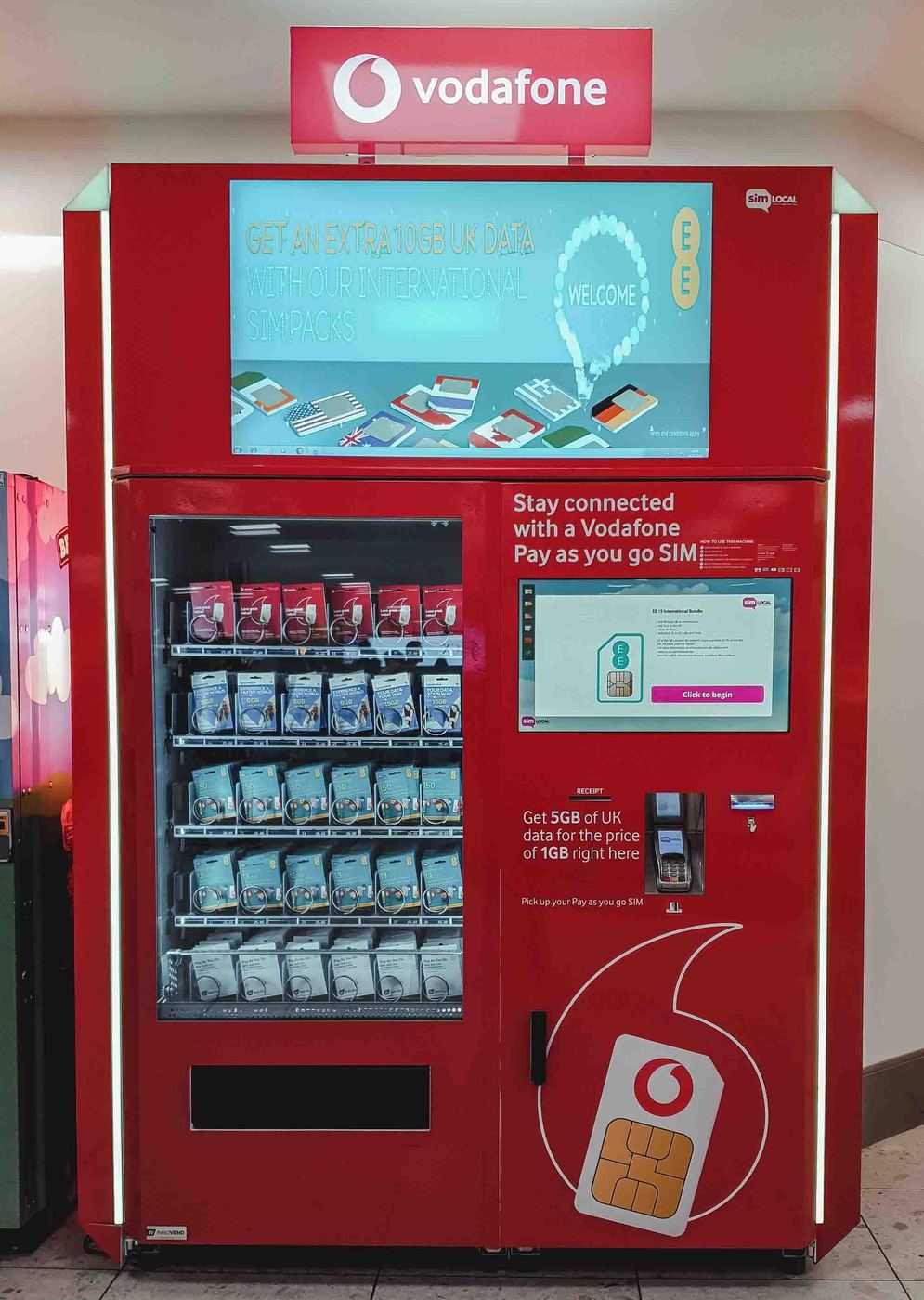
    Vodaphone vending machine at Heathrow Airport in the baggage reclaim area.
    Vodaphone vending machine at Heathrow Airport in the baggage reclaim area.

    Get an International or Europe Only Sim Card

    The only difference between the two is that a Europe only sim card is limited to Europe and cheaper than an international sim card. With an international sim card, you don’t need to always buy a new sim when you are visiting another country. Hence, it will be a good option for people who are always travelling- it is simple and very convenient.

    Advantages of Getting an International or Europe only Sim Card

    •  Having one sim card to use for almost every country is really a very convenient way of traveling.
    • Reduces the cost of your loved ones calling or texting you. Compared to a local sim or roaming fees, this is certainly the best to keep in touch with your loved ones.
    • International data plans work with locked phones. You don’t need to worry whether your device is locked or unlocked.
    • The hassle of a language barrier is eliminated. You can manage and top your accounts in your language.
    • Gives you the advantage of contacting your loved ones immediately after touching down.
    • Your loved ones can reach you anywhere you are, since it is the same sim.

    Disadvantages of International or Europe only Sim Card.

    • Europe only sim cards are limited to only countries within the European Union.
    • An International Sim card and data plan might be very expensive in the long run. So, it won’t be advisable if you are on an extended stay or visit.
    • Some countries don’t make provisions for international sims. However, London has provisions for international sim cards.

    Searching for Public WI-FI or Using Hotel WI-FI

    WI-FI is one of the cheapest options available for internet users. What is more, you need to unlock your phone to use WI-FI or access the internet.

    It’s possible to find free WI-FI hotspots in many places in London. In fact, you can access free WI-FI in places such as Starbucks, McDonald’s, Cafés, Underground (if you have a local sim), etc. though you may have to buy something if it is a restaurant in order to gain access.

    However, the downside is that you would have to stay in one place to stay connected, instead of exploring the city. Using WI-FI can also be inconvenient, especially if you are travelling. You may not be able to search for directions if you get lost. More so, public WI-FI is not your best option if you want uninterrupted network connection.

    Using your Mobile Data

    It is also possible to use your mobile data to access the internet if you are not scared of the charges that it will attract. By using your mobile data, you will be attracting hefty charges unless you have international data coverage.

    If you want to avoid this, there are better options to explore, such as WI-FI, Local Sim, etc. when accessing the internet in London.

    Getting Travel Mobile Wi-Fi Hotspot

    This will be a great choice if you are travelling in a group to London. Although it is also a good choice for a solo traveller. A travel WI-FI Hotspot provides you with your own 4G unlimited network. In London, this can be up to 5GB daily.

    One of the obvious advantages of a Travel WI-FI Hotspot is that you can your share hotspot with others. You can connect up to 10 devices at once and still be able to access the internet at high speeds.  

    This means you can connect your laptop and other gadgets to the WI-FI Hotspot if you are a solo traveller or share among the group if you are travelling in a group.

    Advantages of Using a WI-FI Hotspot

    • Ability to connect up to 10 devices
    • Convenient and easy to carry while travelling
    • A good option for a group of travellers or a family
    • Can connect anywhere, once it is in range.

    Disadvantages of using WI-FI hotspot

    • There is a risk of it getting lost or stolen
    • You will always have to carry the mobile WI-FI Hotspot around
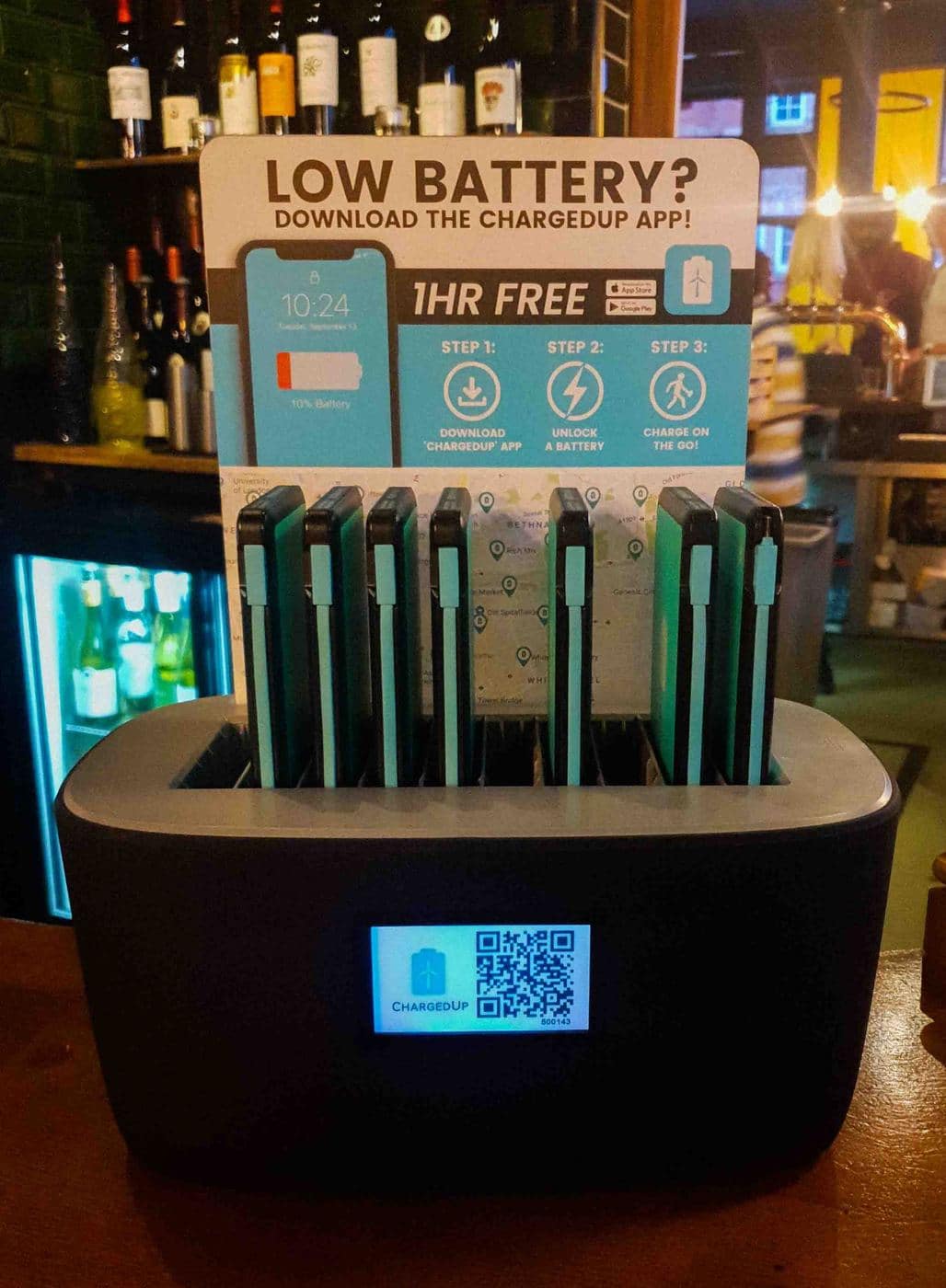
    • You have to keep the mobile WI-FI Hotspot charged always
    • It can be inconvenient for a group once splitting occurs
    • Running costs might be expensive on the long run.

    Get a Customized Roaming SIM

    Roaming your ordinary or local sim may be too expensive and getting a local sim every time, your travel might be too stressful. Alternatively, you can get a customized roaming sim.

    For instance, KnowRoaming offers a SIM sticker that involves you applying a sticker to your existing SIM card. This sticker basically turns your sim into a super dual SIM card that you can use when you travel without replacing your sim.

     There are various options and data packages depending on your choice and preference.

    Internet Access Options

    Internet service is widely available in London. Most time you will find them added to cable and satellites service. There are various types of connection, depending on what you want. Some of these include ADSL, Cable, etc. The speed and cost also vary from one provider to the other.

    Some of the Internet Providers in London include:

    Sky – offer speeds of up to 24 Mb, BT Broadband, TalkTalk, Virgin Media,  Orange, Vodafone, Calico UK Internet Service, Abel Internet, and Plusnet.

    Installation

    After deciding the type of connection, you want, you will need to contact your chosen service provider for installation. Usually, you won’t need to have the engineers over, though it might be necessary if you are just installing for the first time.

    What Does Installation Involve?

    Basically, installation involves setting up the modem or router and filter. After setting up, you will then configure the internet access on a computer, and after that, you are ready to access the internet.

    Note: You will need some documents to successfully install your internet access.

    Documents Required for Installation includes proof of identity (Valid full EU passport or Valid non- EU passport, Current and Valid UK Driving License), Utility bill or lease agreement, as the case may be.

    What is WI-FI?

    The term ‘WI-FI’ is used to describe the technology through which the internet is distributed wirelessly into our devices. The keyword here is ‘wirelessly,’ meaning it does not require a cable to work, and you can connect your device remotely once your device is in range. For Wi-Fi to work, you will need to buy broadband.

    Note: Broadband is generally what brings the WI-FI to your home. Broadband is the technology responsible for connecting your personal internet to the global one. It specifically brings the internet to you with the help of wires, cables, and exchanges.

    While broadband brings the internet to you specifically, you still need a wireless router before you can access and use the internet. Once you have your broadband deal, the next step is to plug your wireless router into your broadband connection.

    The wireless router will dispense the WI-FI connection to a specific band range. As a result, you will be able to connect your devices anywhere within that range without needing cables and the like.

    Wi-Fi Options in London

    O2 WI-FI

    O2 WI-FI offers free service. The most amazing part is that you don’t have to be an O2 customer to use O2 WI-FI. All you have to do to use it is sign up, and that is all!  

    Places you can find O2 WI-FI in London include McDonald’s, Debenhams, Costa Coffee, House of Fraser, Café Rouge, etc. O2 WI-FI gives you quick access. It requires no password or username to connect.  To connect to O2’s Free WI-FI service, you can use an app on your Apple and Android device. For more info go to O2 Wi-Fi.

    Starbucks UK

    If you are looking for free WI-FI, then you can visit any Starbucks. Starbucks usually offers a two-hour free session. Though the WI-FI only lasts for two hours, this doesn’t mean you are limited to those two hours per day. You can have as many sessions as you want per day, all you need to be to reconnect after your 2 hours elapse. For more information on how to use this, visit Starbucks UK.

    The Cloud

    The Cloud is another free WI-FI service that you can use in London. The advantage of this option is that it serves thousand of hotspots in the UK. This means it is easier to find a place to connect as you go.

    However, before you can use the Cloud, you will need to create a Cloud account. This is not difficult at all. All you need to do is to create a username and password, and then log in through your device’s browser when you get to a place that has a Cloud WI-FI hotspot. You can visit The Cloud for more information and help.

    Virgin Media

    Virgin Media is a Pay-for-Service Wi-Fi network in London. It provides full, speedy WI-FI internet access by connecting customers to Virgin Media Hotspots all across the city. This way you can connect to the internet from almost anywhere, even underground!

    They also provide WI-FI access to home users via broadband and routers. There are different packages on offer, depending on your preference. Some of these include Virgin Media Hub, Virgin Media Broadband, Virgin Mobile Pay Monthly among others

    Virgin Media service is not free. You will need to pay a certain amount to get broadband and a router set up. You also don’t need a phone line to set up and connect, which is an added advantage.

    However, if you don’t want to totally switch to Virgin Media WI-FI Service permanently, you can always use their services by buying a WI-FI Pass for a temporary period- this could be for a day, week or a month, your choice! For more information, visit Virgin Media

    BT WI-FI

    British Telecom (BT WI-FI) is one of the fastest and most widely used WI-FI services in London and the UK generally. It offers a broadband service that is connected to most of the hotspots in public places. This means you can use this service when you are mobile or up and about.

    Boingo

    Boingo is unique in the sense that they are not just limited to London and the UK. They provide different international packages and data plans, which means you can also use it when you are in London. The Boingo Mobile service costs $7.95 USD per month for UNLIMITED Wi-Fi access worldwide at 600,000+ Wi-Fi hotspots –a good deal if you ask me.

    You can download their Boingo Mobile Wi-Fi app to your device and sign-up before you leave on your trip.   For more info go to Boingo.

    Pros and Cons of WI-FI Internet Access

    Pros

    • Easy to find: You can find WI-FI hotspots almost everywhere in London, making a convenient choice for data users.
    • Convenient for heavy data users: If you are a heavy data user, using a mobile data plan or roaming your sim might get too expensive and cumbersome in the long run. With a speedy WI-FI such as Virgin Media, heavy data users can surf and download without hassles.
    • Able to Connect almost any device: Once your device is able to access the internet, then rest assured, you can use WI-FI for it, and what is more, you won’t need a cable or wire to connect to the internet!
    • Automatic connection: Once you put your WI-FI password into your device, connection henceforth will be automatic. No hassles, just a simple, quick connection.
    • You can connect from anywhere within range:  Your router distributes the WI-FI over a band range in your home. Once you plug in your router to your broadband, you can connect from anywhere once you are in range.
    • You can deploy your Wi-Fi internet access to your other devices by using a hot spot.

    Cons

    • You may experience low speeds, especially if you are not using reliable broadband.
    • WI-FI is susceptible to interference, and this may affect speed and even workability.
    • The range of a typical WI-FI router is still very limited. Ideally, the range will encompass your entire home, but when you walk about the streets, you will need to continually jump from one WI-FI Hotspot to another.
    • Security risks: Security may be a problem, especially when using public WI-FI.

    Who is Wi-Fi for?

    The beauty of Wi-Fi is that it is for almost everyone, except maybe you don’t use or have smartphones and computers, a reality that is almost impossible in this age. Wi-Fi will be highly beneficial to the following group of people.

    • Household and families: A family, especially a large one, will need WI-FI for their numerous internet needs. Doing a data plan for each member of the family will not only be stressful but also expensive.
    • Rented apartments: As neighbours, you can share the same WI-FI connection. The costs can be shared between the neighbours. This could be a cheaper option compared to individual data plans.
    • Student Hostels or Apartments: Like rented apartments, student hostels could also share the same WI-FI and manage the cost for better internet access.
    • Heavy data users: Heavy data users such as gamers, tech nerds, and the likes will want a broadband WI-FI connection. It is relatively cheaper and more convenient.
    •  Practically anyone: Do you have a device? Do you need internet access? If Yes, then WI-FI can be for you. Though you may have a mobile data plan, the beauty of WI-FI is that you can connect from anywhere in your house.

    How do I Setup WI-FI?

    If you want Wi-Fi personally at home, you only need to follow a few simple steps below.

    • Choose a broadband deal – You’re going to need to choose a broadband company to supply your WI-FI.
    • Wait for router or engineer to arrive – Once ordered, one of two things will happen. Most broadband providers will send your broadband Wi-Fi router through the post, and then you just plug it in as directed.

    However, some broadbands suppliers such as Virgin Media may require a visit from an engineer to set up the broadband.

    • After setting up the broadband, the next step is to plug the router and switch it on.  This isn’t difficult at all; you can just follow the manual instruction on how to do it. If you still encounter any problems, then maybe it is time to contact your service provider.
    • After plugging in the router, you are now connected to the WI-FI. To secure your connection, you will need to set a password or preferably change your password from what came with it to your chosen password. It is advisable to set a password that is strong, and at the same time, you can easily recollect.
    • All you need to do now is to connect devices and browse away. To connect your device, go to WI-FI settings on your device, click on your router, and enter your password. Voila! You are connected!

    Places You Can Find Free WI-FI In London

    Most hotels and B&B’s have Wi-Fi service for their guests. This means internet access in your accommodation is already sorted out. For your daily outing, however, finding internet access may not be as easy. To save you the stress, we have gathered some ideas on how you can stay connected using free WI-FI.

    Note: Most of these options are free, except for a few exceptions.

    • Get Wi-Fi on Tours: If you are visiting London on vacation, one of the easiest ways to access the internet is to get Wi-Fi from the Tour company you signed up. Most tours guides offer some sort of data plans and can share their hotspot with you so that you could quickly use Wi-Fi. 
    • Sign up to O2 Wi-Fi:  As earlier mentioned, O2 WI-FI is one of the few free WI-FI that gives you quick internet access. You can download the O2 Wi-Fi App, so you can find the nearest hotspot to you, even when you are offline. The O2 App is available on both Apple and Android platforms.
    • Bus Tours are one of the easiest ways to gain access to free WI-FI in London. Most tour bus these days have free WI-FI for ticket holders, you can just try your luck!
    • Sign up to the Cloud: Places you can find Cloud WI-FI hotspot include Pizza Express, Wagamama, shopping centres among others.

    All you need to do to gain access to cloud WI-FI is to create a Cloud account and then use username and password to login through one of their hotspots.

    • Apart from WI-FI service companies, most major, airport, train stations, restaurants, and shopping malls offer free WI-FI to their customers.
    • Starbuck offers free WI-FI, all you need to do is simply get a coffee and enjoy the two-hour session they provide freely. If you are not satisfied with your two hours session, you can reconnect once the two hours are over.
    •  You may able to access free WI-FI in some streets in London such as Oxford St, Trafalgar Sq., Piccadilly Circus, Islington’s Upper St. and the City of London. Though using in these streets is free of charge, nevertheless, you have to register before using
    • You might also get free Wi-Fi in McDonald’s, where free 24-hour period Wi-Fi are offered to customers. Though you will have to at least buy something.
    • If you are looking for temporary solutions, you can opt for buying Virgin Media’s WI-FI Pass.
    • Use internet cafés: old? Yes, but internet cafes still work, and you might be surprised at how cheap they are. So why limit yourself, when you can access the internet in the comfort of a Café?
    • Online-4-Free.com offers a Free WI-FI coverage that covers the banks of River and some surrounding streets. All the site wants in return is for you to watch a short advertisement every thirty minutes — a small price to pay considering.
    • Some public libraries, such as the British Library offers free internet access for members that are registered.

    FREE WI-FI TIPS

    • Always take permission or ask before logging in to a WI-FI network in public spaces. You may be violating a law by logging in without permission.
    • There is always a security risk when using a public WI-FI, so make sure that there are good security measures in place before logging in. You also need to be careful of your passwords and login data when logging in a public space

    More London Articles

    If you are visiting London you may want to get a SIM card, here’s everything you need to know about phones working with UK SIM cards. If you run out of battery while exploring the city make sure you read where can you charge your phone in London.

    Here are some more inspiration and frequently asked questions.

  • 6 Options on Where Can You Charge Your Phone in London

    6 Options on Where Can You Charge Your Phone in London

    Travelling can take a toll on your phone’s battery life, you want to be capturing all those London moments and navigating the city. The last thing you want on your trip is not to be able to capture something! So where can you charge your phone in London?

    • ChargedUp
    • Powermat
    • Aircharge
    • Charging at your accommodation
    • John Lewis Charging Station in Oxford Circus
    • Use any public charging outlet available (with your charger & adapter)

    There are plenty of phone charging options in London, even some newer London buses are adapted with USB ports! I’ve never had an issue finding a place to charge my phone when I am out and about. All the cafes, restaurants and tourists’ areas will have options. I always travel with a power bank just in case I run into issues for whatever reasons.

    Your Options for Charging Your Phone in London

    1.    ChargedUp

    ChargedUp Station at a pub in London
    ChargedUp Station at a pub in London.

    It is becoming more convenient to get charging equipment in London. ChargedUp is a business that places vending machines in places like:

    • Restaurants
    • Shops
    • Bars
    • Hotels
    • And more

    The only disadvantage with ChargedUp is that they only have an IOS app to find charging points. Brands like DoubleTree by Hilton, wework, Stonegate Pub Company, Selfridges & Co, Pergola, M&S, Laine’s, Brewdog, and Boxpark are partnered with ChargeUp so you will likely find them in one of their venues.

    Simply pay the fee to rent the charging pieces you need for the duration of your stay. When you finish using them, simply return them to any ChargedUp vending machine. This is a great help for those that want to avoid packing too many items.

    2.    Aircharge

    AirCharge-in-Starbuck
    You will find these Aircharge stations (or versions of) in all the brands I mention below.

    Aircharge has paired up with brands like McDonald’s, Starbucks, YO! Sushi, Costa Coffee and Vapiano to provide customers with Qi wireless charging stations. McDonald’s is the largest provider to date with more than 400 UK stores offering these facilities.  

    The easiest way of finding the closest charging station is by using Aircharge app. Using your location, it will guide you to the closest station.

    You do need to have a newer phone for Aircharge to work. If your phone is on the list below, then it will work with Qi wireless technology:

    • Apple iPhone: XS Max XS, XR, 8, 8 Plus,
    • Samsung Galaxy: S10 Plus, S10, S10e, Note 9, S9, S9+, Note 8, S8, S8+, S7, S7 Edge (Plus more devices)
    • Sony: Xperia XZ3, Xperia XZ2 Premium, Xperia XZ2 (Plus more devices)
    • LG: G7 ThinQ, V30, G6 (US version only), G4 (optional), G3 (optional) (Plus more devices)
    • Nokia: 9 PureView, 8 Sirocco
    • Huawei: P30 Pro, Mate 20 Pro,
    • Microsoft Lumia: 1520, 1020, 930, 929, 928, 920
    • Google: Pixel 3 XL, Pixel 3,
    • Nexus: Nexus 6, Nexus 5

    For the phones that aren’t compatible will need to get adapter to use Aircharge.

    3.    Powermat

    Powermat is another charging facility that can be found in stores around central London. Places like; All Bar One, LEON, Heathrow Airport and German Doner Kebab are offering Powermat charging stations. As they are using wireless charging technology your phone will need to have these capabilities.

    To use Powermat, simply place your phone on the Powermat spot and it will start charging your phone.

    You can find the location by using the link here.

    4.    John Lewis Charging Station in Oxford Circus

    Oxford Circus is a connection point between Regent Street and Piccadilly. The term “circus” can be confusing if you are not from England. It literally means circle in this case, translated from Latin.  There are many shops present in the circle around this street junction.

    John Lewis is a well-known department store in London and has a Chargebox station inside the store. The best part of the ChargeBox is that the first 30 minutes are free!

    You can find a ChargeBox in the John Lewis store located in Oxford Circus. These are small lockers with charging plugs in them. You can simply put your phone in the locker and use the provided key to keep everything safe.

    If you don’t want to wander too far away from your phone, you should explore the cheese room on the lower ground floor. Honestly, it is a cheese lover heaven! But back to phones…

    After 30 minutes it will disconnect your phone and if you want more charge you will have to reconnect it again.

    Where to find them:

    • On level 5 at Place to Eat entrance
    • Place to Eat – Right.
    • Ground floor next to Customer Collections.

    5.    Charging at Your Accommodation

    Charging your phone at your accommodation it is the easiest way. If you’re like me it’s just habit to charge your phone when you’re asleep. If I find I end up glued to my screen before leaving I will give the phone a quick top-up before heading out the door. That extra 15 minutes can help!

    Hotels/Hostels

    USB ports are becoming a popular way of charging your phone instead of having the old school plugs. You should bring an adapter and the plug just in case your hotel hasn’t caught up with the latest trend. In most cases when I am travelling in the UK, I find that I don’t need my plug, but you can occasionally get caught out.

    Adapters are necessary because the plugs in the UK have three prongs. Depending on where you are travelling from, your plugs may be completely different. Be sure to get enough adapters to allow everyone in your group to charge as needed.

    Airbnb

    Staying in an Airbnb it is unlikely you will have USB so if you need a power convert then I suggest getting one before travelling.

    6.    Use Any Public Charging Outlet Available (With Your Charger & Adapter)

    Charging your phone while you are shopping for coffee or food is a great way to top up your phone. After all, we must rest our feet sometime after all that sightseeing!

    Cafes, Coffee Shops and Restaurants

    There are generally power points and free internet in cafes, coffee shops and restaurants. If you can’t see the powerpoint straight away, just ask the staff and they will be able to let you know the best seats to get that top-up.

    National Rail

    On some of the National Rail trains, there will be power points available, especially the long-distance trains like Edinburg to London. Having a power adapter and charging equipment means you can easily take advantage. However, you won’t find these on the Underground, unfortunately.

    Other Public Transport / Stations

    I have found some London stations popping up with charging facilities like Shoreditch High Street station. Just through the gates, on the left-hand side, you will find charging facilities that come with the different plug adapters to meet all your charging needs.

    On some newer London buses, I have also discovered USB ports to charge your phone. The route I have seen it the most on is the 521 from London Bridge to Waterloo.

    It’s not a guaranteed way to charge your phone though.

    Do You Need Plug Adapters in London?

    VGUARD-Worldwide-Travel-Adapter-4-USB-Ports
    My favourite travel adapter, save you bringing all the bulky plugs!

    London plugs have three prongs. If you are coming from elsewhere in the UK, you may not need an adapter. Europe includes many countries outside of the UK, and outlets can vary.

    If you are coming from the United States, you need an adapter for London. Most of Europe has two-pronged plugs; however, the prongs are shaped differently than U.S. prongs. Ireland and the UK are the exceptions (with 3 pronged).

    No matter where you are travelling from, you will likely need an adapter if you are traveling in the UK.

    Adapters are inexpensive and I recommend getting one for worldwide use. This enables you to use your adapter for all of your travels and doesn’t lock you down to the UK. Here is my favourite adapter VGUARD Worldwide Travel Adapter, 4 USB Ports (Amazon).

    Do You Need Power Converters in London?

    Power converters are necessary if your devices cannot handle the higher voltage in London. The median voltage in the UK is 230 volts. Check your devices before you go to find out what they run on. You can ruin a phone or laptop that cannot handle the voltage difference.

    Look on the plug for your phone to see what the voltage limits are. Some items, such as iPhone chargers, do fine with the voltage difference. Look on the website for your phone or computer brand to find out if the UK voltage is safe for your product.

    Quality Brands

    It is convenient to replace a broken charging plug or cable with an inexpensive copy. Even in your home country, there are warnings against this, however. You may severely limit the longevity of your device by using off-brand charging equipment.

    If you are travelling overseas, purchase plugs and cables that match the brand of your phone. This ensures that everything is of good quality. This can prevent dying cables and damaged devices.

    Most phones come with a charger and cable. People often buy cheap charging items, so they have extras in the car or around the house. Find the original plug and cable before your trip or buy a new one. Some companies get their products certified for use with common brands like Apple and Samsung. Read the fine print before you purchase these.

    Purchasing Charging Equipment for London

    It is easy to purchase adapters for travel. Most equipment is very affordable. Even if you need several items, you are likely to spend very little. You can find adapters at Boots, WH Smiths, electronics stores, and department stores.

    If you do not want to pack extra items, you can easily purchase adapters in London. This is a common item bought by tourists, so they are easy to find. If you do not plan on using the adapters again soon, be kind and hand them off to another tourist before you head home.

    Why Outlets are Different in London

    The reason for varying outlets around the world is simpler than you may think. There is more global travel now than when electricity was new. Even after the invention of electricity, it was not in use like it is today. Early uses mainly included lights and fans.

    Different people were busy setting up electricity in different parts of the world. They each simply came up with an outlet design that met their needs. Frequency and voltage changed in the UK after World War II. The frequency of 50 hertz matches up with the standard in many other places.

    Britain changed over to a higher voltage during the 1950s. The United States did not change at this time, as most of their homes already had large appliances running on 120 volts. It would have made things difficult for a large part of the population.

    Most electronics and small appliances work with a variety of voltages. This dual voltage ability makes it easier for manufacturers to sell items globally. You can get an idea of whether you need a voltage adapter by learning about voltage in different countries.

    • UK/ Europe- anywhere from 220 to 240 V
    • United States- 110/120 V
    • Japan- 100 V
    • Australia- 230 V
    • Brazil- 127/ 220 V (in the process of changing, some older buildings are still 127 V)

    Other Electrical Items to Consider

    Adapters can be helpful for many items, not just phones and computers. As people often travel with electric razors, hairdryers, and cameras. You should be able to use your adaptor for most items.

    Before travelling make sure you check out the tag to find out if your appliances are dual voltage. This means you can use them anywhere in the world with only an adapter.

    If you have older appliances or some odd brands, you may need to purchase a voltage adapter, as well. You can simplify your trip by using disposable razors purchased in London and use the hair dryers that come with your accommodation.

    More London Articles

    If you are visiting London you may want to get a SIM card, here’s everything you need to know about phones working with UK SIM cards. If want to know more about WiFi and internet in London this article has you covered.

    Here are some more inspiration and frequently asked questions.

  • Do all Phones Work with UK Sim Cards? What to Know Before Visiting.

    Do all Phones Work with UK Sim Cards? What to Know Before Visiting.

    When travelling to the United Kingdom, you may consider using a local SIM card from the UK. If you have a phone with an interchangeable SIM card, then you should take advantage of a local SIM card’s benefits.

    Do all phones work with UK Sim cards? Not all phones work with SIM cards from the United Kingdom. Some phones operate on a network called CDMA which will prevent you from being able to use a foreign card. If your phone operates on GSM, then you can use a UK SIM card after you have the phone unlocked.

    What to know before visiting? It is important for travellers to know whether your phone is compatible with using a UK SIM card and where to find them. If you don’t have a compatible phone, it is good to know what other options are available.

    There’s a lot of avenues for you to take to avoid the hassles of using your phone overseas. If you have the right phone for it, travelling the world with your mobile device can be a breeze. Once you know, you’ll be armed with a better understanding of your phone and how to travel with it.

    Taking Your Mobile Phone to the United Kingdom

    You can take your phone with you when you travel to the UK but using your mobile phone while you’re in the UK can be costly from roaming charges. If you don’t want any unexpected bills when you return home, then it might be wise to take advantage of a local SIM card to avoid such fees.

    If your phone is compatible with a different card, then there are SIM cards set up as a pay-as-you-go system. You can buy an initial large sum of data, voice, and text which you plan to use the entire time, or you can add more data as you go.

    If your phone comes from Canada or Australia, then your phone likely runs on GSM, but if you’re from the United States you may have a phone which runs on a different network than those internationally. Some companies out of the US, such as Verizon and Sprint, run their phones on the CDMA network which makes them unable to use a local SIM card.

    CDMA and GSM

    The reason certain phones don’t work with other SIM cards is that they use a system called CDMA which stands for Code Division Multiple Access and they don’t even use SIM cards to operate. Phones which do communicate using SIM cards are working on a system called Global Systems for Mobile Communication or GSM.

    They are both ways to access radio channels and both compress multiple calls into one radio wave. The reasons for using one network or the other was a choice for providers while some companies saw faster speeds and response times on CDMA, the others wanted the wider use by choosing GSM.

    The difference between these two is how they communicate with each other. A CDMA phone communicates with specific coded segments for talking. So, the receiver’s phone only takes out its portion of the coded segments. The benefits for phones on CDMA are:

    • Increased immunity to interference
    • High-speed internet for faster data

    GSM is a time division system, so calls take turns on a radio wave, but the receiver only hears their time slot. There are a lot of claims that GSM isn’t as responsive or as fast as CDMA, because most of them still connect to older 3G networks. Having a GSM phone means:

    • Can be unlocked
    • A higher percentage of the world is running on the network
    • Can easily switch carriers, local or international

    The Challenge of Locked Mobile Phones

    Cell service providers have the ability to lock a phone to their network when the service is shut down. When a phone is locked, many of the features are disabled and the phone cannot use a SIM card from another provider.

    The phone is locked by having a code on it which enables the phone only to use the provided network, but if the phone is unlocked it can accept and use SIM cards for other networks. In 2017, Canada passed a law banning mobile companies from locking phones.

    If you find yourself to be a tech-savvy individual, then there are videos on the internet which guide you through the process to unlock your phone. Some companies will unlock the phones for you, but if not, a third party out of the UK can unlock it, usually at the cost of purchasing their SIM cards.

    United Kingdom’s Wireless Service Providers

    Any SIM card purchased in the United Kingdom will be considered a UK SIM card. This encompasses England, Wales, Scotland, and Northern Ireland.

    There are many popular providers to choose from:

    • EE Limited
    • Vodafone
    • 02
    • Three UK
    • Sky Mobile
    • Giffgaff
    • Virgin Media

    These have been ranked as the best working mobile networks in the UK. Each offers competitive rates and the highest quality in data and voice throughout the United Kingdom, but for precise details, you can learn more.

    Using a local UK card will work in most other countries in Europe, so if you plan to take a trip to France or any nearby countries, you can take your phone with you and not worry about any additional charges. Much of the world runs on GSM, so you always have the option to use the local SIM card of wherever you’re travelling to.

    Vodafone stand in the airport
    Vodafone stand in the airport

    Prepaid Cards and Knowing your Usage

    If you’re only visiting the UK, then you can purchase one of the SIM cards with prepaid data and voice. It is important to know how much data you’re going to need when you’re not planning on using a Wi-Fi connection.

    The Sim cards can be bought with as little a 2GB and many offer unlimited data use for a certain period. Much of these pre-paid plans offer unlimited talk and texts, but each SIM card only lasts for an extensive amount of time such as 30 or 90 days.

    If your planning on travelling outside of the cities and towns of the UK, then it is recommended to go for a high amount of data since you may need it for travel directions or information. For cities, you may not need such a high amount as there are ample times to connect with a business or hotel’s internet.

    What Happens When You Take Out Your SIM Card?

    It is best to take a SIM card out when the phone is turned off to avoid any possible glitches or software malfunctions. When your phone doesn’t have a SIM card in it:

    • You will not be able to make or receive any phone calls
    • You can’t access the internet without Wi-Fi
    • You can still make emergency calls

    Taking your SIM card out will not damage your phone but for these reasons, it’s good to keep your card in your phone until you have another to switch out.

    When Visiting

    UK SIM cards can’t be purchased outside of the country unless you purchase it online. Buying online will save you time and allow you to have already the SIM card ready when you get to your destination. However, if you don’t purchase online, you can find them for sale in airports, some gas stations, and every mobile phone store.

    If your phone isn’t compatible for a local SIM card, then you can rent Wi-Fi packs which create a wireless hotspot. While using local internet you can utilize apps such as WhatsApp or Skype to make any necessary international calls. Many phone shops in the UK also offer disposable phones which work similarly to the pay-as-you-go SIM cards and can be recycled after use.

    More London Articles

    If you are visiting London you may want to how to Get internet and Wi-Fi in London, read this link. If you run out of battery while exploring the city make sure you read where can you charge your phone in London.

    Here are some more inspiration and frequently asked questions.

  • Money Exchange and Paying in London: 13 Tips and Tricks

    Money Exchange and Paying in London: 13 Tips and Tricks

    If you’re planning a trip to London and you have questions about money, you are not alone. With so many options available you will have no trouble finding solutions on how to spend your money and advice for paying for things in London.

    One of the first questions you probably have is, should I exchange money before I go to London?  You should exchange some money before you leave but plan to get the rest in London. When you do, remember that London and the rest of the UK do not use the Euro. Since London is one of the world’s financial capitals, you will be able to access your money and spend it pretty much as you do in the U.S.

    As London is a mecca for tourists, they want you to spend your money.  Here are some things to know and even a few tips and tricks to have up your sleeve before you head across the pond.

    Think Pounds, Not Euro

    When the euro was first proposed as a single currency for the European Union (EU), the UK Prime Minister (Tony Blair) decided that the euro needed to pass five economic tests. The tests didn’t meet the expected outputs so the UK opted to keep the pound (technically the “pound sterling”) as its official currency.

    Therefore, if your stay is only to London or the rest of the UK, then you will only need the British Pound.  If you are planning to travel in the rest of Europe, then you will need Euros or those countries’ currencies.

    Deciding on the amount of each to take will require some planning.  We’ll talk more about that later.  First, let’s decide where to get your pounds sterling.

    Is Exchanging Money Before Traveling a Good Idea?

    You should make a decision based on numerous factors, including:

    • How much time you have before leaving?
    • Whether my travel card will give good rates for the destination
    • If the destination is cash-driven
    • Your comfort level about how much foreign currency you want to have with you

    If you have plenty of time before leaving, then you should consider getting some pounds or find a travel card that suits you.

    The security of having some British pounds as soon as you arrive in London is nice but make sure you always find the best place to exchange your money. Banks will usually give you worse exchange rates and charge additional fees.

    How To Turn Your Money into Pounds?

    British Pounds with a Calculator

    As someone that travels constantly getting the best rates for my money is very important! I always recommend Googling the best travel cards or exchange places in your hometown or city before purchasing pounds.

    You have several options for getting hold of those pounds.

    • Pre-paid travel card
    • Travel Credit Card
    • Money Exchange Places
    • Large National Banks
    • Your local bank or credit union
    • In America you can go to AAA offices (American Automobile Association)
    • Post Office

    Travel Card

    Finding a travel card (debit or credit) that suits your needs and the trip is important. London is slowly becoming more card only so I would recommend travelling with at least one card. Countries like Sweden are already leading the way with becoming card only economies.

    When choosing a card bear in mind a credit card will give you additional support when travelling and debit gives you cheaper withdrawals (in most cases). For this reason, I like to travel with both.

    In the UK you will find the common ones Mastercard and Visa are more widely accepted in the UK but American Express is very easy to use in London and major stores.

    Getting Money from Your Bank

    If you have an account at one of the major banks, such as Bank of America, Wells Fargo, or Citibank (follow the links for more information), then the transaction will be fairly easy.  You can order in person or online, but you will have to wait for several days to receive your pounds. 

    Smaller banks and credit unions will typically also be able to exchange currency.  You might not get the best rates with a smaller bank, but you will avoid the delivery fees that larger banks charge to deliver the bills to you.  Whether you use a credit union or a larger bank, you will have to wait a few days to receive the pounds.

    Why We Got Some Pounds Before Traveling

    Before I lived in London, I travelled to London a few times. Each time I made sure that I went to my local money exchange to get out a £100 before coming to the UK. I also have my 28 Degrees Mastercard (Australian based credit card) and normal banks cards with me.

    It was super easy to get the money I told them how many British Pounds I wanted and next thing I knew I had the cash in my hand.

    I hate having to deal with airport kiosks or currency exchange stores. This way if I need a taxi, a bottle of water or some food I was set. It’s a little comfort blanket when travelling.

    Why Getting Money While on the Way is a Bad Idea

    Don’t. 

    Airport Kiosks will have the highest fees and poor exchange rates, so only use them as a last resort.  Even airport ATM’s will give you poor exchange rates so walk past them as quickly as possible and head into the city before exchanging or using an ATM (if possible).

    Getting Money in London

    There are numerous places to exchange money in London and whenever I need of an exchange place I always tend to end up at ACE-FX (mainly because it’s on my commute). Thomas Exchange Global, Eurochange and UK Post Offices are a good place to start if you don’t have time to research before exchanging.

    To see the best rate use the buyback function of Money Saving Experts, simply put in your home currency and how much you want to exchange, the result will appear with the best exchange place that day.

    If you are trying to find a money exchange on the street look for the bureaux de change signs.

    In tourist areas, you will often see currency exchange kiosks or storefronts.  They will post their rates, which will usually look to be quite favourable.  But read the fine print—there will be fees associated with the transaction. Add in those fees, and that favourable rate isn’t so favourable.

    Banks are another option but generally, require you to have your passport.

    Find a Cash Machines Instead

    Kat getting money out of the ATM
    Kat getting money out of the ATM

    ATMs are everywhere in London. Savvy travellers walk past currency exchange vendors, banks, hotels, or the bureau de change (the French name for British exchange counters) in the post office and head for the nearest ATM. If you have the right travel card this will always be the winner option.

    They will be easy to spot at airports, banks, and other high traffic areas.  However, if you are off the beaten path (you rented a B&B on a quiet street), Link Q provides an online service that will show you nearby ATMs.  You can download the Link app or use their website to locate one near you.

    Things to Keep in Mind When Using the ATM in London

    You can use your credit or debit card to get pounds. Put your card in, enter the pin, and make a withdrawal. You will receive your card back first and then the cash.

    Do not accept the currency conversion by the ATM! This will always give you the worst exchange rate. It will give you an idea of how much you are taking out which is always a good indication to ensure you have enough money to withdraw.

    Some important advice:

    • You may have to pay fees so double-check what fees you will be charged before you leave
    • Visa and Mastercard will work anywhere; American Express sometimes; and Discover won’t
    • Cards with Visa and Mastercard logos are ideal as they are most commonly used
    • If you’re worried that your bank or credit unions card won’t work, consider opening an account a different account or getting a prepaid travel card—at least for the trip
    • It’s a good idea to have a back-up card in case the ATM, for various reason, the ATM is hungry and eats your card, the card gets demagnetized or the card doesn’t work.
    • Contact your bank(s) before you leave so they have the dates and location of your travel. Even if they say you don’t need to, do it anyway, there is nothing worse than being overseas and your card is blocked.

    Debit cards in most cases will have fewer fees associated to them, I say this as I did have a credit card that was specifically for travellers and provided better rates than my debit card. Generally, avoid using your credit card in an ATM, unless it’s an emergency.  Cash advance fees, transaction fees, exchange fees—that’s a lot of fees. On top of that, your bank may charge higher interest rates for cash advances.

    One last thing: A lot of ATMs in London don’t always have letters on their pins, so if you have memorized Always Scramble Your Eggs, memorize 2-7-9-3. 

    Using Money in London

    London is moving towards paying electronically so you want to have at least one card when travelling to the UK but ideally two cards. 

    • Your credit card is good for larger purchases (hotels, shops, car rental agencies) and for ordering online. I also like paying with a credit card for the protection they provide to your purchases, it’s my go-to card in London.
    • Your home countries cash is a good back-up. I like to have a hundred dollars for an emergency. You never know if the ATMs won’t work, all your cards get rejected, and you’ve run out of pounds.  Cash is cash.
    • But keep the cash as a back-up and never use it at places that say they accept foreign currency. You will receive the worst exchange rates.
    • Pounds sterling

    Paying by Card

    Card is widely used in the UK and in London some places are turning card only, so it is essential that you have the ability to pay by card.

    Paying Electronically (Phone, Watches, etc.)

    In London, especially, it is becoming easier to pay for goods or services with your phones.  Although they are not universally used yet, more and merchants are accepting ApplePay or GooglePay, with ApplePay being accepted at more locations.  Both services work with Visa or MasterCard debit or credit cards.

    Having said that, you will still be paying in pounds so having the right card is essential otherwise you will be charged an exchange fee.

    What About Those Euros?

    If you have some Euros, will you be able to spend them in London?  There are two answers: no and maybe

    • No.  Most shops won’t accept euros.  It’s not worth the hassle to them.
    • Maybe.  Large department stores in London will take euros. Harrods, and Selfridges, for example, will.  Marks and Spencer even have bureaux de change in its larger stores.
    • But even if you can get someone to take your euros, you should consider that it is a foreign currency transaction with hidden exchange rates
    • Smaller stores often have clerks not familiar with taking foreign currency, which will mean more time waiting to pay and less time for exploring
    • Euro coins will almost never be taken
    • Your chances of paying with euros outside of London is practically nil unless you’re at the airport.

    If you plan to travel to Europe after leaving London, get Euros once you arrive at your next destination (unless you want to pay for two exchange rate fees—dollars to pounds, then pounds to euros). If you are visiting London after a European visit, plan ahead so you aren’t stuck with euros that you probably won’t be able to use in most of London.

    About coins: coins for larger denominations are quite common in Europe.  You won’t be able to exchange them when you get back home (but you will be able to exchange your pounds sterling!).  Unless you want to add them to your coin collection or have them to show off (British money is quite fascinating), spend them on knick-knacks, exchange them for paper money, or give them away.

    Is British Similar to American Money?

    In concept, yes.  Pounds sterling, or pounds, are divided into 100 units, just as our dollar.  The coins will look different, but the principle is the same.  Anything under a pound is called a penny, as in 50 pence

    • Larger coins are more commonly used.  If you’re changing is under 5 pounds, expect to receive coins.  1 pound and 2-pound coins are common
    • Differences in coins are not based solely on size or colour; there are also differences in shapes
    • There’s a 2 pence coin

    You will usually hear British people say “pee” rather than pence, as in 50p (50 pee). More colloquially, a pound is known as a “quid”, a five-pound note is a “fiver” and a ten-pound note a “tenner.”

    In appearance, no.  Bills larger than a pound—called notes in London—come in the same denominations you are used to. However, the notes have many surprising differences. 

    • Size–Not all notes are the same size
    • Feel–They have a smoother feel than dollars
    • Security features are more obvious
    • Colour—not all notes are the same colour

    At first British notes take some getting used to. You might decide to take some home as a souvenir. They are great conversation starters, especially if you have gathered some friends and want to talk about your trip.

    Money in the Rest of the UK

     Just to add a little more confusion to the mix—money in all of the UK is not the same.  Both the Bank of Scotland and the Bank of Northern Ireland have their own versions of the pound sterling.  They have the same value, but different images for the notes and different engravings on the coins.  If you visited either of those places and then head to London, you may encounter some difficulties using them.

    It is still a legitimate currency in the UK, but some places can be funny accepting it. To get around this just pop into a bank and they will be able to give you the English version. I tend to find that chain stores will accept the currency with no issues.

    Staying Safe with Money

    London is considered a safe city by most measures. With any city, there are things you need to be careful of. Here are some things to watch out for:

    • Pick pocketer which operate mainly in high tourist areas and crowded trains (tubes) or buses. Be on alert and ensure your wallet is kept in a place you’ll notice something happening. I personally like to keep my wallet in secret pocket or in a hard to get place in your bag, in your front trouser pocket or keep your handbag at the front of your body.
    • Try to avoid walking alone at night in places such as parks and side streets or any unfamiliar environment. If you do have to walk, stick to busy places where is a lot of activity CCTV and good lighting.

    Of course, any time you go into a touristy area you risk spending money on things you could purchase elsewhere for much less.  

    A Pretravel Checklist

    • Make sure you have contacted your bank regarding travel dates and locations
    • Check your cards for expiration dates
    • Memorise your pin
    • Adjust your ATM withdrawal limit. You will want to exchange larger amounts if your bank charges a single withdrawal fee.
    • European ATMs will withdraw funds from your checking account, not your savings account
    • Ask about fees so you won’t be surprised later
    • Traveller’s checks will incur extra fees and lines at banks to cash them.  Not worth your time

    Determining How Much Something Costs

    Wonder how much that cup of coffee costs in American dollars? You can use a currency converter, but why would you use up your phone data when you can use your head? Since the pound is decimalized, knowing the currency rate and doing a little mental math will get you to a close estimate.

    Say the currency rate was 1.3 pounds for a dollar.  Since the price charged is the price you pay—taxes are calculated in the amount—your 3 quid cup of coffee costs you $3.90. Of course, it was a freshly-made Americano, not something that might have been sitting around for two hours.

    Final Thoughts

    Hopefully you are travelling to London for pleasure, or at least you are able to add a little pleasure if it is a business trip. If you do some planning ahead, you will be able to limit the extra expenses so that you come home with fond memories, some treasures (who can resist buying something a little extra), and no surprises.

    More London Articles

  • Tipping Guide for Hairdressers and Nail Salons in London

    Tipping Guide for Hairdressers and Nail Salons in London

    To tip or not to tip is a difficult question, depending on where you are. Tipping is customary – even obligatory – in some parts of the world. And in others, it is downright frowned upon. With no universal standard, tipping is often a source of confusion for travellers around the world.

    Is it customary to tip hairdressers and nail salons in London? The answer is mostly yes. While tipping isn’t nearly as common in the United Kingdom as it is in places like the United States, rewarding good service at a salon is generally well-received.

    Learning to tip like a local in London just requires a little research and a touch of cultural savvy. We’ve done the work for you.

    Tipping protocol can be a virtual etiquette minefield. For instance, tipping in the U.S. is more than customary – it’s expected. In Italy or France, it may already be included as part of your bill. In Japan, trying to give a tip might even be considered rude. The U.K. has its idiosyncrasies when it comes to gratuity.

    To make matters worse, the confusion surrounding tipping doesn’t just occur because of the differing cultures of countries. There are also varying tipping cultures between different industries within the same city.

    Tipping Guide for London, by Industry

    Where
    Customary Tip
    Cultural Notes
    Salon – Hair
    10-25%
    Generally Expected
    Salon – Nails
    10%
    Not expected, but not uncommon
    Spa
    Optional
    Not expected, somewhat uncommon
    Restaurants
    10-15%
    12.5% gratuity fee charged for large parties
    Bars
    Optional
    Common to leave a few coins
    Hotel Bill
    10-5%
    10-12% fee added to hotel bills
    Hotel Staff
    Optional
    Customary to give a few points per attendee: bell person, room service, maid service
    Taxis
    10-15%
    Common to round up to the nearest pound

    Why Tipping Isn’t Always Expected

    In some countries, the reason tipping is routine boils down to this bit of economic fact: many employers pay sub-par wages to their service and hospitality workers. It’s built into the industry in some economies. Employers pay these staff members a low wage, the cost of which is transferred onto the paying customer.

    Not so in the U.K.

    A VisitBritain.com article notes: “all staff in the U.K. must be paid at least the National Minimum Wage,” indicating that workers don’t have to rely on their tips to make a living and that employers can’t expect that tips will fill in the gaps of worker’s low wages.

    This doesn’t mean that workers don’t still rely on their tips. Service industry workers still often count on tips as part of their regular income. And the government realizes this.

    A government report on tipping states: “There are some 165,000 businesses in the hospitality, leisure and service sectors where tipping is common… employing some 1.3 million workers,” and adds that “tipping is also an important feature in industries such as hairdressing, casinos and private car hire.”

    How Tips Work in a London Salon

    London Hairdressers - Blade in Soho
    Blade in Soho – one of my favourite salon’s in London.

    Tips are part of the culture in the beauty industry in London. But how they work can be as varied as the neighbourhoods of London itself. 

    How Tips Are Distributed

    Not all tips go directly into the pocket of the nail technician or stylist. All salons are different. Some may pool the tips together in a ‘tronc’ to be divided out by a ‘tronc master’ on a certain schedule. Others may be collected by a salon owner and distributed evenly, or by some predetermined formula.

    A tipping policy might be posted right in clear view on the wall of the salon, or you may want to ask the stylist, client service staff or salon management directly. But if that feels awkward and you really want to know what happens to your tip, there are other ways to find out.

    The British government thinks all consumers have a right to know where their tip goes. They have published a voluntary code of conduct which states, among other things, how tips should be split, how consumers find out, and whether cash and card tips are treated differently.

    Places to find more information on the code of contact, and how stylists feel about it are:

    Cash or Credit?

    As a general rule, a cash tip is a preferred way to reward stellar service. Many salon tipping policies allow staff to keep cash tips directly, but some require electronic tips to be evenly distributed among staff. For high-performing stylists and technicians, those who might create the lion’s share of the tips in that pool, equal division among all players don’t serve them well.

    If you don’t feel like reading through government paperwork, the clear answer is: tip your stylist or nail technician cash. Assume that most salon workers and owners will appreciate it. Some salons don’t want the additional paperwork and even insist gratuities are paid in cash. Expect such policies to be posted, if they exist. Or ask the staff of the client service desk what is customary.

    Does a Stylist or Nail Technician Have to Report Tips?

    Kat getting her haircut in a London Salon

    Of course. All employees in tipped positions in the U.K. are legally mandated to report tips and pay taxes on them. Here again, the British government is crystal clear on how this gets done, stating that a worker must pay Income Tax on any tips received, and, in some cases,  make an additional National Insurance contribution as well.

    Whether or not a tipped employee pays the additional tax depends on two things:

    • Whom the tip is given to
    • Who decides how the tips are doled out

    While the full details of tipping and taxation are available online, this isn’t your concern. At the end of the day, it’s the salon employees and owner who need to worry about tax-related responsibilities. However, it may be nice to know that the tips taxed the least are those that are paid in cash, directly to the employee:

    Who to Tip and How Much

    The basic rule for tipping in salons is this: if you are happy, it’s nice to show your gratitude with a tip. Salons are a place of pampering and the end results are intended to make us feel good about ourselves. And whatever process we’re there for – there is often more than one person taking care of us in a salon.

    If you would like to reward the junior stylist who gives you a great head massage during the shampoo or the stylist who lets you come in for a quick, free bang-trim, here’s some tipping guidelines that can help lead the way.

    Salon-Specific Jobs and How to Tip

    Hair Stylist, Hair Colorist
    15-20% of service
    Nail Technician
    10%
    Corrective Hair Color
    20% (even if it’s a complimentary redo)
    Complimentary Bang Trim
    15-20% of the cost of a haircut
    Shampoo Person
    Under £5
    Blow Dry Person
    About £5
    Salon Owner
    15-20%

    Tips and Tricks for Tipping in Certain Situations

    There may be times a salon visit doesn’t go quite right. You may not feel like making an additional display of gratitude and satisfaction. However, it is usually just polite to leave a tip: just as a gesture of good faith.

    • Your result is a disappointment. Talk to the manager or owner. They’ll want to know if you’re not happy and they’ll often refund the cost of your service or deliver a complimentary re-do. Tipping the stylist is not mandatory, of course, but it is a good idea. Especially if you’d like to develop or maintain a relationship at the salon
    • The owner styles your hair.  It used to be customary to skip the tip if the owner styled your hair. Owners often charged higher rates for their services and that was “payment enough.” The general belief was that an owner/stylist would be offended at the offer of a tip. Not so anymore. Whomever your stylist is, if you are happy with the results, a tip is a welcome gesture!

    More London Articles

  • How to Plan How Many Days You Need in London

    How to Plan How Many Days You Need in London

    Planning a trip to London can be difficult with weighing up all the factors! From deciding whether your wallet can fund the trip, best places to stay, what London sights to see and how much time you need to explore them.

    How many days do you need in London? Ideally, three to four is the most common amount of time tourist spend in London. If your budget and time allow it then you can easily be entertained for a week or more!

    At the end of the day, there are no right or wrong answers! On my first trip to London, I spent 1 day and then 3 days at the end of my trip. After that, I packed my bags and moved over. I loved the city that much I thought I could make it my home.

    To help you decide how long you need in London with some of the best tips for visiting from a local, this article will help you plan your trip to London and give you a feel for how long you should spend here.

    How Many Days Do You Need to See London?

    I’ve broken the decision down into 5 areas, your budget, what you are most interested in, day trips from London, pace and distance of activities.

    1# Deciding Based on Your Budget

    London is an expensive city so if you’re on a budget it can impact the time you will be able to spend here. Luckily there are affordable options like hostels, London is spoilt with free museums, incredible parks and lots of events that pop up around the city.

    However, the cost of attractions and food can kill your budget. I’ll give you a rough estimate of food, accommodation, attractions and transport to get you started on how long you can afford to be in London.

    The minimum I would bring is £60 per day, this will get you:

    • A bed in a hostel (generally at this price you’re expecting to share with 8-bed dorm) for £20
    • Free or cheap London sightseeing up for £10 to £20
    • For food, meal deals, markets and cooking in the hostel for £10 to £20
    • Daily Oyster (Zone 1 to 2) £9

    Midrange:

    • A low to midrange hotel for £80 to £150
    • Everyday restaurants £20 to £40+
    • London sightseeing activities £30+
    • Daily Oyster (Zone 1 to 2) £9

    Splurging in London:

    • Four-star or boutique hotel room for £200+
    • Dinner at London’s finest restaurants £80+ per person
    • Good theatre tickets £100+
    • Taxi’s around £30+

    Budget Saving Tips for London

    Before you head to the sights and pay for entry have a look at:

    Days Out Guide

    Days Out Guide is great if you’re two people travelling together or you make some friends along the way as they offer 2for1 deals on London attractions. Just make sure you buy a National Rail ticket (Oyster and TFL tickets don’t count) and get the vouchers (either print online or get one at a National Rail station).

    Visit London Oyster Card

    Visit London Oyster card, you can get tourist discounts for various sights. Go to the Visit Britain shop for more details.

    The London Pass

    The London Pass is a popular choice as it has access to over 80+ London attractions. Make sure when you are planning your days you will be able to get the most out of this. When you purchase you simply choose how many days you would like, active the card within a year (i.e. your travel date) and show it at the venue.

    Booking in advance can save you a whole ton of money in London and I have a very detailed guide explaining when you should book and how you can save money.

    Railcards

    Railcards are great for travelling around the UK, they offer you up to 1/3 off ticket prices. You can also connect it to your oyster card and automatically save on National Rail journeys like to Gatwick Airport.

    Check out the Railcard website for more information here.

    Last Minute Theatre Tickets

    Check for last minute theatre tickets if you’ve not purchased in advance. There are a couple of sites to look at but the most popular is TKTS London.

    2# How Long To Spend In London Based On The Things You Are Interested In

    Decide a list of London must see and use London guide books to help with the decision process on how many days to spend in London.

    If it’s your first time in London it can be so easy to have a jammed packed itinerary, but I would only choose two to three main things a day to give you time to relax. Start by writing down all the things you want to see in London so you can plan how much time and money you will need.

    London is a big city so there is no way that you will be able to see everything in a couple of days, after all I have been living here for 7 years and still exploring corners of this city.

    A couple of questions to get you started:

    • Do you love museums and art? It could easily take you days to explore the museums and galleries.
    • Love markets? Then you should tailor your time in London to the weekends.
    • Want to see London’s iconic landmarks? Then you could see the outside in a day but exploring inside can add half a day per landmark.
    • Love Harry Potter? The studio will take you a day and if you want to watch the play this runs over two nights or a whole day.
    • Enjoy day trips? These add days on to your itinerary.
    • Like Theatres? This can easily add a couple of extra nights.

    As you can see the must-do list will easily affect how much time you need. Do allow for some spontaneity as a jammed pack to-do list means you won’t be able to discover London’s hidden gems.

    Here are some London guides to get those idea’s flowing!

    3# How Many Day Trips You Wish To Do From London

    London has great transport options which means day trips can easily be squeezed in as they are a short train ride or bus trip away.

    It’s a nice way to see more of England without moving your belongings and finding another hotel.

    Here are some London day trip options:

    Stonehenge Day Trip

    Stonehenge and Bath are a common day trip that you can take. Bath is an absolutely beautiful place to visit so well worth getting this added to your day trip. You will be able to explore the Roman Baths, the Abbey and Jane Austen Centre.

    Stonehenge is a little more difficult to get to by public transport and I would recommend a tour for this one. Get Your Guide has serval tour options available like this one Stonehenge Half-Day Morning or Afternoon Tour.

    Windsor

    The Royal residence of the Queen and where Harry and Meghan got married. It’s the perfect day trip by train from Paddington station.

    Cambridge

    Most of us have heard about Cambridge from its prestigious university colleges and regatta on the Thames between Cambridge and Oxford. Visit the prestigious colleges like King’s College, Trinity College and St John’s College, go punting and visit The Eagle pub while you are in Cambridge.

    Oxford

    Day Trip From London to Oxford to be condisered in how many days to spend in London.

    The rival to Cambridge and just as many incredible looking colleges! Also, Lewis Carroll started Alice in Wonderland there which is my favourite tale. J.R.R. Tolkien who wrote Lord of the Rings studied at Oxford.

    Paris

    St. Pancras offers frequent trains to Paris by Eurostar, when my cousin was over, she popped over to Paris for a French cooking class for the day. A little extravagant but totally doable!

    Brussels

    Belgium is probably best known for its beer, waffles, pomme frites and chocolate. It’s a perfect day trip from St Pancras on the Eurostar. If you want to know more about I’ve got you covered in my Brussels in a Day Trip.

    The Cotswolds

    Day Trip From London to the Cotswolds

    The Cotswolds is famous for the pretty houses in golden stone, ancient woodlands and wildflower meadows.

    It’s a little harder to get public transport here as it’s the Cotswolds in a set of villages. Here are some tours I recommend to visit the area:

    Stratford-upon-Avon

    Most famous for being the birthplace of William Shakespeare, explore where he was born and grew up.

    Brighton

    Day trip to Brighton Pier

    A seaside town, on a summer’s day watch all the Londoners flock to the beach. Visit the famous Brighton Pier, pick up some doughnuts and sit on the beach enjoying the view. Be careful of the seagulls, they are pretty confident and have stolen my doughnuts before!

    4# Deciding on How Long to Spend Based on Your Pace

    An important part of itinerary planning is your pace. London is really easy to get around by walking and has an excellent public transport network. Sometimes public transport can take longer than actually walking (check out this walking tube map)! Plus you save on transport costs.

    When thinking about your pace, consider some of these questions in your planning:

    • Are you someone that just likes to see the outside of an attraction or do you like to spend a lot of time exploring the attraction?
    • Do you like to walk slow or fast?
    • Like to find cute coffee shops or grab a beer?
    • Do you like to take public transport or prefer to walk?
    • An injury that might impact you?

    When I travel, I love to walk as much as possible and stop for food and drinks along the way. I walk at a medium pace and due to my knee injury, I know I can’t walk more than 2-3 hours in a row, then after 15km, I struggle to walk.

    Also, the stairs are a killer! There are only so many tall buildings, cathedrals and monuments in a day. Knowing your strengths and weakness, all help in what to factor in your travel planning.

    5# Consider the Distance

    It’s a good idea to stay somewhere within close proximity to London attractions and activities. This gives you the edge of being able to see things more easily than travelling into London every day.

    London is made up of different areas which can sometimes feel like a collection of villages. A few areas to consider staying in:  

    • South Kensington for the museums and close to Kensington Gardens and Hyde Park.
    • Soho is an area forming part of London’s West End and has loads of bars, restaurants and very central location.
    • Shoreditch is east of the city and one of the cooler areas to stay. You will be able to discover some of the great coffee shops, famous street art, some of the best markets.
    • Bermondsey & London Bridge is the perfect place to stay if you love to discover new street-food, craft beer and gin and close to attractions like Tate Modern, Tower Bridge and the Tower of London.
    • South Bank and Waterloo are very central to all the main site in London and a fantastic location for the sightseeing orientated visitor.

    Additionally, you want to consider the distance between the activities you choose to do.

    For example, walking from the west (say the Natural History Museum) to the East (so Tower of London) can easily take an hour and forty minutes. It’s a popular route for people visiting to take as you pass by all the sights.

    If you only have a limited amount of time these distances can affect what you can fit in. Whereas taking the tube will be around 30 minutes saving you and providing an hour more to explore inside these buildings.

    I recommend downloading the City Mapper app to help you decide whether walking, tube or bus is a better option (p.s. they recommend step-free routes as well!). When considering the distance, if it says that the route is 12 minutes on the tube but 15 minutes to walk then I would opt to walk.

    More London Articles

    Want to know more about London and practical information to make the most out of your trip? Then I have more resources to get you ready for your trip here!

  • 26 Things You Can Only Buy in London

    26 Things You Can Only Buy in London

    Taking home something you can only buy in London means your trip keeps giving long after you’ve unpacked.

    Some of it’s beautiful, some of it’s genuinely useful, and a few things are just delicious.

    I’ve pulled together a list that covers every budget, from a stuffed Paddington Bear to a full Fortnum’s hamper.

    Here’s a list of the top London Gifts and Souvenirs!

    1.    An Umbrella from the James Smith & Sons

    An Umbrella from the James Smith & Sons
    An Umbrella from the James Smith & Sons

    England is famous for its drizzle, so it makes sense there’s a shop dedicated entirely to umbrellas. James Smith & Sons has been selling them since 1830, out of an original Victorian shop near Tottenham Court Road and Holborn tube stations.

    They still use traditional methods to build these long-lasting umbrellas. My two picks:

    2. Hampers from Fortnum & Mason

    Hampers from Fortnum and Mason

    Fortnum & Mason has played a huge part in London’s history since it opened in 1707, originally selling on Queen Anne’s half-used candle wax for a profit before turning into the grocery store, then department store, it is today.

    Hampers can be large, and bringing one home depends on your luggage space and how tempted you are. Their tea hampers are always my go-to gift, but browse their latest hamper selection here for the full range.

    For a special occasion you can customise one too. A friend did this for my 30th birthday and it’s still one of the best gifts I’ve had.

    3. Tea Whittard and Twinings

    Tea from Whittard
    Tea from Whittard

    The English love their tea, and there’s no more classic souvenir than this. Whittard and Twinings are the brands I’d recommend.

    From traditional British tea to an assortment of flavours, there’s something for everyone. Not a tea person? Whittard also does incredible hot chocolate, perfect for a cold winter night.

    Their shops are scattered around London and the tea itself is lightweight and easy to pack.

    4. Pick Up Some Biscuits to Go with Your Tea!

    The Brits love a good biscuit with their cuppa, and you can grab the classics cheap. The best packets to pick up:

    • Custard Creams
    • Digestives
    • Jammie Dodgers
    • Jaffa Cakes

    Head to any supermarket, Tesco, Sainsbury’s, Marks and Spencer or Waitrose, and you’ll find plenty of stock.

    5.  An Oyster Card

    Kat-with-Oyster-Card

    Chances are you’ll end up buying one anyway while you’re in London, which makes it a great souvenir, iconic to the city and genuinely useful. That said, most Londoners now just tap in with a contactless bank card or phone rather than buying a physical card. An Oyster card’s shifted from “necessity” to “nice memento” because of it. It’s a flat, non-refundable fee rather than a deposit these days, worth knowing before you buy one purely as a keepsake.

    Go to the Visit Britain shop to pick up a visitor’s Oyster card before you travel, or just grab one when you land.

    6. A House of Commons Notebook

    At the Houses of Parliament shop you can buy branded items with the official UK Government stamp. As someone who loves a good bullet journal, this is a genuinely cool souvenir. You can buy online, but there’s a good chance you’ll walk right past while visiting Big Ben anyway.

    7. A Hat from Lock & Co.

    Lock & Co is the oldest hat shop in the world, and it wears that history well. It’s said Lewis Carroll based the Mad Hatter on the shop’s manager.

    “You can draw water out of a water-well,” said the Hatter, “so I should think you could draw treacle out of a treacle-well, eh, stupid?”

    Alice in Wonderland

    Heading to Paris after London? Grab a stylish beret from Lock & Co. On a tighter budget, the canvas bag or Lock keyring makes a perfect London souvenir.

    8. Potter Merchandise

    Potter Merchandise at Platform 9 3/4
    Potter Merchandise at Platform 9 3/4

    Head to King’s Cross Station, find Platform 9¾, and you’ll magically be swept through the barriers to the Hogwarts Express. Step into Ollivanders to choose your wand, or pick up some school uniform along the way.

    Primark is another solid spot for Potter merch at a cheaper price point. And if you’ve got extra time, Warner Bros. Studio Tour London (the Making of Harry Potter) is where you’ll find every souvenir your heart desires.

    9. London’s Print: Cath Kidston

    London’s Print Cath Kidston

    Cath Kidston is a quintessentially British lifestyle brand. Their iconic prints are stocked in 16+ countries now, but buying one in London just feels more authentic. Cath Kidston does some cute luggage accessories, and my favourite pick is this luggage tag.

    10. Authentic English Souvenirs – Mind the Gap, Union Flag, Big Ben or The Buckingham Palace

    The classics: anything featuring Mind the Gap, the Union Flag, Big Ben or Buckingham Palace. Central London is full of shops selling exactly this. A few ideas:

    Union Jack Decorative Pillow

    Union Jack Pillow by LOVE interiorsCo
    Credit: Union Jack Pillow by LOVE Interiors Co

    Add a bit of British flair to your living space with a Union Jack decorative pillow.

    Buckingham Palace

    Buckingham Palace has an official gift shop with a huge range of palace-themed gifts, including a Cuddly Corgi, the breed Queen Elizabeth II famously kept for decades and remains closely associated with the Royal Family.

    Mind the Gap or Transport for London

    The second you arrive you’ll hear the tube announcer say “mind the gap” between the platform and train. It’s pure London, and you can pick up souvenirs featuring the phrase easily. The London Transport Museum shop is also worth a browse for transport-themed gifts.

    Big Ben

    Big Ben Embarcadero Prints
    Credit: Big Ben Embarcadero Prints

    Big Ben’s restoration wrapped up back in 2022, so the tower’s fully visible again and back to bonging on the hour, its clock faces restored to their original Victorian blue and gold. Get your iconic photo, then bring a bit of it home with this pop of colour from Embarcadero Prints.

    11. Benjamin Pollock’s Toy Shop

    Benjamin Pollock’s Toy Shop
    Benjamin Pollock’s Toy Shop

    Benjamin Pollock’s is a traditional British toy shop in Covent Garden. Don’t expect anything kids play with today, think retro toy theatres and shadow boxes instead.

    As an Alice in Wonderland fan, I love their shadow boxes. They take a bit of assembling, but that’s half the fun.

    12. Museum Merchandise

    Natural History Museum Merchandise
    Natural History Museum Merchandise

    Museum gift shops always have the predictable stuff, but also some genuinely cool finds. My favourite is the Wildlife Photographer of the Year merchandise: the photos make incredible prints, and you’ll find them at the Natural History Museum.

    The British Museum and the V&A also run limited-edition pieces tied to current exhibits, worth checking whatever’s on while you’re there.

    13. London Gin

    London Jensen's Gin box.
    London Jensen’s Gin box.

    Londoners love their gin, and a bottle from a micro-distillery makes a proper souvenir. Some are right in the heart of the city, others a bit further out:

    14. Craft Beer

    Craft Beer at Crate Brewery in Hackney Wick London
    Craft Beer at Crate Brewery in Hackney Wick London

    London’s craft beer scene is genuinely great. Not the easiest souvenir if your luggage’s already tight, but worth stocking up on a few bottles if you’ve got the room. Some favourites live along the Bermondsey Beer Mile, plus Gipsy Hill, Southey, Beavertown and Camden.

    Want to dig deeper into the scene? Add the Bermondsey Beer Mile to your London to-do list.

    15. Fabric from Liberty of London

    Fabric from Liberty of London

    Liberty opened its doors in 1875 and has been a London institution ever since, famous for fashion, interiors, luxury goods and its own in-house fabrics and textiles.

    If you love sewing or quilting, this is heaven. Buy some of their famous fabrics for a dress, skirt, top, or a beautiful addition to a quilt.

    16. Beatles Memorabilia

    The Beatles weren’t from London, but one of their most iconic album covers was shot on Abbey Road in St John’s Wood. Near Baker Street Station you’ll find the London Beatles Store, selling everything from postcards to original tour programmes.

    17. Vintage knick-knacks from Portobello Road Market

    Head to Portobello Road Market in Notting Hill for antique glass, cutlery and old books. Saturday’s the big day for the full market and its famous antiques stalls, Friday’s the quieter second-best option, and Sunday’s mostly closed outside of seasonal markets, so plan around that.

    It’s not just a shopping trip either, it’s genuinely one of the most iconic things to do in London full stop.

    18. Bulbs or Seeds

    Flowers from Columbia Road Flower Market
    Flowers from Columbia Road Flower Market

    Columbia Road Flower Market is one of my favourite weekend mColumbia Road Flower Market is one of my favourite weekend markets. Head there on a Sunday and wander through the flowers and plants, a tradition that’s been running since the 1800s.

    You’re probably not taking a full plant home, so bulbs or seeds are the next best thing, and they come with a story attached. Just double-check your home country allows plant imports first; Australia, for one, will confiscate them.

    Even without buying anything, Columbia Road is a gorgeous Sunday out, and consistently one of the prettiest of London’s Sunday markets.

    Watch the quick video I made here.

    19. Football Scarf

    Arsenal Football Stadium
    Not scarfs but it is Arsenal Football Stadium! It’s as close as I will get to a souvenir.

    A scarf from a famous team like Liverpool, Manchester United, Manchester City, Arsenal or Chelsea makes a proper gift. Visit the club shops directly, Arsenal and Chelsea are both London-based, or hit one of the souvenir shops on New Oxford Street or around Piccadilly Circus.

    20. Penhaligons Perfumes & Colognes

    Penhaligon’s is a British perfume house with beautiful gift sets for both men and women, ideal if you’re travelling with hand luggage only.

    They’ve got boutiques across town, or shop online if you can’t get to one in person. My top picks:

    21. Molton Brown Hand Wash & Moisturizer

    Molton Brown is the fancy stuff you actually want in your stocking, a proper step up from the everyday hand wash and moisturiser you’d normally grab.

    They’ve built a reputation as a luxury bath, body and beauty specialist, and you’ll find their products in five-star hotels and department stores across the country, including a boutique at Heathrow if you’re short on time before your flight.

    As someone who loves travelling light, I love their refined wanderer drawstring travel pouch for hand luggage. To cut down on plastic, I keep the little bottles and refill them with other toiletries later.

    22. Pimm’s No 1 Cup

    Pimm’s is the drink of British summer, you’ll find it on nearly every menu. A classic Pimm’s Cup is Sprite, strawberries, orange, apple, cucumber and mint, though you’ll also find versions with champagne, prosecco or extra spirits mixed in. I prefer soda water over Sprite if you struggle with sweetness like I do.

    Impress your friends back home with a bottle and whip up some summery London cocktails once you’re there.

    There are other Pimm’s flavours out now, but Pimm’s No. 1 is the classic and the one I’d recommend trying first. You’ll find it at any supermarket or duty-free.

    23. Paddington Bear

    Kat and Paddington Bear
    Kat and Paddington Bear

    Paddington Bear is as iconic to London as it gets, and a perfect gift for kids. Drop by the Paddington Bear shop at Paddington Station for stuffed toys, key rings, mugs, T-shirts and the books themselves.

    For a free souvenir, head to Platform 1 and pose for a selfie with the bronze Paddington statue under the clock, right near where the Brown family first found him in the books.

    24. London Christmas Ornament

    London Christmas Ornament

    If you’re in London around Christmas, which is genuinely magical, stop by a market stall or department store and pick up a classic icon: Big Ben, a red phone box, the Underground roundel, or a London bus.

    This cute set of London Baubles on Etsy is perfect for the tree.

    Swing by a London Christmas market, or a department store like Fortnum & Mason, and make an afternoon of picking out decorations.

    25. Teapot & Cups

    London runs on afternoon tea. Why not recreate it at home with a proper tea set? A few places worth checking:

    • Harrods, for high-quality designer teapots
    • John Lewis, for well-designed teapots at a more affordable price
    • Any of the tea shops, like Whittard’s

    Museums also sell unique tea sets if you want something a bit more unexpected.

    26. Arts and Crafts

    I love filling my house with art and crafts, and Backyard Market in Shoreditch is where I’ve picked up some real favourites, including several pieces from UK artist Alice Tam, whose cute prints and Birds in Hats collection I’m obsessed with.

    Stalls rotate, and you’re not guaranteed the same artists every visit, which is half the fun. Crafty Fox Market is another favourite of mine; they move locations regularly, worth checking their site for current dates before you go.

    Map of Store Mentioned

    To make shopping easier, I’ve mapped every store above with an icon to match.

    Map-of-Things-You-Can-Only-Buy-in-London

    Click here for the map.

    This is just a selection of things you can only buy in London. Let me know in the comments what you picked up, or any other unique finds worth adding to the list. Want more? I’ve got a whole list for England too.

    More London Articles