Category: Scotland

Scotland is a treasure trove of things to do and explore. From the history to stunning natural landscapes, outdoor activities and much more. I never get tired of heading to Scotland for a road trip, a weekend away or enjoying the Fringe Festival.

  • How to Plan a Trip to England, Ireland and Scotland

    How to Plan a Trip to England, Ireland and Scotland

    Thinking of visiting England, Ireland and Scotland but don’t know where to start when it comes to planning? This guide will help you put together a fuss-free trip. 

    When it comes to preparing for a trip, especially to three countries, there are so many different things to keep in mind – what to do, where to go, accommodation, how you’re going to get around… the list goes on. To make it easier for you, I’ve put together a guide to organising your travels around England, Ireland and Scotland.

    Keep reading for the ins and outs on planning a trip to England, Ireland and Scotland.

    England

    England truly has it all – charming little villages, thriving cities, dramatic coastline and expansive countryside. There’s also plenty of history, culture and heritage to explore everywhere you go. 

    Planning What to Do & Where to Go

    Many people make the mistake of going to England and only visiting London. There is so much more to England and if you take the time to explore it, you’ll find plenty of fascinating history and culture. 

    Cities
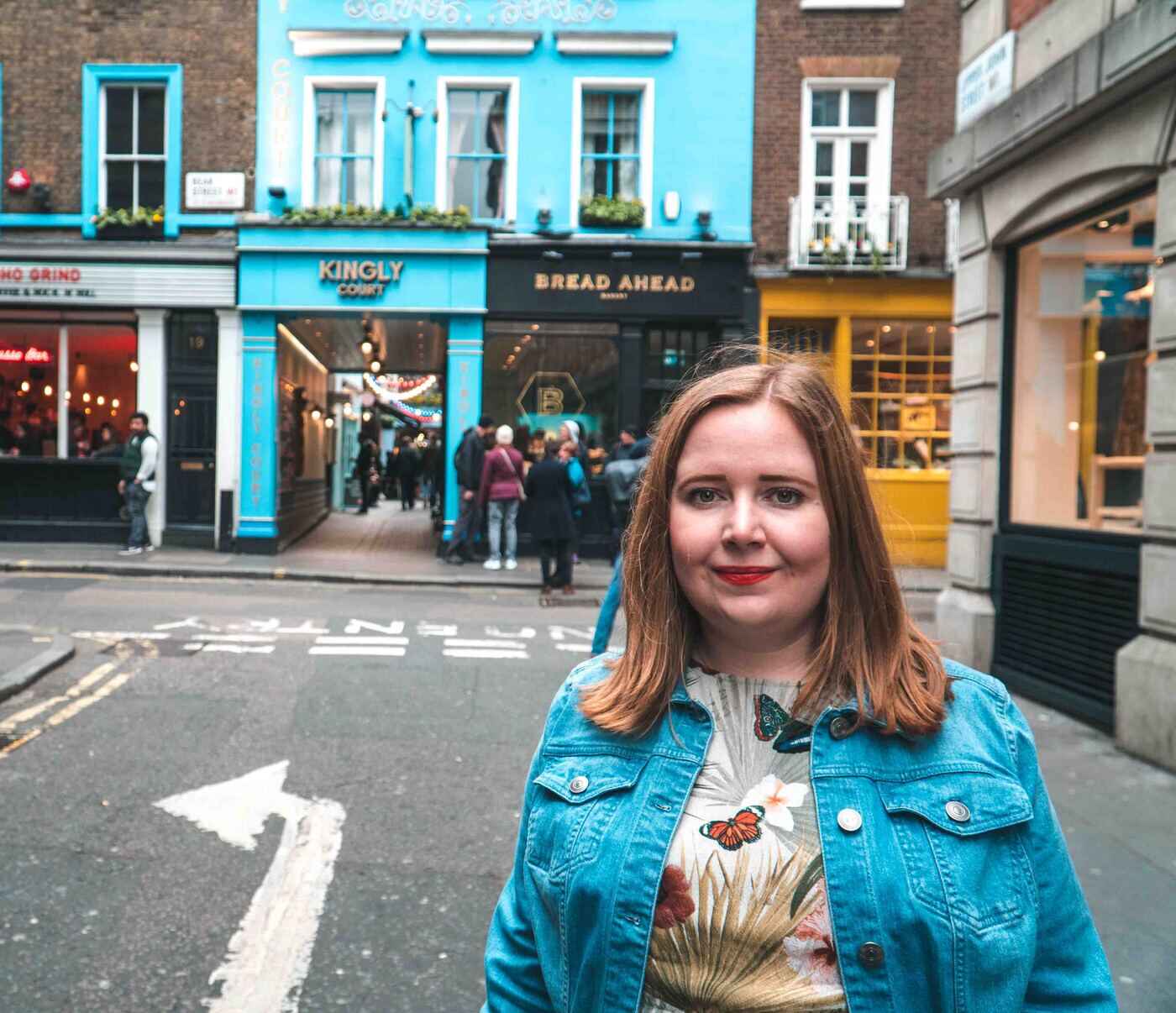
    Kat in Kingly Court
    Kat nearly Kingley Court

    England has some fantastic cities that offer plenty of things to see and do. You’ll find vibrant food and drink scenes, world-class attractions and cultural activities. In the South West, you have cities like Bath, Bristol, Plymouth and Exeter which offer history, cultural attractions and plenty of outdoor activities. In the South East, find super-cool Brighton, historic Oxford and nautical Portsmouth.

    Towards the East of the country, you’ll find the famous Cambridge, home to the world’s fourth oldest university. Although it doesn’t get as many tourists as southern cities, Central England and the Midlands has some exciting cities to visit. It’s home to England’s second largest city, Birmingham, where you’ll find Victorian architecture and heritage museums. Head to Lincoln for the medieval Cathedral Quarter, and Nottingham for the famous Robin Hood trail.

    It’s definitely worth visiting the North of England. In the North West, there is the Roman city of Chester, vibrant Manchester and cultural Liverpool. In the North East, find cities like Leeds, Newcastle, York and Durham, all offering a mix of history, culture, food and drink, museums and sports.

    But despite how amazing the rest of England is, London is still a fantastic place to visit. It’s a vibrant, world-class city with a lot going on. London is made up of many different neighbourhoods, each with their own vibe.

    The great thing about London is that there’s something for every kind of traveller. Whether you’re a backpacker or a luxury traveller, whether you’re into tourist sites or discovering history, you’re bound to find something up your alley.

    Sometimes the best way to get a feel for a city is to get off the tourist trail and experience it the way locals would. Check out this guide to what to do in London as a local.

    Countryside
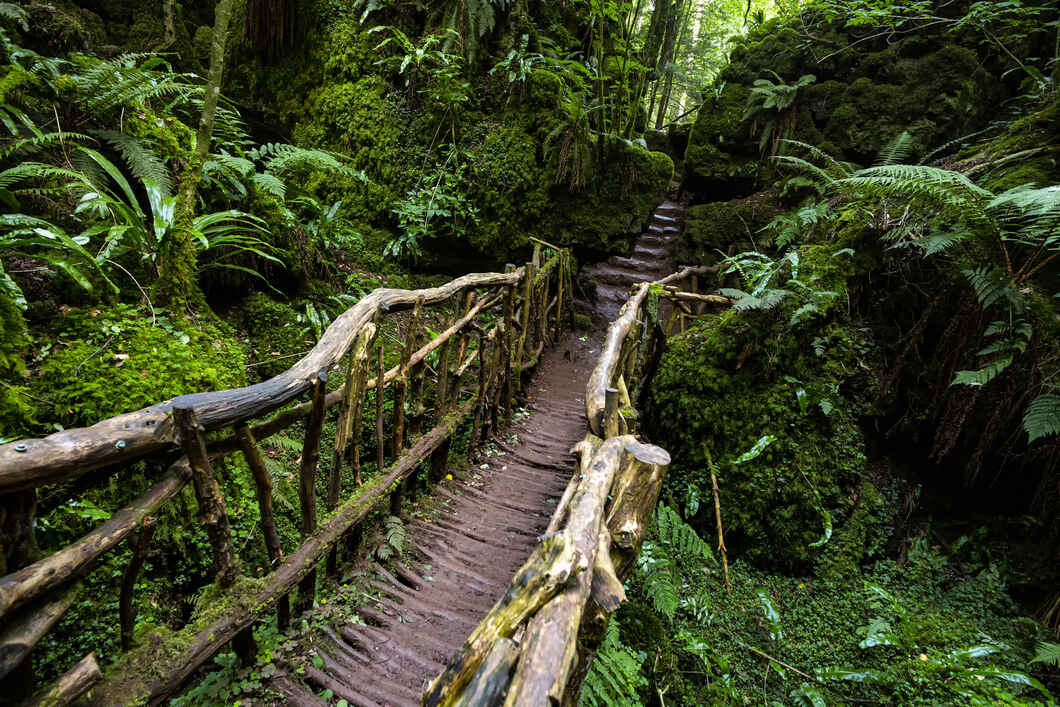
    Puzzlewood-Gloucestershire
    Puzzlewood Gloucestershire

    It wouldn’t be England without the rolling green hills, misty moors, forests and lakes. If you’re keen to get outdoors, England has plenty of forest and woodland walks.

    England has 10 National Parks, each offering a beautiful diversity of landscapes. There are plenty of activities within these National Parks, including walking, hiking, horse riding, cycling, rock climbing, stargazing, sailing and water sports.

    Whether it’s exploring dramatic caves in North Yorkshire, discovering beautiful lakes in the Lake District, or riding on heritage railways through different counties, England truly is a haven for lovers of the outdoors.

    Coastal towns

    While you wouldn’t necessarily think of England as a great destination to relax on the beach, you’d be surprised at how stunning some of the coastal areas are. England is home to some charming coastal towns and fishing villages, as well as exciting seaside resorts. No two parts of the English coast are the same, so wherever you go, you’re bound to find something different.

    You’ll find some of the warmest spots around the South West, where counties like Cornwall, Dorset, Devon and Somerset boast warm weather, blue seas and family-friendly beaches. Thrill-chasers looking to experience a traditional English seaside holiday should visit Brighton, Scarborough, Blackpool, Weymouth, Margate, Falmouth, Southport and Tynemouth.

    The beaches and coastal towns in England have plenty of activities, whether it’s arcades, coastal walks, fossil hunting or watersports. Not to mention the choice of fresh seafood on offer!

    Some useful resources to help you plan:

    • Visit England is a really useful site. As the official tourist board for England, you’ll find a whole ton of information on places to visit, things to do and practical information and advice. What’s useful is that you can explore England by county, making it so much easier when putting together an itinerary. 
    • English Heritage is a charity that takes care of over 400 historic buildings, monuments and sites all over the country. On their website, you can find information of the different places to visit throughout the country. If you’re interested in visiting a bunch of different historic sites, you can purchase an Overseas Visitors Pass which is better value for money than if you were to pay entry prices at each individual place. Valid at over 100 places, you can choose between 9 or 16 day passes. If you’re on a budget, you can also find a whole range of days out for under £20 for the whole family. 
    • National Trust is also an independent charity, focusing on environmental and heritage conservation. It owns over 500 heritage properties which include historic houses and gardens, social history sites and industrial monuments. On their website, you can find information about the range of days out, whether it’s outdoors, houses and buildings, or parks and gardens.
    • The National Trust also has a wide selection of accommodation, whether it’s campsites, holiday cottages, hotels or bothies and bunkhouses. Like English Heritage, you can also get an Overseas Visitors Pass which can save you money and time when visiting National Trust sites. You can purchase either a 7 or 14 day pass which gives you free entry to over 300 historic houses and gardens. 

    How to Plan Accommodation 

    If you’re visiting during the holiday season, it’s best to book your accommodation well in advance. England is a very popular tourist destination, with most tourists visiting during the summer months, which is between June and August. The peak season tends to peter out in September, so you may find more options around that time. 

    When it comes to choice, you won’t find it difficult to find your dream accommodation. England has a great range of accommodation to suit every kind of budget and traveller, whether it’s hostels, B&Bs or luxury hotels. You can even find more unusual types of accommodation, such as castles, canal boats and farms. If you’re the outdoorsy type, you might even be interested in camping, caravanning or glamping (if the weather’s decent!).

    Hostels

    If you’re travelling on a budget, you might want to consider staying in hostels, as you can get some pretty good deals. Websites such as Hostelword and Hostelbookers are some of the best known sites. YHA is a charity that provides over 150 youth hostel accommodations in England and Wales. You can find high quality and low cost hostels, camping and glamping which are suitable for both families and backpackers. Here’s a general guide I put together to how much you should budget for a week in England.

    Budget hotel chains

    Budget hotel chains are always handy if you’re looking for comfortable and affordable accommodation. Some of the most common ones you’ll find throughout the country include Premier Inn, easyHotel, Holiday Inn Express, Ibis, Travelodge and Point A Hotels in London. 

    Hotels

    For anywhere mid-range to luxury, your best bet is to find accommodation using websites like Booking.com, Trivago, TripAdvisor, Agoda, Expedia and Kayak. If you’re the type of person to leave things to the last minute, LateRooms is great for finding last minute deals. 

    Staying with locals

    A large part of travelling is getting to know the country beyond its famous sights, meeting locals and immersing yourself in the culture. A great way to do this is by staying with locals. You get to know more about the country you’re visiting, and get precious insight to the best places to eat, drink, shop and hang out! There are paid accommodation sites like AirBnb and Homestay, but you can also find free accommodation on sites like Couchsurfing and Trustroots. 

    Camping, glamping and caravanning

    During the warmer months, it’s pretty fun to camp in England. The country is a treasure trove of camp spots, whether you head into the remote woods, set up your campervan by the beach or load up your touring caravan and bring your whole family to a holiday park. There are some very helpful websites you can use to find campsites throughout the country, including Camping in the Forest, Pitchup and Campsites.

    How to Plan your Arrival 

    If you plan on arriving in London, it might be useful to point out that London has six airports (London City, London Gatwick, London Heathrow, London Luton, London Stansted and London Southend). All of these airports are well connected to central London. 

    If you’re planning on being based in the North, then the best airport is Manchester Airport. As the main international gateway for the north of England, you can easily get to anywhere in the North from here. The airport has a coach and train station with links to other major northern cities. 

    If you’re arriving from Europe, you may consider arriving by Eurostar. Travelling through the Channel Tunnel, you’ll arrive at St Pancras International in London. 

    Planning Travel Logistics 

    First things first, we need to talk safety. In this guide I put together, you can read up on why getting travel insurance for your trip to the UK is a good idea. 

    Now that we’ve got the boring stuff out of the way, let’s get travelling! A great thing about England is that it’s so easy to get around. To give you an idea of the places you can see, have a read of this guide to the best places to visit in England without a car.

    If you’re going to be spending time in London, then Transport for London (TfL) is the main transport network you’ll encounter. Whether you use buses, the Tube or the Overground, London is well-connected and in general, you get anywhere within the hour. To get into stations and on buses, you can tap your contactless card to pay.

    Alternatively, you can get an Oyster card and top it up with credit, which you then tap at the pay points. There’s also the option of getting an Oyster Visitor card which is a quick and easy way to pay for travel. It’s convenient because you can get it delivered straight to you before you even arrive in England.

    The great thing about London is that it’s super easy to get around on foot. Walking is one of the best ways to take a city in and to soak up the atmosphere. If you plan on doing a lot of walking while in London, check out this guide to the best places to stay in London for walking

    Trains

    England has a great rail network. While it’s considerably more expensive than other countries in Europe, there are fantastic connections and they do generally run on time. Trains are one of the easiest ways to get around the country. It’s also a scenic and relaxing way to discover England. Why not find some inspiration with this guide to the best places to visit in England by train.

    To book tickets, I would recommend using Trainline. It’s an independent ticketing platform where you can search train times and buy tickets. Be aware that individual train companies like TransPennine Express and LNER can sometimes have flash sales, so it’s worth checking their websites.

    Coaches

    If you’re on a budget and aren’t pressed for time, I would suggest using coaches to get around. They’re so much cheaper than trains, and you can still get to major cities around the country. However, they don’t generally go to smaller towns so you’ll need to use local public transport connections if you do plan on going a little more rural. 

    There are two main coach companies that operate in England: National Express and Megabus. National Express has a nationwide network of over 1,200 destinations. Megabus links 90 locations around the UK, and even offers tickets from as little as £1! 

    A transport tip for budget friendly travellers is to book in advance. Anything up to two weeks in advance (especially on trains) can save you a significant amount of cash. 

    Car hire

    Hiring a car is a great way of getting round, especially if you’re travelling with younger family members or plan on visiting remote, rural areas. Some of the most popular car hire companies are Avis, Budget, Enterprise, Europcar and Sixt. If you want to shop around first, websites like Kayak and Travel Supermarket are handy when it comes to comparing different companies to get the best deals.

    Ireland & Northern Ireland
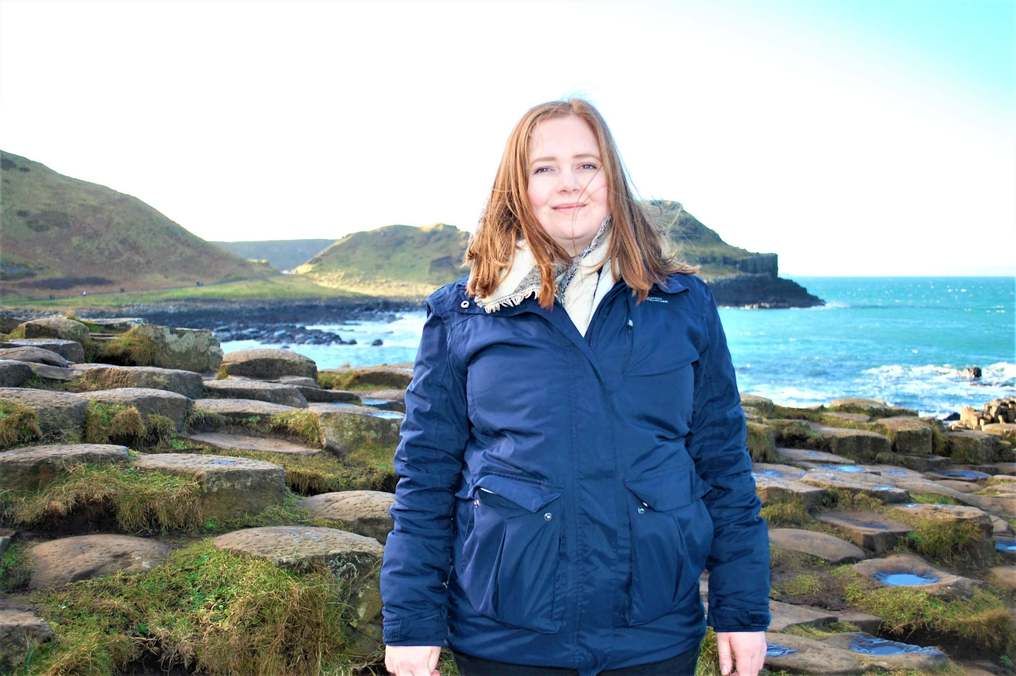
    Kat at Giants Causeway
    Kat at Giants Causeway

    Ah, the Emerald Isle. Not to be confused with Northern Ireland, the Republic of Ireland is a country independent to the UK. This green, friendly island attracts millions of people each year to experience the breathtaking scenery and magical culture. 

    Planning What to Do & Where to Go  

    Ireland and Northern Ireland have a variety of places to visit, whether it’s landmarks, vibrant cities, mountains, beaches and countryside. 

    Cities

    It goes without saying that no visit to Ireland is complete without a trip to Dublin. This rowdy city is home to Guinness-fuelled pubs, beautiful Georgian architecture and exciting attractions. Whether you’re looking to live it up at Temple Bar, learn how Guinness is made at the Guinness Storehouse, delve into history at Dublin Castle and Malahide Castle or relax at the National Botanic Gardens, there is plenty to do here.

    You can also take a trip to Cork, Ireland’s second largest city. This lively, fun-loving city has tons of coffee shops, traditional pubs and historic attractions. Another must-see city is Galway City. Once a Medieval trading port, this city is an artsy, bohemian destination with plenty of history to explore. Although tourists don’t tend to visit Limerick, it’s worth stopping by if you’re interested in castles, cathedrals and museums. It’s also a fabulous place for foodies, with a great selection of artisan food markets and street food. 

    Belfast is definitely a hidden jewel of the UK. The city and country has had a turbulent past, called the troubles but now that has settled it has allowed the country to grow. The city became popular to visit after Game of Thrones! I highly recommend visiting Crown Liquor Saloon, grabbing some food at St Georges Market, enjoying the nightlife in Cathedral quarter and wandering around the Botanic Gardens.

    Countryside

    Ireland is known for its breathtaking vistas and natural wonders. If there’s only one thing you do in Ireland, make sure you head out into the countryside. An entire list of beauty spots would be exhaustive, but a good place to start is National Parks. Ireland is home to six National Parks, each offering stunning views, lakes, mountains, woodlands and wildlife. Visit any of them and you won’t be disappointed.

    One of the country’s most famous natural attractions, the Cliffs of Moher, stretch for five miles along the west coast of Ireland, and reach up to 702 feet high in some parts. Let’s just say the views from here are inconceivable. If you’re feeling up for a challenge, take a boat ride out to Skellig Michael.

    This towering, emerald green island is home to the remains of a 6th century monastery – but you’ll have to climb the 600-step staircase to get there! If you fancy a scenic drive, the Ring of Kerry is a must. The trail runs through 120 miles of southwestern Ireland’s most incredible landscapes. As well as glacial lakes, lush meadows and rugged mountains, the trail also passes iconic landmarks like the Beara Peninsula and the Kerry Way. 

    Coastal towns

    With over 1,450km of coastline surrounding the island, there’s bound to be some fantastic coastal destinations. If you want to visit the seaside but don’t want to travel too far from Dublin, the beautiful little town of Skerries is a great place to visit. With pastel coloured shops and cafes along the seafront, stunning scenic walks and a variety of watersports, it’s an ideal place for a quick day trip.

    Tramore is a seaside village in County Waterford that has become one of Ireland’s most popular tourist destinations – and for good reason. Take a stroll along the promenade, or relax on the 5km stretch of beach and sand dunes. There are plenty of leisure activities for the whole family to enjoy, including surfing, horse riding and visiting sites like Reginald’s Tower.

    If you’re travelling with your family, you might consider visiting Enniscrone in County Sligo. This small seaside town has sandy beaches and campsites, and is popular with families. Try adrenaline-fuelled activities like surfing or horseback riding, or unwind in the Enniscrone Seaweed Baths. 

    Some useful resources to help you plan:

    • Ireland.com is the official tourism website for the country. It’s a really handy tool that you’ll want to keep referring to on your trip. There is information on different destinations in the country and things to do depending on what you’re interested in (eg. cycling, food and drink, sports, literature).
    • If you’re not really sure where exactly you want to go, or if you’re interested in seeing a bit of everything, they’re even put together different trip ideas where you can journey through the most beautiful parts of Ireland. Whether you’re after culture, coastal views, film locations, or want to get off the beaten track, you’ll find something to suit your interests. There’s even a Game of Thrones trip where you can visit the different filming spots! On the website, you can also find a range of accommodation, and get help and advice about travelling within Ireland. 
    • Discover Ireland is another great site that you should take advantage of. This website is geared towards things to do, and you’ll find activities grouped by theme, for example cities, surfing and cruises, as well as Viking Adventures, Medieval Mysteries and Mighty Kingdoms. If you’re interested in exploring the country by region, you’ll find a guide to different areas, including Ireland’s Hidden Heartlands, Wild Atlantic Way, Ireland’s Ancient East and Dublin.

    How to Plan Accommodation 

    Like England, Ireland’s peak season is in the summer months, which is between mid-June and mid-September. If you’re visiting during this time, I’d recommend you book your accommodation well in advance to avoid any disappointment. If you want to avoid the tourist crowds but still want to catch some of the good weather, it’s a good idea to visit during the shoulder season which is April, May, early June and early October. Plus, prices tend to be cheaper around this time so you may bag some great deals. 

    Ireland offers a wide variety of accommodation for every kind of budget and traveller. From hostels and budget hotels for the cash conscious traveller, to staying in local homes and sleeping on the road.

    Hostels 

    If you’re on a budget, then you may want to stay in a hostel. Aside from saving money, staying in hostels also allows you to meet like minded travellers and make new friends! 

    You’ll find plenty of choice on websites like Hostelworld and Hostelbookers. Additionally, you can try independent sites like Hostels Ireland, or Independent Hostels Ireland. An Óige is the Irish Youth Hostel Association. They have 22 youth hostels located around the country that offer safe and comfortable accommodation for families, groups and individuals of all ages. 

    Budget hotel chains

    If you’re the kind of traveller who is out exploring all day and only comes back to the hotel to sleep, then you may want to consider staying at a budget hotel. They’re comfortable and affordable, and are usually quite centrally located. You’ll find the same budget hotel chains in Ireland as you would in England: Premier Inn, easyHotel, Holiday Inn Express, Ibis and Travelodge.

    Hotels

    To experience the delightful Irish hospitality, there is a huge choice of hotels to stay at, from one star to five stars. The easiest way to find hotels is by using accommodation booking websites like Booking.com, Trivago, TripAdvisor, Agoda, Expedia and Kayak. Ireland Hotels is also pretty useful as it gives you advice and information based on region, type of accommodation and type of holiday. 

    Staying with locals

    The Irish are a friendly bunch, and a great way to get to know them better is by staying with them. Sites like AirBnb and Homestay let you find paid accommodation where you can stay with an Irish host. If you’re on a tight budget, you can try websites like Couchsurfing and Trustroots where you can stay for free.

    Camping, glamping and caravanning

    As Ireland is full of stunning natural spots, it makes sense to camp if you can. Bring your tent, touring caravan or motorhome to experience the freedom of Ireland’s landscape. To find campsites, use websites like EuroCampings and Pitchup.

    For something a little fancier, try glamping. Ireland Glamping is a handy tool to find the best glamping spots around the country. If you enjoy the freedom of camping and caravanning but prefer something a little comfier, self-catering accommodation could be the right choice for you. Imagine Ireland have a fantastic choice of holiday cottages all around the country. 

    How to Plan your Arrival 

    Before arriving in Ireland, you should take into consideration where you would like to arrive and where you’ll be spending the most time. Ireland has five international airports: Dublin Airport on the east coast, Cork Airport on the south coast, Shannon Airport on the west coast, Knock Airport in the North West and Belfast Airport in Northern Ireland.  

    If you’re arriving from Scotland, England or Wales, there is also the option to take a ferry. The main Dublin ferry port offers the most convenient location. It also has great connections to the M1 motorway if you wish to travel up North. If you’re planning on travelling further south of the country, Dublin’s second ferry port of Dun Laoghaire is located in the southern suburbs near Blackrock. It’s also the better choice if you want to avoid the traffic of central Dublin. 

    Planning Travel Logistics 

    Ireland’s compact size means it doesn’t take long to get around the island. In fact, driving across the country from Dublin to Galway only takes two and a half hours which makes the perfect place if you’re on a tight schedule. As well as driving, you can also travel around by boat, train and coach.

    Boats

    Ireland is home to numerous islands, rivers, lakes and canals which are worth exploring by boat. Most of the islands can be visited by ferry, depending on the weather. Some ferry companies only operate seasonally between June and August, so make sure to check timetables in advance! 

    Trains

    Iarnród Éireann (Irish Rail) is the main rail network in Ireland. It’s not very extensive, and only serves larger cities and major towns. If you’re planning on travelling to rural, remote areas, I’d recommend using the local bus services instead. If you decide you’ll be travelling by train, you may want to consider using Iarnród Éireann’s Explorer Tickets which give you different travel options and cheaper deals. If you’re spending most of your time in Dublin, I’d recommend purchasing a Dublin Explorer Ticket for the DART (Dublin Area Rapid Transit), the electric rail system that lets you get around Dublin quickly and easily. 

    Coaches

    Getting around Ireland by coach is a great way to take in all the sights. Bus Éireann is the main coach company in Ireland and has routes all around the island. There are also many private coach tour operators which run city to city trips, airport transfers and themed trips. There are numerous tour companies in Ireland that going through them all would be exhausting. Tourradar makes it easier to decide as you can filter by age range, price, destination and duration. 

    Car hire

    The best way to get outdoors and see the rural side of Ireland is by car. You’ll have more luck finding car hire companies in airports and cities. There are different options when it comes to booking, including travel booking sites like Kayak and direct websites like Hertz, Enterprise, Avis, Six, Europcar and Budget. If you prefer to shop local, choose the Irish owned Irish Car Rentals. 

    Scotland

    There’s a lot more to Scotland than haggis, bagpipes and the Loch Ness Monster. Scotland is full of historical attractions, cultural experiences and breathtaking natural beauty. Whether you want to explore the cities or head out into the wilderness, this country offers something for everyone. 

    Planning What to Do & Where to Go  
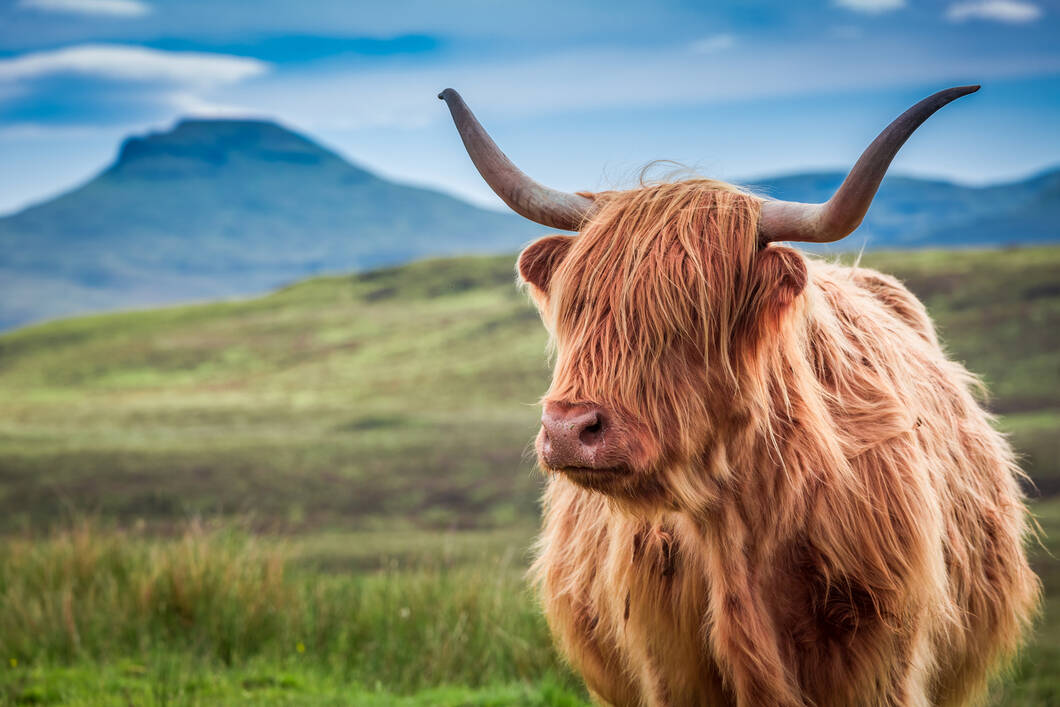
    highland cow in Isle of Skye, Scotland

    Cities

    Edinburgh is Scotland’s capital city and one of the top spots for tourists. To immerse yourself in history, head into the Medieval old town and discover sites like Edinburgh Castle and Mary Kings Close. Hike up Arthur’s Seat, an extinct volcano boasting panoramic views over the city. Make sure to visit Glasgow, Scotland’s largest city.

    If you’re a shopaholic then you’ll feel right at home here, as it’s known for being a great shopping destination. Glasgow also has a fantastic music scene (with a status as UNESCO City of Music) with plenty of music venues each offering something different. Dundee is another fabulous city, and is the UK’s first UNESCO City of Design. All year round there are exciting events, including the Jazz Festival and Scotland’s biggest food festival.

    Its compact streets are packed with treasures like old bookshops, artisan cafes and architectural delights. Believe it or not, Scotland does get its fair share of sun, although most of it seems to shine down on Aberdeen. Regularly named the UK’s sunniest city, Aberdeen is the best place to spend some time if you’re looking for a mix between city and outdoor activities. With beautiful beaches dotting its coastline, it’s an ideal place for a relaxing getaway.

    Heading further north you’ll find Inverness, a cathedral city in the Scottish Highlands. It’s the perfect base if you’re going to be exploring Scotland’s magnificent outdoors. But the city itself doesn’t disappoint. With a vibrant culinary scene, fantastic shopping opportunities, and art, history and heritage events and festivals. 

    Countryside

    Renowned for its mountains, lochs and glens, Scotland truly is a special place when it comes to the outdoors. A definite must is a trip to the Scottish Highlands. This mountainous region in northwest Scotland boasts majestic views and wild scenery everywhere you look.

    Go in search of the famous Loch Ness Monster, or follow in Harry Potter’s footsteps on the West Highland Line across the Glenfinnan Viaduct. If it’s castles you’re after, Eilian Donan Castle is arguably the most iconic and photogenic castle in Scotland. There’s also the fairytale Dunrobin Castle, Ardvreck Castle, Cawdor Castle and Castle Varrich, to name a few.

    If you’re a serious climber, why not challenge yourself to hike up Ben Nevis, the UK’s tallest peak. Scotland has two National Parks – Cairngorms National Park and Loch Lomond and The Trossachs National Park. You’ll find plenty of walking routes for all abilities, as well as other activities like cycling, rock climbing, mountain biking, pony trekking and even skiing! If you have the time, you should consider taking a trip to the Isle of Skye. With incredible spots like The Storr and Quiraing, the island is just full of epic landscapes. 

    Coastal towns

    Scotland isn’t a place that screams beach destination, think again. This country has numerous seaside towns and villages that offer beautiful views, exciting activities and rest and relaxation. Plockton, also known as the ‘Jewel of the Highlands’ is a picturesque Highland village set on the shores of Loch Carron Bay.

    There are many water activities to get involved with, as well as cycling and hiking. Or if you just feel like relaxing, the harbour is a peaceful place to sit and watch the boats and come and go. Aberdour is a lovely seaside town in Fife. Featuring two beaches, a harbour, a 13th century castle, a golf course and plenty of shops and cafes, the town is a great place to bring the family.

    For somewhere with a little more going on, head to North Berwick which isn’t too far from Edinburgh. From fancy hotels and spas, to restaurants and funky coffee shops, the lively town has plenty to keep everyone occupied. Relax on the sand and enjoy views across the water to Bass Rock, an island described by David Attenborough as “one of the 12 wildlife wonders of the world”. 

    Some useful resources to help you plan:

    • Visit Scotland is the official website of Scotland’s national tourist board. The website is an incredibly useful tool when planning your trip to Scotland, as it has information on pretty much everything you need. There are sections on all the top destinations, as well as interactive maps which make it easier to plan your itinerary. Things to see and do are divided into different categories, from ancestry and castles, to film locations and island hopping.
    • You can also find information based on the type of holiday you’re interested in, whether it’s budget stays, city breaks, family breaks or romantic breaks. If you’re pressed for time (or need a little help), the website also has a bunch of itineraries ready to go. There are itineraries for every part of the country and to suit every interest. There is also information on different types of accommodation, as well as practical resources like how to get there and getting around the country. 
    • Scotland.org is another helpful tool. It’s more generalised than Visit Scotland, and also has information on working, studying and living in the country. However, the Visit section is really useful, and has a lot of information that can help you put together a great trip. Find inspiration on things to do, or whet your appetite with the inside scoop on the food and drink scene. You can also find out about the different kinds of accommodation and essential information about getting around the country. 

    How to Plan Accommodation 

    Like England and Ireland, Scotland’s peak season is in the summer months when the weather is warmest, from July to August. If you’re visiting during the summer, then try to book your accommodation well in advance to avoid any disappointment. Having said that, the best time to actually visit Scotland is in spring (between May and June) and autumn (between September and October). This is when the weather is most likely to be dry and pleasant, plus you won’t have to deal with huge crowds of tourists. 

    Scotland offers a wide variety of accommodation so you’re bound to find your dream stay. Whether you’re on a budget and in need of a hostel, or whether you want to make the most of the Scottish Highlands, there’s something for everyone. 

    Hostels

    It’s really easy to find a hostel in Scotland. Plus, they’re not just for the young. Hostels welcome everyone including solo travellers, groups, families and backpackers. You’ll find plenty of choice on websites like Hostelworld and Hostelbookers. You can also try Hostelling Scotland, a non-profit charity who have been welcoming visitors in 1931!

    Budget hotel chains

    If you want to level up from hostels but don’t want to spend too much, budget hotel chains are your best bet. Scotland has the same hotel chains as England and Ireland, including Premier Inn, easyHotel, Holiday Inn Express, Ibis and Travelodge. 

    Hotels

    There is a huge choice of hotels in Scotland which range from one star to five stars. The easiest way to find hotels is by using accommodation booking websites like Booking.com, Trivago, TripAdvisor, Agoda, Expedia and Kayak. 

    Staying with locals

    The Scots have a reputation for being some of the friendliest bunch in Britain. So what better way to get to know them than to stay in their homes with them? Sites like AirBnb and Homestay are great for finding local hosts you can stay with. If you’re on a tight budget, check out websites like Couchsurfing and Trustroots where you can stay with people for free.

    Camping, glamping and caravanning

    Scotland is a playground for camping enthusiasts. Camping is permitted on most unenclosed land, so bring your tent, touring caravan or motorhome and enjoy Scotland’s natural landscapes. Plus, it’s a good option if you’re on a budget! To find campsites, use websites like Pitchup where you can find campsites with facilities like showers and kitchens. 

    Glamping is also a fun option if you’re looking for something a little more comfortable than a sleeping bag. There are glamping spots all around Scotland, from forests to lakes to coasts. For somewhere that feels a little more homely, self-catering accommodation is a good choice for a home away from home. Embrace Scotland is a good site to find cottages around the country. 

    How to Plan your Arrival 

    Scotland has five international airports: Aberdeen, Edinburgh, Glasgow, Glasgow Prestwick and Inverness. The airports are all served by flights from European and long haul destinations. Glasgow Prestwick is the only airport which is served by its own station, but if you’re travelling to any of the others, there are numerous buses, coaches and taxis that you can get. 

    If you’re arriving from England and Wales, you can also take a train. Glasgow and Edinburgh have frequent and direct services from London with operators like LNER, Avanti West Coast and the overnight sleeper services. If you’re arriving from other cities outside London, there are a number of services like Avanti West Coast, CrossCountry and First TransPennine Express. 

    If you’re arriving from Ireland, there is also the option of taking a ferry which arrives in ports such as Cairnryan, Port Ellen and Campbeltown. All ferries take between one and two hours, depending on the route.

    Planning Travel Logistics 

    What I love about Scotland is that it’s a relatively small country, with most places being pretty accessible. Travelling to all the main tourist spots is pretty straightforward, and you’ll find that even getting to remote places isn’t all that difficult. 

    Trains

    Scotland has an extensive and well-developed train network. There are six main companies: ScotRail, LNER, CrossCountry, TransPennine Express, Avanti West Coast and the Caledonian Sleeper. Although there may seem like plenty of choice, it’s best to focus on the particular route you want to take rather than which company you want to travel with.

    The best way to look up routes is by using Trainline, an independent ticketing platform. You can also look up coaches on the app. If you think you’ll be travelling by train a lot, it might be worth using a travel pass to save extra cash. ScotRail offers flexible travel passes depending on how far you want to go.

    The Spirit of Scotland Travelpass gives you unlimited train travel within Scotland, and you can even use it on some buses and ferries. There is also the Highland Rover and Central Scotland Rover which offer unlimited train travel, as well as the Rail and Sail which combine train and ferry tickets. If you’re travelling in Glasgow, a cheap and efficient way to get around is by the ‘Clockwork Orange’, Scotland’s only subway. 

    Coaches

    A good way of saving money getting around is to travel by coach. Bear in mind that coaches take much longer than trains, but you can travel for a fraction of the price of a train ticket. To save the most money, make sure to book in advance to get the best deals. Scotland has the same coach companies as England: Megabus and National Express which have routes to all the major destinations in Scotland. 

    Car hire

    In my opinion, the best way to get around Scotland is by car. It gives you so much more freedom in visiting remote places, and you can set your own pace and stop wherever you like. Visit Scotland has a handy section on driving in Scotland, where you can read up on rules and get useful tips. Hiring a car in Scotland is pretty straightforward. Websites like Kayak and Travel Supermarket are great for comparing different companies. You can find all the same car hire companies like in England and Ireland: Avis, Budget, Enterprise, Europcar and Sixt. 
  • 10 Scenic Places to Visit in Scotland by Car (That You’ll Love)

    10 Scenic Places to Visit in Scotland by Car (That You’ll Love)

    One of the best ways to discover the amazing views and scenic landscapes of Scotland is to set off on a road trip! Scotland is not a big country, but it does have a lot to offer; from beaches to mountains, golf courses to whiskey, pubs to campsites, there is something for everyone here. 

    There are hundreds of places I could recommend for you to visit in Bonnie Scotland, but in this list I have combined my personal favourites.  Most importantly, these are all places that you can visit in Scotland by car!

    So buckle up and get driving; you’ve got some adventures ahead of you!

    Places to Visit in Scotland by Car

    The first step to planning your driving tour of Scotland is to figure out which area of Scotland you would like to drive around (if not all of it).

    Here you have a few options of what area you’d like to cover, but I have mapped out the general areas for you below:

    • Central Scotland – this can include the country’s capital city, Edinburgh, as well as Stirling, Loch Lomond and Perthshire.  This is a nice easygoing route, with more cities and towns than mountains and countryside – it’s great if you want to see the famous sight such as Edinburgh Castle or the Kelpies!
    • The West Coast and Islands – you can hop between islands on car-friendly ferries to discover beautiful beaches and tall mountains, or keep to the mainland and explore the busy city of Glasgow.  The west coast without a doubt has the best variety of urban and natural routes to take.
    • Wester Ross – head far north to experience parts of Scotland that almost seem undiscovered! Still, serene lochs and towering mountains await you here (included in route 500)
    • Angus – situated between Dundee and Aberdeen, this underrated section of coastline can be made into an entire holiday! This coastline is rugged and untamed, in the most perfect way!
    • The East Coast – there are so many little hidden gems of towns on the East Coast, and every town has its own special charm.  Food, drink and pretty harbours – all can be found on this coastline!
    • The North Coast – take an epic journey along the whole north coast and discover Scotland’s most rural landscapes! See the route 500 section for more info!

    The list below now has some more specific examples of places you can go to:

    1# The Isle of Skye

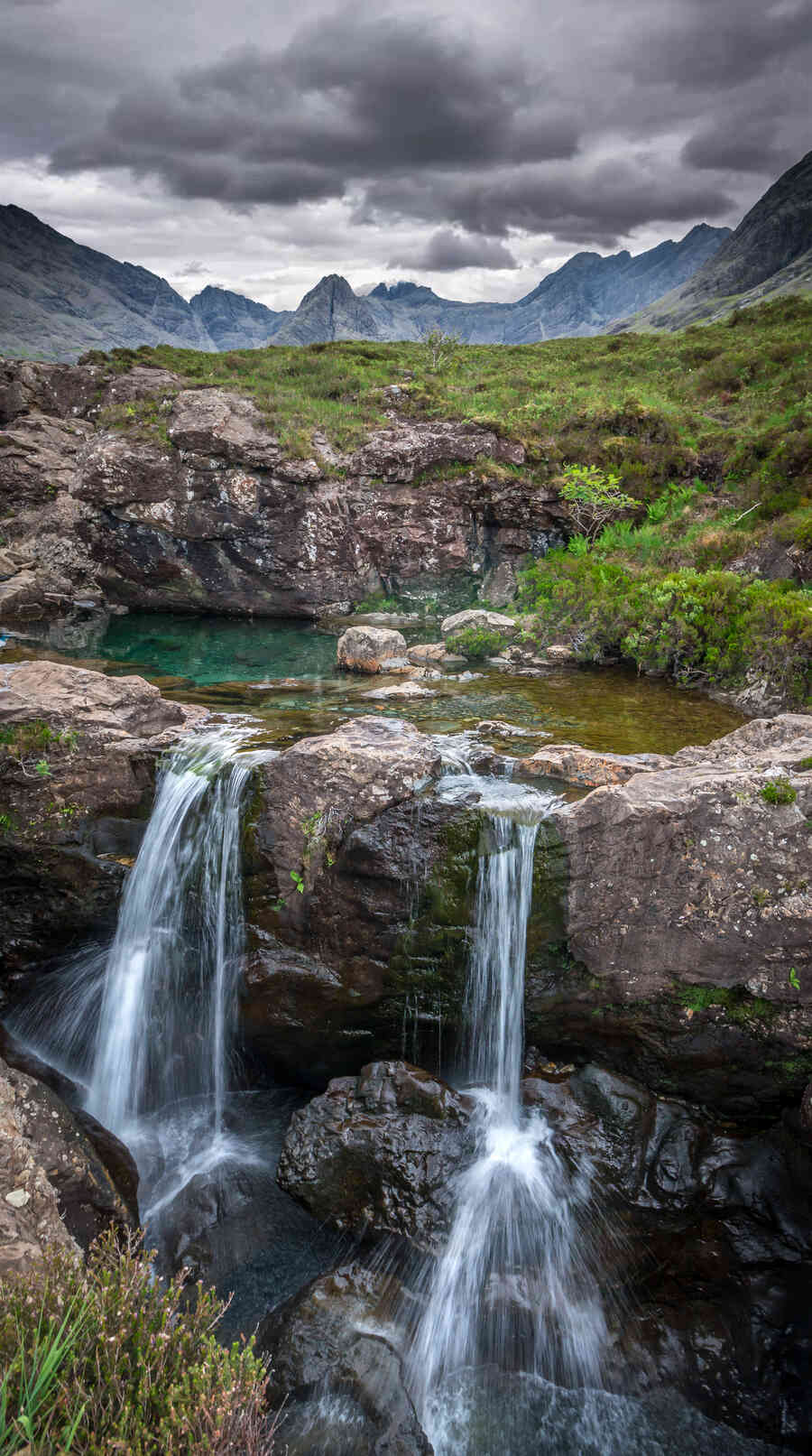
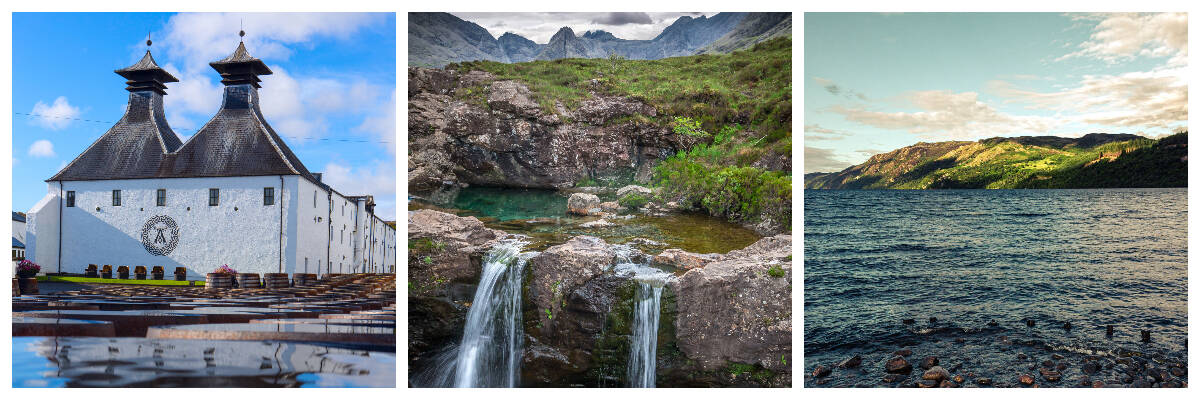
    Fairy Pools Isle of Skye Scotland

    Location: northwest coast of Scotland, connected by bridge.

    The largest island in the Inner Hebrides archipelago

    Gaelic Name: an t-Eilean Sgiathanach

    Skye is an island situated on the Northwest coast of Scotland, connected to the mainland by bridge.  It is the largest island in the Inner Hebrides archipelago, and takes its name from the old Norse sky-a, which means ‘cloud island’.  This name is a Viking reference to the misty Cuillin Hills.

    Skye is the second largest of Scotland’s islands and offers a mosaic of landscapes; moors, mountains, lochs and cliffs.

    This Scottish island is potentially one of the most beautiful and scenic destinations that you can drive to in Scotland.  Situated right off the West Coast, this destination has an abundance of activities available to tourists and Scottish locals alike.

    It’s not just the island itself that displays such beauty; even the drive that will get you there is absolutely stunning! I would recommend driving from Fort William along the road to the island and then hop on the ferry from Mallaig to Armdale, and then do your tour of Skye! Portree as a town is the perfect place to start exploring, with its adorable pubs and independent shops – it really does feel like something out of a movie!

    This island offers so many activities and things to do but is most famous for its gorgeous mountains, unique whiskies and delicious craft beer.  Furthermore, it offers many historical connections which can be found in the learnings of Bonnie Prince Charlie.

    More opportunities found on this scenic island include:

    • Castles
    • Fishing villages
    • Lochs
    • Coves
    • Birdwatching

    2# Loch Ness

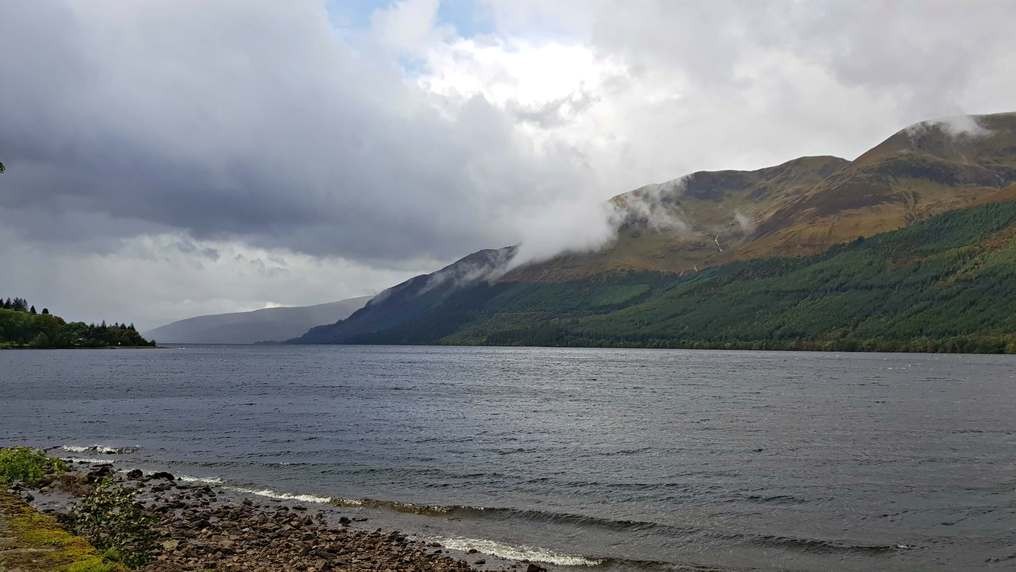
    Loch Ness
    Loch Ness

    Loch Ness is a large freshwater loch in the Scottish Highlands, expanding approximately thirty-seven metres southwest of Inverness.

    Fun fact: it contains more water than every single lake in England and Wales combined! Amazing, right?

    Besides the busy and bustling city of Inverness, which will have all of the amenities that you may need while you are travelling, Loch Ness is one of the easiest sites to get to in northern Scotland and is without a doubt one of the most interesting experiences that Scotland has to offer. 

    The most intriguing thing about this body of water is that it is steeped in the very mysterious monster mythology that Scotland is best known for.  This site is truly untouched by time, and thus is the very best way to be transported back to a time where Nessie’s mythologies were in their prime among highlanders.

    Eye-witness accounts of the famous Nessie date all the way back to 1933, and there have been over a thousand of them to date[3].  Scientists to this day cannot figure out the anomaly of Loch Ness, but why not go and try to figure it out for yourself?  Get yourself onto one of the ever-popular boat trips on Loch Ness, and be sure not to forget your binoculars!

    3# Jedburgh to Lauder

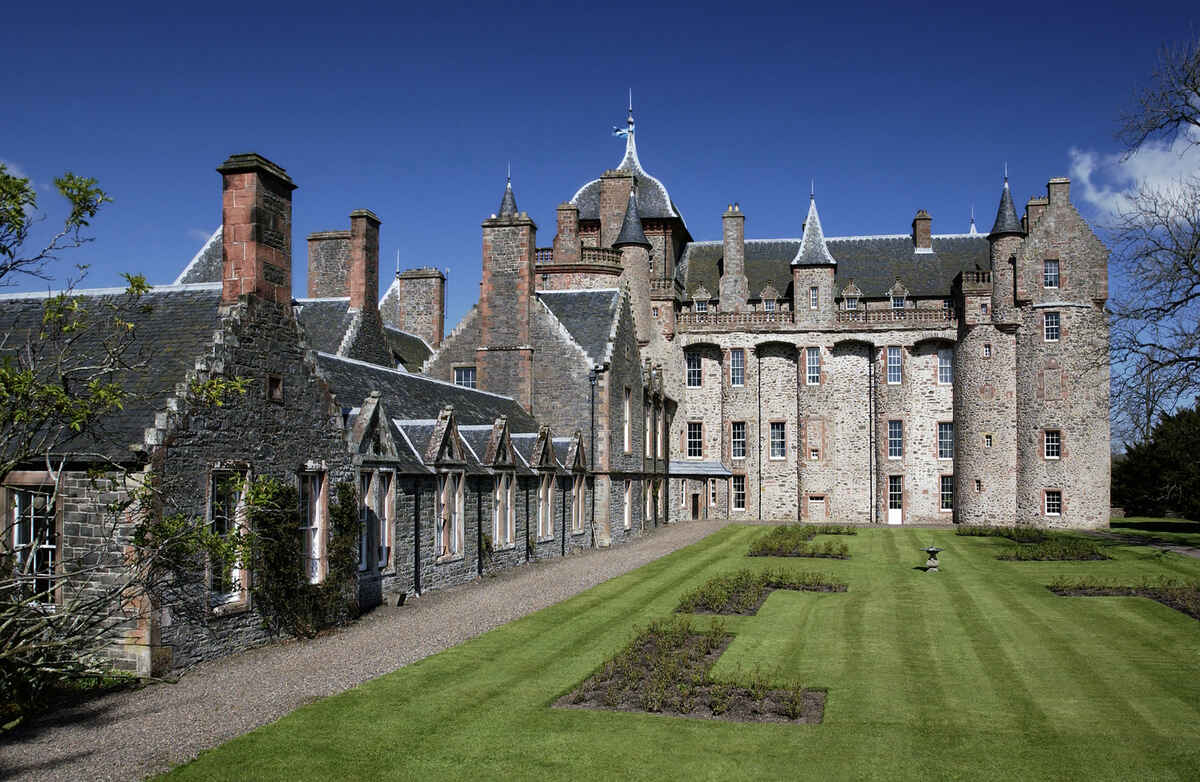
    Thirlestane Castle in Lauder

    A more southern look at Scotland’s scenic driving routes takes us to the less talked about Scottish Borders.  However, I personally think that this is a hugely overlooked part of Scotland’s car routes because these drives are honestly some of the most incredible looking routes that I have seen.

    This drive-in particular offers some of the most breath-taking scenery, with plenty of pit-stops you can take a breather at and explore a gorgeous trail.

    Lauder is very near to busy Edinburgh, and Jedburgh is only ten miles north of the border with England, so if you are touring Scotland, this drive will be super easy to work into your route!

    Lauder is a small but popular and bustling town with plenty of attractions to keep you busy while you explore.  The best way to see the town in a short amount of time is to complete the Lauder Town Trail, which will allow you to explore the town in a condensed period of time as well as learn about local history.  This trail takes around one hour to complete, so it’s super easy to work into a tight schedule.

    If you are doing a summer trip in Scotland, then Lauder is certainly the perfect place to go, as they host an annual summer festival with fun events including a concert!

    Jedburgh also exhibits many fun attractions to see at the end of your drive; such as the majestic 12th century Augustinian Abbey, founded in 1138 by David I, pillaged and rebuilt multiple times to look like it does when we see it today!  Another fun fact about Jedburgh? Mary Queen of Scots stayed here in 1566!

    4# Glencoe to Fort William

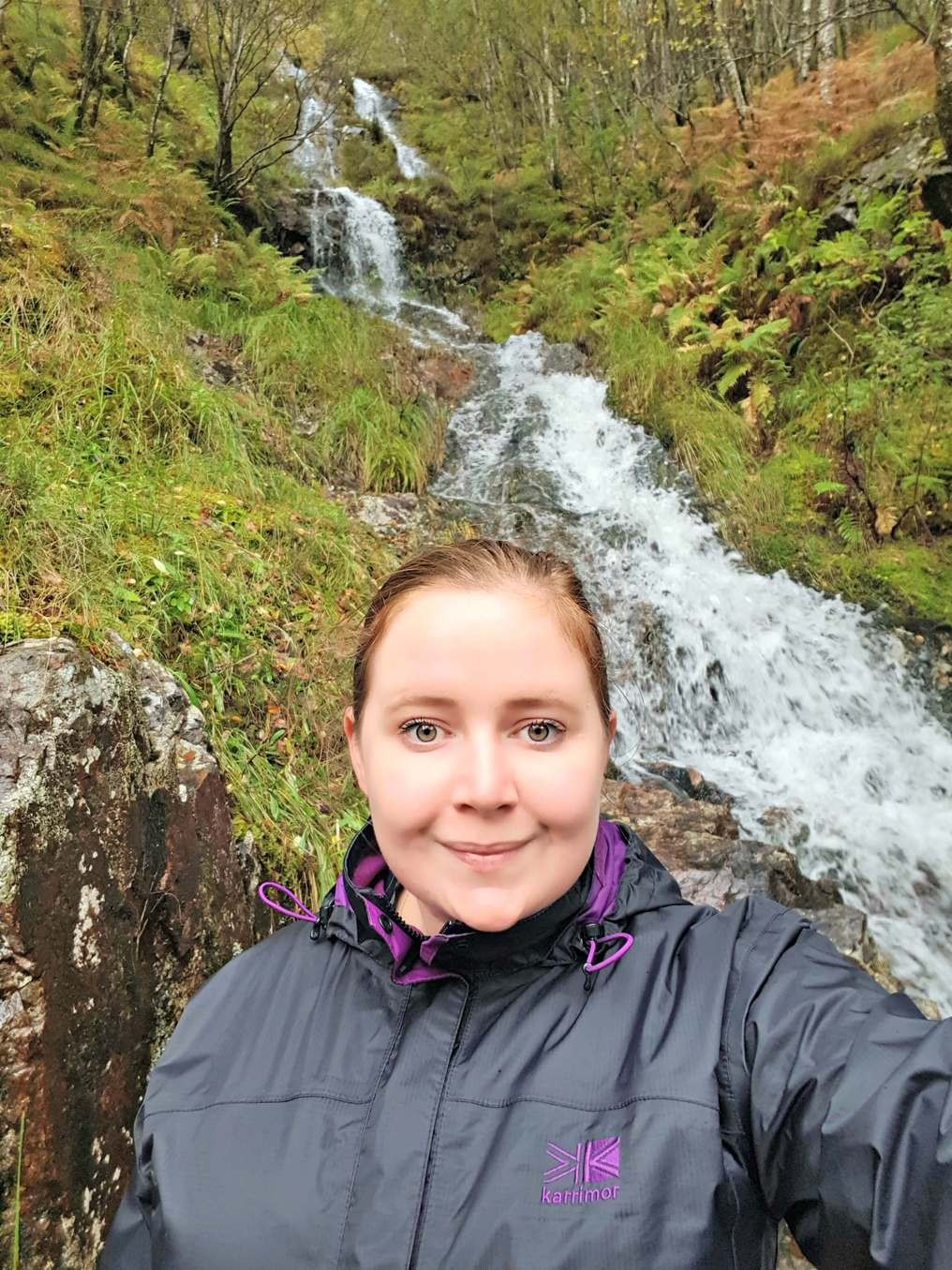
    Steall Waterfall
    Hiking Steall Waterfall in Ben Nevis

    The most famous of Scotland’s glens, Glencoe, is home to the UK’s tallest mountain, making it a truly unmissable stop on your trip.  If you do fancy tackling Ben Nevis itself, it is certainly achievable and not as steep an ascent as come of Europe’s other mountains, averaging an eight-hour ascent.  Therefore, this is an attraction that can quite easily be added to your list of things to do whilst you are in this area.

    If an eight hour trip up a mountain does not sound like your cup of tea, however, then the drive from Glencoe to Fort William alone will be more than enough to give you a taste of some of Scotland’s most incredible scenery and wildlife.

    On your drive, you will see grassy (or snow-capped) mountains, fresh rivers, lochs, and moors.  Although you are never too far from a small town to stop off at, this drive truly makes you feel as though you are in the middle of nowhere – totally lost in nature.

    Once you arrive in Fort William, located in Lochaber in the West Highlands, you will be greeted by cosy pubs, friendly people, and traditional Scottish restaurants – what more could you ask for after a day spent in the great outdoors?

    Fort William is often described as the ‘Outdoor Capital of the UK and makes a great place to stop for a weekend away or as part of a tour of the Scottish Highlands.

    5# The East Neuk

    You simply cannot visit Scotland without treating yourself to one of our national favourite dishes: the fish supper.

    These comforting, wonderfully salty portions can be found just about anywhere you look in this country… but if you want the best of the best (as I am sure that you do) then the East Neuk is the place where you should be looking. 

    Whilst driving the East Neuk, you will wind through numerous beautiful fishing villages such as Crail, Anstruther, Pittenweem, St Monans and Earlsferry, before arriving at the stunning town of St. Andrews at the end of your drive.

    For an award-winning fish supper, you will need to wait until you are in Anstruther for the Anstruther Fish Bar, which as won four awards for ‘Best Fish and Chip Shop’ – pretty impressive, right?  Well, it certainly does not disappoint – these are certainly some of the best fish and chips around, so don’t miss out!

    Aside from the incredible food, each one of these towns offers its own beauty and quaintness in itself.  Sometimes, it is almost as if you have gone back in time completely.

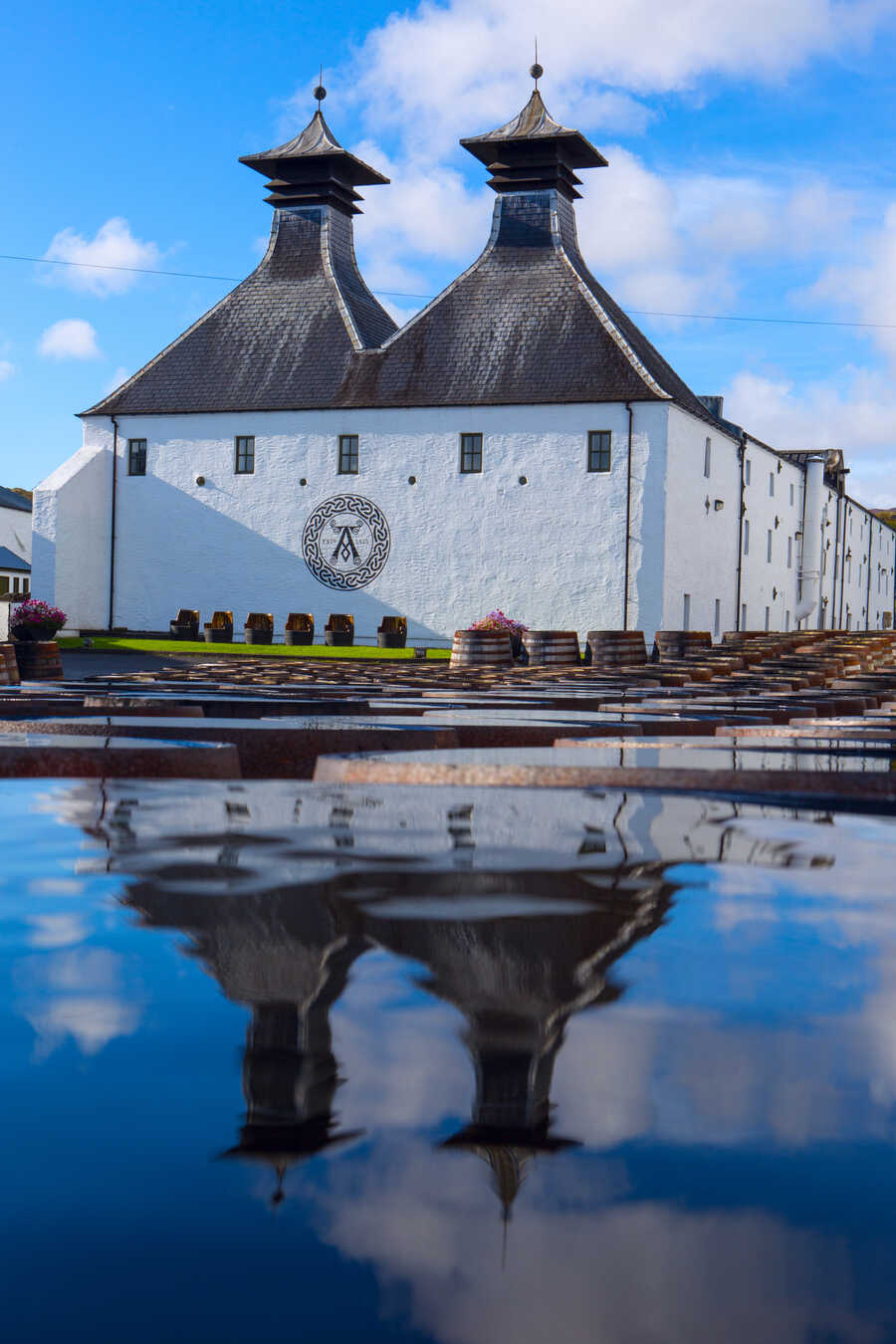
    6# The Whiskey Island of Islay

    Ardbeg whisky distillery

    Islay (pronounced Eye-la) is a part of the southern Hebrides, and also goes by the name Queen of the Hebrides. It is the southernmost island of the inner southern Hebrides and lies in Argyll and Bute. It is best known for its whiskey distilleries, stunning scenery, wildlife and friendly natives – sounds pretty great, right?

    Much like the fish and chips, I would recommend that your tour of Scotland is not complete until you have attended one of their world-famous whiskey distilleries. 

    There is a huge amount to choose from when it comes to deciding which one to go to, and this can seem very overwhelming when trying to decide. That is why I would recommend visiting the island of Islay, which offers a whole host of distilleries – nine in total – all on one island. 

    Islay is worth visiting anyway, for its rich history and stunning camping opportunities, but when it comes to whiskey, it really doesn’t get any better!

    7# The Cairngorms National Park

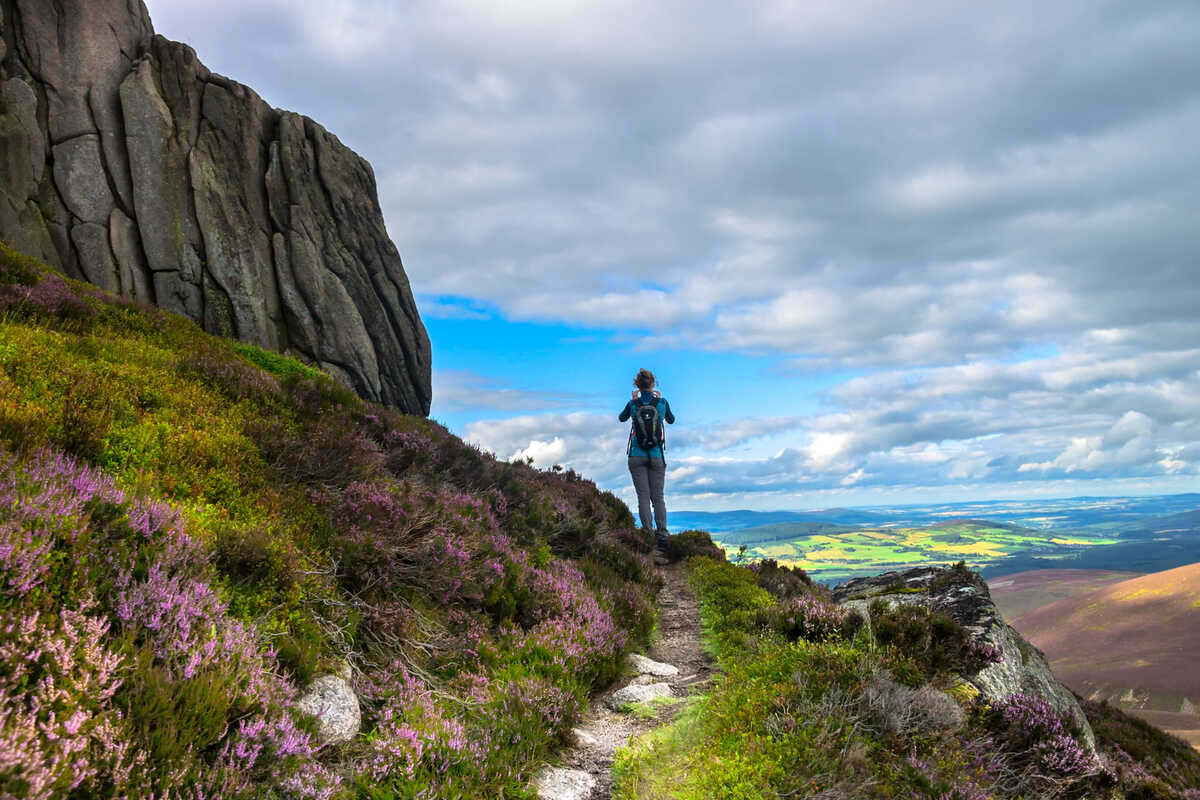
    Hillwalking in Cairngorm Mountains Scotland

    Right in the heart of the Scottish Highlands, and the proud owner of the title of the largest national park in the UK, this national park is renowned for its amazing wildlife and access to nature.  For places to crash at the end of the day, there are plenty of campsites that are easy to access by car, and also a selection of cosy b&bs to catch a good rest.

    However, your most difficult task here will be choosing between all of the different activities that are available in the park, including:

    • Hiking
    • Cycling
    • Rafting
    • Golf
    • Swimming
    • Skiing
    • Visiting historic castles and sites

    A great route to take when driving in the Cairngorms is the Snow Roads route.  This route takes you through ninety miles of mountains, glens, pubs, restaurants and activities – if you want to really make the most of the Cairngorms then this is a great route for you to try.

    Included in this route is the highest public road in Britain[5], which will give you a spectacular view of some of the most incredible scenery in Scotland.  The mountains surround you here, and offer some excellent photography opportunities as well.

    7# Blair Atholl

    Blair Atholl is a stunning little village in Highland Perthshire, sat right on the very edge of the Cairngorms National Park, and is home to a whole host of outdoor activities and leisure opportunities.  Enjoy outdoor sports or a leisurely walk in the great outdoors around the Atholl Estates – there is really no shortage of things to do.

    Go and see the River Garry, which flows through many picturesque villages and towns such as Bruar and Killiecrankie – both of which are plentiful in Scottish sites and rich histories. 

    The spectacular looking Blair Castle is like an entryway into the highlands, where you can learn about the history surrounding this area.

    8# Angus Coastal Route

    This is perhaps one of the more well-known Scottish driving routes, spanning from Dundee to Aberdeen – two great cities to visit while in Scotland!

    Here, we visit the eastern coastline of Scotland, where one can experience the gorgeous ocean and countryside views.

    This is one of the longer drives on the list, but it is sure worth it.  If you are doing a tour of Scotland, you would probably be driving this distance anyway between the two cities, so why not make it worth your while and follow the coastline while you’re at it? 

    This route takes around 1 hour and 40 minutes, and the entire time you are driving you are surrounded by gorgeous scenery and ocean waves – so crank up the music and enjoy the view!!

     9# Route 500

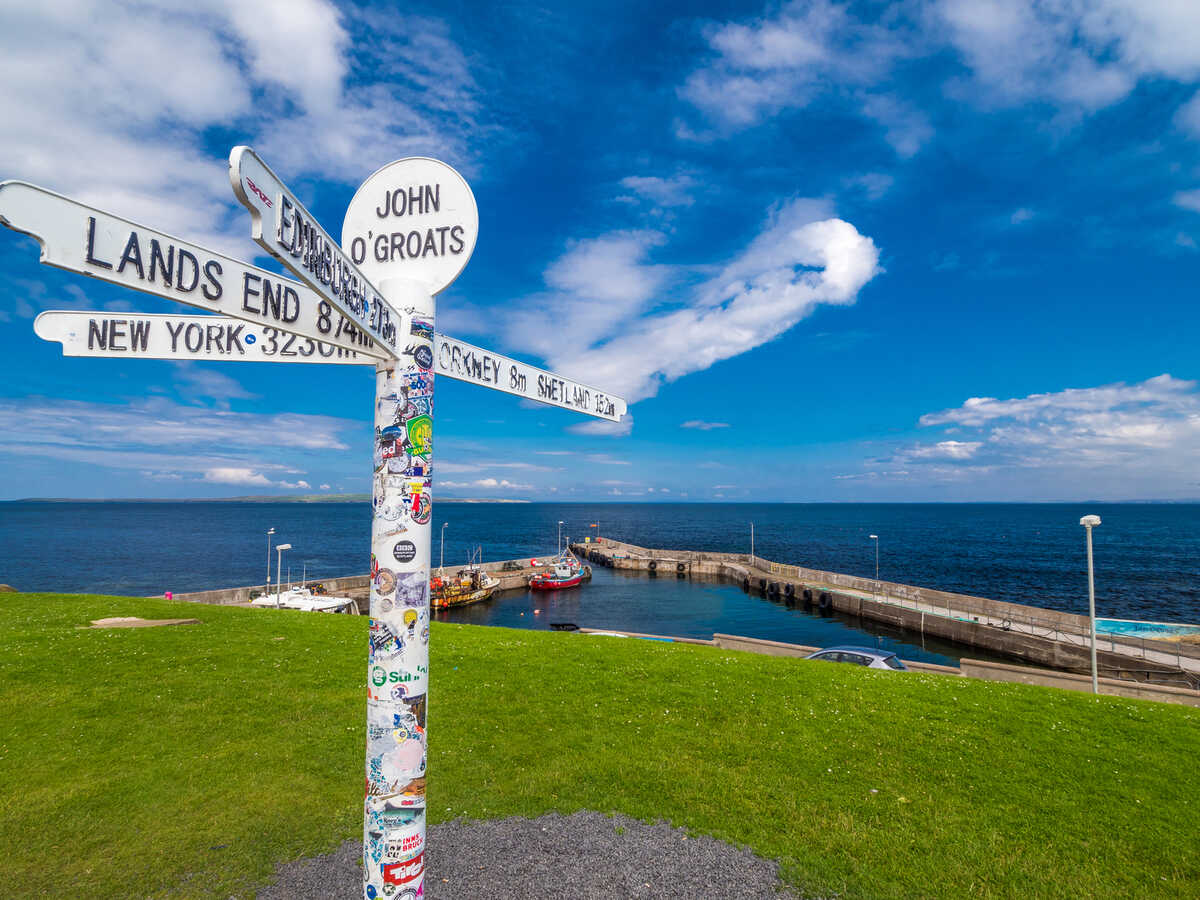
    Sign post at John O Groats, Scotland

    I know we’ve gone over many different destinations to go to by car in this list, but now it is time for the ULTIMATE road trip route, known as route 500.  It’s pretty much common knowledge in Scotland that this is the best route to take for a road trip. It’s pretty long but definitely worth it!

    So, as the name suggests, this route is 500 miles long (there’s a Scottish song to match your trip, look up The Proclaimers to see what I mean).

    The total drive time of the route is roughly 13 hours and 35 minutes, so definitely do not try to drive it all in one go! It is highly recommended that you take several days to complete the route – and with such great options for stops along the way, who can complain about that??

    This route spans across the north coast of Scotland and begins in the city of Inverness.  It then takes you along the west coast to Applecross and northwards to Torridon and Ullapool.

    It is from this point that you then head to the northmost points of the Scottish coastline, passing by Caithness and John o’Groats and seeing the ocean in a way that makes it look like you’re on the very edge of the world. 

    The route will then take you south again, through Dingwall, and back to Inverness again. For the whole itinerary read this North Coast 500: 7 Day Road Trip.

    Because the route takes you in a circle, it makes it very easy to incorporate it into a bigger trip around Scotland. This route will show you some of the best coastal scenery that the country has to offer, and every small town it takes you through makes an excellent pit-stop!

    10# The North East 250

    Don’t feel like you’re up to driving the full 500 miles? No problem!  Here it offers an alternative that only covers half of the distance, but is also an amazing road trip to try out!

    The North East 250 is not as well known as the 500, but it is a beautiful drive that will show off some of the best views (and sunsets) that Scotland has to offer.

    This route is one that I would certainly recommend to whiskey lovers as well, as it spans the Malt Whiskey Trail, meaning that on your travels you can stop off at some of the world’s most famous distilleries in the world, such as Glenlivet.

    For the mountain lover, this route will also suit you very well!  This route encapsulates dozens of Munros that can easily be climbed in a day – for those who wish to get the best views possible.

    For the golfer, this route also encapsulates some of the greatest golf courses in the country, such as Braemar Golf Club (the highest course in the country) which is travelled to by golf lovers the world over.

    And last, but by no means least, the beaches on this route are simply incredible.  This also means that the surrounding villages offer some incredible seafood that you can try out.

    I do hope that this guide has been helpful and has given you some ideas of places to travel to in Scotland.  It really is a beautiful country with so much to offer, and I can’t recommend driving around it enough! Getting out into nature is so underrated these days, where every day is a whirlwind of jobs to do and people to see.  Sometimes it can be so cathartic to just *breathe* and be with the outdoors for a while!

    In my opinion, the locations listed above are some of the most incredible places to do this.  Scotland has a sort of magical feel to it; it makes you feel serene and calm, and somehow part of it…even if it is your first time visiting!

    Want to See More of the UK?

  • 10 Incredible UK Staycation Ideas

    10 Incredible UK Staycation Ideas

    The UK is full of cultural cities, breathtaking natural landscapes and stunning coastline. There’s so much choice when it comes to staycation destinations, so I’ve put together a list to help inspire you.

    Whether you’re on a budget or want to minimise your carbon footprint, a staycation within the UK can be a perfect excuse to get out and explore the delights that the nation has to offer. With historical sites, iconic attractions and the great outdoors, there is plenty to keep you occupied.

    Here are some great places to visit on your next UK staycation.

    1. Dorset

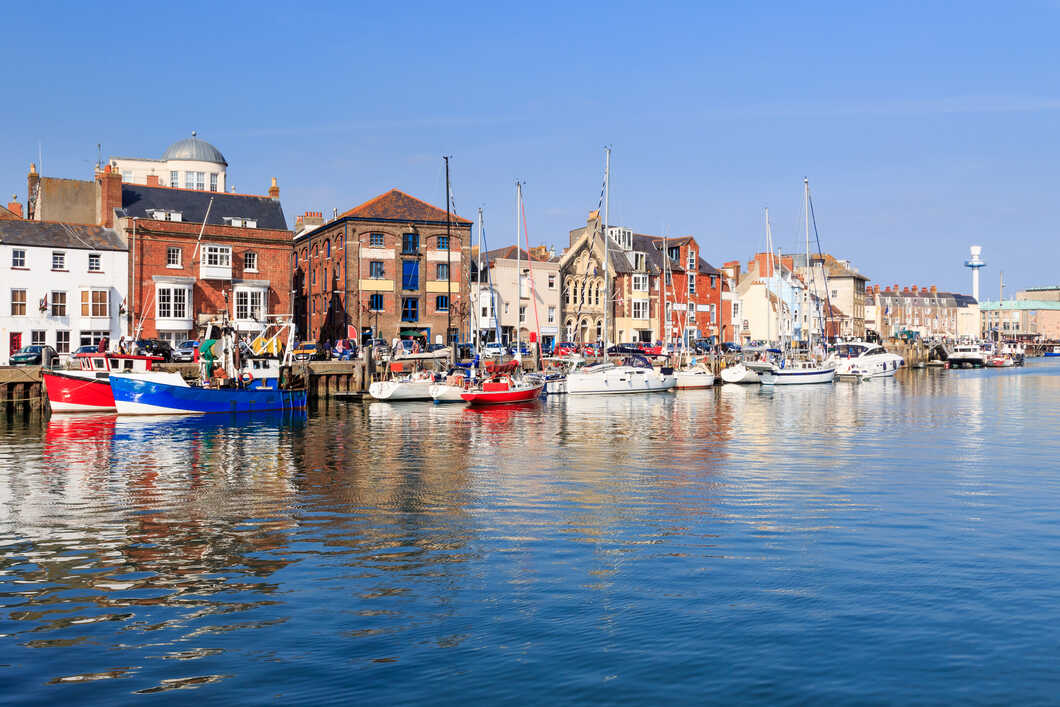
    Weymouth Harbour
    Weymouth Harbour

    Over half of Dorset is classified as an Area of Outstanding Natural Beauty. The coastal landscape is definitely the highlight of the county, but there are also fascinating historical sites to explore.

    Things to do Dorset

    Durdle Door is one of Dorset’s most photographed landmarks. This natural limestone arch on the Jurassic Coast World Heritage Site is accessible via a footpath over the hill from Lulworth Cove.

    Another iconic natural feature are the Old Harry Rocks, three chalk formations on the Isle of Purbeck. Take the Old Harry Rocks circular walk to admire the views.            

    For a traditional English beach holiday, head to Weymouth Beach. It’s a great place to swim, as the bay is sheltered. With a grand Georgian seafront, the beach has tons of attractions like Punch and Judy, donkey rides, water sports and pedalos. Check out Weymouth Harbour which has a variety of cafes, restaurants and independent shops.

    If you’re a fan of grand country houses, then head to Kingston Lacy House. Once home to one of the most powerful families in Dorset, the lavish interior includes marble floors, vaulted ceilings and a large collection of artwork. It also has the largest private collection of Egyptian relics in the country.

    Outside, meander through the peaceful Japanese garden, the Fernery, Nursery Wood and the Kitchen Garden.

    Perched on a clifftop location, Highcliffe Castle has picturesque views out to sea. Built in 1835, the castle is full of lavishly decorated rooms, like the Great Hall, the Octagon Room and the Libraries.

    Set on 14 acres of land, the beautiful gardens were laid out by the famed Capability Brown. The castle frequently has a range of exciting events, such as art and photography exhibitions, music events and health and wellbeing workshops.

    Where to Stay in Dorset

    Dorset is chock full of picturesque villages. For a taste of country life, stay in Abbotsbury, Burton Bradstock, Corfe Castle and Tyneham.

    For larger towns, you can easily find accommodation in Lyme Regis, Sherborne, Weymouth and Shaftesbury.

    2. Somerset

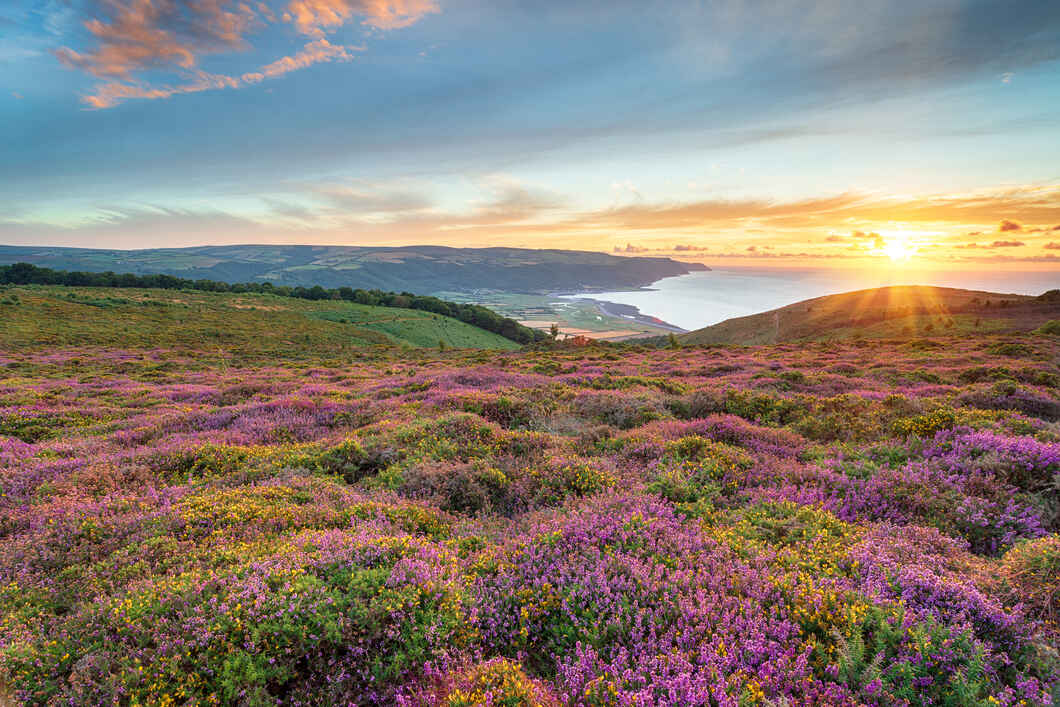
    Catch a stunning sunset in Bosington on the Somerset coast
    Catch a stunning sunset in Bosington on the Somerset coast

    One of the larger counties in Britain, Somerset is brimming with things to see and do. It’s home to a big section of Exmoor National Park, as well as three Areas of Outstanding Natural Beauty.

    Things to do in Somerset

    Cheddar Gorge is a series of limestone cliffs which form England’s deepest canyon. Enter the many caves and caverns within the gorge, including Gough’s Cave, which prehistoric man once called home. Go on a cliff top walk or check out Jacob’s Ladder and the Lookout Tower for some panoramic views of the countryside.

    Dunster Castle is a former motte and bailey castle and has over 1,000 years of history, from a medieval stronghold to a lavish family home. Explore the interior, or make your way around the beautiful terraced gardens.

    Another historical house is Montacute House, an exquisite Elizabethan mansion. Admire the different rooms and see the collection of over 60 Tudor and Elizabethan portraits. The house has two elegant garden pavilions, walled gardens and a tearoom.

    Exmoor National Park has everything – coastal views, moorland and woodlands. Activities here include stargazing, walking, cycling, riding, watersports and visiting the towns and villages around the area. Check out the Valley of the Rocks for stunning views from a cliff top, and Tarr Steps which is an ancient clapper bridge across the River Barle.

    Where to Stay in Somerset

    Somerset is full of charming little villages, perfect if you’re looking for some peace and quiet on your staycation. Porlock, Mells, Winsford and Selworthy are all lovely places to stay.

    If you’re looking for somewhere with more going on, there are plenty of lively market towns to stay in, such as Frome, Watchet, Glastonbury and Taunton.

    3. Bath

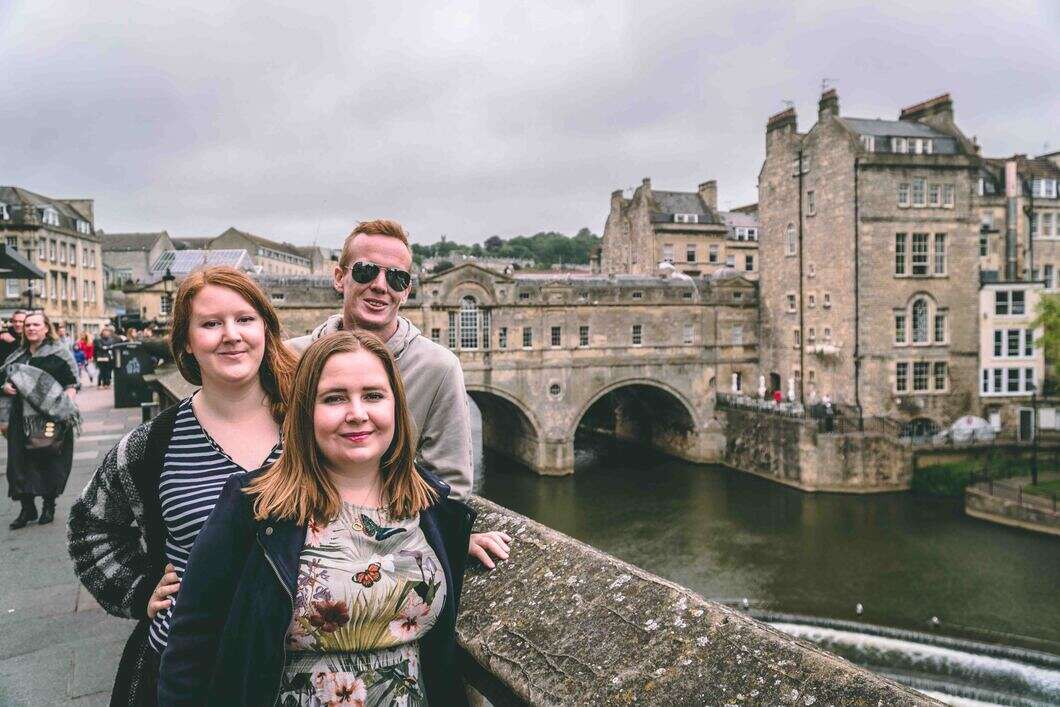
    Kat and family at Pulteney Bridge
    Enjoying a weekend trip with my bother and sister to Bath.

    Bath is the largest city in Somerset and has plenty to offer. While it has a contemporary culture, it also has a rich history and heritage, proving itself as a fantastic destination for a city break.

    Things to do in Bath

    A must-do when in Bath is a visit to the Roman Baths. Built in circa 70AD, it’s the best preserved Roman Spa in the world, and is still filled with 1,170,000 litres of steaming water each day. Pop into the museum to learn more about life in Roman times.

    Literary fan? Check out the Jane Austen Centre to discover more about Bath’s most famous resident. Explore what it would’ve been like to live in Regency times.

    A city break is the perfect excuse for some retail therapy, and Pulteney Bridge doesn’t disappoint. Constructed in 1769, the bridge has shops across its full span on both sides. Find antique shops, fashion and jewellery boutiques, home stores and coffee shops.

    If the hustle and bustle of the city gets too much, escape to one of Bath’s green spaces. The Prior Park Landscape Garden is a beautiful oasis which boasts incredible views, hidden waterways and Georgian history.

    Where to Stay in Bath

    If you want to be as close as possible to the attractions, stay in the city centre. In terms of accommodation, you’ll be spoilt for choice here, with places to suit all tastes and budgets.

    Walcot is a trendy neighbourhood just north of the city. It has many speciality shops, independent boutiques, clubs and bars, and stunning architecture. 

    For somewhere a little more slow-paced, I’d recommend staying in the area of Oldfield Park. There are still plenty of shops and independent eateries, but without the frenzy of the city centre.

    4. The Cotswolds

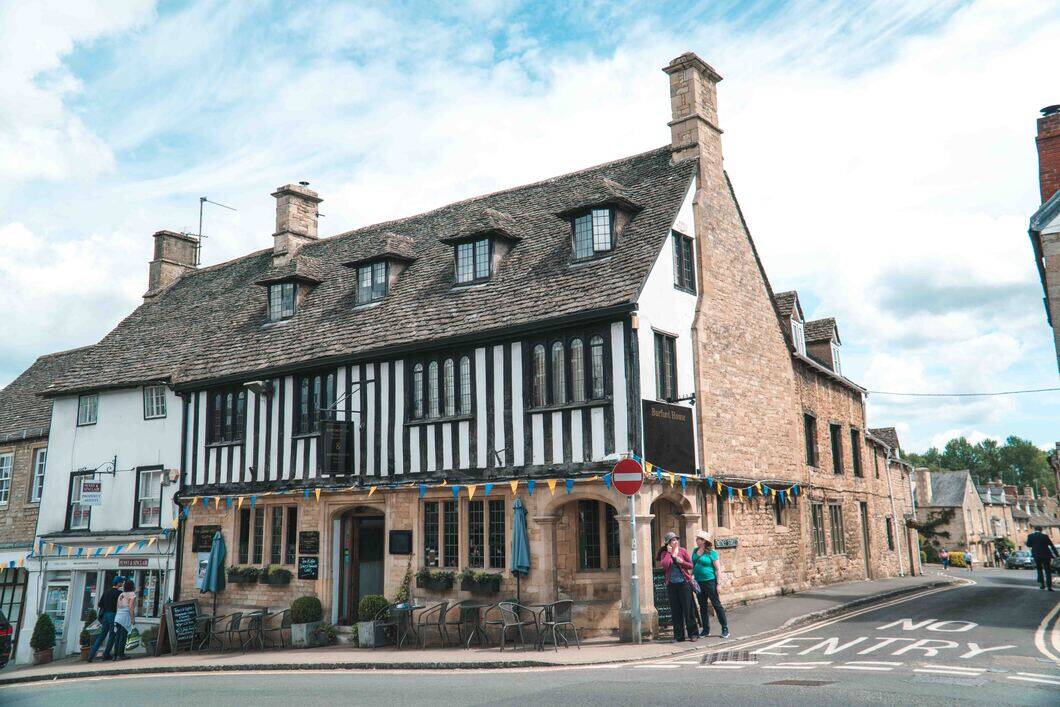
    Burford in the Cotswolds

    Covering parts of six counties, the Cotswolds are an AONB that boasts rolling hills, woodland, thatched villages, stately homes and world-class attractions.

    Things to do in the Cotswolds

    A visit to Blenheim Palace is a must. Admire Baroque architecture of the primary residence of the Dukes of Marlborough. Marvel at the collections of art, tapestries and antiques, and wander round the gardens created by the famed Capability Brown.

    If you want to live out your childhood fantasies this staycation, hop on the Gloucestershire Warwickshire Steam Railway. The 29 mile round trip goes past the scenic views of the Vale of Evesham, the Malverns and Wales.

    The Cotswolds have their fair share of interesting museums. Some of the top museums include the Gordon Russell Design Museum, Museums in the Park and The Wilson.

    The Cotswolds are made for walking. Whether you want a gentle stroll or a more adventurous hike, there are a wealth of walks to choose from. If you’re looking for a walk that can be completed in a day, the Windrush Way is a 14 mile circular route that goes over the Cotswold hills, through medieval villages and along the tranquil River Windrush.

    The Leckhampton Route is another great choice, taking you through grasslands, ancient woodlands and finishing at an Iron Age fort and Victorian quarry.

    For a short walk, try the Cleeve Hill Ring. This walk takes you for six and a half miles up Cotswolds highest common. Known for its limestone grassland, the area boasts rare plants, wildflowers and many bird species.

    The Cotswolds can be difficult without a car but here are some ideas on how to visit the idyllic Cotswolds villages without a car.

    Where to Stay in the Cotswolds

    The Cotswolds are an ideal location for a peaceful staycation, as the area is full of quintessentially English villages. Head to Bourton-on-the-Water, The Slaughters, Fairford and Blockley.

    There are also many market towns if you’re looking for a more bustling atmosphere. Chipping Campden, Cirencester, Burford and Stow-on-the-Wold are all lovely choices.

    I’ve broken down different areas you can stay in the Cotswolds, here.

    5. Norfolk

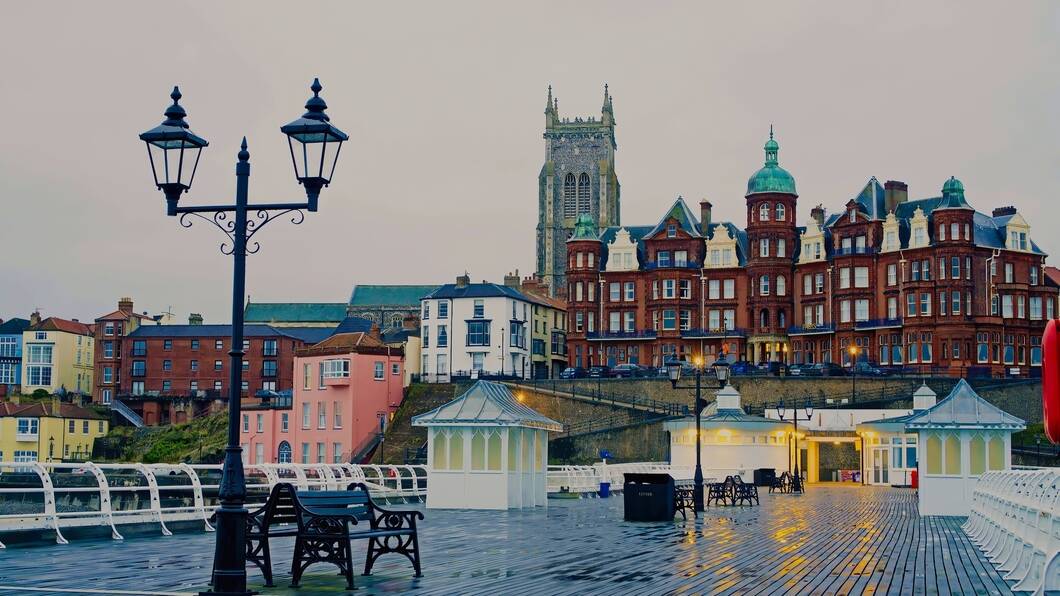
    View from Cromer Pier on Norfolk centre
    View from Cromer Pier on Norfolk centre

    Norfolk is a great place for a staycation and it offers a variety of landscapes to enjoy. Whether you want to relax by the seaside or get active in nature, there are plenty of things to get up to.

    Things to do in Norfolk

    With over 90 miles of coastline, it can be difficult to choose where to head to. Cromer is a great choice, and this small town has all the charms of a traditional seaside holiday. There are a wealth of attractions, including Cromer Pier and the Pavilion Theatre.

    For a quieter seaside break, the village of Sea Palling is an attractive choice. The Blue Flag beach has safe waters and soft sands, and there are a lovely variety of cafes, shops and amusements. The village is near to the Norfolk Wildlife Trust reserve at Hickling, where you can take waterside trails, boat tours and go wildlife spotting.

    Another natural spot worth visiting is the Norfolk Broads. This network of navigable lakes and rivers are perfect for kayaking, canoeing, stand up paddling and sailing. You can also explore by bike or on foot, and the flat landscape is suitable for everyone.

    Head to the delightful city of Norwich to visit the medieval Norwich Cathedral. This imposing building can be seen from miles away, and you can take a guided tour to see the interior.

    Afterwards, visit the Cathedral Quarter which surrounds the cathedral. This part of the city is picture-postcard with its multicoloured buildings and cobbled streets.

    Where to Stay in Norfork

    If you want to stay along the coast, places like Hunstanton, Great Yarmouth, Sheringham, Blakeney, Happisburgh and Cley-Next-The-Sea offer a good choice of accommodation.

    For inland locations, check out Wymondham, Thetford, Swaffham and Fakenham. Stay in King’s Lynn or Norwich if you prefer somewhere more urban.

    6. North Yorkshire

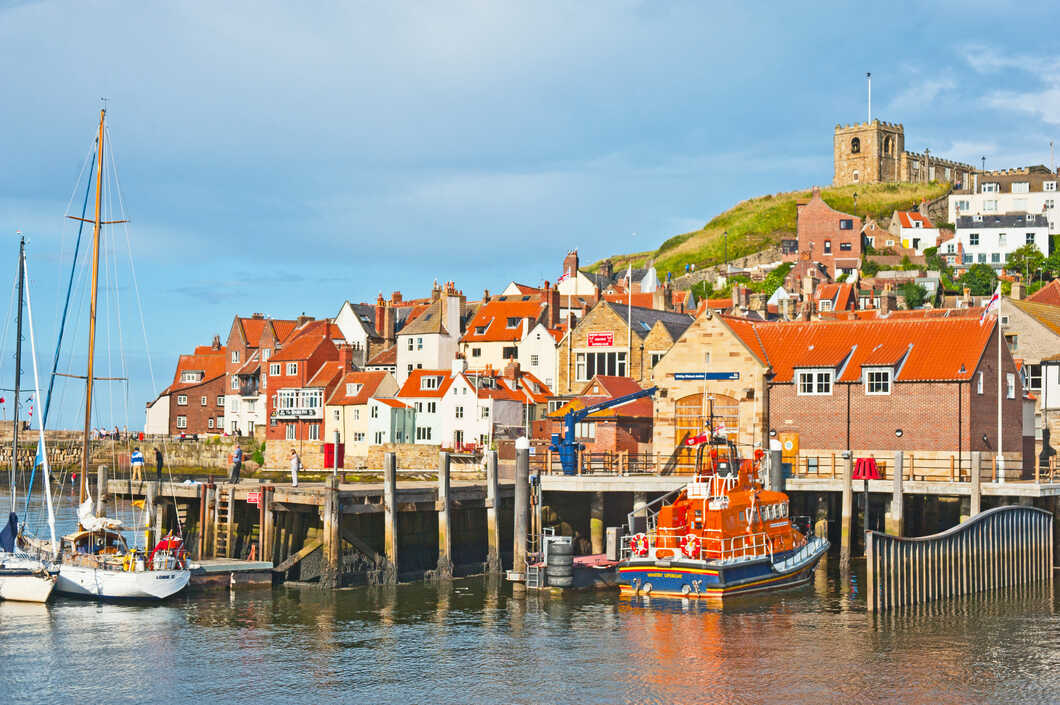
    Whitby in Yorkshire with yachts and Saint Mary's Church in the background.
    Whitby in Yorkshire with yachts and Saint Mary’s Church in the background.

    As England’s largest county, North Yorkshire doesn’t disappoint. There are countless things to do here, whether it’s visiting stately homes and castles, wandering through breathtaking landscapes or relaxing by the sea.

    Things to do in North Yorkshire

    Wensleydale is a valley in the Yorkshire Dales which is famous for its cheese. Visit Wensleydale Creamery in Hawes to see how it’s made and take some home with you. Visit the market town of Leyburn for unique shops and cafes, or head out onto the Dales and see places like Aysgarth Falls and Hardraw Force.

    Plant-lovers shouldn’t miss a visit to RHS Garden Harlow Carr. The 58 acre garden has many different landscapes which are full of exotic plants, multicoloured flowers, charming features and wildlife.

    North Yorkshire has some superb seaside towns. Scarborough is a fun destination, with two sandy bays, museums, art galleries, a scenic railway and the iconic Scarborough Castle.

    Whitby is a unique seaside resort which is full of medieval streets and beautiful clifftop views. Climb up to the ruins of Whitby Abbey which was the inspiration behind Dracula, or visit the James Cook Memorial Museum.

    Make sure you visit York, a walled city founded by the Romans. There’s a lot of history to take in, from walking on top of the city walls, to visiting the 7th century York Minster with its stained glass and handcrafted stone.

    For a bit of shopping, head to the Shambles, a historic street full of shops housed in medieval buildings. The National Railway Museum has an unrivalled collection of vintage trains.

    Where to Stay in North Yorkshire

    There are so many pretty villages in North Yorkshire which are ideal for a quiet staycation, such as West Burton, Osmotherley, Kettlewell and Cropton.

    To stay in coastal areas, check out Robin Hood’s Bay, Sandsend, Staithes, Filey and Bridlington.

    7. Lake District

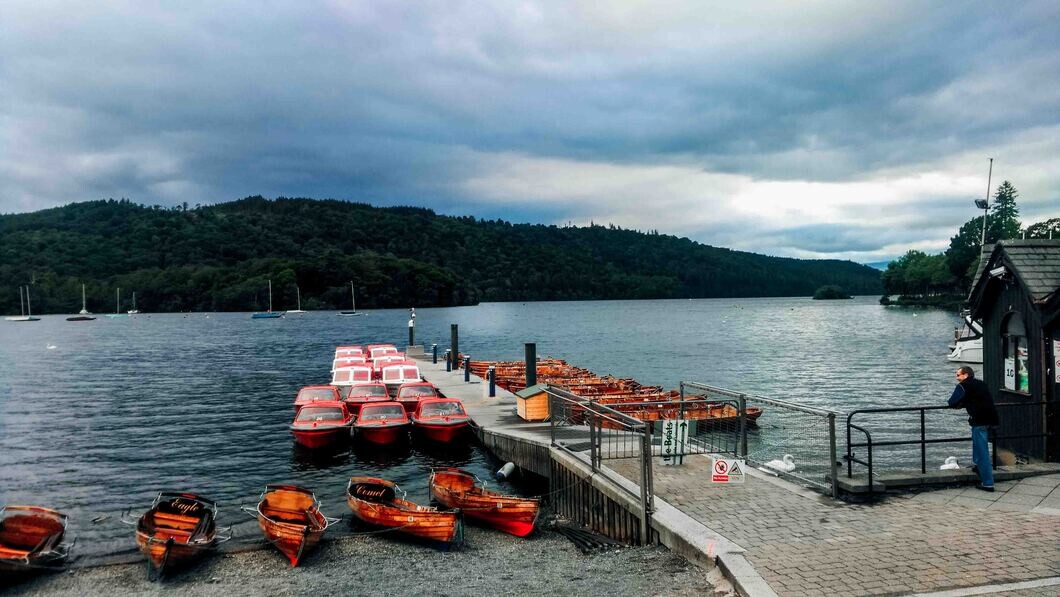
    Windermere-in-the-Lake-District
    Bowness bay in Windermere.

    It wouldn’t be a list of staycations without the Lake District in Cumbria. With its magnificent lakes and mountains, it’s hardly surprising that the entire area is a UNESCO World Heritage Site.

    Things to do in the Lake District

    Hiking is the number one activity in the Lakes. No matter whether you’re a beginner or a pro, there are hikes and walks for every level.

    A popular walk for beginners is the Tarn Hows Circular Walk. As you circle the lake, you’ll find lovely views of Lakeland Fells. If you fancy a little challenge, the Helvellyn climb from Glenridding via Striding Edge is quite steep and takes between four and five hours.

    The Lakes are also home to Scafell Pike, the highest mountain in England. While the views are incredible, the climb isn’t for the faint-hearted!

    If you’re feeling a little sore from hiking, why not admire the scenery from the comfort of a vintage railway? The Ravenglass and Eskdale Railway departs from the coastal village of Ravenglass, and travels for seven miles along the estuary, through lush green hills and ends at Dalegarth Station.

    The Lake District has been home to some of the most esteemed writers and poets, including Beatrix Potter and William Wordsworth.

    Beatrix Potter spent many years in the area, and some notable attractions include Hill Top, the World of Beatrix Potter and the Beatrix Potter Gallery. Wordsworth was born and grew up in the Lakes, and you can see his former homes and where he’s buried. Check out Allan Bank, Rydal Mount and the Old Grammar School.

    Windermere is the largest natural lake in the area. One of the most popular spots on the banks is Bowness-on-Windermere.

    It’s the best place for watersports like sailing, windsurfing, kayaking, canoeing and water skiing. If you prefer to stay dry, pop into the Brockhole Visitor Centre and the Grizedale Visitor Centre for a range of outdoor activities.

    Where to Stay in Lake District

    The Lakes are massive and there is a large choice of towns and villages to stay in. Some of the best bases for exploring the area are Keswick, Bowness, Grasmere, Coniston, Hawkshead, Ambleside and Kendal.

    Windmere has good connections with public transport so if you lack a car I recommend basing yourself here.

    8. North Wales

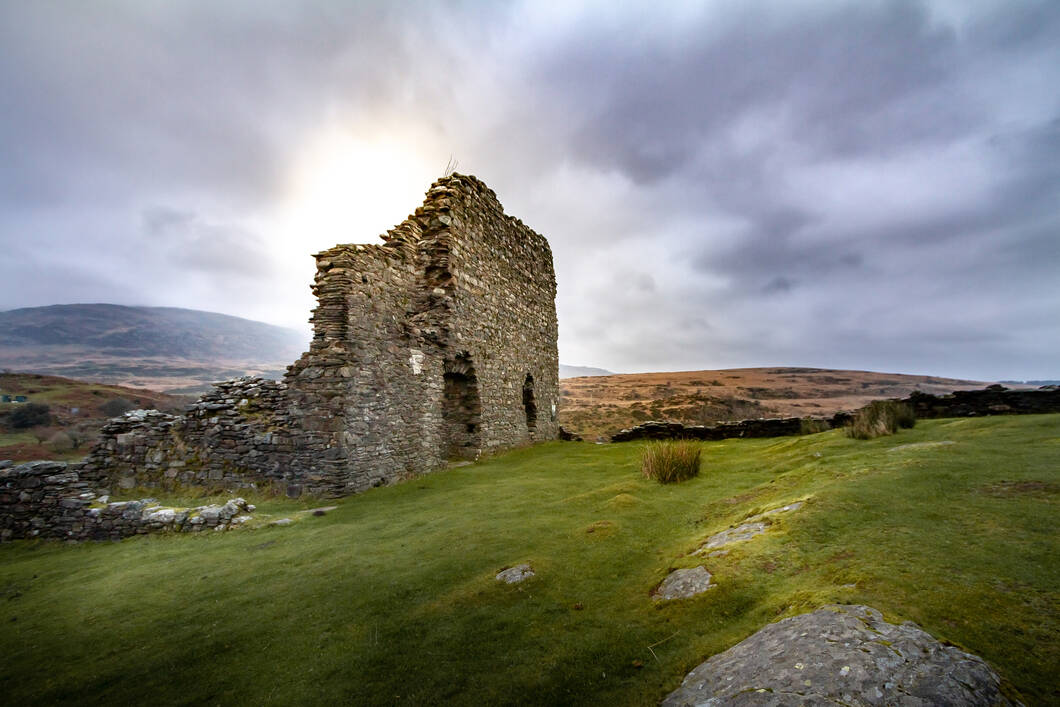
    Dolwyddelan Castle in Snowdonia National Park, Wales
    Dolwyddelan Castle in Snowdonia National Park

    North Wales is filled with epic landscapes and historical sites. It’s a playground for lovers of the outdoors, with tons of exciting activities to get stuck into.

    Things to do in North Wales

    It wouldn’t be a trip to North Wales without a visit to Snowdonia National Park. There are an abundance of hiking trails, the best-known one of course being Snowdon, Wales’s highest mountain.

    If you’re not keen on climbing, you can take the Snowdon Mountain Railway up. There are tons of other activities within the National Park, including cycling, white water rafting, surfing, canyoning, kayaking and canoeing. For something more relaxing, there are tons of pretty villages like Beddgelert which are ideal to roam around and take photos. 

    If you love ancient castles, then you’ll be spoilt for choice in North Wales. Boasting rich history and set in gorgeous surroundings, some of the best castles are Caernarfon Castle, Conwy Castle, Beaumaris Castle, Harlech Castle, Penrhyn Castle and Rhuddlan Castle.

    Llechwedd is a fascinating attraction which tells the story of slate quarrying in Blaenau Ffestiniog. On a guided tour, descend 500 feet into the mines and explore the different chambers, complete with immersive displays and light installations which bring the miners’ stories to life.

    For a bit of sun and sand, visit Porthmadog. This coastal town has a rich maritime history and there are plenty of things to do. Take a ride on one of the vintage steam railways, browse through the independent shops and boutiques, and head out onto The Cob, an embankment across the estuary.

    Where to Stay in North Wales

    North Wales has many towns which are good bases for exploring the surrounding areas, both inland and on the coast. You’ll find a wide choice of accommodation in Betws-y-Coed, Abersoch, Conwy, Beaumaris, Llandudno, Llangollen, Ruthin, Portmeirion and Porthmadog. 

    9. Isle of Skye, Scotland

    highland cow in Isle of Skye, Scotland
    Every time I visit Scotland I love seeing the highland cows! They just ooze Scotland.

    Connected to the mainland by bridge, the Isle of Skye is the largest island in the Inner Hebrides of Scotland. Its magical atmosphere and breathtaking landscapes will reel you in the moment you get there.

    Things to do in Isle of Skye

    The Storr is located in the Trotternish area, and is one of the most magnificent scenes on the island. The sharp pinnacles of rock against rolling green hills make for a dramatic landscape, and is popular with walkers, hikers and photographers. The Old Man of Storr is the name given to one of the giant columns of rock towering towards the sky.

    Another magnificent natural landscape is Quairing. You’ll probably recognise Quiraing as it’s been the location for so many films, including King Arthur: Legend of the Sword (2017). The area was created by an ancient landslip, which formed steep cliffs, hidden plateaus and pinnacles of rock.

    One of the most iconic castles in Scotland, Eilean Donan sits on its own little island. Although it’s on the Scottish mainland, it’s only an hour’s drive from the Isle of Skye and makes for a great day trip. Admire the views from the 13th century castle, and stand where three sea lochs meet.

    The Fairy Pools are a must-see when on the Isle of Skye. These crystal clear rocks pools are bright blue, and are fed by a series of waterfalls. Brave the cold and take a dip!

    Where to Stay in Isle of Skye

    It doesn’t take long to get from one place to another on the Isle of Skye, so it’s not too big of an issue where you stay. That being said, some areas do have more facilities, such as Sleat, Portree, Broadford, Edinbane, Trotternish, Carbost, Kyleakin and Lochalsh.

    10. Ballycastle, Northern Ireland

    Kat at Giants Causeway
    Kat at Giants Causeway

    Ballycastle is a small seaside town in Northern Ireland. It’s a pretty little harbour town, great for a slow-paced staycation. There are tons of incredible attractions within a short driving distance of the town.

    Things to do in Ballycastle

    Ballycastle is only a 20 minute drive away from the famous Giant’s Causeway. This is an area of basalt columns left by volcanic eruptions 60 million years ago, and is a UNESCO World Heritage Site. Explore the trails in the area and enjoy amazing coastal scenery.

    First constructed by fishermen over 250 years ago, the Carrick-a-Rede Rope Bridge links the mainland to the small island of Carrick A Rede. If you’re not scared of heights, cross the rope bridge suspended almost 100 feet above the sea.

    Six miles across the sea from Ballycastle is Rathlin Island. There are some great walks on the island to make the most of the coastal views. Visit the Boathouse Visitor Centre to see artefacts from shipwrecks around the island. If you visit between April and July you’ll see puffins and many other sea birds.

    Fans of Game of Thrones will recognise The Dark Hedges, known as the Kingsroad in the series. Only a 15 minute drive from Ballycastle, The Dark Hedges are a stunning avenue of beech trees planted in the 18th century. It’s one of the most photographed attractions in Northern Ireland.

    Where to Stay in Ballycastle

    As Ballycastle is a small town, you’ll find most accommodation along the seafront or a few kilometres back from the coast.

  • 9 Reasons You Need Travel Insurance for the UK

    9 Reasons You Need Travel Insurance for the UK

    Travelling to the UK can be expensive. With airfare, places to stay, and things to do, you’re going to spend some money. Travel insurance is another expense layer on top of that!

    I’ve seen several posts across the internet questioning if it is worth the money you’re spending? If something happens to you whether it’s a cancelled flight or something more serious the initial outlay is worth it.

    Do I need travel insurance for the UK? I always recommend getting travel insurance. If you think “I don’t need it” or “I won’t get hurt” please rethink that as it DOES happen. While most trips go to plan if it doesn’t you’ll be happy you spent that little bit of money on travel insurance.

    Why should someone get travel insurance for the UK? Travel insurance can be beneficial to travellers regardless of their planned destination. The top 9 reasons you need travel insurance for the UK:

    1. Medical Emergencies
    2. You Need an Emergency Medical Evacuation
    3. Baggage and Belongings Mishaps
    4. Cancellation of Your UK Trip
    5. You Miss Your Connection
    6. Flight Cancellation
    7. Your Passport is Lost
    8. Your Travel Company Files Bankruptcy
    9. Stress-free Car Hire

    Before you get travel insurance, you’ll need to know more about it: what it is, why you might want it, and what kind you may want depending on the trip that you’re planning. We’ve outlined all the basics here, to help you decide.  

    What Is Travel Insurance – and Why Would I Need if?

    Travel insurance is just like any other kind of insurance, in that it ensures your safety and wellbeing. When travelling, this can mean a few different things. Most of them have to do with the safety of you and your belongings. Different types of insurance cover different things and can have more or less coverage than others.

    To get started, we’ll outline some of the most important things that you need to know about travel insurance. Having a basic understanding of what is most commonly covered will give you a better understanding of what you might want to protect while travelling to the UK.

    9 Reasons You Need Travel Insurance for the UK

    1. Medical Emergencies While the UK

    As much as we would all like to hope that our vacations will go according to plan, accidents are inevitable. Most of the time they aren’t that serious but there is always the chance that a serious injury happens to you while you’re in another country.

    The problem is, of course, that most health insurance may not extend to a UK hospital if you’re as a citizen of another country.

    If you know you’re going to travel to the UK, and before you buy travel insurance, call your health insurance company. Find out if you are covered or if your existing health insurance plan offers a travel supplement. If it’s available, find out the cost of that so you can compare when you look at specific travel insurance.

    2. You Need an Emergency Medical Evacuation

    Rugby-players-preparing-to-catch-contestants-in-the-cheese-rolling-festival
    Rugby players helping at the Glouster Cheese Rolling to catch contestants after running down the hill chasing the cheese! They also assist in the injuries that occur in this dangerous sport and there are a few brutal ones.

    While the UK might not seem the first place you may need an emergency medical evacuation there are plenty of stories of people getting lost during a hike in Scotland or Wales, some requiring airlifts off mountains.

    During my travels, I have witnessed things that you just don’t think will happen. As an example, on a sailing trip around the Greek Islands, I watched a lady fall out a window at a bar and shatter her elbow. While the UK has better safety standards than Greece, she needed to get airlifted off this island as we were in a remote location. If she didn’t have travel insurance the cost would have been thousands of euros that she owed.

    By having travel insurance it will return the initial cost outlay. If you plan for outdoor activities this will give you the peace of mind whatever happens on your adventures.

    3.  Baggage and Belongings Mishaps

    One of the easiest problems to come into contact with when travelling (especially internationally) is to have luggage get lost in transit. Ending up in the UK without any of your things would probably be extremely frustrating.

    On top of missing some of your favourite products, if you’re not staying with friends or family who can lend you clothes, you will probably have to shell out money just to be clothed the rest of the trip!

    Investing in travel insurance for your trip to the UK could save you from having to spend your money on clothes and other supplies that you don’t really need. Baggage insurance usually comes in the form of reimbursement for lost goods, so you would still have to buy new clothes, but you would get reimbursed, making them free in the end.

    This process is still stressful and tedious, but insurance can definitely help ease the cost.

    4. Cancellation of Your UK Trip

    Most trip reservations are going to include a non-refundable booking fee and, very often, a booking fee on top of it. If something happens and you end up having to cancel your trip, you could be paying even more money for a trip that you didn’t get to take.

    Thankfully, most travel insurance includes cancellation coverage, which reimburses you for any extra funds that you might have to spend due to cancelling your trip. If you have an ever-changing schedule, look for a travel insurance plan that has really good cancellation. This way, you can relax even if something comes up.

    Pay attention to what kind of situations your cancellation insurance covers. There is a wide range of cancellation coverages policies and packages. Some comprehensive packages include a “cancel for any reason” insurance. This option is just what it sounds like: an assurance that you can back out of your trip for any reason, within a stated time frame.

    5. You Miss Your Connection

    Travel doesn’t always go to plan and you discover that you are going to miss a connection that impacts your trip. Whether is joining a cruise, tour bus, train or flight this will be an additional or lost cost to your trip.

    Having missed connection coverage will be providing you with the assistance services to help you arrange and pay for those travel changes.

    6. Flight Cancellation

    Flight-Cancellations

    From natural disasters to industrial action there are factors out of your hand that could your flight cancelled. With cancellation or interruption coverage you will have the money refunded and the costs covered for a new ticker or stay in a hotel.

    Now, this doesn’t mean that the airline won’t cover you in instances, but insurance gives you that extra support if the airline ends up being difficult. Do read the terms and conditions of the booking to ensure what you are covered for in case of a cancellation.

    7. Your Passport Is Lost

    You’ve taken your passport on a night out and realise it’s no longer in your bag and now you’re stuck! I’ve witnessed this happen a few times, even when I was renewing my passport at the Australian Embassy in London.

    Not sure about your countries emergency passport but getting an Australian passport overseas is expensive!

    Lost passport coverage will help you getting the process expedited and paying for the new passport.

    P.s. want to know if you should take out your passport in London? Read this article.  

    8. Your Travel Company Files for Bankruptcy

    With travel companies like Thomas Cook and Monarch going bankrupt in the last few years you just never know if your trip will be safe. Travel insurance can recoup the cost you would lose if the company cancels due to financial default and provide assistance finding an alternative solution to your trip.

    9. Stress-free Car Hire

    Driving in a new country can be stressful and for most of the world, the UK drives on the other side of the road.  Car accidents can happen, so I always make I have car insurance if I am renting a car. One of the biggest ways that car rental companies earn money from you is via insurance. Including car insurance in your trip policy can save you money and still be covered!  

    What Types of Travel Insurance Are Available for My Trip?

    A typical travel insurance policy will have coverage for most of your concerns when visiting the UK.  These include trip cancellations, medical emergencies, travel delays, and lost luggage. However, you may choose to get additional coverage to cover cruises, adventure activities or a higher coverage on your belongings (if you decided to bring a lot of camera gear as an example).

    Coverage Type

    While every individual travel insurance company is going to price their plans differently, there are two specific groups of plans that you can get. Depending on the situation that you’re in, you’re going to either want basic coverage or comprehensive coverage.

    • Basic Cancellation Coverage:

    This is exactly how it sounds. Basic cancellation coverage is only going to cover trip cancellation fees and non-refundable deposits for flights, hotels, etc. It also oftentimes covers baggage loss or damage, but not much more than that. This is perfect for any short, standard trip to the UK.

    • Comprehensive Coverage:

    This is the coverage that is going to help you get out of a dangerous situation or get medical attention for no out-of-pocket costs. If you are going on an extended UK trip or plan on doing particularly dangerous activities, a more comprehensive plan might be something to look into.

    The Cost of Insurance Coverage Based on Traveler’s Age

    Like many other types of insurance, travel insurance actually increases in cost as you age. So, the younger you are, the less you will pay for more coverage. This is mostly because of the increased risk of medical problems for older individuals because their health is in decline.

    Older travellers may have more health issues that make them at risk of needing medical assistance or attention while travelling. And, while most insurance companies will still offer coverage, it will cost more as you age – and that cost will be compounded, depending on what kind of coverage you are interested in.

    However, when you price compare, check to see which companies offer special packages for seniors. It’s possible to find special deals and group rates, too. 

    What Doesn’t Travel Insurance Cover?

    Travel insurance isn’t a miracle coverage, nor does it offer generous coverage of any and all potential travel-related issues. Like other forms of insurance, there will be some fine print to travel insurance.

    • Pre-existing Conditions – This is a big one to remember if you don’t disclose or choose a travel insurance policy that covers this then you could not be cover. If your trip to the UK is negatively affected by a medical emergency that has anything to do with a condition already existing in your medical records, you will have no coverage. This is a very unfortunate exception to coverage, but it exists, and you should definitely be aware of it if you do have any pre-existing conditions.
    • Individual Risks – While medical costs are generally covered by comprehensive insurance plans, there is always the chance that they will take individual risks into account. This can be a bit vague when it comes to things like outdoor accidents but is more clear-cut in other scenarios.

      For example, you are not covered you are under the influence of drugs or alcohol when the medical emergency occurs. High-risk sports, like scuba diving or bungee jumping, are also not covered automatically, with only some plans providing them as add-ons for an additional fee.
    • Disease Outbreaks – Strangely enough, even though they cover most medical emergencies and disasters, travel insurance plans usually do not cover medical treatment for a disease involved in an outbreak. They may, however, cover travel costs to escape after the outbreak has been labelled an emergency.

    Important tip: Most of the time, your homeowner’s insurance will cover the loss of personal property while travelling. If you have homeowner’s insurance, you may still have coverage in this area, so check with your agent before you leave for your destination.

    Choosing Your Travel Insurance

    Just like there isn’t just one kind of car insurance, there are different types of travel insurance to choose from. Which type you need depends on your situation and sometimes you have the ability to choose one that is cheaper or has more coverage than another.

    The process of picking your travel insurance actually involves a lot more control than you might think. Here are the primary categories of travel insurance plans and why each one might fit your specific travel needs.

    Single Trip Travel

    If you’re just visiting the UK once, this is the plan for you. This kind of plan will cover a trip that you are going on alone (or that you are only covering yourself for) and only the once. The cost depends mostly on your age and the length of the trip, without much change between areas of travel.

    Annual Multi-Trip Travel

    If you are travelling regularly, you’re going to want to get a multi-trip plan. This plan continues through each of your visits and costs less overall than getting a new policy for each individual trip.

    Group Travel

    If you are travelling with more people than yourself, a group plan may be more beneficial in the long run. The best thing about group travel plans is that they are just as comprehensive for a lower price per person. This is best for large groups, but any group larger than two people would do well to have a group plan.

    Senior Citizen Travel

    If you’re a senior, you can get an insurance plan specific to your needs. It includes coverage for pre-existing conditions and even more medical assistance, which can be beneficial to those dealing with health issues at their advanced age.

    Student Travel

    There are also travel insurance plans specifically for students. These plans usually have increased protective measures and may include add-ons for emergency evacuations. These plans are also usually just more accommodating in general, but because of this can be a bit pricier than some single trip plans.

    When Should You Get Travel Insurance?

    The easiest answer? Get it as soon as possible after you have booked your trip. The more exact answer depends on the travel insurance plan. Most of them are around two weeks after you’ve booked your flight, hotel room, and anything else so that they can get all of the necessary information.

    You can even get travel insurance after you’ve already left. Many, if not most, travel insurance companies offer the ability to get travel insurance when already abroad. They do have a cap-off date of around two weeks after you arrived at your destination, but if you would still like travel insurance but are a little late, you can get covered.

    While getting your coverage late is doable, the best time to get your coverage is still as early as possible. Travel insurance companies, like all insurance companies, are risk-based. That means that they are going to give coverage based on any determined risk. The earlier that you get your insurance before leaving, the more aware they are that you will avoid risk. So, the earlier that you get the insurance, the more coverage you are likely to receive.

    Is Travel Insurance Worth It When Visiting the UK?

    Travel insurance is always worth the costs to give you peace and mind that you will be covered on your trip. If you are planning on doing any outdoor adventure, cruising or bringing expensive items like cameras and laptops make sure these are included in your policies.

    Picking a travel insurance company can be overwhelming with all the choices, depending on the type of trip I have I will either start with an aggregators website like Go Compare, Confused and Money Super Market or go straight to trusted travel insurance companies like World Nomads, Covermore or True Traveller.

    • True Traveller is only for Europeans so it is restricted if you are travelling from places like Australia or the United States.
    • World Nomads is a very popular travel insurance company that provides cover across the world and also when you don’t have a country you reside in.  
    • Covermore will cover you if you are from Australia, India, New Zealand, the United States and the UK.

    More London Articles

    Hostels are a great way to save money when travelling solo, here are 11 Safety Tips. If you’re worried about travelling to London and whether it’s safe.

    Here are some more inspiration and frequently asked questions.

  • Do all Phones Work with UK Sim Cards? What to Know Before Visiting.

    Do all Phones Work with UK Sim Cards? What to Know Before Visiting.

    When travelling to the United Kingdom, you may consider using a local SIM card from the UK. If you have a phone with an interchangeable SIM card, then you should take advantage of a local SIM card’s benefits.

    Do all phones work with UK Sim cards? Not all phones work with SIM cards from the United Kingdom. Some phones operate on a network called CDMA which will prevent you from being able to use a foreign card. If your phone operates on GSM, then you can use a UK SIM card after you have the phone unlocked.

    What to know before visiting? It is important for travellers to know whether your phone is compatible with using a UK SIM card and where to find them. If you don’t have a compatible phone, it is good to know what other options are available.

    There’s a lot of avenues for you to take to avoid the hassles of using your phone overseas. If you have the right phone for it, travelling the world with your mobile device can be a breeze. Once you know, you’ll be armed with a better understanding of your phone and how to travel with it.

    Taking Your Mobile Phone to the United Kingdom

    You can take your phone with you when you travel to the UK but using your mobile phone while you’re in the UK can be costly from roaming charges. If you don’t want any unexpected bills when you return home, then it might be wise to take advantage of a local SIM card to avoid such fees.

    If your phone is compatible with a different card, then there are SIM cards set up as a pay-as-you-go system. You can buy an initial large sum of data, voice, and text which you plan to use the entire time, or you can add more data as you go.

    If your phone comes from Canada or Australia, then your phone likely runs on GSM, but if you’re from the United States you may have a phone which runs on a different network than those internationally. Some companies out of the US, such as Verizon and Sprint, run their phones on the CDMA network which makes them unable to use a local SIM card.

    CDMA and GSM

    The reason certain phones don’t work with other SIM cards is that they use a system called CDMA which stands for Code Division Multiple Access and they don’t even use SIM cards to operate. Phones which do communicate using SIM cards are working on a system called Global Systems for Mobile Communication or GSM.

    They are both ways to access radio channels and both compress multiple calls into one radio wave. The reasons for using one network or the other was a choice for providers while some companies saw faster speeds and response times on CDMA, the others wanted the wider use by choosing GSM.

    The difference between these two is how they communicate with each other. A CDMA phone communicates with specific coded segments for talking. So, the receiver’s phone only takes out its portion of the coded segments. The benefits for phones on CDMA are:

    • Increased immunity to interference
    • High-speed internet for faster data

    GSM is a time division system, so calls take turns on a radio wave, but the receiver only hears their time slot. There are a lot of claims that GSM isn’t as responsive or as fast as CDMA, because most of them still connect to older 3G networks. Having a GSM phone means:

    • Can be unlocked
    • A higher percentage of the world is running on the network
    • Can easily switch carriers, local or international

    The Challenge of Locked Mobile Phones

    Cell service providers have the ability to lock a phone to their network when the service is shut down. When a phone is locked, many of the features are disabled and the phone cannot use a SIM card from another provider.

    The phone is locked by having a code on it which enables the phone only to use the provided network, but if the phone is unlocked it can accept and use SIM cards for other networks. In 2017, Canada passed a law banning mobile companies from locking phones.

    If you find yourself to be a tech-savvy individual, then there are videos on the internet which guide you through the process to unlock your phone. Some companies will unlock the phones for you, but if not, a third party out of the UK can unlock it, usually at the cost of purchasing their SIM cards.

    United Kingdom’s Wireless Service Providers

    Any SIM card purchased in the United Kingdom will be considered a UK SIM card. This encompasses England, Wales, Scotland, and Northern Ireland.

    There are many popular providers to choose from:

    • EE Limited
    • Vodafone
    • 02
    • Three UK
    • Sky Mobile
    • Giffgaff
    • Virgin Media

    These have been ranked as the best working mobile networks in the UK. Each offers competitive rates and the highest quality in data and voice throughout the United Kingdom, but for precise details, you can learn more.

    Using a local UK card will work in most other countries in Europe, so if you plan to take a trip to France or any nearby countries, you can take your phone with you and not worry about any additional charges. Much of the world runs on GSM, so you always have the option to use the local SIM card of wherever you’re travelling to.

    Vodafone stand in the airport
    Vodafone stand in the airport

    Prepaid Cards and Knowing your Usage

    If you’re only visiting the UK, then you can purchase one of the SIM cards with prepaid data and voice. It is important to know how much data you’re going to need when you’re not planning on using a Wi-Fi connection.

    The Sim cards can be bought with as little a 2GB and many offer unlimited data use for a certain period. Much of these pre-paid plans offer unlimited talk and texts, but each SIM card only lasts for an extensive amount of time such as 30 or 90 days.

    If your planning on travelling outside of the cities and towns of the UK, then it is recommended to go for a high amount of data since you may need it for travel directions or information. For cities, you may not need such a high amount as there are ample times to connect with a business or hotel’s internet.

    What Happens When You Take Out Your SIM Card?

    It is best to take a SIM card out when the phone is turned off to avoid any possible glitches or software malfunctions. When your phone doesn’t have a SIM card in it:

    • You will not be able to make or receive any phone calls
    • You can’t access the internet without Wi-Fi
    • You can still make emergency calls

    Taking your SIM card out will not damage your phone but for these reasons, it’s good to keep your card in your phone until you have another to switch out.

    When Visiting

    UK SIM cards can’t be purchased outside of the country unless you purchase it online. Buying online will save you time and allow you to have already the SIM card ready when you get to your destination. However, if you don’t purchase online, you can find them for sale in airports, some gas stations, and every mobile phone store.

    If your phone isn’t compatible for a local SIM card, then you can rent Wi-Fi packs which create a wireless hotspot. While using local internet you can utilize apps such as WhatsApp or Skype to make any necessary international calls. Many phone shops in the UK also offer disposable phones which work similarly to the pay-as-you-go SIM cards and can be recycled after use.

    More London Articles

    If you are visiting London you may want to how to Get internet and Wi-Fi in London, read this link. If you run out of battery while exploring the city make sure you read where can you charge your phone in London.

    Here are some more inspiration and frequently asked questions.

  • Drinking Water in the UK: What You Need to Know

    Drinking Water in the UK: What You Need to Know

    When travelling overseas one of the key questions that always pops up is about whether water is safe to drink. After all, staying hydrated is important, especially when you are travelling. 

    Is it safe to drink tap water in the UK?  Yes. Tap water in the UK is rigorously and regularly tested to ensure it is safe for human consumption.  Drinking from taps is generally considered safe. As a tourist, you need to worry less about water safety than finding drinking water.

    Why UK Tap Water is Safe to Drink

    The United Kingdom has some of the most stringent water standards.  A robust testing and monitoring program which ensures the quality of the water in the UK.

    Each of the countries in the UK tests their water independently, and the results have to be published on an annual basis.  These results are overwhelmingly positive. For example, in 2014 a total of 3,853,350 water quality tests were carried out. Only 32,427 (or 0.04%) of those tests showed water that did not fully comply with water quality standards, according to a report by the Drinking Water Inspector.

    By law, water companies in Great Britain are required to provide water suitable for drinking, cooking and washing. The results of those tests are required to be made available for consumers if they request them.

    In addition, the results are published online annually. If you are interested in looking at some of the data, you can find out more about water quality at DiscoverWater.co.uk.

    “Water coming from UK taps is the most stringently tested in the world,” said Prof Paul Younger, of Glasgow University.

    Source: The Telegraph

    Great Britain Compares Well Against Other Countries

    The Global Data Index is another source that rates water.  It lists the UK’s drinking water quality as the 13th best in the world.  The index uses data from a variety of testing sources, looking for data on the following chemicals:

    • Nitrates
    • Faecal coliform
    • Fluoride levels
    • Total Dissolved Solids
    • Data for each water source

    The data is combined and measured against other countries to come up with a country’s ranking.  Great Britain’s water quality is equal to the United States’ and higher than France’s, Denmark, and Canada, among others.

     Drinking Water’s Sources

    Some parts of Great Britain have a reputation for having “bad” water, especially London and the area around it.   Since the water is thoroughly tested, why does London’s water get such a bad rap?   

    It’s because of the source of the water. Most tap water in the southeast of England—where London is located—is groundwater, which is water that has filtered through underground rocks, gathering minerals.  Surface water, which is water from lakes, pond, and rivers, contains far fewer minerals. 

    Because of the additional minerals, groundwater has a taste that many describe as “hard.”  Hard water picks up minerals, especially calcium and magnesium, as it passes through limestone.  Water that is purer does not contain those minerals and is considered “soft.”

    What About the Rest of Great Britain?

    The further north one travels from London, the softer the water becomes. The main factor behind this is the trace amounts of minerals found in surface water. Northern England, Scotland, and, to a lesser degree, Wales are home to numerous large freshwater lakes, and these lakes provide much of the drinking water for those areas.

    The rainfall that the UK is known for constantly provides fresh water, which helps the surface water remain fresh instead of stagnant.

    Ensuring Drinking Water is Safe

    To ensure the water is safe, water companies use a complex filtration process. The process is:

    • Surface water is kept in reservoirs to help organic matter break down
    • Then it is filtered to remove floating objects
    • Chemicals are added to make removing silt particles easier
    • Water is aerated so that gases like carbon dioxide can be removed
    • Then organic compounds are removed so the water is clear
    • Ozone injection comes next to break down any pesticides present
    • Finally, chlorine is added to kill any bacteria that is still remaining.

    Ironically, the taste of chlorine shows up more in the soft water.  The minerals in hard water cover up the chlorine taste better.   

    How the British Consume Water

    Tappwater surveyed people throughout the UK to find out what they thought about their water.  The results show that the further north, the lower the percentage of people who drink get their drinking water primarily from bottled water.

    • In England, 15% of people drink mainly bottled water
    • In Scotland, the percentage is 4%
    • In Wales, it’s 13%
    • Northern Ireland has the highest percentage of 17% choosing to drink bottled water.

    The majority of residents in the UK obviously trust their drinking water, though many purchase a water filter, through companies such as Tappwater.

    Water Advice

    Clearly, British water is rigorously tested, is judged very safe by independent sources and is provided by people who take their responsibility to provide safe water seriously.  As a tourist, however, you might still have some questions.

    Can You Drink Water from Bathroom Taps?

    Bathroom in St Johns Hotel Manchester

    Yes. The water in bathrooms comes from the same water supply as water in sinks.  Sometimes a public bathroom telling you not to drink the water. If so, it’s probably because of an uncovered storage tank in either the basement or attic. If you don’t see a sign and you are thirsty, drink away.

    Can I Order Tap Water in Restaurants?

    If you are eating out, it is acceptable to ask for plain water—ask for taps—and they shouldn’t charge you.

    What About Warm Water?

    Generally, the advice is to avoid drinking from the hot tap.  The reason given is that hot water coming from a storage tank or water heater might not be as fresh. Hotels and other public venues are required to indicate which taps (what the British call faucets) you shouldn’t drink from.

    What If the Water is Cloudy?

    Sometimes tap water looks cloudy, this isn’t something to worry about. Air trapped in the pipework or dissolved chalk particles are usually the cause.

    Air Bubbles

    If repairs or maintenance work is done by the water company are done nearby, air can enter the water supply. A pocket of air can also become trapped in a building’s pipework.

    The concentration of thousands of air bubbles causes the water’s milky appearance. The water will clear in a few minutes, clearing first in the bottom of the glass. Trapped air can also water to sputter from the tap. Let the water run for a minute or two and the problem should “clear” up.

    Chalk Deposits

    If you have cloudy water and the water clears from the top and takes a long time, then you are drinking water with chalk deposits.  Chalk is one of the natural minerals in groundwater, so you most likely won’t encounter chalky water unless you are in Southeast England. The water is still safe to drink, but it certainly won’t be appealing.

    Isn’t Bottled Water Safer?

    If you are thinking that bottled water will be safer, you might want to keep a few things in mind. There are fewer regulations around bottled water and testing. Bottled water is only mandated to be tested at least once a month, whereas, drinking water must be checked daily before it leaves a pumping station. 

    Bottled water can contain toxins due to the plastic, even with the move to BPA free bottles you can still find them laced with other chemicals. These can seep out if bottles are exposed to heat or sit around for a long time.

    Best Places to Find Free Drinking Water in the UK

    The best way to get free drinking water in the UK is using the Refill app or website. The biggest contributor to the scheme is Pret Manger, if you’ve been to the UK before there is no shortage of these stores.

    Refill is a campaign that is attempting to make it easier for people to refill water bottles as a way to cut down on plastic bottle waste. They sign up businesses that will become “Refill Stations.”

    Finding water fountains in the UK is a little difficult. There are more popping up in train stations and bigger tourists’ areas to help reduce plastic water bottles. If you use the Re-fill app then this will let you know where the closest fountain or store that you can get water from

    Water Fountain at National Rail Station in the UK
    Water Fountain at National Rail Station in the UK

    Another great source for finding water is Find-a-Fountain. They are trying to rectify the problem by mapping water fountains throughout London. They even have a free app. Make sure you read the description before you head out to the water fountain. The app will highlight the water fountains in their database are not functioning which is super handy.

    Unlike the rest of Europe, tap water is provided and you should never have to pay for water. So ask the pub, café, restaurants, bar or wherever you stop in for a drink or some food if they would kindly fill up your water bottle or check if they have a water station. I’ve never had anyone reject filling up my water bottle so just ask.

    What about Water Bottles?

    The cost of buying bottled water can add up quickly so unless your preference is drinking bottled water there are other options. There are plenty of free options; I recommend buying a reusable water bottler like the Super Sparrow Stainless Steel Vacuum Insulated Water Bottle (my go-to water bottle).  Alternatively, as space is a premium when flying, especially overseas, a collapsible bottle is something to consider. There are many different kinds and styles available, such as this one.

    Otherwise, you can buy a plastic bottle when you arrive and continue re-filling.  Water bottles can be purchased anywhere.  

    Purchasing a Filtered Water Bottle

    If you have decided that you are going to fill up a water bottle before you leave your hotel room but are still not convinced the water will be safe, then consider a filtered water bottle.

    The LifeStraw Go Water Filter Bottle is a wonderful example that filters water while you drink it. Perfect for travelling around the UK.

    These bottles work on one of two principles:

    • Some filter the water as you drink it
    • While others filter the water as it is going into the bottle

    Both use charcoal as the primary filtering agent. 

    Not All Filters Are Created Equal

    Some filtered water bottles are designed to remove minerals and chemicals so that the water tastes better. Other bottles have filters that remove bacteria, viruses, and parasites. Read the label carefully. In most cases, the more a filter removes, the more expensive it becomes.  You might decide that a trip to the UK doesn’t warrant the same level of filtration as a camping trip or less well-developed countries.

    Filters will also need to be replaced. Most bottles list how long their filters last, but some do so by listing gallons (or litres) and others by how the number of cycles. Honestly, there doesn’t seem to be much of a difference how long they last. 

    Not All Bottles Are Created Equal

    Water bottles are made from four different materials, and each has its benefits and drawbacks.

    Material
    Benefits
    Drawbacks
    Aluminium
    Lightweight and recyclable
    Aluminium changes the taste of water
    Check the label to see if the manufacturer is using BPA-free plastic as a liner
    Glass
    No health risk associated with it
    Easy to keep clean
    Keeps water tasting fresh
    Not good for sports enthusiasts
    Heavy
    Stainless
    steel
    Clean and durable
    Needs no lining to keep water tasting fresh
    Typically the most expensive choice
    Plastic
    Usually, the least expensive
    Easy to find
    Durability can be an issue
    Tendency to scratch

    Bottle-less Filters

    There are also several filters that are water bottle filters. These filters are designed to be used with a variety of bottles.  One advantage of these is they are much smaller and lighter, which can be helpful for packing. Another is that these filters can be used with most existing water bottles. Lifestraw is one manufacturer of bottle-less filters. 

    Water Bottles and Airport Security

    Wondering if you can bring a bottle of water through airport security? The regulations for bringing water from the TSA website state:  

    Thirsty flyers—Bottled water: You can’t bring a bottle of water through the checkpoint, but you can bring an empty bottle through the checkpoint and then fill it up once you’re through security. That will even save you a few bucks.

    To make my process easier through airport security, I always remove my water bottle out of my bag so the security guard can quickly verify my water bottle is empty. I have saved my bag from additional checks so many times by doing this.

    Essentially, Water is Essential

    To sum it up, the UK has some of the best water and I recommend bringing a water bottle with you or keep refilling a plastic bottle. Refill will guide you to your closest free water, Pret A Mangers are always nearby or just ask when you’re sitting down for food or a drink if they’d kindly fill your bottle up.

    More London Articles