For the ultimate fairytale weekend away, look no further than Bruges! This picture-perfect city is the romantic weekend getaway you’ve been dreaming of, whether you’re travelling solo or with someone else in tow. You’re in for a sweet couple of days with leisurely strolls through chocolate-filled streets, a climb up a twisting tower, and afternoons spent skipping across the canals. And to make your visit even sweeter, I’ve created a guide to help you navigate your journey through Bruges.
Oh, Bruges, how I love thee. I’m pretty sure my eyes still glaze over when I think back to my days in this swoon-worthy city, with the most perfect cobblestoned streets and pristine canals, complete with horse-drawn carriages replacing cars in the town square. The Venice of the North really couldn’t get more charming.
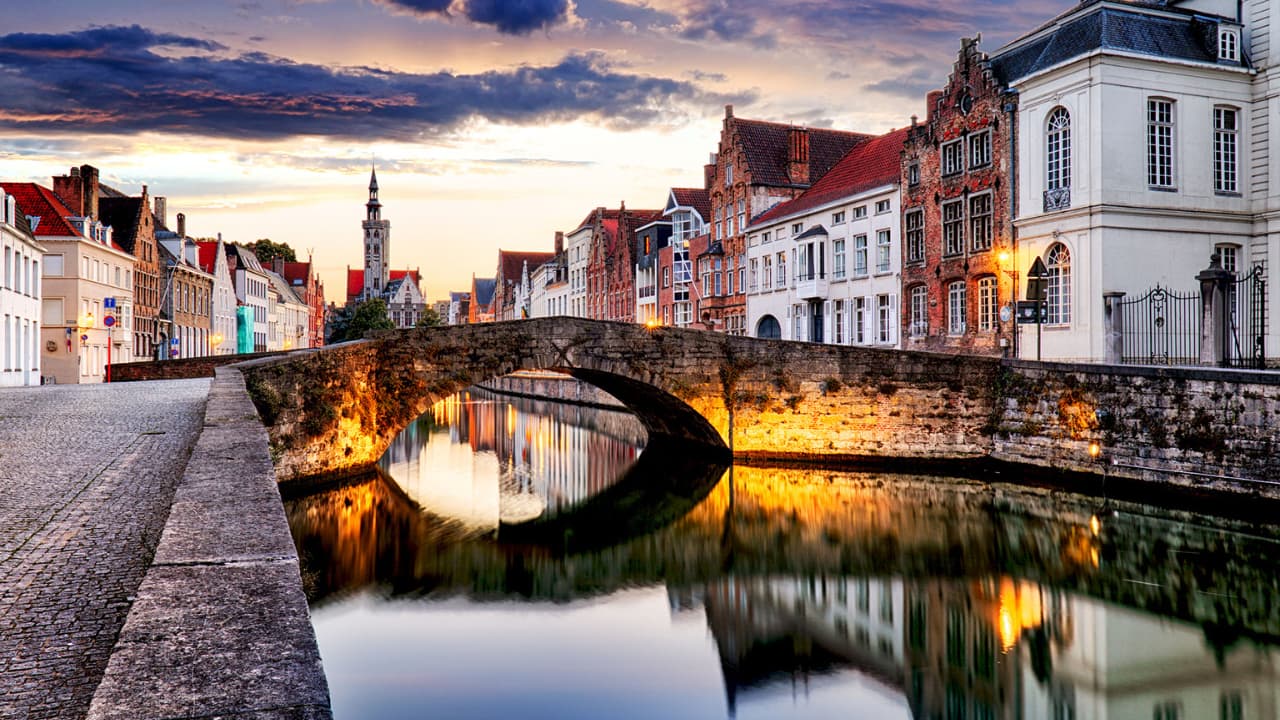
Being just under a 2-hour train ride from the capital city of Brussels, arriving in Bruges on a Friday afternoon or evening is highly doable, and it’s a great way to get settled in and start exploring the city. Once you see just how magical it really is, you won’t want to stay cozied up in your hotel for long.
This Medieval town can be whatever you want it to be, but slow is definitely the way to go. There’s plenty to do in Bruges and it’s nice and compact, making it super manageable by foot and easy to get around. And I’m going to show you an itinerary (with the addition of some hidden gems) that might feel jam-packed on paper, but once you’re there, you’ll see how close everything is and you can pick and choose which activities suit your personal preferences.
Friday Evening
Belfry Tower
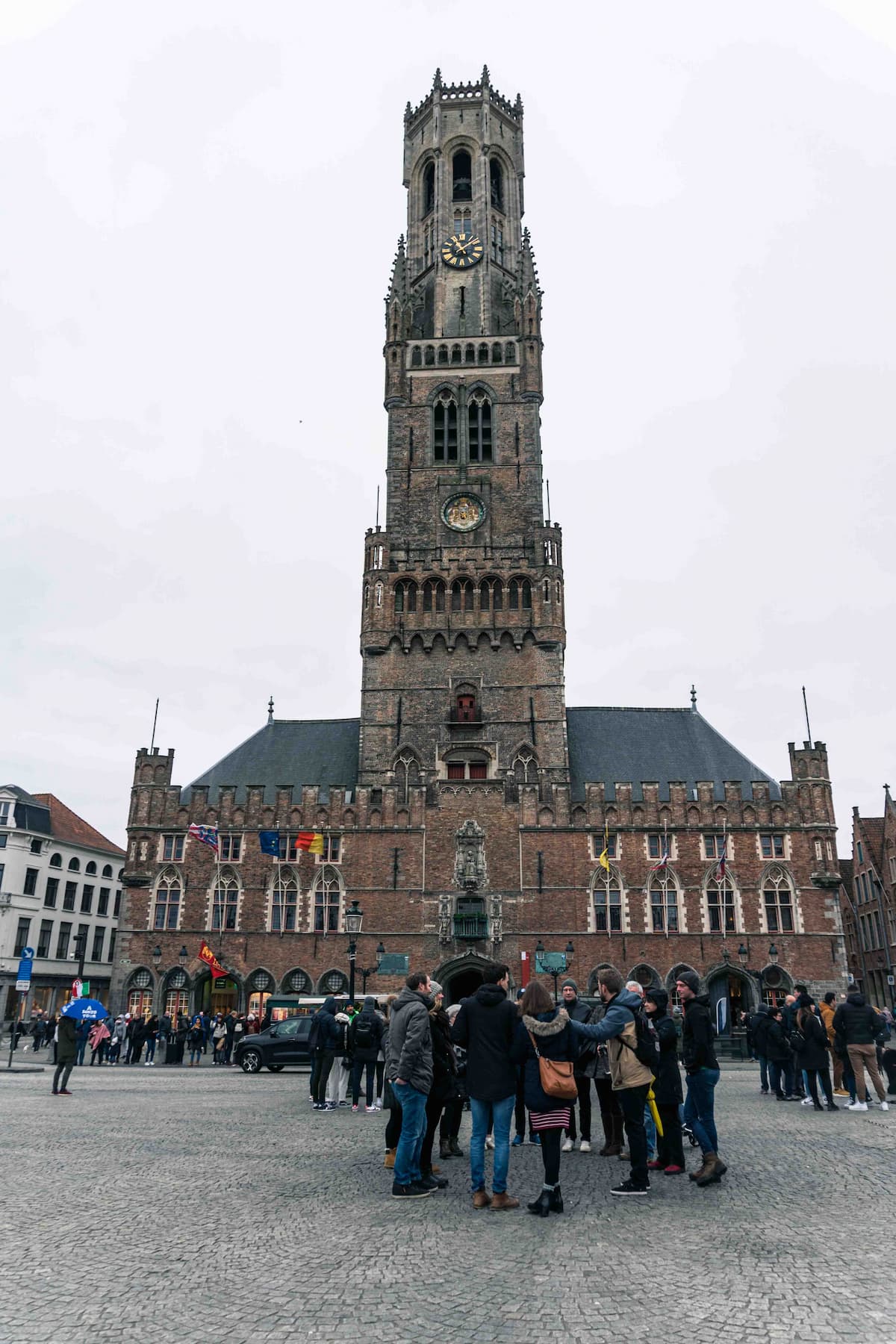
If you arrive before 6pm, I suggest heading to the Belfry Tower in the market square, straight away. It’s a great first stop on your adventure because towers always give you the best views of a city, and the Belfry is no exception. Awarded UNESCO World Heritage Site status, in times past it served as an observation tower and also protected against thieves and neighbouring enemies.
Right in the heart of Bruges, this medieval bell tower overlooks the central Markt and will give you an overview of where you’ll be exploring throughout the weekend. Yes, you’ll have to climb 366 steps in order to get this bird’s eye view, but after your train ride, it’ll do you some good. You can even have a look at the old funds and charters of the place if you fancy a little more history.
Hidden Gem: Arcade Behind the Belfry
One of the hidden gems in this area is actually right behind the bell tower. There’s a particularly interesting painted arcade that can be found on Oude Brug Road that you should definitely check out. This covered walkway is perfect for snapping some unique photos or even to shelter from the weather.
Saturday
Markt: the Market Square
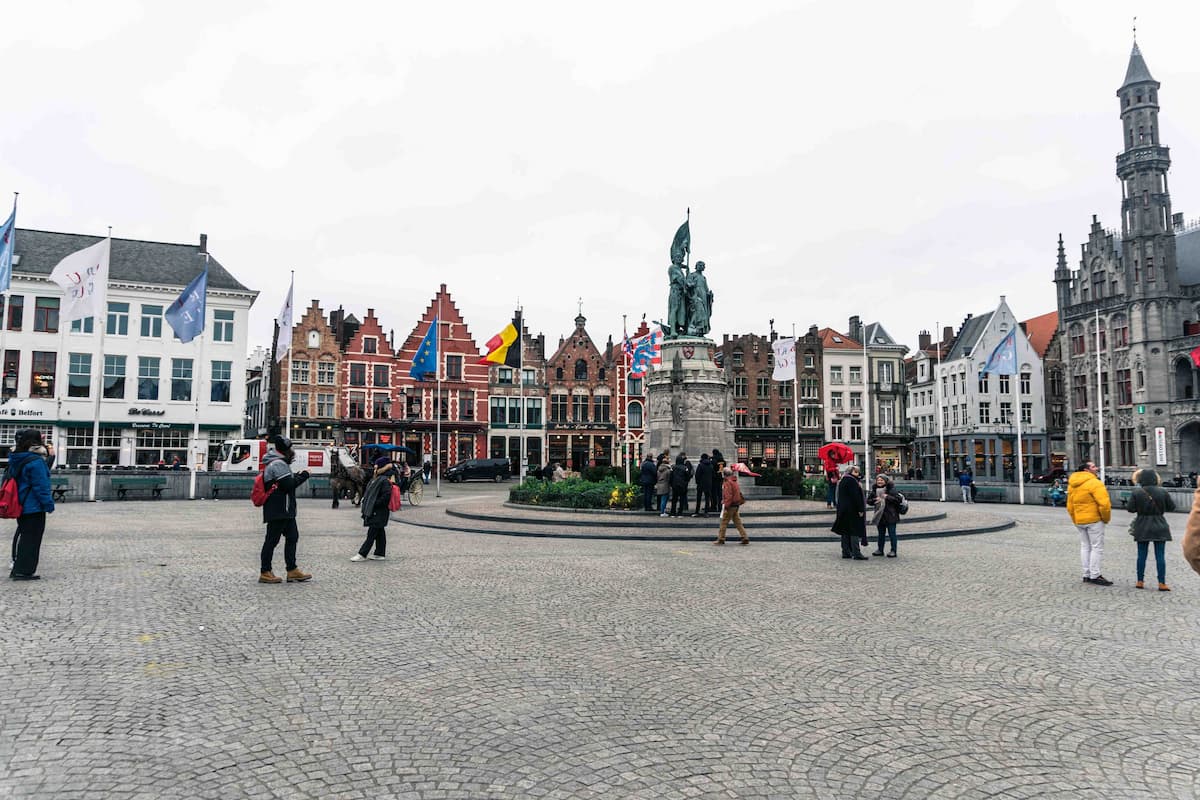
After a restful night of sleep and a delightful breakfast, make your way back to the Markt you glimpsed last night. Those gingerbread-style houses that Bruges is so famous for? You’ll find them here. You may have also noticed by now that the market square in Bruges is for pedestrians only. You won’t find any cars in this part of town, only a few horse-drawn carriages; perfect for a leisurely wander.
Surrounded by beautiful shops, traditional cafes and brilliant architecture, the Markt has a wonderful ambience. You might even recognize some of these scenes from pretty postcards. Take some time and explore the streets and shops, enjoying the laid-back vibes and spotting the colourful brick houses of Bruges. On Wednesday mornings, a food and flower market pops up in the square. In November and December, you’ll find Christmas festivities are centred here.
Hidden Gem: Medi Markt
There is very little that could be considered ‘hidden’ in the central square of Bruges, but just in the shadows of the Belfry Tower, the pharmacy – Medi Markt – is about as close as you can get. The shop itself is an ordinary pharmacy, but the façade, next to the impressive Neogothic Provinciaal Hof building, is one of the more memorable and beautiful to gaze upon in the square.
House Bouchoute
Next, turn your gaze to the oldest house on the square. On the front, just beneath the roof, is an undeniably large compass that was installed in 1682, used as a handy tool for 17th-century merchants needing to know the direction of the wind. Yep, you read that right. Where most compasses show the magnetic North, this one depicts the direction of the wind. It’s very cool.
The Old Chocolate House
For the best hot chocolate of your life, take a break from admiring architecture and stop at the Old Chocolate House. It’s so good that unfortunately it’s no secret! You might have to queue a short while if it’s busy.
Once sat upstairs inside this cosy little shop, you will be able to choose from a variety of the finest Belgian chocolate for your drink. Your mug of milk – more like a bowl, really – will arrive, and you can spoon as much or as little chocolate drops as you’d like into it for a taste of pure decadent indulgence.
Sint-Janshospitaal
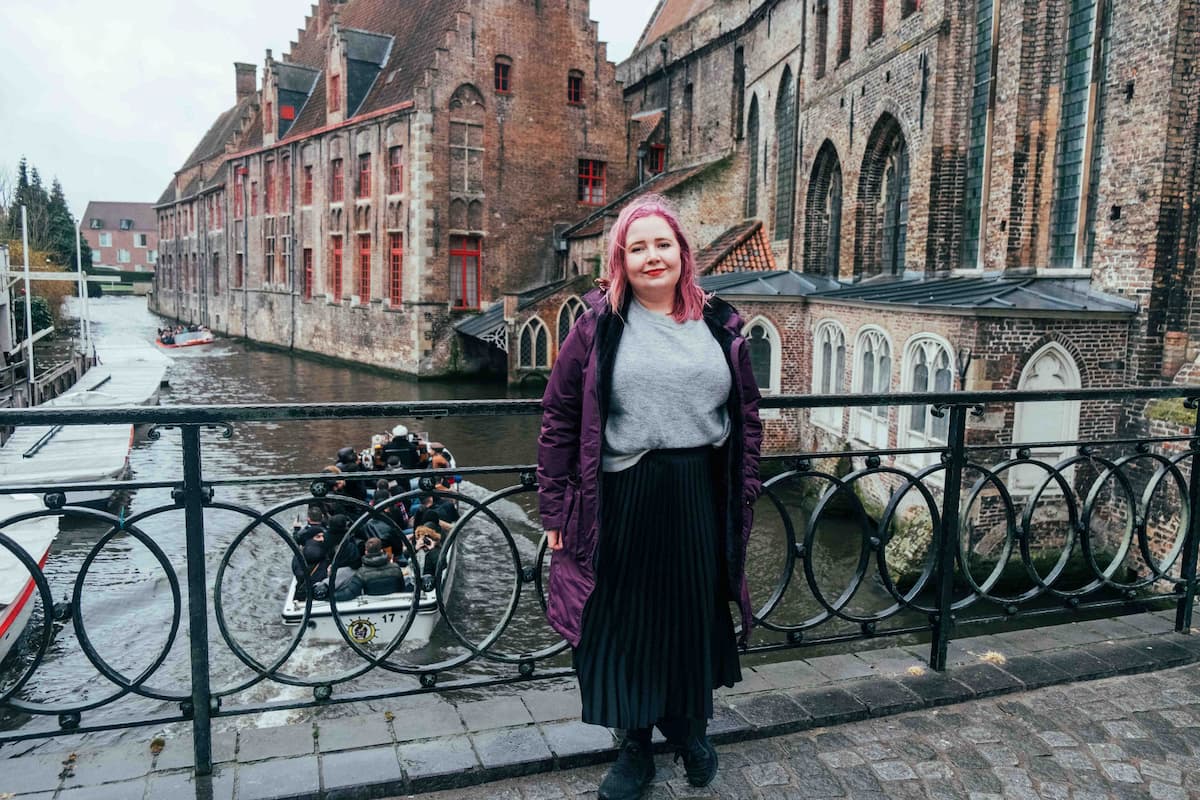
Also in the city centre is the Sint-Janshospitaal, which was in operation between the 12th-19th centuries. It’s home to some of the oldest surviving hospital buildings in Europe. You can explore inside for a fee, and see old furniture, sculptures, silverware and medical instruments. And if you do, make sure and check out the old dormitory, custodian’s room, pharmacy and Diksmuide attic. Or, you can just wander around the exterior, admiring the apothecary garden and secret little courtyards.
Church of Our Lady
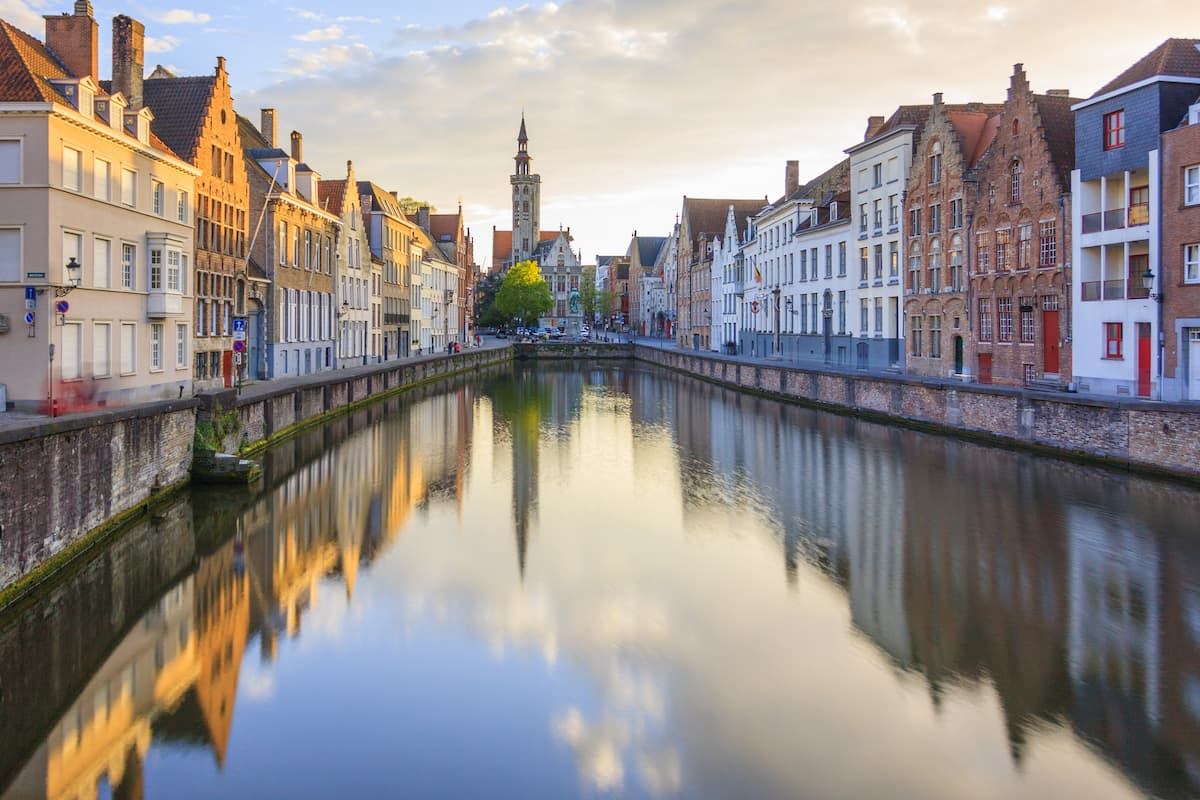
The spire of this church completes the skyline of Bruges, alongside the Belfry. Being 115.5 metres tall, it’s the second highest brick tower in the world! The church itself is full of artistic treasures, including tombs, mosaics, and paintings like Michelangelo’s Madonna and Child.
The main church part is free to enter, with the museum charging a small, but completely worth it, fee. Other exceptional artworks and woodcarvings include the Pieter Poubus’ Last Supper, the Adoration of the Shepherd, and Gerard David’s Transfiguration.
Groeninge Museum
If you’re up for some European art, the Groeninge Museum should be next on your list. The short walk between the church and the museum is just as beautiful, as you’ll find yourself crossing the scenic Boniface Bridge: a piece of art in its own right.
This famous art museum is known for Belgian plastic arts, of all things, alongside neoclassical paintings from the 18th and 19th centuries, by Jan Van Eyck and Hugo Van Der Goes. Or you can even see masterpieces from the Renaissance and Baroque periods. I’m telling you, whatever your art tastes are, you’ll find it in this museum!
Rozenhoedkaai
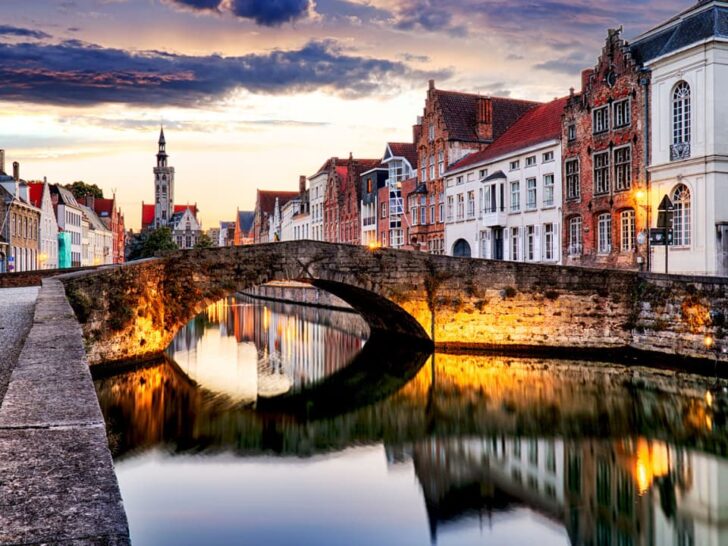
Just a 3-minute walk from the Groeninge Museum is the most photographed spot in all of Bruges, Rozenhoedkaai. And you’ll quickly see why. I dare you to not take a hundred photos.
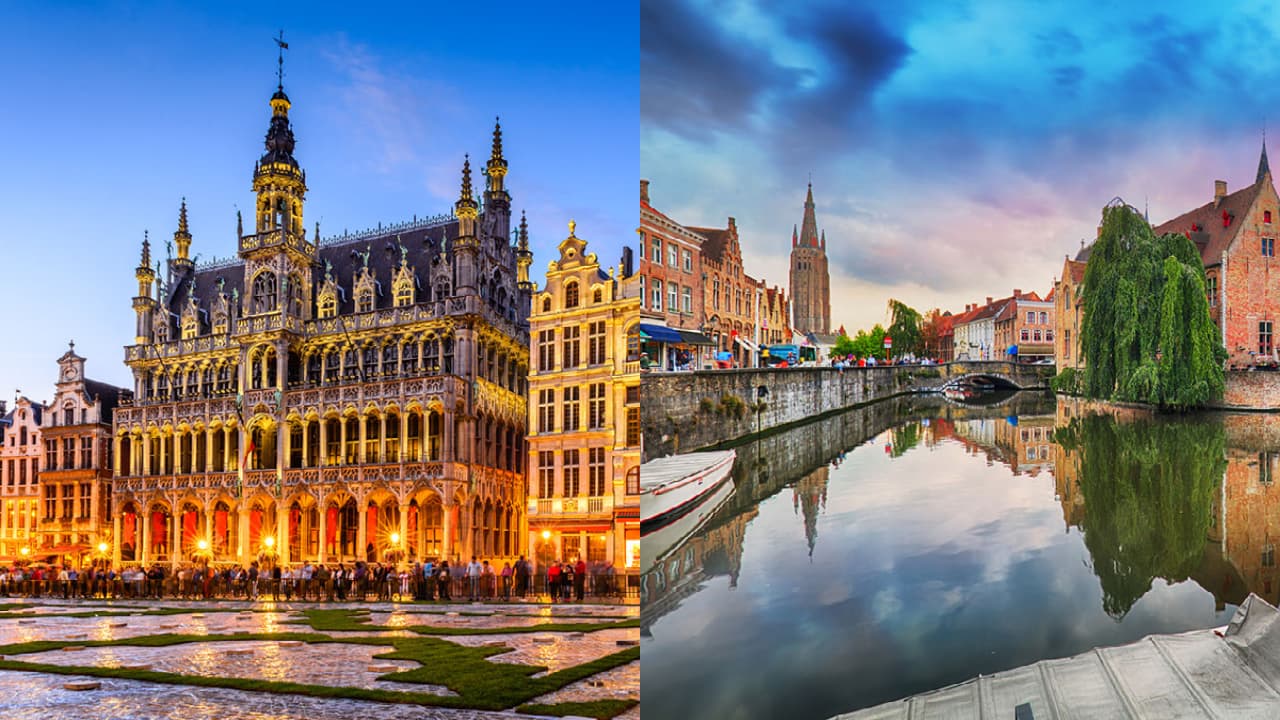
This enchanting, historic part of Bruges is set along the lovely canals that once served as a popular location for mooring boats. You’ll see the iconic stunning buildings that look like castles in the background framed by willow trees gently swaying in the breeze, creating a picturesque scene you won’t be able to get enough of.
Among the timeless scenery, you’ll also find quaint cafes, bars, and restaurants just beside the canal. You might want to stop for a drink at this point or just relax by the water and take it all in before heading to your next spot.
Hidden Gem: Torture Museum
Looking for the dark and macabre behind Bruges’ quaint serenity? This intense trip down Europe’s malevolent memory lane should do the trick. Right in the heart of Bruges, the Torture Museum once served as the city’s oldest prison in the Middle ages, and the old cellar has been transformed into this historical museum.
Walk through and retrace the history of the one of the darkest times in humanity. Wax statues with authentic torture instruments show what mankind has been able to do to each other, how much we’ve evolved and where the pitfalls still are in the legal system. If you want to do something a little strange and off the beaten path, this is it.
Belgian Waffles
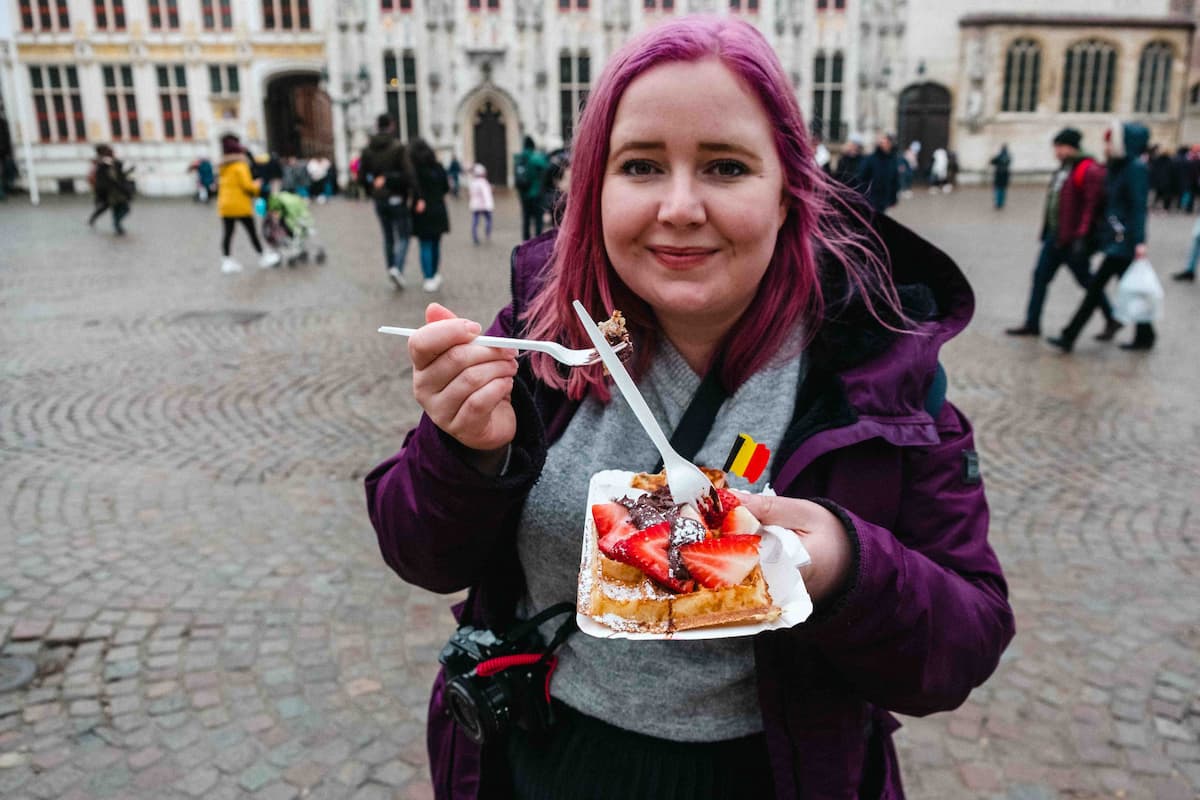
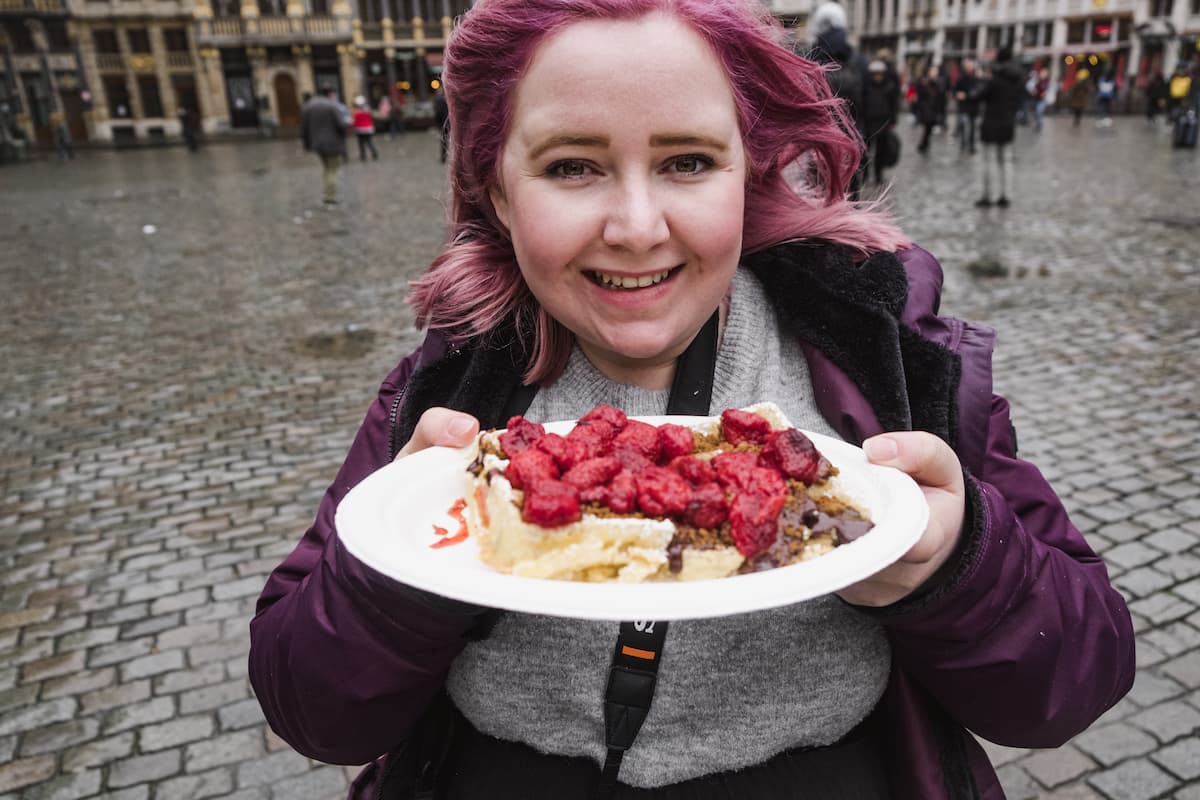
For something a little lighter, you simply cannot visit Bruges with having tasted the traditional Belgian waffles once, or twice. There’s no shortage of cafes where you can try these sumptuous waffles!
Recommendations:
- Lizzie’s Wafels. You seriously won’t be able to get enough of these waffles! Fresh, light and crispy, with generous portions and plenty of toppings you can choose from, such as chocolate cream. Add the hot chocolate to your order and you’re golden.
- The waffle truck in the Provincial Court Square.
Shopping and Chocolate Tasting
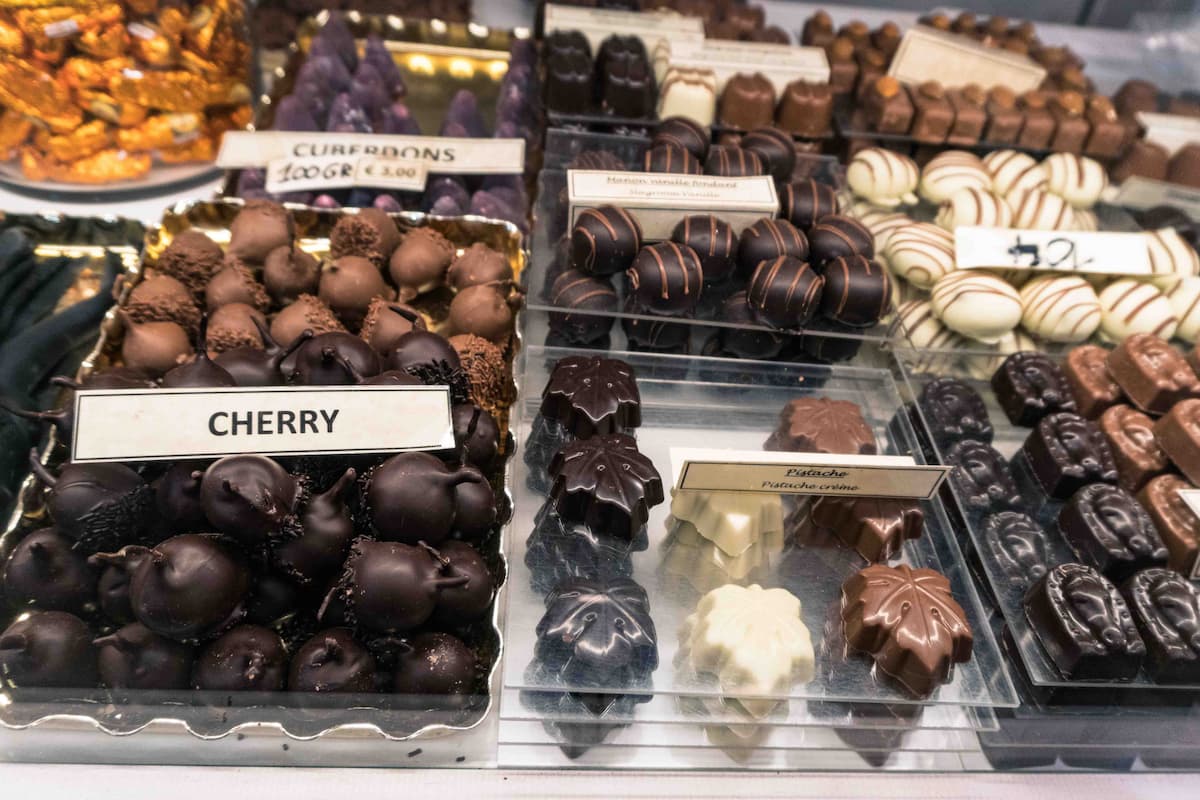
After walking past all the cute shops in Bruges, you might be keen to get in a little shopping by now. Feel free to spend your afternoon weaving in and out of the speciality shops that feel deliberately placed, scattered about the city. From jewellery to Bruges’ famous lace or city souvenirs, I have no doubt you’ll find something special to take home with you.
And let’s not forget the chocolate! The streets of Bruges are lined with chocolate shops and I’ll be surprised if you haven’t tried any by now. At Depla Chocolatier, pick up some truffles, chocolate covered fruit, or dark chocolate rice cakes. And stop here for one of the best cups of cappuccinos while you’re at.
Chocolatier Dumon is another excellent choice – and while the truffles are delicious, I would recommend trying a plain bar of milk chocolate. It’s the best way to see the difference between your average chocolate bar and the finest chocolate in Belgium!
Of if you fancy trying some chocolate on the more unusual side, The Chocolate Line does amazing handmade chocolates with interesting flavour combinations, like Miss Piggy (bacon and quinoa), Green Tokyo (wasabi) and Havana (tobacco leaves).
Hidden Gem: Kantcentrum
Did you know that Bruges is actually famous for their lace? You can hear the whole story of Bruges lace at the Lace Centre and Museum.
It’s a little further away from the centre, but Bruges is so small that it’s still easily reachable if the museum piques your interest. Located in the renovated old lace school of the Sisters of the Immaculate Conception, you can hear testimonies from international lace experts that explain various types of lace and their geographical origin, as well as multimedia installations, with a focus on lace education in Bruges. And why not take some home with you?
Canal Boat Tour
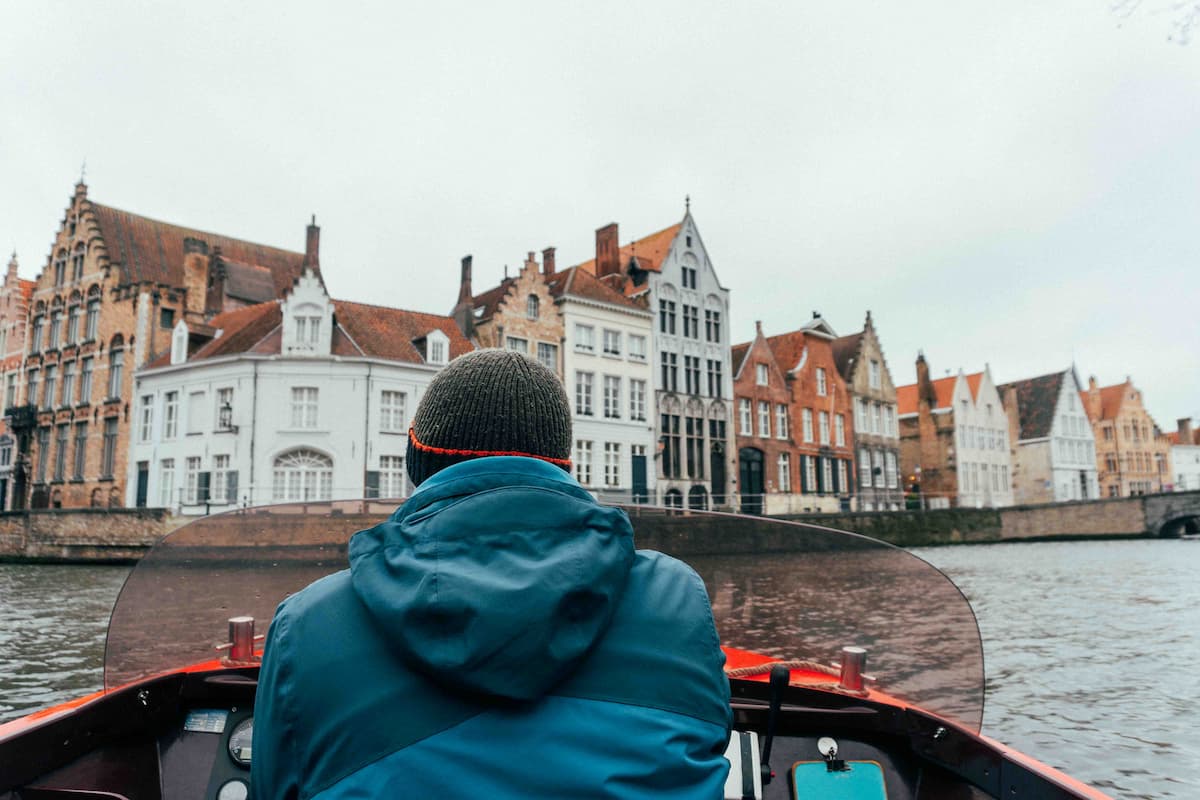
Ah, a Bruge canal boat tour. This is a great way to wind down your first full day in Bruges. After exploring the city and its magical delights, feel free to put your feet up and explore the city from a different view.
The canal tours are super relaxing and are a great way to snap some photos from different angles. Most tours set off near the Rozenhoedkaai. You might consider pre-booking your tickets in the morning for a canal tour as lines get long real quick on the weekends, especially if the weather is nice.
Evening Dinner and Drinks
Don’t forget you’re in Belgium, where they have some of the best beer in the world. Check out popular bars, Le Trappiste and Poatersgat. For dinner why not try one of Bruges’ Belgium stews, such as Elderberry Soup, Waterzooi, or Curried Mussel.
Sunday
You definitely want to start the day with a good brunch and I recommend going to That’s Toast, where they serve breakfast all day long. From granola and orange juice to Tiramisu French toast (drool) and mimosas, you can’t go wrong.
Burg Square
They say that the Market Square is the heart of Bruges, but Burg Square is the soul. I’d have to agree wholeheartedly. This is the city’s centre of power, reflected in the Gothic and Neoclassical architecture.
Stadhuis (City Hall)
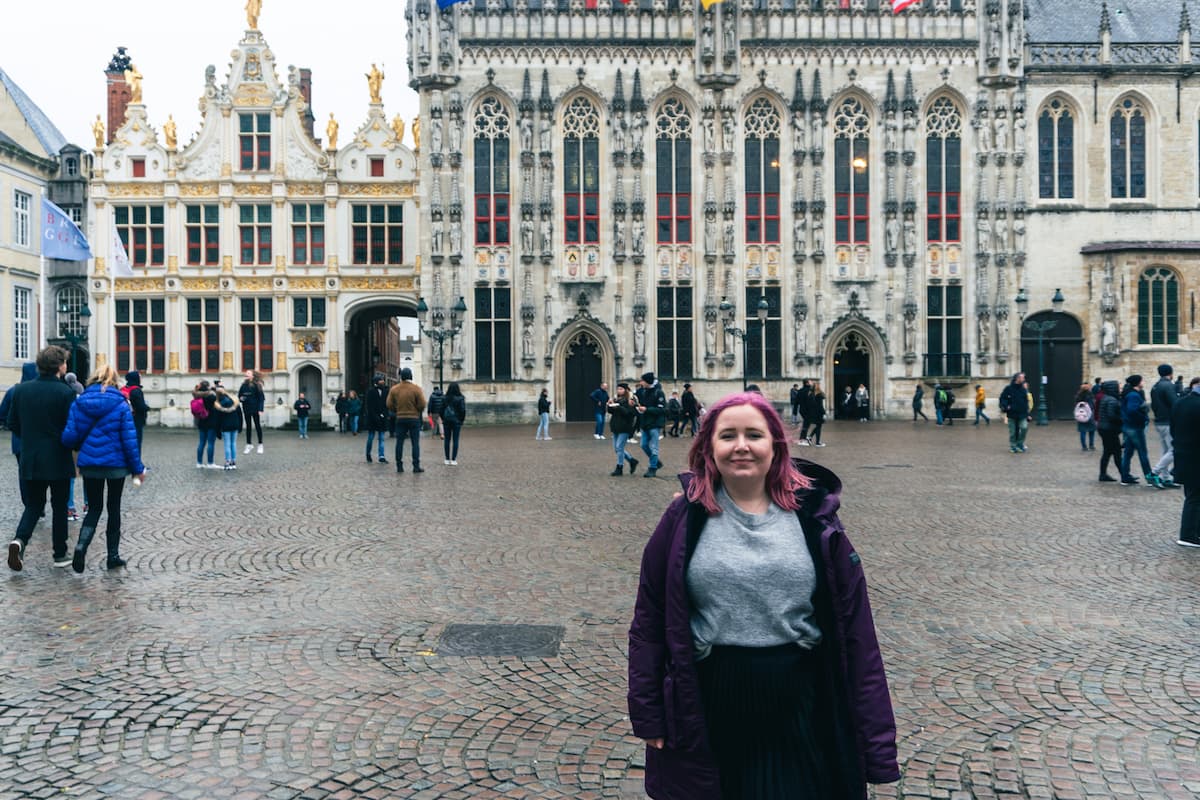
Within Brug Square is City Hall (1376-1421), one of the oldest in the Low Countries and it’s from here Bruges has been governed for more than 600 years. You absolutely do not want to miss the Gothic Hall, with its seriously impressive vault and 20th century murals. This place is a masterpiece in and of itself.
Basilica of Holy Blood
Next to the City Hall is the Basilica of Holy Blood, a Roman Catholic church built in the 12th century. This ancient church holds Bruges’ most cherished relic, an ornate vial filled with a little piece of fabric, believed to have been stained with the blood of Jesus. Each day it’s brought out from the upper chapel for the waves of tourists to admire. The chapel itself is the only one of its kind in West Flanders, being of Romanesque character.
Historium Bruges
Our next stop is the Historium. Prepare to step back in time! This is an imaginative way to discover Bruge through the medieval Golden age, with a short virtual experience. And it’s also a great place to snap some panoramic views of Market Square. If you wanted to, you could definitely spend a couple of hours here.
Hidden Gem: Gallery Xpo Salvador Dali
If you’re a Salvador Dali fan, then our next museum will be right up your alley. The Gallery Xpo has a fantastic collection of famous statues and graphics from Dali himself, set amongst a dramatic pink and gold backdrop. You might find long queues here, proving it’s not quite that hidden and definitely worth the wait. And splurge on the audio guide for sure!
Choco Story
For all the chocoholics out there, you don’t want to miss out on the Choco Story, for a chance to walk through the history of chocolate, see actual Belgian chocolate being made and sample some, of course. Here you’ll discover all the benefits of chocolate (as if we needed more reasons to eat it) and even the history of the infamous cocoa beans. Make sure and leave yourself a good hour or two for this decadent experience.
Hidden Gem: Lumina Domestica
Within the same building as the Choco Story, is the Lumina Domestica museum, or Lamp Museum. They even share the same ticket office. Convenient, eh? Don’t underestimate this hidden gem. Here you’ll find a whopping 6000 antiques and lamps, along with the history of the first light…fire, and progressing through the ages with all sorts of light-related inventions.
Bruges Beer Experience
If you’re somehow sick of chocolate at this stage, you could skip Choco Story and try out one of Belgium’s other biggest exports for style.
The Bruges Beer Experience gives visitors the chance to learn all about the history of beer and the intricacy of the brewing process. Best of all, you get the chance to try some samples of local beer at the end of the tour!
De Halve Maan
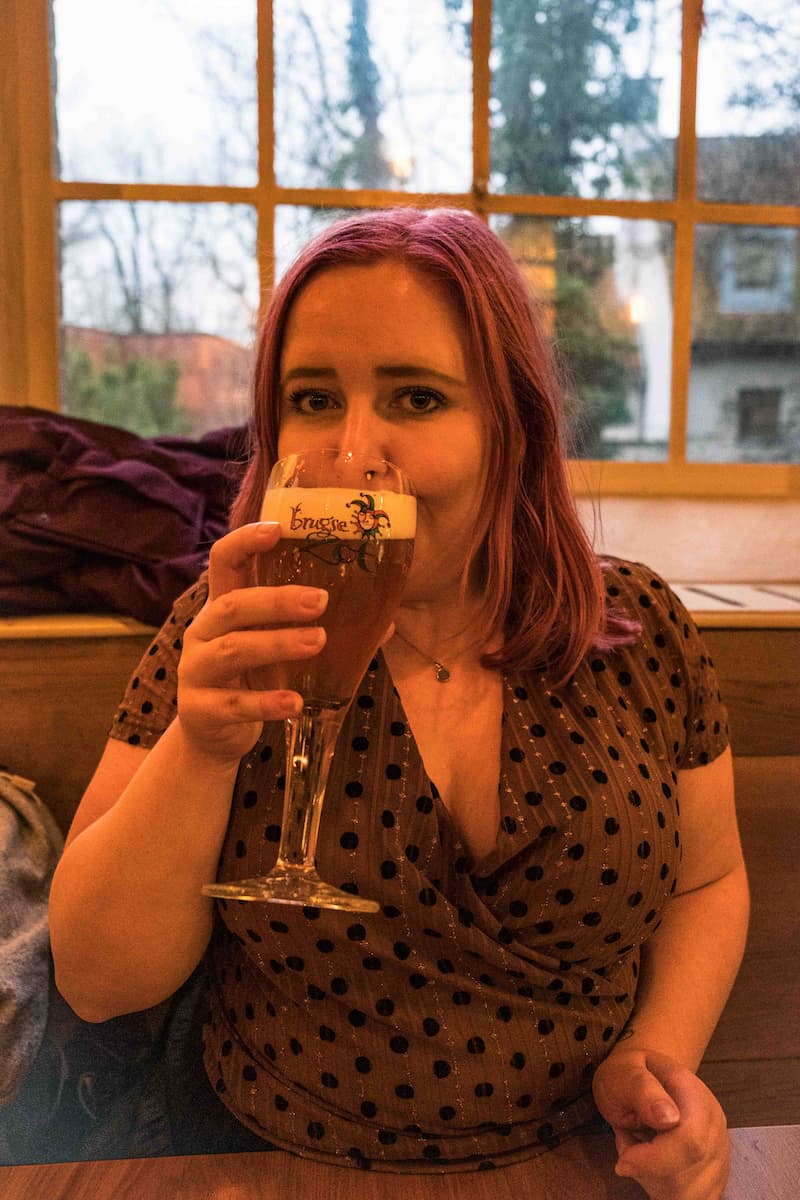
Still sober? Your next stop might change that. You’ll be stepping into De Halve Maan, the only remaining brewery in Bruges! That’s right, since 1865, they’ve been making the best Belgian beers in Bruges, now in its sixth generation of the family business.
If you’re a hardcore fan, or even if you’re not, there’s a 45-minute tour exploring the three-kilometre underground pipe. During the tour, you’ll learn the trade secrets of beer making and get to try the local beer, Brugse Zot.
Minnewaterpark
After you’ve relaxed with a pint, head to Minnewaterpark, for some peaceful time away from the crowds. Known to the locals as “The Lake of Love” because according to legend, if you walk over the lake with your loved one, you’ll experience eternal love. Complete with beautiful swans, it might not come as a surprise to learn it’s the most-visited romantic spot in Bruges.
Almshouses
Now this is some interesting Bruges history. Almshouses are small whitewashed houses that date back to the 14th century. Wealthy citizens and guilds formed little complexes, where single women and older adults could stay, but in return they had to pray for the rich, in special chapels near the houses. Nothing like the old-school Pay for Pray!
But there are actually a total of 46 preserved church complexes that serve as shops and historic buildings now, with the Almshouse de Meulenaere being a popular one. It’s hard to tell the houses apart, but you’ll spot some with plants lining the doorways or with splashes of colour. And on all of them, you’ll see the founders’ names.
Windmills of Bruges
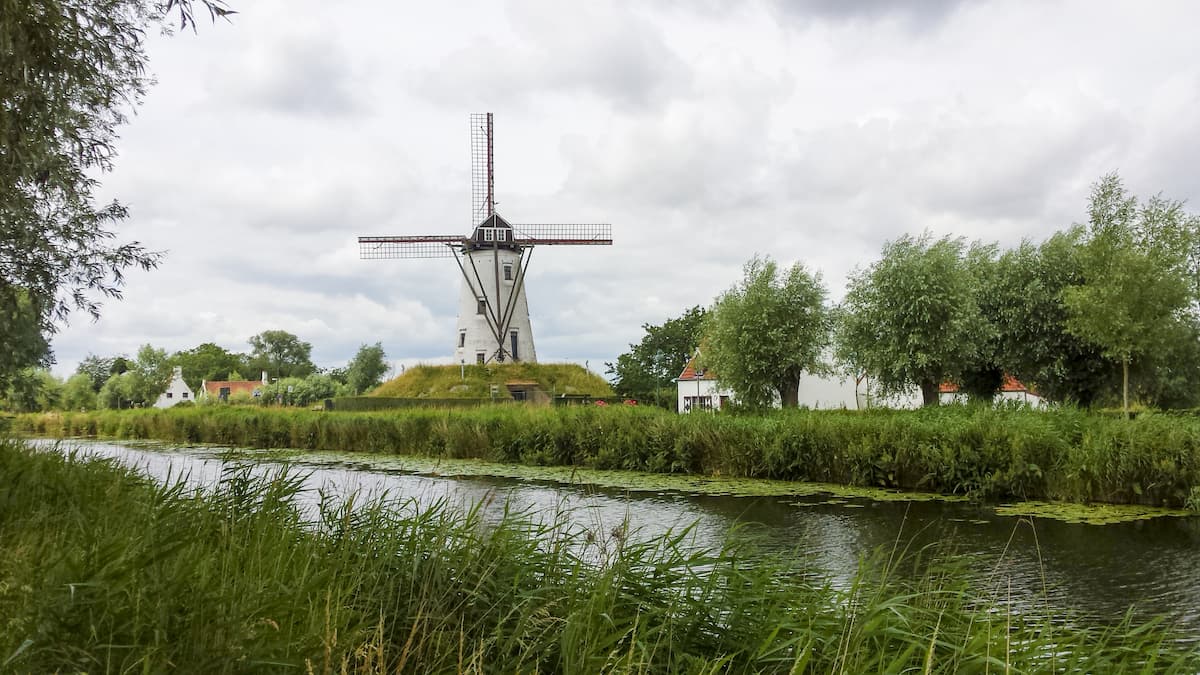
Let us not forget the ramparts of Bruges, a six-kilometre park surrounding the old town. The ramparts are where you’ll find the four remaining windmills of of the original 23 in Bruges, as well as four very cool medieval town gates. Taking a lovely stroll along the ramparts and canals, while visiting the windmills is one of the best ways to get a feel for the town’s rich history.
Koeleweimill
Koeleweimill, aka Coelewey mill, was once used for corn and was originally located in Meulebeke. Originally built in 1765 as a wooden mill on a closed brick base, it was reconstructed on its current site by the city of Bruges after it broke down in 1980.
Nieuwe Papegaai
This mill is fun to see for its distinctive parrot on the roof, for which the windmill is named. It was originally built in 1790 as an oil mill called Hoge Seinemolen and moved to its current location in 1970 with a new name to boot.
Sint-Janshuismill
This is the oldest mill in Bruges, built in 1770 and the only one still in its original position. It’s also the only windmill with a museum for you to check out and I recommend you do so. Built as a wooden mill on four brick dices, this historic piece of architecture is still used today for grinding flour!
Bonne Chiere
A far younger mill is Staakmolen, or Bonne Chiere, built in 1844 and rebuilt in 1911 at its current location after a storm accident. This mill is built in the same style as Sint-Janshuismill, wooden with brick dices. Strangely enough, this mill was never actually used for grinding grain. It’s a show mill, only existing as decoration.
Tip: If you’re bicycle confident, you can also rent a bike cycle around the rampants in a very short period of time.
Beguinage Convent
Back in the city square, head to the most silent spot there is; the Beguinage Convent. Called the “Princely Beguinage of the Vineyard,” this UNESCO world heritage site was once the home of the beguines, founded in 1245. The beguines were emancipated women who led a pious and celibate life, and today the beguinage is home to the nuns of the Order of St Benedict, as well as several other Bruges women who have decided to remain unmarried. If you happen to pass by at noon, you’ll have the chance to hear the beautiful sounds of the nuns chanting each day.
Diamant Museum
Now on to some sparkling adventures at the Diamant Museum. Would you believe that Bruges was the first city of diamonds in the world?! Bruges archives confirm that the city’s diamond trading and polishing began in the 14th century, and in the museum, which opened in 1999, you’ll learn all kinds of interesting facts about diamonds. You’ll even see how they cut and polish these gems through cutting demonstrations, and you can pick up a diamond souvenir in the gift shop.
Hidden Gem: Concertgebouw Circuit
Visiting the Bruges Concert Hall is one of the most underrated things to do in the city. But if you’re a fan of music and design, you’ll want to head over to this strangely modern building that has a famous acoustics and contemporary art collection. And I must say, you’ll get some of the most beautiful views of the entire city here as well.
Where to Stay in Bruges
There are six main areas for you to stay in Bruges and they’re – as should be expected in Bruges – all quaint, historic and picturesque. Here’s a list of the places to consider when booking your accommodations:
- The City Centre – to be right in the middle of all the action.
- Ezelstraat Quarter – best for those on a budget in northwest Bruges.
- Sint-Gillis Quarter – a quiet, though popular and slightly pricier area.
- Magdalena Quarter – quiet, serene and made for families.
- Sint-Anna Quarter – your off-the-beaten path location, where local residents live.
- Railway Station Sint-Michiels – not as popular and a little further out, but only a 10-min walk from Grote Markt.
Well, that wraps up our weekend in beautiful Bruges! This uniquely picturesque place will leave you utterly speechless and I’ve no doubt you’ll want to visit again. With this weekend itinerary you’ll definitely cover all the best things to see and do in the city, making your time away absolutely perfect. Whether you’re looking for a romantic getaway or just something more low-key, the fairytale charm of Bruges is where you want to be!
If you’re heading back to Brussels and your weekend in Bruges, why not spend an extra night exploring the capital city? Check out my post on weekend trips to Brussels and Bruges.