One of my favourite places to travel is the Balkans. It’s super cheap, everyone’s really friendly however getting around can take a little planning or long-winded searches on the internet as I found out. The initial questions I had when planning my trip were:
- What’s the best way to travel across these destinations?
- Rent a car? Are the roads good in those countries?
- Should we catch the train? Are the connections between the countries easy? Is it worth buying an InterRail Pass?
- Is Bus or Coach easier?
- What other modes of transport are available?
In this guide, I will cover everything you need to know about transport in the Balkans. From travel tips, modes of transport you can take, useful website, safety travelling in the Balkans and much more.
How to get to the Balkans by Plane
While low-cost carriers like Ryanair, Wizzair and Easyjet fly to destinations in the Balkans it’s not always cheap to fly into some of the destinations. In my experience flying into cities like Sofia, Zagreb, Athens or Budapest is way cheaper than flying into Belgrade from London for example. Plus, there is generally more flights into these cities.
It does mean that if you are planning a short trip it can either make the travel time longer or you end up spending more to get to the places you want to go to.
To find flights I use websites like Skyscanner and Kayak to find the right flights, play around with routes etc. To get you started here are the major international airports in the Balkans:
| Flying to Albania Tirana International Airport Nënë Tereza. Flying to Bosnia and Herzegovina Sarajevo International Airport and Banja Luka International Airport. Flying to Bulgaria Sofia Airport, Plovdiv Airport, Burgas (Bourgas) Airport and Varn Airport Flying to Croatia Dubrovnik Airport and Zagreb Airport Flying to Kosovo Priština (Pristina International Airport) Flying to Macedonia Skopje International Airport and Ohrid St. Paul the Apostle Airport | Flying to Moldova Chișinău International Airport Flying to Romania Bucharest Henri Coandă International Airport Flying to Serbia Belgrade Nikola Tesla Airport, Niš Constantine the Great Airport and Vršac Airport Flying to Montenegro Podgorica Airport Flying to Slovenia Ljubljana Jože Pučnik Airport Flying to Greece Athens International Airport |
How to get around the Balkans by Trains
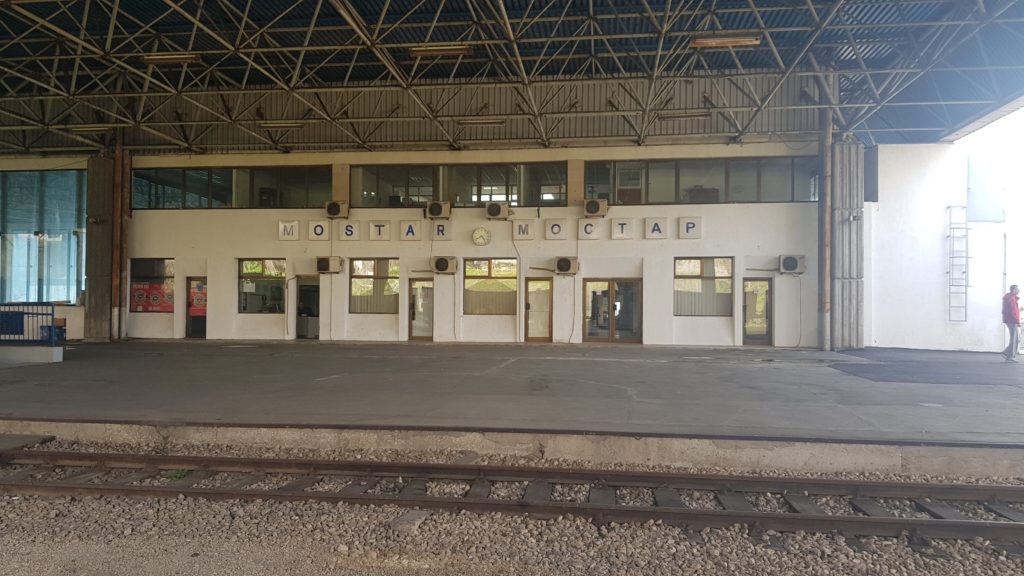
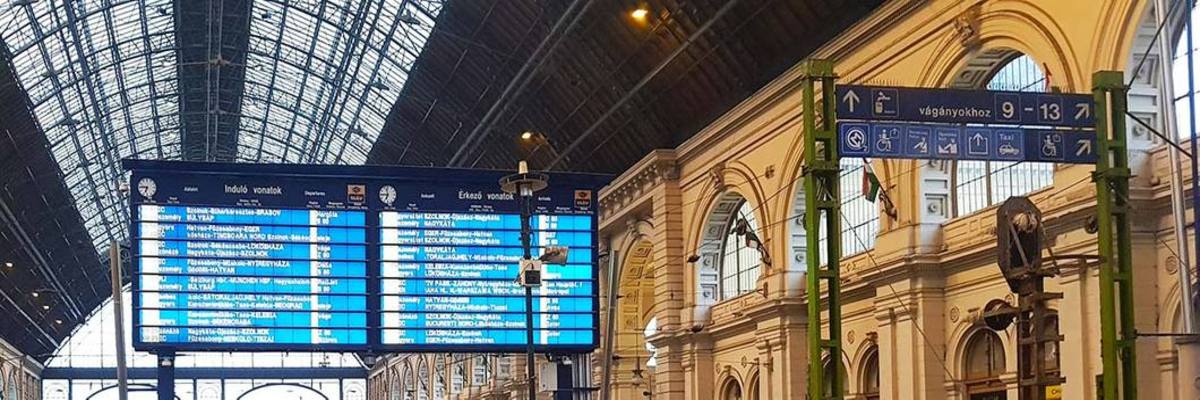
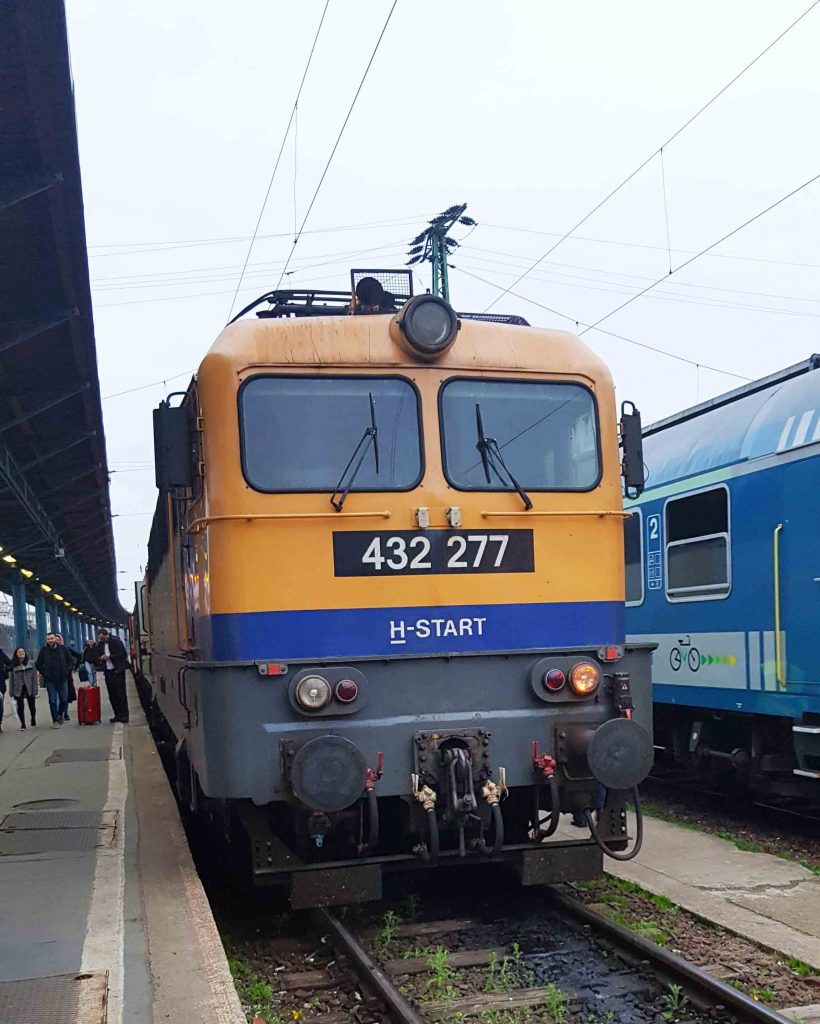
Trains aren’t my preferred mode of transport in the Balkans as the connections between the countries are not always straightforward as it is by bus. When you do get trains, the scenery is absolutely stunning and is a great way to travel.
An example of the difficulty of
Then you get journeys like Mostar to Sarajevo which is totally possible by train! My main point to this section is to do your research on train routes before
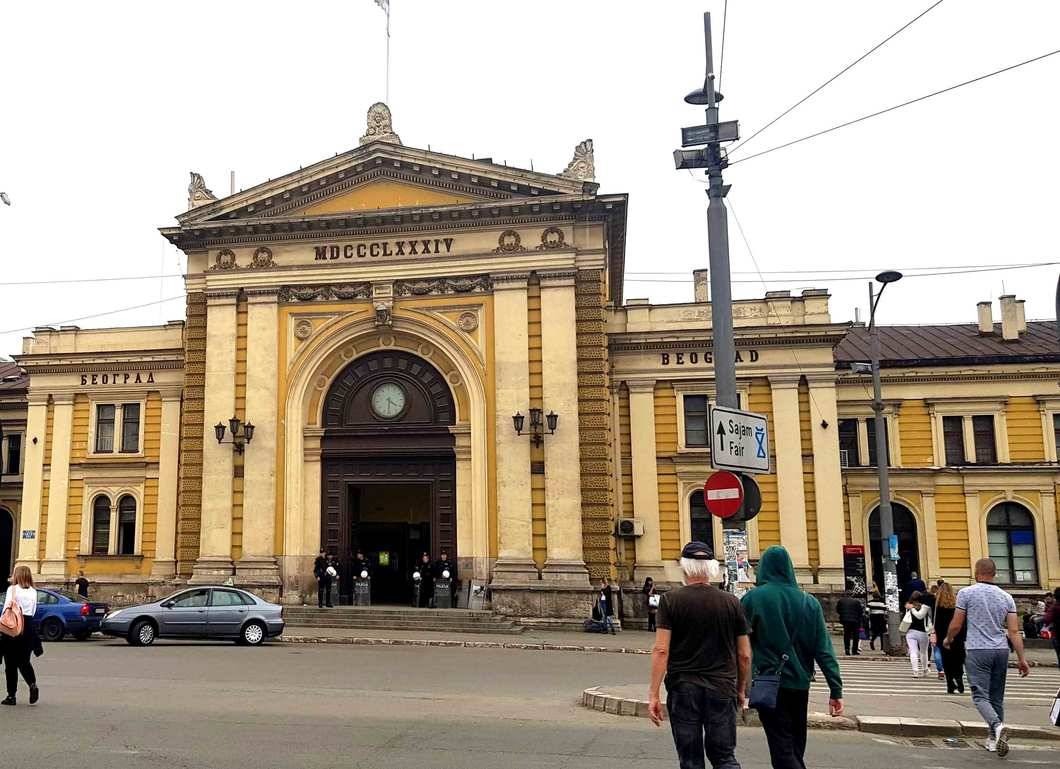
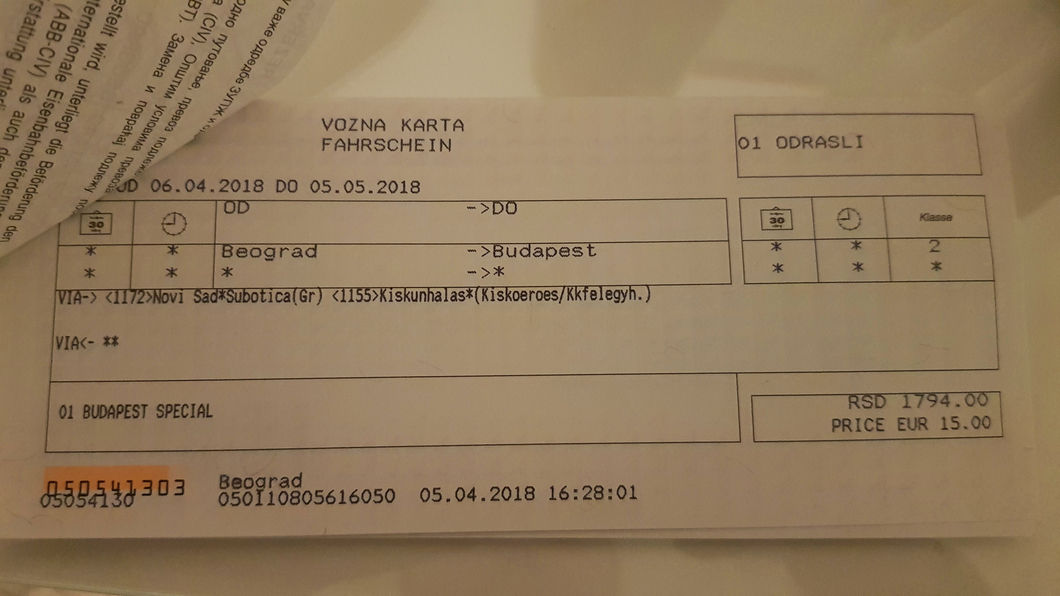
Of course, there are benefits by travelling overland by train like catching an overnight train to save on a night’s accommodation like we did when catching an infamous overnight train from Belgrade to Budapest.
Before you travel check out these websites which will give you more detailed information:
- Rail Europe – Provides information on fares and passes as well as schedules for the most popular routes in Europe
. Man in Seat 61 – Provides excellent independent information and advice.
Classes
The classes on the trains will be based on whether you are taking a short trip or a trip that has sleeping options.
As a general rule:
- Hard seats – What I would say is as comfortable as a park bench. I had this style of seating on a train from Novi Sad to Belgrade which is fine for an hour or two’s train ride.
- Soft seats – Available for both short travel and overnight trains. The seats are quite comfortable and were the option we ended up with on our train ride from Mostar to Sarajevo and Belgrade to Budapest.
- Third Class Berths – A six-person sleeping berth in a closed compartment. These styles of the cabin can be quite crowded with little room for your things and stuff. Although the cheapest option if you are looking to save money. This option isn’t as widely available.
- Second Class Berth – A four-person sleeping berth in a closed compartment. If there are two of you, you will share with two other people but if there are three of you, you will often have the compartment to yourselves.
- First Class Berth – A two-person sleeping berth and generally fancier with a washbasin and decoration. A high price tag will come with this option.
Reservations
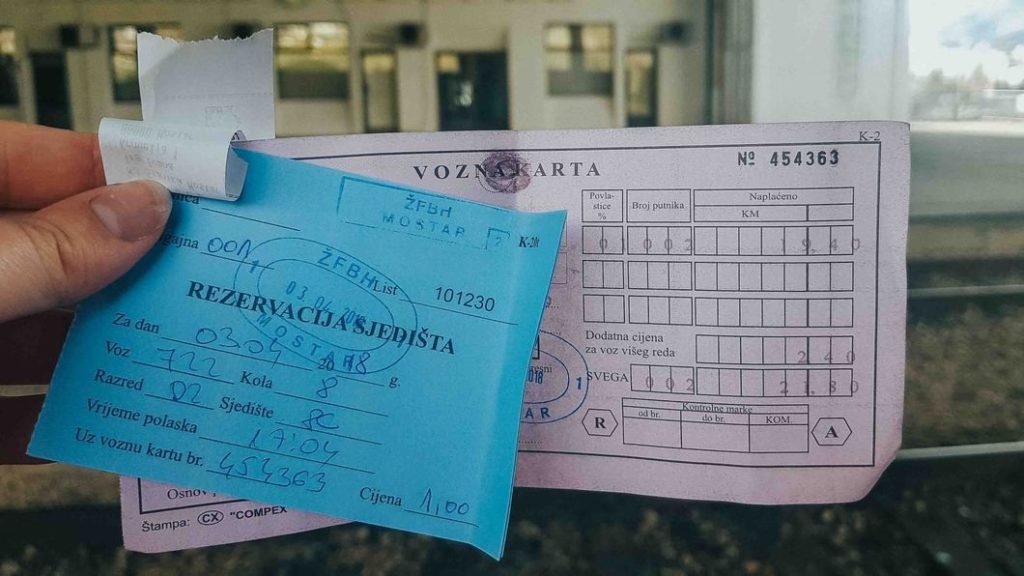
All our train reservations were made on the day or when we arrived at the city we were travelling from. Online booking is not common and will be dependent on the country or train provider. For Bosnia and Herzegovina and Serbia we were unable to book tickets online.
It was super simple:
- Buy tickets at the station (there are always places)
- Some require having a seat reservation with your ticket (the ticket office should give you this). Seat reservations several days in advance are also recommended for busier routes and during peak summer periods, but this is only necessary if the timetable specifies that seat reservations are required.
Rail Passes
An option to consider is rail passes for your journey in the Balkans. Keep in mind that not all the countries covered by rail passes; Kosovo and Albania are notable exceptions.
Discount prices are offered to travellers under the age of 26 and children aged four to 11 are eligible for a child rate. Discounted fares are also available if you are travelling in a group of two to five people (although you must always travel together).
With the passes there are two options you can choose from:
- Single-Country Passes – Simply it gives you train travel for one country, with the freedom to explore its numerous cities and towns.
- Multi-Country Passes – Allows you to travel across to multiple countries with a single rail pass. For the Balkans, these are offered by EuroRail.
For more information look at Rail Europe.
InterRail
The InterRail Global pass is available for the following Balkans countries: Bosnia and Herzegovina, Croatia, Macedonia, Montenegro, Serbia and Slovenia.
Europeans residents (living in Europe for over 6 months), some resident of Turkey and parts of North Africa are eligible for the InterRail pass. It’s not valid for the country you live in essentially so it’s good to check the terms and conditions before booking. The pass is not available to non-European residents.
Check InterRail for more information.
Eurail Global
Just like the rail passes EuroRail offers single and multi-country passes which are available for non-European residents.
Single country passes are allowing unlimited travel in Croatia, Greece, Serbia and Slovenia.
The multi-country pass allows travel in three, four or five neighbouring countries, including Croatia, Slovenia, Montenegro and Serbia. For some of the country’s combinations, two countries may be classified as one like Montenegro and Serbia are classified as one country for the purposes of this pass, as are Croatia and Slovenia.
Check EuroRail for the latest information and purchases.
Coach (Bus) Travel in the Balkans
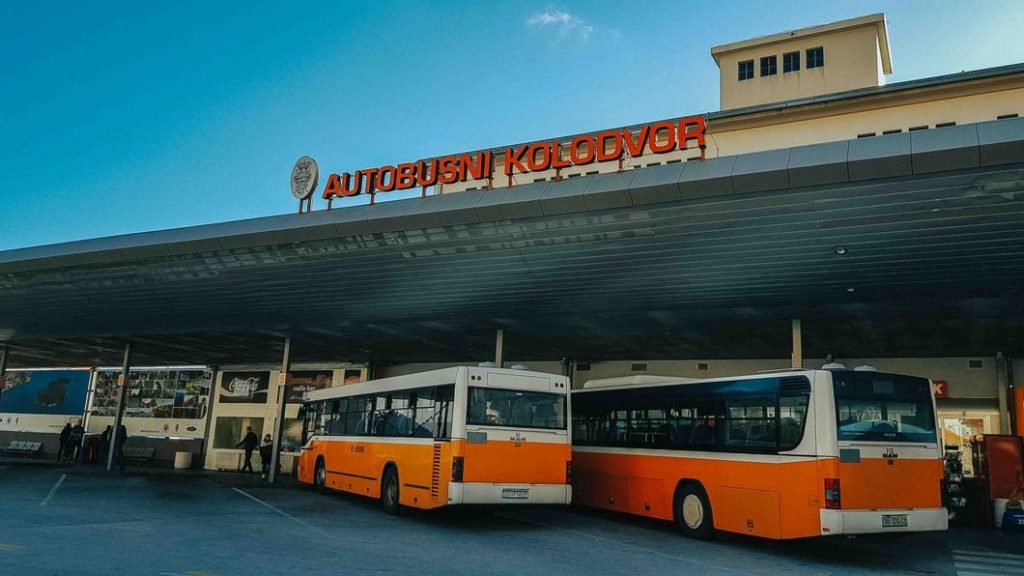
Travelling around the Balkans by bus is quite easy! As with any bus travel, the journey can be quite long but with some entertainment, it’s a great way to catch up on some reading or movies. Unlike train travel buses operate in all countries both internally and internationally.
Night buses are a good way to save on accommodation. For my Balkans trip, I decided not to do night travel in the end since most seemed to arrive at 4am in the morning and the accommodation was really cheap.
Quick tips for bus travel:
- Bring spare cash with you, some to cover the baggage charge and some to cover the toilet costs, you’ll be stuck otherwise!
- Bring snacks and drinks, an obvious point but the food stops are not great.
- There’s border control, so stay alerted and keep your belongings close to you.
Bus Travel Within Countries
Bus travel within countries is a lot cheaper than travelling internationally and can get you to more of the surrounding towns and areas. If you are struggling to get where you need to head to the bigger the towns which will have better connections.
In most countries, bus routes are operated by multiple companies, each with its own timetables and fares. It can be hard to find a schedule or price information online and I’ll leave the best links and way to book in the booking section.
International Buses in the Balkans
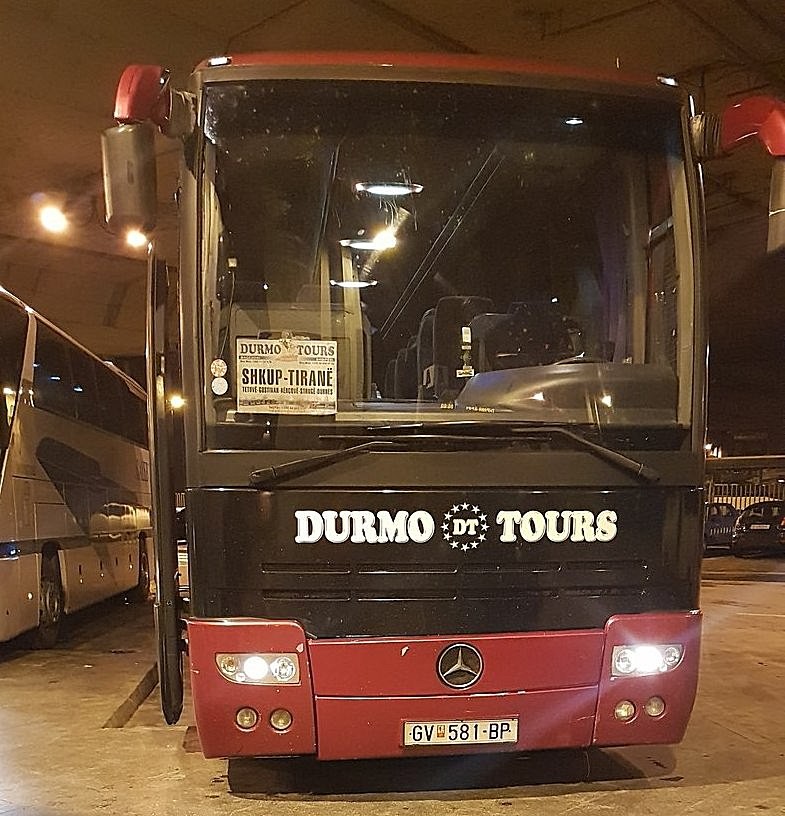
Most of our travel within the Balkans was international buses. Personally, I found this was the best way to get to the places we wanted to go. It did take a bit of planning to understand the routes and schedules and go to the bus stations beforehand to find the timetables and purchase tickets.
Generally, our journeys were pretty easy going. The road can quality vary between countries making the comfortability and journey length different. For example, the road quality was poor in Albania and there is a tremendous number of potholes to endure on the trip! When we entered Montenegro, the road is better quality but they do have very windy roads along the coast added time to your bus journey.
Border crossing can take a while depending on the traffic, lanes open or if they decide that they wish to search every bag individually.
Here are detailed guides on the following routes:
Booking Balkan Bus Travel
Booking in advance isn’t a must and can be quite hard with the lack of online systems available. In countries like Slovenia and Croatia, it will be a lot easier to book online than somewhere like Macedonia or Albania.
I would suggest when you arrive at your departure destination going to the bus station to get the latest timetable, understand which company you will be travelling with and just purchasing your ticket while you are there. With the more popular touristic places like Dubrovnik, there will be more demand during the summer months, so this would be the only time I recommend purchasing in advance.
In doubt ask your hostel or hotel for help on getting the latest schedules and prices.
Booking at the stations you will encounter two main types of a bus station, one in a parking lot and one in a building. In general, you needed to shop around or know the company you wished to travel in countries like Bulgaria and Albania, alternatively, sometimes there would just be central ticket desks selling tickets for all providers like in Montenegro, Bosnia and Herzegovina, and Croatia.
For the central ticket, desk takes note of the carrier, so you can find the bus stand and bus you are meant to be on.
The ticket price will not include the baggage fee so ensuring you have about 1 euro per bag in local currency is a must. We had a few awkward moments on our journey where we didn’t have the right change and ended up holding up the bus.
How to Search Balkan Bus Routes
The websites I used for searching bus routes in the Balkans were:
- Rome2Rio
- Balkanviator
- Bus Croatia
- Bus Ticket 4 – Montenegro
- SAS – Macedonia
It’s important to note that the websites may not give you reliable information. A good example was when we were travelling from Sofia to Skopje the bus, we were aiming for which was the 15:00 to Skopje arriving at 19:25. As a precaution, we went to the bus station to ensure we had the right times, bus companies and what not. When we arrived, it turned out the schedule was different than the ones available online, instead, there were buses running daily at 09:30, 16:00 and 19:00. However, when we were travelling the 19:00 was cancelled for the day we were catching a bus to Skopje.
Border Crossings
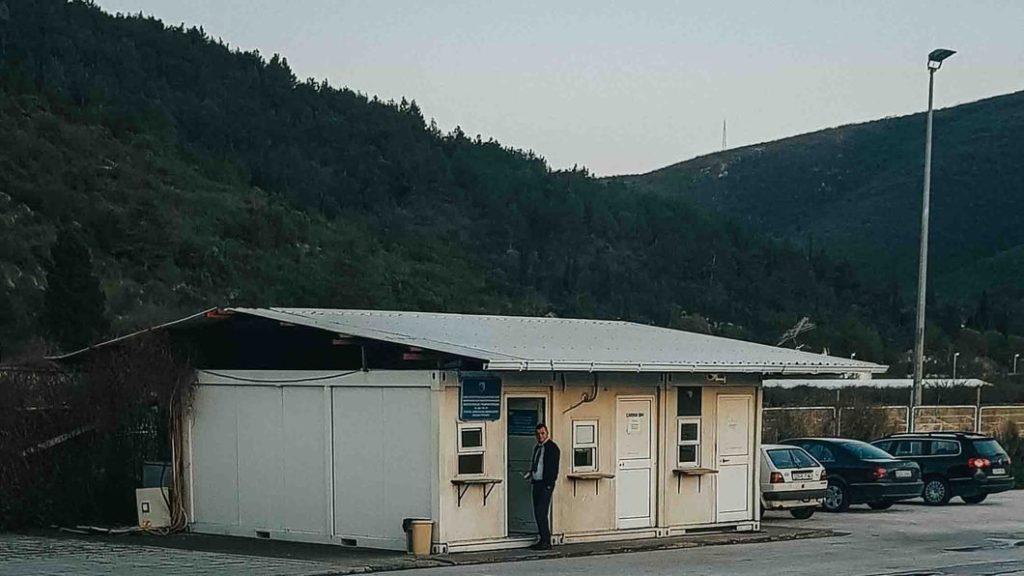
Border crossings were generally easy in our experience. The guard would board the bus to check everyone’s passports or you would get off the bus to a passport counter. The passports were then taken for processing and once clear handed back to the passports back to the owners.
There were brief checks underneath the bus in the luggage compartments or in some cases you were asked to take your luggage to a room with tables where the luggage would be checked by the guards. They may do stricter spot checks, but we were not subjected to these on our trip.
Another thing to be mindful of when planning your trip is the complication with the Kosovo-Serbia border. Currently, Kosovo is not recognised by Serbia as an independent state so if you entered Kosovo via Albania, Macedonia or Montenegro, officials at the Serbian border will deem that you entered Serbia illegally and you will not be let in. To avoid this exit Kosovo via another country and then enter Serbia. Alternatively, if you enter Kosovo from Serbia then there is no issue entering Serbia.
Minibuses
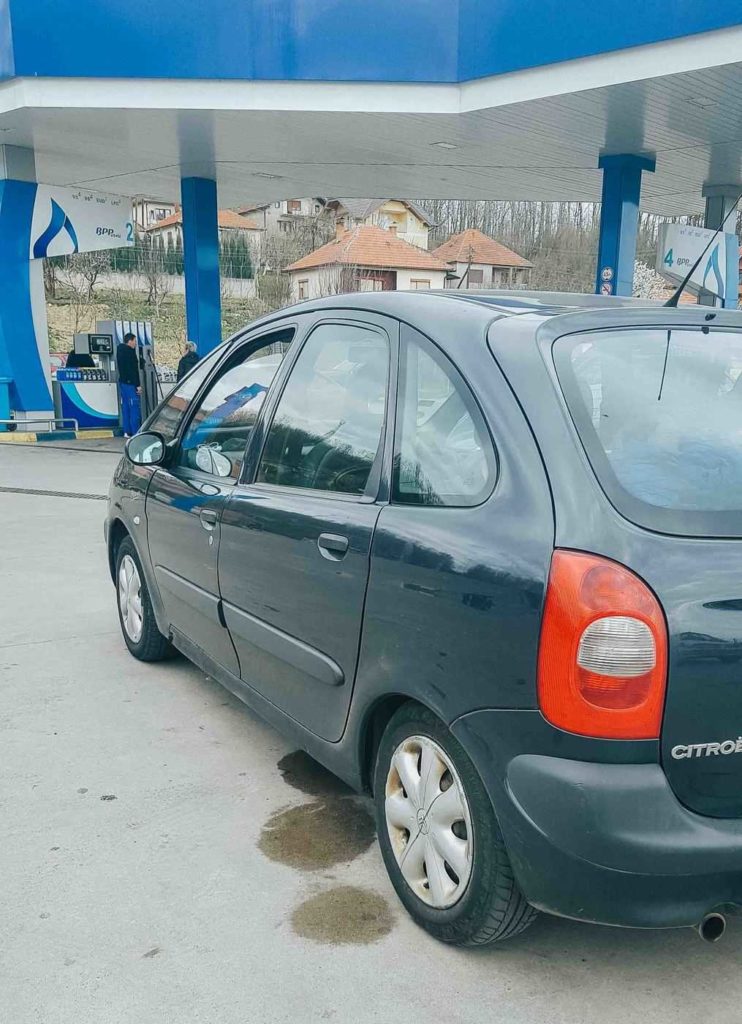
About halfway into our Balkans trip, we discovered that lots of hostels had teed up with companies to provide minibus options between countries. The minibus options are surprisingly not too pricey compared to catching a bus and much quicker.
The minibuses can be anything from a large van to a guy driving you in his 4-seater car while you are squished together. Some are even door to door service which is a luxury!
Booking Minibus Travel in the Balkans
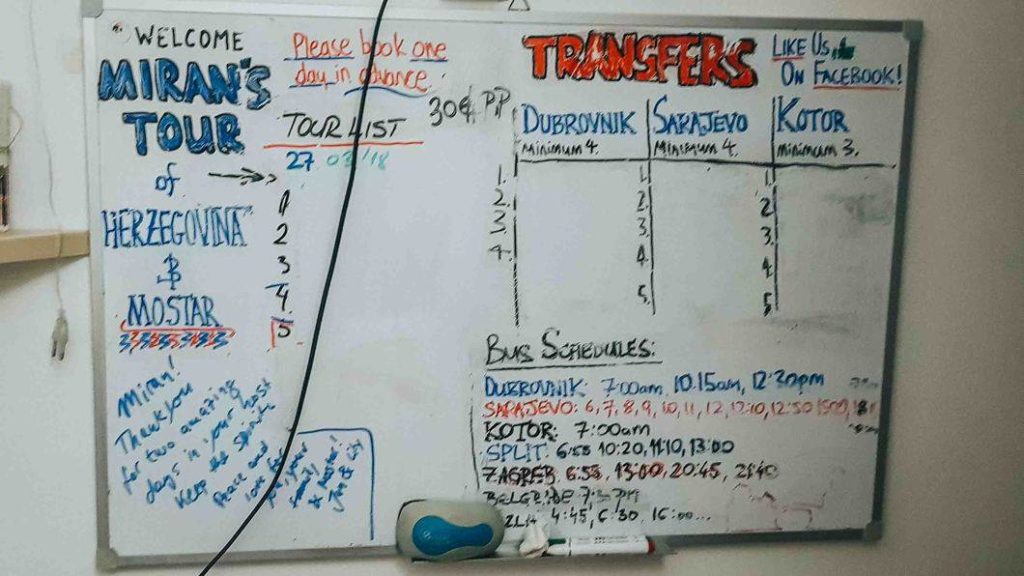
The best way to book minibus travel is via the hostel or hotel you are staying at. Normally in the reception area, there will be a sign stating the route and cost. Just tell the receptionist the route you wish to take and next thing you know it will be all booked, plus provided with all the details you need.
You will be matched with other passengers travelling the same route as most services have a minimum number of 3 to 4 people before they will schedule your departure. In Sarajevo, we were lucky that another hotel/couple were heading to Belgrade when we needed too.
To book online you can look at:
- GoOpti for minibuses in northern Croatia, Slovenia, Italy and Austria.
- Gea Tours have a range of route in the Balkans but there seem to be a few issues with their website and someone hacking their site, so I would use this with caution.
- Taxi Travel operate transfers to the main cities in Austria, Croatia, Hungary and Serbia.
Minibus routes
There isn’t a definitive list available online, here is an example of routes available from Belgrade to other nearby cities:
- Belgrade to Budapest
- Belgrade to Sarajevo
- Belgrade to Timisoara
- Belgrade to Vienna
- Belgrade to Zagreb
Ferries
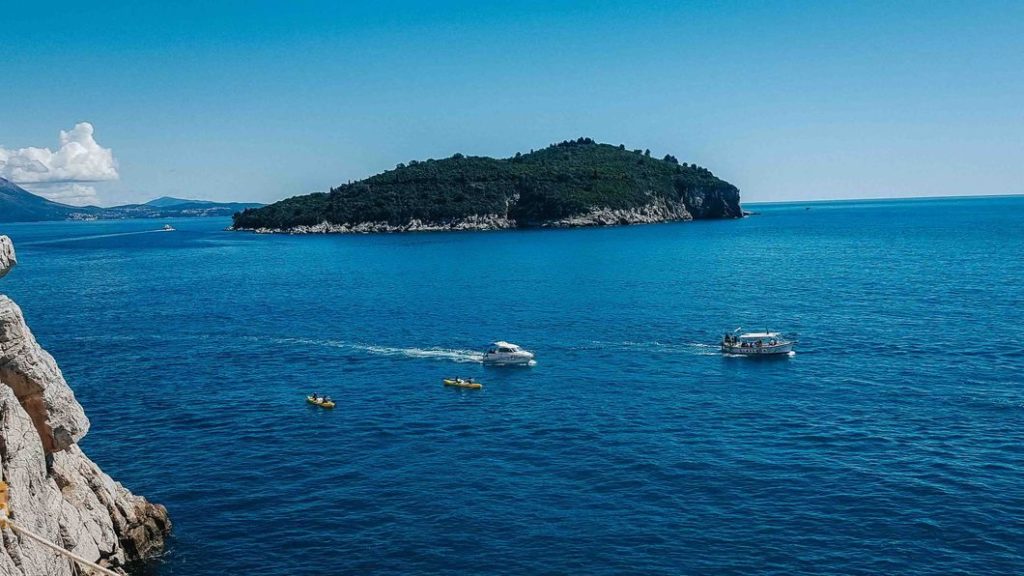
Ferries are a limited way of getting around the Balkans. Lots of the boats that go between the destinations are organised day tours like the popular day trip route Dubrovnik to Kotor and Budva in Montenegro.
The routes you can take are:
Travelling by Car
The best way is definitely by car, preferably your own, because it’s difficult and expensive to take rental cars across borders. It’s the best strategy to get you to the offbeat destinations that you can’t get public transport too.
An important thing to mention and I cover this above in the bus section (skip above) is how you enter and exit Kosovo. Make sure you plan this correctly so you don’t get into any trouble.
Renting a Car
Car rental within a country is great but as soon as you leave the country you’ve rented the car from there are fees or restrictions with crossing borders and one-way car hire. The option is best suited to those wanting to explore the country in-depth and dropping the car to the same destination.
Things to consider before renting a car
- Renting a car anywhere (apart from your home country) will require you to have your passport and driver’s license.
- As a general rule for those that hold a European Union driving license, you will not need to obtain an International Drivers Permit (IDP). For example, if you are driving from London to the Balkans you may decide to drive through Italy which will require you to have an IDP if you don’t have EU license.
- Check the simple things like no hidden fees, how many drivers you can have or that you have unlimited mileage.
- One of the biggest ways that car rental companies earn money from you is via insurance. Picking up third-party insurance will save you a ton of money.
- Can you drive manual transition? Most cars offered in Europe will be manual so if you can only drive automatic this may drive up the price.
- Consider emailing the hire car company to negotiate the price of the rental.
- Not all countries have the Latin alphabet some will be in Cyrillic alphabet making it interesting understanding where you need to go.
- The Green Card Insurance System – you need a green card to show that you have insurance. Car hire companies will usually charge extra for this card (actually a piece of paper).
Driving your own car
Driving your own will give you the freedom to cross borders without all the costs that a hire car comes from. The crucial part of driving your own car is knowing the documentation you will need for your car to drive across borders. The main one is the Green Card Insurance System.
Green Card Insurance System
As I mentioned above the Green Card Insurance System is something you need to be aware of when driving your own car in the EU. This is your proof of insurance and shows on it the countries you’re insured to drive in. Ensure you are clear with your insures about which countries you can and can’t go to within your policy.
Before you leave your home country make sure you have the green card otherwise you could end up paying double insurance to get another green card to enter your destination. It’s not applicable in all countries so check the countries you are travelling to and through.
Is it Safe to Drive in the Balkans?
Being a confident driver helps greatly with driving overseas. It’s an experience driving in the Balkans and not for the faint hearted. The roads can be the width of 1 to 1.5 cars, meaning you need to pull to the side of the road and let people pass. That doesn’t mean the locals will follow the same rules, generally they will be speeding past you whilst you are trying to be safe! Take it slow and keep to the road rules, at the end your safety is the most important part of driving.
Animals on the road are another hazard of driving in the Balkans. You can stumble across all types of farm animals and wildlife.
The road quality will be a mix of some good roads, some bad roads and some horrible roads. Researching the road quality and route you wish to take will ensure you get there safely and quickly. Here are some tips:
- Check between different navigation systems
- Look at Google Satellite to see the road quality
- Search YouTube or Google to see if there are any videos, photos or comments about the roads
- Ask locals for advice as the roads are constantly being re-done and the locals will know the best routes.
- Travelling on a sealed road will be beat driving on an unsealed road. Sometime navigation systems send you via the quicker route but later you find out it’s a dirt track taking 5x times longer.
In conclusion: Travelling in the Balkans requires a bit more flexibility and accepting of a mix of transport options available. Take the trains, if there are no trains take buses and rent a car here and there to explore regions more deeply.
Have you ever been to the Balkans? What was your experience with transportation?! Any tips you recommend?