Category: Macedonia

  • How to Travel Through the Balkans (6 Modes Explained)

    How to Travel Through the Balkans (6 Modes Explained)

    One of my favourite places to travel is the Balkans. It’s super cheap, everyone’s really friendly however getting around can take a little planning or long-winded searches on the internet as I found out. The initial questions I had when planning my trip were:

    • What’s the best way to travel across these destinations?
    • Rent a car? Are the roads good in those countries?
    • Should we catch the train? Are the connections between the countries easy? Is it worth buying an InterRail Pass?
    • Is Bus or Coach easier?
    • What other modes of transport are available?

    In this guide, I will cover everything you need to know about transport in the Balkans. From travel tips, modes of transport you can take, useful website, safety travelling in the Balkans and much more. 

    How to get to the Balkans by Plane
    While low-cost carriers like Ryanair, Wizzair and Easyjet fly to destinations in the Balkans it’s not always cheap to fly into some of the destinations. In my experience flying into cities like Sofia, Zagreb, Athens or Budapest is way cheaper than flying into Belgrade from London for example. Plus, there is generally more flights into these cities. 

    It does mean that if you are planning a short trip it can either make the travel time longer or you end up spending more to get to the places you want to go to.

    To find flights I use websites like Skyscanner and Kayak to find the right flights, play around with routes etc. To get you started here are the major international airports in the Balkans:

    Flying to Albania
    Tirana International Airport Nënë Tereza.

    Flying to Bosnia and Herzegovina
    Sarajevo International Airport and Banja Luka International Airport.

    Flying to Bulgaria
    Sofia Airport, Plovdiv Airport, Burgas (Bourgas) Airport and Varn Airport

    Flying to Croatia
    Dubrovnik Airport and Zagreb Airport

    Flying to Kosovo
    Priština (Pristina International Airport)

    Flying to Macedonia
    Skopje International Airport and Ohrid St. Paul the Apostle Airport

    Flying to Moldova
    Chișinău International Airport

    Flying to Romania
    Bucharest Henri Coandă International Airport

    Flying to Serbia
    Belgrade Nikola Tesla Airport, Niš Constantine the Great Airport and Vršac Airport

    Flying to Montenegro
    Podgorica Airport

    Flying to Slovenia
    Ljubljana Jože Pučnik Airport

    Flying to Greece
    Athens International Airport

    How to get around the Balkans by Trains
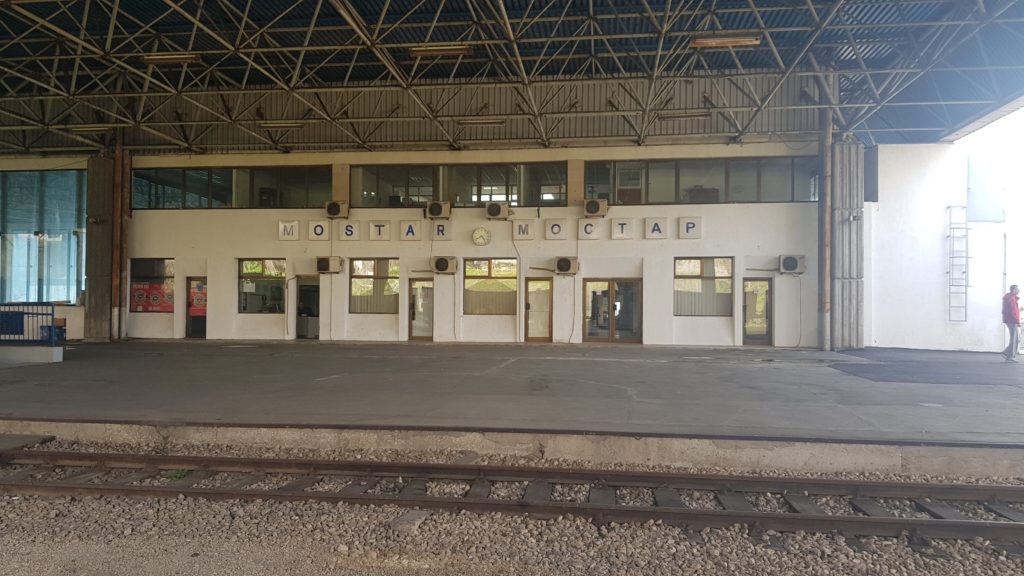
    Train station in Mostar Bosnia and Herzegovina

    Trains aren’t my preferred mode of transport in the Balkans as the connections between the countries are not always straightforward as it is by bus. When you do get trains, the scenery is absolutely stunning and is a great way to travel.

    An example of the difficulty of travelling by train is Dubrovnik to Split and seems like such an easy route to take but it’s not possible by train, you will only be able to catch a bus, ferry or Minibus there. Additionally, there are absolutely no trains to Greece or Albania, between Macedonia and Bulgaria, Croatia and Montenegro or Serbia and Bosnia and Herzegovina.

    Then you get journeys like Mostar to Sarajevo which is totally possible by train! My main point to this section is to do your research on train routes before travelling. Some countries it will be easier to reach from western Europe by train, so it can be another great way to enter the area and go by bus from there on.

    Of course, there are benefits by travelling overland by train like catching an overnight train to save on a night’s accommodation like we did when catching an infamous overnight train from Belgrade to Budapest.

    Before you travel check out these websites which will give you more detailed information:

    • Rail Europe – Provides information on fares and passes as well as schedules for the most popular routes in Europe.
    • Man in Seat 61 – Provides excellent independent information and advice.

    Classes

    The classes on the trains will be based on whether you are taking a short trip or a trip that has sleeping options.

    As a general rule:

    • Hard seats – What I would say is as comfortable as a park bench. I had this style of seating on a train from Novi Sad to Belgrade which is fine for an hour or two’s train ride.
    • Soft seats – Available for both short travel and overnight trains. The seats are quite comfortable and were the option we ended up with on our train ride from Mostar to Sarajevo and Belgrade to Budapest. 
    • Third Class Berths – A six-person sleeping berth in a closed compartment. These styles of the cabin can be quite crowded with little room for your things and stuff. Although the cheapest option if you are looking to save money. This option isn’t as widely available.
    • Second Class Berth – A four-person sleeping berth in a closed compartment. If there are two of you, you will share with two other people but if there are three of you, you will often have the compartment to yourselves.
    • First Class Berth – A two-person sleeping berth and generally fancier with a washbasin and decoration. A high price tag will come with this option.

    Reservations
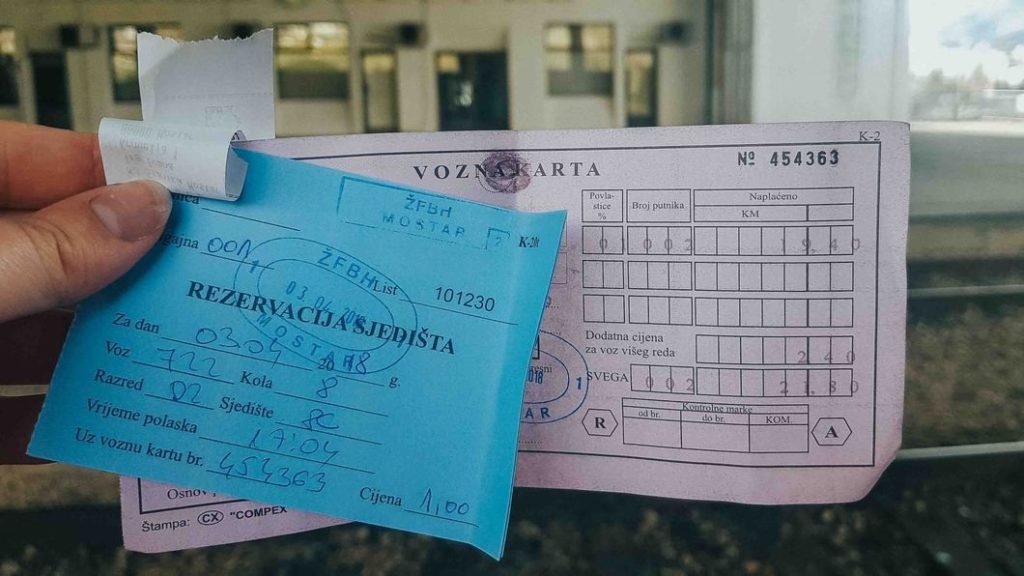
    Mostar to Sarajevo train tickets with reservations

    All our train reservations were made on the day or when we arrived at the city we were travelling from. Online booking is not common and will be dependent on the country or train provider. For Bosnia and Herzegovina and Serbia we were unable to book tickets online.

    It was super simple:

    • Buy tickets at the station (there are always places)
    • Some require having a seat reservation with your ticket (the ticket office should give you this). Seat reservations several days in advance are also recommended for busier routes and during peak summer periods, but this is only necessary if the timetable specifies that seat reservations are required.

    Rail Passes

    An option to consider is rail passes for your journey in the Balkans. Keep in mind that not all the countries covered by rail passes; Kosovo and Albania are notable exceptions.

    Discount prices are offered to travellers under the age of 26 and children aged four to 11 are eligible for a child rate. Discounted fares are also available if you are travelling in a group of two to five people (although you must always travel together).

    With the passes there are two options you can choose from:

    • Single-Country Passes – Simply it gives you train travel for one country, with the freedom to explore its numerous cities and towns. 
    • Multi-Country Passes – Allows you to travel across to multiple countries with a single rail pass. For the Balkans, these are offered by EuroRail.

    For more information look at Rail Europe.

    InterRail

    The InterRail Global pass is available for the following Balkans countries: Bosnia and Herzegovina, Croatia, Macedonia, Montenegro, Serbia and Slovenia.

    Europeans residents (living in Europe for over 6 months), some resident of Turkey and parts of North Africa are eligible for the InterRail pass. It’s not valid for the country you live in essentially so it’s good to check the terms and conditions before booking. The pass is not available to non-European residents.

    Check InterRail for more information.

    Eurail Global

    Just like the rail passes EuroRail offers single and multi-country passes which are available for non-European residents.

    Single country passes are allowing unlimited travel in Croatia, Greece, Serbia and Slovenia. 

    The multi-country pass allows travel in three, four or five neighbouring countries, including Croatia, Slovenia, Montenegro and Serbia. For some of the country’s combinations, two countries may be classified as one like Montenegro and Serbia are classified as one country for the purposes of this pass, as are Croatia and Slovenia.

    Check EuroRail for the latest information and purchases.

    Coach (Bus) Travel in the Balkans
    Coach (Bus) Travel in the Balkans

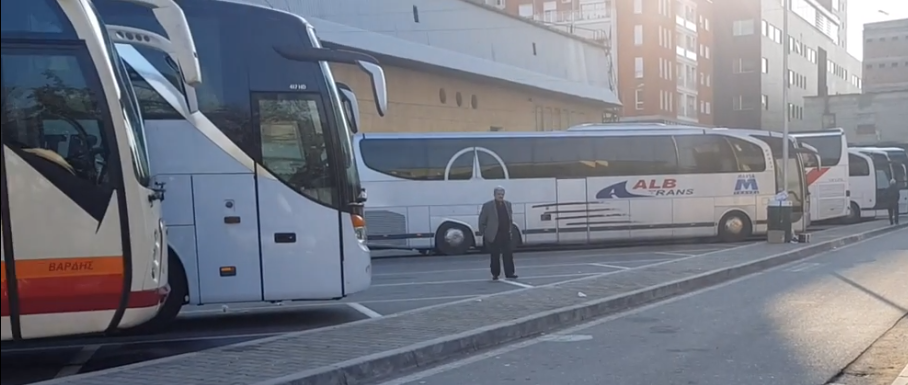
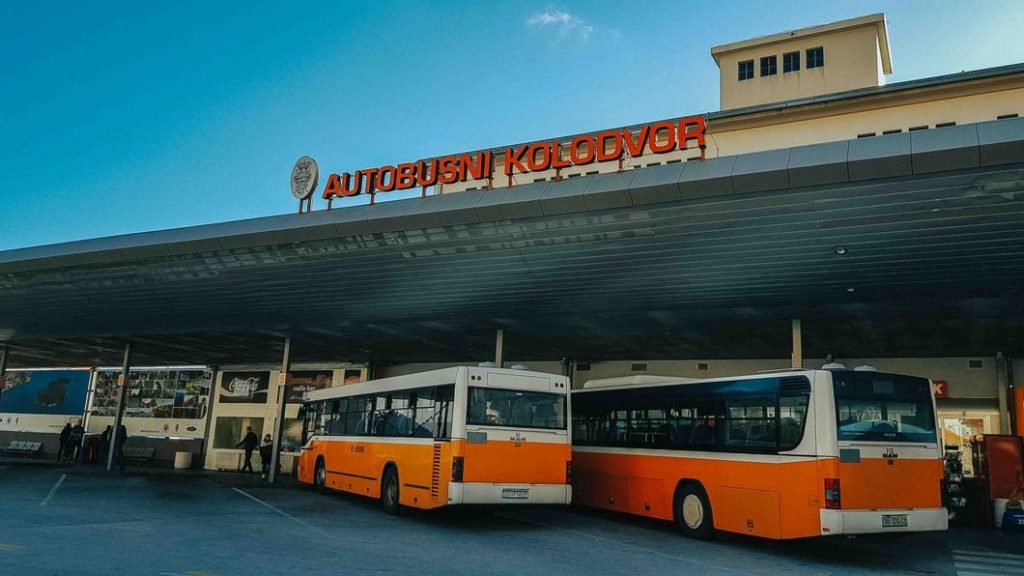
    Travelling around the Balkans by bus is quite easy! As with any bus travel, the journey can be quite long but with some entertainment, it’s a great way to catch up on some reading or movies. Unlike train travel buses operate in all countries both internally and internationally.

    Night buses are a good way to save on accommodation. For my Balkans trip, I decided not to do night travel in the end since most seemed to arrive at 4am in the morning and the accommodation was really cheap.

    Quick tips for bus travel:

    • Bring spare cash with you, some to cover the baggage charge and some to cover the toilet costs, you’ll be stuck otherwise!
    • Bring snacks and drinks, an obvious point but the food stops are not great.
    • There’s border control, so stay alerted and keep your belongings close to you.

    Bus Travel Within Countries

    Bus travel within countries is a lot cheaper than travelling internationally and can get you to more of the surrounding towns and areas. If you are struggling to get where you need to head to the bigger the towns which will have better connections.

    In most countries, bus routes are operated by multiple companies, each with its own timetables and fares. It can be hard to find a schedule or price information online and I’ll leave the best links and way to book in the booking section. 

    International Buses in the Balkans
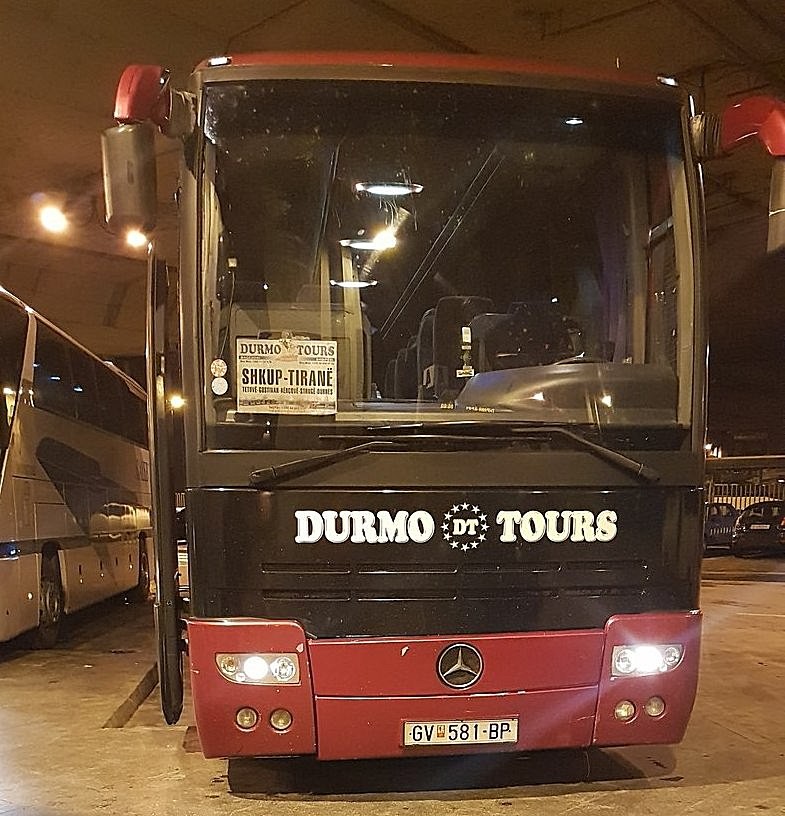
    Travelling by Coach (Bus) from Skopje to Tirana

    Most of our travel within the Balkans was international buses. Personally, I found this was the best way to get to the places we wanted to go. It did take a bit of planning to understand the routes and schedules and go to the bus stations beforehand to find the timetables and purchase tickets.

    Generally, our journeys were pretty easy going. The road can quality vary between countries making the comfortability and journey length different. For example, the road quality was poor in Albania and there is a tremendous number of potholes to endure on the trip! When we entered Montenegro, the road is better quality but they do have very windy roads along the coast added time to your bus journey.

    Border crossing can take a while depending on the traffic, lanes open or if they decide that they wish to search every bag individually.

    Here are detailed guides on the following routes:

    Booking Balkan Bus Travel

    Booking in advance isn’t a must and can be quite hard with the lack of online systems available. In countries like Slovenia and Croatia, it will be a lot easier to book online than somewhere like Macedonia or Albania.

    I would suggest when you arrive at your departure destination going to the bus station to get the latest timetable, understand which company you will be travelling with and just purchasing your ticket while you are there. With the more popular touristic places like Dubrovnik, there will be more demand during the summer months, so this would be the only time I recommend purchasing in advance.

    In doubt ask your hostel or hotel for help on getting the latest schedules and prices.

    Booking at the stations you will encounter two main types of a bus station, one in a parking lot and one in a building. In general, you needed to shop around or know the company you wished to travel in countries like Bulgaria and Albania, alternatively, sometimes there would just be central ticket desks selling tickets for all providers like in Montenegro, Bosnia and Herzegovina, and Croatia.

    For the central ticket, desk takes note of the carrier, so you can find the bus stand and bus you are meant to be on.

    The ticket price will not include the baggage fee so ensuring you have about 1 euro per bag in local currency is a must. We had a few awkward moments on our journey where we didn’t have the right change and ended up holding up the bus.

    How to Search Balkan Bus Routes

    The websites I used for searching bus routes in the Balkans were:

    It’s important to note that the websites may not give you reliable information. A good example was when we were travelling from Sofia to Skopje the bus, we were aiming for which was the 15:00 to Skopje arriving at 19:25. As a precaution, we went to the bus station to ensure we had the right times, bus companies and what not. When we arrived, it turned out the schedule was different than the ones available online, instead, there were buses running daily at 09:30, 16:00 and 19:00. However, when we were travelling the 19:00 was cancelled for the day we were catching a bus to Skopje.

    Border Crossings
    Bosnia and Herzegovina border crossing

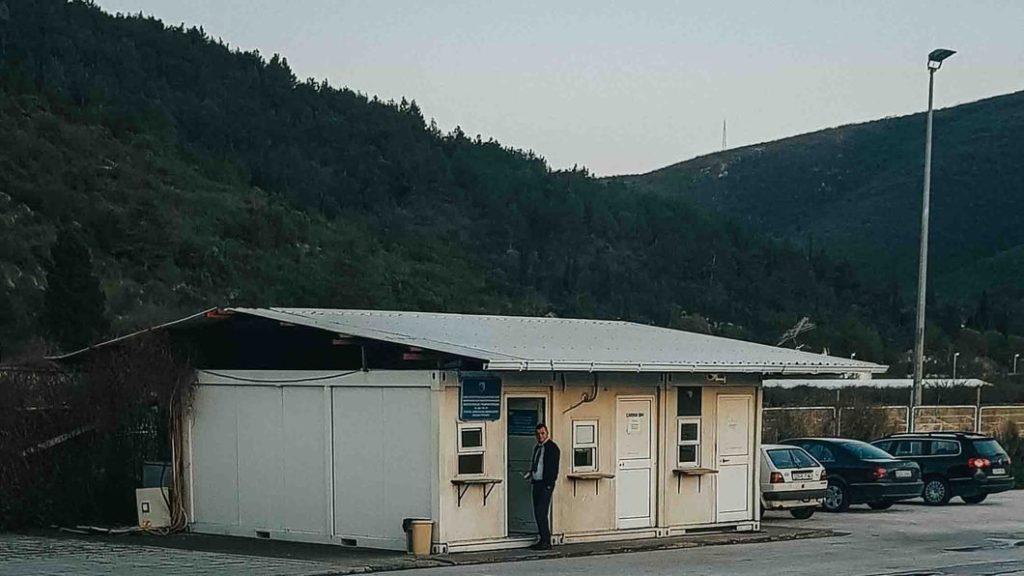
    Border crossings were generally easy in our experience. The guard would board the bus to check everyone’s passports or you would get off the bus to a passport counter. The passports were then taken for processing and once clear handed back to the passports back to the owners.

    There were brief checks underneath the bus in the luggage compartments or in some cases you were asked to take your luggage to a room with tables where the luggage would be checked by the guards. They may do stricter spot checks, but we were not subjected to these on our trip.

    Another thing to be mindful of when planning your trip is the complication with the Kosovo-Serbia border. Currently, Kosovo is not recognised by Serbia as an independent state so if you entered Kosovo via Albania, Macedonia or Montenegro, officials at the Serbian border will deem that you entered Serbia illegally and you will not be let in. To avoid this exit Kosovo via another country and then enter Serbia. Alternatively, if you enter Kosovo from Serbia then there is no issue entering Serbia.

    Minibuses
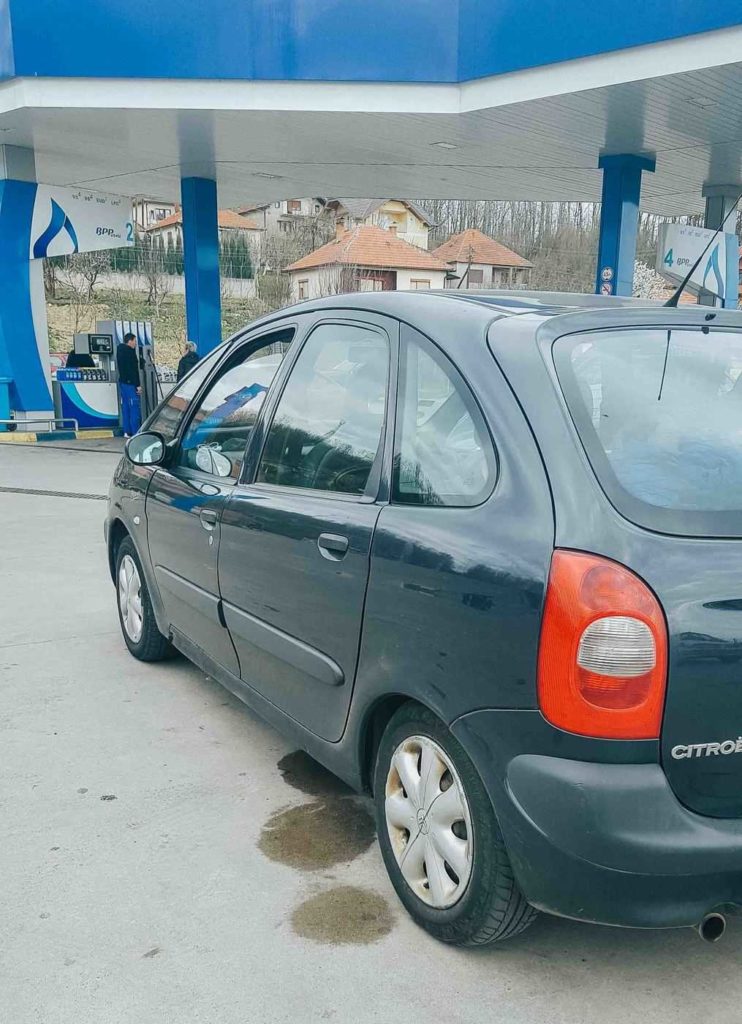
    Minibus (car) travel in the Balkans i.e. guy driving you in his 4-seater car
    Minibus (car) travel in the Balkans i.e. guy driving you in his 4-seater car

    About halfway into our Balkans trip, we discovered that lots of hostels had teed up with companies to provide minibus options between countries. The minibus options are surprisingly not too pricey compared to catching a bus and much quicker. 

    The minibuses can be anything from a large van to a guy driving you in his 4-seater car while you are squished together. Some are even door to door service which is a luxury!

    Booking Minibus Travel in the Balkans
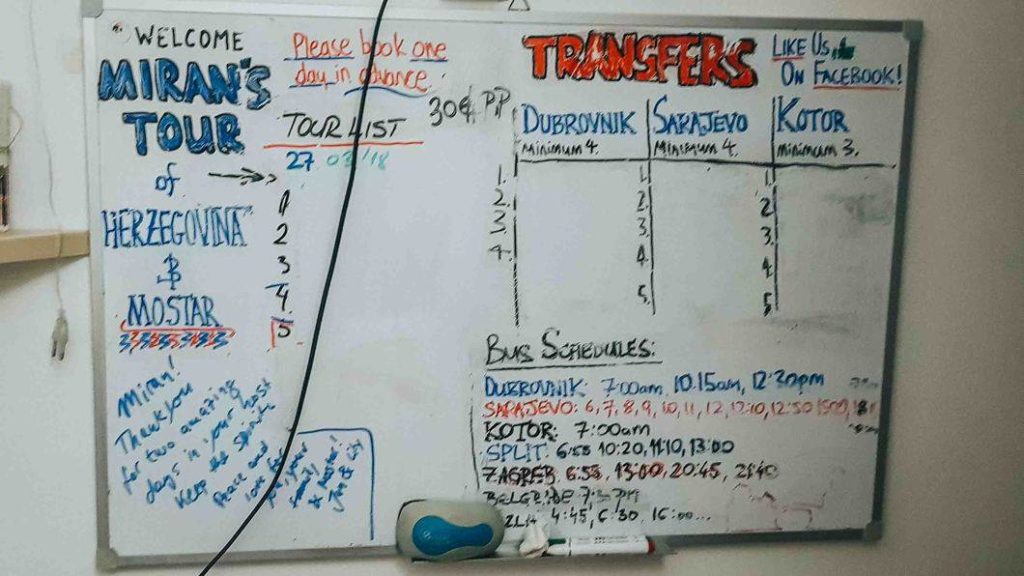
    Sign in the hostel to book minibus travel in the Balkans

    The best way to book minibus travel is via the hostel or hotel you are staying at. Normally in the reception area, there will be a sign stating the route and cost. Just tell the receptionist the route you wish to take and next thing you know it will be all booked, plus provided with all the details you need.

    You will be matched with other passengers travelling the same route as most services have a minimum number of 3 to 4 people before they will schedule your departure. In Sarajevo, we were lucky that another hotel/couple were heading to Belgrade when we needed too.

    To book online you can look at:

    • GoOpti for minibuses in northern Croatia, Slovenia, Italy and Austria.
    • Gea Tours have a range of route in the Balkans but there seem to be a few issues with their website and someone hacking their site, so I would use this with caution.
    • Taxi Travel operate transfers to the main cities in Austria, Croatia, Hungary and Serbia.

    Minibus routes

    There isn’t a definitive list available online, here is an example of routes available from Belgrade to other nearby cities:

    • Belgrade to Budapest
    • Belgrade to Sarajevo
    • Belgrade to Timisoara
    • Belgrade to Vienna
    • Belgrade to Zagreb

    Ferries

    Local ferries in the Balkans

    Ferries are a limited way of getting around the Balkans. Lots of the boats that go between the destinations are organised day tours like the popular day trip route Dubrovnik to Kotor and Budva in Montenegro.

    The routes you can take are:

    Travelling by Car

    The best way is definitely by car, preferably your own, because it’s difficult and expensive to take rental cars across borders. It’s the best strategy to get you to the offbeat destinations that you can’t get public transport too.

    An important thing to mention and I cover this above in the bus section (skip above) is how you enter and exit Kosovo. Make sure you plan this correctly so you don’t get into any trouble.

    Renting a Car

    Car rental within a country is great but as soon as you leave the country you’ve rented the car from there are fees or restrictions with crossing borders and one-way car hire. The option is best suited to those wanting to explore the country in-depth and dropping the car to the same destination.

    Things to consider before renting a car

    • Renting a car anywhere (apart from your home country) will require you to have your passport and driver’s license.
    • As a general rule for those that hold a European Union driving license, you will not need to obtain an International Drivers Permit (IDP). For example, if you are driving from London to the Balkans you may decide to drive through Italy which will require you to have an IDP if you don’t have EU license.
    • Check the simple things like no hidden fees, how many drivers you can have or that you have unlimited mileage.
    • One of the biggest ways that car rental companies earn money from you is via insurance. Picking up third-party insurance will save you a ton of money.
    • Can you drive manual transition? Most cars offered in Europe will be manual so if you can only drive automatic this may drive up the price.
    • Consider emailing the hire car company to negotiate the price of the rental.
    • Not all countries have the Latin alphabet some will be in Cyrillic alphabet making it interesting understanding where you need to go.
    • The Green Card Insurance System – you need a green card to show that you have insurance. Car hire companies will usually charge extra for this card (actually a piece of paper).

    Driving your own car

    Driving your own will give you the freedom to cross borders without all the costs that a hire car comes from. The crucial part of driving your own car is knowing the documentation you will need for your car to drive across borders. The main one is the Green Card Insurance System.

    Green Card Insurance System

    As I mentioned above the Green Card Insurance System is something you need to be aware of when driving your own car in the EU. This is your proof of insurance and shows on it the countries you’re insured to drive in. Ensure you are clear with your insures about which countries you can and can’t go to within your policy.

    Before you leave your home country make sure you have the green card otherwise you could end up paying double insurance to get another green card to enter your destination. It’s not applicable in all countries so check the countries you are travelling to and through.

    Is it Safe to Drive in the Balkans?

    Being a confident driver helps greatly with driving overseas. It’s an experience driving in the Balkans and not for the faint hearted. The roads can be the width of 1 to 1.5 cars, meaning you need to pull to the side of the road and let people pass. That doesn’t mean the locals will follow the same rules, generally they will be speeding past you whilst you are trying to be safe! Take it slow and keep to the road rules, at the end your safety is the most important part of driving.

    Animals on the road are another hazard of driving in the Balkans. You can stumble across all types of farm animals and wildlife.

    The road quality will be a mix of some good roads, some bad roads and some horrible roads. Researching the road quality and route you wish to take will ensure you get there safely and quickly. Here are some tips:

    • Check between different navigation systems
    • Look at Google Satellite to see the road quality
    • Search YouTube or Google to see if there are any videos, photos or comments about the roads
    • Ask locals for advice as the roads are constantly being re-done and the locals will know the best routes.
    • Travelling on a sealed road will be beat driving on an unsealed road. Sometime navigation systems send you via the quicker route but later you find out it’s a dirt track taking 5x times longer.

    In conclusion: Travelling in the Balkans requires a bit more flexibility and accepting of a mix of transport options available. Take the trains, if there are no trains take buses and rent a car here and there to explore regions more deeply.

    Have you ever been to the Balkans? What was your experience with transportation?! Any tips you recommend?
    More Balkans Articles

    How to Travel Through the Balkans
    How to Travel Through the Balkans: Everything you need to know about the different modes of transport in the Balkans from Bus, Train, Plane, Minibus, Ferries and Car. Balkan travel tips include how to get to your Balkans Destinations, useful website, safety travelling in the Balkans and much more. #Balkans #Croatia #BosniaandHerzegovina #Slovenia #Serbia #Montenegro #Kosovo #Macedonia #Bulgaria #Albania #Greece
  • Things to do in Skopje – A Complete Guide

    Things to do in Skopje – A Complete Guide

    Skopje is a quaint and unusual city that is well worth either being added to your Balkans trip or as an individual trip. I have pulled together a list of things to do in Skopje as well as providing a complete guide of how to get to Skopje, where to stay and local cuisine you should try whilst you are in Macedonia.

    Things to do in Skopje

    Free Walking Tour Skopje

    I recommend going on Skopje Walks whilst you are in Skopje. Miha was a great tour guide, he explained in a funny and witty way the reasons for building huge old/new buildings and monuments in Skopje. My favourite line of the tour was that the mayor had “copy and paste” syndrome. Around the city you can see a lot of elements around the world for example, the bull that is in front of the stock market but instead here it is in front of a shoe shop.

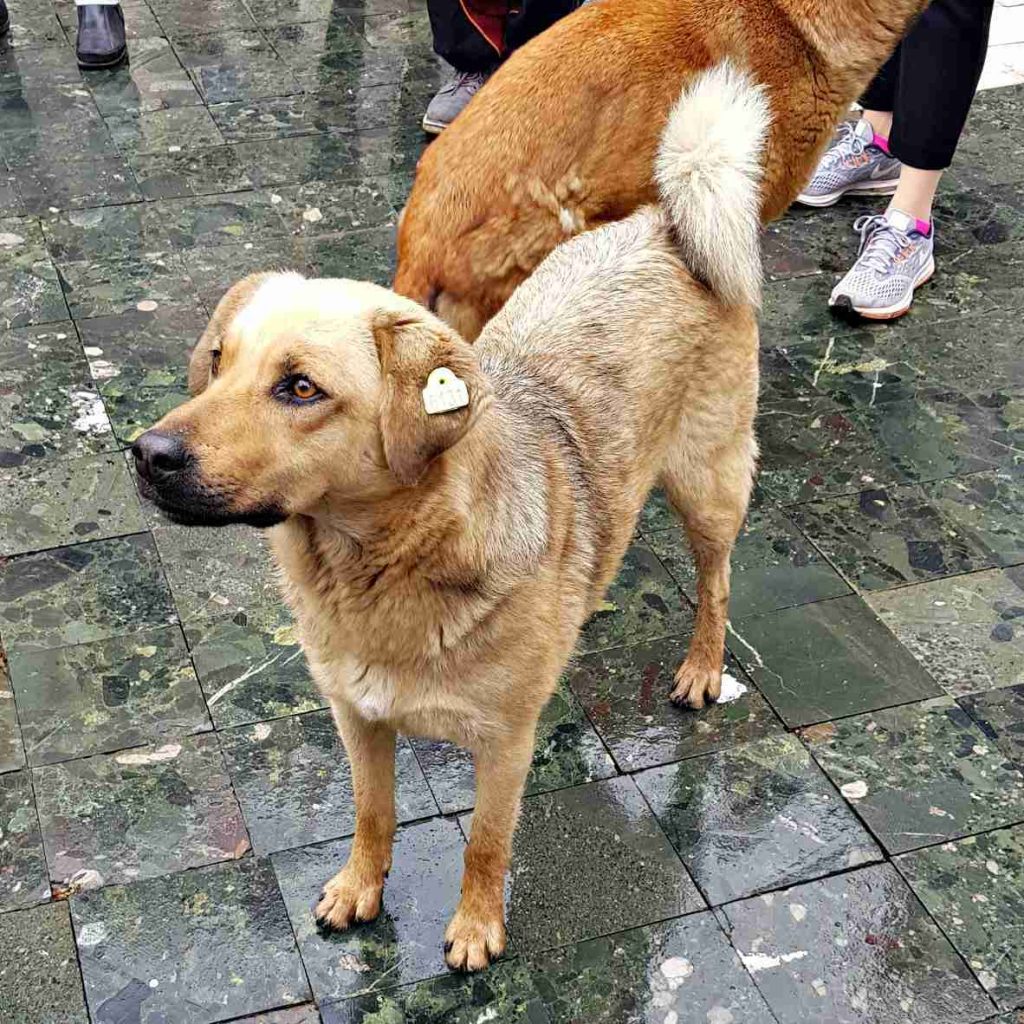
    You’ll also be joined by a pack of stray dogs during the walking tour. The dogs are really protective of Miha tour groups and quite entertaining, just as long as you are not driving a car or riding a bike. All the homeless dogs in Skopje are vaccinated, feed and de-sexed as a part of a programme. The dogs will have these yellow tags on their ears showing that they have been seen and not carrying any harmful diseases.

    Skopje walking tour and dog pack
    One of our many dog friends on the walking tour. Sometimes there are more dogs on the walking tour than people!

    See the Monuments in Plostad Makedonija and Around the City Centre (free)

    I didn’t think anywhere could have so many statues in one place but I think Skopje has won the prize. There are over 200 statues around Skopje. You could play “where is the statue” all day and still not find them all! They even started to run out of space so you will find the statue on the tops of buildings displaying Macedonian famous figures.

    Visit the Mother Teresa Memorial House (free)

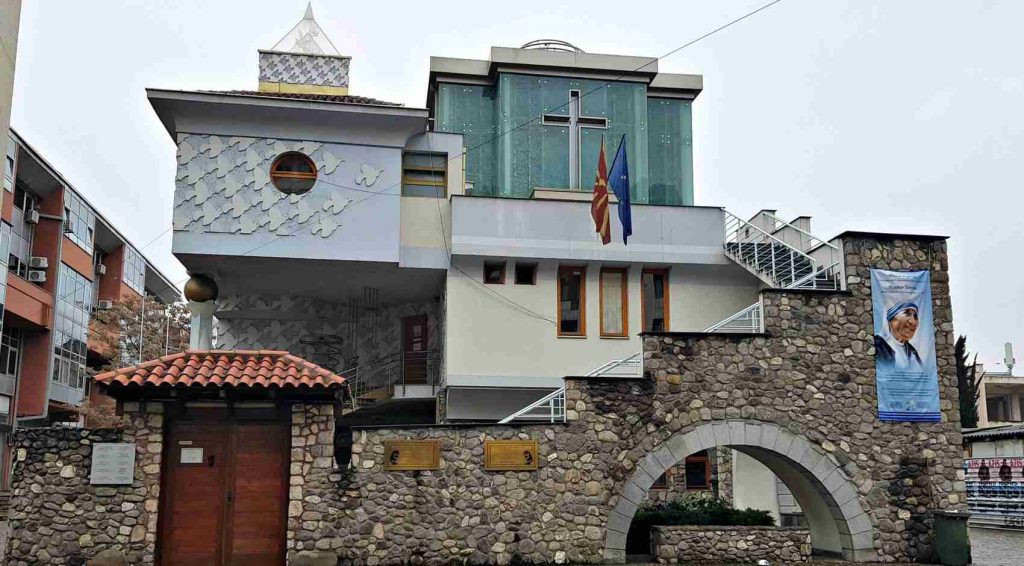
    Mother Teresa (Teresa of Calcutta) was born in Skopje on August 26, 1910. Her original house was lost in the earthquake so in 2009, two years after her death, the Mother Teresa Memorial House was built in her honour. The museum displays photos, memorabilia and documents of Mother Teresa’s life and religious work. Above the museum there is a small chapel which you can visit.

    The museum is free and opens Monday through to Friday between 9 am an 8 pm and Saturday and Sunday between 9am and 2pm.

    Mother Teresa House
    Mother Teresa original house was lost in the earthquake. This is built as a museum to show how she lived in Skopje and her works throughout her life.

    Modern style church

    Have a quick look around Church of St. Clement of Ohrid and its modern style. It is the largest cathedral of the Macedonian Orthodox Church today.

    Wander through the Old Bazaar (free)

    Skopje’s is the second biggest bazaar in Europe to the Grand Bazaar in Istanbul. Start your walk through the bazaar at the Stone Bridge and continue your way through to the Kale Fortress. Around the area you will see active mosques, türbes (mausoleum tombs), converted hammams (bathhouses), churches, the Museum of Macedonia, the Museum of Modern Art, and several inns.

    Pick up some handcrafted gifts from copperware to traditional Macedonian folk costumes. With the Ottoman and Turkish influence traditional restaurants and coffee houses throughout selling kebab, lahmajun (meat pie), and Turkish delight.

    It is also the number one place in Skopje to enjoy cheap eats or enjoy some drinks whilst you people watch. During the 16th and 17th century, the Old Town was one of the most famous and largest open bazaars in the Balkans with a mix of eastern and western culture.

    Visit the Old Railway Station (free)

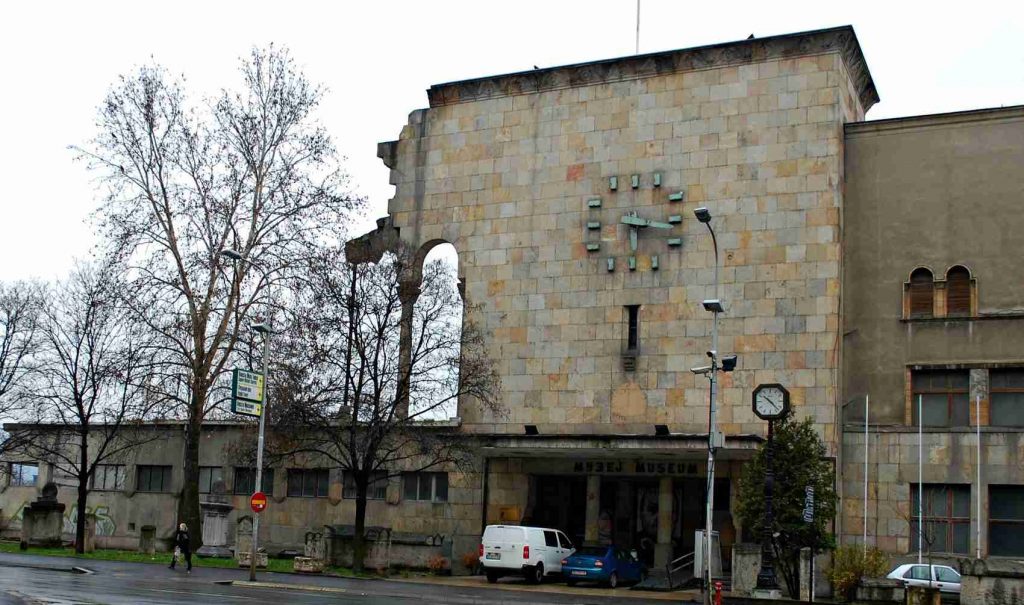
    In 1963 Skopje had an earthquake that brought down most of the city and now the Old Railway Station stands as a reminder of that day. It is one of the few parts of the city that stood to remain after the earthquake. Interestingly The clock on the railway station still points out the time when the earthquake happened, 05:17 am.

    Since 1970 it has become the Museum of the City of Skopje and hosts permanent exhibitions representing the history of Skopje. The museum is open Tuesday to Sunday between 09:00-15:00 and entry is free. You can still walk around the outside any time and see the damage from the earthquake.

    Old Railway Station

    Walk the Bridges (free)

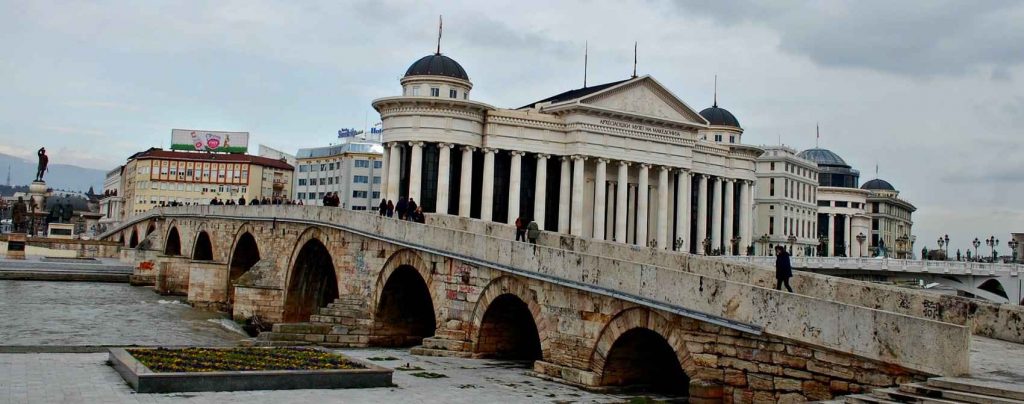
    The Vardar River runs through Skopje and as you’d expect there are several bridges that link you to the other side. The most famous bridge is the Stone Bridge which was originally built under the Roman Emperor Justinian’s era when Skopje was known as a colony known as Skupi. The bridge was destroyed and then rebuilt under the Ottoman empire in the 15th Century then damaged again during the earthquake.

    Nearby the Stone Bridge will by the Art Bridge another pedestrian bridge lined with statues of notable Macedonian artists and musicians which leads you to the National Archaeology Museum.

    Stone Bridge in Skopje
    Stone Bridge in Skopje is a is a bridge across the Vardar River. The bridge was built to connect the two parts of the city, Christian and Muslim and now connects you to the Old town and new square on each end.

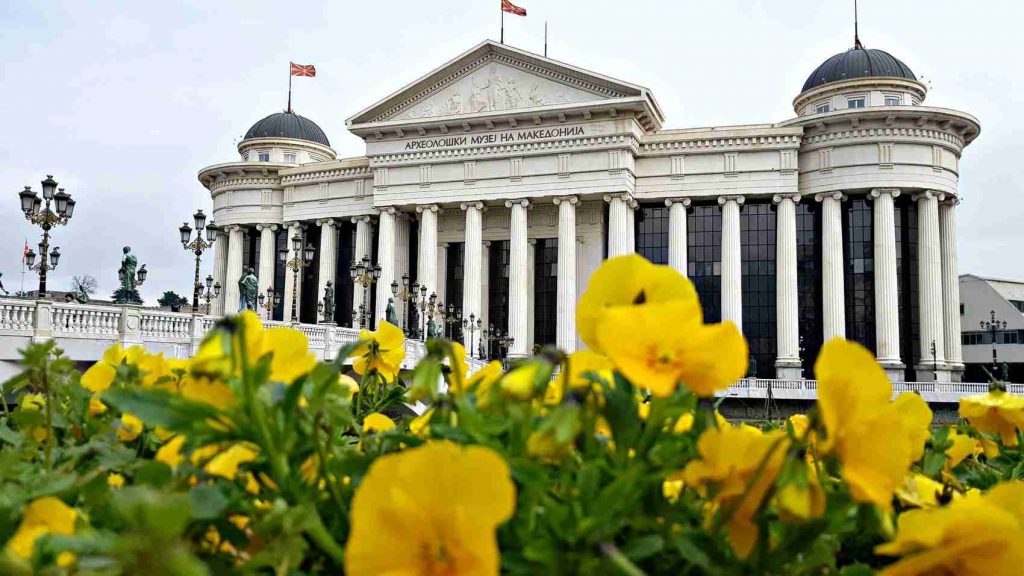
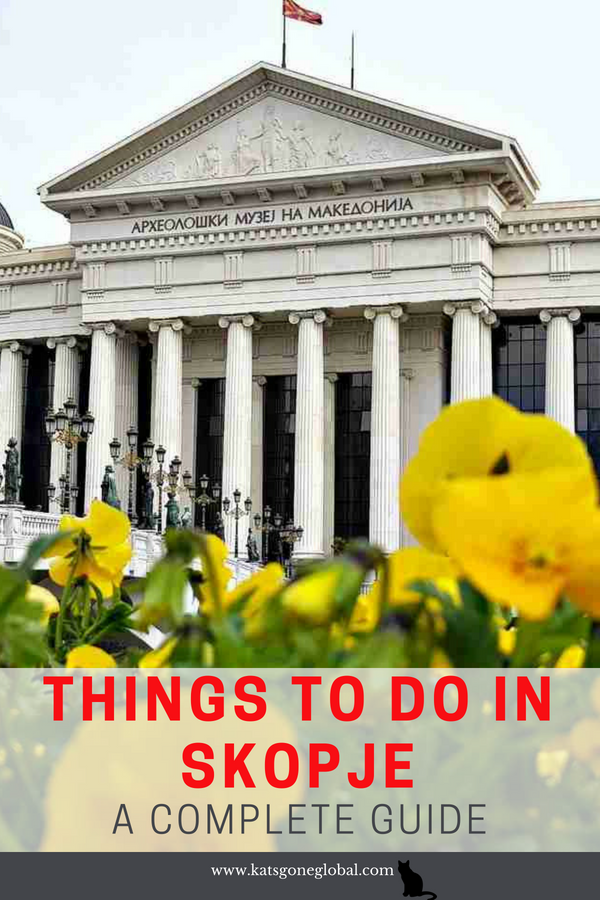
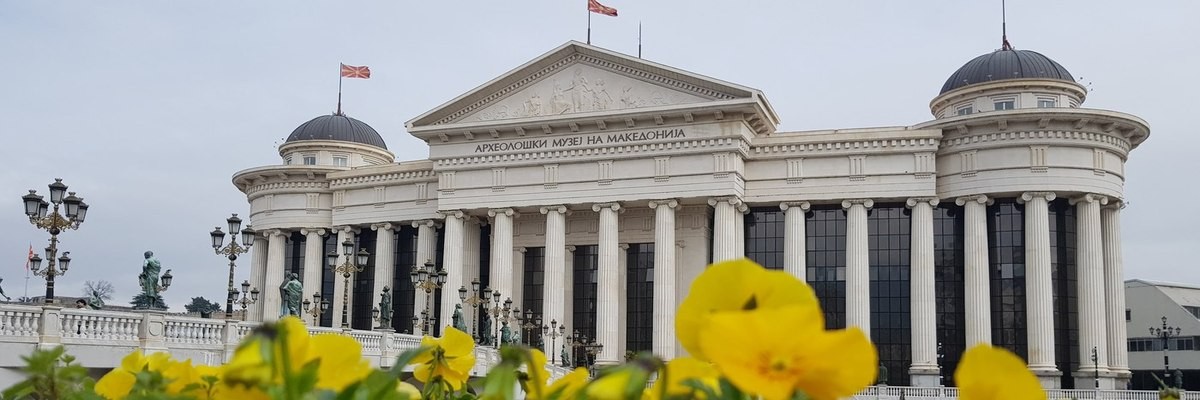
    National Archaeological Museum of the Republic Of Macedonia

    Explore the archaeological relics from ancient Macedonian times, including coins & statues from the Paleolithic Period 10.000 BC to the 14th c. A.D;  settling of the Slavs, 6th c. A.D to 1945.

    National Archaeological Museum of the Republic Of Macedonia
    National Archaeological Museum of the Republic Of Macedonia

    Hike to the Kale Fortress (free)

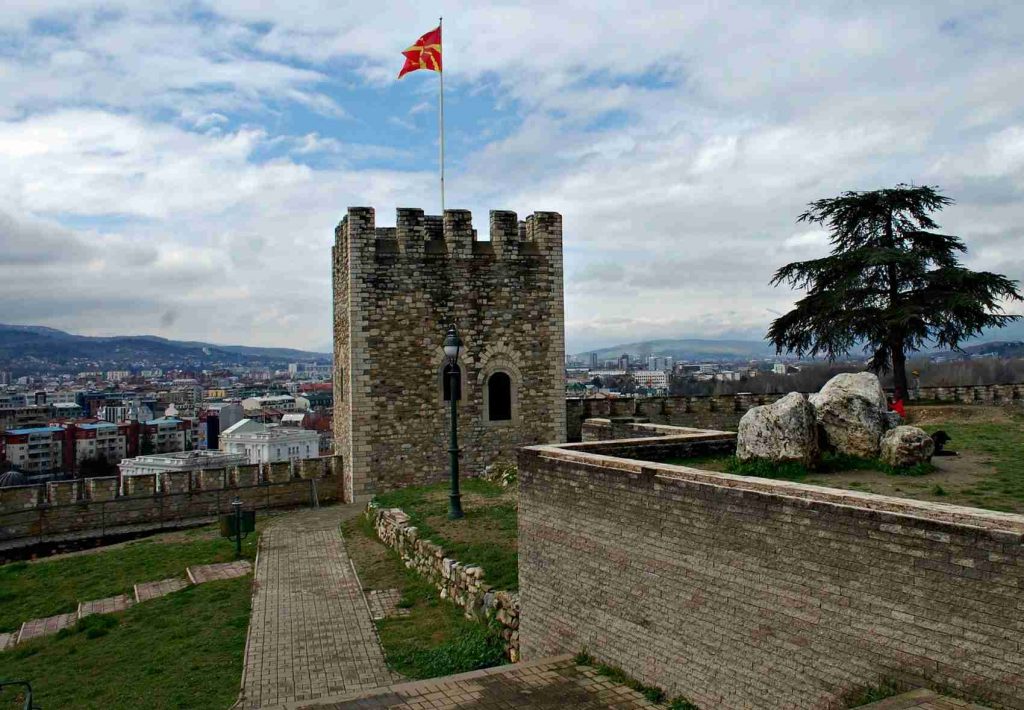
    Since the 6th century during the rule of Roman Emperor Justinian I the Kale Fortress has stood and watched over Skopje. The fortress was partially destroyed during the Ottoman occupation and today only 121 meters of the wall remains with three watchtowers.

    Kale Fortress is only 10-minute easy walk away from the city square. It also offers great views over the city! There are no information boards currently around the fortress.

    Kale Fortress
    Kale Fortress

    Take the Cable Car to the Millennium Cross

    On top of Vodno Mountain you will find the 66m tall Millennium Cross. On a clear day you can see the cross gleaming down from the mountain. It was built to commemorate 2,000 years of Christianity in Macedonia with donations from the Macedonian Orthodox Church.

    The easiest (i.e. less effort) way to get to the Millennium Cross is to take the bus and cable car to the top. Catch bus number 25 from main bus station in Skopje to the mountain which will be about 15 minutes from the station. There is the cable-car station in “Middle Vodno” which will take you to the cross costing about 100 MKD (£1.42).

    The harder way is to climb up Vodno Mountain to the Millennium Cross. The climb to the top will take 2-4 hours depending on the speed and the need for breaks and the track is about 5kms long. The entire trail passes through dense forest with mostly pine and chestnut.

    Visit Matka Canyon

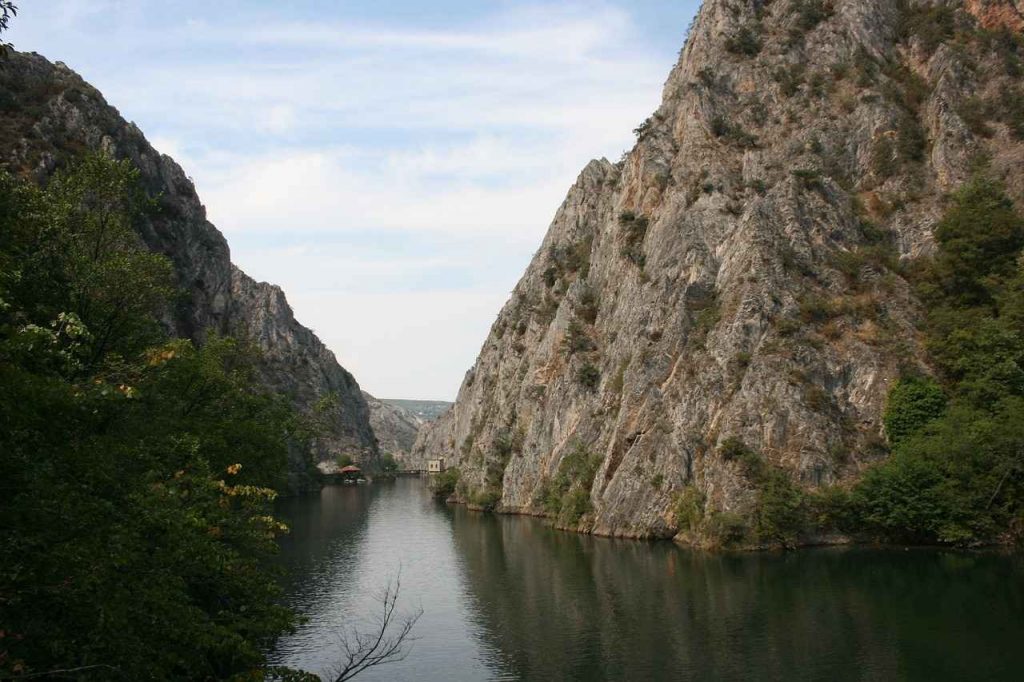
    Matka Canyon is the ideal day trip from Skopje for anyone who loves nature, cool rocks and hiking. It’s hard to believe that this incredible canyon is just 15km away from the busy urban streets of Macedonia’s capital city.

    From the Skopje main bus station take bus number 60 to Matka Canyon. The bus stop is outside the main station next to the petrol station. Bus tickets can be bought on the bus and will take about 45 to 60 minutes.

    Eat the Local Food

    Skopje is the perfect place for meat lovers with hearty portions but there are also a few specialities for vegetarians to try like their famous bean casseroles, fresh salads (most likely covered with cheese) or deep-fried cheese-stuffed peppers.

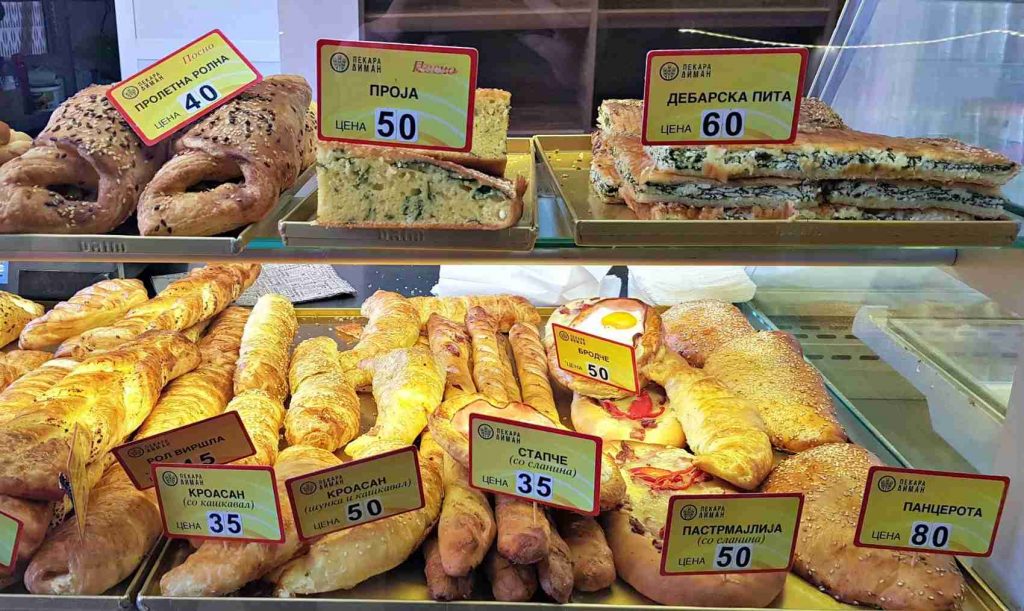
    Fast food options in Skopje are like those in the rest of the Balkans: Burek (flaky, meat- or cheese-filled rolled pastries) and kebapi (minced-meat sausages). Sweet shops and bakeries selling syrupy tulumba are found throughout the city. Regional and international fare can also be found in the city center; particularly Turkish fare in the Old Bazaar.

    What Macedonia food should I try?

    Tavce Gravce

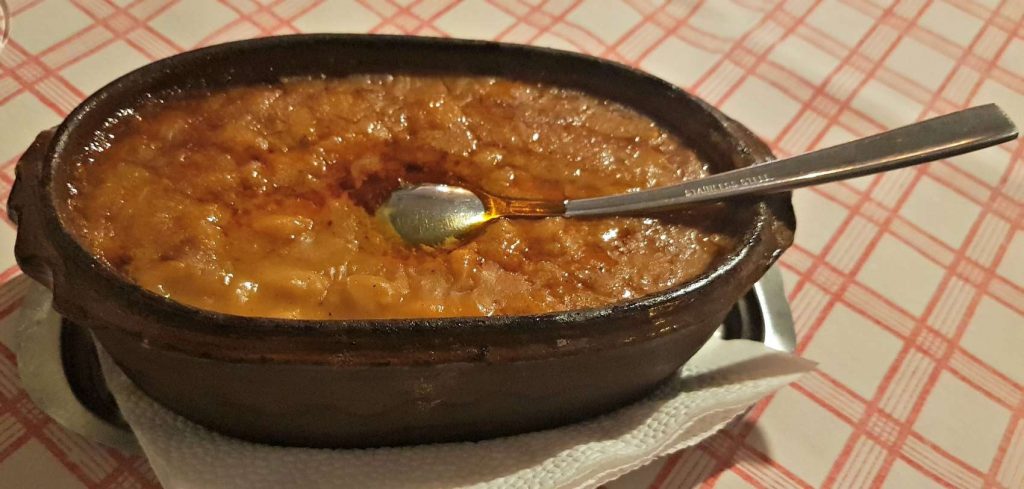
    Tavce gravce (literally meaning beans cooked in a skillet) and is widely considered as Macedonia national dish. Fresh beans are boiled, combined with onion, peppers, tomato, oil, flour and spices, and then baked slowly in an earthenware pot. Perfect dish for the vegetarians out there! And probably the only vegan dish on the menu (Macedonians love their cheese!)

    Tavce Gravce
    Tavce Gravce is a dish you must try in Macedonia! We tried our first Tavce Gravce at DM TP Kjebapcilnica in Skopje.

    Burek

    Burek is a flaky rolled pastry normally filled with meat, cheese, potato or spinach. A great breakfast on the go, maybe not the healthiest.? Burek can be found across the Balkans.

    Macedonian Pastries
    A snapshot of all the delicious pastries you can find in Macedonia. Don’t forget to try some Burek!

    Kebapi

    Kebapi is grilled minced meat composed into the shape of a sausage normally with onions, vegeta (which is a very popular mixture of Macedonian herbs) and paprika. Kabapi is served with freshly baked flatbread and kajmak, which is similar to sour cream or cream cheese.

    Kacamak

    Kacamak (also known as pura or bakrdan) is a very popular dish in Macedonia, is a thick and creamy mixture of cornmeal that is usually topped with crumbled feta cheese and yogurt.

    Ajvar

    Another Balkan favourite and a staple in Macedonia. It is a relish made from red bell peppers, eggplant, garlic and chili. Ajvar is commonly used in sandwiches and as a side salad. The relish can be super orange but don’t let the colour put you off as it is always delicious.

    Pastrmajlija

    Love your meat lovers pizza? Well, Macedonia has it’s very own called Pastrmajlija. It is a long oval-shaped pizza topped with diced pork (or lamb), and often fried egg.

    Rakija (Macedonian Brandy)

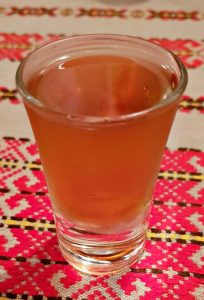
    Rakija is an alcoholic drink made from the distillation of fermented fruit like plums, apricots, cherries and other fruits. Generally, Rakija is homemade and can have high alcohol range (40% to 65%). You will be offered Rakija constantly during your trip! So be prepared for lots of shots.

    Rakija (Macedonian Brandy)
    No trip in the Balkans would be complete without being offered Rakija. If you go on Skopje free walking tours your break will come with a side of Rakija!

    Macedonia Wine

    As I am a lover of wine it was fantastic to discover the that Macedonia produces great wines. The country is the 25th largest producer of wine in the world and has over 24,000 hectares of vineyards.

    Macedonia specialises in, produces full-bodied, fruity red wines made mostly with dark-skinned Vranec and Smederevka grape varieties.
    Try the Vranec when you are eating some of the famous local dishes like Tavche Gravche (baked beans) or Selsko Meso (a classic meat dish). If you’re trying the local goats cheese, make sure you wash it down with a glass of Stanushina.

    Places to eat in Skopje

    DM TP Kjebapcilnica

    The food is delicious Tavche Gravche, the bread with cheese, meat dishes salads and side dishes. They all come with an affordable price tag. The space itself can be a bit tight during winter, so be sure to book a table if visiting on a weekend.

    Kaj Serdarot

    Our walking tour took us here for some Rakija shots before we ended up eating here. It’s a small place in the Old Bazar that serves tasty local food at good prices. The staff were friendly as well.

    Old City Bar

    Located in the Old Bazar is the Old City Bar it’s a small bar where you can stop for a few drinks. The bartender was super friendly, offered us lots of suggestions for dinner and local food we should try.

    Is Skopje Worth Visiting?

    Skopje is certainly worth visiting! It is fascinating as the city seems to be in the process of finding its identity. The government has invested massively in making the city centre look impressive. Most of the development was along the riverside promenades with grand new buildings, squares and hundreds of statues.

    A few other reasons why you should visit Macedonia….

    The incredible nature!

    Macedonia has beautiful lakes, big national parks and mountains; some only 30 minutes outside of Skopje. All of these can be enjoyed without having to share with hundreds of other tourists at the same time. There is a wide range of outdoor activities keeping you outdoorsy travellers busy.

    Matka Canyon
    Explore Macedonian wonderful beauty and take a day trip out to Matka Canyon during your visit to Skopje. It is only a short bus ride away!

    Very affordable!

    Macedonia won’t break the bank whilst you are travelling around. You will find that the price levels are way cheaper than other destinations in Europe. Not only is it affordable but you feel that you get great value for the money you spent. To give an example we had a what I thought was an extravagant dinner (5-6 dishes) that only came to £20! The wine was 50% of the total bill.

    We budgeted £50 a day for 2 people.

    You can find double rooms for under £20 night and meals rarely cost more than £10 in a restaurant including drinks.

    Friendliness of the Macedonians!

    It might not seem like it on the first impression of meeting a Macedonian but they are warm and welcoming people. Most younger people can speak English without a problem, and many of the older generations understand and can speak a little English.

    How Many Days Should I Spend in Skopje?

    I recommend spending two days in the city of Skopje. If you are an outdoor person or love nature you could add another two to three days on your trip. Near Skopje is some of Macedonia beautiful nature which can be an easy day trip from Skopje to Matka Canyon or Vodno (mountain). More on how to get to them below!

    How to get to Skopje?

    Skopje can be reached by all popular modes of transport and is aiming to be an important flight centre of Eastern Europe and into the Balkans.

    By Air

    Skopje has two airports with the most frequent flights arriving at Alexander the Great Airport of Skopje. The easiest routes by air can be reached from the following cities:
    London, Malmo, Eindhoven, Brussels, Dusseldorf, Dortmund, Munich, Zurich, Basel, Milan, Venice, Ljubljana, Vienna Zagreb, Rome, Belgrade, Istanbul, Izmir and Dubai.

    Ohrid Airport is the smaller airport which is used for small to medium-large aircraft.

    Check out Skyscanner or Kayak for the latest flight deals Skopje.

    By train

    The Skopje railway station is a 15-minute walk from the main square called Makedonija. The railway station has connections to Belgrade, Thessaloniki, Athens and Ljubljana. The express route Vienna-Thessaloniki passes through Skopje twice daily, once going to Thessaloniki and a second time returning to Vienna, passing through Belgrade and Ljubljana.

    Seat 61 will provide an in-depth guide on how to Skopje by train. 

    By Bus

    There are numerous bus lines connecting Macedonia with all neighbouring countries and other European cities. Buses are frequent and offer relatively inexpensive fares compared to other modes of transport. You can look at the SAS website for timetables and ticket prices.

    There is only one main international bus station in Skopje which is located next to the Railway Station. It’s about a 20-minute walk from the Alexander the Great Statue in Skopje City Centre. The bus station offers connections to all around the Balkans including Serbia, Albania, Bulgaria and Kosovo.

    Read more about my bus experience around the Balkans with How to get a bus from Sofia to Skopje or How to get a bus from Skopje to Tirana.

    Where to stay in Skopje?

    We stayed at the Urban Hostel in Skopje during our time in Skopje. When we arrived we got upgraded to an apartment that the hostel had and didn’t get to see much of the vibe of the hostel as it was in another complex.

    The hostel common areas were nice, clean and had utilities available. The staff were friendly and helpful. It was a 15-minute walk to the city centre and nearby cafes, restaurants and bars. Click more here to find out about Urban Hostel.

    When I was travelling the Balkans, I learned about two associations of hostels that offer 10% off if you use their flyers with the hostels when booking directly. One is the Balkan Backpacker (website) and the other is I Travel Balkans (Facebook Page). By using these associations and booking directly you could get 10% off the following hostels in Skopje:
    Get in Hostel (alternatively, use Booking.com to book here)
    Hi Skopje (alternatively use Booking.com to book here)
    Unity Hostel  (alternatively use Booking.com to book here).

    Do I need a visa for Macedonia?

    Macedonia does have visa requirements unless you are from one of these countries; Argentina, America, Albania, Australia, Azerbaijan, Botswana, Bosnia and Herzegovina, Brazil, Cuba, Israel, Japan, Kazakhstan, Canada, Costa Rica, Chile, European Union Citizen, Malta, Monaco, Mexico, United Arab Emirates, Ukraine, Turkey, Russia, Peru, Serbia, Uruguay, New Zealand, Kosovo, Peru, Panama, Montenegro and Venezuela. If you from one of the countries listed this means that you can stay in the country for up to 90 days.

    For further information about visas see Travel Macedonia,

    Let me know in the comments below how your trip to Skopje was! 

    More Balkans Articles

    Things to do in Skopje - A Complete Guide
    Are you planning a trip to Skopje, Macedonia? Check out this things to do in Skopje a complete guide including where to eat in Skopje, places to stay in Skopje, what to see in Skopje, things to do in Skopje, how to get to Skopje and much more. Save this Skopje travel guide to your travel board so you can find it later. #Skopje #Macedonia #ThingstodoinSkopje
  • How to Catch a Bus from Sofia to Skopje

    How to Catch a Bus from Sofia to Skopje

    When planning our bus trip from Sofia to Skopje there was more information available about the bus routes than some of the other Balkan destinations. We knew that we couldn’t book in advance and what bus we were aiming for which was the 15:00 to Skopje arriving at 19:25.

    Just to reassure ourselves of what times the buses were leaving to Skopje we headed to the bus station to buy our bus tickets. It was a little detour out of our day but turns out it was highly valuable as we weren’t sure which bus station the buses leave from and the timetable was slightly different.

    Which bus station do I catch a bus from in Sofia? And what facilities does the bus station have?

    There are two bus stations in Skopje, one for domestic buses which is the Central Bus Station Sofia and one is the International which is the Serdika Bus Station. The “Serdika” Bus Station is just an open parking lot with lots of travel agents and stalls.

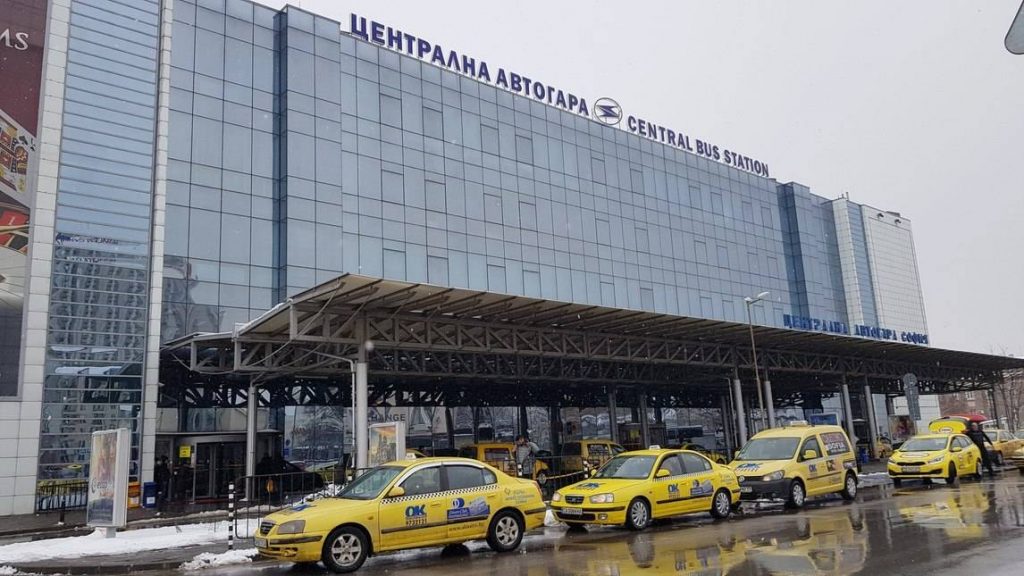
    This is the Central Bus Station in Sofia which is the other bus station and not the one you need for the international buses. (insert picture)

    Central Bus Station in Sofia
    Central Bus Station in Sofia. Not the right bus station for buses to Skopje from Sofia.

    “Serdika” Bus Station is the correct station you need to catch a bus from Sofia to Skopje. As you can see highlighted on the map below.


    Note that when you are in Bulgaria and Macedonia you’ll need to be able to read the Cyrillic alphabet to make any sense out of timetables (except in the bus stations in Sofia and Skopje).

    The bus station has a shop, cafes, toilets (which cost money), local buses and tram stands nearby and taxis.
    If you are standing outside of the Matpu 96 with your back to the office behind the first set of building in front of you will be a supermarket you can buy snacks and drinks before the trip.

    WIFI is not freely available but Matpu 96 did have free WIFI in their offices to use for their customers.

    Where to buy bus tickets in Sofia? How much will a ticket cost?

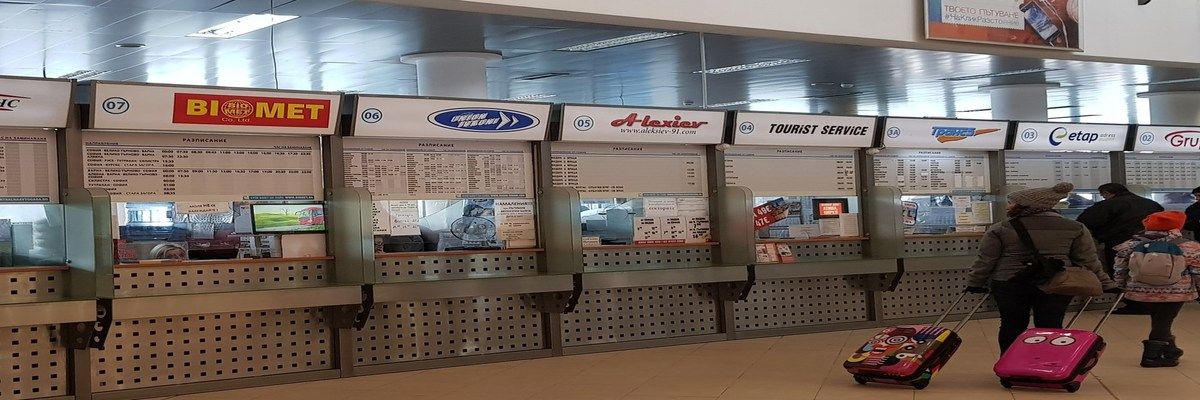
    In some countries you can book tickets online however in Bulgaria it was only possible to book tickets at the bus station. I recommend getting your tickets the day before, not because they sell out, as a precaution so you don’t get stranded and have all the information you need for your journey.

    To buy tickets you will need your passport. We made the mistake the first time of going there without our passports and were unable to purchase tickets the first time round.

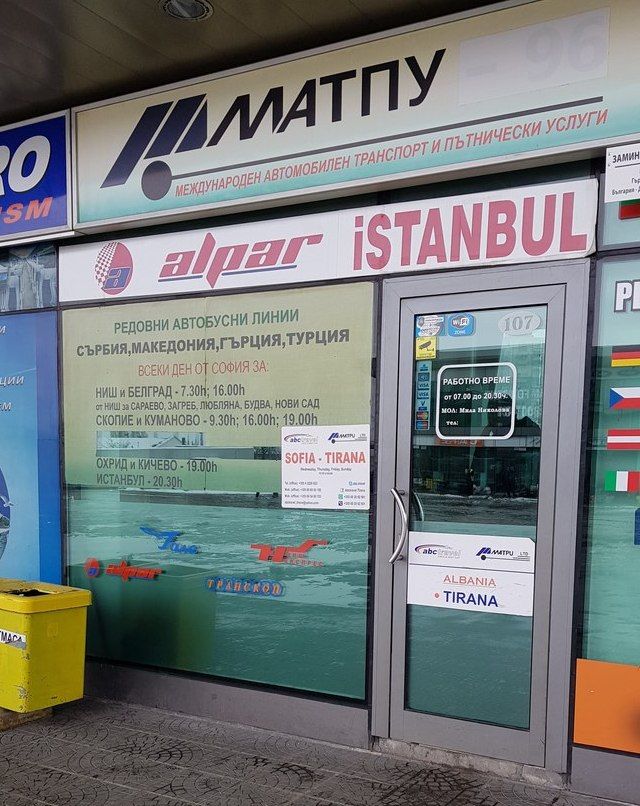
    There are two travel agents currently selling bus tickets from Sofia to Skopje which are Makedonija saobraćaj and Matpu 96. Both travel agents are both located in “Serdika” Bus Station near each other.

    Matpu 96 sells bus tickets from Sofia to Skopje
    Matpu 96 sells bus tickets from Sofia to Skopje

    Matpu 96 will run buses daily at 09:30, 16:00 and 19:00. When we were travelling the 19:00 was cancelled for the day we were catching a bus to Skopje.

    Bus tickets from Sofia to Skopje will cost 30 lev each. Matpu 96 did have a card machine but they requested payment in cash.

    When we were travelling it was the off-peak season so the tickets didn’t sell out and just made sure we arrived an hour before to make sure we had a seat.

    Things to consider and what to expect on the bus journey from Sofia to Skopje?

    Be on time! The buses do leave on time from Sofia so make sure you get there 15 minutes beforehand if you have a ticket already. If you don’t have a ticket allow 30 – 60 minutes to buy a ticket.

    Being such a long bus ride it’s a good idea to take a few snacks and drinks for the journey. Be careful with your liquid intake as you just never know when the next stop will be and make sure you take some change on the journey to pay for the facilities. There are generally no working toilets on the buses and you may go for a couple of hours without a stop.

    There were a few bus stops on the way but it the journey was quite tame compared to some of our other experiences.

    Do I need to go through border security exiting Bulgaria?

    Yes, you will need to go through border security exiting Bulgaria. The security process was not extensive when we went through.

    The guard boarded the bus to check everyone’s passports and then collected them. Then they were taken for processing and once clear handed back to the bus driver who distributed the passports back to the owners.
    There were brief checks underneath the bus in the luggage compartments. They may do stricter spot checks but we were not subjected to these on our trip.

    Do I need to go through border security entering Macedonia? And will I need a visa?

    Yes, you will need to go through border security entering Macedonia. Like the Bulgarian border the security processes were quite relaxed. The guards collected our passports, processed them and were handed back to us.

    Macedonia does have visa requirements unless you are from one of these countries; Argentina, America, Albania, Australia, Azerbaijan, Botswana, Bosnia and Herzegovina, Brazil, Cuba, Israel, Japan, Kazakhstan, Canada, Costa Rica, Chile, European Union Citizen, Malta, Monaco, Mexico, United Arab Emirates, Ukraine, Turkey, Russia, Peru, Serbia, Uruguay, New Zealand, Kosovo, Peru, Panama, Montenegro and Venezuela. If you from one of the countries listed this means that you can stay in the country for up to 90 days.

    For further information about visas see Travel Macedonia,

    Arriving at Skopje Bus Station


    Above is the location of the Skopje Bus and Coach Station that you need to go to. Psst… you can save the map about.

    Skopje bus station has an indoor area that has shops, cafes, ATM’s (cash machines), toilets, local bus stands nearby and taxis. WIFI is not freely available so to get WIFI you will need to buy something at one of the cafes to access it. The toilets will also cost money to use and will need small MKD denominations to pay.

    There are quite a few taxi drivers offering you lifts to your destination at the bus station. These generally won’t be metered taxis so make sure that you agree to a price before getting in. A good way to avoid being ripped off check with your accommodation before you arrive so you know how much you should be paying.

    Our taxi driver tried to charge us 300 Macedonian Dener (MKD)! Which is way more than the hostel recommended we pay. Eventually, we got the taxi driver down to 200 Macedonian Dener (MKD) instead.

    If your accommodation calls the taxi companies it will generally be an official company with a metre and depending on your location will cost around 120 to 200 Macedonian Dener (MKD).

    Local buses do run to the bus station and are a cheaper alternative than a taxi.

    Not sure about what to do in Skopje? Things to do in Skopje will cover everything you need to know about visiting the city.

    Let me know in the comments how your bus journey is! 

    More Balkans Articles

    How to Catch a Bus from Sofia to Skopje
    When planning our bus trip from Sofia to Skopje there was more information available about the bus routes than some of the other Balkan destinations. Here is my step by step guide on catching a bus from Sofia to Skopje including how to buy tickets, information about bus station and much more… #sofia #skopje #busfromsofiatoskopje #Bulgaria #Macedonia
  • How to get a bus from Skopje to Tirana

    How to get a bus from Skopje to Tirana

    When planning our bus trip from Skopje to Tirana it became evident how little information was available. After hours of searching on Google, I found a bus on Balkanviator which is a website that frequently pops with bus information. Balkanviator displayed a bus that suited the times for our trip which was leaving Skopje at 23:00 and arriving in Tirana at 07.30.

    It turned out that this bus did not exist and there was only one night buses from Skopje to Tirana leaving at 19:00 and arriving at 02:00. Be mindful that using websites like Balkanviator may not give you actuate information. By the end of my internet searching I was still clueless on what time I would be able to get to Tirana by bus. Even the hostel couldn’t rely on the information that they had and mentioned that travellers have been stranded before!

    Not to worry, there are buses from Skopje to Tirana! Three in buses a day were running when we were there, a bus at 06:00, 09:00 and 19:00 and taking approximately seven hours but this is dependent on border security.

    You can look at SAS website for timetables but they don’t show all the buses that are running from Skopje.  After a few glitches on this trip using Balkanviator I would suggest that this website shouldn’t be used as a reliable source.

    The best way to confirm is by heading to Skopje Bus Station and asking the information desk for the latest bus timetables.

    Which bus station do I catch a bus from in Skopje? And what facilities does the bus station have?

    There is only one main international bus station in Skopje which is located next to the Railway Station. It’s about a 20-minute walk from the Alexander The Great Statue in Skopje City Centre.

    Above is the location of the Skopje Bus and Coach Station that you need to go to. Psst… you can save the map about. 

    Local buses run to the bus station or alternatively you can catch a taxi. Some taxi drivers will run their meters and some will negotiate with you. If your accommodation calls the taxi companies it will generally be an official company with a metre and depending on your location will cost around 120 to 200 Macedonian Dener (MKD).

    Skopje bus station has an indoor area that has shops, cafes, ATM’s (cash machines), toilets, local bus stands nearby and taxis.

    WIFI is not freely available so to get WIFI you will need to buy something at one of the cafes to access it.
    Toilets will also cost money to use and will need small MKD denominations to pay.

    Note that when you are Macedonia you’ll need to be able to read the Cyrillic alphabet to make any sense out of timetables (except in the central station in Skopje).

    Where to buy bus tickets in Skopje?

    In other Balkan countries we were used to approaching travel agents which had the destination we were looking for and we did the same when we were in Skopje. However, it turns out that the types of travel agents we were approaching in Skopje bus stations weren’t offering the tickets we needed.

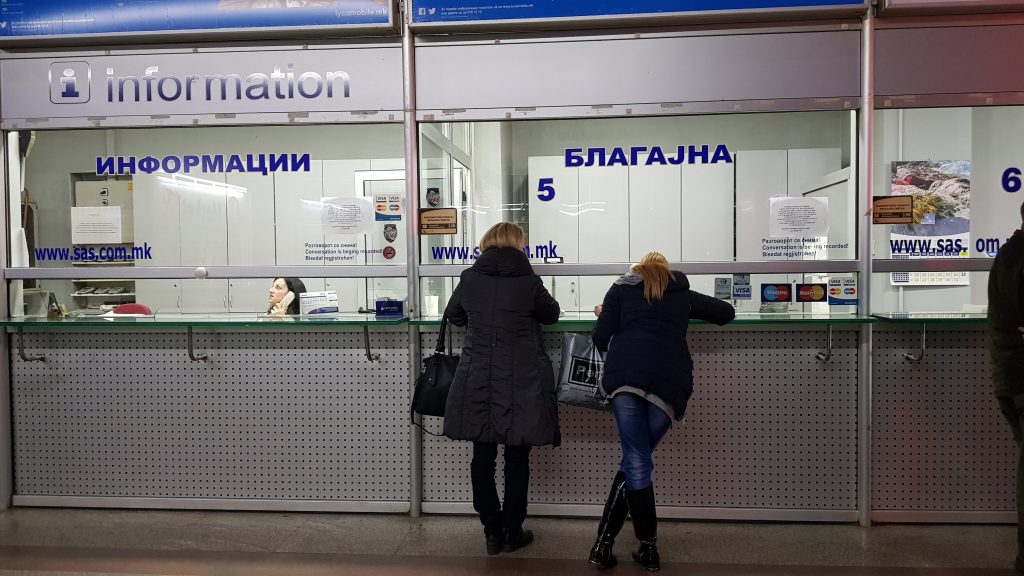
    The windows that have www.sas.com.mk written on them will sell you tickets to Tirana for the various companies running the routes.

    Where to buy bus tickets in Skopje Central Bus Station
    Where to buy bus tickets in Skopje Central Bus Station

    In some countries you can book tickets online however in Macedonia it was only possible to book tickets at the bus station. I recommend getting your tickets the day before, not because they sell out, as a precaution so you don’t get stranded and have all the information you need for your journey.

    What do I need to buy tickets from Skopje to Tirana and how much will a ticket cost?

    To buy tickets to Tirana you will need your passport, Albania visa (if required), cash or a Master/Visa card to pay. As I said above there is an ATM in the station if you do need to take out money.

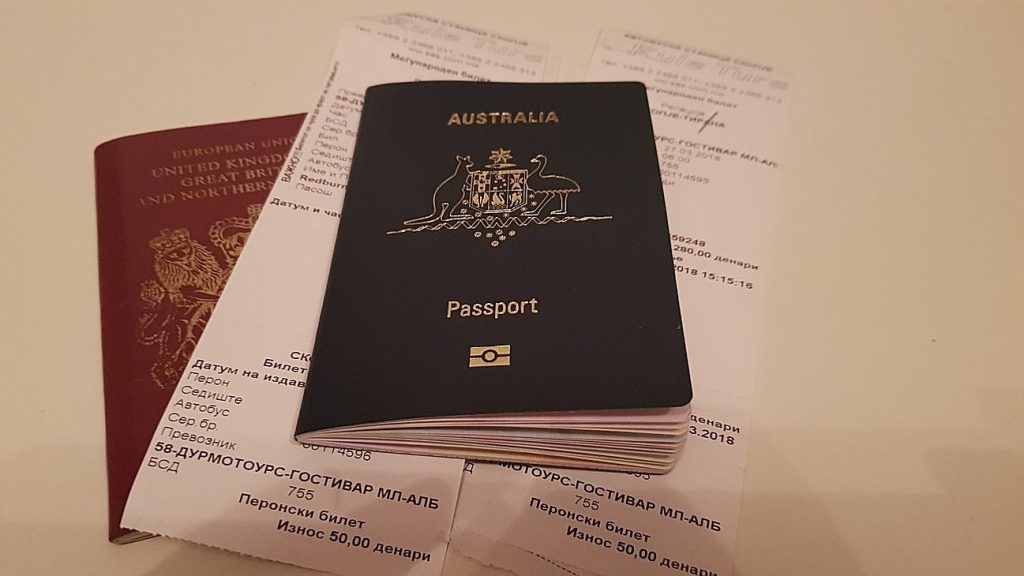
    One ticket cost 1,280MKD this including luggage for the Durmo Tours service.

    Bus tickets from Skopje to Tirana
    Bus tickets from Skopje to Tirana

    Things to consider and what to expect in the bus journey from Skopje to Tirana

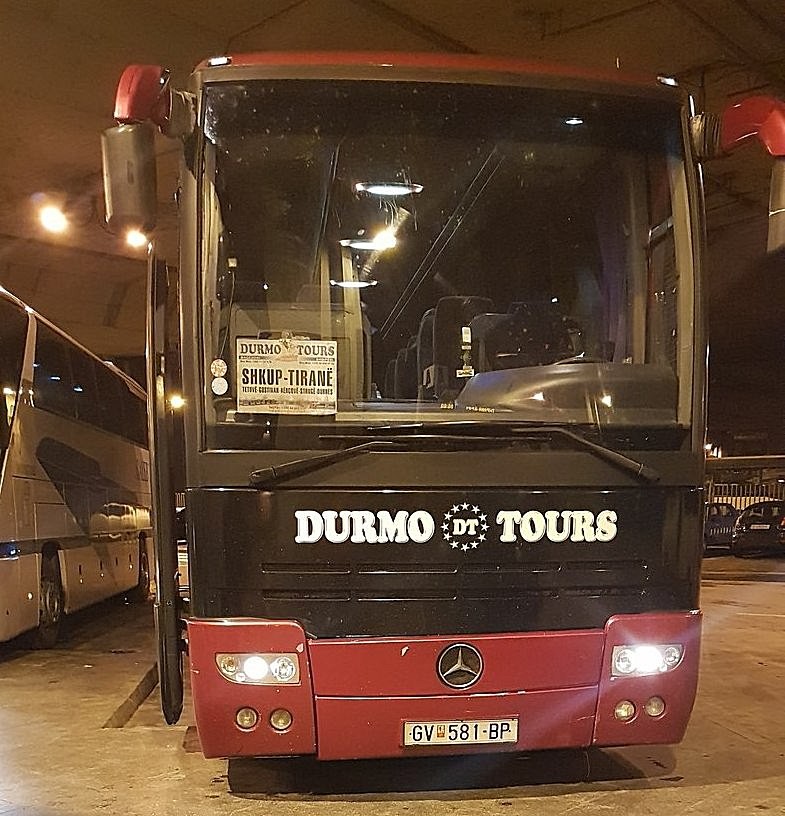
    Durmo Tour Bus from Skopje to Tirana
    Durmo Tour Bus from Skopje to Tirana

    Be on time! Even though Macedonia has a relaxed culture and they take their time to do things, the buses do leave on time at the main station.

    Our bus did a couple of stops on our way to Tirana, even a detour to the coast which ended up adding an extra 2 hours to our journey. They even picked up a car door and randomly dropped it at a petrol station to a guy on the side of the road.

    Be prepared! The road quality is poor and there is a tremendous amount of potholes to endure on the trip!

    Being such a long bus ride it’s a good idea to take a few snacks and drinks for the journey.

    There are generally no working toilets on the buses and you may go a couple of hours without a stop. In Macedonia you are always required to pay to use the toilets at the stations/ stops but in Albania all the toilets were free at the stations/stops. Be careful with your liquid in take as you just never know when the next stop will be and make sure you take some change on the journey to pay for the facilities.

    At least with Albania you don’t have the dilemma of not having the currency to use the bathrooms as I have experienced in the other countries.

    Do I need to go through border security exiting Macedonia?

    Yes, you will need to go through border security exiting Macedonian. The security process for when we travelled through was light compared to other border checks I have gone through.

    The guard boarded the bus to check everyone’s passports and then collected them. Then they were taken for processing and once clear handed back to the bus driver who distributed the passports back to the owners.

    Additionally, they open the luggage sections underneath the bus and have a brief look around. Although, they may do stricter spot checks and we were not subjected to these on our trip.

    Do I need to go through border security entering Albania? And will I need a visa?

    Yes, you will need to go through border security when entering Albania. The same level of security was applied when we were entering the country.

    As Albania is currently outside of the Schengen Zone you may require a visa depending on your nationality. For example, as an Australian I did not need a visa and I was allowed to stay for up to 90 days. The same applies to EU citizens, including the UK, and to US citizen. To check whether you need a visa click here. 

    Arriving at Tirana Bus Station

    The bus from Skopje will terminate at Tirana Central Bus Station.
    The bus from Skopje will terminate at Tirana Central Bus Station.

    Once you get off the bus you will be surrounded by a few taxi drivers offering their services. If you do opt for a taxi make sure you agree on the price before getting in the taxi as they don’t often run metres. Getting around the city should not cost you more than 300 to 400 (Albanian Lek).

    The Tirana bus “station” is just an open parking lot with lots of travel agents and stalls. It was not obvious whilst walking around that there was WIFI, ATMs or toilets available around the station.

    As the station is just off the main street there are cafes and ATM’s down the main road so it won’t be an issue finding something close by to get WIFI, money or toilets.

    Above is the location of the Tirana Bus Station that you need to go to. Psst… you can save the map about. 

    I hope the information above helps you plan your bus journey from Skopje to Tirana. Let me know in the comments below of your experiences!

    More Balkans Articles